Breastfeeding or powdered milk: which to choose?
The decision between breastfeeding and formula feeding is a crucial one for many new parents. You may have already heard your family and friends, your doctors, or other moms share their opinions on the best way to feed a newborn.
Between WHO recommendations and the social pressure that young mothers may face, it’s not always easy to tell fact from fiction.
So, how can you make a decision with peace of mind? What are the pros and cons of each option? And what do you need to feed your child with confidence?
Advantages of breastfeeding and formula milk
Breastfeeding: a concentrate of benefits

When discussing the benefits of breastfeeding, it is no exaggeration to say that there are many. Scientific studies consistently demonstrate the importance and nutritional value of breast milk.
- Ideal nutrition for infants: Rich in nutrients, antibodies, and enzymes, breast milk adapts to a baby’s needs over the course of weeks, making every feeding unique. It helps strengthen the child’s immune system and supports the optimal development of their digestive system.
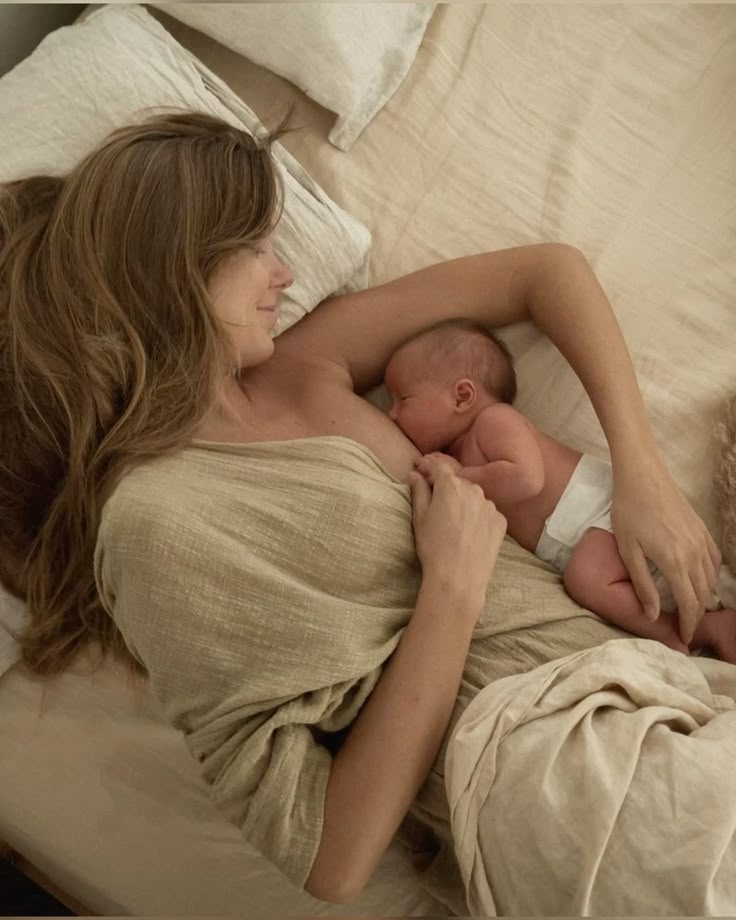
- Stronger emotional bond: Breastfeeding promotes closeness and skin-to-skin contact, providing a moment of calm and bonding between mother and child. The hormones released during breastfeeding (particularly oxytocin) strengthen this sense of attachment.
- Benefits for the mother: In addition to the joy of bonding with her baby, breastfeeding can help reduce the risk of certain diseases, such as breast and ovarian cancer.
- Convenient and economical: Breast milk is always available, at the right temperature, and requires no preparation. Financially speaking, it also offers significant savings compared to regularly buying formula, since it costs nothing.
Finally, it is worth noting that the WHO and many healthcare professionals recommend exclusive breastfeeding until the age of six months, after which an infant’s diet should be gradually diversified.
Powdered milk: an alternative, but not equivalent
Infant formula (or powdered milk) is an alternative that may be necessary in certain cases, whether due to health issues (medications incompatible with breastfeeding, specific medical conditions, etc.) or personal circumstances (returning to work, difficulties with lactation, the mother’s conscious choice, etc.).
Although breastfeeding is and always will be the best option available, this is not to say that formula is bad: many babies grow up perfectly healthy on it. However, it is important to keep in mind that its composition, although carefully controlled, does not exactly replicate the complexity of breast milk.
- Food Safety: Infant formula is strictly regulated and meets very specific health standards. It is therefore a safe option for feeding your child when breastfeeding is not possible or desired.
- Flexibility: Since other people can feed the baby, formula offers greater flexibility in terms of scheduling. The father, grandparents, or a nanny can help with the baby’s feedings.
- Cost: Powdered milk can sometimes involve a significant monthly expense, in addition to the cost of buying bottles, sterilizers, and other supplies. At the same time, infant formula can vary in price depending on the brand and specific features (anti-reflux formula, hypoallergenic formula, etc.).
Choosing formula can be a relief for some mothers, especially if breastfeeding becomes too stressful.
Nevertheless, from a purely nutritional and immunological standpoint, breast milk remains the best option for babies, provided the mother is willing and able to breastfeed.
What’s more, powdered milk isn’t the only flexible option! For moms who want it, there are breast pumps (manual or electric) that allow them to express their milk and store it in the refrigerator (for up to 4 days) or in the freezer (preferably for up to 3 months, and NEVER beyond 6 months), to prepare for any periods of low milk supply or to allow other family members to feed the baby!
Breastfeeding or formula milk: a personal choice that can be supported
Whether you choose to breastfeed or use infant formula, the final decision should be based on your personal circumstances, your preferences, and your constraints.
For women who wish to breastfeed, it is essential to receive appropriate support starting during pregnancy: guidance on latching, proper positions, and managing any cracked nipples or engorgement… A trained healthcare professional (midwife, lactation consultant, etc.) can greatly ease the transition and prevent many difficulties.
Getting off to a good start with breastfeeding, or using formula milk
Whether you plan to breastfeed or are still undecided about formula, make sure to do your research before your baby is born. Talk to your midwife, read reference books, join support groups…
Some babies feed quickly and efficiently, while others take their time. It’s important to go with the flow rather than comparing yourself to others. If you have any concerns (doubts, pain, decreased milk supply), reach out to a professional or a support group. You’re not the first person to face these challenges, and getting expert advice can make all the difference.
Breastfeeding to the full: the importance of being well-equipped
If you decide to breastfeed, one of the biggest obstacles you may encounter, especially after returning to active life, remains embarrassment or discomfort when feeding your child in public or outside your home.
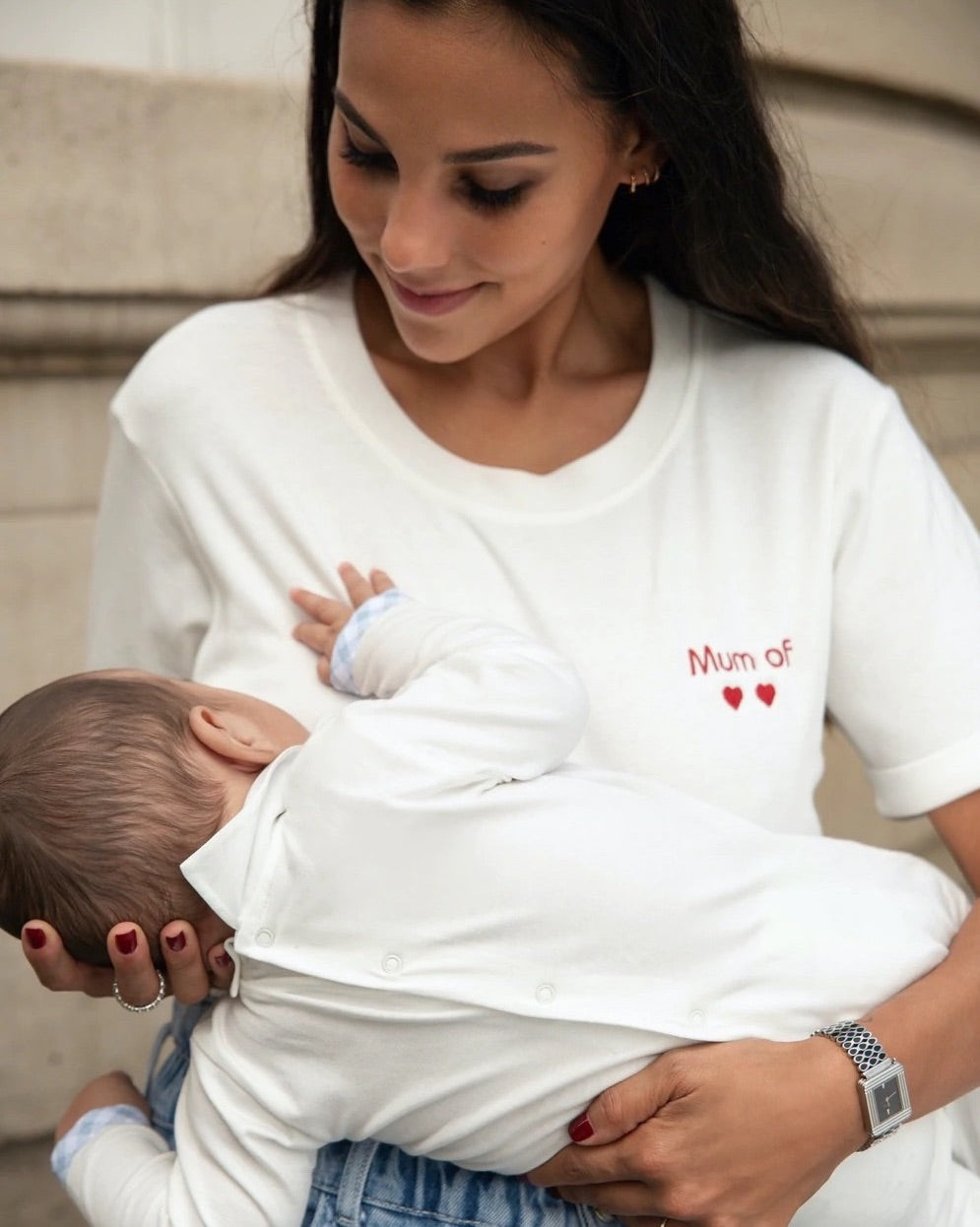
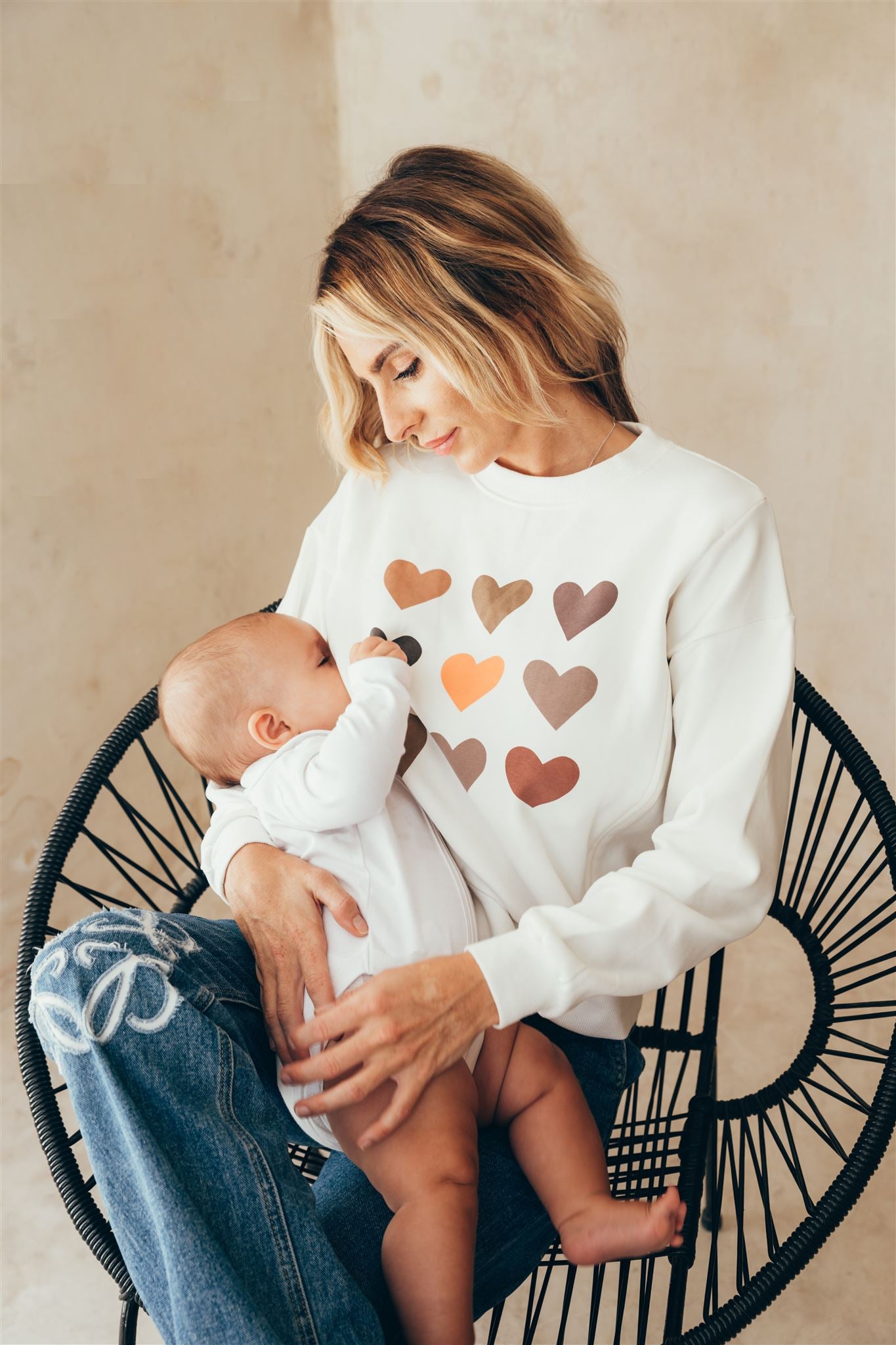
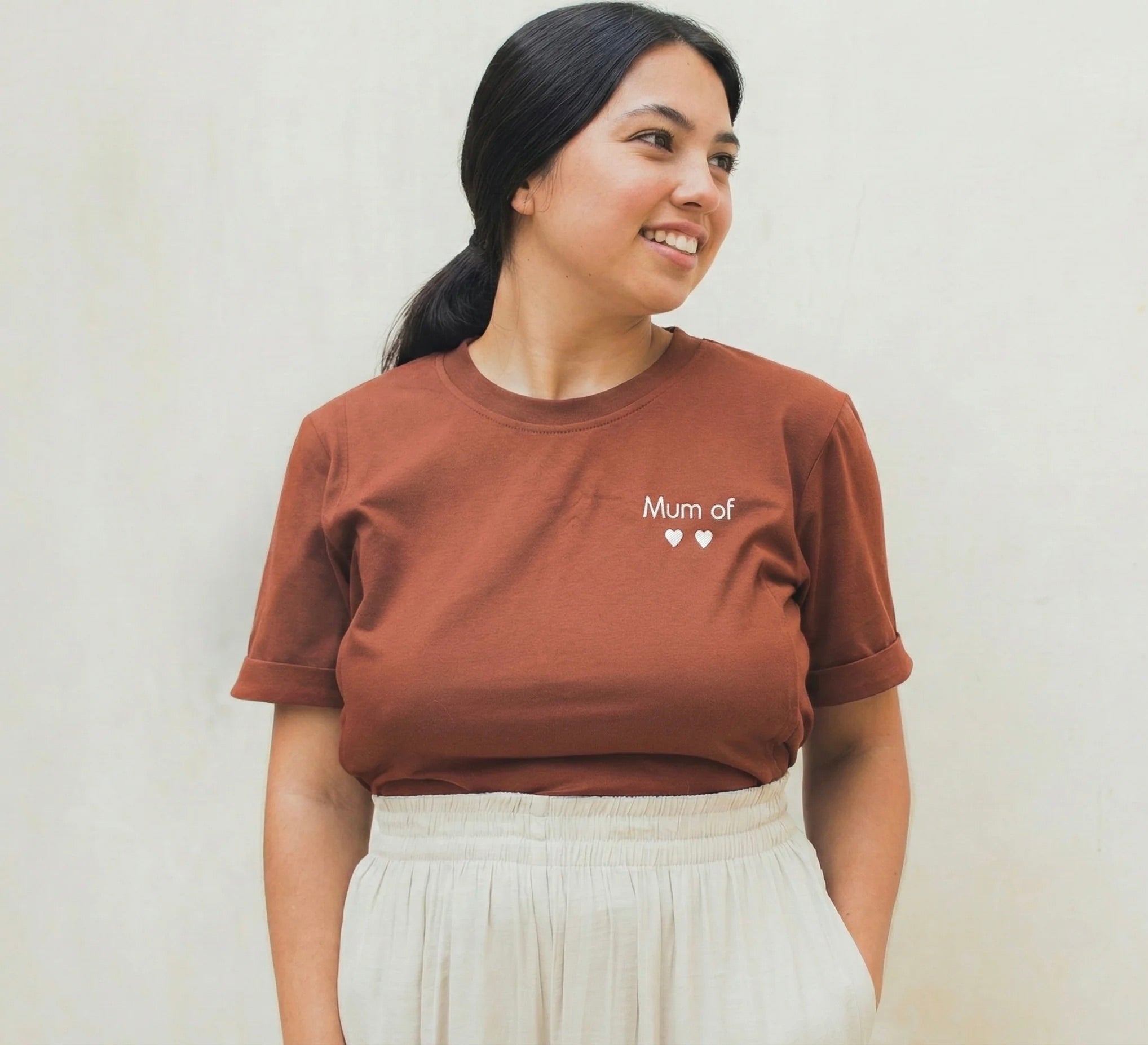
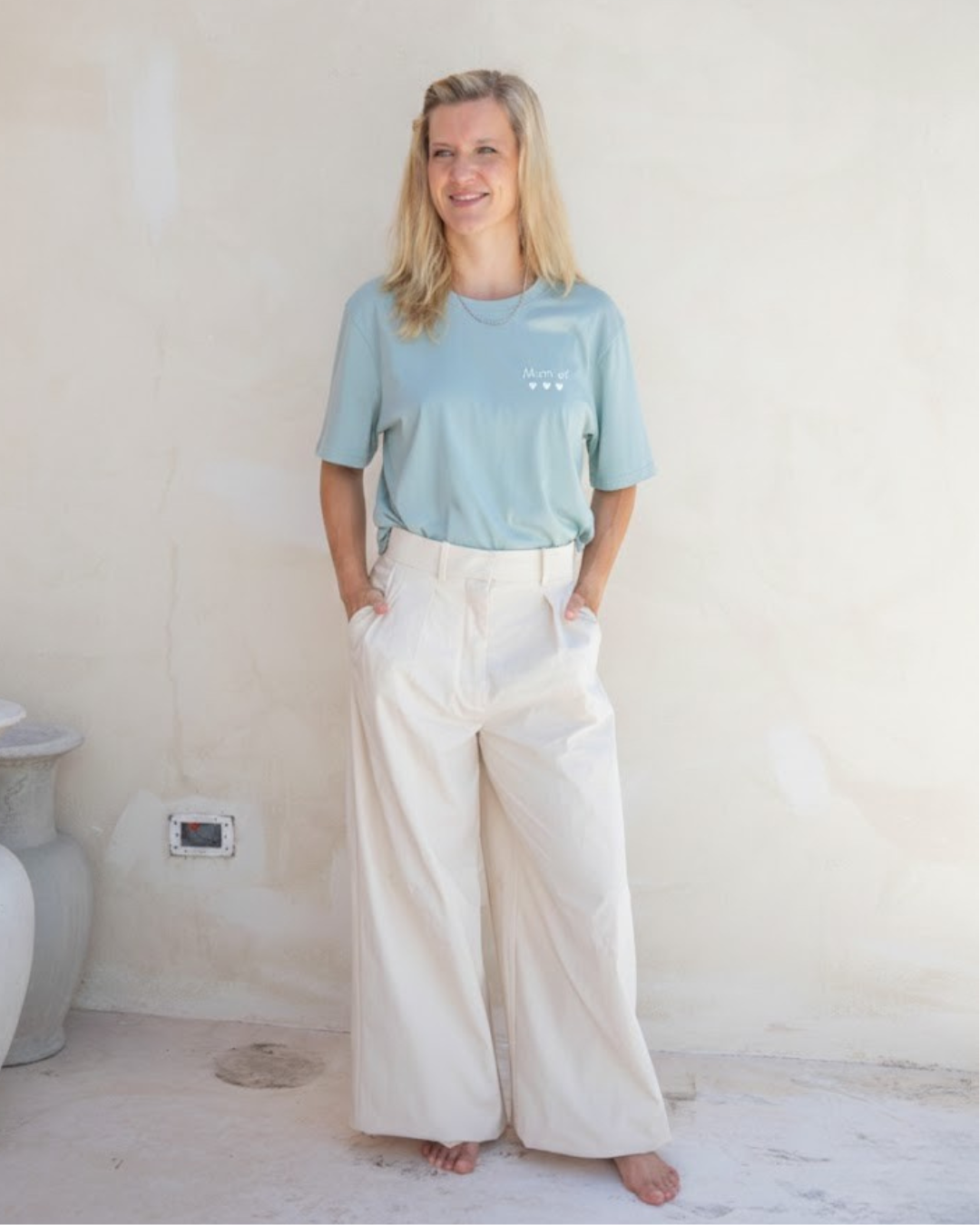
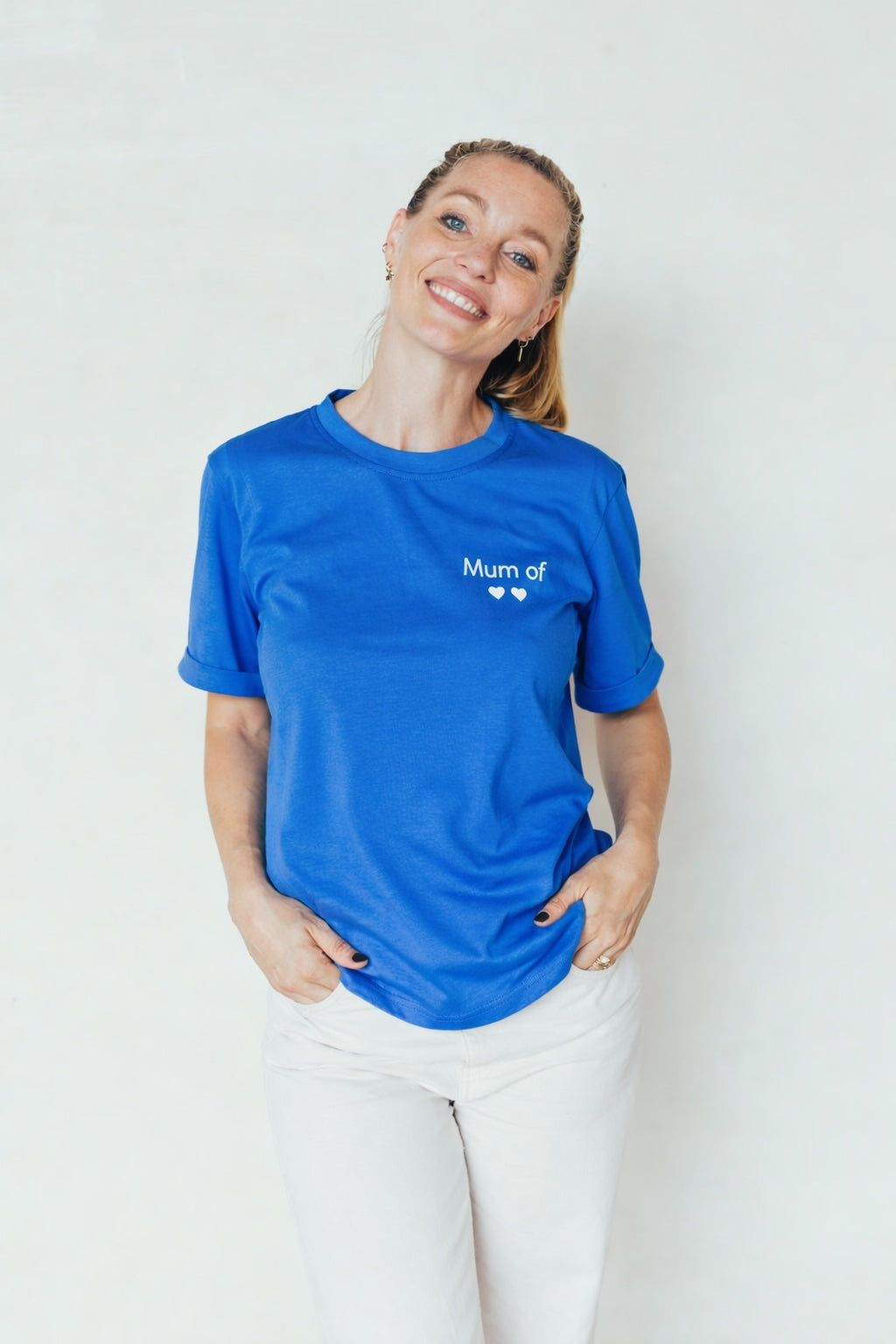
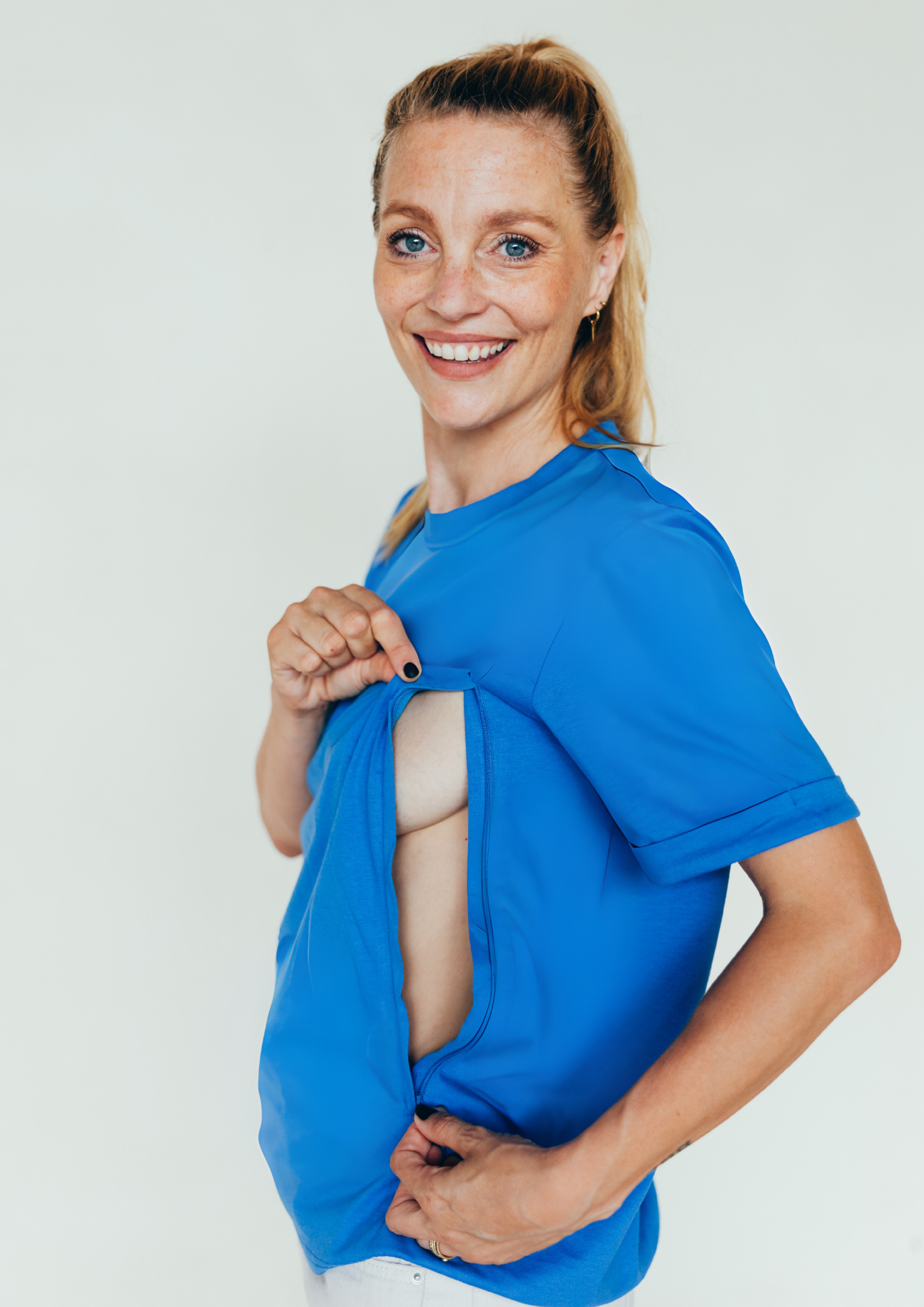
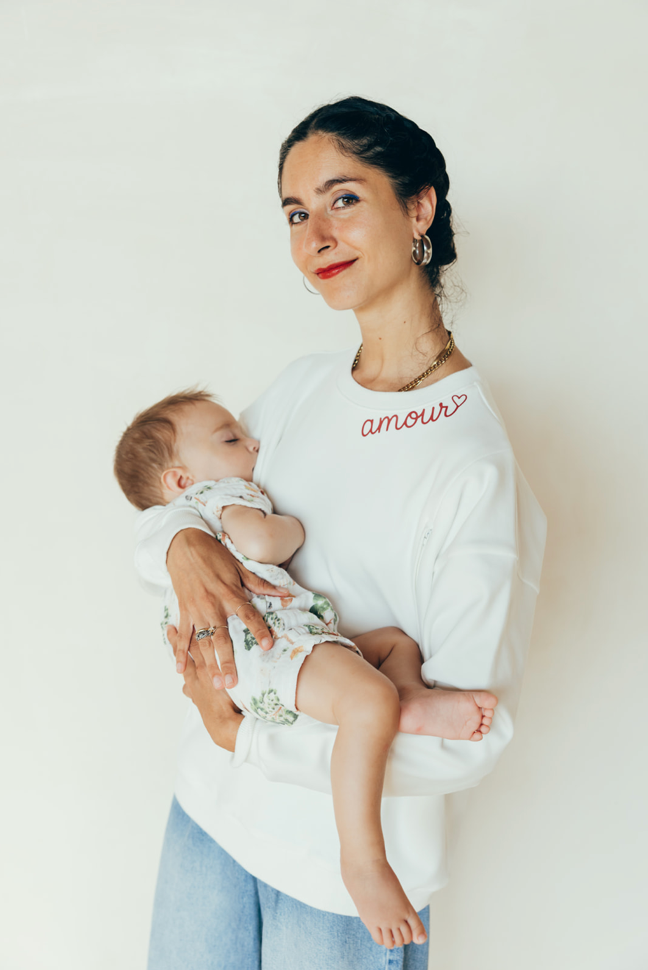
This is where nursing garments come into their own. Specifically designed to facilitate access to the breast, they ensure discretion, practicality and comfort:
- Clever openings: concealed zippers, buttons or flaps allow the breast to be taken out quickly, without having to undress completely. Baby can feed in complete peace, while mom feels more at ease.
- Soft, stretchy fabrics: Nursing garments are often made from pleasant fabrics, suitable for contact with the baby's sensitive skin and the mother's changing body.
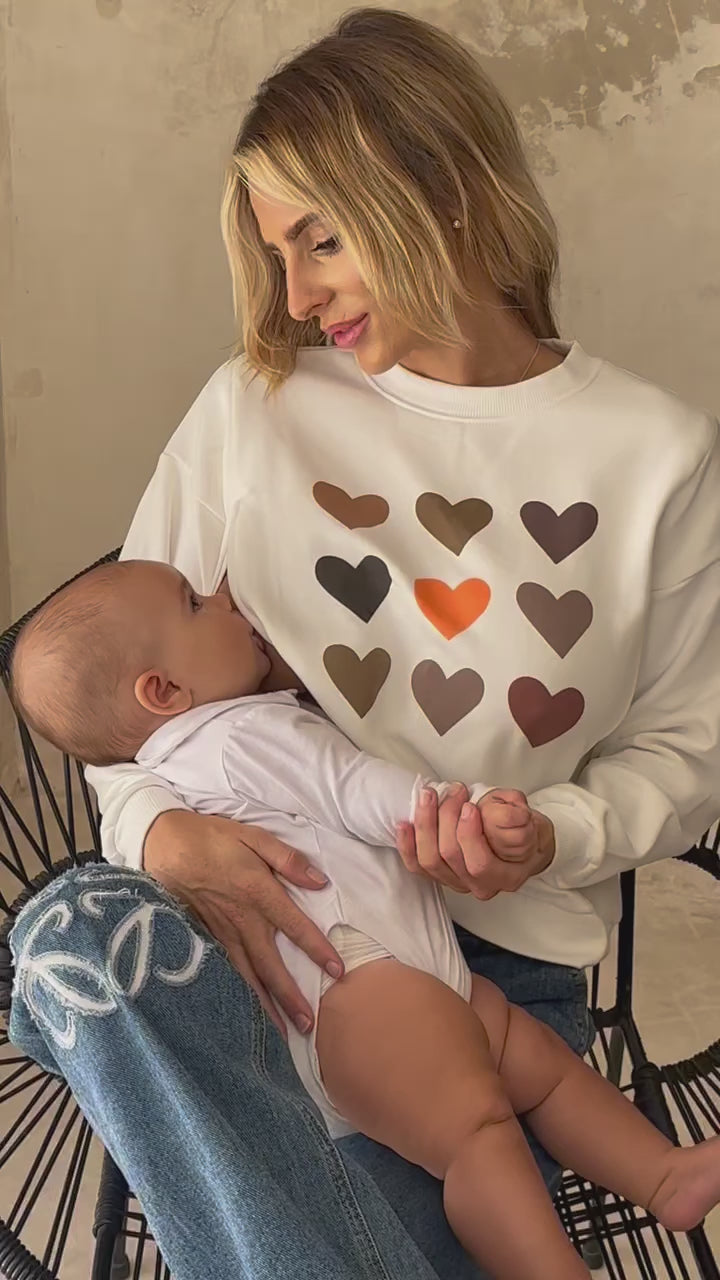
- Variety of styles: Gone are the days when breastfeeding outfits boiled down to basic tops! Today, there are dresses, shirts, sweaters and more, enabling every mother to preserve her identity and style, even while breastfeeding.
Discover our nursing wear collection Stylish and practical for breastfeeding with confidence.

Whether you only want to breastfeed, or also want to use formula, 23 Mai Paris is there for you.
You've decided to breastfeed, and you'd like to make sure you have every chance to enjoy the experience with peace of mind? Then take a look at the 23 Mai Paris range of nursing clothes.


With quality materials, flattering cuts and discreet openings, 23 Mai Paris allows you to feed your baby in any situation: in a restaurant, on a walk, at friends', or even at formal events... and should you decide to stop breastfeeding, your investment won't be wasted, since these garments feature careful designs that allow them to be worn at any time of your life!
This way, youcan enjoy all the benefits of breastfeeding without compromising your personal style or comfort.
Browse our Breastfeeding dresses, nursing tops and nursing tank tops to find your essentials.
If you're looking for the perfect gift for a breastfeeding mom, here are our collections: