Breastfeeding Tips: 7 Keys to a Stress-Free Experience
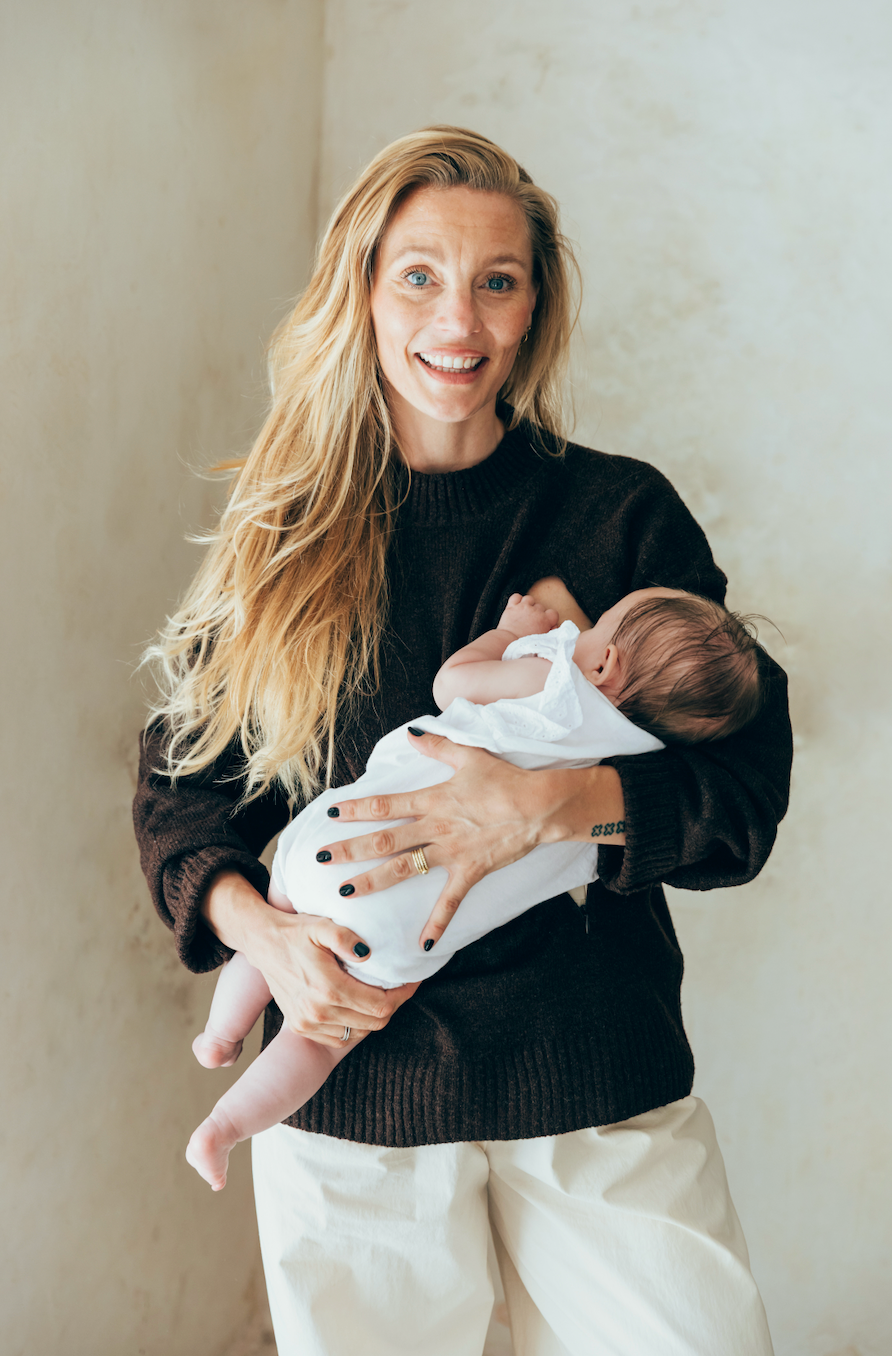
The arrival of a newborn turns daily life upside down and raises many questions, especially when you choose to breastfeed your baby. While breastfeeding is a natural process, it sometimes requires a learning curve and helpful tools to become a moment of pure connection. At 23 Mai Paris, we support mothers through this journey with practical and stylish solutions.
1. Anticipate the newborn’s needs
The first piece of breastfeeding advice that healthcare professionals offer is to watch for signs of hunger. Don’t wait until your baby cries before offering the breast. Lip movements, turning the head, or bringing hands to the mouth are early signs of hunger. By acting early, latching on is often calmer and sucking more effective.
2. Mastering breastfeeding positions
Comfort is the key to success. An improper position can lead to cracked nipples or back pain for the mother. Here are the most common ones:
- The Madonna: The baby is lying on its side, with its head resting in the crook of your elbow.
- The Rugby Ball: Ideal after a C-section—the baby’s body fits under your arm.
- The reclined position: Perfect for relaxed nighttime feedings.
3. Put together a smart nursing wardrobe
Feeling beautiful and comfortable promotes the release of oxytocin, the hormone associated with well-being and milk let-down. Investing in the right nursing clothes makes a world of difference, especially when you’re out and about. At 23 Mai Paris, we’ve designed T-shirts and sweatshirts with discreet openings featuring invisible zippers. This allows you to breastfeed anywhere, without having to undress or worry about drafts.
4. The Importance of Hydration and Nutrition
Producing milk requires energy from your body. It’s essential to drink water regularly, without necessarily overdoing it. When it comes to nutrition, focus on lactogenic foods such as fennel, quinoa, and almonds. A well-balanced diet supports your vitality during this sometimes intense postpartum period.
Managing growth spikes
Around 3 days, 3 weeks, and 3 months, your baby may feed very frequently. This is known as a growth spurt. It’s not a sign that you don’t have enough milk, but rather a natural signal to increase your milk supply. Patience is your best ally here.
5. Create a peaceful environment
During the first few weeks, try to minimize sources of stress. Soft lighting, a comfortable chair, and a nursing pillow can turn feeding time into a moment of relaxation. If you have other children, set up a small Cart for them so you can devote your full attention to the newborn during those few minutes.
6. Natural Ways to Care for Your Breasts
Prevention is easier than treatment. After each feeding, you can apply a drop of your own breast milk to the nipple (it has healing properties) or use a cream made with pure lanolin. Also, make sure your baby’s mouth covers a large portion of the areola, not just the tip of the nipple.
7. Don’t hesitate to ask for help
Breastfeeding doesn’t have to be a lonely journey. If you have any doubts, reach out to an IBCLC lactation consultant or an organization like La Leche League. Talking with other moms who are facing the same challenges can also provide great emotional support. The “village” we often talk about when raising a child begins in the very first days of life.
A final word for moms
Every journey is unique. Whether you choose to breastfeed exclusively, combine breastfeeding with formula, or change your mind along the way, what matters most is the well-being of you and your baby. With the right breastfeeding advice and gear that makes you feel comfortable, you have everything you need to enjoy this breastfeeding adventure.