Extended breastfeeding: how long and why
 23 Mai Paris January 2026
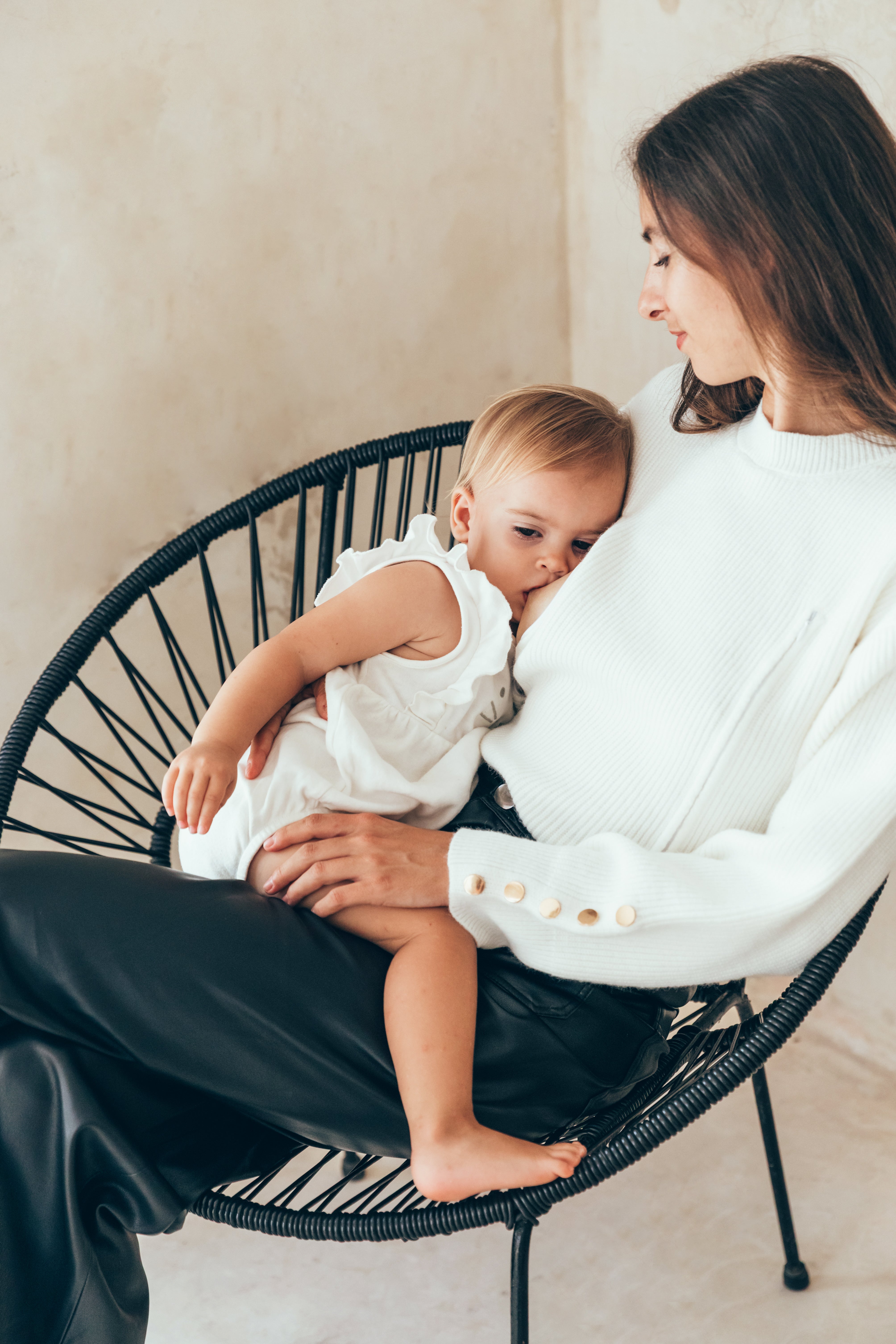
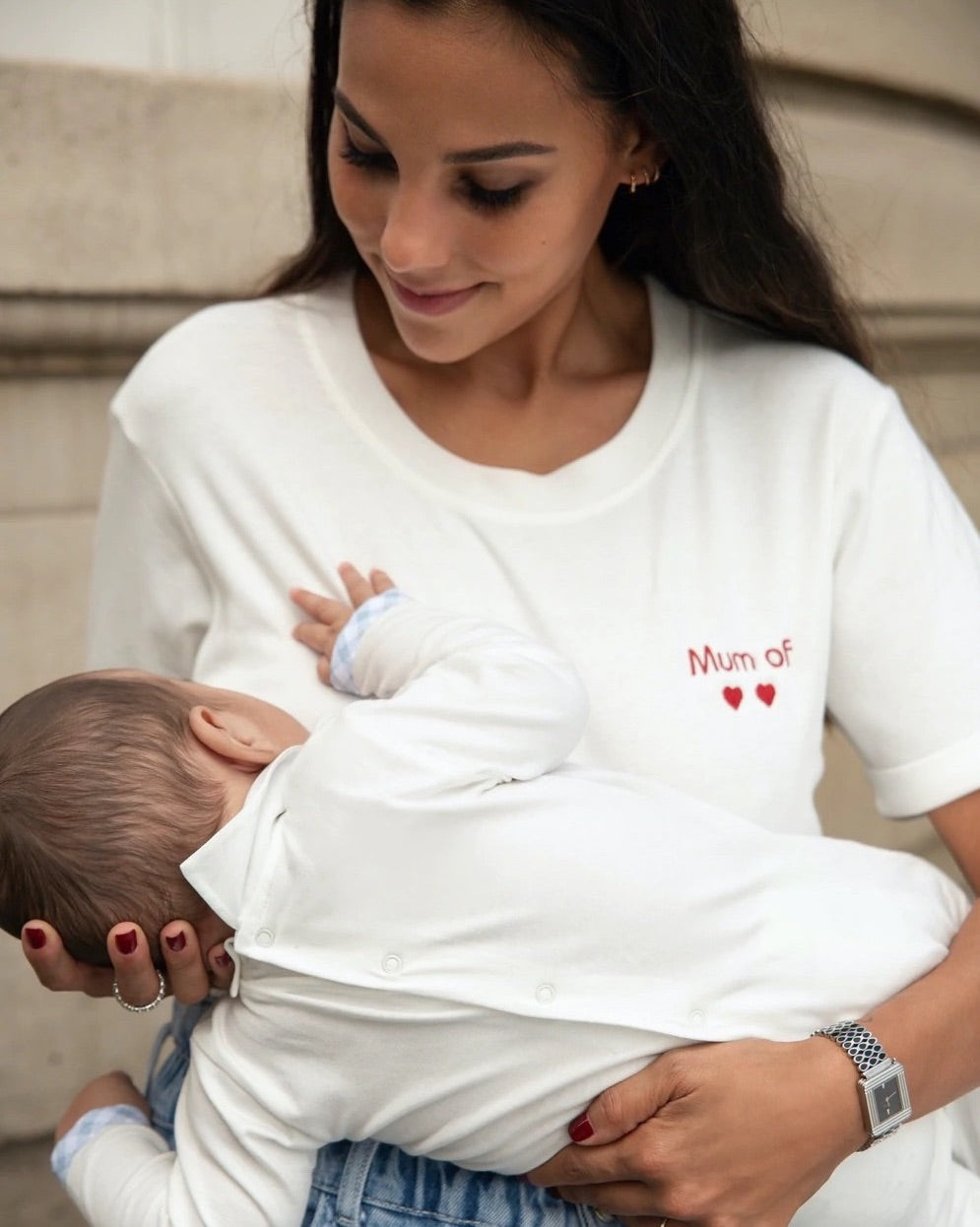
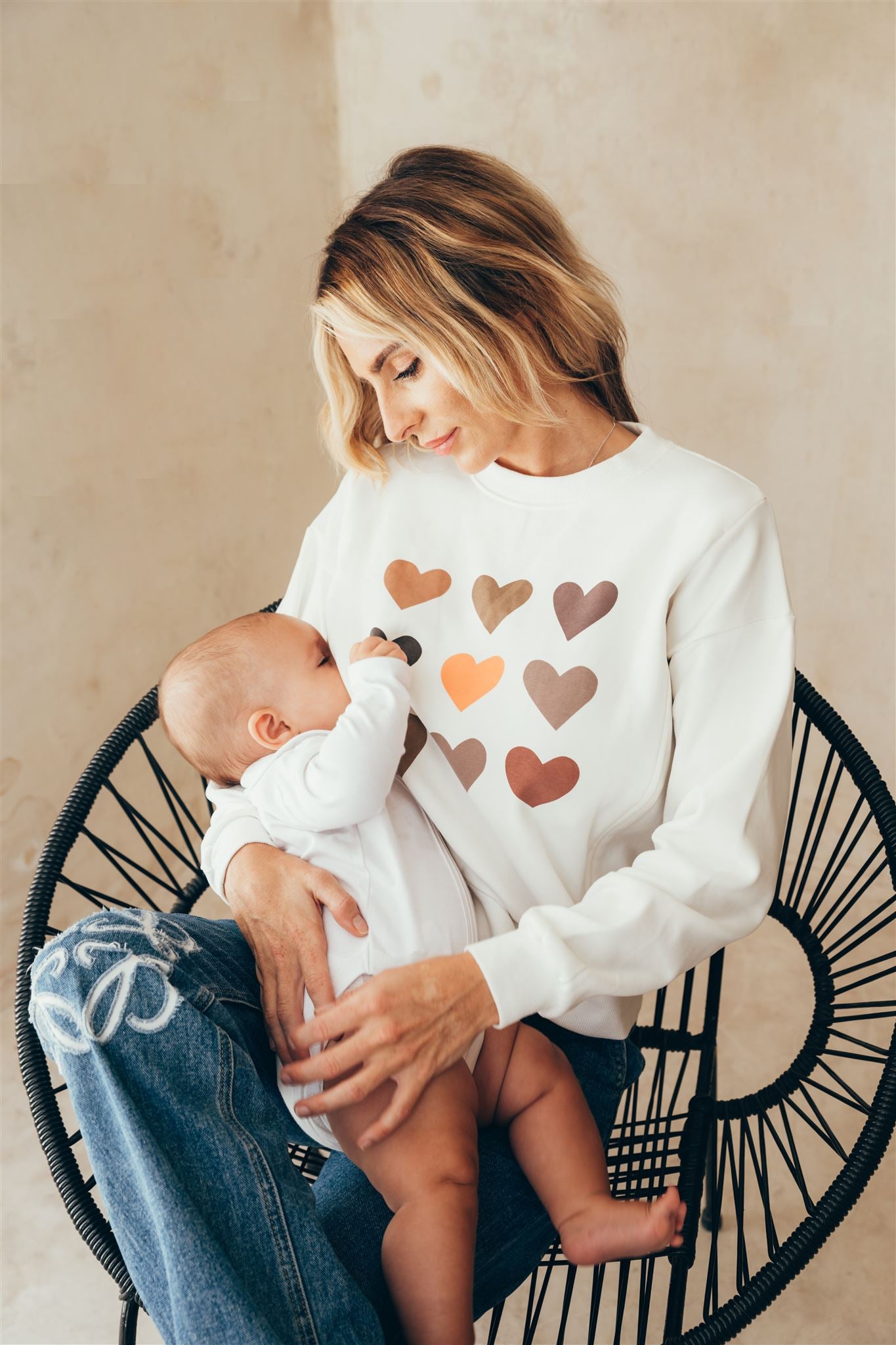
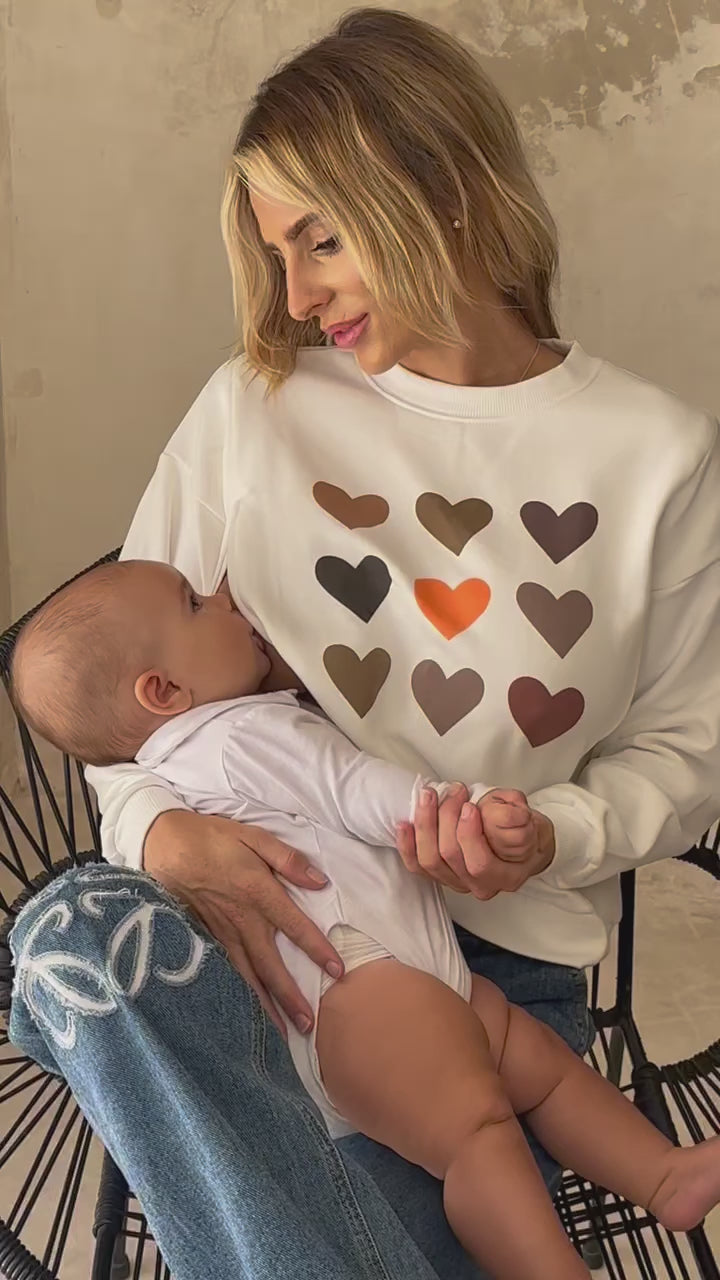
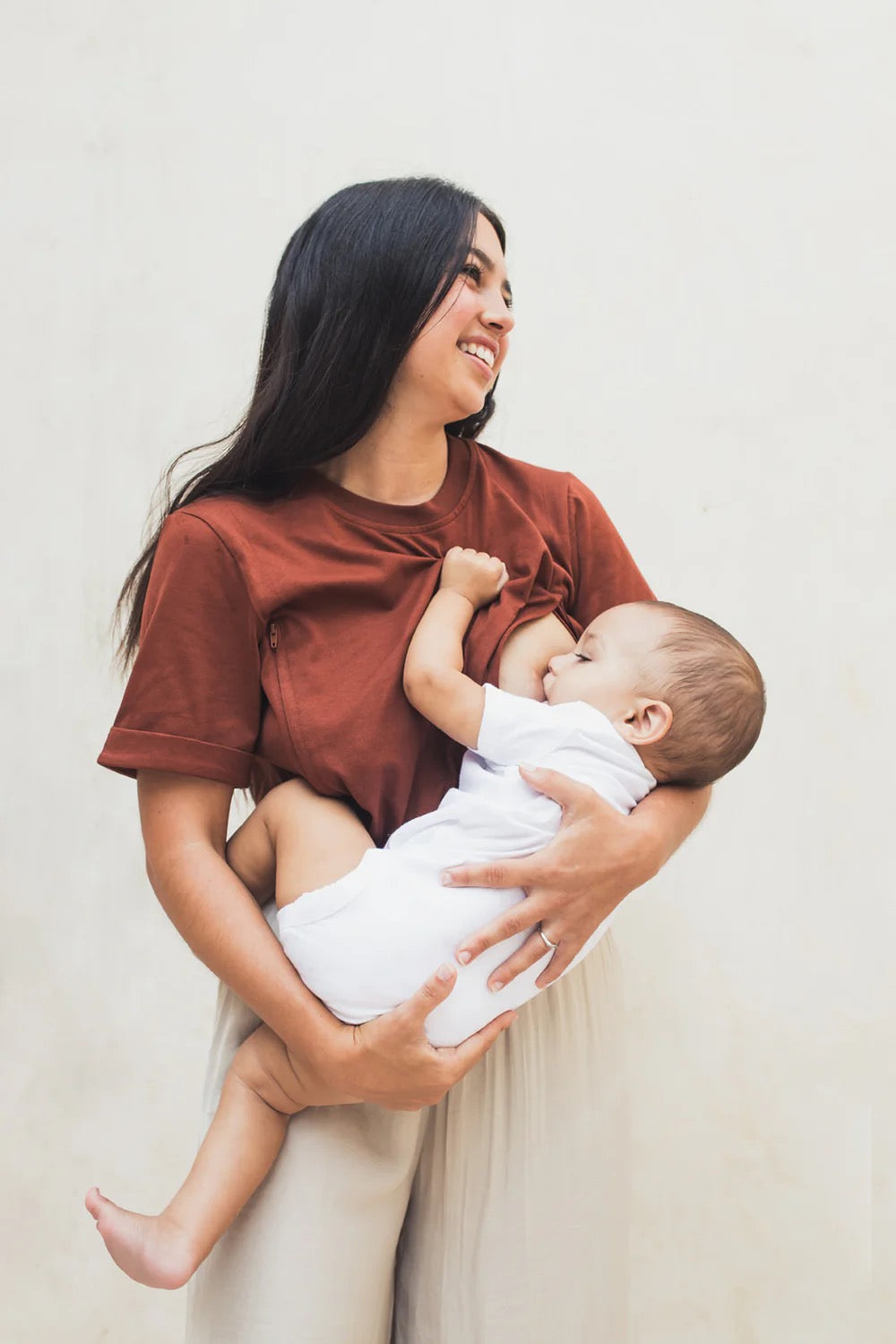
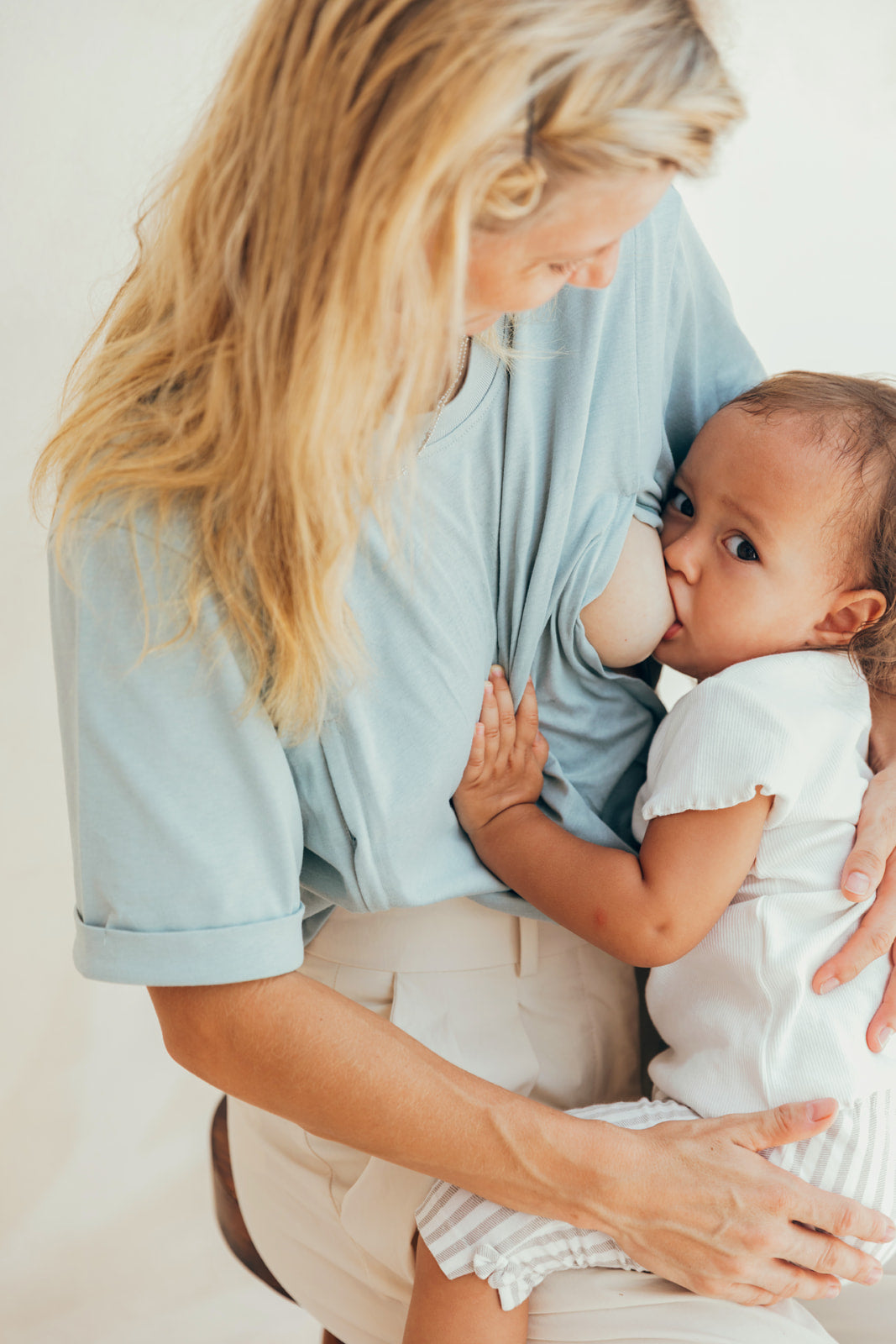
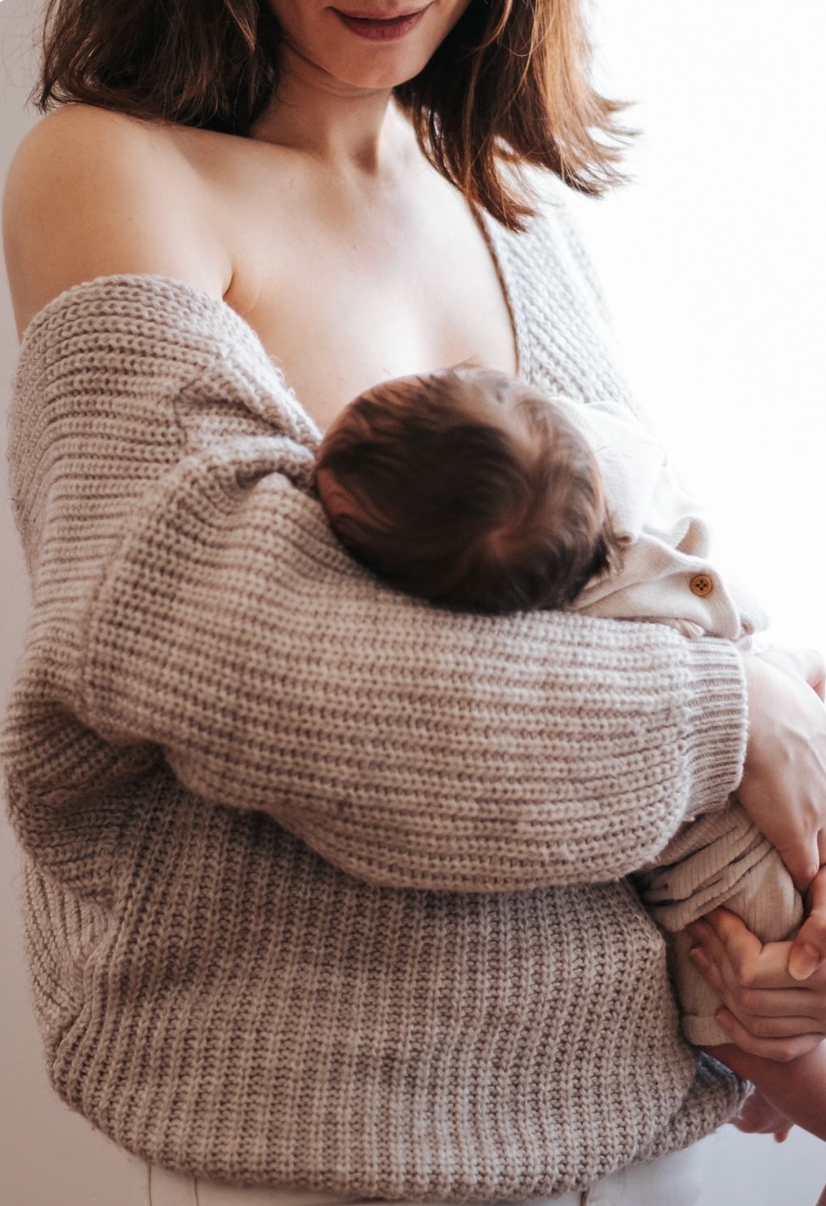
Breastfeeding beyond one year, two years, sometimes longer. An intimate choice, often misunderstood, sometimes judged. Yet extended breastfeeding is a reality for many mothers and a recommendation from the WHO. So what motivates some mothers to prolong this breastfeeding journey? How do they feel about other people's reactions? And above all: is there a right length of time to breastfeed? We explore a subject that is still considered taboo.
What exactly is extended breastfeeding?
We generally refer to breastfeeding as "long" or "prolonged" when the child is breastfed beyond 12 months of age. This definition may seem surprising, as it seems so short. However, in France, the median duration of breastfeeding is only 17 weeks: far from the recommendations of the World Health Organization, which recommends exclusive breastfeeding for up to 6 months, then breastfeeding supplemented by a varied diet until 2 years of age or even beyond.
In other words, what we refer to as "extended" breastfeeding in our society is actually the biological norm and in line with international recommendations.
Why do some mothers choose to breastfeed for a long time?
There are many reasons, and they are often very personal. Here are the ones that come up most often.
A unique bond that continues
For many mothers, extended breastfeeding is not a goal in itself, but a natural continuation. What was supposed to last "a few months" turns into a longer journey, driven by shared pleasure.
"I told myself six months, maximum. And then the months went by, and neither he nor I wanted to stop. He was 2 years old when he weaned himself. I didn't decide anything, it just happened naturally," says Camille, 34, mother of Gabin.
Benefits that last
Breast milk does not lose its properties after a year; quite the contrary. It continues to provide antibodies and perfectly adapted nutrients, and remains an incomparable source of comfort for the child. Several studies show that prolonged breastfeeding is associated with fewer infections, better cognitive development, and secure attachment.
A tool for everyday parenting
Fatigue, anger, fear, illness... For many children, the breast remains a refuge, a place where they can find calm. And for mothers, it is a valuable tool in managing everyday life.
"When my daughter is sick or has a nightmare, nothing calms her down as quickly as breastfeeding. It's our special moment," says Pauline, mother of 3-year-old Louise.
The gaze of others: between incomprehension and judgment
While breastfeeding during the first few months is now valued, extended breastfeeding remains poorly understood. Once a child reaches a certain age, often as soon as they start walking or talking, the comments start flying.
"Are you still breastfeeding?" "He'll become dependent." "Is that for you or for him?"
Hurtful comments, sometimes made by loved ones, can isolate breastfeeding mothers. Many then choose to hide their breastfeeding, only feed at home, and stop talking about it.
"I stopped talking about it with my mother-in-law after she commented that 'it was unhealthy.' Today, Léon is two and a half years old, and he still breastfeeds in the morning and evening, but no one knows except my husband," says Inès, 29.
What science says
Contrary to popular belief, extended breastfeeding does not create pathological dependence. On the contrary: a child whose emotional needs are met develops a more peaceful sense of independence. Natural weaning, which occurs at the child's initiative, generally takes place between the ages of 2 and 4, sometimes later.
Long-term breastfeeding and a woman's life: are they compatible?
This is one of the questions that comes up often: is it possible to breastfeed for a long time while working, having a social life, and remaining true to yourself?
The answer is yes: but it requires organization, and sometimes letting go.
Returning to work while breastfeeding
Many mothers continue breastfeeding after returning to work, adapting feedings to their daily routine: in the morning before leaving, in the evening when they return, and sometimes at night. Breastfeeding then becomes a ritual of reunion, a special moment.
Reclaiming your body
Some women feel at some point the need to "reclaim" their bodies, to put an end to this constant availability. And that is just as legitimate. Extended breastfeeding is not an obligation: it is a choice, which can change over time.
"At 18 months, I started to feel overwhelmed. I needed a break. We weaned him gently, over several weeks, and today I am proud of what we have experienced together," shares Anaïs, Marceau's mother.
And what about the father in all this?
Long-term breastfeeding can sometimes make the other parent feel left out. However, many fathers find other ways to bond with their children: through cuddles, games, bedtime rituals, solid meals, etc.
The secret? Communication. Talking about your feelings and needs, and working together to find a balance that suits the whole family.
Weaning: how do you know when to stop?
There is no universal right answer. Some mothers wait for natural weaning, others decide to stop at a certain point, and both options are valid.
Some questions to ask yourself
- Is breastfeeding still right for me?
- Does my child still need it, or has it become a habit?
- Am I under external pressure, or is it an informed choice?
Weaning, whether initiated by the mother or the child, is an important step. It deserves to be accompanied gently, without guilt.
In summary
Extended breastfeeding is a personal, intimate choice that concerns only the mother and her child. There is no ideal duration, no "too long." What matters is that breastfeeding is experienced calmly, with respect for everyone's needs.
And if someone asks you, "Are you still breastfeeding?" you can simply reply, "Yes. And that's our story."
23 Mai Paris January 2026