Nestlé infant formula recall: what if this were an opportunity to (re)consider breastfeeding?

Since early January 2026, Nestlé France has been recalling several batches of Guigoz and Nidal infant formula following potential contamination. This event serves as a reminder, without passing judgment, that breastfeeding remains an option to consider whenever possible.
What happened
On January 5, 2026, Nestlé France announced an expanded preventive recall of certain batches of Guigoz and Nidal brand infant formula after a quality defect was detected at one of its suppliers. The issue was the potential presence of cereulide, a bacterial substance derived from the microorganism Bacillus cereus, originating from an oil rich in arachidonic acid used in the composition of these preparations.
This toxin can cause digestive problems such as diarrhea and vomiting. Several families have reported symptoms in their infants, and health authorities are continuing their investigations.
If you are affected, do not give the product to your child and contact Guigoz customer service (0800 100 409) or Nidal customer service (0800 100 312). The recall procedure will run until March 5, 2026.
The constraints of powdered milk: a reality to be aware of
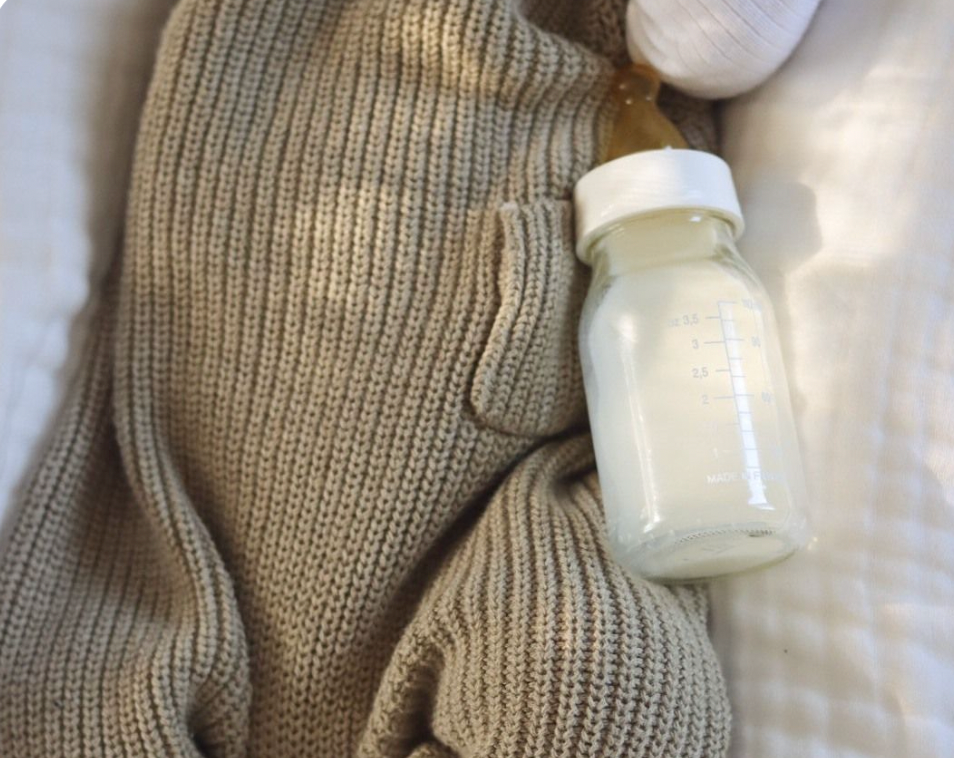
Without wishing to blame mothers who choose to bottle-feed (a perfectly respectable choice, often dictated by personal, professional, or medical circumstances), this type of incident reminds us of certain realities associated with the use of infant formula:
• A complex production chain: from the ingredient supplier to the factory, through transport and distribution, there are risks of contamination at every stage.
• Reliance on recalls: when a problem arises, parents must react quickly, check lot numbers, and sometimes switch brands urgently.
• A significant cost: at between €15 and €25 per carton, milk represents a significant expense for families.
• Demanding preparation: sterilizing bottles, measuring out the right amounts, checking the water temperature... all these daily tasks require precision and organization.
Breastfeeding: a natural and safe alternative
Given these constraints, breastfeeding offers advantages recognized by the World Health Organization, which recommends exclusive breastfeeding during the first six months of a baby's life:
• Total food safety: breast milk is always at the right temperature, always sterile, with no risk of industrial contamination.
• Immune protection: it contains antibodies that protect babies against many common childhood illnesses such as diarrhea and pneumonia.
• Optimal nutrition: perfectly suited to the needs of infants, breast milk changes even as they feed and grow over the months.
• Long-term benefits: Studies show that breastfed children have a reduced risk of obesity and diabetes and perform better on cognitive tests.
• Benefits for mothers: easier postpartum recovery and reduced risk of breast and ovarian cancer.
Every journey is unique
We know that breastfeeding is not always possible or desirable, and that is perfectly acceptable. Some mothers encounter difficulties, others have to return to work quickly, and still others simply make a different choice, and they deserve respect.
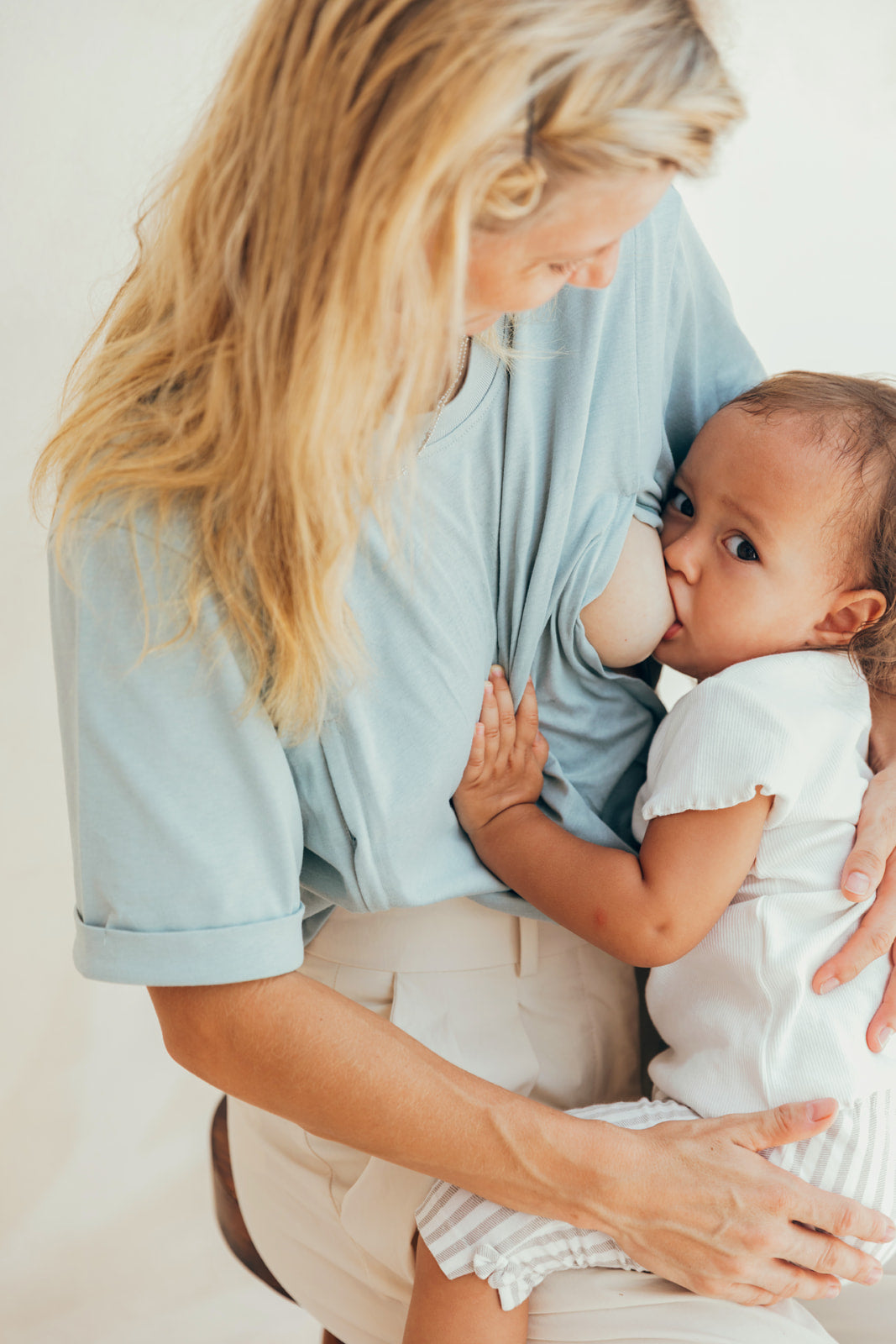
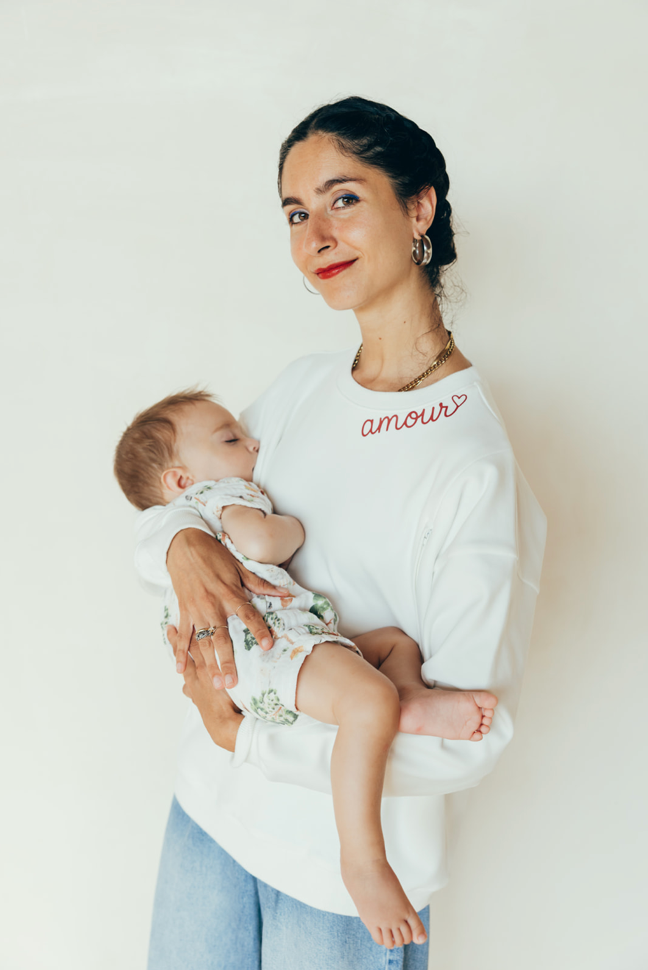
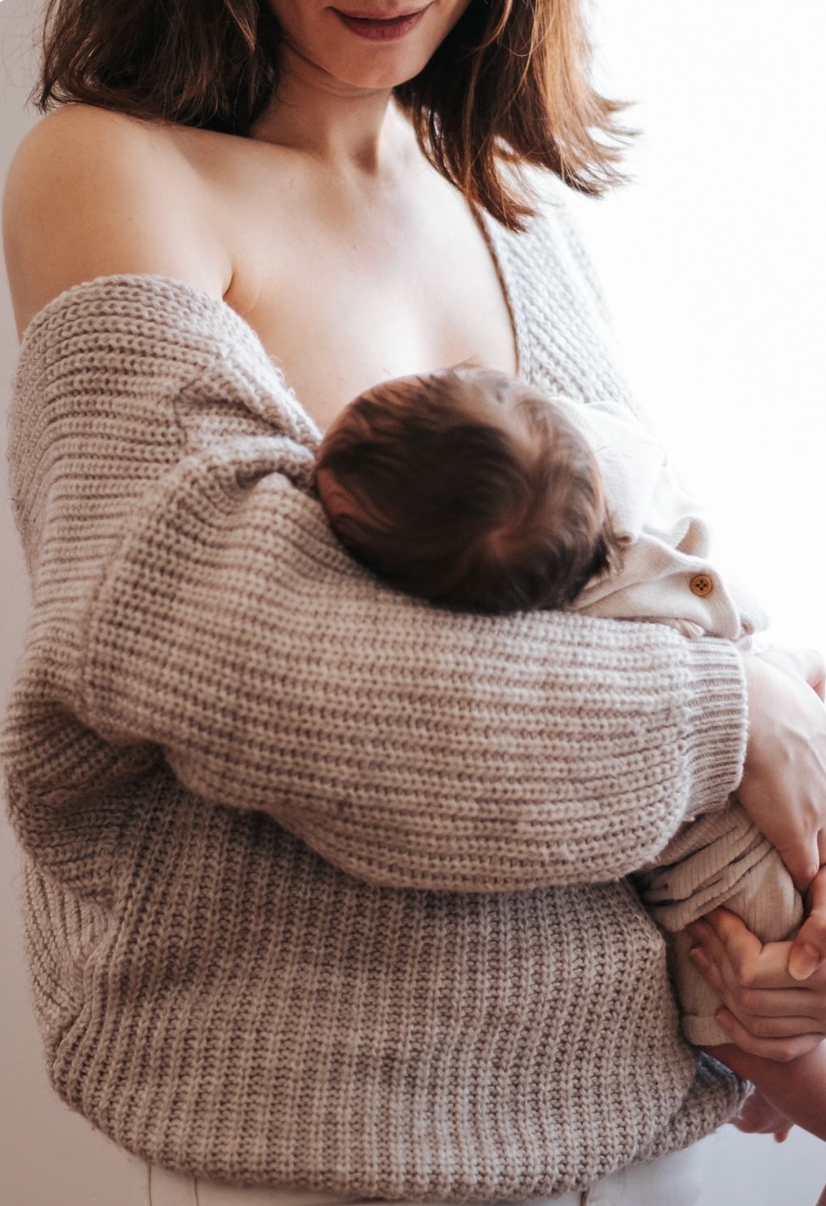
But for those who are still hesitant, who wonder if they would be capable, or who think it's too restrictive, this event may be an opportunity to reconsider breastfeeding. Because yes, breastfeeding requires an investment, but it also offers freedom: the freedom to feed your baby anywhere, anytime, without depending on any production chain.
We are here to support you
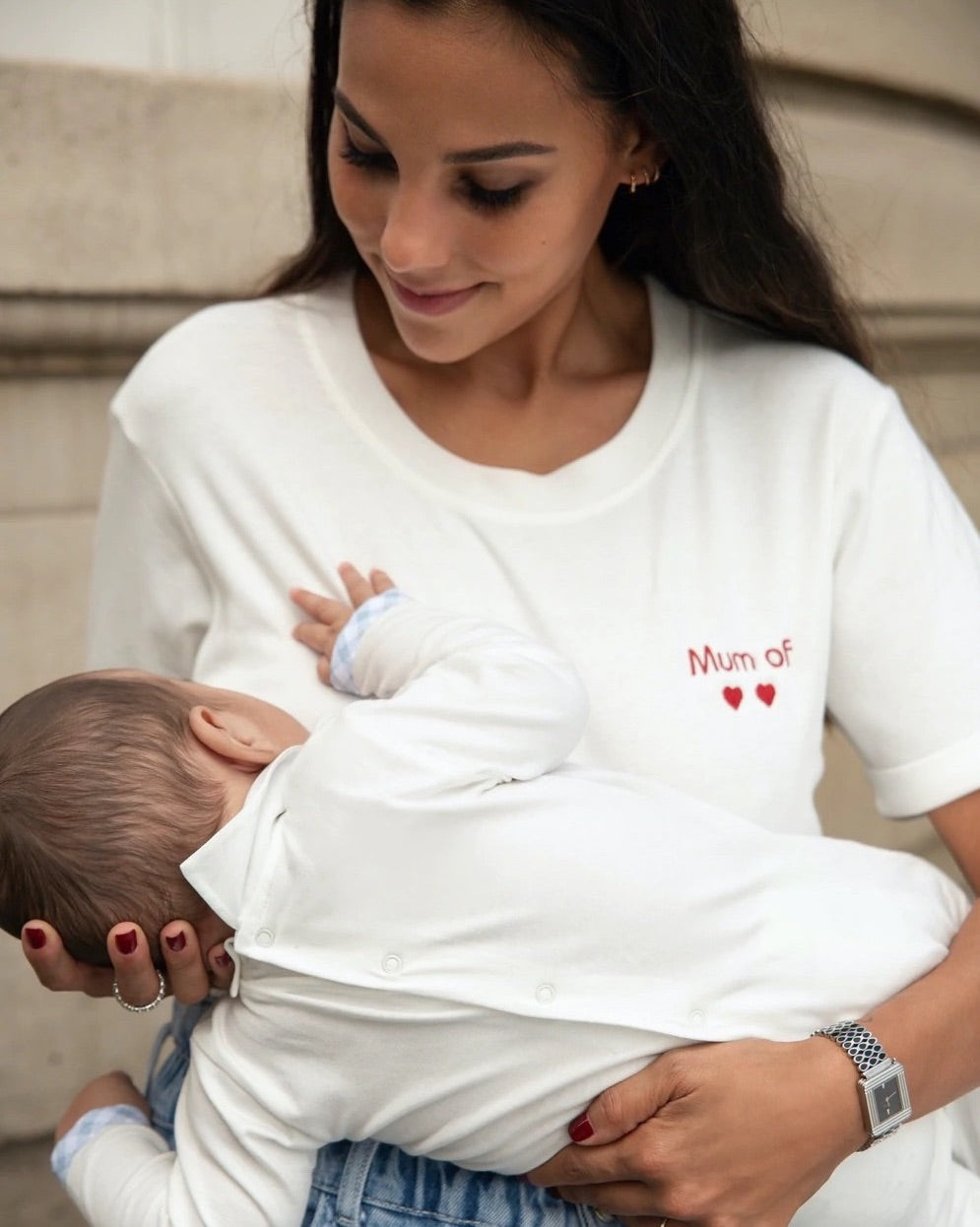
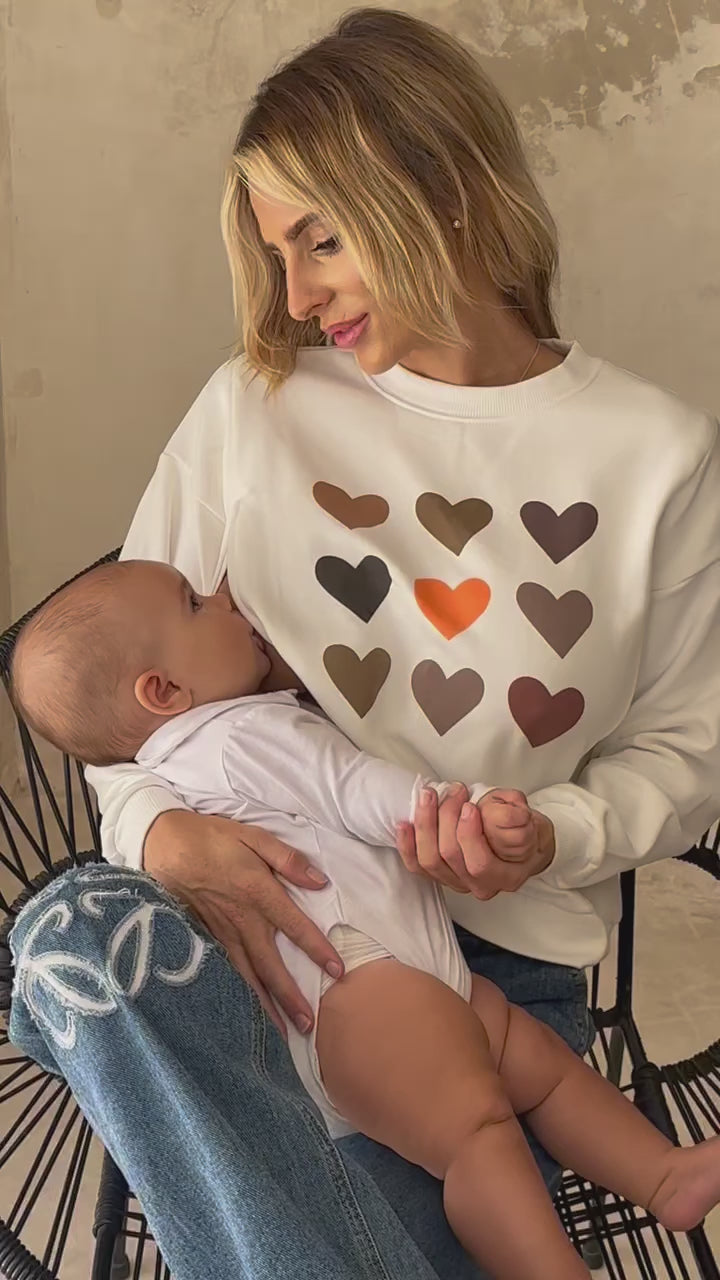
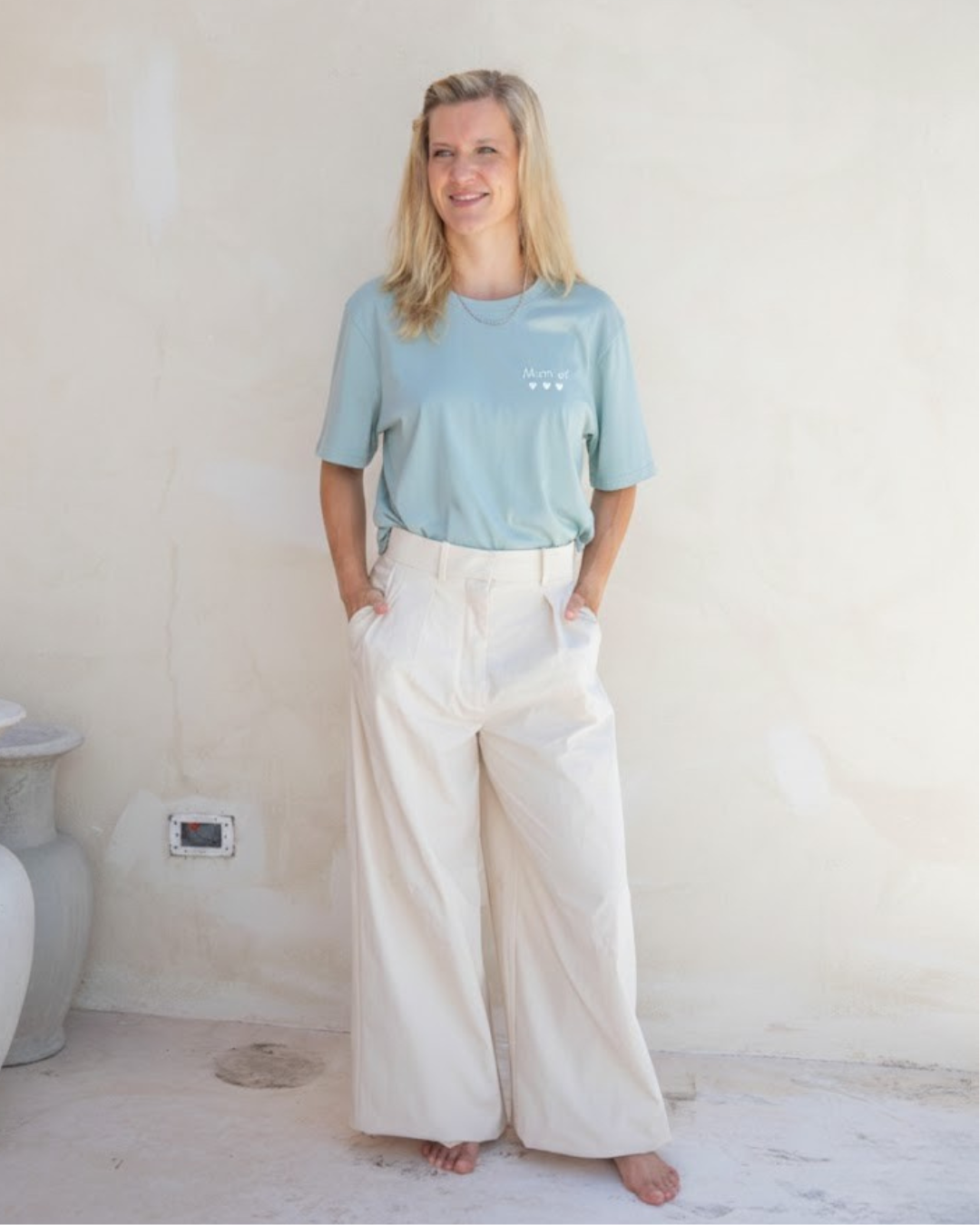
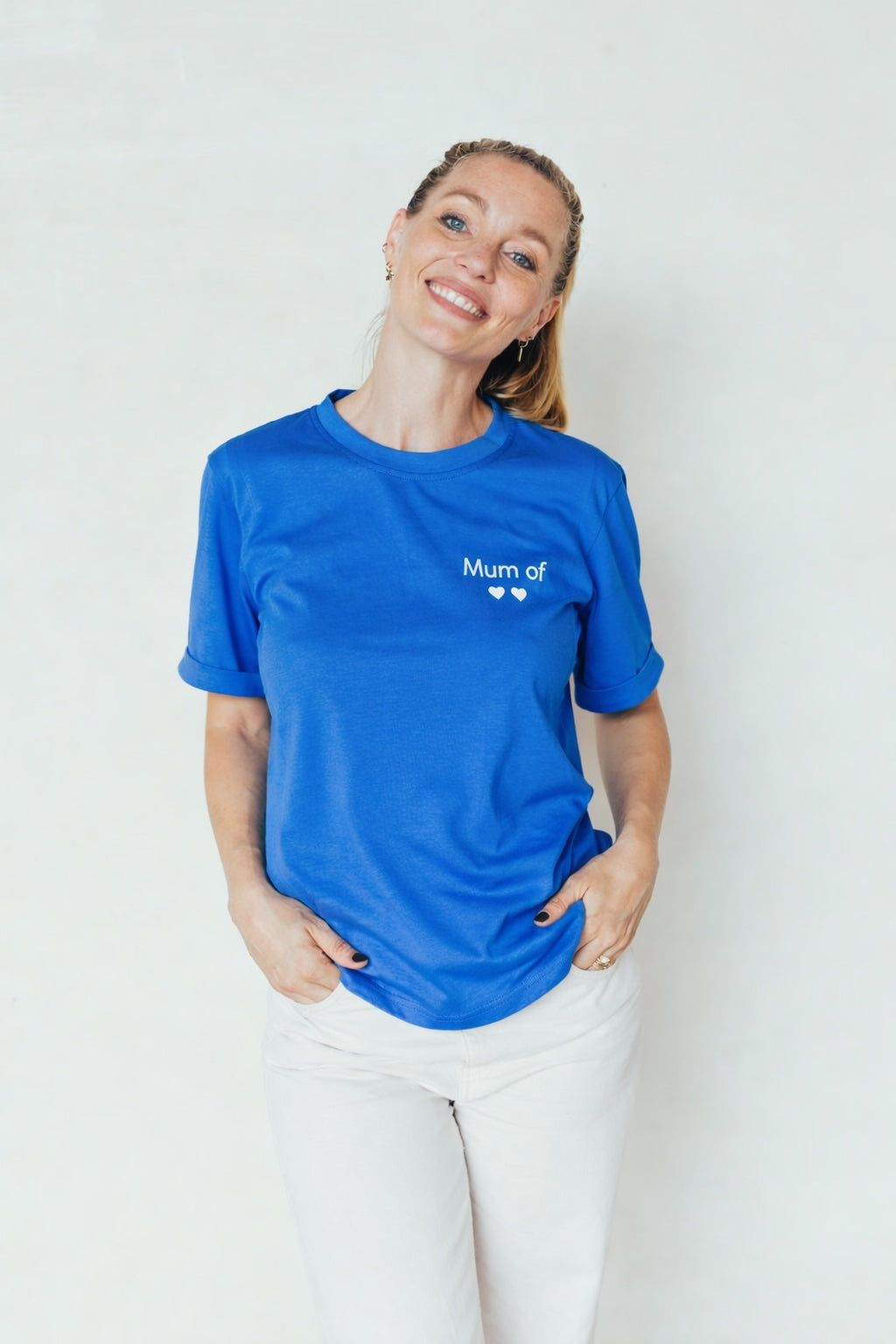
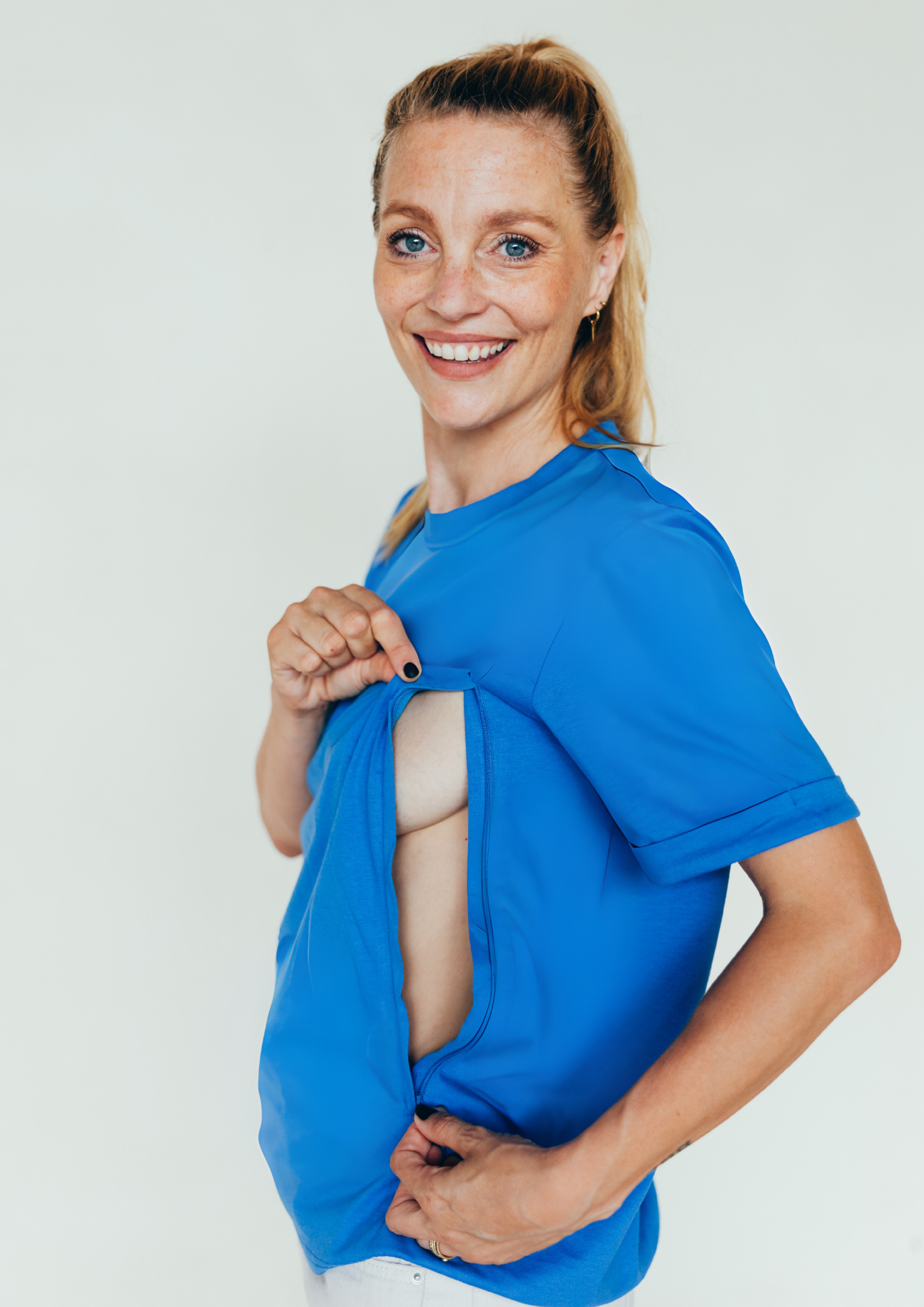
At 23 mai Paris, we create nursing clothing designed to make your daily life as a nursing mother easier. Our collections allow you to breastfeed discreetly, stylishly, and comfortably, whether you are at home, at work, or on the go.
Because choosing to breastfeed also means being able to do so with peace of mind.
Nestlé recall — Practical information
Products affected: Certain batches of Guigoz and Nidal (infant formula)
Toll-free numbers: Guigoz 0800 100 409 | Nidal 0800 100 312
More info: rappel.conso.gouv.fr
Sources:
- Official statement from Nestlé France (January 5, 2026)
- France Info survey — Parents' testimonials
- UFC-Que Choisir — Recall details
- Vidal — Guidelines for healthcare professionals
- WHO — Breastfeeding