Breasts and Breastfeeding: Understanding Anatomy and Comfort
Breastfeeding is a fascinating biological journey that dramatically transforms a woman’s body. At the heart of this transformation lies your breast—that precious ally that evolves from a physical feature into a true source of life for your baby.
Understanding how your breasts work during this time not only helps you enjoy breastfeeding more, but also allows you to choose clothing that combines practicality and style. At 23 Mai Paris, we support moms with clothing designed for everyday comfort.

The Fascinating Anatomy of Lactation
As soon as pregnancy begins, the mammary glands prepare for their new role. Under the influence of hormones (estrogen, progesterone, and later prolactin), the tissues undergo changes to become a veritable milk-producing factory.
How does milk production work?
Your breasts are made up of a highly intricate biological structure:
- The alveoli: small sacs that produce breast milk
- Milk ducts: a network of ducts that carry milk to the nipple
- The nipple and areola: the area through which milk is secreted, rich in nerve endings
- Adipose tissue: fat that surrounds the glands and provides volume
During a feeding, the baby's sucking stimulates the release of oxytocin, the hormone that triggers the "let-down reflex" and causes milk to flow.
Changes During Pregnancy and Breastfeeding
This process is unique to each woman:
- Some women will notice an increase in breast size as early as the first trimester
- For others, the real change will occur when their milk comes in (2–5 days after giving birth)
- Sensitivity increases significantly, especially around the nipples
- The color of the areola may darken
- Veins may become more visible (this is normal!)

Managing fluctuations in volume throughout the day
One of the biggest challenges for new mothers is the constant fluctuation in breast size. From the morning, when breasts are often firm and full, to the end of the day after several feedings, their volume can vary significantly.
What you need to know:
The ejection reflex
It may cause tingling, a warm sensation, or slight leakage, even from the breast your baby isn't feeding from. This is a sign that your body is actively working. This leakage is especially common during the first few weeks.
Congestion
This isn't inevitable, but it is a common occurrence, especially in the early stages. The breasts become firm, warm, and sometimes painful. It is crucial to wear clothing that does not constrict the breast tissue so as not to make the situation worse.
Thermal comfort
Warmth helps stimulate milk flow. Avoid synthetic fabrics that make you sweat, and opt for breathable fabrics that help maintain a comfortable temperature.
The Importance of Non-Compressive Support
While breastfeeding, the breasts feel heavier due to milk storage. Proper support is essential for:
- Maintain skin elasticity
- Preventing back pain and shoulder tension
- To feel comfortable moving around
The mistake you must avoid at all costs
Wearing bras that are too tight or have ill-fitting underwires can block the milk ducts and lead to engorgement or even mastitis. Compression is the enemy of breastfeeding.
What to prioritize:
- Nursing bras wire-free or with soft underwires
- Natural materials: organic cotton, modal, bamboo
- Stretchable cups that adapt to changes in breast size
- Wide straps for better support
- No seams at the nipple
These fabrics allow the skin to breathe, thereby reducing the risk of irritation around the nipple, an area that has become particularly sensitive.

Minor annoyances and how to deal with them
Breastfeeding can come with some discomforts. Here's how to prepare for them:
Leaking milk
They are very common in the first few weeks but usually settle down over time. In the meantime:
- Use nursing pads (washable or disposable)
- Wear patterned clothing to hide any sweat stains
- Choose fabrics that dry quickly
Chapped skin and irritation
The skin on your nipples is put under a lot of strain. To minimize friction:
- Choose clothes with soft openings, without zippers that rub
- Avoid rough fabrics near the chest
- Let your nipples air-dry after feedings
The feeling of heaviness
This is normal with a larger, heavier bust. Proper support and the right clothing make all the difference in your daily comfort.

Nursing clothes: your everyday essential
Beyond just underwear, nursing wear plays a key role in your comfort and confidence.
Why nursing clothes make all the difference:
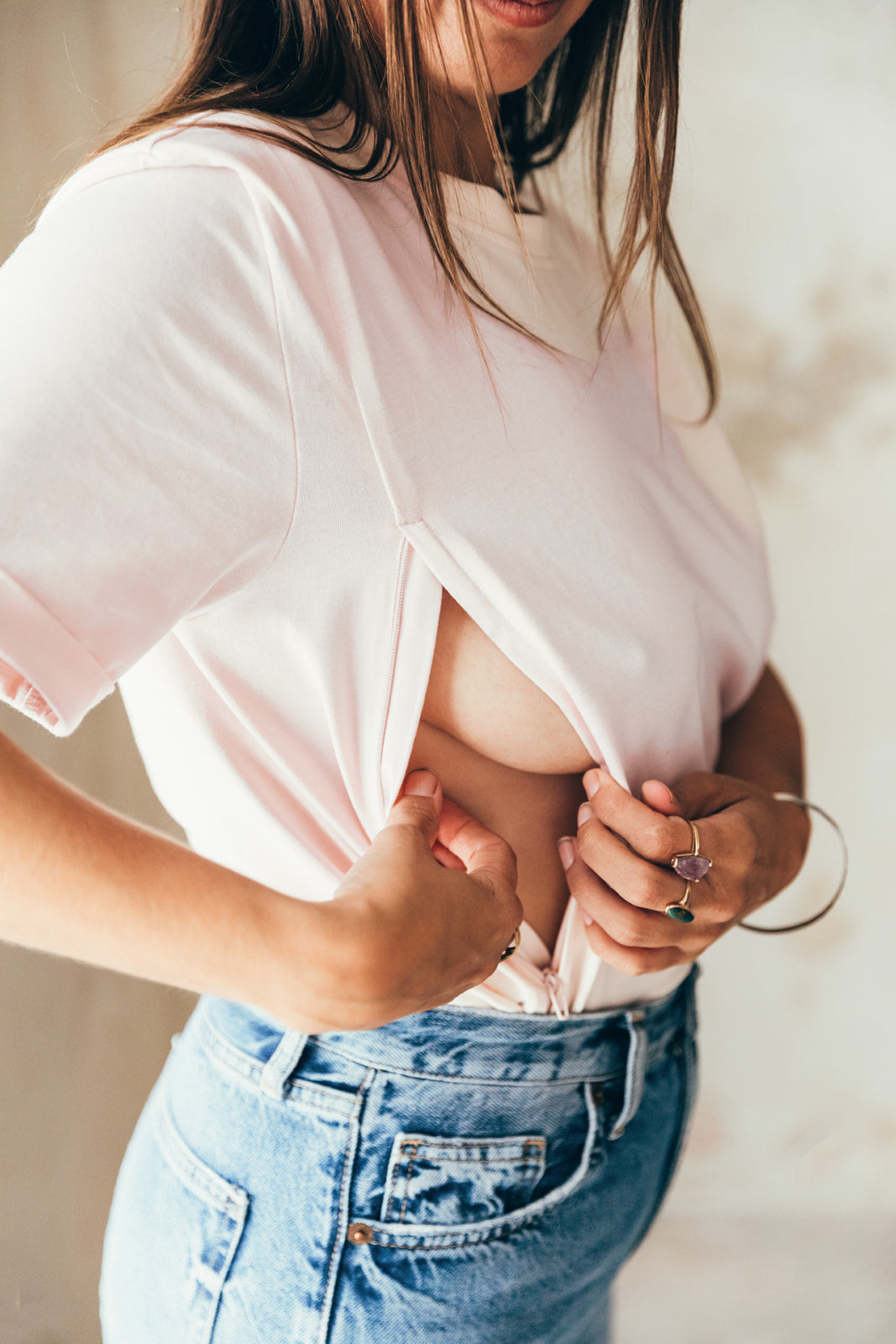
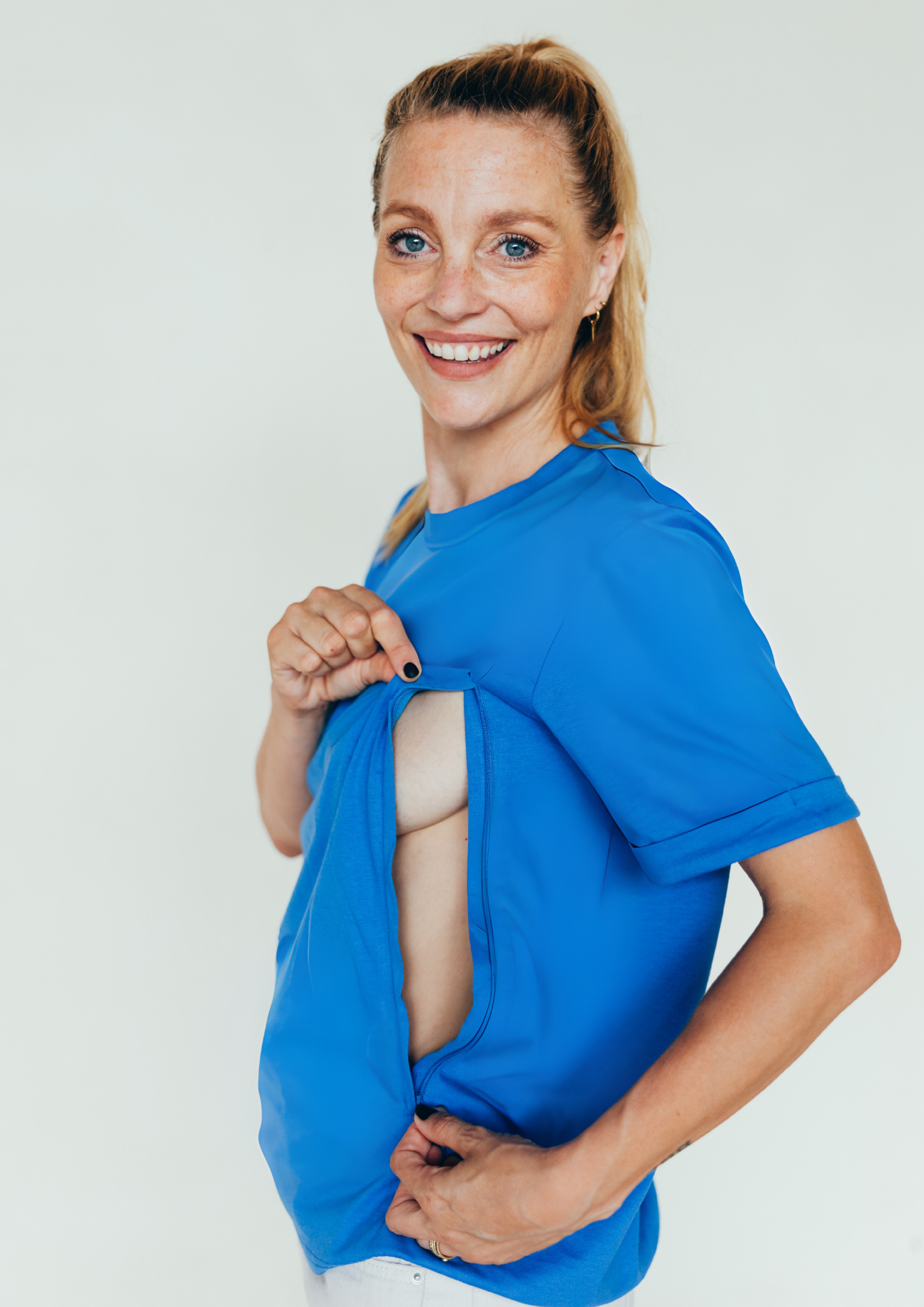
- Discreet openings allow you to access your chest in a flash
- You don't need to take everything off to breastfeed
- Keep your stomach and back covered (no more drafts!)
- You can breastfeed in public with complete peace of mind
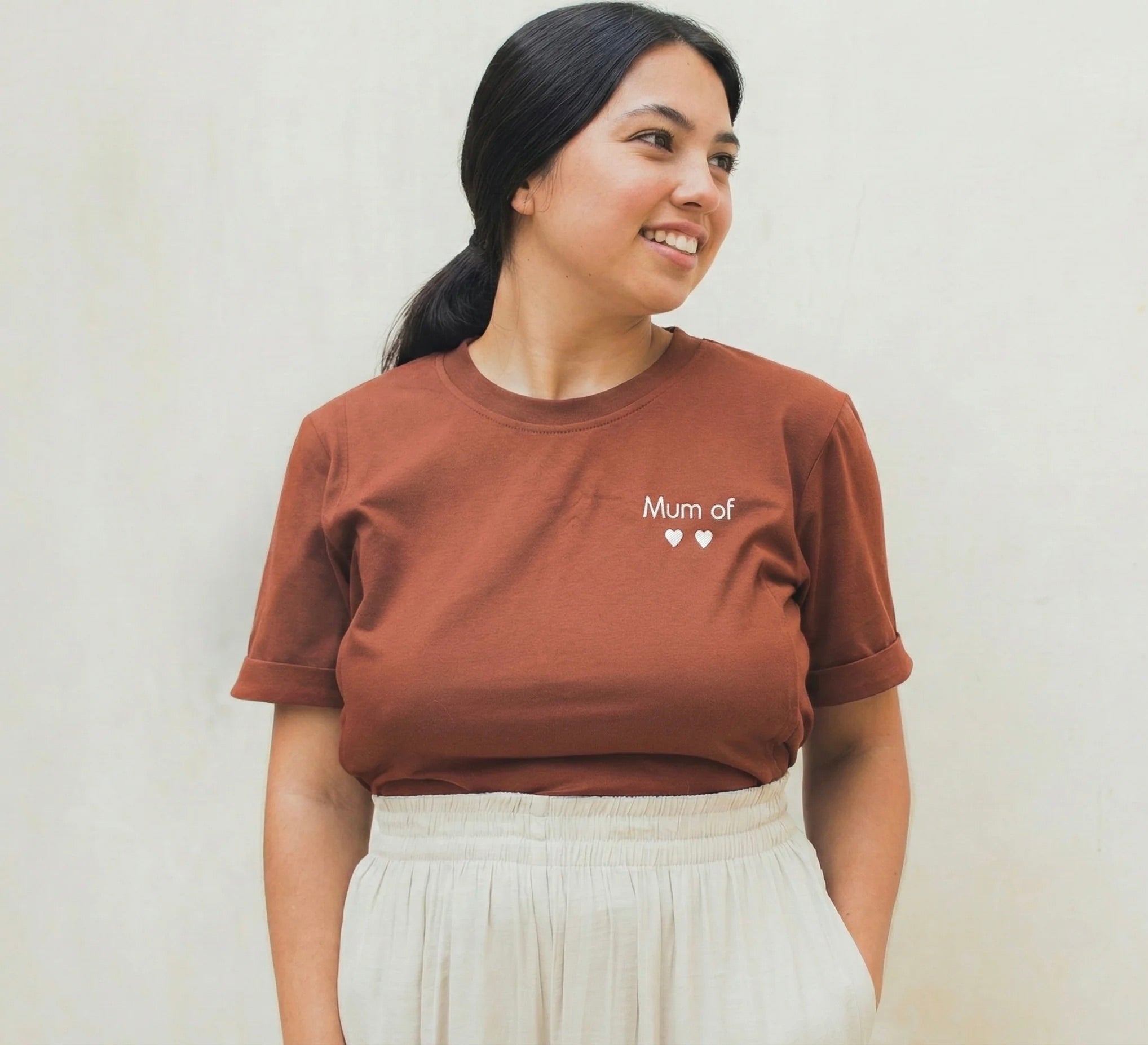
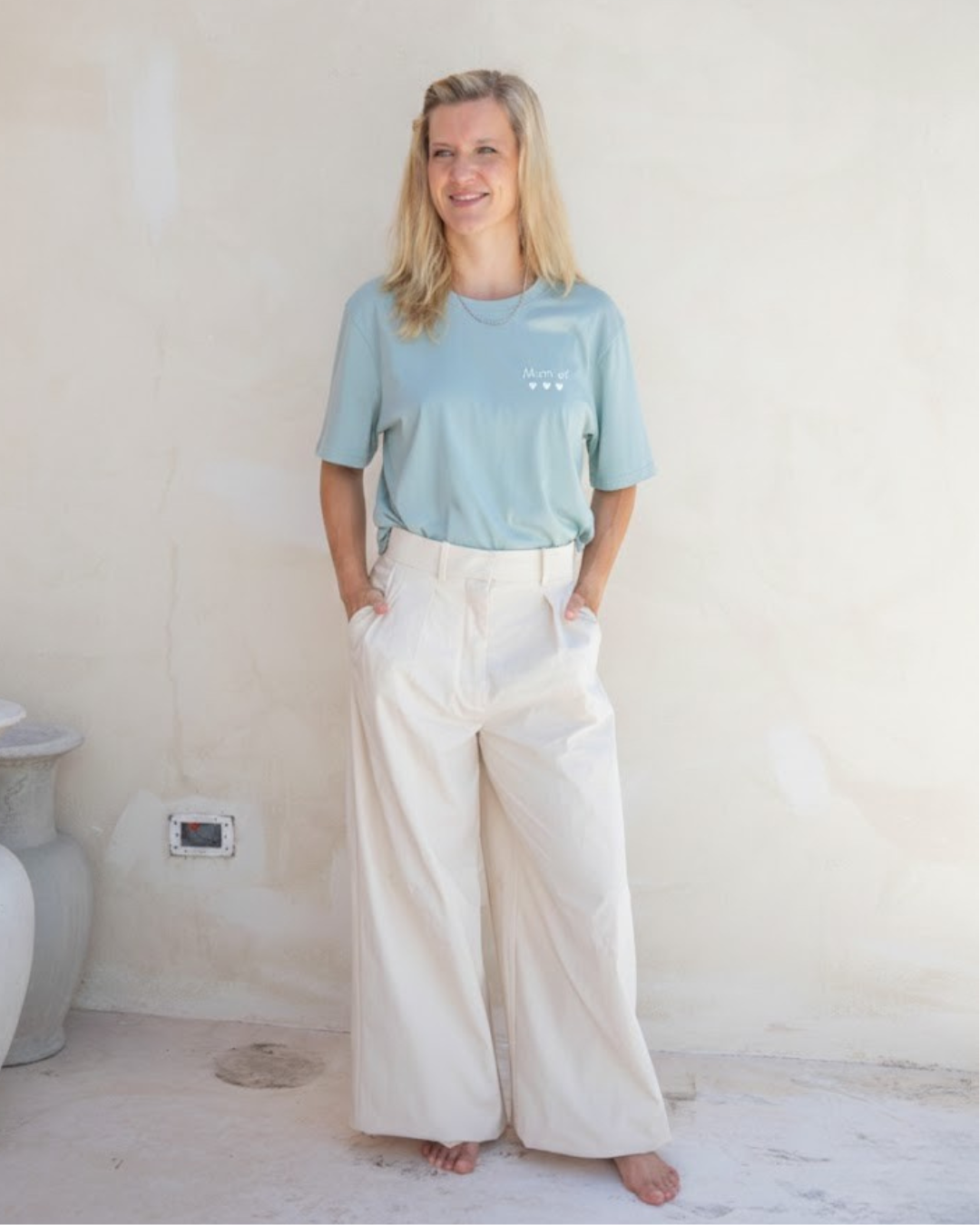
At 23 Mai Paris, we believe you shouldn’t have to choose between comfort and style. Our clothing features cleverly placed openings that are invisible to others but incredibly practical for you. This ensures a stress-free breastfeeding experience, whether you’re at home or out and about.
Caring for Your Breasts After Breastfeeding
A question that often comes up is: What happens to my breasts after weaning?
Breast involution: a natural process
It is normal for the breasts to feel softer or less firm after breastfeeding stops. This is a natural process called "breast involution": the glands become less active, and fatty tissue gradually takes their place.
Here are some tips:
- Skin hydration: nourishing creams to maintain skin elasticity
- Strengthening exercises: a few light chest exercises can tone the underlying muscles
- The right lingerie: a bra that fits your new size
- Patience: It takes several months for the body to stabilize after withdrawal
Key takeaways
These changes are a testament to an extraordinary time in your life. Your body has accomplished something incredible. Rather than trying to "get back to the way things were," celebrate what your body has done to nourish your child.

Conclusion
Taking care of your breasts while breastfeeding requires attentiveness and flexibility. By understanding the mechanics of lactation and choosing clothing that works for your body, you can turn every feeding into a moment of pure connection, free from any physical constraints.
At 23 Mai Paris, we create nursing clothes that support moms with comfort and elegance. Because your breasts deserve the best: support without compression, softness, and easy access for feeding your baby.
If you are breastfeeding, here are some of our nursing clothes that may interest you:
Breastfeeding t-shirts
Breastfeeding sweaters
Breastfeeding tank tops
Breastfeeding dresses
Breastfeeding pyjamas