Mid-Season to Winter Guard-Breastfeeding dress : How to Keep Moving Forward Without Having to Buy Everything All Over Again
From Mid-Season to Winter: How to Update Your WardrobeBreastfeeding dress Without Buying Everything New
There’s a persistent misconception about maternity and nursing wardrobes: that you have to buy a whole new wardrobe every season, switch everything out when the temperatures change, and start all over again when September turns to December.
That's not true. In fact, it's exactly the opposite of a well-thought-out wardrobe.
The best nursing outfits are those that work year-round—ones you can wear in September with a light jacket and in December with a thick coat. They’re the ones that adapt to temperature changes through layering rather than having to be replaced as soon as the temperature drops.
Here's how to smartly transition your wardrobe—Breastfeeding dress —from mid-season to winter, without breaking the bank or cluttering up your closet.

The basic principle: permanent and seasonal items
The first thing to understand when building a sustainable garde-Breastfeeding dress is the distinction between permanent and seasonal pieces.
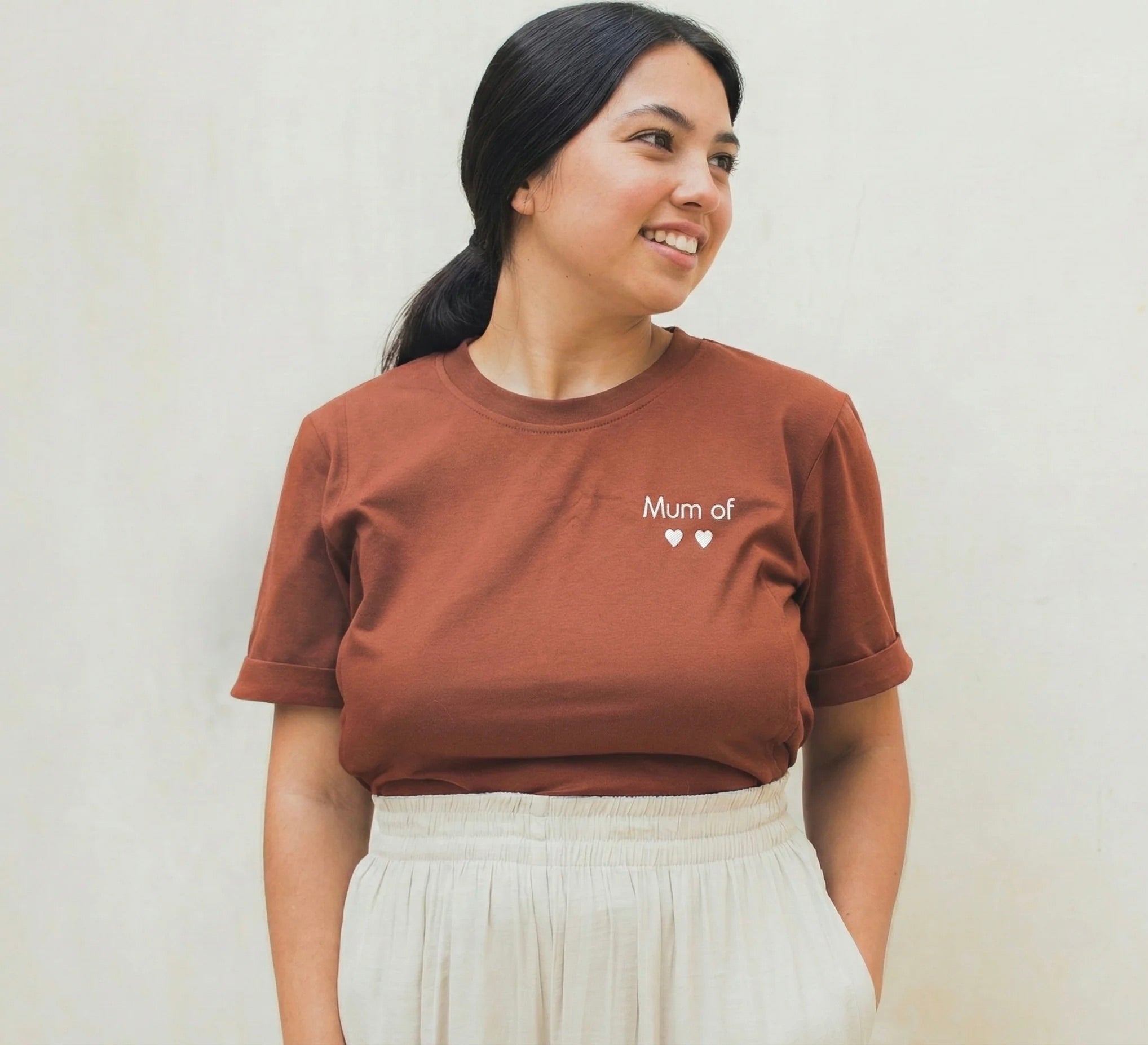
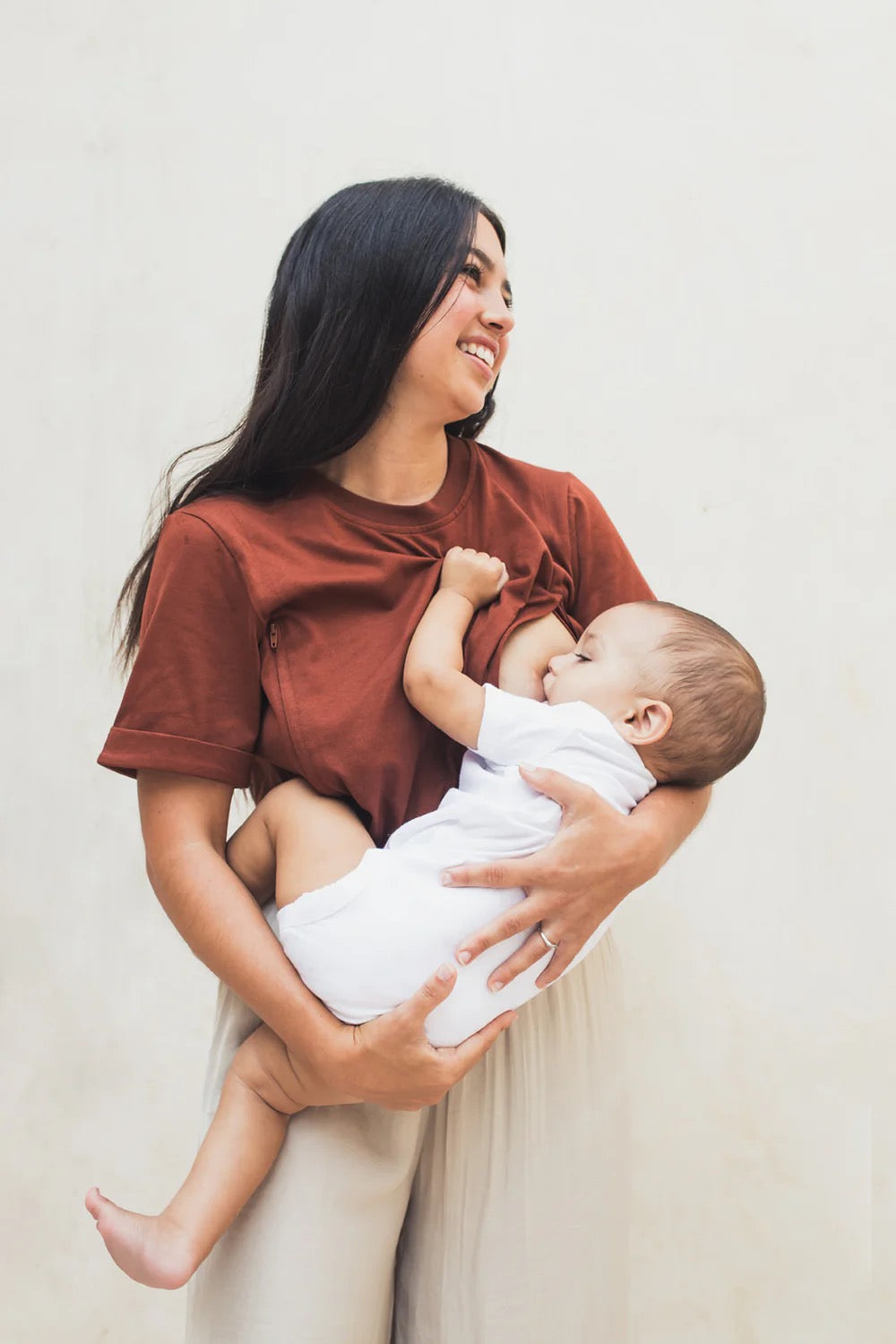
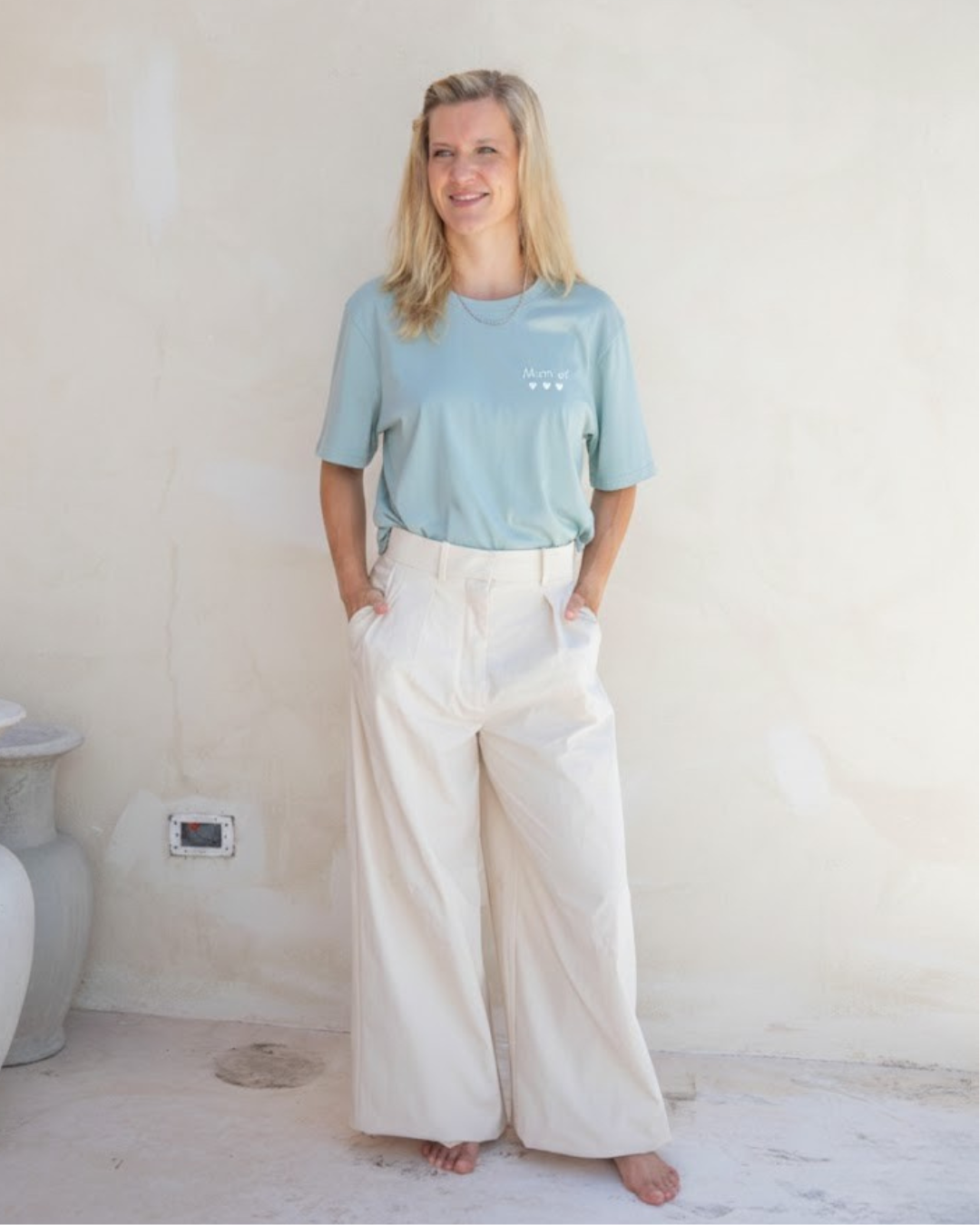
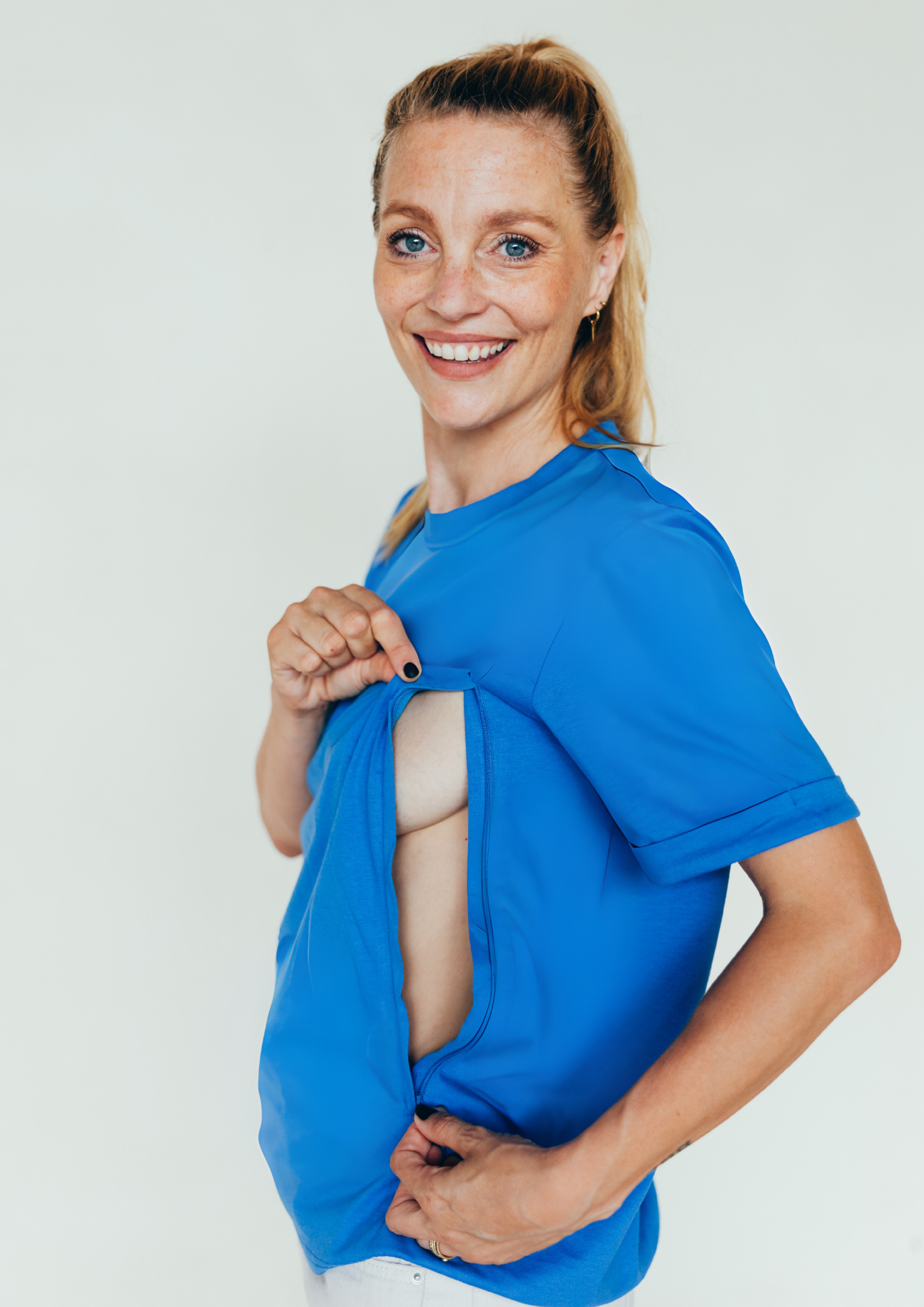
Permanent pieces are the ones you wear all year round, in every season. They form the foundation of your wardrobe; they don’t change—they adapt. These are mainly your basic “ Breastfeeding t-shirts ,” which transition seamlessly from a single layer in the summer to a base layer for winter layering without any changes.
Seasonal pieces are the ones you gradually add as temperatures drop. These include knit sweaters, fleece sweatshirts, and thick cardigans—items you layer as your second or third layer, depending on your needs.
The idea is simple: you don't replace your staple pieces. You add seasonal layers to them as the weeks go by.
September — The Mid-Season Wardrobe
In September, temperatures are still mild—18 to 22°C during the day—and cooler in the mornings and evenings. It’s the most pleasant time of year for dressing because you can still wear light clothing while starting to incorporate the warm colors of fall.
What you're already wearing
Your Breastfeeding t-shirts lightweight cotton summer tops, with short or long sleeves, are still perfect for September. They make up your base layer.
What you're adding in September
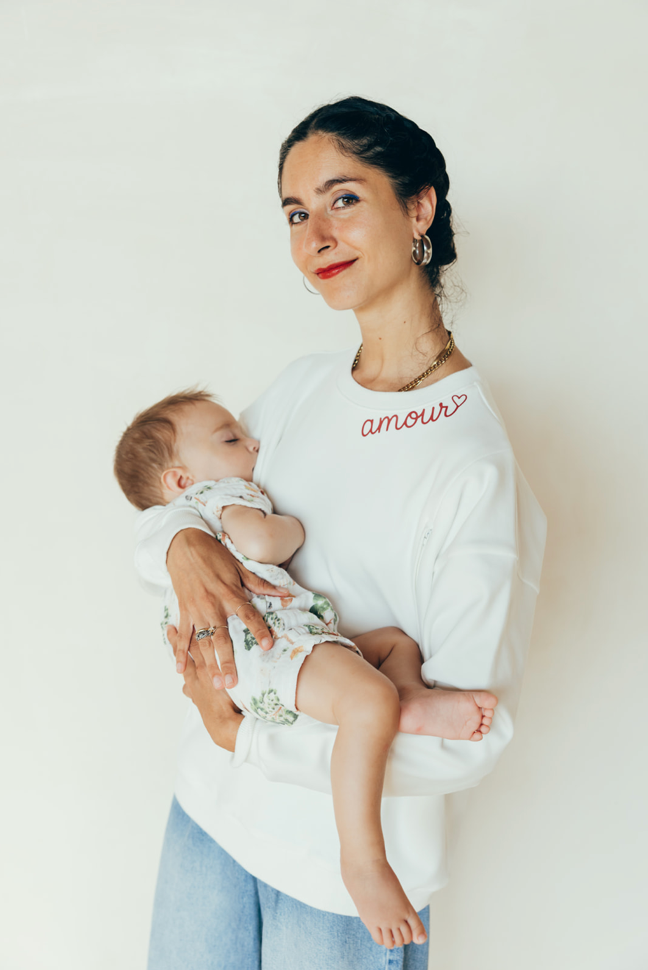
A lightweight nursing sweatshirt made of French terry or thin cotton fleece for cool mornings and evenings. This sweatshirt becomes your second layer as soon as the temperature drops below 18°C.
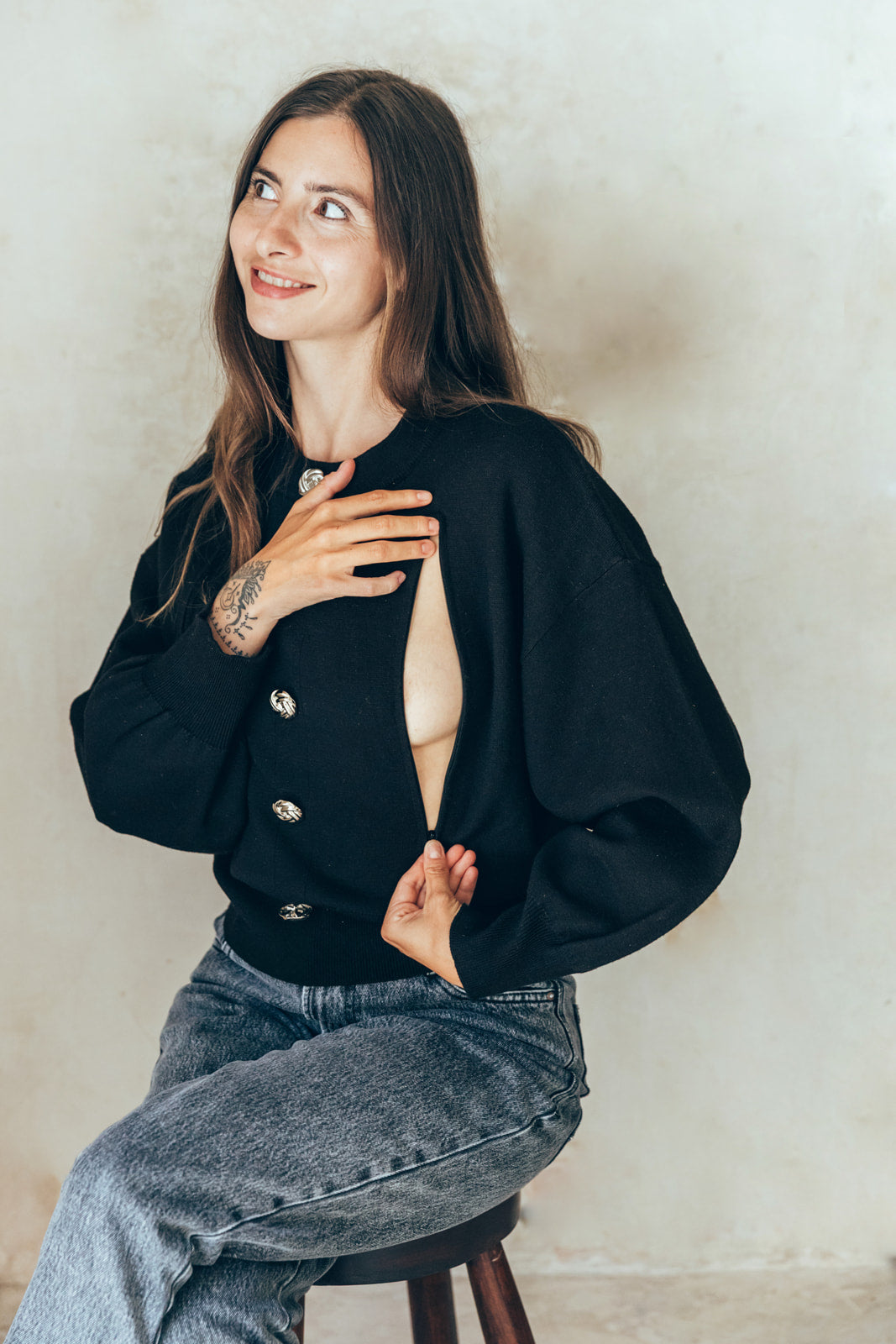
A lightweight cardigan for Layer 3—a fine- knit e vest or a long cardigan that opens in the front. It’s easy to take off during the day when it gets warmer and put back on in the evening.
The September Budget
One or two nursing sweatshirts and a cardigan are all you need to get through September in comfort. No need to buy a whole new wardrobe.
 October — The Transition to Fall
October marks the turning point. Daytime temperatures drop significantly—by 10 to 15°C—and sometimes even more in the morning. On some days, the light sweatshirt you wore in September isn't enough anymore. It's time to add a second layer for the season.
What You'll Remember About September
All your basic T-shirts, your lightweight sweatshirts, your cardigan. Nothing is replaced; everything is kept.
What you're adding in October
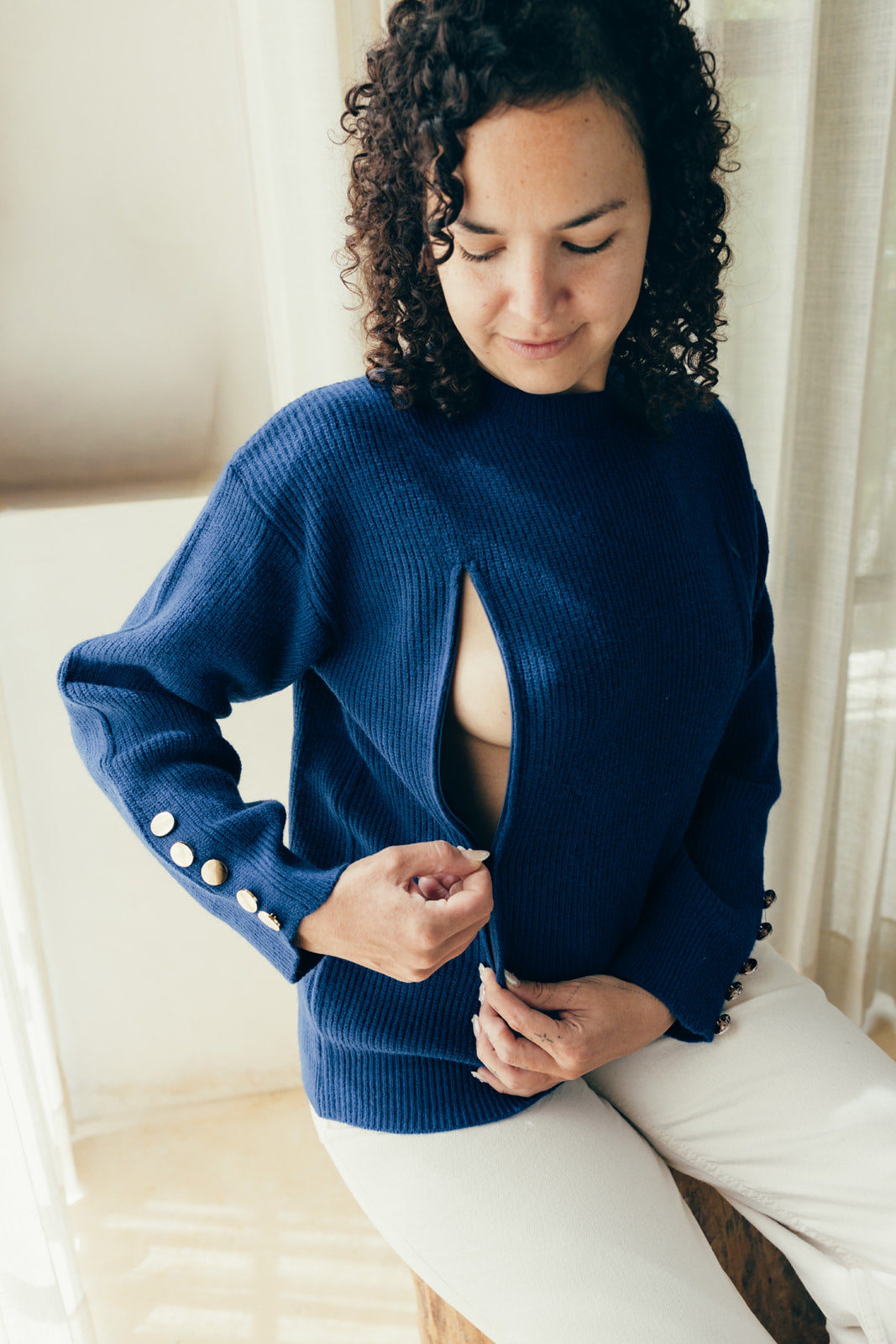
The nursing sweater made of " knit " is October’s key piece. Warmer than September’s lightweight sweatshirt, it takes over for cooler days and becomes your main “layer 2” when the sweatshirt is no longer enough. Made of fine “ knit ” for October—not too heavy, since afternoons can still be mild.
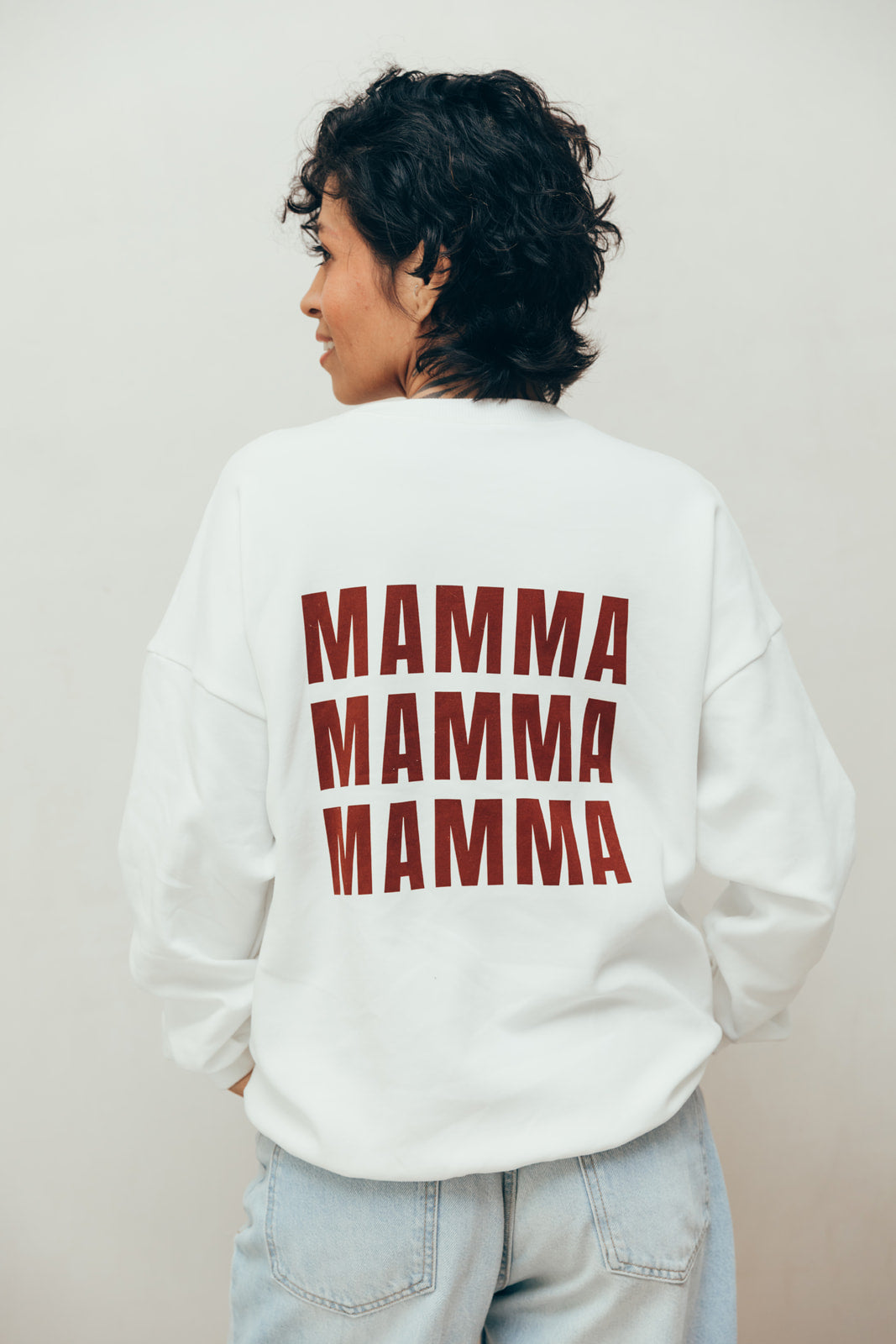
A mid-season trench coat—a lightweight wool coat to complete your outdoor layering look. It's layer 3 for those really chilly days.
How September's pieces fit into October's layering looks
The lightweight September sweatshirt serves as layer 2 on mild days or as a base layer under a knit sweater on colder days. The September cardigan serves as layer 3 in heated indoor spaces where a coat is too heavy.
The result: You now have four or five nursing pieces that can be mixed and matched to create dozens of different outfits depending on the temperature.
November — Late Fall
November is often the hardest month of the transition: the days are getting shorter, temperatures are regularly dropping below 10°C, and we’re really starting to need some warmth. It’s also the month when the temptation to buy everything is strongest—and least necessary.
What you've kept from the previous months
Always everything. Your basic T-shirts, your lightweight sweatshirts, your cardigan, your " knit " sweater—everything stays in your rotation.
What you're adding in November
A nursing sweater made of a thicker " knit " knit or in wintery colors like deep burgundy, pine green, and warm caramel. This sweater takes over from the October sweater on really cold days and becomes your main second layer for November and December.
A customizable nursing top in a festive color to get you in the mood for the December holidays and give you a standout piece for family photos.
How Prices Are Changing in November
Layering is becoming more systematic: a basic T-shirt as the first layer, a sweatshirt or sweater as the second layer depending on the temperature, and a cardigan or coat as the third layer. The lightweight pieces from September aren’t going away—they become the base layers for warmer outfits.
For example: a basic T-shirt + a lightweight sweatshirt in September + a sweater made of " knit " in November = three layers for a very cold day. Three items you already have in your closet—no additional purchases needed.
December — The Height of Winter
December means winter and the holidays. The "garde-Breastfeeding dress " must now meet two requirements at once: keeping you warm in the cold and being elegant enough for family dinners and New Year’s Eve celebrations.
What stands out to you from the entire season?
Always everything. Your complete garde-Breastfeeding dress , from lightweight summer T-shirts to thick November sweaters.
Anything you might add in December
If you don't have one yet, a festive knit nursing sweater in a holiday color or with special embroidery. This is the only truly seasonal addition for December—and only if you want a piece specifically for festive occasions.
How the Entire Wardrobe Works in December
That's when you realize the power of a wardrobe built up over time. By December, you'll have a complete range of pieces at your disposal that can be mixed and matched to suit any occasion.
For a cold day at home: a basic T-shirt + a fleece sweatshirt. For a day at the office in December: a basic T-shirt + a thick knit sweater. For a family lunch: a basic T-shirt + a festive knit sweater + a cardigan or blazer. For New Year’s Eve: a basic T-shirt + a knit sweater in the most elegant color from your collection.
No need to buy anything extra. All the outfits are already in your closet.
Key Pieces to Prioritize for a Versatile Wardrobe
Whether you're starting from scratch or want to optimize your garde-Breastfeeding dress for the entire season, here's the recommended shopping list, from the most basic to the most seasonal.
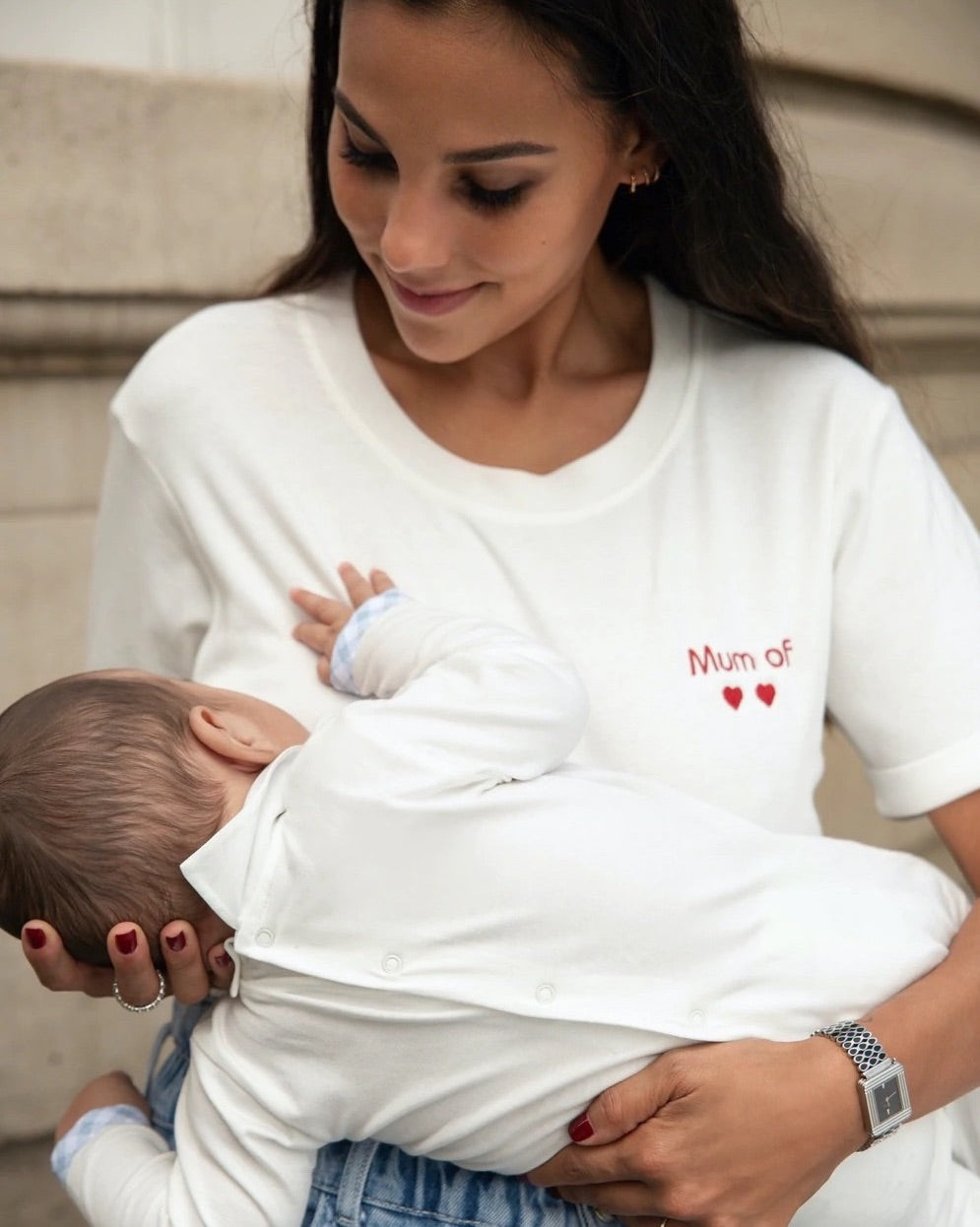
Priority 1 — Basic " Breastfeeding t-shirts " (September)
These are the most important pieces in your entire wardrobe—the ones that stay in rotation from the first day of September to the last day of December. Invest in two or three high-quality cotton “ Breastfeeding t-shirts ” in neutral colors (black, white, ecru, gray). They’ll serve as your permanent base layer.
Check out our selection of Breastfeeding t-shirts available in several colors.
Priority 2 — A lightweight nursing sweatshirt (September–October)
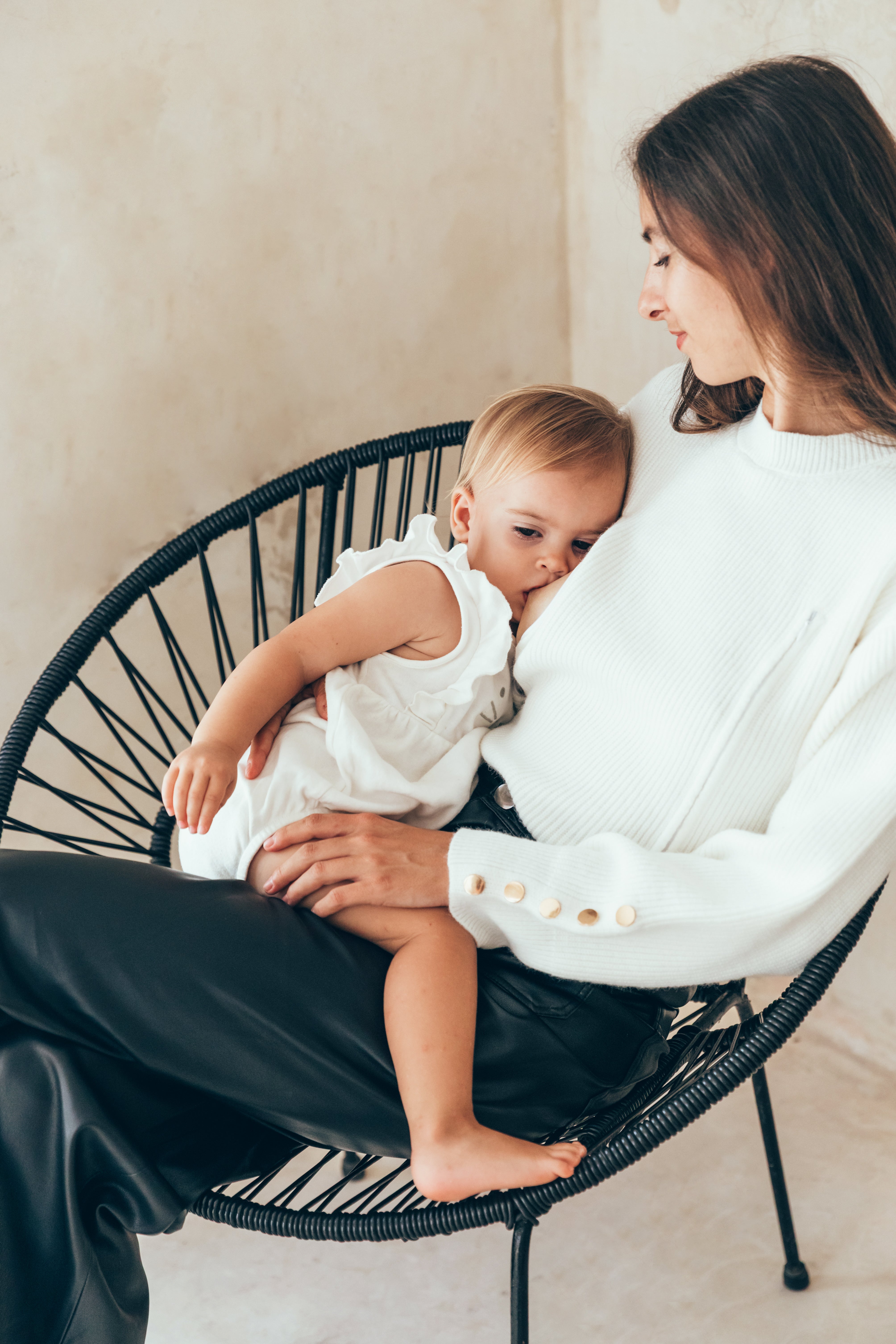
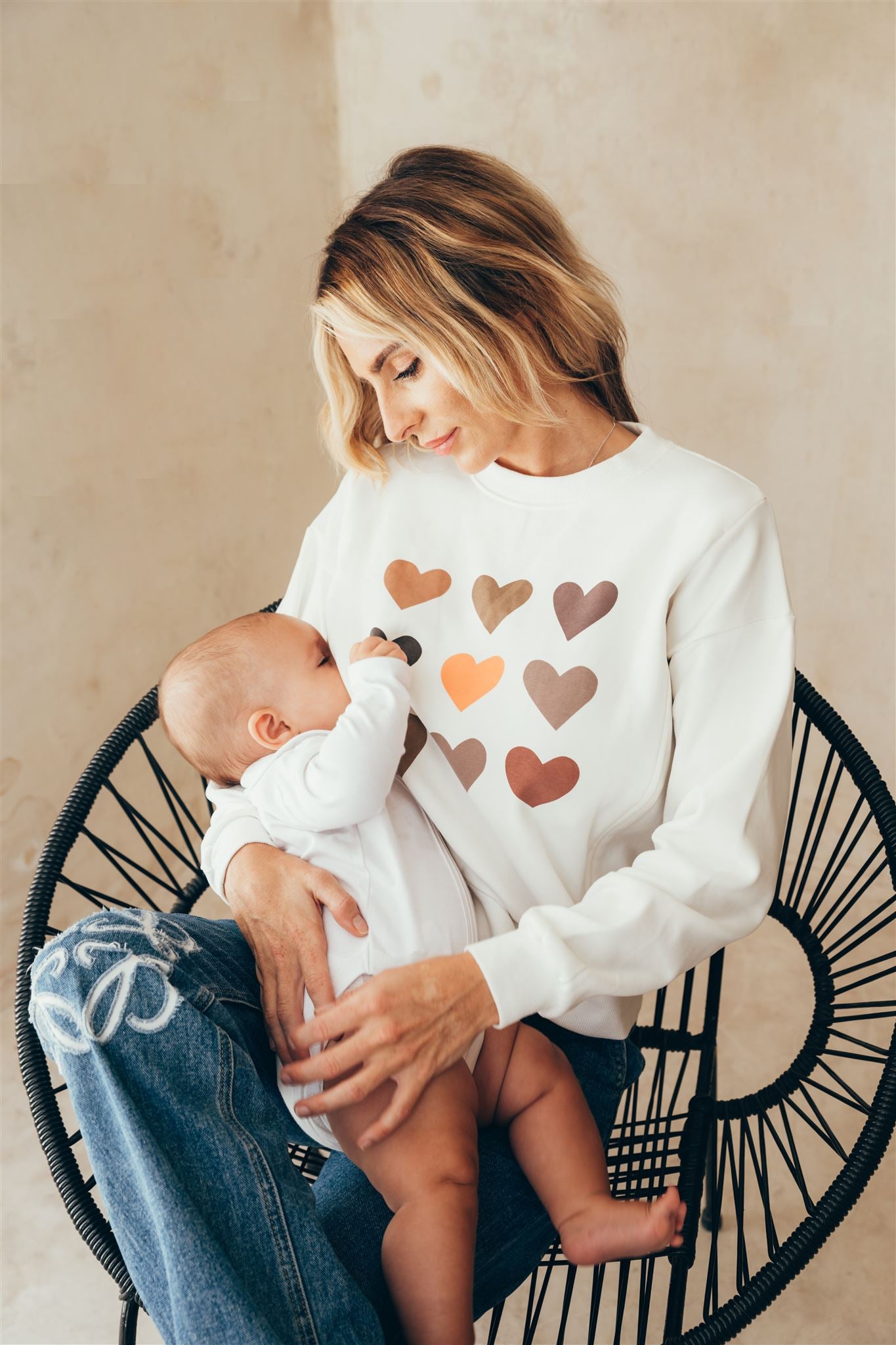
The first nursing sweatshirt is the ultimate transitional piece. Made of French terry or lightweight fleece, it takes the place of a T-shirt on its own as soon as temperatures drop and remains useful as a base layer under warmer garments in winter.
Check out our selection of nursing sweatshirts for the transitional season.
Priority 3 — A nursing sweater made of " knit " (October–November)
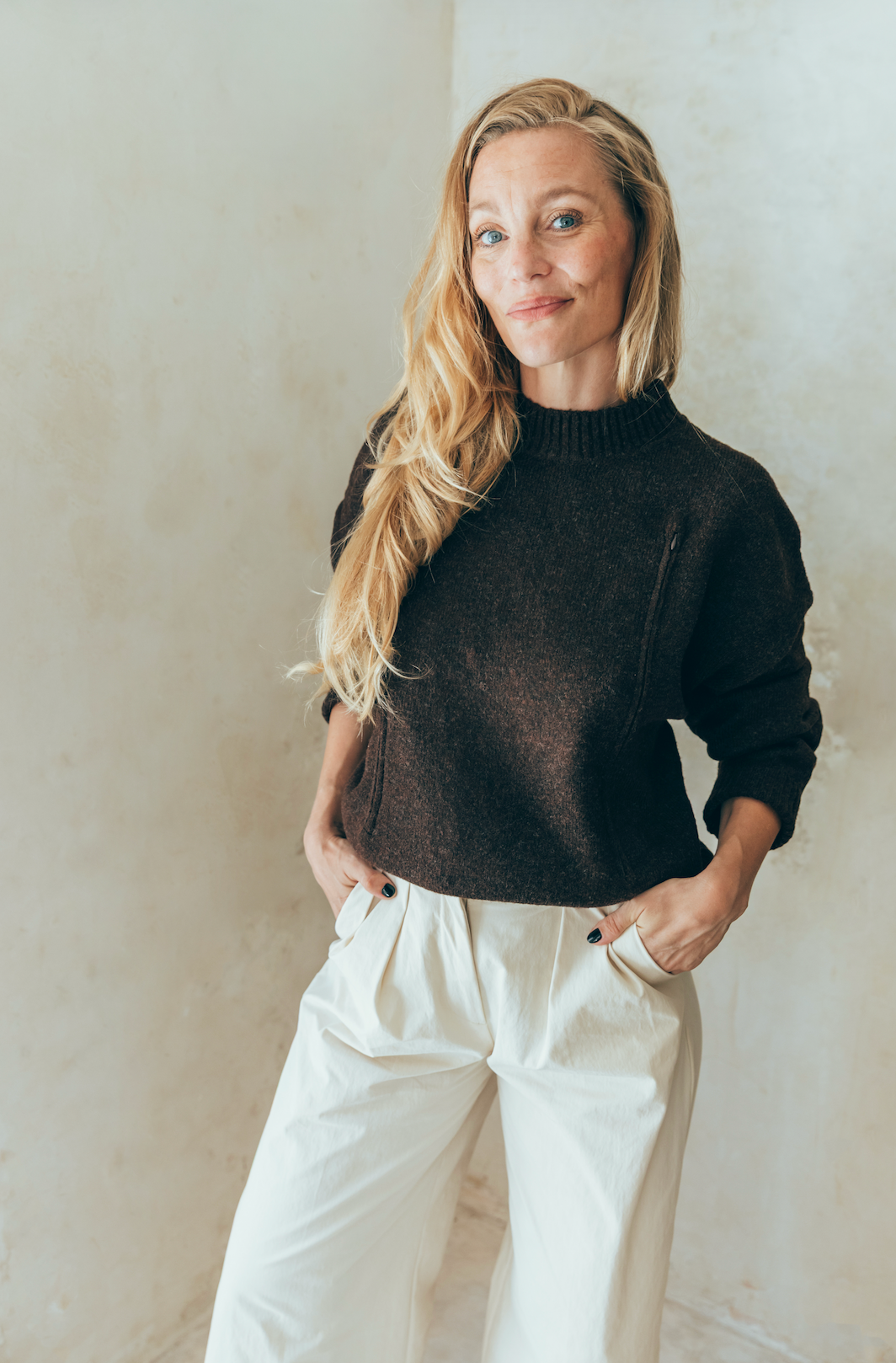
This is the season’s key investment piece—the item that bridges the gap between your fall and winter wardrobes. Choose a high-quality knit sweater in a color you really love, because you’ll be wearing it often. Opt for a fine- knit e for fall and a thicker knit for winter.
Check out our selection of " Breastfeeding sweaters " at knit.
Priority 4 — A cardigan or an outer layer (October)
Layer 3 of your layering routine: easy to take off, easy to put back on, and adaptable to any setting. A long cardigan made of knit or thick jersey is the most versatile piece for this role.
Priority 5 — A Customizable Top (November–December)
The signature piece for the holidays, family photos, and special occasions. It comes last on the list of priorities because it isn't essential for everyday life, but it's invaluable for the moments that matter.
Check out our selection of customizable nursing tops.
How to Care for Your Clothing So It Lasts All Season
A versatile and sustainable wardrobe only works if the pieces stand the test of time. Here are a few essential care tips to ensure your nursing clothes last the entire season without losing their shape or getting damaged.
Cotton T-shirts should be washed at 30°C or lower. Washing at too high a temperature causes the cotton to shrink and can distort the seams around the nursing openings.
French terry or fleece sweatshirts should also be washed at 30°C, inside out to preserve the prints and embroidery. Avoid using the dryer on high heat, as this will gradually cause the fleece to felt.
knit sweaters are the most delicate items to care for. Wash at a maximum of 20°C, either by hand or on the wool cycle, and dry flat—never on a hanger, which can distort the knit under the weight of the water. Never put a knit sweater in the dryer.
Check out our comprehensive care guide for tips specific to each material.
The tally: How many episodes for the entire season?
In total: 5 to 7 nursing outfits to get you through the entire season from September to December. Not 20, not a completely different wardrobe for each month—just 5 to 7 well-chosen pieces that can be mixed and matched.
That's what a smart garde-Breastfeeding dress is all about. Not more clothes, but better clothes—chosen with intention—that do more with less.
Find all the pieces you need to build your versatile garde-Breastfeeding dress in our collections of T-shirts, sweatshirts, and sweaters made of knit, as well as customizable topsdesigned to last all season long without ever letting you down.