International Midwives' Day: Tribute and Recognition
Every year on May 5, the world celebrates International Midwives’ Day. This day is an opportunity to honor these healthcare professionals who support women during one of the most intense moments of their lives: childbirth. But their role goes far beyond childbirth.
At 23 Mai Paris, we know just how invaluable midwives are to every mother’s journey, especially when it comes to breastfeeding. In this article, we celebrate these everyday heroes: their stories, their vital role, and how to thank them for everything they do.
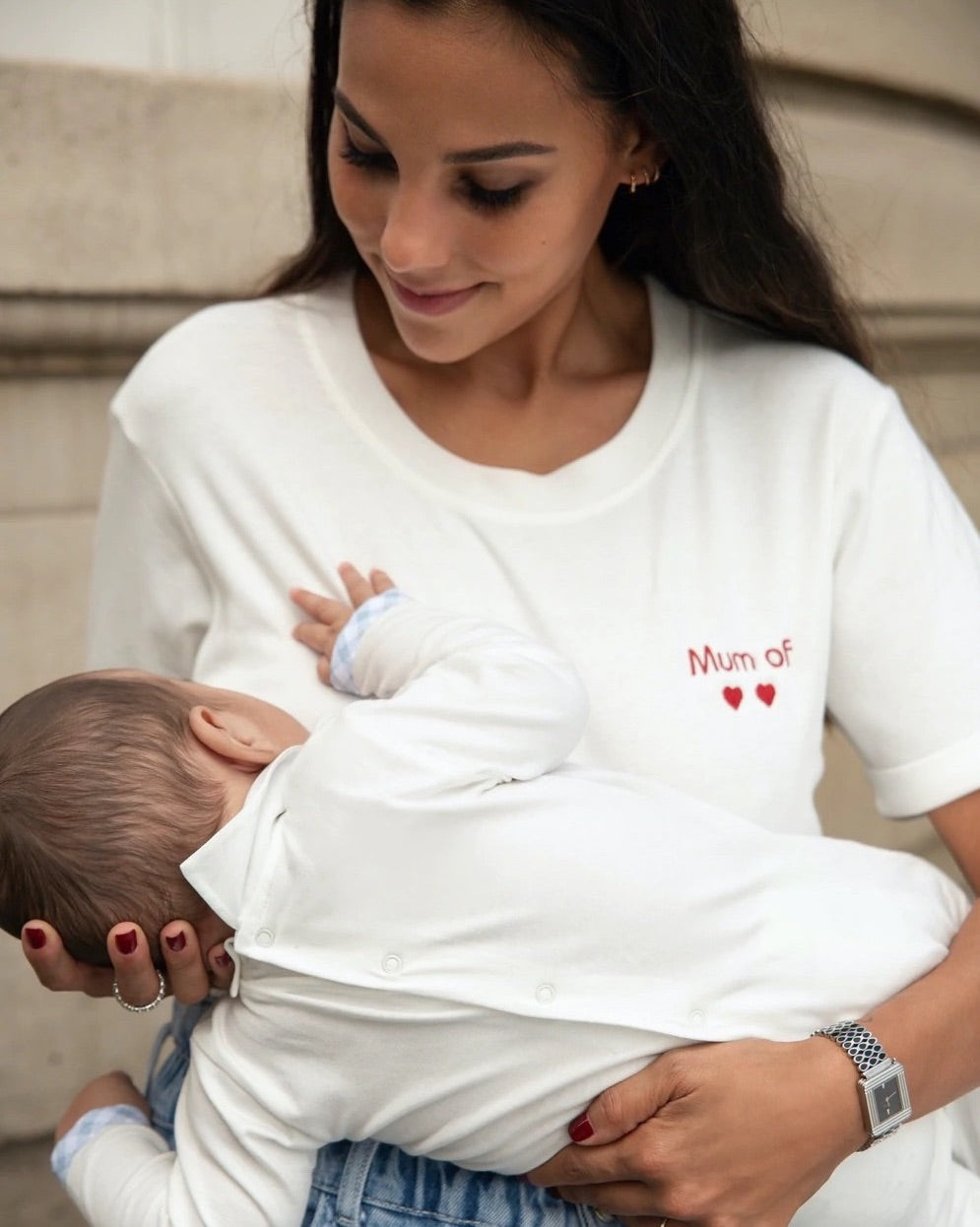
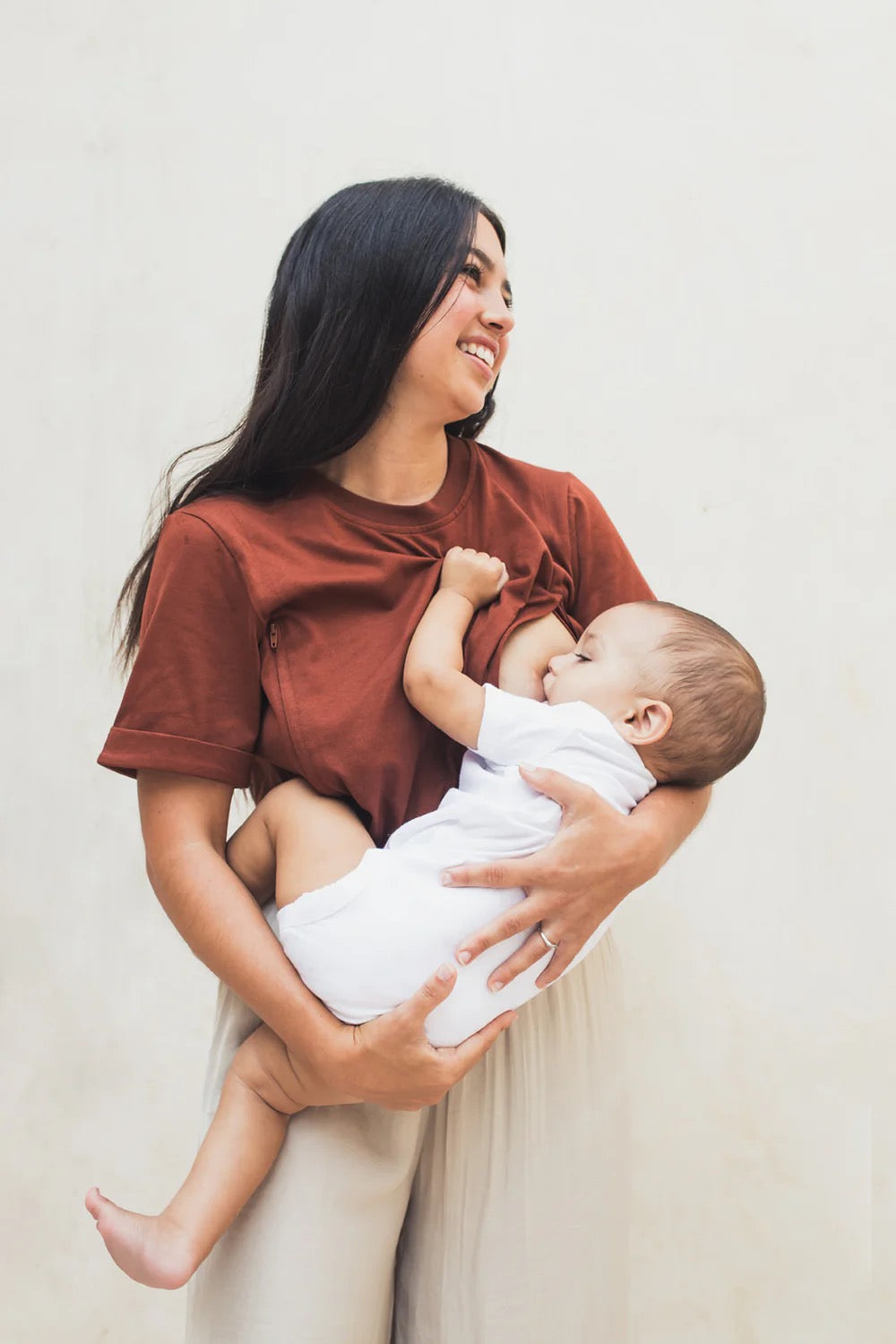
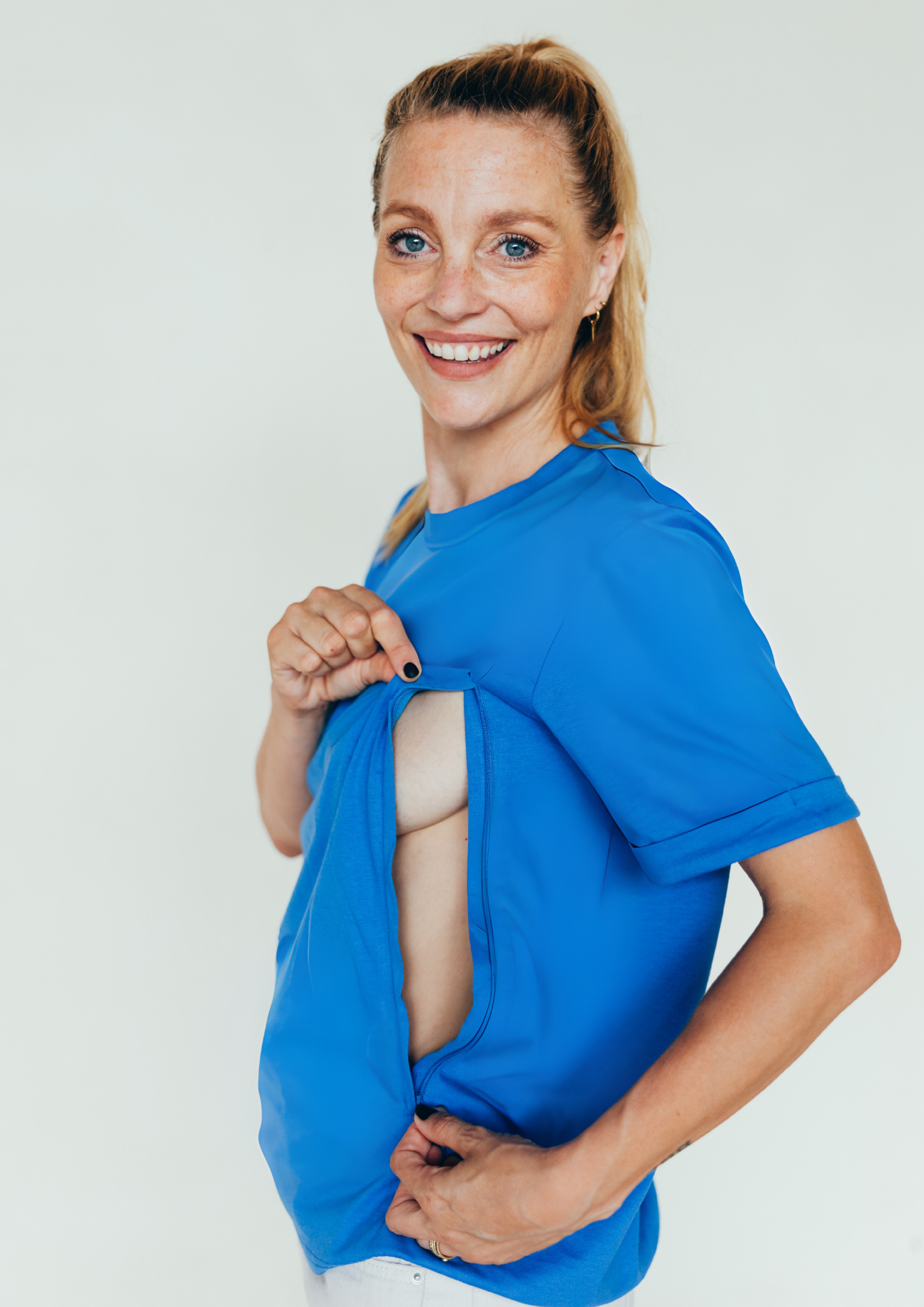
To make breastfeeding both stylish and practical, discover our collection of nursing wear designed for moms.
The History of International Midwives' Day
The origins of this day
International Midwives' Day was established in 1991 by the International Confederation of Midwives (ICM). Since then, it has been celebrated every May 5 in more than 50 countries.
Why May 5?
May 5 was chosen because it marks the founding date of the International Confederation of Midwives in 1919. Today, this organization brings together more than 140 midwifery associations from around the world.
Key takeaway: This event aims to raise public awareness of the crucial role played by midwives and to advocate for better working and training conditions.
The vital role of midwives
Much more than just childbirth
Contrary to popular belief, midwives play a role in many stages of a woman’s life:
| A moment in life | The Role of the Midwife |
|---|---|
| Before pregnancy | Preconception counseling, contraception |
| During pregnancy | Prenatal care, ultrasounds, childbirth preparation |
| Childbirth | Support, monitoring, natural childbirth |
| Postpartum | Postpartum care for mother and baby, pelvic floor rehabilitation |
| Breastfeeding | Support, advice, and problem-solving |
| Gynecology | Gynecological care, Pap smears, contraception |
Midwives and Breastfeeding
Midwives play a key role in successful breastfeeding. They are often the first to help the mother latch the baby onto the breast.
Specifically, they assist with the first breastfeeding session (positioning, checking for a proper latch), provide personalized advice tailored to each mother-baby pair, help resolve issues (cracked nipples, engorgement, mastitis), offer emotional support, provide follow-up care at home, and refer mothers to a lactation consultant if needed.
To get your breastfeeding journey off to a good start, check out our Breastfeeding t-shirts —practical and stylish, perfect for those first few weeks with your baby.

Key statistics for the industry
In France
| Data | Number |
|---|---|
| Number of midwives | Approximately 24,000 currently in service |
| Percentage of women | 97% |
| Births attended per year | More than 700,000 |
| Duration of studies | 5 years (Master's level) |
| Practice locations | Hospital, clinic, private practice, maternal and child health clinic |
Around the world
| Data | Number |
|---|---|
| Number of midwives | About 500,000 worldwide |
| Meeting needs | Only 42% of needs are met |
| Impact | Could prevent two-thirds of maternal and neonatal deaths |
| Countries with the greatest need | Sub-Saharan Africa, South Asia |
Key takeaway: Midwives are essential to maternal and child health, but the profession suffers from a severe lack of resources and recognition in many countries.
Testimonials: What Moms Say About Their Midwives
Side dishes that make all the difference
Testimonials from mothers show just how much midwives have shaped their experiences:

What breastfeeding mothers owe them
For many mothers, their midwife played a key role in their success with breastfeeding:
- Getting started: help with positioning, patience, encouragement.
- Sore nipples: care tips, checking for a proper latch.
- Concerns about milk supply: reassurance, weighing, and observing feedings.
- Breast engorgement: drainage techniques, practical tips.
- Extreme fatigue: emotional support, organizing feedings.
- Returning to Work: Tips for Continuing to Breastfeed.
To make breastfeeding a breeze every day, our Breastfeeding dresses let you breastfeed easily while staying stylish, whether at home or during your appointments with your midwife.
How to thank your midwife
The little gestures that make a difference
International Midwives' Day is the perfect opportunity to thank the midwife who cared for you. Here are a few ideas:
- A word of thanks: simple, but always much appreciated.
- A bouquet of flowers: classic and elegant.
- A box of chocolates: a delicious and comforting treat.
- A positive Google review: it helps other moms find her.
- A written testimonial: showcases their work.
- A photo of the baby: so she can see the results of her support.
More personalized gifts
What really matters
Beyond the gifts, what touches midwives the most:
The Current Challenges Facing the Profession
A profession under pressure
Despite their vital role, midwives face many challenges: staff shortages (which reduce the time spent with each patient), inadequate pay (making it difficult to attract new recruits), difficult working conditions leading to burnout, a lack of recognition, and increasing responsibilities that lead to greater stress.
What's changing (for the better)
Midwives and breastfeeding: a winning combination

Why consult a midwife about breastfeeding
Midwives are trained to provide breastfeeding support and can help you at every stage: before birth (preparing for breastfeeding, answering questions), at the maternity ward (first latch, positions, signs of a good feed), upon returning home (home visits, monitoring the baby’s weight), during the first few weeks (resolving difficulties, emotional support), once breastfeeding is established (duration, introduction of solid foods), and during weaning (gentle support).
To find out how many pieces to include in yourBreastfeeding dress, check out our article How many breastfeeding outfits do you really need?
The most common advice midwives give
- Breastfeed on demand to meet your baby’s needs.
- Check the latch to prevent discomfort and ensure proper milk flow.
- Practice skin-to-skin contact, which promotes lactation and bonding.
- Get some rest, because fatigue affects milk production.
- Staying well-hydrated is essential for milk production.
- Trust your body to reduce stress, which can inhibit lactation.
For nighttime feedings, our Breastfeeding pyjamas let you breastfeed comfortably without having to undress, a tip that many midwives recommend for nighttime comfort.
Preparing for your appointment with a midwife
Questions to Ask
If you're looking for a midwife to provide prenatal care, here are the questions to ask:
| Question | Why it's important |
|---|---|
| Are you trained in breastfeeding? | Verify their expertise |
| Do you make house calls? | Postpartum Care |
| When are you available? | Find out if she can be reached |
| Do you work with other professionals? | Network on demand |
| What is your approach to breastfeeding? | Check compatibility |
How to Find a Midwife
Celebrating Midwives Every Day
How to support the profession
Beyond May 5, here’s how you can support midwives: by talking about their work with those around you, leaving positive reviews, supporting their advocacy efforts, choosing midwifery care, and respecting their time (especially by arriving on time for appointments).
Share the information
Talk to the expectant mothers you know to help guide them, to your partner so they understand their role, to your family to acknowledge their support, and on social media to raise awareness more broadly.
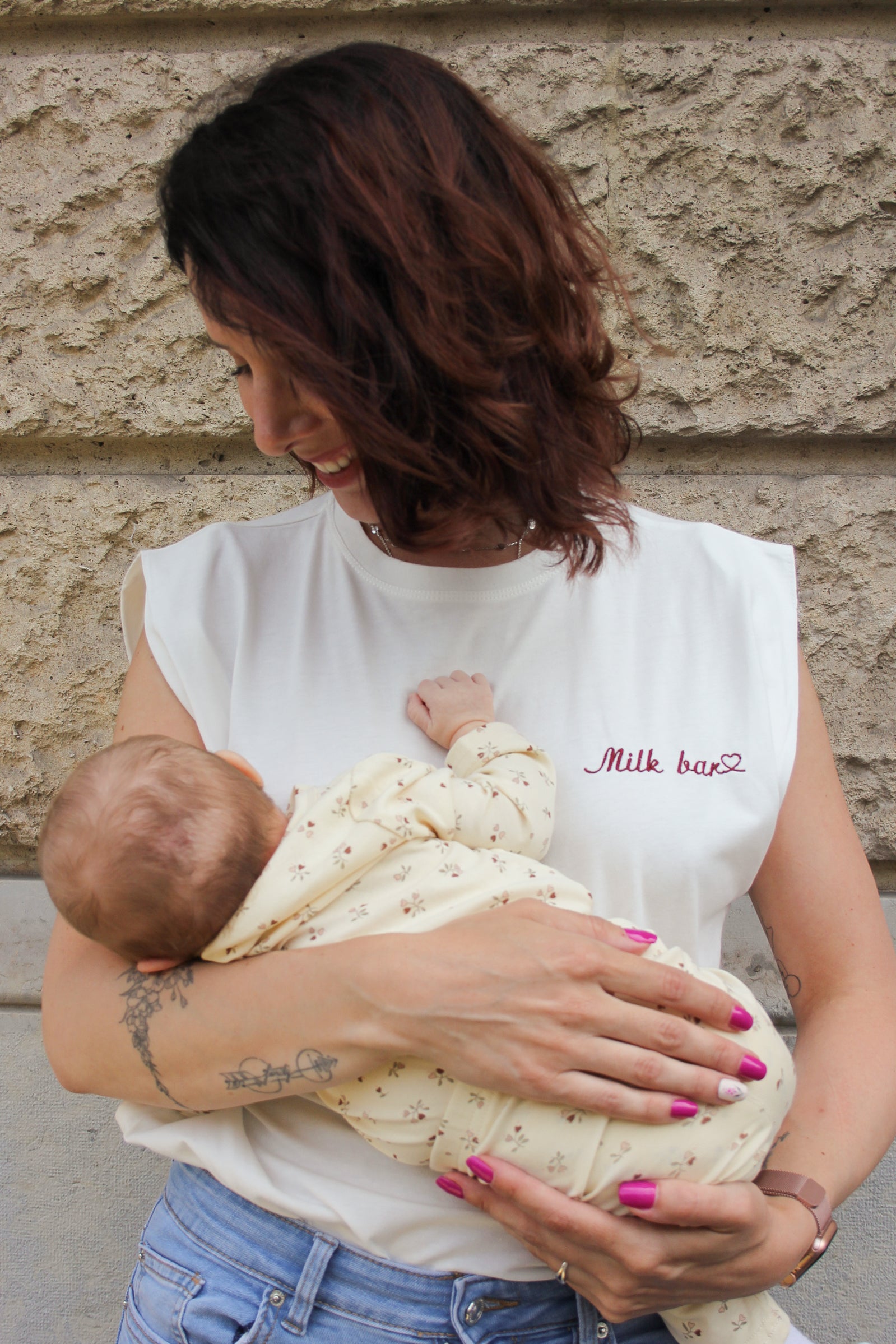
Whether it's for an appointment with your midwife or an outing with your baby, our nursing tank tops are perfect for easy and discreet breastfeeding, while keeping you comfortable.
Famous and Inspiring Midwives
Historical figures
| Midwife | Contribution |
|---|---|
| Louise Bourgeois (1563–1636) | The first midwife to publish a medical book in France |
| Marie-Anne Victorine Boivin (1773–1841) | A pioneer in modern obstetrics |
| Angélique du Coudray (1712–1794) | Has trained thousands of midwives in France |
Contemporary Figures
| Personality | Contribution |
|---|---|
| Ina May Gaskin | A pioneer of natural childbirth in the United States |
| Michel Odent | An obstetrician who revolutionized childbirth |
| Anna Terruwe | Advocate for midwives' rights |
Frequently Asked Questions
What is the difference between a midwife and a doula?
A midwife is a state-certified healthcare professional who is authorized to perform medical procedures (examinations, prescribing medications, delivering babies). A doula is a non-medical support person who provides emotional and practical support. The two roles are complementary.
Can my midwife help me with breastfeeding after I give birth?
Yes, absolutely! Independent midwives offer breastfeeding consultations and home visits. They can support you for several weeks after the birth, which is especially helpful in establishing breastfeeding.
How can I tell if my midwife is knowledgeable about breastfeeding?
Ask her if she has taken any additional training in lactation. Some midwives are also IBCLC-certified lactation consultants, which ensures a high level of expertise.
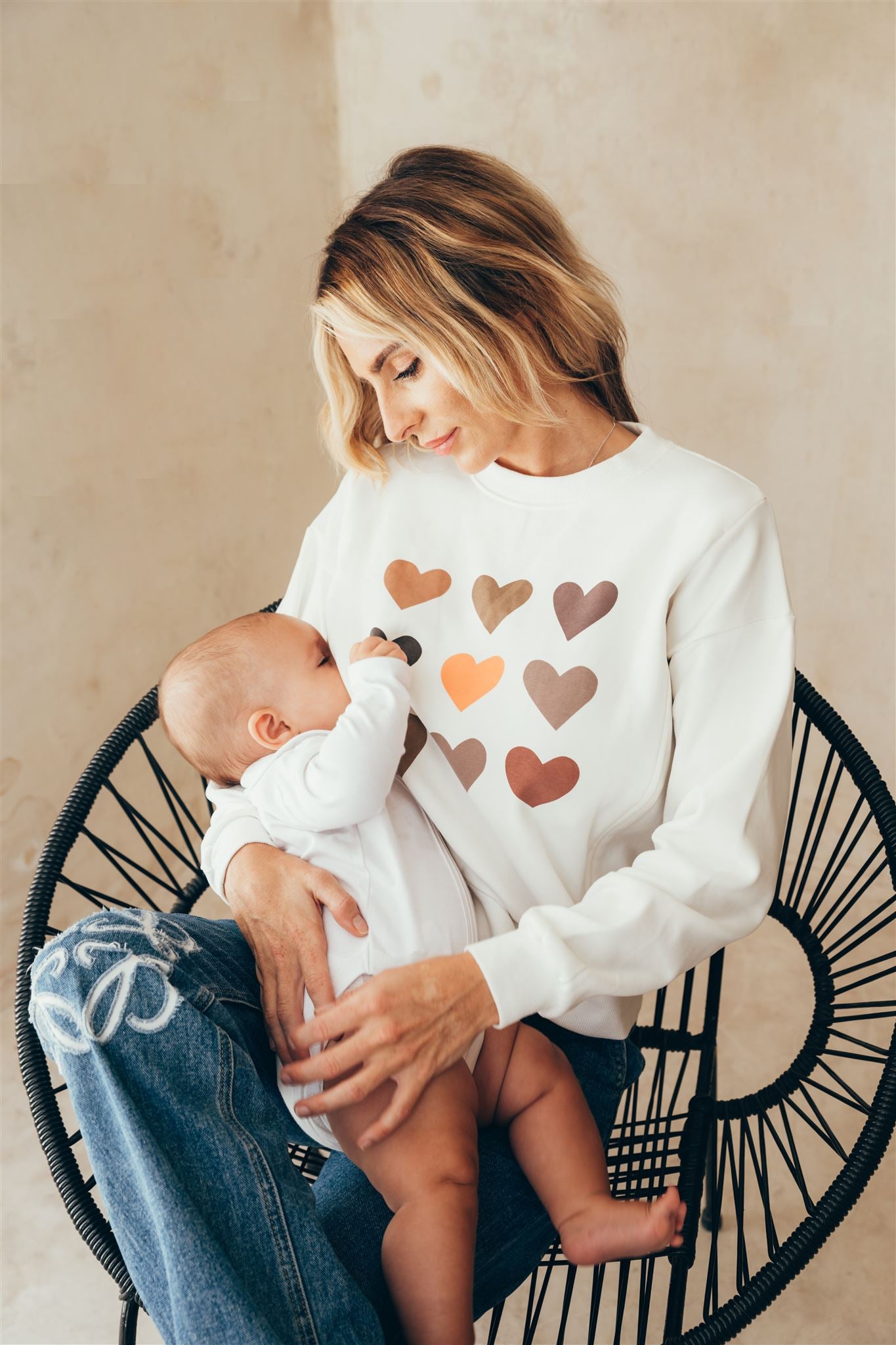
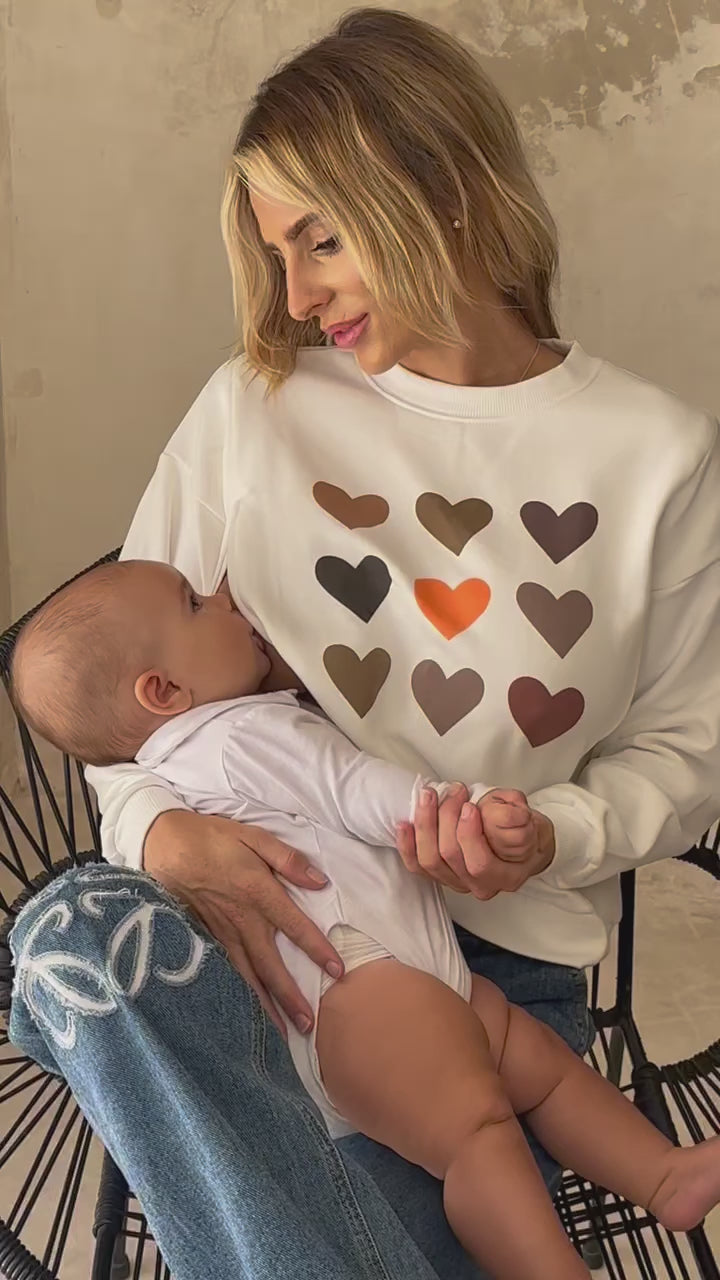
To make your breastfeeding sessions easier, our nursing sweatshirts allow for quick breastfeeding thanks to their discreet openings, which are convenient for showing your midwife how your baby is feeding.
Are midwife visits covered by insurance?
Yes, midwife visits are covered by Medicare. During pregnancy and up to 12 days after childbirth, they are fully reimbursed. After that, reimbursement is 70%, supplemented by your supplemental health insurance.
Can I switch midwives if we don't get along?
Yes, you are free to choose the healthcare professional who will support you. A relationship built on trust is essential for effective care. Feel free to look for a midwife with whom you feel comfortable.

Conclusion
On this International Midwives' Day, let's take a moment to thank these extraordinary professionals who support women during one of the most important moments of their lives. Whether it's during pregnancy, childbirth, or breastfeeding, midwives are invaluable allies whose work deserves to be recognized and celebrated.
At 23 Mai Paris, we share this commitment to supporting mothers with care and compassion. Our nursing wear is designed to make everyday life easier for mothers, complementing the invaluable support provided by midwives. Because every mother deserves support—whether from dedicated healthcare professionals or from practical and stylish clothing.
If you're breastfeeding, here are some of our collections you might be interested in: