Which Breastfeeding t-shirt s should you choose? Neckline, fabric, fit, and budget
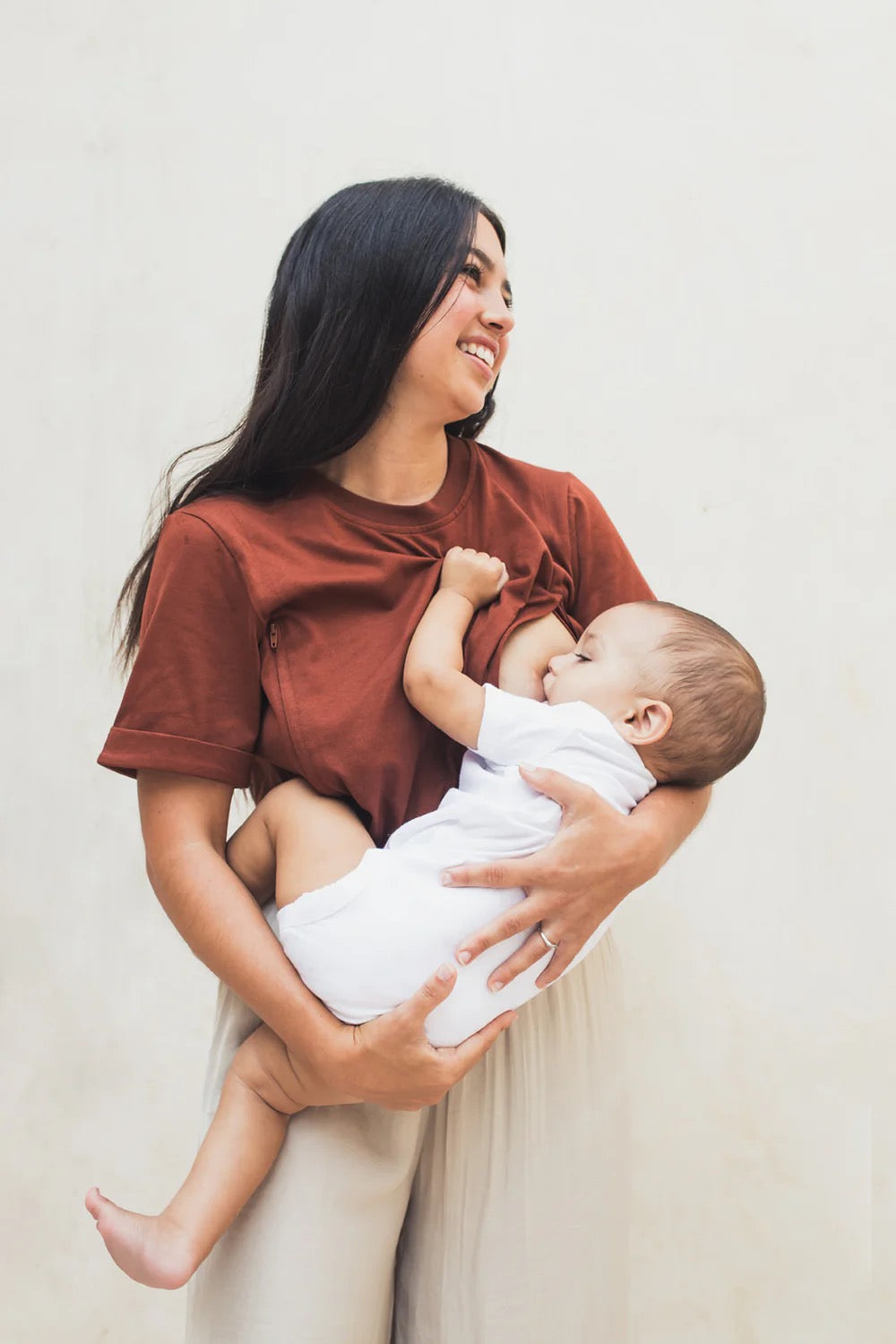
A good one Breastfeeding t-shirt can be recognized by one thing: you slip it on in the morning without thinking, and it lasts all day—including feedings. It doesn’t gape, it doesn’t lose its shape after the third wash, and you can open it with one hand while holding the baby with the other. It’s the most-worn item in a baby’s wardrobe—Breastfeeding dress —often several times a week for six months to two years. This guide reviews the criteria that really matter, in the order they come up when you’re ready to buy.
The opening mechanism: the first consideration, even before color
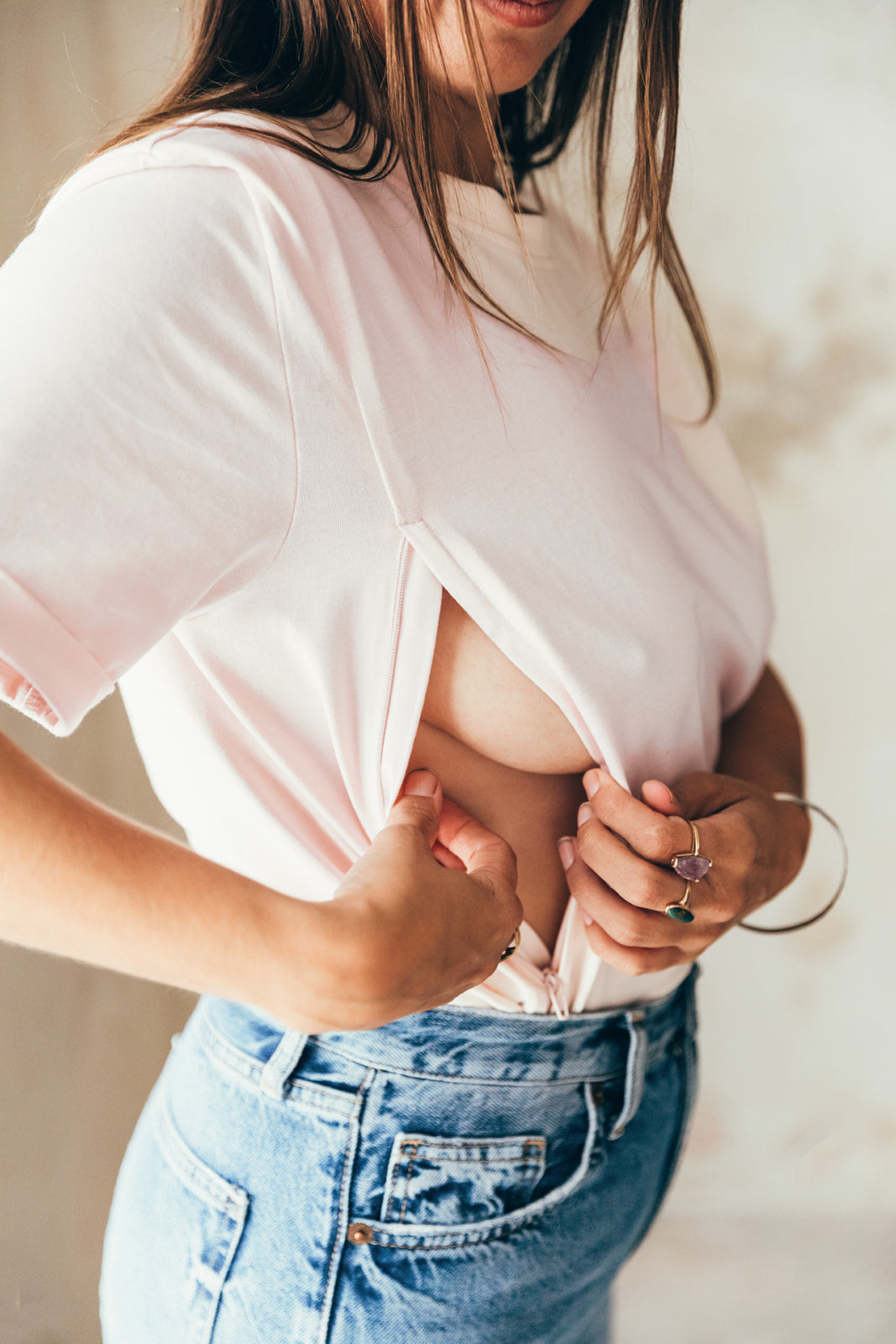
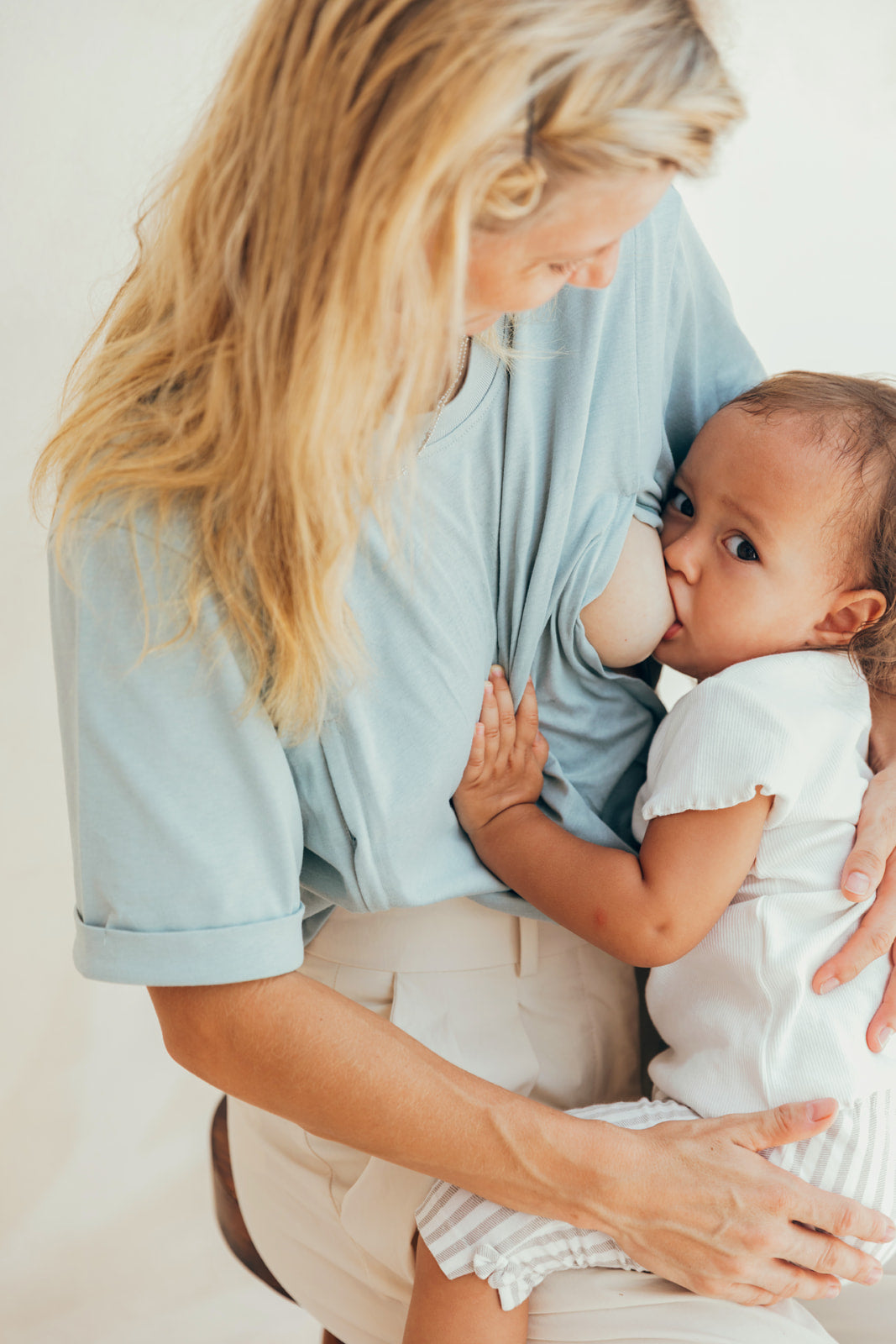
That's where it all comes down to. A sports bra ( Breastfeeding t-shirt ) differs from a regular T-shirt in that it's designed to allow for quick and discreet access to the breast. Four types of sports bras dominate the market.
The Double-Layer Lift-Up
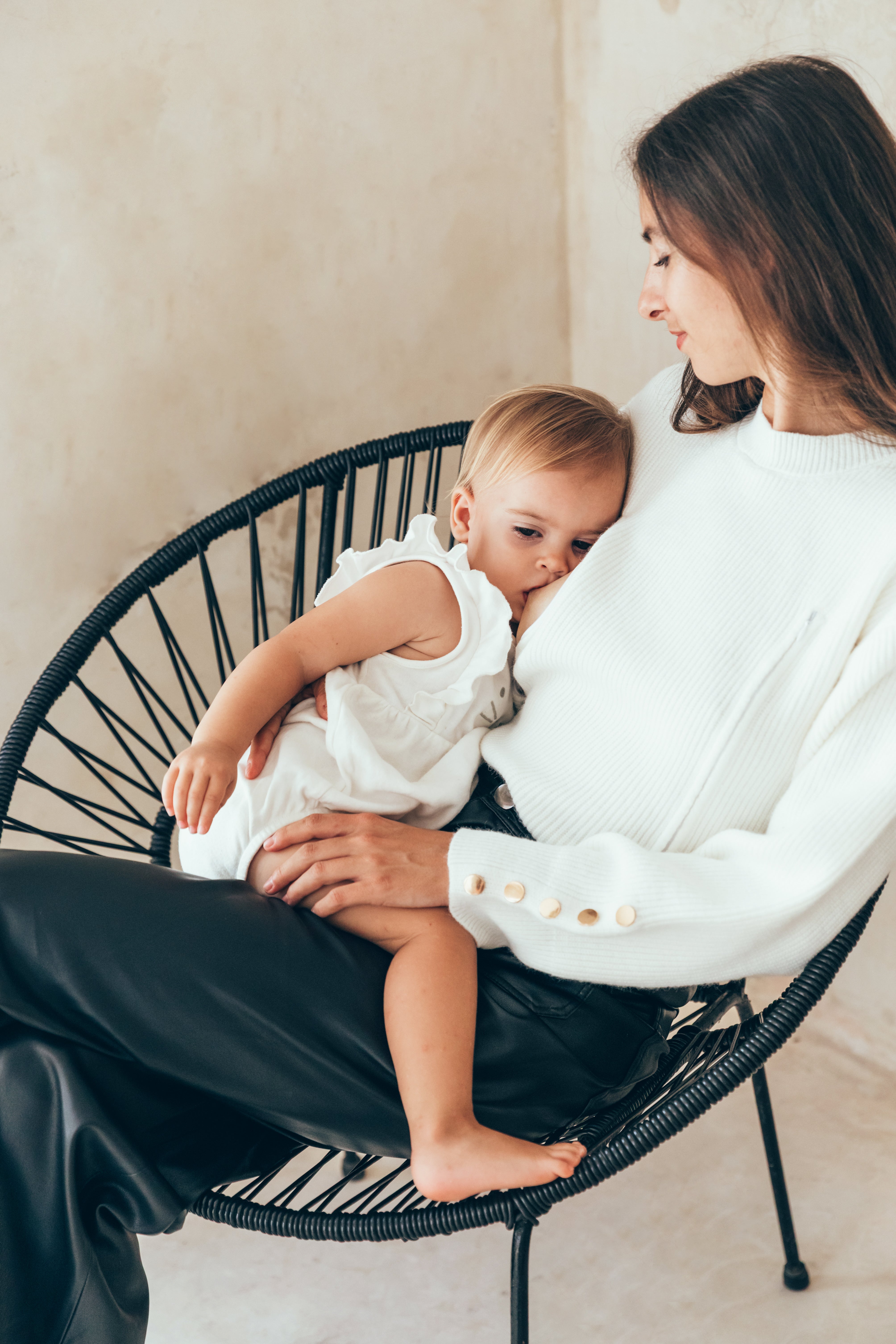
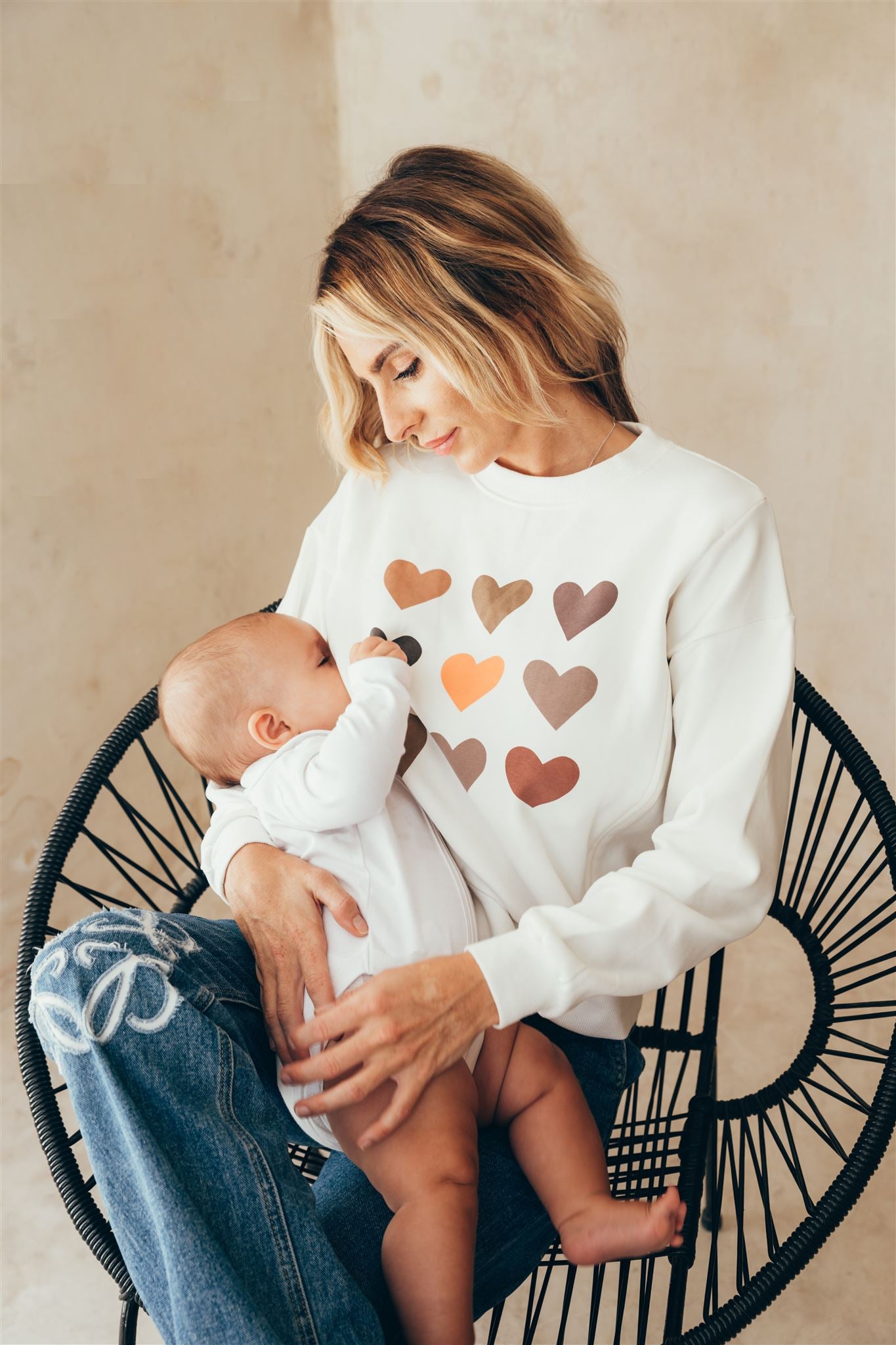
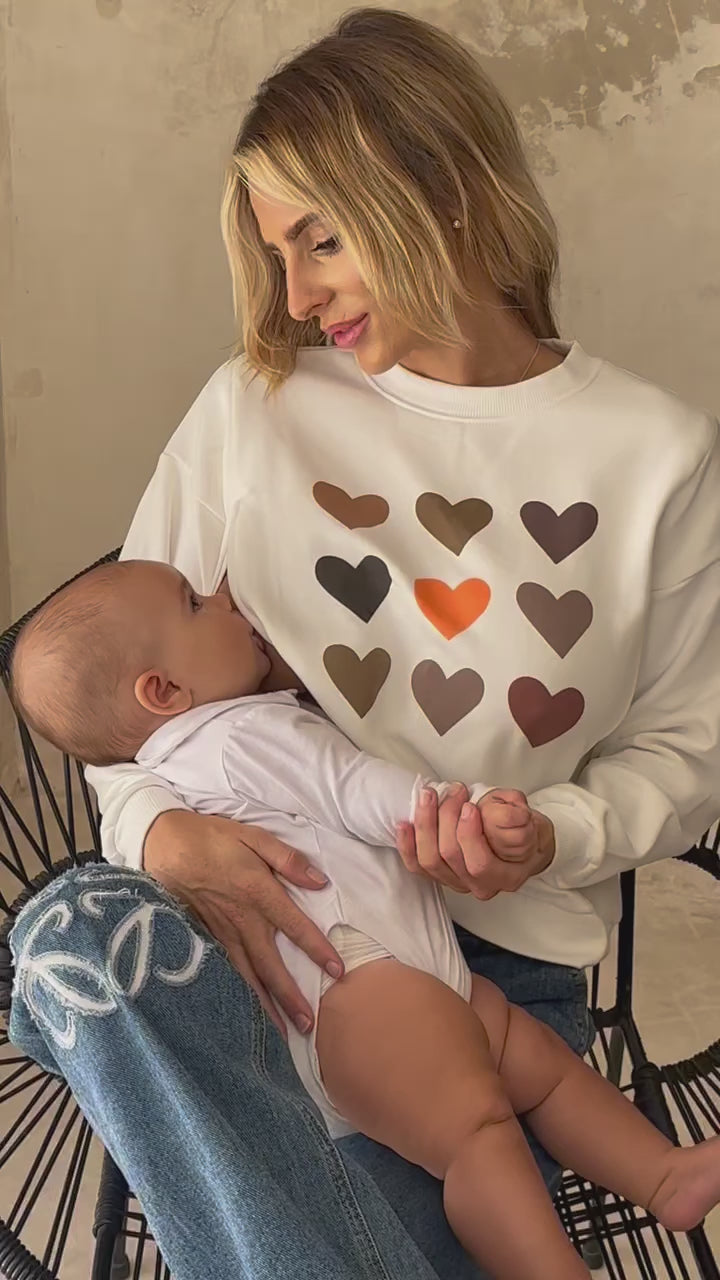
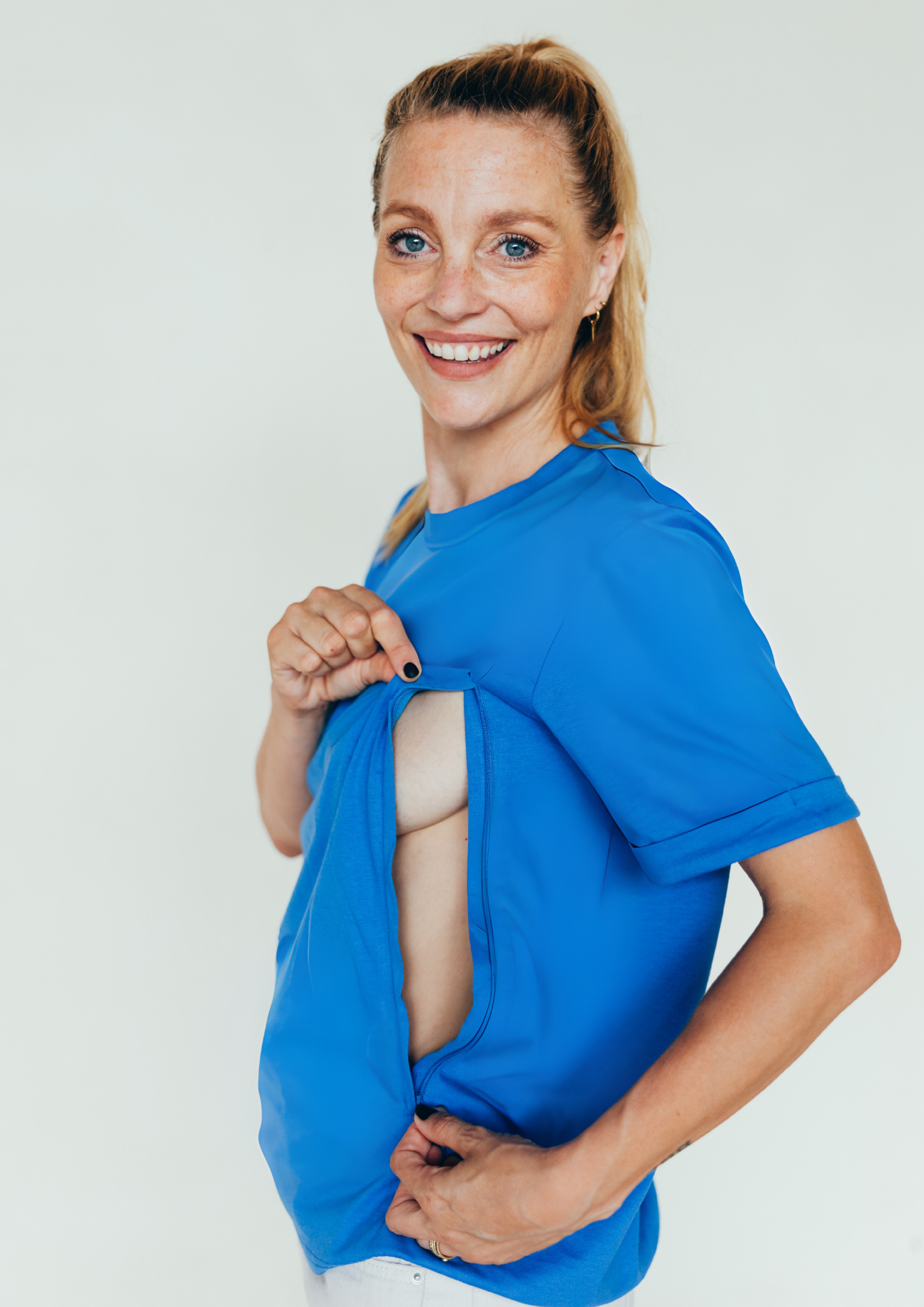
An outer panel lifts up to reveal a slit in the inner layer. This is the most common and discreet system: from the front, nothing is visible. It’s ideal for breastfeeding in public and for moms who want to forget they’re wearing a technical garment. The downside: two layers over the chest, which can make it a bit warmer in the summer.
The side opening
A vertical or horizontal slit hidden in a seam on the side of the bodice. It’s very quick to make, uses a single layer of fabric, and looks almost identical to a classic T-shirt. The “side-opening” collection features styles designed this way. This is the style preferred by moms who breastfeed for an extended period.
The zipper
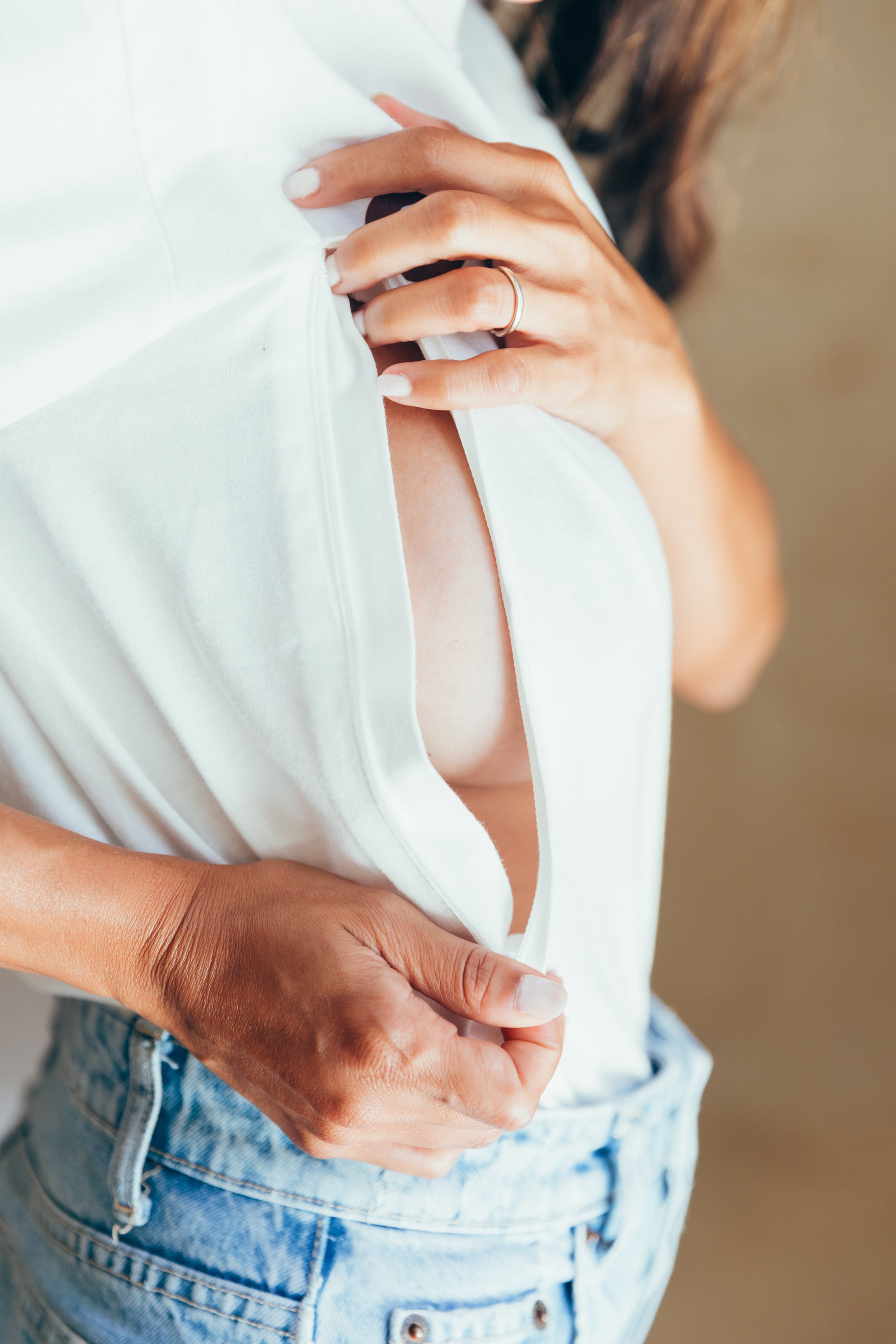
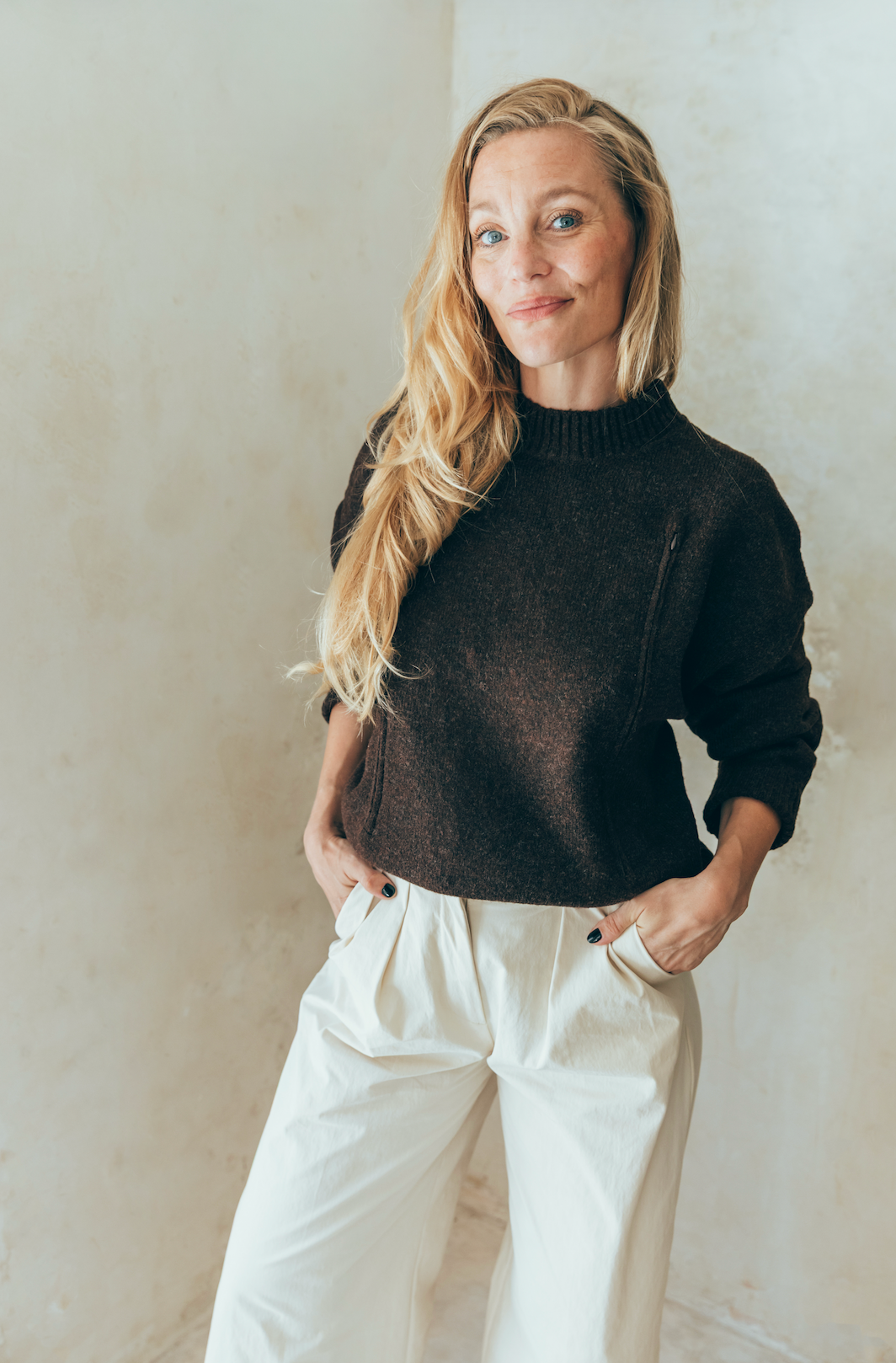
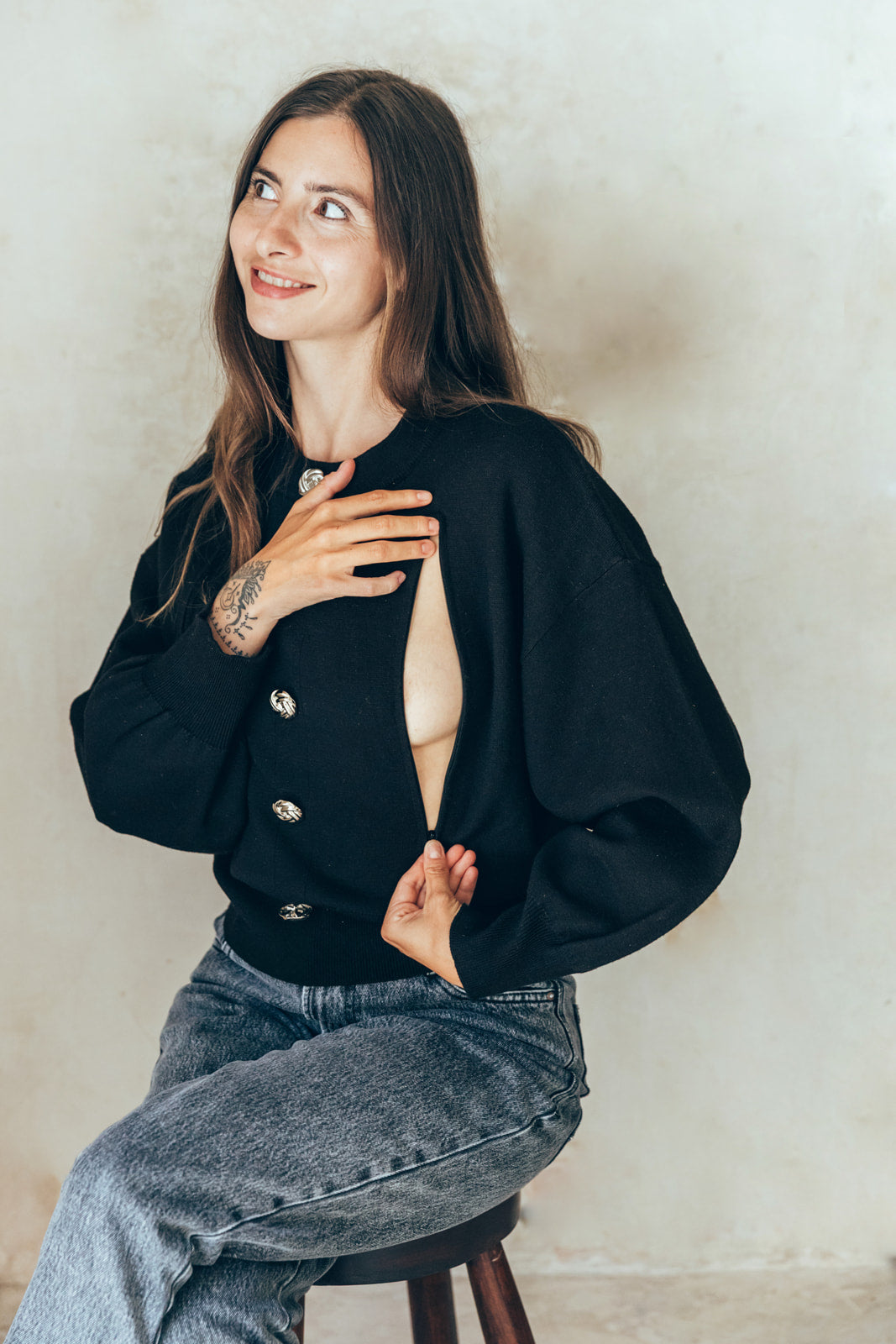
A vertical or diagonal zipper. It allows for a full, controlled opening, which is convenient at night and when pumping with a breast pump. This type of zipper is more visible and requires a slightly sturdier fabric; it’s most commonly found on zippered nursing clothes and sweatshirts.
The wrap-around top and the buttons
More formal, more time-consuming to put on. Save these for tops you’ll wear on occasions where style is key, and pair them with the guide on the five styles of nursing tops based on body type.
Here's a test to try in the fitting room or when you receive the package: open it with just one hand, without looking. If you have to use both hands, the T-shirt will end up at the back of the drawer.
The material: what determines the lifespan
Breastfeeding t-shirt s are washed much more often than regular T-shirts: due to spit-up, milk spills, and sweat. The fabric must withstand thirty to fifty washes without stretching out or pilling.
Cotton: breathable, soft, and easy to wash. Combed cotton weighing 160 g/m² or more retains its shape. Cotton nursing clothes remain the top choice for everyday wear.
Cotton and spandex: A few percent spandex helps the fabric return to its original shape after each time it is opened. This is especially important with the double layer, which puts extra strain on the fabric in the chest area.
Modal, bamboo viscose: lightweight and cool, comfortable in the summer. More delicate when machine-dried; wash cold.
Mostly polyester: Avoid this unless you're wearing it for sports. It traps the smell of milk and doesn't breathe well.
Check the fabric label before looking at the price. A cotton garment that costs €33 and lasts two years is less expensive than a synthetic blend that costs €15 and needs to be replaced three times. The care instructions page explains how to preserve the openings during washing.
The Cut: Thinking About the Body During the First Six Months
At first, your breasts change size several times a day; it takes months for your stomach to return to its normal shape, and you'll likely wear a nursing bra under your T-shirt. Three things to check:
Length: The T-shirt should cover the waistband of your pants even when your arms are raised; otherwise, it will ride up every time you breastfeed. Longer or slightly flared styles are a safer choice than crop tops.
Chest room: Choose your usual size if the brand has designed the garment with a nursing chest panel; otherwise, choose one size larger. The brand's size guide is more reliable than your previous size.
The issue: A jersey fabric that’s too thin makes the bra and pads visible. Discreet styles use a denser jersey fabric or a print that distracts the eye.
For moms who prefer a fitted cut, the solid-color, form-fitting nursing basics slip easily under a cardigan or jacket. For those who prefer a looser fit, the relaxed-fit collection offers roomier styles without compromising on functionality.
Solid, printed, or embroidered: it depends on how you use it
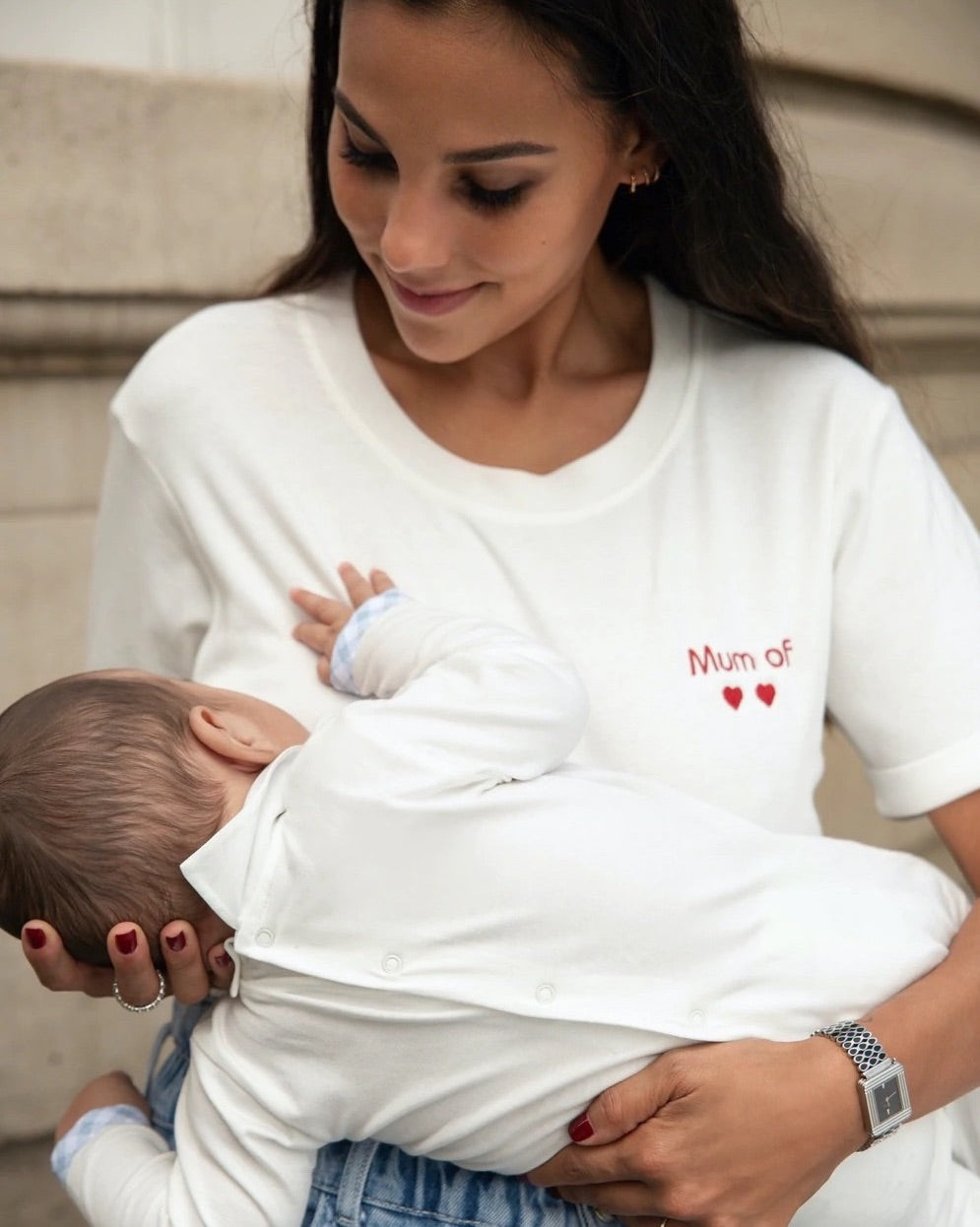
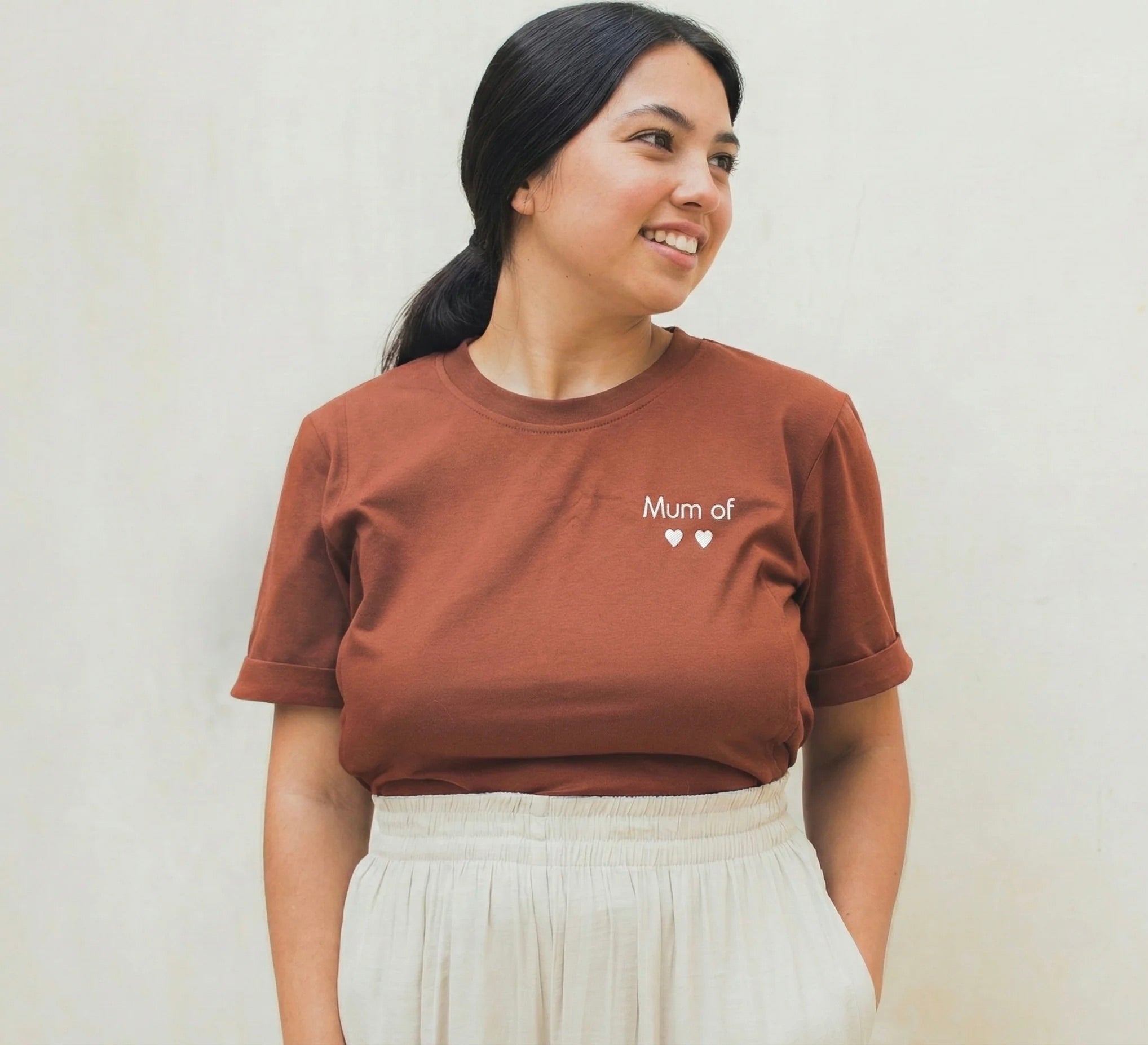
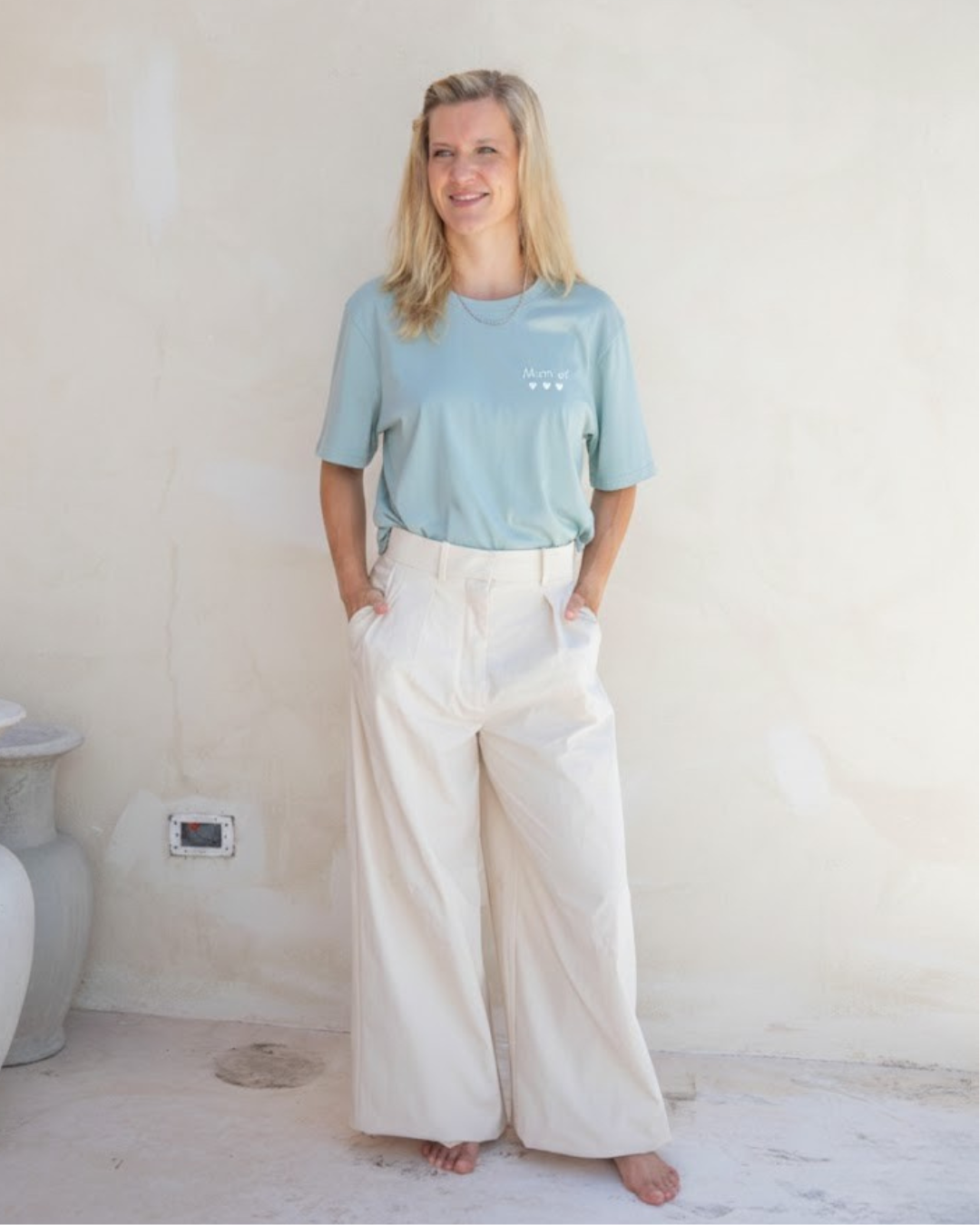
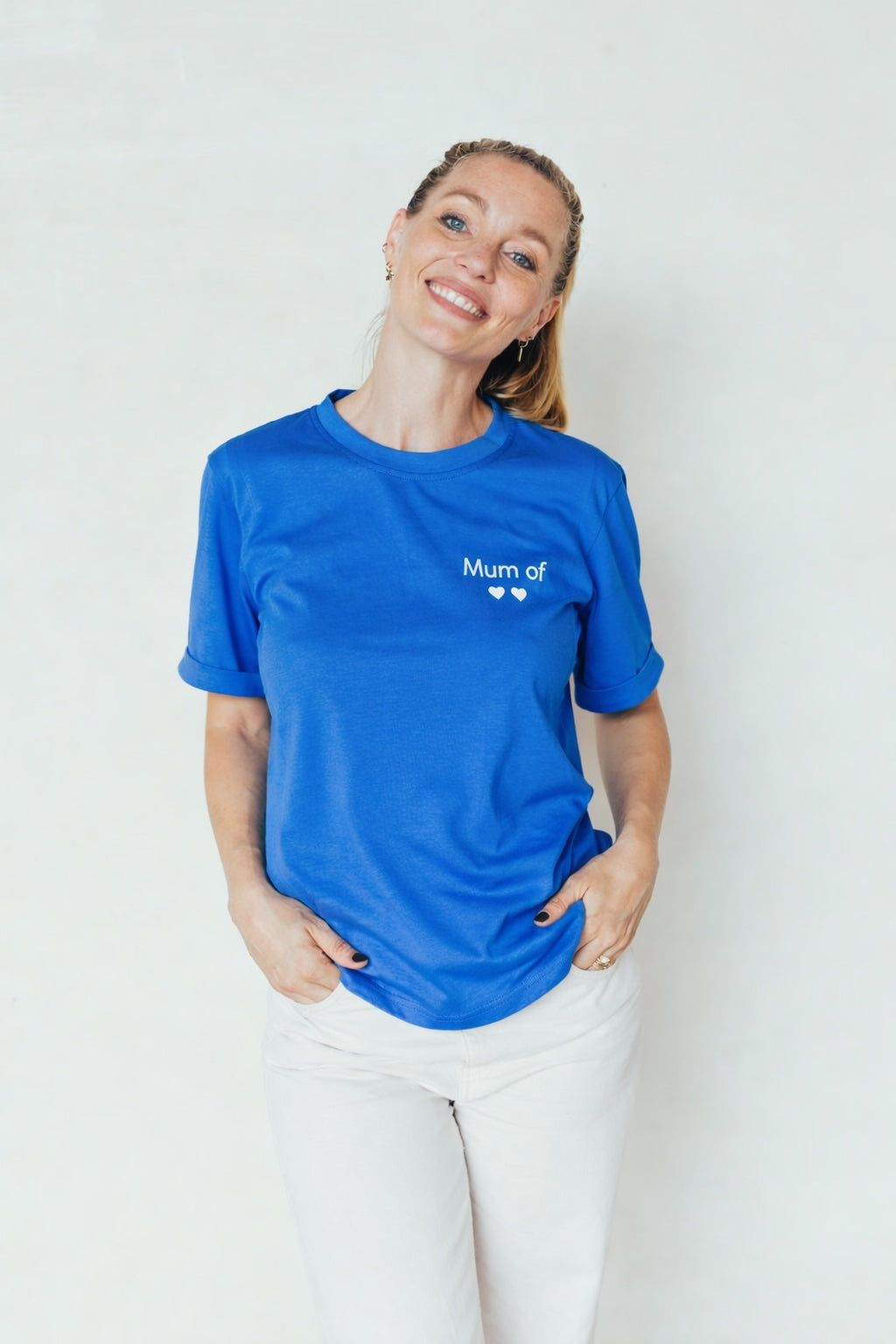
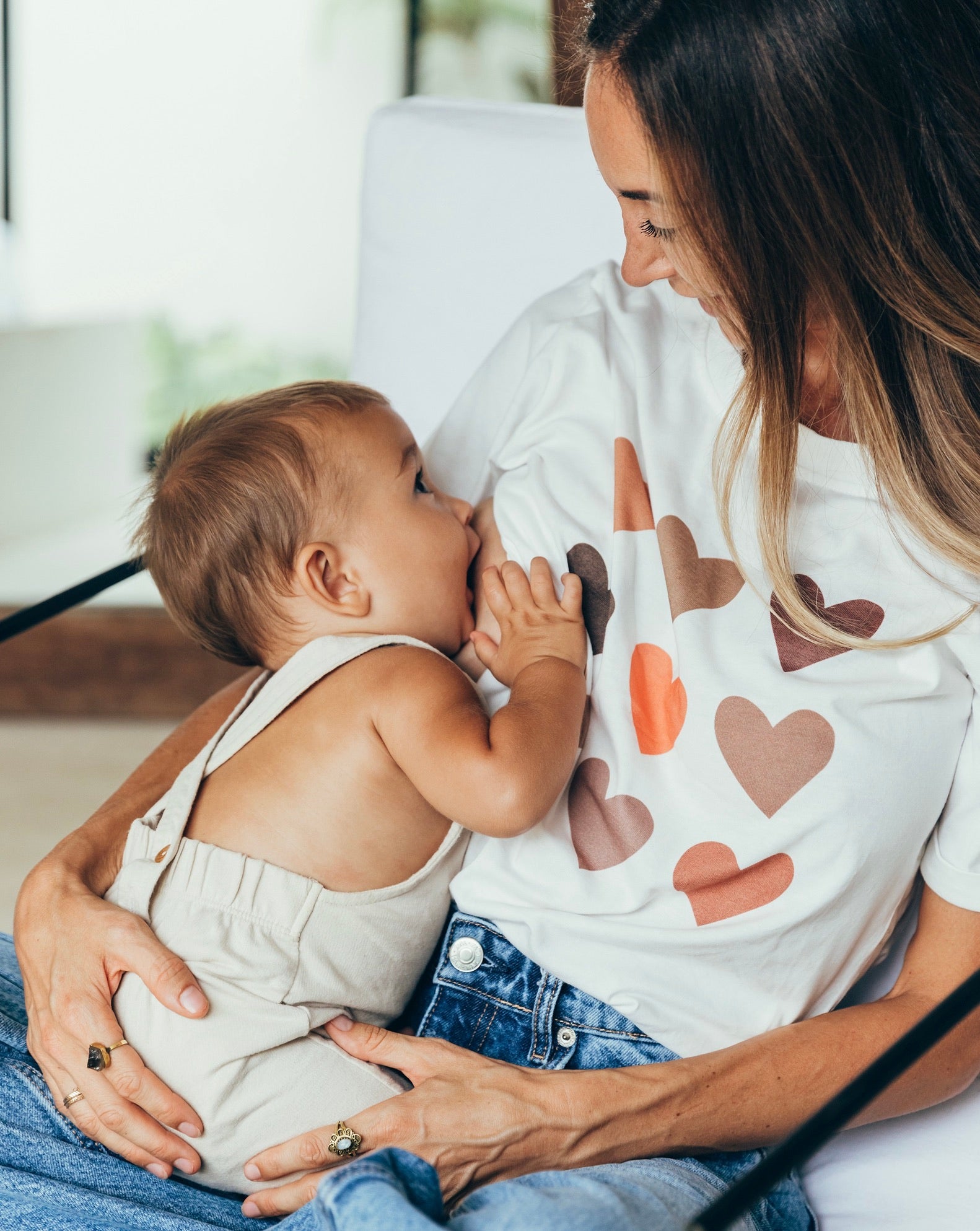
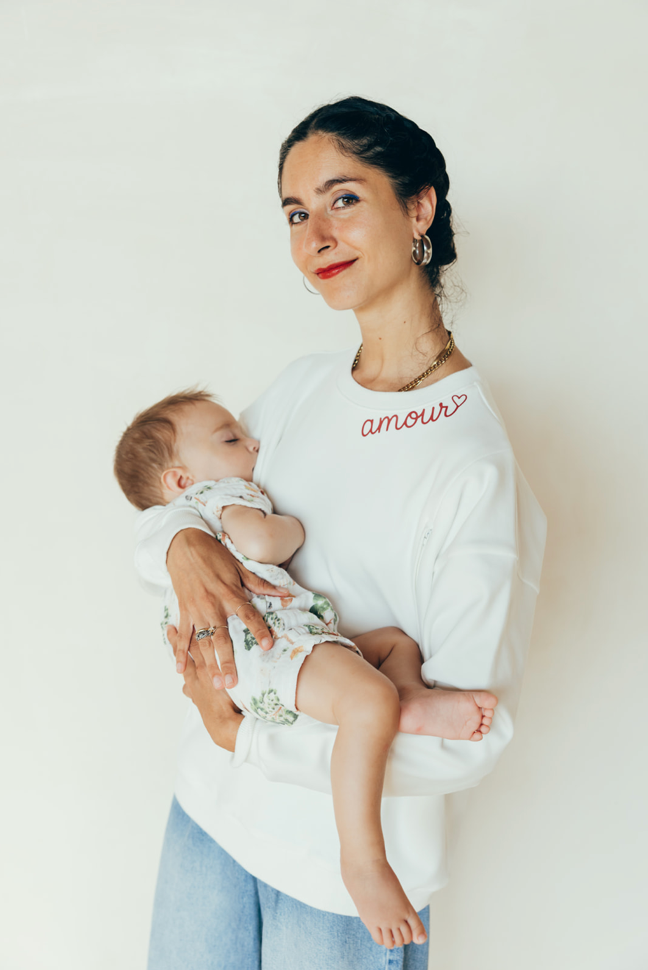
A solid-color T-shirt, like the beige “Breastfeeding t-shirt ” or its olive version, goes with everything and hides milk stains better than a pure white one. A printed design makes for a standout piece for going out: the navy “AMOUR” T-shirt does the trick without looking like something from a baby’s wardrobe. Finally, embroidery transforms the T-shirt into a keepsake: a first name, date of birth, or message. The collection of embroidered T-shirts and customizable styles are the most popular choices for baby gifts—we’ll come back to them in the guide to truly useful gifts for new moms.
How many " Breastfeeding t-shirts " are needed?
Three to five pieces to last a week without washing every day, including at least one dark-colored piece for going out and one very comfortable piece for sleeping. We break down the math in the article “How Many Nursing Clothes Do You Need?” A tank top, such as the striped nursing tank top, is a great addition to your rotation in the summer or under a sweater.
Budget: The Fair Price of a Breastfeeding t-shirt
There are three price tiers:
€10–20: big-box retailers and online marketplaces. Thin materials, often with a double-layer unlined opening, and a lifespan of one season. A good option for trying it out to see if you’ll like the concept.
€30 to €45: specialty brands. Heavier cotton, carefully crafted opening, and a cut designed for the postpartum period. This is the price range for the Breastfeeding t-shirts 23 Mai Paris collection, priced between €20 and €44. At this price, you can expect two years of regular use.
€50 and up: premium materials or very small-batch production. Justified for a statement piece, less so for a basic item you wash every other day.
To help spread out the cost, the “On Sale” and“Outlet” sections offer end-of-line items at first-tier prices with second-tier quality. The article on nursing clothing prices explains exactly what the price actually covers.
Common mistakes to avoid
Buy before the baby is born based on your maternity size: your bust will continue to change. Get one or two T-shirts beforehand, and the rest after the first few weeks.
Use only white: traces of milk show up and turn yellow.
Neglecting maintenance: Tumble-drying at high temperatures causes the elastic bands around the opening to snap.
When choosing a new opening system for your entire wardrobe that you've never tried before: start with one model, make sure it works, and then add the rest.
In summary
A Breastfeeding t-shirt should be chosen first based on its opening (side or double-layered for everyday wear, zipper for nighttime), then on its fabric (heavyweight cotton with a bit of spandex), and finally on a cut that’s long enough to accommodate a postpartum body. A reasonable budget for a long-lasting piece is €30 to €45. Start with two or three solid-color basics, get used to wearing them, and then add a printed or embroidered piece for going out. The rest of your wardrobe—sweaters, dresses, and pajamas—can then be built around these T-shirts.