5 Steps to Setting Up Your Breastfeeding Space at Home
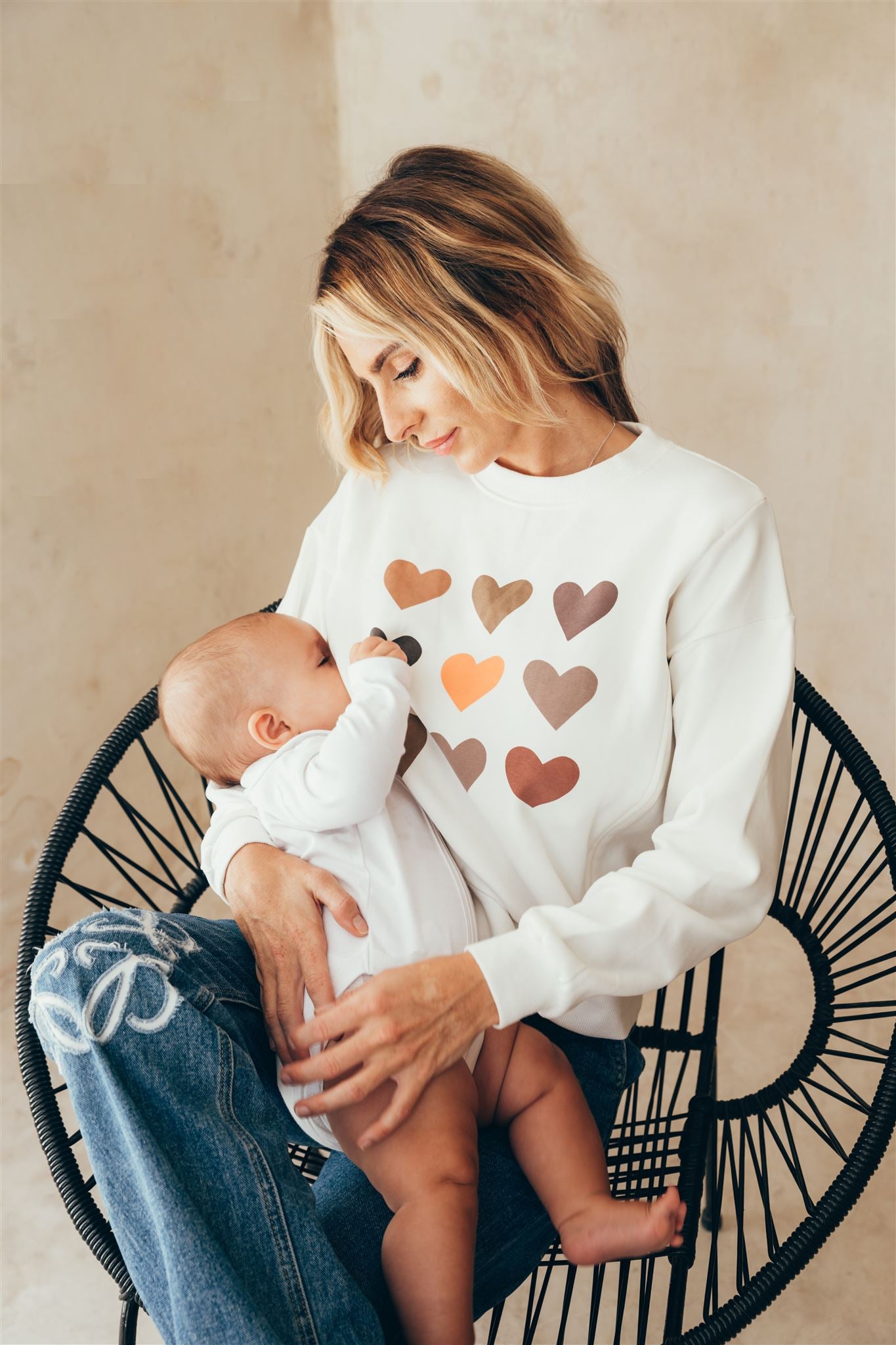
Creating a cozy, nurturing space for breastfeeding turns this experience into special moments. Between the frequent feedings of the first few months and the demands of daily life, setting up a dedicated space quickly becomes a necessity.
At 23 Mai Paris, we support breastfeeding moms every day. This guide helps you create your ideal breastfeeding space in 5 steps, so that every feeding becomes a moment of comfort and peace.
Step 1: Choose the perfect location
The location determines how comfortable your many daily feedings will be. Take the time to think it through before setting up your feeding area.

The criteria for a good location
| Criterion | Why it's important |
|---|---|
| Calm | Promotes relaxation and milk production |
| Natural light | Pleasant during the day, without direct sunlight |
| Near the kitchen | For easy hydration |
| Near the restrooms | Avoid uncomfortable trips |
| Electrical outlets | For breast pumps, night lights, and chargers |
The best locations based on your accommodation
The ideal location depends on your home.
In an apartment, a corner of the living room near a window or a spot in the bedroom works very well.
In a multi-story house, having a space on each floor helps avoid having to go up and down at night.
In a studio apartment, an area separated by a screen or a bookshelf can help create a cozy, dedicated space.
The Importance of Privacy
Even at home, maintaining your privacy is still essential, especially if you have guests or other children.
Simple solutions:
- A decorative screen
- The chair is positioned with its back to the room
- A sheer curtain
- An open bookshelf that defines the space
This peaceful environment helps you bond with your baby and promotes the release of oxytocin.
Step 2: Choose the essential furniture
Furniture is the heart of your breastfeeding space. Invest in high-quality pieces that you’ll use hundreds of times.
The armchair: the centerpiece
This is THE most important room. You'll spend hours in it, especially during the first few months.
Criteria for a good nursing chair:
Seat options:
| Type | Benefits | Disadvantages |
|---|---|---|
| Rocking chair | Soothing movement for babies | May be bulky |
| Classic armchair | Reliable, often less expensive | No movement |
| XL Beanbag | Cozy, versatile | Less support |
| Chair with cushion | Economical | Less comfortable for long feedings |
The footrest
Often overlooked, it makes all the difference when it comes to your comfort!
Why it's essential:
- Relieves leg and back pain
- Improves blood circulation
- Helps lift your baby naturally
Options: Footrest built into the chair, separate ottoman, padded stool.
The nursing pillow
It supports your baby and gives your arms a break during feedings.
Selection criteria:
- Sufficient firmness (does not sag)
- Removable and washable cover
- A size that fits your body type
For more information, see our article Breast Pads: A Complete Guide to Choosing the Right Ones.

Step 3: Organize storage and essentials
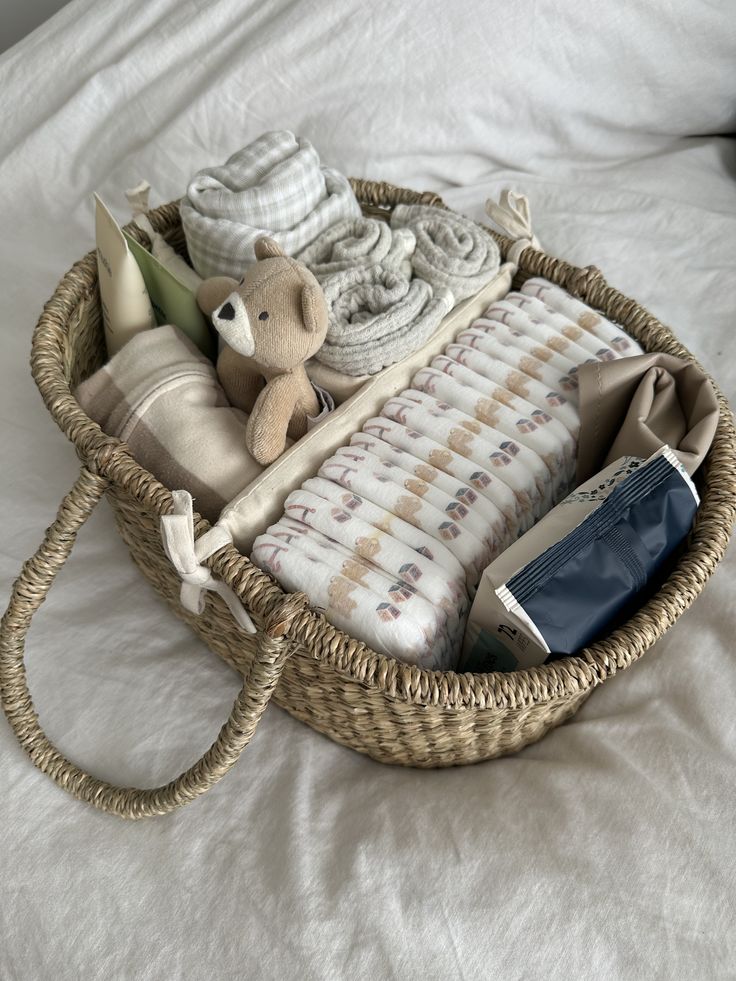
Everything should be within easy reach. You’ll often have a baby in your arms and only one hand free!
The side table: your best friend
A small table or side table next to your armchair is a must.

What it must contain:
A well-equipped nursing station makes everyday life easier.
Keep a water bottle, healthy snacks, nipple cream, nursing pads, and tissues or wipes within easy reach.
For long feedings, be sure to bring your phone and its charger, the remote control if needed, and a book or e-reader to keep yourself occupied.
Tip: Choose a table with a drawer or shelf to keep everything tidy without cluttering the surface.
Storing Your Nursing Clothes
Having clean clothes on hand makes everyday life easier. Spit-ups and milk surges sometimes require frequent changes.

Recommended setup:
For added convenience, keep a Cart your nursing area stocked with 2 or 3 T-shirts that are always ready to wear. A dedicated drawer nearby is perfect for keeping a complete change of clothes within easy reach, while a wall hook is ideal for hanging a sweatshirt or cardigan that you can slip on quickly.
Tip: Always keep 2–3 extra outfits in your closet. That way, you’ll never be caught off guard.
Discover our Breastfeeding t-shirts soft and practical for everyday use.
Step 4: Create the perfect atmosphere
The atmosphere directly affects your ability to relax and your milk supply. Oxytocin (the breastfeeding hormone) is stimulated by calm and a sense of well-being.
Lighting: soft and adjustable
Soft, adjustable lighting helps create a comfortable environment for breastfeeding.
During the day, opt for soft, natural light.
In the evening, a dimmable lamp creates a soothing atmosphere, while a warm-toned nightlight is perfect for nighttime feedings.
Lighting options:
- Table lamp with dimmer
- LED string lights (cozy ambiance)
- Portable night light (great for nighttime use)
- Flameless LED candle (safety)
Avoid: Cool white light, neon lights, and direct light in the eyes.

The soundscape
Background sounds can make breastfeeding even more enjoyable. Silence helps you bond with your baby, while soft music or nature sounds can help you relax.
White noise can help soothe fussy babies, and a podcast or audiobook can keep them entertained during longer feedings.
Tip: Create a "breastfeeding" playlist on your phone, ready to play.
The little extras that make all the difference
Step 5: Adapt the organization to changing circumstances
Your breastfeeding space isn't set in stone. It evolves along with your baby's needs and your own.
To find out how many pieces you'll need, check out our article How many nursing clothes do you really need?
The first few months (0–3 months): maximum comfort
During the first three months, the goal is to prioritize maximum comfort. Since feedings are very frequent, it’s important to have everything you need within reach and adequate lighting to make it easier to handle the many nighttime awakenings.
For evenings, check out our Breastfeeding pyjamas comfortable and practical.
The installation phase (3–6 months): practicality
Between 3 and 6 months, practicality is key. With a more established routine, a well-organized space makes daily life easier.
A tidy space is also nice when you have more visitors, while a certain amount of flexibility allows you to adapt to feedings that may take place in different rooms of the house.
Established breastfeeding (6+ months): flexibility
By 6 months, breastfeeding is usually well established and feedings become less frequent. The breastfeeding area can then be more versatile, while still being suitable for a more mobile baby.
This period also allows for a gradual transition to a more traditional living space.
Tip: Keep flexibility in mind
Don't spend too much on fixed furniture. Opt for movable pieces (Cart, lightweight tables, ottomans) that you can reuse or move around later.
Checklist: Your Ideal Breastfeeding Space
Furniture
- Comfortable armchair
- Footrest
- Breastfeeding pillow
- Side table
Essentials at your fingertips
- Water bottle (large capacity)
- Healthy snacks
- Nipple cream
- Nursing pads
- Tissues/wipes
- Phone + charger
The atmosphere
- Adjustable lighting
- Night light
- Playlist or relaxing sounds
- Cozy blanket
Clothing
- 2–3 Breastfeeding t-shirts
- 1 comfortable sweatshirt or cardigan
- Replacement ear pads
Check out our nursing sweatshirts perfect for cozy moments.
Conclusion
Setting up a well-thought-out breastfeeding space can make your daily life as a mom much easier. These 5 steps will help you create a cozy haven where every feeding becomes a moment of tenderness and connection with your baby.
At 23 Mai Paris, we understand how important these special moments are. Our nursing clothes are designed to support you on this unique journey.
Browse our nursing wear collection and furnish your space with comfortable and stylish pieces.