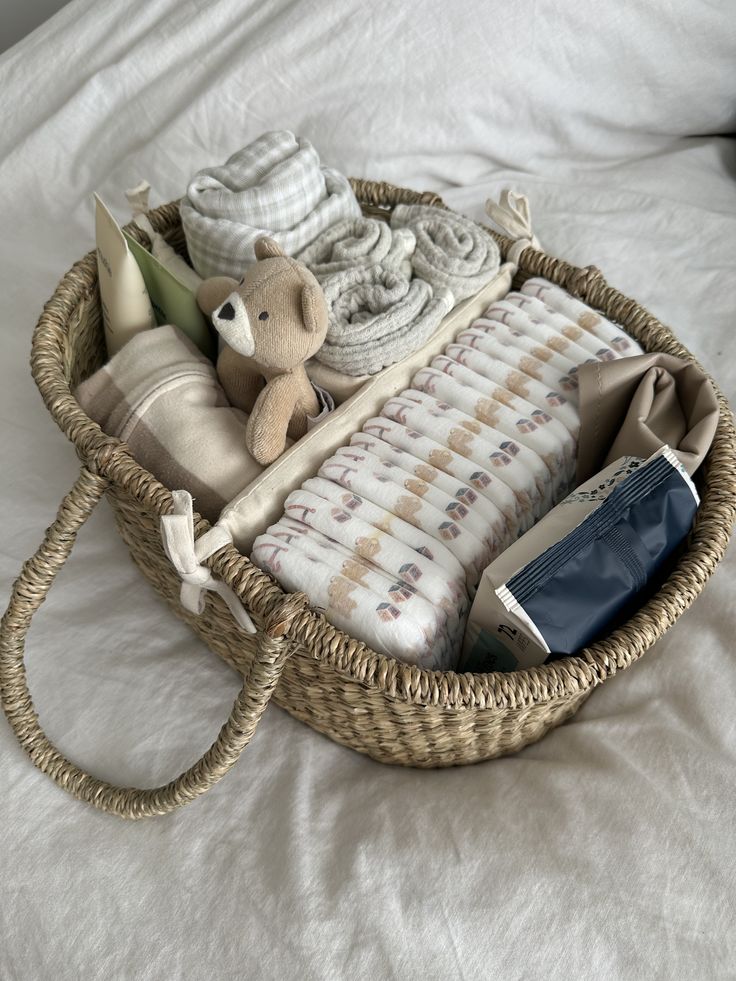
How to Pack Your Hospital Bag Without Stress or Forgetting Anything
Putting together your baby registry is one of the most exciting steps in preparing for your baby’s arrival. Between the essentials you can’t forget, the quantities you need to plan for, and the best timing, it’s easy to feel overwhelmed by all these decisions.
At 23 Mai Paris, we support expectant mothers on this journey. This comprehensive guide helps you put together your first baby wardrobe with confidence, without stress or forgetting anything, while also taking into account your own needs as a new mom.
To get ready, check out our article Preparing for Breastfeeding Before the Baby Is Born.
When should you start putting together the baby layette?
Timing is key to avoiding last-minute rushes while maintaining flexibility.

The Perfect Schedule
- Months 5–6: Make a list, research brands, set a budget
- 7th month: buying the essentials (onesies, pajamas, sleep sacks)
- Month 8: Add accessories and skincare products
- 9th month: final touches, hospital bag, last-minute adjustments
Why start in the seventh month?
Starting as early as the 7th month has several advantages. On the one hand safety, if the baby arrives early, you'll already be ready. As for serenity, you avoid last-minute stress. It’s also better for the budget, because you can spread out your purchases, and for your energy, since you're still up for going shopping. At least you have time to keep an eye out for sales and great deals.
What to Avoid
Choose a layette appropriate for the season of birth
The time of year your baby is born has a significant impact on what you’ll need to pack.
Winter baby (November through February)
| Type of clothing | Quantity | Specific Features |
|---|---|---|
| Long-sleeve bodysuits | 8–10 | Heavyweight cotton or velvet |
| Velvet pajamas | 6–8 | With built-in legs |
| Vests/cardigans | 3–4 | Soft wool or fleece |
| Hats | 2–3 | Essentials |
| Slippers/socks | 4–5 pairs | Lined or wool |
| Onesie/baby sleeper | 1 | For outings |
| Warm sleeping bag | 2 | TOG 2.5 to 3.5 |
Spring Baby (March to May)
| Type of clothing | Quantity | Specific Features |
|---|---|---|
| Long-sleeve bodysuits | 5–6 | Classic cotton |
| Short-sleeved bodysuits | 4–5 | For mild days |
| Cotton pajamas | 6–8 | Mid-season |
| Lightweight vests | 2–3 | Stackable |
| Lightweight hats | 1-2 | For cool outings |
| Mid-season sleeping bag | 2 | TOG 1.5 to 2.5 |
Summer Baby (June–August)
| Type of clothing | Quantity | Specific Features |
|---|---|---|
| Short-sleeved bodysuits | 8–10 | Lightweight, breathable cotton |
| Lightweight pajamas | 4–6 | Without feet or made of gauze |
| Romper suits | 3–4 | Practical and cute |
| Hat/sun hat | 1-2 | Sun protection |
| Lightweight socks | 3–4 pairs | For the AC |
| Lightweight sleeping bag | 2 | TOG 0.5 to 1 |
Fall baby (September to October)
| Type of clothing | Quantity | Specific Features |
|---|---|---|
| Long-sleeve bodysuits | 6–8 | Classic cotton |
| Short-sleeved bodysuits | 3–4 | For mild days |
| Cotton pajamas | 6–8 | Classics |
| Vests | 3–4 | Essentials |
| Hats | 1-2 | For outings |
| Mid-season sleeping bag | 2 | TOG 2 to 2.5 |
Essential clothing for the first 3 months
Essential baby clothes
- Bodysuits (sizes 8–10): Opt for wrap-around styles or those with shoulder snaps, which are easier to put on
- Pajamas (6–8): with snaps from top to bottom for easy changing
- Vests/cardigans (3–4): in various weights
- Nursing bras (2–3): for the first few days
- Socks (5–6 pairs): they tend to get lost!
- Hats (2–3): even in the summer, because of the air conditioning in the maternity ward
Why choose wrap-around bodysuits?
Cross-front onesies eliminate the need to pull the garment over the baby’s head, which babies tend to dislike. They provide easy access to the umbilical cord—important during the first few days—and are quick to put on, which is a lifesaver at 3 a.m. They are also adjustable and adapt to the baby’s body shape.

Size distribution: THE golden rule
Mistake #1 for new parents: Buying too many newborn-sized items.
| Size | Recommended ratio | Why |
|---|---|---|
| Birth (50 cm) | 2–3 rooms max | Many babies don't wear it |
| 1 month (54 cm) | 1/3 of the set | A few weeks |
| 3 months (60 cm) | 1/3 of the set | Worn for longer |
| 6 months (67 cm) | 1/3 of the set | Anticipation |
Tip: Keep the tags and receipts in case you need to exchange the item.
Beyond clothes: other baby essentials
For sleep
- Sleeping bags (2-3): one lightweight, one warm, and one for mid-season
- Fitted sheets (3–4): for a crib or bed
- Mattress protectors (2–3): to protect the mattress
- Gauze diapers (6–8): multi-purpose

For personal care and hygiene
- Drooling (5–7): Spitting up is common
- Bathrobes (2): with hoods
- Washcloths (4–5): soft, cotton
- Reusable wipes (10–15): economical and eco-friendly
- Diapers (1 pack, size 1): Do not overstock
What NOT to buy in advance
- Too many diapers: you don't know your baby's exact size
- Cosmetics: Babies' skin reacts differently
- Shoes: unnecessary before walking
- Too many newborn sizes: often too small
Put together YOUR maternity bag
We often forget, but moms need the right essentials too!
If you plan to breastfeed
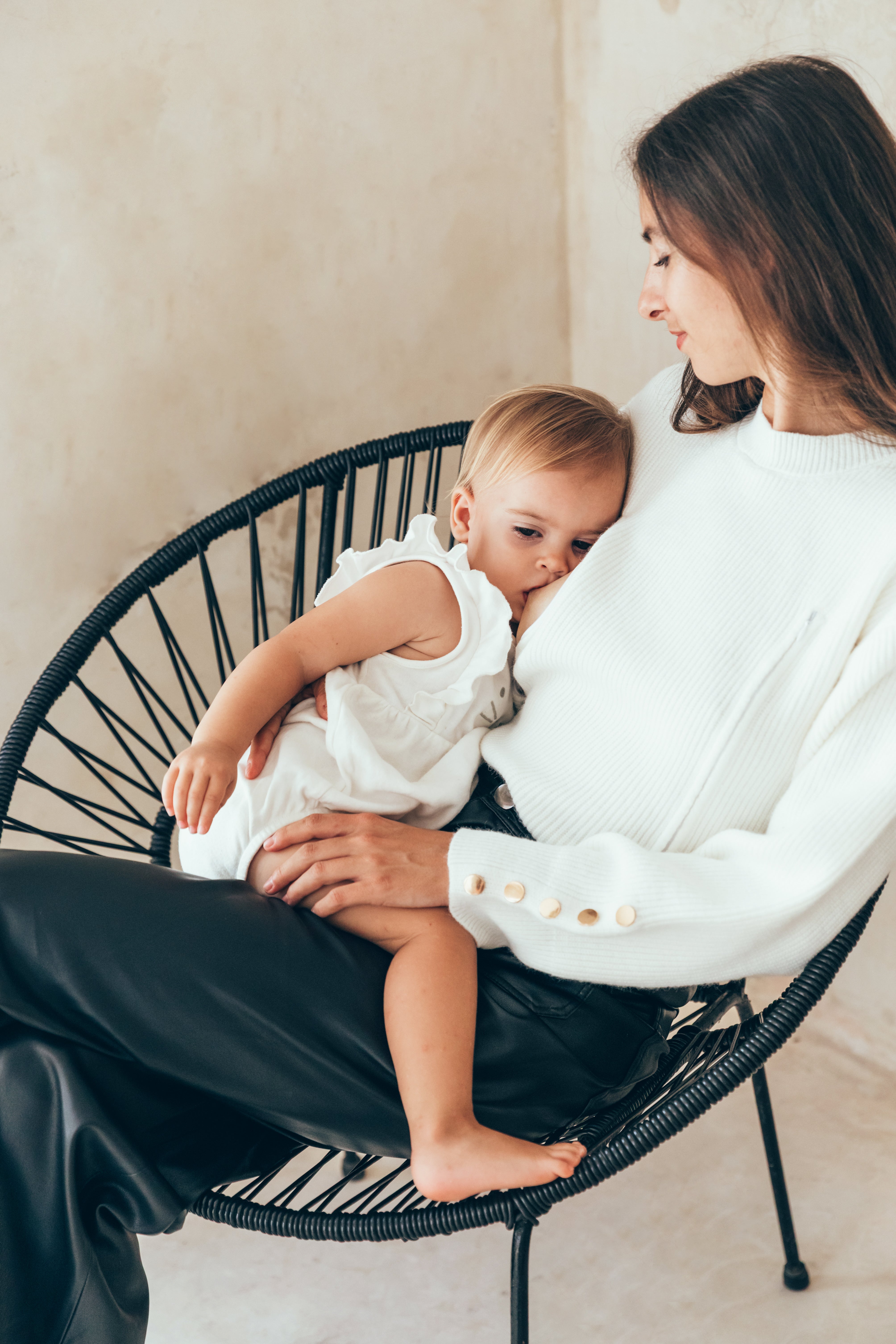
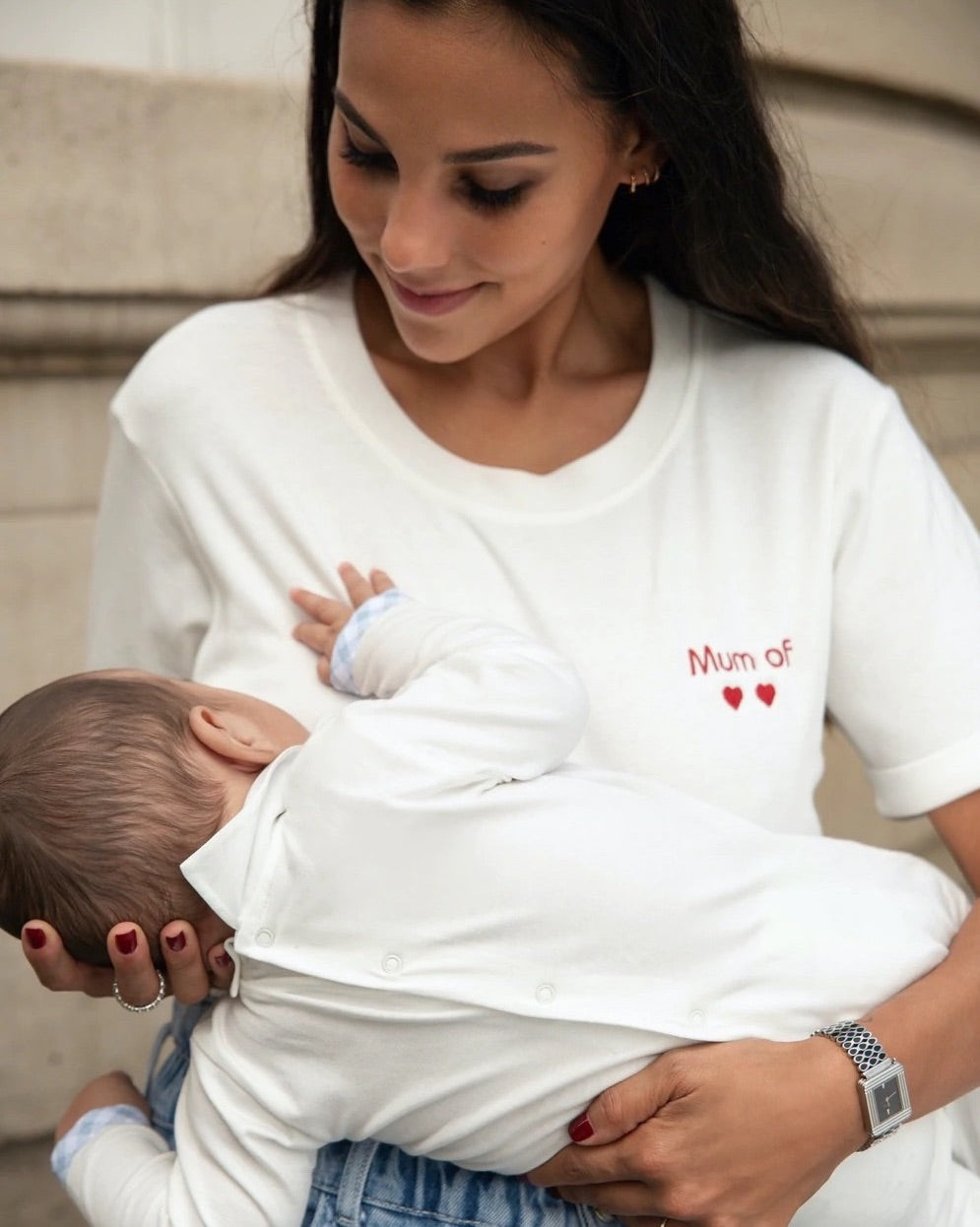
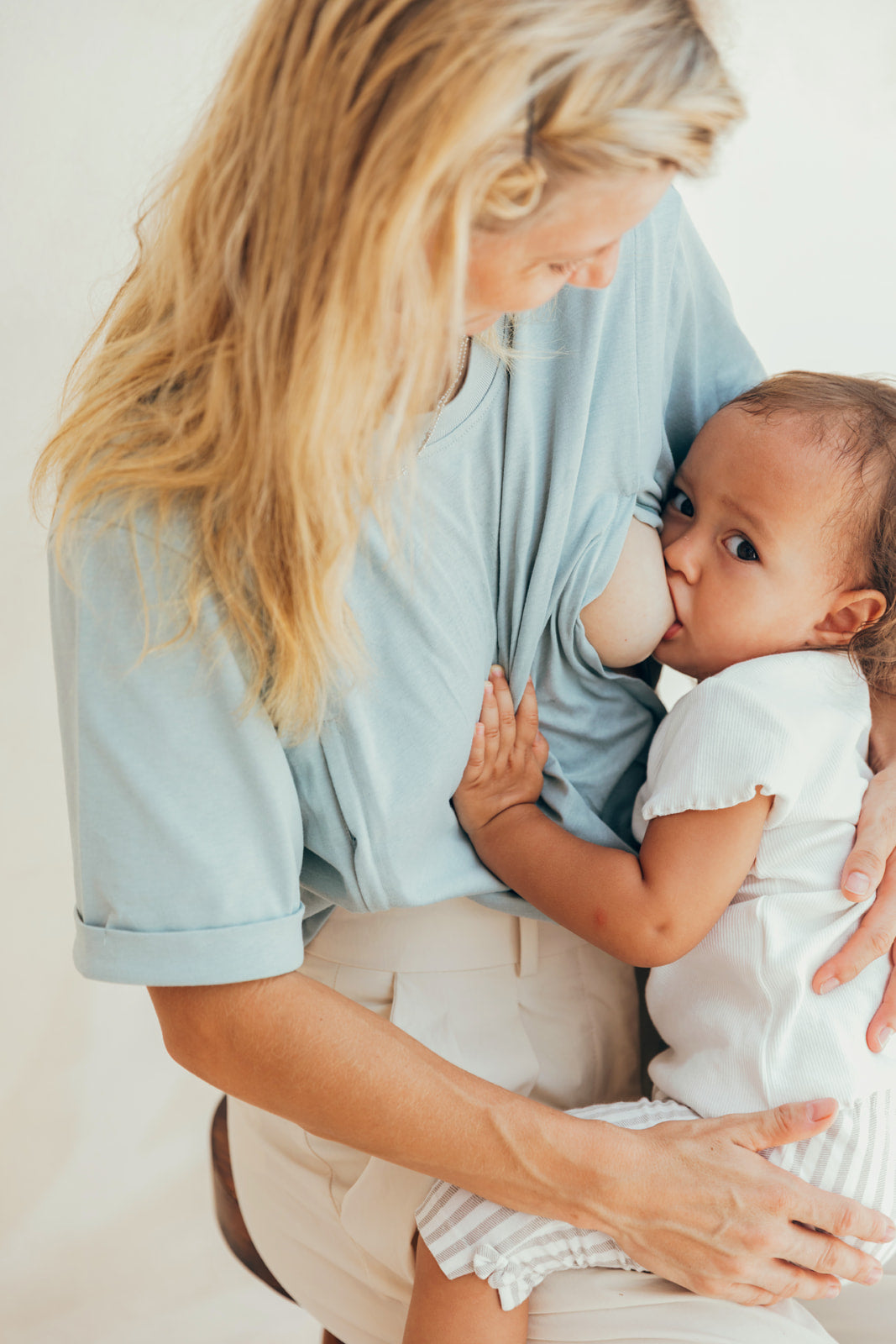
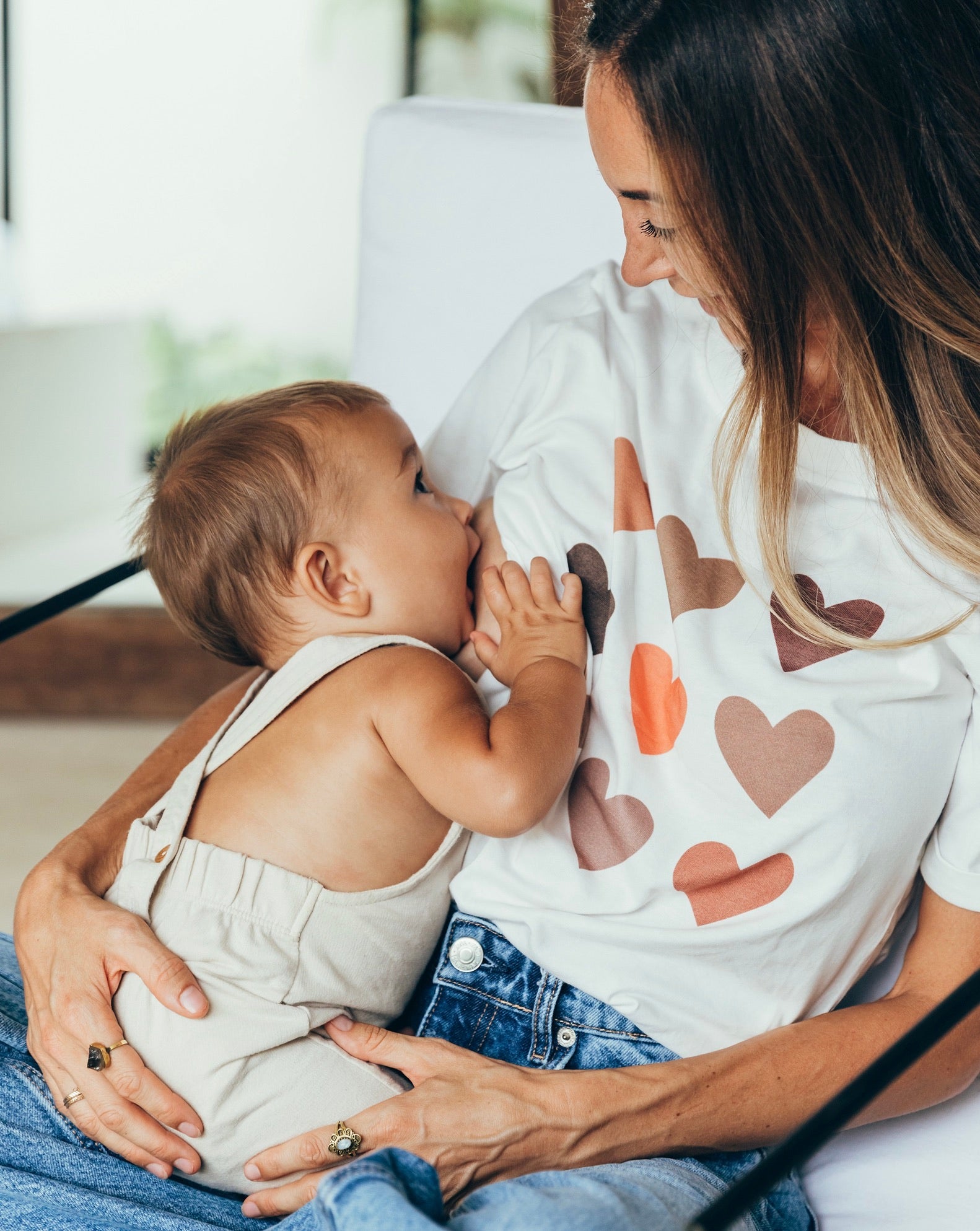
Breastfeeding requires appropriate clothing right from the start. Buying these items in advance will make life easier for you in the hospital and at home.
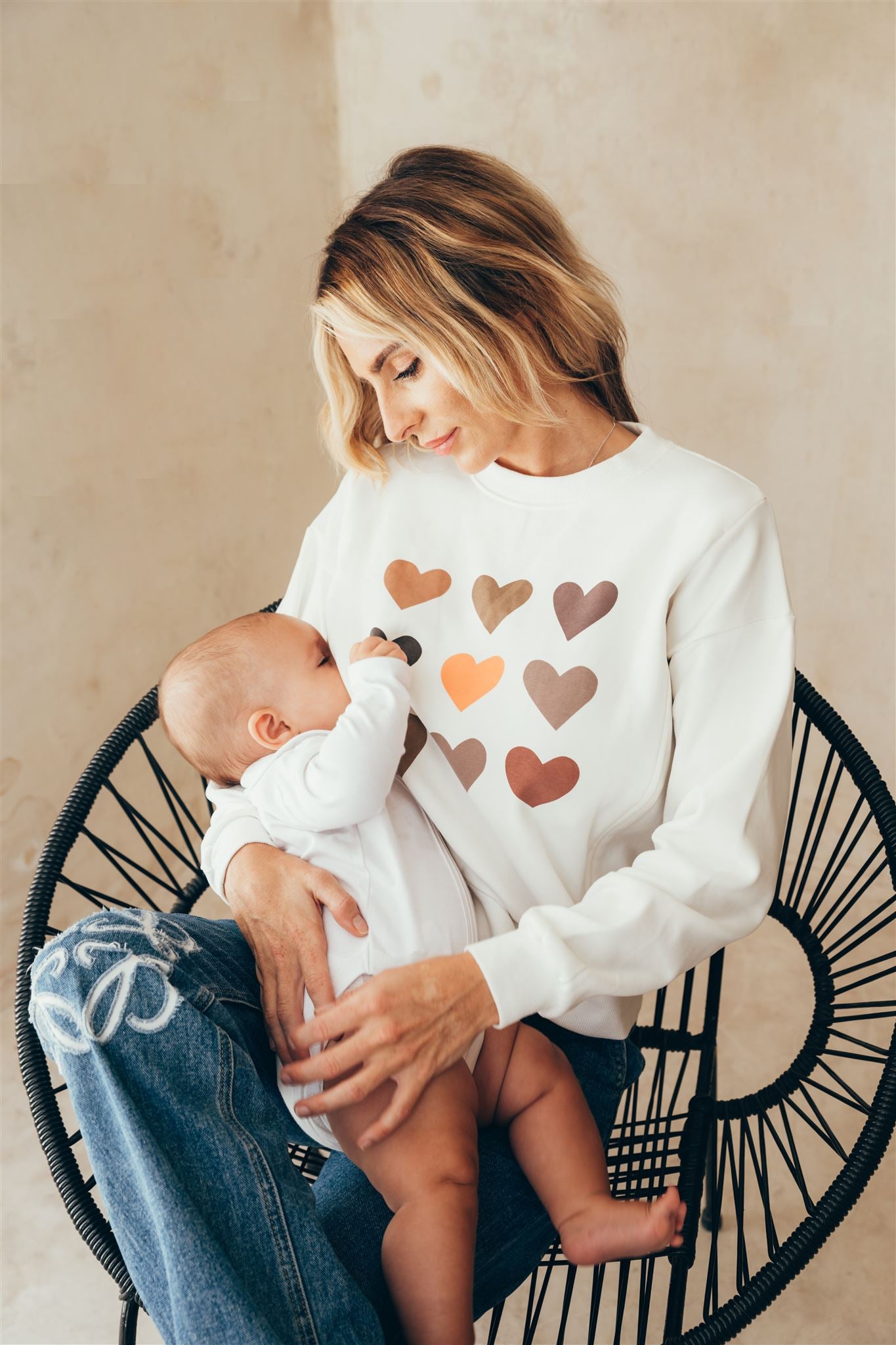
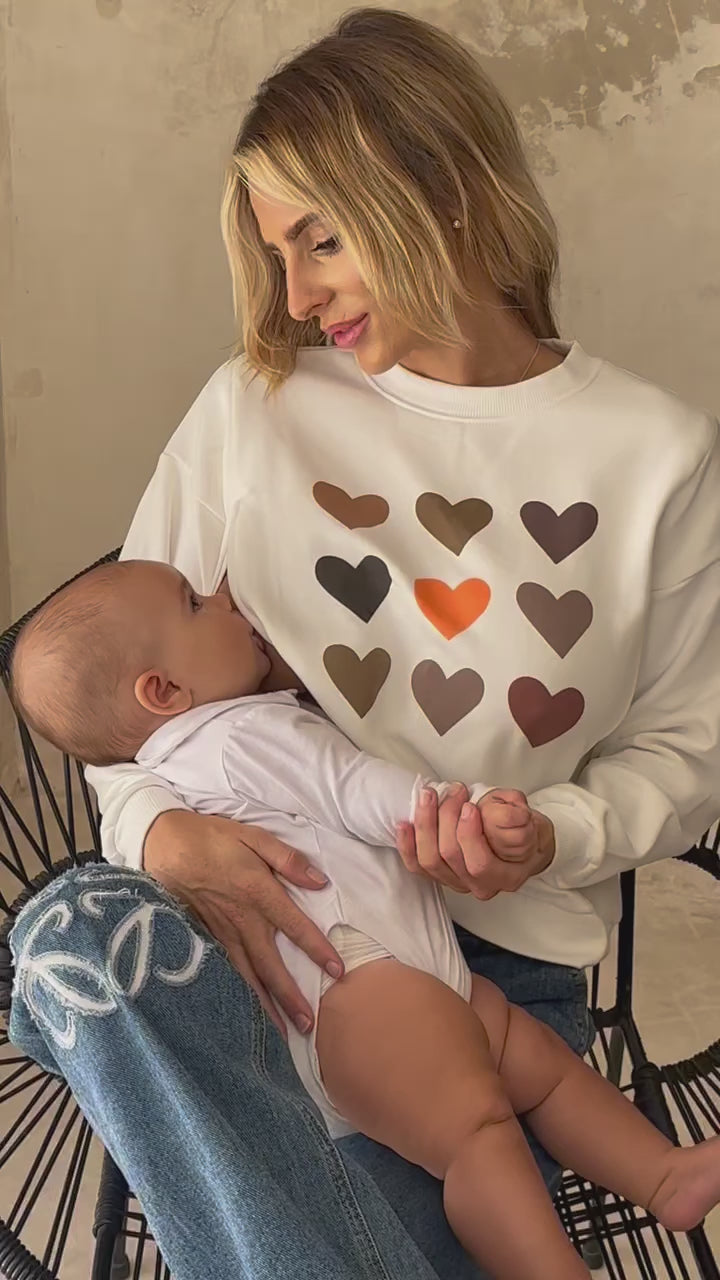
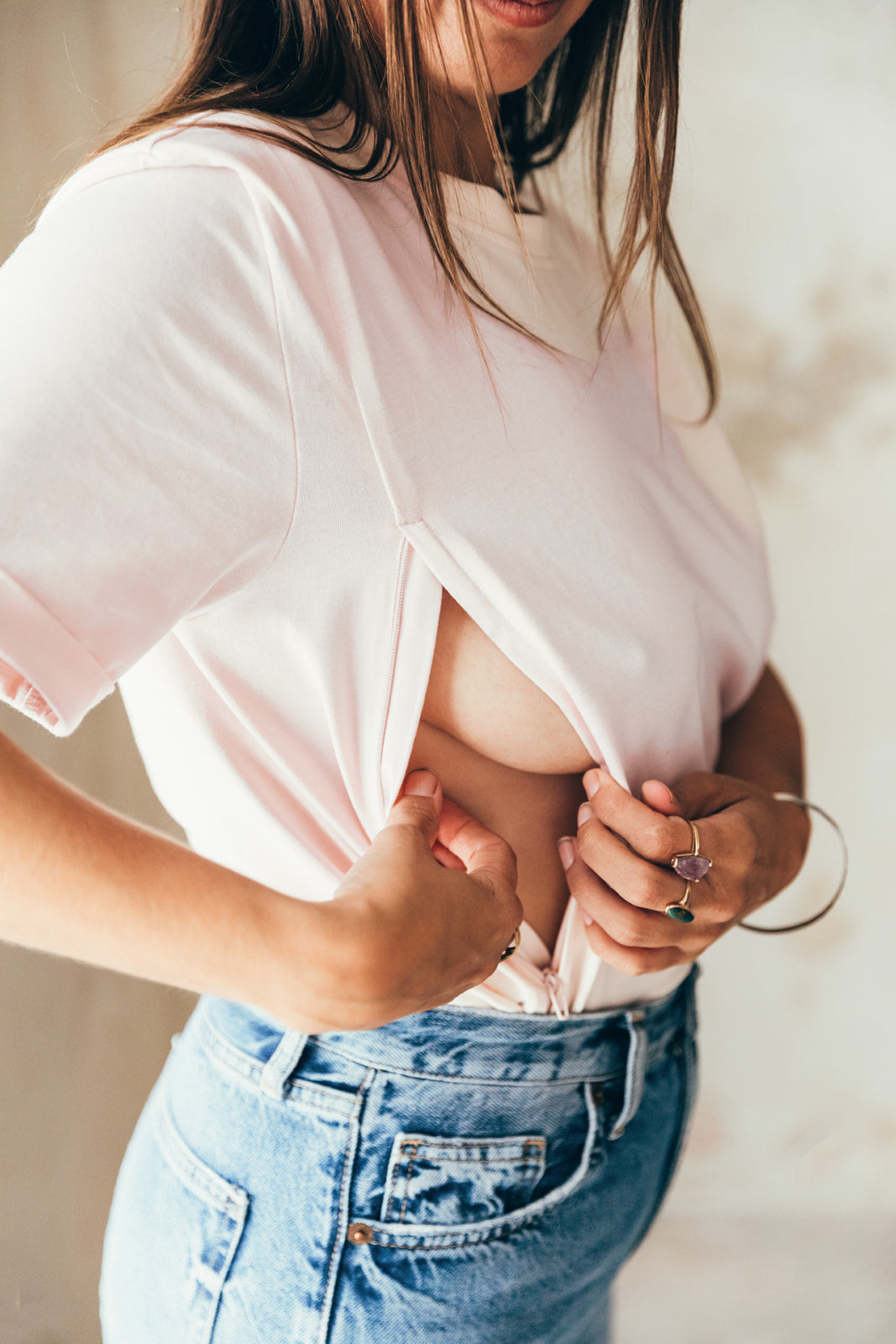
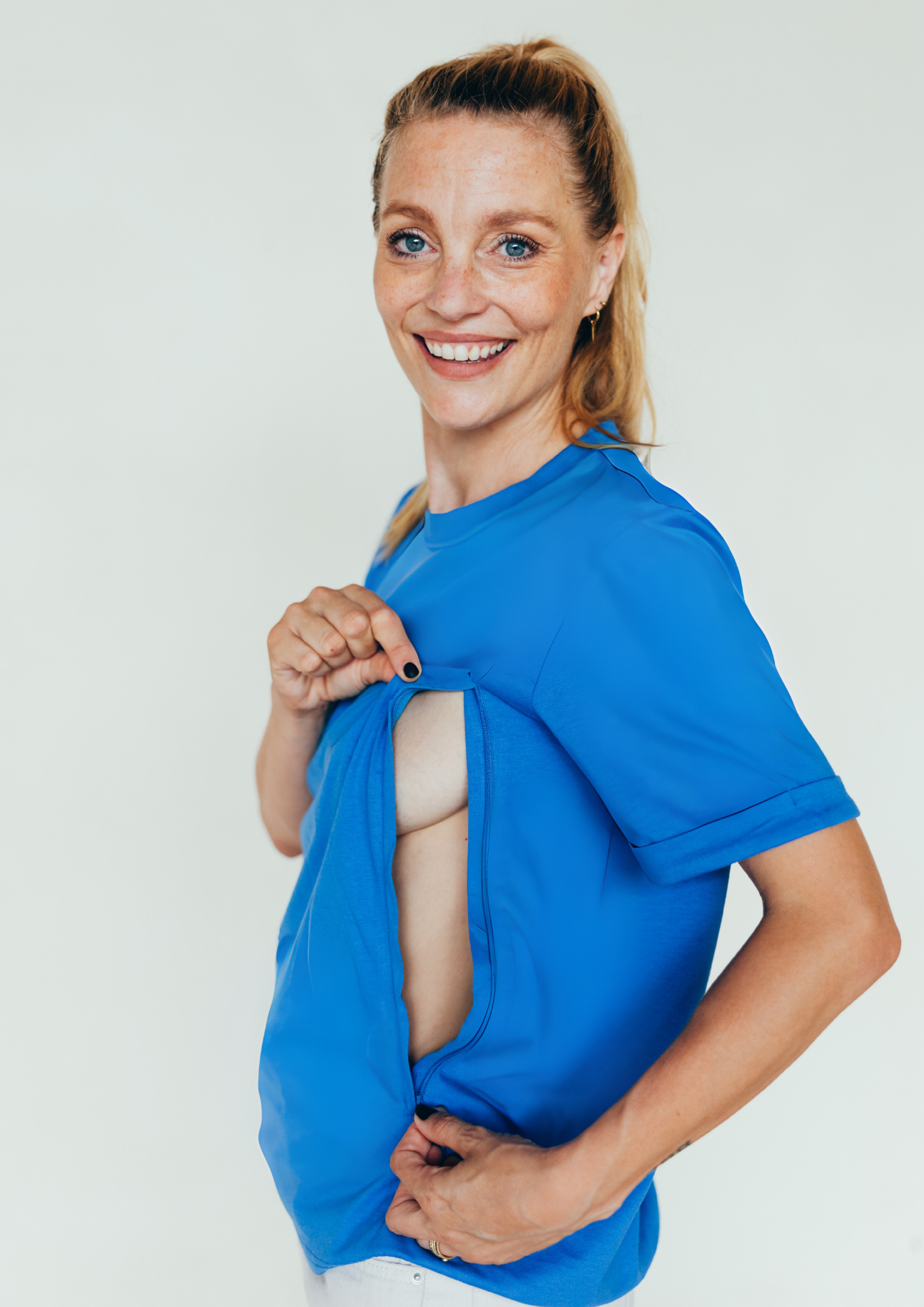
Discover our Breastfeeding pyjamas soft and elegant pieces for maternity wear and home.

Breastfeeding essentials for moms:
- Breastfeeding pyjamas size 2-3): for nights at the hospital and at home
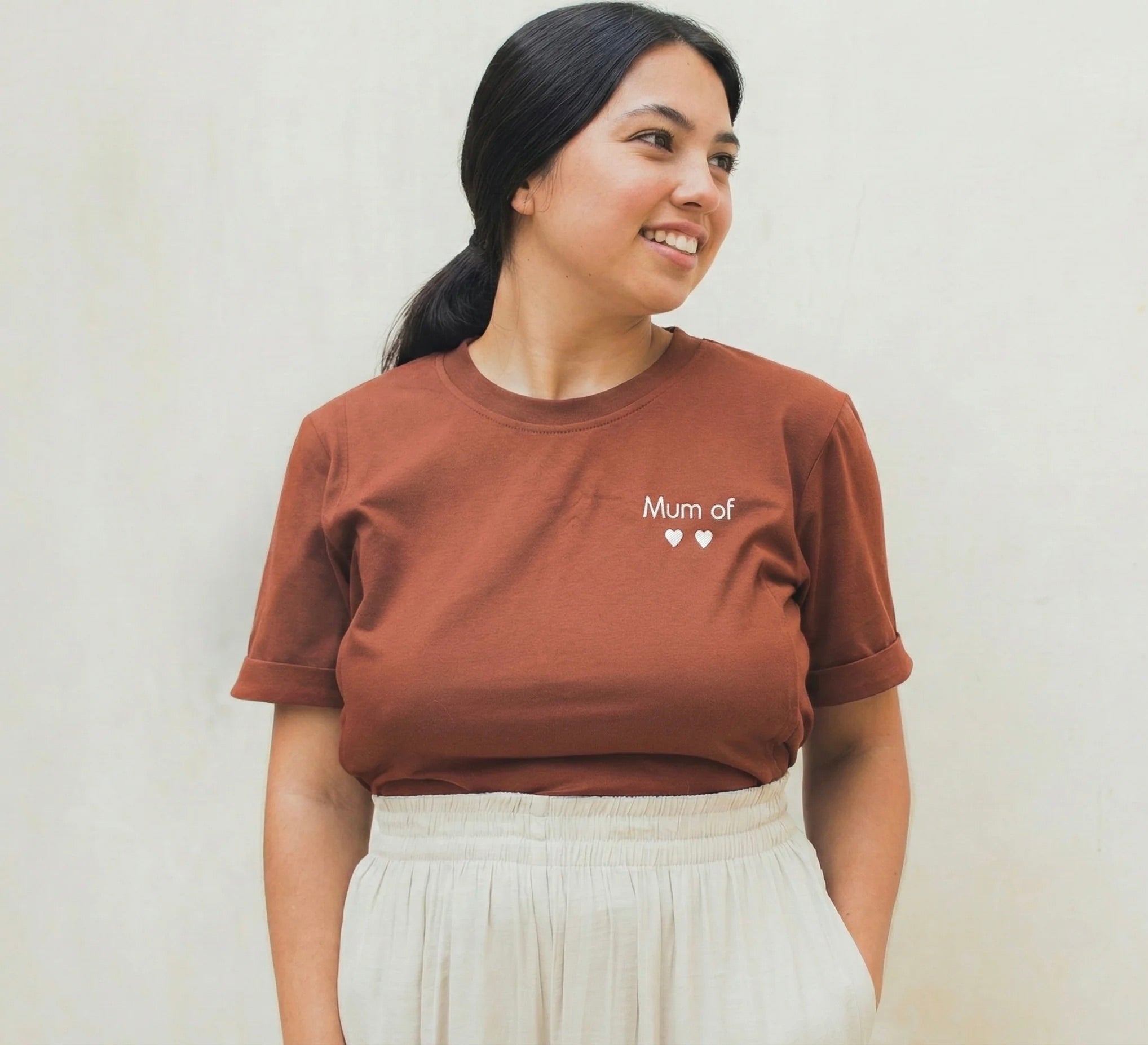
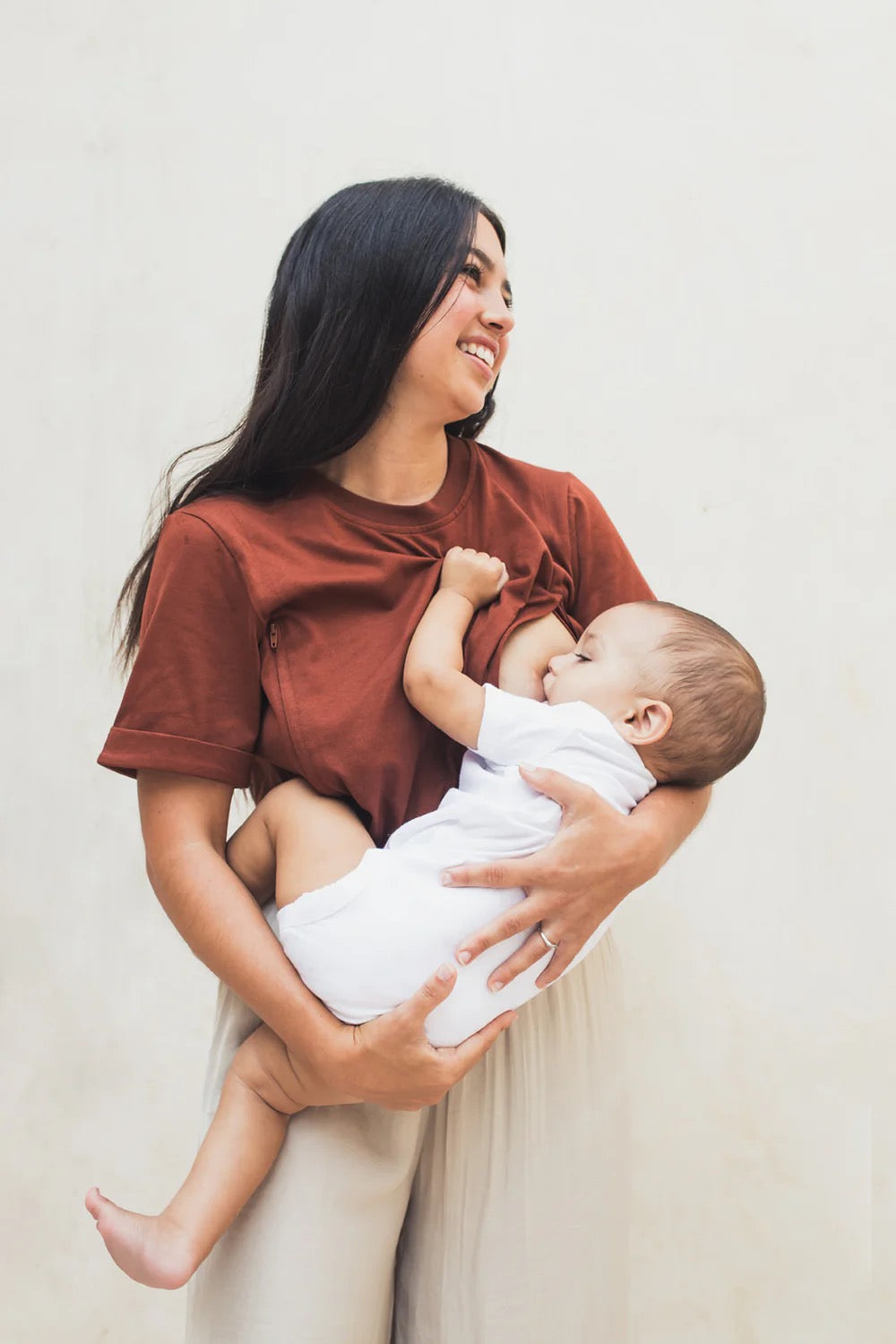
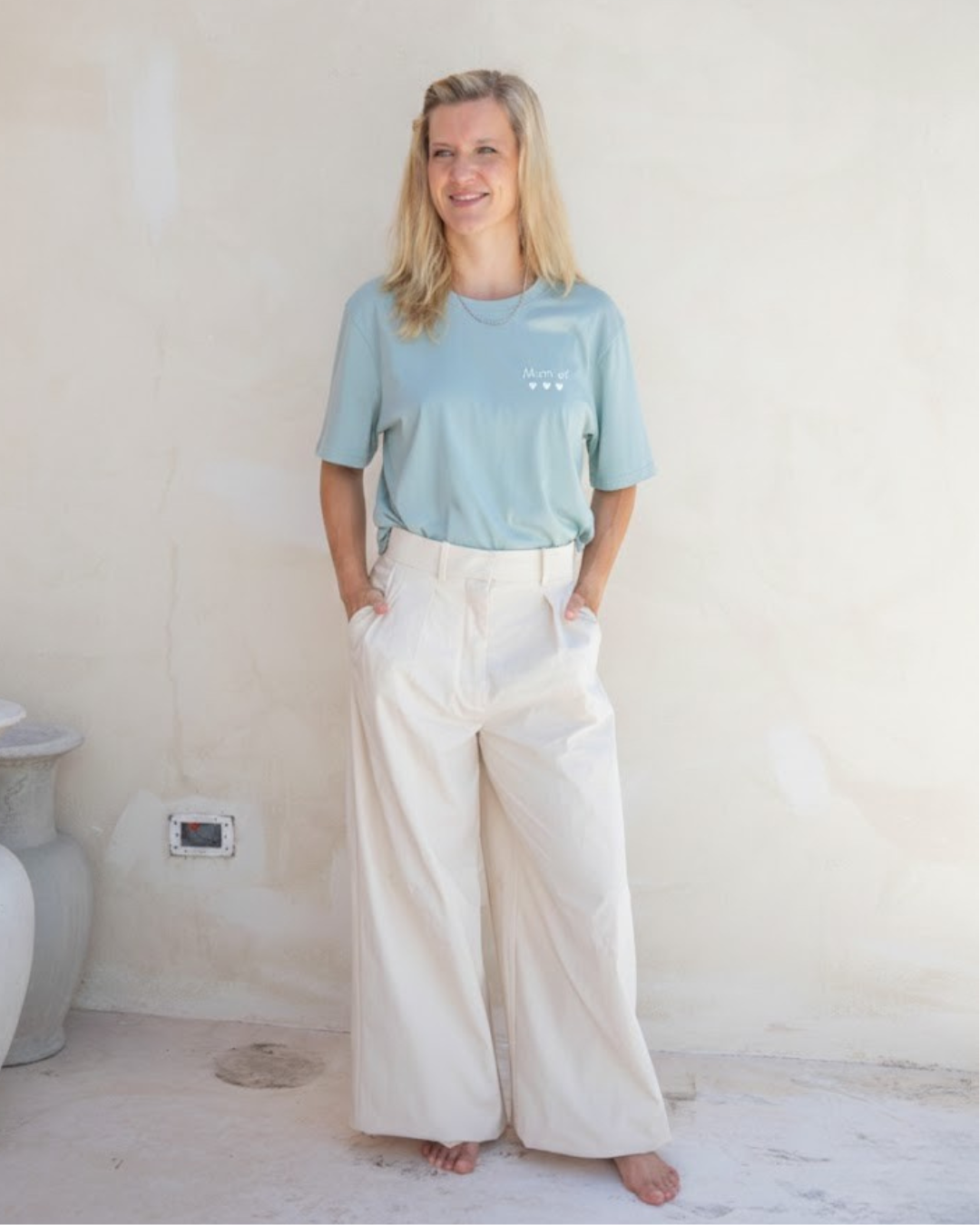
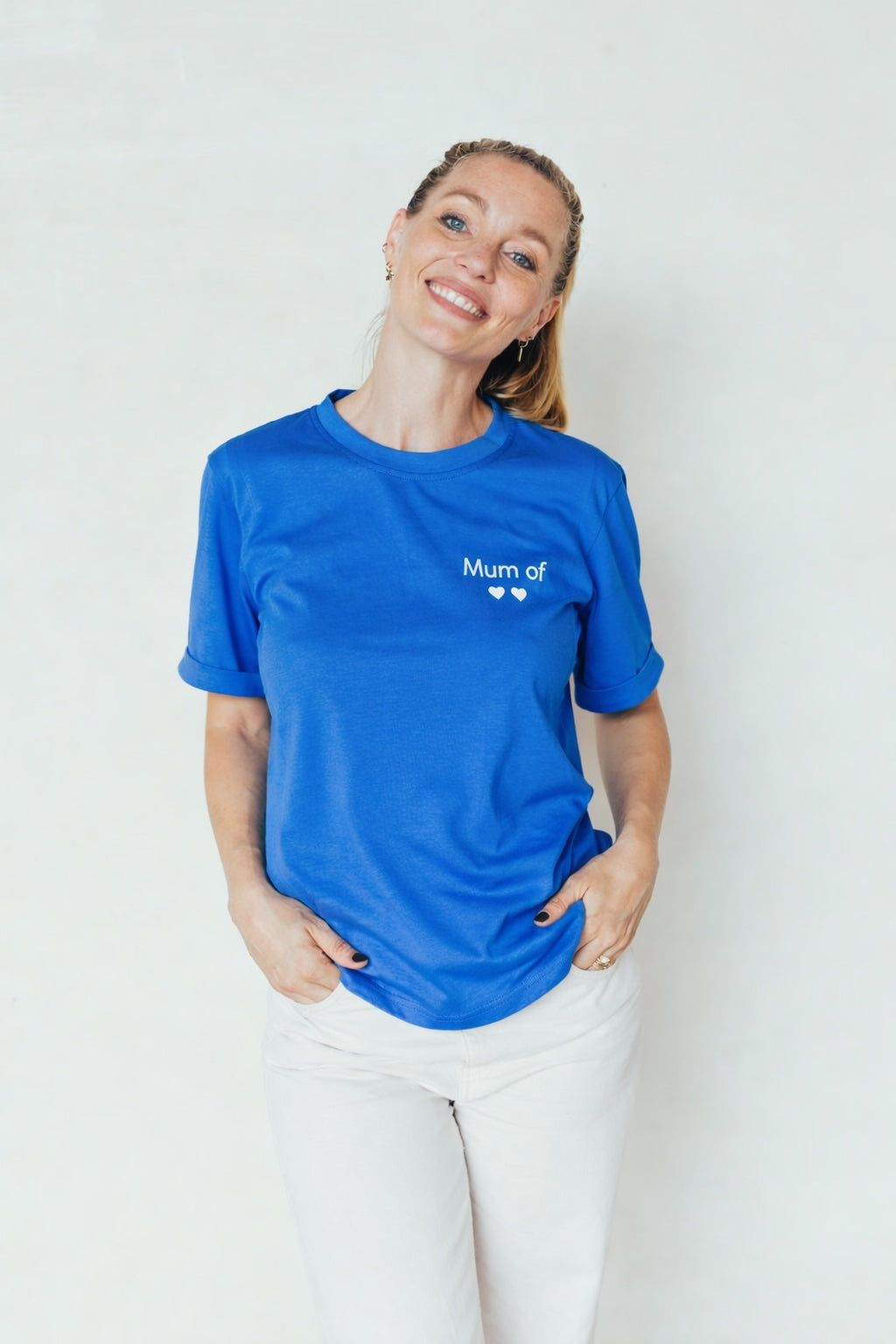
- Breastfeeding t-shirts 3-4): for days at home
- Nursing bras (2-3): comfort and convenience
- Nursing tops (2): for hospital visits
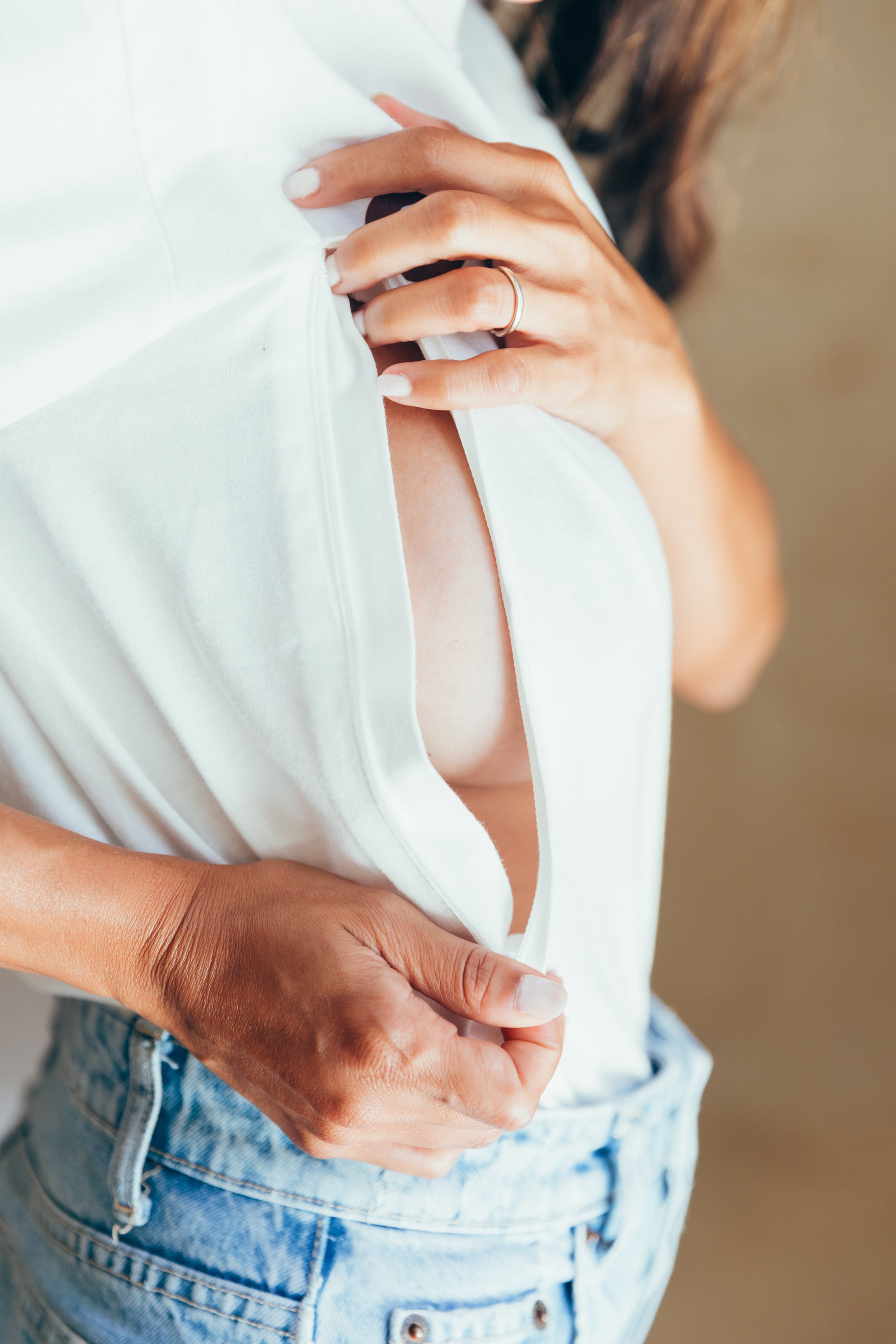
At 23 Mai Paris, our Breastfeeding pyjamas discreet openings allow you to breastfeed comfortably day and night, while still looking elegant when receiving visitors at the maternity ward.
Discover our Breastfeeding t-shirts comfortable for everyday use.
Breastfeeding accessories to have on hand
- Breastfeeding pillow (1): support during feedings
- Breast pads (1 box, washable or disposable): to absorb leaks
- Cotton diapers (size 4–6): to protect your clothes
- Nipple cream (1 tube): to relieve irritation
If you are not breastfeeding
Pack comfortable clothes for the postpartum period:
- Loose-fitting, soft pajamas
- Button-down tops (easy)
- High-waisted elastic-waist pants
For more information, see our article Breast Pads: A Complete Guide to Choosing the Right Ones.

Complete Checklist for the Baby Layette
Baby clothes
Essentials:
- 8–10 items (seasonal)
- 6–8 pairs of pajamas
- 3–4 vests/cardigans
- 5–6 pairs of socks
- 2–3 cups
- 2–3 sleep sacks
Depending on the season:
- Snowsuit (winter)
- Romper suits (summer)
- Sun hat (summer)
Baby clothes and accessories
- 3–4 fitted sheets
- 2–3 mattress protectors
- 6–8 gauze diapers
- 5–7 bibs
- 2 bathrobes
- 4–5 washcloths
Mommy's Essentials Kit (if breastfeeding)
- 2-3 Breastfeeding pyjamas
- 3–4 Breastfeeding t-shirts
- 2–3 nursing bras
- 1 nursing pillow
- Nursing pads
- Protective liners
- Nipple cream
Discover our nursing tops discreet and elegant.
Our tips for a successful event
To calculate your exact needs, check out our article How many nursing clothes do you really need?
The 5 Golden Rules
- Quality over quantity: fewer items, but long-lasting
- Natural materials: organic cotton, linen, bamboo
- Keep the tags: so you can exchange the item
- Don't buy everything: leave some room for gifts
- Think of yourself: your comfort matters too
Estimated budget
| Job | Small budget | Affordable |
|---|---|---|
| Baby clothes (3 months) | 150€ | 300€ |
| Linens and accessories | 80€ | 150€ |
| Breastfeeding Set for Moms | 100€ | 200€ |
| TOTAL | 330€ | 650€ |
Tips for cutting costs:
- Accepting used clothing (babies grow fast)
- Wait for the sales for non-urgent purchases
- Create a baby registry for gifts
- Prioritize flexible spaces
Mistakes to avoid
- Buying everything in newborn sizes means you’ll end up with clothes that are never worn: instead, mix up the sizes.
- If you don't plan for the season, you'll end up with clothes that don't fit: plan ahead for three months after the baby is born.
- Neglecting your maternity wardrobe can lead to postpartum discomfort: be sure to pack 2–3 nursing tops.
- Buying too many diapers at once means you might end up with the wrong size—buy them as you go.
Conclusion
Organizing your baby’s layette effectively comes down to simplicity and planning ahead. Always prioritize quality over quantity, choose natural materials, and don’t forget about your own comfort as a mom.
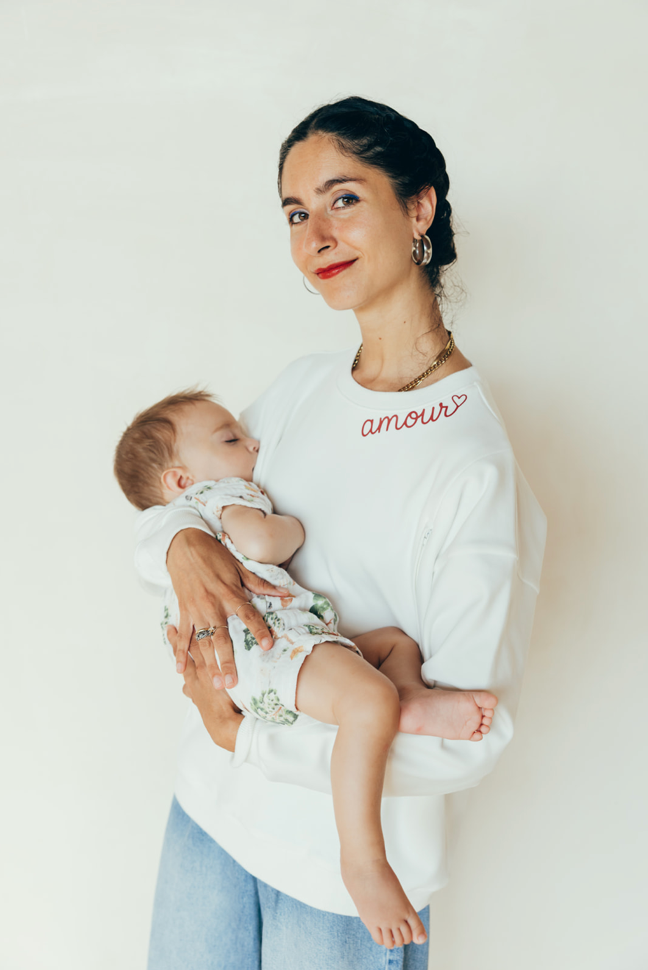
At 23 Mai Paris, we support expectant mothers with nursing clothes Designed for those precious first few months. Comfortable, stylish, and practical pieces that make life easier for you at the hospital and at home. Because those first moments with your baby deserve to be enjoyed with peace of mind.
Browse our nursing wear collection and take your time putting together your maternity wardrobe.