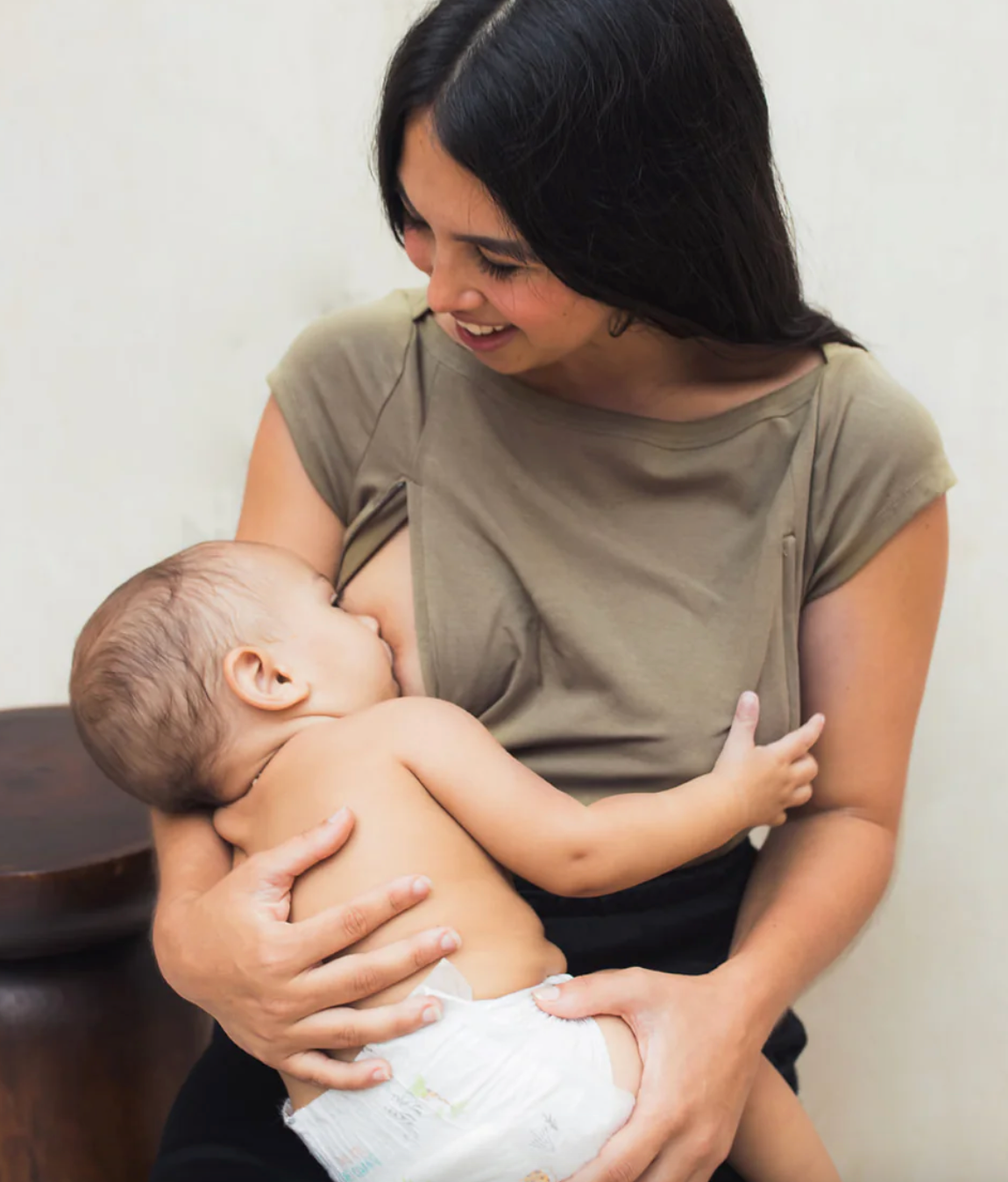
Exclusive breastfeeding
What all mothers need to know in 2025 about exclusive breastfeeding
Exclusive breastfeeding, recommended by the World Health Organization during the first six months of life, is unfortunately practiced by only 28.4% of Mexican mothers. This figure is well below the target of at least 50% set for 2025, even though the benefits for babies are extraordinary: a 60% reduction in the risk of sudden infant death syndrome, a 19% reduction in the risk of developing childhood leukemia, and a 13% reduction in the risk of obesity.
The benefits of exclusive breastfeeding are not limited to babies. Mothers also reap significant benefits, such as a 32% reduction in the risk of developing type 2 diabetes and a 26% reduction in the risk of breast cancer. In addition, colostrum, the first milk we produce, is exceptionally rich in antibodies and essential for the immune protection of newborns.
Throughout this practical guide, we will discover together everything you need to know to successfully breastfeed from day one. We will learn what breast milk actually contains, how its composition changes to perfectly suit your baby's needs, and why breastfeeding on demand is so important for establishing adequate milk production.
Breastfeeding may seem natural... and it is! However, that doesn't mean it's easy. Many mothers encounter difficulties at first, especially since less than half of babies in Mexico (47.7%) begin breastfeeding within the first hour of life, known as the "golden hour." In this guide, you'll find practical tips, effective techniques, and solutions to common problems to make your breastfeeding experience a moment of connection and serenity.

What is exclusive breastfeeding and why is it so important?
"Exclusive breastfeeding is a pillar of infant survival and health, as it provides essential and irreplaceable nutrients for the growth and development of the child." — World Health Organization, the United Nations specialized agency for international public health
From the moment we first meet our baby, we wonder how to feed them properly. The natural answer lies within our own bodies: breast milk. But do we know exactly what it means to choose exclusive breastfeeding?
Definition updated according to the WHO
Exclusive breastfeeding (EBF) consists of feeding the baby only breast milk during the first six months of life, without introducing any other solid or liquid foods, not even water. According to the updated recommendations of the World Health Organization (WHO) and UNICEF, drops, syrups, or medications are only allowed when they have been previously prescribed by a healthcare professional.
It is important to note that the WHO recommends that babies begin breastfeeding within one hour of birth, a period known as the "golden hour," and that they be exclusively breastfed for the first six months. Unfortunately, in Mexico, less than half (47.7%) of infants begin breastfeeding during this crucial first hour, missing an essential opportunity to establish successful breastfeeding.
To get off to a good start with exclusive breastfeeding, I recommend having essential products such as nursing pillows on hand, which help make exclusive breastfeeding a positive experience for mothers with active lifestyles.
Importance of exclusive breastfeeding in 2025
The WHO has set a target for 2025 that at least 50% of infants should be exclusively breastfed during the first six months of life. This target is based on scientific evidence showing that exclusive breastfeeding is essential for the health and survival of infants.
At present, Mexico is far from this goal: only 28.4% of women exclusively breastfeed during the first six months. This is concerning when you consider that, internationally, it has been proven that increasing breastfeeding can prevent approximately 823,000 infant deaths and 20,000 maternal deaths from breast cancer each year.
Exclusive breastfeeding during the first six months brings undeniable benefits for both baby and mother. These benefits include:
- It provides all the nutrients and energy that babies need during this critical period.
- It protects against respiratory, gastrointestinal, and urinary tract infections.
- It reduces the risk of sudden infant death syndrome.
- It reduces the risk of developing obesity, diabetes, and allergies.
- Contributes to optimal neurological development
- Promotes the emotional bond between mother and child
To maintain successful exclusive breastfeeding, accessories such as milk collectors and storage bags are essential for mothers who need to express and store their milk, especially if they are returning to work.
Differences from other types of diets
Breast milk is specific to humans and contains exactly what our babies need, in perfect proportions. Unlike artificial formulas, the composition of breast milk varies over time, naturally adapting to the gestational age and specific needs of the baby.
On the other hand, cow's milk or milk-based formulas are designed for the rapid growth of calves and contain excessive amounts of certain nutrients that the human baby's body is not ready to assimilate. This can lead to problems such as protein intolerance, colic, allergies, asthma, diabetes, and even intestinal bleeding.
Artificial feeding also interferes with the emotional bond, as it does not allow for direct contact, which releases oxytocin, known as the "love hormone." In addition, babies fed breast milk receive antibodies and immune factors that no formula can replicate.
Although scientists continue to search for ways to improve infant formula, their efforts are still far from matching the unique characteristics of breast milk. That's why, when we need to express our milk for any reason, double electric breast pumps are the perfect allies for preserving all the benefits of exclusive breastfeeding.
In essence, exclusive breastfeeding is not just a feeding method, but a complete system that ensures optimal nutrition, immune protection, and healthy emotional development during the crucial first six months of our children's lives.

Benefits of exclusive breastfeeding for the baby
According to significant statistics, exclusively breastfed children are 60% less likely to die from sudden infant death syndrome. This impressive figure is just one of the many benefits our babies enjoy when we give them the most precious gift we can: our breast milk.
Protection against infections and diseases
Breast milk is much more than just food; it is a powerful protective shield. Babies who are exclusively breastfed are less likely to suffer from:
- ear infections, vomiting, and diarrhea
- respiratory diseases such as pneumonia and bronchitis
- gastrointestinal and urinary tract infections
- allergies and skin conditions such as eczema
This protection is due to the presence of immunoglobulins in our milk, which coat the baby's immature intestinal lining, preventing bacteria, viruses, and other pathogens from adhering to it. It's as if every drop of milk contains a microscopic army of defenders.
In fact, colostrum, the first milk we produce, is considered to be the "first vaccine" that humans receive.
Globally, exclusive breastfeeding could prevent approximately two million infant deaths each year. In addition, breastfed children are 35% less likely to develop type 2 diabetes and 19% less likely to develop leukemia during childhood.

Neurological and emotional development
When we breastfeed our babies, we are not only feeding them, we are also contributing to their brain development. Breast milk contains long-chain unsaturated fatty acids, mainly arachidonic acid (ARA) and docosahexaenoic acid (DHA), which are concentrated in the brain and retina and play a direct role in cognitive and visual development.
Studies show that children who were breastfed during their first two years of life perform better in terms of language, learning, and emotional development. Scientific research has shown that prolonged breastfeeding is associated with:
- A 3.76-point increase in IQ
- A larger volume of gray matter in the frontal cortex of the brain
- Improved working memory and motor skills
- Less impulsivity and better emotional regulation
To preserve these neurological benefits even when you can't be there, double electric breast pumps allow you to save every drop of this "liquid gold" rich in nutrients that are essential for your baby's brain.

Reduced risk of sudden death
One of the most significant benefits of exclusive breastfeeding is protection against sudden infant death syndrome (SIDS). Babies who breastfeed or are fed expressed breast milk have a significantly lower risk of SIDS than babies who have never been breastfed.
According to scientific studies, there is a direct link between the duration of breastfeeding and protection: the longer exclusive breastfeeding (without formula or solid foods) lasts, the lower the risk of sudden death. This protection is particularly important during the first six months, when most cases of SIDS occur.
An in-depth analysis of 333 cases and 998 controls showed conclusive results: at two weeks, 50% of cases versus 83% of controls were exclusively breastfed, with a 57% reduction in risk.
To ensure successful exclusive breastfeeding during this critical period, nursing clothes 23 Mai Paris, such as the nursing pajamas help you maintain comfortable positions during nighttime feedings.
There is no doubt that every drop of breast milk we give our babies is an investment in their present and future health. As mothers, we have the power to give them this incomparable gift through exclusive breastfeeding.

Benefits for the mother: health, emotional bond, and financial savings
“Women who breastfeed are 32% less likely to develop type 2 diabetes, 26% less likely to develop breast cancer, and 37% less likely to develop ovarian cancer than those who do not breastfeed.” — World Health Organization, a specialized agency of the United Nations for international public health
Breastfeeding is not only beneficial for our babies, it also transforms us. Studies show that this natural act has powerful effects on our bodies that persist long after weaning.
Reduced risk of cancer and diabetes
Exclusive breastfeeding acts as a protective shield against serious diseases that affect many women. Research confirms that breastfeeding significantly reduces the risk of developing breast cancer by nearly 5% for each 12-month period during which we feed our baby. Similarly, the incidence of ovarian cancer decreases by 15% to 36% depending on the duration of breastfeeding: the longer the duration, the greater the protection.
This protective effect is mainly due to the interruption of ovulatory and menstrual cycles during exclusive breastfeeding, which reduces the production of estrogen and progesterone. These hormones, when constantly acting on breast tissue, can increase the risk of developing cancer cells.
On the other hand, exclusive breastfeeding also significantly reduces the risk of type 2 diabetes. One study found that breastfeeding for more than two months reduced this risk by almost half, and doing so for more than five months reduced it even further. To maintain a regular breastfeeding routine, electric breast pumps are the perfect allies, especially if you have to return to work.

Weight loss after childbirth and mental health
Many of us are concerned about regaining our figure after pregnancy. Fortunately, exclusive breastfeeding burns between 500 and 700 calories per day, making it a natural ally for gradual weight loss. Mothers who breastfeed exclusively lose much more weight than those who feed their babies formula.
A study showed that mothers who breastfed exclusively lost 2.71 kg in six months, compared to only 0.37 kg for mothers who used formula milk. More importantly, this loss mainly corresponds to adipose tissue, while muscle mass remains stable.
In addition, exclusive breastfeeding prevents postpartum depression thanks to the hormones released during breastfeeding. Oxytocin, known as the "love hormone," promotes feelings of well-being and helps establish a deep bond with our baby. Contrary to previous beliefs, mothers who breastfeed exclusively sleep more than those who use infant formula, approximately 20 minutes more, which is enough to have a positive impact on our energy levels and prevent depression.

Financial savings and environmental sustainability
Exclusive breastfeeding represents a considerable saving for families. During the first six months, we can save around 18,000 pesos on formula milk, bottles, and medical consultations.
Breastfeeding also makes a significant contribution to protecting the planet. Each six months of exclusive breastfeeding prevents between 95 and 154 kilograms of CO2 emissions per baby, which is equivalent to removing between 50,000 and 78,000 cars from the road each year. At the same time, we avoid the consumption of resources associated with the production of powdered milk: 4,700 liters of water per kilogram of powdered milk, 86,000 tons of metal, and 364,000 tons of paper for packaging each year.
Breast milk is a renewable and self-sufficient resource that generates no waste and requires no industrial processing. By choosing to breastfeed exclusively, we are not only taking care of our baby's health and our own, but we are also actively participating in creating a more sustainable future for generations to come.
What does breast milk contain and how does it adapt to the baby?
Breast milk is a living, changing fluid, an extraordinary compound that constantly adapts to the specific needs of our baby. It is composed of 87.5% water, but the remaining 12.5% contains more than 200 components that make it a perfect food that cannot be reproduced artificially.
Composition of colostrum, transitional milk, and mature milk
Colostrum, present during the first 3-4 days, is a thick, yellowish liquid that contains less lactose and fat than mature milk, but more protein (42 g/l), fat-soluble vitamins (E, A, and K), and minerals such as sodium and zinc. Its yellow color comes from beta-carotene, a precursor to vitamin A. To collect every drop of this precious first food, manual extractors are ideal thanks to their gentleness and precision.
Transitional milk appears between the fourth and fifteenth day, when the volume increases significantly to reach 600 to 700 ml per day. During this period, the immunoglobulin content decreases while the levels of fat, lactose, and water-soluble vitamins increase.
From the third week onwards, mature milk establishes its stable composition, while continuing to adapt to the baby's changing needs. It is whiter and lighter than colostrum, with a neutral pH.
Fats, proteins, carbohydrates, and micronutrients
Lipids account for between 30 and 50 g/l and provide 45 to 55% of total energy. Their concentration varies depending on the mother's diet and increases during feeding, with the milk becoming creamier towards the end.
Proteins account for only 8 to 10 g/l, an amount perfectly suited to the baby's immature kidneys and liver. The serum/casein ratio changes from 90/10 in colostrum to 60/40 in mature milk, thus facilitating digestion.
Lactose is the main carbohydrate (53 to 61 g/l), providing approximately 40% of daily energy and promoting the absorption of calcium and iron.
Among the micronutrients, we note the calcium-phosphorus ratio (2.3:1), ideal for bone mineralization, and iron, which, although present in small quantities, has extraordinary bioavailability.
Immunological and bioactive factors
Breast milk contains immunoglobulins (mainly IgA) that protect the baby against infections.
Among the bioactive factors are lactoferrin, which has antimicrobial, antiviral, and anti-inflammatory properties; oligosaccharides, which stimulate the growth of beneficial bacteria; and stem cells, which can repair and regenerate tissue.
It also contains microRNAs, hormones, and growth factors that modulate the baby's immune system, and even beneficial bacteria, approximately 10^4 to 10^6 per day, which colonize the infant's intestine, explaining why exclusive breastfeeding on demand offers immune protection that cannot be replicated.

Breastfeeding techniques and useful products
To breastfeed successfully, it is essential to master different positions and techniques that will make this intimate moment with your baby more comfortable and effective.
Recommended positions for breastfeeding
There are five main positions we can adopt depending on our comfort and the circumstances. The classic position (sitting with the baby lying on your lap) is generally the most comfortable. The reverse position (with the baby's legs under your arm) is ideal after a C-section. The straddle position (baby sitting on your leg) is recommended if you have a strong milk supply. The lying down position makes nighttime feedings easier. Finally, the reclined position allows the baby to feed whenever and however they want.
How to get a good grip
A good latch is essential to avoid pain and facilitate effective milk extraction. To achieve this:
- We support the breast in a "C" shape with the thumb up and the other fingers down.
- Stimulate the baby by lightly touching their lower lip with your nipple.
- When he opens his mouth wide, quickly bring him to the breast.
You will know that the baby is latched on correctly when their chin and nose are close to the breast, their lips are turned out (especially the lower lip), and their mouth is wide open, covering a large part of the areola.

Use of breast pumps, breast shields, and Milkitmex products
Breast pumps allow us to express milk using a cup that attaches to the nipple and creates a vacuum. Breast shields are useful when the baby has difficulty latching on properly due to flat or inverted nipples, or in cases of pain caused by cracked nipples.
Breastfeeding pillows protect our backs and shoulders, allowing us to position the baby comfortably. Breastfeeding t-shirts with discreet side openings allow you to breastfeed anywhere while staying stylish.
Exclusive breastfeeding on demand
On-demand breastfeeding involves offering the breast whenever the baby asks for it and for as long as they want, until they let go spontaneously. This natural approach regulates milk production according to the baby's specific needs, ensures that they drink milk at the beginning and end of the feed (the composition of which is different) and allows for proper emptying of the breast, preventing problems such as mastitis.
You should not impose rigid feeding schedules or wait for fixed intervals between feedings, especially when your baby shows signs of hunger such as rapid eye movements, sucking, or searching for the breast.
Common myths and frequent problems related to breastfeeding
Despite the wealth of information available, many mothers still face doubts and difficulties during exclusive breastfeeding. Debunking misconceptions and knowing the solutions to common problems can make the difference between giving up or continuing this beautiful process.
Myths about milk supply and maternal nutrition
Almost all mothers produce enough milk for their babies. Production is regulated by the frequency of feedings and proper latching. The myth that "I don't have enough milk" usually stems from misinterpreting the baby's behavior.
Other common myths to dispel:
- "If I have small breasts, I won't produce much milk": FALSE. Milk production depends on glandular tissue, not breast size.
- "While breastfeeding, I need to drink lots of water and eat more": FALSE. All you need to do is eat a balanced diet and drink according to your natural thirst.
- "Fear or distress can stop milk production": PARTIALLY TRUE. In situations of intense stress, milk production may be temporarily difficult, but it does not stop permanently.
To maintain adequate milk production, Milkitmex electric breast pumps are excellent allies, especially if we have to be temporarily separated from our baby.
Pain, cracked nipples, and mastitis: how to prevent them
Breastfeeding should not be painful. Although the first few days may be a little uncomfortable until you get used to it, intense or persistent pain indicates a problem with latching on. Cracks are usually the result of poor latching, which traumatizes the nipple.
To prevent problems:
- It is not necessary to wash your breasts before and after each feeding; a daily shower is sufficient.
- If you have cracked nipples, apply a few drops of breast milk after feeding and allow to dry.
- Use different positions to vary the pressure points.
If mastitis (painful inflammation, redness, and possibly fever) develops, breastfeeding should not be interrupted. On the contrary, the frequency of feedings should be increased and the breast should be emptied thoroughly. Nipple shields and nipple protectors can be useful for continuing to breastfeed while the situation resolves itself.
Breast refusal and how to deal with it
When our baby suddenly refuses the breast, it is likely that they are going through a "breast strike." These situations are usually temporary (lasting 2 to 5 days), but they can lead to early weaning if we don't know how to handle them.
The most common causes are as follows:
- Baby problems: teething pain, nasal congestion, infections
- Changes in routine: vacations, visits, returning to work
- Confusion syndrome due to the introduction of pacifiers or dummies
To remedy this, I recommend breastfeeding in a calm environment, increasing skin-to-skin contact, and trying different positions. Milkitmex milk collectors allow milk to be extracted to temporarily feed the baby while we overcome this situation, while maintaining milk production.
Products that facilitate exclusive breastfeeding
At 23 Mai Paris, we offer a wide range of products designed to support you on your breastfeeding journey. Among the most popular are:
- Breast pump: ideal for storing milk and maintaining production.
- Nursing pillows: provide optimal comfort during feedings.
- Nipple creams: relieve and prevent cracked nipples.
- Breastfeeding t-shirts offer good support and are easy to use.
- Nursing pads: absorb milk leaks between feedings.
Conclusion: towards successful breastfeeding
After analyzing the extraordinary benefits of exclusive breastfeeding, we can say without a doubt that it is the most precious gift we can give our babies. This natural practice not only significantly reduces the risk of disease and strengthens our little ones' immune systems, but it also protects us, as mothers, against serious diseases such as cancer and diabetes.
Of course, breastfeeding presents challenges. Every drop of breast milk contains irreplaceable nutrients and immune factors that no artificial formula can replicate, perfectly adapting to our baby's changing needs. That's why having specialized products such as breast pumps, storage bags, and nursing pads becomes essential support for carrying out this process comfortably.

Exclusively breastfeeding for the first six months requires commitment, as well as knowledge of proper techniques and solutions to common problems. Different positions, proper latching, and feeding on demand are essential elements in establishing a positive experience for both us and our babies.
Finally, it is important to remember that even though Mexico is far from meeting the WHO’s 2025 target (at least 50% exclusive breastfeeding), every mother who chooses to breastfeed contributes not only to her child’s health but also to the creation of a healthier and more sustainable society. Breast pumps and breast shields allow us to overcome temporary obstacles without giving up this beautiful natural process that strengthens the mother-child bond while providing the perfect nutrition for our little ones.
Would you like more information on exclusive breastfeeding? We invite you to visit our website, where you’ll find detailed guides, practical advice, and all the specialized products that will make your experience as a breastfeeding mother easier.
Frequently asked questions about exclusive breastfeeding
1. What are the main benefits of exclusive breastfeeding?
Exclusive breastfeeding provides optimal nutrition, strengthens the baby's immune system, reduces the risk of diseases such as infections and allergies, promotes neurological and emotional development, and decreases the risk of sudden infant death syndrome.
2. How do I know if my baby is getting enough breast milk?
Most mothers produce enough milk for their babies. Signs that a baby is well nourished include adequate weight gain, 6 to 8 wet diapers per day, regular bowel movements, and satisfaction after feedings.
3. What should I do if I experience pain or cracked nipples while breastfeeding?
Persistent pain or cracked nipples usually indicate a breastfeeding problem. Make sure your baby has a good latch, vary your breastfeeding positions, and apply a few drops of breast milk to the nipple after feedings. If the problem persists, consult a lactation consultant.
4. How can I continue to breastfeed exclusively when I return to work?
To continue breastfeeding exclusively after returning to work, pump and store your milk regularly using a high-quality breast pump. Establish a pumping schedule at work, use suitable storage bags, and continue to breastfeed directly when you are with your baby.
5. What should I do if my baby suddenly refuses to breastfeed?
Sudden refusal to breastfeed, known as a "breastfeeding strike," is usually temporary. Increase skin-to-skin contact, offer the breast in a calm environment, try different positions, and be patient. If this persists, consult a lactation consultant to identify and resolve the underlying cause.
If you are breastfeeding, here are some of our nursing clothes that may interest you:
Breastfeeding t-shirts
Breastfeeding sweaters
Breastfeeding tank tops
Breastfeeding dresses
Breastfeeding pyjamas