Babies and Heating in Winter: Room Temperature and Air Humidification
Babies and Heating in Winter: What Temperature Should the Room Be, and How to Humidify the Air
As soon as winter sets in, new parents ask themselves the same questions. Is the baby’s room warm enough? Is it too warm? Is the dry air from the central heating system dangerous for the baby’s respiratory system? Do we need a humidifier, and if so, which one?
These are valid questions, and the answers have a real impact on a baby’s sleep, respiratory health, and the prevention of sudden infant death syndrome. We’ll break it down clearly and simply.

The Ideal Temperature in a Baby's Room in Winter
This is the official recommendation from the French National Authority for Health, pediatricians, and all associations dedicated to preventing sudden infant death syndrome worldwide: the baby’s room should be kept between 18 and 20°C.
No more. No less.
This range may seem a bit cool, especially when your instinct is to heat the room to 22 or 23°C to make sure the baby doesn't get cold. But it is precisely this overcompensation that is dangerous.
Why 18 to 20°C and not higher?
Overheating is one of the main risk factors for sudden infant death. A baby who is too hot cannot regulate his or her temperature like an adult—he or she cannot uncover himself or herself, cannot sweat effectively, and cannot tell you that he or she is hot. His or her only options are to fidget, cry, or, in severe cases, become exhausted trying to regulate his or her temperature.
A room temperature of 18–20°C, combined with an appropriate sleep sack (without a loose blanket), helps your baby maintain a stable and safe body temperature throughout the night.
Why not below 18°C?
When the temperature drops below 18°C, a baby has to use energy to keep warm rather than for growth and development. The baby may also wake up more often, be restless, and sleep less soundly.
The ideal temperature is always within this range of 18 to 20°C—neither too hot nor too cold.
How to maintain this temperature
Use a room thermometer—it’s the simplest and most useful investment you can make for your baby’s room. Place it at your baby’s eye level, away from windows and direct heat sources.
Set the thermostat in the baby's room separately from the rest of the apartment; if possible, the other rooms can be warmer, but the baby's room should remain at 18–20°C.
If you have a central heating system that can't be adjusted, use a space heater with a built-in thermostat to precisely control the temperature—or, if the room is too hot, open the window slightly.
Signs That Your Baby Is Too Hot
It is often the fear of the cold that leads parents to overheat their homes, yet overheating is far more common—and far more dangerous—than hypothermia in babies indoors.
Signs to Watch For
The back of the neck is the best indicator. Slide your hand under your baby's hair; the back of the head should feel warm and dry. If it feels hot, damp, or drenched in sweat, your baby is too hot.
A very red face is a warning sign. A rosy, relaxed face is normal; a scarlet face—especially when accompanied by agitation—indicates overheating.
Rapid breathing is another sign of overheating; the baby is "ventilating" to try to cool down.
Unusual restlessness and crying at night may be a sign that your baby is uncomfortable because of the heat.
What to Do If Your Computer Overheats
Remove a layer of clothing or switch to a lighter sleep sack. Briefly air out the room if the outside temperature allows it. Make sure the heat isn't set too high. Never give an overheated baby a cold bath—a lukewarm bath can help gently lower their temperature if necessary.

Signs That Your Baby Is Cold
Conversely, a baby who is cold sends different signals, but be careful not to confuse cold extremities with a baby who is cold.
What is normal
A baby's hands and feet are often cool, even when the baby is at a comfortable temperature. Infants' peripheral circulation is still underdeveloped; this is normal and does not mean the baby is cold.
The Real Signs of Cold Weather
A cold or icy neck is the most reliable sign—it's the neck that should feel warm, not the hands.
A pale or slightly bluish complexion around the lips may indicate that the person is excessively cold.
The baby is curled up, with its legs tucked in and arms drawn close to its body, trying to stay warm.
Shivering is rare in infants; when it occurs, it is a sign of severe cold that requires immediate action.
What to Do If Your Baby Is Cold
Add another layer of clothing or switch to a warmer sleep sack. Turn up the heat slightly if the room temperature is below 18°C. Make sure your baby isn't in a draft.
The Problem of Dry Air in Winter
Temperature is the first part of the problem. Air humidity is the second, and it's often overlooked.
In winter, central heating significantly dries out the indoor air. Dry air irritates a baby’s nasal and respiratory mucous membranes, increases the risk of colds and respiratory infections, can cause nosebleeds, aggravates eczema and dry skin, and disrupts sleep by making breathing less comfortable.
The ideal humidity level in a baby's room is 50 to 60%. In winter, when the heat is on, indoor humidity often drops below 30%—which is twice as dry as recommended.
A hygrometer (often sold with a room thermometer) measures the humidity level in the air and lets you know if you need to add moisture.
Do You Need a Humidifier for the Baby's Room?
If your hygrometer shows that the humidity level in the baby's room is below 40–45%, then yes, a humidifier is useful and even recommended.
The Different Types of Humidifiers
There are three main types of humidifiers, and not all of them are equally suitable for a baby’s room.
The ultrasonic humidifier works by creating a cool mist through ultrasonic vibrations. It is the quietest, most energy-efficient, and best suited for a baby’s room. Its downside: if your tap water is hard, it may release calcium particles into the air; use demineralized water to avoid this problem.
An evaporative humidifier (or cool-mist humidifier) works by naturally evaporating water through a filter. It is more hygienic than an ultrasonic humidifier because it releases only pure water vapor, free of particles. It is slightly noisier but remains unobtrusive. It is often the best choice for a baby’s room.
A warm-mist humidifier (or vaporizer) heats water to produce steam. It is more effective at quickly humidifying a room and kills bacteria in the water. Its main drawback is that it produces hot steam, which can pose a burn hazard if the baby is mobile. Not recommended for use in a room where the baby can move around.
What Not to Put in a Humidifier
Never put essential oils in a humidifier intended for a baby's room. Most essential oils are not recommended for infants and young children—eucalyptus, menthol, and lavender, in particular, can be dangerous in high concentrations. Even if a product is labeled as "natural" or "for babies," always check the list of ingredients.
Use only demineralized water for ultrasonic humidifiers, and tap water for evaporative humidifiers.
How to Maintain Your Humidifier
A poorly maintained humidifier quickly becomes a breeding ground for bacteria and mold, which is much worse for a baby's lungs than dry air. Here are a few essential maintenance tips.
Empty and rinse the tank every day; never let water sit in it for several days.
Thoroughly clean the humidifier once a week with diluted white vinegar to remove limescale and bacteria.
Change the filters according to the manufacturer's recommendations.
Don't let the humidifier run continuously all day; two to three hours a day—ideally before your baby falls asleep—are usually enough to maintain the right level of humidity.

Alternatives to a Humidifier
If you don't want to invest in a humidifier or if you want to supplement its effects, there are a few simple solutions that can help.
Place a bowl of water on the radiator in the bedroom; the heat causes the water to evaporate, naturally humidifying the air. This is the simplest and least expensive solution—not very effective for large rooms, but sufficient for an average-sized baby’s room.
Hang laundry in the bedroom—wet laundry releases water vapor as it dries, which humidifies the air. It's convenient and free.
Air out the baby's room for ten minutes every morning, even in winter. Outdoor air, although cold, is often more humid than heated indoor air. Changing the air daily improves air quality and humidity levels.
Place houseplants in the bedroom—some plants absorb water and naturally humidify the air. Be careful with toxic plants; if ingested, check the list of plants that are safe for children.
Heating and Nighttime Feedings
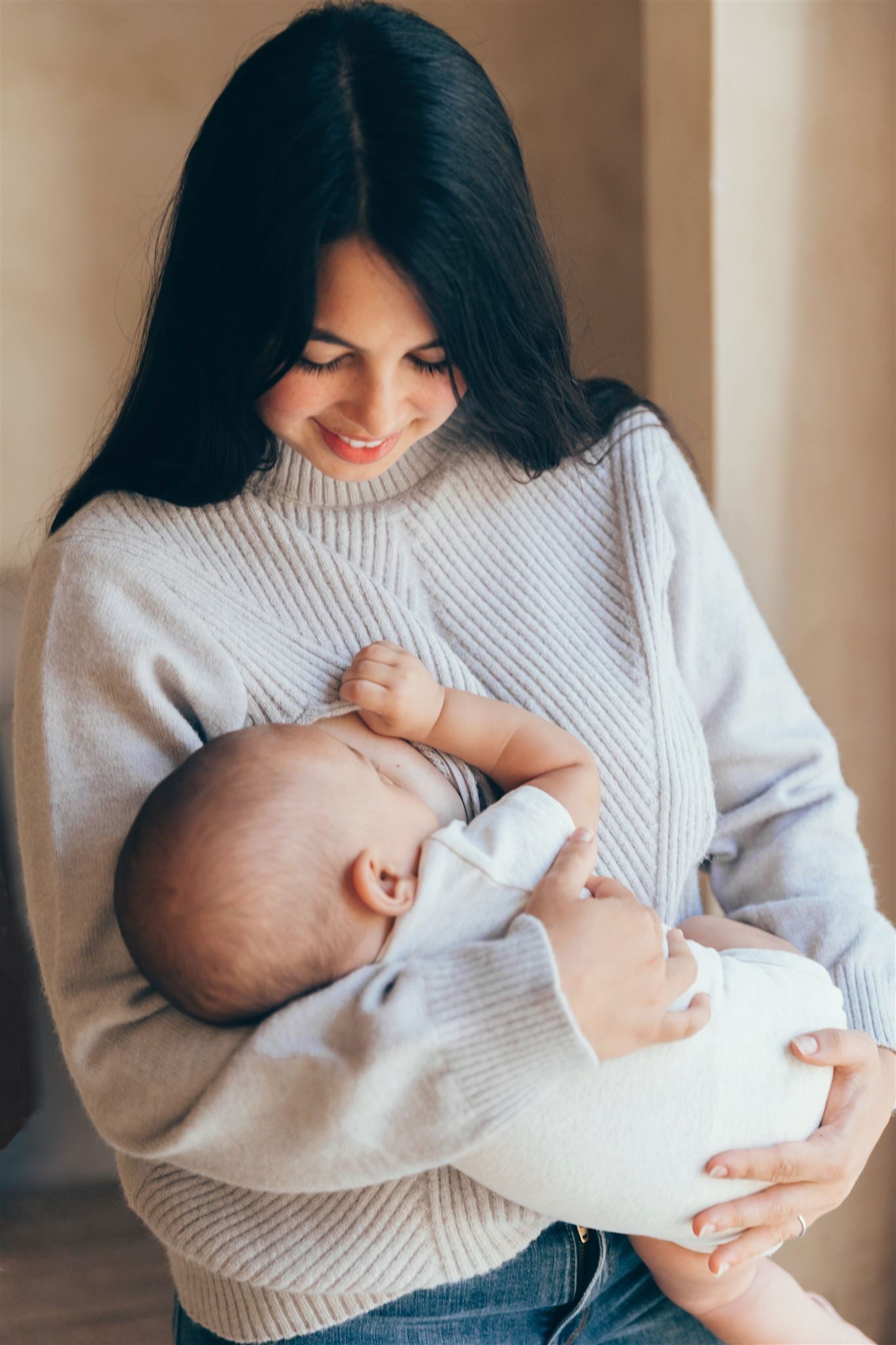
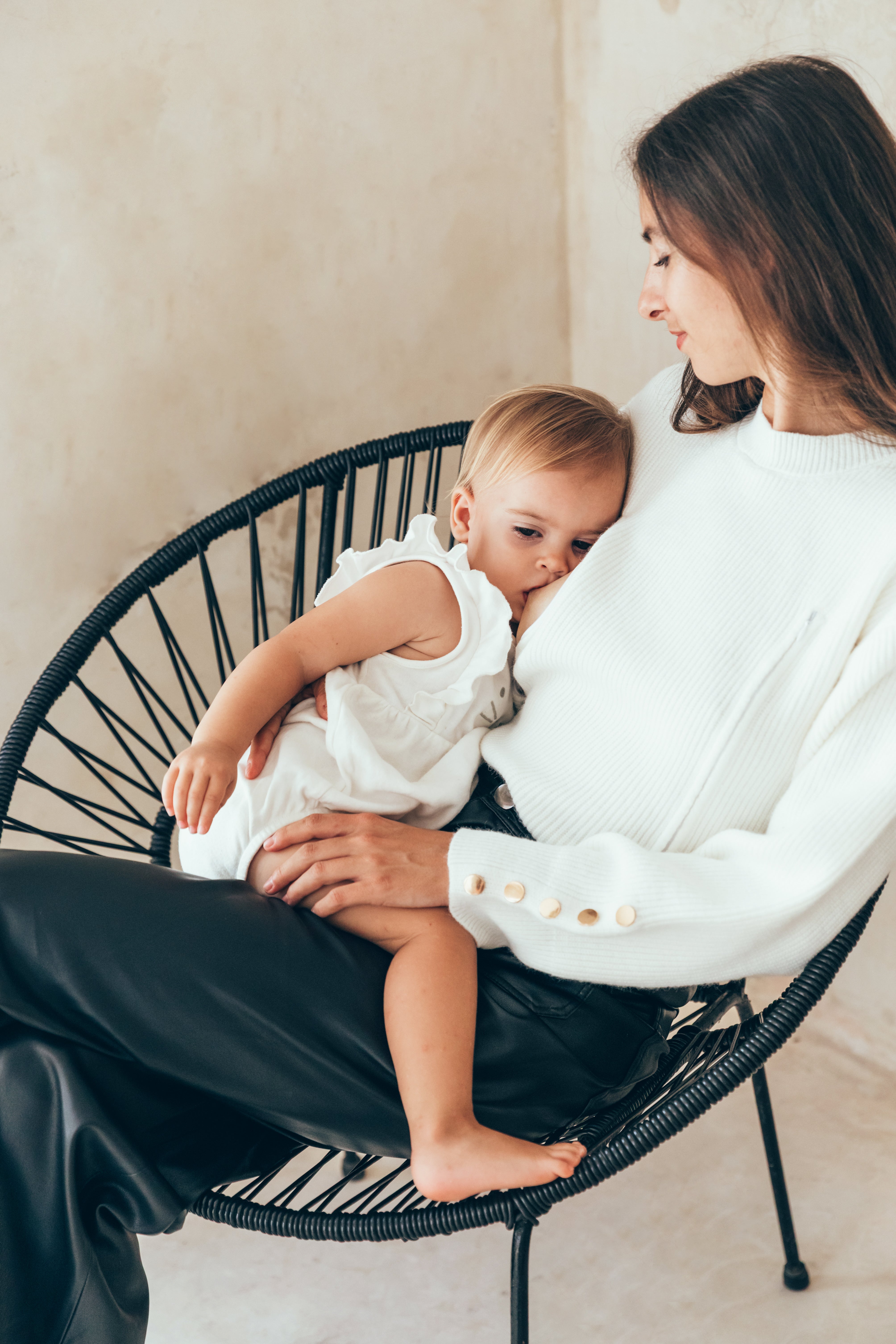
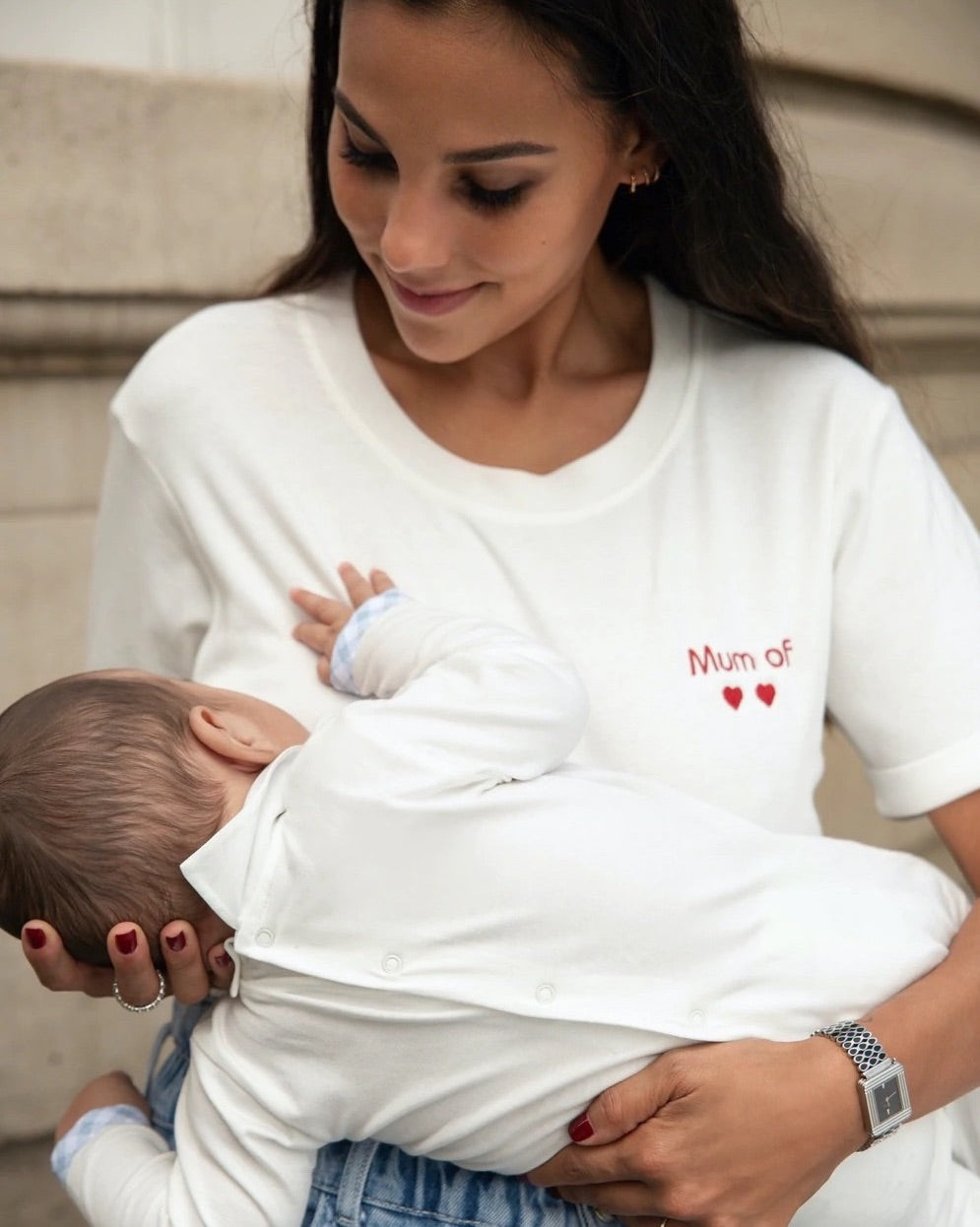
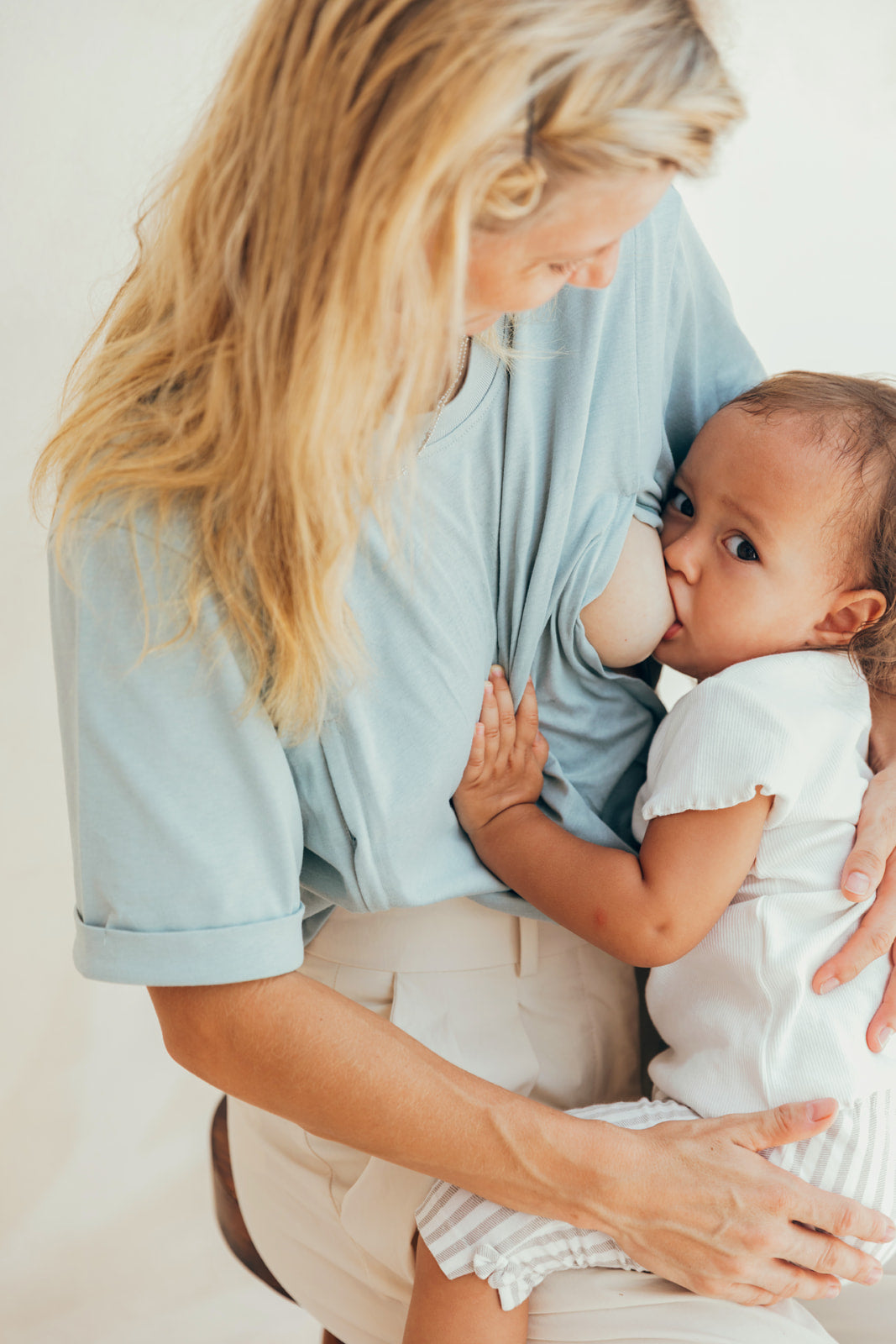
A specific point for breastfeeding moms: nighttime feedings in winter. You get up several times a night; you might feel cold as you move from the warmth of your bed to the cooler air in the room, and having your baby close to you generates warmth during feedings.
Here are a few tips to make nighttime feedings in the winter as comfortable as possible.
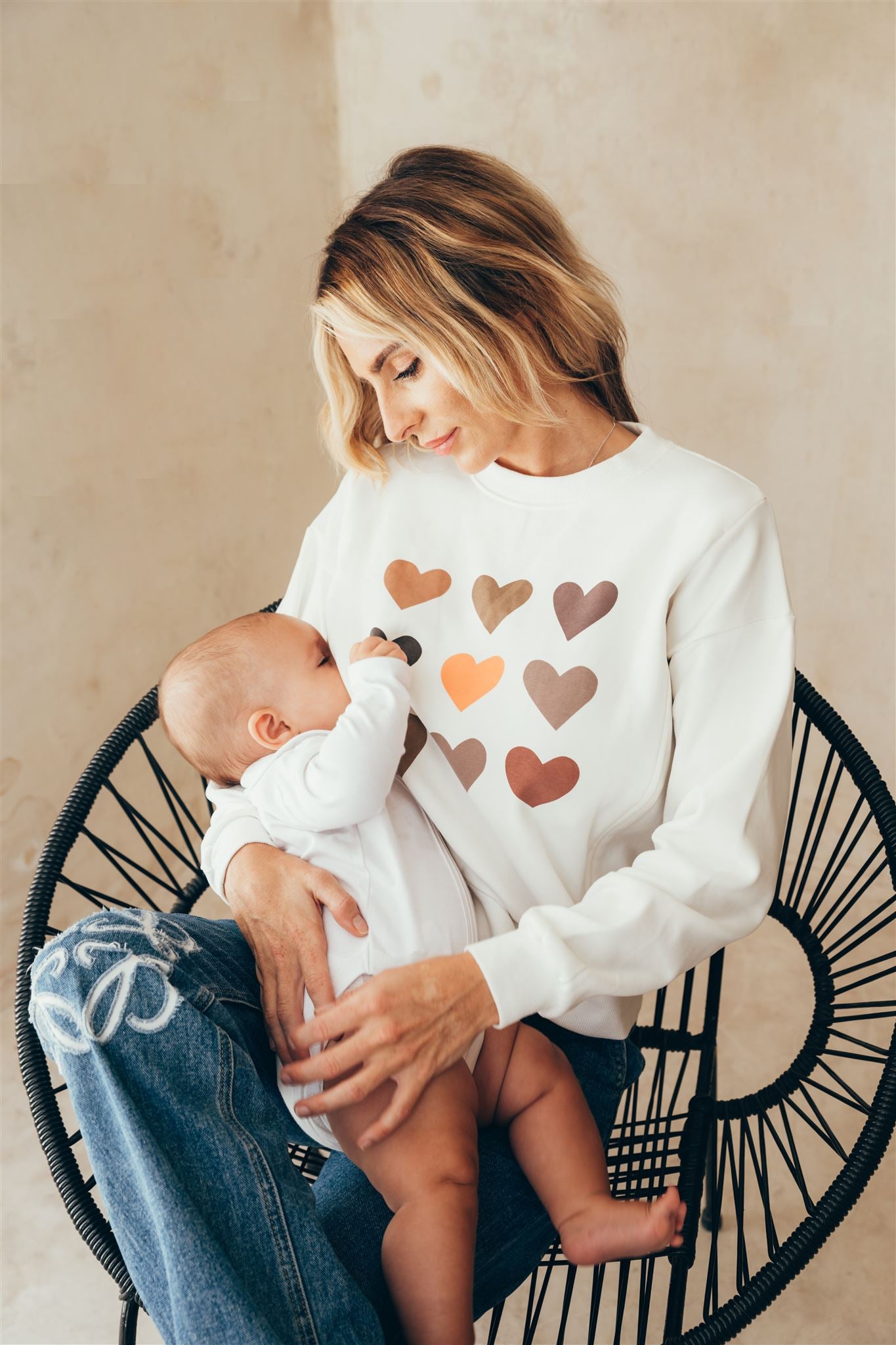
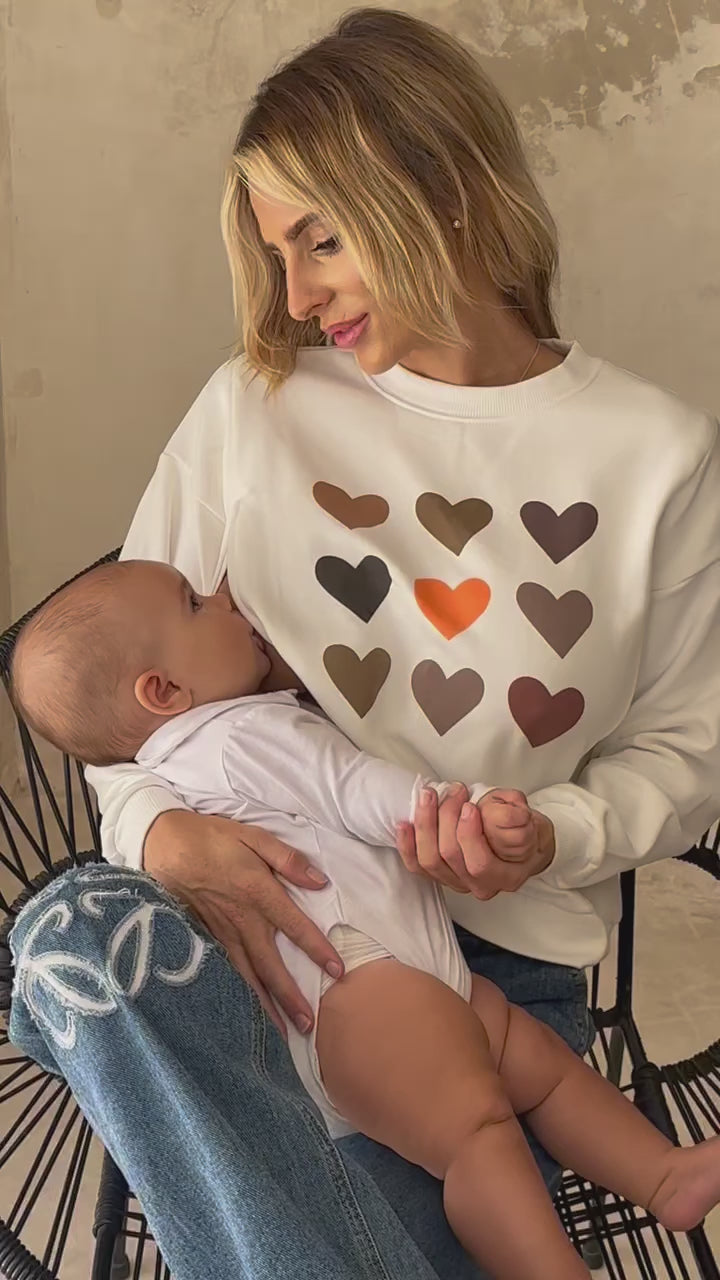
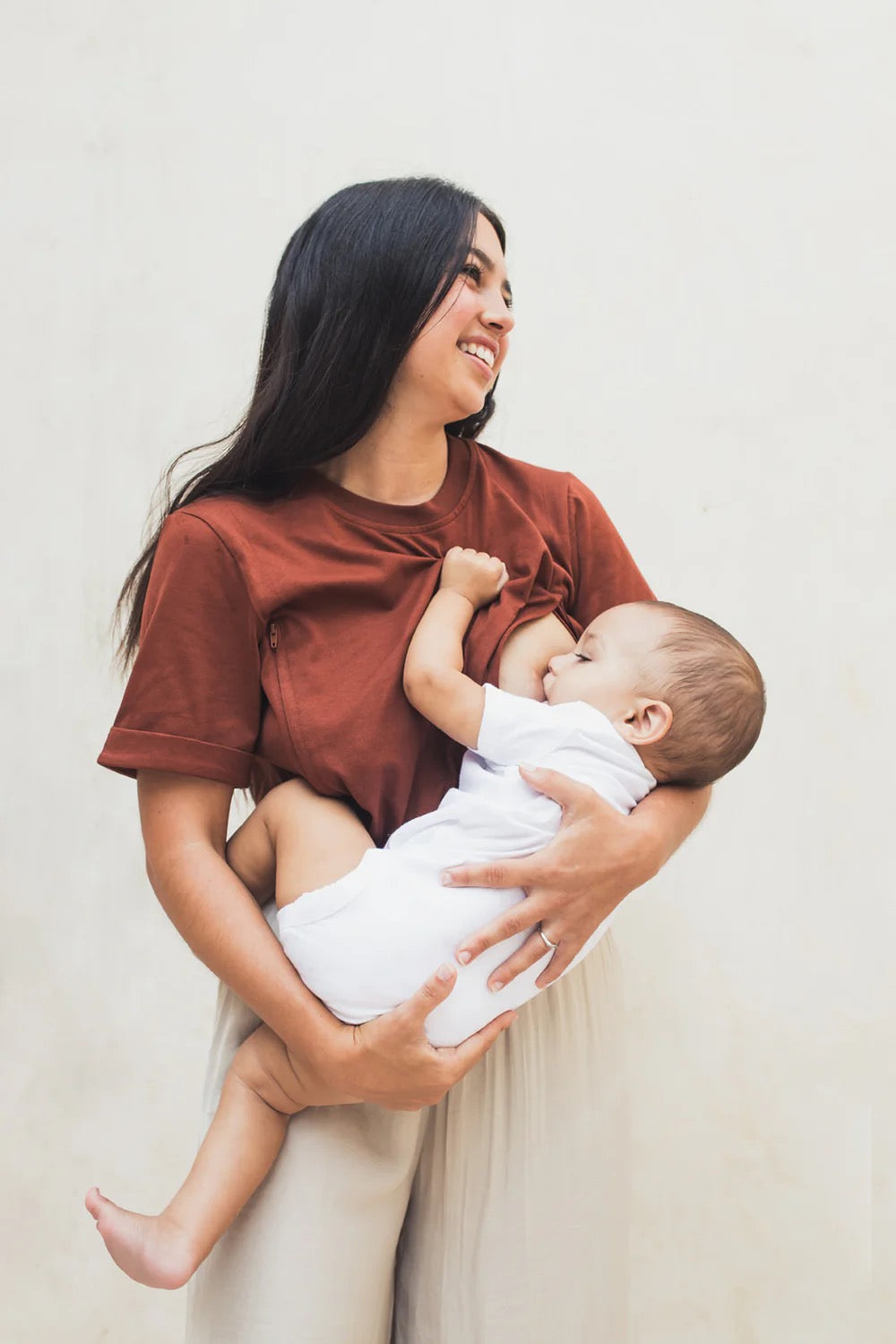
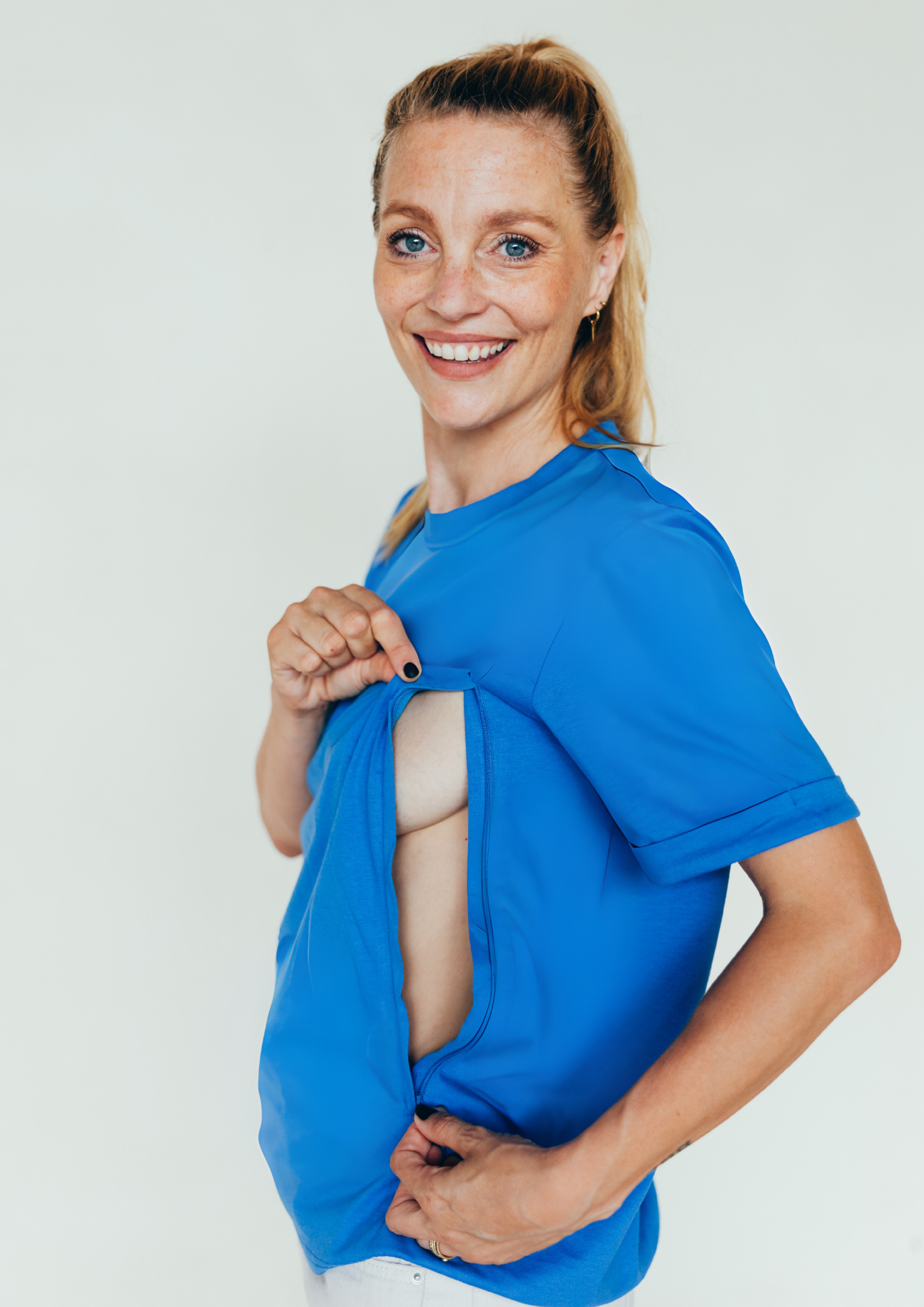
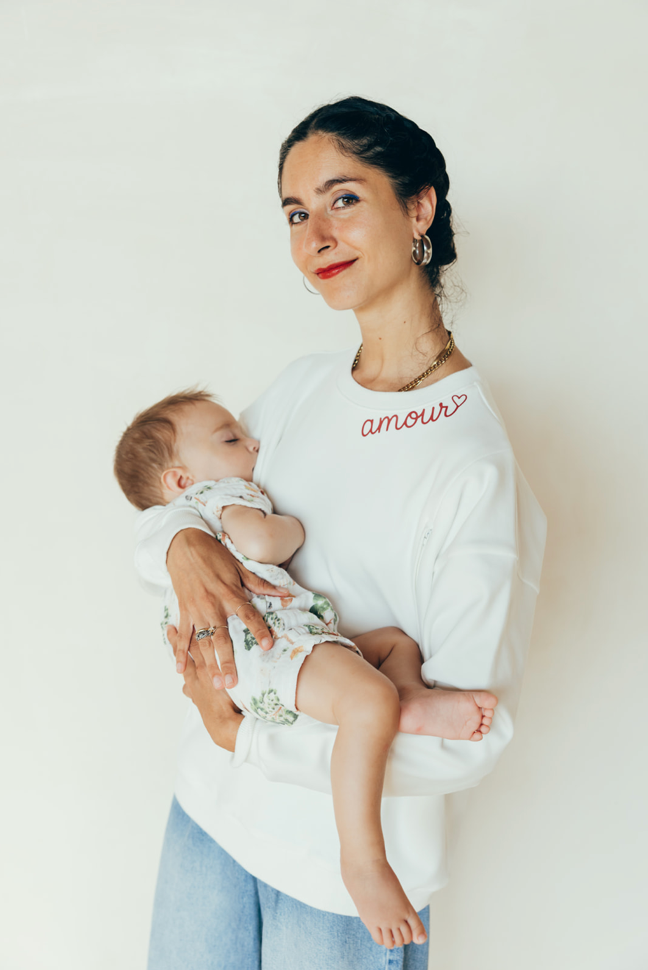
Keep a nursing sweatshirt or sweater within reach on your nightstand—you can slip it on quickly without turning on the light, without fully waking up, and without getting cold while breastfeeding.
Avoid overdressing your baby for nighttime feedings—if you’re holding him in your arms and you’re already covered up and warm, he doesn’t need extra layers for the feeding.
If you go to bed lying down, the blanket covering you is enough to keep both of you warm without needing to adjust the room temperature.

The Complete Checklist for a Baby's Room in Winter
| Element | Recommendation |
|---|---|
| Chamber temperature | 18 to 20°C |
| Air Humidity Level | 50 to 60% |
| Measuring tool | Thermometer + Hygrometer at Baby Height |
| Bedding | Sleeping bag rated according to TOG; no loose blanket |
| Humidifier | Evaporated or ultrasonic, demineralized water |
| Humidifier Maintenance | Rinse daily; clean weekly with vinegar |
| Ventilation | 10 minutes every morning, with the window slightly open |
| Baby Temperature Gauge | A warm, dry neck = the right temperature |
A room at 18–20°C, humidity levels of 50–60%, a suitable sleep sack, and a baby in light pajamas—that’s the winning combination for peaceful and safe nights all winter long.
And for you—who get up several times a night to breastfeed in the cold of winter—check out our nursing sweatshirts and Breastfeeding sweaters at knit—warm, soft, and easy to put on in two seconds, even with your eyes closed at 3 a.m.