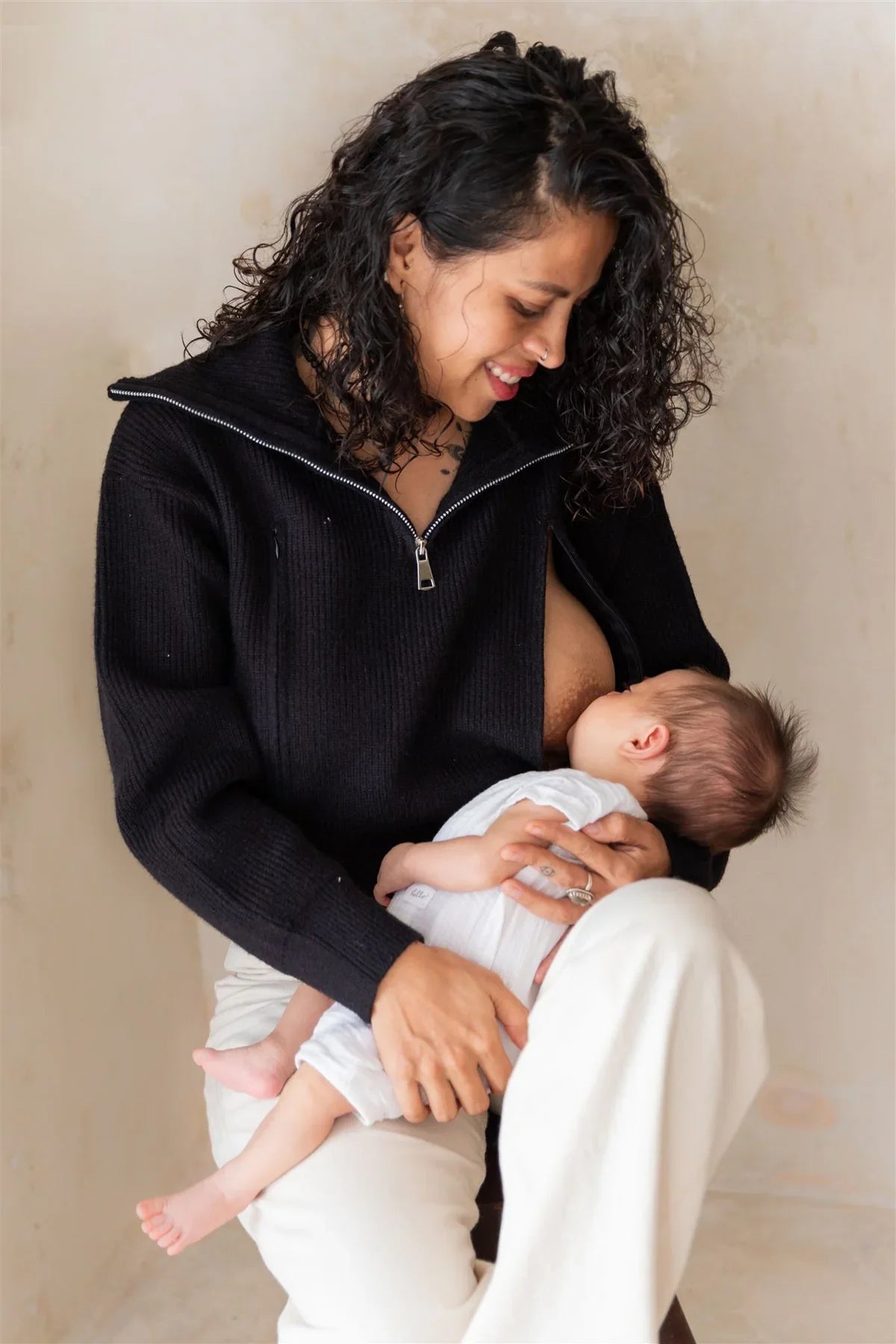
How to Dress in Layers in Winter When Breastfeeding
How to Dress in Layers in Winter When Breastfeeding
Winter and breastfeeding—it’s a combination that requires a little thought. On the one hand, you want to be warm—really warm—not just dressed. On the other hand, you need to be able to access your breast in a matter of seconds, without ending up half-undressed in a daycare hallway or in the cold of a car.
The solution? Mastering the art of layering. But not just any old way—it has to be done with a strategy designed for breastfeeding. We'll explain everything.
Why Layering Is Ideal for Breastfeeding Moms in Winter
Layering is a technique that involves wearing several light layers of clothing instead of just one very warm piece. And for breastfeeding moms, it’s a game-changer.

There are many benefits:
You regulate your body temperature. Between the freezing cold outside, the overheated public transportation, and the heat your baby gives off while nursing, your body temperature is constantly changing. With layers, you can add or remove clothing as needed.
You can easily access your breast. Instead of having to lift a thick sweater all the way up over your stomach—which is guaranteed to give you a chill down your back—you simply open the top layer while the bottom layer stays in place to cover your stomach.
You'll still look stylish. A few well-chosen layers create interesting and varied looks. It's much more creative than a big, shapeless sweater.
The Three-Layer Rule for Breastfeeding Moms
For layering to really work in winter when you're breastfeeding, you need to follow a system of three distinct layers, each with a specific purpose.
Layer 1 The base layer: a nursing T-shirt or tank top
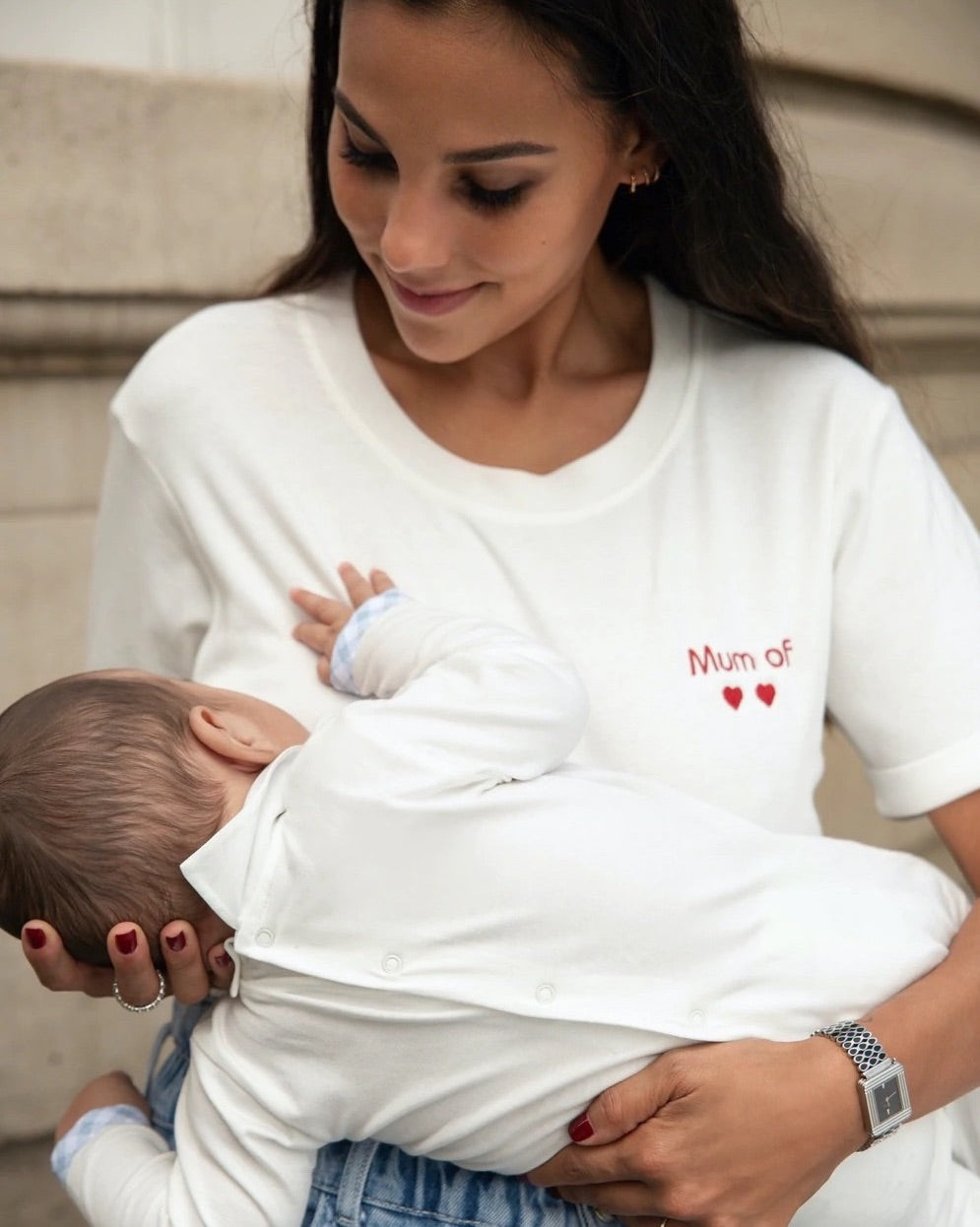
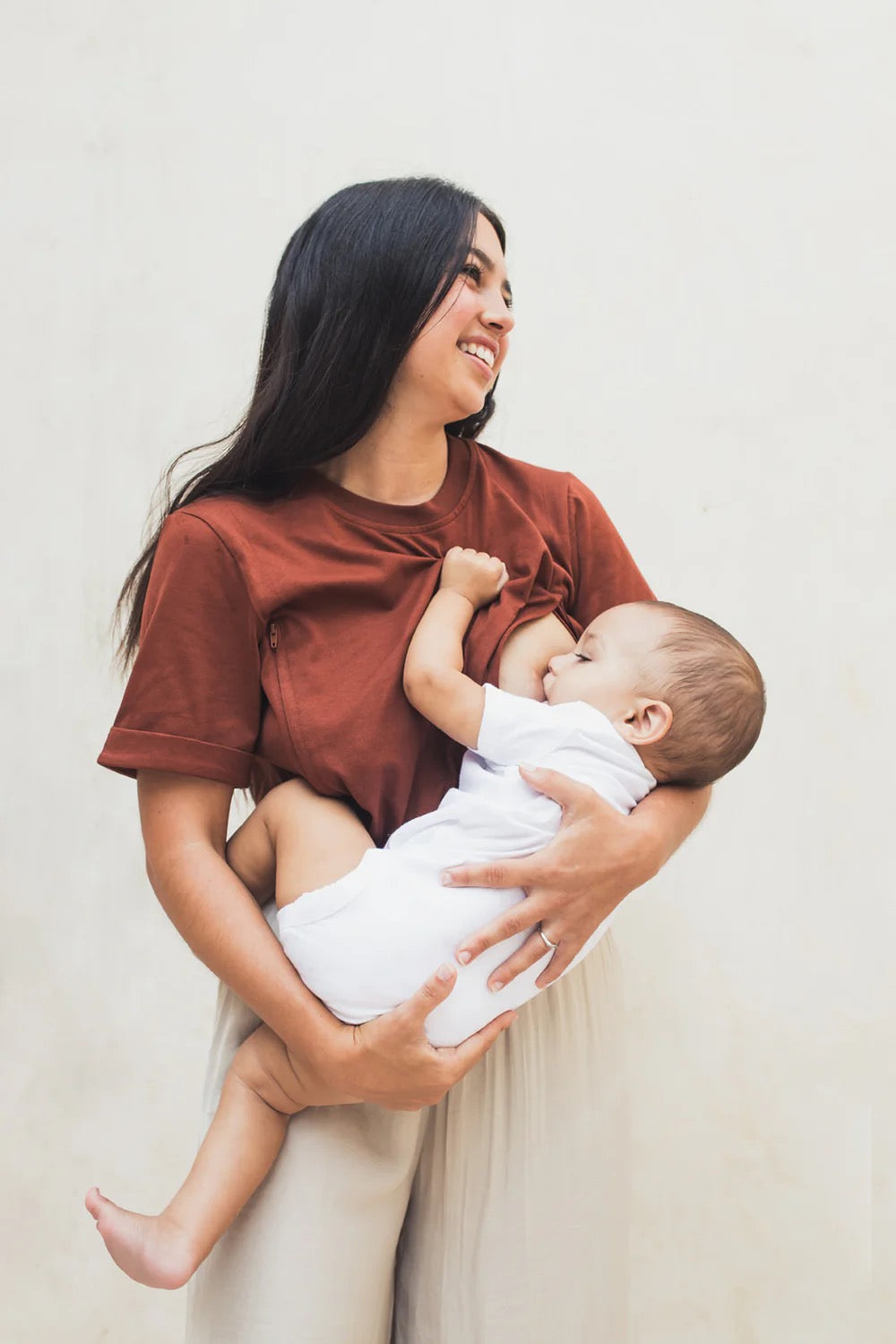
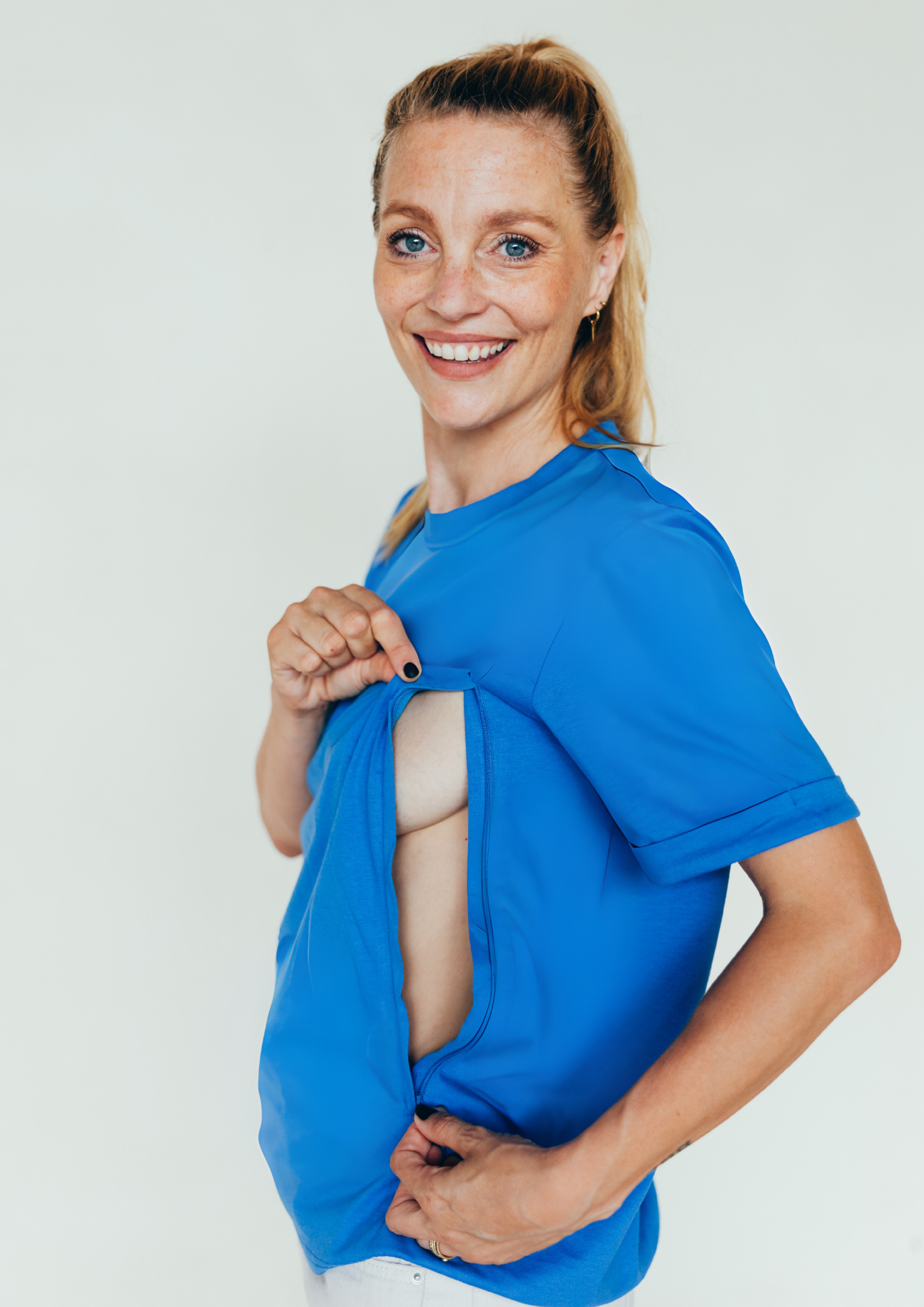
This is the key component of the entire system. This base layer must have direct access to the breast; it is what allows for breastfeeding without having to adjust the other layers.
What we're looking for in this first layer:
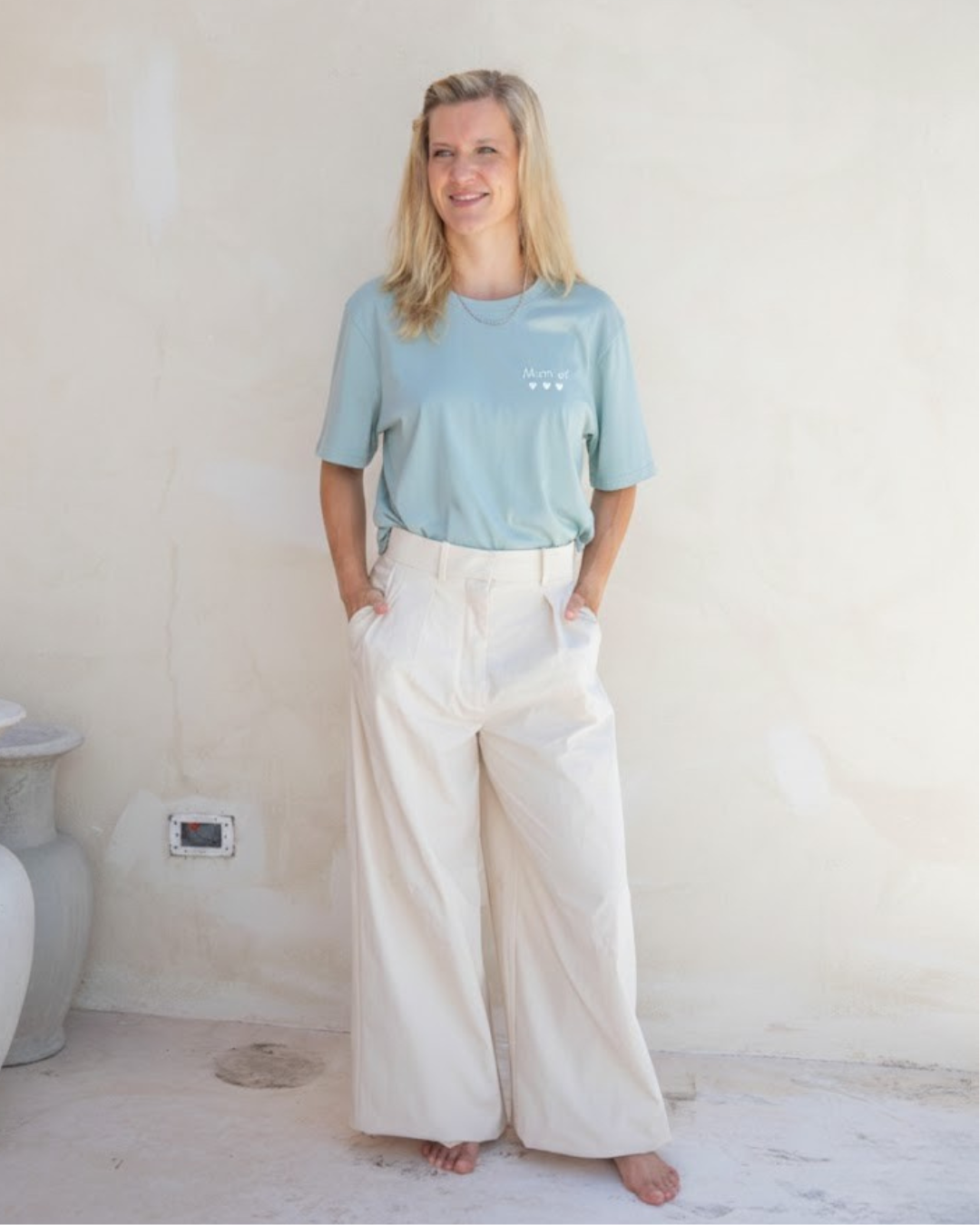
- A Breastfeeding t-shirt made of cotton or modal, with enough coverage to keep your stomach warm while breastfeeding.

- Or anursing tank top, if you prefer—it slips easily under any top.
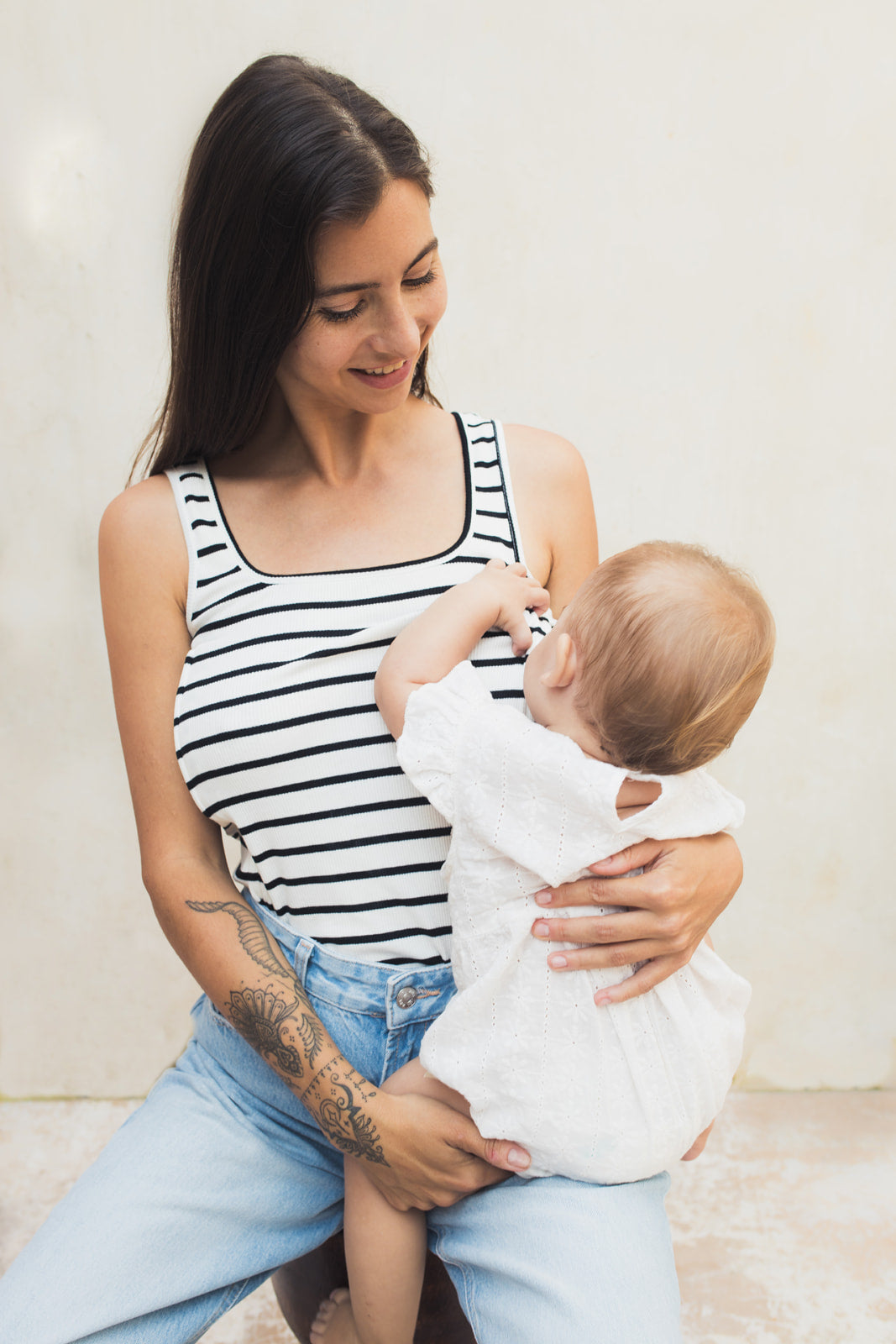
- A discreet side opening or a clip system that allows access to the breast without moving the other layers.

Here's how it works during a feeding: You open up the top layers, breastfeed with the base layer still in place—so your baby's tummy and back stay covered. Your baby stays warm, and so do you.
Layer 2: Warmth—a nursing sweatshirt or sweater
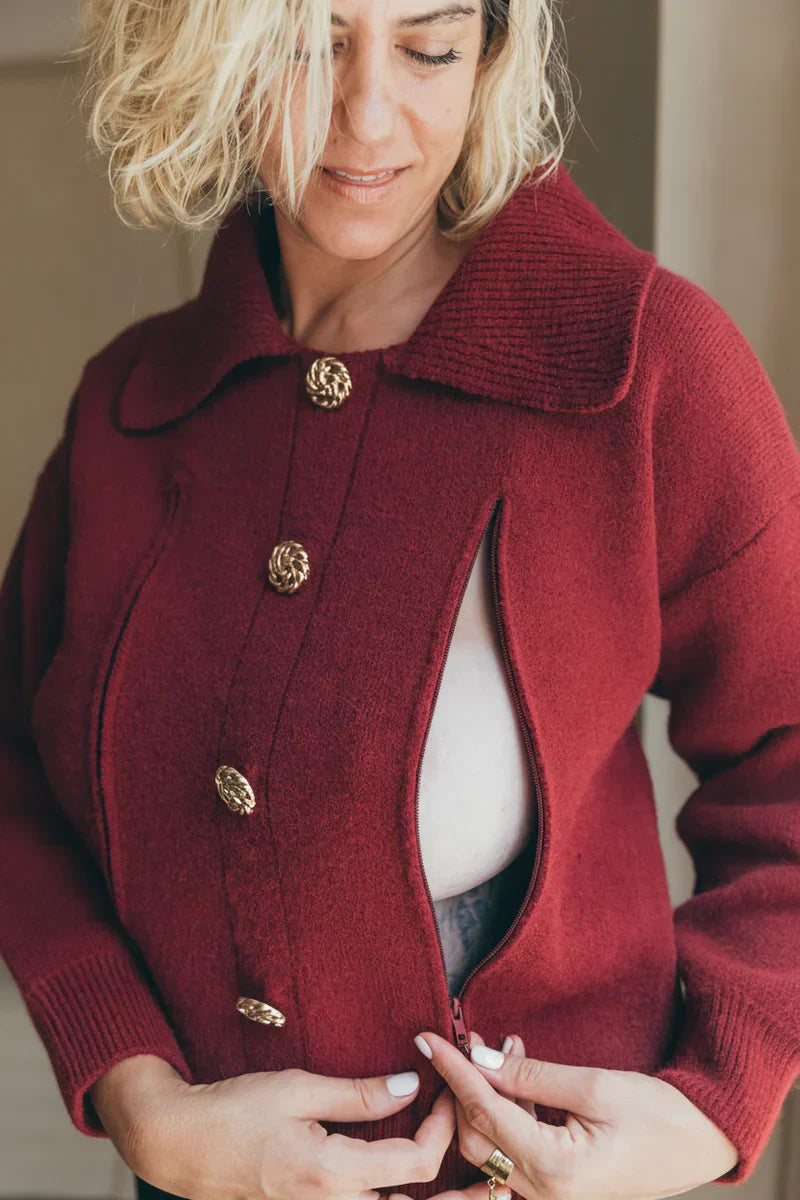
This is the layer that provides the real warmth. It can be easily opened or removed during a feeding, allowing the base layer to do its job.
Two options depending on the day and the occasion:
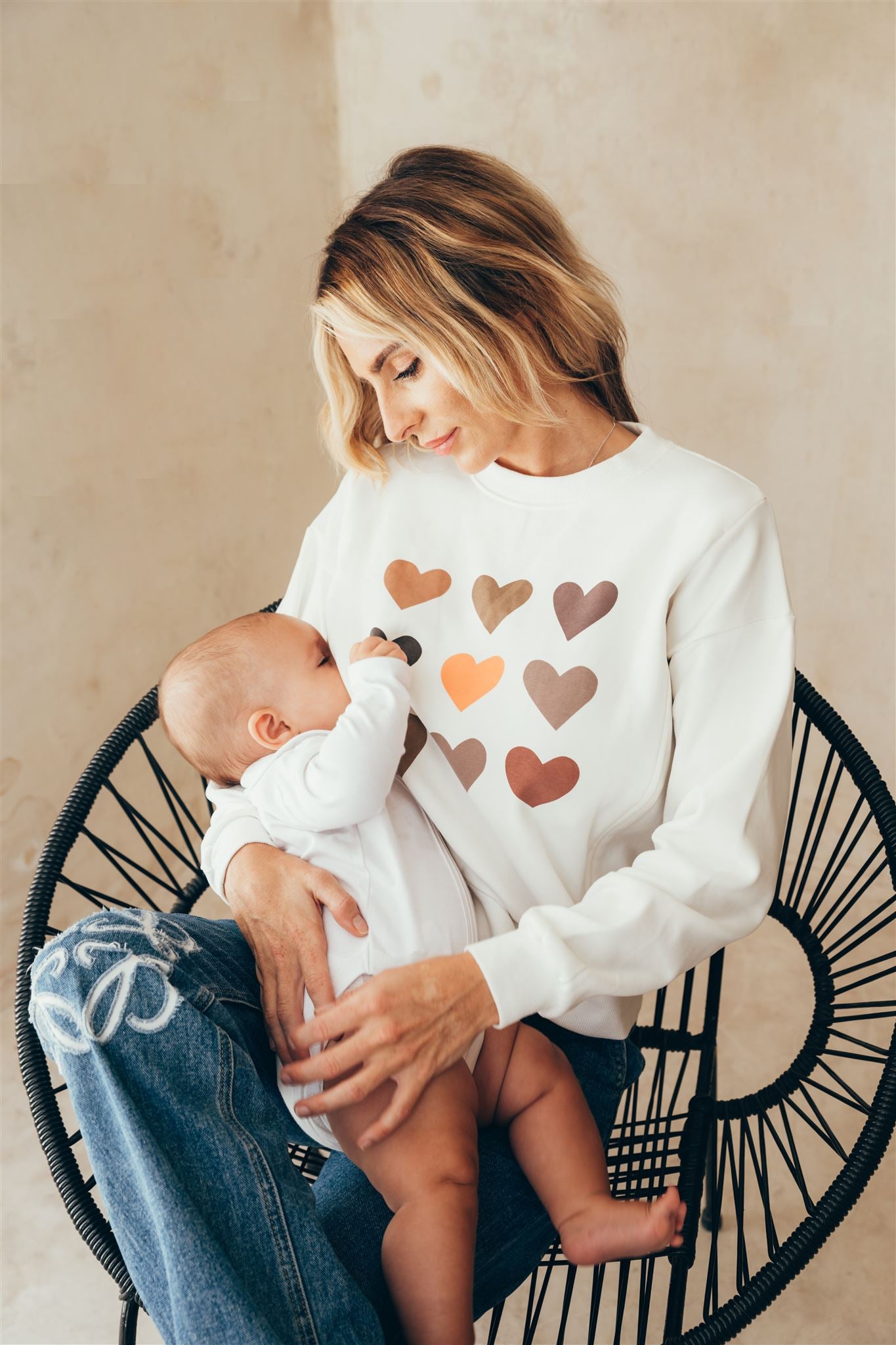
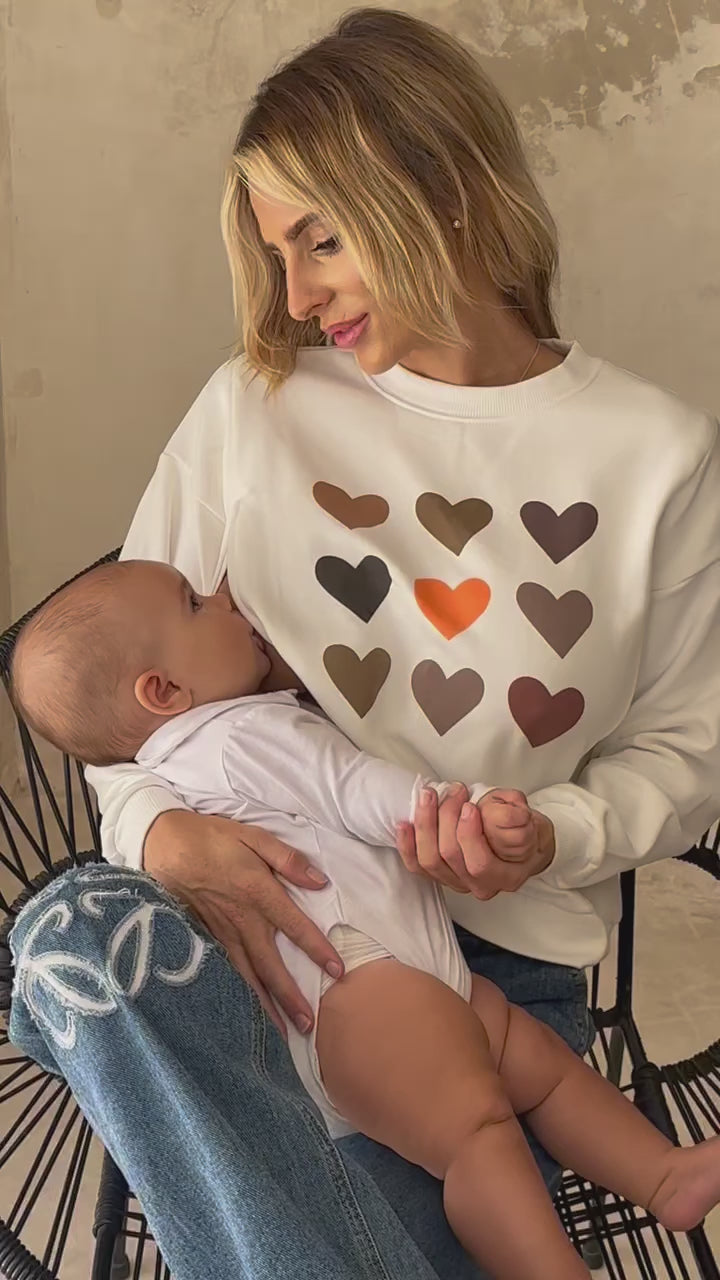
A comfortable, casual nursing sweatshirt —perfect for everyday wear at home or casual outings. It’s worn directly over your base layer and opens with the same side-access system.

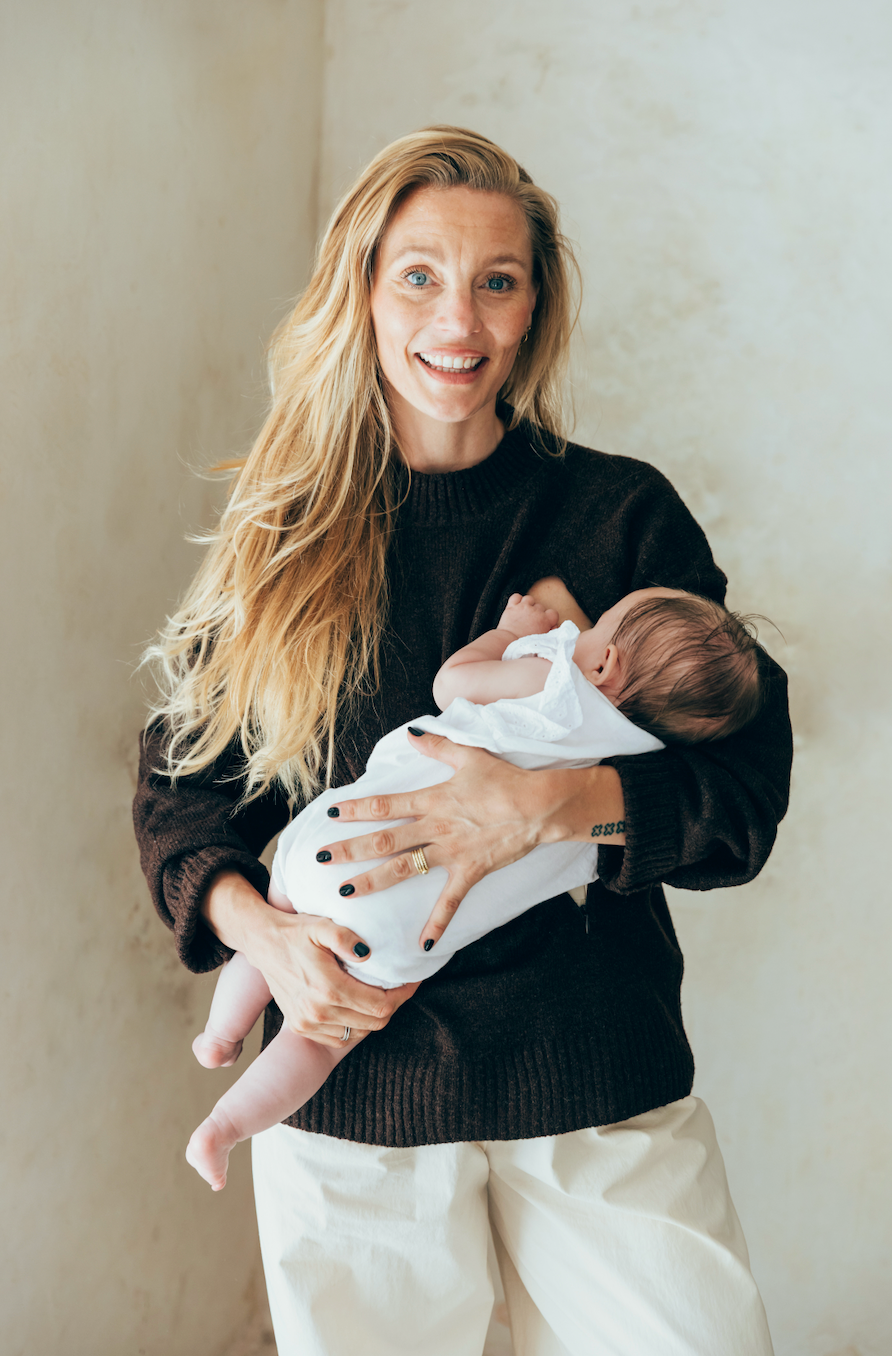
The most elegant knit nursing sweater, perfect for outings, family meals, or special occasions. It gives the impression of a polished look while remaining perfectly practical for nursing.
What we're looking for in this second layer:
- The opening in the inner layer must be aligned with that of the base layer; the two openings must coincide.
- A warm fabric that isn't too heavy—the goal is to layer up with lightweight pieces, not to be weighed down.
- A cut that doesn't ride up on your stomach when you raise your arms.
Layer 3: Protection—a jacket, cardigan, or coat
This is the outer layer, the one that protects you from the cold, wind, and rain. It doesn't need to have a built-in nursing opening—you can simply take it off or open it before feeding.
The best options for this third layer:
The long cardigan is the most versatile winter piece for nursing moms. It opens in the front, is easy to take off, and can even double as a blanket for your baby during feedings if you keep it draped over your shoulders.
A practical zip-up jacket for active outings. A top-to-bottom zipper allows for easy access to the breast without having to take off the entire jacket.
A button-up coat isn't the most practical for impromptu feedings, but it's perfect for trips. Just unbutton the bottom of the coat and slide your baby underneath for a discreet feeding.
The Combinations That Work Best
Here are some practical examples of layered outfits for every winter situation.
Everyday outfits at home:
Nursing tank top + printed nursing sweatshirt. Two layers are enough when you're at home—it's warm inside, so you don't need an outer layer. Maximum comfort, easy access, and a cozy, relaxed look.
A night out on the town:
Breastfeeding t-shirt knit nursing sweater knit long cardigan. The cardigan opens easily for breastfeeding at a café terrace or in a store. Three lightweight layers that create a structured, polished look.
A day at daycare or with the nanny:
Breastfeeding t-shirt nursing sweatshirt + coat. You take off the coat when you arrive, and the T-shirt and sweatshirt combo makes it easy to breastfeed before dropping off your baby. Convenient and quick.
Whether it's a family meal or a special occasion:
Nursing tank top + knit nursing sweater + blazer or structured jacket. The blazer opens easily, and the nursing sweater takes over. You can breastfeed discreetly at the table without anyone noticing.
Winter outing with a stroller:
Breastfeeding t-shirt nursing sweatshirt + zippered down jacket. Unzip the down jacket from the bottom to access the sweatshirt and then the T-shirt—your baby stays warm against you while nursing, and so do you.
Mistakes to Avoid When Layering Clothes in Winter
Mistake #1: Placing the nursing opening only on the top layer.
If only your outer layer has a nursing opening, you’ll have to lift up the layers underneath to nurse, and you’ll lose all the warmth. The opening should be on the base layer.
Mistake #2: Choosing layers that are too thick.
Three light layers are better than one thick layer. The principle of layering relies on the air trapped between the layers, which creates natural insulation. Layers that are too thick are heavy, stiff, and difficult to manage while holding a baby.
Mistake #3: Not paying enough attention to the length of the layers.
The base layer should be long enough to cover your stomach and lower back while breastfeeding. There’s nothing more uncomfortable than a draft on your back in the middle of winter while you’re breastfeeding.
Mistake #4: Forgetting to align the openings.
If your T-shirt opens on the left and your sweatshirt opens on the right, you’ll have a hard time with every feeding. Make sure the openings on your different layers are compatible and aligned.
How to Care for Your Nursing Pads So They Last All Winter
In winter, you often have to wash out sweat, milk, and little accidents. To make sure your clothes last all season, there are a few habits you should get into.
- Wash your items at a low temperature (30°C maximum for cotton, 20°C for modal and knit).
- Avoid using the dryer on sweaters and knitwear—they'll shrink and lose their shape.
- Lay knit sweaters flat to dry knit they keep their shape.
- Check out our care guide for tips specific to each fabric.
In a nutshell: Layering for breastfeeding in winter—the 5 golden rules
Find all the pieces you need to put together your winter breastfeeding outfits in our collections of T-shirts, sweatshirts, and Breastfeeding sweaters —all designed so you never have to choose between staying warm and staying comfortable.