Breastfeeding in Winter: Our Tips for Staying Warm During Feedings
Winter has its charms. It also presents its own unique challenges when you’re breastfeeding.
Nighttime feedings in a cool bedroom. The chill down your spine when you lift your shirt. Outings with your baby where you have to brave the cold to breastfeed. Night sweats caused by breastfeeding hormones that, paradoxically, coexist with the sensation of cold. And that particular kind of fatigue that comes with winter nights—heavier, longer, and harder to shake off.
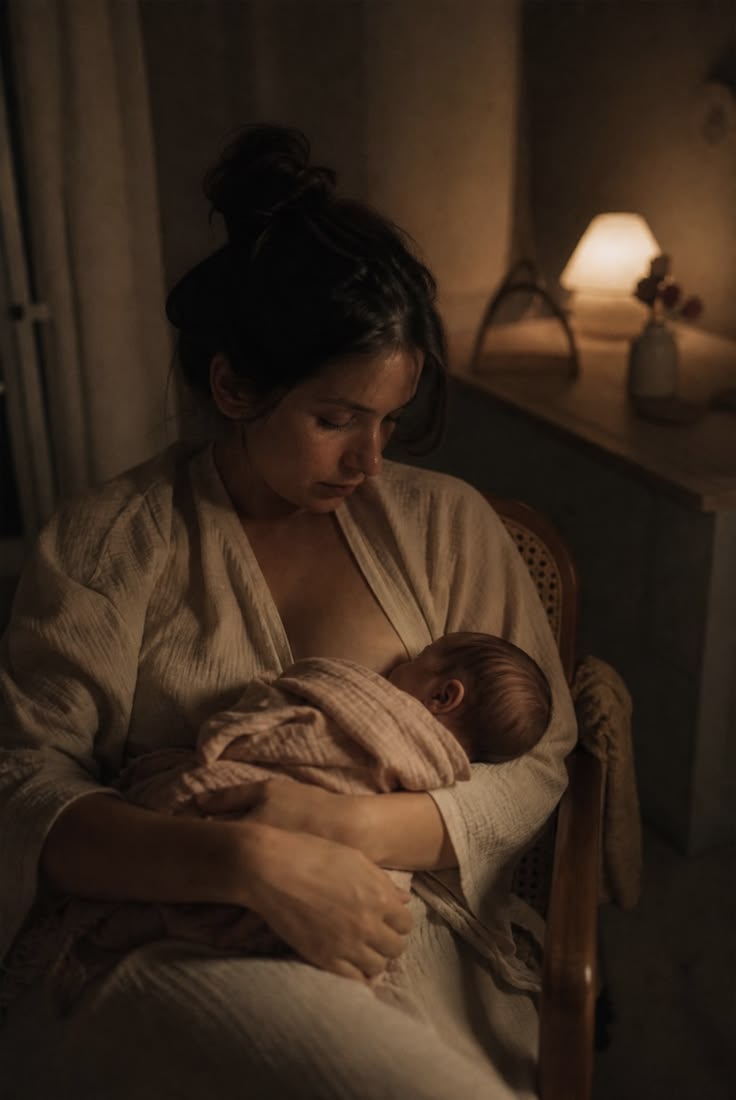
Breastfeeding in winter is manageable. With the right habits, the right clothes, and a few simple adjustments, the cold season can even become one of the coziest times for feeding your baby—snuggled up against you, under a soft sweater, in the soft glow of a well-heated home.
Here's everything you need to know.

How Winter Affects Breastfeeding
Before offering advice, it’s important to understand what’s happening physiologically, because winter has specific effects on the breastfeeding body.
Thermoregulation During Feedings
During a feeding, your body generates heat through physical closeness with your baby, milk production, and the release of oxytocin. But between feedings—especially at night—that heat quickly dissipates. This cycle of hot and cold, repeated ten times a night, is exhausting for the body.
Hormonal fluctuations and night sweats
This is the winter paradox of breastfeeding: many breastfeeding mothers experience heavy night sweats due to the postpartum drop in estrogen levels, yet feel cold when they get up to feed their babies. This combination makes choosing nightwear particularly tricky.
Dry skin and sensitive nipples
Winter dries out the skin, and nipples—which are already sensitive during breastfeeding—can become even more vulnerable. Rough or synthetic clothing that rubs against the skin can make this sensitivity worse. Soft, natural fabrics, on the other hand, protect the skin.
Vitamin D and Immunity
In winter, exposure to sunlight decreases, and with it, the body’s natural production of vitamin D. Breastfeeding mothers are particularly at risk, as vitamin D is passed into breast milk. Supplements are often recommended—talk to your doctor or midwife.
Winter Nursing Clothes: What Really Makes a Difference
That's where the season really changes the game. Winter nursing clothes have specific requirements that summer pieces don't.
Smart Overlay
The secret to breastfeeding in winter is layering. Instead of a single warm garment that has to be completely removed to breastfeed, you wear multiple layers so you can expose only what’s necessary while keeping the rest warm.
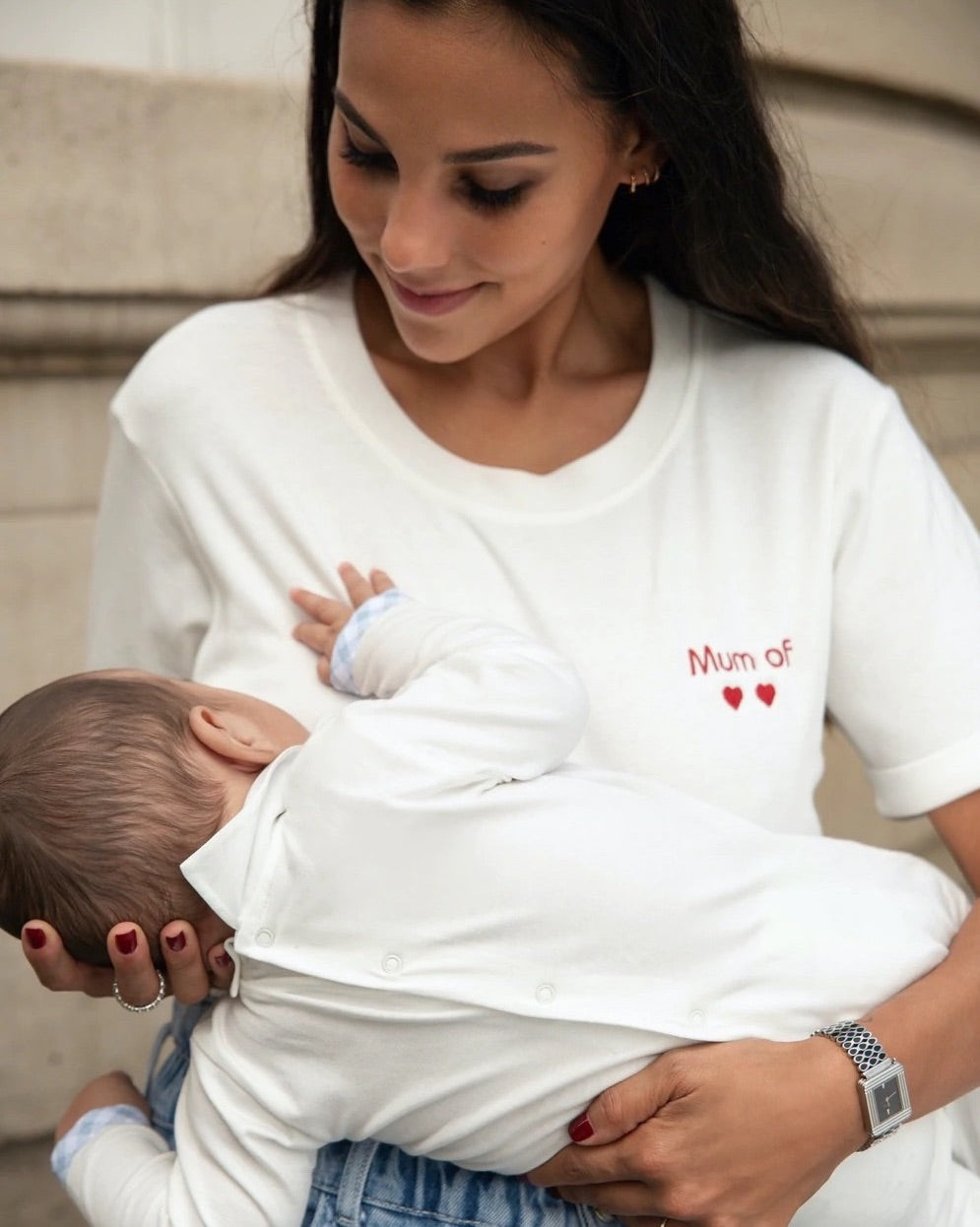
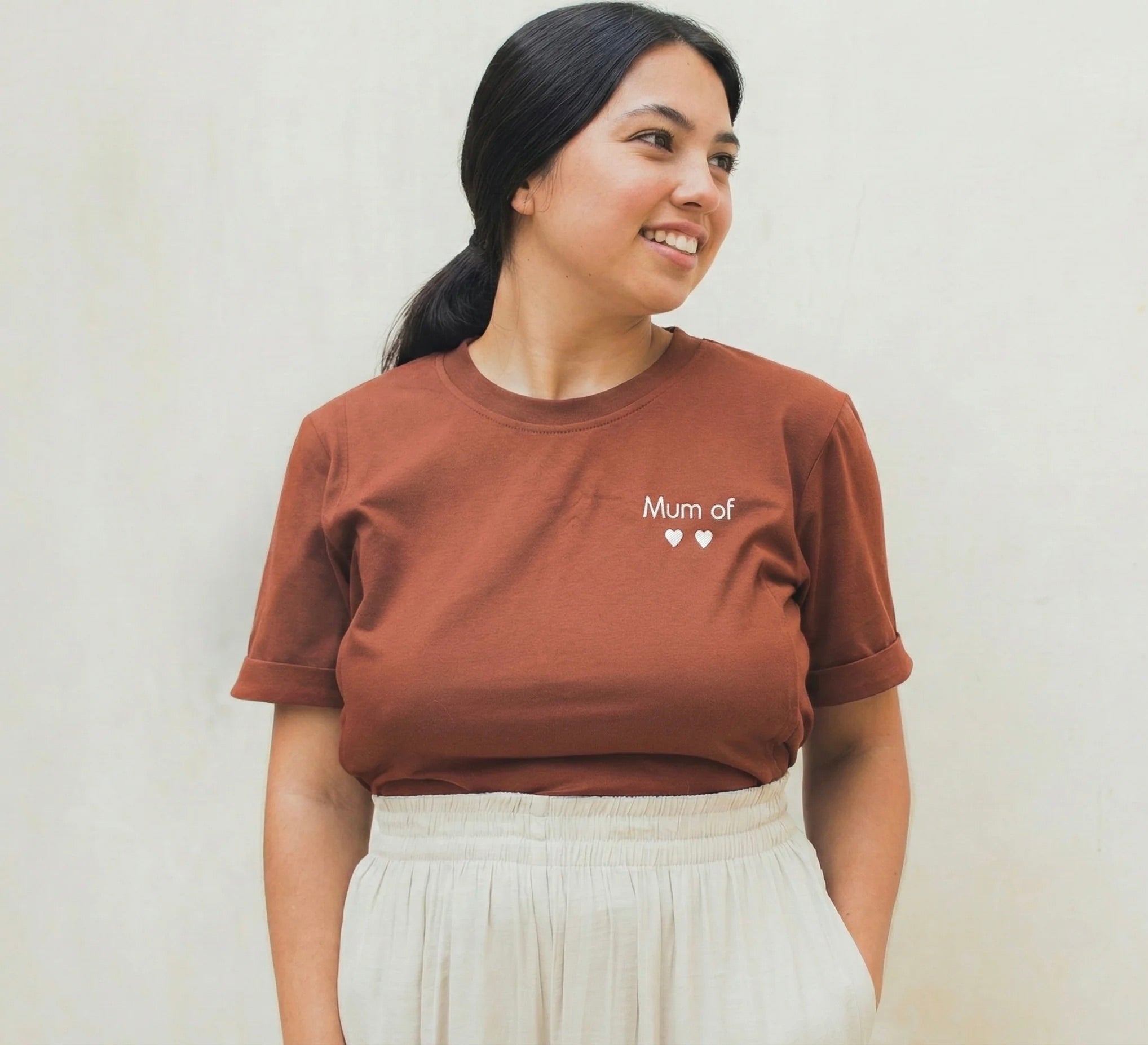
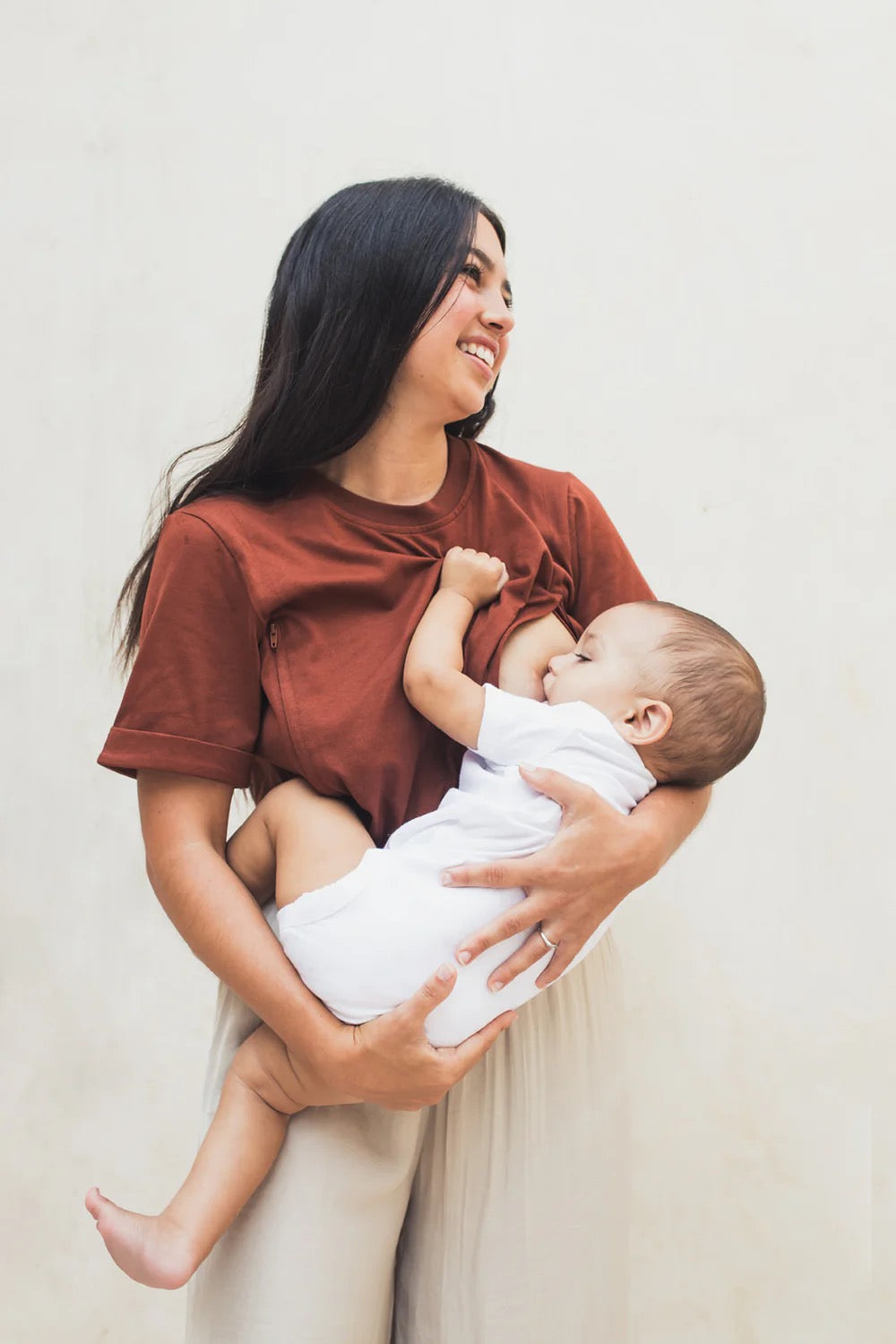
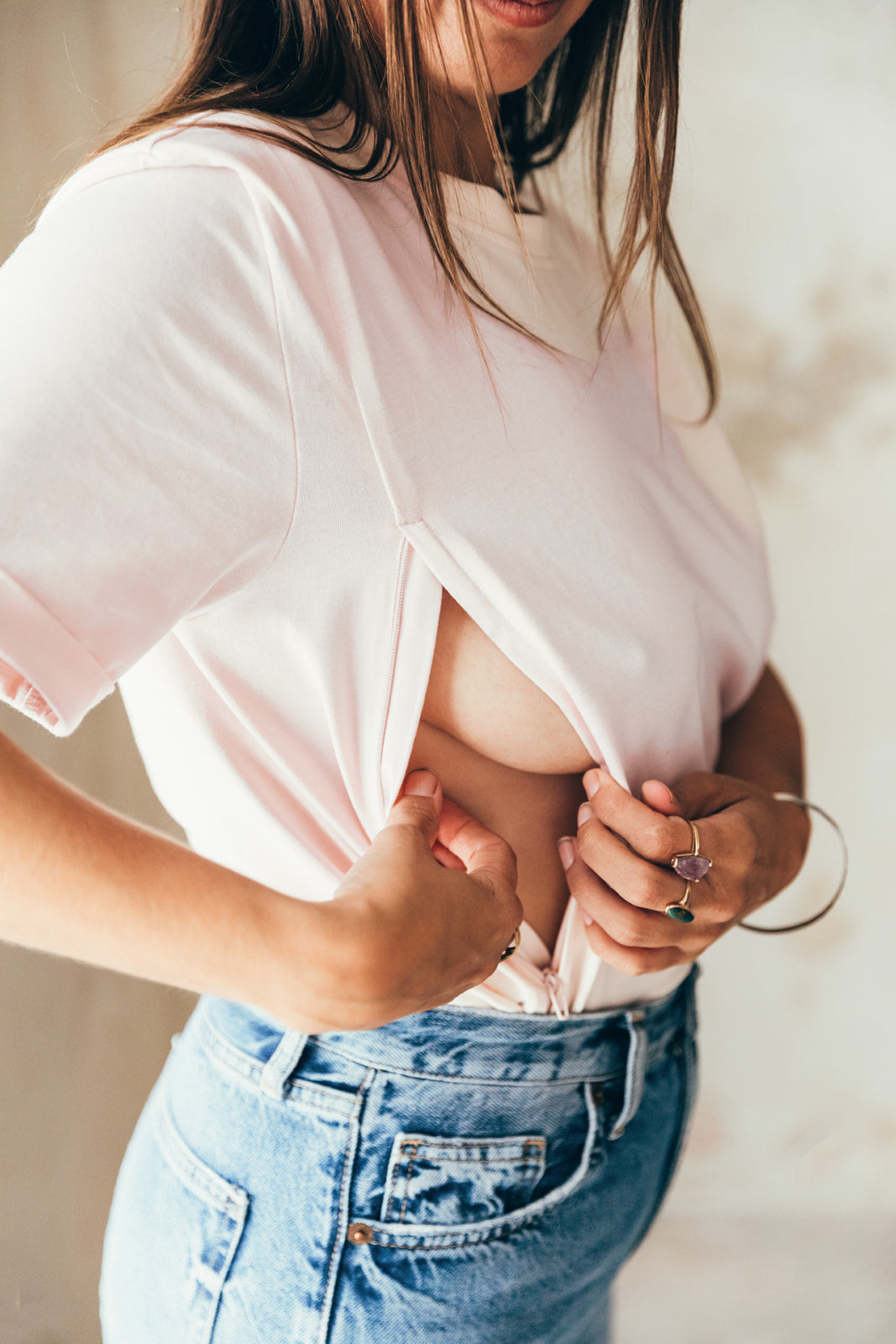
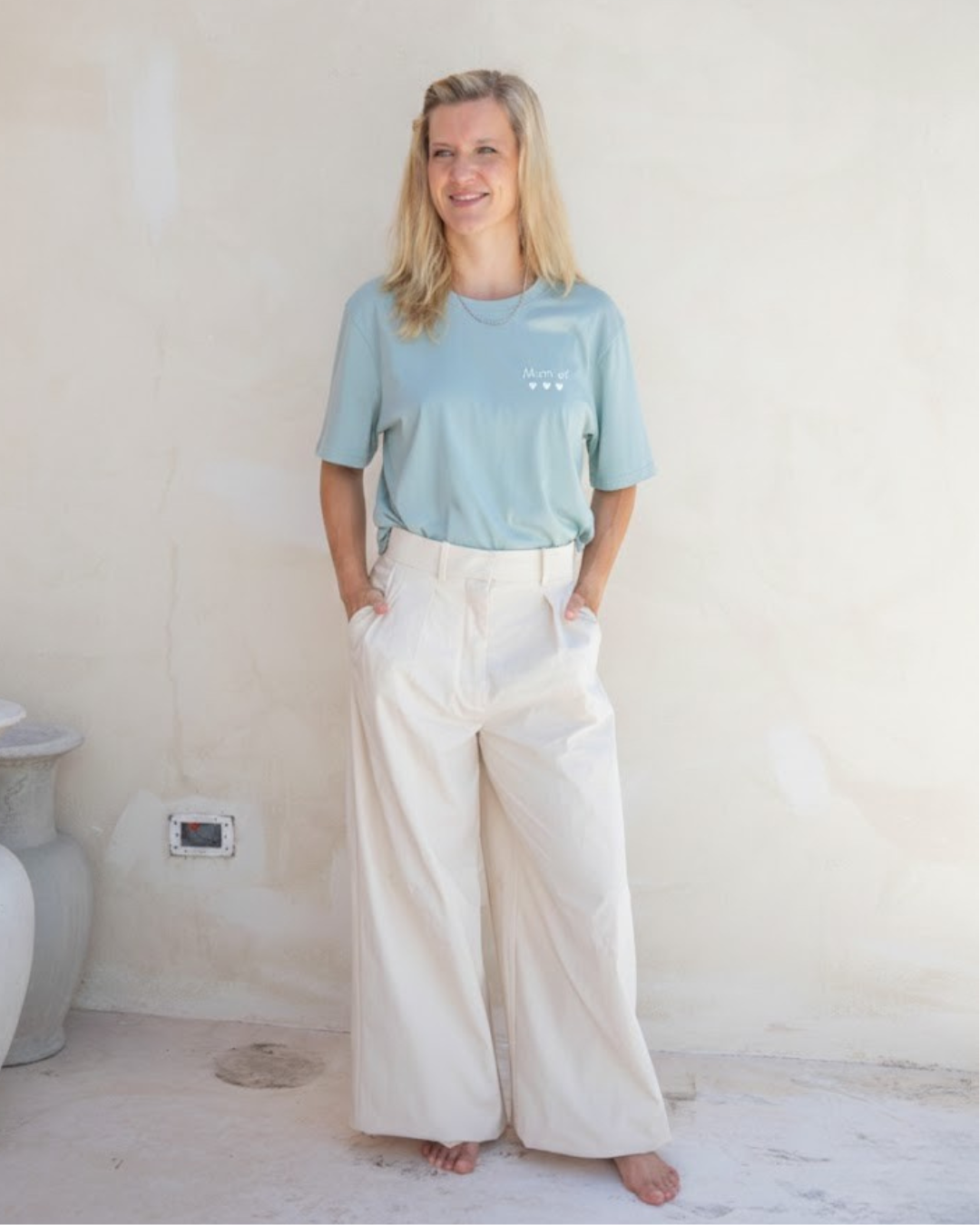
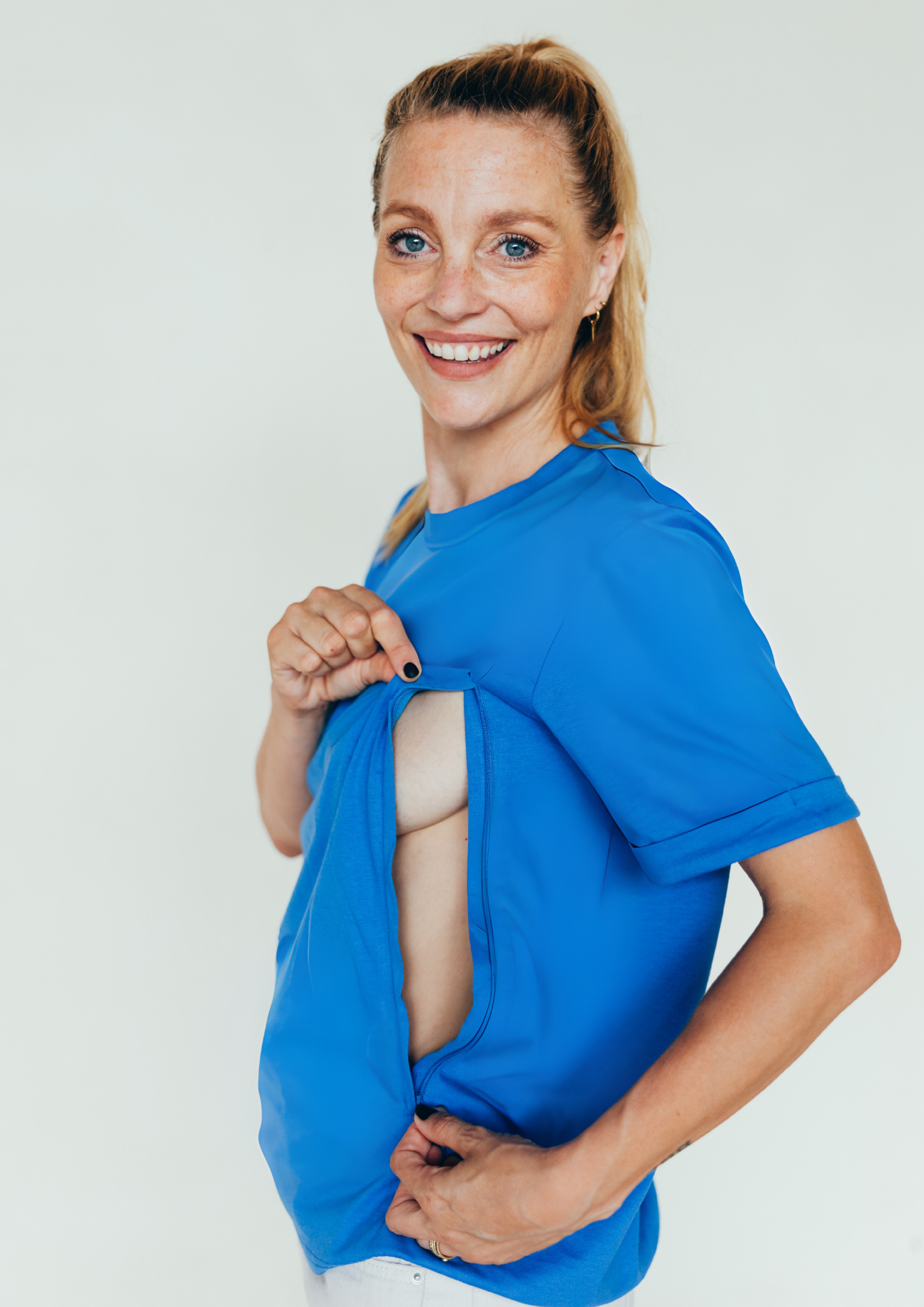
The best combination: a nursing tank top worn underneath to keep your stomach covered at all times, a Breastfeeding t-shirt in the middle for easy access to the breast, and a warm layer on top—an open cardigan, a light jacket, or a scarf—that you can quickly remove for a feeding and put back on right away afterward.
This system keeps you as warm as possible while breastfeeding. You expose only one breast at a time. Your stomach stays covered. Your back stays covered. And as soon as you’re done breastfeeding, you can cover up again in just a few seconds.
Nursing Sweaters and Hoodies: Winter's Must-Have Pieces
It's during the cold season that the knit sweater and the nursing sweatshirt really come into their own.
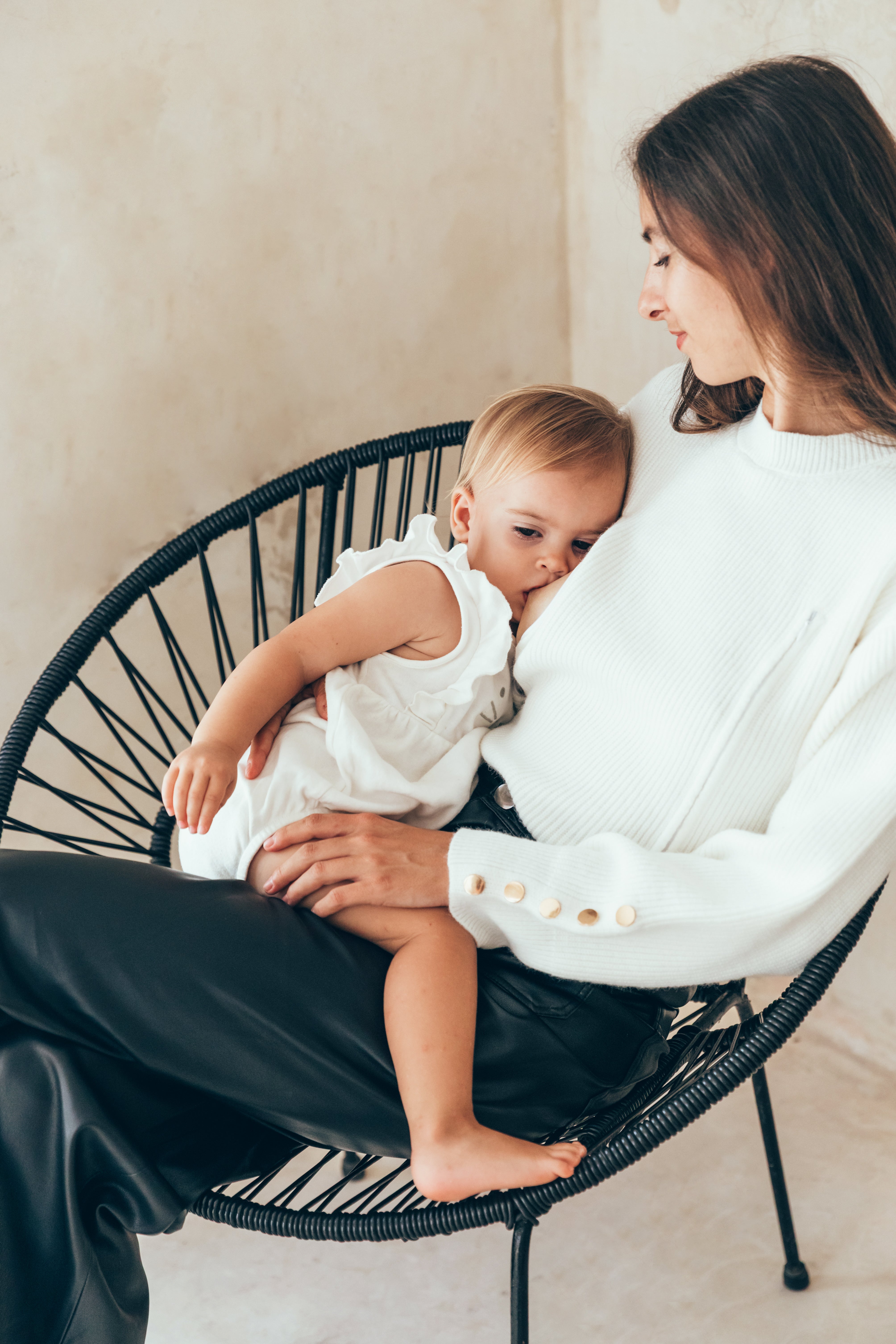
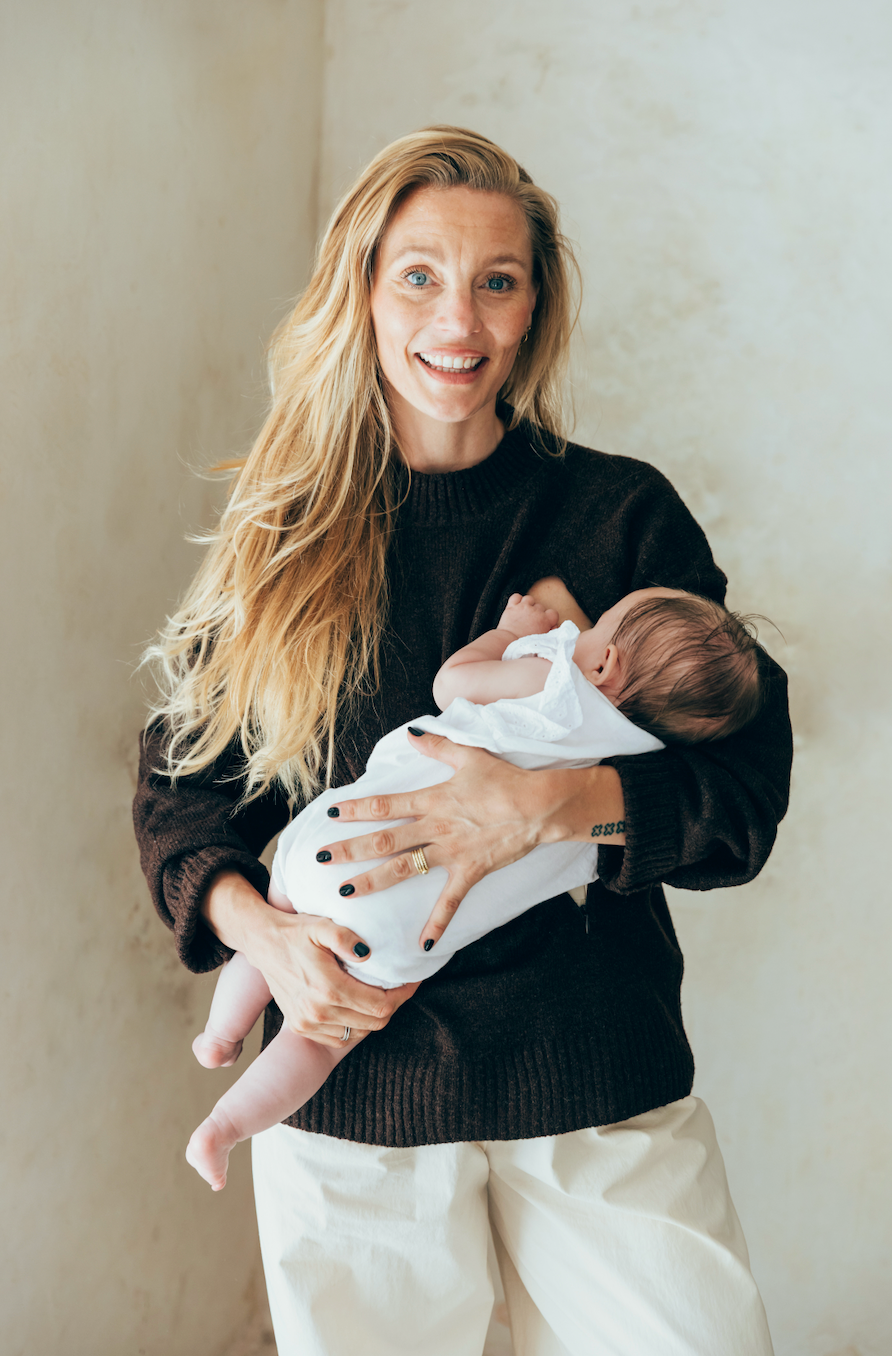
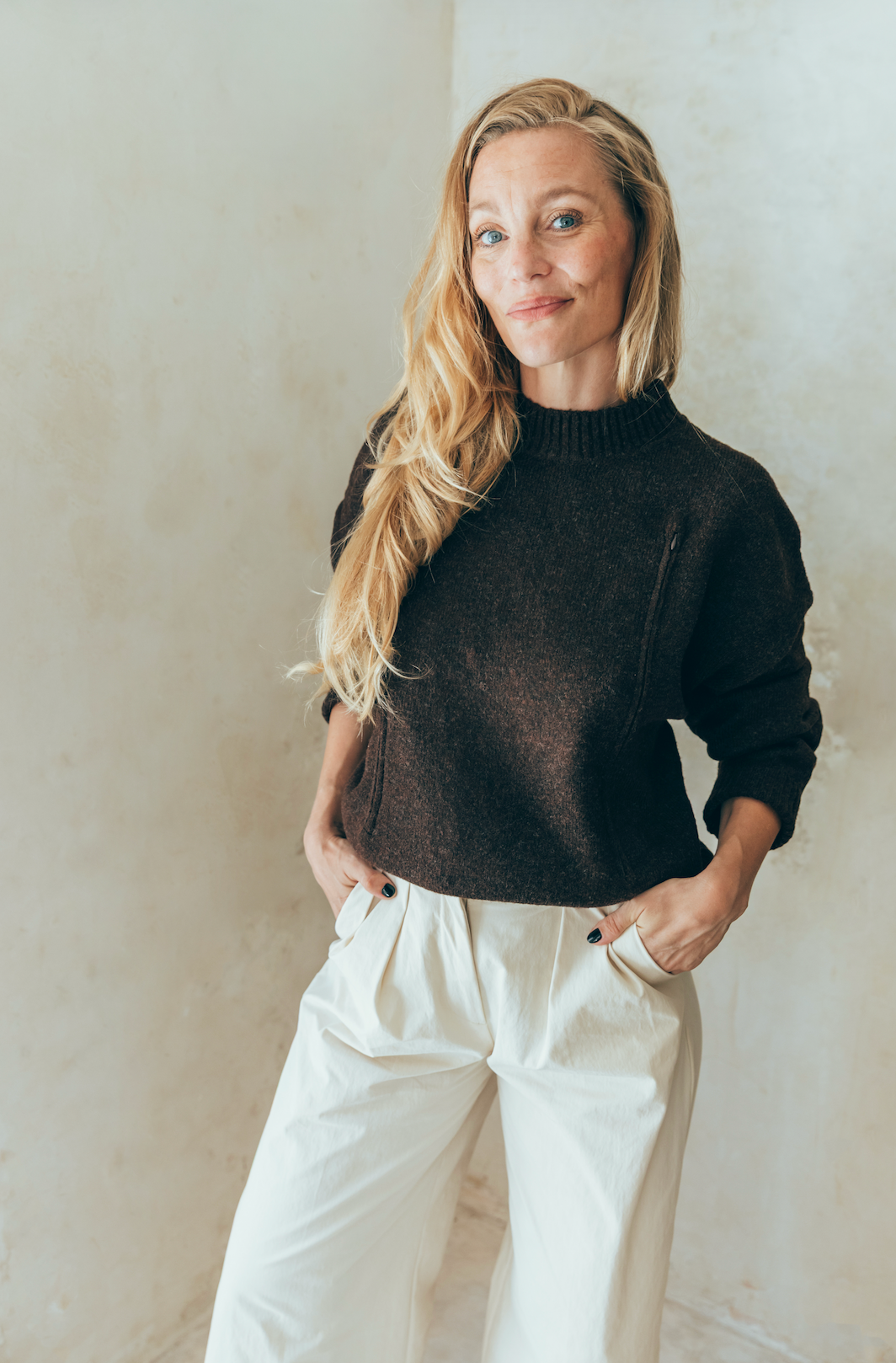
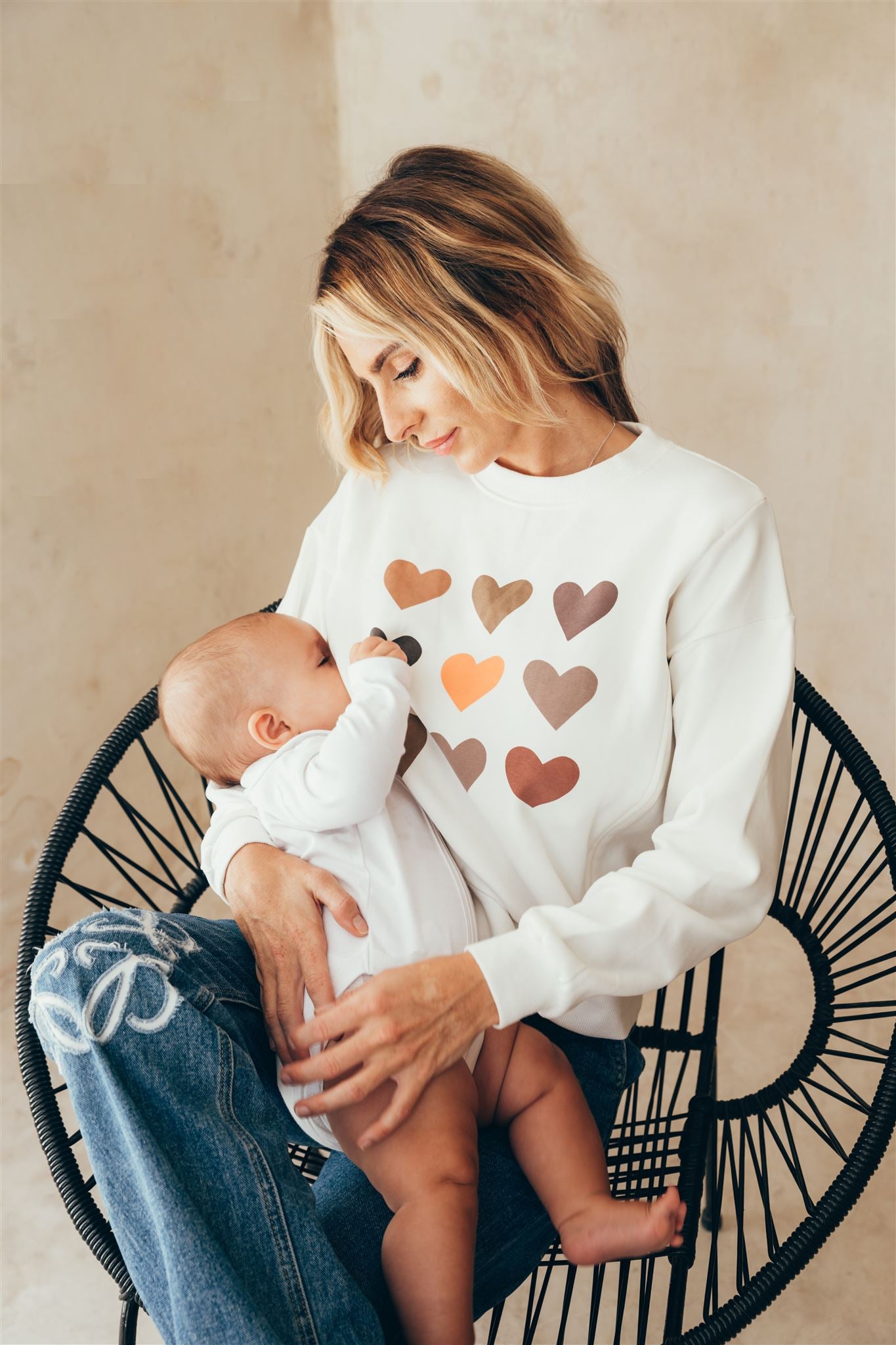
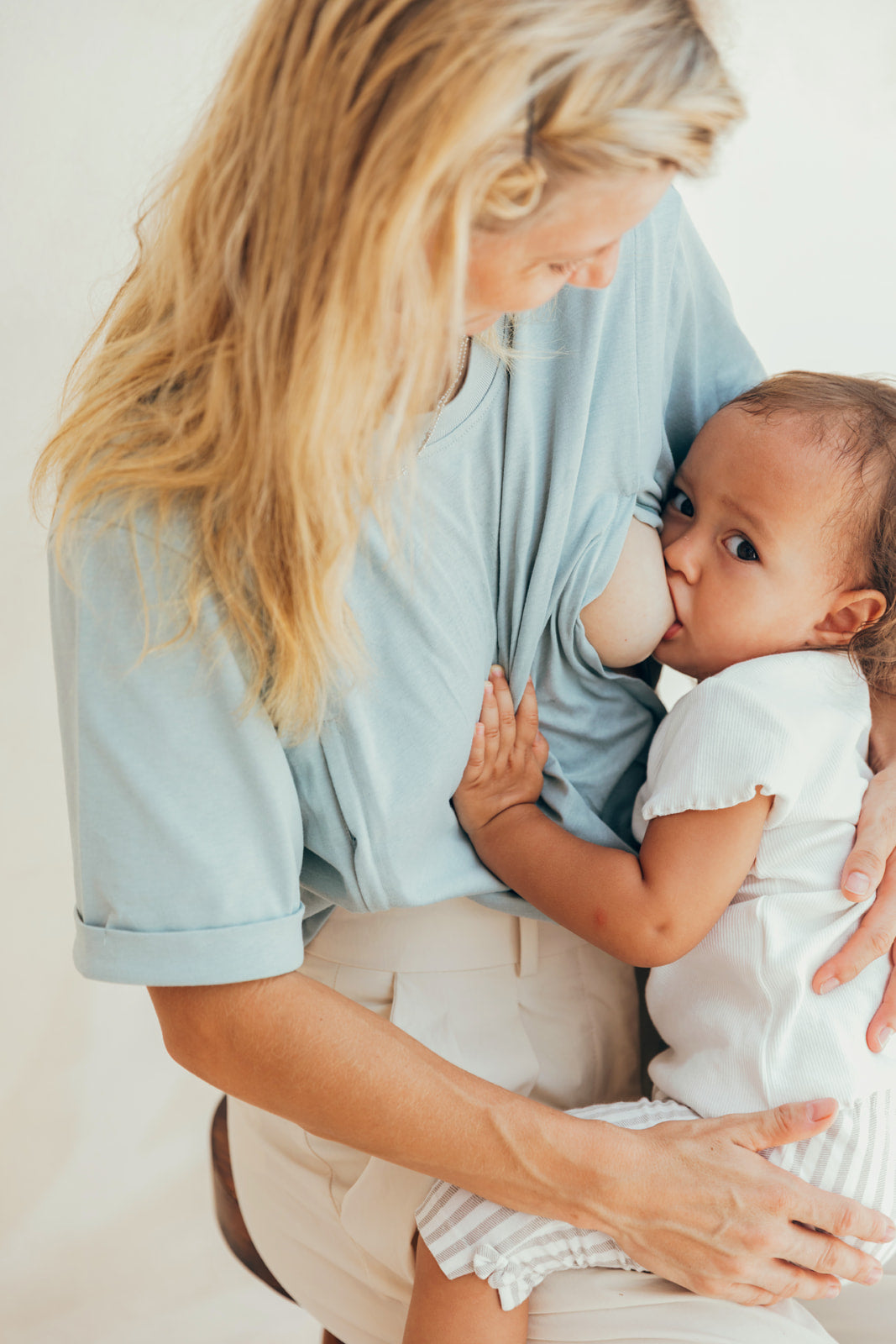
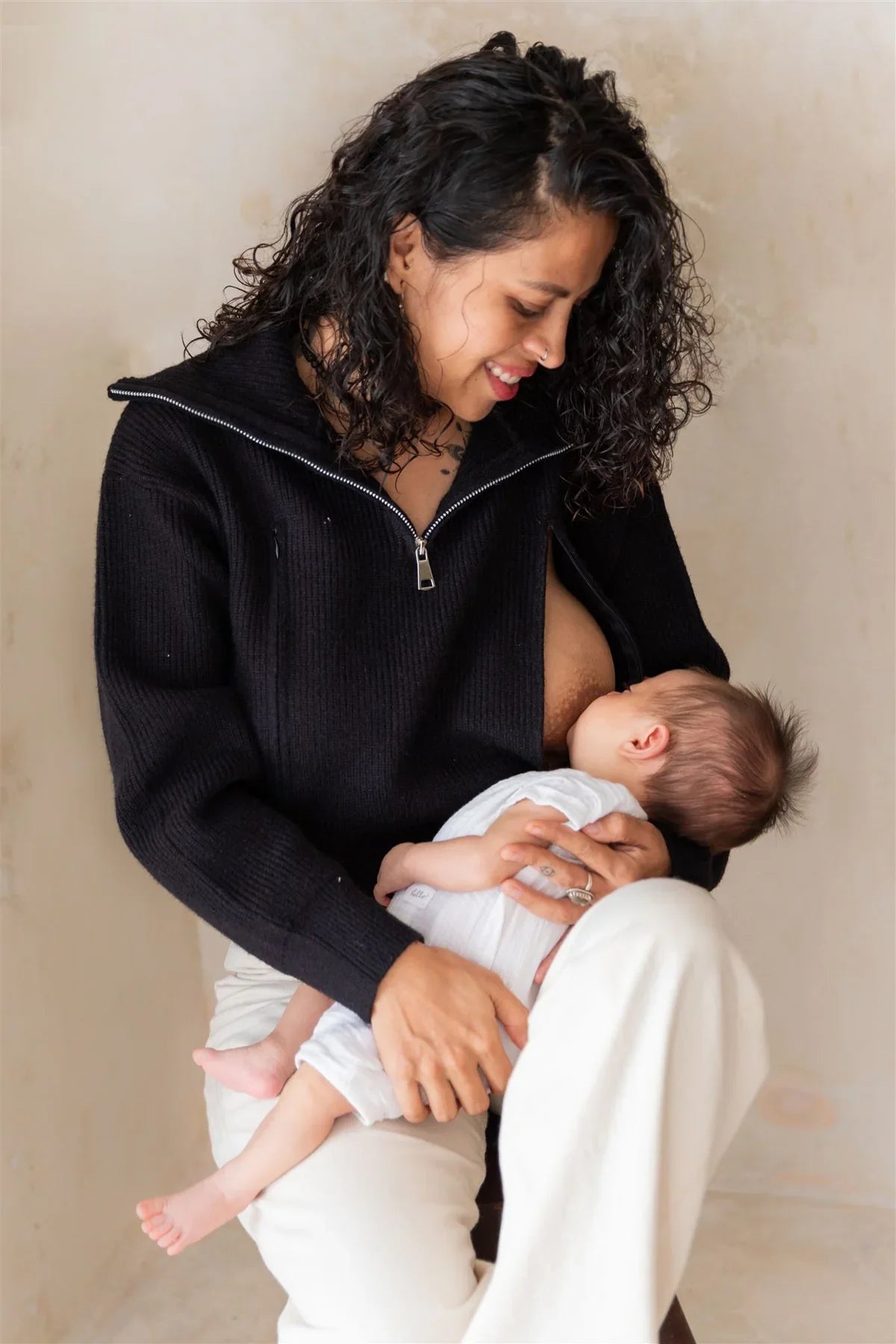
The knit sweater is the ultimate winter staple. Warm, stylish, and dressy enough for both going out and staying in, it combines all the qualities you need for the cold season. With a discreet built-in nursing opening—whether a side zipper or a layered knit panel— knit keeps you warm throughout the entire feeding session without having to undress.
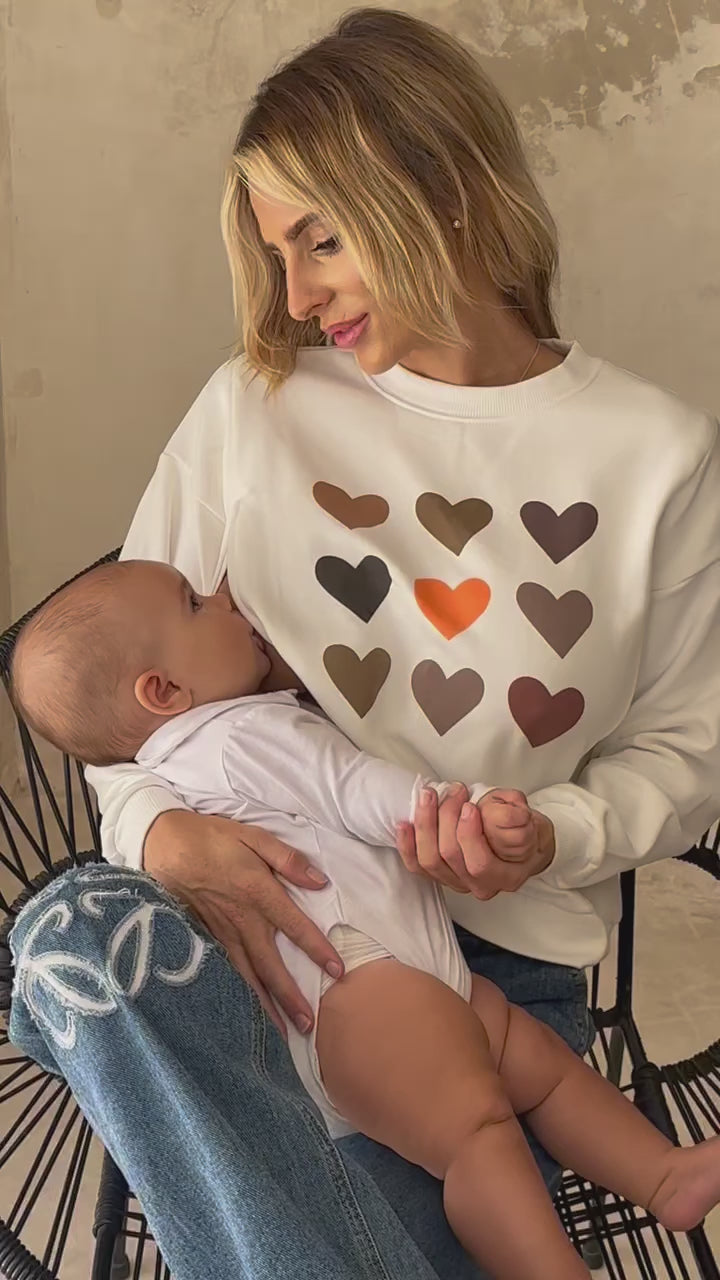
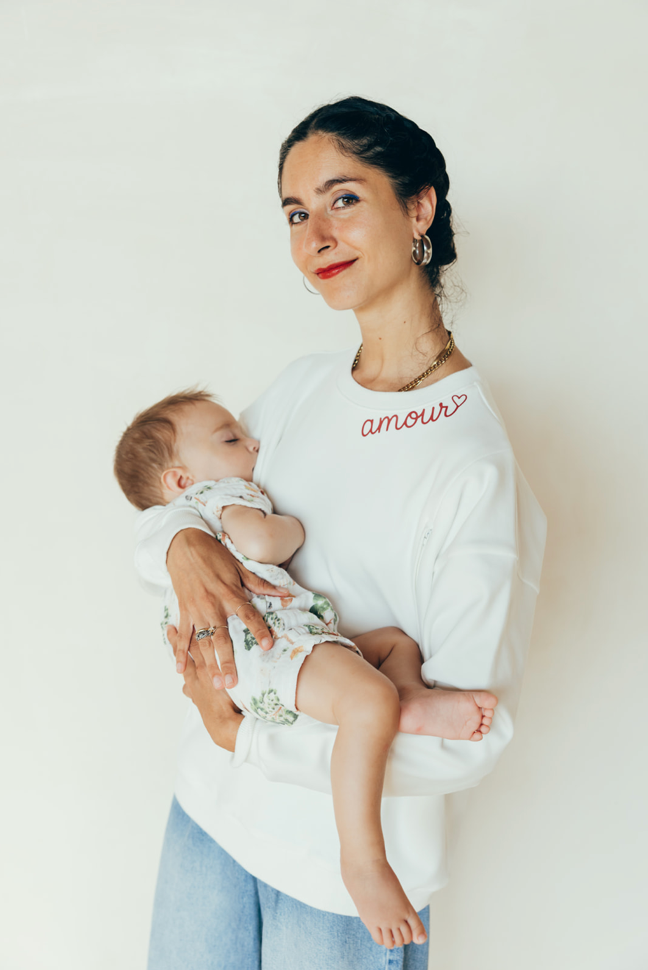
The nursing sweatshirt is the more casual version, perfect for days at home, casual weekend outings, and cozy afternoons with your baby.
Winter Nursing Pajamas: Dealing with Cold Nights
Winter nights with a breastfeeding baby are a challenge all their own. Waking up in the cold, feedings that last twenty minutes in a room that’s 18 degrees, and the difficulty of falling back asleep afterward.
A nursing pajama set designed for winter can really make a difference at night. Made of thick cotton or warm modal, with an opening that doesn’t require you to undress completely, it keeps you warm throughout the entire nighttime feeding.
What you want for winter nights: a fabric that retains heat but breathes enough to handle nighttime sweat. An opening you can reach in the dark, with one hand, without waking yourself up completely. A fit that’s comfortable enough to wear from bedtime to morning.
Winter Fabrics: What to Look For
Thick cotton (180 g/m² and above) is the go-to choice—soft, breathable, wash-resistant, and ideal for nighttime sweating. Modal is the premium choice for winter breastfeeding: it’s temperature-regulating and ultra-soft, retaining heat without causing excessive sweating. Fine merino wool is ideal for warm outer layers—it’s breathable and soft against the skin. Avoid polyester and synthetics, which cause sweating and irritation.

Nighttime Feedings in Winter: Specific Tips
That's often when winter is felt the most. Here's how to plan your nights so you can get through them with as little hassle as possible.
The room temperature
The ideal temperature for an infant to sleep is between 18 and 20°C. This temperature may feel a bit chilly to you, especially if you’ve just finished breastfeeding and got warm while feeding. Always keep an extra layer—such as a sweater or cardigan—within reach on your nightstand to keep yourself warm after feeding.
Organizing the Nightstand
In winter, set up your nightstand for nighttime feedings: a glass of water (breastfeeding can be dehydrating, as can the heat from indoor heating in winter), a sweater or cardigan to slip on quickly after feeding, a bedside lamp with soft light so you don’t fully wake your baby, and possibly some spare nursing pads.
The reclined breastfeeding position
In winter, lying down to breastfeed is especially beneficial. It allows you to stay under the covers while breastfeeding, keeping you warm and protected from the cold in the room. If you haven’t tried it yet, winter is the perfect time to learn how.

Breastfeeding Outdoors in Winter: Going Out in the Cold
Winter doesn't have to keep you from going outside, and breastfeeding outdoors in winter is entirely possible—with the right preparations.
The Winter Baby Carrier
A baby carrier is your number one ally for winter outings with a breastfeeding baby. Your baby is snuggled up against you, warm and sheltered from the wind. And depending on the type of carrier you use, you can breastfeed while carrying your baby, keeping both hands free and your baby warm throughout the feeding.
Invest in a babywearing coat or a special vest if you frequently use a baby carrier in the winter—they’ll keep both you and your baby with a single garment.
The coat designed for breastfeeding
It's the part we always forget in the Breastfeeding dress and that we regret having left behind when first time it drops to -5°C. A coat with openings or removable linings makes breastfeeding outdoors outdoors. Some brands offer —it’s a investment that’s if you go out regularly.
If otherwise, go for a oversized coat that opens open easily in the front and under which you can wear your Breastfeeding t-shirts or Breastfeeding sweaters accessible without having to take off the coat completely.
Find a warm place to breastfeed outdoors
In the city, look for cafés, bookstores, supermarkets, and museums that can serve as warm places to breastfeed. Don’t fight the cold—take advantage of the resources available. No one will ask you to leave if you’re breastfeeding in a café, and you’ll be much more comfortable in the warmth than sitting on a bench in sub-zero temperatures.

Managing Night Sweats in Winter
This is the difficult paradox of breastfeeding in winter: hormone-related night sweats coexist with the cold of the season.
Understanding the mechanism
Postpartum night sweats are caused by a drop in estrogen levels after childbirth. The body eliminates excess fluid that accumulated during pregnancy. This is a normal, common, and generally temporary phenomenon; it subsides over time as hormone levels stabilize.
The Clothing Solution
The ideal clothing for winter nights when you experience night sweats is made from a temperature-regulating fabric such as modal or heavyweight cotton. These fabrics absorb moisture without causing you to cool down suddenly, and help maintain a stable body temperature even when sweat levels fluctuate.
Always keep a clean spare set of pajamas within reach—not necessarily on your nightstand, but easily accessible in case you need to change in the middle of the night. And remember to change your sheets more often in the winter if you sweat heavily at night.
Taking Care of Yourself in Winter While Breastfeeding
Winter is a season that requires special attention to your own well-being, especially when you’re breastfeeding.
Hydration
The hivedries out the skin and mucous membranes, and if you don't care, your whole body. Breastfeeding in winter requires hydration. Keep a water bottle within reach—herbal tea, light broth, or hot water with lemon for cold days and back-to-back feedings.
Winter Nutrition
The body of a breastfeeding woman consumes between 400 and 500 per day. In winter, with the energy expenditure caused by the cold and disrupted sleep, this requirement may be slightly higher. Opt for warm, and nourishing foods—such as soups, legumes, and whole grains that warm you from the inside while supporting your milk production.
Nipple Care in Winter
BreastfeedingWinter dries out the nipples even more than in summer. Apply lanolin after each feeding, or use to protect the nipples from contact with clothing between feedings. The soft fabrics of our Breastfeeding t-shirts and nursing tank tops help reduce irritation.

Winter is a wonderful time of year to breastfeeding
There's something particularly sweet about breastfeeding in the winter when you’re prepare for it properly.
Your baby snuggled up against you under a soft sweater, the house all warm, the soft light of a December afternoon December afternoon. A peaceful feeding while the rain falls outside. The shared warmth of one body pressed against another on .
In winter, with the right clothes and the right habits, can be one of the most intimate seasons of your breastfeeding journey. A season of cozy in the sweetest sense of the word.
At 23 Mai Paris, our knit sweaters, our nursing sweatshirts, and our pajamas and our new collection are designed to get you through the winter in warmth and comfort without ever sacrificing the practicality of breastfeeding.
Check out our nursing tank tops and our affordable basics to build your perfect winter layering system.