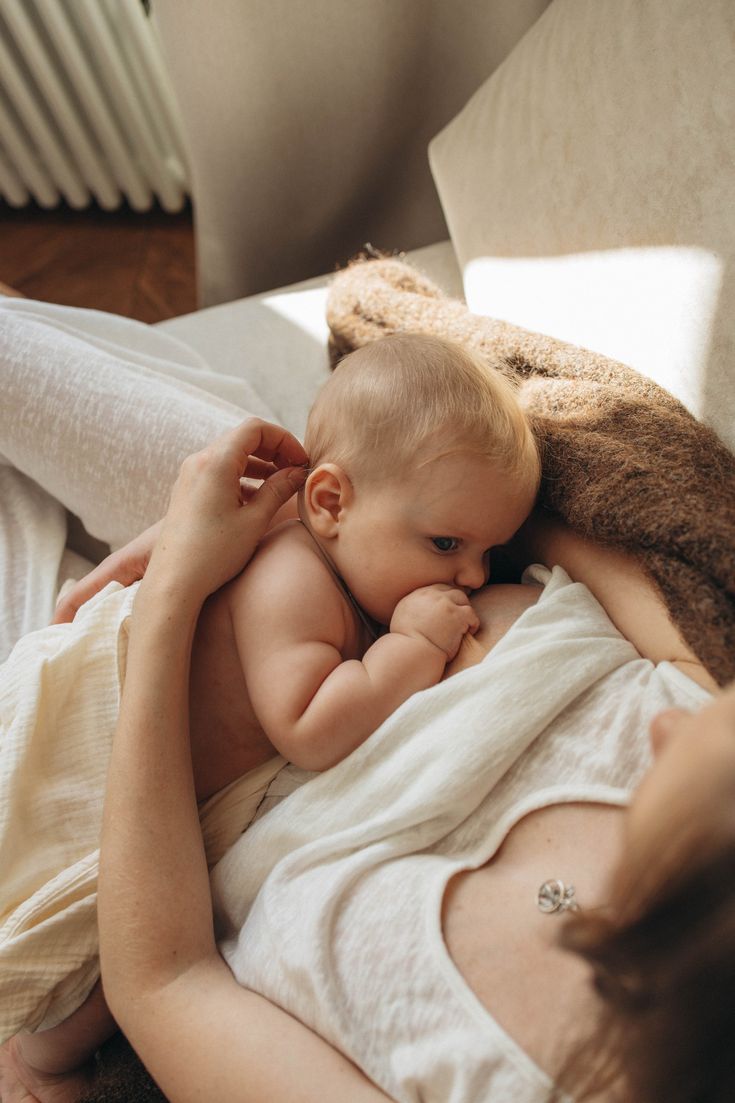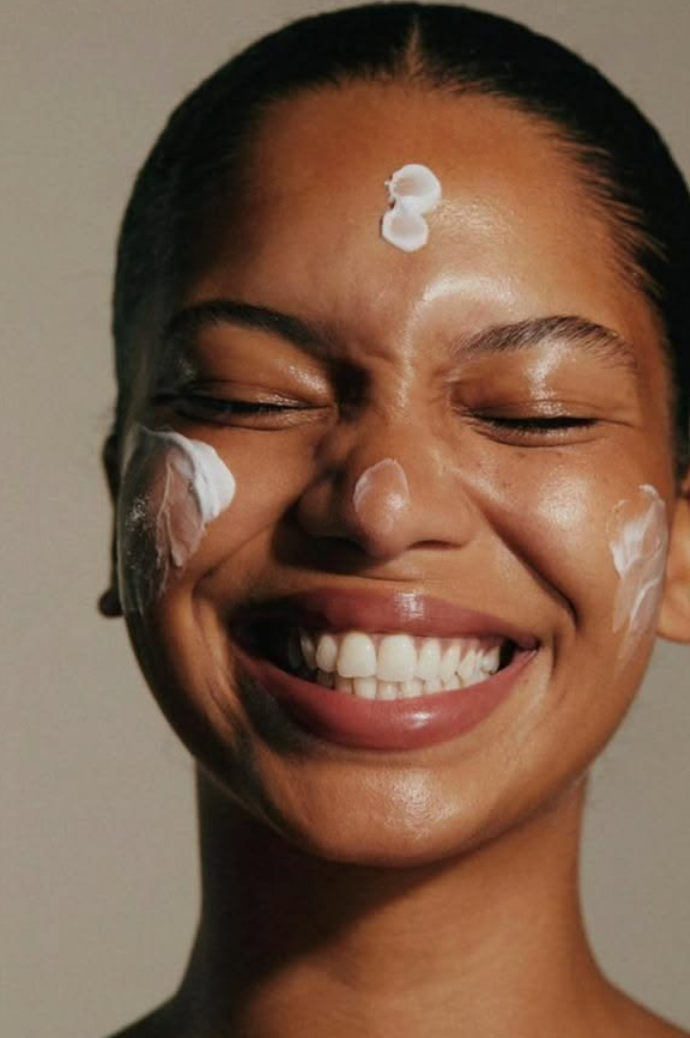
Creating a Minimalist Postpartum Beauty Routine
There’s a version of motherhood where women naturally glow, effortlessly, with flawless skin and shiny hair. You see it in commercials, in certain movies, and on carefully curated Instagram accounts.
And then there's reality.
The reality is that the postpartum period can be tough on your skin and hair. Hormone levels are all over the place. You’re sleep-deprived. Your diet is sometimes all over the place. And the time you used to spend on self-care before having a baby has simply vanished—or been reduced to a few stolen minutes between feedings.
This article isn't here to give you a ten-step routine that you'll never have time to follow. It's an honest, minimalist guide—to taking care of yourself with what you have, in the time you have.

What Postpartum Really Does to Your Skin
Before you establish a routine, you need to understand what’s going on. Because your postpartum skin isn’t the same as it was before—and it deserves a different approach.
The hormonal drop
During pregnancy, estrogen levels are at their peak—which often explains that radiant glow everyone talks about. After giving birth, estrogen levels drop sharply. The result: skin that can become drier, duller, and sometimes more prone to irritation.
Sleepless Nights
Lack of sleep shows on your face before you even feel it in your body. Dark circles, a sallow complexion, enlarged pores, and tired-looking features—fatigue has a direct impact on the appearance of your skin. Wanting to do something about it isn’t just about vanity—it’s about self-care.
Dehydration
If you're breastfeeding, your body uses a significant amount of water to produce milk. Insufficient hydration shows on your skin—a dull complexion, more pronounced fine lines, and a lack of radiance. Staying properly hydrated is actually one of the most effective postpartum beauty routines.

Hair loss
About two to four months after giving birth, many women notice significant—and sometimes alarming—hair loss. This is postpartum telogen effluvium—a completely normal hormonal phenomenon that usually resolves on its own within six to twelve months. Understanding this doesn’t make it any less stressful, but it helps prevent panic.
The skin on the abdomen and breasts
Stretch marks, stretched skin, breasts that have changed in shape and size—these are all physical realities that deserve to be acknowledged in your routine, with kindness and without judgment.
The principle of minimalist beauty care after childbirth
Your postpartum beauty routine doesn't have to be like it was before. It should reflect your life as it is now.
That means: fewer products, but the right ones. Quick, yet effective steps. An approach that takes into account the fact that you have little time, little energy, and sometimes your hands are full.
Beauty minimalism is also a way to reconnect with yourself. It’s about taking a few minutes that belong only to you—not to the baby, not to housework, not to your to-do list. Just you, your face, and a simple skincare routine. It’s a small thing, yet it means so much.
The Minimalist Skincare Routine: 3 Steps, 5 Minutes
Three steps. Five minutes. That's all you need.
Step 1: Clean (1 minute)
Choose a gentle, fragrance-free cleanser suitable for sensitive skin. Micellar water applied with a reusable cotton pad, or a gentle cleansing gel with lukewarm water—whichever works best for you. The goal is to remove impurities and excess oil from the night without irritating skin that’s already sensitive.
What you're looking for: an alcohol-free, fragrance-free product with few ingredients. The rule for postpartum care is the same as for babies—the fewer ingredients, the better.
Step 2: Moisturize (2 minutes)
This is the most important step in your skincare routine. A good moisturizer, applied morning and night, is the foundation of it all. Look for a texture that suits your skin type—light if you have combination or oily skin, and richer if you have dry skin.
Ingredients to look for: hyaluronic acid (deep hydration), niacinamide (evens out skin tone, reduces dark circles), ceramides (repairs the skin barrier), panthenol (soothing).
If you are breastfeeding, make sure your skincare products do not contain retinoids (retinol, retinol A)—they are not recommended while breastfeeding. High concentrations of salicylic acid should also be avoided.
Step 3: Protect (2 minutes, mornings only)
Sun protection is the most effective anti-aging measure there is—and the one most often skipped. A moisturizer with SPF 30 or 50 in the morning is all you need for everyday life. Some moisturizers already contain SPF—this is the quickest option when you're short on time.
That's it. Cleanse, moisturize, protect. Three steps that take less time than a single feeding—and make a real difference in the long run.
Targeted treatments: when you have five extra minutes
Some days, the baby sleeps a little longer. Or someone is there to hold him. Here’s how to make the most of those extra few minutes.
For dark circles and tired-looking skin
An eye cream containing caffeine or retinol (safe for use while breastfeeding in small doses—check with your doctor) helps reduce puffiness and brighten the skin. Apply it gently with your ring fingers, without pulling on the skin.
The cold compress method also works remarkably well: spoons that have been chilled in the refrigerator for a few minutes and gently pressed under the eyes reduce puffiness in just a few seconds. It’s free, quick, and effective.
For radiance
A clay mask once a week, or a vitamin C serum in the morning (antioxidant, skin-evening, brightening)—choose one or the other depending on what your skin needs. Not both at the same time.
For the skin on your body
Spending a few minutes in the shower with a loofah or a gentle exfoliator once or twice a week boosts circulation and removes dead skin cells—which is also key to achieving radiant skin. Follow up by applying a dry oil or body butter to skin that’s still slightly damp—these are the two most effective ways to nourish your skin in just a few minutes.
For the stomach and breasts
Massage daily with rosehip, argan, or tamanu oil—these plant-based oils are safe to use while breastfeeding (just avoid the nipple area) and help deeply nourish stretched skin. The massage itself, in addition to the active ingredients, stimulates circulation and can have a restorative effect on the tissue.

Hair care routine: keeping it simple when your hair is falling out
Postpartum hair loss is perhaps the hardest reality to accept visually. Here’s how to get through it without overreacting—and without spending an hour a day dealing with it.
Adjust your washing routine
You don’t need to wash your hair every day—it can actually make your scalp drier. Washing it two to three times a week with a mild shampoo and a moisturizing conditioner is enough. Take advantage of washing time to give your scalp a gentle massage—it stimulates microcirculation and can help slow hair loss.
Go for practical hairstyles
A high bun, a quick braid, a tied-back bob—quick and easy hairstyles are your best friends. They also hide hair loss better than other styles, and they take just thirty seconds to do.
What can help
Taking supplements containing biotin, zinc, or iron (discuss this with your doctor or midwife based on your test results) can help promote hair regrowth. A protein-rich diet is also beneficial—hair is made of keratin, a protein. And patience—always patience.

Minimalist makeup: look like yourself in two minutes
Wearing makeup isn't a necessity. But for many women, it's a way to recognize themselves in the mirror—to feel like themselves again, even if just for a moment.
If you love doing your makeup and feel like it, here’s a two-minute routine that makes all the difference.
A full-coverage concealer applied under the eyes and on any redness—that’s the key piece. A touch of cream blush on the cheekbones (and possibly the lips)—it instantly gives you a healthy glow. A stroke of black or brown eyeliner along the upper lash line—it defines the eyes without requiring precision. A tinted lip balm to finish — nourishing and colorful at the same time.
Four steps. Two minutes. And in the mirror, someone who recognizes themselves.
Table: Essential vs. Non-Essential Products for the Postpartum Period
| Essential | Unnecessary (for now) |
|---|---|
| Mild, fragrance-free cleanser | Two-step double cleanser |
| Moisturizer with SPF | Multi-layer serums |
| Decongesting Eye Cream | Complex masks with 15 ingredients |
| Vegetable oil for the body | Unused complete beauty sets |
| Gentle shampoo + nourishing treatment | 5-Step Hair Care Routine |
| Concealer + cream blush + balm | Full daily makeup routine |
Reconnecting with your body, one step at a time
A postpartum beauty routine isn’t about fixing or erasing what motherhood has done to your body. It’s about taking care of it—just as it is, right now, in this version of yourself that’s still taking shape.
Your skin has carried a life. Your hair has gone through a hormonal upheaval. Your body has accomplished something extraordinary. A few simple self-care routines, practiced regularly, aren’t about vanity—they’re acts of self-care during a time when you’re giving so much to others.
And feeling good about yourself helps. It helps you get through those tough mornings. It helps you have guests over without feeling invisible. It helps you look at yourself in the mirror with a little more kindness.
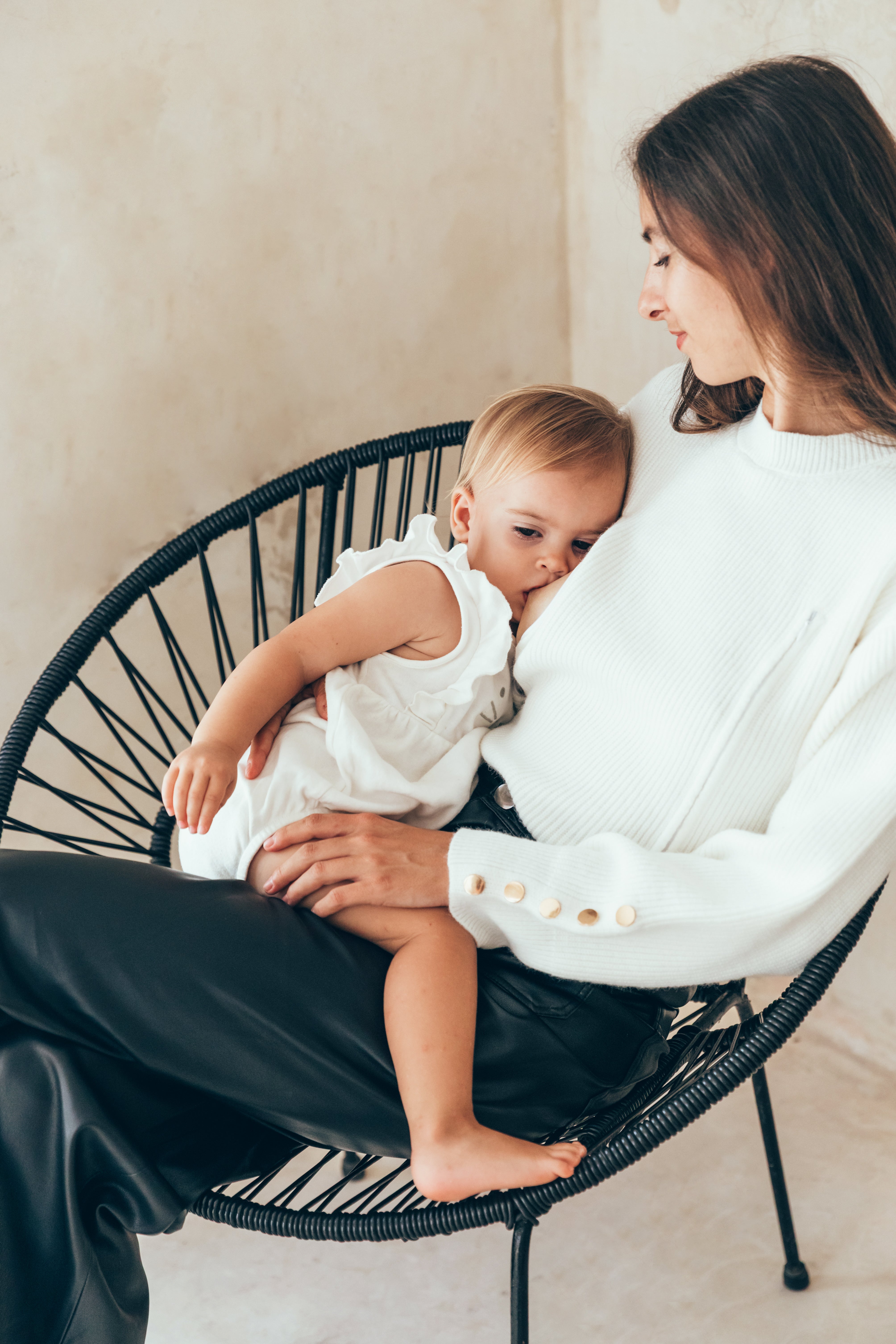
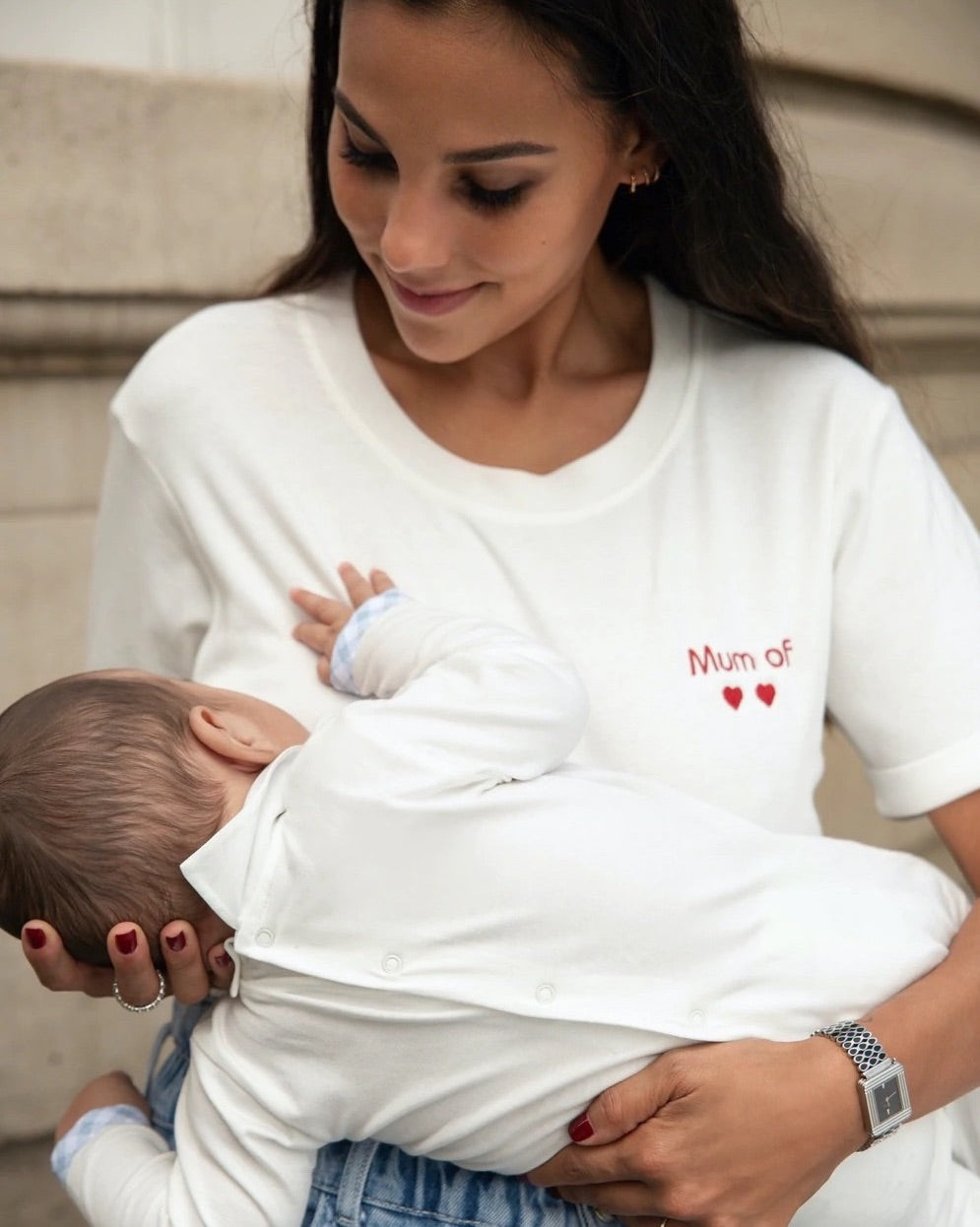
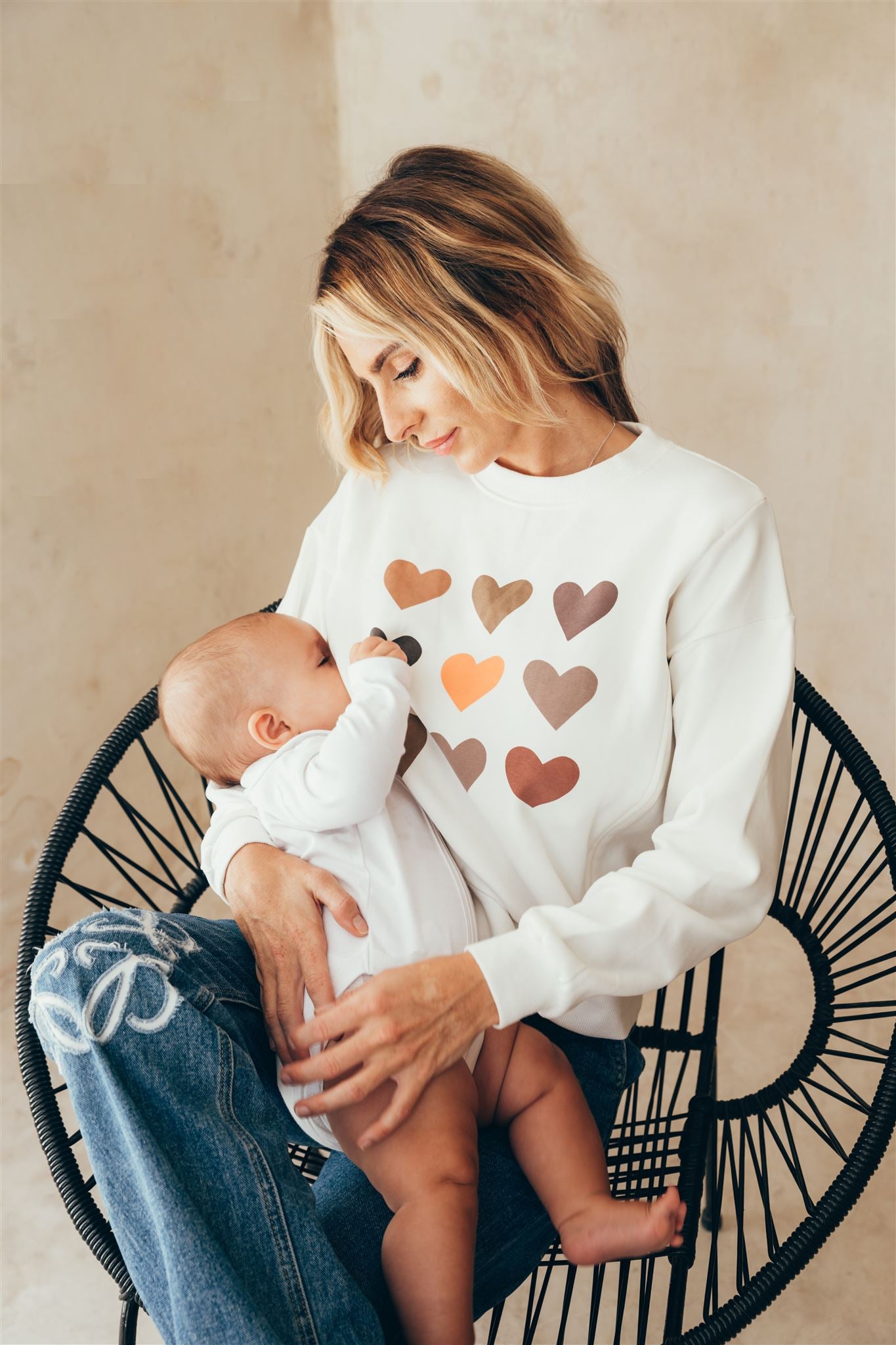
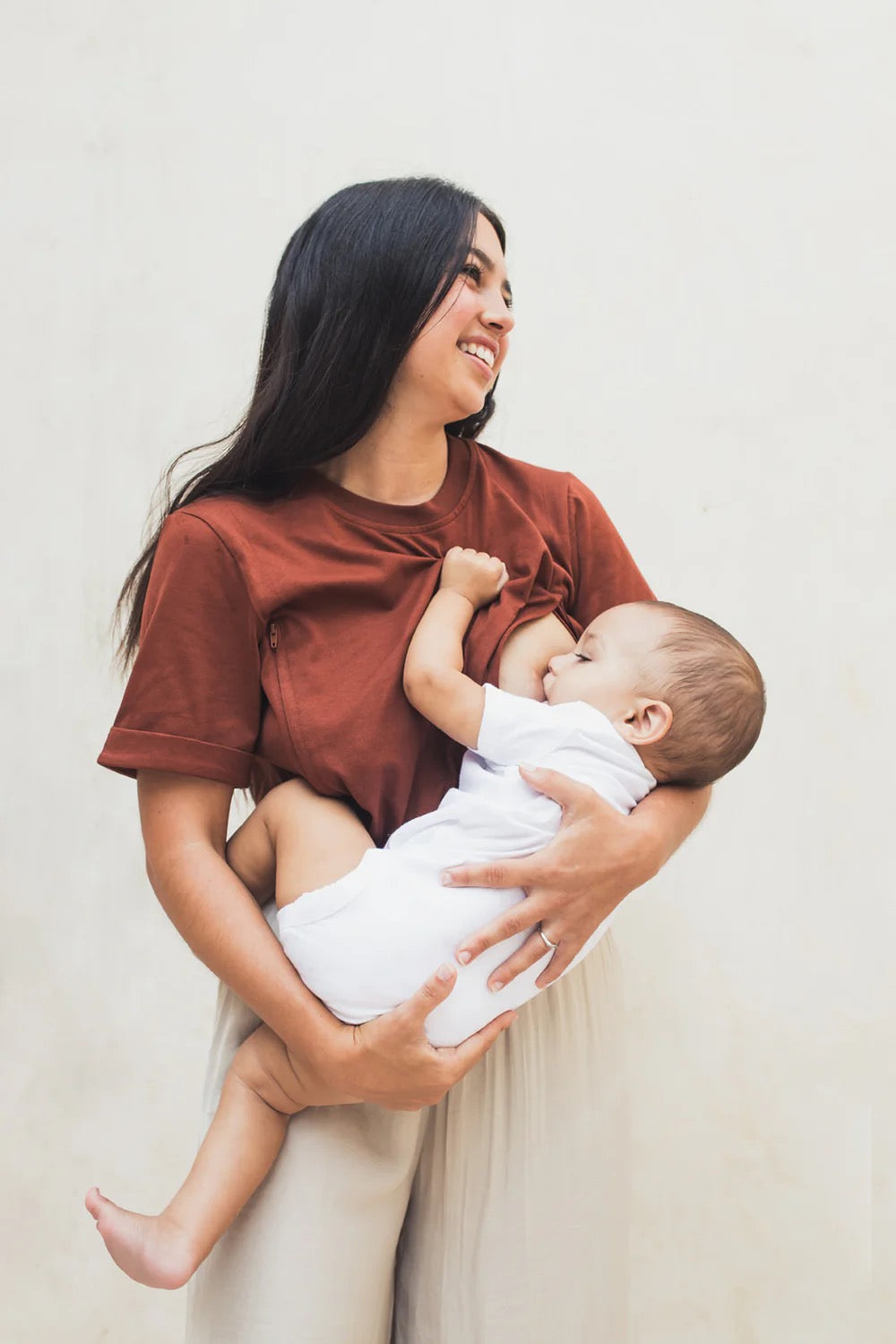
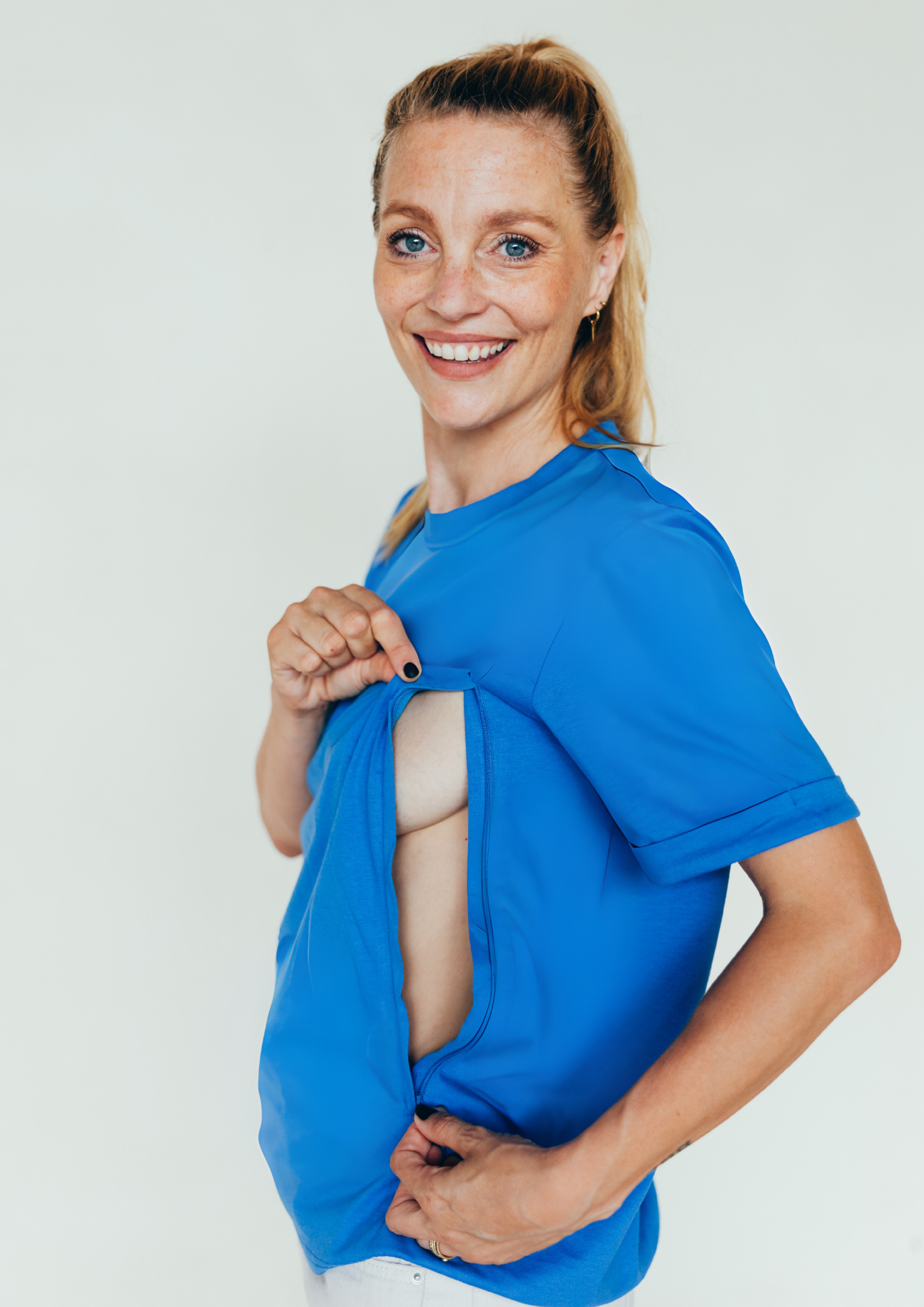
At 23 Mai Paris, we care about your overall well-being—not just your feedings. Our nursing wear is designed to help you feel good, beautiful, and comfortable in your changing body. Because a mom who takes care of herself shines—and her baby feels that glow, too.
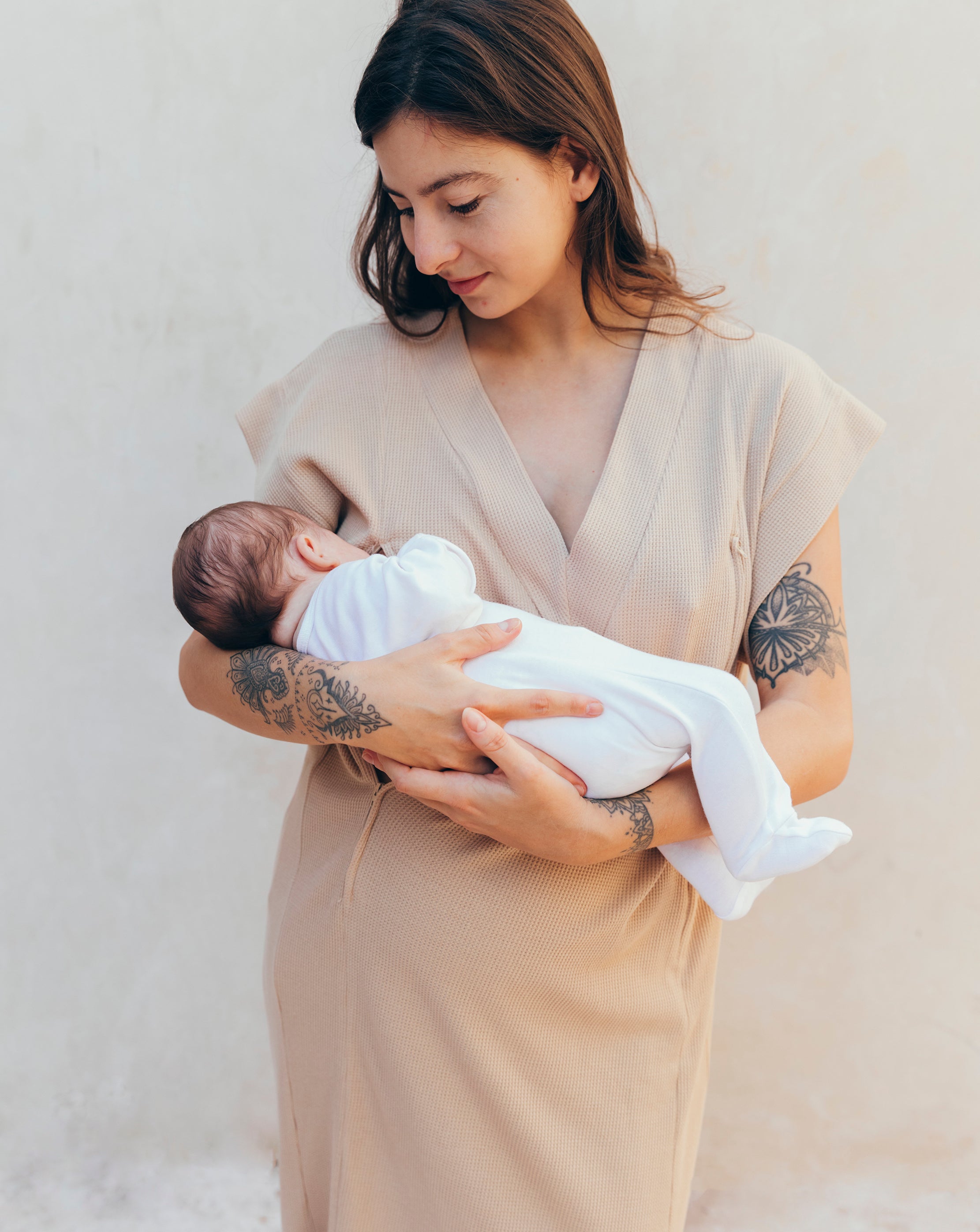
Discover our new collection and our affordable basics —clothes designed to support you through every stage of your postpartum journey.