International Nurses Day: A Tribute to Those Who Care for Mothers and Babies
Every year on May 12, the world celebrates International Nurses Day. This date, chosen in honor of Florence Nightingale, the pioneer of nursing, is an opportunity to pay tribute to these indispensable healthcare professionals who care for us during the most vulnerable moments of our lives. And for new mothers, there are many such moments.
At 23 Mai Paris, we know just how invaluable nurses are to every mother’s journey, from the maternity ward to follow-up appointments. In this article, we celebrate these extraordinary women and men: their stories, their vital role in supporting breastfeeding mothers, and how we can show our appreciation for them.
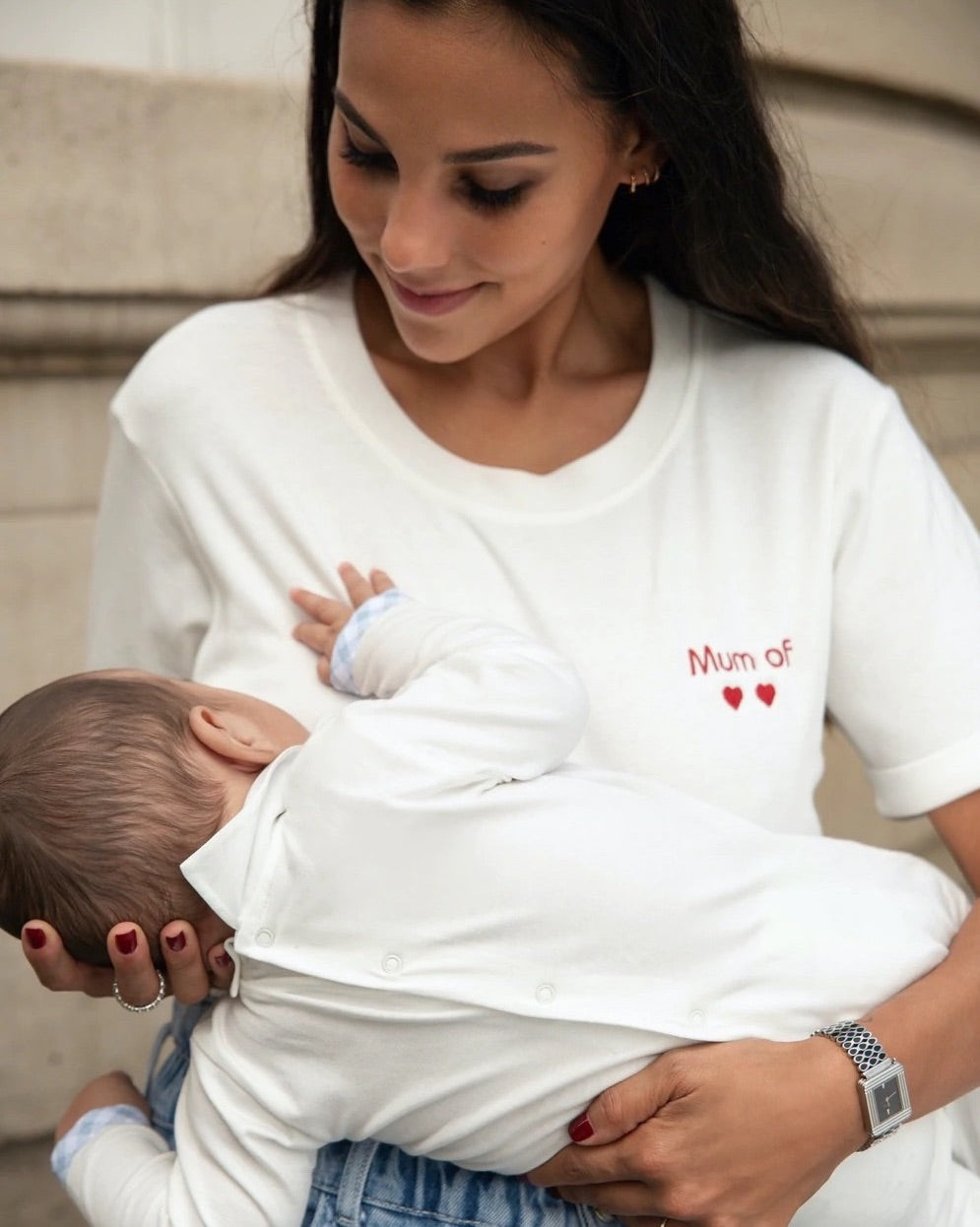
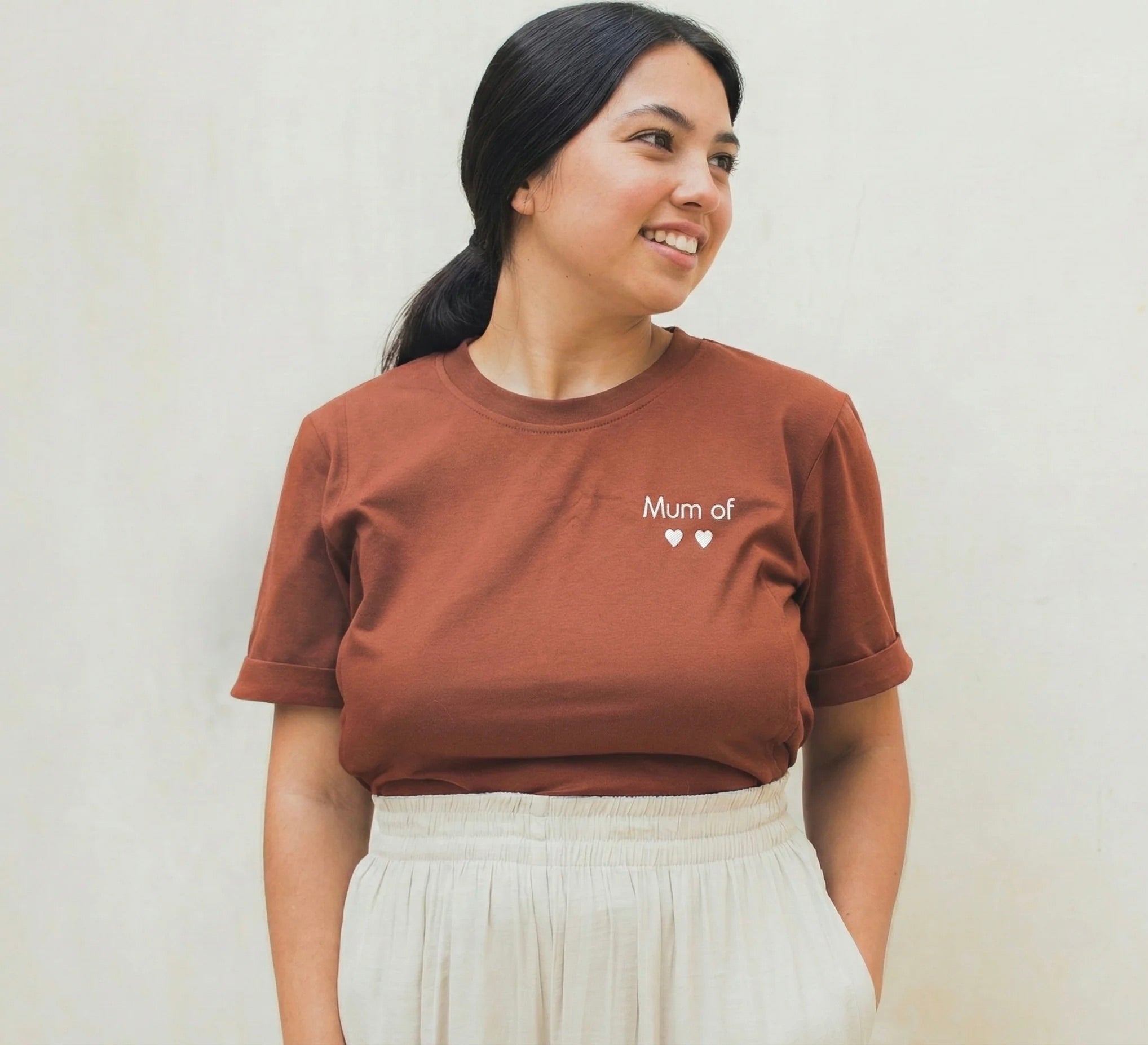
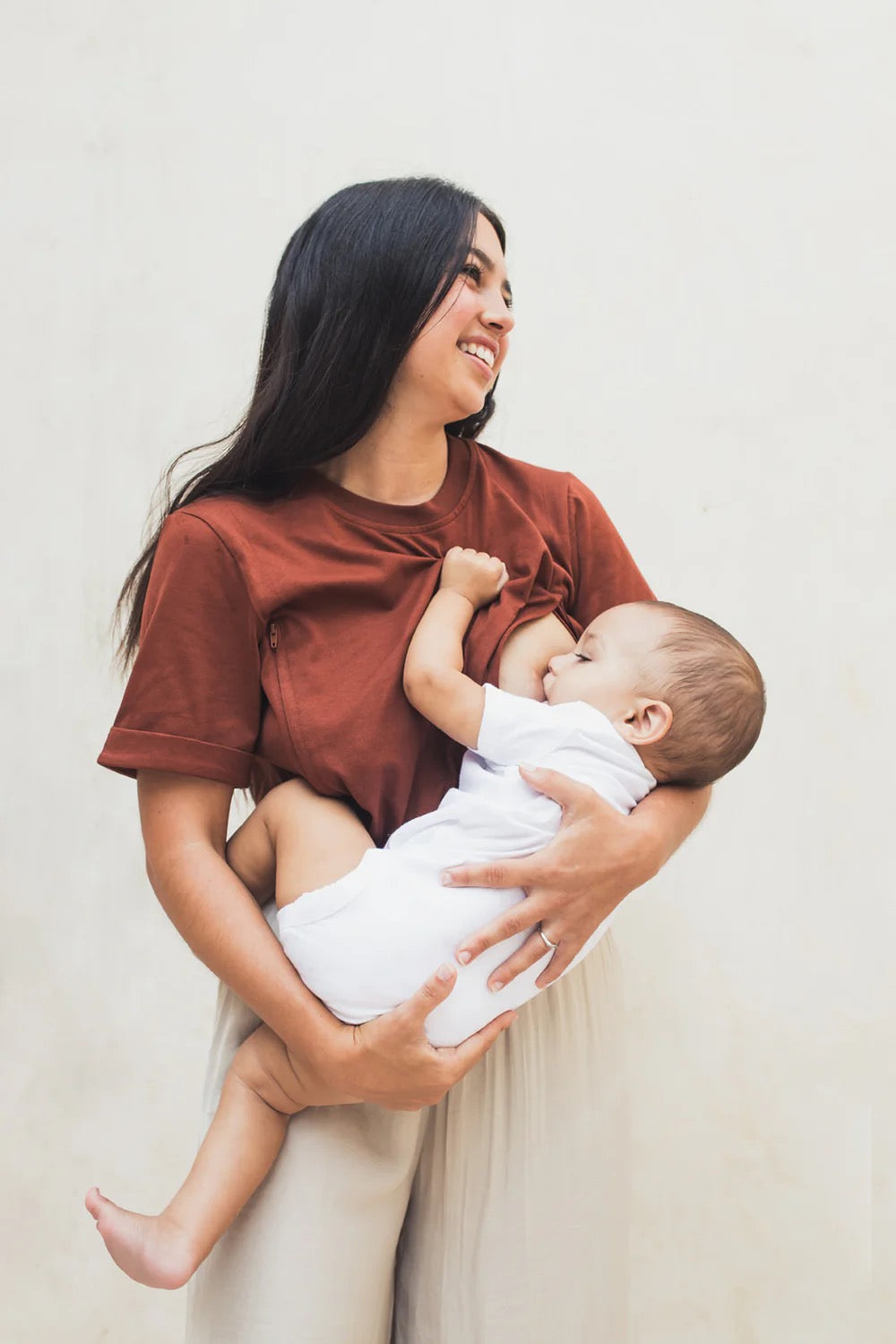
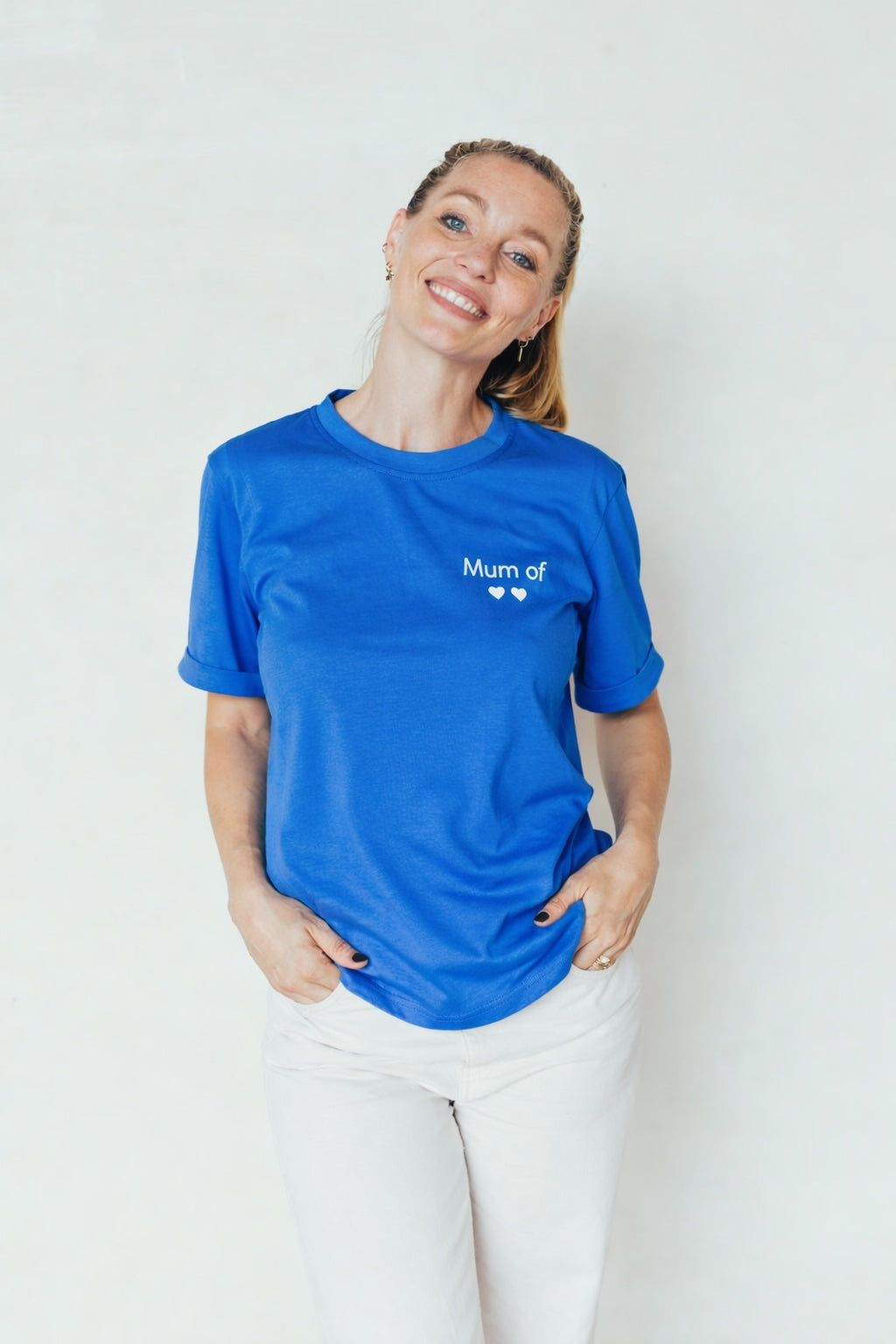
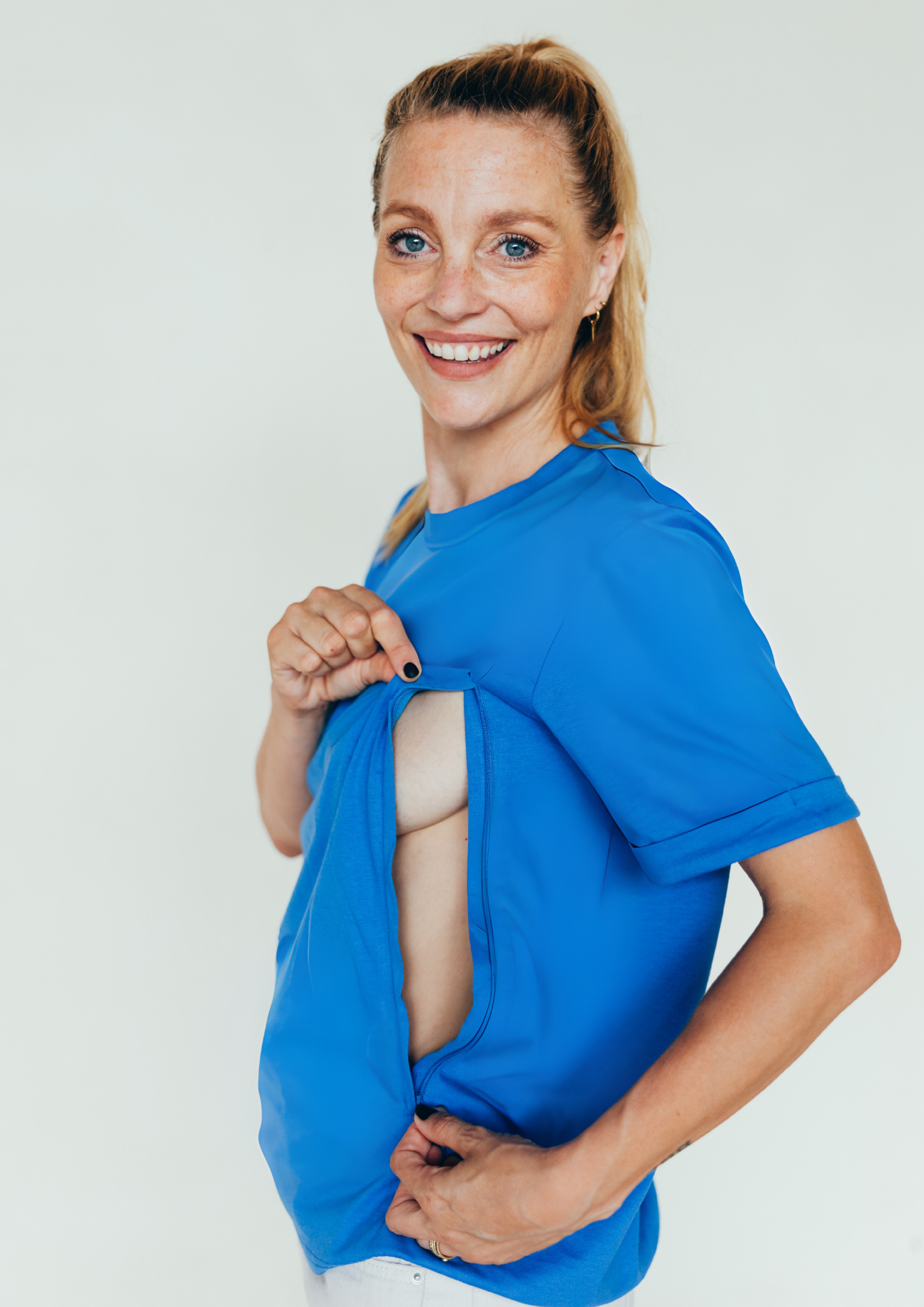
To make breastfeeding both stylish and convenient, discover our collection of nursing wear designed for moms’ everyday lives.

The History of International Nurses Day
The origins of this day
International Nurses Day has been celebrated every May 12 since 1965, a date chosen in honor of Florence Nightingale, who was born on May 12, 1820. Officially established in 1974, it is now celebrated in more than 130 countries.
Florence Nightingale: The Pioneer
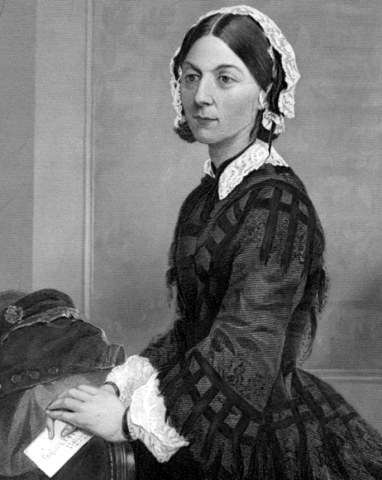
Florence Nightingale is considered the founder of modern nursing. Born into a wealthy British family, she profoundly transformed medicine in the 19th century.
Among his major contributions are:
-
the establishment of the foundations of modern nursing, which shaped the profession as we know it today;
-
improvements in hospital hygiene, leading to a drastic reduction in infections;
-
the establishment of nursing education through the first nursing school;
-
the use of medical statistics, making her a pioneer in epidemiology;
-
and the humanization of care, by placing the human dimension at the heart of patient care.
Key takeaway: International Nurses Day honors not only Florence Nightingale, but also all those who, every day, give their all to care for others.
The vital role of nurses in supporting new mothers
At the maternity ward: your first allies
From the moment of delivery, nurses and maternity nurses are there to support new mothers: monitoring and support during labor, care for the mother and newborn after birth, assistance with the first breastfeeding, monitoring and support during the postpartum period, and advice for when they return home.
Nurses and Breastfeeding
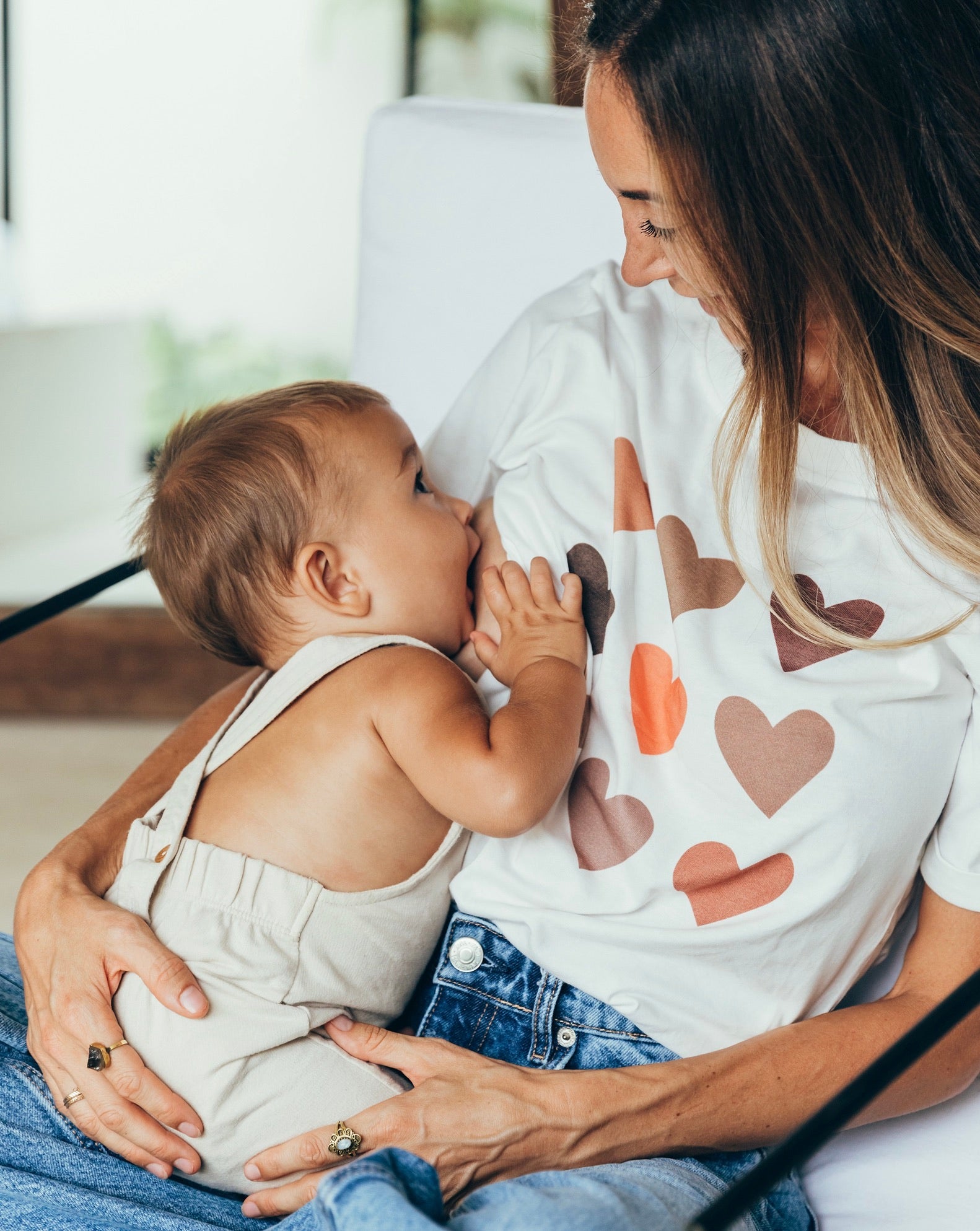
Pediatric nurses play a vital role in the success of breastfeeding. They assist with the first feeding (positioning, latch), assess whether everything is going well, provide personalized advice tailored to each mother-baby pair, offer emotional support and a sympathetic ear, resolve difficulties (cracked nipples, engorgement, pain), and educate on the benefits of breastfeeding.
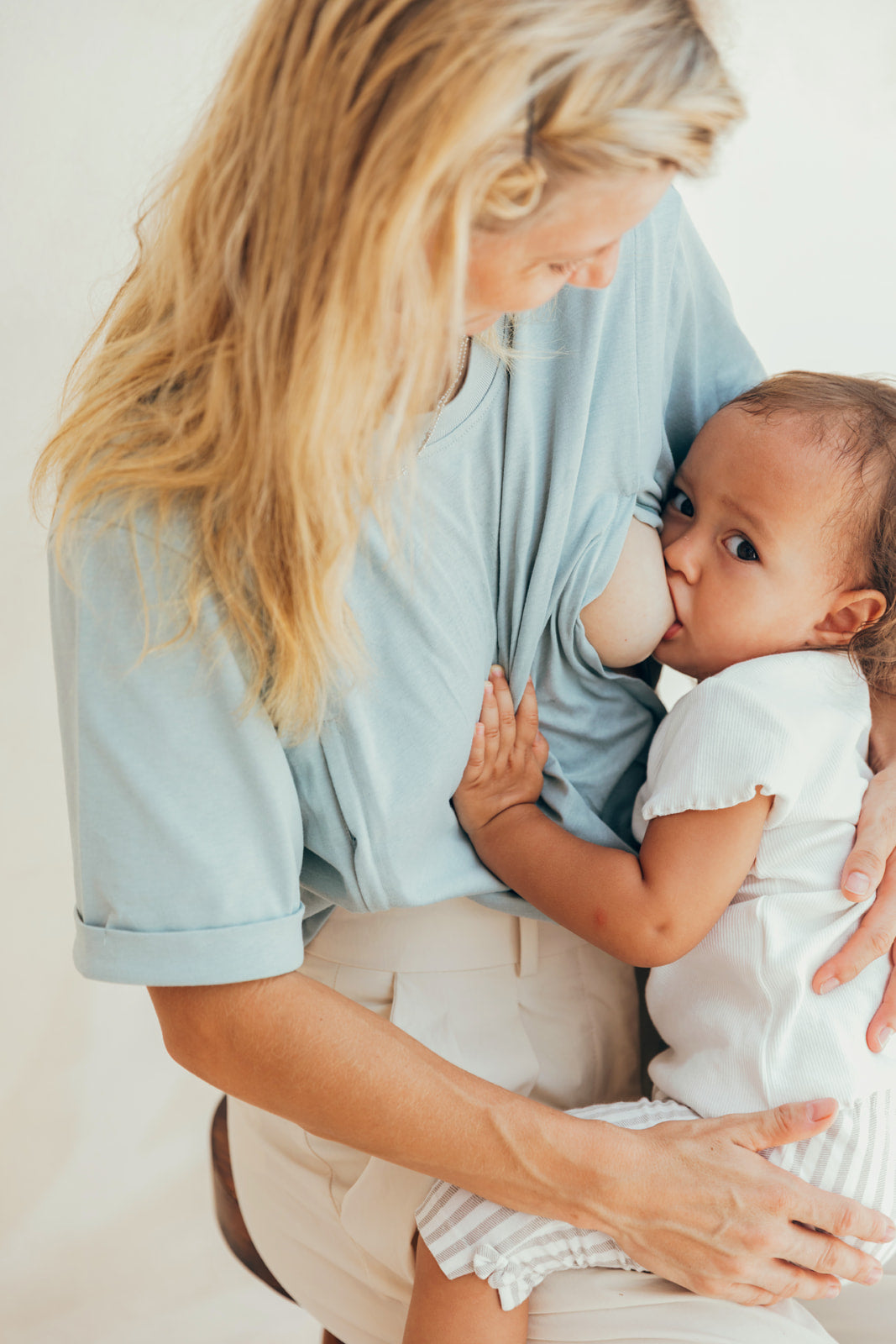
To help you feel at ease during those first feedings with the nurses, our Breastfeeding t-shirts with discreet openings make it easy to access your breast while still looking presentable at the maternity ward.

Beyond Motherhood
Nurses continue to support mothers long after they leave the maternity ward: at the PMI (infant check-ups, weigh-ins, breastfeeding advice), in private practice (home care), at daycare centers or schools (health care and prevention), in pediatric emergency rooms (care for sick babies), in neonatology (intensive care for premature babies), and in specialized clinics.
Key Statistics on the Nursing Profession
In France
| Data | Number |
|---|---|
| Number of nurses | More than 640,000 currently in service |
| Percentage of women | 87% |
| Duration of studies | 3 years (bachelor's degree level) |
| Specialties | More than 15 possible specializations |
| Practice locations | Hospitals, clinics, private practices, schools... |
Around the world
| Data | Number |
|---|---|
| Number of nurses | About 28 million worldwide |
| Global shortage | A shortage of 5.9 million nurses |
| Impact on health | 90% of primary care visits |
| WHO Recognition | The largest profession in healthcare |
Key takeaway: Nurses are the backbone of the global healthcare system. Without them, no hospital or maternity ward could function.
Specialties that are particularly relevant to moms

The pediatric nurse is a nurse specializing in the care of children aged 0 to 18. She assists with newborn care (diaper changes, bathing, umbilical cord care), breastfeeding, monitoring psychomotor development, preventive care (vaccinations, screenings), and parental support.
The maternity nurse provides postpartum care, newborn care (first bath), breastfeeding support, education for parents on basic care, and monitoring for complications.
To feel comfortable during visits from the nurses in the maternity ward, our Breastfeeding dresses allow for easy access to the breast for breastfeeding assessments while remaining stylish and comfortable.

The neonatal nurse plays a vital role for families of premature babies: providing neonatal intensive care, supporting parents through this difficult time, assisting with breastfeeding even for babies in incubators, promoting kangaroo care, and fostering the parent-child bond despite the separation.
Testimonials: What Moms Say About Nurses
Side dishes that leave a lasting impression
What moms appreciate most: endless patience with repeated questions, being available even at 3 a.m., a caring gaze free of judgment or pressure, gentle care for both baby and mom, the right words that offer reassurance without downplaying concerns, and expertise that puts them at ease.
What breastfeeding mothers owe them
- First failed attempt at breastfeeding: patience, repositioning, encouragement.
- Severe pain: diagnosis, advice, and reassurance.
- Baby won't latch on: alternative techniques, breast pump.
- Concerns about weight: weigh-ins, reassurance, and follow-up.
- Maternal Burnout: Listening and Practical Solutions.
- Thinking of giving up: emotional support and alternatives if needed.
"The night nurse saved my breastfeeding journey. At 2 a.m., she took the time to sit with me and help me reposition the baby. Without her, I would have given up." — Sophie, mother of Jules
"The child health nurse at the PMI was my guiding light during the stormy first few months. She replied to my messages in the evenings and never made me feel like my questions were silly." — Amandine, Léa’s mom
How to thank the nurses who cared for you
The little gestures that make a difference

May 12 is the perfect opportunity to express your gratitude: a handwritten thank-you note left at the ward, a bouquet of flowers for the entire team, homemade cakes to share, a positive review of the hospital (which helps other families), a letter to the administration to formally recognize their work, or simply a photo of your baby—the most heartfelt thank-you of all.
More personalized gifts
What affects nurses the most
The Current Challenges Facing the Profession
A profession under pressure
Despite their exemplary dedication, nurses face considerable challenges:
| Challenge | Consequence |
|---|---|
| Chronic staff shortage | Overwork, burnout, mistakes |
| Insufficient compensation | Recruitment challenges |
| Difficult working conditions | Evenings, weekends, and holidays |
| Workplace Violence | 1 in 2 nurses has been assaulted |
| Lack of recognition | Burnout |
| Increasing responsibilities | Without always having the corresponding authority |
Fortunately, the profession is moving in a positive direction: the expansion of advanced nursing practice (greater autonomy), the pay raises resulting from the Ségur healthcare reform since 2020, greater public recognition (especially since the COVID-19 pandemic), and the growth of nursing research and continuing education programs that enhance professional expertise.
Nurses and Breastfeeding: Valuable Support
Why their role in breastfeeding is crucial
Breastfeeding is directly influenced by the quality of support received in the maternity ward. Good initial support doubles the chances of success; professional support extends the duration of breastfeeding; a reassured mother breastfeeds more effectively; and early intervention in the event of difficulties helps prolong breastfeeding.
Breastfeeding advice from nurses
| Common advice | Why it's important |
|---|---|
| Skin-to-skin contact from birth | Stimulates lactation, fosters bonding |
| Breastfeeding on demand | Regulates milk production |
| Check the latch | Preventing pain and poor transfer |
| Do not fill in without a reason | Maintaining lactation |
| Rest | Fatigue affects milk production |
| Stay hydrated | Essential for milk production |
To make breastfeeding assessments with PMI nurses easier, our breastfeeding tank tops offer quick and discreet access to the breast, which is convenient during follow-up visits.
The Private Nurse: Home Care Support

More and more independent nurses are offering in-home breastfeeding support: postnatal visits (follow-up in the comfort of your own home), baby weigh-ins (to monitor weight gain), assessment of feeding in real-life situations, personalized advice, and non-judgmental emotional support.
To feel comfortable during these visits, check out our article "How Many Nursing Outfits Do You Really Need? " to put together a practical and suitable wardrobe.
How to Choose a Private Nurse
Key criteria: training in breastfeeding (specialized expertise), availability (able to be reached quickly), proximity (for home visits), a caring approach, and a professional network to refer to if needed. Where to find one: the nursing directory, the maternity ward (ask for a list of recommendations), mom groups, the PMI, or your primary care physician (prescription if necessary).
Celebrating Nurses Every Day
Beyond May 12, you can support the profession by speaking positively about their work to those around you, backing their calls for better working conditions, respecting their time and expertise, leaving positive reviews, and raising awareness among your friends and family.
Many nurses also share their baby health tips, their insights on breastfeeding, and their daily lives on social media—following and supporting them helps highlight the value of their work.
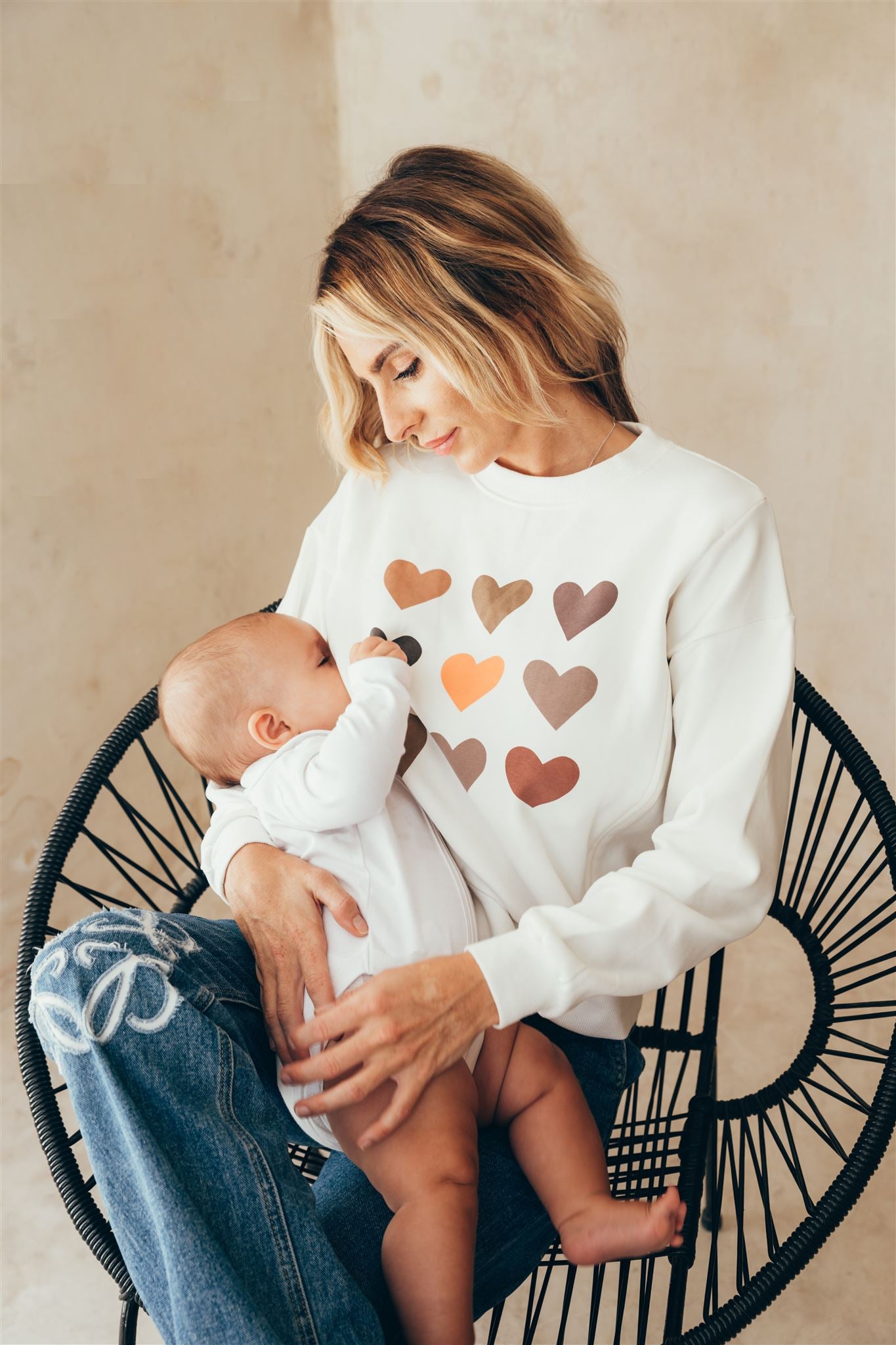
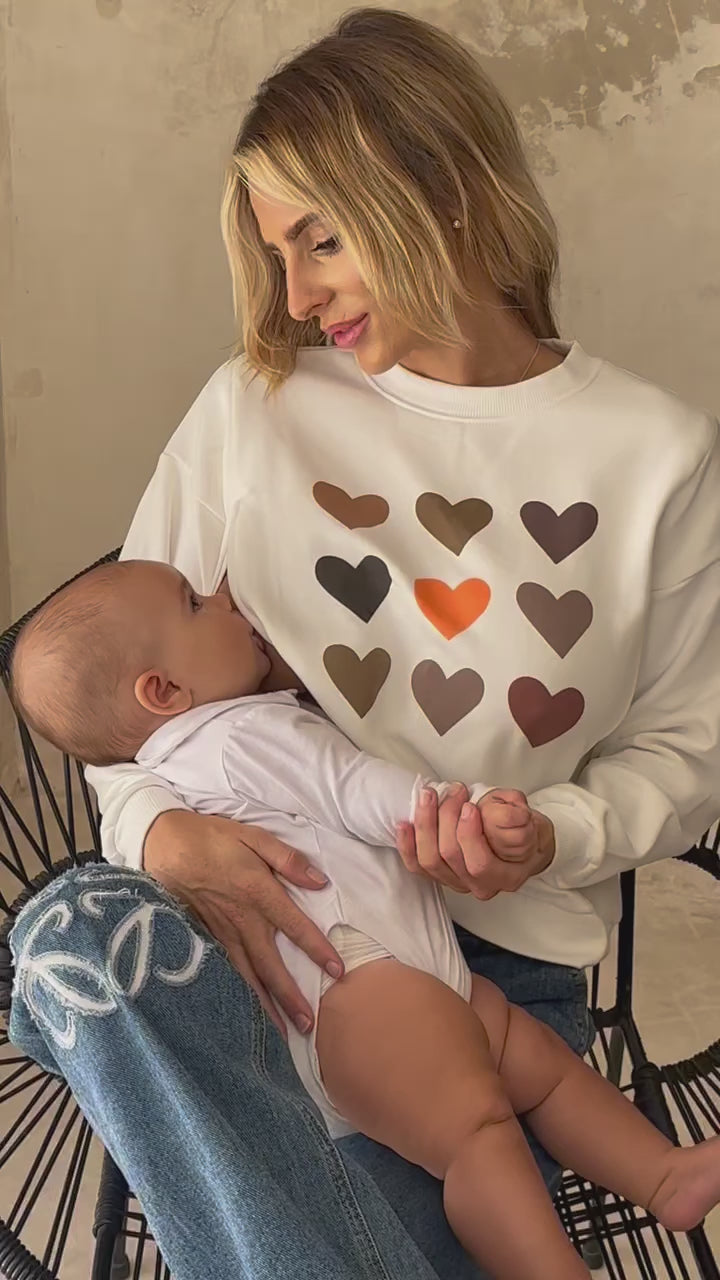
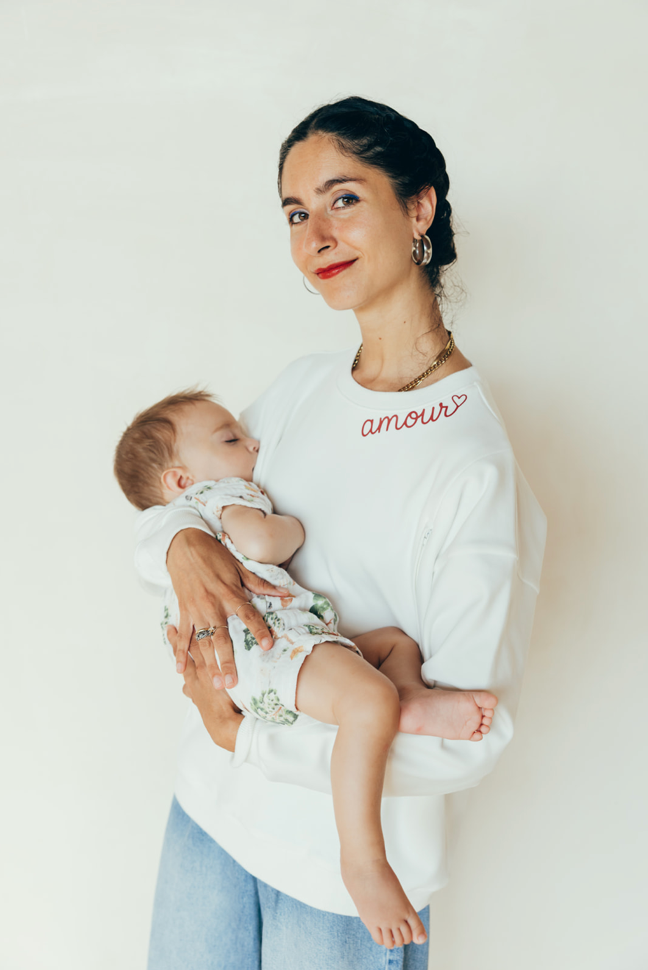
For those long feeding sessions when you're scrolling through social media, our nursing sweatshirts keep you warm while making it easy to breastfeed, even with just one hand.
Frequently Asked Questions
What is the difference between a nurse and a pediatric nurse?
A pediatric nurse is a nurse who has completed an additional year of specialized training in the care of children aged 0 to 18. She is specially trained in newborn care, breastfeeding, and child development. In the maternity ward, it is often the pediatric nurse who assists mothers with breastfeeding.
Can I call the maternity ward nurse after I’m discharged?
Generally, no, because maternity wards are very busy. However, you can contact your private midwife, your PMI (maternal and child health center), or a specialized private nurse. Some maternity wards offer a postnatal hotline: ask about it when you’re discharged.
Can a private nurse help me with breastfeeding?
Yes, more and more private practice nurses are training in breastfeeding support. Some are even IBCLC-certified lactation consultants. Be sure to check their qualifications before making an appointment. Consultations may be covered by insurance with a doctor’s prescription.
For these consultations, our Breastfeeding pyjamas are perfect for early morning home visits: comfortable, practical, and allowing easy access to the breast for assessments.
Is nursing care covered after childbirth?
Yes, nursing care prescribed by a doctor is covered by Medicare. During the postpartum period, if your doctor prescribes home nursing visits (wound care, monitoring), 60–70% of the cost will be covered by Medicare, with the remainder covered by your supplemental health insurance.
How can we collectively thank the maternity ward?
The best way is to bring something to share with the whole team (cakes, chocolates, fruit) along with a note of thanks from everyone. You can also write to the facility’s management to acknowledge the team’s hard work. This positive feedback is invaluable for the morale of the healthcare staff.
Conclusion
On this International Nurses Day, let’s take a moment to recognize and celebrate these extraordinary professionals who care for us during the most important moments of our lives. From maternity wards to child health clinics, from neonatal care to home visits, nurses are the quiet guardians of our health and that of our babies.
At 23 Mai Paris, we share this belief: mothers deserve to be cared for, supported, and guided. This is what nurses do every day with such dedication, and it’s what we strive to offer in our own way through nursing wear designed to simplify and enhance mothers’ daily lives.
Discover our collection of nursing wear and enjoy breastfeeding with the comfort and elegance you deserve.
If you're breastfeeding, here are some of our collections you might be interested in: