Filters

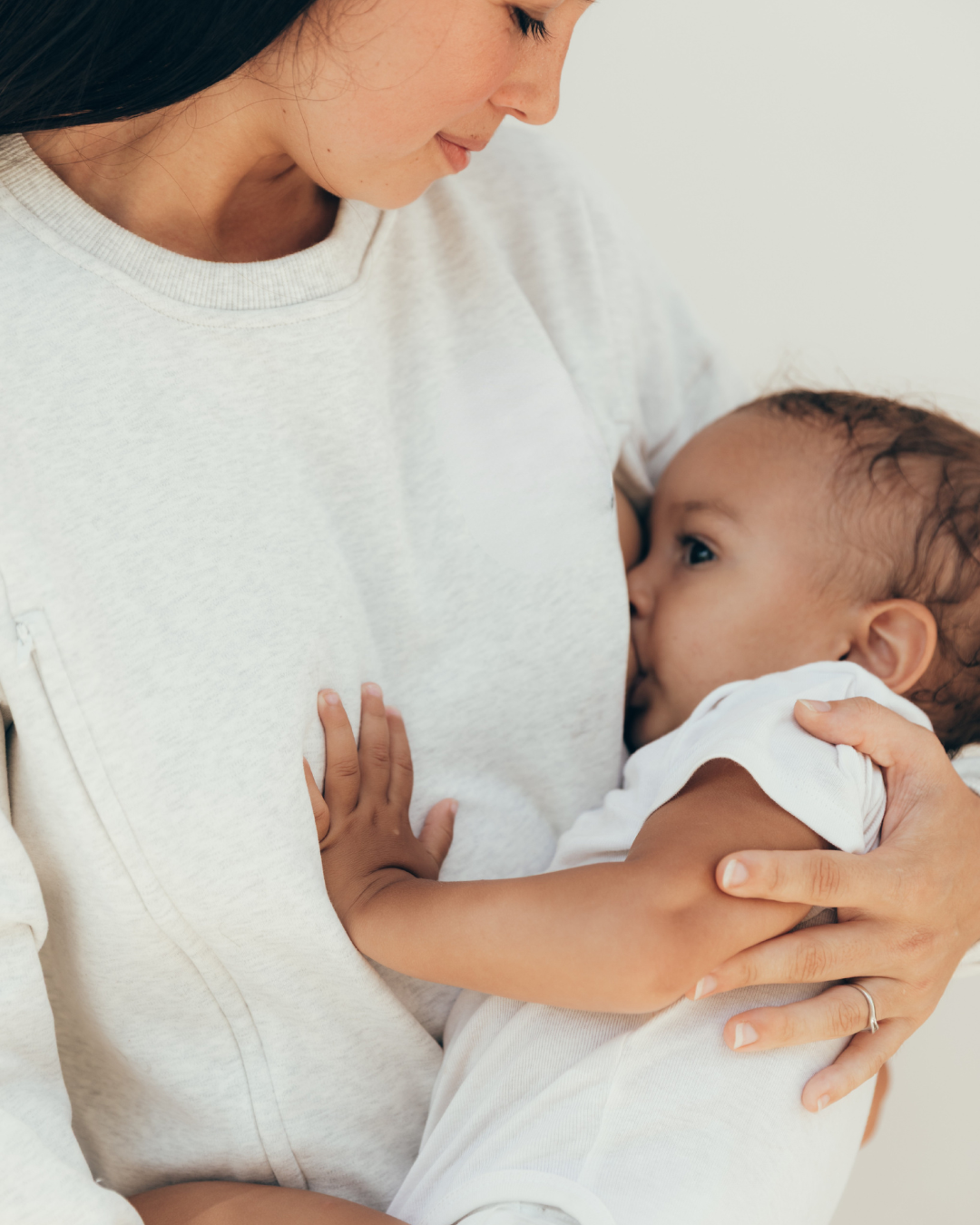
Gray nursing sweatshirt
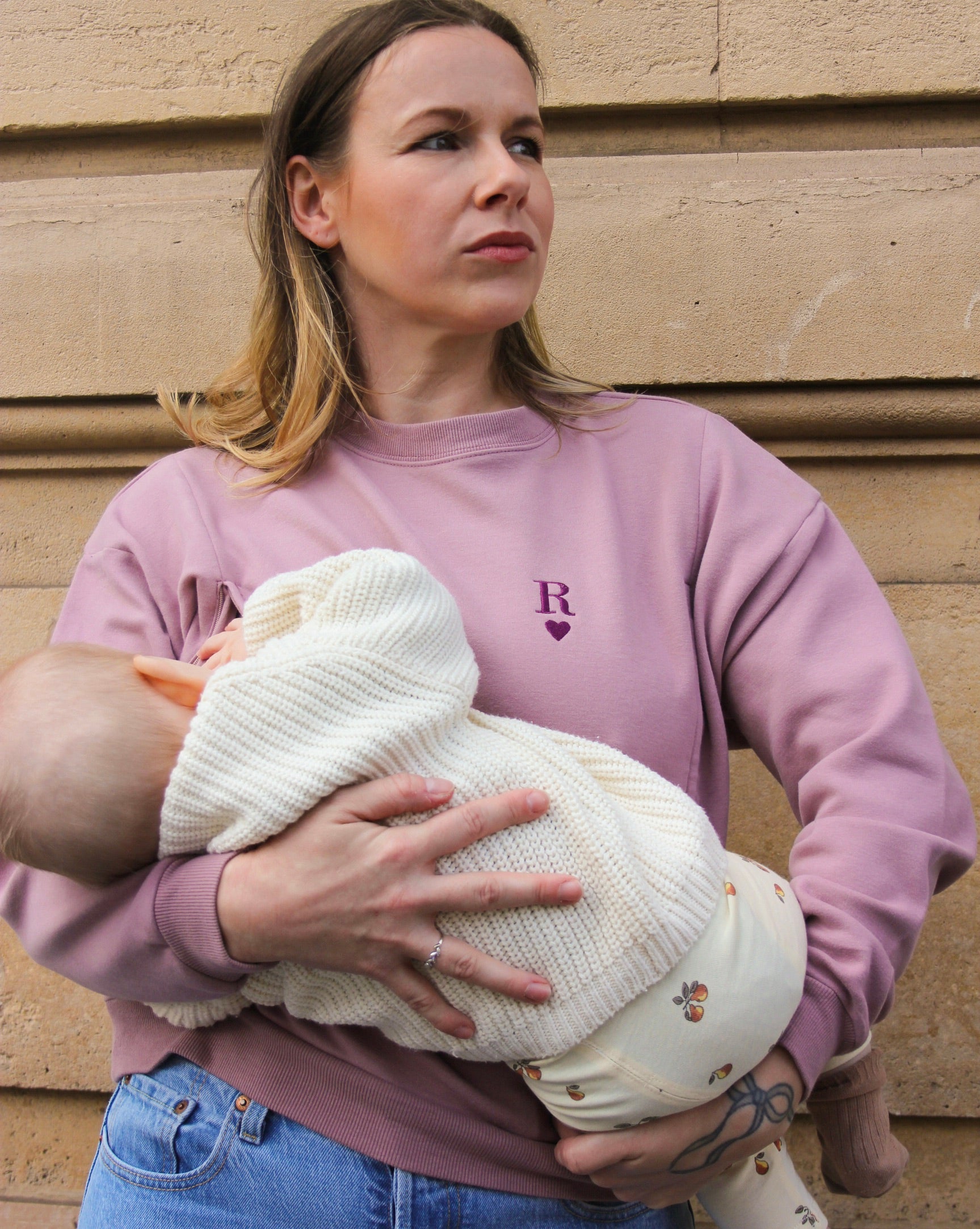
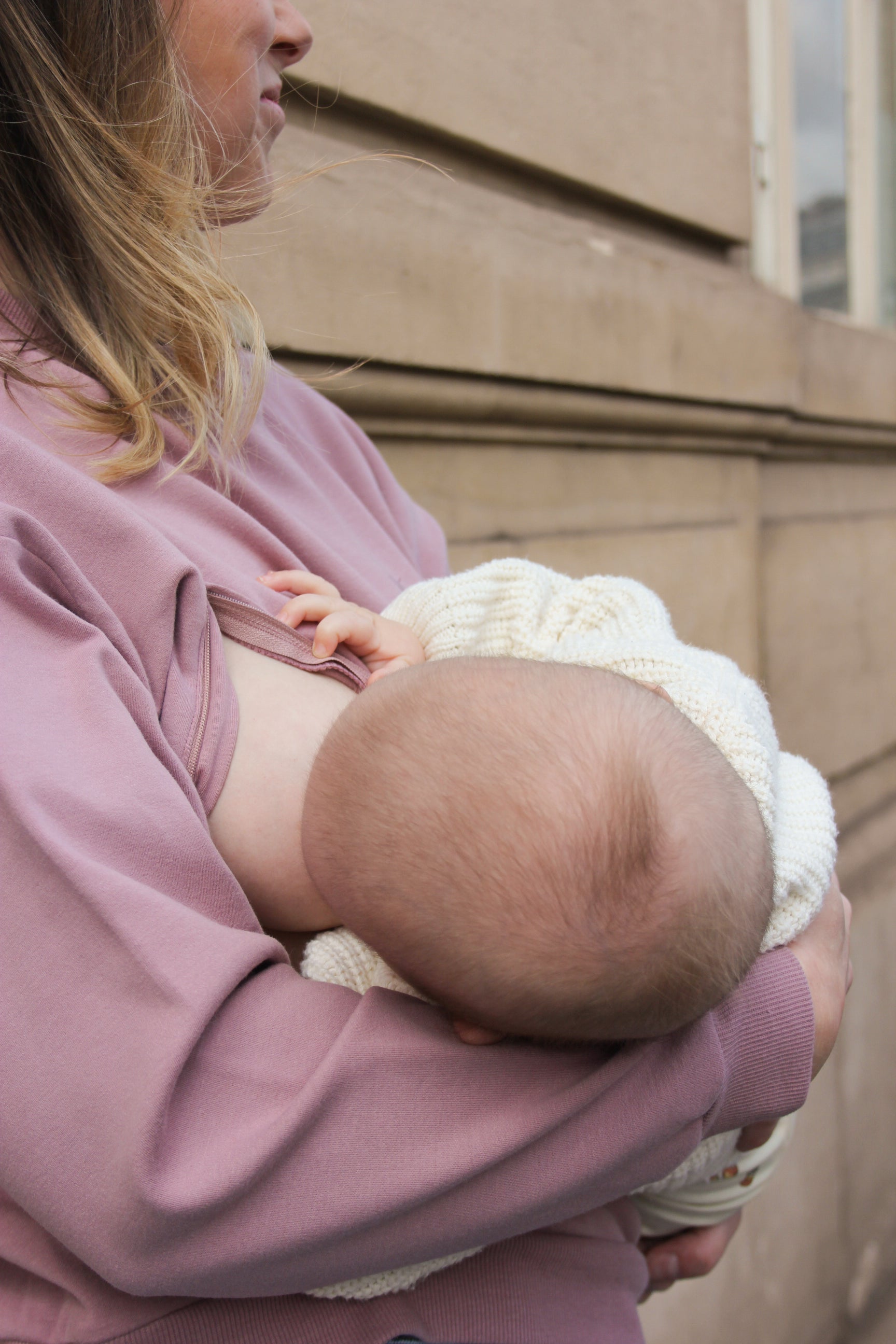
Kaffa LUCKY CHARM nursing sweatshirt
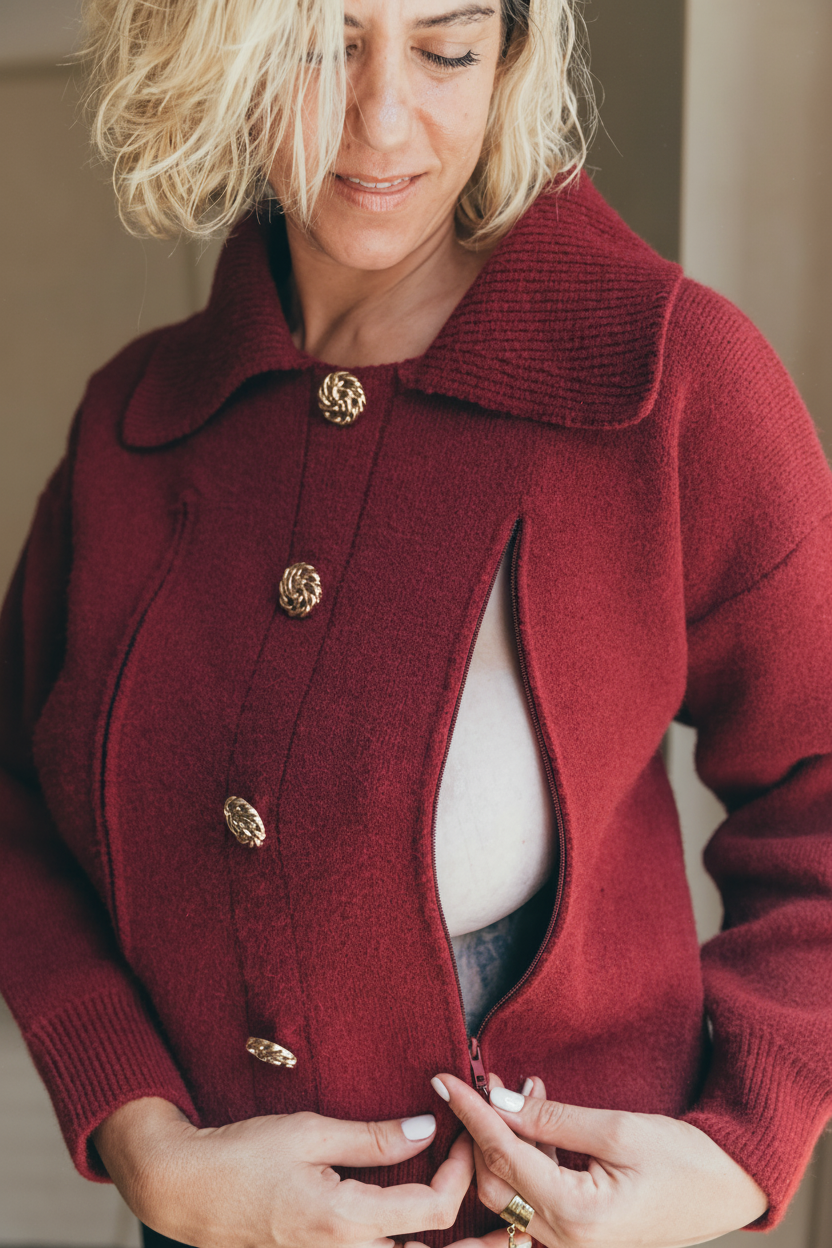

LOU burgundy nursing sweater
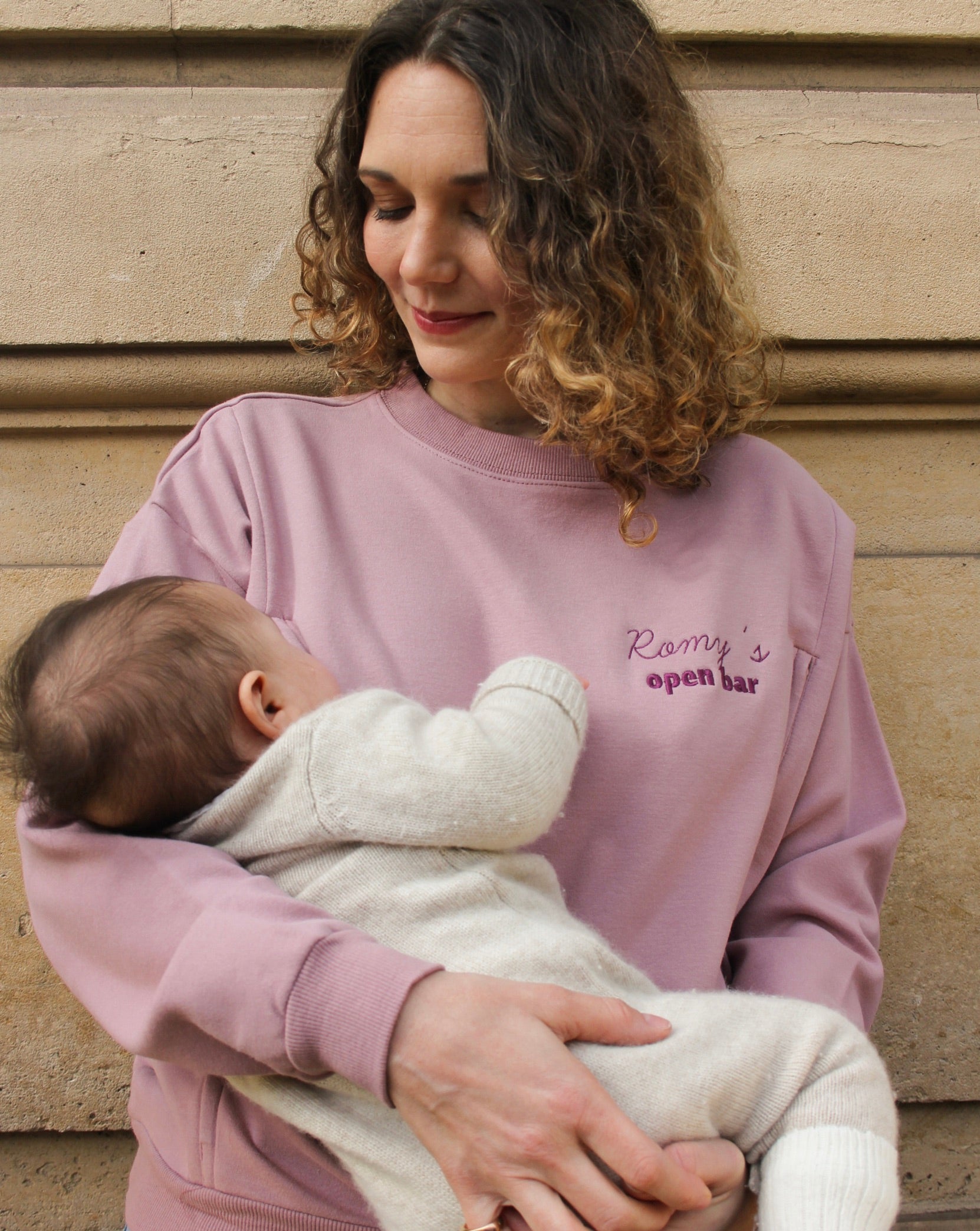
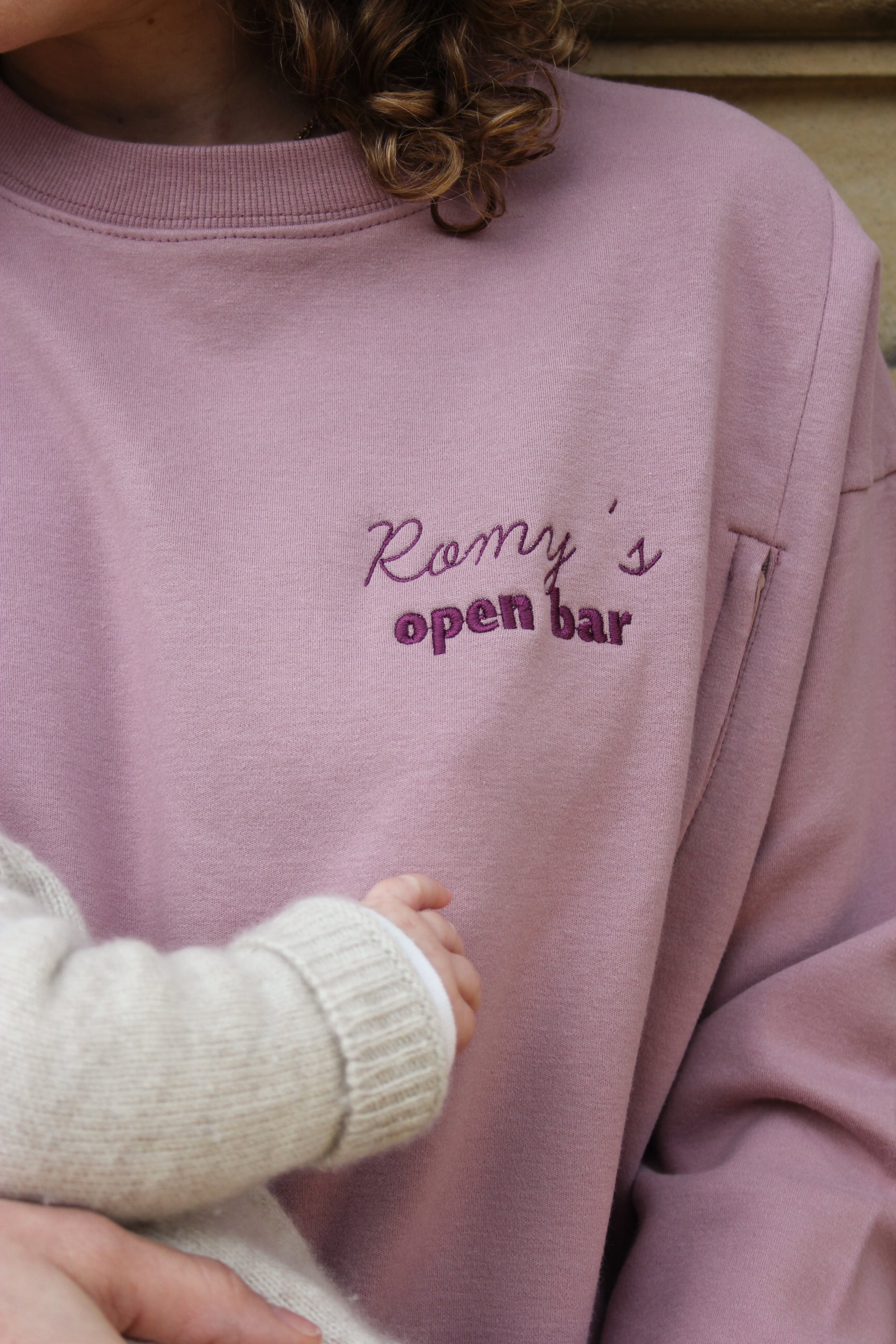
OPEN BAR nursing sweatshirt by kaffa
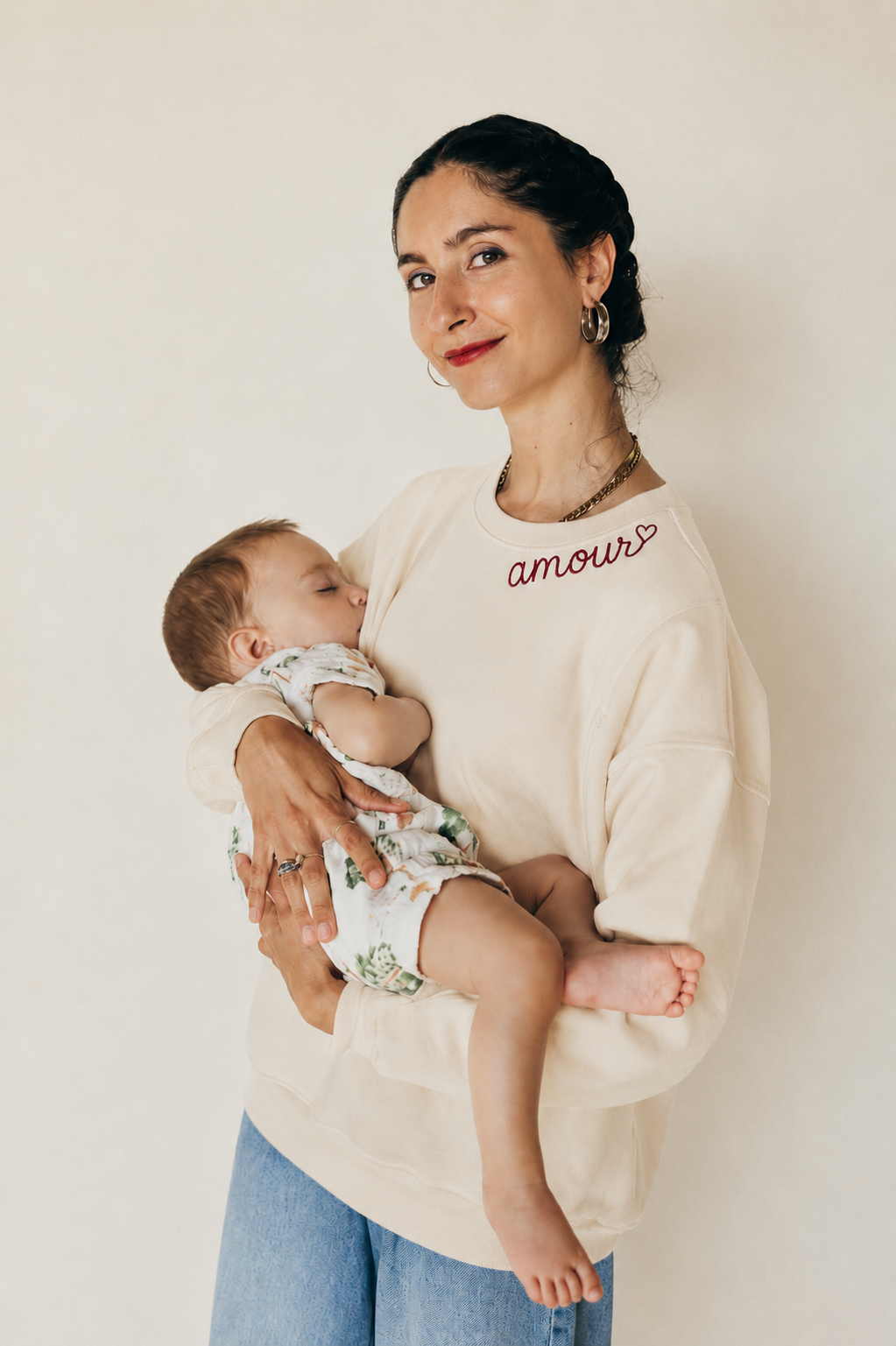
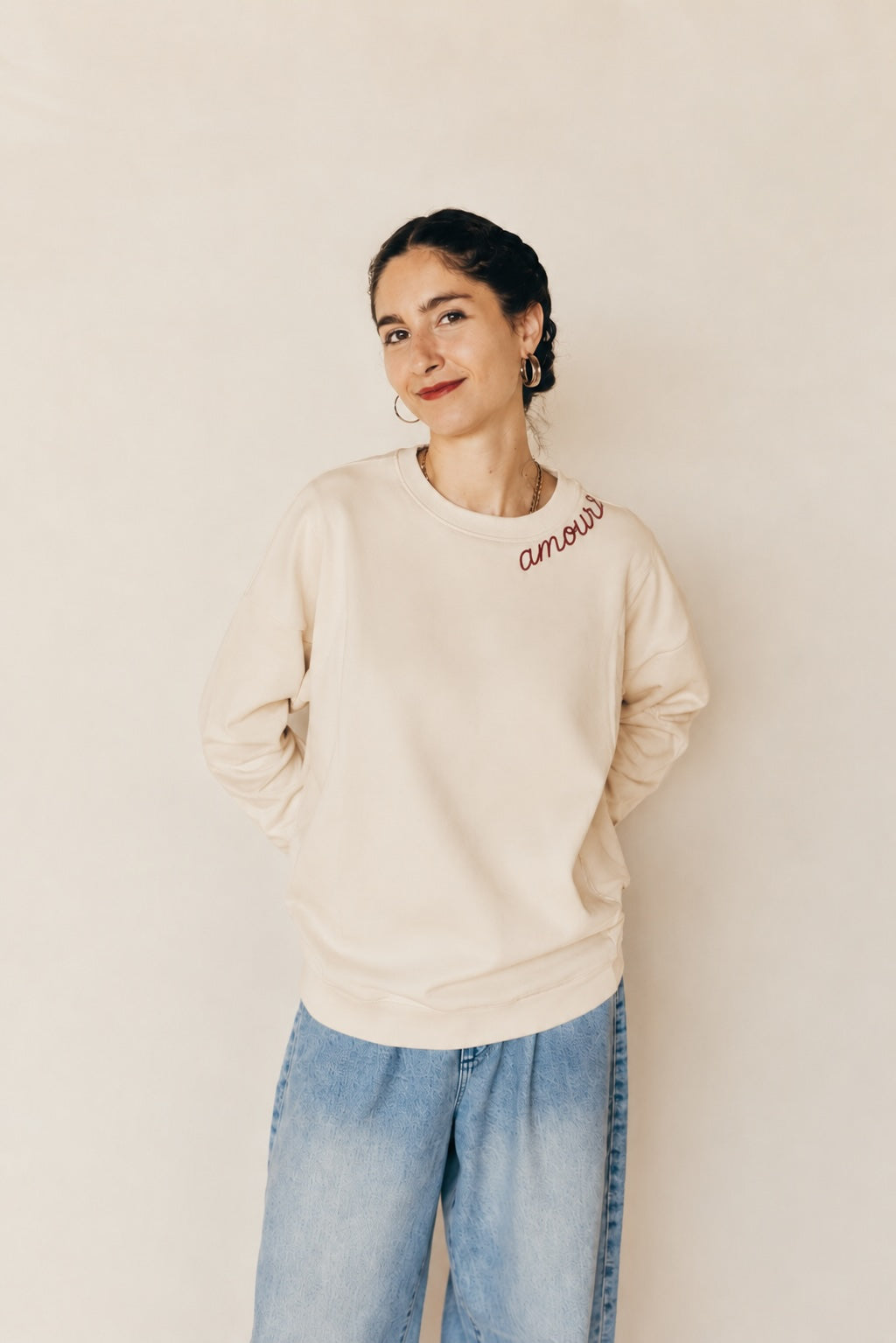
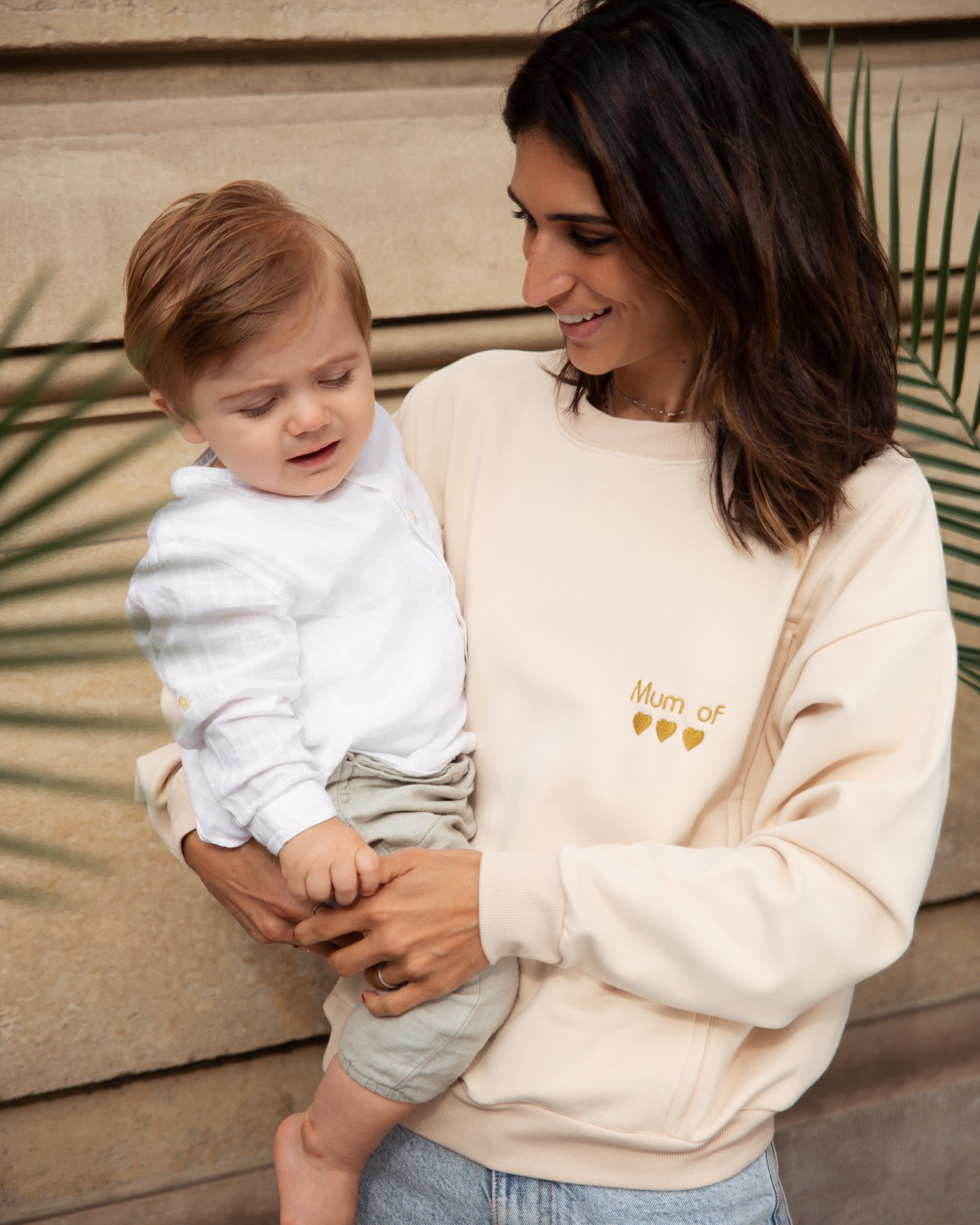
AMOUR Beige Nursing Sweatshirt
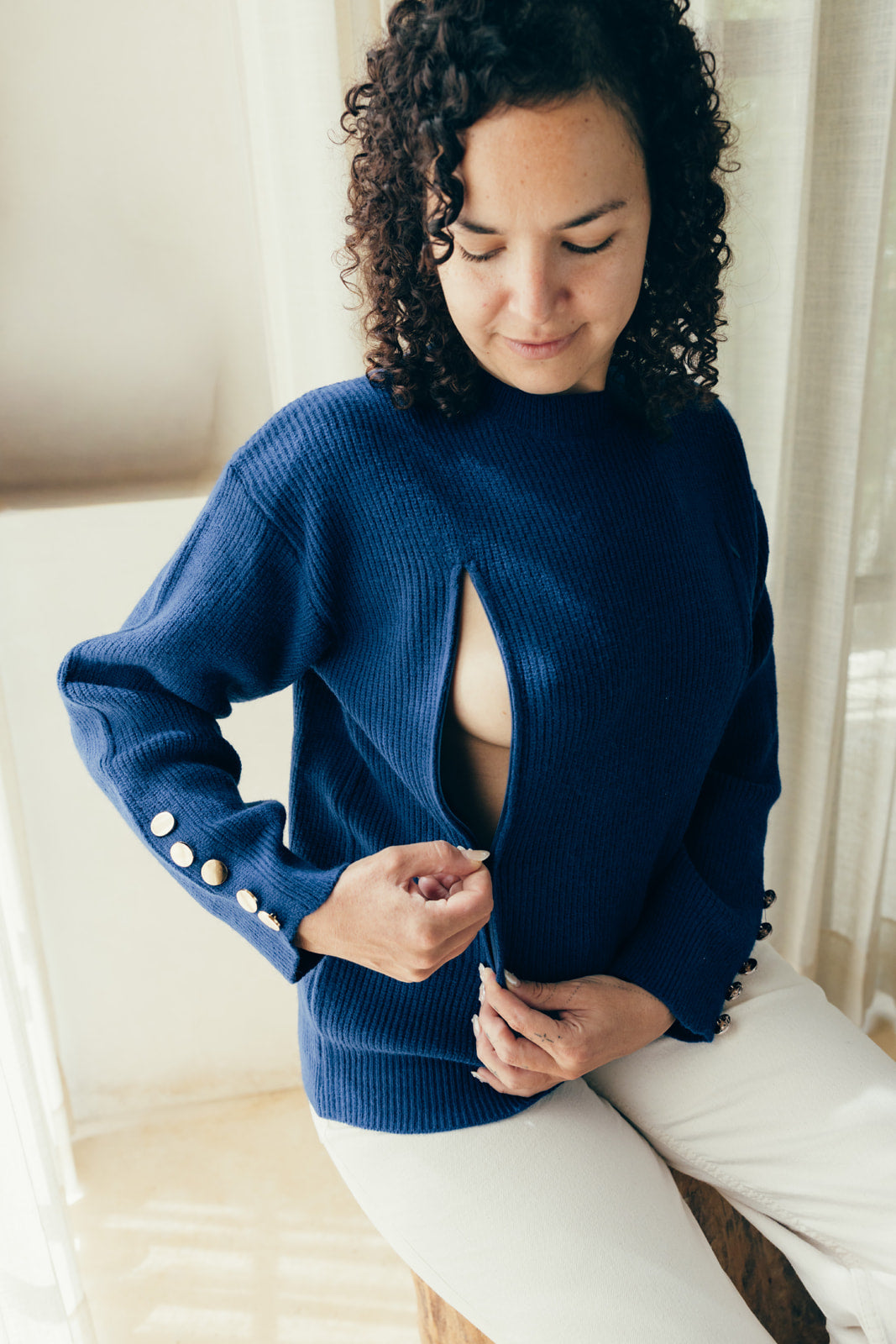
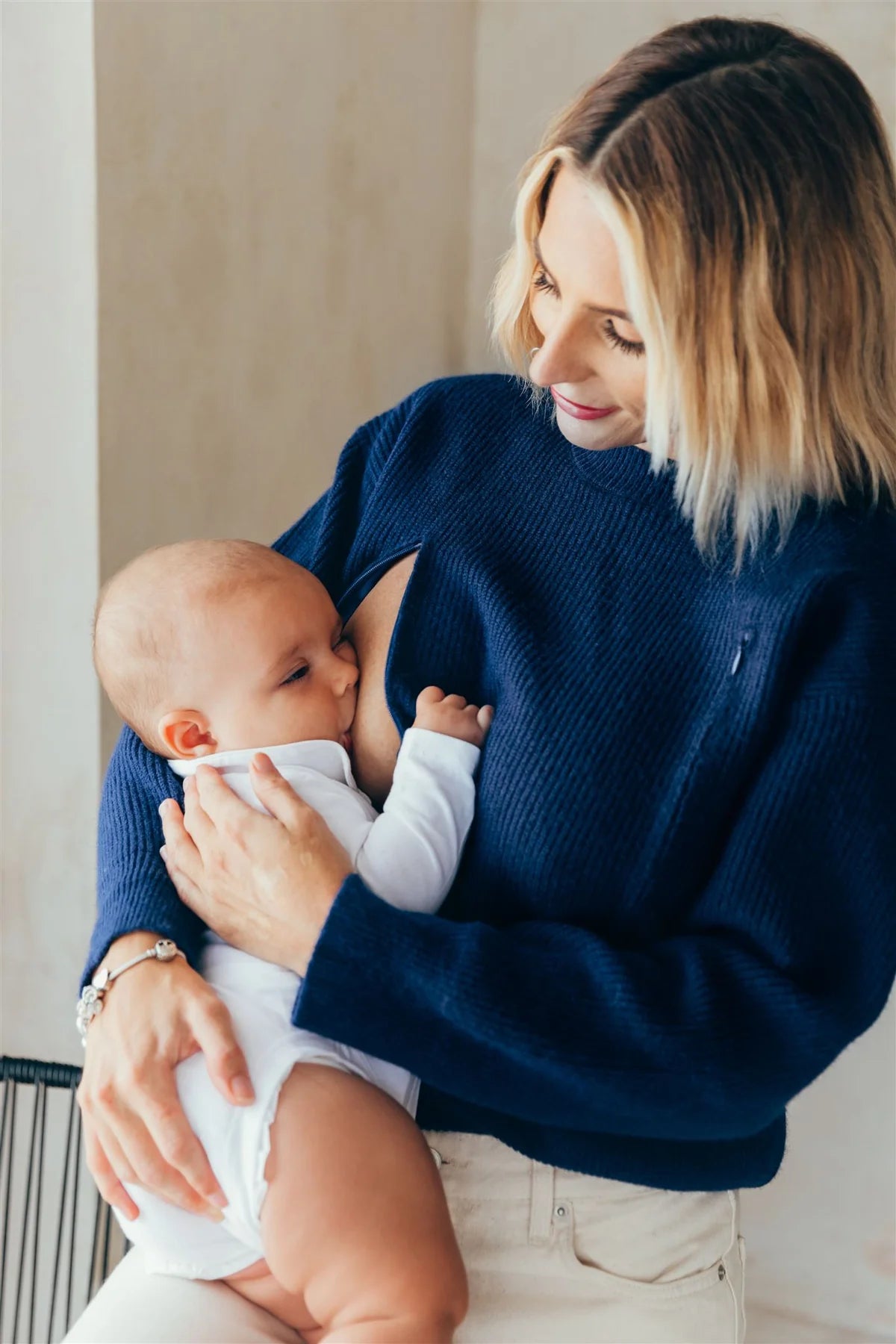
COSSIMA Navy Blue Nursing Sweater
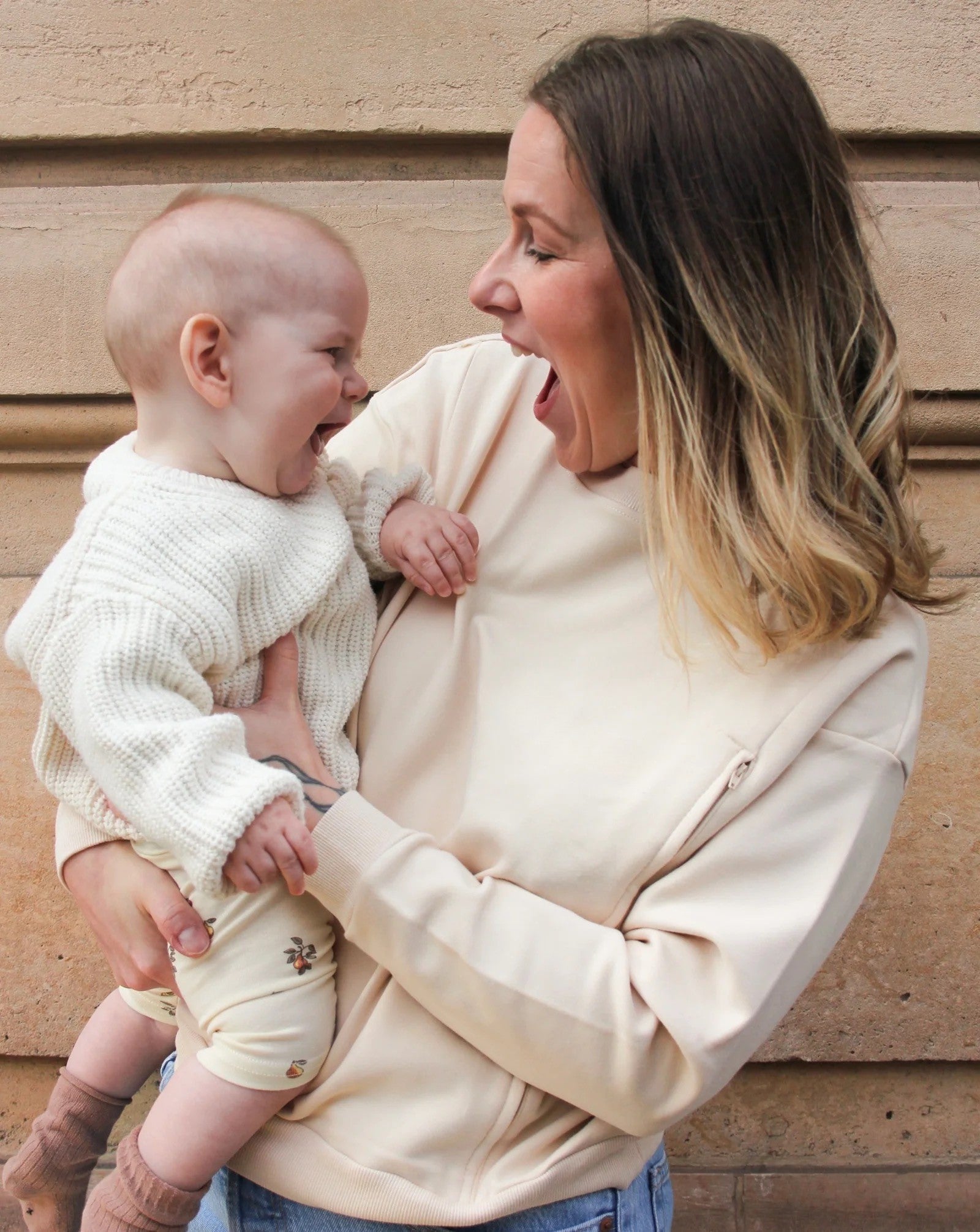
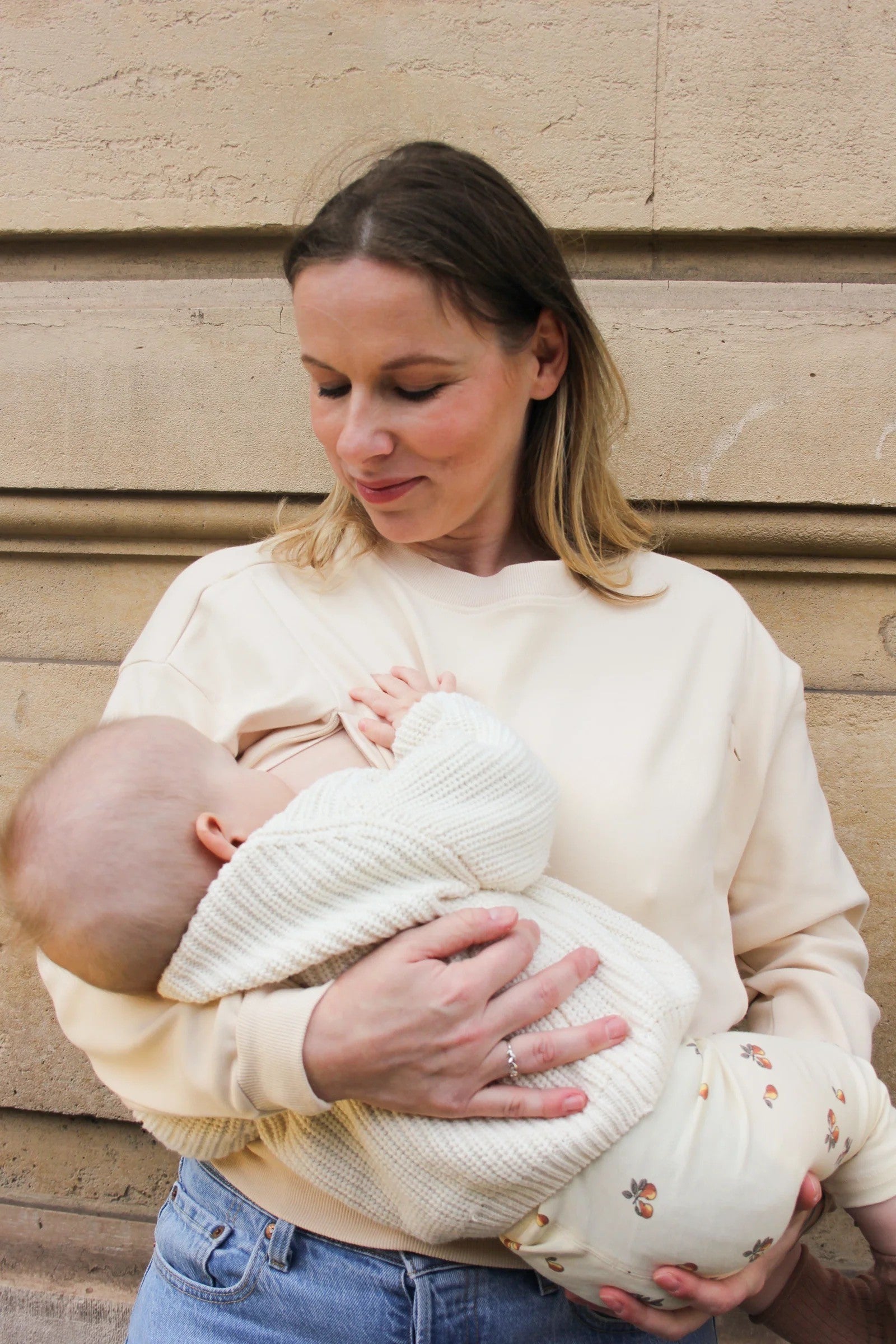
ECRU nursing sweatshirt
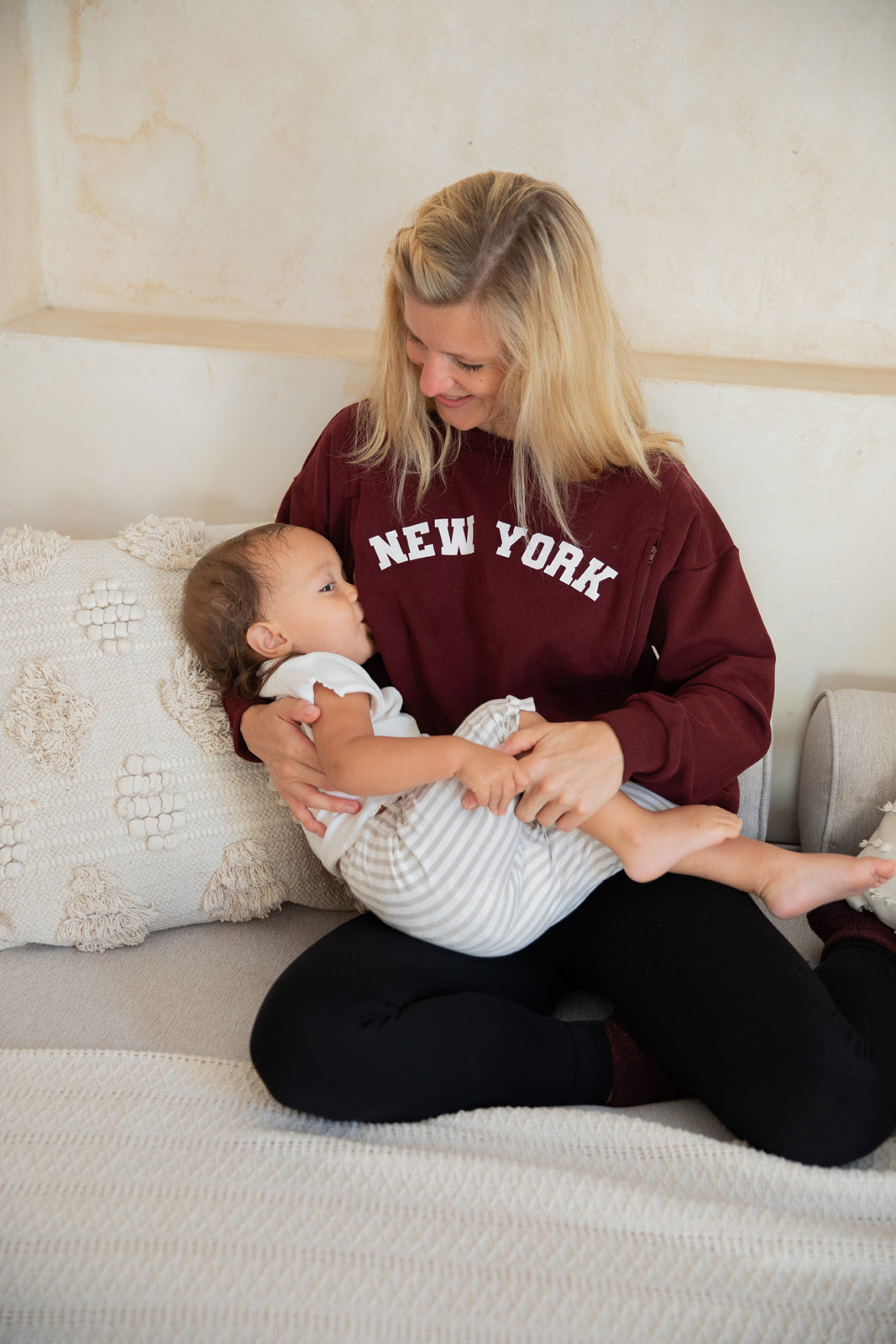
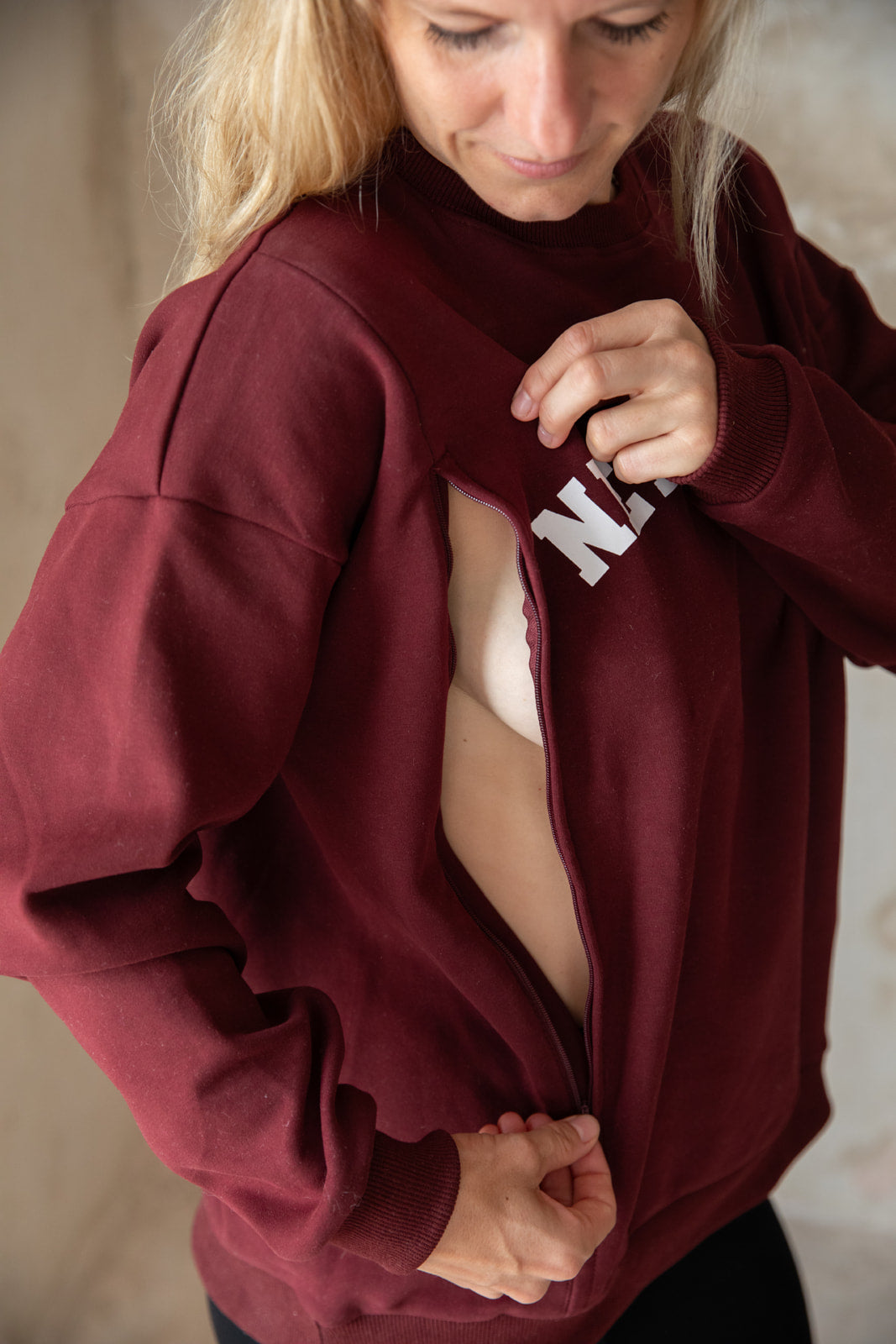
NEW YORK nursing sweatshirt
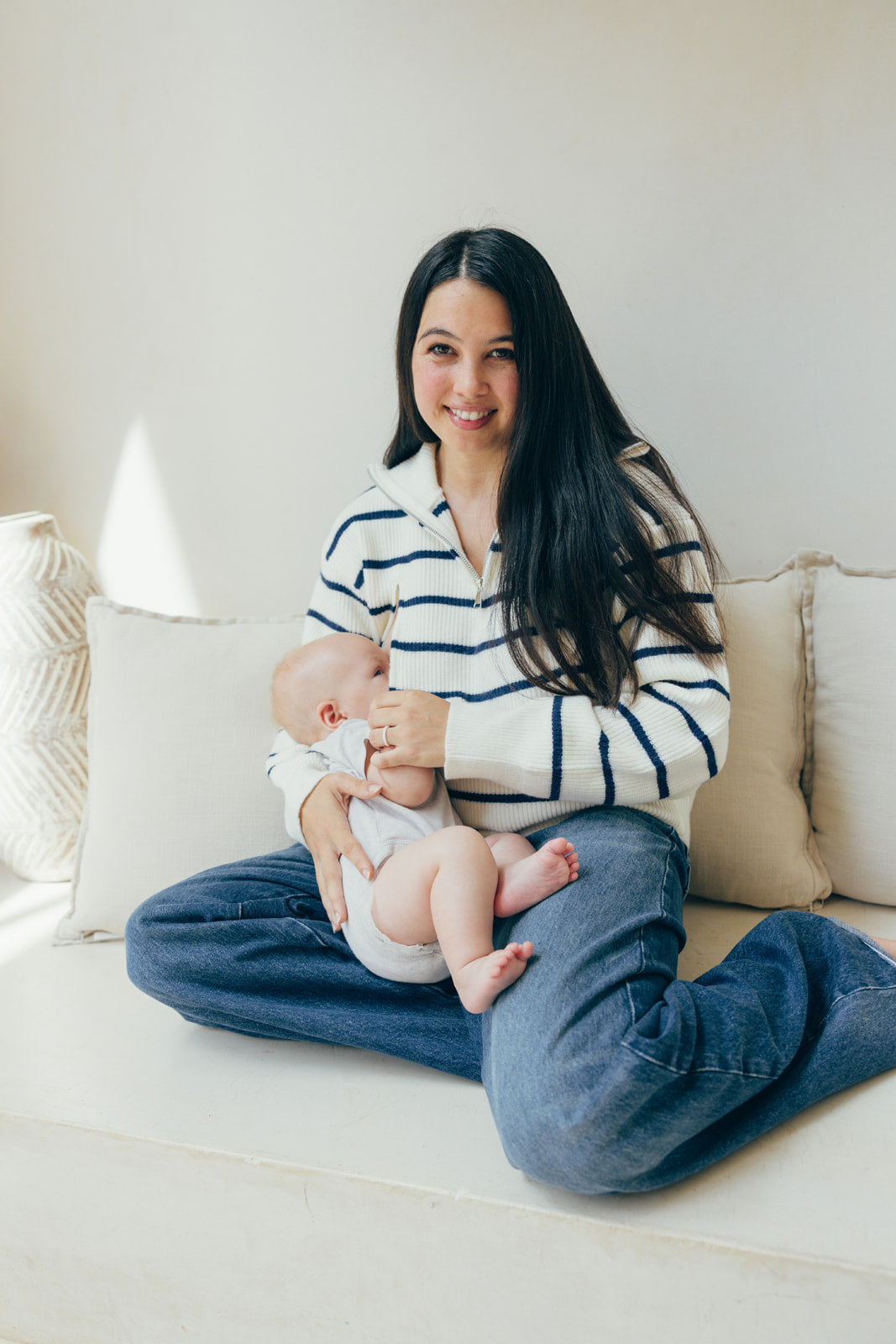
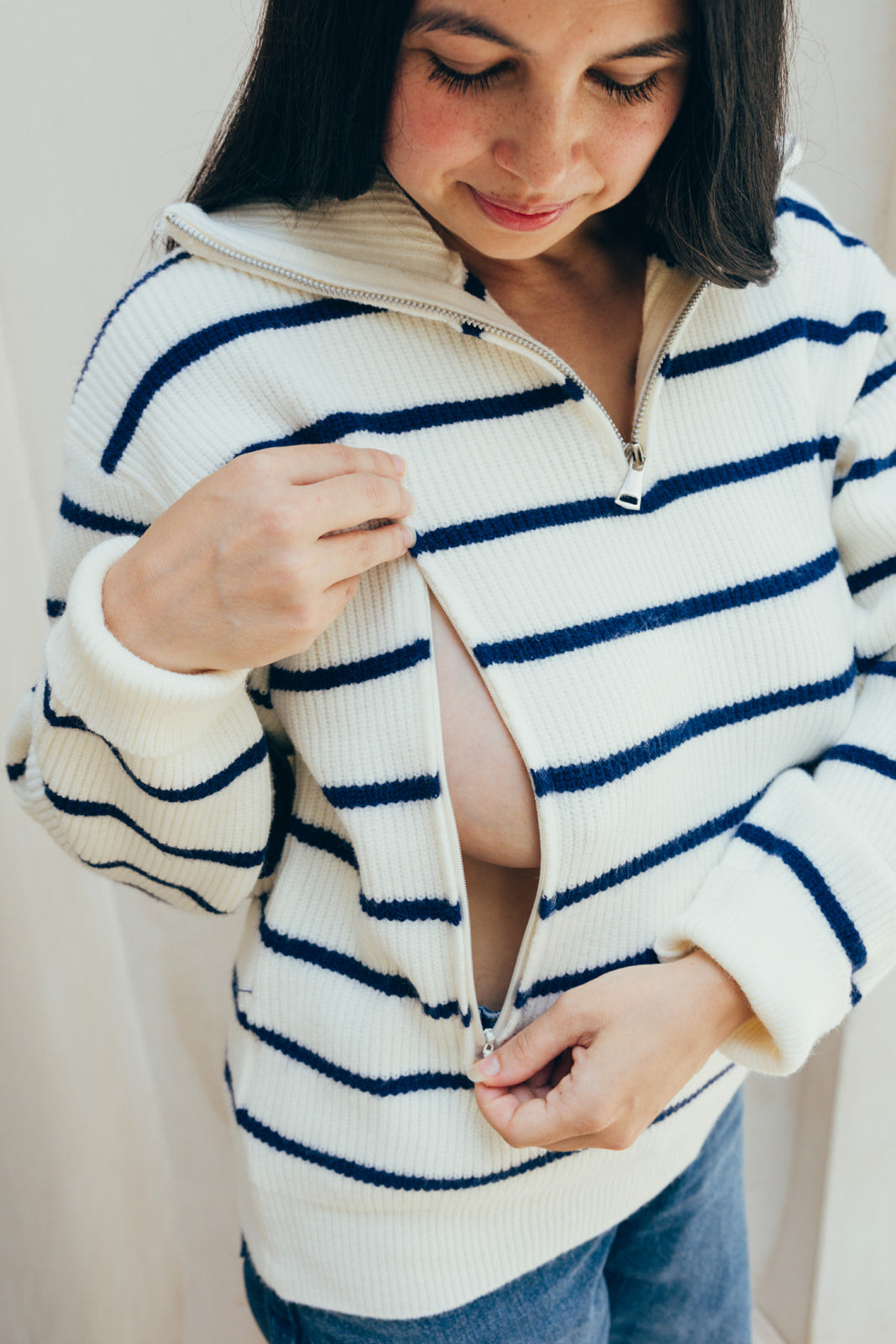
CHIARA Sailor-Striped Nursing Sweater
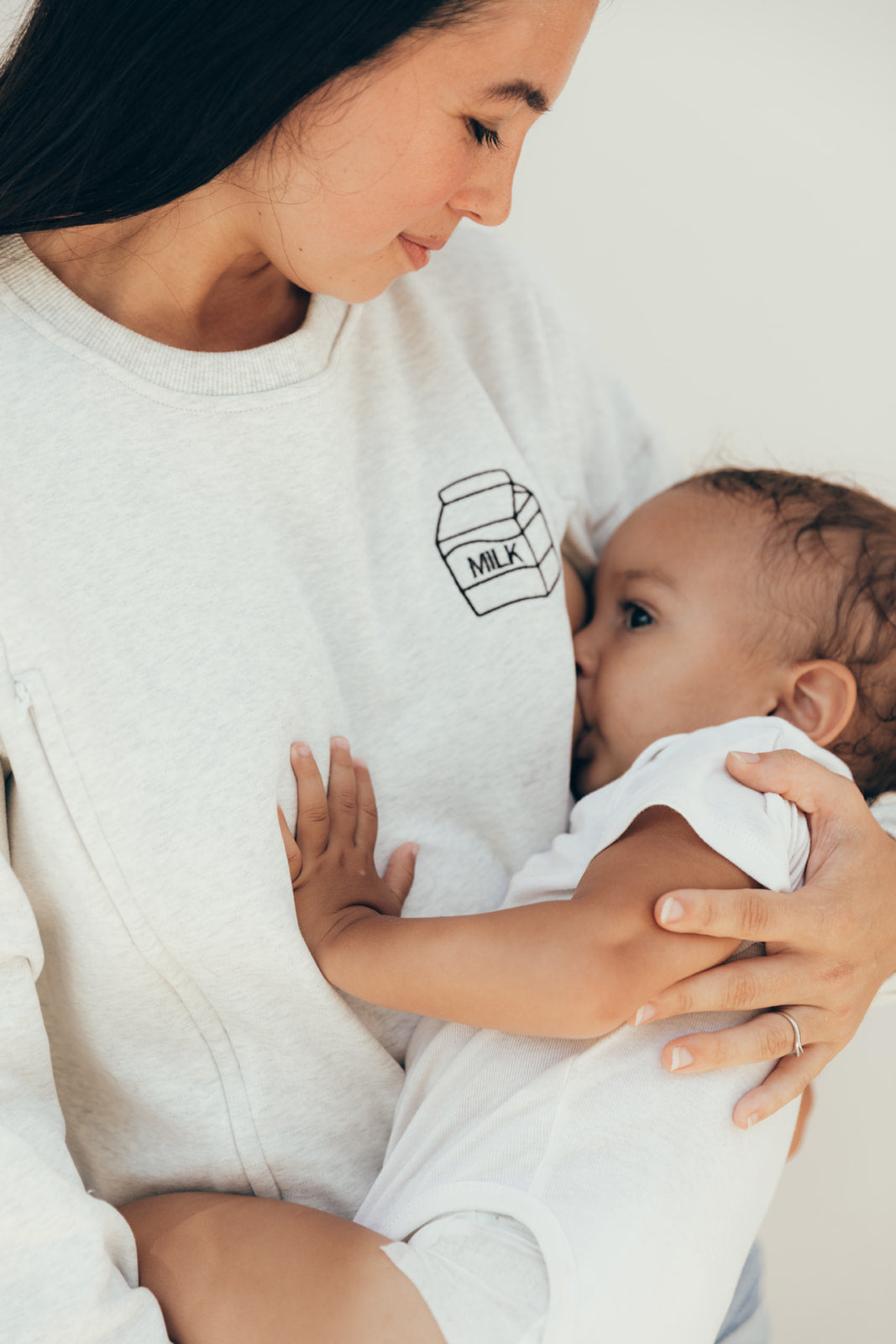

MILK gray nursing sweatshirt
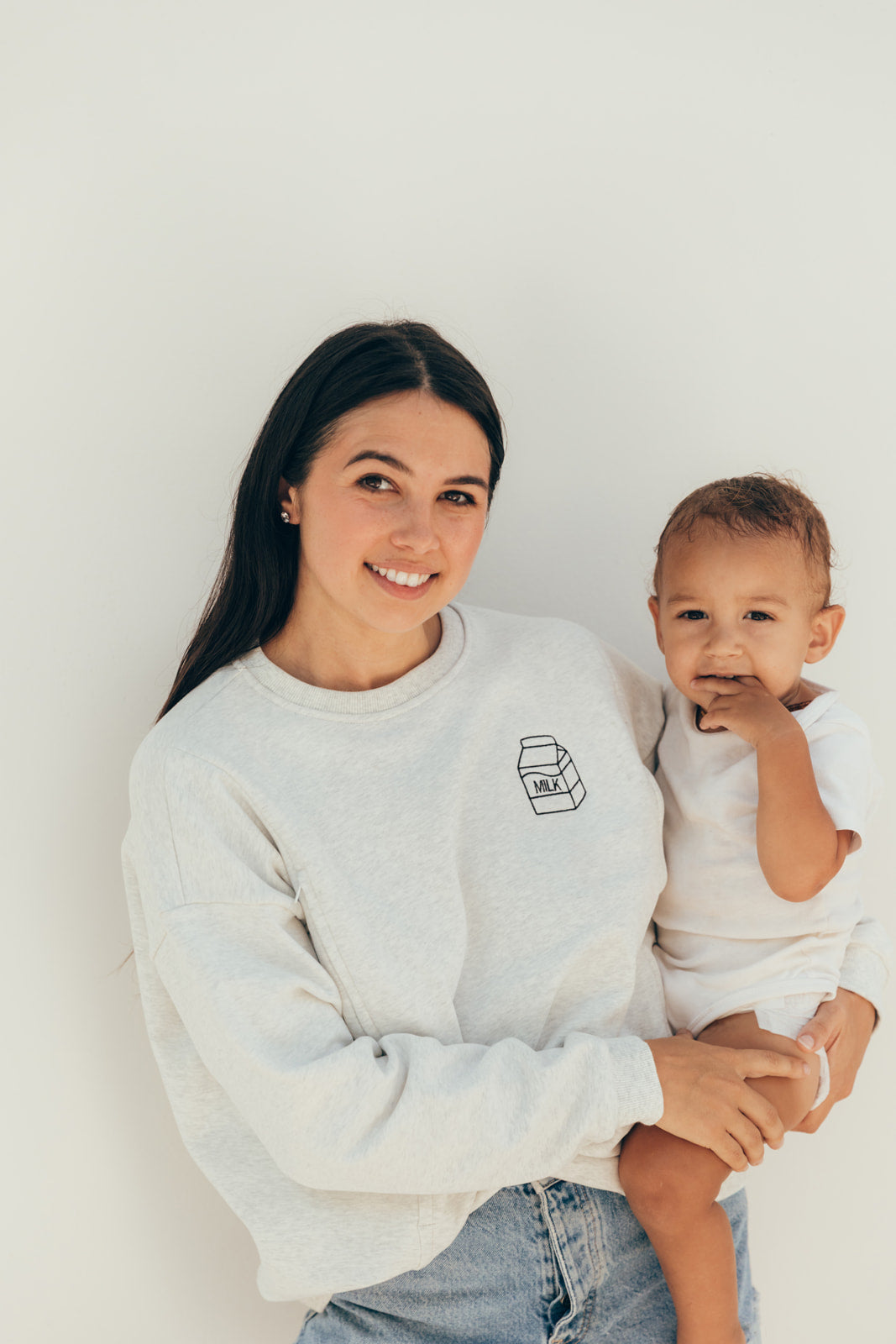
MILK gray nursing sweatshirt
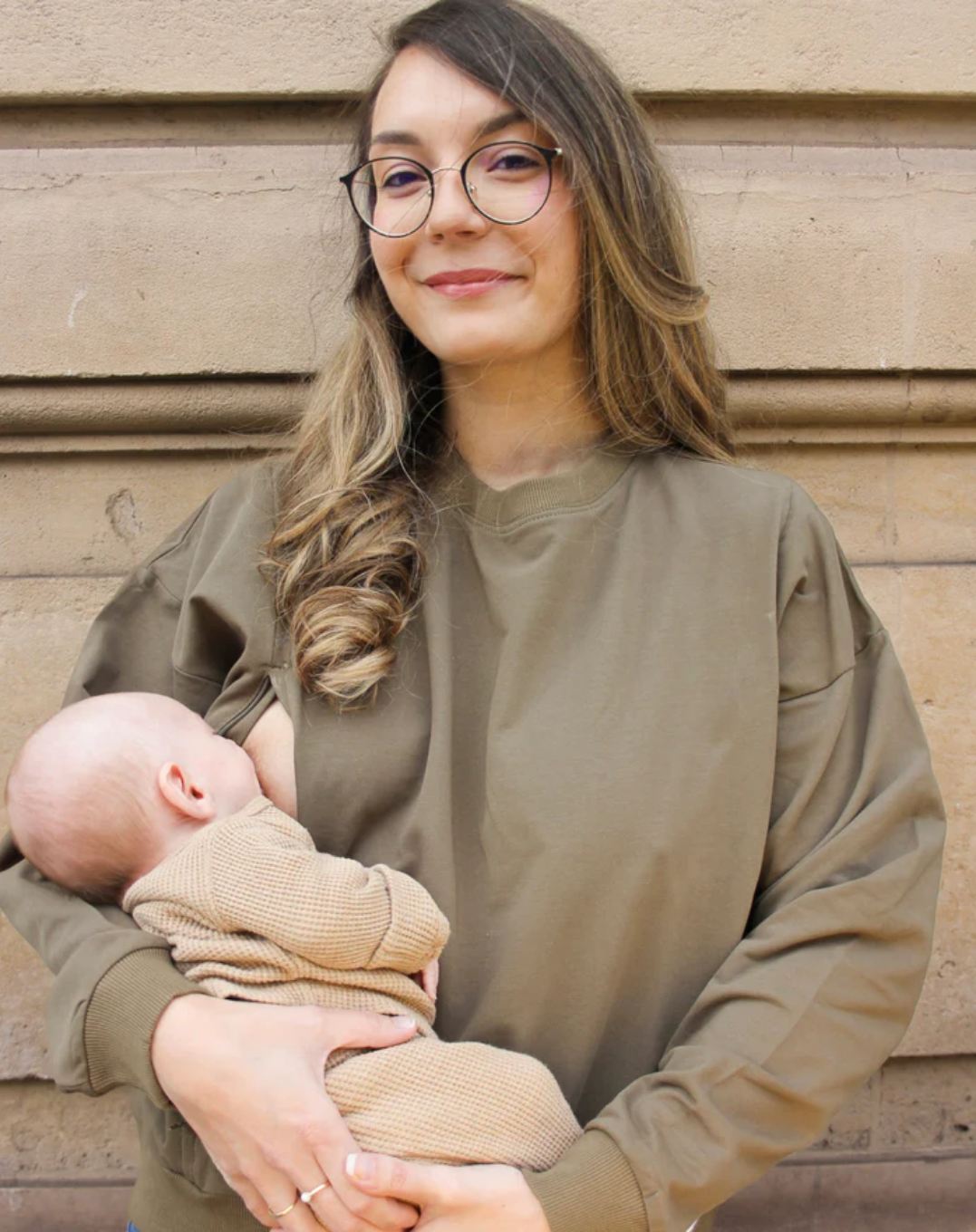
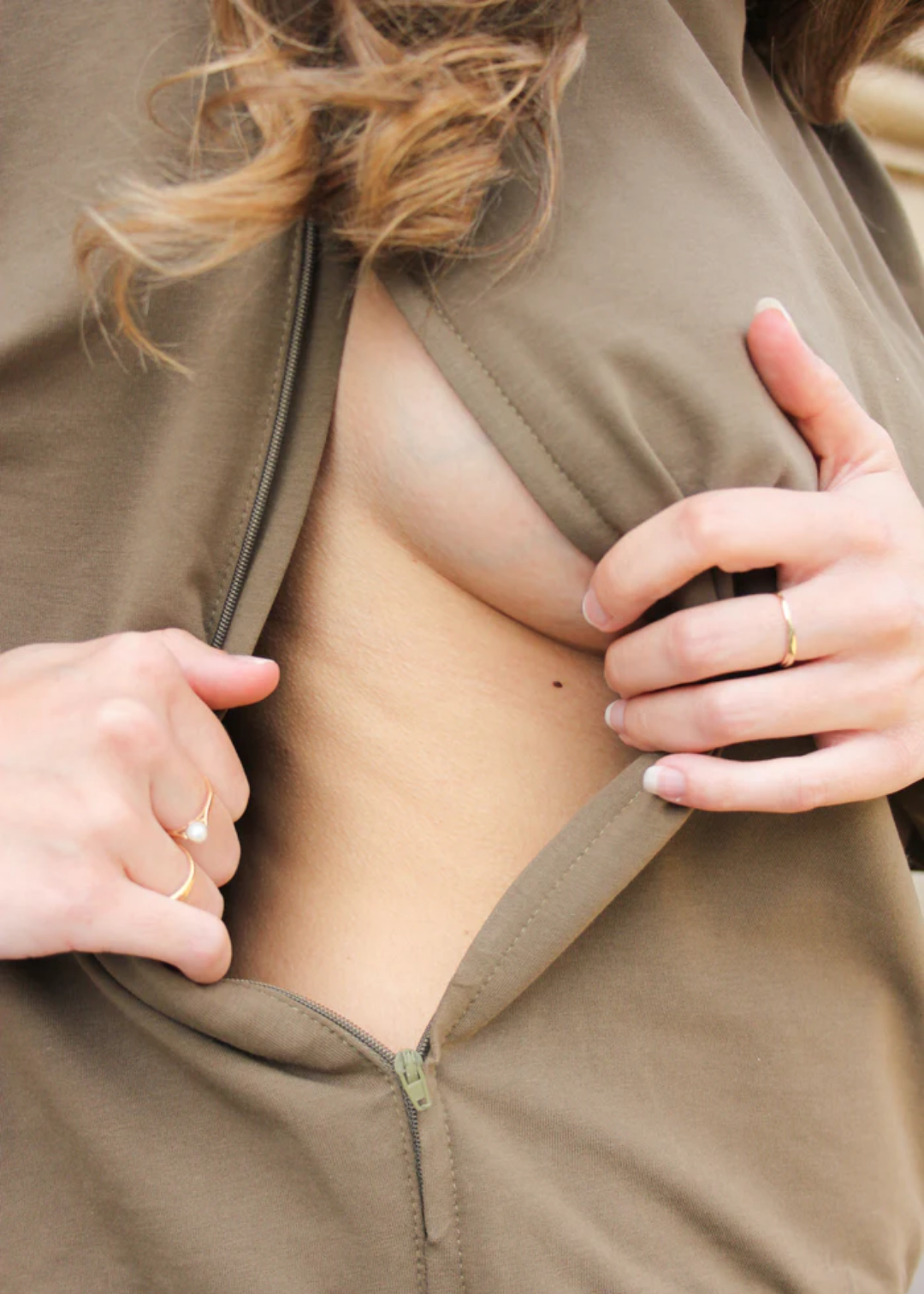
Khaki nursing sweatshirt

LEO Nursing Sweatshirt
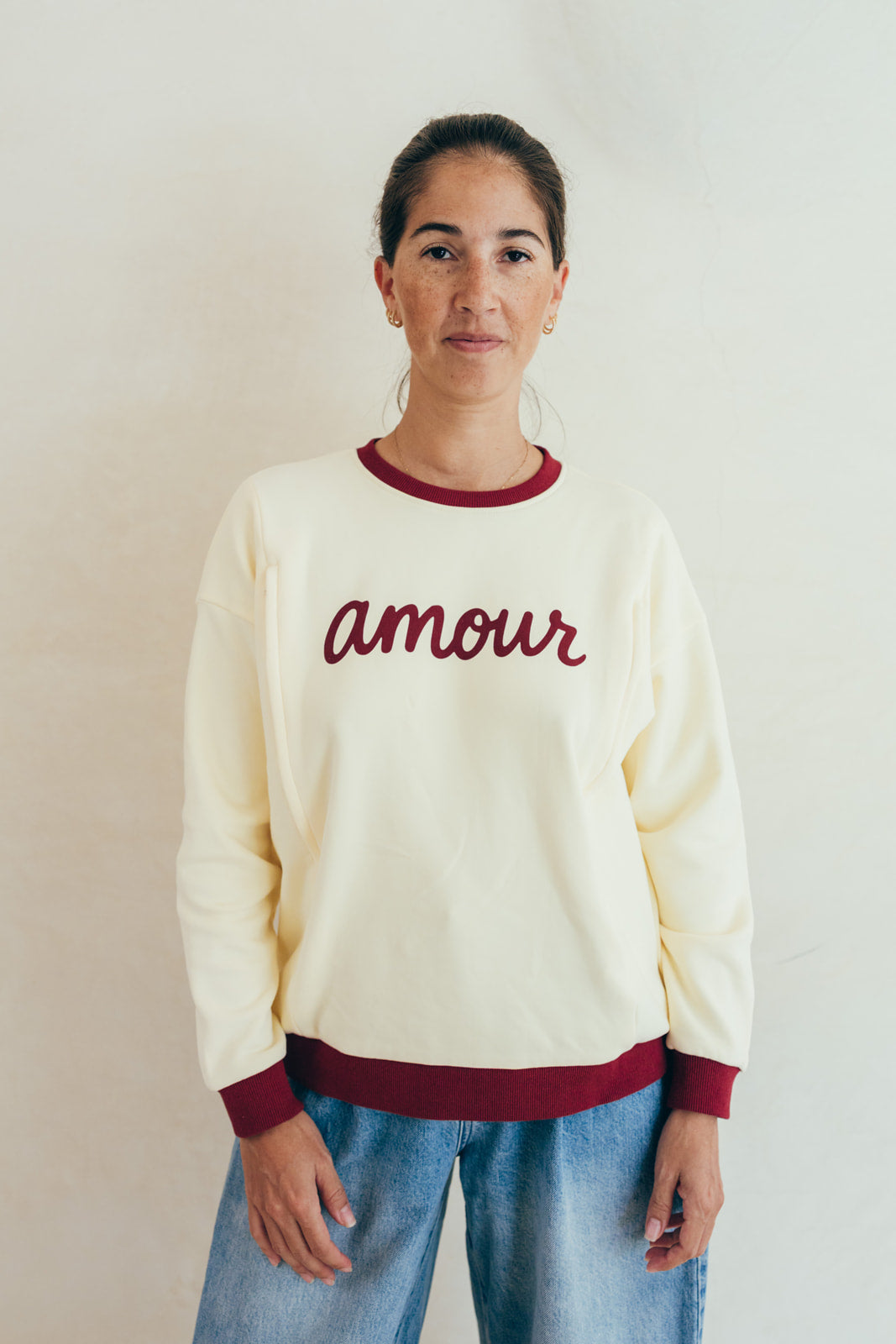
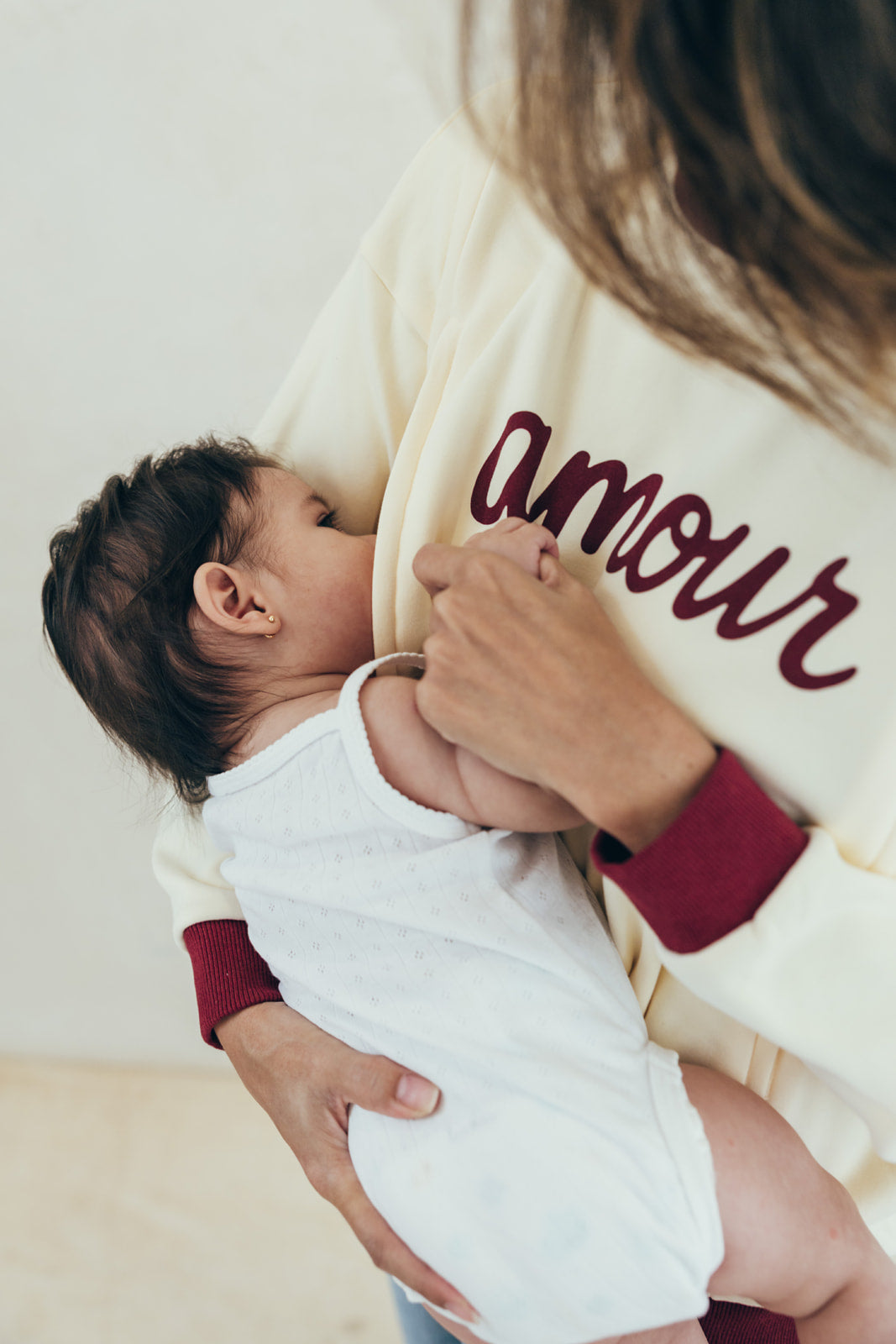
AMOUR Two-Tone Nursing Sweatshirt
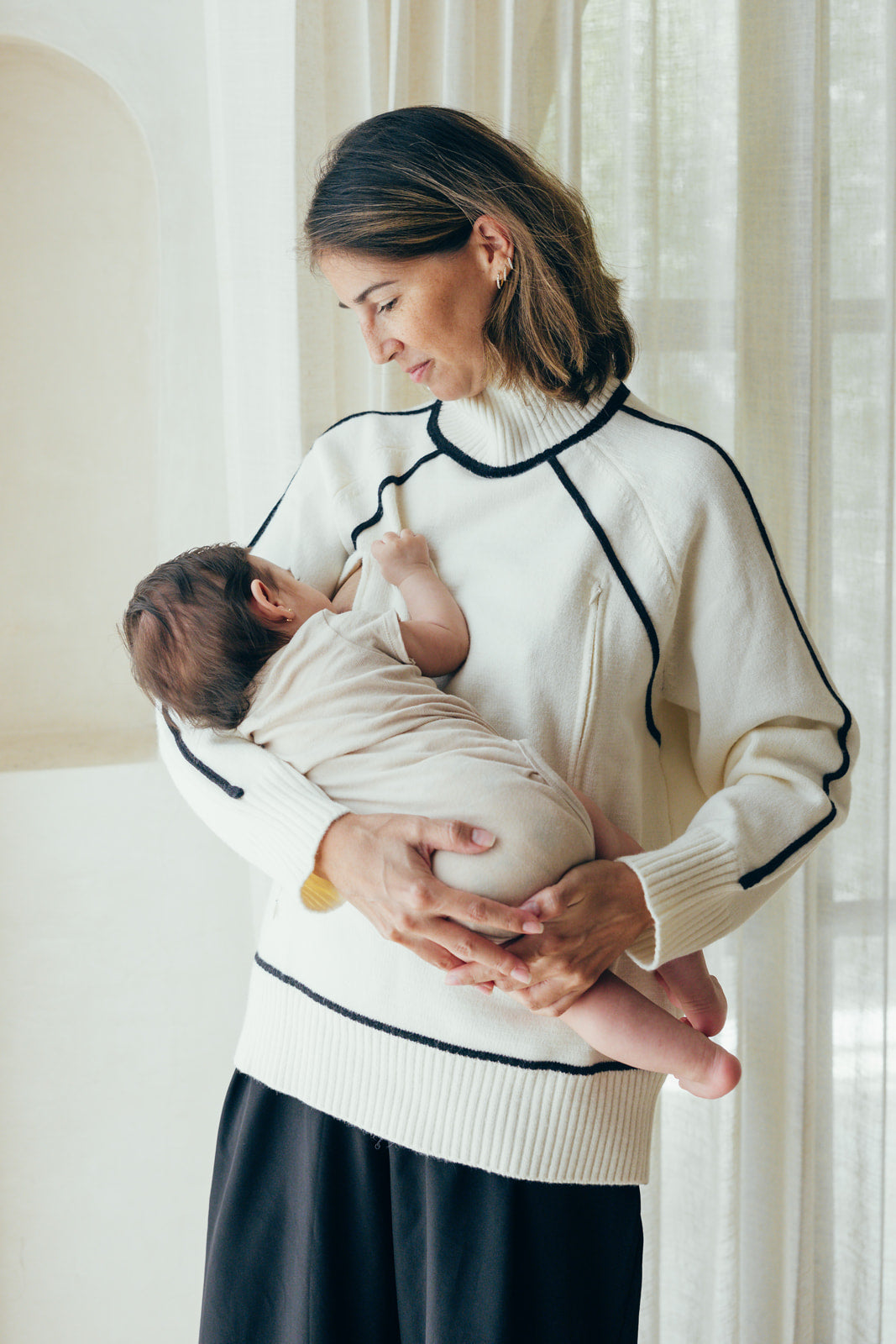
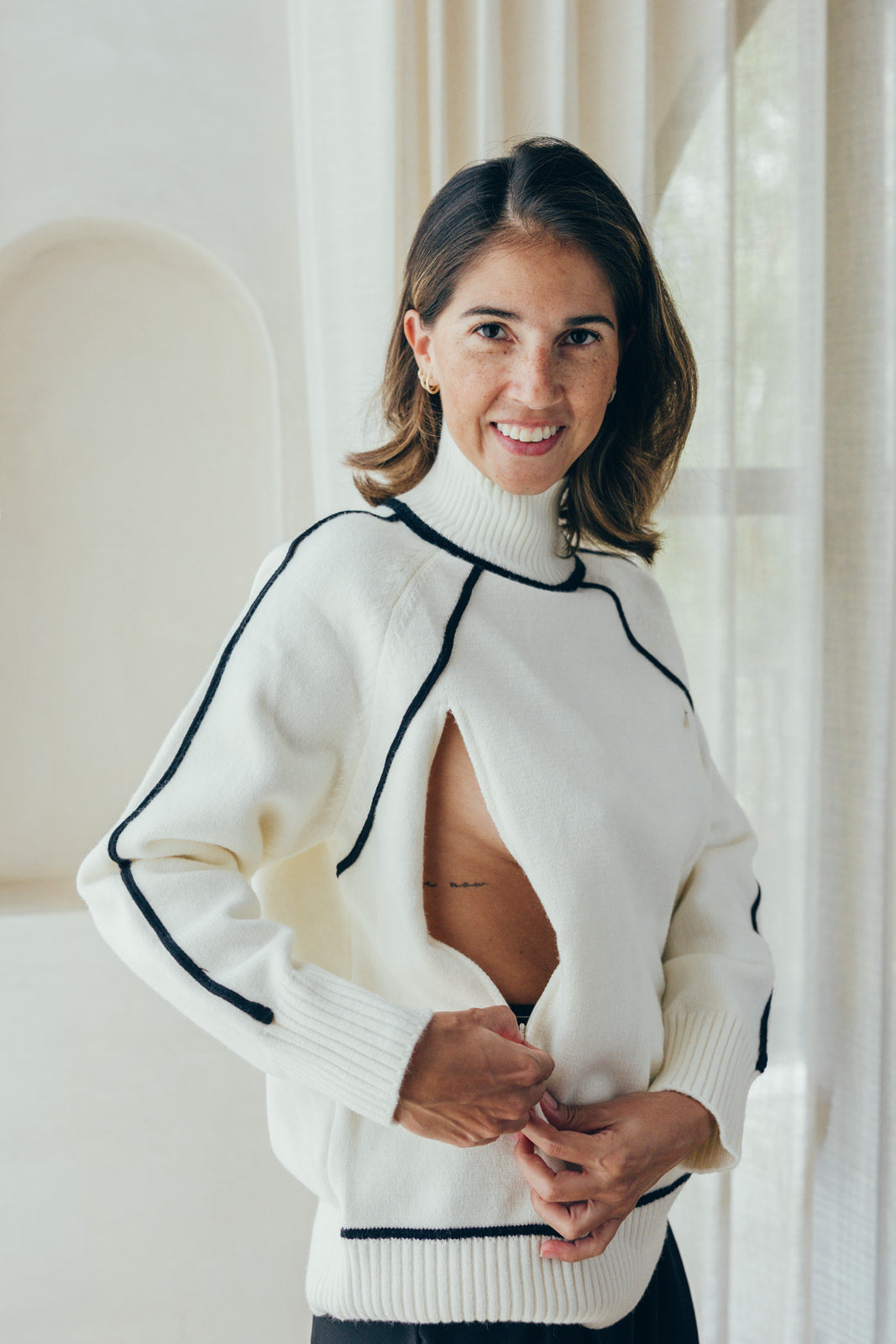
VALENTINE Nursing Sweater
EMMA Black Nursing Sweater
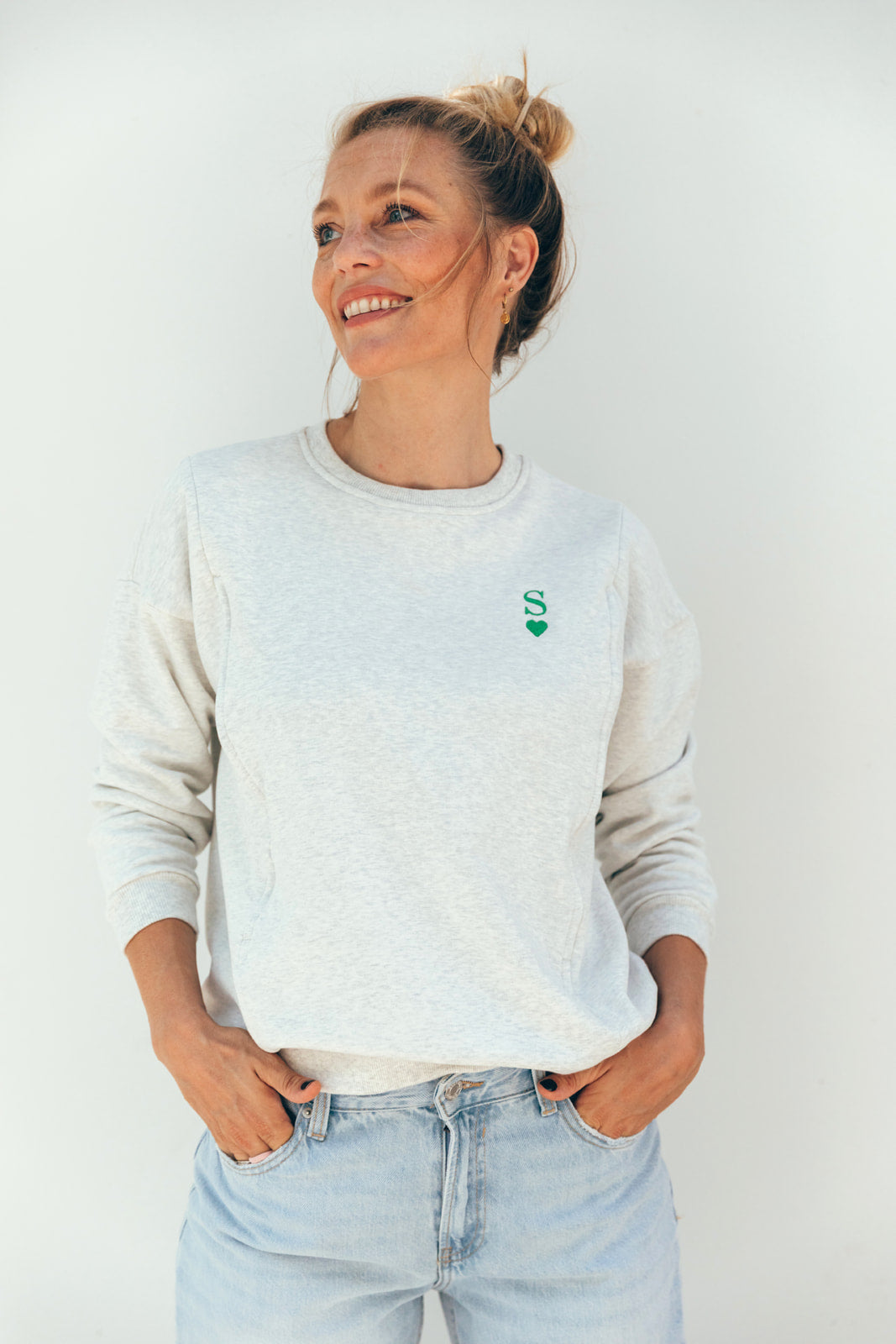
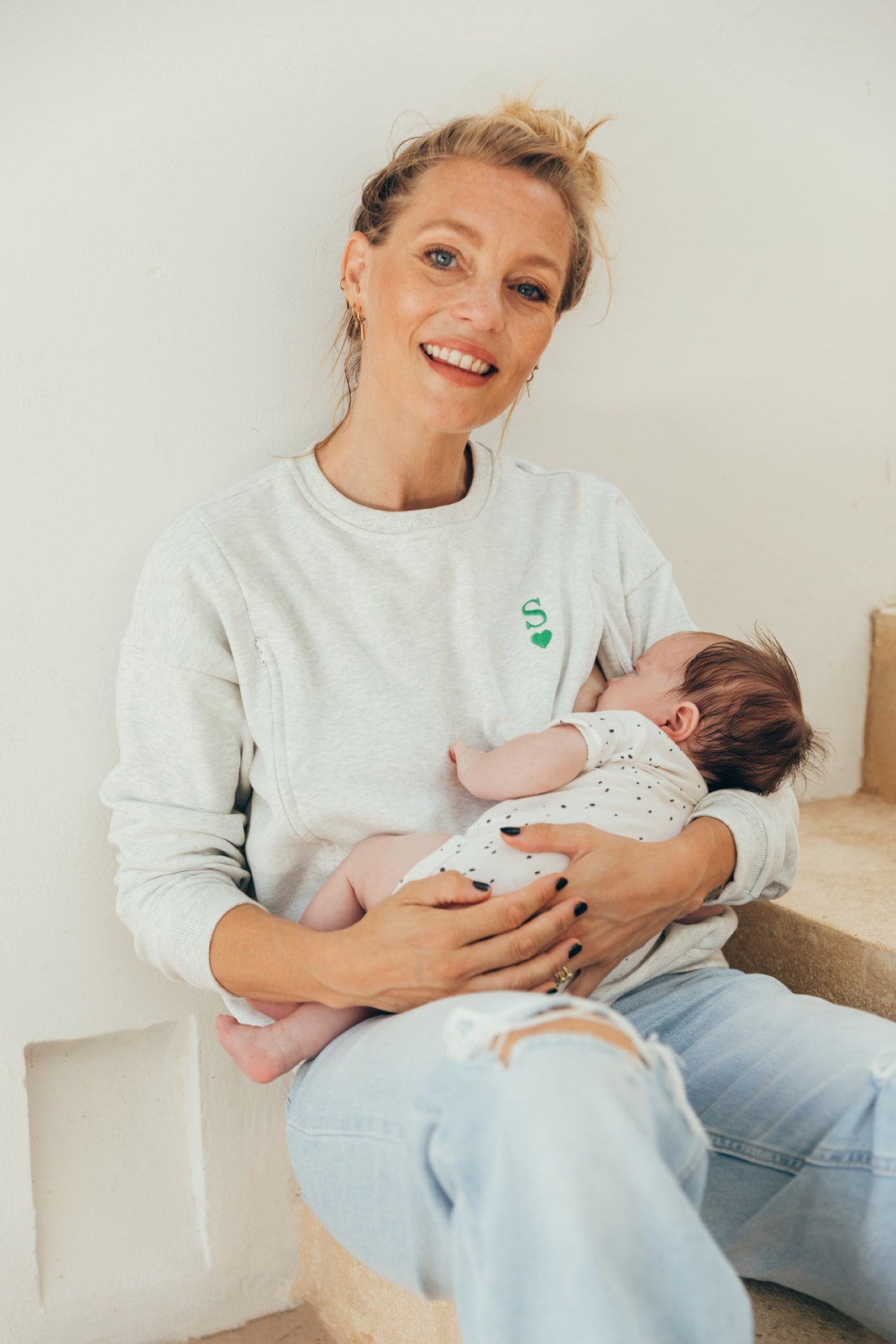
LUCKY CHARM Gray Nursing Sweatshirt
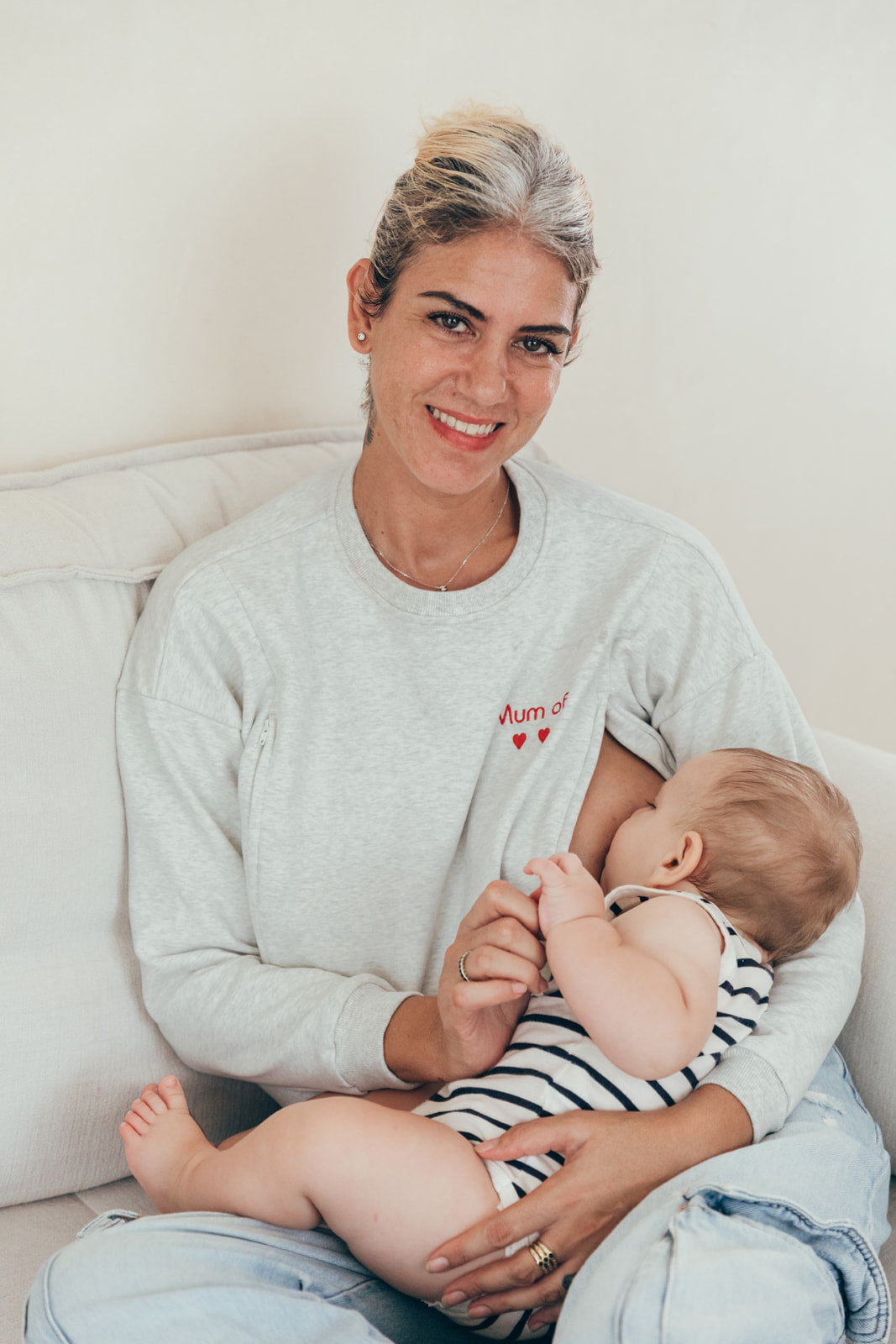
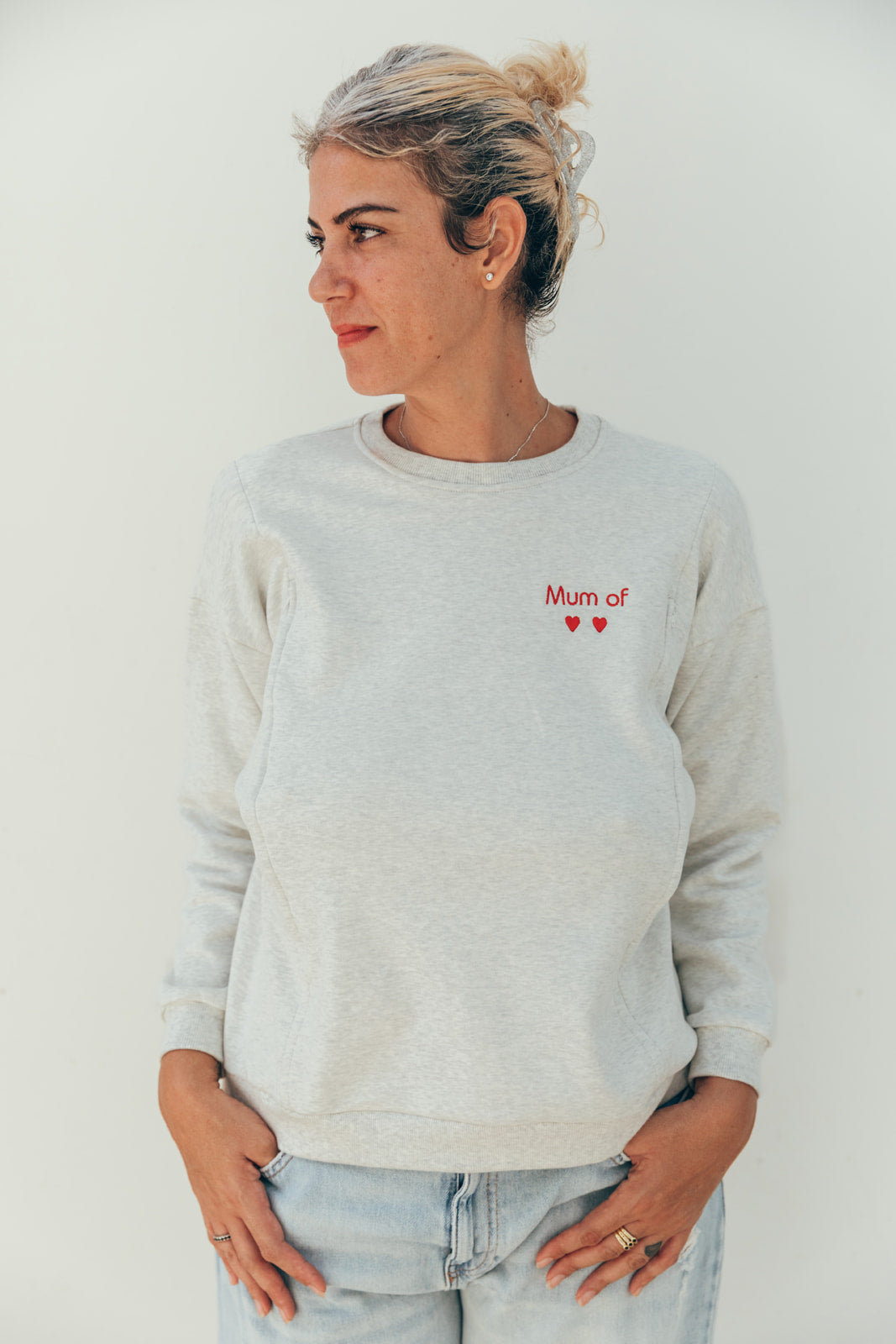
Gray Nursing Sweatshirt #MOMMY
This is one of the questions parents ask most often in winter—and, paradoxically, one of the ones that causes the most sleepless nights. The answer is simple and straightforward: the ideal temperature in a baby’s room is between 18 and 20°C, regardless of the season.
This temperature range is comfortable enough to keep your baby from getting cold, without overheating—since overheating is a risk factor for your baby’s sleep and well-being. Invest in a thermometer placed near the baby’s crib—not next to the radiator, which would skew the reading—so you can always know the room’s actual temperature. And air out the room for a few minutes in the morning and evening, even in the middle of winter: refreshing the air is essential for the quality of the air your baby breathes and doesn’t significantly cool the room.
How should you dress your baby for bed in the winter?
What a baby wears to bed in winter depends directly on the actual temperature in the baby's room, not on the weather outside. The room temperature is the deciding factor.
At 18–20°C, the ideal temperature range, the typical outfit is: a long-sleeved cotton onesie + velour or thick cotton pajamas + a TOG 2 sleep sack. If the room temperature is below 18°C (a cool room), add an extra layer and increase the TOG rating to 2.5 or 3, and add socks. At 20–22°C, if the room is a bit warm, dress your baby more lightly: a long-sleeved onesie and a TOG 1.5 sleeping bag may be enough. An absolute and universal rule: never place a blanket, comforter, or pillow in the baby’s crib before the baby is about 18 months old—they pose a suffocation risk. A sleeping bag is the only safe way to keep your baby warm at night.
How should I dress my baby during the day indoors in winter?
Indoors in the winter, in a well-heated home between 19 and 21°C, there’s no need to overdress your baby. The general rule is to dress your baby in one more layer than you are wearing—but no more than that.
For a room temperature of 20°C, a long-sleeved cotton onesie and pajamas or a light-weight sweater and pants set are usually sufficient. Avoid overheating your baby indoors: parents who feel cold tend to overdress their baby out of a protective reflex, even though a baby who is lying down or not very active doesn’t need several thick layers in a heated room. Overheating is just as dangerous as the cold, especially for infants whose ability to regulate their body temperature is still developing.
How should I dress my baby for going out in the winter?
Winter outings are one of the times when dressing your baby requires the most attention—and often the time when parents are most unsure. The basic rule is to dress your baby in layers of lightweight clothing rather than a single very thick garment.
At 10–15°C: long-sleeved onesie + light sweater + fleece or corduroy pants + socks + light hat. A light jacket can be added. Below 10°C: long-sleeved onesie + sweater + pilot suit or fleece-lined pilot suit, with a hat that covers the ears, mittens, and warm closed-toe shoes. Below 0°C: Limit the duration of outings and add an extra layer under the jumpsuit. The head is the area where the most heat is lost—a snug-fitting hat is essential as soon as temperatures drop. Hands and feet are the first areas to get cold, so mittens and closed-toe shoes are a priority.
How can you tell if your baby is cold in the winter?
This is the question that haunts all parents in the winter, and the answer is simpler than you might think. The best indicator isn’t the baby’s hands or feet, but the back of the baby’s neck.
Gently slide your hand down the back of the baby’s neck: if it feels warm and dry, the baby is at the right temperature. If it feels cold, the baby is cold and you should add a layer. If it feels damp or sweaty, the baby is too hot and you should remove a layer. A baby’s hands and feet are naturally cooler than the rest of the body—this is normal—and aren’t a good indicator of their overall temperature. A baby with cold hands but a warm, dry nape of the neck is at the right temperature.
How can you tell if your baby is too hot in the winter?
Overheating is just as dangerous for infants as the cold, yet parents often worry less about it in the winter. The tendency to overdress a baby to protect them from the cold is very common and can affect both the quality of their sleep and their health.
Signs of overheating in babies: a damp or sweaty neck, very red cheeks, rapid breathing, unusual restlessness, or, conversely, lethargy. If your baby is overheated, remove a layer of clothing and offer them a chance to nurse or drink—breastfeeding is especially beneficial at times like these because breast milk naturally hydrates and regulates body temperature. If signs of overheating are accompanied by a high fever or severe lethargy, see a doctor immediately.
Can you go out with a newborn in the winter?
Yes, and it’s actually recommended. With a newborn in the winter, it’s tempting to stay home—the weather is bad, it’s cold, and going out seems like a hassle. However, even short outings have real benefits for both the baby and the mom: exposure to natural light, which helps regulate the baby’s circadian rhythm; fresh air, which promotes good sleep; and, for the mom, a moment to breathe and reconnect with the outside world—which is invaluable in combating fatigue and the winter baby blues.
Starting a few days after birth, a properly dressed baby can go outside in moderate weather. The only times you should avoid taking your baby outside are during extreme cold (below -10°C), strong winds, and when your baby is sick. A premature or low-birth-weight baby requires extra precautions—ask your pediatrician for advice.
How do you use a stroller or baby carrier in the winter?
Both modes of transportation are suitable for winter, but each requires specific precautions.
In a stroller: Cover your baby with a baby sleeping bag or a blanket secured to the stroller—never attached directly to the baby to avoid the risk of overheating. A stroller cover or a waterproof canopy protects against wind and rain. Be careful not to completely cover your baby’s face with the hood—air circulation is essential. In a baby carrier: Mom or Dad’s body heat provides an important natural source of warmth. Babies generally don’t need to be as heavily covered as they would in a stroller exposed to the wind. Avoid overly thick snowsuits in the baby carrier—they can compress the hips into an improper position. Opt for special babywearing blankets or babywearing jackets instead. Check the back of your baby’s neck regularly to adjust their temperature.
What are the must-have baby accessories for winter?
A few simple accessories can make a real difference for your baby’s outings and winter nights.
A hat is the number one accessory—the head accounts for a large portion of a baby’s body surface area and is the area where the most heat is lost. Mittens protect little hands, which get cold quickly. A snowsuit or baby sleeping bag for stroller outings effectively covers the baby without adding extra layers. A TOG 2 or 3 sleep sack is essential for winter nights—never use a blanket in the crib. A room thermometer placed near the crib allows you to adjust your baby’s nighttime clothing in real time. And a humidifier in the room maintains a humidity level that’s good for your baby’s breathing—especially useful in winter when the heat dries out the air significantly.
How does breastfeeding help babies get through the winter?
Breastfeeding is one of the best natural defenses against winter illnesses. Breast milk contains antibodies, white blood cells, lactoferrin, and numerous antiviral and antibacterial agents that adapt in real time to the viruses circulating in the immediate environment of the mother and baby.
In winter—a time when colds, bronchiolitis, stomach flu, and other seasonal viruses are common—this natural immune protection is particularly valuable. Breastfed babies statistically have fewer respiratory and digestive infections, and when they do get sick, the illnesses are generally less severe and recovery is faster. Breastfeeding also provides a valuable source of physical and emotional comfort on winter days—with the baby close to you, warm, fed, and reassured.
When should you call the doctor for your baby in the winter?
Certain symptoms should prompt you to see a doctor right away or call 15, no matter the season, but they are especially important in winter, when illnesses can sometimes progress quickly.
Seek immediate medical attention if your baby exhibits any of the following: a fever in an infant under 3 months of age—always an emergency—rapid, wheezing, or labored breathing with flaring nostrils; refusal to breastfeed or drink for several hours; signs of dehydration such as a dry mouth, very few wet diapers, or no tears; a sunken fontanelle, unusual lethargy or, conversely, intense unexplained agitation, or bluish lips or fingernails. Call 15 immediatelyin case of respiratory distress, seizures, loss of consciousness, or a very pale or grayish complexion.
What is the return policy for 23 Mai Paris nursing clothing 23 Mai Paris
You have 14 days from the date you receive your order to let us know if an item does not meet your expectations and request a refund. Please note that exchanges are not available; only refunds are offered.
Customized items featuring embroidery are excluded from this policy and cannot be returned or refunded. For any inquiries, please contact our customer service team in advance at the following email address: bonjour@23maiparis.com.
You can also find more designs here
Kids' Collection Baby Wardrobe Breastfeeding pyjamas Warm Nursing Clothes Our blog post: Going Out with Your Baby in Winter—Essentials, Outfits, and Precautions Our blog post: Breastfeeding and Winter Illnesses Our blog post: Breastfeeding and Cold Nights