Cesarean Delivery: Everything Moms Need to Know
April is Cesarean Awareness Month. Yet the topic is still not discussed enough during prenatal care. In France, one in five births is delivered by cesarean section—whether scheduled or emergency. And yet, many mothers find themselves facing this situation without having been properly prepared for it.
At 23 Mai Paris, we support mothers through every stage of motherhood. This guide helps you better understand cesarean sections: what happens, how to recover, and how to take care of yourself afterward.
What is a C-section?
A cesarean section is a surgical delivery: the baby is delivered through an incision made in the abdomen and uterus. It may be scheduled in advance or performed as an emergency procedure during labor.

The bottom line: A C-section is a birth in its own right. You brought your child into the world—no matter how it happened.
Scheduled vs. emergency C-section: What are the differences?
- Planned: Decided before the work begins, it allows time for mental and logistical preparation.
- In an emergency: if decided during labor, it can feel like an emotional shock.
- Semi-urgent: a decision that needs to be made quickly but not immediately—somewhere in between the two.
The most common medical reasons:
- Breech presentation: baby positioned feet-first or bottom-first
- Placenta previa: a placenta that covers the cervix
- Fetal distress: Concerning fetal heart rate
- Labor stagnation: dilation stalled despite induction
- History of cesarean section: risk of uterine rupture
What Happens During a Cesarean Section: Step by Step
Many moms arrive in the operating room without really knowing what to expect. Here are the main steps:
- Anesthesia: epidural or spinal anesthesia in the vast majority of cases
- Setup: lying down on the table, with an opaque curtain in front of you
- The incision: horizontal, low, in the bikini line
- The birth: the baby was born in just a few minutes
- Suturing: the procedure takes 20 to 40 minutes
- Skin-to-skin contact: possible even in the operating room, if all goes well
💡 Good to know: You’ll be awake during the procedure. You’ll be able to talk, hear your baby cry, and often have skin-to-skin contact right away.
Recovering from a C-section: What to Expect?
A cesarean section is major abdominal surgery. Recovery takes time—and a lot of self-care.
The first 48 hours in the maternity ward
- Scar pain: normal post-operative inflammation
- Difficulty getting up: abdominal muscles engaged
- Severe fatigue: cumulative physical strain early in motherhood
- Tingling in the legs: a side effect of the anesthesia that is wearing off
Coming Home: Week by Week
| Week | What is normal | What to Avoid |
|---|---|---|
| S1-S2 | Pain, fatigue, sensitive scar | Carrying loads, bending over |
| S3–S4 | Gradual improvement | Getting back into sports, driving |
| Grades 5–6 | Postnatal follow-up visit | Ignoring a rash or discharge |
| Beyond | Continuous recovery | Comparing yourself to other moms |
Warning signs you shouldn't ignore
| Sign | What to do |
|---|---|
| Redness or warmth around the scar | Call your doctor |
| Fever above 38°C | Seek immediate medical attention |
| Pain that worsens after day 5 | View |
| Heavy bleeding | Emergencies |
Key takeaway: Your body has undergone major surgery just as you’re starting your journey into motherhood. Asking for help isn’t a sign of weakness—it’s a necessity.
Caring for Your C-Section Scar
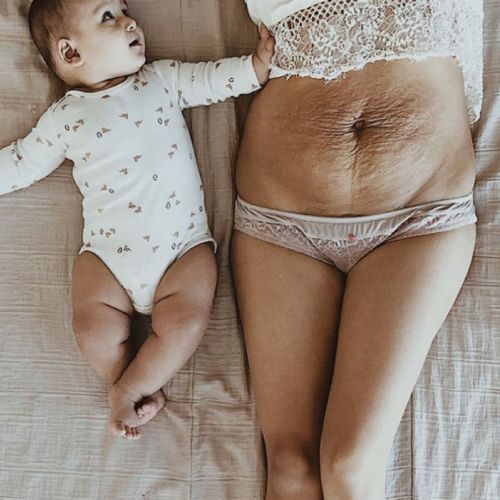
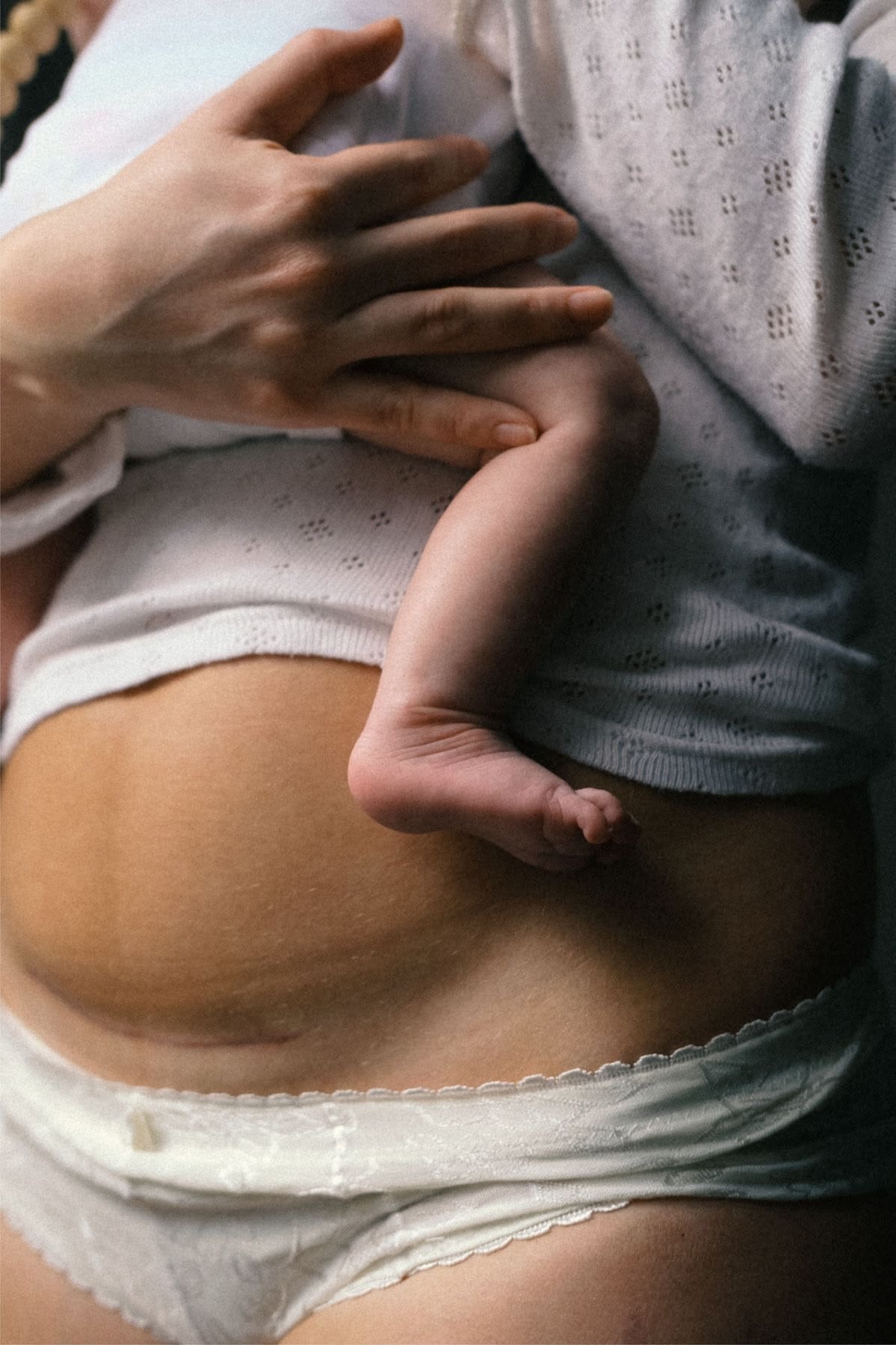
Scars are often a source of worry, or even self-consciousness. They fade over time, but require some care.
- Days 0–15: Do not apply anything; allow the area to heal
- Once the wound has fully healed: gently massage with musk rose oil or vitamin E
- Sun exposure: protect for at least 12 months
- Clothing: Avoid any elastic bands or seams that rub against the skin
Scar massage

Starting 6 to 8 weeks after the surgery, your midwife can show you how to massage the scar. This helps loosen adhesions and reduce sensitivity. It can also have a positive impact on your emotional well-being, helping you reconnect with that part of your body.
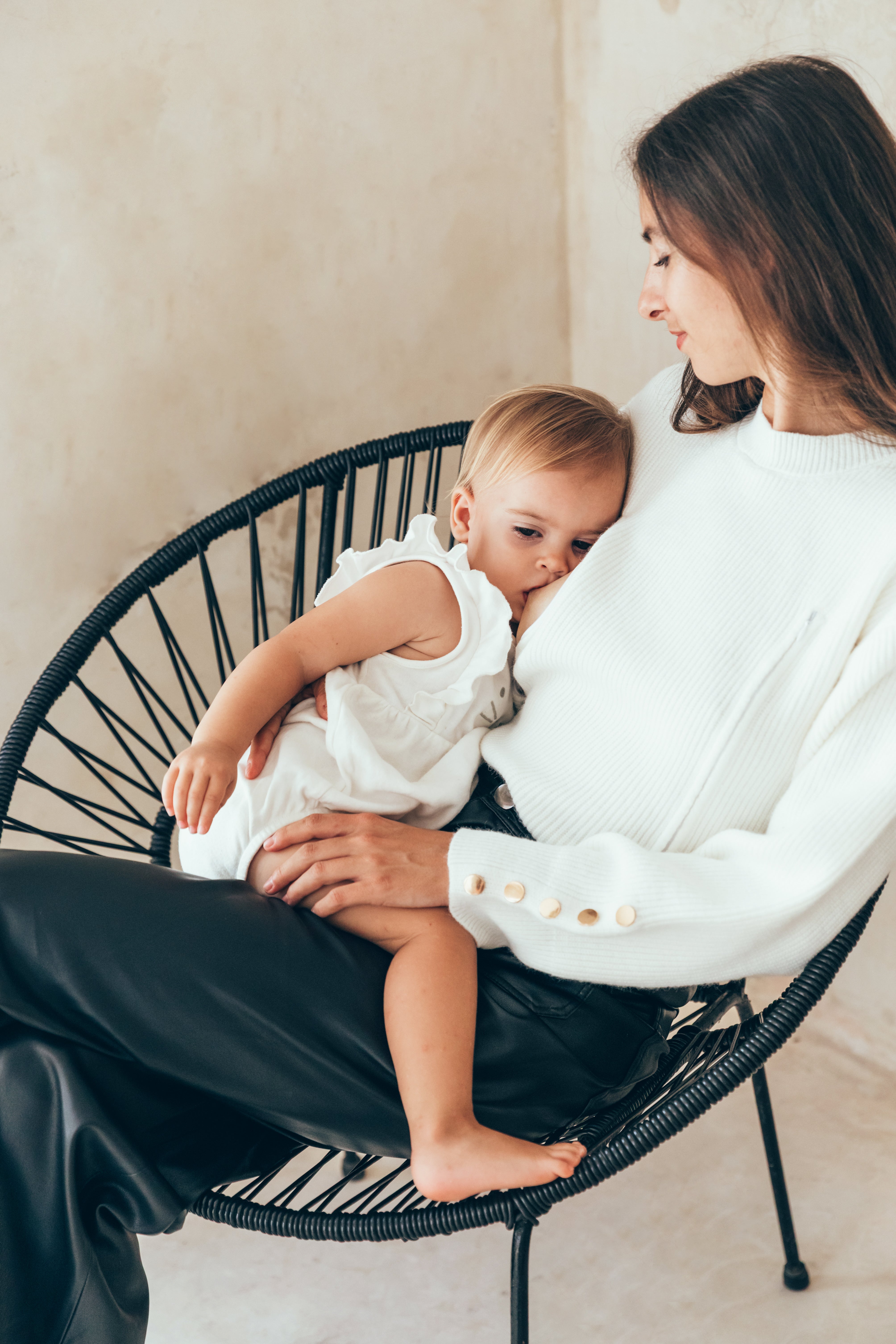
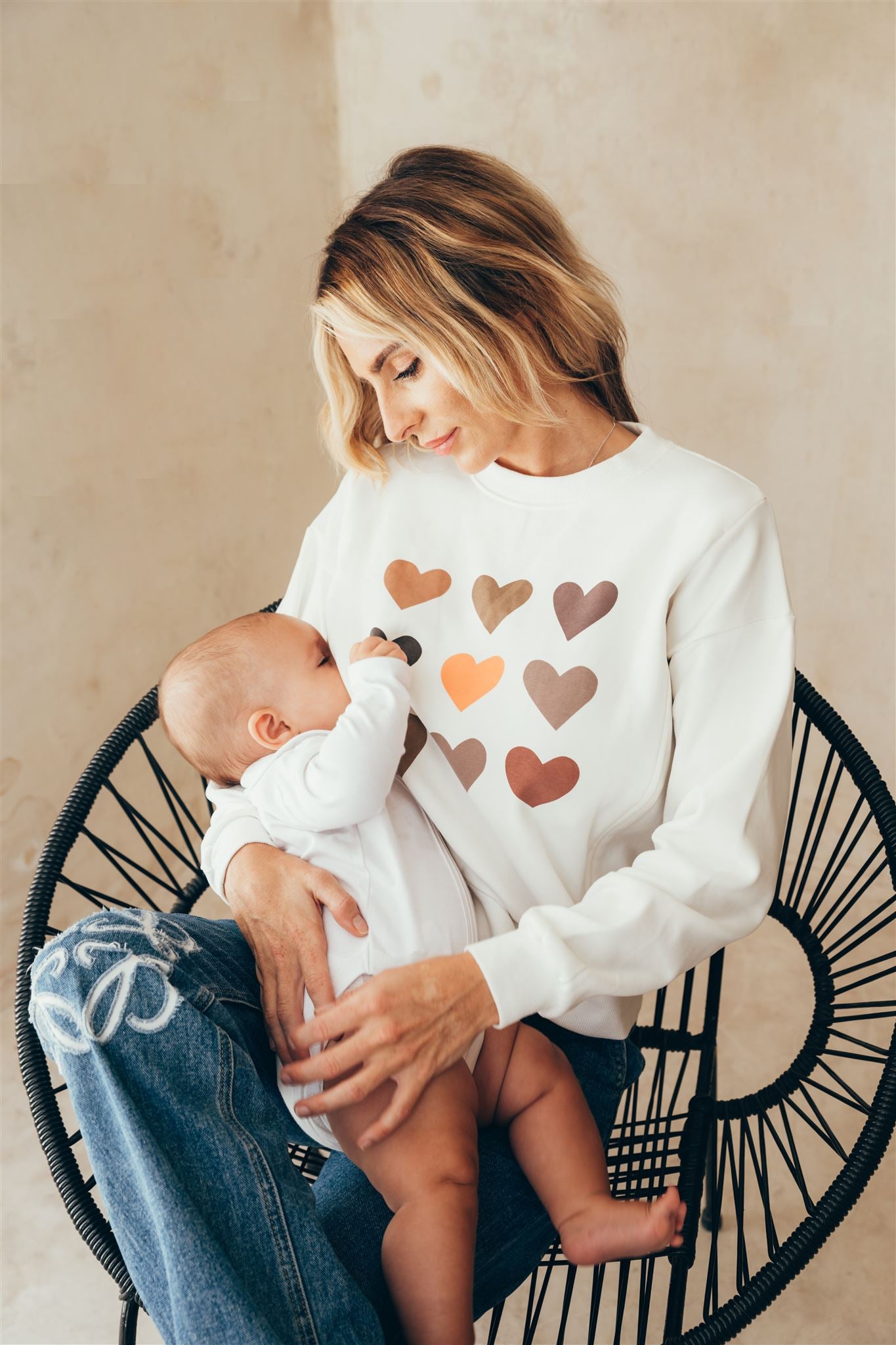
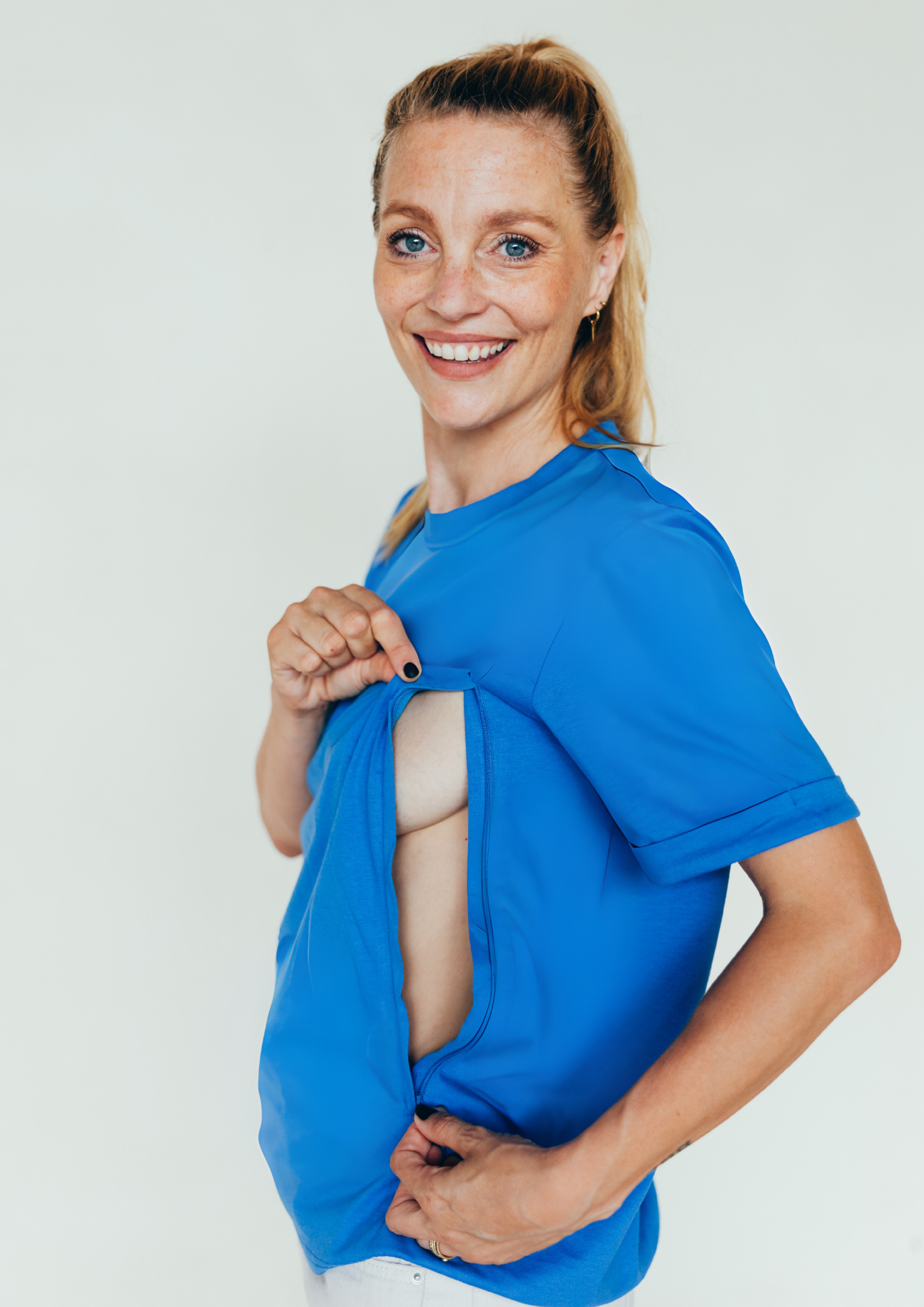
💡 Clothing tip: Our nursing tops fall well below the waist and don’t constrict the abdominal area. Ideal for postpartum recovery after a C-section.
Discover our soft and comfortable nursing tops for post-C-section recovery.
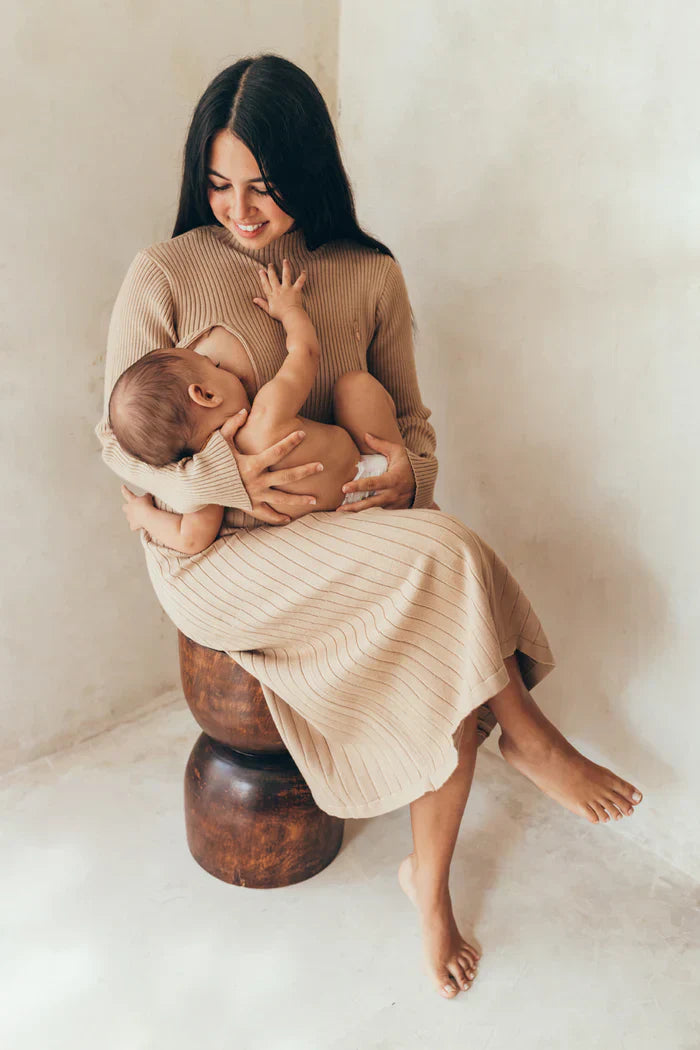
Breastfeeding after a C-section: It’s definitely possible
This is a question that comes up often. The answer is yes—and without compromise.
- “The milk comes in later” → sometimes a little later, but it does come in.
- “I can’t do skin-to-skin contact” → if conditions allow, it takes place right in the operating room.
- "The anesthetic passes into breast milk" → the doses used are safe for breastfeeding.
- “Breastfeeding is more painful after a C-section” → positioning is key; certain positions help avoid pressure on the incision.
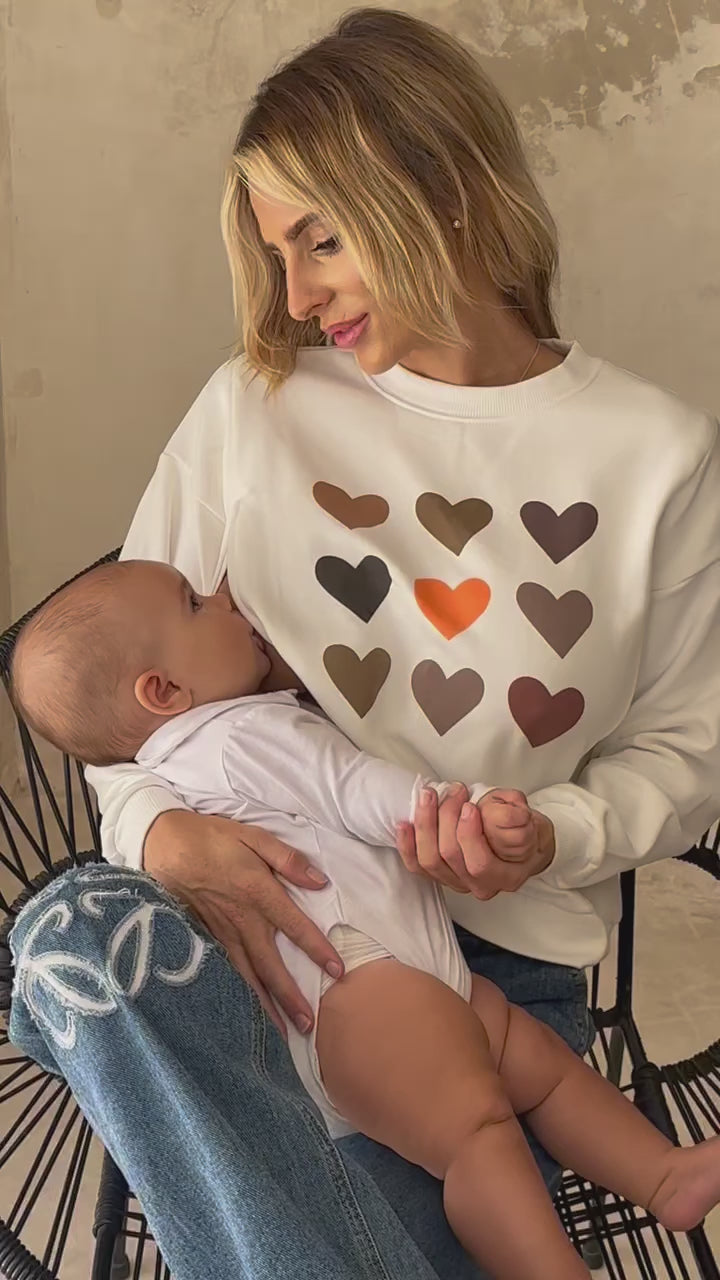
For comfortable breastfeeding in any position, our Breastfeeding t-shirts are designed with discreet openings that are accessible even when lying down.
Recommended breastfeeding positions after a cesarean section

- Lying on your side: no pressure on the abdomen
- "Rugby ball" position: hold the baby under your arm, away from the scar
- Semi-reclined position: baby lying on the chest, tummy to tummy
To help you through this time, check out our collection of nursing wear designed to make everyday feedings easier, with discreet openings accessible in any position.
For more information, check out our article How many nursing clothes do you really need?
Dressing comfortably after a C-section
The issue of what to wear after a C-section is a practical one that is often underestimated. The scar, swelling, and fatigue all require specific considerations.
The first few weeks (0 to 6 weeks)
- High-waisted or very low-rise (below the scar): to prevent chafing
- Ultra-soft fabrics: the skin around the wound is sensitive
- Easy-open tops: for frequent breastfeeding
- Pants with a soft elastic waistband: for abdominal comfort
What to avoid: button-fly jeans, belts, and anything that puts pressure on the lower abdomen.
Our Breastfeeding pyjamas are designed to be the right size so they don't rub against the scar, while still allowing easy access for nighttime feedings.

From 6 weeks to 6 months
- Back to Social Life: Versatile Rooms That Combine Comfort and Style
- Bodies that are still evolving: fluid, adaptable cuts
- Breastfeeding made easy: discreet nursing clothes
For a comprehensive guide to postpartum wardrobes, check out our article"How to Manage Your Wardrobe After Giving Birth."
The emotional experience of a cesarean section
Talking about the body is essential. Talking about how we feel is indispensable.
- Relief that everything went well — which makes sense after a medical situation
- Sadness or guilt — the feeling of not having “really given birth”
- A sense of failure — social pressure surrounding natural childbirth
- Anxiety about the scar — a transformed body, a shaken self-image
- Pride — you brought your child into the world
These feelings are valid, acknowledged, and shared by many mothers. You’ve given birth. No matter how.

Who should I talk to about this?
- Midwife: Providing Physical and Emotional Care
- Primary care physician: if symptoms persist
- Perinatal psychologist: for in-depth debriefing
- Support groups for moms: so you don't feel alone
For more information, check out our article “Mom, but Not Just Mom: Rediscovering Your Identity as a Woman After Having a Baby”
Take your time
- 0 to 6 weeks: Recovery is the top priority. No performance training.
- 6 weeks to 3 months: a smooth transition, first steps toward daily life.
- 3 to 6 months: Gradual rediscovery of one's body.
- 6 to 12 months: the scar fades, the body stabilizes.
- 12 months and older: a new chapter.
Conclusion
One in five mothers in France undergoes a cesarean section. The better we understand it, the better we can navigate it—before, during, and after. This April, we wanted to give it the attention it deserves in the conversation about motherhood.
Your body has accomplished something extraordinary. Give it the time, care, and clothing it deserves.
At 23 Mai Paris, we create nursing wear designed to support you through every stage of motherhood—including the most unexpected ones. Our comfortable, stylish, and durable pieces are meant to be worn long after this special time has passed. Because you deserve to feel beautiful at every stage.
Browse our collection of nursing clothes and get your maternity wardrobe ready.
If you are breastfeeding, here are some of our nursing clothes that may interest you: