Post-pregnancy wardrobe: What to do when your body has changed?
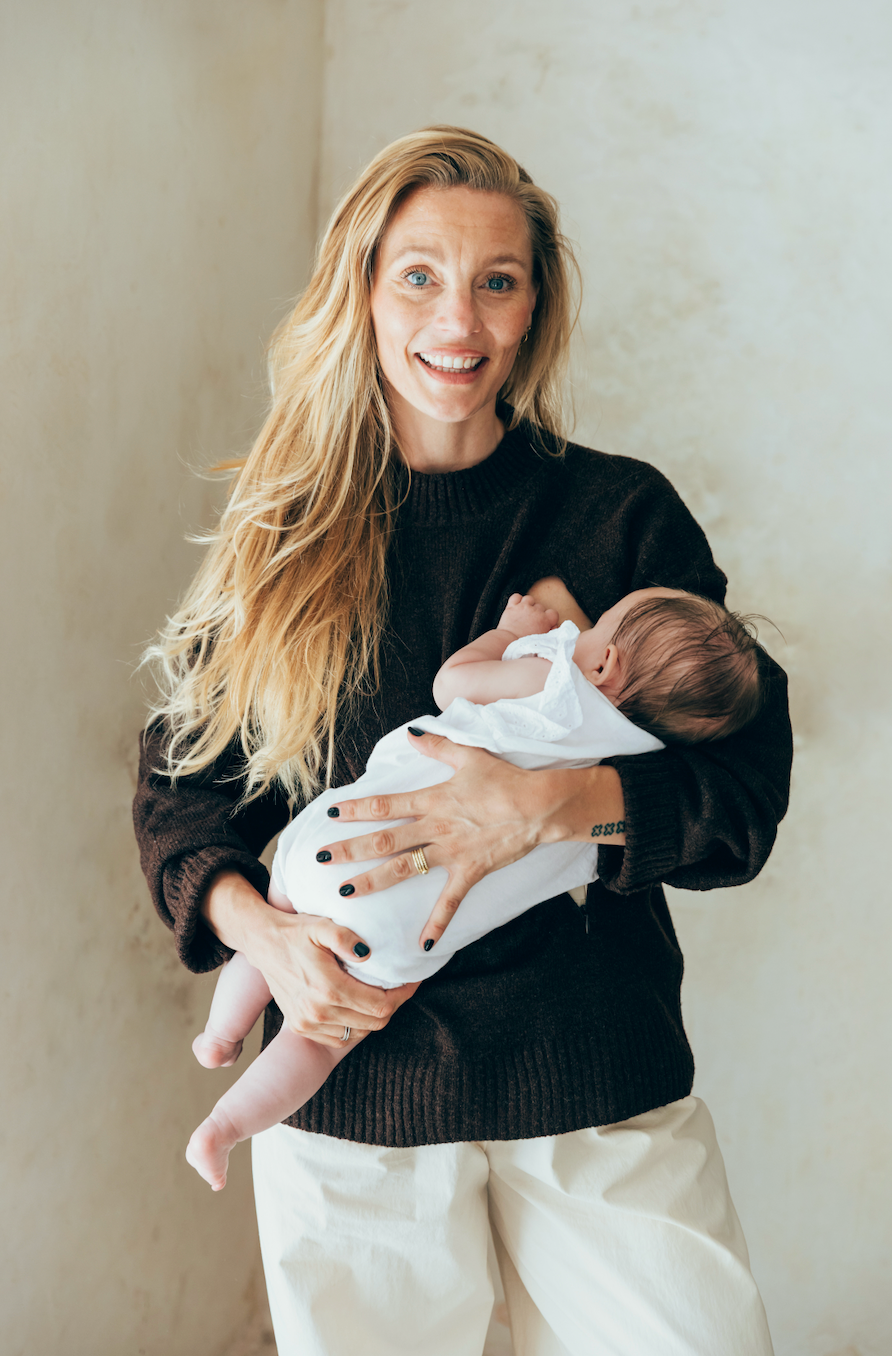
After giving birth, many women face the same dilemma: what to do with their wardrobe now that their bodies have changed? With pre-pregnancy clothes that are too small and maternity clothes that are too big, the postpartum period can be a real fashion headache.
At 23 Mai Paris, we support moms through every stage of motherhood. This guide helps you turn this transition into an opportunity to refresh your style, with practical and thoughtful solutions.

Why does the body look different after giving birth?
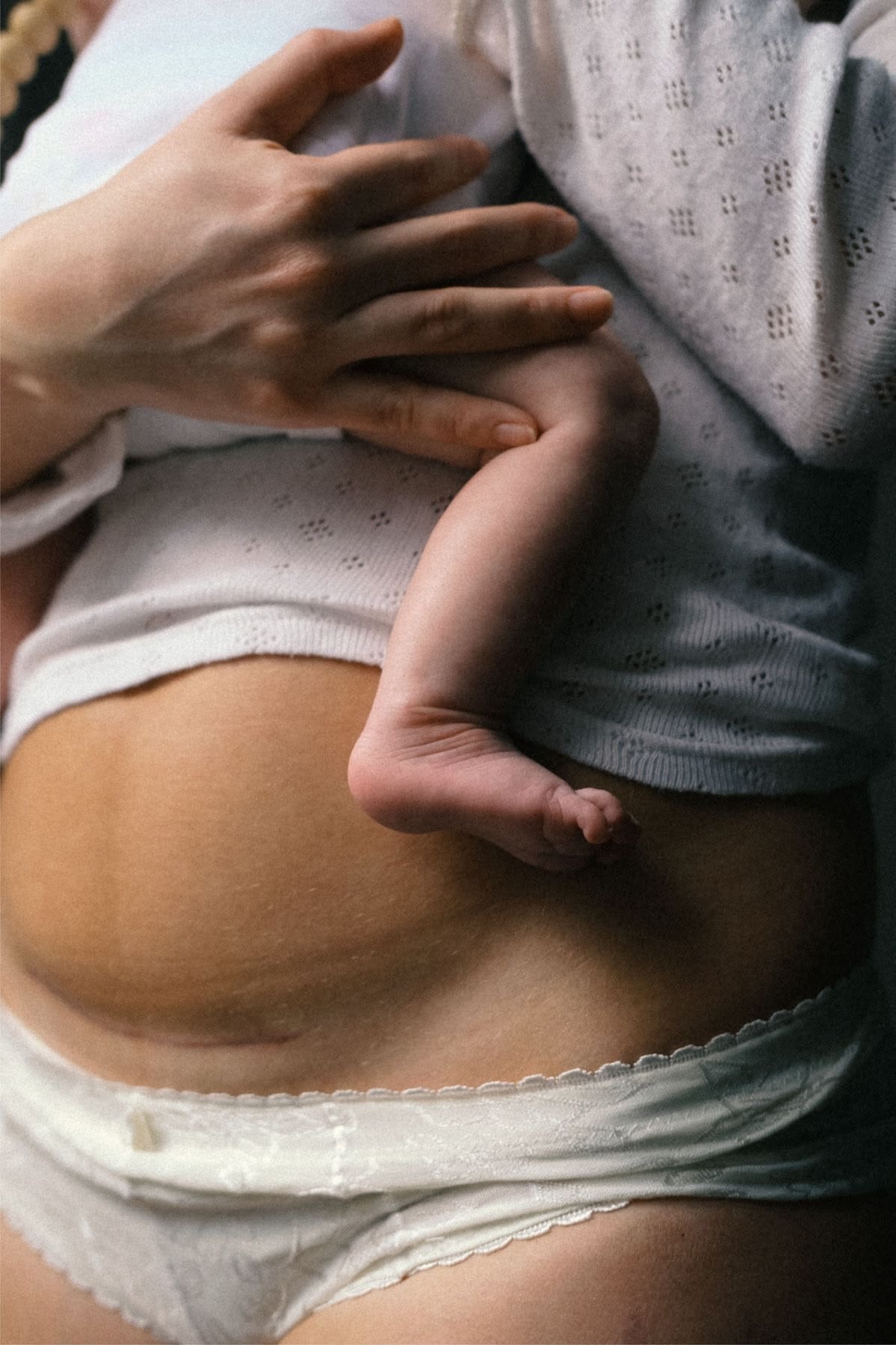
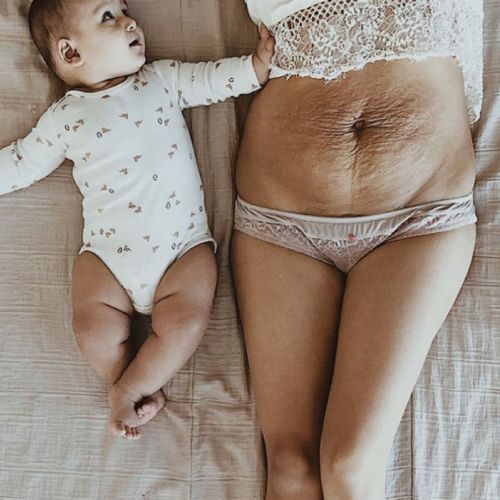
Contrary to popular belief, the body does not immediately return to its pre-pregnancy shape. This reality, which is often overlooked, deserves to be understood so that we can better adapt to it.
What's changing and why
- Abdomen: tight muscles and stretched skin, with recovery taking 6 to 12 months (or even longer)
- Hips: widening of the pelvis, sometimes permanent
- Breasts: breast size varies depending on breastfeeding, throughout the breastfeeding period and weaning
- Size: temporarily less noticeable, for 3 to 9 months
- Feet: sometimes half a size larger, often permanently
The hormones involved
For several months after giving birth, hormone levels continue to fluctuate:
Relaxin makes joints and ligaments more flexible. Prolactin causes changes in breast size. Estrogen can lead to water retention. And cortisol promotes fat storage in the abdominal area during times of stress or fatigue.
The importance of embracing this change
Your body has accomplished something extraordinary. Instead of fighting these changes, adapt your wardrobe to your new figure. It’s healthier for your mental well-being and more effective.
Key takeaway: The postpartum body isn’t a problem to be solved; it’s a reality to be embraced with kindness.

How can you effectively sort through your postpartum wardrobe?
Sorting is an essential step for keeping things organized and avoiding daily frustration when facing your closet.
4-category sorting method
- Wear now: comfortable clothes that fit you well—put them at the front of your closet.
- Put these away for now: your pre-pregnancy clothes (which are too small) — in a box labeled “Review in 6 months.”
- For giveaways or sale: maternity clothes that are too big—to give away, sell, or keep if you’re expecting another baby.
- Items to alter: pieces you love but that don’t fit right—alterations are often possible.
Clothes You Should Definitely Keep
These items adapt to changes in size and remain comfortable during the transition period:
- Wrap dresses: flatter every body type
- Flowy cardigans: can be worn open or buttoned up
- High-quality leggings: stretchy and comfortable
- Soft-knit tops: hug the body without feeling tight
- Pants with an elastic waistband: adapt to weight fluctuations
Items to store temporarily (don't give them away!)
Don't get rid of your old clothes too quickly. Your body continues to change for 12 to 18 months after giving birth.
- Fitted pants: your waist and hips may still change
- Fitted blazers: evolving chest and shoulder lines
- Wrap dresses: an evolving silhouette
- Slim-fit jeans: thighs and buttocks are often different
Tip: Put these clothes in a box labeled with a date ("Re-evaluate in [month/year]"). You can sort through them again at that time.
What you can donate or sell
- Basic maternity clothes: if you're not expecting another baby
- Clothes that have been too small for years: they didn't fit you anymore even back then
- Items you don't like: even if they fit you

Postpartum Wardrobe Essentials
To get through these times in style, there are certain must-have pieces.
Must-have basics
- Nursing bras (2-3): comfortable and adjustable
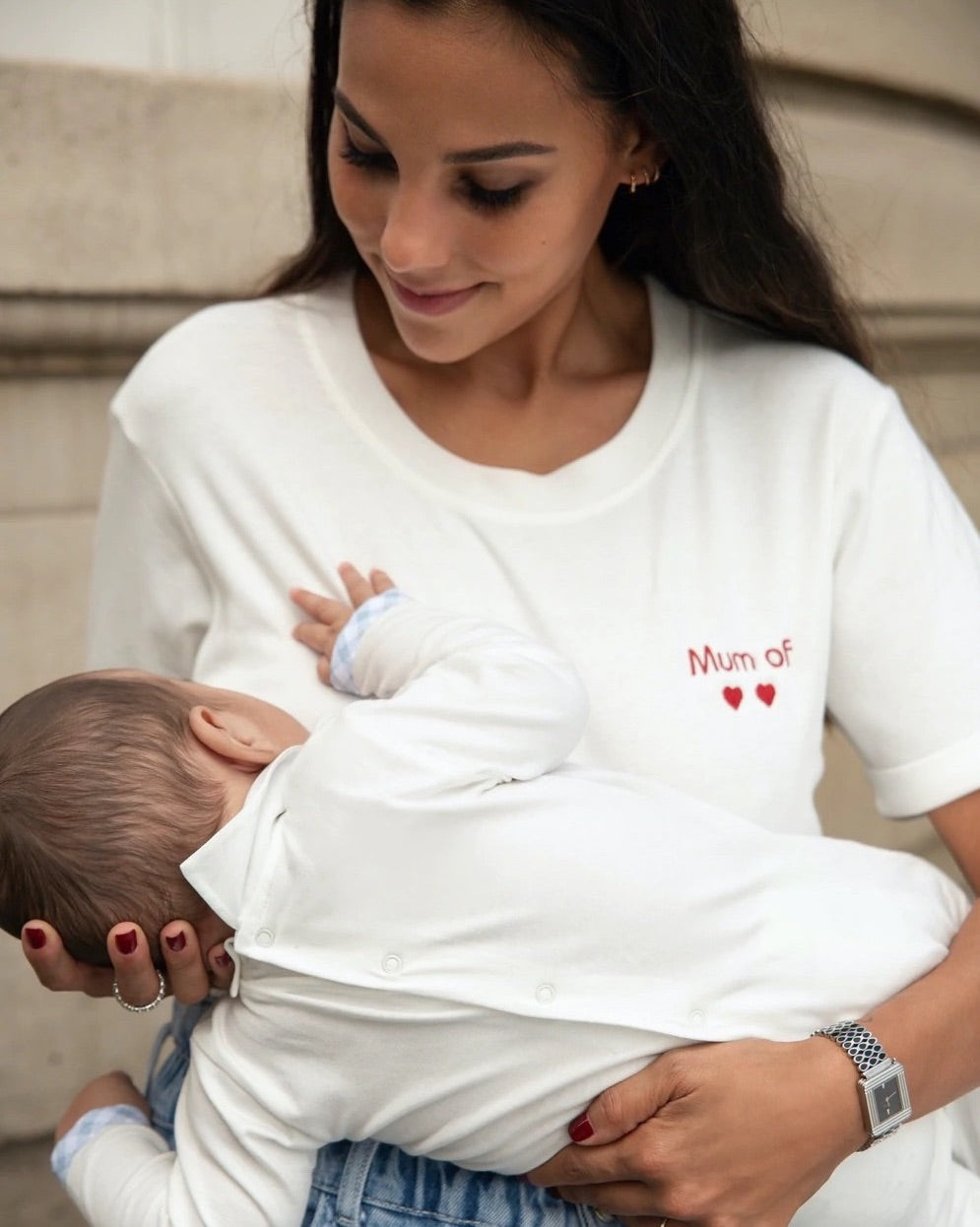
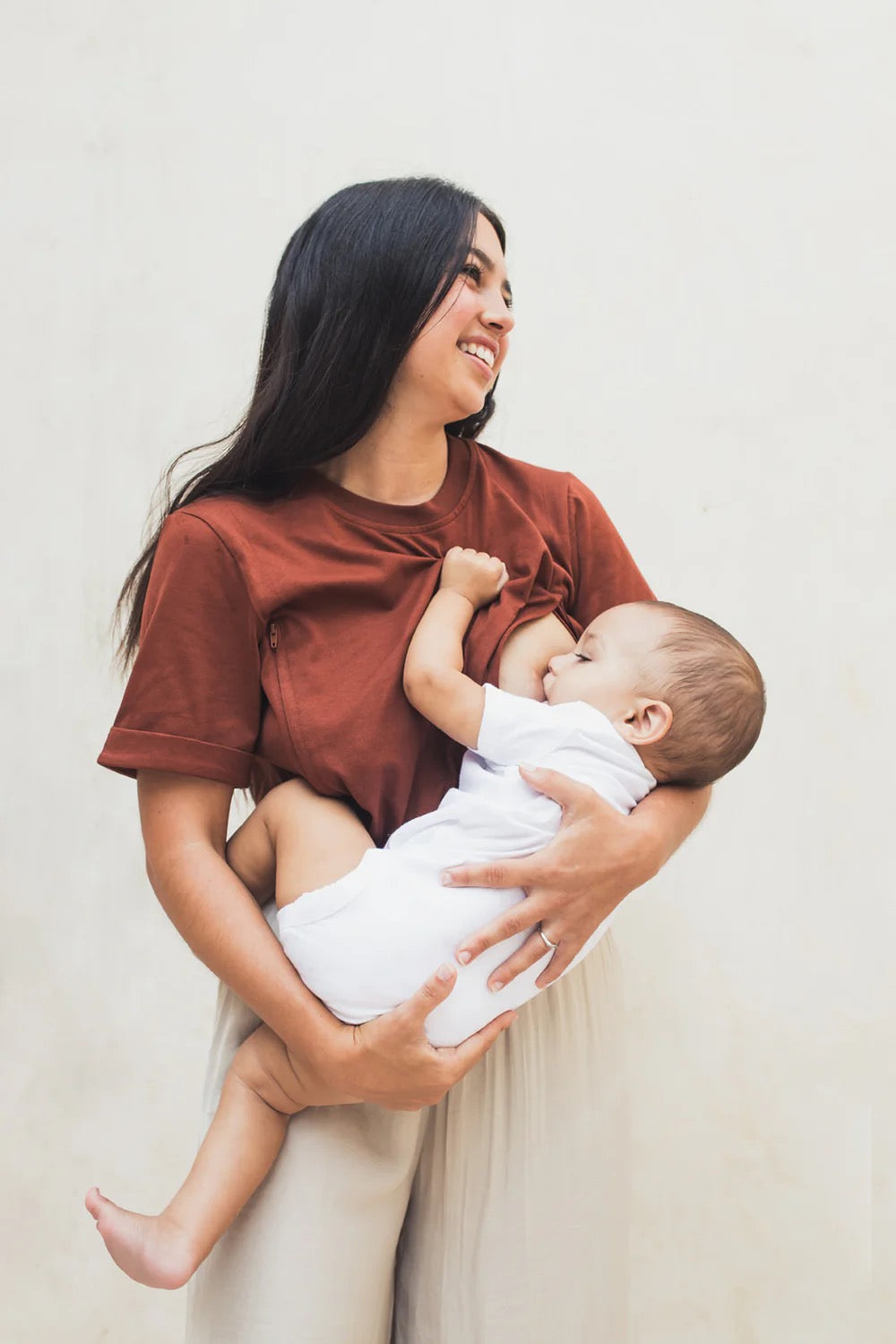
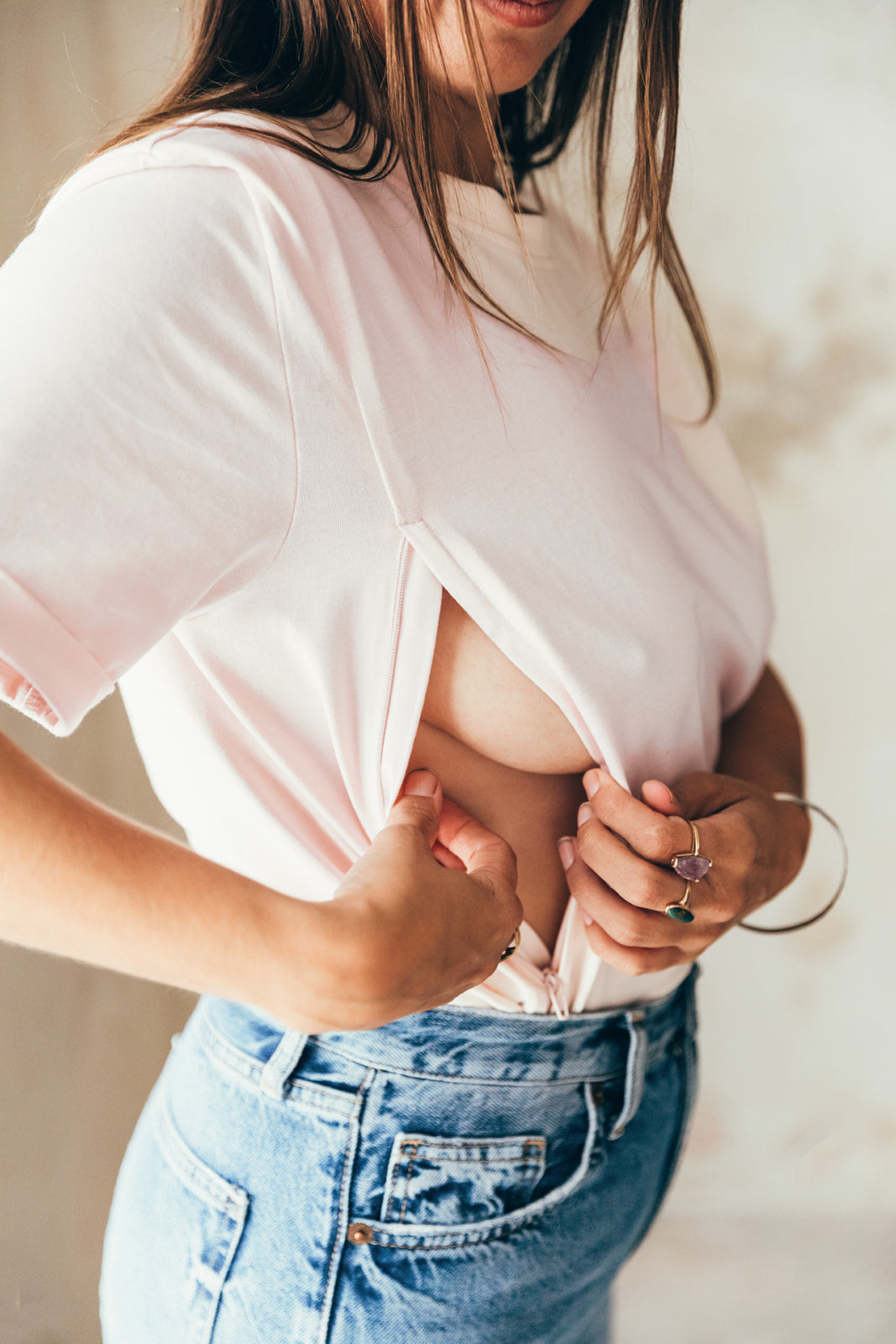
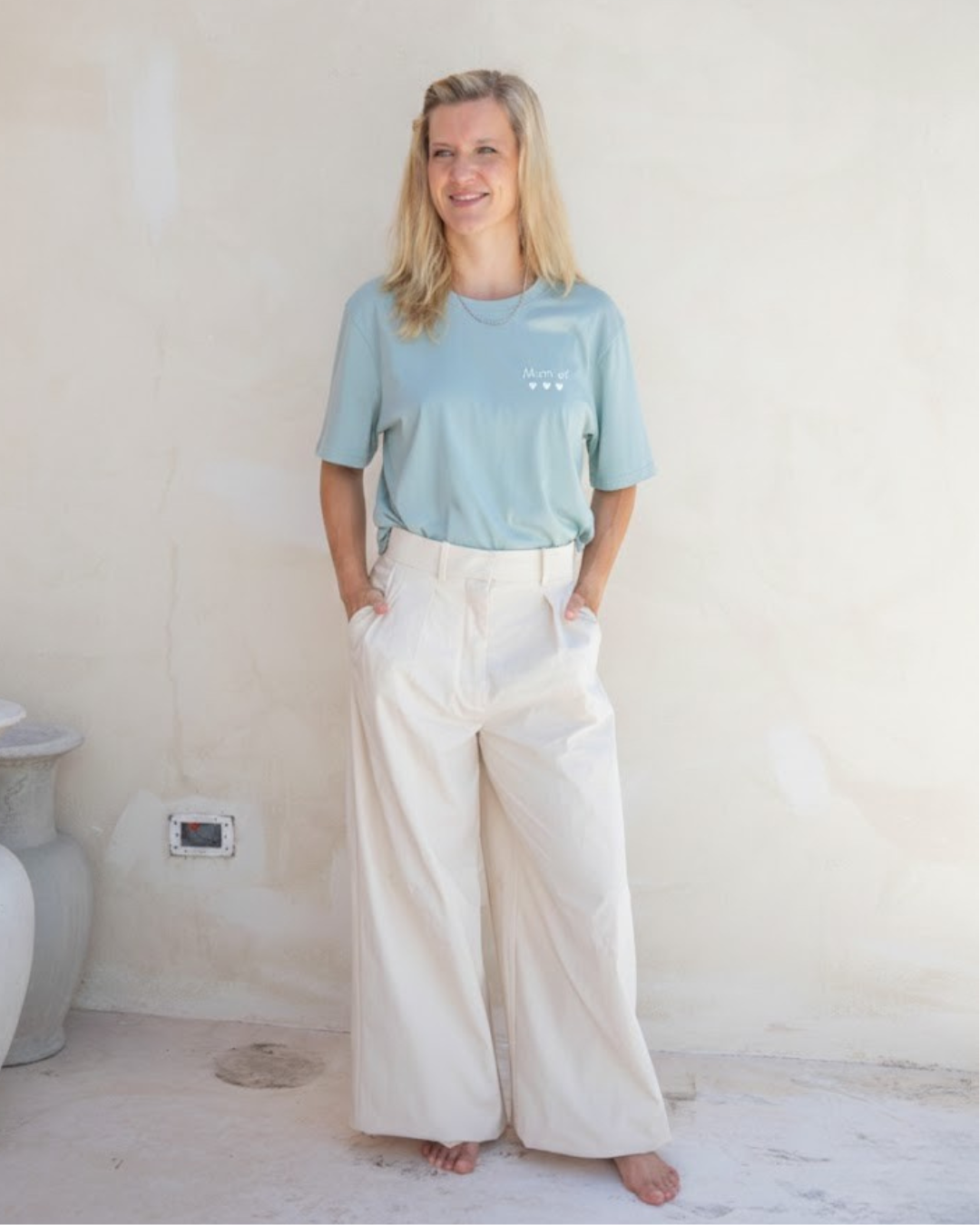
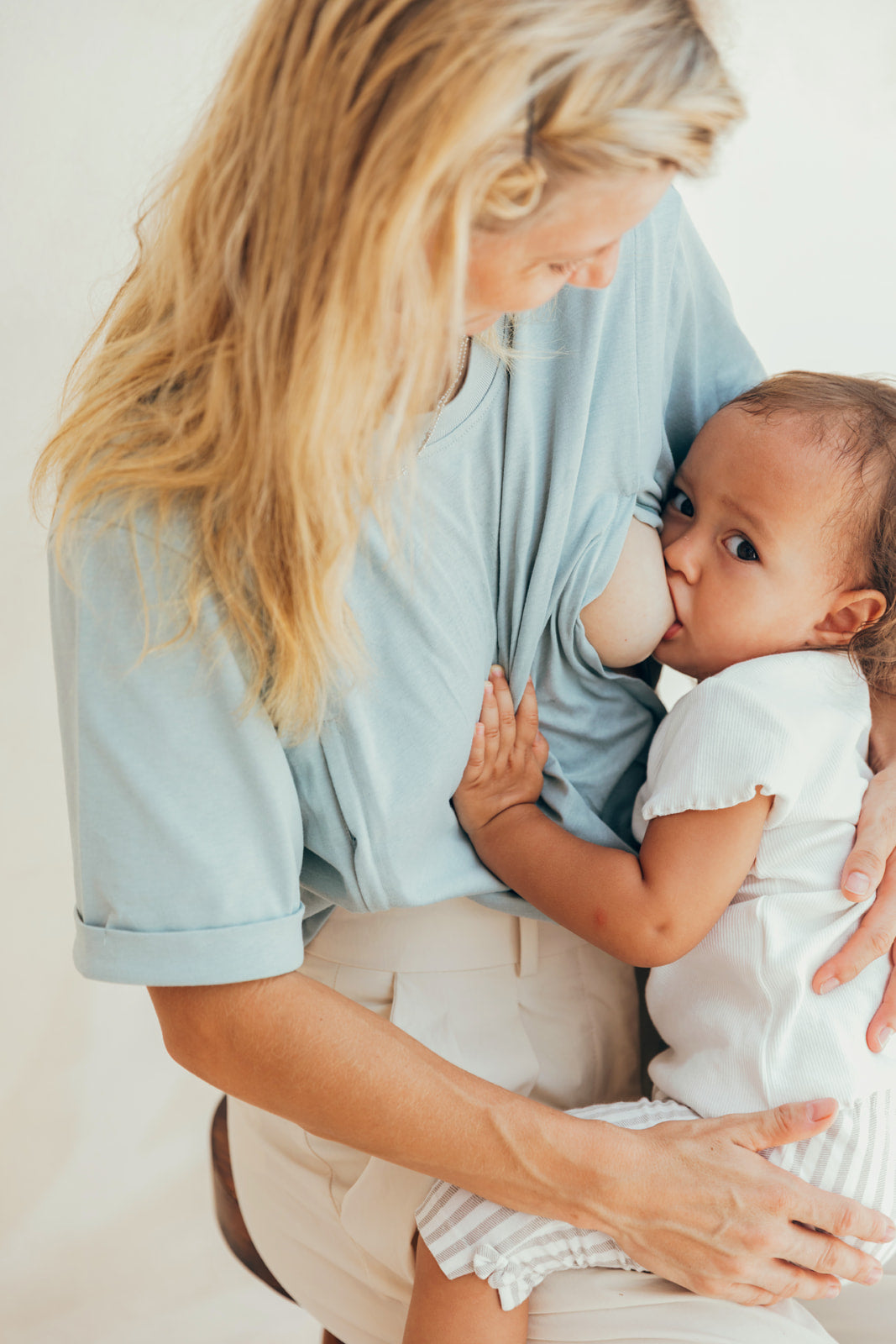
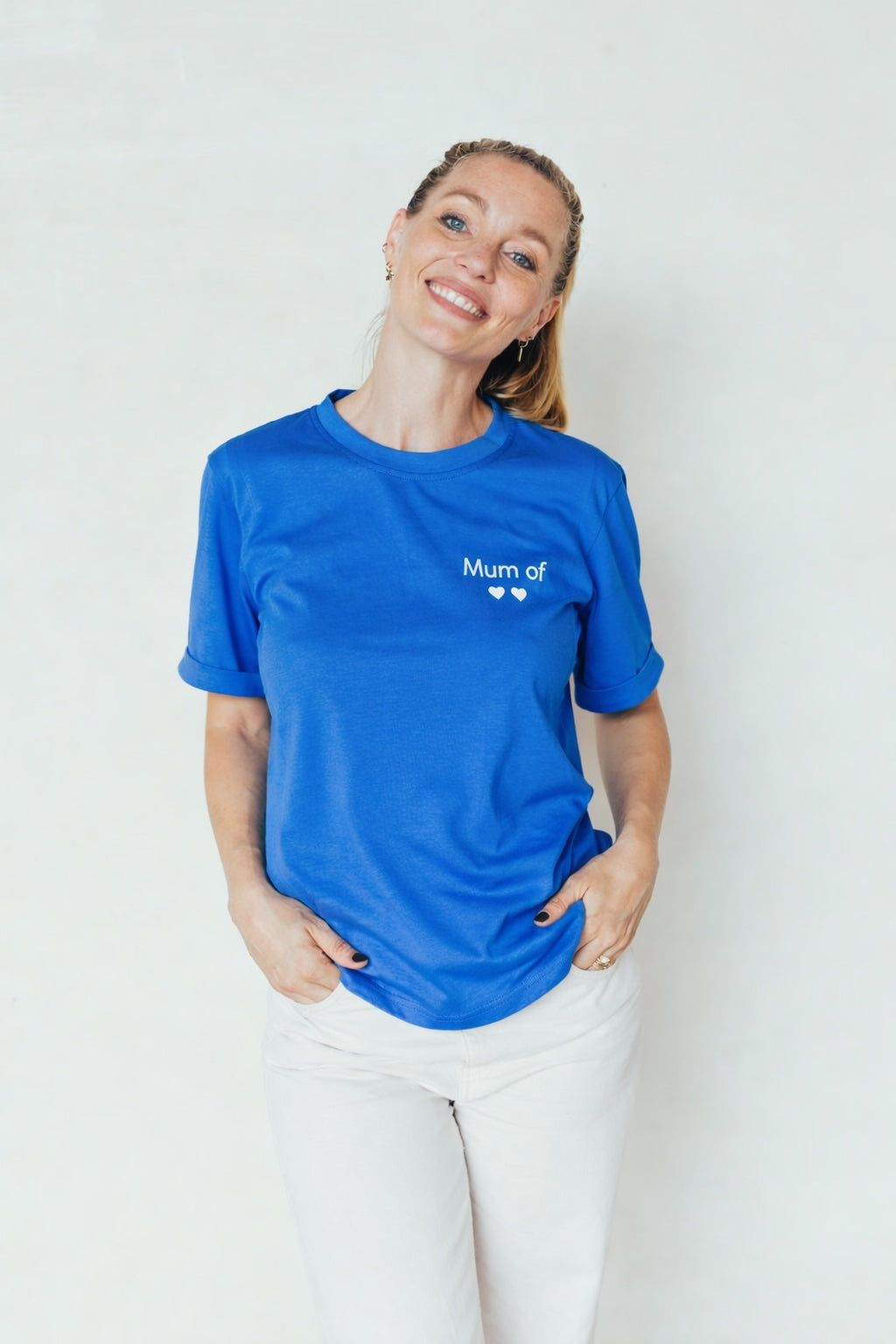
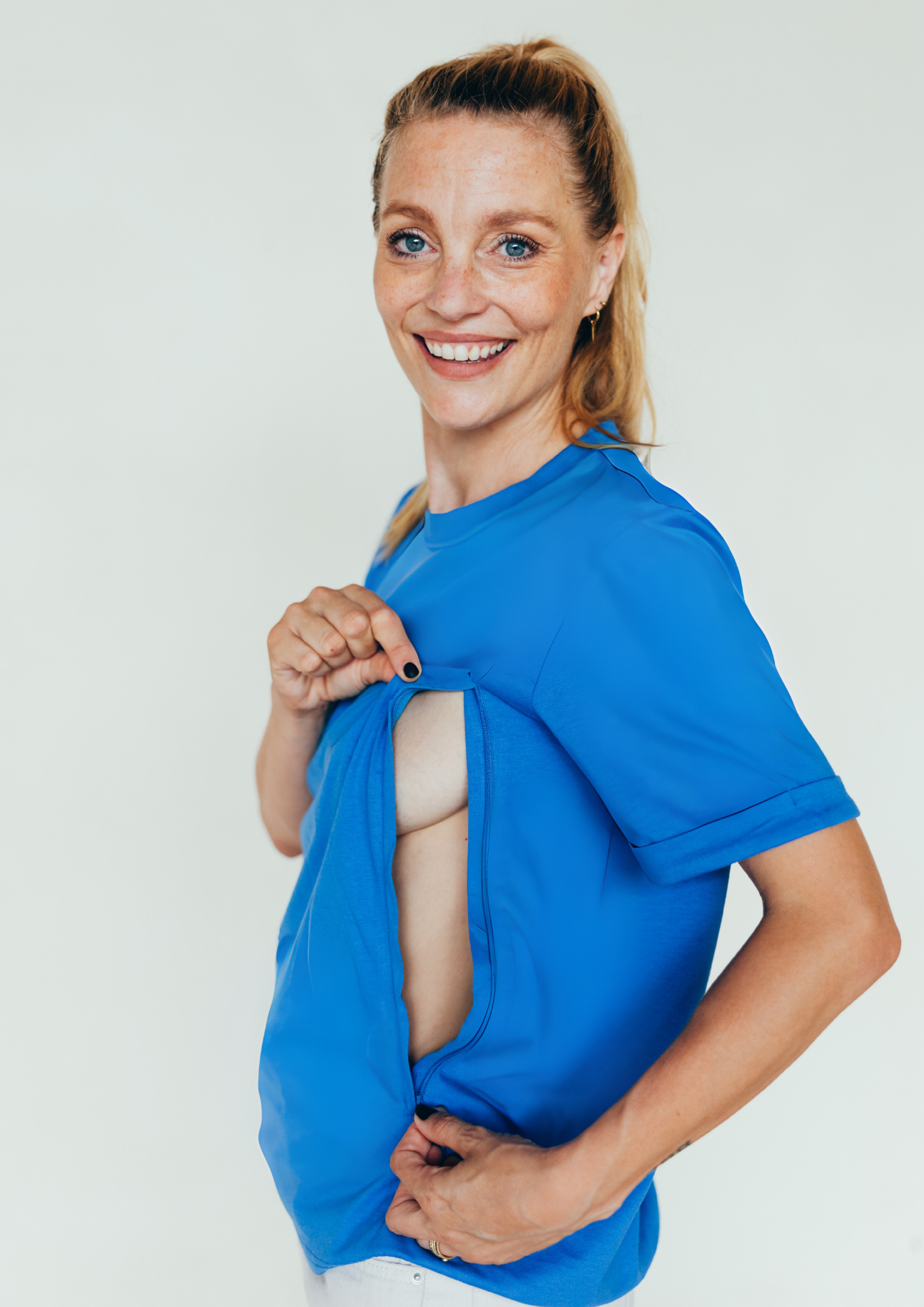
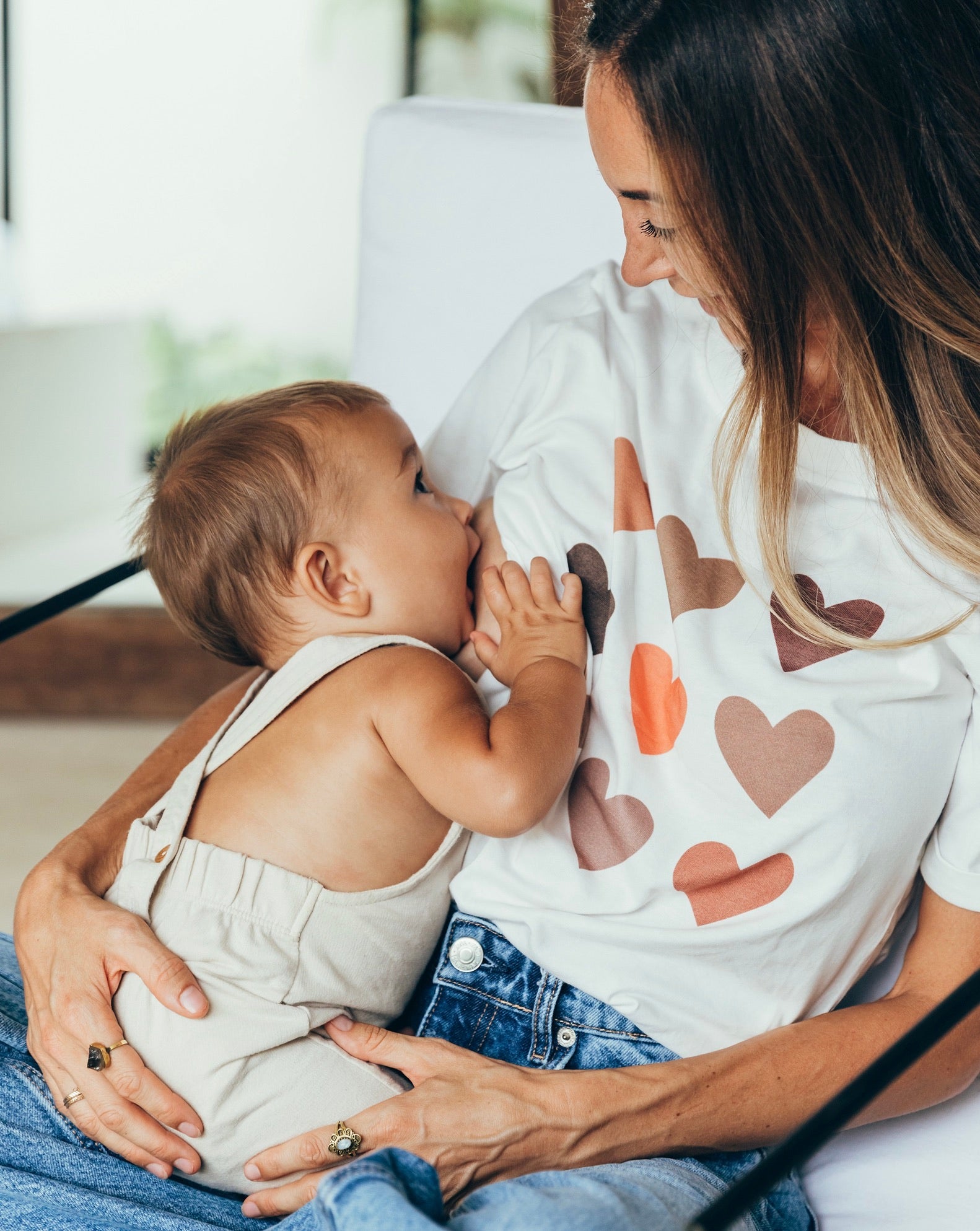
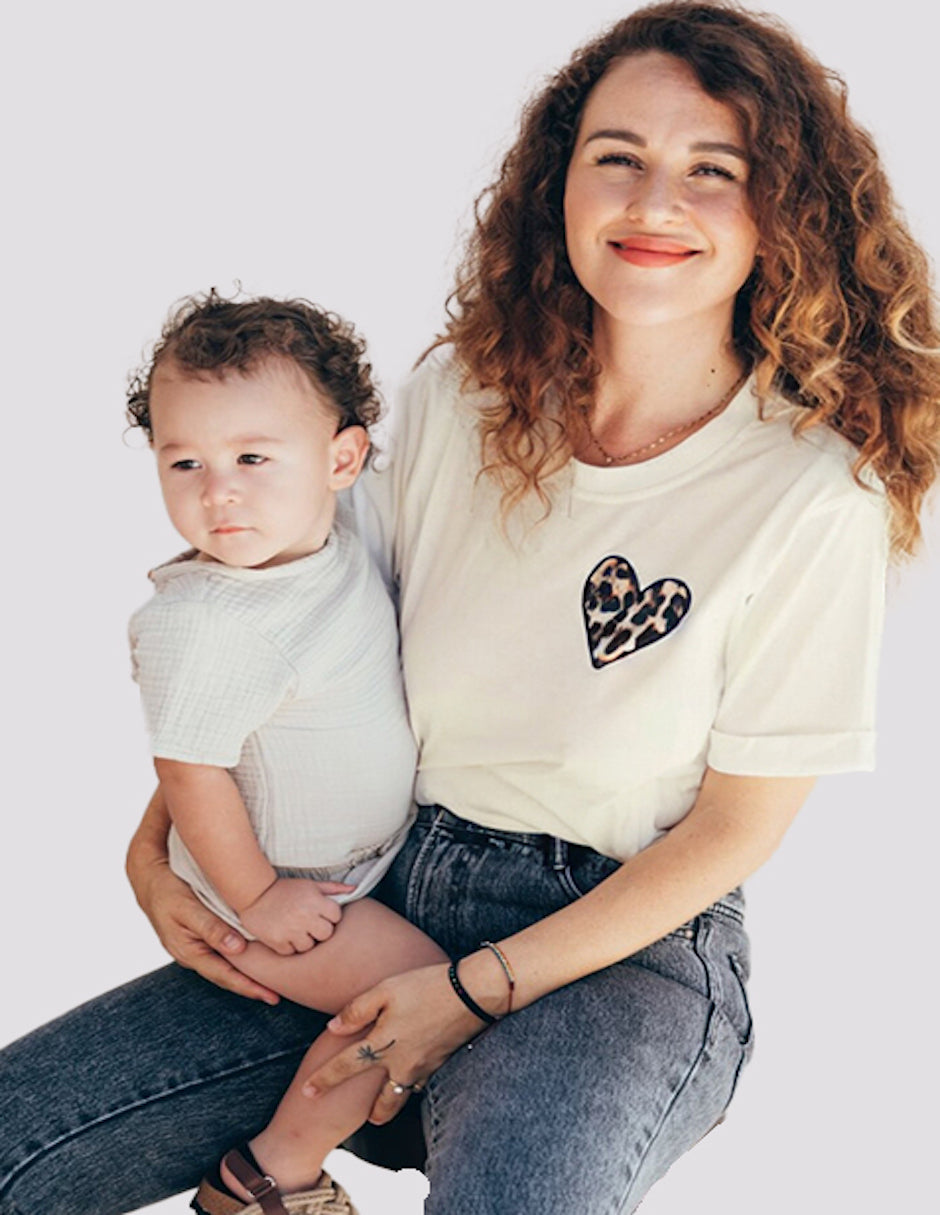
- Soft, stretchy tops (4-5): easy to wash — check out our Breastfeeding t-shirts that are soft and versatile
- Flowy cardigans (2): versatile
- Grow-with-me dresses (1-2): wrap-around or wrap-style — discover our Breastfeeding dresses — elegant and adjustable
- High-quality leggings (2-3): opaque, gently shaping
If you're breastfeeding: dual-purpose items
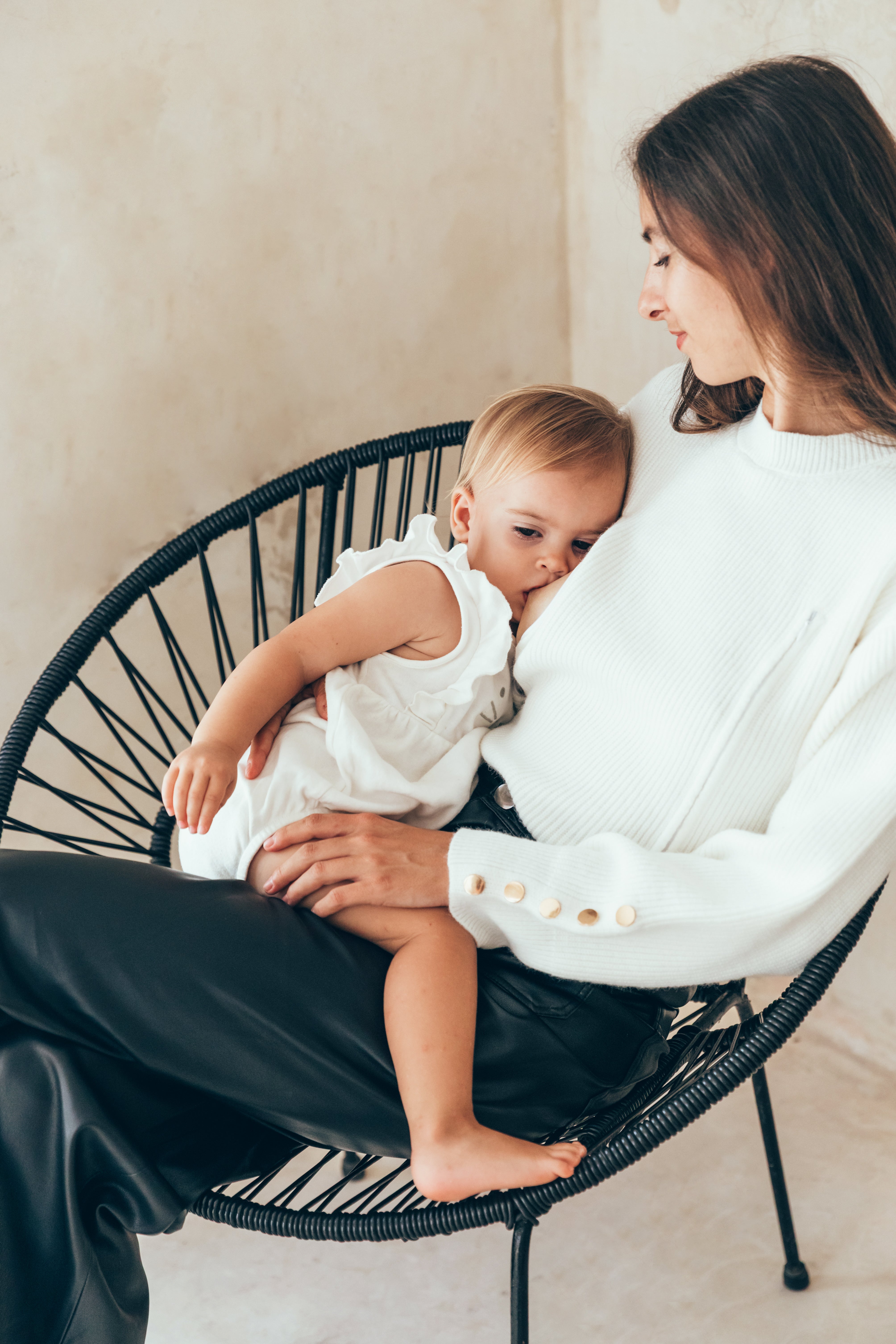
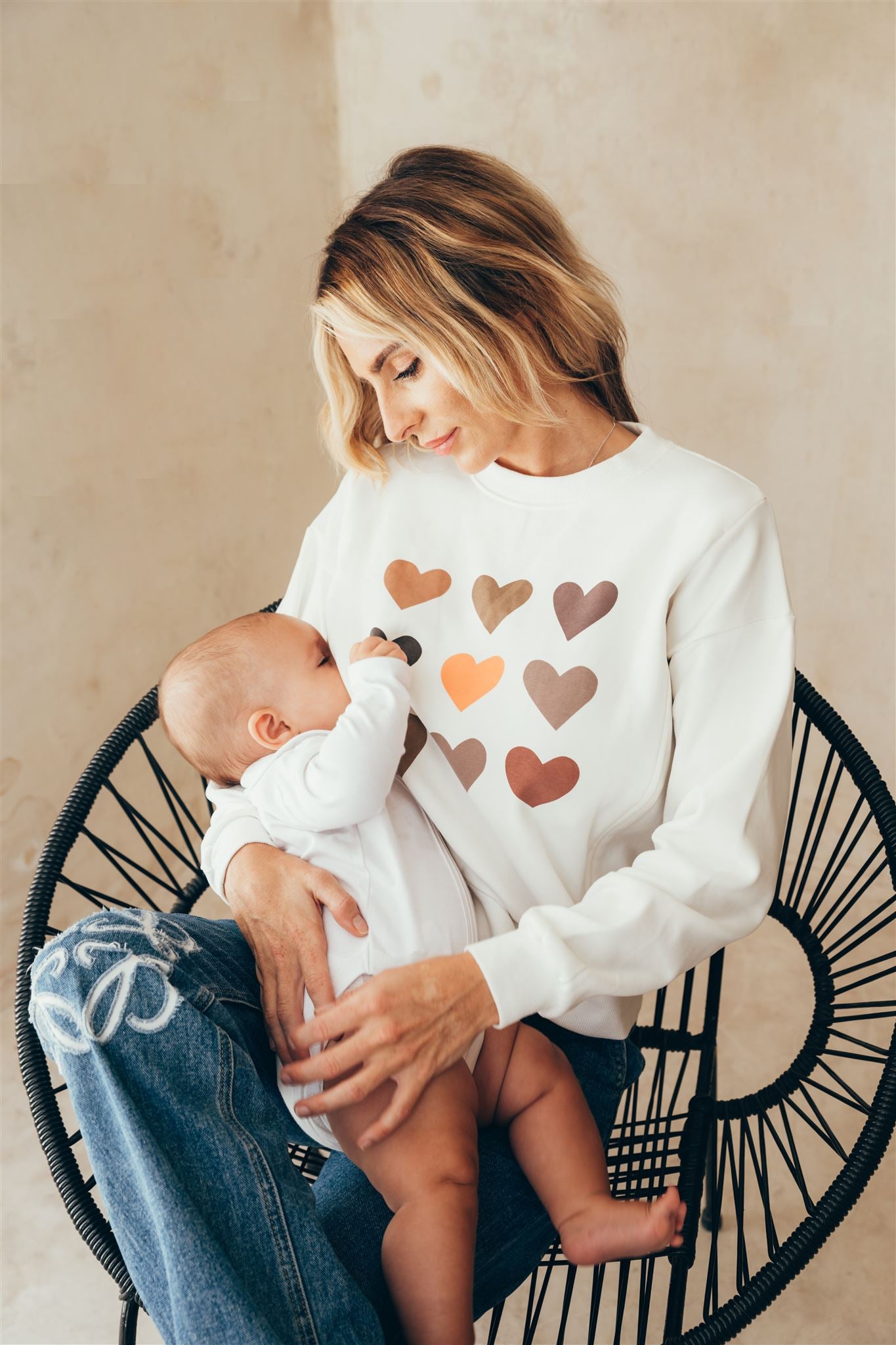
Well-designed nursing clothes are perfect for this transition period.
Discover our nursing tops with timeless styles.
Why they're ideal:
- Styles designed for a changing bust
- Soft, stretchy fabrics
- A timeless style you can wear long after weaning
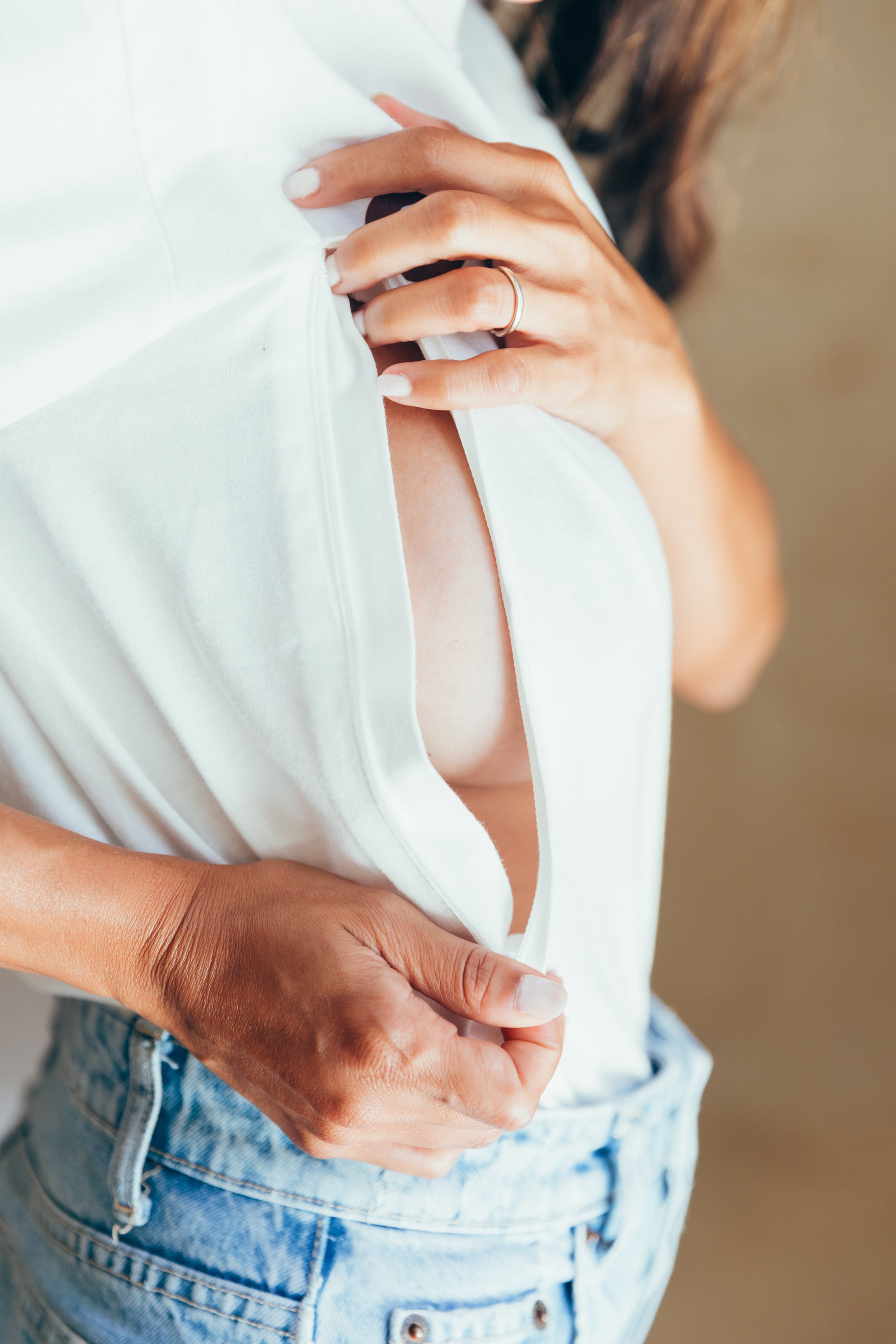
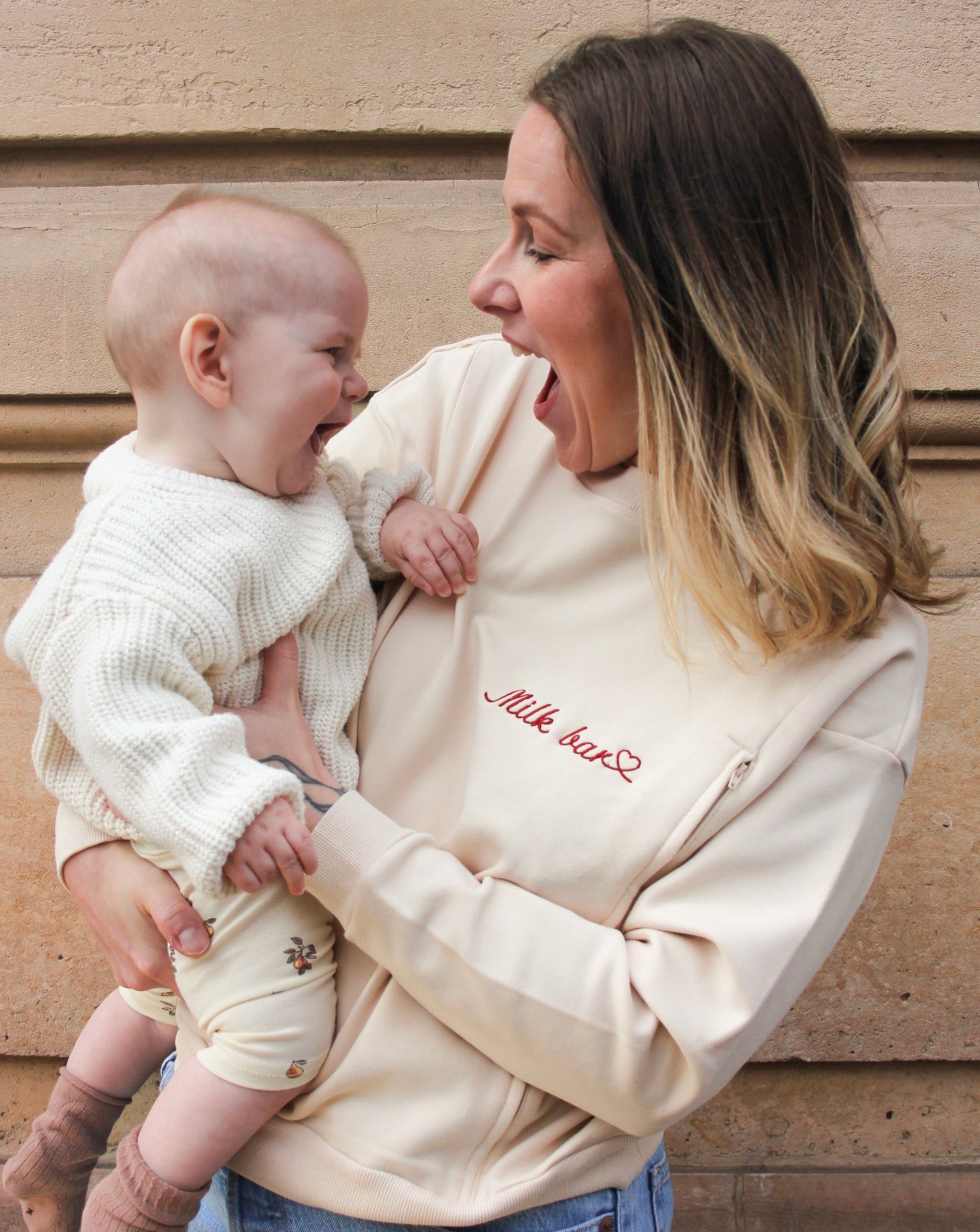
- Discreet and convenient openings
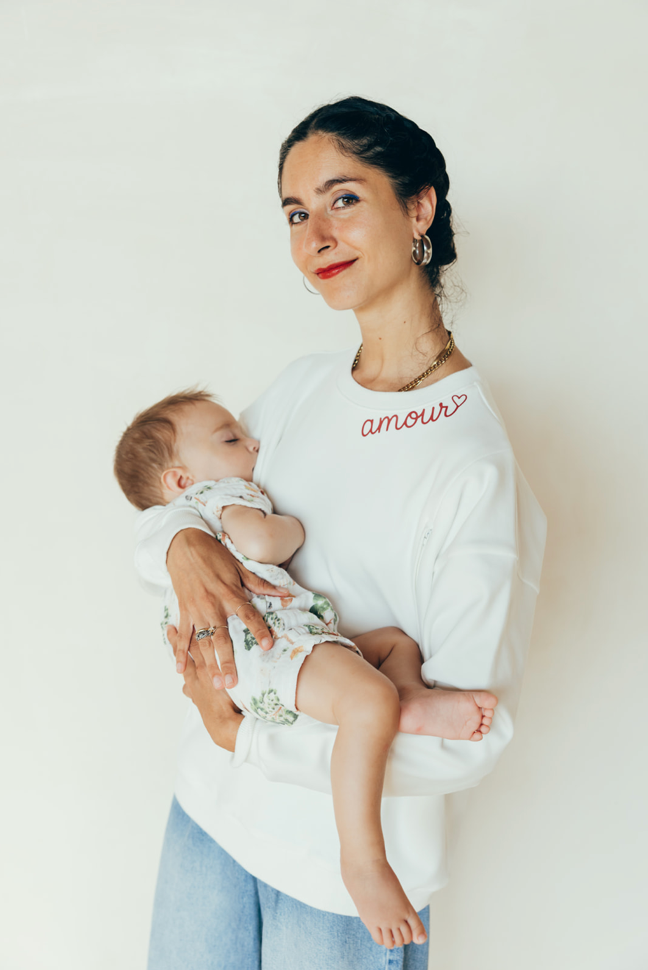
At 23 Mai Paris, our nursing tops are designed to be worn well beyond the nursing period, featuring timeless styles and discreet openings.
The criteria for each room
- Stretch fabrics: adapt to changes
- Flowing cuts: do not dig into sensitive areas
- Adjustable sizes: grow with you
- Durable quality: withstands frequent washing
- Timeless style: designed to last
Investment Strategy: Quality vs. Quantity
Why prioritize quality
| Approach | Cost | Duration | Actual cost |
|---|---|---|---|
| 5 inexpensive items | 100€ | 3–6 months (wear and tear) | €100 renewed = €200/year |
| 3 high-quality pieces | 150€ | 12–24 months | €150 for 2 years |
Conclusion: Investing in fewer, higher-quality items is more cost-effective in the long run.
Areas to invest in vs. areas to save on
| Invest (quality) | Economizer (basic) |
|---|---|
| Main pants | Basic T-shirts |
| Versatile dress | Solid-color leggings |
| knit cardigan | Undergrowth |
| Premium nursing top | Pyjamas |
For a comprehensive guide, check out our article How many nursing clothes do you really need?
The Approach: 23 mai Paris
Our philosophy is to create clothing that supports women through every stage of motherhood. Our designs are made to be worn during and after the breastfeeding period, without compromising on style.
This approach allows you to invest in timeless pieces rather than a temporary wardrobe that will need to be replaced.
How to Dress During the Postpartum Period
The first few weeks (0–6 weeks)
Top priority: Comfort and convenience.
At this stage, you’ll need very soft clothing (for sensitive skin and fatigue), easy access for frequent feedings, loose-fitting pants to support healing (whether you had a natural birth or a C-section), and roomy tops that accommodate your changing breast size. For nighttime, check out our Breastfeeding pyjamas soft and practical.
What to avoid: Anything that's too tight, complicated fasteners, and fabrics that scratch.
From 6 weeks to 6 months
Priority: Comfort + return to a social life.
Opt for versatile pieces (for going out, running errands, maybe even work) and clothes that look put-together so you can feel like yourself while staying comfortable, since your body is still changing.
After 6 months
Priority: Rediscovering your personal style.
Tips for Showcasing Your New Figure
Styles that flatter the postpartum body
- Neckline: V-neck, wrap-around
- Shoulders: 3/4 sleeves, structured shoulders
- Legs: midi dresses, straight-leg pants
- Size: underbust (empire waist)
Haircuts to avoid for now
- Low-rise → opt for high-rise or elastic-waist
- Tight around the stomach → opt for a loose-fitting style with a high waistband
- Short tops → opt for long tops or tunics
Strategic colors and patterns
- Refine: solid and dark colors
- Defining the silhouette: vertical lines or blocks of color
- Draw attention away: patterns on the upper body
- Radiant: colors that brighten the face
Taking care of yourself through your wardrobe
The Psychological Impact of Clothing
Wearing clothes that fit you well and that you like has a real impact on your well-being:
This boosts self-confidence (feeling beautiful even when you're tired) andself-identity (rediscovering who you are beyond just being a "mom"). It also helps maintain motivation (the desire to go out and socialize) and improvesyour mood (reducing the baby blues).
For more on this topic, check out our article “Mom, but Not Just Mom: Rediscovering Your Identity as a Woman After Having a Baby.”
Take your time
- 0–3 months: survival and total comfort. No pressure.
- 3–6 months: transition, with some occasional effort.
- 6–12 months: gradually regaining one’s style.
- 12 months and older: a new chapter, a new wardrobe.
Conclusion
Your body has changed, and that’s perfectly normal. Instead of fighting this reality, adapt your wardrobe so you can feel comfortable in this new phase of life. Sort through your clothes with kindness, invest in quality pieces that grow with you, and give yourself time.
At 23 Mai Paris, we create nursing clothes designed to accompany you through every stage of motherhood. Comfortable, elegant, and durable pieces that you’ll wear long after this transitional period. Because you deserve to feel beautiful, every step of the way.
Browse our collection of nursing wear and find the pieces that will support you through this transition.