Breastfeeding and motherhood: the complete guide to the postpartum period
The postpartum period is a time of profound change, where breastfeeding and motherhood intertwine to create a new daily routine. Becoming a mother doesn't just mean welcoming a newborn baby into your life, it also means learning to listen to your body and respond to your child's nutritional and emotional needs.
At 23 Mai Paris, we support mothers on this unique journey. In this comprehensive guide, we explore the essential aspects of the postpartum period: from the physiological benefits of breastfeeding to practical tips for building a suitable wardrobe.

The benefits of breastfeeding
Breastfeeding is often described as the natural extension of pregnancy. It offers many benefits for both baby and mother.
For babies:
- Unique immune protection thanks to antibodies transmitted through milk
- Perfectly tailored nutrition that evolves according to the child's needs
- Secure attachment bond reinforced by skin-to-skin contact
- Better digestion thanks to perfectly digestible milk
- Reduced risk of allergies, infections, and certain diseases
For Mom:
- Faster uterine recovery thanks to contractions induced by oxytocin
- Assistance with weight management after childbirth (500 to 700 calories burned per day)
- Reduced risk of breast and ovarian cancer
- A moment of connection and pause in the whirlwind of everyday life
- Savings on baby food budget

Feeding and breastfeeding: what do you need to know?
Diet during breastfeeding is a major concern for many women. Contrary to popular belief, there is no restrictive diet imposed. However, certain adjustments promote optimal lactation and better energy for the mother.
Hydration: the fundamental pillar
Drinking enough water is the first step to good milk production. Aim for 2 to 2.5 liters per day. Here's a simple tip: drink a large glass of water every time you breastfeed.
Essential nutrients
Choose foods rich in:
- Iron: red meat, lentils, spinach (to prevent postpartum anemia)
- Calcium: dairy products, almonds, green vegetables (for your bones and your baby's)
- Omega-3: fatty fish, nuts, rapeseed oil (for baby's brain development)
- Protein: eggs, chicken, legumes (for energy and recovery)
Coffee while breastfeeding
Caffeine consumption is still possible but should be moderate (2 to 3 cups maximum per day) to avoid agitation in infants. Caffeine passes into breast milk and can disrupt your baby's sleep if consumed in excess.
Foods to avoid or limit
- Alcohol (or wait 2-3 hours after consumption before breastfeeding)
- Fish with high mercury content (swordfish, shark)
- Excess caffeine
To learn more, check out our article Nutrition and breastfeeding: 5 tips for staying in shape.

Nursing clothes: Combining style and practicality
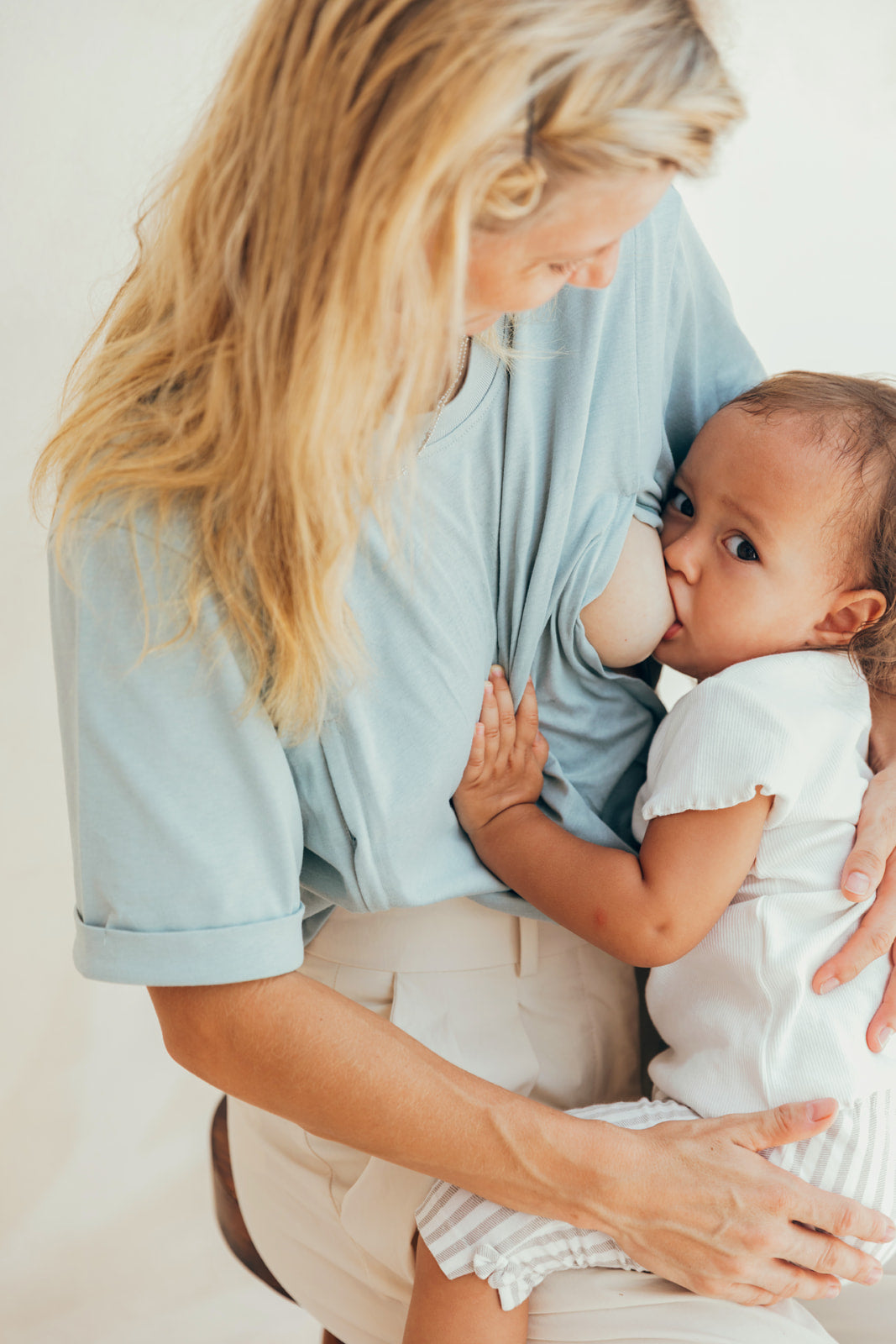
To enjoy breastfeeding with peace of mind, especially when out and about, choosing the right clothes is crucial. The days of shapeless clothing are over. Today, fashion is adapting to the needs of active mothers.

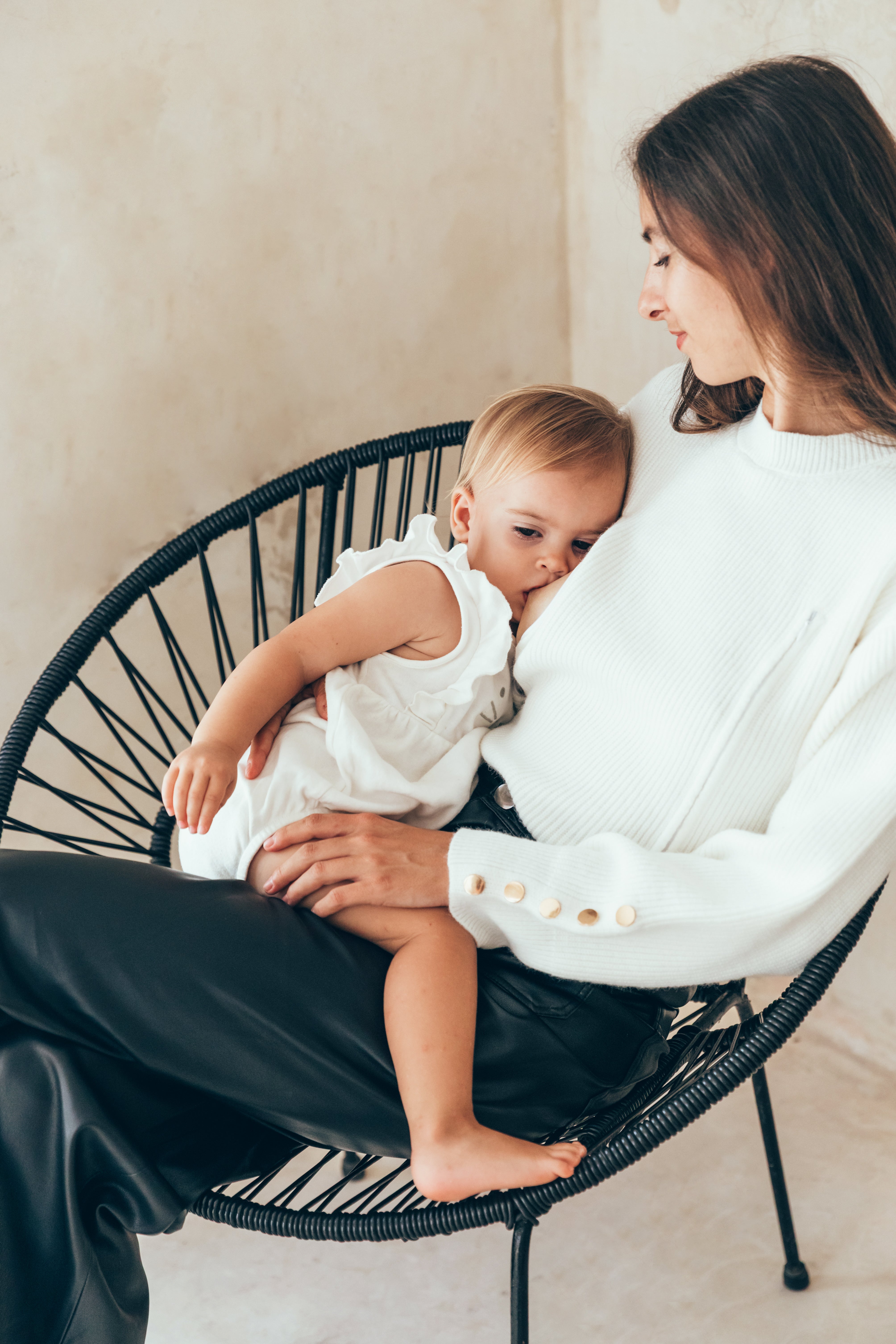
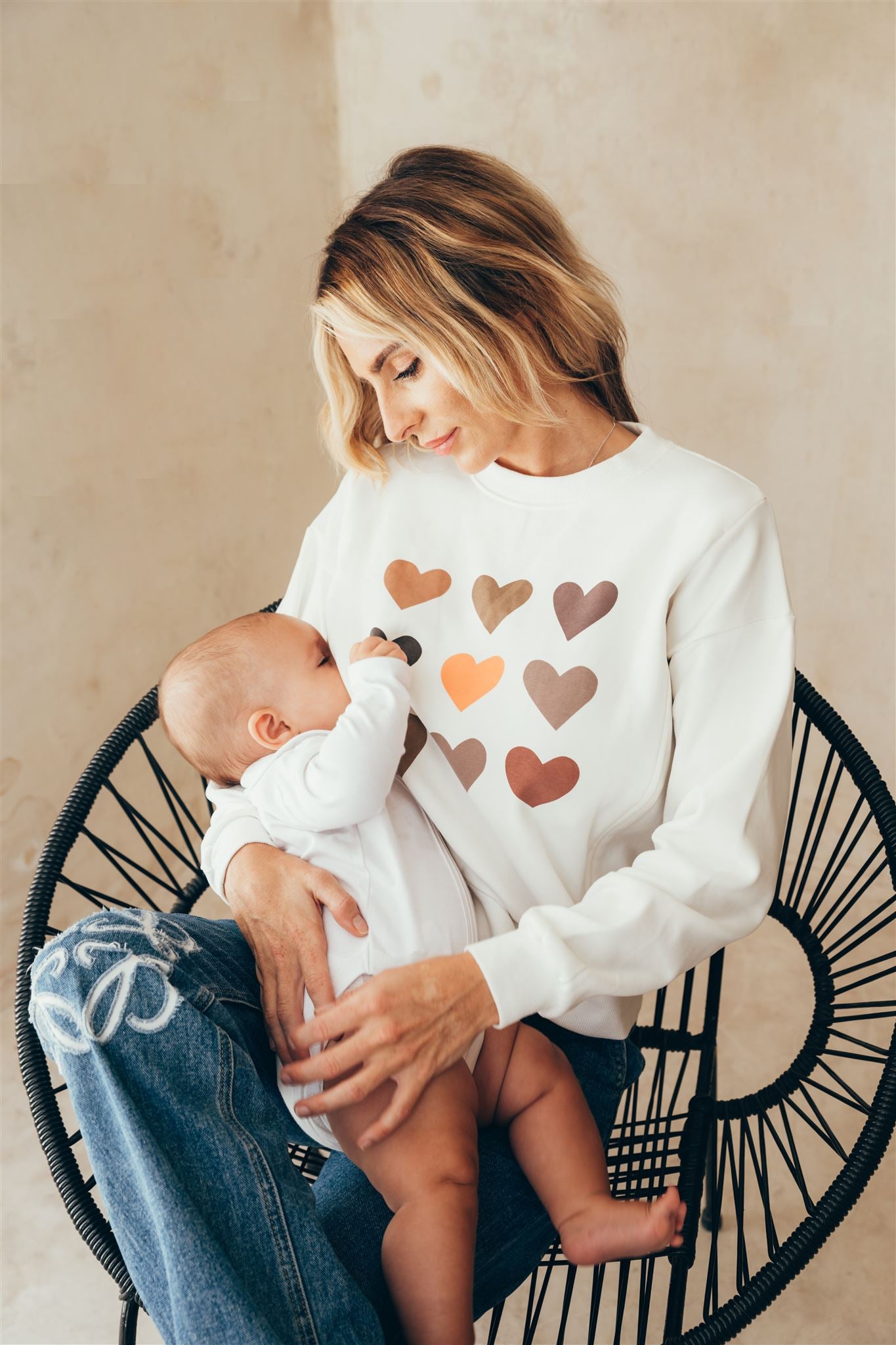
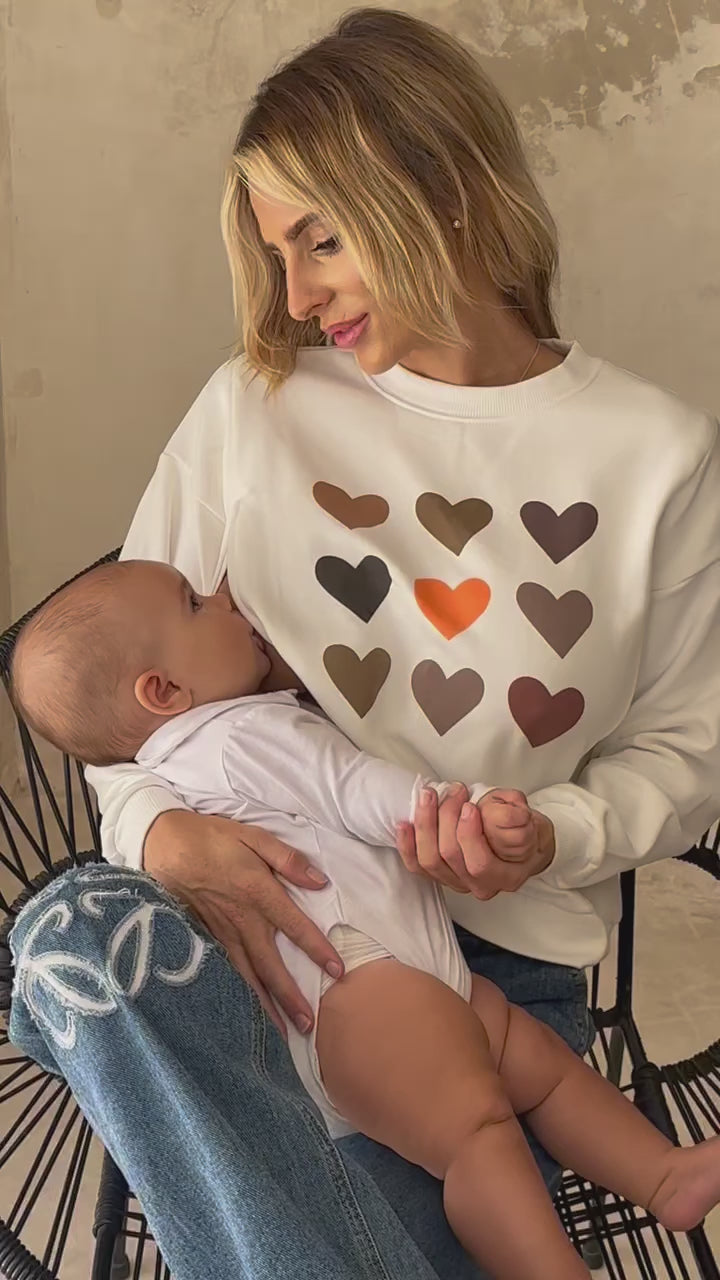
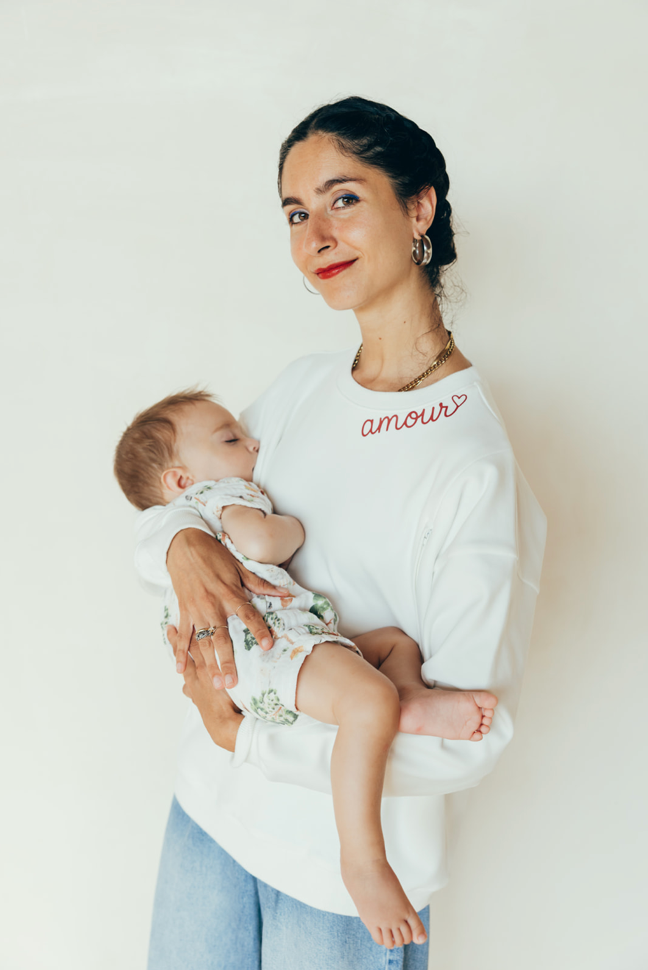
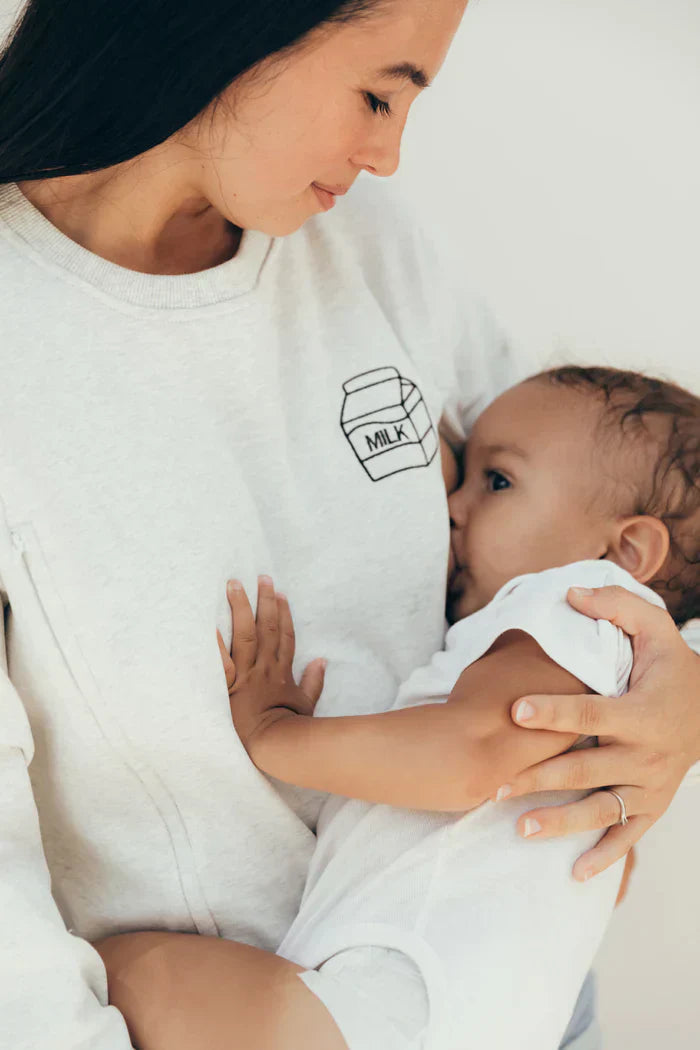
The nursing sweater or sweatshirt
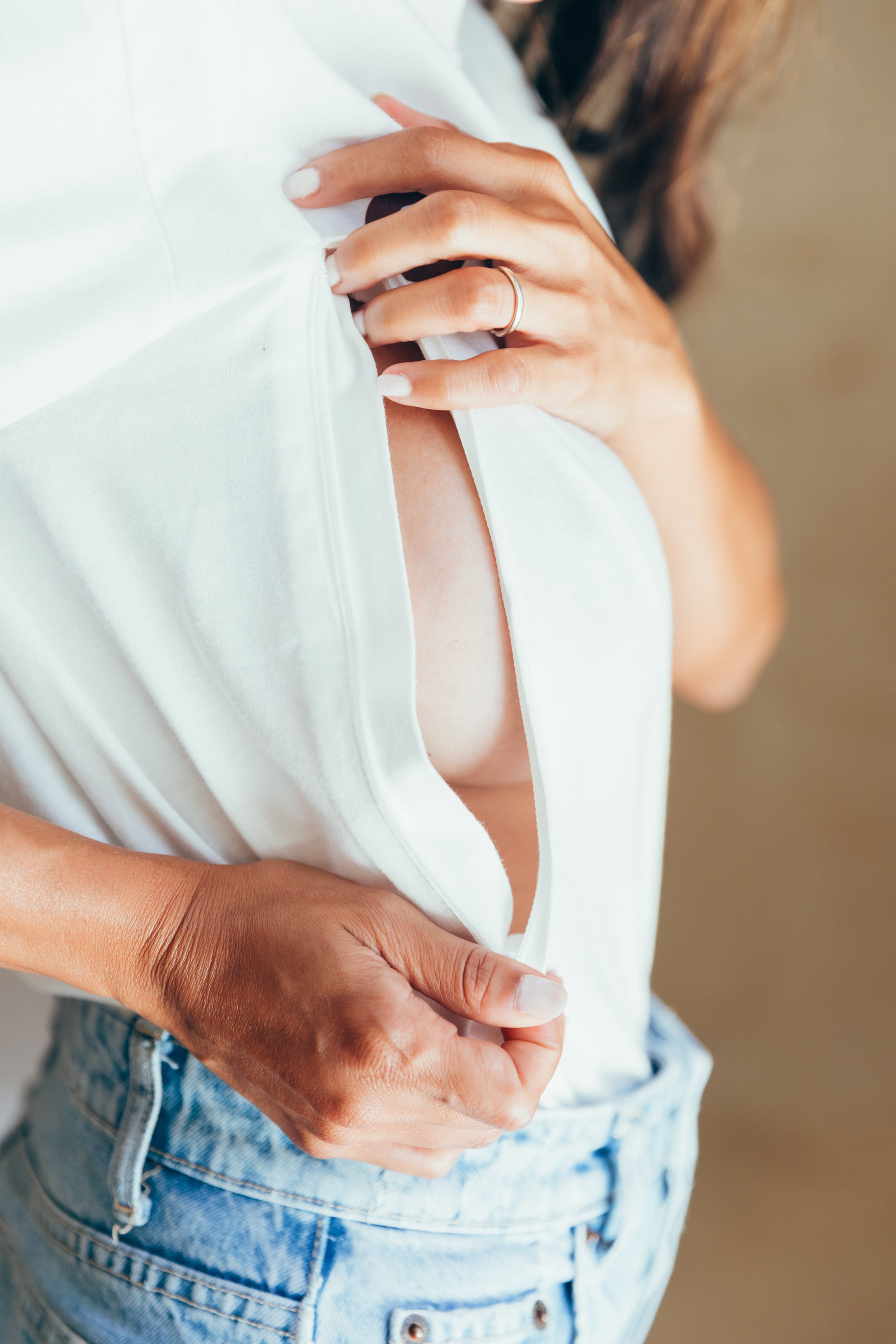
The nursing sweater is a must-have for the cooler seasons. Designed with discreet openings (invisible zippers or overlapping panels), it allows you to breastfeed without having to undress completely, thus preserving your comfort and privacy.
At 23 Mai Paris, our nursing sweatshirts focus on modern cuts that do not compromise on aesthetics. You can breastfeed anywhere while staying stylish.

The Breastfeeding dress
Whether it's for a special occasion or everyday wear, the Breastfeeding dress offers exceptional freedom of movement. It often adapts to changes in your figure, from pregnancy to weaning. A truly smart investment!

Nursing pajamas
For nights (often broken), a nursing pajamas is essential. It makes nighttime feedings easier, reducing the amount of time you and your baby are awake.

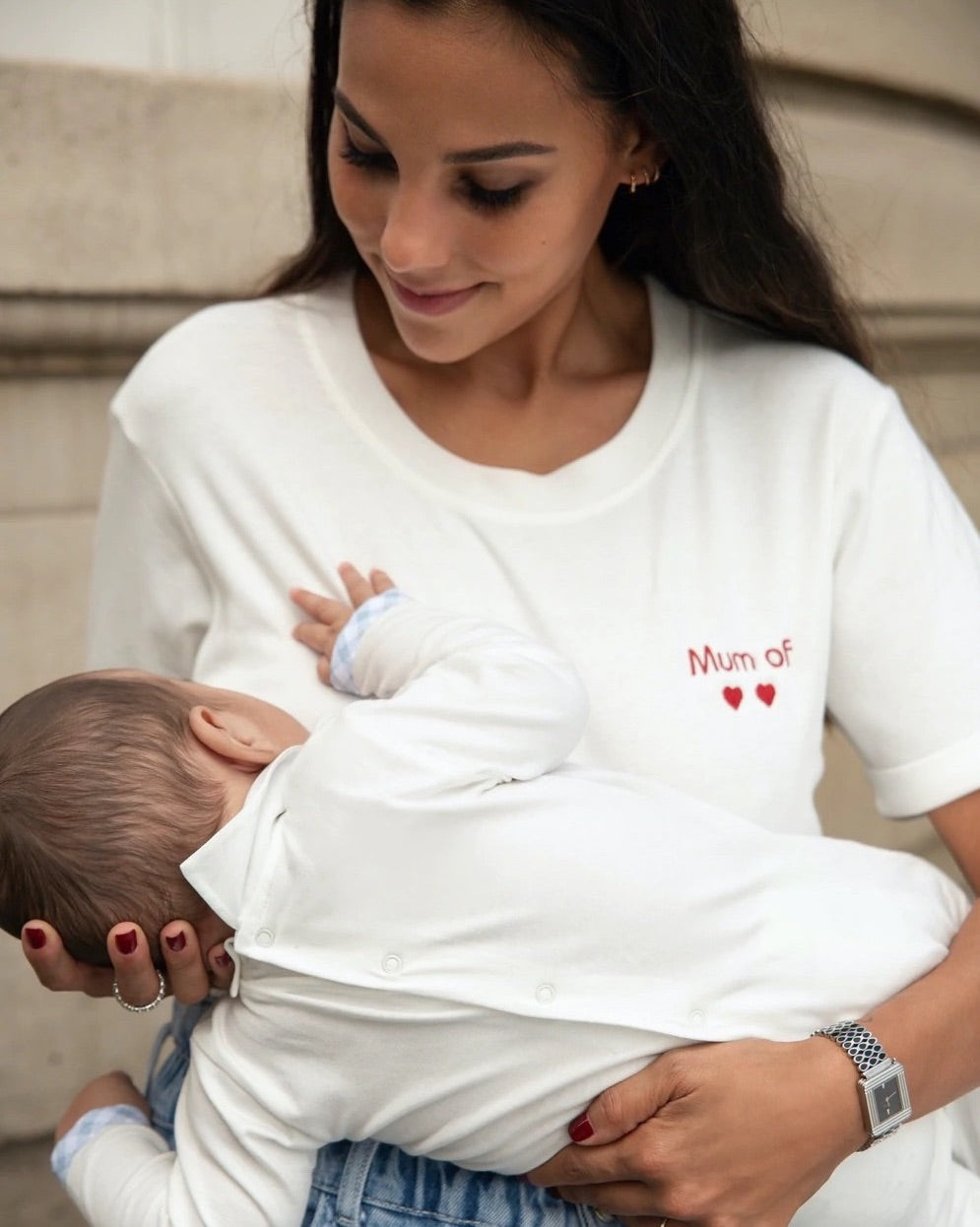
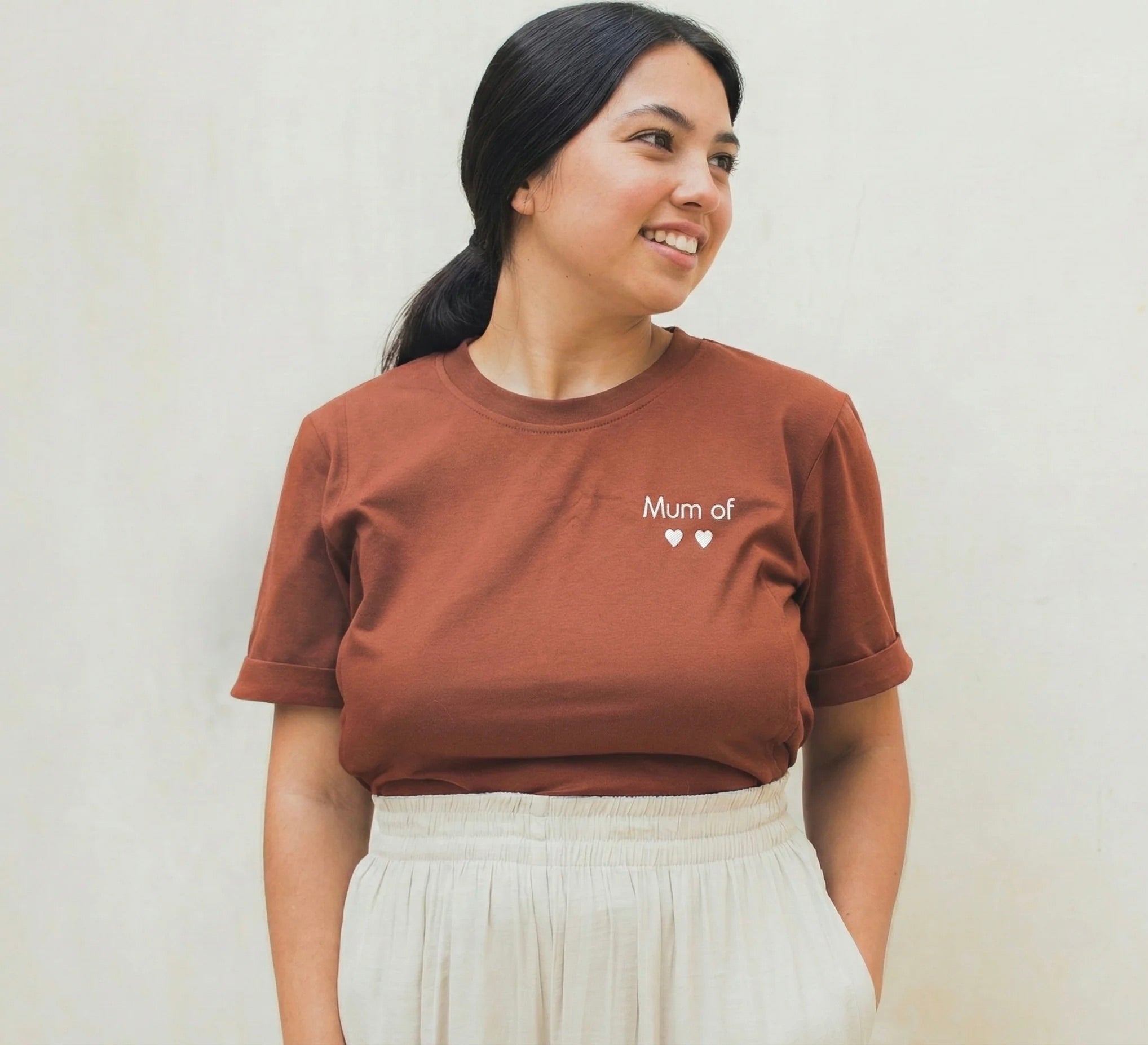
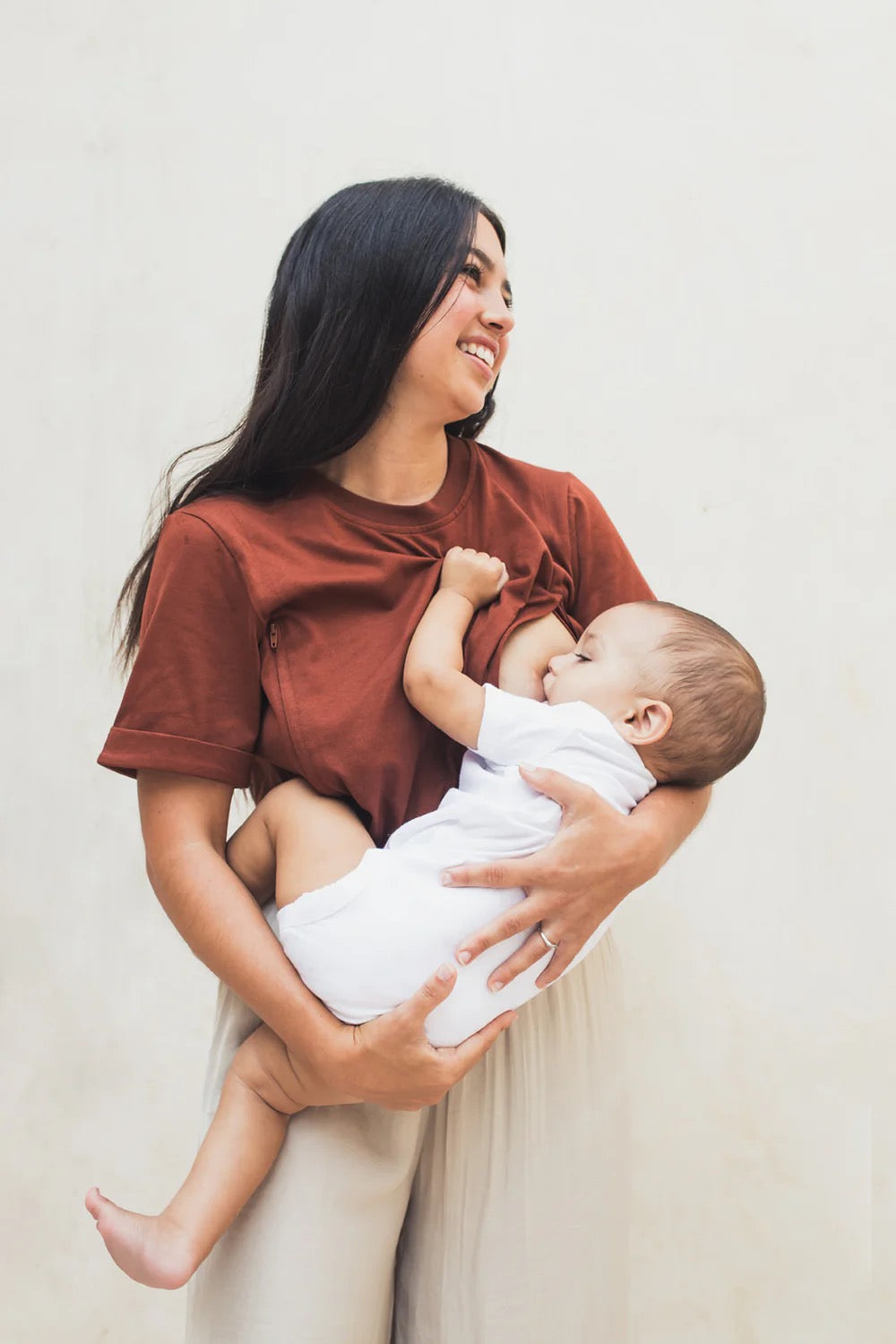
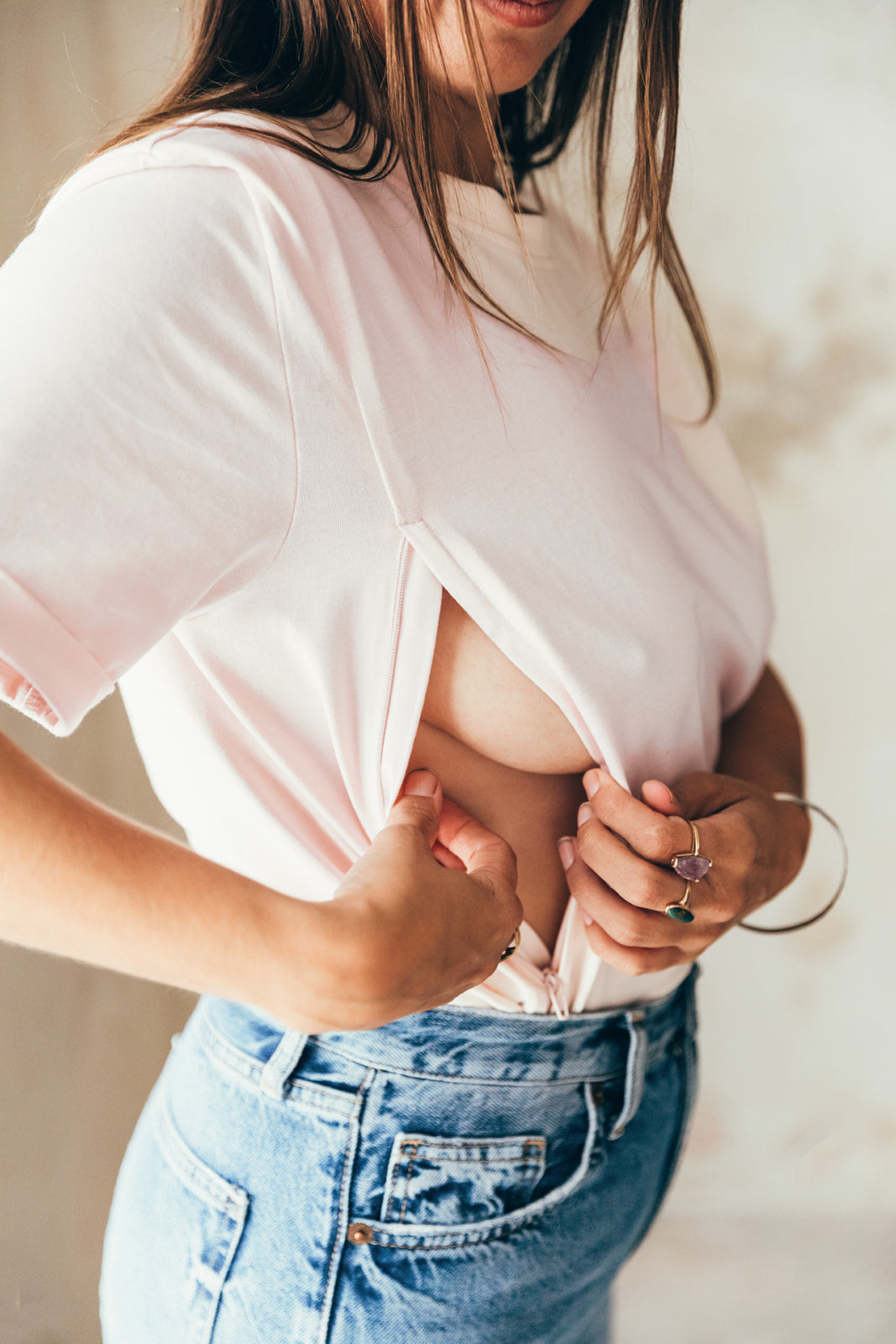
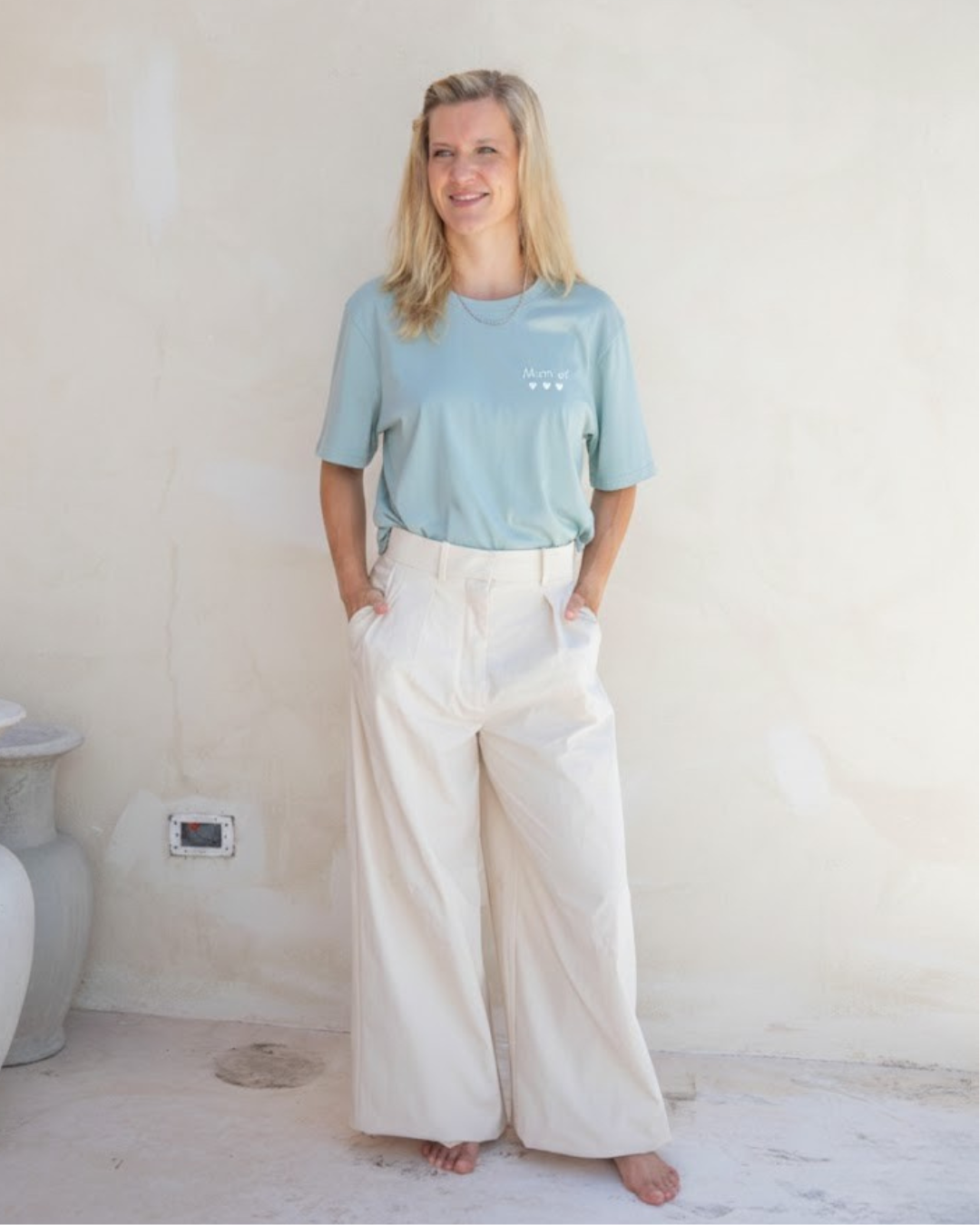
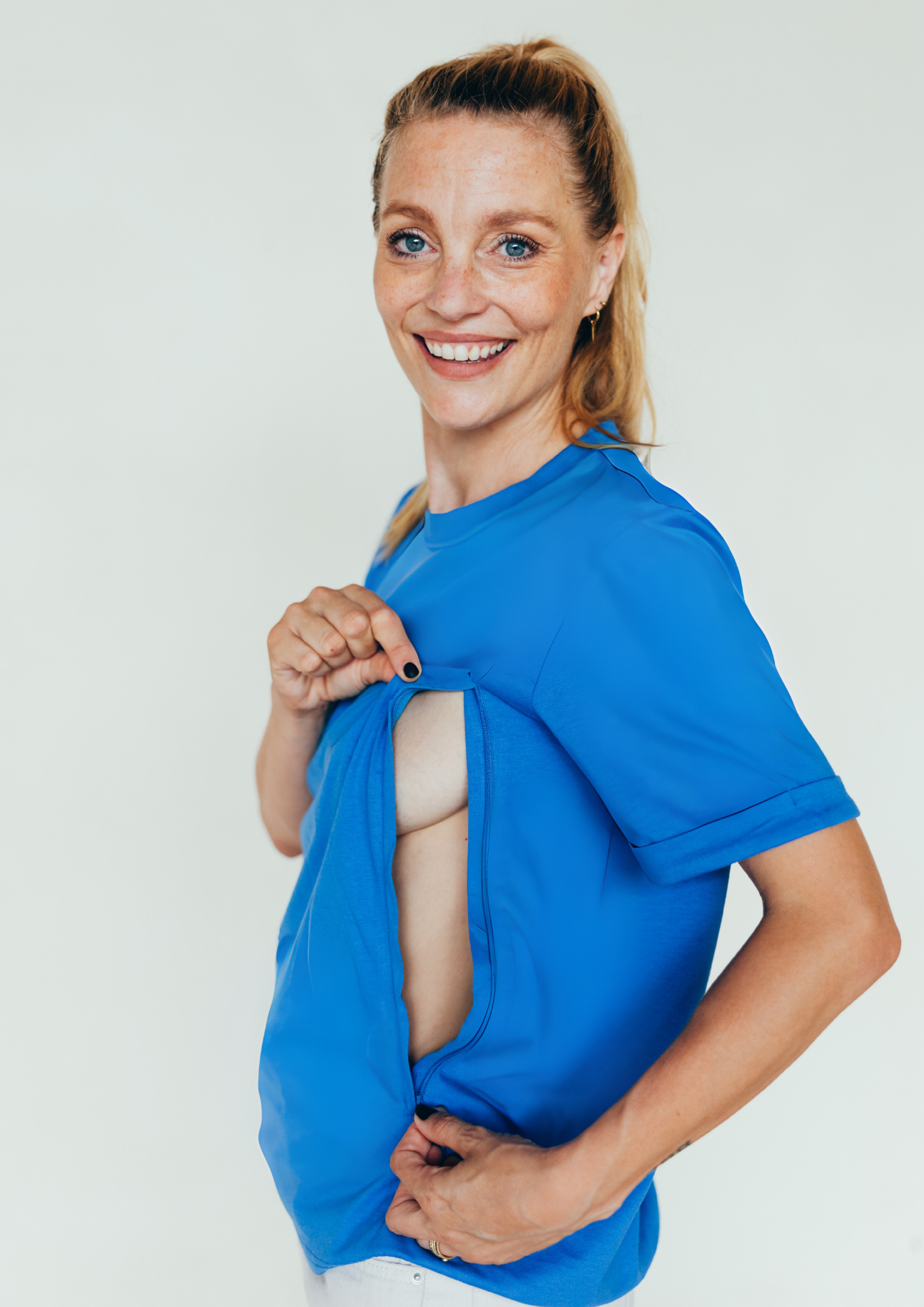
The Breastfeeding t-shirt
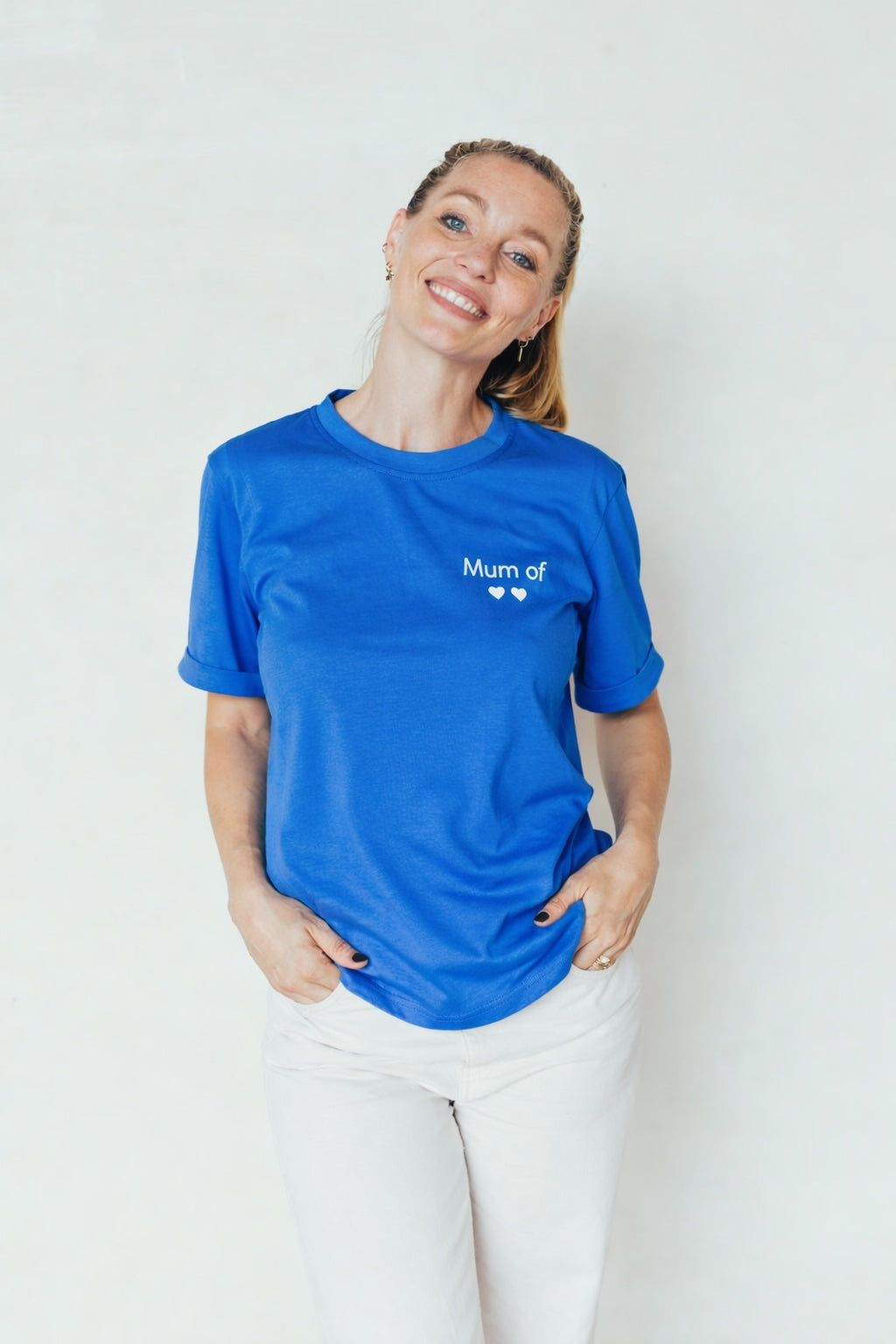
The ultimate basic piece. Easy to pair with jeans or a skirt, the Breastfeeding t-shirt is your everyday ally. At 23 Mai Paris, we offer customizable designs with embroidery to add a unique touch.

Managing the body after childbirth
The transition from pregnancy to postpartum requires patience with yourself. Your body has just accomplished something extraordinary: give it time to recover.
Patience and kindness
Your body created life for nine months. It's normal for it to take time to regain its balance. Don't compare yourself to other moms or filtered images on social media.
Perineal rehabilitation
Before resuming exercise or considering weight loss, pelvic floor rehabilitation is essential. It prevents incontinence problems and prepares your body for a gentle return to activity.
Losing weight after giving birth
Breastfeeding naturally burns calories, which can help with weight loss. But the goal should remain health, not rapid weight loss, which could affect your energy levels and milk production.
For more information, see our Complete guide to breastfeeding and weight loss.
Feeling good in your clothes
Rather than waiting to "get your old body back," invest in clothes that flatter you now. At 23 Mai Paris, our nursing clothes are designed to elegantly accommodate changes in your figure.

Tips for successful breastfeeding every day
Successful breastfeeding sometimes requires support. Here are our tips:
Get support
Please feel free to consult:
- A lactation consultant (IBCLC)
- A specialized midwife
- Breastfeeding support groups (La Leche League, local associations)
See also our article Starting breastfeeding: 10 mistakes to avoid to get off to a good start.
Keep a breastfeeding journal
During the first few weeks, keeping track of feedings can help you identify your baby's rhythm and reassure you about their weight gain.
Nighttime essentials
At night, prioritize comfort with nursing pajamas or a suitable nightgown. These garments make nighttime feedings easier and reduce wake time for both you and your baby. A nursing bracelet can also help you remember which breast to start with next.
Discover our article Nighttime breastfeeding: tips for surviving nighttime feedings for more tips.
Create a cozy nursing corner
At home, create a cozy little corner with:
- A comfortable armchair
- A nursing pillow
- A bottle of water within reach
- A soft night light for the night
- Your phone or a book for long feedings

The different stages of breastfeeding
Breastfeeding evolves over time. Here are the main stages:
The first few days: colostrum
This first milk, yellow and thick, is ultra-concentrated in antibodies. It is perfectly suited to your newborn's tiny stomach.
Milk coming in (D3-D5)
Your breasts become larger and firmer. Your milk becomes whiter and more abundant. This phase can sometimes be uncomfortable, but it is normal.
Established breastfeeding (after 6 weeks)
Your milk production adapts perfectly to your baby's needs. Feedings become more spaced out and more efficient.
Weaning
When you decide to stop breastfeeding (whether at 3 months, 6 months, 1 year, or more), do so gradually to avoid engorgement and allow your baby to adjust.

Conclusion
Breastfeeding and motherhood are a unique journey, filled with challenges and magical moments. By learning about your nutritional needs, equipping yourself with the right clothing, and accepting support, you can transform these moments of care into moments of pure pleasure and connection.
At 23 Mai Paris, we are here to support you every step of the way, with nursing clothes designed for your comfort, style, and well-being. Because every mother deserves to feel beautiful and comfortable, from day one until weaning and beyond.
To prepare for your arrival at the maternity ward, check out our article. Preparing for breastfeeding before birth: the complete guide.
If you are breastfeeding, here are some of our nursing clothes that may interest you:
Breastfeeding t-shirts
Soft nursing clothes
Trendy nursing wear
Embroidered nursing T-shirts
Zip-up nursing sweaters
Maternity dresses
If you are only a pregnant mom, here are our maternity clothes:
Comfortable maternity jeans
Maternity jeans
Jeans for pregnant women
Black jeans for pregnant women
Affordable jeans for pregnant women