Breastfeeding Alone at Night in Winter: Surviving Nighttime Feedings
There is a special kind of solitude in nighttime feedings during the winter.
Not necessarily a sad kind of loneliness. But a real loneliness—that of being the only one awake in the house, on the street, in the whole world, it seems, while the baby nurses and the cold presses against the windows. It’s 2:47 a.m. Or 4:12 a.m. Or both, because you didn’t really sleep in between.
You’re exhausted in a way that words can’t quite capture. Not just physically, but in a deep, cellular way that goes beyond ordinary fatigue. Your body feels cold. Your baby feels warm against you, and this contrast is both comforting and exhausting.
This guide is for those kinds of nights. It’s not meant to eliminate them—they’re a natural part of breastfeeding, and they’ll pass. But it’s meant to make them easier, more manageable, and less of a burden.

What Makes Nighttime Feedings Different in Winter
Nighttime exhaustion from breastfeeding occurs regardless of the season. But winter adds specific challenges that need to be recognized in order to be addressed.
The cold is the first factor. Getting out from under the warm blankets to breastfeed—even if it’s just to sit up in bed—creates a temperature shift that the body perceives as a stressor. The warmth you’ve built up during those few minutes of sleep between feedings disappears in a matter of seconds. And once you get back under the covers after feeding, it takes time to regain that warmth.
Darkness comes second. Winter nights are long and deep. At 3 a.m. in December, there is no outward sign that daylight will ever return. This total darkness has a real psychological effect—it amplifies the feeling of isolation and can make thoughts feel heavier than they would in daylight.
Silence is the third. The silence of a winter night is different from the silence of summer. It’s denser, more definitive. Fewer cars, fewer sounds of life outside. An atmosphere that heightens the feeling of being the only one awake while the world sleeps.
And the length of the nights is the fourth factor. In winter, the nights are long, which means more hours of darkness and cold during which feedings take place. For a breastfeeding mother whose sleep is already fragmented, these long nights can seem endless.
The Organization That Changes Everything
The difference between a smooth nighttime feeding in winter and one that goes wrong often comes down to a few organizational details that you may or may not have prepared before going to bed.
The golden rule is simple: everything you need for a nighttime feeding should be within reach without having to get out of bed, turn on a bright light, or make decisions at 3 a.m.
The room temperature is the first thing to consider. Between 18 and 20°C is ideal—cool enough for your baby to sleep well, yet warm enough so that feeding isn’t a struggle in the cold. Check the radiator setting before going to bed. A room thermometer will let you know exactly where you stand.
Light is the second factor. A nightlight with amber light—not white, not blue—placed on the nightstand radically changes the quality of nighttime feedings. Amber light doesn’t disrupt melatonin production, which makes it easier to fall back asleep after feeding. It’s bright enough to keep an eye on your baby without fully waking you up. And it creates a soothing atmosphere in the darkness of winter that makes these moments less difficult.
Water is the third element. Breastfeeding causes dehydration, and dehydration at night significantly worsens fatigue the next day. A large glass of water or a thermos of hot herbal tea placed on your nightstand before bed—within easy reach without having to get up—can make a real difference in your energy level in the morning.
Nightwear is the fourth item. We’ll come back to this in detail, but pajamas that let you breastfeed without having to undress completely in the cold can mean the difference between a fifteen-minute feeding and a forty-minute one—because you got cold and it was impossible to get back to sleep.
Nightwear: The Most Practical Investment
This is where a detail in clothing ceases to be merely anecdotal and becomes deeply practical.
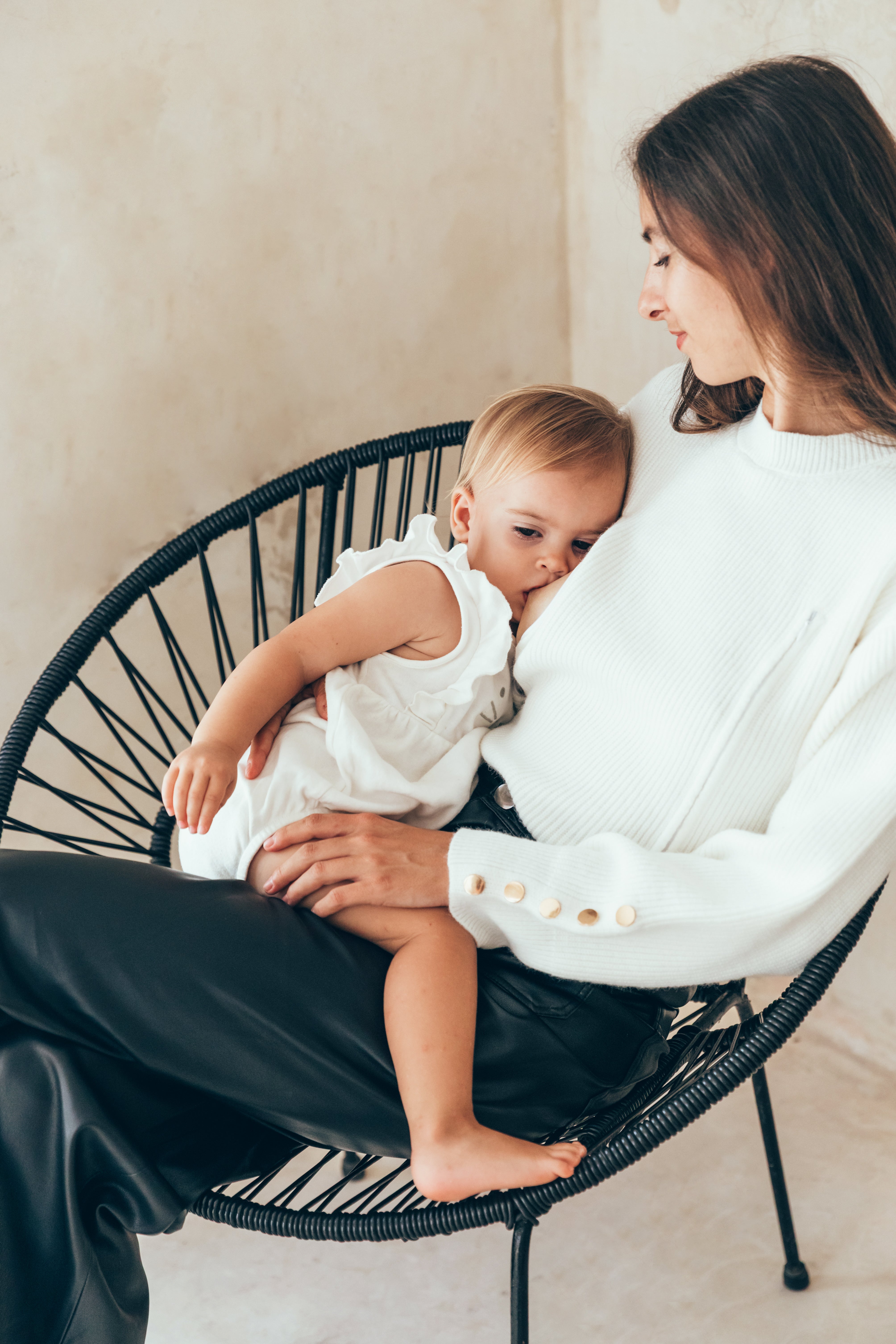
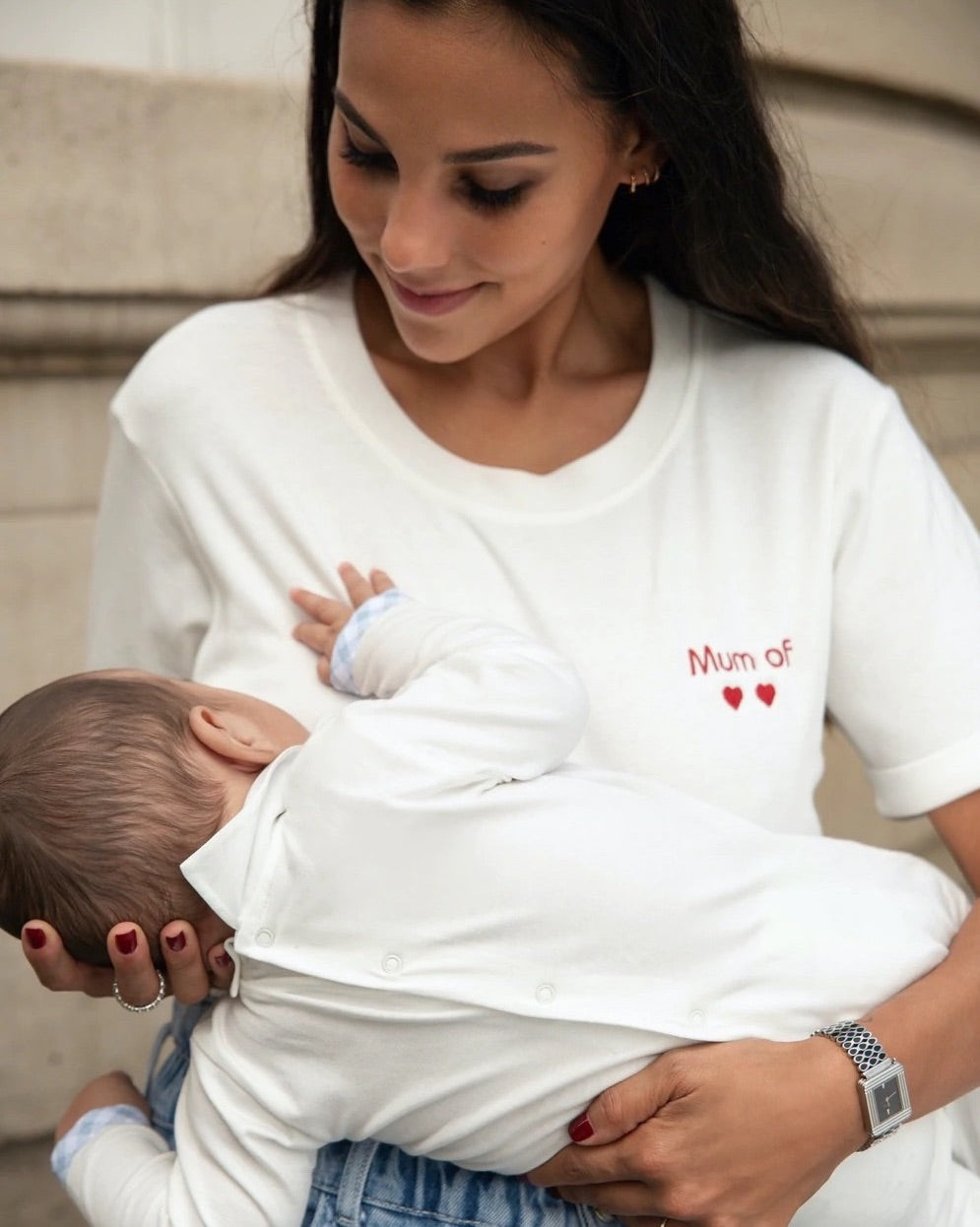
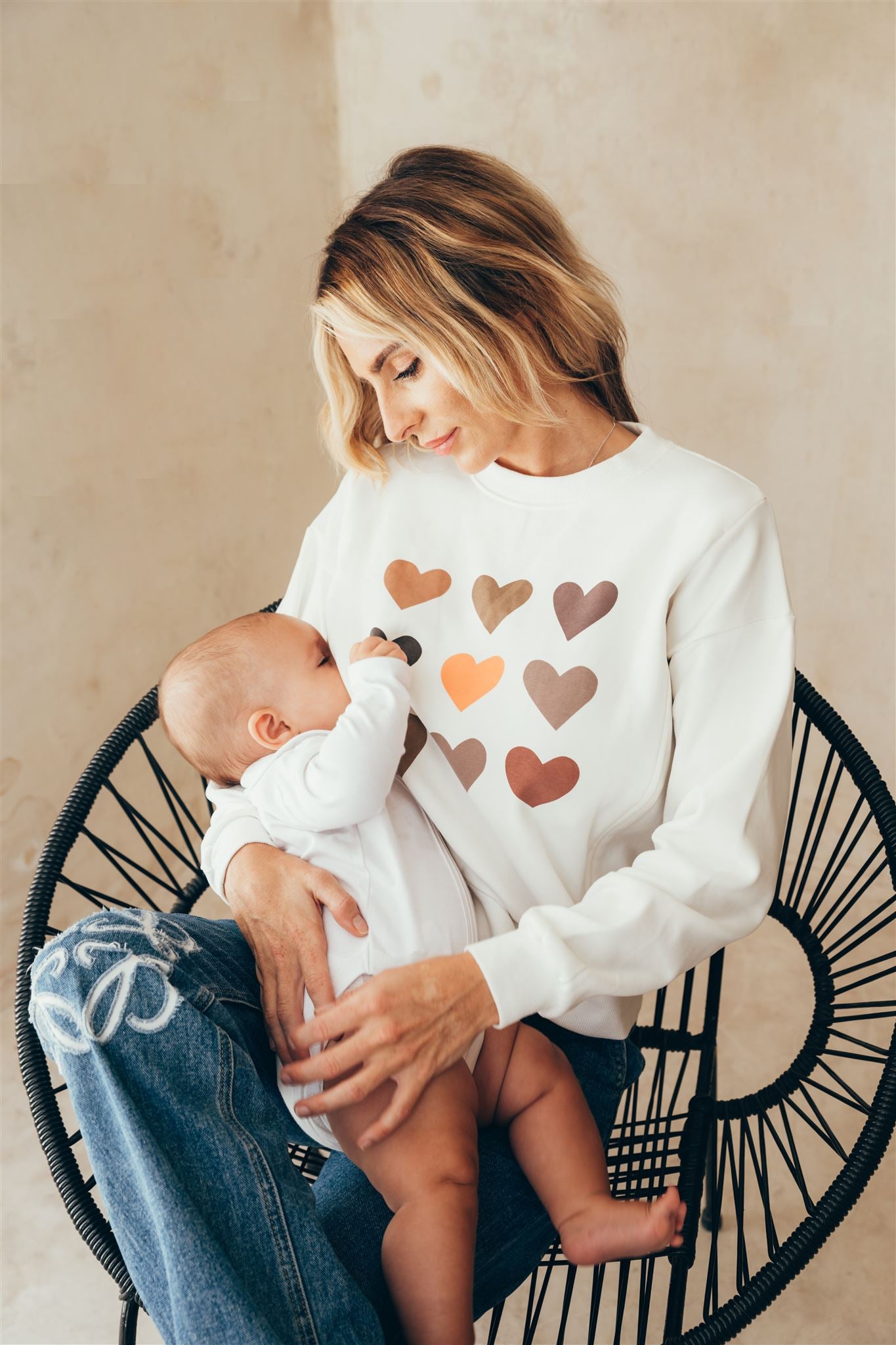
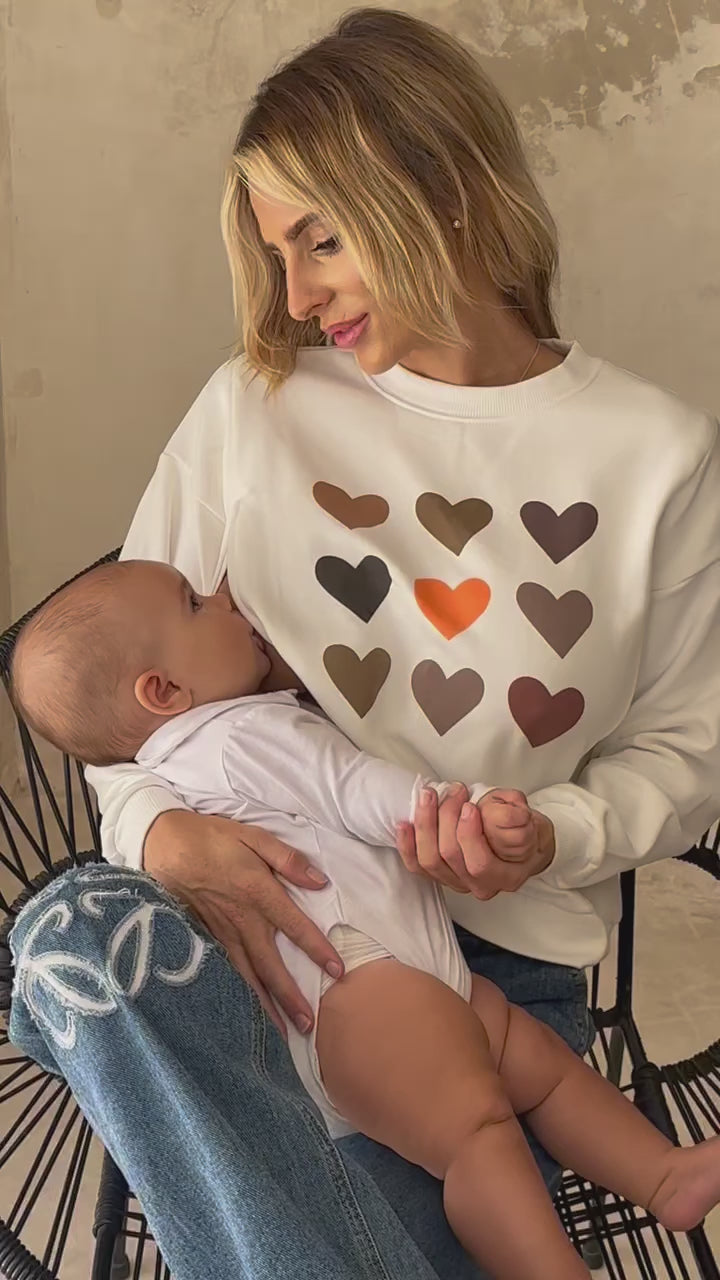
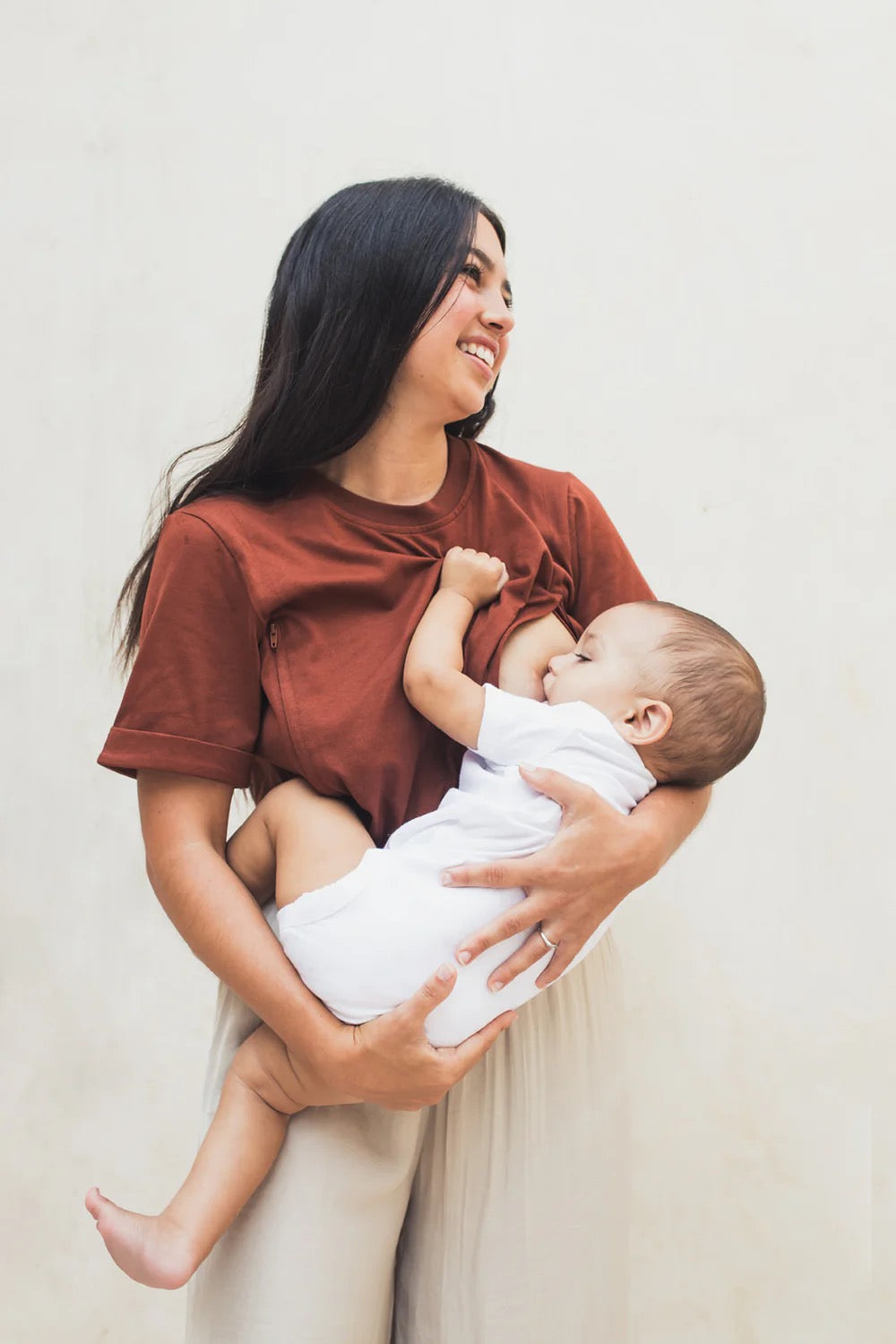
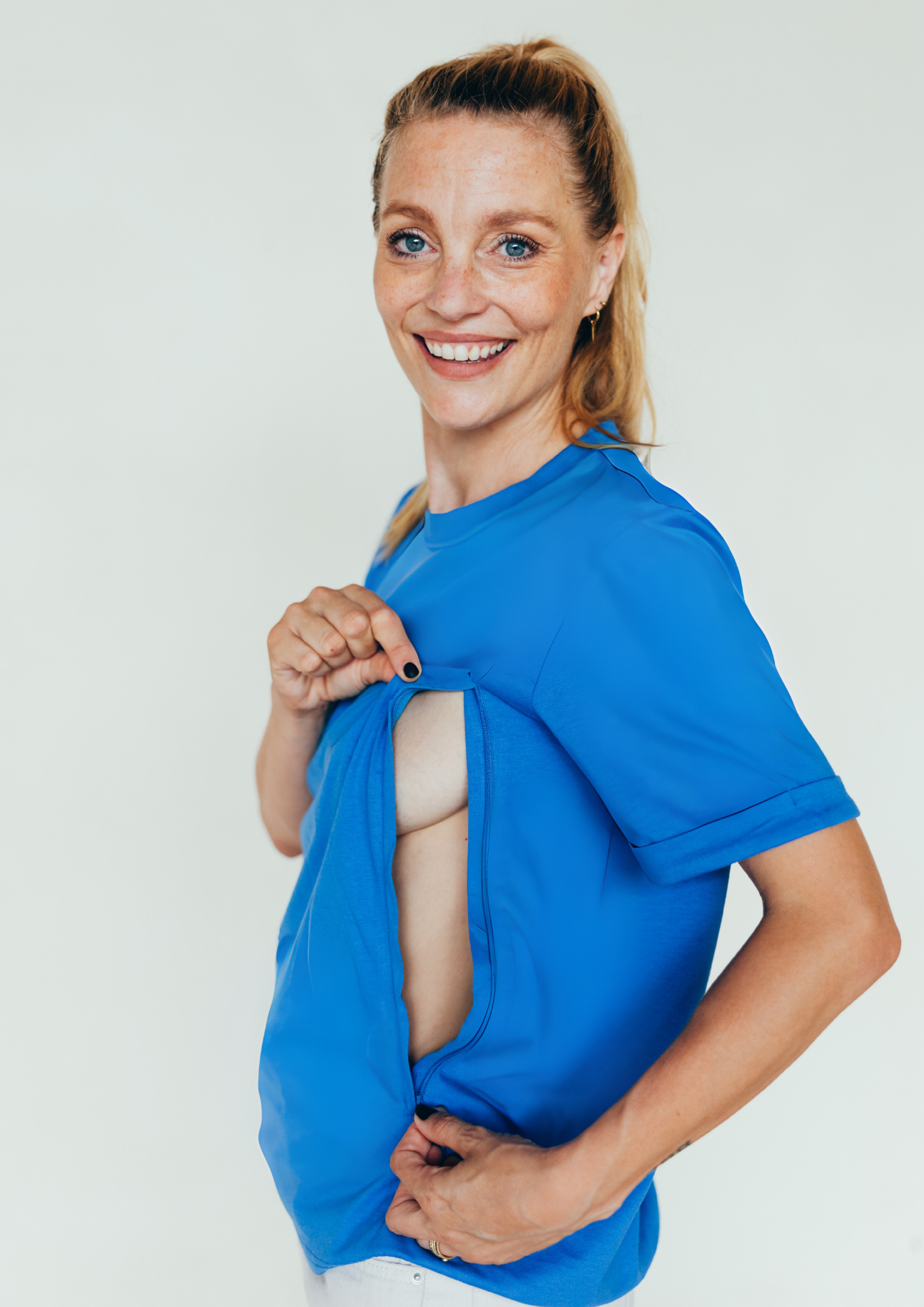
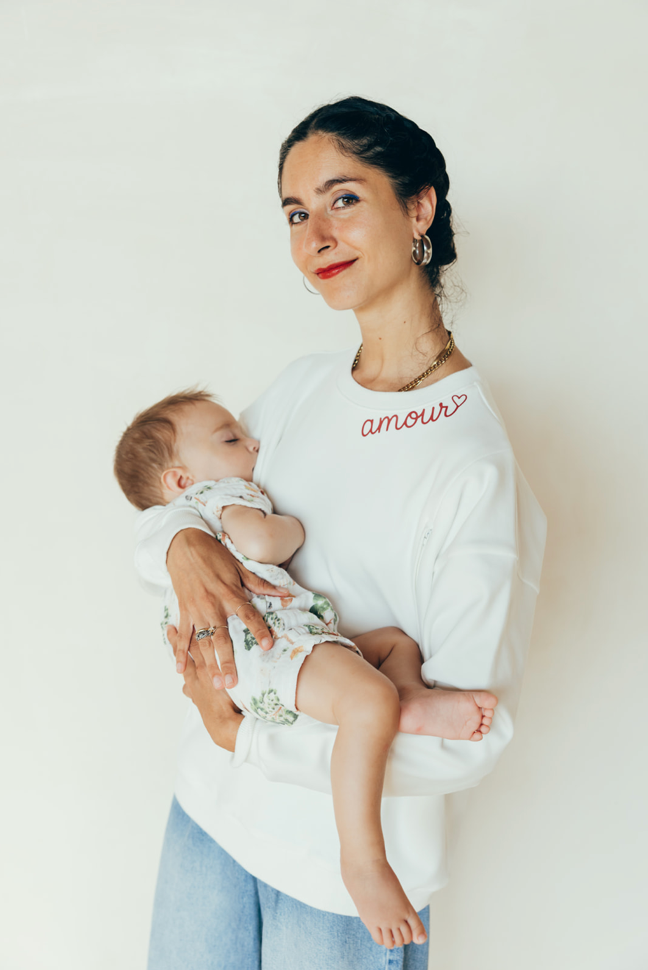
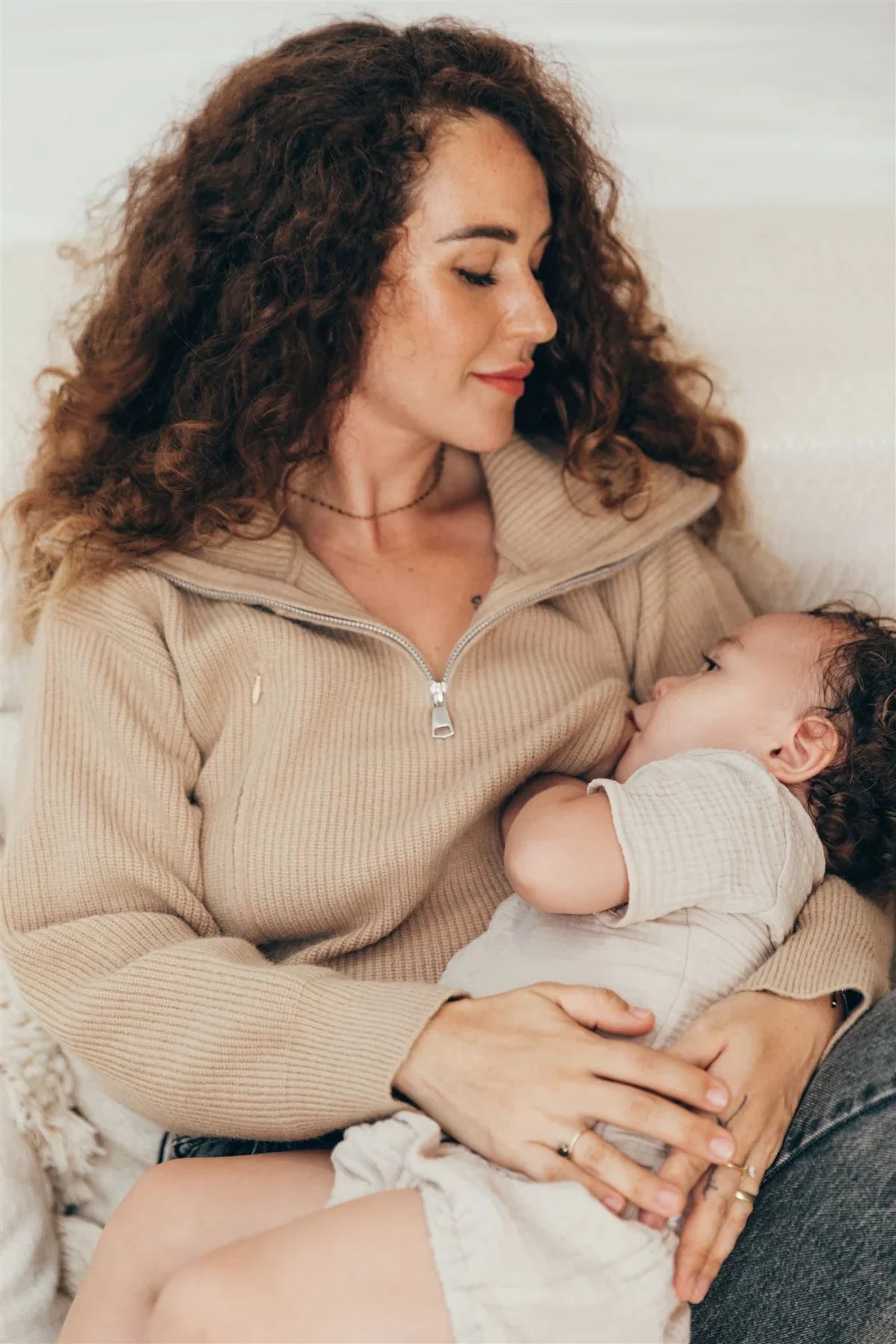
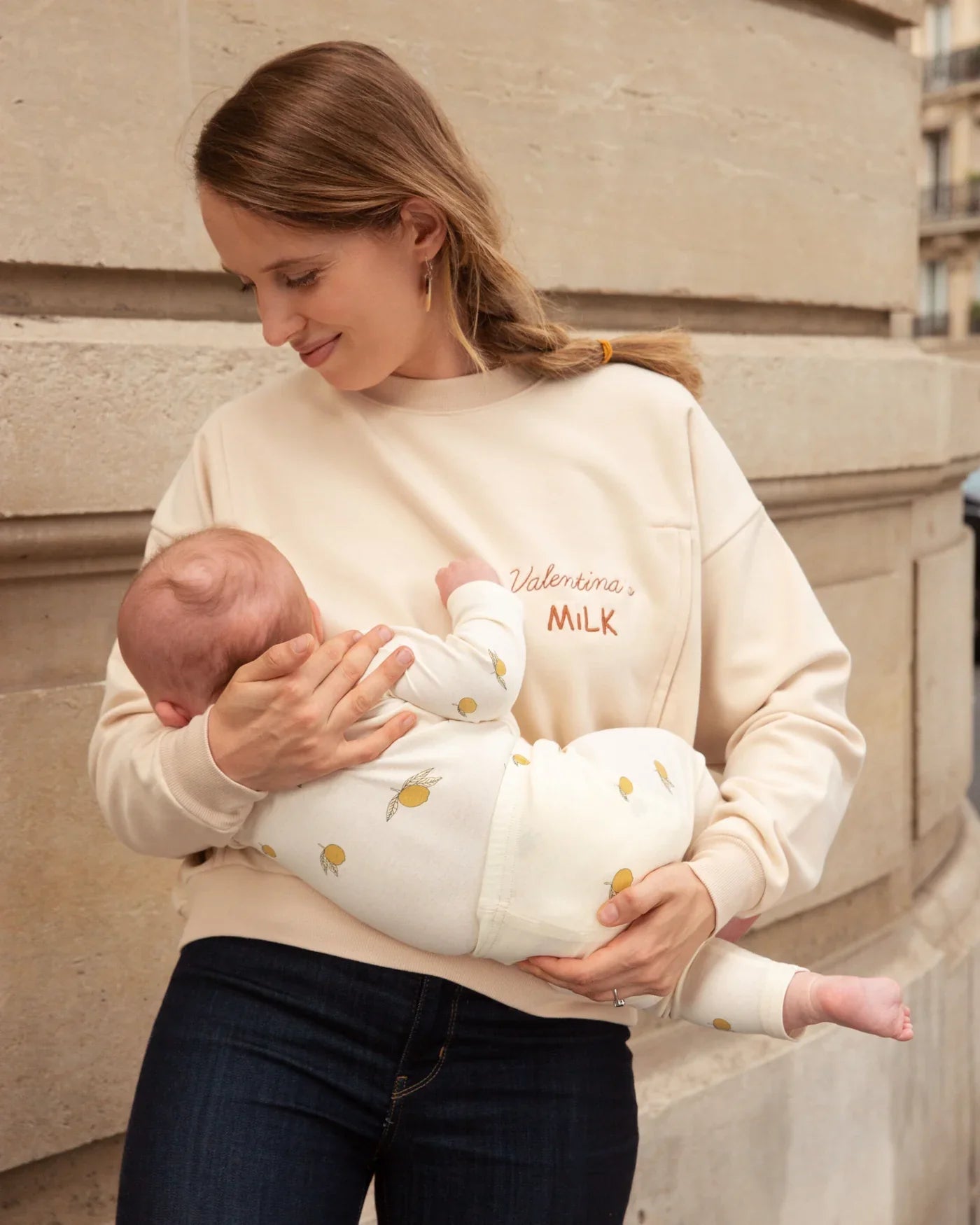
A well-designed winter nursing pajama set does several things at once. It keeps your body warm while breastfeeding—not by being so thick that it feels stifling, but by using the right thermoregulatory fabric that retains heat without making you sweat. It allows you to access your breast without undressing—an opening that’s easy to reach with one hand in the dark, discreet, and silent so as not to wake your baby any further. And it remains comfortable for sleeping between feedings—no seams that dig in, no elastic that’s too tight, and no fabric that wrinkles or pulls.
Thick cotton and modal are the most suitable fabrics. With their thermoregulatory properties, they help manage the temperature fluctuations typical of nights spent breastfeeding—heat during feedings, cold between feedings, and any hormone-related night sweats. They remain soft even after dozens of washes, and frequent washing is necessary due to milk leaks during the first few weeks.
The Reclining Position: The Secret to Successful Nighttime Feedings
This is the most valuable thing you can learn about nighttime feedings in winter—and the least often taught.
With the "stretched-out" feeding position, you can stay under the covers for the entire feeding session. You don't have to get up. You don't have to get out of bed. You don't lose the body heat you've built up. And with the best versions of this technique, you can even fall back asleep while your baby is feeding.
The basic position is simple: you lie on your side with your baby lying facing you, your belly against his or her. Your lower breast is naturally accessible. You guide your baby toward the breast with your lower arm, and you keep your upper arm free to make adjustments as needed.
It takes a few feedings to get the hang of this position. It doesn't work perfectly the first time—you have to find the right angle, the right height, and the way your body and your baby's body naturally fit together. But once you've mastered it, it makes a world of difference at night.
There is one important precaution to keep in mind: breastfeeding while lying in bed with your baby requires following the safety guidelines for co-sleeping. If you’re worried about falling asleep with your baby in bed, place your baby in their crib or bassinet as soon as you’re finished breastfeeding—even if it takes a few extra seconds. Your baby’s safety always comes first.
Temperature Management During Feeding
That’s the main dilemma with nighttime feedings in winter: the baby needs access to the breast, and exposing your breast in a room that’s 18°C at 3 a.m. isn’t pleasant.
The layering system elegantly solves this problem. A nursing tank top worn as a base layer under pajamas keeps the stomach and back covered even when you open the top to breastfeed. Only the breast you need to expose is revealed. Everything else remains covered, and body heat is preserved as much as possible.
Our nursing tank tops serve exactly this purpose at night. Made of soft cotton or modal, they provide an extra layer of warmth without feeling heavy, and their simple opening makes it easy to breastfeed without any fiddly adjustments in the dark.
After feeding, quickly put your tank top back on before getting back into bed—that’s the best way to stay warm. Don’t take the time to get fully dressed; just close the covers, get under them, and go to sleep.

What We Think About at 3 a.m. in Winter
There are thoughts that come to mind only at times like these. Thoughts that the light of day doesn't dare to voice.
Will this ever end? Am I really on the right track, or am I losing my way? Is it normal to feel both love and exhaustion at the same time? Do other moms go through this too, or is it just me?
The answer to all these questions is yes. It will stop—your nights will get back on track, feedings will become less frequent, and sleep will gradually return. You’re on the right track—being there at 3 a.m., feeding your baby in the cold, is exactly what it takes. Love and exhaustion always go hand in hand; it’s not a contradiction—it’s the reality of breastfeeding. And yes, millions of moms are going through exactly the same thing, at the same time, in the same winter darkness.
That last thought sometimes helps. The idea that at this very moment, all over the world, mothers are waking up for the same reasons, with the same exhaustion, in the same nighttime silence. A shared loneliness that isn’t quite loneliness anymore.
The Nights to Come
There's something you'll only realize in hindsight—and every mom who's been through those nights can confirm it.
Those late-night feedings in winter that you thought you’d never recover from—you’ll remember them. Not with dread, but with an unexpected tenderness. The warmth of your baby against you in the cold night. The way he’d fall asleep while nursing, his mouth gradually slowing down. The silence of the house. The amber light of the nightlight on his face.
Those details—which seem insignificant in the exhaustion of the moment—become precious in hindsight. They are the fabric of those unique months—nothing more, nothing less, but much more than nothing.
At 23 Mai Paris, we’re thinking of you on those nights. Ournursing tank tops are designed to keep you as comfortable as possible during those hours, so that physical discomfort doesn’t add to the inevitable fatigue. And ournew collection features pieces designed for every moment of motherhood—including those times when the world is asleep and you’re not.
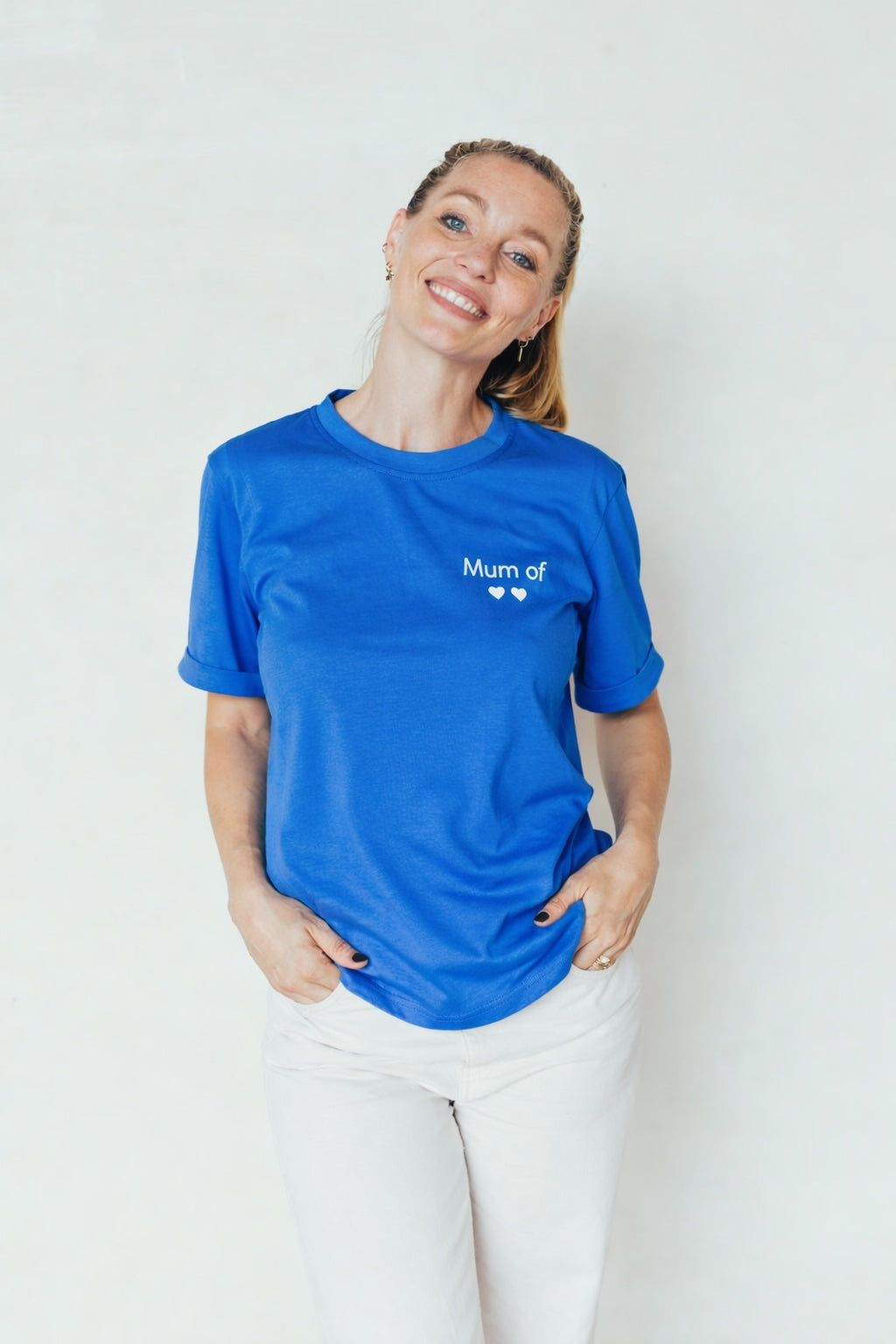
Also check out our Breastfeeding t-shirts for that morning transition when the night finally ends and a new day begins, with your baby in your arms and a little more light in the house.