Staying Motivated to Breastfeed When Winter Drags On
There comes a time, somewhere between January and March, when winter starts to feel different.
At first, there was something cozy about the cold season—feeding under a blanket, the house nice and warm, those long days spent indoors that gave you an excuse to slow down. And then the weeks went by. The nights piled up. Fatigue settled in, layer upon layer, getting thicker and thicker. And one morning, you woke up—or maybe you didn’t really wake up because you hadn’t really slept—with this thought: How much longer can I keep this up?
It's not that Mom's thoughts are failing her. It's that Mom is exhausted, which is very different.

Understanding What's Really Going On
Before we talk about motivation, we need to acknowledge what’s really going on when winter drags on and the motivation to breastfeed starts to waver.
It’s almost never just one cause. It’s a combination of factors. The fatigue from fragmented nights that has settled into the body and mind. The lack of natural light that quietly but surely erodes one’s mood. The relative isolation of winter, which deprives us of the social interactions that would help put things into perspective. Sometimes an unresolved physical pain—cracked nipples, chronic engorgement, or vasospasm—that makes every feeding an ordeal. And the duration—simply the duration—that transforms what seemed manageable into something that feels endless.
Your motivation to breastfeed doesn't disappear because you don't love your baby or because you aren't committed enough. It wavers because you're human, and humans have limits—even those who love deeply.
The False Reasons and the Real Reasons
When you start to doubt your motivation to breastfeed in the winter, it helps to distinguish between two types of reasons.
False reasons—or rather, reasons that seem decisive at the time they occur to us but that actually stem from fatigue and a lack of light. “Maybe I don’t have enough milk,” even though my milk supply is normal but the baby’s growth spurts have created the impression of a shortage. “The baby seems unsatisfied,” even though he’s going through a developmental phase that makes him temporarily more demanding. “I’m the only one who isn’t getting any sleep,” even though in reality many breastfeeding moms are going through exactly the same thing.
It’s a good idea to discuss these thoughts with a midwife, a lactation consultant, or simply a friend who has breastfed before making a decision.
The real reasons are different. Persistent physical pain that hasn’t been treated and makes every feeding a struggle. A concerning mental health condition—such as postpartum depression or severe anxiety—that warrants professional attention regardless of breastfeeding. A genuine need to reclaim your body and your independence—a need that is legitimate no matter when you decide to stop. Or simply the calm, well-considered certainty that you’ve given as much as you could and that the time has come to move on.
Ways to Regain Momentum
If, after considering the reasons, you decide to continue breastfeeding—and that's what you want—here are some tips that really help you regain your momentum when winter drags on.
Recognizing what you’ve already accomplished changes your perspective on what lies ahead. If you’ve been breastfeeding for two months, you’ve gone through the milk coming in, the cracked nipples of the first few weeks, learning the right position, your first outings involving public feedings, and those first few nights. It’s a real list of challenges you’ve overcome. Seeing them, acknowledging them, and not downplaying them means reminding yourself of what you’re capable of—at the very moment you’re about to forget.
Setting short-term goals rather than a total duration is a strategy that many breastfeeding moms find effective in the winter. “Just one more week” instead of “up to six months.” “Until the next vacation” instead of “until we start introducing solid foods.” These smaller milestones make it easier to keep going without feeling overwhelmed by the total time remaining.
Addressing untreated physical pain is often the key to unlocking everything. A persistent cracked nipple, improperly treated mastitis, or chronic back tension caused by breastfeeding positions—these unaddressed physical discomforts undermine your motivation far more effectively than any abstract fatigue. A consultation with a midwife or an IBCLC can radically transform your experience in just a few days.
The Role of Family and Friends in Winter
Winter isolation exacerbates the loneliness of breastfeeding, and the loneliness of breastfeeding exacerbates doubts about one's motivation. It's a cycle that can be broken.
Looking for an online community of breastfeeding moms when it’s hard to get out and about in the winter offers something no guidebook can replace: real-time proof that others are going through exactly what you’re going through. Facebook groups, Instagram accounts run by breastfeeding moms, and organizations like La Leche League—these spaces offer a sense of connection and support that help normalize what you’re experiencing.
Explaining to those closest to you what you’re going through—without waiting for them to figure it out on their own—often helps you get the practical support you need. No long speeches. Just say, “Breastfeeding is hard right now; I need X.” Being specific about what you need is what makes it possible for others to help.
And if your partner is there, there’s a role you can assign to them. Not to breastfeed in your place, of course. But to be there during difficult feedings. To hold the baby after a feeding so you can go back to sleep. To take over in the morning on weekends. These concrete actions, when explicitly requested, can make the winter much easier to handle.
Taking Care of the Body That Gives
One of the least discussed aspects of motivation to breastfeed is the direct link between a mother’s physical comfort and her desire to continue.
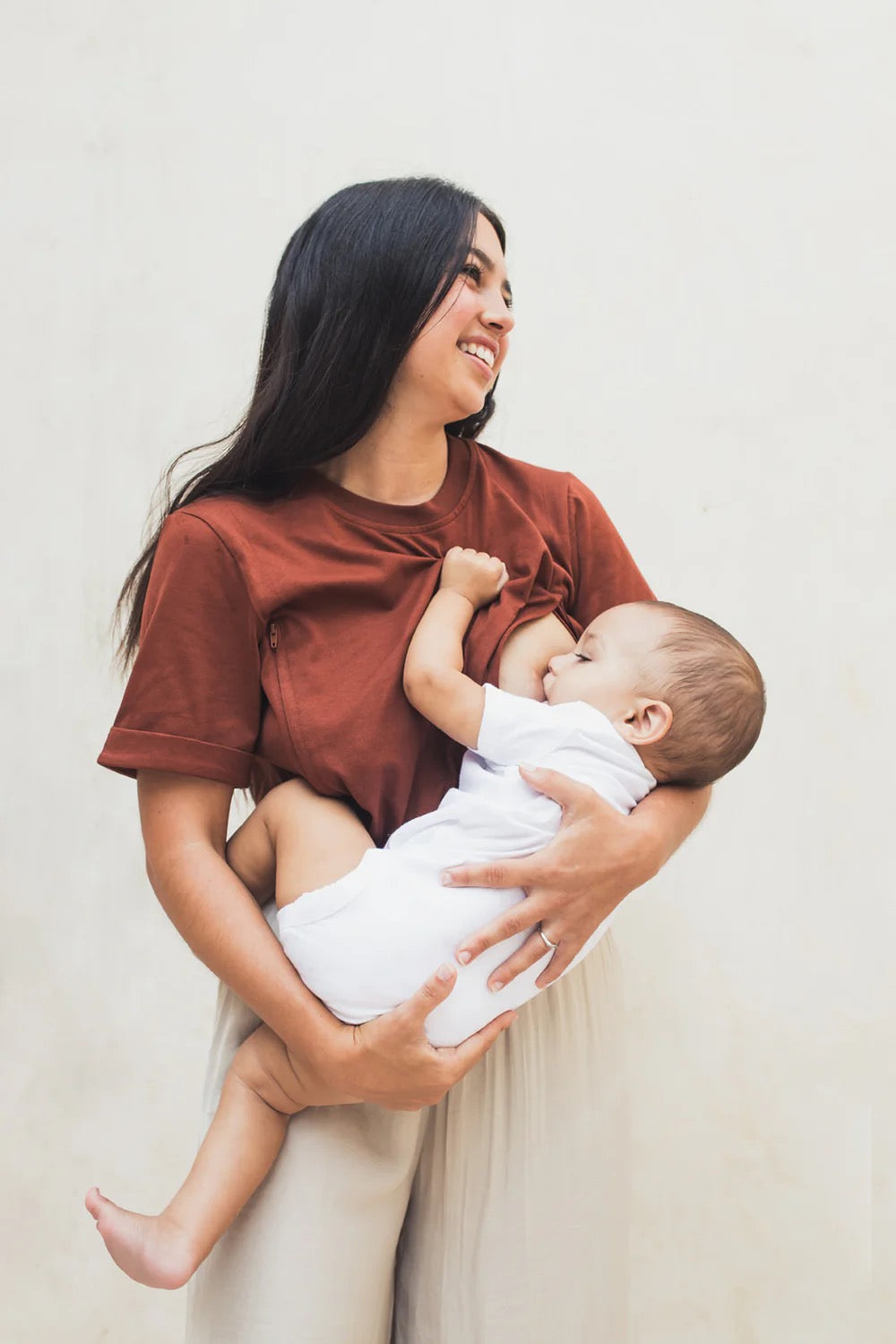
Breastfeeding while uncomfortable—in clothes that don’t make feedings easier, in positions that strain your back, and in the cold because nothing keeps you warm while feeding—erodes your motivation in ways that are invisible but very real. This isn’t just a minor issue. It’s physics.
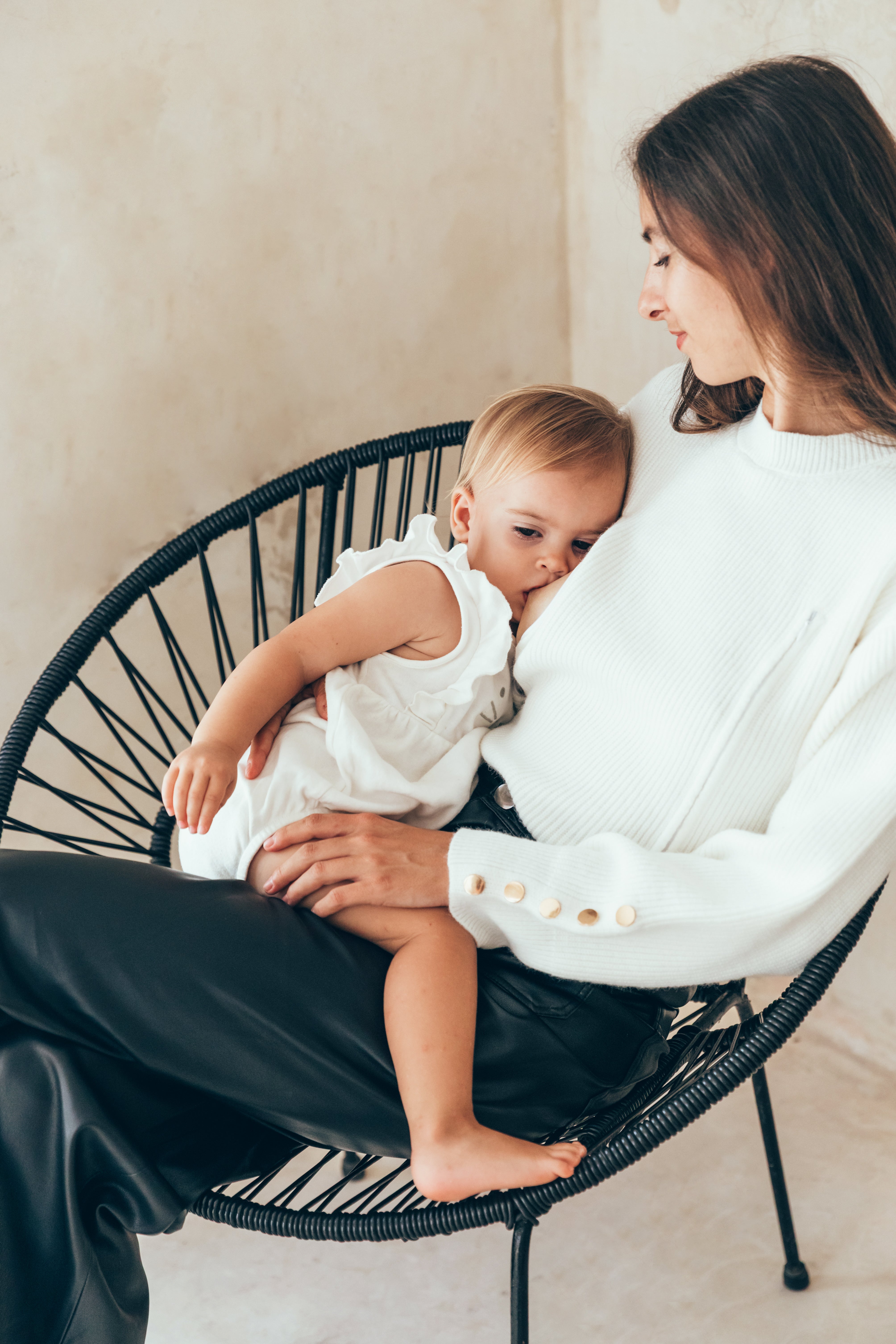
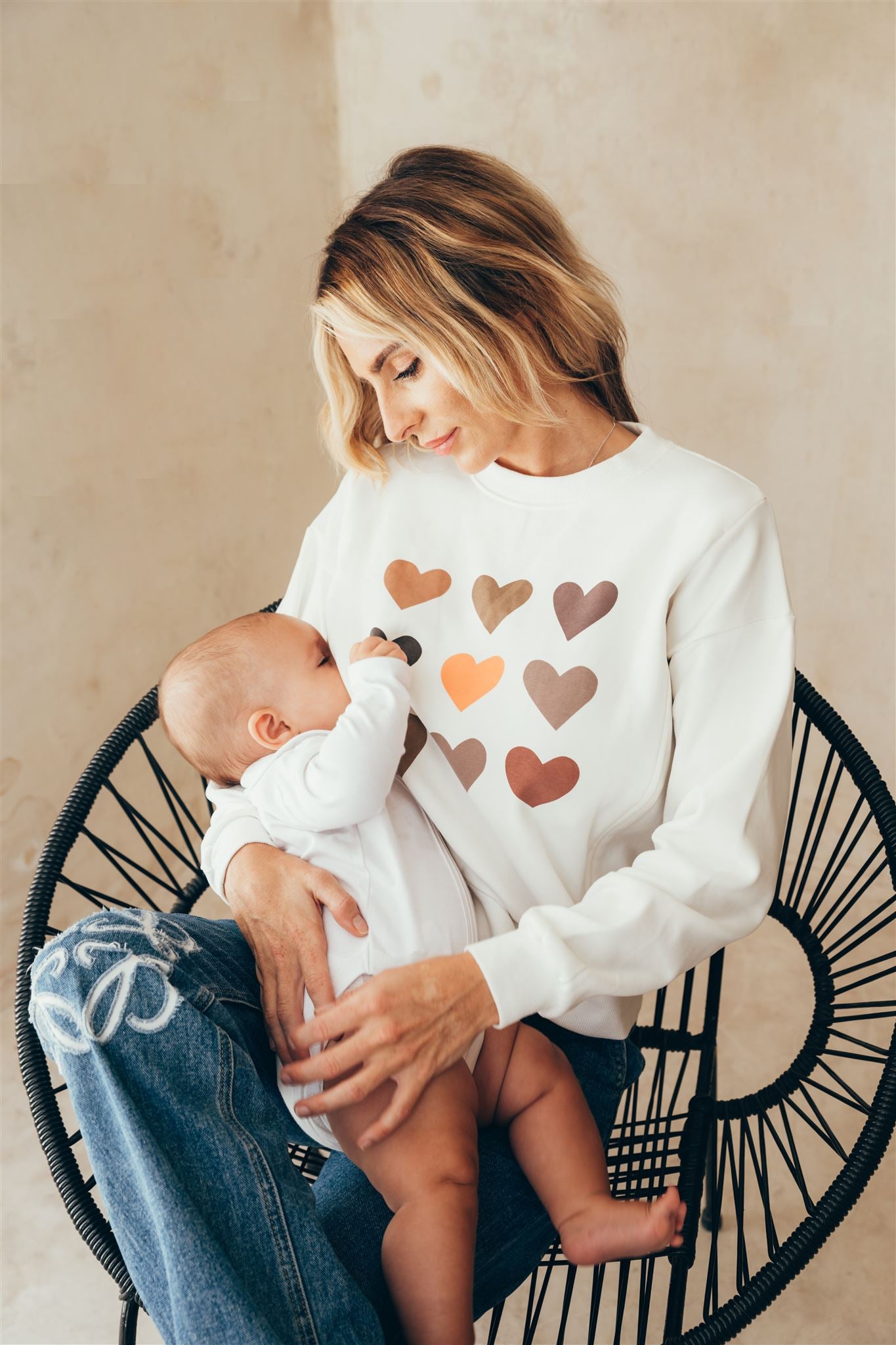
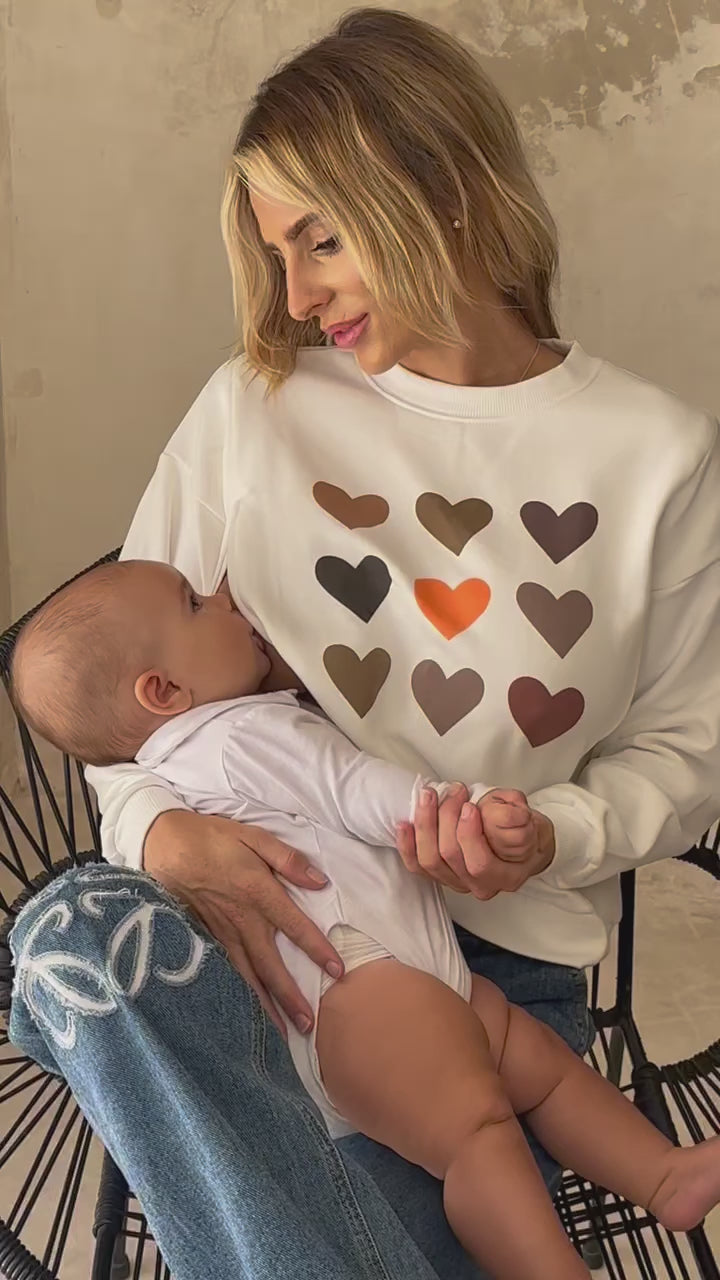
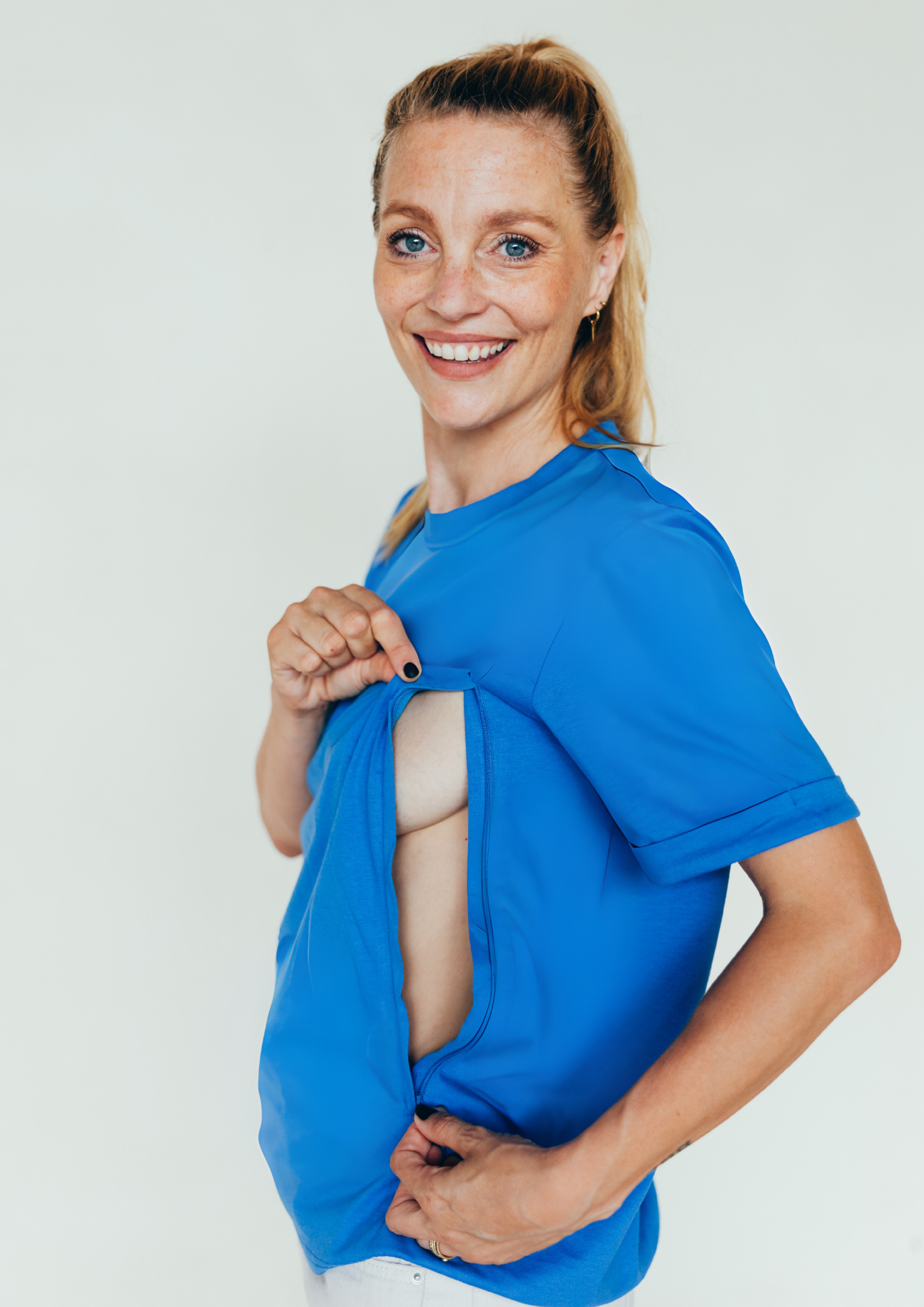
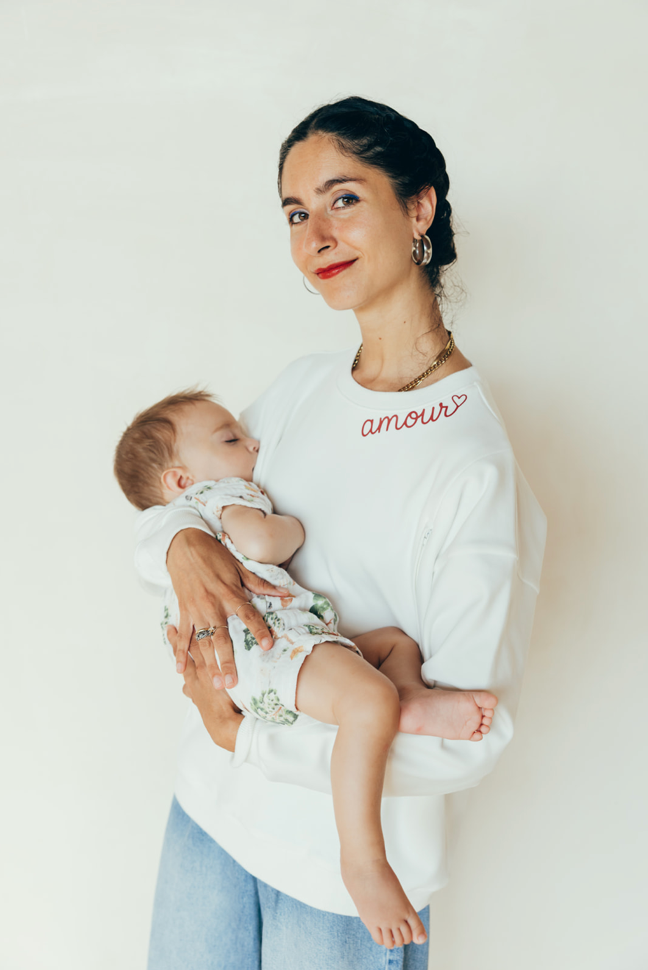
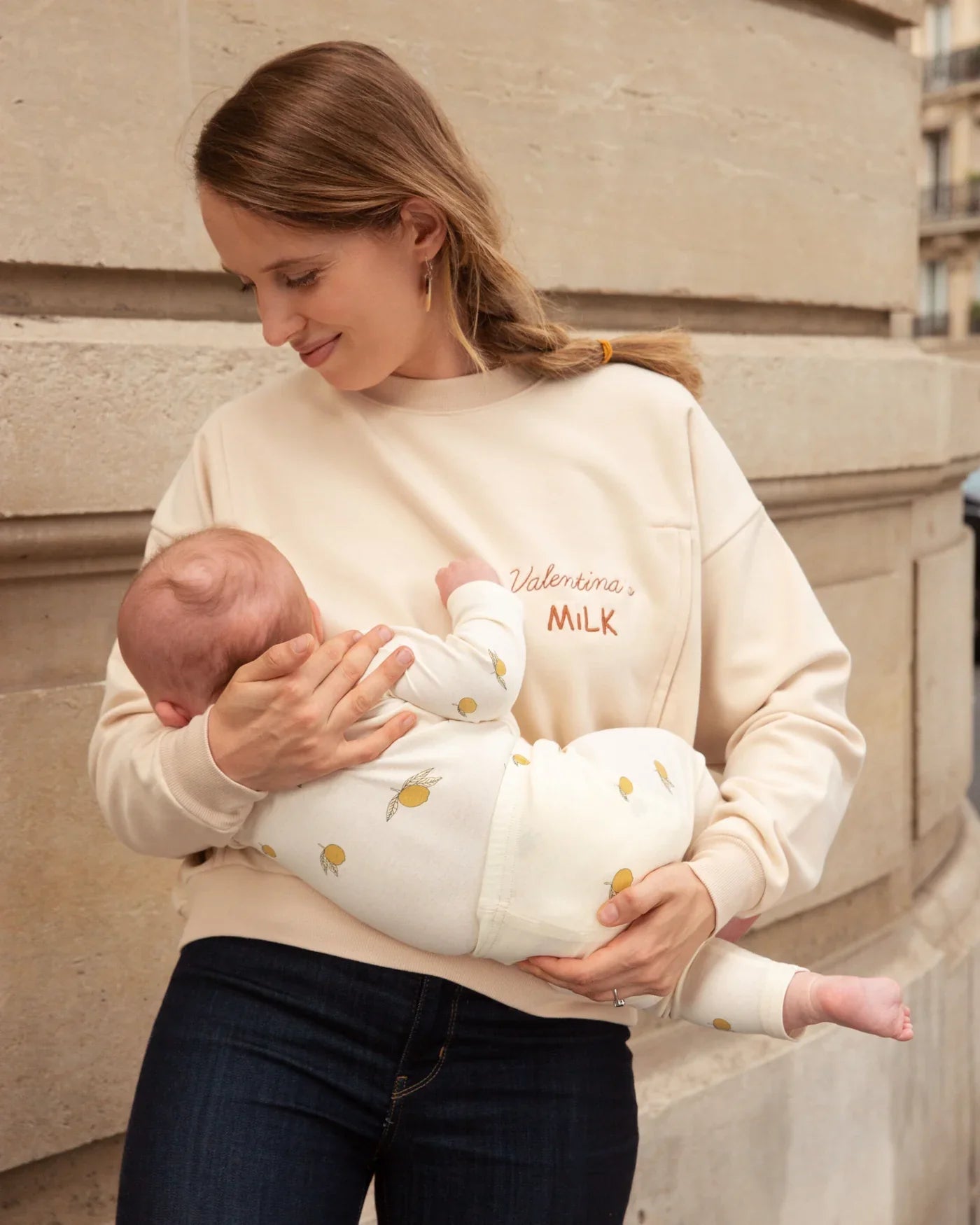
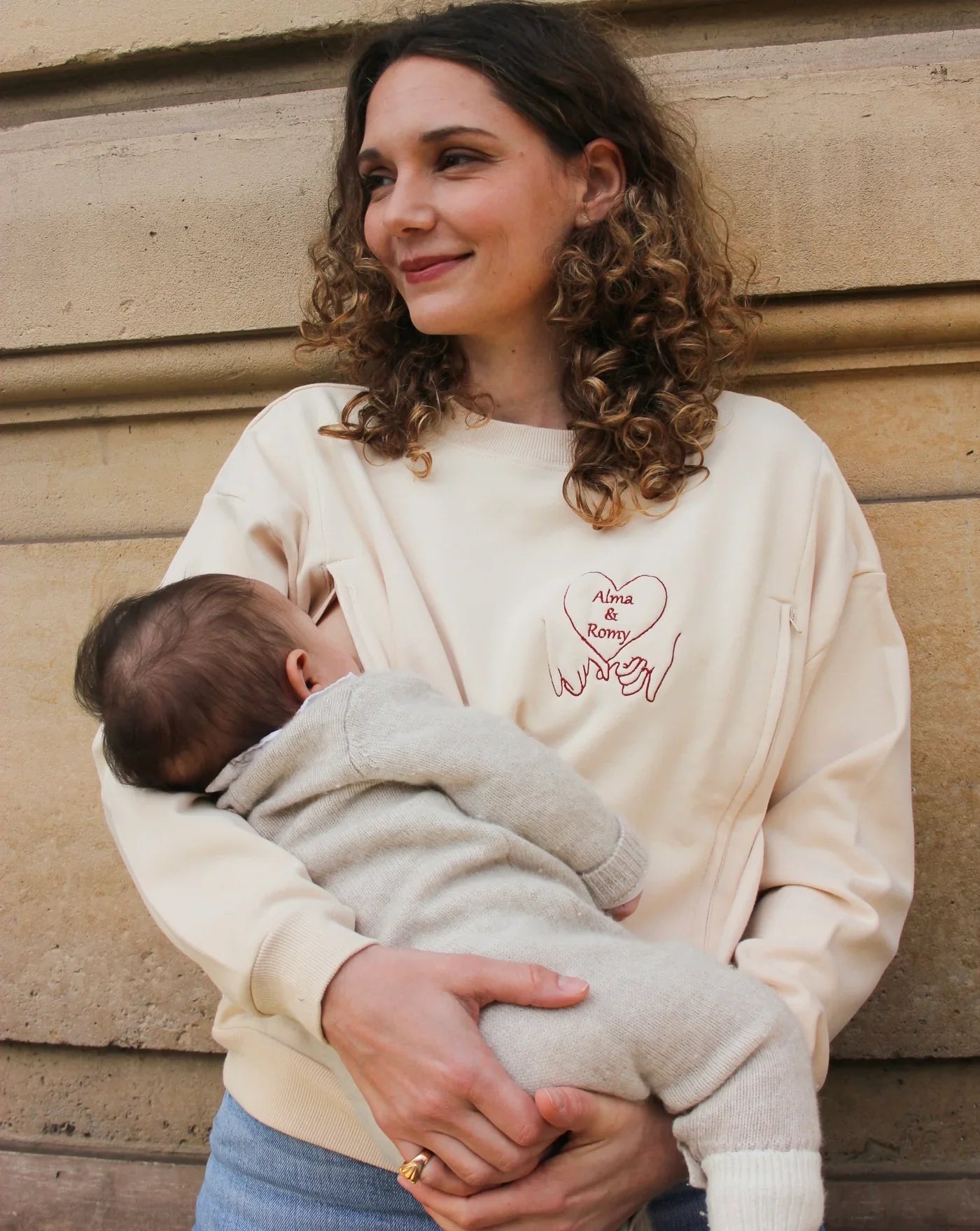
Taking care of your body while breastfeeding also means taking care of your motivation. A nursing sweater made of " knit " that keeps you warm during winter feedings. A nursing tank top that keeps your stomach covered at all times.
These items aren't just a luxury. They reduce the physical friction that builds up unnoticed and contributes to a loss of motivation.

The question that deserves to be asked honestly
There's a question we don't always dare to ask ourselves because we're afraid of what it might reveal.
Do I want to keep breastfeeding? Not “should I,” and not “does the baby need it.” But do I, right now, in my real life, want to keep doing it?
This question deserves an honest answer—not one influenced by guilt, external pressure, or the idea that “a truly good mom breastfeeds for a long time.” An answer that comes from you—from your feelings, your body, and your state of mind.
If the answer is yes—even a weary, hesitant “yes”—here’s how to proceed. If the answer is no, or if a “no” begins to surface despite your efforts to ignore it, here’s what you need to know: stopping breastfeeding is not giving up. It’s a parenting decision just as valid as continuing. A mom who takes care of her mental and physical health is taking care of her baby.
And if the answer is “I don’t know,” that’s often a sign that you need support to figure out what’s just temporary fatigue and what’s a real need for change.
What Helps Us Get Through Tough Times
On some winter days, motivation isn't something you find—it's something you push through.
Those mornings when you just don’t feel like it. When the feeding seems to go on forever. When you look out the window at the gray sky and think about the body you used to have, the nights you used to have, the life you used to have. On days like these, there’s no magic trick. You just have to get through this feeding, then the next one, then the next.
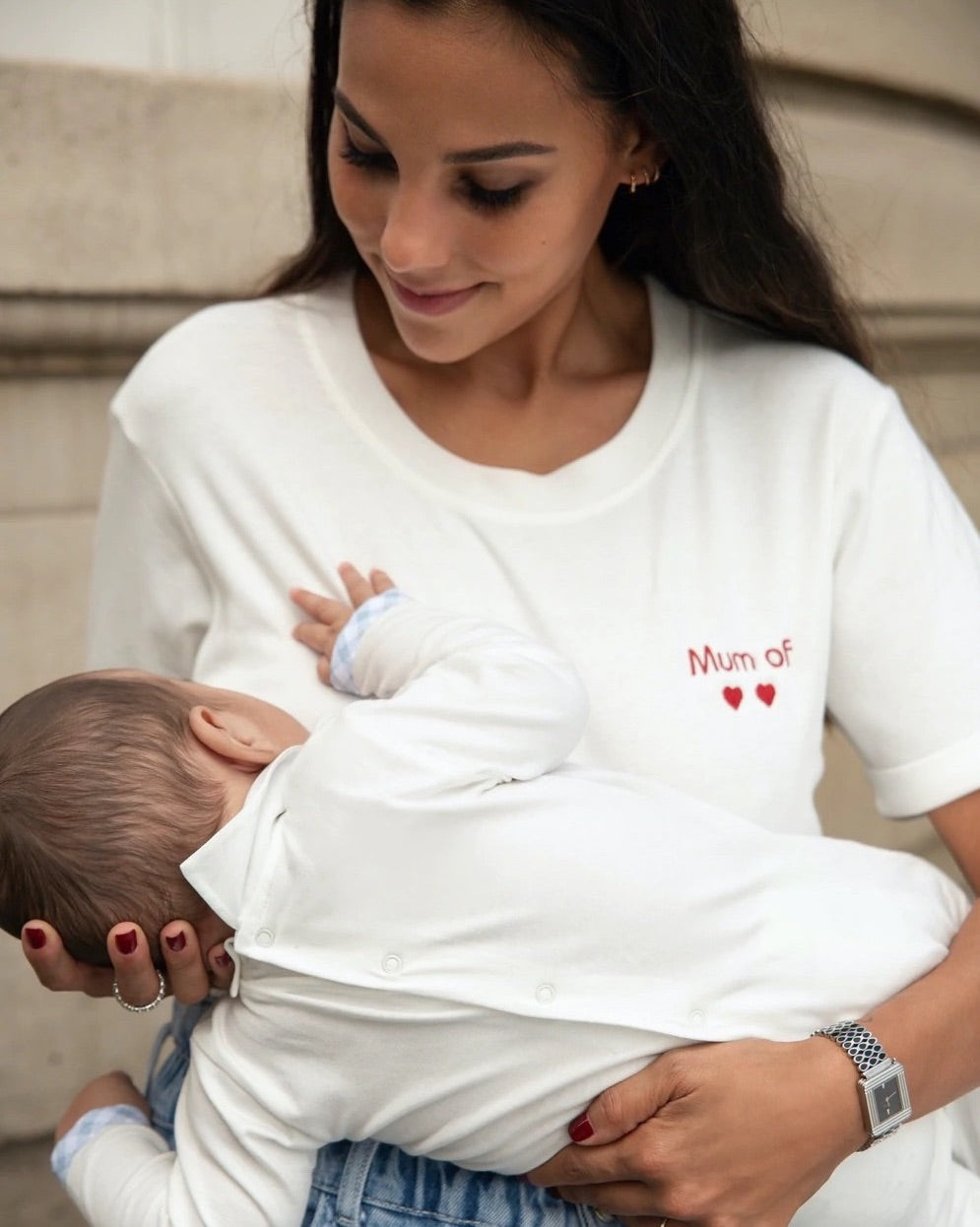
And sometimes—not always, but sometimes—something changes during the feeding itself. The baby looks up at you. Or falls asleep so deeply that you can see their chest rising. Or grabs your finger with their tiny hand. And for a few seconds, winter feels less heavy, fatigue less overwhelming, and your motivation less wavering.
Those seconds don't prove anything or decide anything. But they exist, and they matter.
The decision is yours
If, at the end of this journey through winter, these nights, and these doubts, you decide to keep going, you have our utmost admiration for your quiet, everyday resilience.
And if you decide to stop weaning—whether gradually or quickly—for physical or mental reasons, or simply because you need to, that decision deserves exactly the same respect. Breastfeeding isn’t a medal. It’s a choice—one that’s made and remade, and that can also be undone.
What you have given your baby—whether it’s been three weeks or ten months—is real, lasting, and precious. No long winter, no difficult night, no moment of doubt can take that away.
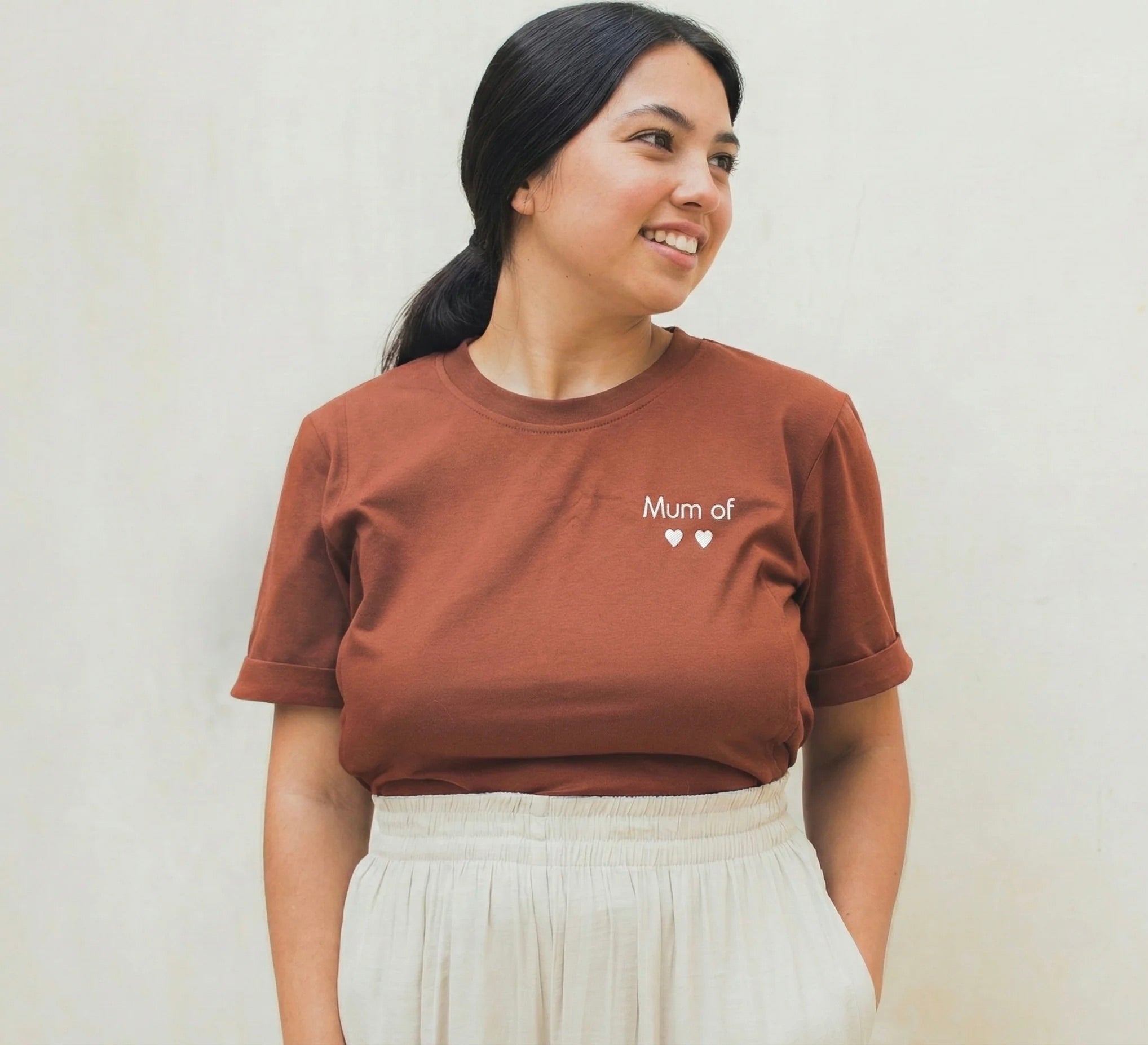
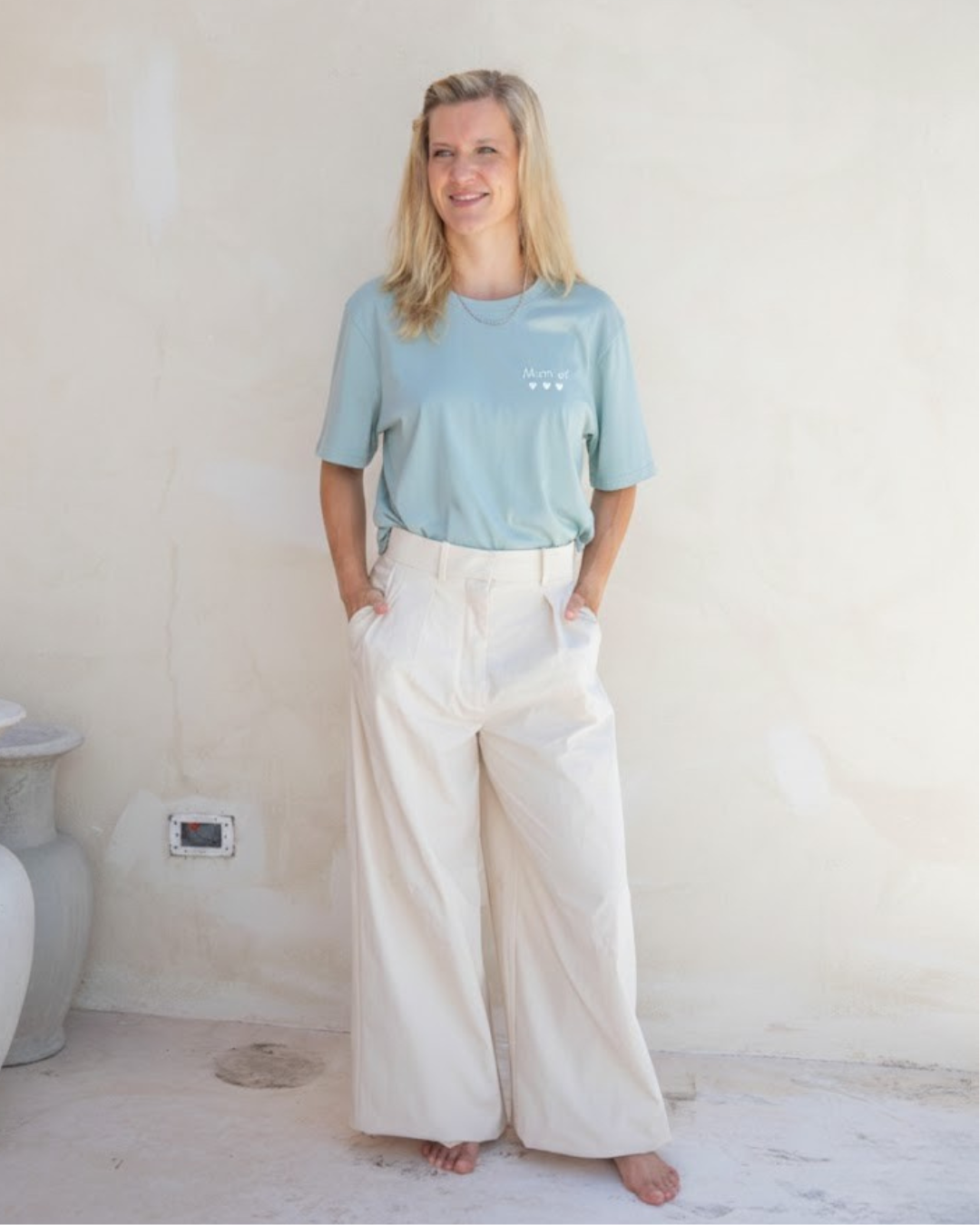
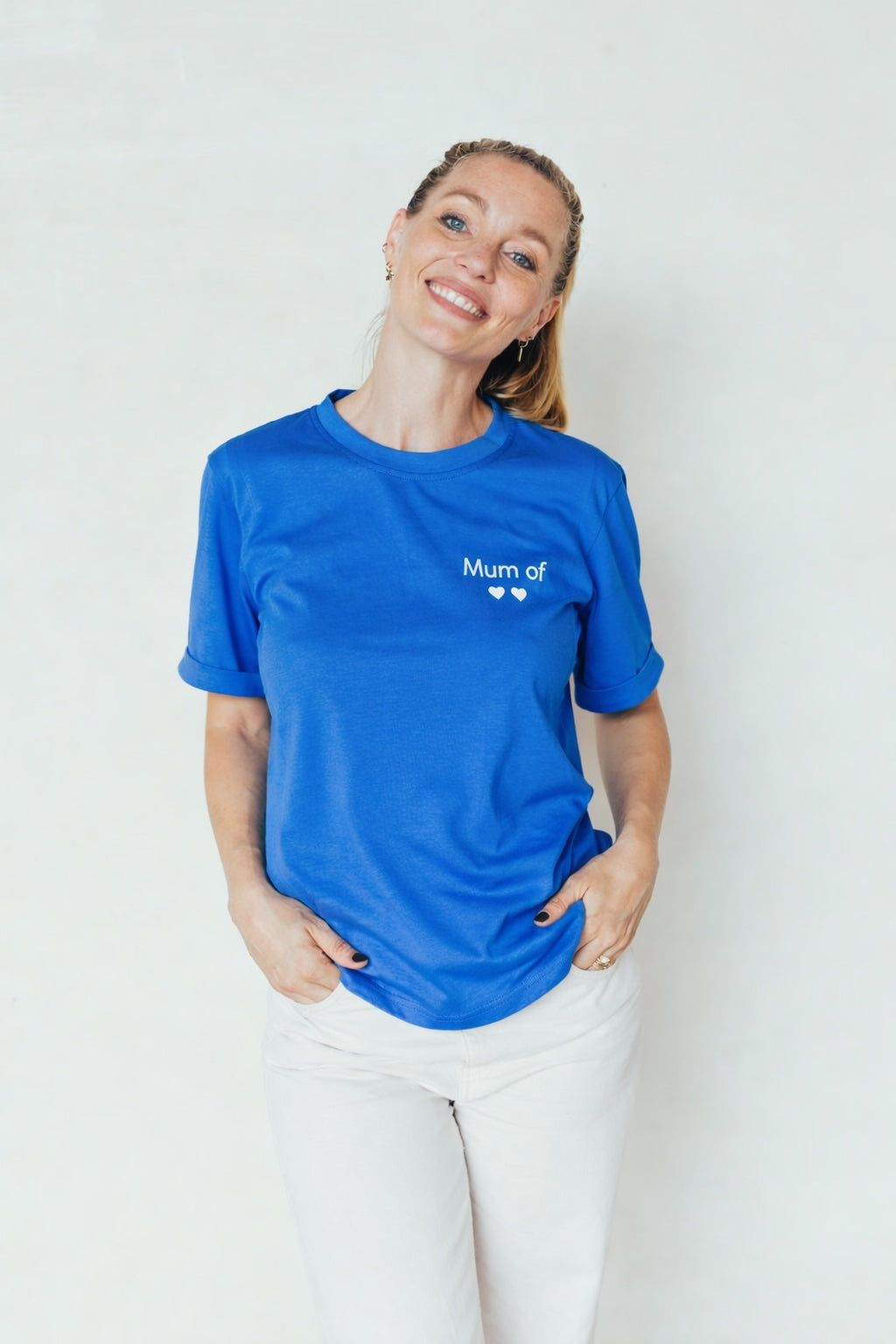
At 23 Mai Paris, we support moms in all these decisions without judging how long they breastfeed or idealizing continuous breastfeeding. Our Breastfeeding t-shirts, our sweatshirts, and our new collection are designed to support you for as long as you breastfeed, and ourclothes remain beautiful pieces of clothing long after that.
Check out our nursing tank tops and sweaters made of knit—pieces that are gentle on your nursing body, no matter the weather.