Swimming with Your Baby: Pools, the Ocean, and Lakes—What You Need to Know
Summer is coming, and with it that irresistible urge to take a dip. Except now there’s a baby. And with a baby come the questions: At what age can the baby go swimming? How do I handle breastfeeding before and after? What precautions should I take at the pool, the ocean, or a lake?
Good news: Swimming with an infant is entirely possible—and even beneficial—as long as you follow a few simple rules. This guide brings together everything you need to know to enjoy the water this summer with your baby, with complete peace of mind.

At what age can a baby start taking a bath?
That's the first question almost all moms ask themselves—and the answer depends on where they're swimming.
In a private or heated pool
Once the umbilical cord has completely healed—usually between 2 and 4 weeks—your baby can enjoy the water in a well-maintained private pool, provided the water temperature is warm enough (at least 32°C for toddlers).
At a public swimming pool
It's best to wait until the baby has received their first vaccinations—usually around 2 months—and their immune system is a little more developed. Many pediatricians recommend waiting until the baby is 3 to 4 months old before taking them to crowded swimming pools, where high chlorine levels and the presence of other children call for extra caution.
At sea
Seawater is naturally cleaner than water in a public pool, but it is also often cooler, and the movement of the waves can be unsettling. Most experts recommend waiting until your baby can hold his or her head up properly—around 3 to 4 months—before taking him or her into the ocean for the first time, and always staying very close to the shore where the water is calm.
On a lake or river
Extra caution is needed: stagnant water or water with a slow current may contain bacteria, and the temperature is often cooler than the ocean. Ideally, wait until your baby is at least 6 months old, and check the water quality of the lake before swimming there with your baby.
Essential precautions, no matter where you are
There are certain rules that apply to all times you take a baby swimming, no matter where you are.
Water temperature
Infants are still not very good at regulating their body temperature. Water that is too cool will cause them to get cold much faster than an adult. For a baby under 6 months old, aim for water that is at least 30 to 32°C. Beyond that, limit bath time to a maximum of 10–15 minutes, especially the first few times.
Constant monitoring
It seems obvious, and yet it’s the number one rule: an adult must keep a close eye on the baby at all times, without exception, as soon as the baby is in or near water—even in a small wading pool just a few centimeters deep. Silent drowning can occur in a matter of seconds.
Sun Protection
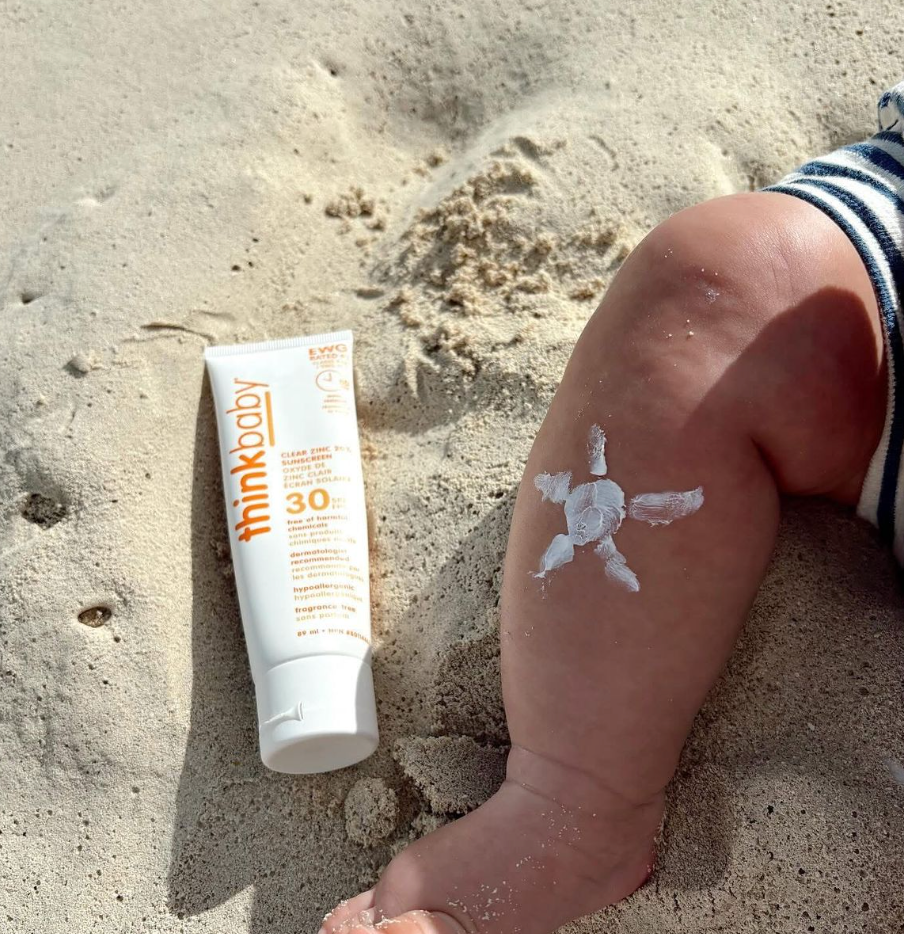
Before going swimming, it is essential to apply sunscreen suitable for babies (SPF 50+, preferably a mineral-based formula for the youngest skin) 20 to 30 minutes before sun exposure. For babies under 6 months old, it is best to stay in the shade and wear UV-protective clothing rather than expose them to direct sunlight.
Signs of fatigue or cold
A baby who starts to get fussy, whose lips turn slightly blue, and who is shivering—these are signs that it's time to get them out of the water, dry them off, and warm them up immediately.

Swimming Pools: What You Need to Know Specifically
Chlorine and Sensitive Skin
Infants' skin is thinner and more permeable than that of adults, making it more sensitive to chlorine. Always rinse your baby with clean water after every swim in the pool, and then moisturize their skin with a gentle cream.
Bath diapers
Essential for babies who aren't potty-trained yet. A regular swim diaper isn't enough in case of an accident—they're designed to absorb less and contain solid stools, but they're no substitute for constant supervision.
The UV-protective swimsuit
For babies who spend more time by the pool than indoors, a UV-protective onesie or T-shirt provides effective protection without the need to reapply sunscreen every hour.
The Sea: What You Need to Know Specifically
Salt and Waves
Seawater can irritate a baby's eyes and mucous membranes—avoid submerging their face completely. Choose a calm time when there aren't any big waves, and stay in a shallow area where you have complete control over the situation.
The Wind and the Sand
The beach is often windier than you might think, and the hot sand can burn the delicate skin on a baby’s feet. A beach tent or umbrella, a towel or insulated mat laid on the sand, and lightweight clothing—even when out of the water—are essential.
Jellyfish and Other Surprises
Check local conditions before going for a swim—some beaches post warnings about jellyfish or poor water quality after heavy rains.
Lakes and Rivers: What You Need to Know Specifically
Water Quality
Not all lakes and rivers are the same. Find out about the quality of the water where you plan to swim—in France, many websites publish regular reports on bathing water quality during the summer. Avoid stagnant, greenish water or water with a suspicious odor.
Current and Depth
Even a river that appears calm on the surface may have a strong current at depth. Always stay in shallow areas—supervised ones if possible—and avoid rivers after heavy rains (the flow increases rapidly).
The temperature, which is often cooler than one might imagine
Lakes and rivers are generally cooler than the ocean or a swimming pool, even in the middle of summer. Limit the time you spend in the water and have a warm towel ready when you get out.

Summary Table by Swimming Location
| Location | Recommended minimum age | Main Precaution |
|---|---|---|
| Heated private pool | 2–4 weeks (cord healed) | Water temperature (32°C+) |
| Public Swimming Pool | 2–4 months | Chlorine, vaccination, hygiene |
| Sea | 3–4 months | Waves, salt, wind |
| Lake / River | 6 months | Water quality, current, freshness |
Breastfeeding Before and After Swimming: What You Need to Know
This is a question many moms ask themselves, and one that deserves clarification: Can you breastfeed right before or right after your baby's bath?
Before Swimming
Breastfeeding your baby shortly before bath time isn't a problem in itself, contrary to some common misconceptions based on adult practices ("waiting for digestion after eating"). It can even help relax your baby and prepare them for this new experience. Just avoid feeding your baby right before getting in the water if they tend to spit up—wait 15 to 20 minutes for their comfort.
After Swimming
This is often the most precious moment. As the baby comes out of the water, tired from this new sensation, he naturally seeks comfort at the breast. It’s the perfect opportunity for a soothing feeding that warms him up and reassures him.
What to Wear for Breastfeeding by the Water
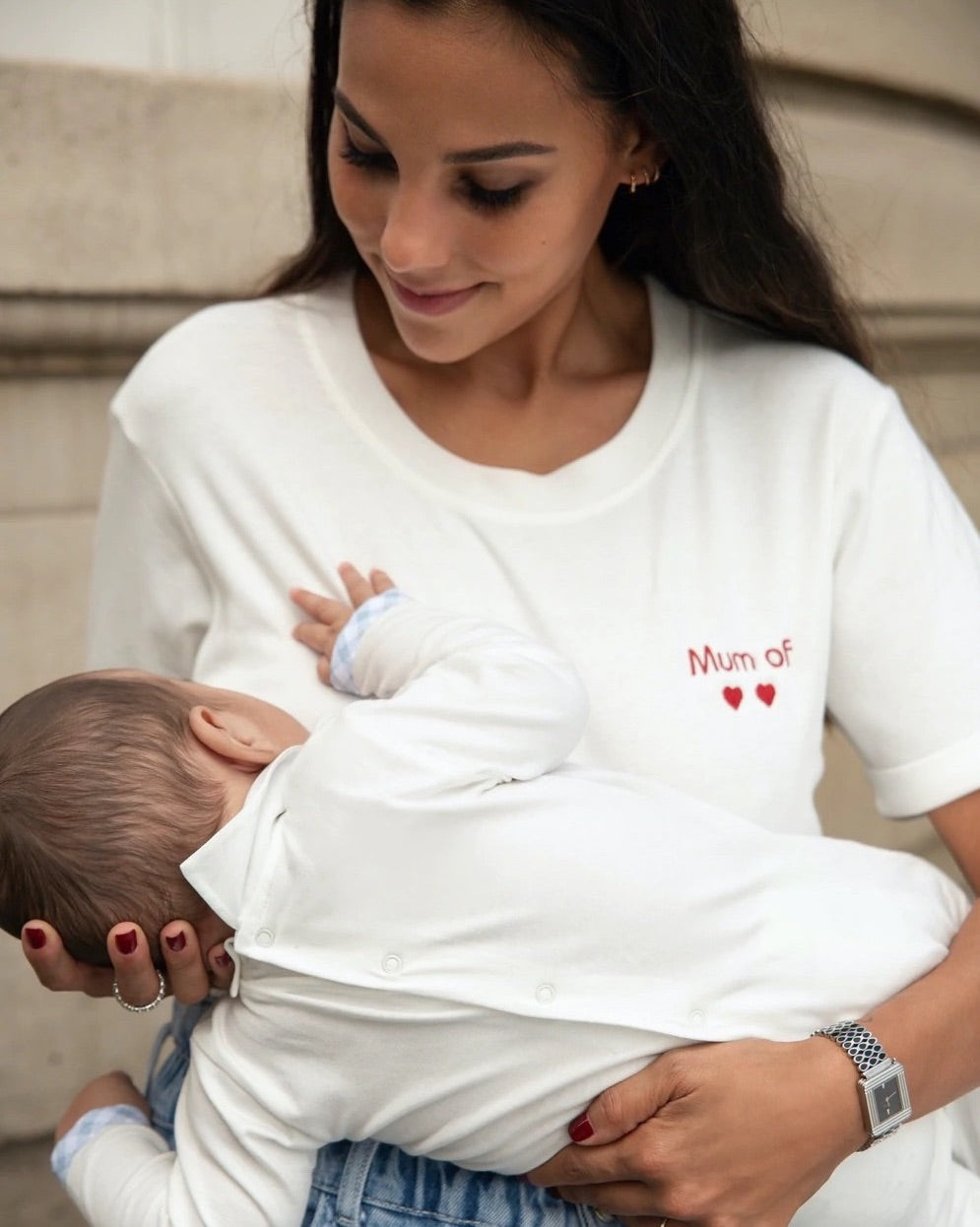
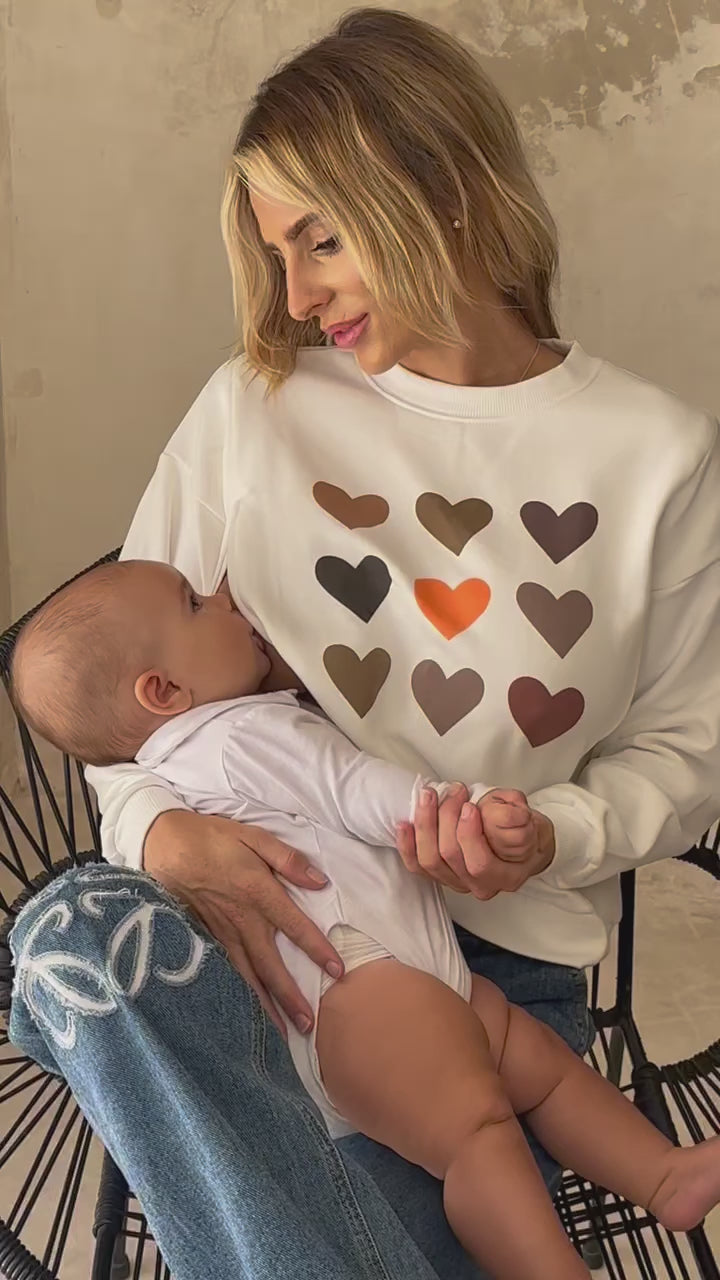
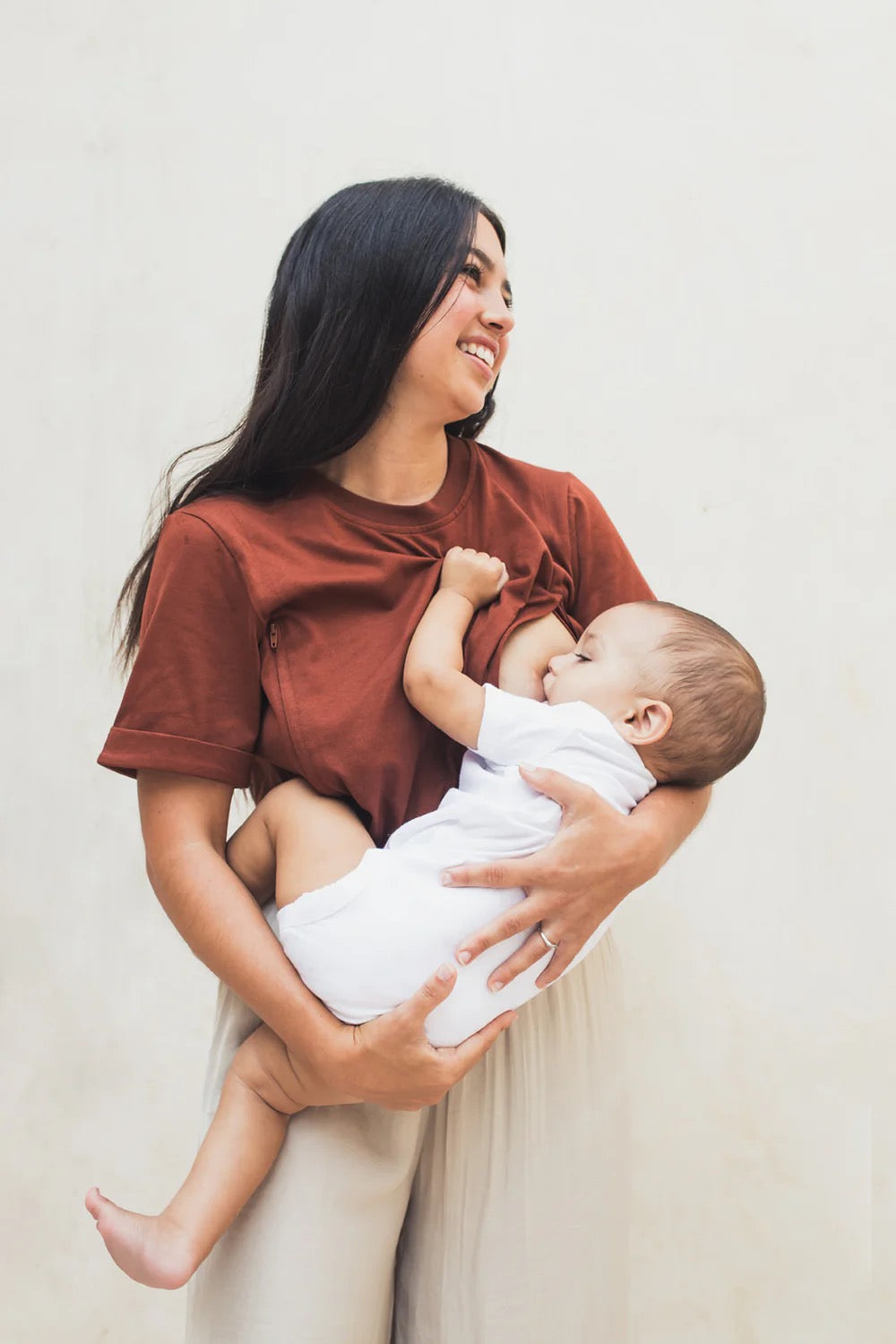
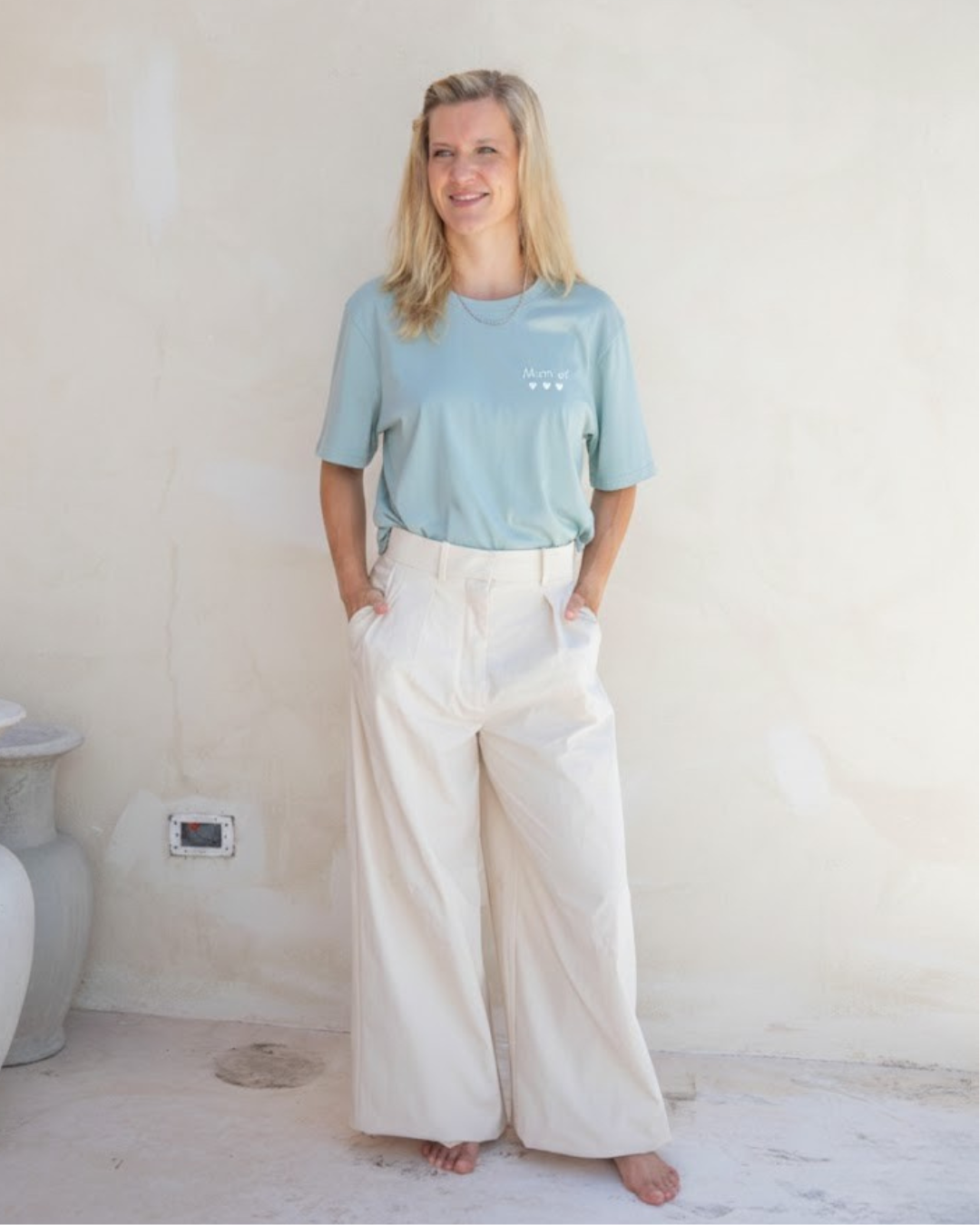
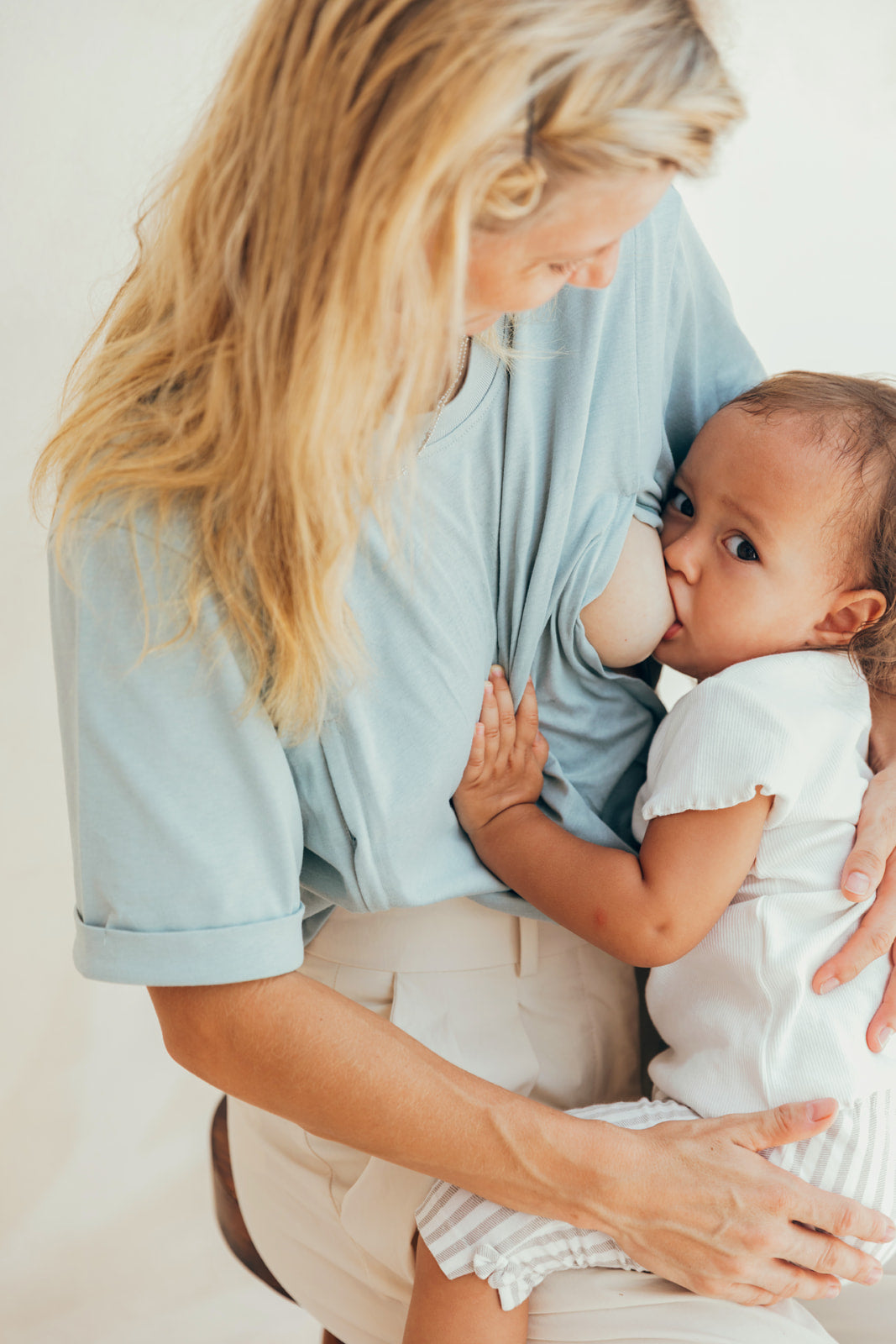
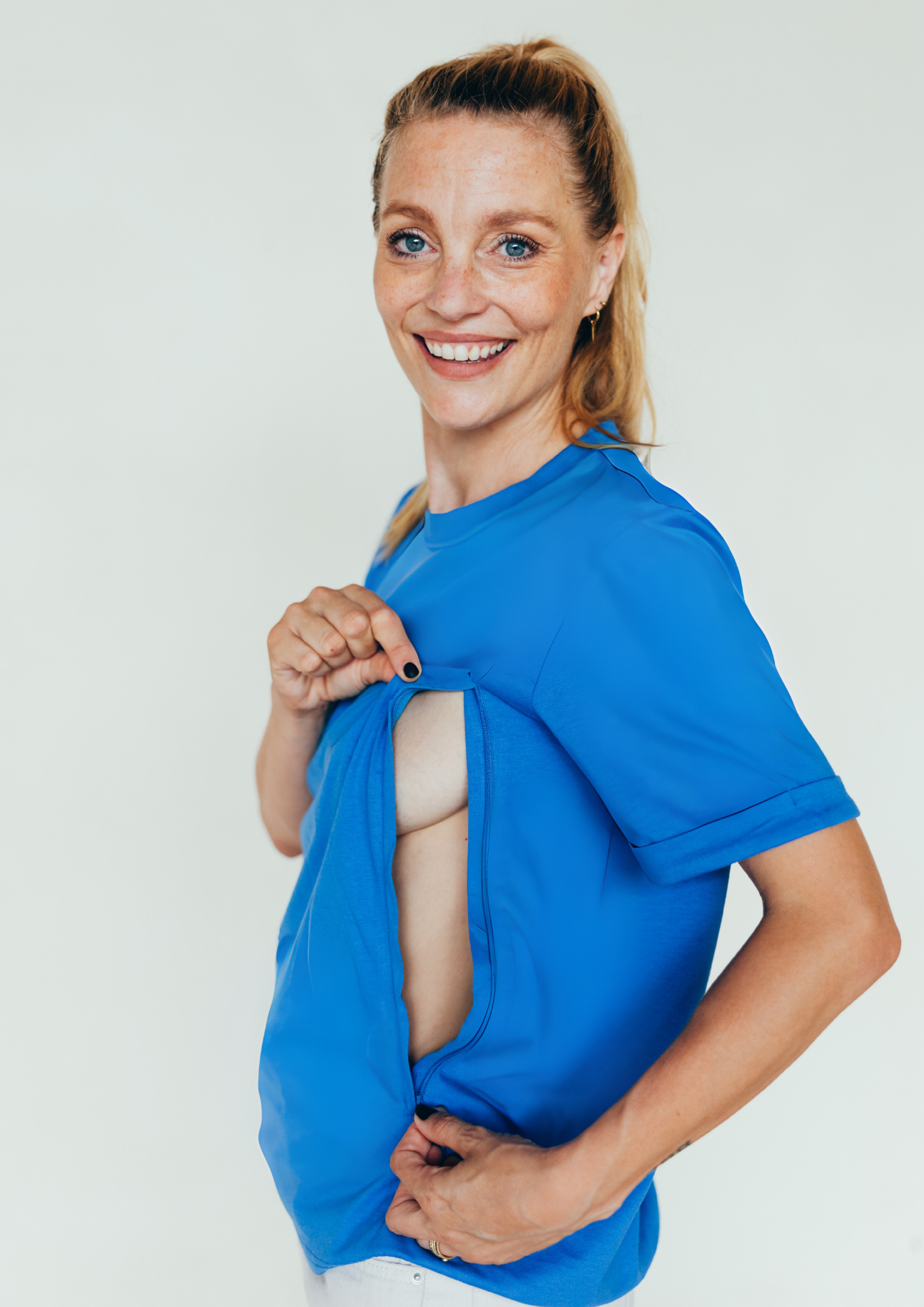
This is where choosing your beach or pool outfit becomes a strategic decision. A Breastfeeding t-shirt worn over your swimsuit allows you to breastfeed easily without having to untie your entire swimsuit top. You take it off to swim, and put it back on for the next feeding.
For full days by the water, a lightweight nursing tank top worn under an open shirt provides quick and discreet access, while protecting you from the sun between swims.

Packing a Beach or Pool Bag with Your Baby
A few essentials you should never forget for a great day at the beach.
Sunscreen suitable for babies, to be reapplied every two hours. Plenty of swim diapers. A beach tent or umbrella for shade. A large, soft towel to dry off and warm up quickly. A complete change of clothes for after swimming. Water to stay hydrated—breastfeeding in the sun requires even more attention to your own hydration. And your Breastfeeding t-shirt or Breastfeeding dress for feedings between dips in the water.

The Benefits of Bathing for Babies
Beyond the immediate enjoyment, swimming offers real benefits for a baby's development.
Water gently stimulates the muscular system and coordination in an environment where gravity is reduced. It often promotes deeper sleep after the sensory and physical exertion of swimming. And the time you spend together—you, your baby, the water, and the summer light—creates precious sensory memories that have a lasting impact on emotional development.
It's also a way for you to keep living your old life—going to the beach, the pool, or the lake—without giving up those simple summer pleasures just because the baby has arrived.
Enjoy the summer, stress-free
Bathing with your baby doesn't have to be a source of anxiety. By keeping a few simple rules in mind—the right age, water temperature, constant supervision, and clothing designed to make breastfeeding easier—you can fully enjoy these moments of refreshment and summer bonding.
At 23 Mai Paris, our Breastfeeding t-shirts, our tank tops and our new collection are designed to go wherever you go this summer—by the pool, on the beach, or by the lake. Because breastfeeding should never stop you from enjoying your summer to the fullest.
Discover our complete collection of nursing clothes designed to go with you everywhere, even when your feet are in the water.