Babies and Heat: Signs of Overheating and What to Do
Summer brings its sunshine, outings, and moments of lightheartedness. It also calls for extra caution when you have a baby, because infants can't regulate their body temperature the way we adults do.
A baby who is too hot won't say, "I'm hot." He won't pull off his blanket. He won't go find some shade on his own. It's up to you to recognize the signs and take action before the situation becomes a cause for concern.
This guide brings together everything you need to know to protect your baby from the heat, recognize the signs of overheating, understand why infants are more vulnerable to it, and adopt the right habits in your daily routine.
Why are babies so sensitive to heat?
Before discussing the signs and solutions, it’s important to understand the mechanism, because that changes how we deal with heat in an infant.
An immature thermoregulatory system
A baby's sweat glands are not yet fully functional, especially during the first few months. Babies sweat less efficiently than adults, which limits their ability to cool down naturally.
A proportionally larger body surface area
Relative to its weight, a baby has a larger surface area of skin than an adult. This means that a baby absorbs heat from the environment more quickly and also loses heat more quickly in cold weather. It is a highly responsive heat exchange system, working in both directions.
An inability to clearly express one's discomfort
An adult who feels too hot takes off a layer of clothing, goes into the shade, and drinks water. A baby cannot do any of these things on its own. It depends entirely on you to adjust its environment.

Signs That Your Baby Is Suffering from the Heat
Some signs are obvious, while others are much more subtle. Here's what to look out for.
Early signs that are easy to miss
A red face or cheeks that seem more flushed than usual. Skin that feels warm to the touch, especially on the neck and stomach—these are the best places to check your baby’s actual temperature (hands and feet are often naturally cooler and aren’t a good indicator).
Unusual restlessness, or, conversely, excessive drowsiness. Visible sweating, especially on the forehead and the back of the neck.
Signs That Call for Immediate Action
Rapid, shallow breathing. Skin that becomes clammy and sticky. Weak crying that sounds different from usual. Refusal to drink or nurse. Marked lethargy—the baby seems limp and unresponsive.
Signs of an emergency
A high fever (above 38°C in hot weather, with no other apparent cause). Very hot, dry skin (a sign that the body is no longer able to sweat). Vomiting. No tears when crying. An abnormally sunken fontanelle. These signs require immediate medical attention; it could be heatstroke, a true emergency in infants.
Good Habits for Protecting Your Baby from the Heat Every Day
Dress your baby lightly, but not too lightly
The instinct to take everything off in hot weather isn't always the right response. A lightweight organic cotton fabric actually provides better protection from the sun and ambient heat than completely bare skin exposed directly to hot air and UV rays.
Choose natural, breathable fabrics—organic cotton is still the best choice for babies' sensitive skin—and avoid polyester and synthetic fibers at all costs, as they trap heat.
Adapting Rooms in the House
Close the shutters and curtains during the hottest part of the day to keep the room cool. Air out the room early in the morning and late at night, when the outside air is cooler. A fan set to circulate the air without blowing directly on the baby helps considerably, without the risks associated with overly strong air conditioning.
Monitor Hydration
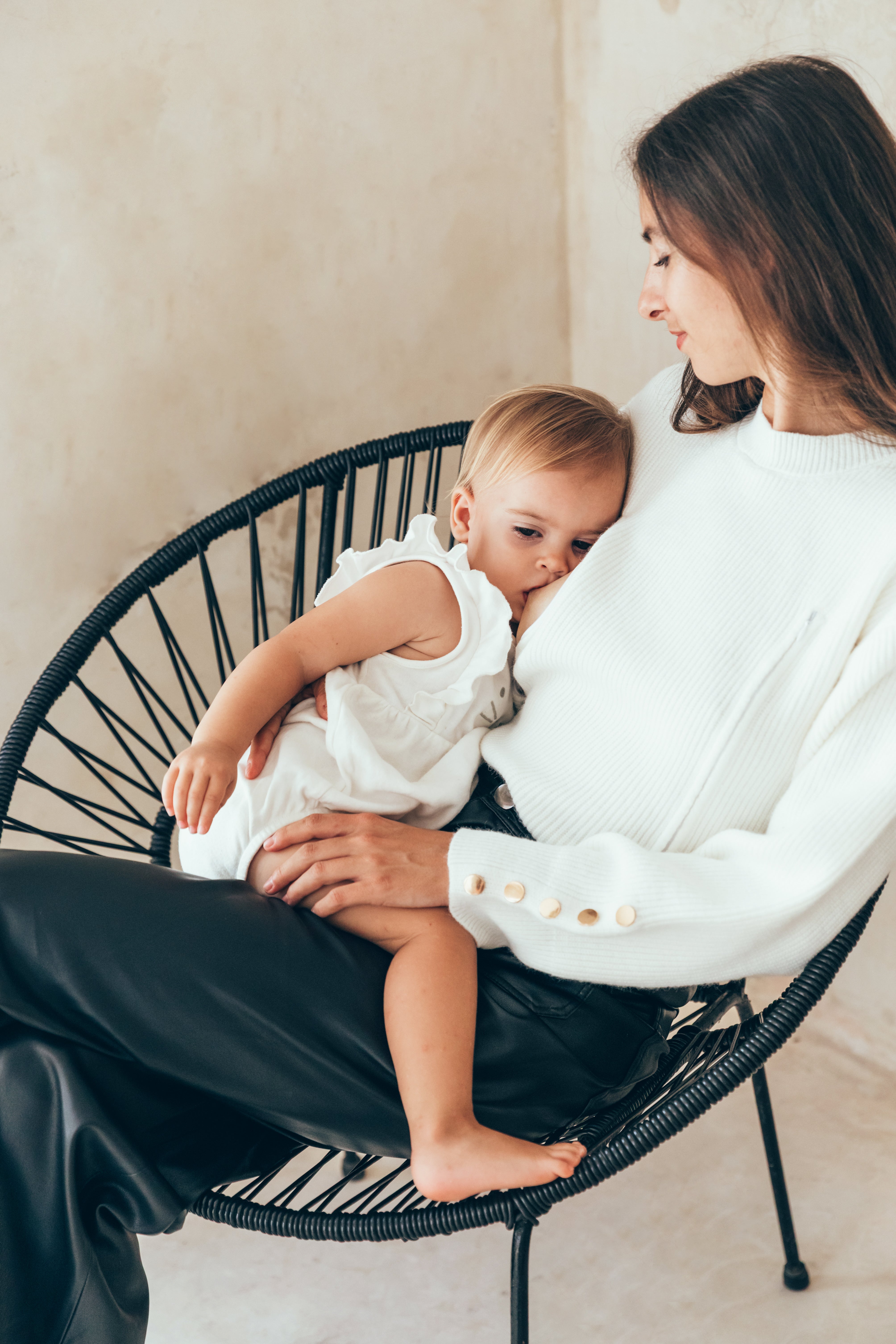
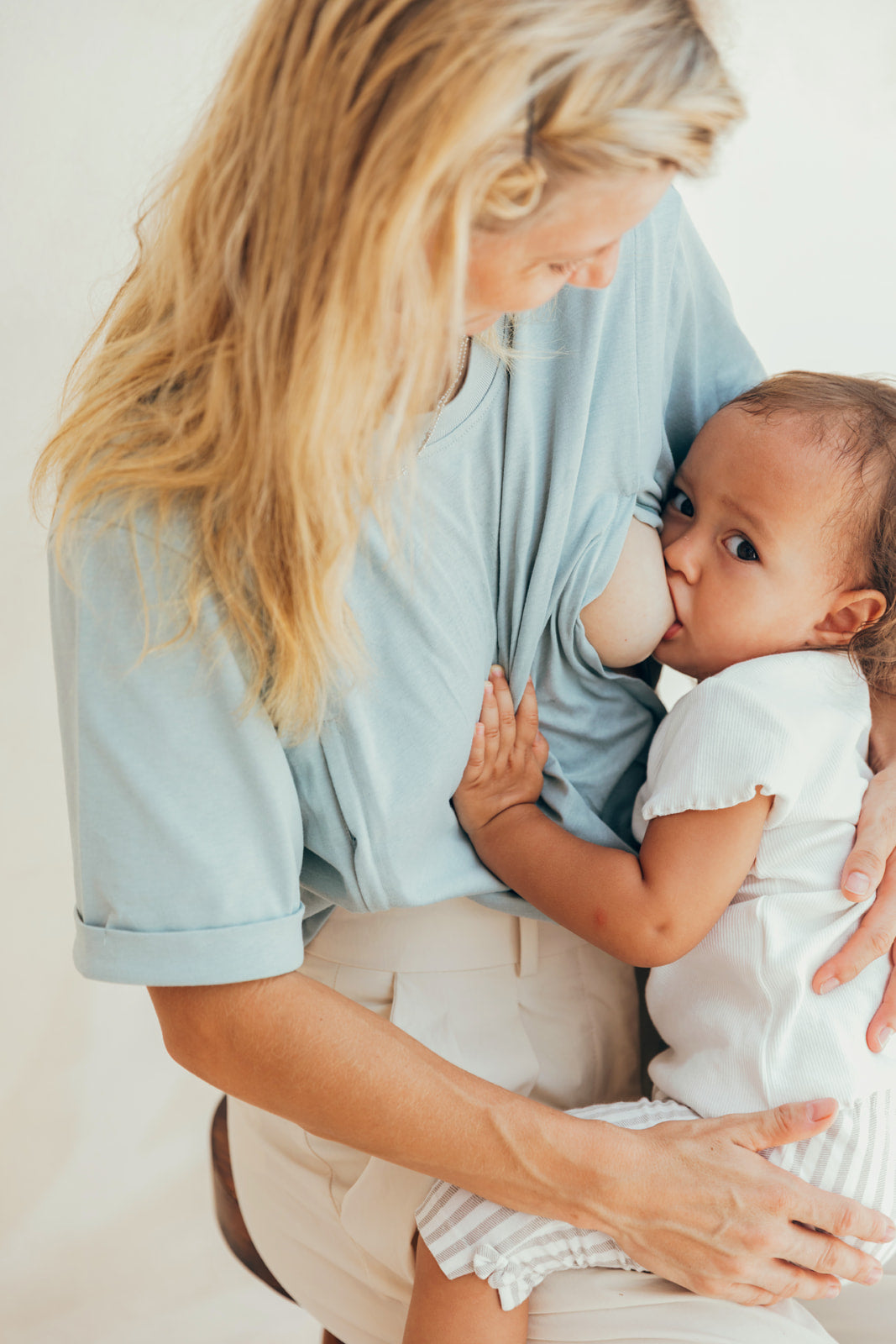
For breastfed babies under 6 months old, breast milk is sufficient for hydration; even in hot weather, its composition naturally adapts to provide more water. The important thing is to breastfeed more frequently if the baby asks for it, without worrying about breastfeeding “too much.”
Avoid the hottest part of the day
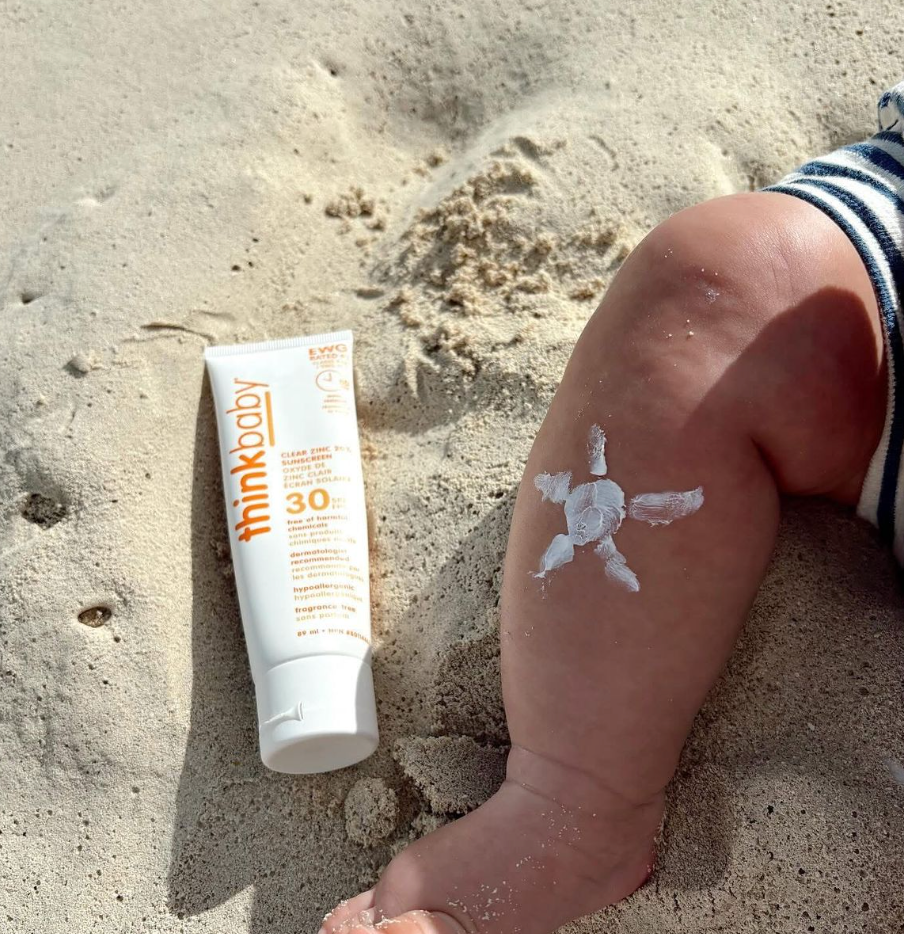
Between 11 a.m. and 5 p.m., it's best to limit time spent in direct sunlight, especially for infants under 6 months old, whose skin is extremely sensitive. Opt for outings in the morning or late in the day, when the heat subsides.

A baby left alone in a hot car: NO!
This is the most critical point of this article, and it bears repeating in no uncertain terms: a baby must never, under any circumstances, be left alone in a car —even for just a few minutes, even with the windows slightly open, even when the weather doesn’t seem “that hot.”
The temperature inside a vehicle can rise dramatically in just a few minutes, even when it's 25°C outside. Heatstroke in an infant can occur extremely quickly, with serious consequences.
Here are a few tips to make sure you never find yourself in this situation: place your phone, your bag, or a shoe on the back passenger seat to force yourself to check the back seat before leaving the vehicle. Make it a habit to check every time, even for a two-minute trip.
How to Dress (Yourself, Too) to Stay Cool with Your Baby
Your comfort is also a factor—a mom who’s too hot is less able to handle unexpected situations, and skin-to-skin contact or frequent feedings generate extra heat for both of you.
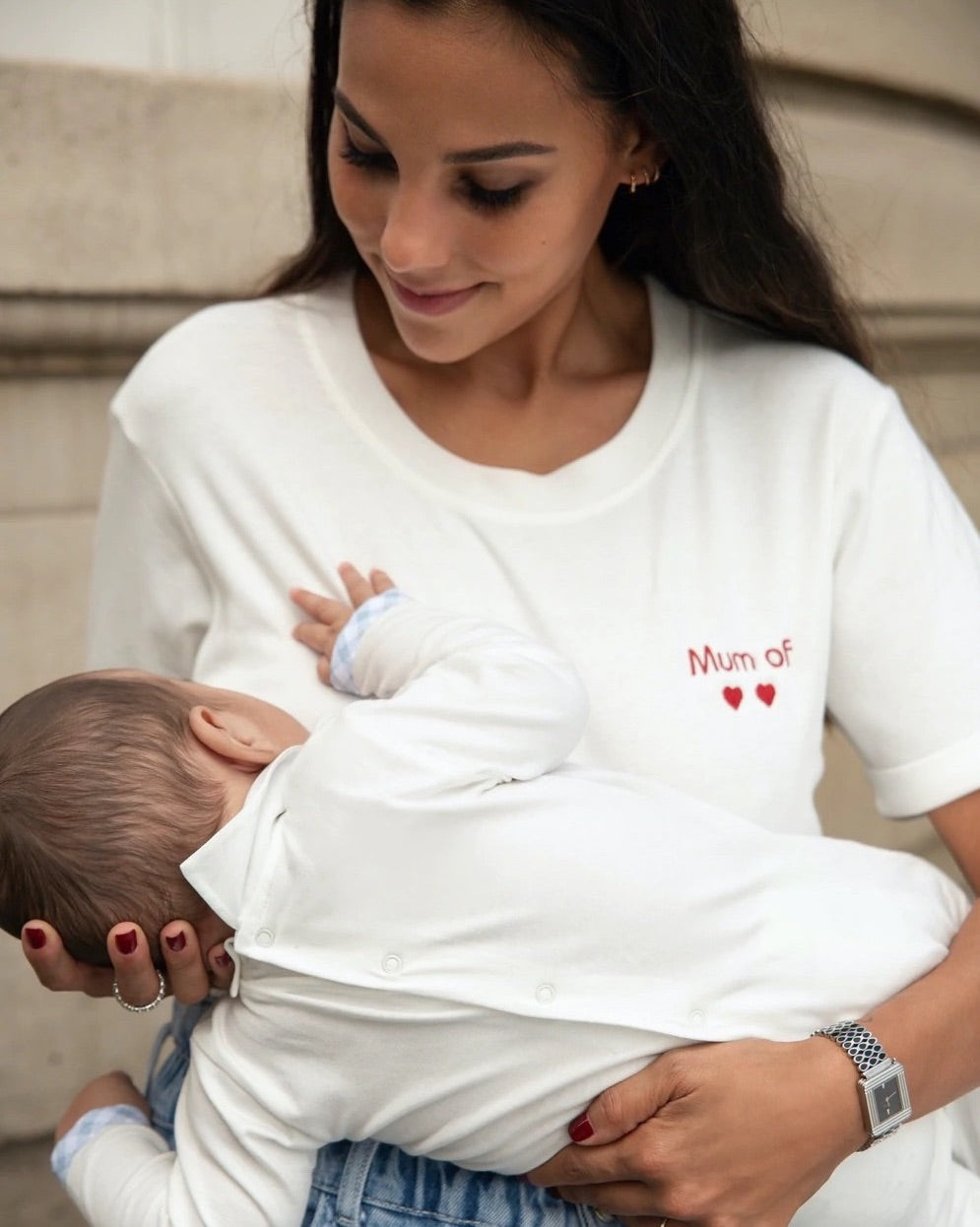
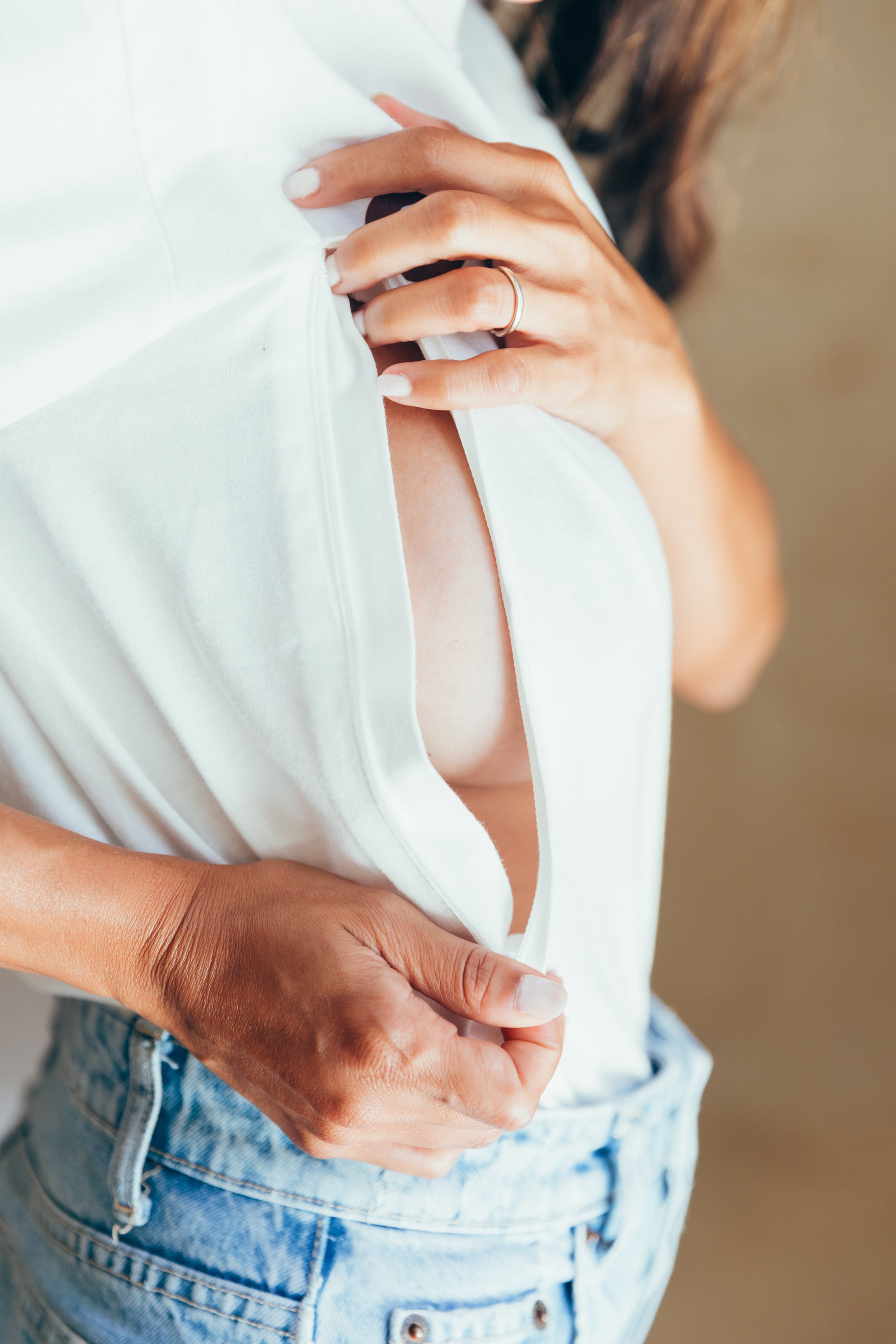
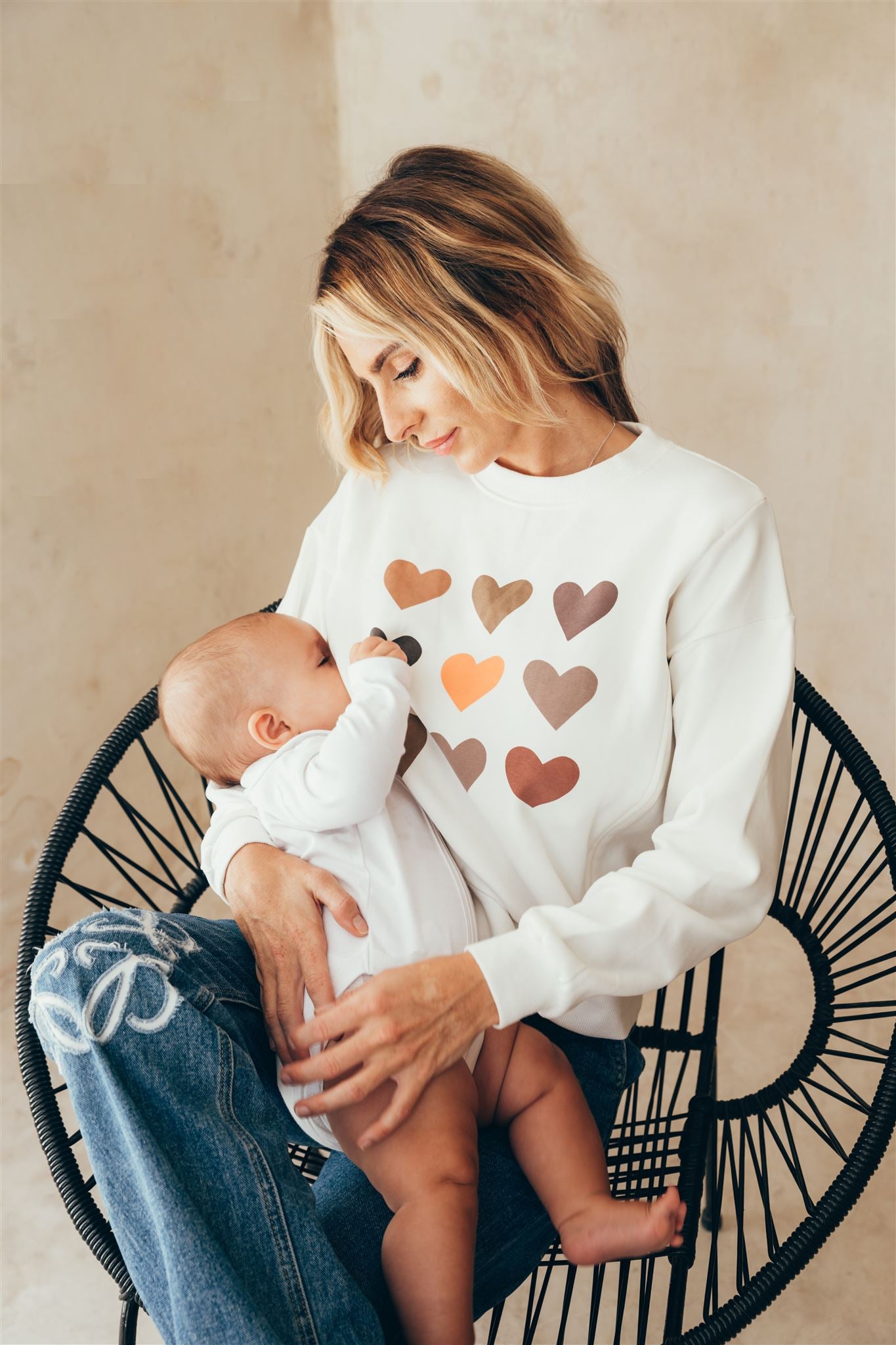
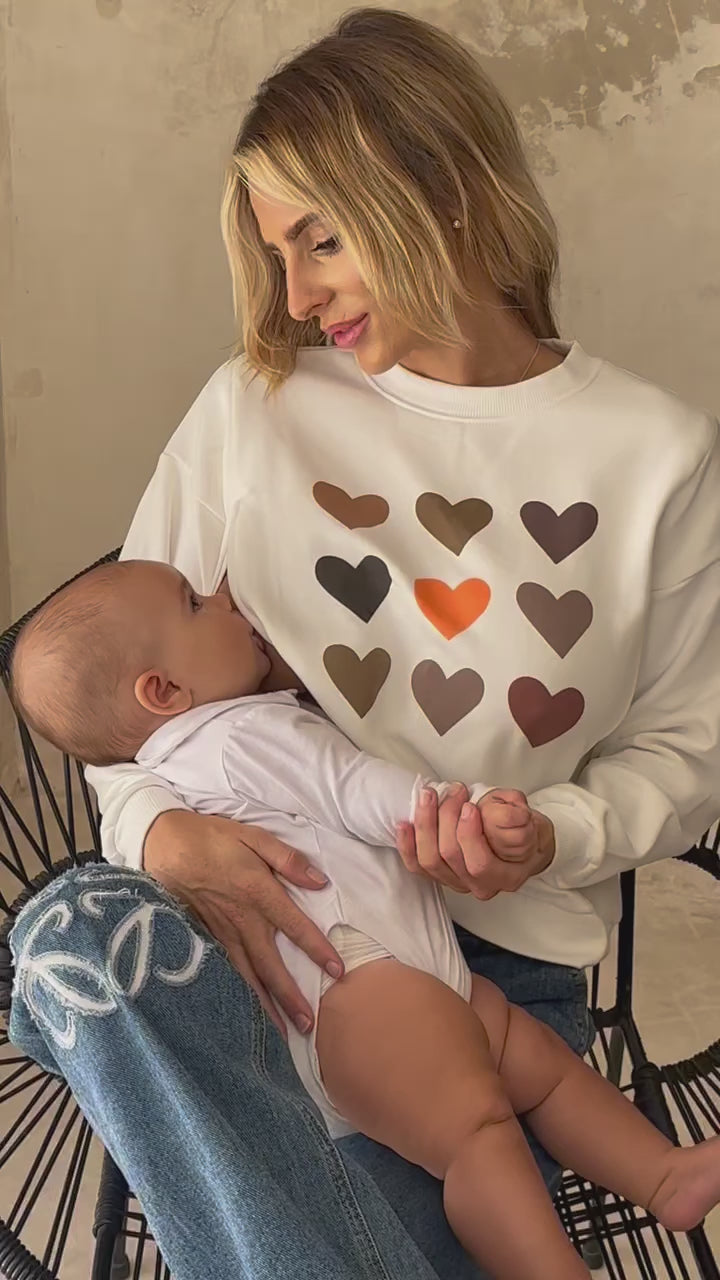
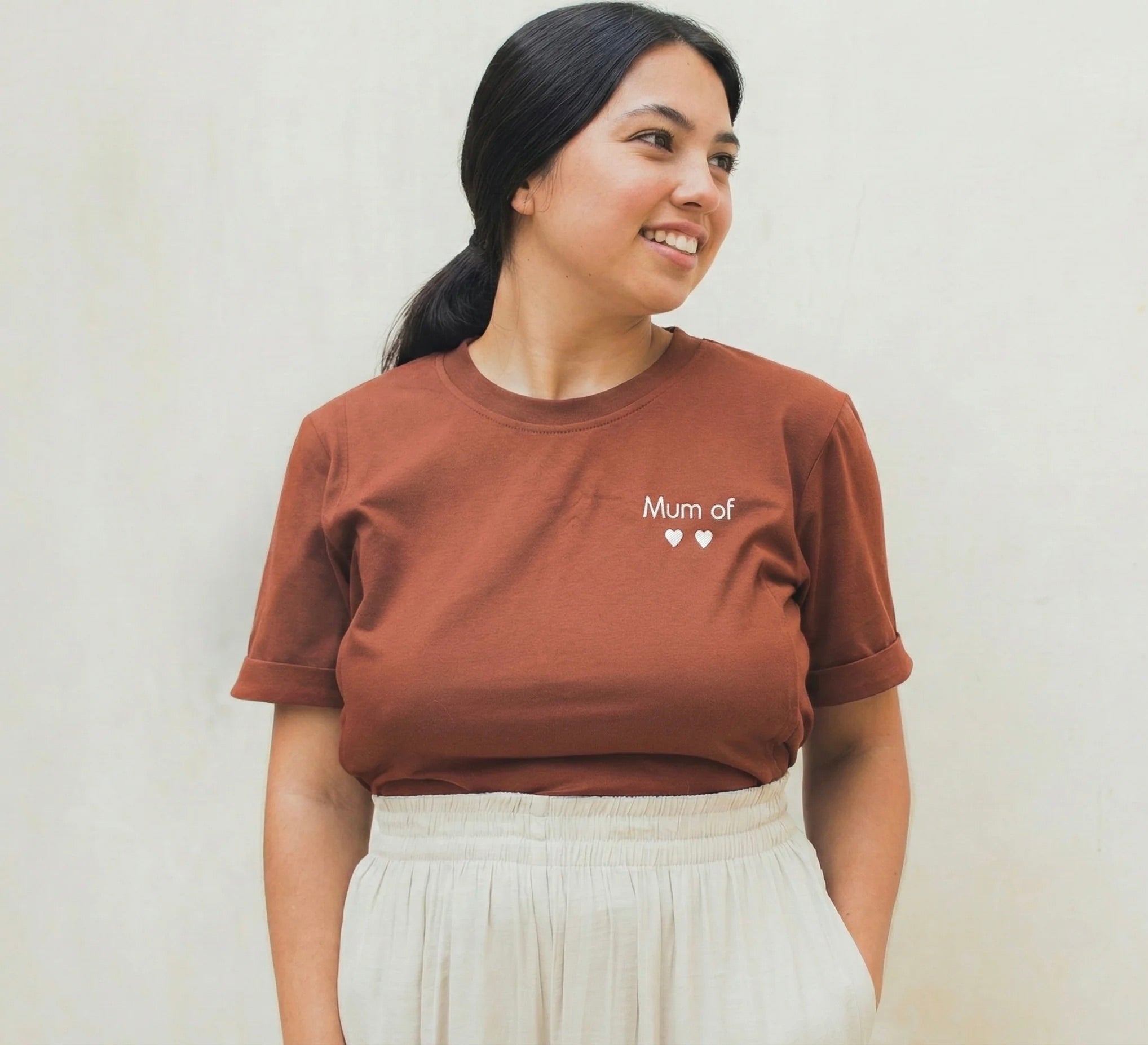
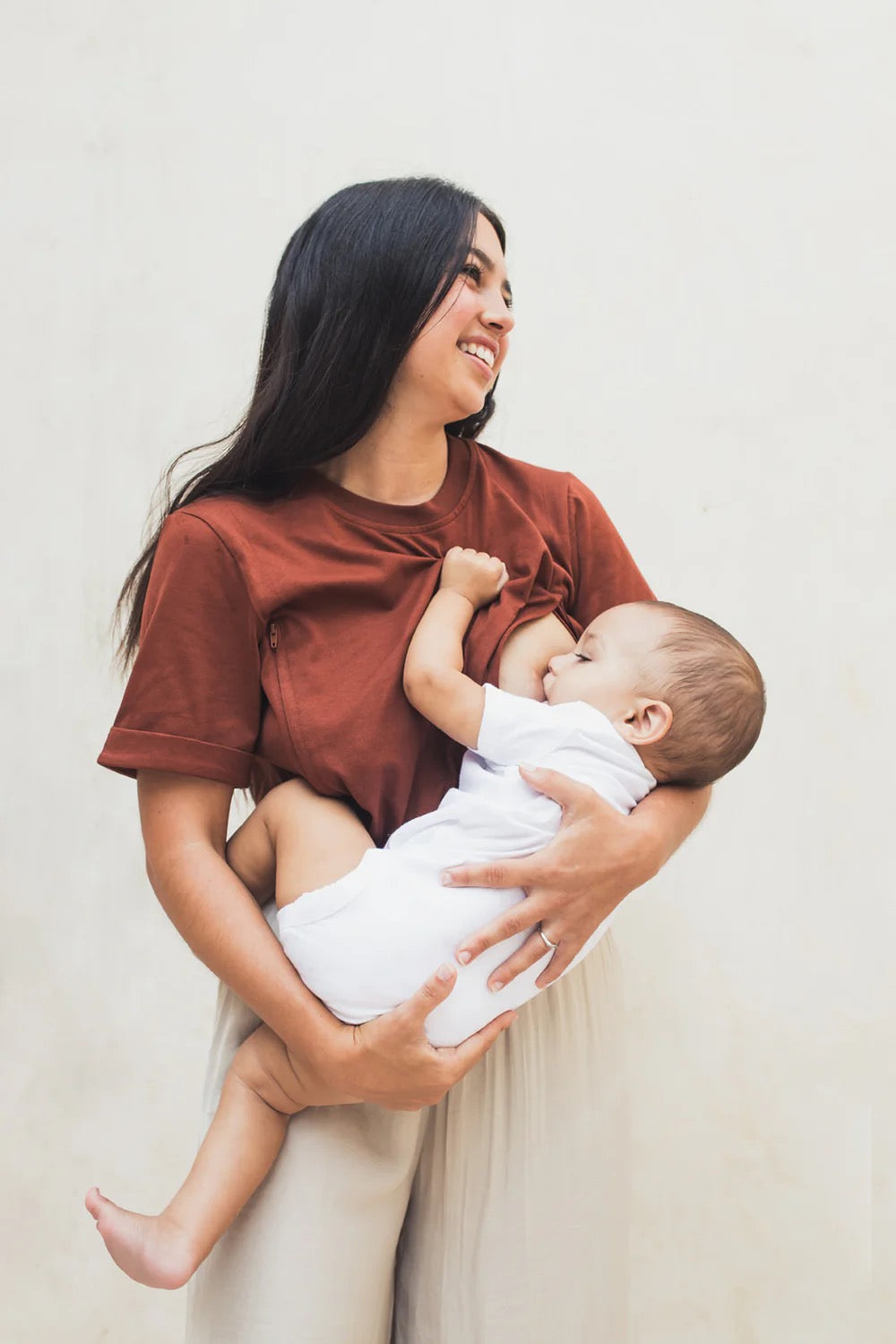
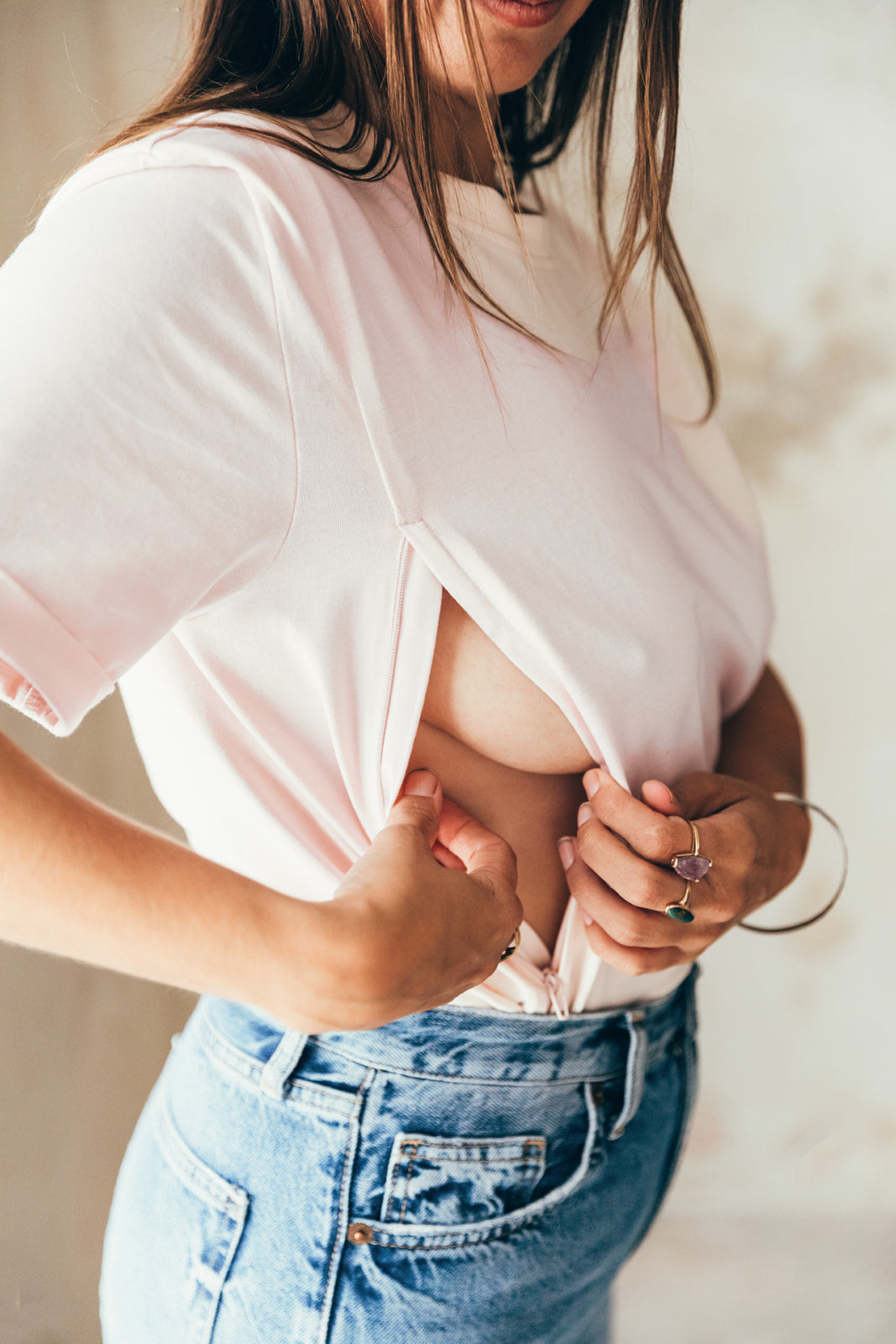
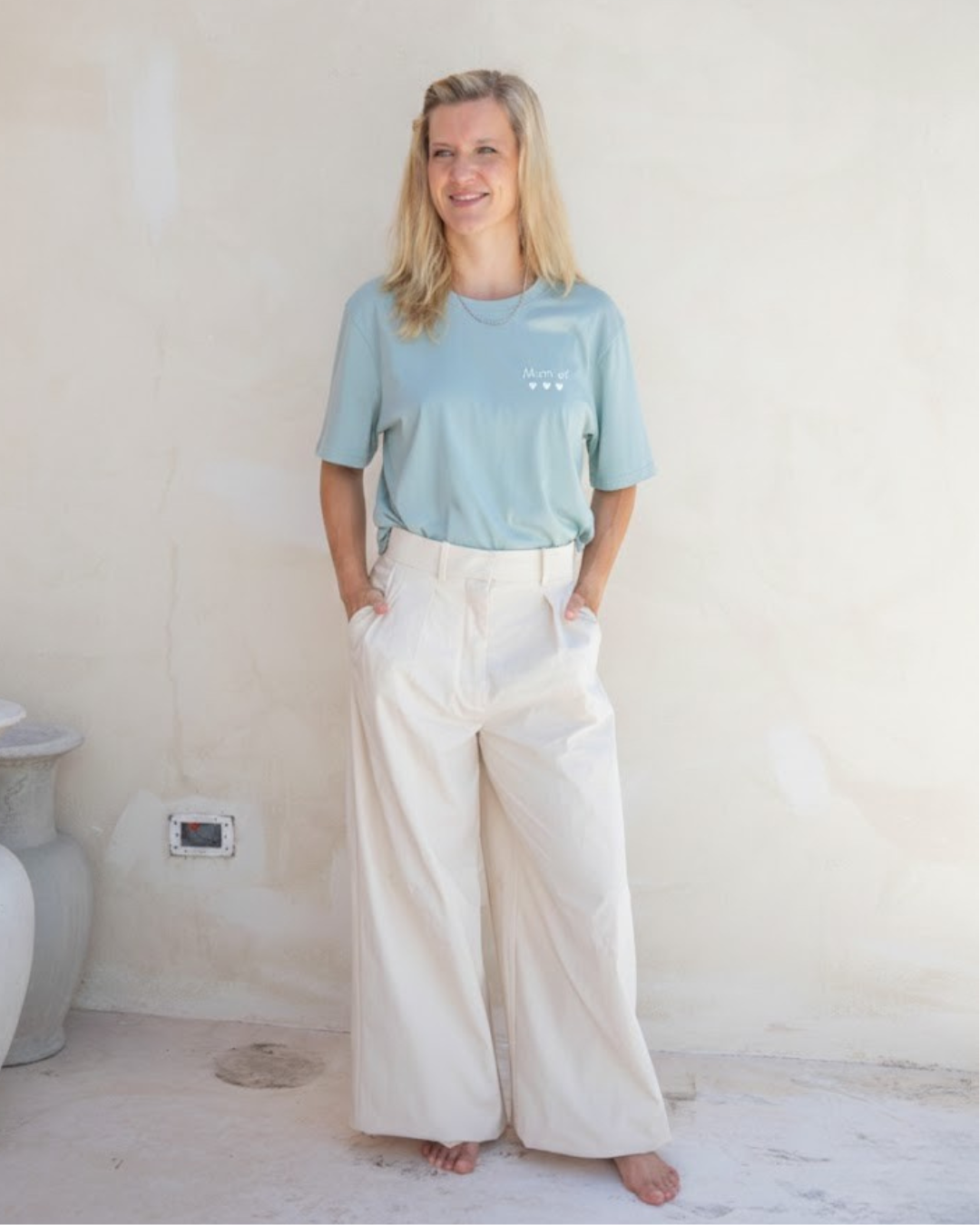
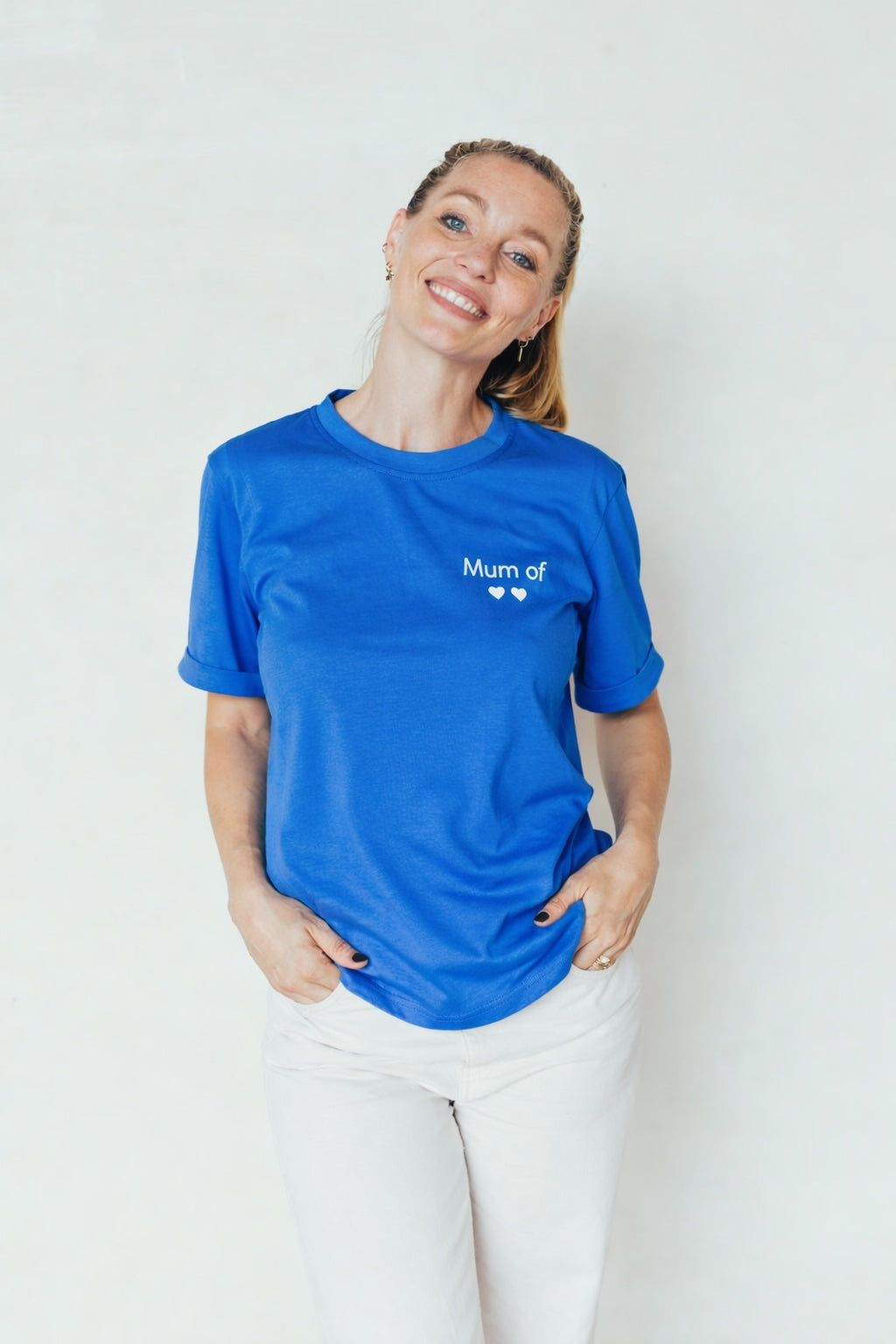
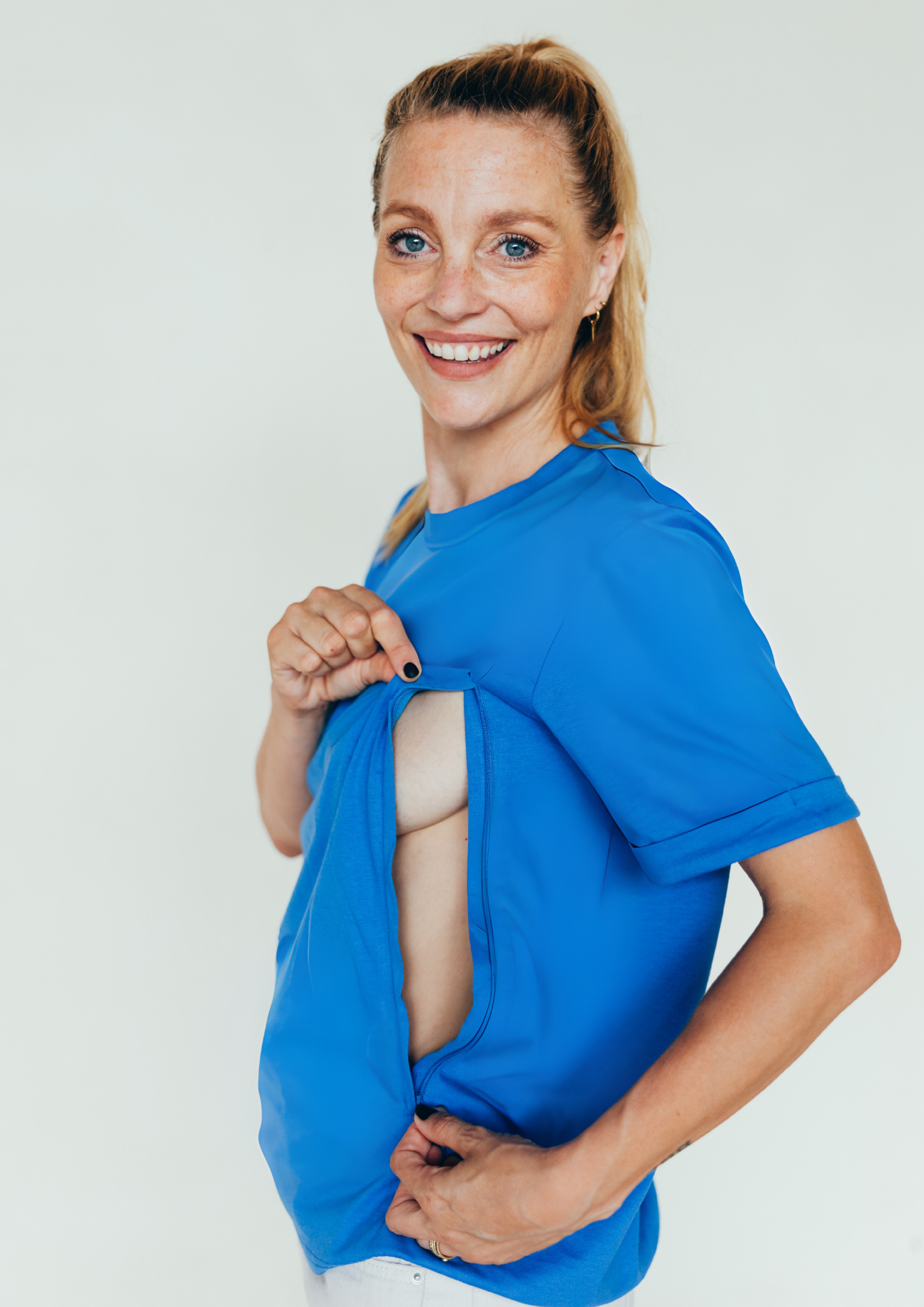
Our Breastfeeding t-shirts are made of lightweight, breathable cotton, making it easy to breastfeed even in hot weather without having to layer up. The discreet side zippers eliminate the need to lift up the entire shirt, which helps keep you cooler while breastfeeding.
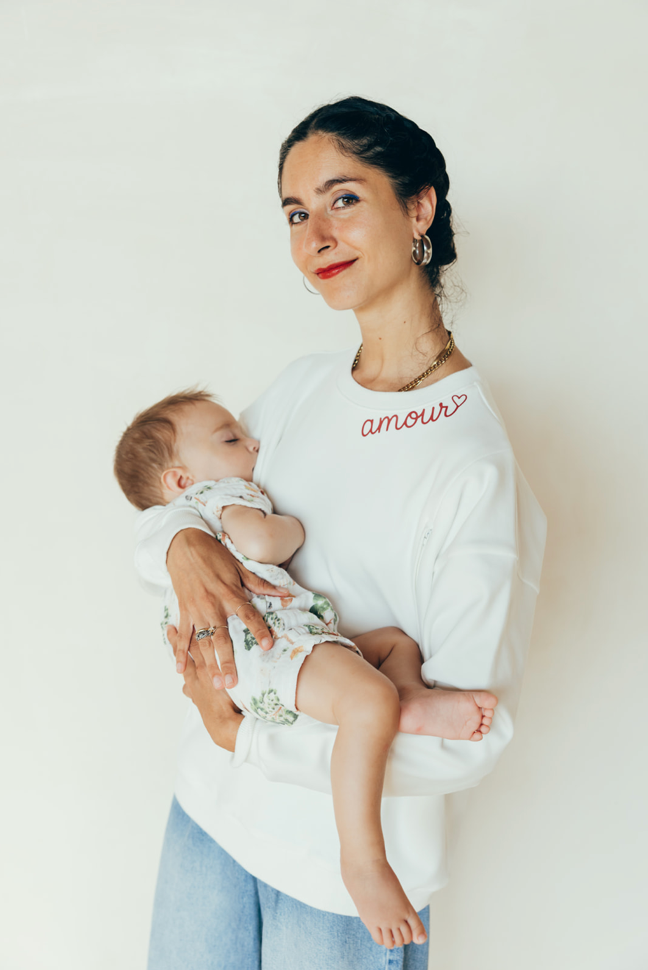
For the hottest days, a minimalist nursing tank top lets air circulate around your arms and shoulders while still providing easy access for feeding your baby. And our Breastfeeding dresses made of lightweight, flowing fabrics are the coolest option for scorching days, offering comfortable coverage without unnecessary layers.

Recognizing the Signs and Protecting Your Baby from the Heat
| Level | Signs Observed | Action to Take |
|---|---|---|
| Early | Red cheeks, warm skin, restlessness | Loosen clothing slightly, moisturize, and move to the shade |
| Moderate | Rapid breathing, visible sweating | Cool the animal with a damp cloth, and give it something to drink or let it suckle |
| Severe | Lethargy, refusal to drink, clammy skin | Immediate relief, close monitoring |
| Emergency | High fever, dry skin, vomiting | Immediate medical consultation |
Common Mistakes to Avoid
Wearing too much clothing to "protect against the sun"
Paradoxically, excessive protection with thick fabric can cause overheating more quickly than moderate exposure with light fabric and shade.
Use ice water to cool off
A sudden temperature shock can be counterproductive. Opt for lukewarm to cool water, applied gradually to the body, rather than a sudden plunge into ice-cold water.
Underestimating the heat inside a car, even while driving
Even when driving with the air conditioning on, check regularly to see how warm your baby feels when sitting against a window; they may be exposed to direct sunlight in the front seat without you realizing it.
Neglecting the Night
The heat at night is often underestimated. A bedroom that stays at 28°C all night poses the same risks as exposure during the day. Air out the bedroom before bedtime, and opt for Breastfeeding pyjamas made of lightweight fabrics for yourself, which allow for gentle, cool contact with your baby during nighttime feedings.

Enjoying the Summer Heat with Your Baby
Heat doesn't have to be a constant source of anxiety, but it does warrant real caution. By knowing the signs of overheating and adopting a few simple habits, you can fully enjoy the summer with your baby—outings to the park, time on the patio, and quiet afternoons at home.

At 23 Mai Paris, we care just as much about your comfort as we do about your baby’s. Our Breastfeeding t-shirts, tank tops, and our new collection are designed to help you get through even the hottest days with ease—and to enhance the special moments you share with your baby.
Discover our complete collection of nursing clothes designed to keep you comfortable all year round, even on the hottest days.