Baby Is Cold at Night: How to Tell and What to Do
It's one of the most common concerns parents have in winter—and, paradoxically, one of the things that disrupts sleep the most.
Is the baby cold? Did I put enough layers on him? Is the room at the right temperature? Should I add a blanket? Could adding one make him too hot?
These questions keep running through your mind at 2 a.m., by the dim light of a nightlight, as you watch your sleeping baby—whose temperature you don’t dare take for fear of waking him or her. These concerns are valid: an infant’s temperature regulation is still developing, and both cold and heat can disrupt his or her sleep and well-being.
This guide is here to answer these questions once and for all with clear answers, specific signs to look for, and practical solutions for winter nights.

Understanding Thermoregulation in Infants
Above all, understanding why infants are vulnerable to temperature fluctuations helps us gauge our concern—neither overreacting nor underreacting.
Newborns and young infants are not yet able to regulate their body temperature effectively. Their body surface area is large relative to their body mass, which means they lose heat quickly through their skin, through breathing, and through contact with cold surfaces. Their thermoregulatory system—the ability to shiver to warm up and to sweat to cool down—is not yet fully functional.
This has two important practical implications: a baby can get cold faster than an adult under the same conditions, and a baby cannot verbally express that it is cold. It’s up to you to watch for the signs.
Here’s some reassuring information: a baby doesn’t need to be warm to sleep well. He or she needs to be at a comfortable temperature, and the ideal temperature for an infant’s sleep—as recommended by pediatricians—is between 18 and 20°C. No warmer than that.
The Real Signs That Your Baby Is Cold
There's a sign that everyone knows, but it's wrong. And there are lesser-known signs that are true.
The misleading sign: cold hands and feet. This is the first thing we instinctively check, but unfortunately, it’s not very reliable. An infant’s peripheral circulation is immature, which means that the extremities—hands, feet, and sometimes the tip of the nose—are often cooler than the rest of the body, even when the baby is perfectly comfortable temperature-wise. Cold hands do not mean the baby is cold.
The number one sign: the back of the neck. This is the part of the body that gives the most reliable indication of your baby’s actual temperature. Gently slide your hand down the back of your baby’s neck, at the base of the neck. If the skin feels cool to the touch, your baby may be cold. If it feels warm and slightly damp, the temperature is just right. If it feels hot and very sweaty, your baby is too hot.
The second telltale sign: behavior. A baby who is cold while sleeping may wake up more frequently, cry differently than usual, or seem unusually restless. These signs are not specific to being cold—they can have many other causes—but when combined with a cool neck and a cold room, they suggest that the baby is not warm enough.
The third telltale sign: the color of the lips. If your baby’s lips take on a slightly bluish or very pale hue, it’s a sign that the temperature is too low and that circulation is affected. This is a sign that calls for immediate action: warm your baby up and check the room temperature.
Room temperature: the first factor to control
It is the simplest and most effective method, yet it is the one that is least well understood in most households.
The pediatric recommendation is clear: the temperature in the room where the baby sleeps should be between 18 and 20°C. This range may seem cool to an adult accustomed to sleeping in warmer rooms, but it is the temperature at which an infant’s sleep is deepest and safest. An overheated room (above 22°C) is a documented risk factor.
A room thermometer in the baby's room is the least expensive and most useful piece of winter equipment. It costs just a few euros, can be placed on the nightstand or hung on the wall, and provides objective information that replaces nighttime guesswork.
If the room is too cold—below 18°C—there are several solutions. Adjust the radiator valve. Use a dehumidifier or a space heater with a thermostat. Close the windows and shutters earlier in the evening to retain the heat accumulated during the day. And if the room is still hard to heat, consider the baby’s clothing.
The sleeping bag: the item that makes all the difference
It's the most important piece of gear for a baby's winter nights—and the one that raises the most questions when it comes to choosing one.
Pediatricians recommend using a sleep sack (or baby sleeping bag) for babies from birth. It replaces a blanket—which can slip, cover the baby’s face, or end up under the baby—with a comfortable, secure enclosure in which the baby can move freely without risk.
In winter, the choice of a sleeping bag depends on two factors: the room temperature and the TOG rating.
TOG is a measure of a sleeping bag’s warmth. The higher the TOG, the warmer the sleeping bag. For a room at 18–20°C, a 2.5 TOG sleeping bag is generally suitable. For a cooler room, between 16 and 18°C, a 3.5 TOG sleeping bag is more appropriate. For a room warmer than 20°C, a 1 or 1.5 TOG sleep sack is sufficient.
What your baby wears under the sleep sack also matters. A long-sleeved onesie plus a 2.5 TOG sleep sack in a room at 18–20°C is generally the ideal winter sleep outfit for an infant over 3 months old. For the first few months, adjust according to your pediatrician’s recommendations.
What You Should Never Do to Keep Your Baby Warm at Night
There are some instinctive reactions that seem logical but are actually counterproductive—or even dangerous.
Never place a loose blanket in the crib of a baby under 12 months old. This is the unanimous recommendation from pediatricians: loose blankets pose a suffocation hazard and are associated with an increased risk of sudden infant death syndrome. A sleep sack is the only recommended type of covering.
Do not cover your baby’s head while sleeping. A sleep cap may seem like a good idea when it’s cold, but it prevents your baby from regulating their body temperature through their head, which is one of an infant’s natural thermoregulation mechanisms. A sleep cap is useful for outings, not for sleeping.
Do not overheat the room to compensate for your anxiety. Overheating is just as problematic as the cold, and studies have shown a correlation between overheated rooms and the risk of sudden infant death syndrome. The ideal temperature is between 18 and 20°C.
Do not place a portable electric heater directly in the baby's room without a thermostat. Heaters without a thermostat can quickly overheat a small room.
At night: How to check without waking them up
The main practical challenge is figuring out how to tell if the baby is cold without waking him or her up to check.
The answer lies in the check itself. Gently sliding your hand down the neck of your baby’s onesie or pajamas, all the way to the back of the neck, takes two seconds and won’t wake the baby if you move slowly and steadily. Most babies don’t react to this gentle touch while they’re in deep sleep.
If the back of the neck feels cool, add a light layer—an extra sleep sack or an extra layer of clothing under the one already on—if you can do so without waking the baby. If the back of the neck feels warm, everything is fine. If the back of the neck feels very damp and hot, remove a layer.
The rule of thumb is simple: check the back of the neck, not the hands. And work through the layers gradually.
Breastfeeding and Your Baby's Cold: What You Need to Know
If you're breastfeeding, there's some valuable information you should know about thermoregulation and breastfeeding.
Breast milk adapts to the ambient temperature and the baby’s needs. In cold weather, it is naturally a little higher in fat, which helps maintain the baby’s body temperature. Frequent breastfeeding in the winter also helps warm the baby from the inside.
Feeding itself is a way to regulate body temperature. Skin-to-skin contact during feeding—especially during the first few weeks—directly helps maintain the baby’s temperature. This is one of the reasons why skin-to-skin contact is so highly recommended in neonatology, including for premature babies.
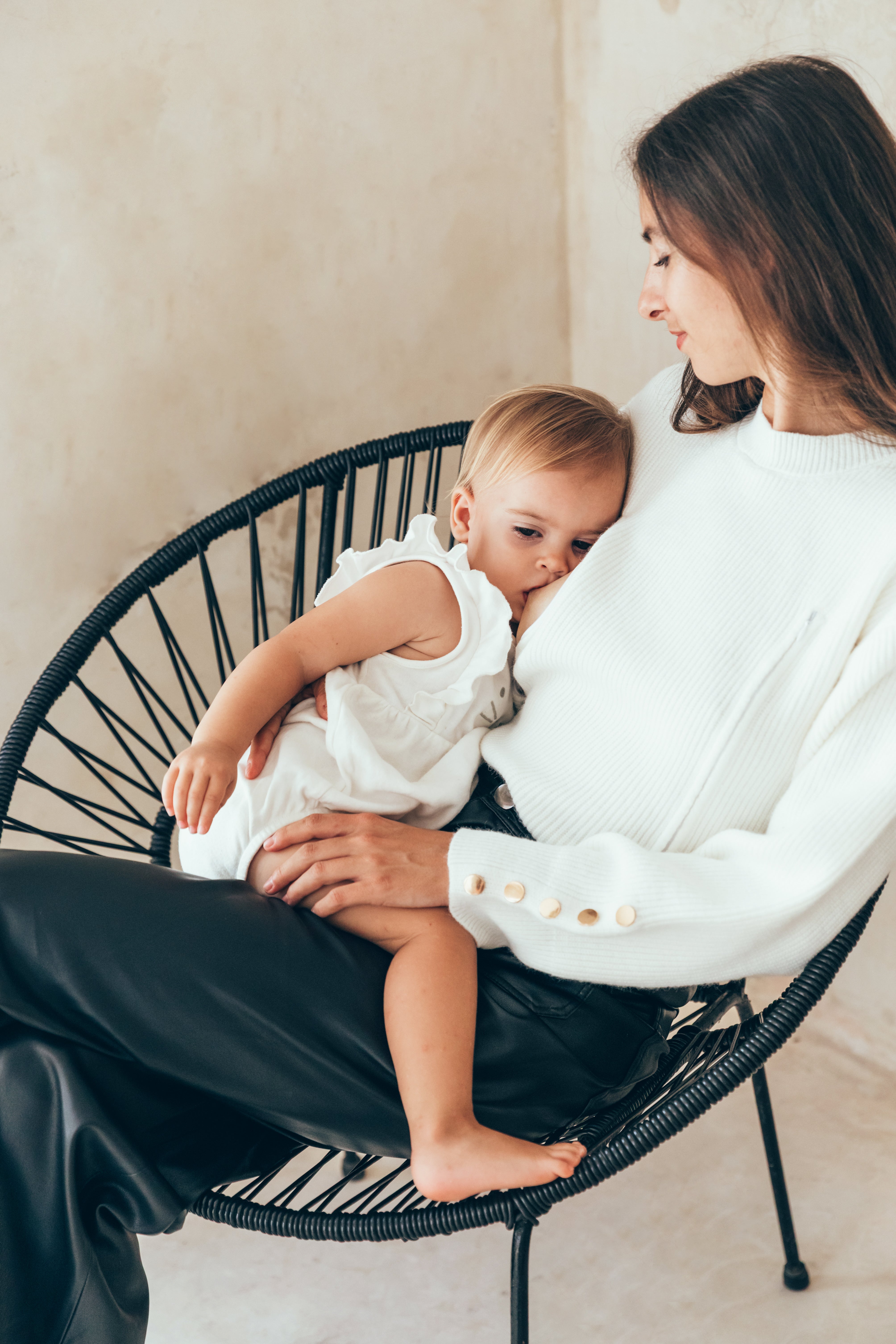
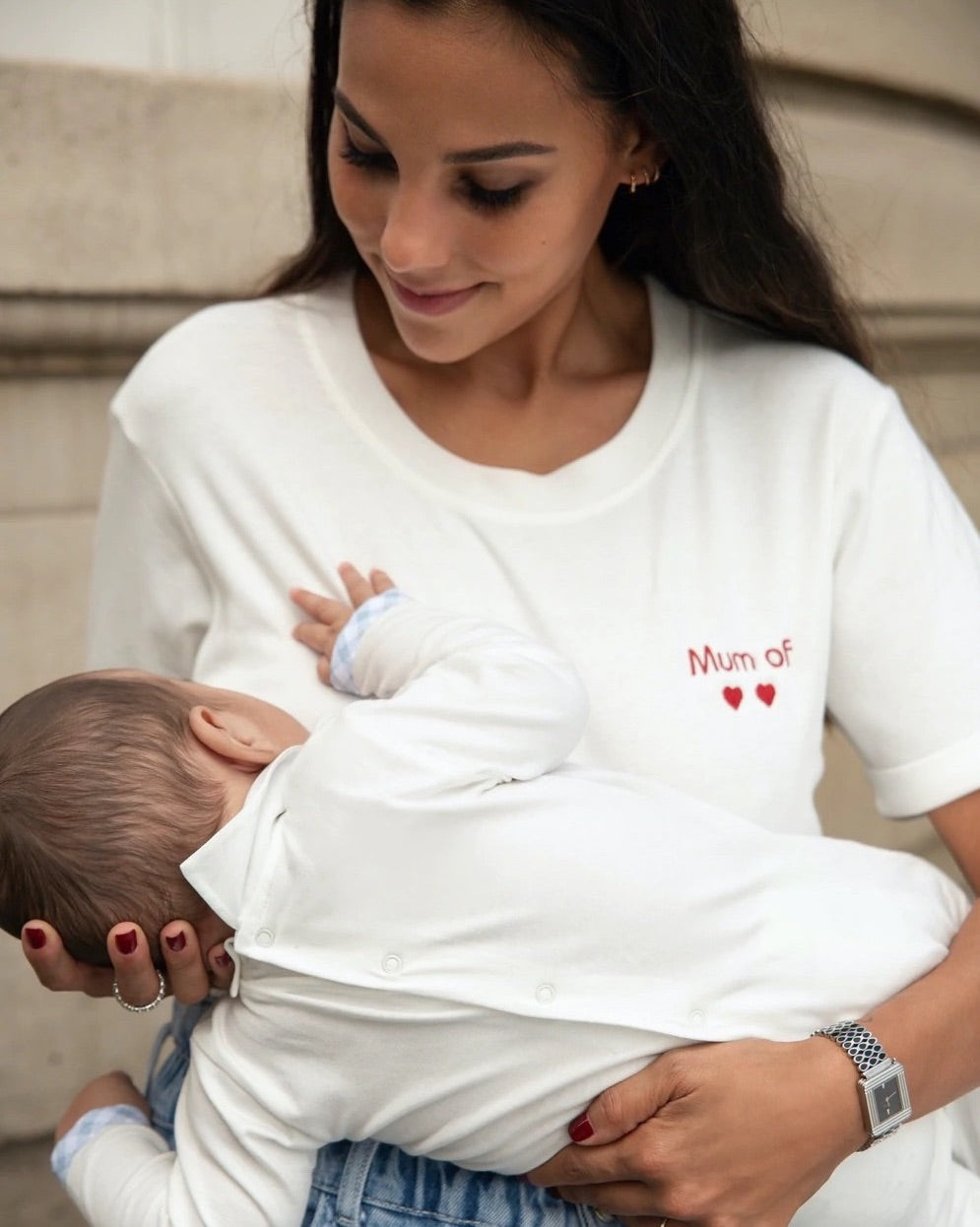
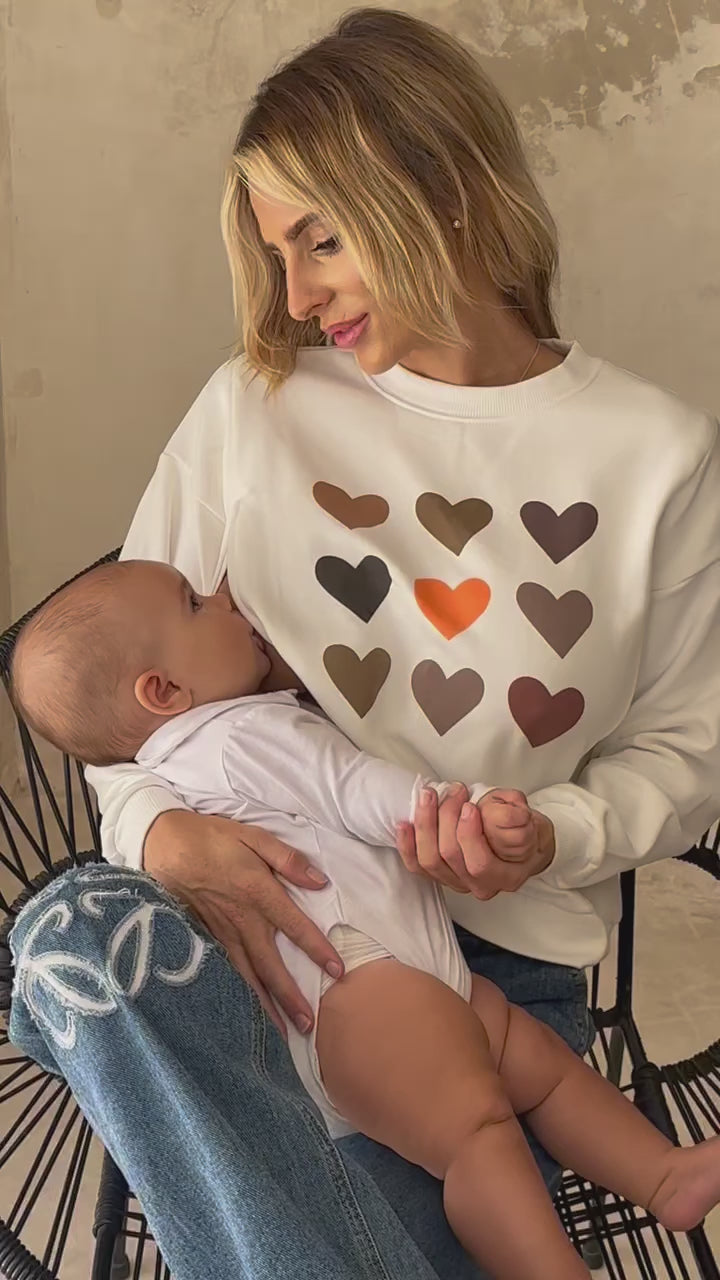
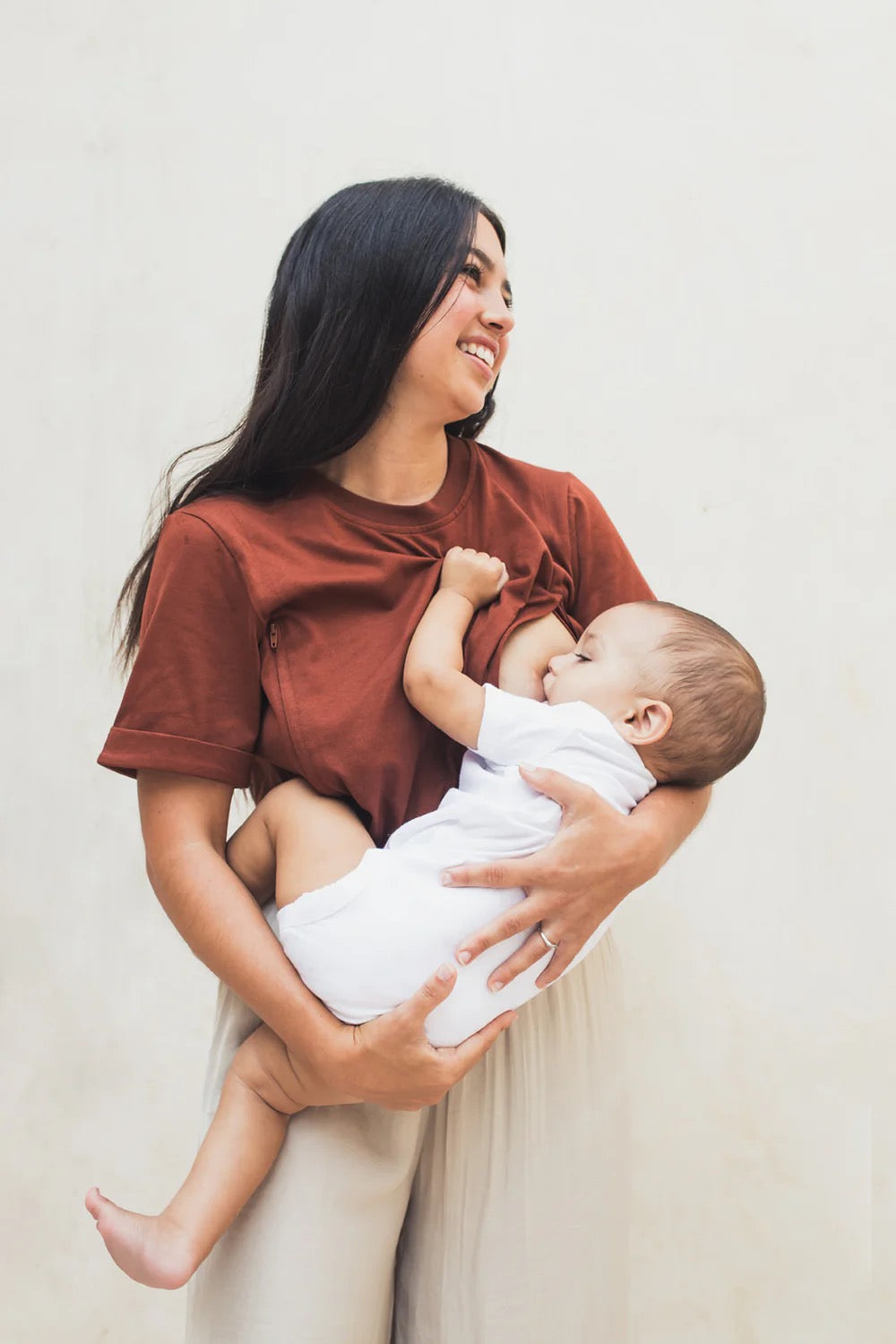
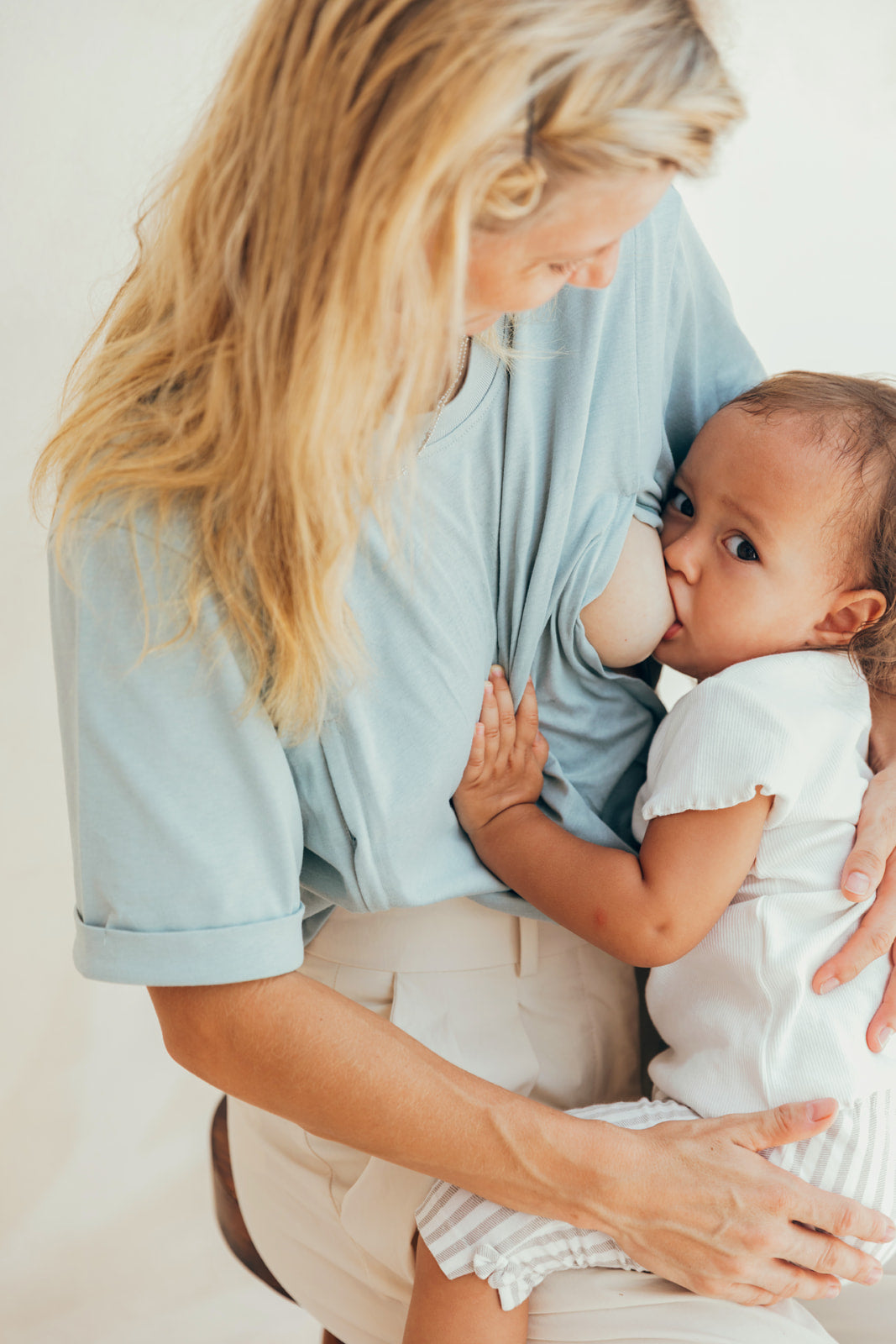
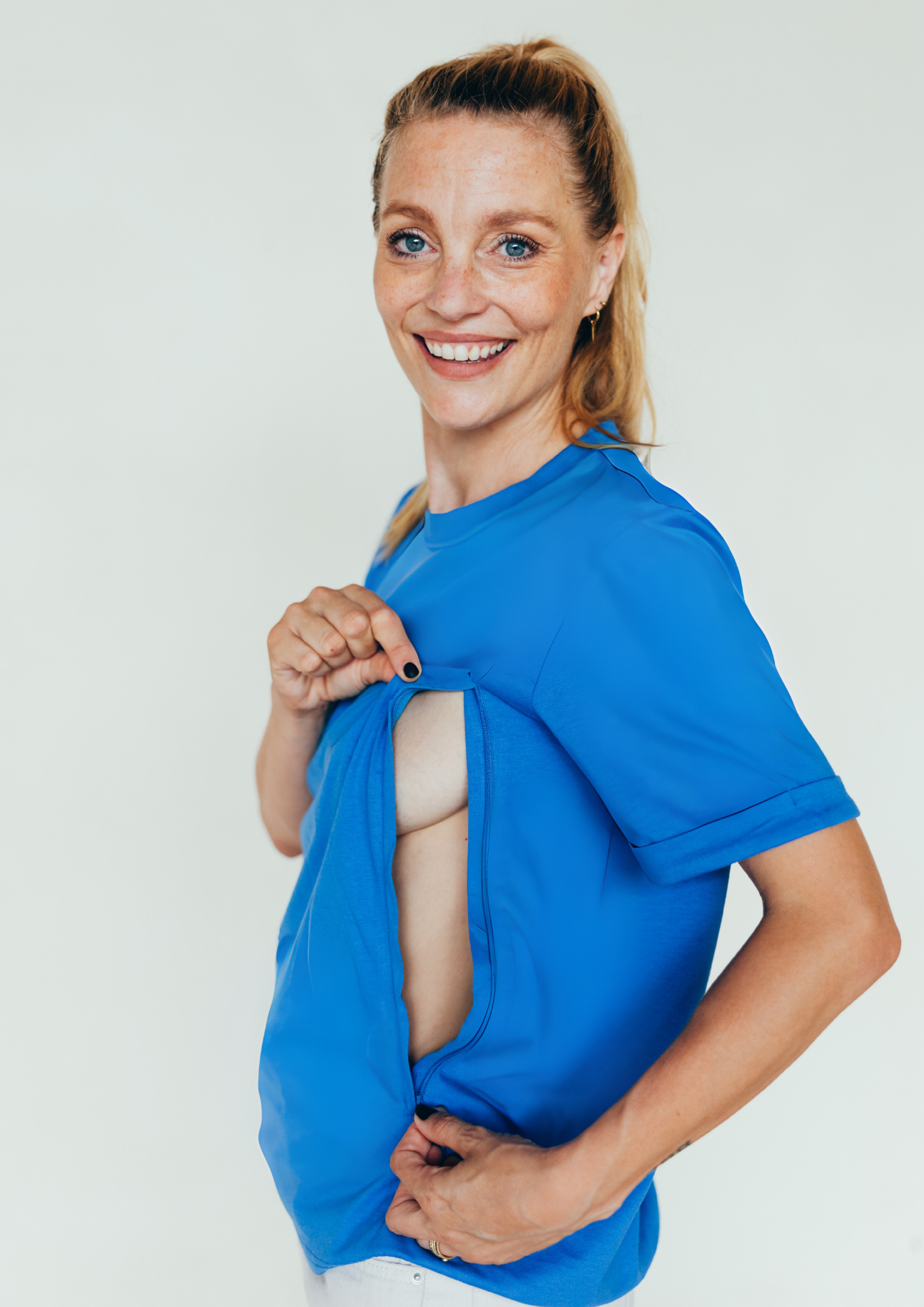
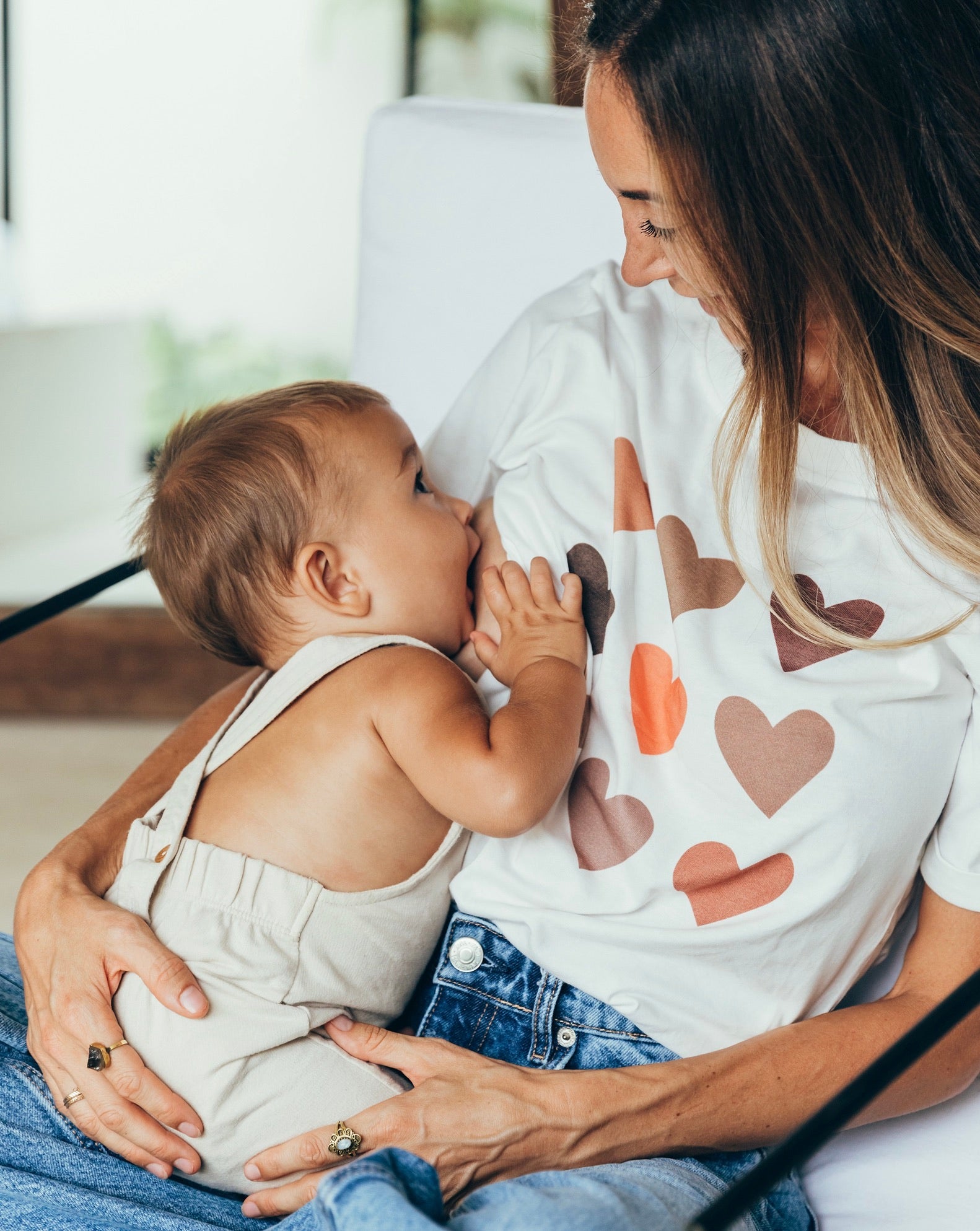
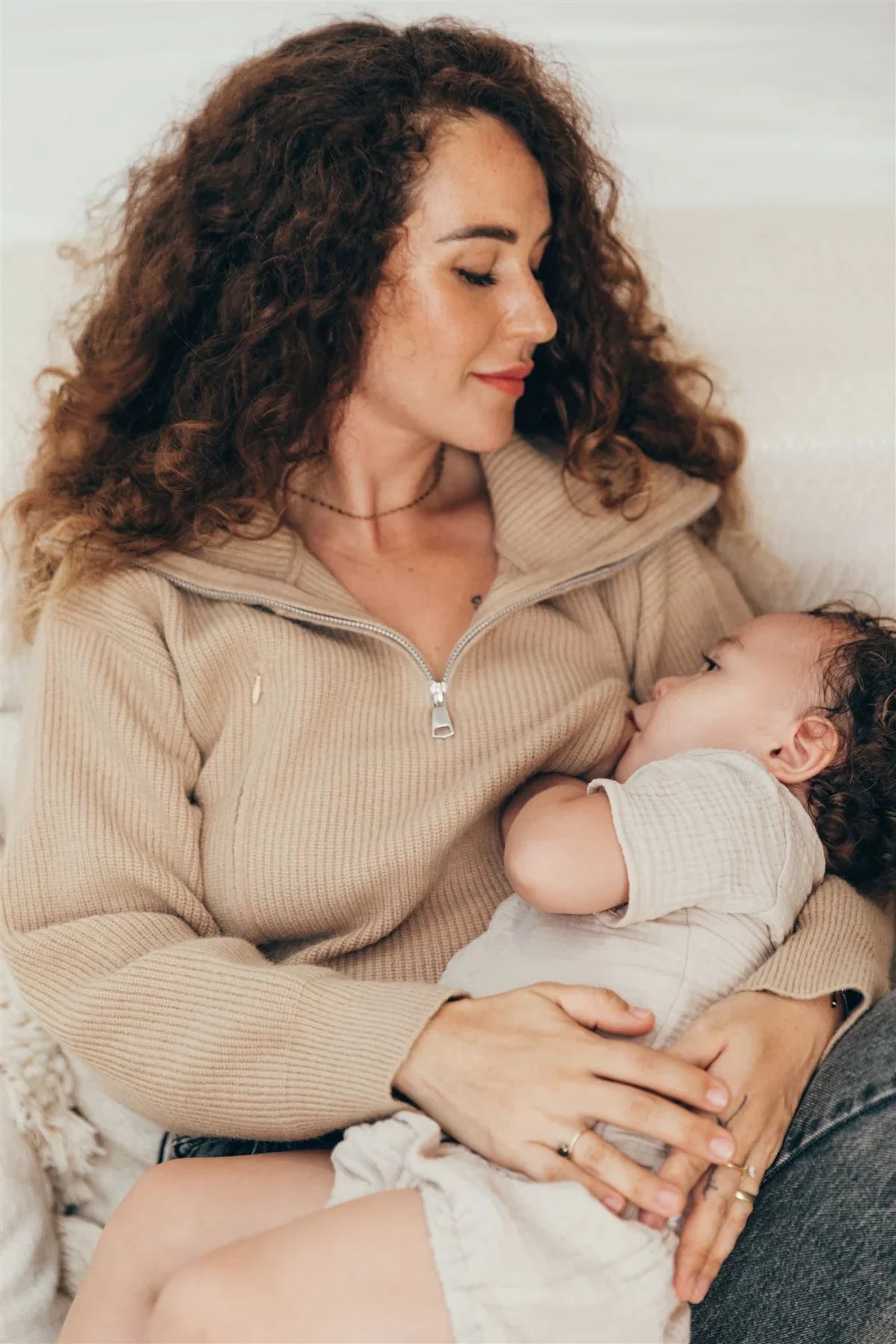
For your comfort during nighttime feedings in the winter, our Breastfeeding pyjamas and nursing tank tops help retainyour body heat while you’re nursing, so that warming up your baby doesn’t mean you end up getting cold.

The First Signs of Hypothermia: When to Call a Doctor
This is the most important part of this article—and the one we hope we'll never have to use.
Hypothermia in infants is rare in a normal home environment, but it can occur if the room is very cold for a long time, or if the baby is not properly covered. Signs include: very cold and pale skin, unusual lethargy, a baby who does not wake up for regular feedings, and slow breathing.
If you notice these signs, the priority is to gradually warm the baby by holding him or her against your skin, under warm blankets, and to call 15 (SAMU) or 3114 immediately. Do not give the baby a hot bath, and do not place him or her near a direct heat source—sudden warming is just as dangerous as the cold itself.
These situations are rare and can be prevented by taking the right precautions. Identifying them makes it easier to recognize them if they do occur.
Serenity Rather Than Hypervigilance
There is one important point to keep in mind after all this information.
The goal isn't to become so overly cautious that you check your baby's temperature every thirty minutes, lose sleep because you're worried about the temperature, or heat the room to 25°C out of excessive caution.
The goal is to have the right tools—a room thermometer, a sleep sack with the appropriate TOG rating, and knowledge of the actual signs to watch for—and to trust these tools so you don’t have to improvise in the dark at 3 a.m.
A baby in a room at 19°C, in a 2.5 TOG sleep sack, with a long-sleeved onesie underneath—this baby sleeps soundly and safely. Checking the back of the neck once or twice during the night is enough. The rest of the time, you can sleep.
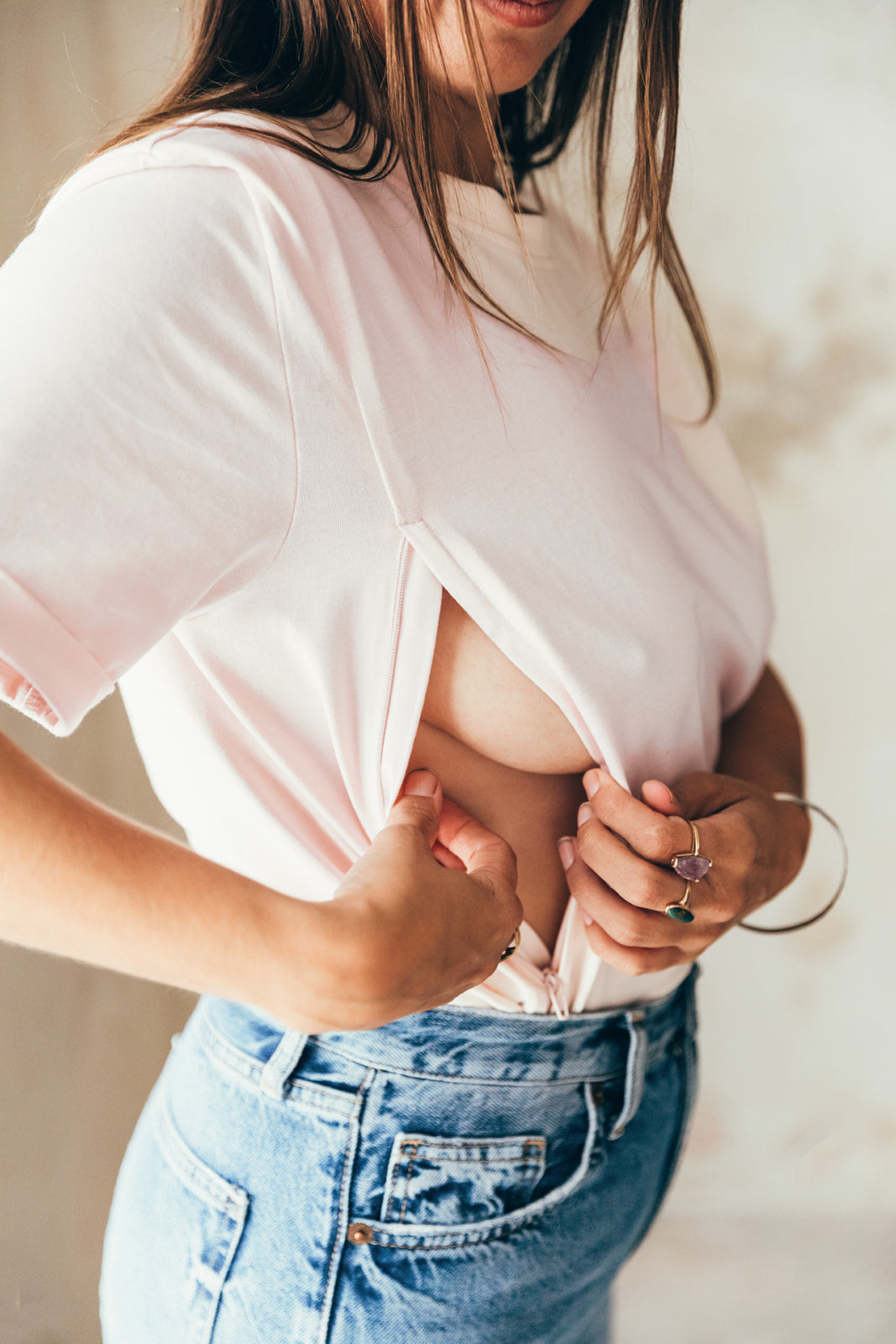
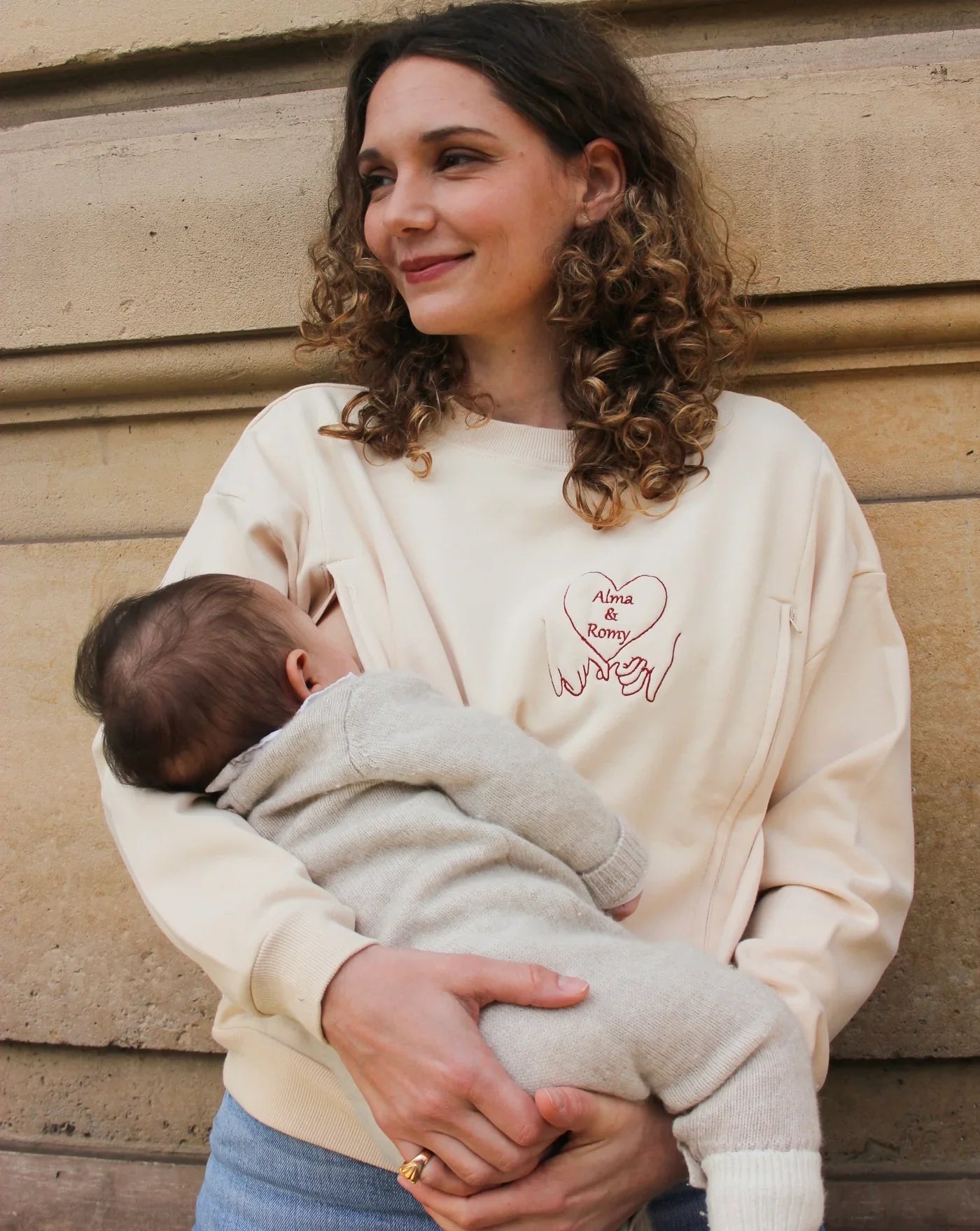
At 23 Mai Paris, we support parents through every aspect of winter motherhood, including nighttime worries. Our Breastfeeding t-shirts and our new collection are designed to keep you comfortable during nighttime feedings so that your energy goes toward your baby, not toward managing your own discomfort.
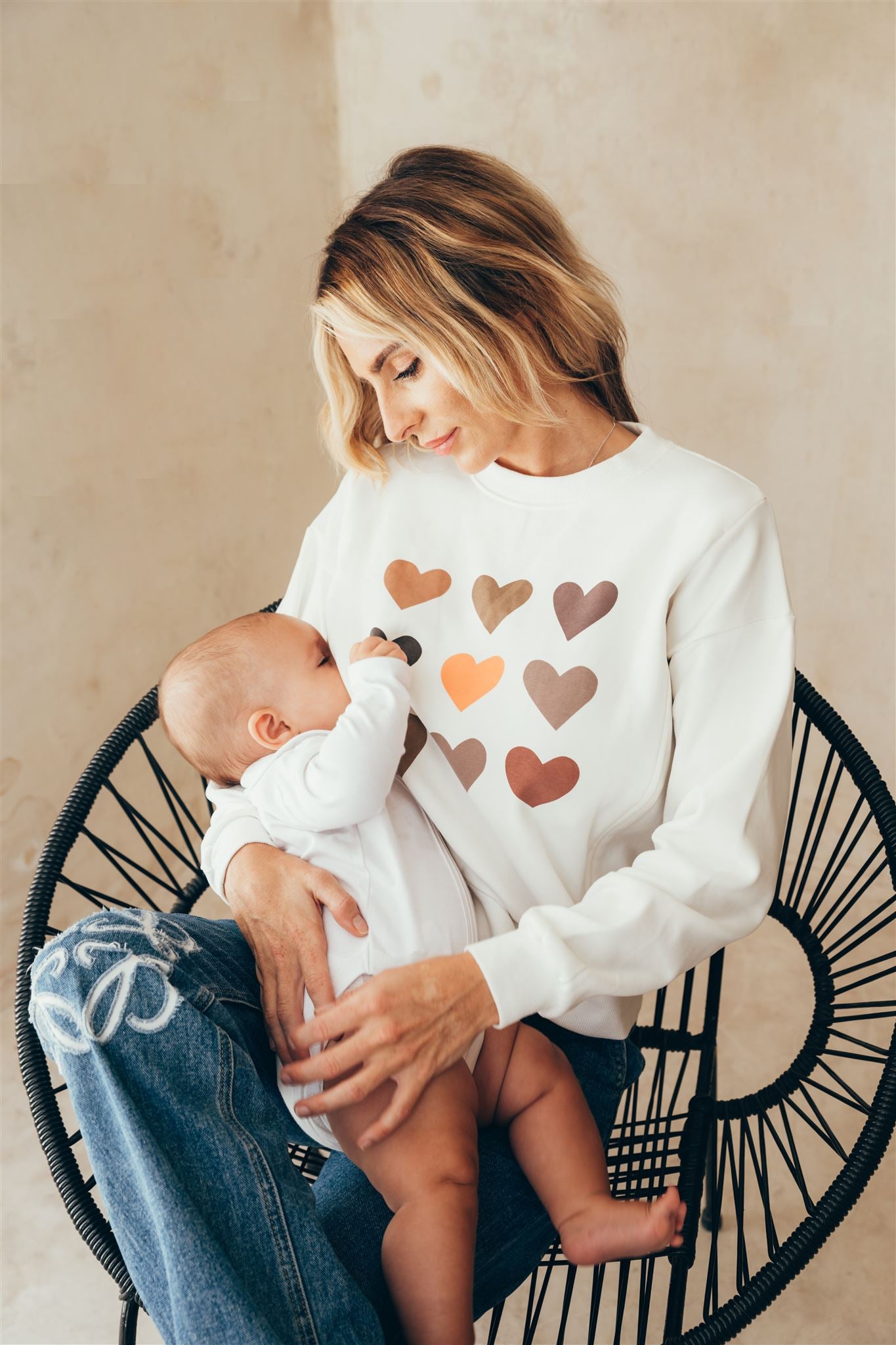
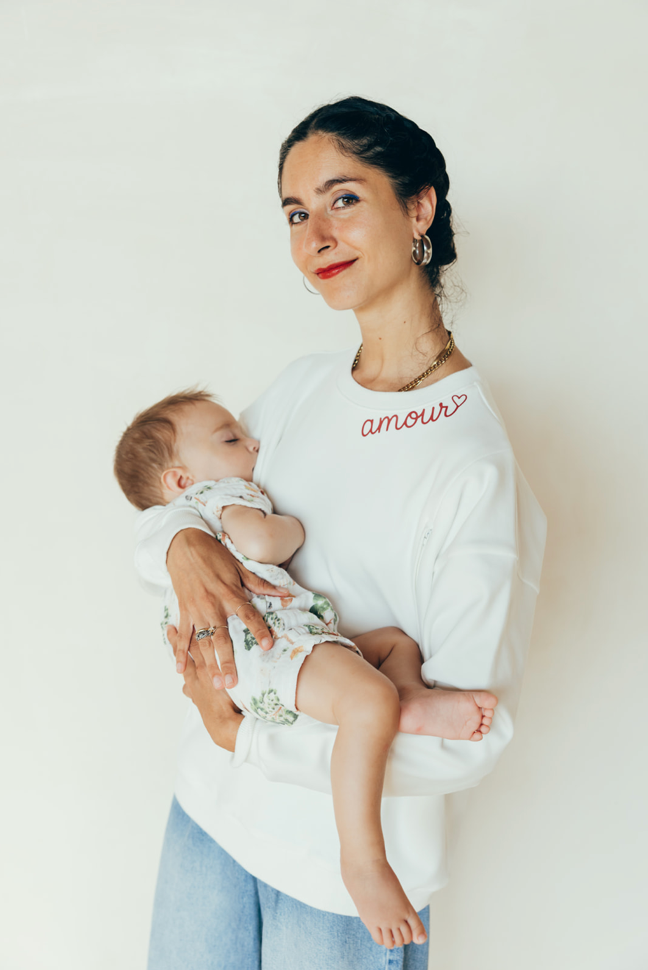
Be sure to check out our nursing sweatshirts and our " knit " sweaters for those nights when the room feels a little chilly and an extra layer makes all the difference.