Being Pregnant in Winter: Pros, Cons, and Tips
Pregnancy in winter has a bad reputation. You can imagine how your belly gets in the way under your coat. The cold on top of the fatigue. The flu and stomach virus outbreaks lurking around every corner. The difficulty of finding warm clothes that fit your growing belly.
And yet, being pregnant in winter has its charms, too. Its little joys. Its unexpected perks that you don't always realize until you're actually there.
As is often the case, the reality is more nuanced than these two extreme views. A winter pregnancy is neither a logistical nightmare nor a romantic idyll. It’s a unique experience, with its own challenges and joys, that deserves to be navigated with the right tools and the right mindset.
Here's what you really need to know.

The Unexpected Benefits of a Winter Pregnancy
Let's start with this because it's rarely discussed, and because recognizing these things helps us get through the season with a fresh perspective.
A Warm Belly, Naturally
Winter is the season for sweaters, coats, and scarves—all those layers that wrap the belly in warmth without any special effort. Whereas a pregnant woman in the summer finds herself desperately seeking relief from the heat in her burning belly, a pregnant woman in the winter is naturally protected from the cold by her clothes. The belly stays warm, and the abdominal muscles are less strained by temperature fluctuations.
Nausea That May Be Relieved by Cold
It's not true for everyone, but many pregnant women report that the fresh outdoor air helps ease first-trimester nausea. A short walk in the fresh morning air can be more effective than ginger tea on some days. Fresh air stimulates circulation and can reduce feelings of nausea.
Fewer problems with heat and swelling
Summer heat is the enemy of pregnant women—it exacerbates swelling in the legs and feet, raises blood pressure, and causes a variety of discomforts. In winter, these problems are significantly reduced. The legs swell less. Circulation improves. Sleep, which is often difficult in the summer heat, is made easier by the cooler temperatures.
Cocooning: Now Accepted as the Norm
Winter offers a social license to slow down that summer does not. Going to bed early, staying under a blanket, and canceling plans—things that might sometimes be seen as a sign of weakness in the summer—are perfectly natural in the winter. For a pregnant woman whose body needs rest, this social acceptance is a true gift.
A less visible belly, for longer
Winter coats and loose-fitting clothing hide the belly longer than light summer outfits. For women who prefer to announce their pregnancy when they choose, winter offers more natural discretion. And for those who experience some anxiety during the first few weeks, not having to worry about others staring at their belly is a real comfort.
The Holiday Season During Pregnancy
If your third trimester falls in December or January, it’s an experience that many women describe as particularly moving. Christmas or the end-of-year holidays while pregnant—as you look forward to the baby’s imminent arrival—there’s something deeply heartwarming about this overlapping sense of anticipation.

The Real Drawbacks of a Winter Pregnancy
Let's be honest—there are some, and they deserve to be named so we can be prepared for them.
Winter Outbreaks
The flu, bronchiolitis, gastroenteritis, and other winter illnesses are a legitimate concern during pregnancy. The immune system naturally changes during pregnancy to accommodate the baby, which can make the expectant mother more vulnerable to certain infections.
The flu vaccine is recommended and covered by insurance during pregnancy; it is the most effective form of protection. Regular handwashing, ventilating rooms, and limiting close contact with sick people are simple steps that significantly reduce the risks.
Fatigue exacerbated by a lack of light
The first trimester is often exhausting in itself; pregnancy fatigue is very real and can sometimes be overwhelming. In winter, the lack of natural light adds to this fatigue and can make it harder to cope with. Seasonal affective disorder, linked to reduced light exposure, can amplify the mood swings that are already common during pregnancy.
Going outside every day, even for a short time, to get some natural light can help. Light therapy may also be an option—it’s generally considered safe during pregnancy, but be sure to talk to your doctor or midwife about it.
The difficulty of finding suitable clothing
This is the most practical logistical challenge of a winter pregnancy. There are fewer warm, high-quality maternity clothes than their summer counterparts. And dressing a belly that changes shape week after week—under a coat that no longer buttons up, in fluctuating temperatures—is a constant balancing act.
Our maternity clothing collection features pieces designed with these needs in mind—with adjustable cuts that adapt to your growing belly, made from breathable, soft fabrics perfect for the colder months.
The Risks of Falling on Black Ice
Your center of gravity shifts during pregnancy, which alters your balance and increases your risk of falling. On icy or wet sidewalks, this risk is very real. Invest in shoes with non-slip soles as early as fall if your pregnancy extends into the winter, and don’t hesitate to lean on your companion or use any available handrails.
Vitamin D Deficiency
In winter, reduced sun exposure decreases the body’s natural production of vitamin D. This deficiency is common in France, particularly in winter, and can affect both the mother’s health and the baby’s bone development. Vitamin D supplementation is almost always recommended during pregnancy; check with your doctor to make sure your supplement is appropriate for your needs.

Practical Tips for Getting Through Winter While Pregnant
Dressing Smart: The Layering System
This is the number one rule for pregnancy in the winter. Don't wear just one thick, warm piece of clothing—instead, wear several layers that you can add or remove as the temperature fluctuates throughout the day.
A soft, breathable base layer against the skin. A warm mid-layer. A waterproof or windproof outer layer. This system adapts to overheated public transportation, comfortably heated offices, and outings in the cold—without ever being too hot or too cold.
The Maternity Coat: An Investment or an Alternative?
A maternity coat is one option, but it’s not the only one. An oversized coat—one or two sizes larger than your usual size—works perfectly for most pregnancies. Make sure it fastens comfortably over your belly until the third trimester, or have an alternative ready (a large, thick cardigan, a cape, or a baby-wearing jacket if you’ll be breastfeeding afterward) for the final weeks.
Taking Care of Your Skin
Winter dries out the skin, and a pregnant woman’s skin—which is stretching over her belly—is particularly sensitive. Moisturize morning and night with a gentle plant-based oil (rosehip oil, sweet almond oil, or argan oil) that is safe for use during pregnancy and effective against itching caused by skin stretching. When it comes to stretch marks, consistency in your skincare routine matters more than the product itself.
Staying Active Despite the Cold
The urge to stay under the covers is understandable, but the benefits of physical activity during pregnancy are too significant to let the weather get in the way. Simply adapt your routine: heated swimming and aqua aerobics are ideal options in winter. Prenatal yoga indoors. Walking, even in cold weather, as long as you’re dressed in layers.
Twenty to thirty minutes of moderate activity per day—broken up into shorter sessions if necessary—is enough to reap the benefits. The key: don’t wait until you “feel like” going out. Get dressed and head out, and let the desire come as you move.
Moisturize and Nourish Your Body for Winter
Winter creates the illusion that you don’t need to drink as much because you sweat less and feel less thirsty. This is an illusion. Hydration needs remain high during pregnancy, and heated indoor air dries you out more than you might think. Vary your drinks with hot herbal teas that are safe during pregnancy—such as verbena, chamomile, and ginger—to make staying hydrated more enjoyable in winter.
When it comes to food, winter is the perfect time for warm, hearty meals. Take this opportunity to enjoy vitamin-rich vegetable soups, legumes, and whole grains—foods that warm you up and nourish you at the same time.
Managing Hibernation
Pregnancy already disrupts sleep—uncomfortable positions, frequent urges to urinate, and acid reflux. Winter brings its own challenges: nights that seem to drag on, throwing off your body clock; a bedroom that gets cold; and blankets that feel too heavy on your belly.
For the bedroom, aim for 18 to 20°C—no higher. Choose a light blanket rather than a heavy one that puts pressure on your belly. Use a pregnancy pillow to keep your belly in the recommended side-lying position. And if you’re having trouble sleeping at night, a short nap during the day is better than struggling with insomnia at night.

Winter Maternity Clothes: The Must-Haves
Winter Pregnancy Wardrobe Essentials
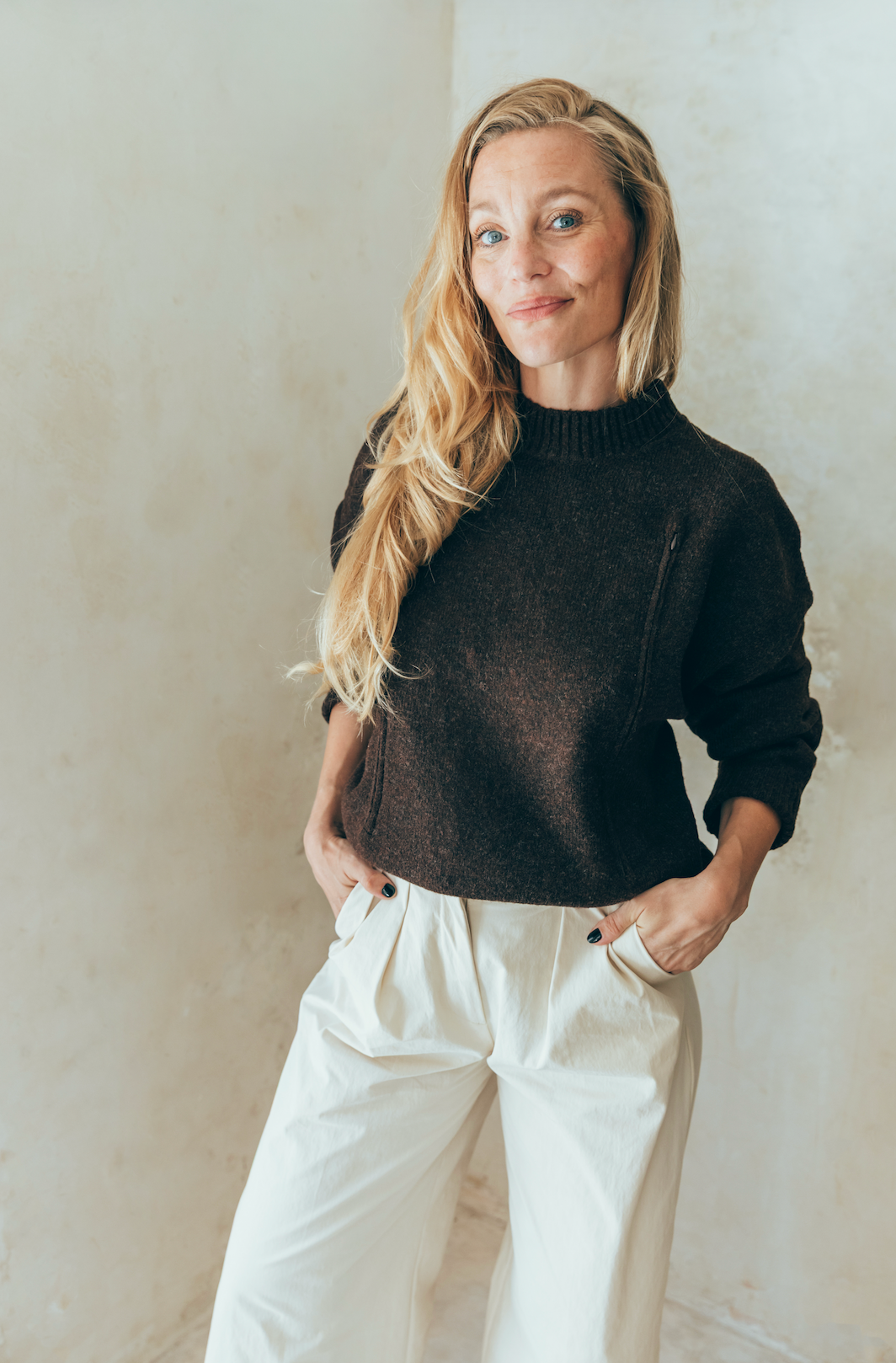
One or two stretchy tops made of jersey or thick cotton that adapt to your growing belly. A pair of maternity leggings—the most comfortable item for winter—worn under dresses or long tunics. A long, warm vest or cardigan that wraps around you without constricting. And the right flat, non-slip shoes that are easy to slip on without having to bend over in the later stages of pregnancy.
Planning for Breastfeeding When Shopping for Pregnancy Essentials
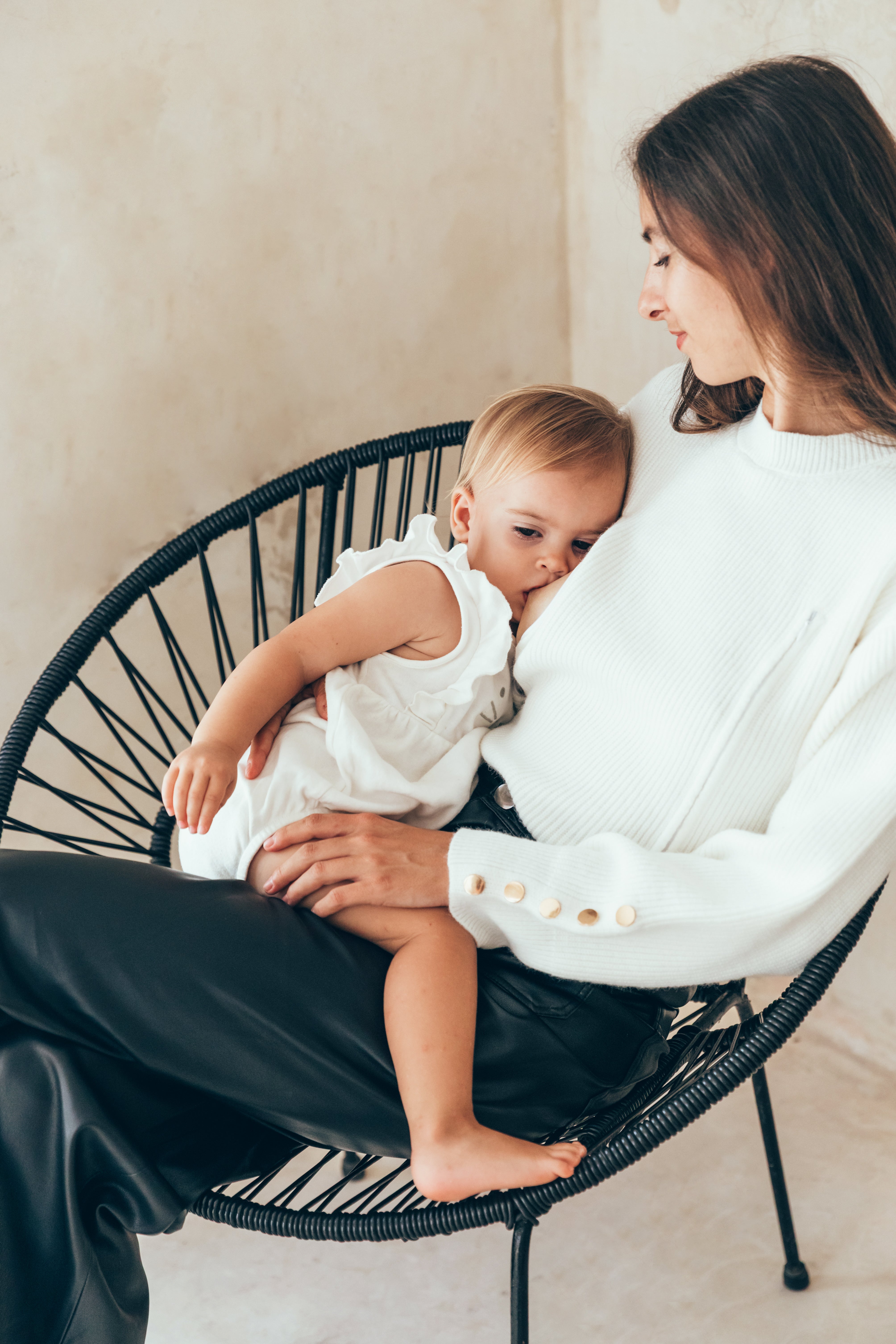
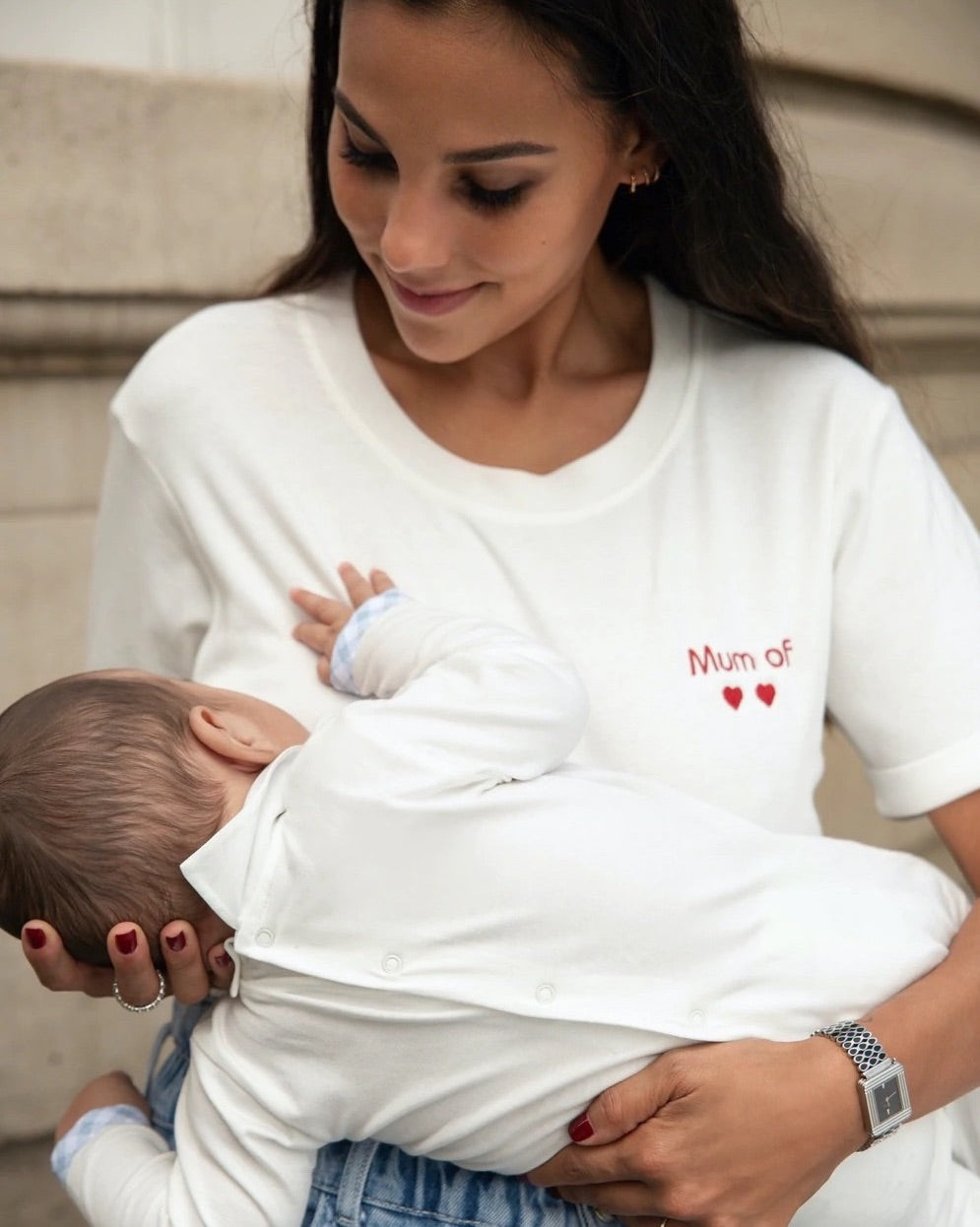
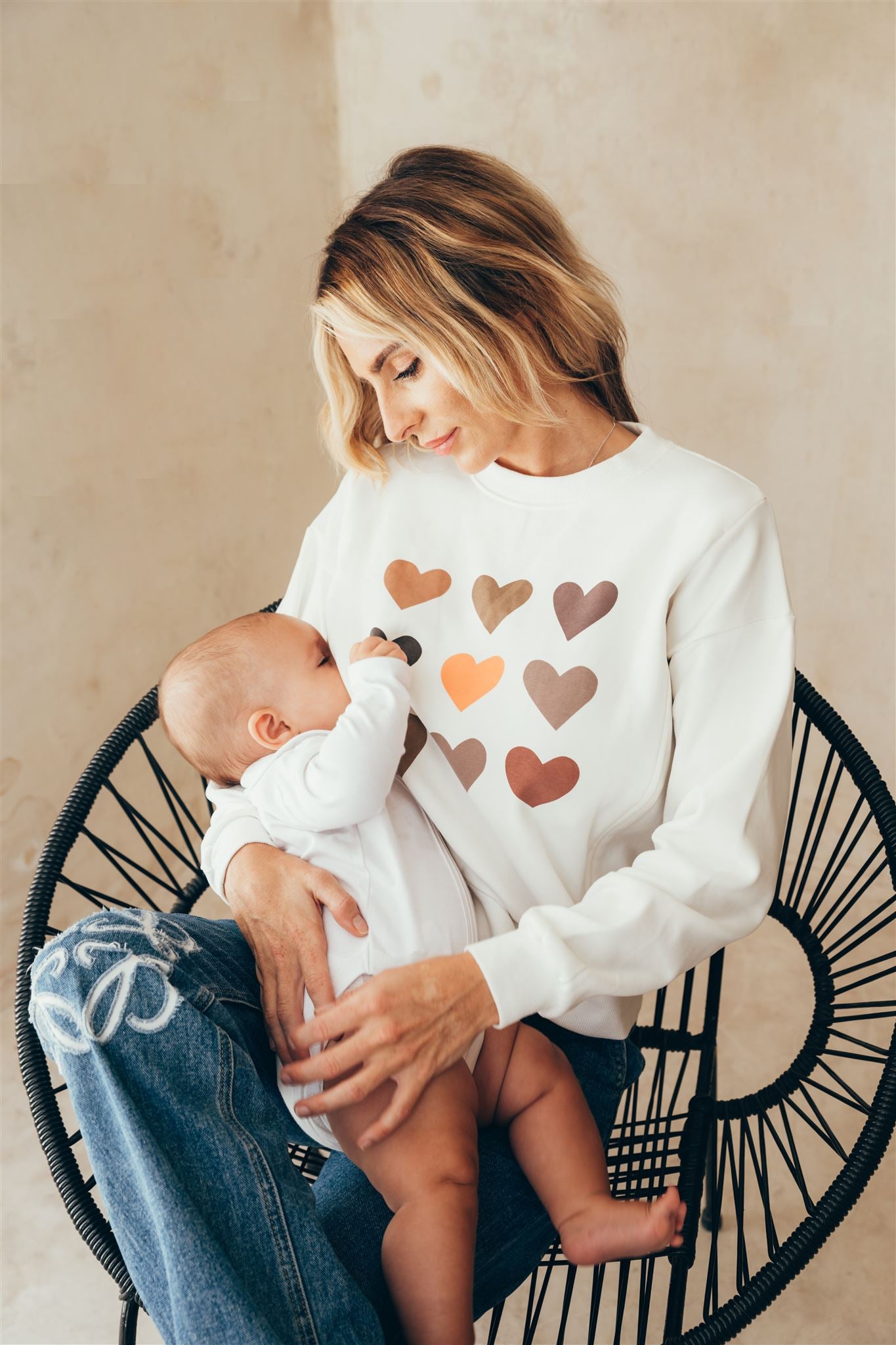
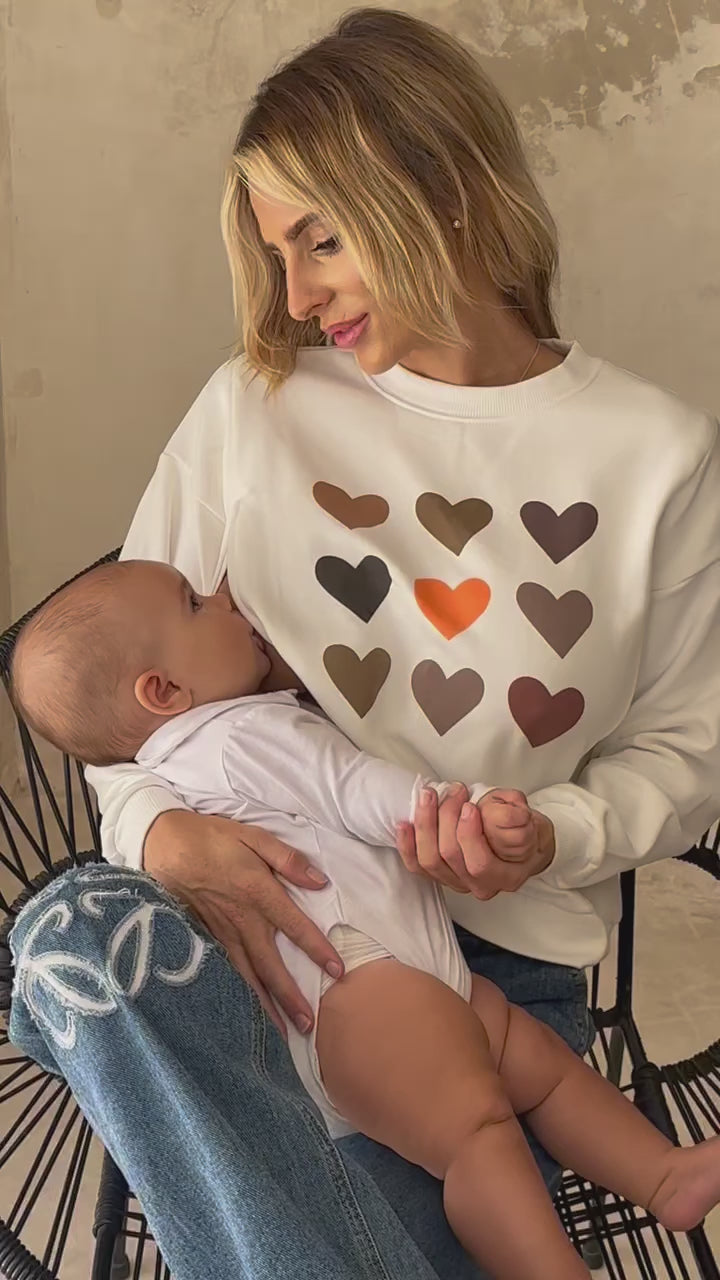
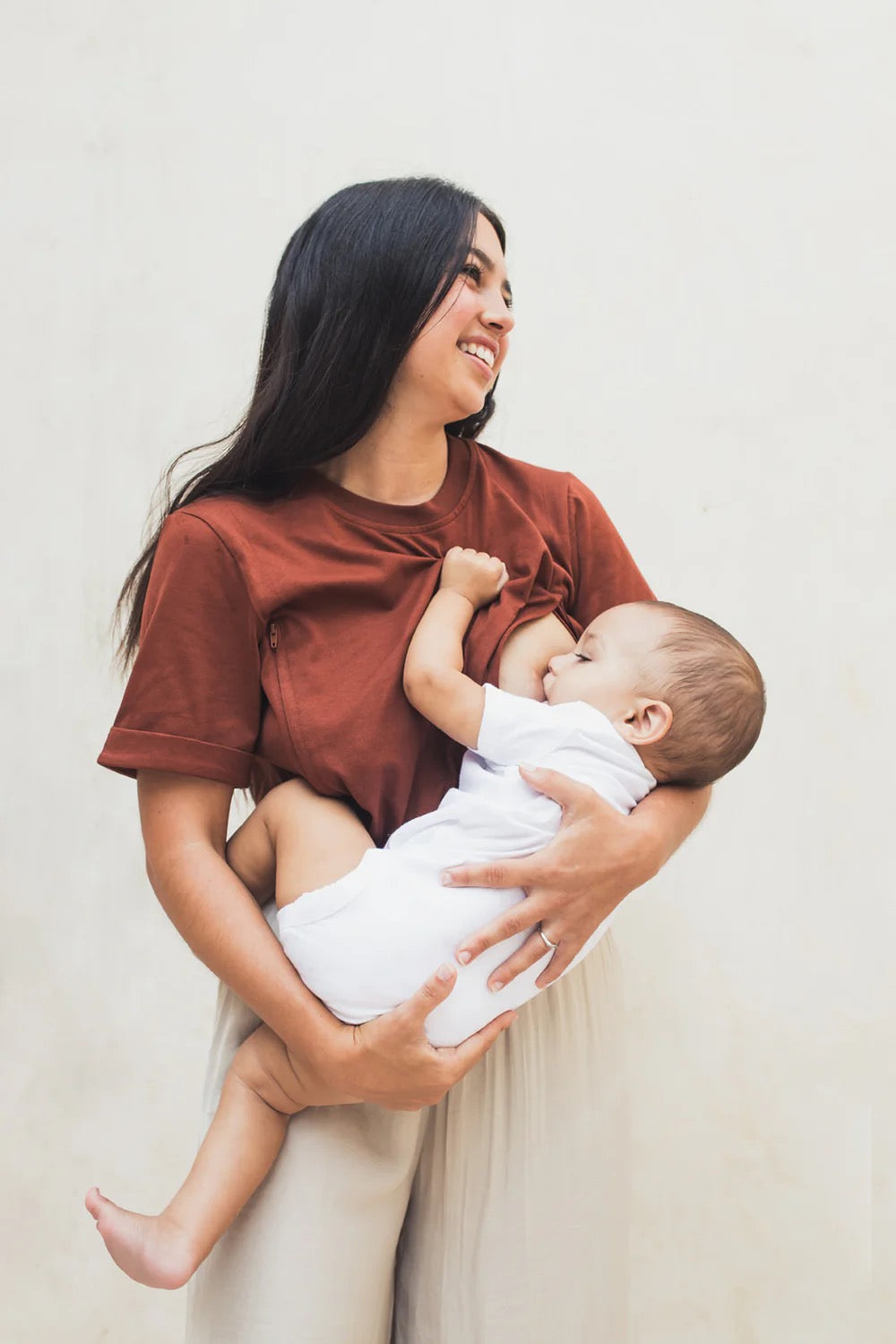
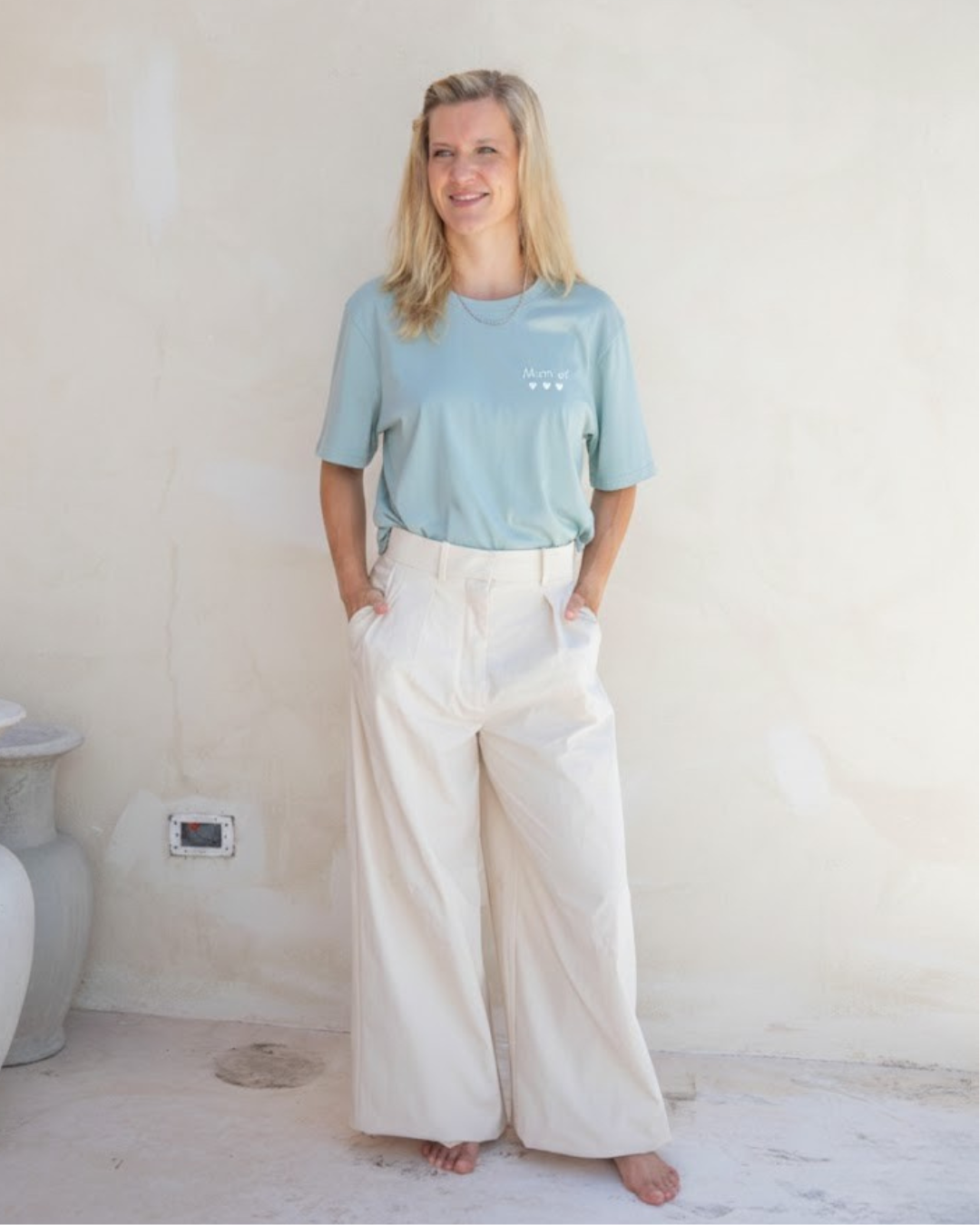
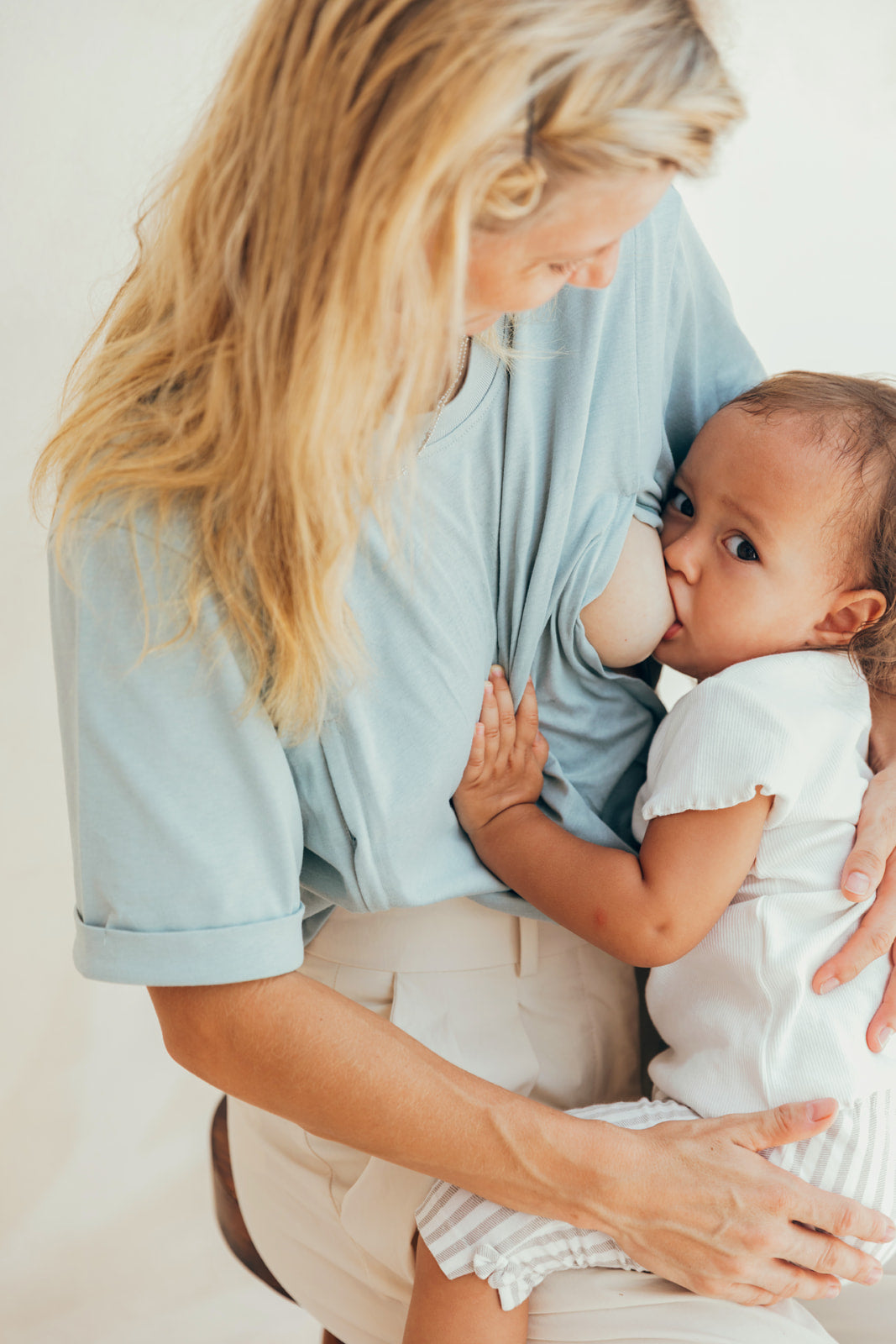
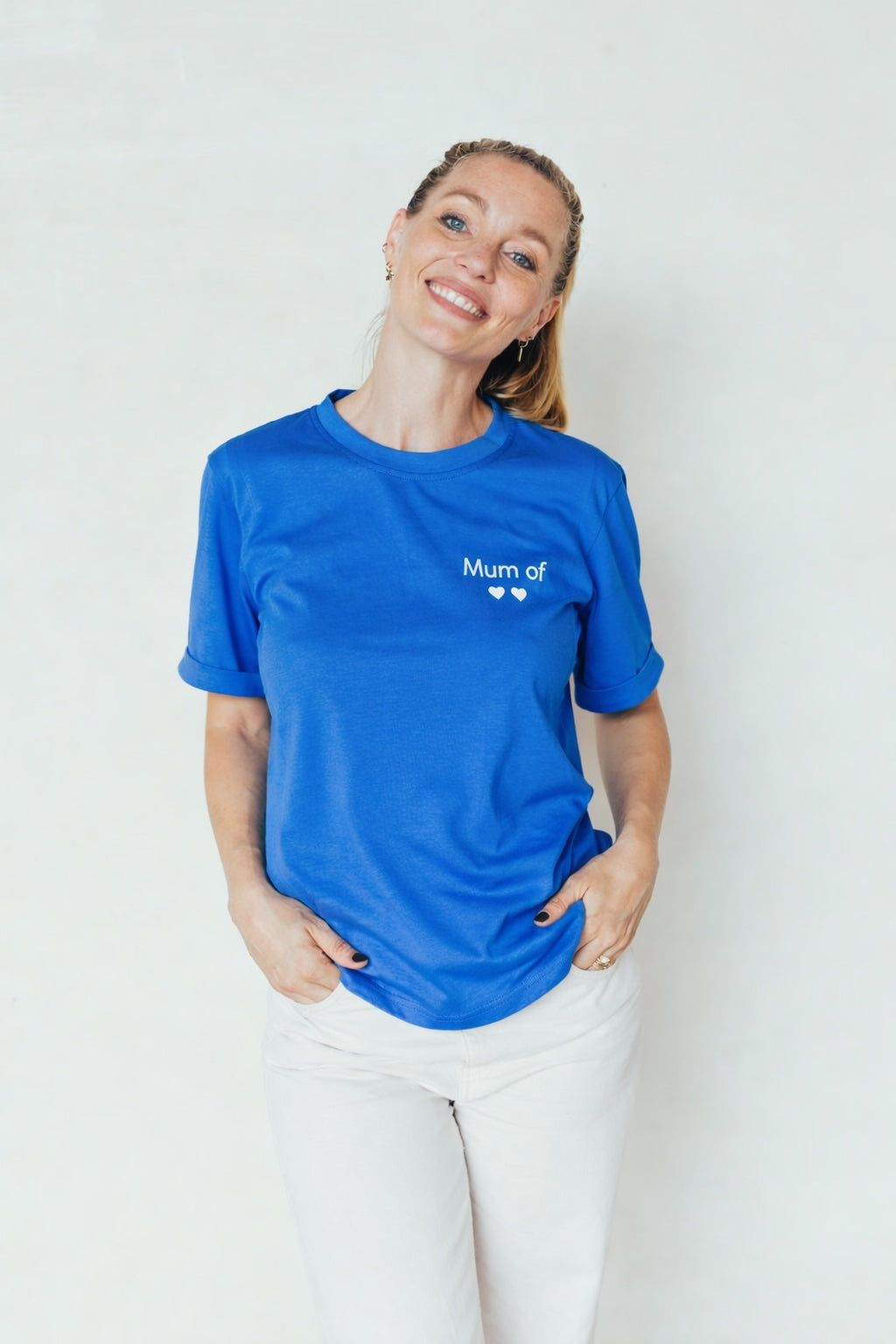
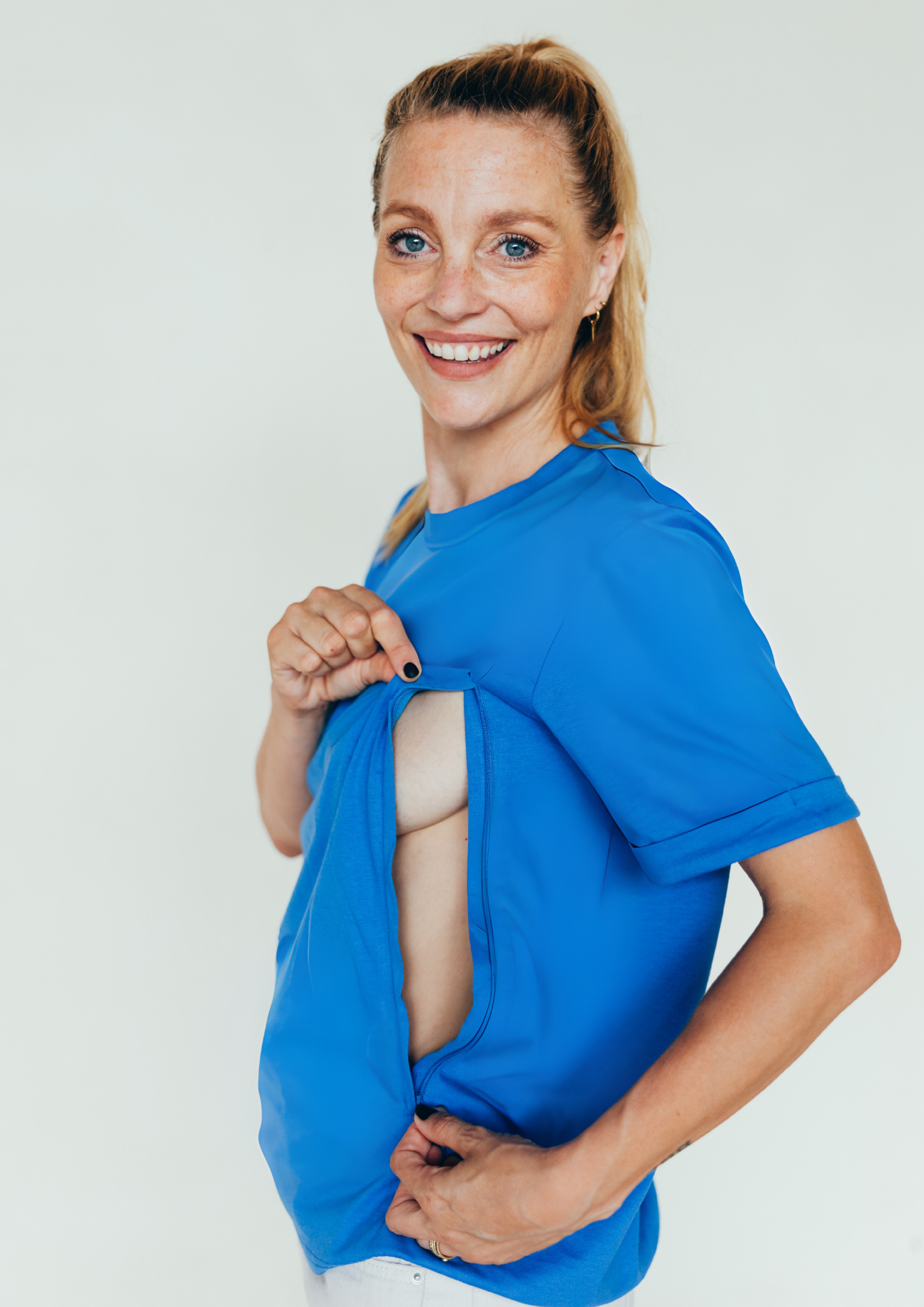
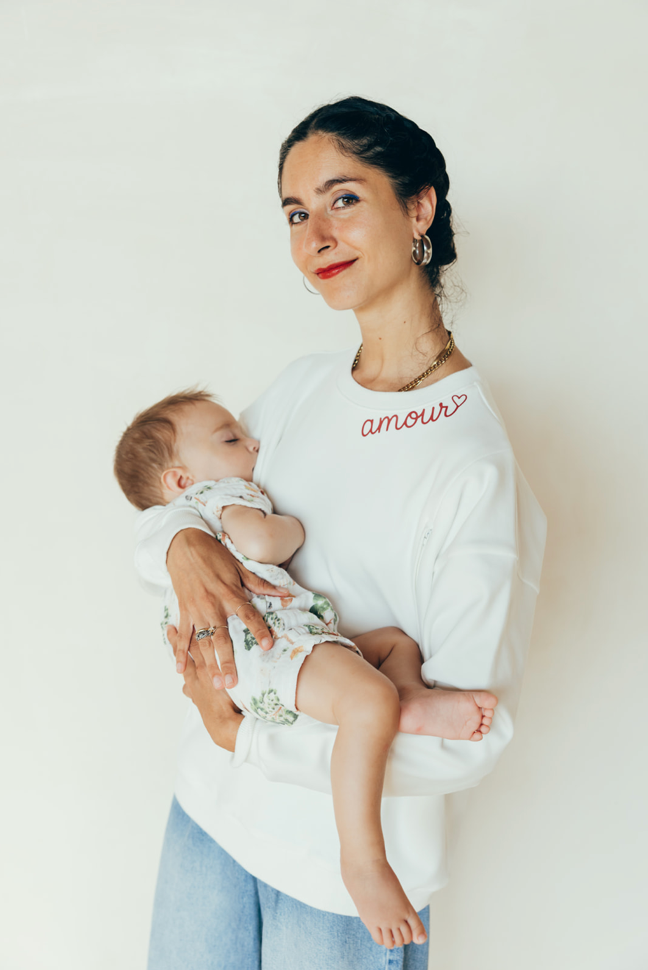
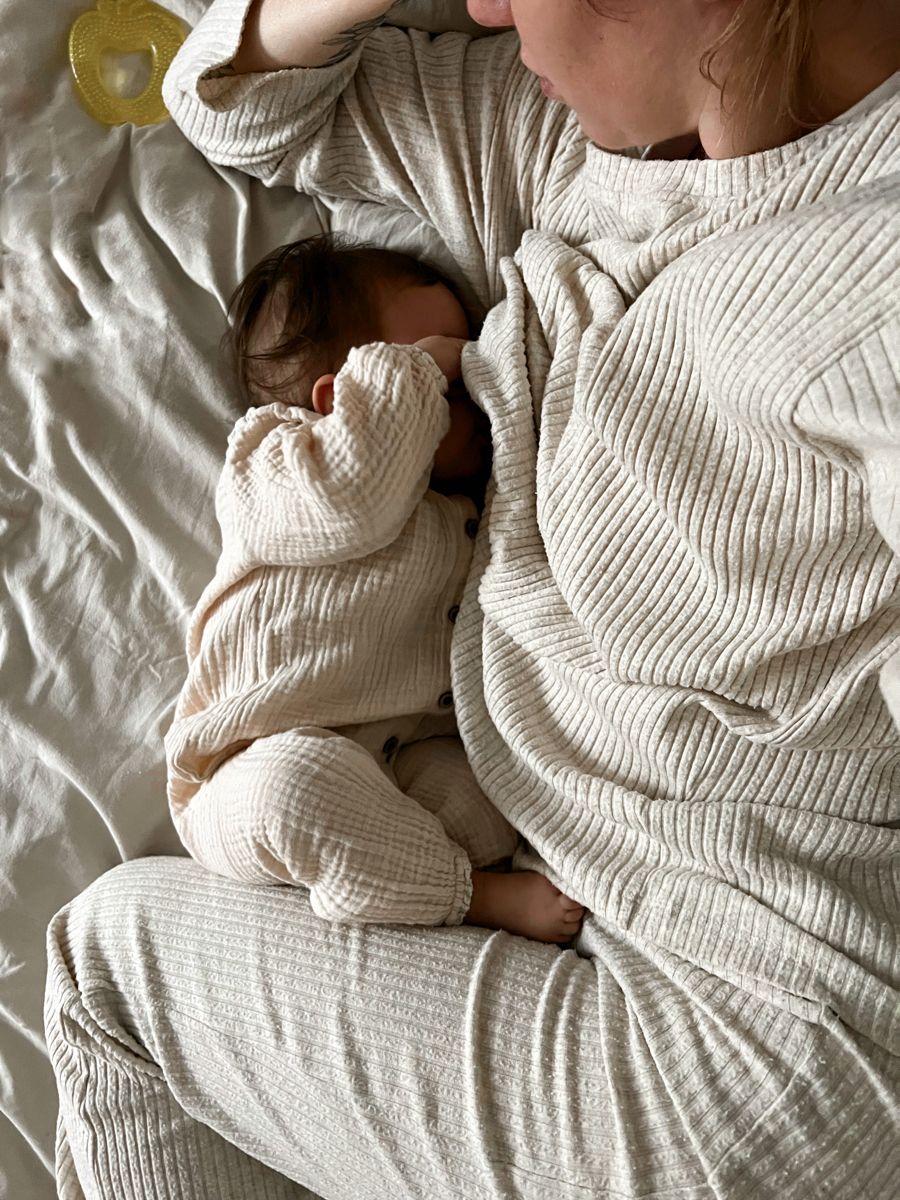
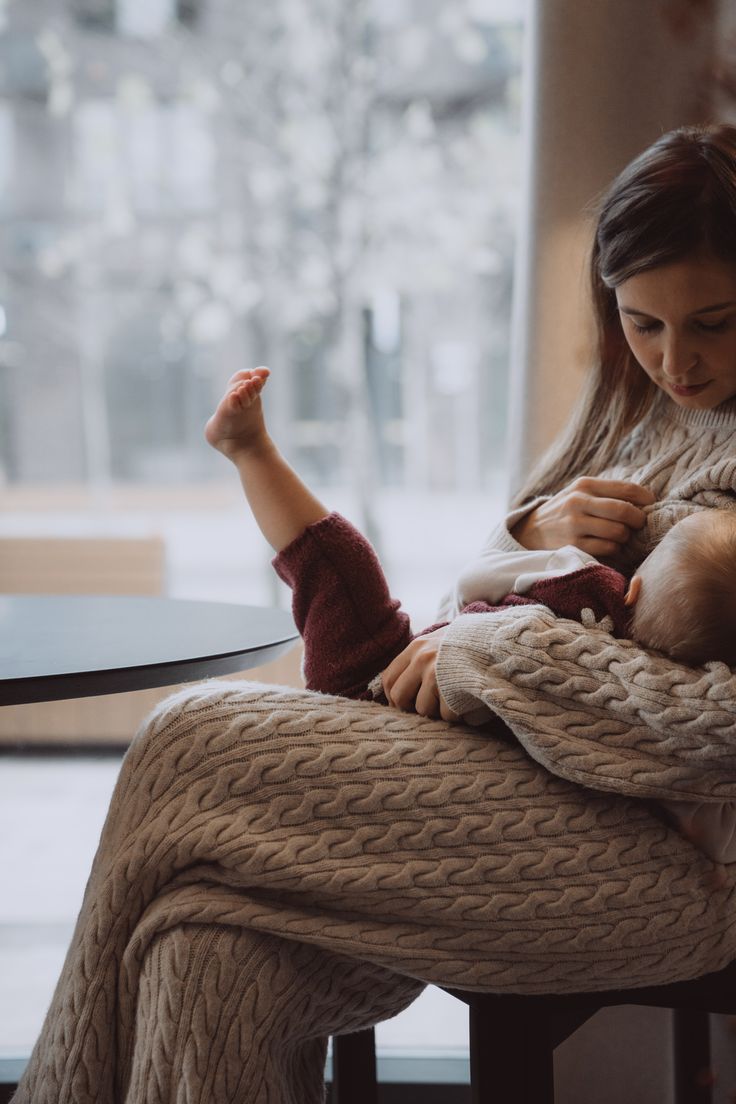
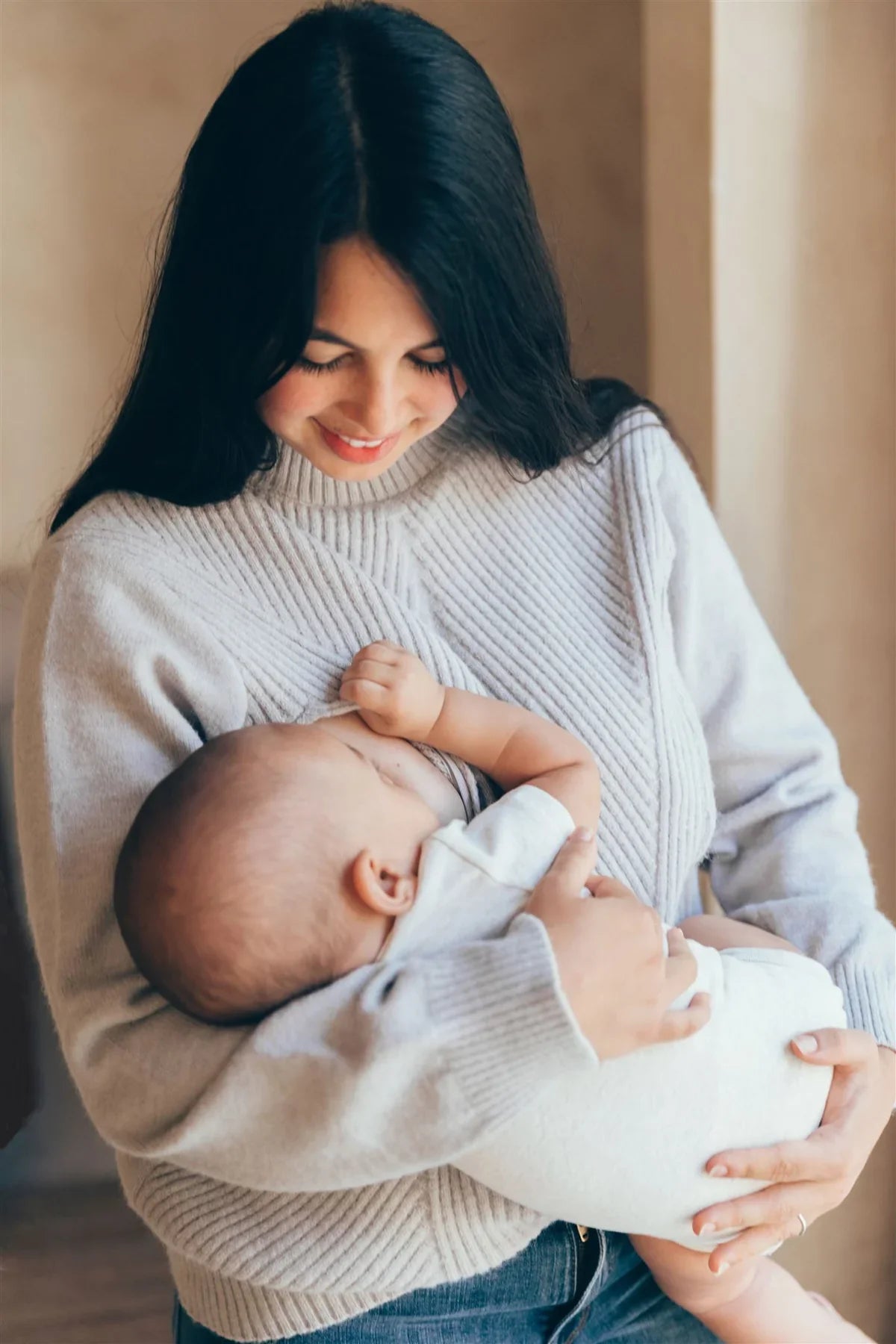
If you're planning to breastfeed, winter is the perfect time to stock up on a few nursing pieces during the January sales. Our Breastfeeding t-shirts, tank tops, and knit sweaters can be ordered during pregnancy and will wait patiently in your closet until the baby arrives.
Having yourBreastfeeding dress before giving birth means you can avoid having to place last-minute orders during those exhausting first few weeks with your baby.

What No One Tells You About Pregnancy in Winter
There's something that pregnancy guides don't often mention, but it's worth bringing up.
Pregnancy in winter has a particularly intense sensory dimension. The early sunsets, the cozy, warm home, the candlelight, and the leisurely pace of winter Sundays—all of this creates a cozy, nurturing atmosphere in which pregnancy flourishes naturally.
There is something fitting about winter gestation. There is a connection between nature’s slowdown—the leafless trees, the short days, life turning inward—and what is happening within you. A life that prepares itself in the darkness before blossoming in the spring.
This metaphor is more than just a figure of speech. Many women who have experienced a winter pregnancy describe this feeling of being in tune with something greater, of experiencing the time of waiting in a special way.
At 23 Mai Paris, we support moms on this journey with clothing designed for changing bodies and the changing seasons. Our maternity collection and our new collection are here to keep you comfortable and stylish through every stage of your journey.
Check out our affordable basics and nursing clothes, too, so you can look forward to what’s next with confidence—from pregnancy through the first few weeks with your baby.