Breastfeeding and Winter Fatigue: How to Stay on Track
There’s a kind of everyday fatigue—the kind we’ve always known: a bad night’s sleep, a busy week, a temporary slump.
And then there's the exhaustion of breastfeeding in the winter.
This is a different kind of exhaustion. It builds up layer by layer, night after night, feeding after feeding. The lack of natural light weighs on your mood. The fragmented nights from which you never truly recover. The body producing milk while hormones readjust. The cold that demands extra energy just to maintain body temperature. And all around, a winter gloom that makes every effort feel a little harder than in the summer.
It's not weakness. It's physics.
This article isn’t going to promise that you’ll overcome this all at once. Instead, it will give you practical strategies—both big and small—to help you get through this time with a little more energy, a little more kindness, and a lot less guilt.

Understanding Why Fatigue Is More Severe in Winter
Before we can find solutions, we need to understand the mechanisms at work. Because knowing why we’re exhausted changes the way we take care of ourselves.
Lack of Light and Serotonin
In winter, the days are short. The available natural light is less intense and lasts for a shorter time. However, light is directly involved in the production of serotonin, the neurotransmitter associated with well-being and energy. Less light means less serotonin, which results to a lower mood, reduced motivation, and fatigue that is felt more intensely.
For breastfeeding moms, who, by definition, go out less and are often indoors, especially during long nighttime feedings and cozy days at home, this effect is amplified.
Cumulative energy expenditure
PProducing milk consumes about 400 to 500 calories per day. Regulating body temperature in cold weather consumes even more. Recovering from calves requires even more. And dealing with fragmented nights chronically depletes cortisol and adrenaline reserves chronically.
Add it all up, and you'll understand why you feel exhausted even on days when you haven't "done anything in particular."
Fragmented Sleep and Its Cognitive Impact
The fragmented sleep that occurs during breastfeeding is not physiologically equivalent to uninterrupted sleep of the same duration. Interrupted sleep cycles reduce the phases of deep and REM sleep—the phases that are truly restorative. The result: cognitive fatigue that affects concentration, memory, and the ability to manage emotions, even after a “good night’s sleep” in the context of breastfeeding.
Night sweats in winter
The paradox of winter nights while breastfeeding: you feel cold between feedings, and you sweat during them. This back-and-forth disrupts sleep and leads to nighttime dehydration that you may not always notice. Waking up in the morning slightly dehydrated directly contributes to fatigue throughout the day.
Nutritional Strategies: Eating to Stay Strong
Nutrition is one of the most direct and underrated ways to manage fatigue while breastfeeding in the winter.
Iron: The Top Priority
Unexplained fatigue, feeling exhausted even after a good night’s sleep, and a lack of energy —these are often signs of iron-deficiency anemia. Childbirth leads to significant blood loss. Breastfeeding maintains high iron requirements. And winter, with its meals that are often less varied and lower in fresh vegetables, doesn’t help.
Ask your doctor to order a ferritin test if you haven't had one since giving birth. Iron supplementation can dramatically improve your energy levels in just a few weeks.
Foods That Boost Energy in Winter
Go for iron-rich foods that is easily absorbed: red meats , lentils, , spinach, and tofu. Pair them with vitamin C to improve absorption—a squeeze of lemon, a few tomatoes, a glass of of orange juice.
Omega-3s support mood and reduce inflammation: sardines, mackerel, walnuts, flaxseeds. Especially valuable in winter when seasonal looms.
Magnesium helps manage stress and promotes better sleep nuts, legumes, dark chocolate dark chocolate, pumpkin seeds. A square of good dark chocolate during a feeding isn’t a treat—it’s preventive medicine.
Eat regularly, even if you're not hungry
In the winter, when you have a baby, are skipped. We forget to eat, and we don’t have time to cook, and we snack between feedings. This pattern leads to drops that amplify fatigue.
Prepare some snacks that are easy to take on the go one-handed snacks: nuts, dried , cheese, high-quality cereal bars, and eat something every three to four hours, even if it’s just a little something. You’ll feel the difference right away.

The Keys to sleep: recovering despite restless nights
You've probably been told, “Sleep when the baby sleeps.” It’s true, and it’s also often the least practical advice in the world. Here are some more realistic strategies.
The Short Nap: The Most Effective Tool
A 20-minute nap minutes—no more—is is equivalent to several hours of nighttime sleep in terms of cognitive recovery. Not because it replaces those hours, but because it restores alertness, mood, and patience in in a spectacular way.
Twentyt minutes. Not any longer than that, and you’ll enter a cycle of deep sleep from which you’ll wake up feeling groggier than before. A timer, a lying-down position, and dimmed. That’s all.
Optimizing Nighttime Feedings
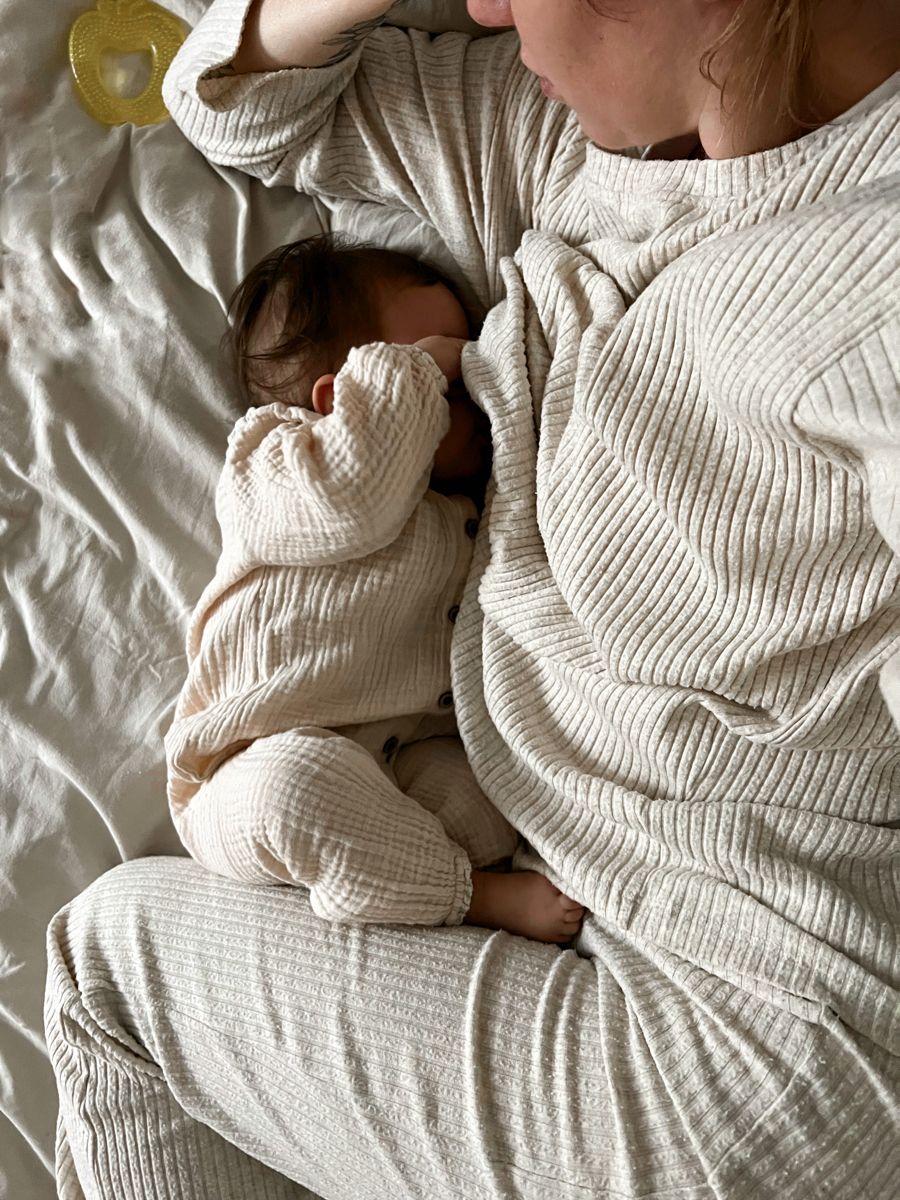
In winter, lying down to breastfeeding is especially helpful. It allows you to stay under the blankets throughout the feeding, warm and the dark, without waking up completely. Many moms report having fallen back asleep while feeding itself and it’s perfectly safe as long as are met.
Delegate night shifts, even just once a week
If you have the option to delegate one night a week to your partner along with a bottle of expressed milk or infant formula if you have any —go ahead and do it. One full night’s sleep per week significantly profoundly your ability to get through the rest of the time.
It's not giving up breastfeeding. It’s about protecting yourself so you can continue to breastfeed.

The levers of light: Combating Winter Fatigue at the source
Light Therapy
It's the least known and one of the most effective tools for combating caused by a lack of light. A (10,000 lux) used for 20 to 30 minutes morning during a feeding, during breakfast can partially compensates for the lack of natural light and regulates the body's internal clock.
Several studies confirm its effectiveness against and chronic fatigue in winter. For breastfeeding mothers postpartum, it is particularly relevant.
Go out, even for just 20 minutes
As we mentioned in our article on winter outings , but it’s worth repeated here in the context of fatigue. Twenty minutes of in the morning, even on a overcast, are infinitely more effective than hours spent behind a window.
Exposure to —even at low levels—triggers the production of serotonin and regulates cortisol—the two hormones most directly involved in managing fatigue and mood.
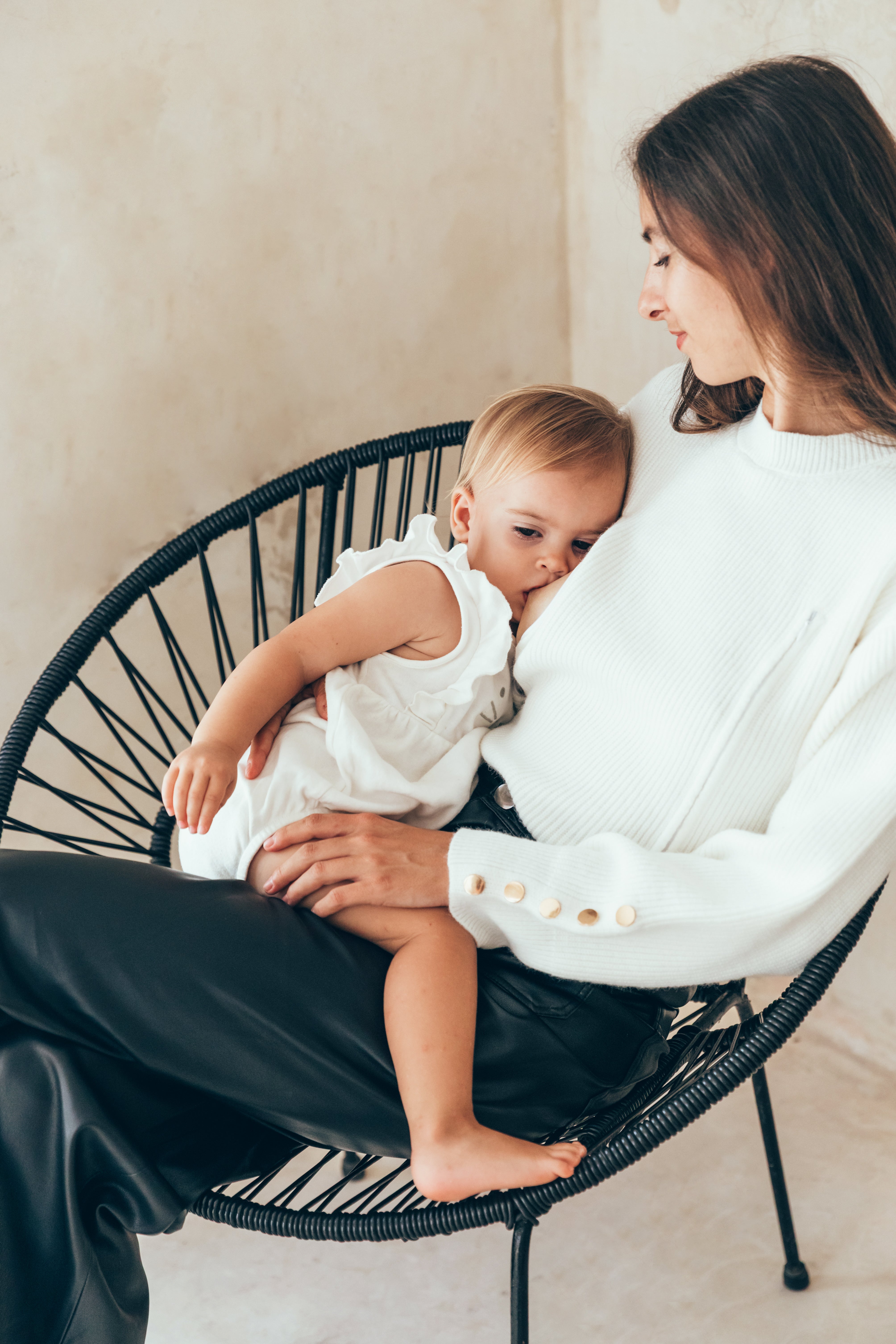
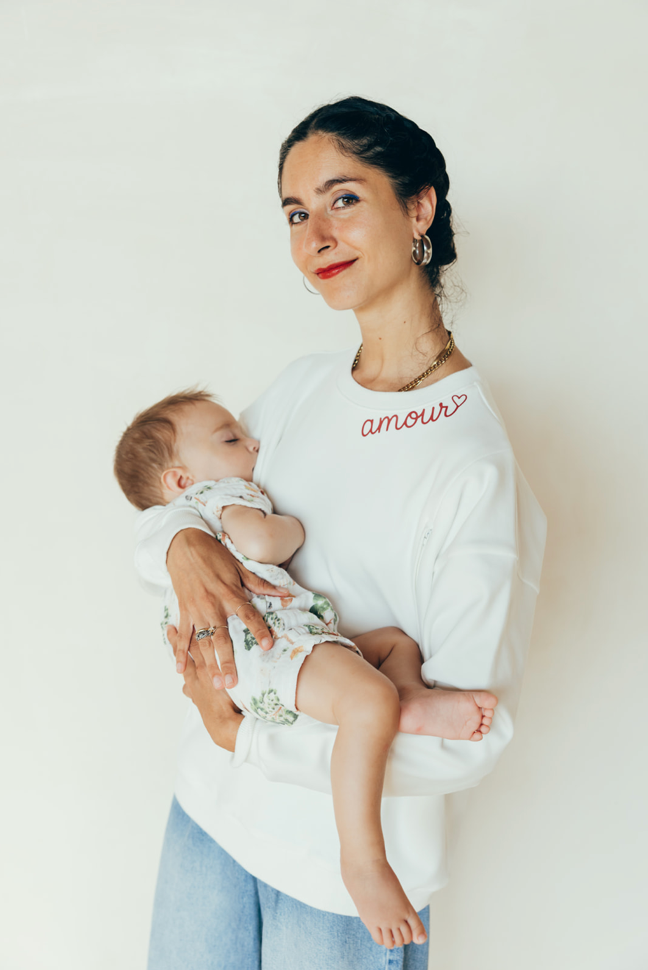
Dress the baby, dress yourself in our nursing sweatshirts and our knit sweaters are designed for those winter outings and get out there. Even for just ten minutes. Even just to the end of the street.

Emotional triggers: Don't go through this alone
Winter Fatigue of breastfeeding has an emotional aspect that is is too often downplayed because it is less visible than physical fatigue.
Putting a Name to What We Feel
Irritability, tears that come for no apparent reason, the feeling of being out of up to the task, and nostalgia for life before—these emotions are normal, common, and largely linked to the of the postpartum . Sharing them with your partner, a friend, or your midwife helps prevent let them build up in silence.
Identify warning signs
The normal fatigue associated with breastfeeding is a type of fatigue that fluctuates that eases up on good days but feels like a burden bad ones. If you’re going through several weeks of persistent sadness of persistent sadness, a feeling of emptiness, and difficulty take an interest in anything, or recurring negative thoughts about yourself or your ability to be a mother—this is just ordinary fatigue . It may be postpartum depression, which affects between 10 and 20% of women and warrants professional support.
PleaseTalk to your doctor or midwife. Not in six weeks. Right now.
Truly Accept Help
It's often said that new moms "Don't hesitate to ask for help.” And it’s harder harder than it sounds because asking for help requires acknowledging that you need it, which which in itself is a struggle for someone who’s exhausted.
Make it specific. Don't just say "Can you help me?" but “Can you come over to watch the baby on Tuesday from 2:00 p.m. to 4:00 p.m. so I can take a nap?” Being specific makes the help actionable. And is actionable—that really a world of difference.
Clothing that reduce fatigue invisible
It's a link that we don't always make, , and yet it’s real. Wearing clothes in winter leads to invisible fatigue that adds to everything else.
Struggling with an plain T-shirt while breastfeed in the cold. Feeling a chill down my back because the shirt rides up. Getting up at night in pajamas that make feeding. Feeling in your clothes all day without there being any specific problem, specific problem, just a .
These don't seem to significant when considered on their own. But when they happen ten times a day, they consume energy and create underlying stress that contributes to overall exhaustion.
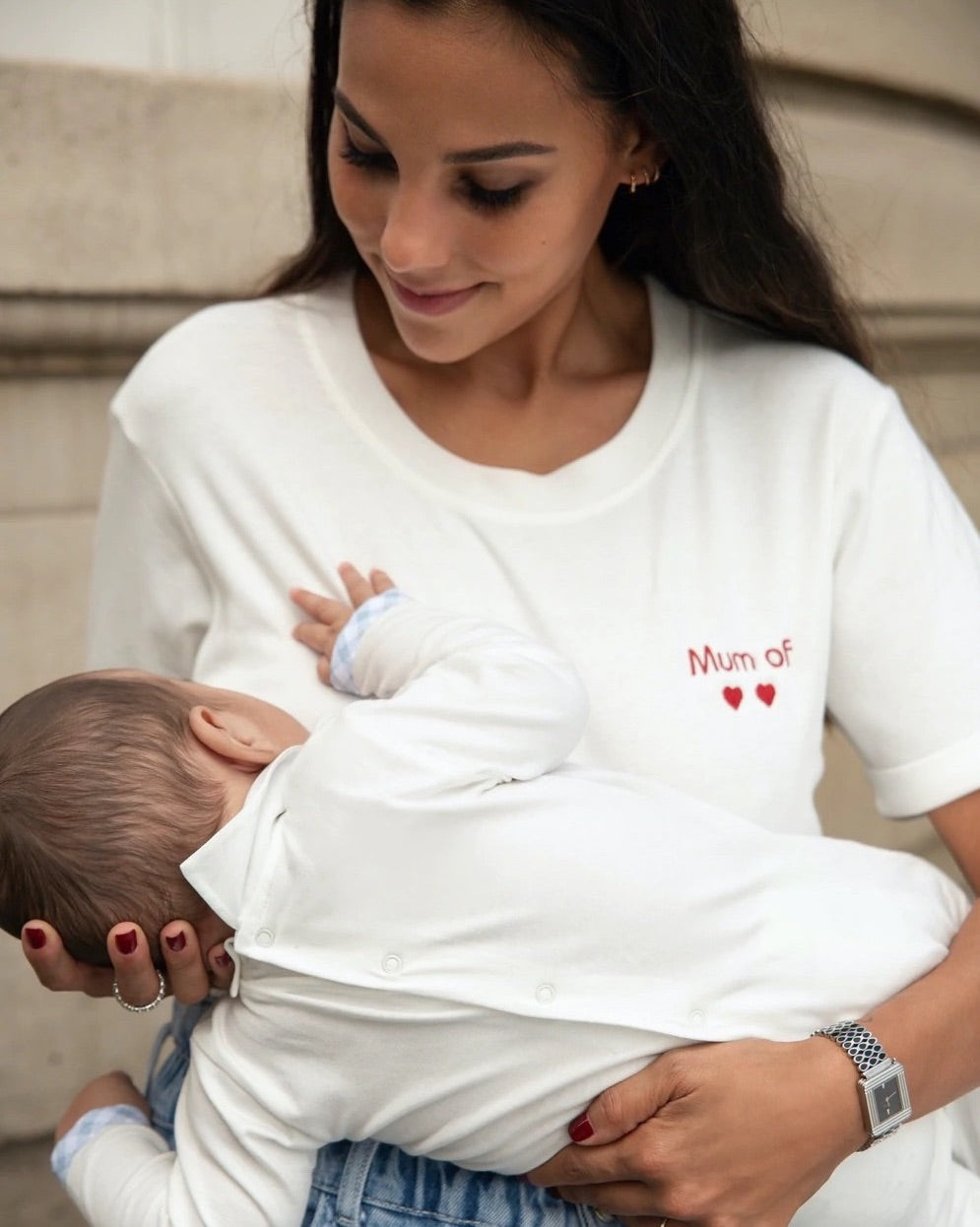
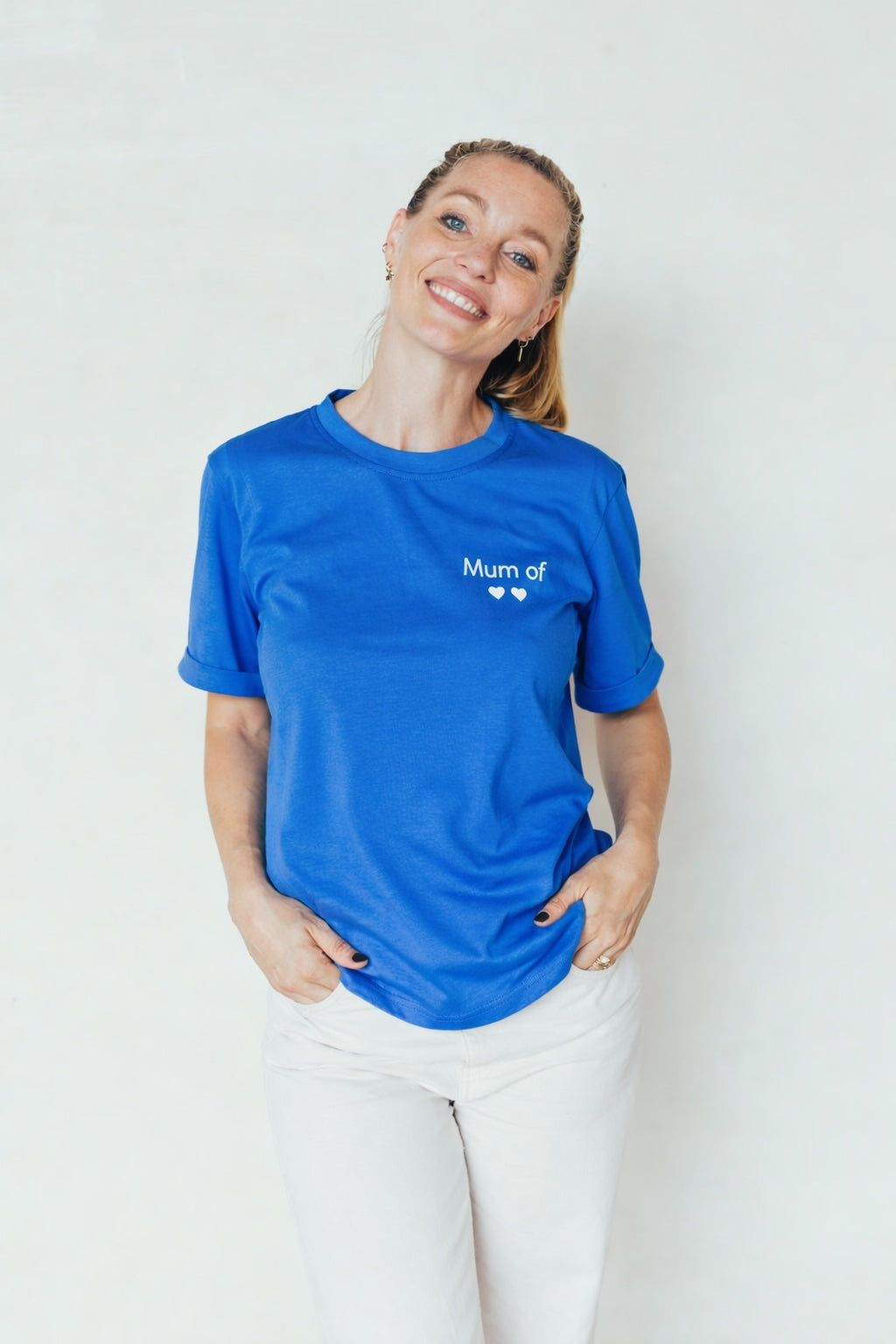
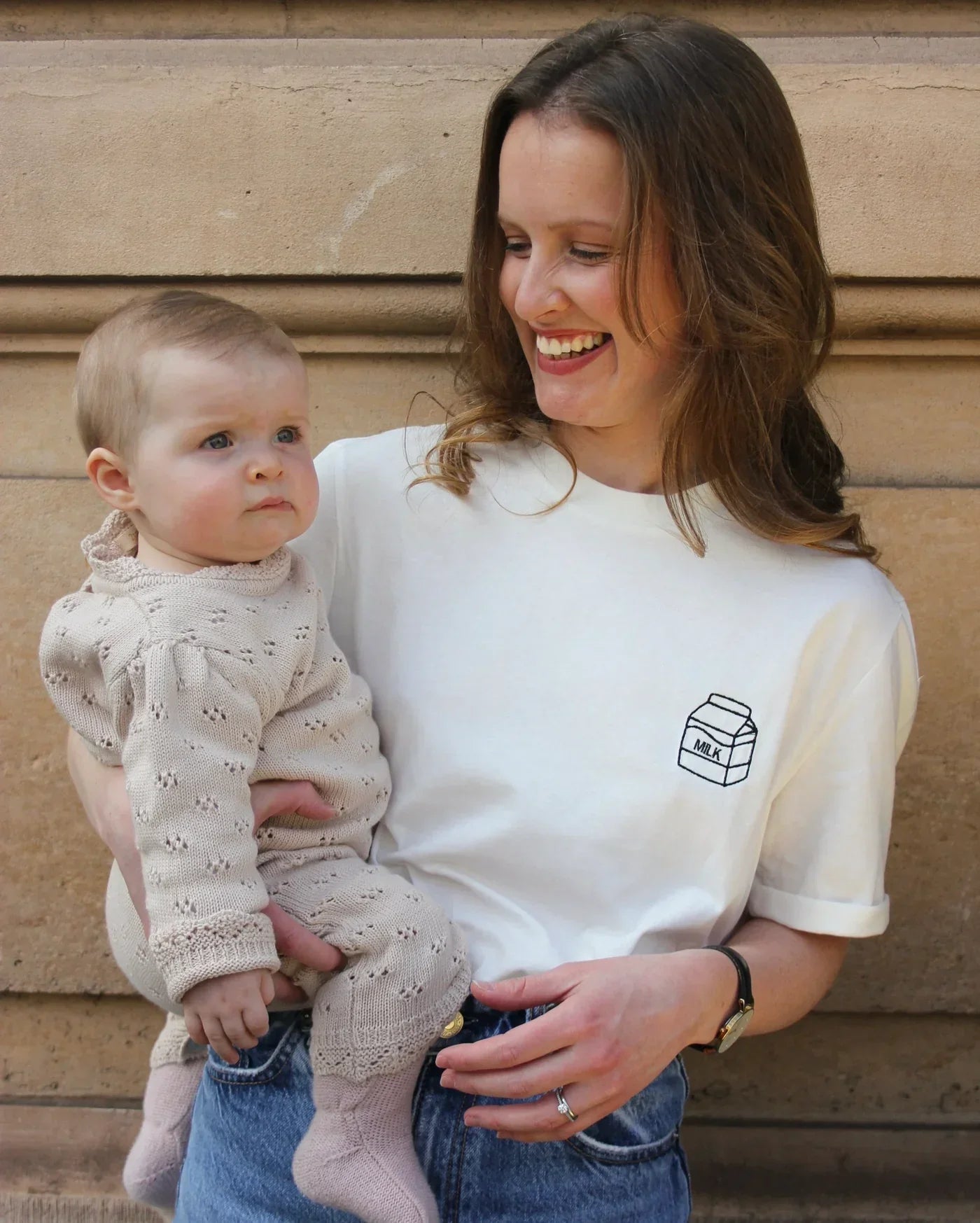
A Breastfeeding t-shirt with an opening can be opened with one hand in black. A breastfeeding tank top that keeps the belly warm all the time. A nursing pajamas made of or modal that keeps you warm during nighttime feedings at night. These pieces alleviate the fatigue caused by , but they reduce the friction that you don’t have the energy to deal with.
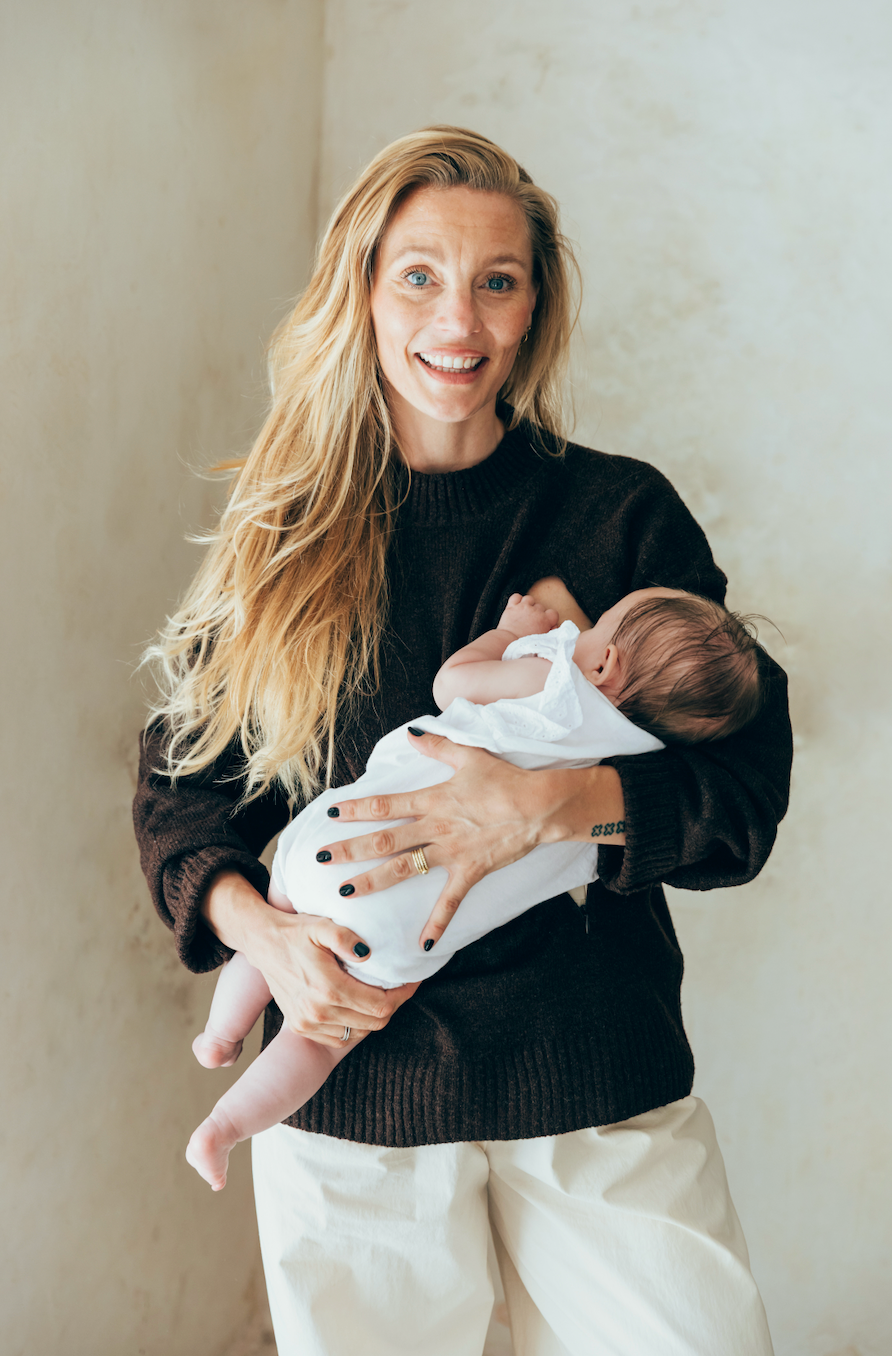
And our knit sweaters for those days when you need warmth and softness—all at the at the same time, without having to choose.

Staying the Course without heroics
There is an image of a mother breastfeeding in winter who endures everything without complaining, who stands firm out of pure love , who transforms exhaustion into strength through the sheer power of her will.
TThis image is beautiful. It is also dangerous because it creates an impossible standard that makes all those who don’t live up to it.
Staying course in winter—it doesn’t like that. It means doing the bare minimum on some days, and that’s already a lot. It’s like accepting a nap without guilt. It’s about eating chocolate. To leave the dishes. To cry a little and get back up anyway.
It's not heroism— —it’s ordinary resilience, the only kind that is truly lasting.
At 23 Mai Paris, we’re thinking of you in this reality—not in a glorified version of motherhood. Our nursing clothes and our new collection are designed to reduce everyday friction so that your energy goes where it really counts truly matters.
Check out our nursing tank tops and our basics at great prices to build a comfortable, functional winter wardrobe designed to last.