Postpartum Isolation vs. Community: A Guide to Preparing and Building a Support Network
The concept of postpartum isolation is gaining recognition, but it is still not addressed enough during childbirth preparation. While all the attention is focused on the baby, new mothers often find themselves alone in facing these new challenges, particularly breastfeeding.
At 23 Mai Paris, we believe that a mom with a strong support network is a mom who enjoys motherhood more fully. This guide will help you plan ahead and build your support network before your baby arrives.

What is postpartum isolation?
Postpartum isolation is the feeling of social and emotional disconnection that many women experience after giving birth. It is not postpartum depression (although the two can occur together), but a form of loneliness specific to this period.
Why is postpartum isolation so common?
- Geographical distance from family: many couples live far away from their parents
- The disappearance of the traditional concept of the "village": in the past, women were naturally surrounded by others
- The idealization of motherhood: it's hard to admit that you're not doing well when you're "supposed" to be happy
- Social media: It gives the illusion of connection but often leads to more comparison than genuine support
- Paternity leave is still short: the co-parent returns to work quickly
Signs of postpartum isolation:
- Feeling cut off from the outside world
- Feeling like no one understands what you're going through
- Crying often for no apparent reason
- No longer feeling like going out or seeing people
- Feeling overwhelmed by responsibilities without any help
- Having trouble asking for help

The Impact of Isolation on Breastfeeding
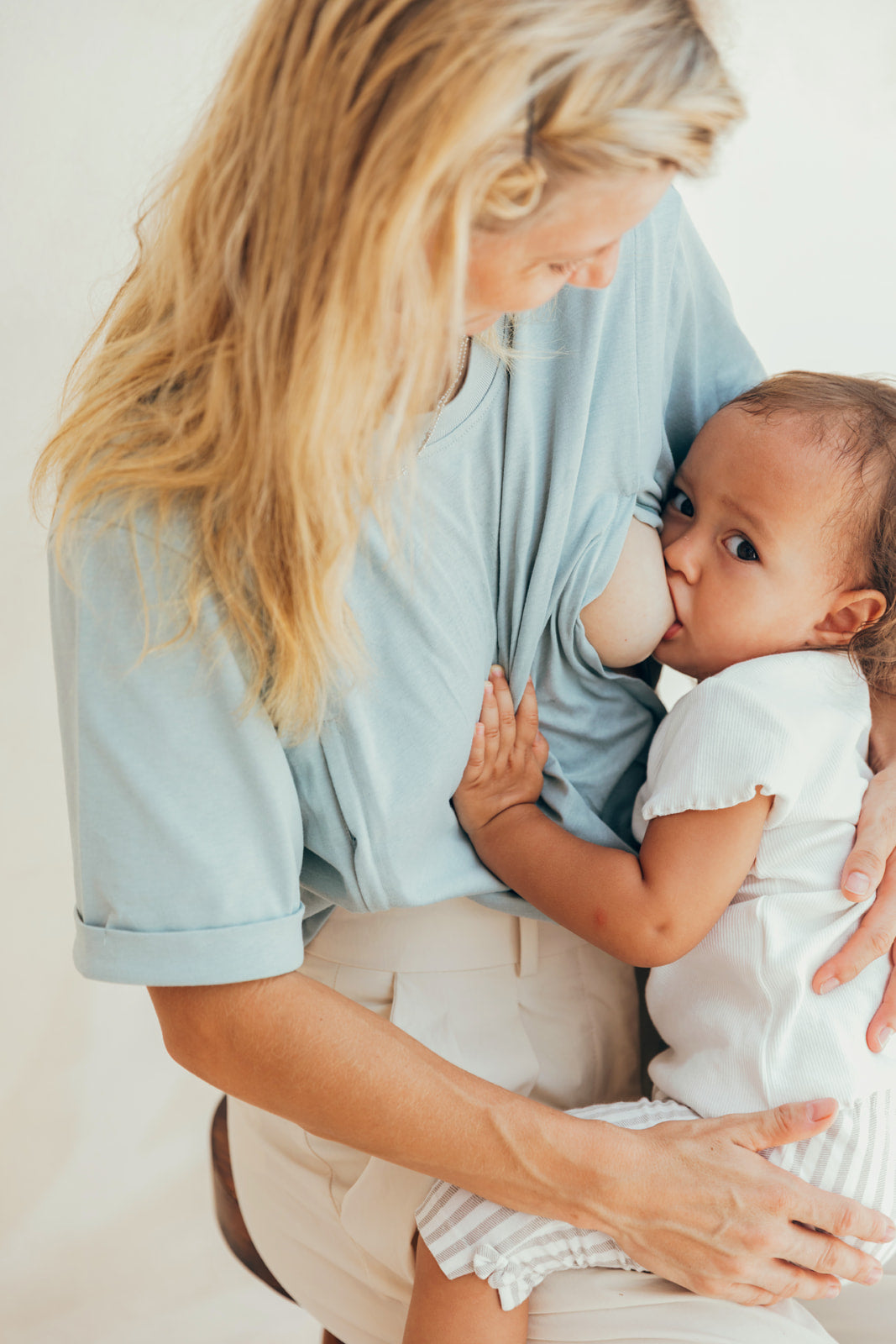
Isolation can directly affect the success of breastfeeding. A lack of technical and emotional support often leads to unwanted early weaning.
Why support is crucial for breastfeeding:
- Doubts and difficulties are normal, but without anyone to reassure you, you quickly start to think you "can't do it"
- A tired and isolated mother has less energy to persevere in the face of challenges
- Stress and loneliness can affect milk production
- Without role models around you, it's hard to know what's "normal"
Studies show that mothers who receive support (from their partner, family, or healthcare professionals) breastfeed longer and with greater satisfaction.
"The Village": A Solution to Postpartum Isolation
There is a famous African proverb that saysit takes a village to raise a child. In reality, it also takes a village to support a woman as she becomes a mother.
What is a postpartum "village"?
This refers to all the people around you who provide you with practical support after the birth. It’s not just theoretical advice or empty promises like “don’t hesitate to ask if you need anything,” but an organized network of real support.
The different groups in your village:
The inner circle: day-to-day support
- The partner
- Close grandparents
- Family members willing to handle the logistics (meals, housework, errands)
Their role: to free up Mom so she can rest and focus on the baby. Not "holding the baby while Mom tidies up," but the other way around!
The Professional Circle: Expertise
- A lactation consultant (IBCLC) for breastfeeding questions
- A private midwife for postnatal care
- A doula for emotional support
- A trusted doctor or pediatrician
Their role: answering technical questions, providing reassurance, and identifying potential issues.
The social circle: normalization
- Friends who already have children
- Moms' groups (in-person or online)
- Breastfeeding support groups (La Leche League, etc.)
Their role: to help people process their emotions, share their experiences, and break down isolation.

3 Steps to Prepare Your Community BEFORE the Birth and Prevent Postpartum Isolation
Don't wait until you're exhausted to ask for help. Here's how to set things up in advance:
Step 1: Identify your resources
Make a specific list of trusted individuals and clearly define what they are authorized to do:
- Who can bring a hot meal once a week?
- Who can come over to do the laundry or clean the house?
- Who can watch the baby for 30 minutes so you can take a shower in peace?
- Who can accompany you to a doctor's appointment?
Tip: Set up a "duty roster" with your family and friends for the first few weeks.
Step 2: Let us know what you need
State clearly:
- Your desire not to be isolated
- Your boundaries and your need for privacy (no surprise visits!)
- What really helps you vs. what wears you out
Feel free to say, "What would really help me is if you could bring a ready-made meal and do the dishes while I rest with the baby."
Step 3: Get geared up for the outdoors
To get out of the house and maintain a social life, you need to feel comfortable and confident.
- Put together outfits that make you feel beautiful
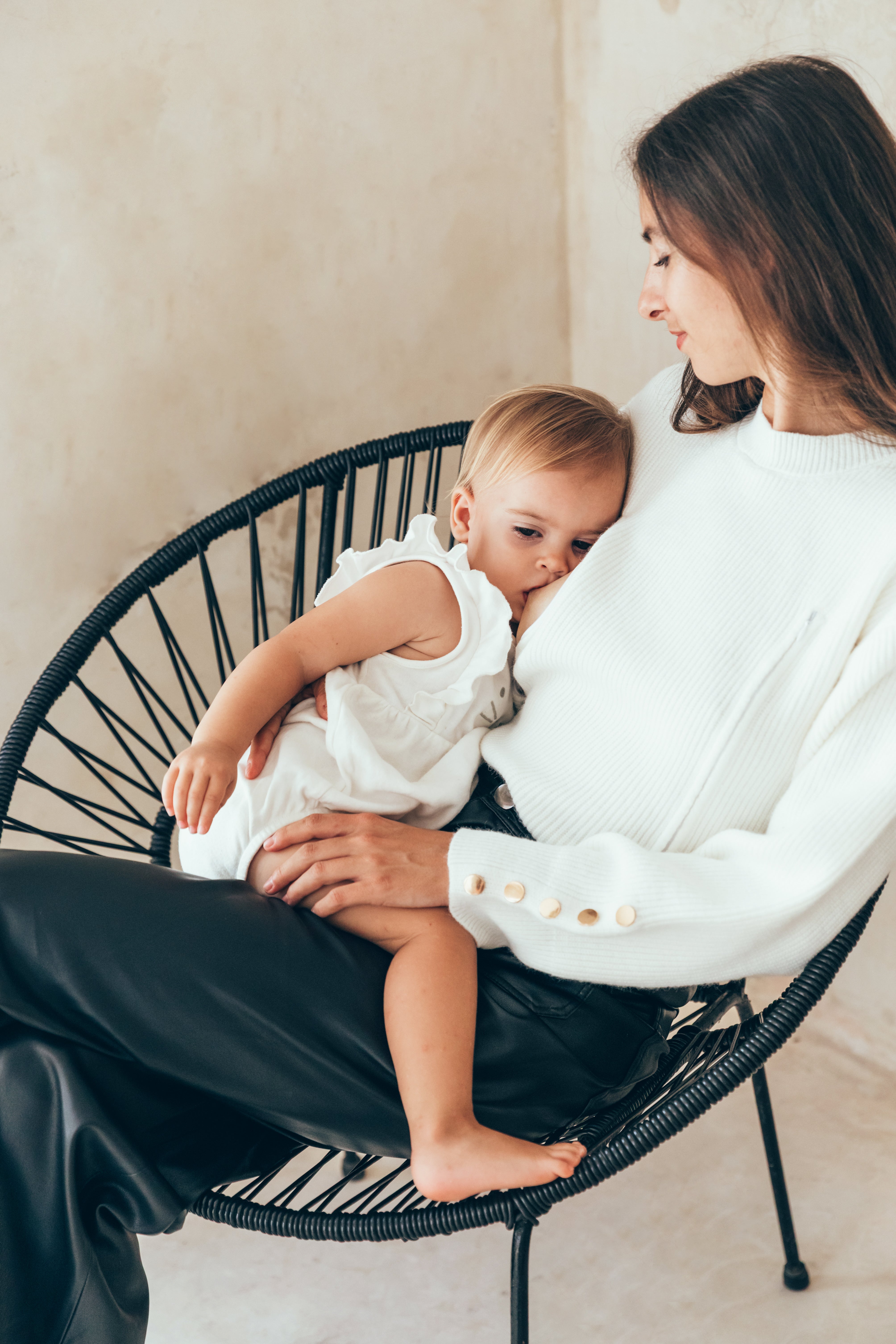
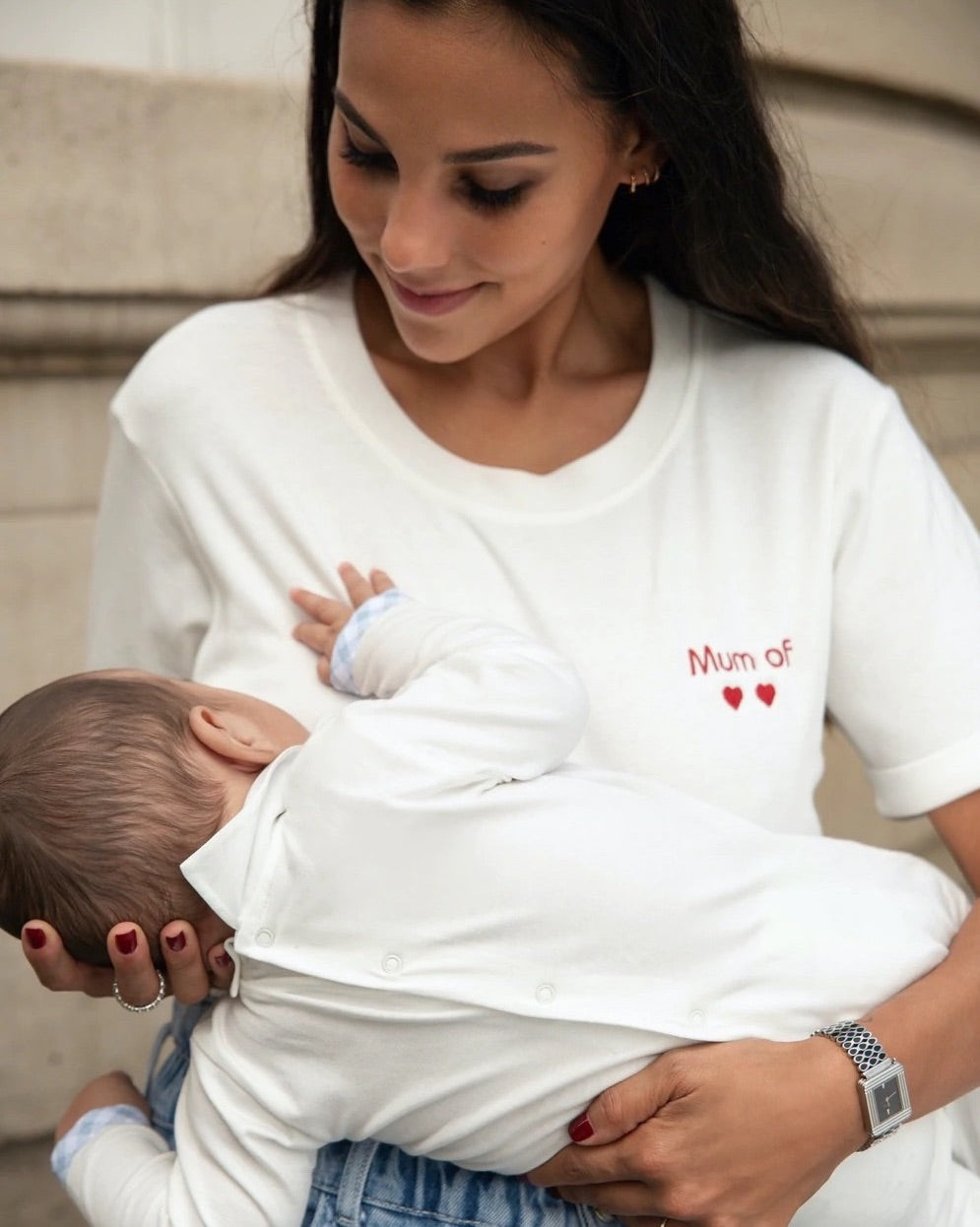
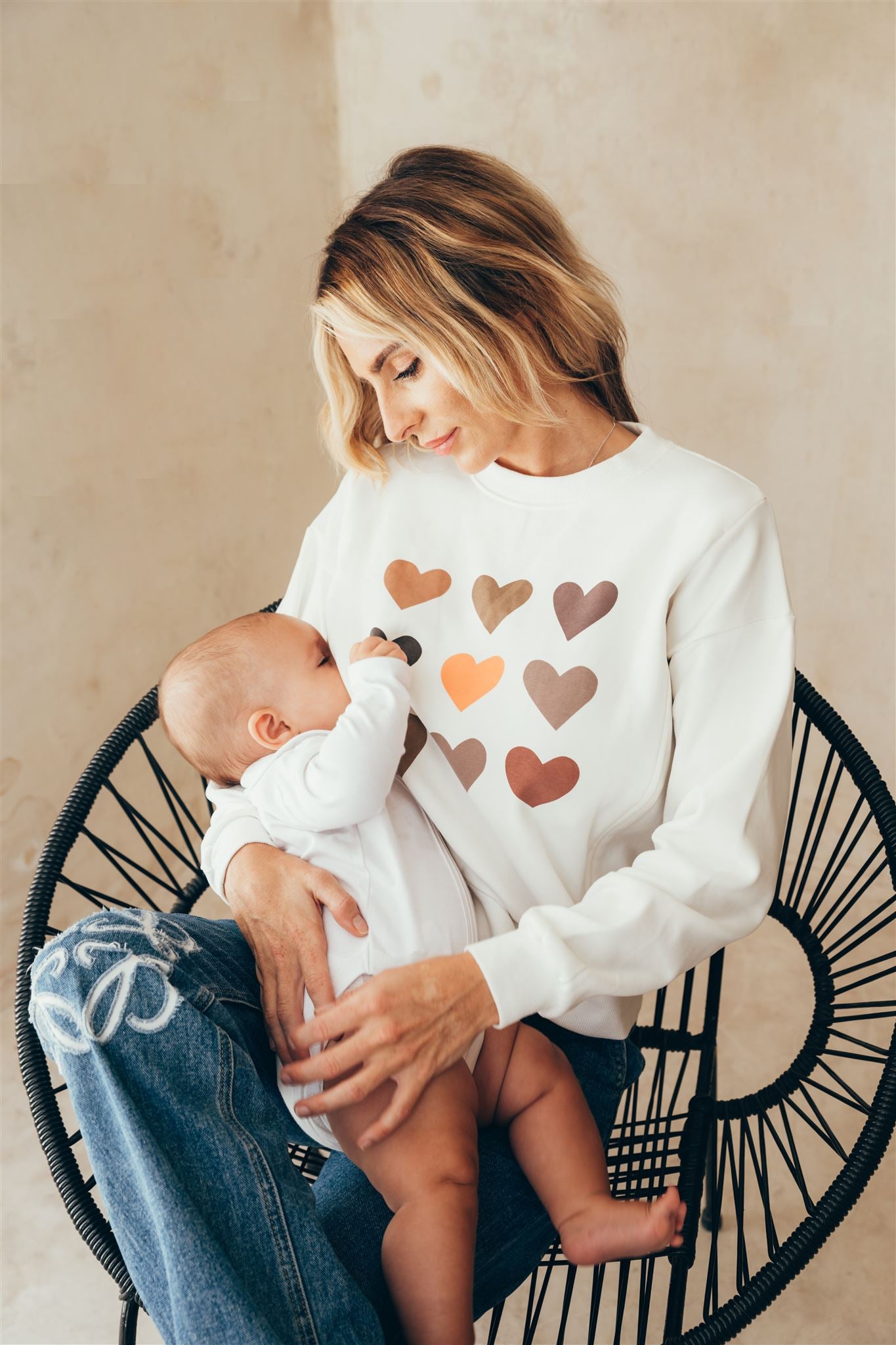
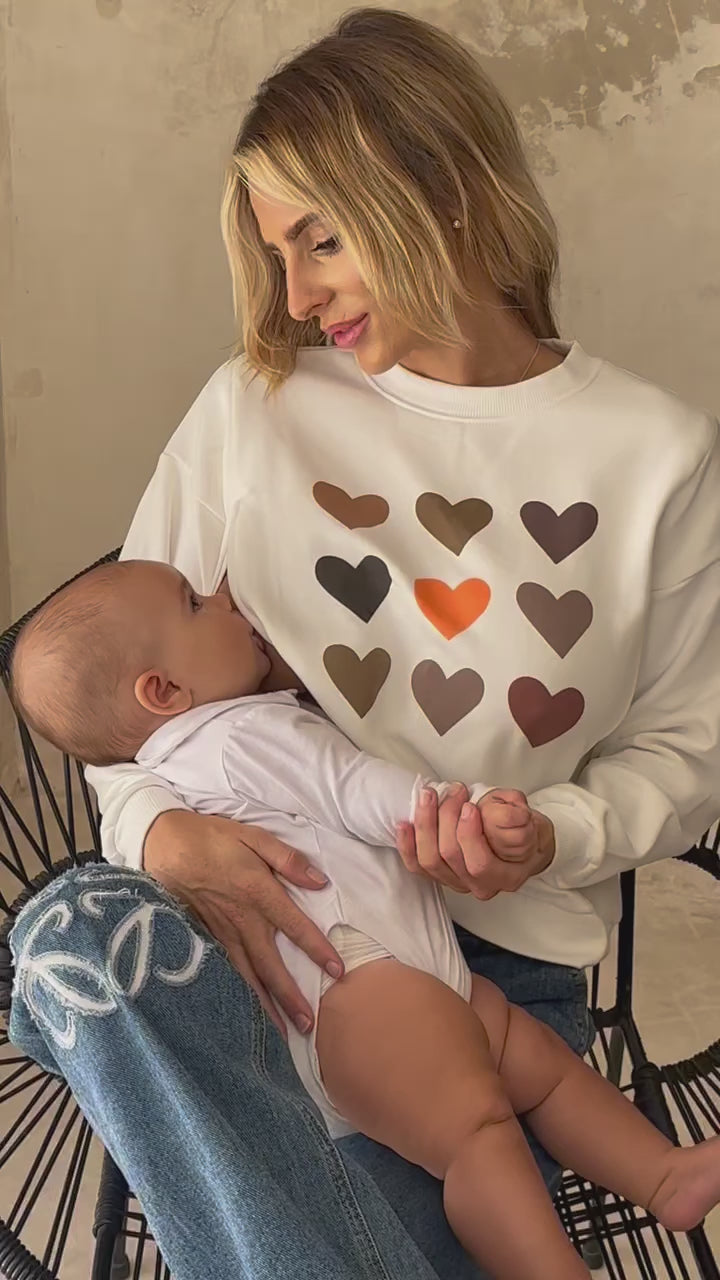
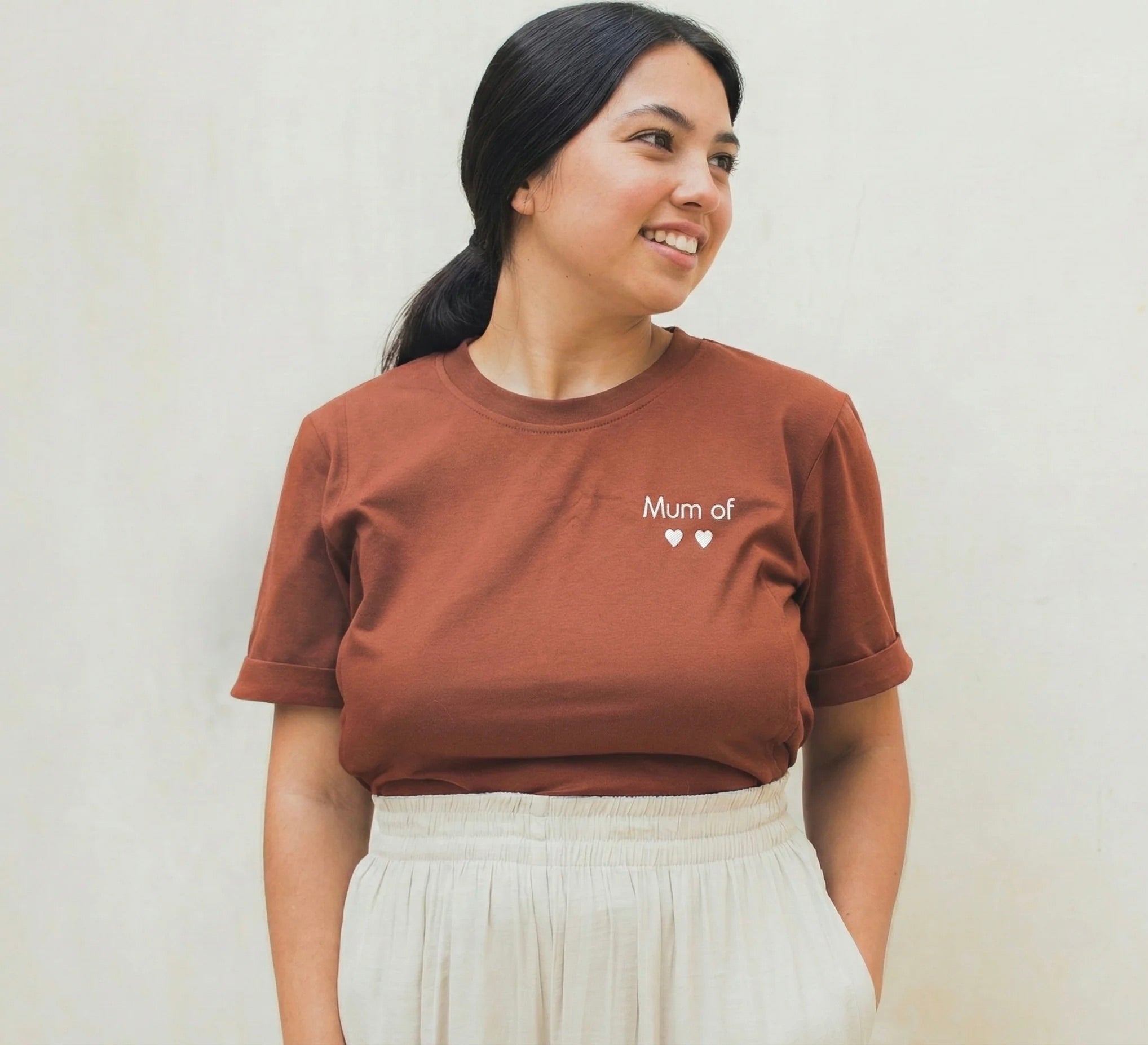
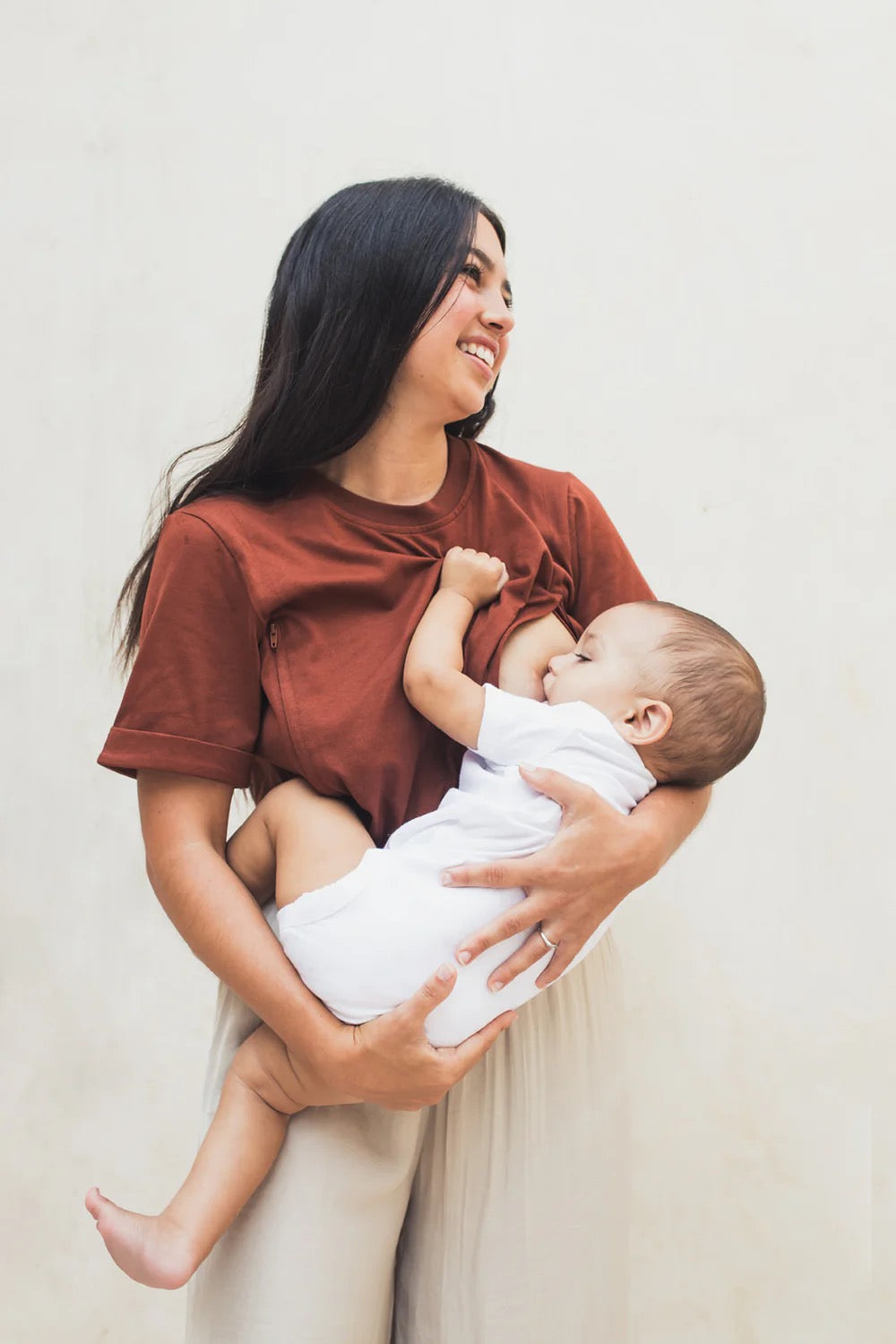
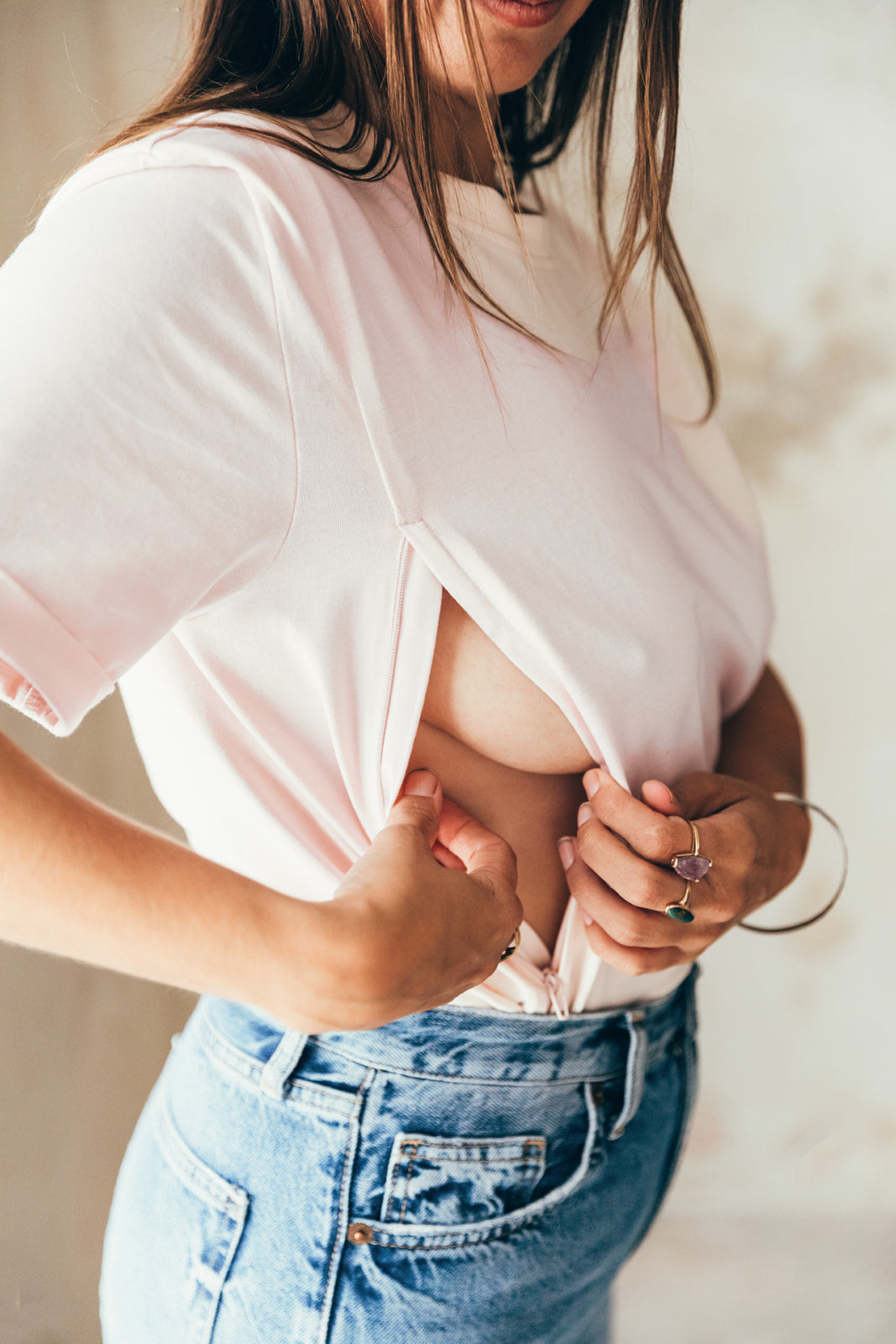
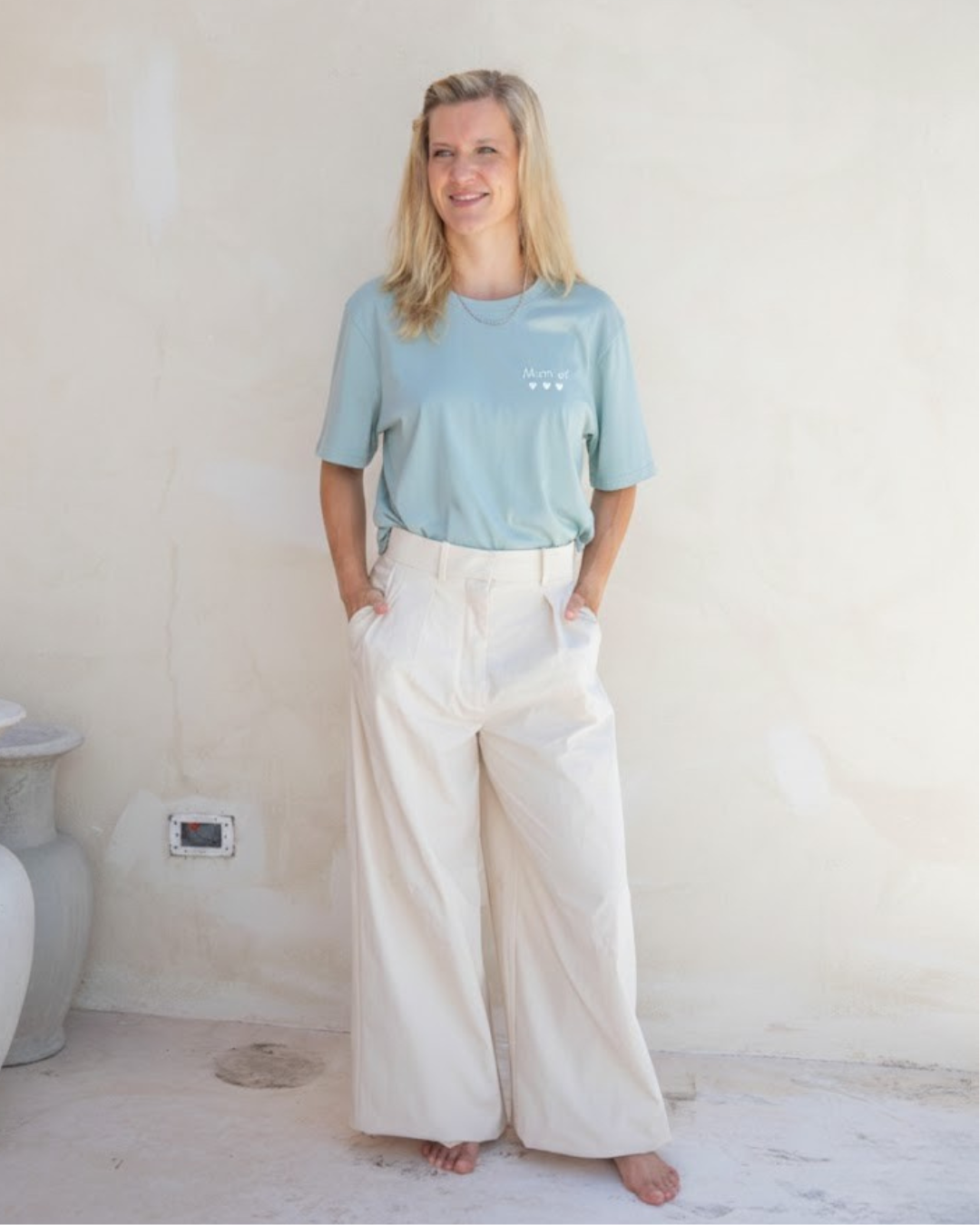
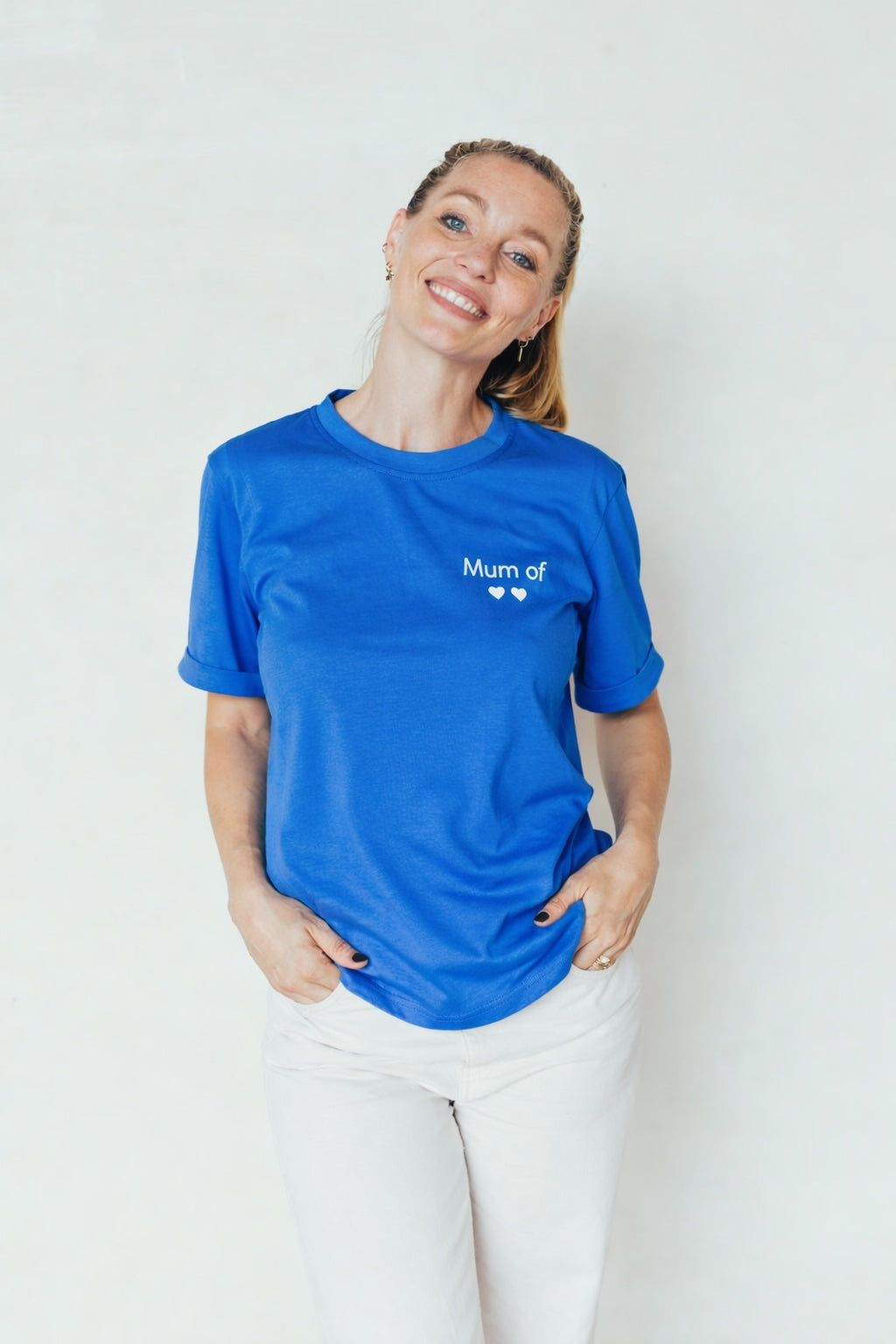
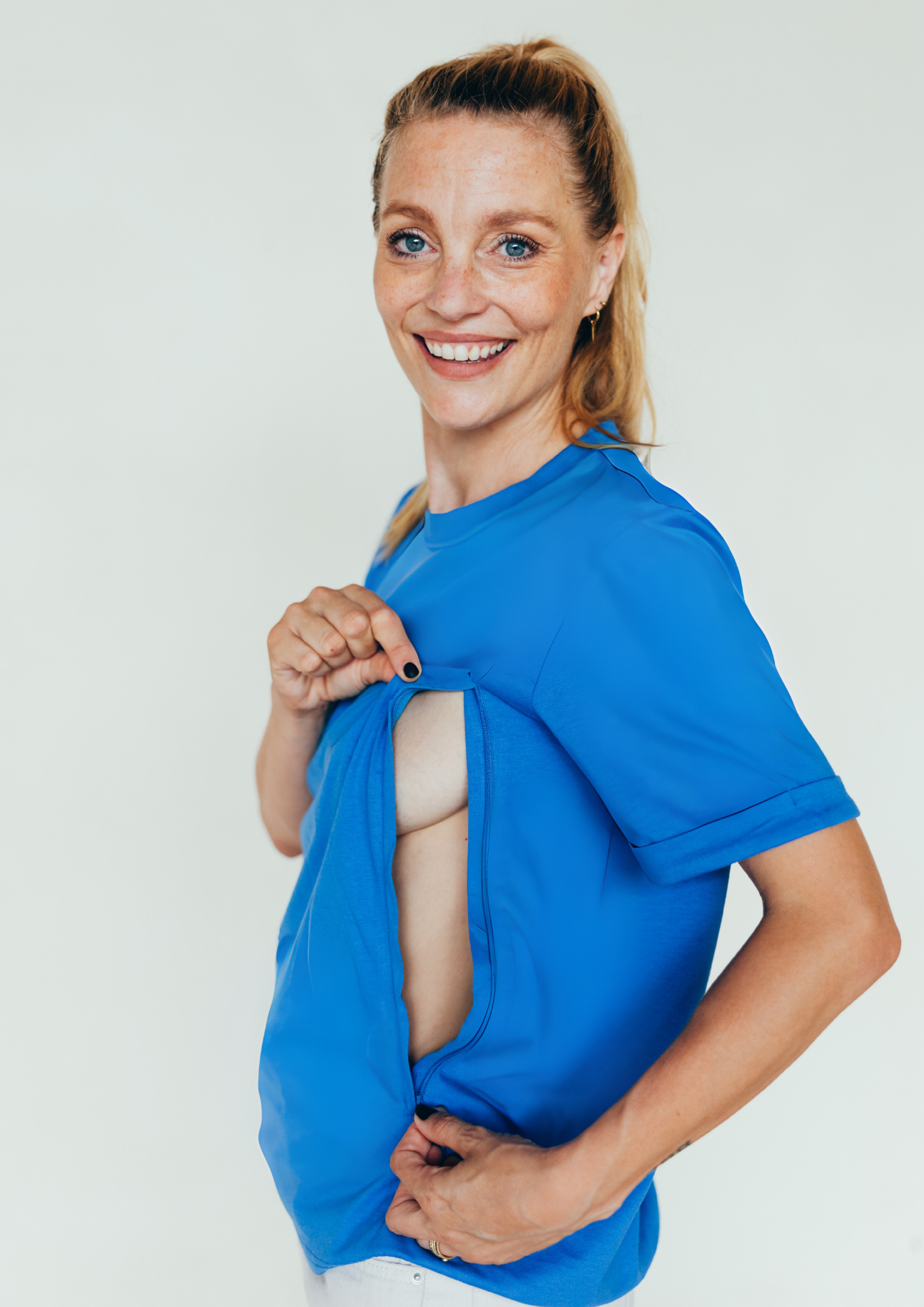
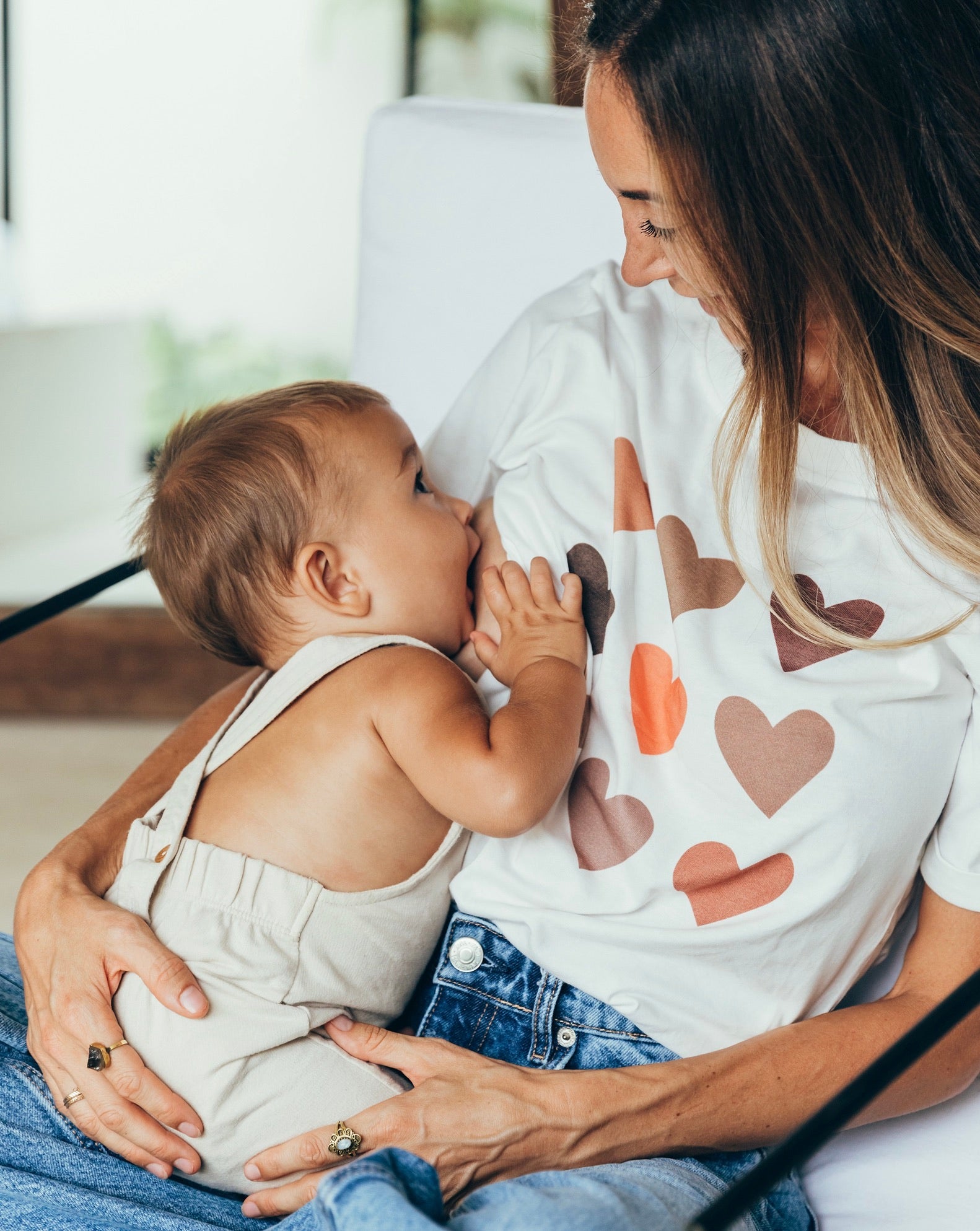
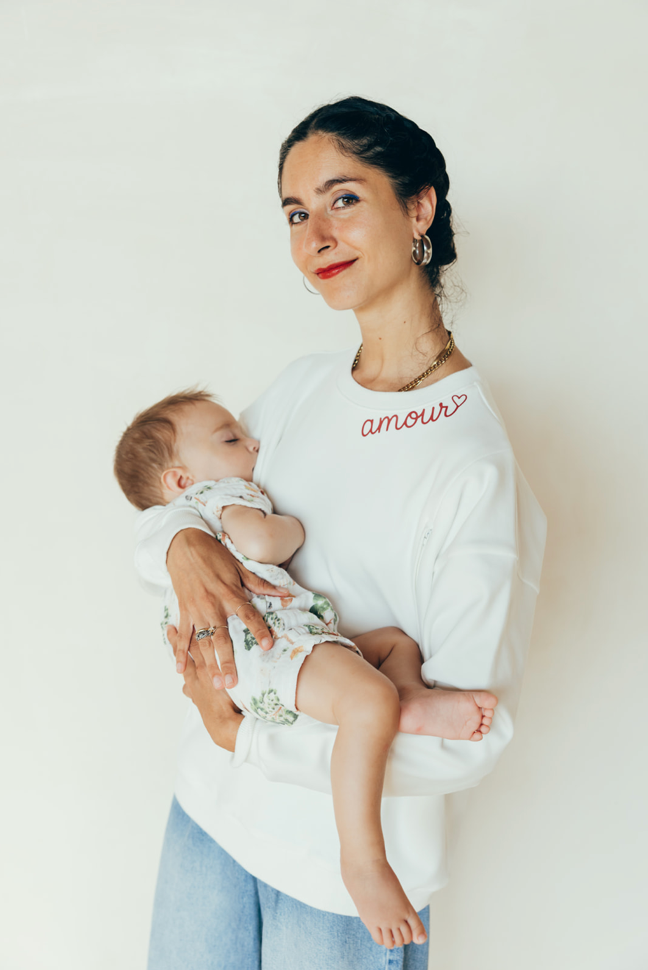
- Choose nursing clothes that let you breastfeed anywhere (Check out our nursing tops and Breastfeeding dresses withdiscreet openings.)
- Stop seeing your walls as boundaries and start seeing your home as a starting point
The Importance of Appropriate Clothing in Preventing Postpartum Social Isolation
Getting back into a social life and getting out of the house can help reduce the risk of postpartum isolation. However, anxiety about breastfeeding in public is often a major obstacle.
The most common obstacles:
- "I don't want to undress in public"
- "I'm afraid of what other people think"
- "It's too much of a hassle to go out with all that gear"
- "I don't have anything to wear that fits me well"
How nursing clothes are a game-changer:
At 23 Mai Paris, our nursing clothes with invisible zippers give you the confidence you need to:
- Meeting up with friends at a café
- Strolling through town stress-free
- Take part in activities (postnatal exercise classes, moms' groups)
- Get back to a normal social life
By making it possible to breastfeed discreetly, they remove one of the biggest barriers to going out and help break down isolation.

When Postpartum Isolation Becomes a Cause for Concern: Warning Signs
Postpartum isolation can sometimes escalate into something more serious. Here are the warning signs you (or your loved ones) should watch for:
- Persistent sadness lasting more than two weeks
- Negative thoughts about yourself or your baby
- Inability to sleep even when the baby is asleep
- Complete loss of appetite or, conversely, compulsive eating
- Feelings of self-harm or dark thoughts
- Feeling disconnected from your baby
If you’re experiencing these symptoms, talk to your doctor or midwife, or call a helpline. Postpartum depression is a treatable condition, and asking for help is an act of courage, not weakness.
Useful Resources for Building a Community to Combat Postpartum Isolation
Here are a few ideas for building your village:
- La Leche League France: Breastfeeding Support Groups
- Maman Blues Association: Support for Mothers Experiencing Postpartum Difficulties
- Local Facebook groups for moms in your city
- Local Health Center: Free consultations with healthcare professionals
- Dating apps for moms: MumAround, Maman&Co
The postpartum period doesn't have to be spent in isolation
The postpartum period is a major transition. By anticipating the risks of isolation and building your "support network" before the birth, you can turn this vulnerable time into a source of shared strength.
At 23 Mai Paris, we support moms with comfortable and stylish nursing clothes to give them the confidence to go out, reconnect with their social lives, and not stay cooped up at home. Because a mom who feels supported is a mom who thrives.
If you are breastfeeding, here are some of our nursing clothes that may interest you:
Breastfeeding t-shirts
Breastfeeding sweaters
Breastfeeding tank tops
Breastfeeding dresses
Breastfeeding pyjamas