Baby Growth Spurt: A Guide to Navigating It Stress-Free
Every new mother knows that turning point: the baby seems insatiable, wants to nurse every hour, and cries as soon as you put them down. It’s the famous growth spurt—an intense but perfectly normal phase.
At 23 Mai Paris, we support mothers through every stage of breastfeeding. This guide will help you navigate growth spurts with confidence, ensuring you’re well-prepared and well-equipped.
What is a growth spurt?
A growth spurt is a period during which a baby suddenly starts feeding more frequently. This isn't just a whim—it's an essential biological process.
Why is the baby feeding more often?
By nursing more often, your baby sends a signal to your body: "I need more milk!" This intense stimulation triggers an increase in your milk supply to meet the growing energy needs of your developing child.
It’s the law of supply and demand at work: the more your baby nurses, the more milk you produce. It’s a system perfectly designed by nature.

When do growth spurts occur?
Growth spurts tend to occur at relatively predictable times, even though every baby is unique:
| Baby's age | Approximate duration |
|---|---|
| 7–10 days | 2–3 days |
| 3 weeks | 2–3 days |
| 6 weeks | 2–4 days |
| 3 months | 3–7 days |
| 6 months | a few days |
| 9 months | a few days |
Good to know: These timeframes are averages. Your baby may experience these phases slightly earlier or later, and some babies go through them more intensely than others.

How can you tell when a growth spurt is happening?
Typical signs:
- The baby is asking to nurse much more often (sometimes every hour)
- He never seems to get enough, even after a long feeding
- He cries as soon as you put him down
- He's grumpier and more restless than usual
- He sleeps less soundly or wakes up more often at night
- He wants to be carried all the time
What it is NOT:
- A sign that you don't have enough milk
- A reason to supplement with formula
- A problem with breastfeeding
- Proof that the baby is "teething" (at 3 weeks old? No way!)

Step 1: Anticipate physiological needs
The key to staying calm is to realize that these constant demands are normal and temporary.
Put together your "survival kit":
- Water and drinks: keep a large bottle within reach (you'll get very thirsty)
- Healthy snacks: dried fruit, granola bars, fresh fruit
- Phone/tablet/book: something to keep you occupied during long feedings
- Nursing pillow: to support your baby and your arms
- Remote control: so you don't have to get up
- Phone charger: so you don't run out of power in the middle of a show
Set up a "nursing nook": a comfortable spot where you can spend several hours if needed, with everything you need within reach.

Step 2: Optimizing Your Wardrobe for Frequent Breastfeeding
During a growth spurt, you might breastfeed 10, 12, or even 15 times a day. Nothing is more frustrating than having to undress completely every single time.
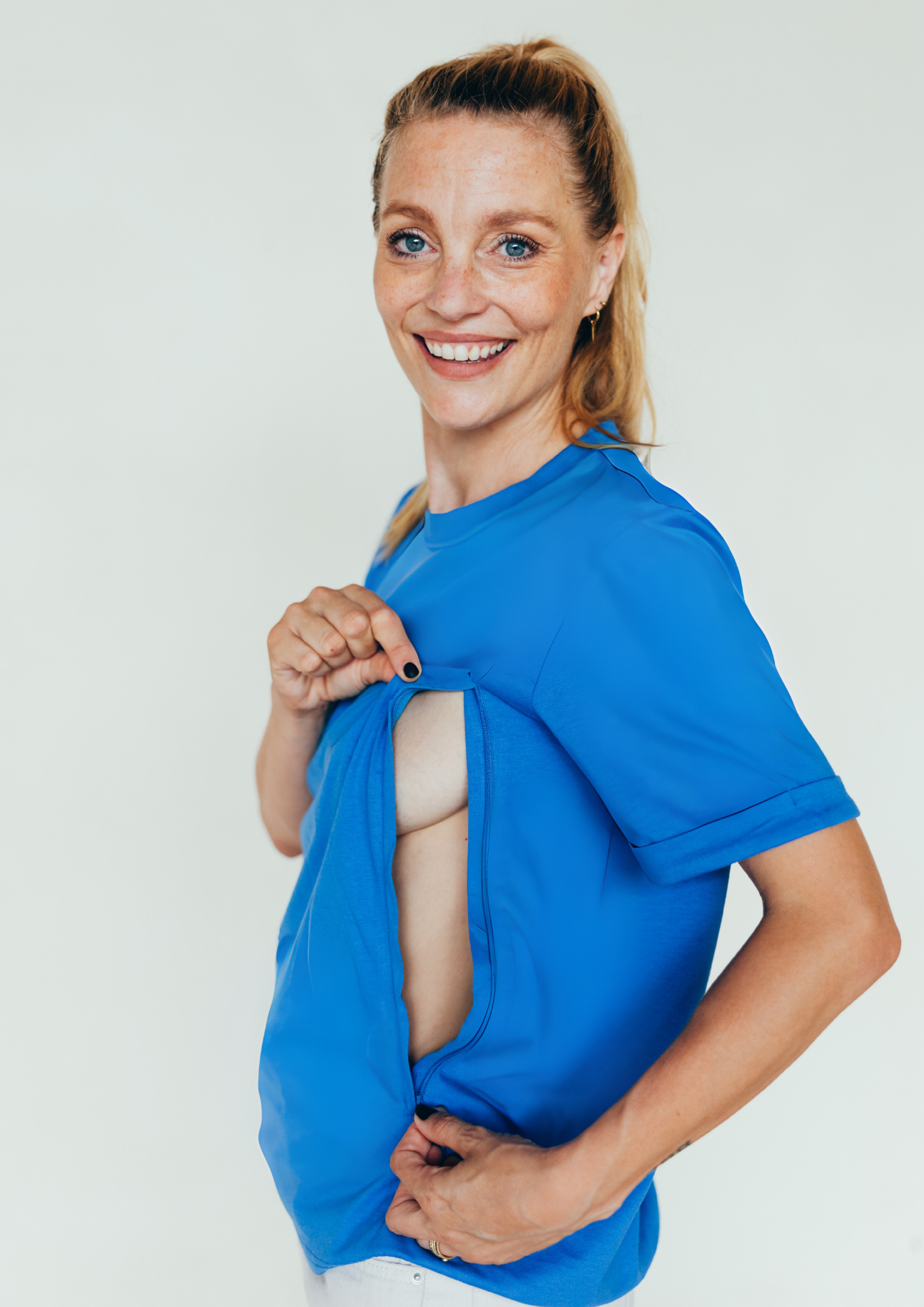
Nursing clothes make all the difference:
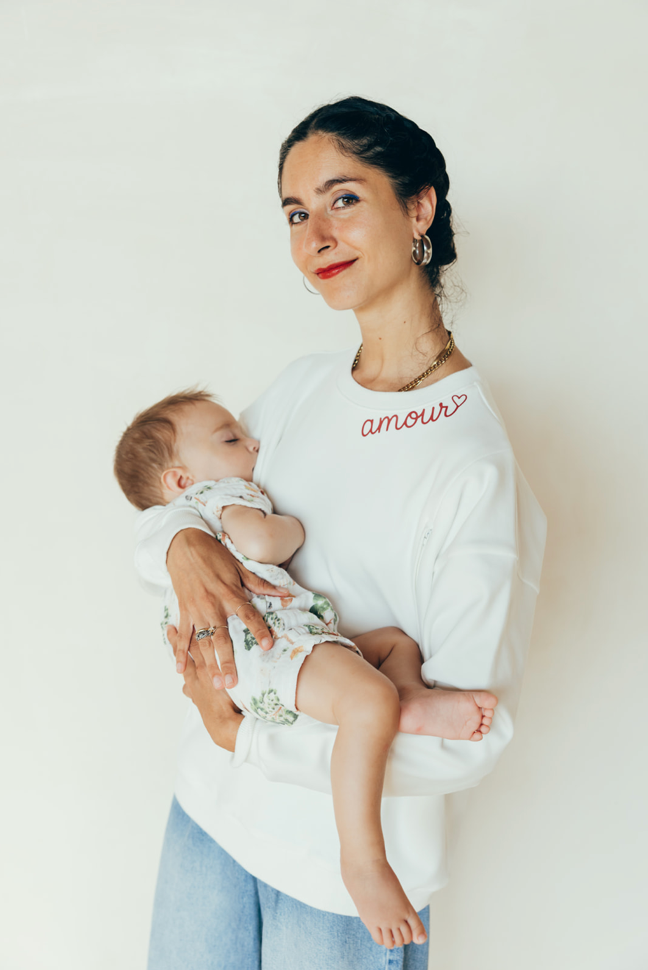
With discreet openings and invisible zippers, you can nurse your baby in seconds, whether you're on the couch, visiting Grandma, or out for a walk in the park.
Our clothing tips for the peaks:
- Natural fabrics: organic cotton, modal, bamboo – to minimize sweating during long feedings
- Loose-fitting styles: that don't constrict sensitive, swollen breasts
- Trendy styles: to keep your confidence even after a sleepless night
- Easy-care clothing: milk leaks are common during peak times
Tip 23 Mai Paris: Bring 2–3 nursing tops within easy reach. Between baby spit-ups and milk leaks, you’ll be glad to be able to change quickly.
Step 3: Learn to Delegate to Recover Better
If your baby only wants you to feed them, the rest of the world can take care of the rest!
What you can delegate:
- Meals (cooking, ordering, reheating)
- Housekeeping and laundry
- Shopping
- Caring for elderly family members, if you have any
- Visits (postponing or shortening them)
Your top priority:
- Rest between feedings
- Stay well-hydrated (essential for milk production)
- Eat enough
- Take naps while the baby is sleeping
How to ask for help in practical terms:
Don't say, "If you want, you can help me," but rather, "I need you to go grocery shopping and make dinner tonight."
Step 4: Dealing with Doubt and Fatigue
Growth spurts are physically exhausting and can cause anxiety.
Common negative thoughts (and why they're wrong):
| Thought | Reality |
|---|---|
| "I don't have enough milk" | Babies nurse more to produce more milk, not because they're running out |
| "I should give him a bottle" | That would disrupt the natural mechanism for increasing production |
| "That's not normal" | This is perfectly normal and temporary |
| "I can't take it anymore" | It's exhausting, but it'll pass (2–4 days on average) |
What helps psychologically:
- Remember that this is temporary (just a few days, not weeks)
- Accept that you won’t be doing anything else but feeding the baby during this time
- Have meals delivered or accept help from family and friends
- Watching TV shows, listening to podcasts, reading—anything that makes you feel good
- Wear something that makes you feel beautiful
Staying stylish during busy times
Wearing a nice nursing top helps you feel like a woman beyond your role as a nursing mother.
At 23 Mai Paris, our collections are designed for women who want to combine practicality with elegance, turning every growth spurt into an opportunity for endless cuddles without compromising on style.
Because even after eight feedings during the night, you deserve to feel beautiful.

When should you be concerned?
Growth spurts are normal, but there are certain signs you should watch out for:
- The baby isn't wetting enough diapers (fewer than 5–6 a day)
- He isn't gaining weight or is losing weight
- He's lethargic and doesn't ask for anything anymore
- You have a fever or breast pain (possible mastitis)
- The "peak" lasts more than a week with no improvement
In these cases, consult your midwife, doctor, or a lactation consultant.
Conclusion
A growth spurt is a normal and temporary phase of breastfeeding. By understanding what’s happening, preparing yourself with the right supplies, and being willing to delegate, you’ll get through this intense period with greater peace of mind.
At 23 Mai Paris, we support moms with comfortable and stylish nursing clothes that are comfortable and stylish, perfect for days filled with frequent feedings. Because being a supermom isn’t about being perfect—it’s about being well-prepared.
If you are breastfeeding, here are some of our nursing clothes that may interest you:
Breastfeeding t-shirts
Breastfeeding sweaters
Breastfeeding tank tops
Breastfeeding dresses
Breastfeeding pyjamas