
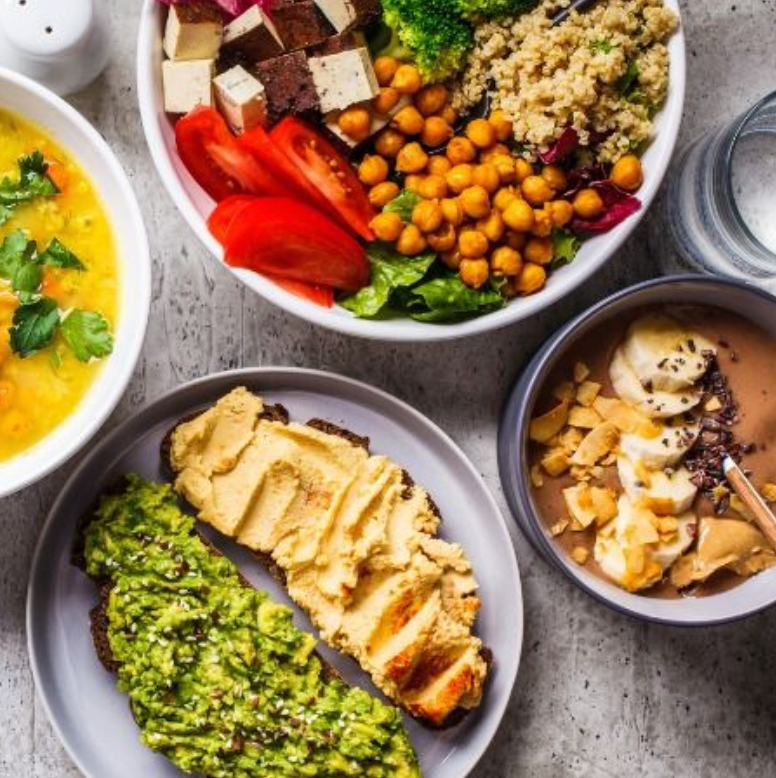
Nutrition During Breastfeeding
What foods should you avoid for your baby's well-being? 8 foods to avoid (+ 7-day menu)
Breastfeeding is a fundamental stage in your baby's development, as breast milk provides them with the nutrients essential for their growth. However, certain foods can affect the quality of your milk or cause problems for your baby. Below, we explain which foods you may want to avoid or limit while breastfeeding.

1. Excess caffeine
Coffee, tea, cola soft drinks, and chocolate contain caffeine, which can pass into breast milk and affect the baby. High consumption can cause irritability and sleep disturbances in infants. It is recommended not to exceed 300 mg of caffeine per day (equivalent to about two cups of coffee).
2. Fish with high mercury content
Some fish, such as swordfish, shark, and bluefin tuna, have high levels of mercury, a toxic substance that can affect your baby's nervous system. You can replace them with fish that are low in mercury, such as salmon, trout, or sardines.
3. Alcohol
Alcohol passes quickly into breast milk and can affect your baby's development, sleep patterns, and nervous system. If you wish to have an occasional drink, it is recommended that you wait at least 2 hours per unit of alcohol consumed before breastfeeding.
4. Ultra-processed foods
Ultra-processed foods typically contain additives, colorings, and high levels of sugars and trans fats, which offer no benefits for breastfeeding. A balanced diet based on natural foods will help improve the quality of breast milk.
5. Dairy products (if sensitive)
Some babies may be sensitive to cow's milk protein, which can cause colic, reflux, or irritability. If you notice these symptoms in your baby, it may be advisable to reduce or eliminate dairy products and consult a specialist.
6. Spicy foods and strong spices
Consuming chili peppers, garlic, onions, or strong spices can alter the taste of breast milk and, in some cases, cause discomfort in your baby. Observe your baby's reaction and adjust your diet if necessary.
7. Legumes and flatulent vegetables
Certain foods such as beans, broccoli, cauliflower, and cabbage can cause gas in babies due to their fermentable fiber content. It is not necessary to eliminate them completely, but you can moderate their consumption and assess whether they affect your baby.
8. Foods high in sugar and artificial sweeteners
Excess sugar can affect the composition of breast milk, and some artificial sweeteners have not been sufficiently studied in infants. It is best to opt for natural sources of sugar, such as fruit and honey, in moderate amounts.
Diet for a nursing mother
At 23 Mai Paris, we have prepared a 7-day diet plan and a list of superfoods for breastfeeding mothers, focused on providing the nutrients essential for breast milk production, postpartum recovery, and overall well-being.

Day 1
Breakfast:
- 2 scrambled eggs with spinach and cream cheese
- 1 slice of whole wheat bread with avocado
- 1 glass of milk or calcium-enriched plant-based beverage
- 1 handful of almonds
Mid-morning:
- 1 plain yogurt with chia seeds and strawberries
Lunch:
- Grilled chicken breast with quinoa and a green salad
- 1 slice of whole wheat bread
- 1 glass of lemon water
Snack:
- 1 handful of walnuts and an apple
Dinner:
- Chickpea vegetable soup
- Avocado and cottage cheese toast
Day 2
Breakfast
- Banana, walnut, and cinnamon porridge
- 1 glass of milk or plant-based beverage
- 1 ginger tea
Mid-morning
- Mango, spinach, and almond milk smoothie
Lunch
- Grilled salmon with brown rice and steamed vegetables
- 1 handful of sunflower seeds
Afternoon snack
- Whole wheat bread with hummus and baby carrots.
Dinner
- Omelet with mushrooms and cheese.
- Tomato and avocado salad.
Day 3
Breakfast
- Slice of toast with almond cream and honey
- 1 strawberry-chia smoothie
- 1 handful of almonds
Mid-morning
- 1 yogurt with dried fruit
Lunch
- Lentils with rice and cucumber and carrot salad
- 1 slice of whole wheat bread
Afternoon snack
- Pure banana-milk-cocoa smoothie
Dinner:
- Chicken salad with avocado and sesame seeds
Day 4
Breakfast
- Oatmeal cooked with blueberries and flax seeds
- 1 glass of milk or plant-based beverage
- 1 green tea
Mid-morning
- 1 handful of walnuts and 1 pear
Lunch
- Fish fillet with mashed potatoes and sautéed broccoli
- 1 glass of water with lemon
Afternoon snack
- Toast with guacamole and panela cheese.
Dinner
- Chicken soup with vegetables and brown rice

Day 5
Breakfast
- Whole wheat bread with cheese and natural jam
- 1 spinach, pineapple, and chia smoothie
Mid-morning
- 1 yogurt with homemade granola
Lunch
- Meatballs with pumpkin purée and spinach salad
- 1 glass of still water
Afternoon snack
- 1 handful of almonds and a tangerine
Dinner:
- Spinach and feta omelet
- Tomato and cucumber salad
Day 6
Breakfast
- Whole wheat bread with peanut butter and banana slices
- 1 glass of milk or plant-based beverage
Mid-morning
- 1 red fruit smoothie with yogurt
Lunch
- Chicken breast with brown rice and avocado salad
- 1 glass of water with lemon
Afternoon snack
- Homemade oatmeal cookies and herbal tea
Dinner:
- Vegetable soup with beans and baked flatbreads
Day 7
Breakfast
- Oatmeal pancakes with honey and nuts
- 1 glass of milk or plant-based beverage
Mid-morning
- 1 handful of dried fruit and an apple
Lunch
- Whole wheat pasta with plain tomato sauce and tuna
- Green salad
Afternoon snack
- Yogurt with chia seeds and dried fruit
Dinner
- Turkey ham omelet with avocado salad

Additional tips:
Stay hydrated by drinking at least 2.5 to 3 liters of water per day.
Be sure to consume enough protein for milk production.
Eat healthy fats such as avocados, nuts, and olive oil.
Avoid ultra-processed foods, refined sugars, and excessive caffeine.
This diet is only a guide; ideally, you should adapt it to your tastes and specific nutritional needs. I hope you find it useful!
Every baby is different, and what affects one may not have an impact on another. The key is to observe how your baby reacts to the foods you eat and adjust your diet if necessary. If you have any doubts about your diet while breastfeeding, it is always recommended to consult a nutritionist or pediatrician.

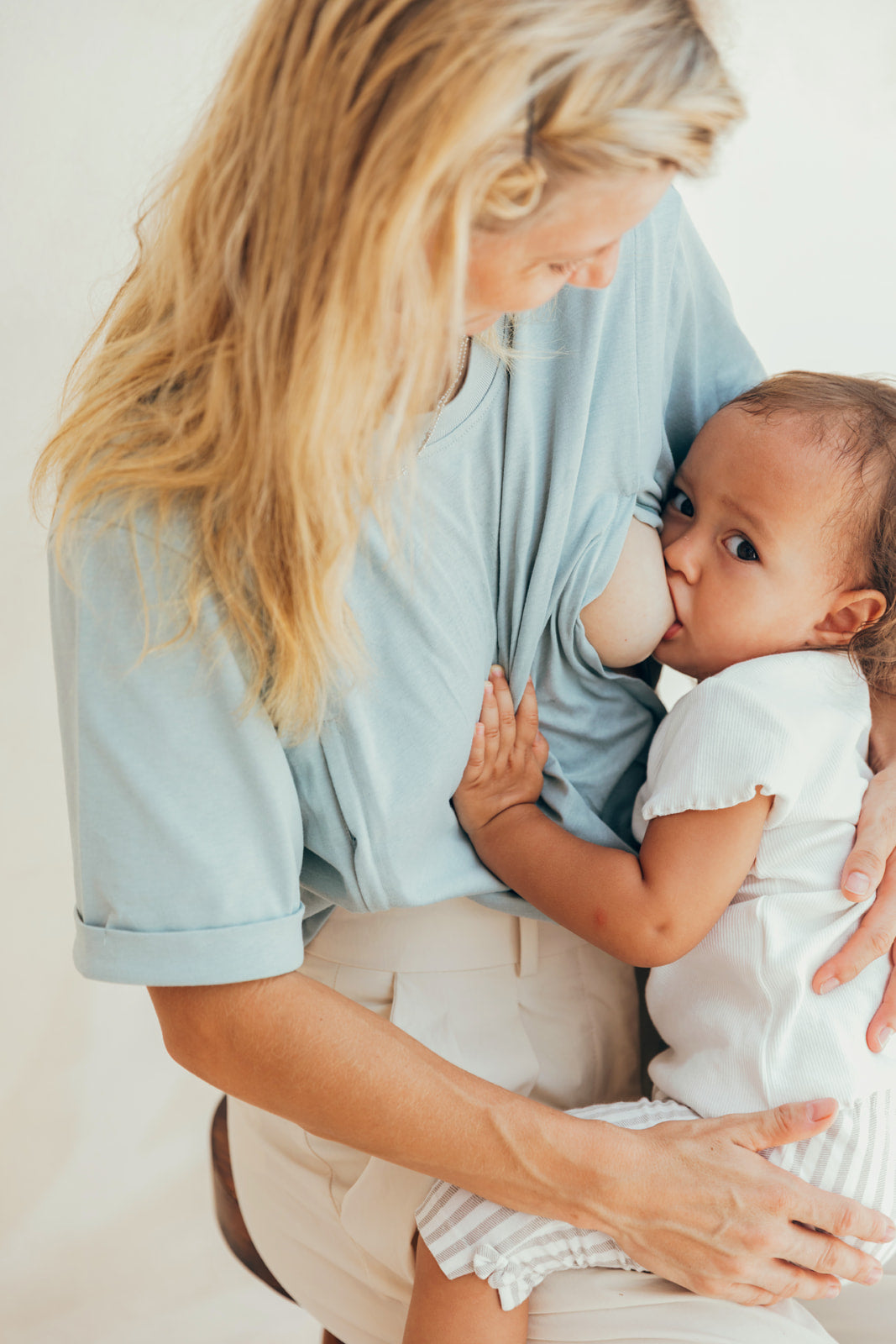
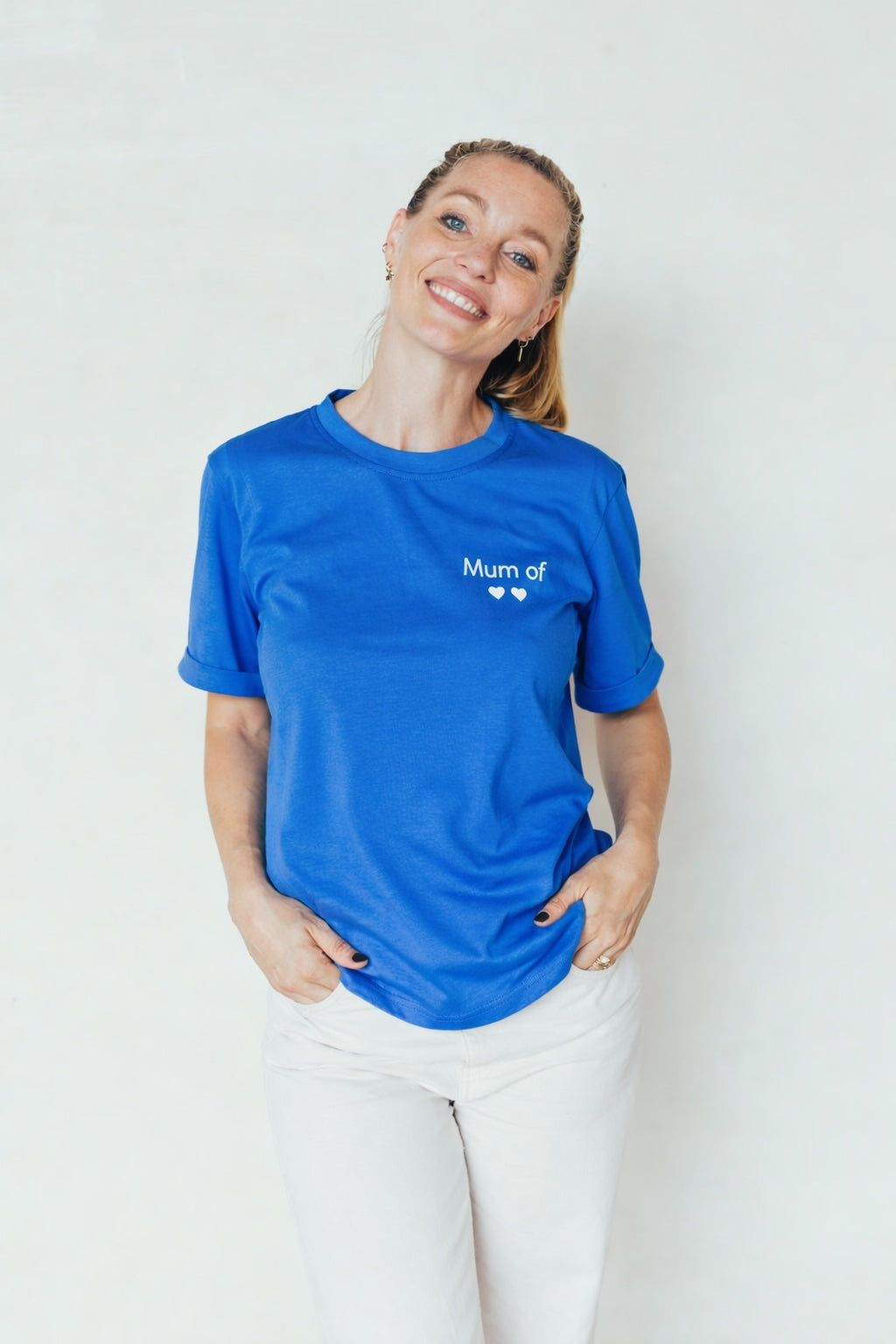
Don't forget that 23 Mai Paris supports you during breastfeeding with comfortable and functional clothing that will make you feel confident and elegant. Visit our store and discover our collections of Breastfeeding t-shirts !
If you are breastfeeding, here are some of our nursing clothes that may interest you:
- Breastfeeding t-shirts
- Breastfeeding tank tops
- Sweatshirts & Breastfeeding sweaters
- Breastfeeding dresses
- Breastfeeding pyjamas
- Maternity Collection


















%0A%0AL'allaitement%20maternel%20est%20une%20%C3%A9tape%20fondamentale%20pour%20le%20d%C3%A9veloppement%20de%20votre%20b%C3%A9b%C3%A9,%20car%20le%20lait%20maternel%20...)