The little routines that give structure to each day with a newborn
Who would have thought that a simple evening bath or a song hummed softly could become the cornerstones of your day? With a newborn, life is reinvented hour by hour. And it’s often in the little rituals repeated with love that parents find their balance, and that baby finds a sense of security.
At 23 Mai Paris, we support moms in their daily lives with their babies. In this article, we celebrate those little moments that give structure to each day: the rituals that bring comfort, those that foster a bond, and our tips for incorporating them into your routine with ease.
To enjoy these precious moments in comfort and style, discover our collection of nursing wear designed for moms’ everyday lives.
Why Routines Are Essential for Newborns
What Rituals Do for Babies
- Emotional security: repetition provides reassurance and comfort.
- Time markers: they help organize time.
- Brain development: Routines stimulate learning.
- Emotional regulation: Babies know what to expect.
- Bonds of attachment: moments of deep connection.
- Better sleep: Routines signal that it's time for bed.
What Rituals Offer Parents
- Structure amid the chaos: a little predictability in the day.
- Self-confidence: "I know my baby; I know what he likes."
- Moments of connection: quality time despite being tired.
- Less stress: less improvisation, more peace of mind.
- A sense of togetherness: every parent can have their own rituals.
The takeaway: Routines aren’t a burden. They’re little pockets of calm in the sometimes chaotic days of life with a newborn.
Morning routines: starting the day off right
A gentle wake-up
Mornings with a newborn are unlike any waking experience you’ve ever had. You might as well make it a pleasant moment: the morning feeding (that first gentle, nurturing contact), the wake-up cuddle (security and love above all else), the morning song (a positive signal that the day has begun), stretching together (a moment of physical play), and the ritualized “good morning” (recognition and connection).
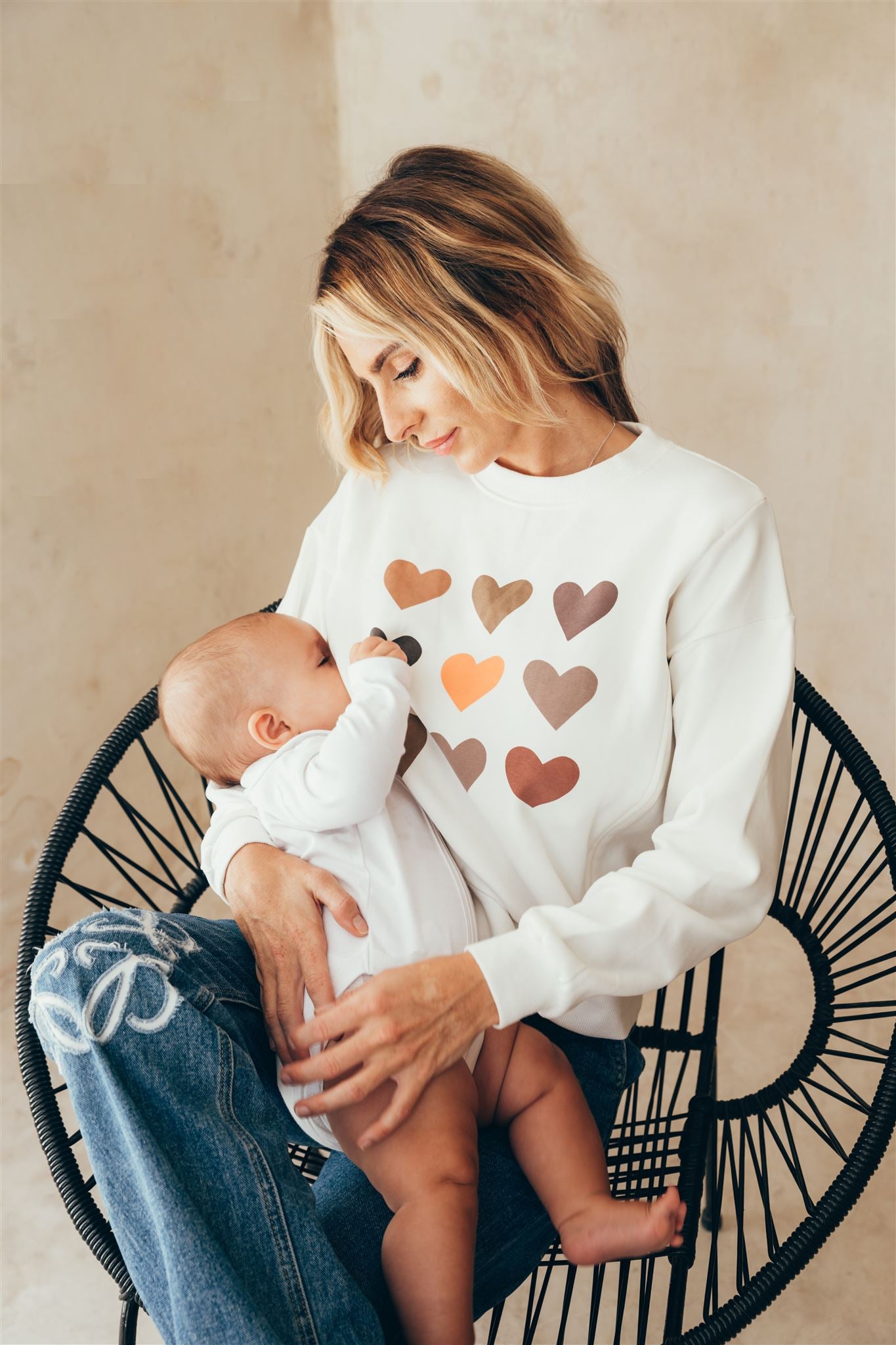
For those first feedings of the morning—often the longest and most soothing—our Breastfeeding t-shirts let you breastfeed comfortably as soon as you wake up, without even having to change clothes.

The morning feeding: a ritual in itself
The morning feeding deserves special attention. It’s often the most productive (milk is more concentrated in the morning) and the calmest. To make it a routine: the same spot (nursing chair, sofa, bed), the same position (so your baby feels secure), soft music, your hot drink (take care of yourself, too), and natural light, which helps wake your baby up.
The morning shift
Here are a few ideas for turning diaper changes into a routine: a diaper-changing rhyme (for distraction and learning), massaging their little feet (for stimulation and bonding), a quick “body check” (“Here are your little hands, your little feet…”), and always following the same sequence every day to provide a sense of security.

Feeding rituals
Breastfeeding as the main ritual
With a newborn, feedings naturally set the pace for the day. By turning them into a ritual, they become precious moments of connection.
With a newborn, feedings naturally set the rhythm of the day. By turning them into a ritual, they become precious moments of connection: getting settled (same pillow, same position), making eye contact (looking your baby in the eyes), singing or reading during the feeding, mindful breathing (to help you relax too), and the post-feeding routine (burping, cuddling, a quiet moment).
For all those feedings that punctuate the day, our Breastfeeding dresses offer discreet and elegant access to the breast, whether you’re at home or out and about.
The afternoon feeding: a cozy moment
Afternoons with a newborn often have a slower pace. It’s the perfect time to create a cozy routine.
Afternoons with a newborn often have a slower pace. It’s the perfect time to create a cozy routine: feeding + a podcast (to stimulate your mind), feeding + reading (with a book within reach), feeding + napping together (safe co-sleeping), or feeding + a call with a friend (to stay connected).
How many feedings a day?
To better understand your baby’s needs and plan your days, check out our article How many nursing outfits do you really need? to help you prepare your wardrobe accordingly.
The Rituals of Napping
Getting ready for a nap: a ritual in itself
The typical step-by-step routine: a pre-nap feeding (10–20 minutes: a full baby sleeps better), darkening the room (visual cue for sleep), continuous white noise or soft music (auditory cue), swaddling if the baby likes it (security, mimics the womb), and rocking or carrying to help with the transition from wakefulness to sleep.
Routines that help babies fall asleep
- Feeding to help baby fall asleep: for breastfed babies.
- Rocking in your arms: for babies who need movement.
- Babywearing: for babies who love warmth and physical contact.
- Strolling in a stroller: for babies who are sensitive to motion.
- The car: a last resort!
What you do during nap time
Take this opportunity to get some sleep yourself (the golden rule for the first few weeks), eat a proper meal, take a relaxing shower, or simply give yourself 15 minutes to recharge your batteries.
Evening rituals
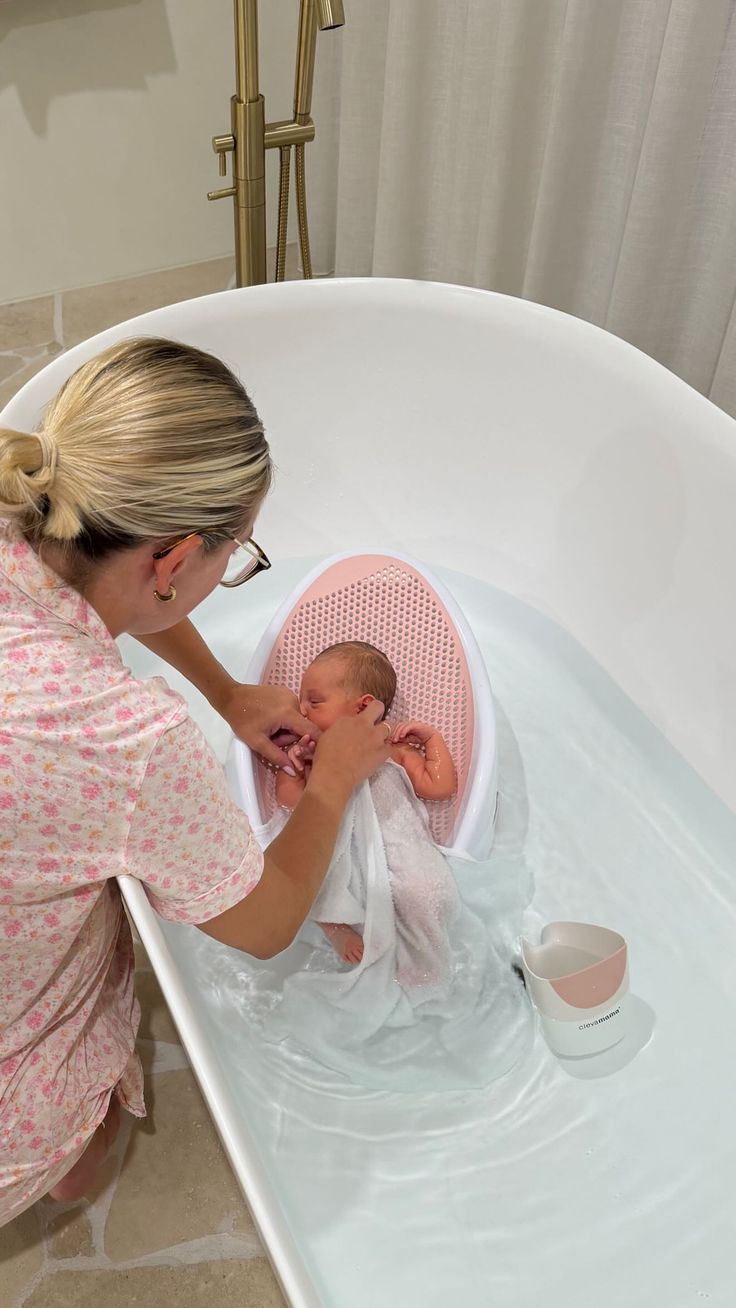
The evening bath: the ultimate ritual

The evening bath is often families' favorite ritual. It helps structure the evening and gets baby ready for bed.
| Element of the ritual bath | How to install it |
|---|---|
| Fixed time | Ideally between 6:00 p.m. and 8:00 p.m. |
| Water temperature | Still 37°C, checked with my elbow |
| The same nursery rhyme | A signal that it's bath time |
| Massage after a bath | Stimulation + connection |
| The same sequence | Washing, rinsing, wrapping, massage |
The Evening Massage
Baby massage is a wonderful way to strengthen the bond between parent and child and help them get ready for sleep: gentle strokes (to relax the muscles), a tummy massage (which helps with colic), a foot massage (for reflexology stimulation), and gentle pressure on the back (to soothe).
The evening feeding: the bedtime ritual
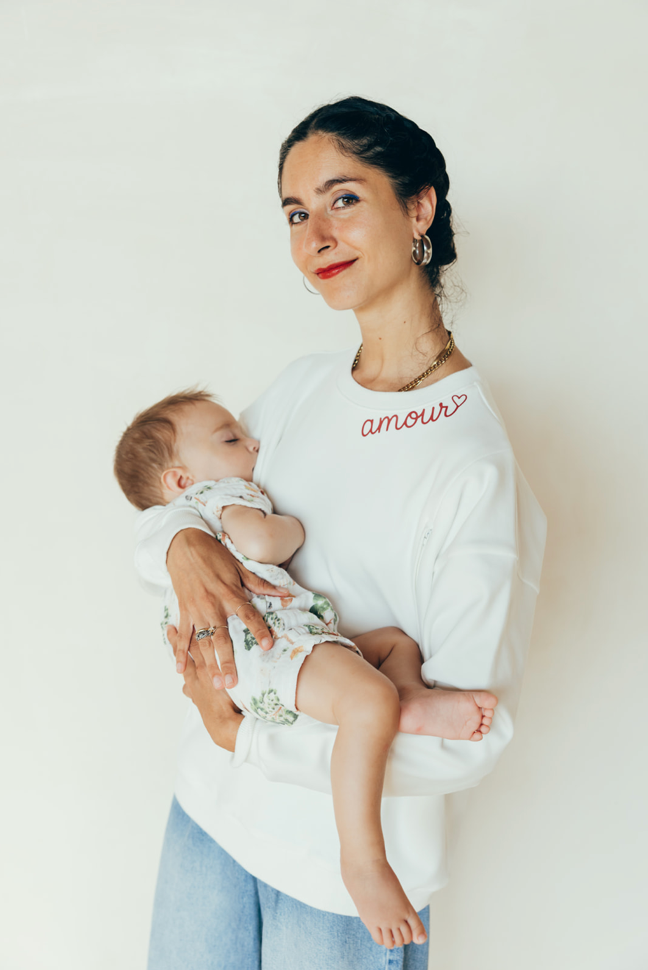
For many breastfed babies, the evening feeding is the ultimate bedtime ritual. To make it comfortable even after a long day, our Breastfeeding pyjamas let you breastfeed without having to undress, in the total comfort of your bed or armchair.

Nighttime rituals
Nighttime feedings: turning them into moments of peace
Nighttime feedings are often dreaded. But what if we turned them into soothing rituals? A soft nightlight (avoid bright lights), silence or white noise (so as not to overstimulate the baby), the same position (so the baby feels secure), no screens (so you can fall back asleep afterward), and mindful breathing (to enjoy this quiet moment).
For nighttime feedings, our nursing tank tops are perfect as a layer under warm pajamas, allowing for easy access to your breast without having to fully expose yourself in the cool of the night.
Dealing with Difficult Nights
- Baby won't go back to sleep: carry them, rock them, or give them an extra feeding.
- Nighttime colic: belly rubs, placing the baby on their stomach across your lap.
- Day-night confusion: no stimulation at night, total darkness.
- Sleep regression: going back to the basics.
Exit rituals
Preparing for the outing: an organizational ritual
Feeding before going out (so the baby stays calm during the outing), the checklist (always the same one so nothing gets forgotten), the ritualized getting-dressed routine (“Let’s put on the shoes, the shoes…”) and the “goodbye home” (the transition from indoors to outdoors).
Regular outings as rituals
- The morning walk (daily): fresh air, waking up, a sense of rhythm.
- The Saturday Market (weekly): sensory stimulation.
- Trips to the park (2–3 times a week): time spent in nature.
- Coffee with a friend (weekly): helping Mom stay connected.
Our nursing sweatshirts are perfect for all these outings: warm, practical, and stylish, they let you nurse discreetly while out for a walk or at an appointment.

Rituals of Connection
Ritualized play moments
- Play mat (for newborns and up): visual and motor stimulation.
- Songs and nursery rhymes (from birth): language development.
- The "belly" stage (starting at 2–3 weeks): muscle strengthening.
- Cloth books (for babies 1 month and older): a first introduction to reading.
- Puppets (ages 2 months and up): visual stimulation.
Communication rituals
- "The Daily Journal": Sharing Your Day with Baby to Help Develop Language Skills.
- Facial expressions: mimicking others' expressions to facilitate social interaction.
- Bedtime reading: same book, same voice, for the love of reading.
- Nursery rhymes: always the same ones, to help with memory, rhythm, and language.
- Skin-to-skin contact: as often as possible, to foster bonding.
Seasonal rituals
| Season | Customized rituals |
|---|---|
| Summer | Morning walk before it gets too hot · nap in the shade (hammock, outdoor mat) · bath in the kiddie pool (babies over 3 months) · outing during the golden hour in the evening |
| Winter | Morning snuggle time (feeding snuggled up under a blanket) · a walk all bundled up (fresh air but well-wrapped up) · a long bath (longer, warmer, more soothing) · reading by the fire |
How to Create Your Own Rituals
Where to start
Observe your baby (to see what they enjoy most), identify your favorite moments (the things you like to do together), choose 2–3 key rituals (don’t overdo it), repeat them (consistency is what makes a ritual), and adapt as needed (rituals evolve as your baby grows).
The ingredients of a good ritual
- Consistency: same time, same routine.
- Presence: truly being there, without a screen.
- Gentleness: a calm voice, slow movements.
- Patience: Your baby needs time to get used to it.
- Enjoyment: If you don't like it, change it.
Frequently Asked Questions
At what age should you start these rituals?
Right from birth! Newborns are already sensitive to repetition and familiar routines. Even if your baby doesn’t understand yet, your voice, your scent, and your repeated gestures deeply reassure them. Routines may change as your baby grows, but the sooner you establish them, the faster your baby will get used to them.
What if I miss a ritual one day?
Don't panic! It's no big deal if your bedtime routine doesn't go perfectly every once in a while. What matters is consistency overall, not perfection. Babies are more resilient than you think—and so are you. Just get back to your routine the next day, without feeling guilty.
My baby won't go along with the routine I had planned. What should I do?
Pay attention to their cues. Maybe the timing isn’t right, or the routine is too long. Adapt rather than forcing it. The best routine is one that your baby enjoys. Start small and add steps gradually.
Do routines work for premature babies?
Yes, with a few adjustments. For premature babies, skin-to-skin contact (the kangaroo method) is particularly beneficial. The regularity of care in the neonatal unit already provides a sense of routine. At home, take it slowly and be mindful of your baby’s fragility.
How can we get Dad involved in our family routines?
That’s a great idea! Assign some routines to Dad: the evening bath, the bedtime song, the weekend walk… These moments allow him to build his own bond with the baby—one that’s different but just as precious as Mom’s. The routine then becomes “bath time with Dad,” a moment that’s eagerly anticipated and cherished.

Conclusion
Routines with a newborn aren’t a burden. They’re moments of tenderness, times of connection, and anchors in the whirlwind of those first few months. Whether it’s a song hummed upon waking, a ritualized evening bath, or a feeding in the quiet of the night, these small, loving moments build a sense of security for the baby and bring joy to the parents.
At 23 Mai Paris, we believe that every moment deserves to be enjoyed in comfort and serenity. Our nursing wear is designed to support these everyday moments: soft fabrics, practical openings, and flattering cuts so that every feeding, every cuddle, and every moment of connection can be enjoyed in the best possible way.
Discover our collection of nursing wear and enjoy your moments with your baby in comfort and style.
If you're breastfeeding, here are some of our collections you might be interested in: