Meditation and Gentle Yoga for Breastfeeding Moms in Winter
There are activities that people think are are out of reach when you have a baby. Yoga, meditation—these words evoke an hour of silence in a , a mat rolled out without immediately stepped on, a posture held without interruption.
TThe reality of motherhood doesn't look like that. And that’s why many breastfeeding moms give up these practices before even trying them because they don’t have an hour of quiet, no room that’s completely quiet, not even the opportunity to maintain a posture without being interrupted.
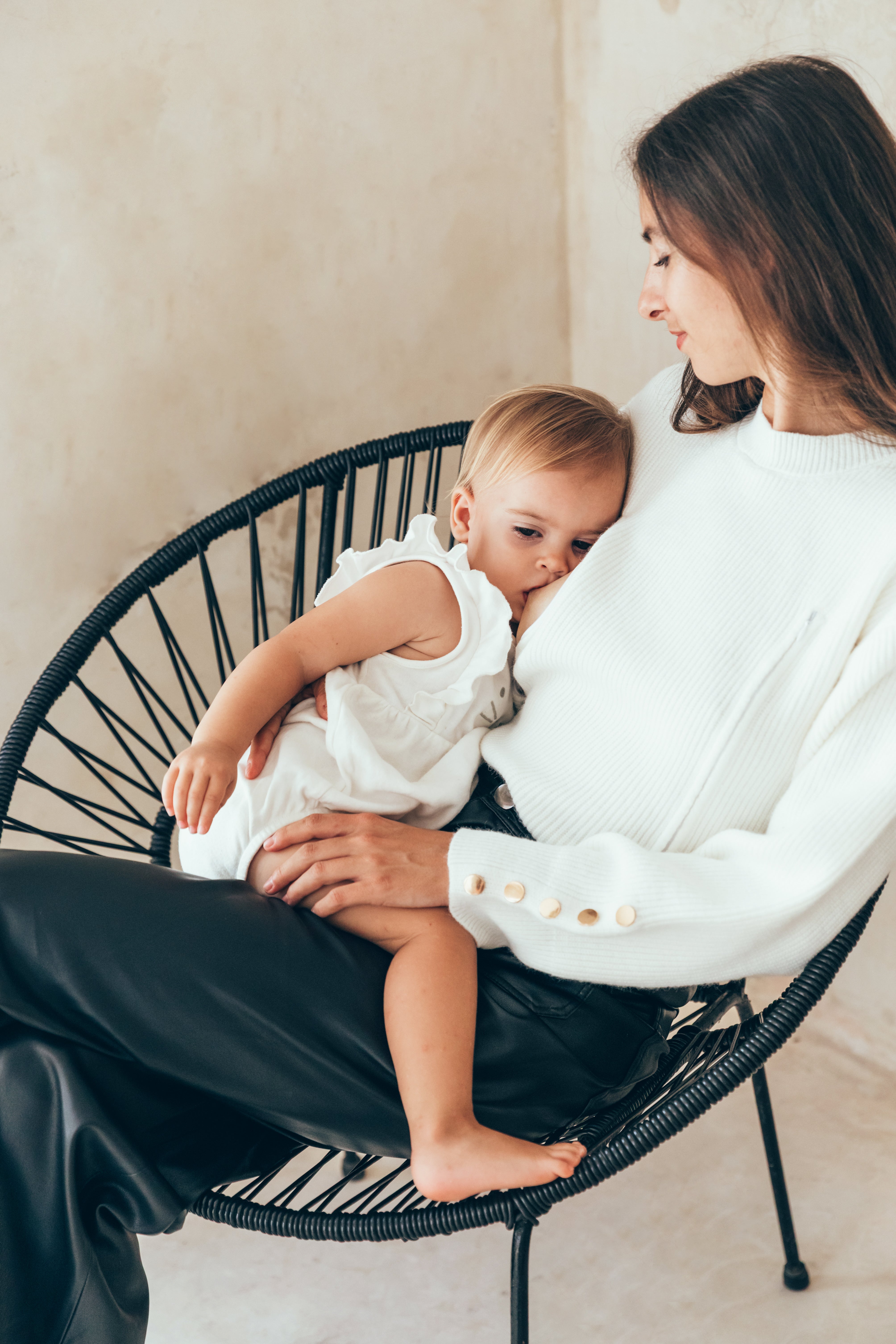
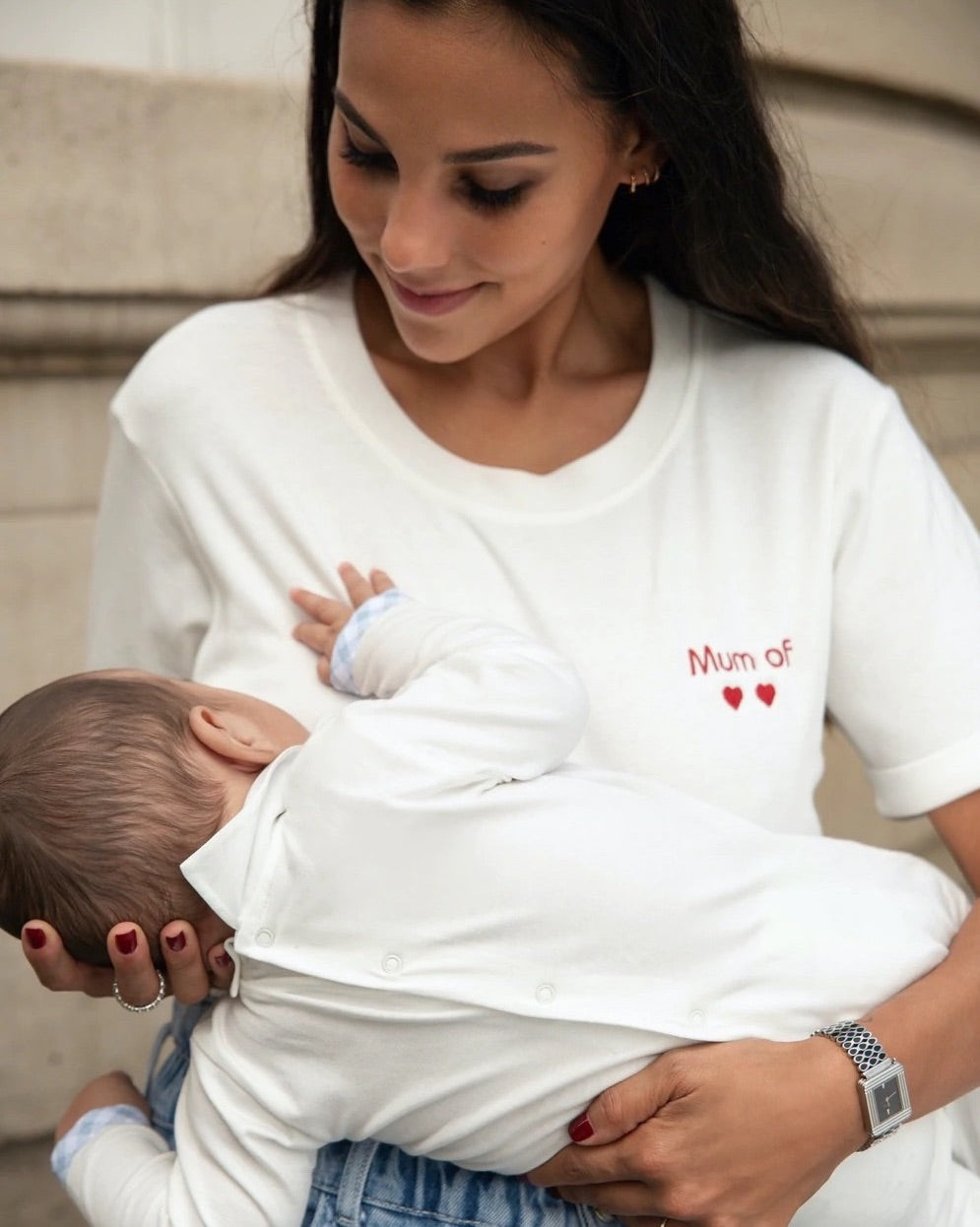
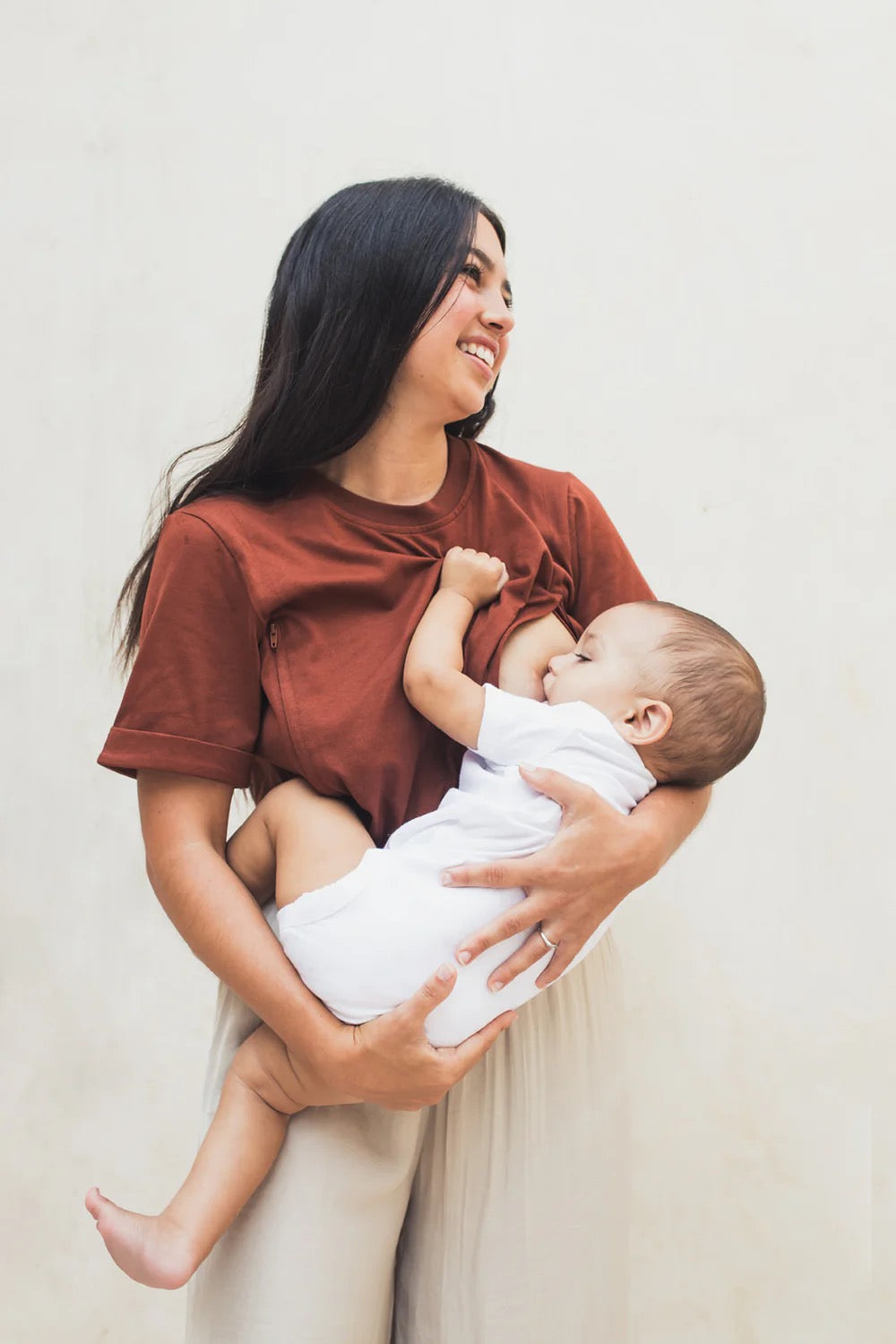
What this article proposes is different. Not the “perfect” yoga of a wellness app. Not the twenty-minute meditation in a serene setting. But an approach tailored to the reality of winter breastfeeding and practices that fit into feedings—which sometimes last just two minutes, which can be done while wearing in nursing pajamas on the couch, with the baby lying next to you.
CThese practices exist. They work. And they can transform your winter.
Why these practices are especially valuable in winter
WWinter brings factors that take a toll on the body and the mind of a breastfeeding mother, including lack of daylight, fatigue from , the cold, and the spent indoors. Gentle yoga and meditation directly address several of these factors.
Physically
Breastfeeding keeps the body in repetitive postures, the same feeding position, the same side, and the same tension in the shoulders and upper back. Gentle yoga helps counterbalance these tensions, stretch what is tight, and strengthen what is weakened. Chest-opening poses chest, neck, and shoulders, and relaxing the back all these areas that breastfeeding specifically engages.
From a hormonal perspective
The practice Regular practice of and meditation reduces cortisol levels —the stress hormone—and promotes the production of oxytocin—specifically the hormone associated with breastfeeding and bonding. There is a deep connection between these practices and breastfeeding—they share the same hormonal basis and support mutually.
In terms of presence
Breastfeedingrequires a special kind of presence—a grounding in the present moment, and focus on both the baby and one’s own body at the same time. Meditation and gentle yoga cultivate exactly this quality of presence. Practicing them improves the quality of the feedings themselves fewer distractions, less tension, and a smoother flow.
Meditation Suited for winter breastfeeding
A Two-Minute Meditation During a Feeding
This is the most accessible and often the most effective for breastfeeding moms. During a feeding, instead of check your phone or let your mind wander, focus your attention on three simple things.
Breathing first: observe it without changing it. The air that comes in, the air that goes out. The way your belly or chest rises slightly. If your mind wanders—that’s what’s going to happen, that’s normal—just gently bring your attention back to your your breathing.
Next, the sensations: the warmth of your baby against you. The weight of their body in your arms. The pressure of his mouth against your breast. These physical sensations are anchors in the present moment that bring you back to the here and now more effectively than any .
Finally, the sounds: the sounds of the house in winter. Silence—or almost silence. The sounds of a baby nursing. Perhaps the rain on the windows, or the wind outside. These sounds anchor us in the moment and create an awareness of the space you’re in.
Ina few minutes of this practice, repeated several feedings throughout the day, gradually builds capacity to be present that then extends beyond feedings and enriches your entire daily life.
The Winter Gratitude Meditation
This is a activity that’s particularly well-suited for the winter season, which invites us to retreat and sometimes feel a bit nostalgia. During a feeding or in the few minutes before bedtime, mentally list mentally list three things which you are grateful for that day.
Not big things. Little ones. The cup of coffee I drank hot this morning. The way the baby smiled during the bath. The this afternoon . This practice of daily gratitude is one of the most extensively studied in well-being research; it reduces anxiety, improves mood, and gradually fosters a different perspective on everyday life.
The 4-7-8 Breathing Technique for Restless Nights
It is a breathing technique that can be learned in thirty seconds and that can transform the quality of falling back asleep after a nighttime feeding.
Breathe in through your nose while counting to 4. Hold your breath while counting to 7. Exhale slowly through your mouth while counting to 8.
Repeat two or three times. This technique activates the parasympathetic nervous system—the “rest and digest” mode—and counterbalances the activation of the sympathetic nervous system caused by waking up and nighttime feedings. You’ll fall back asleep faster and enjoy a deeper sleep.

Gentle Yoga for Winter Breastfeeding
The Basic Principles
Forget the idea of yoga as a performance. Gentle yoga for breastfeeding moms in the winter has no required poses, no minimum duration, and no level to reach. It’s a practice of listening to your body to see what it needs that day, within the five or ten minutes you have available.
Here are a few guidelines for adapting your routine to accommodate breastfeeding:
Avoid uncomfortable and potentially problematic positions on your stomach if your breasts are tender or engorged. Opt for standing, sitting, and lying on your back positions. Listen to your body—if certain positions feel uncomfortable, it’s because your postpartum body is still recovering. And dress warmly—a nursing sweater or a nursing sweatshirt over your yoga outfit is perfect.
The 10-Minute Winter Workout
Here's a complete routine you can do during your baby's nap, in the morning before he wakes up, or in the evening before bedtime. No need for a mat—just a soft blanket on the floor is all you need.
Child's Pose (Balasana) 2 minutes
Sit down on your heels, lean forward with your arms stretched out in front of you or along your body. Let your forehead rest on the floor or on your hands . Close your eyes. Breathe into your lower back; feel it rise with each breath.
It'sthe posture of "letting go." It gently stretches the lower back and hips areas where tension often builds during breastfeeding, and creates a sense of security and comfort that is especially soothing in winter.
Standing Chest-Opening Pose for 2 Minutes
Stand with your feet parallel and hip-width apart. Interlace your fingers behind your back, spread your arms backward, and lift your chest toward the sky. Breathe deeply—each inhalation expands your chest, and each exhalation relaxes your shoulders.
This pose directly counterbalances the posture associated with breastfeeding—rounded shoulders, a hunched chest, and a downward gaze. It reminds your body that it can open up, expand, and take up space.
Shoulder Circles and Neck Rotations: 2 Minutes
Sit comfortably. Make large circles with your shoulders—forward, up, back, and down—ten times in each direction. Then gently tilt your head to one side, hold for ten seconds, and switch sides. Slowly roll your head from right to left.
These simple movements relieve tension in the trapezius and neck—the areas most strained by long hours of breastfeeding.
The Seated Butterfly Pose for 2 minutes
Sit on the floor with the soles of your feet together in front of you and your knees spread out to the sides. Hold your feet or ankles. Close your eyes. Gently rock back and forth. Breathe into your belly.
This pose opens up the hips and pelvis—areas that have been through childbirth and deserve gentle, regular care. It is particularly pleasant and accessible.
2-Minute Mindful Breathing While Lying Down
Lying on my back, legs slightly apart, arms at your body, palms facing the sky. Close your eyes. Focus all your attention on your breath without changing it—just observe it. Feel the weight of your body against the floor. Feel the warmth of the room. Let your thoughts come and go without holding onto them.
This is the Savasana, the final pose of yoga, but in a short and accessible version. These two minutes of conscious stillness are often the most difficult and most beneficial part of the sequence.

Yoga with baby: when to incorporate it into your your practice
It's possible to practice with your baby your arms or right beside you is possible and can even become a joyful moment of connection.
Yoga Poses Suitable for Practicing with Your Baby
The pose of the tree, standing on one leg, the other foot resting against the ankle or calf, with the baby held in your arms. It develops balance and strength, and the baby loves the gentle rocking motion that comes with it.
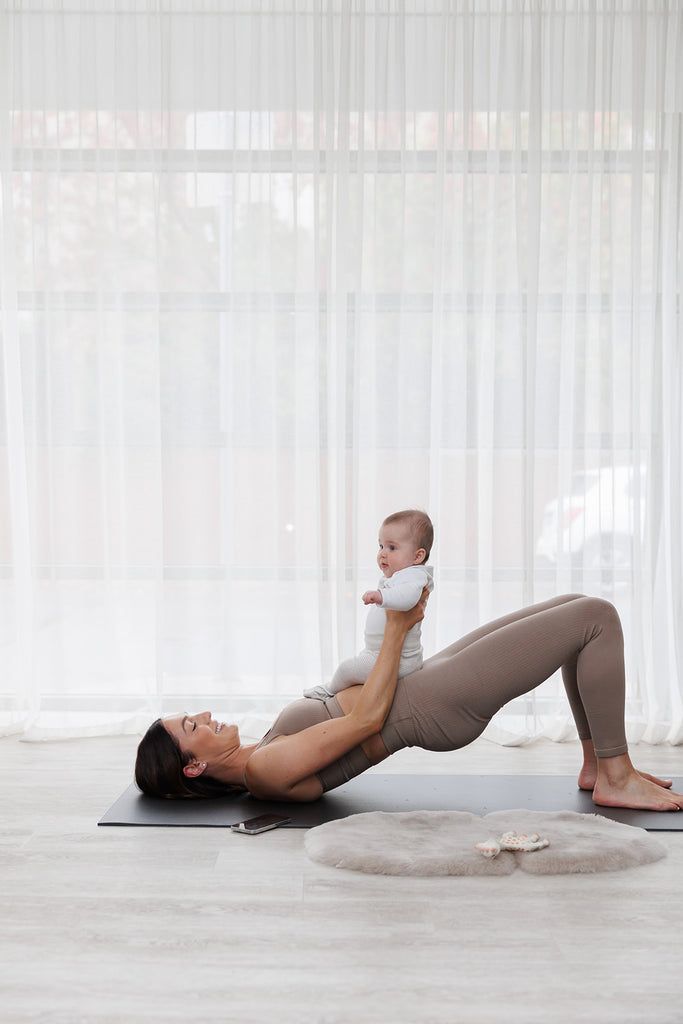
The bridge position, lying on your back, knees bent, with the baby resting on your belly, which rises and falls with your breathing. The smiles that this gentle movement brings to your baby make this pose a moment of connection as well as a physical exercise.
The cat-cow pose on all fours , with the baby lying beneath you on the mat. Alternate between the rounded back (cat) and the hollowed back (cow) while synchronizing with your breath. It stretches your back; your baby looks up at you from below—it’s often a source of fascination for infants.
What Makes Yoga with Babies Different
Yoga with a baby is not ordinary yoga. The postures are interrupted. The baby loses focus at the wrong time. A feeding session pops up the middle of the session. And that’s exactly what this practice teaches: flexibility, letting go, and the ability to return to the pose after the interruption.
This might be the most profound yoga lesson a baby can teach.

Create a space for winter practice
The environmentdoesn't count in the sense of a professional yoga studio , but rather a space that invites practice rather than discouraging it.
Minimal Space
A corner of the the living room or bedroom. A blanket or a rug. The dimmed lights or a lit candle. The window left slightly open for a few seconds to let in some fresh air before practicing—even in winter— a few breaths of fresh air before closing the window can improve of the air you breathe.
Practice Attire
It's a detail that matters more than we realize. An outfit that’s comfortable, soft, and doesn’t is too tight but is warm enough for winter. Our nursing tank tops are perfect for at home close enough to the body so they don’t get in the way of movements, with for breastfeeding if the baby wants to feed in the middle the session. A pair of completes the outfitfeet stay warm, making the workout more enjoyable.
The audible signal
Choose a piece of music or sounds that tell your brain, “It’s time for practice" creates gradually builds a relaxation reflex that makes the transition easier. From gentle instrumental , the sounds of nature winter rain, a or simply complete silence.

The consistency rather than perfection
This is the of any practice of well-being for a who is breastfeeding.
Two minutes, everyone day is worth infinitely more than one hour once a week. Consistency creates effects that accumulate over time, affecting stress, the quality of sleep, and on being present during feedings, and overall mood.
Don't aim for perfection . Aim for —even if it’s imperfect, even intermittent, even if done in my nursing pajamas on the edge of the bed while baby is finally asleep.
This practice is your practice. It’s just as much.
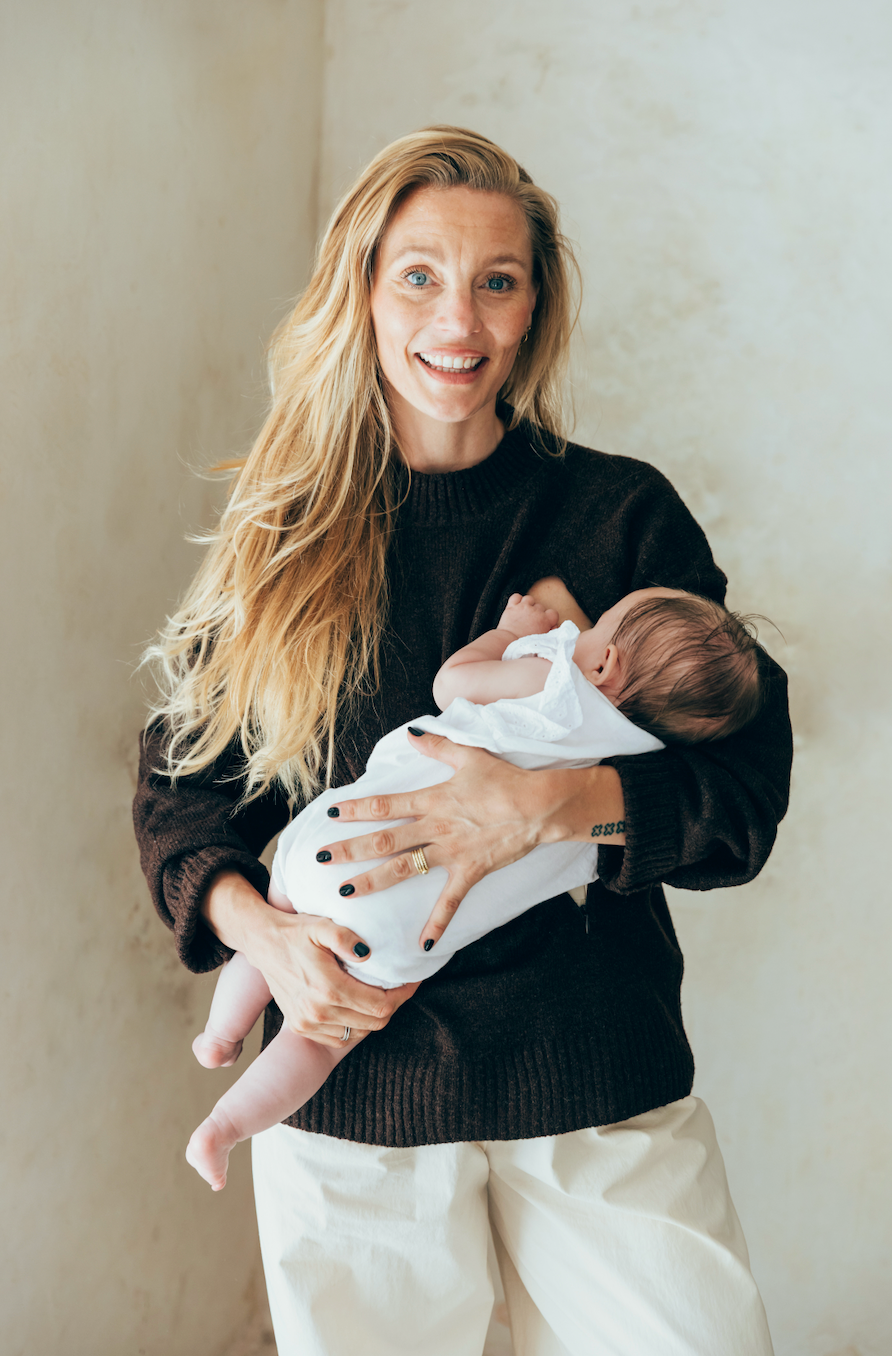
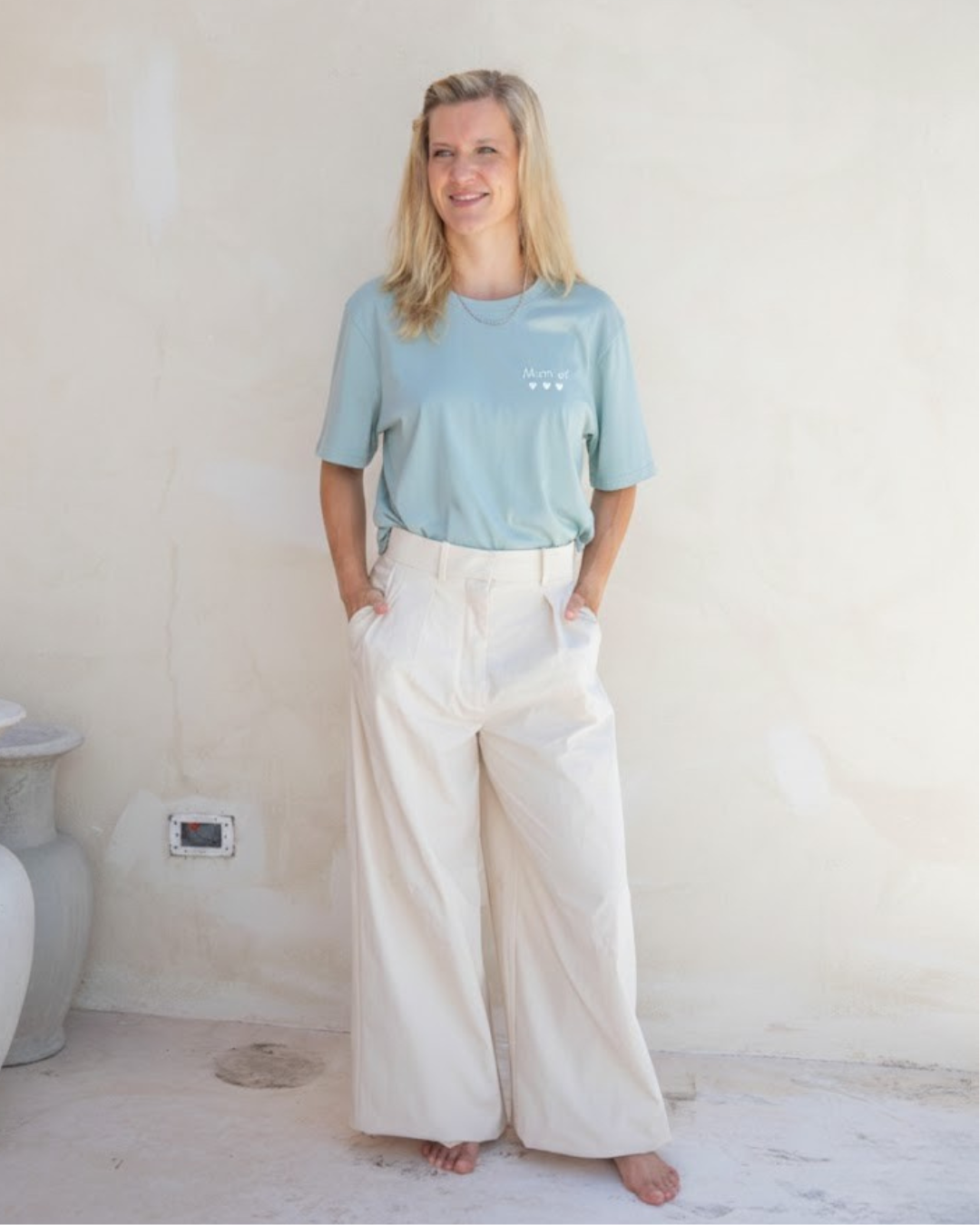
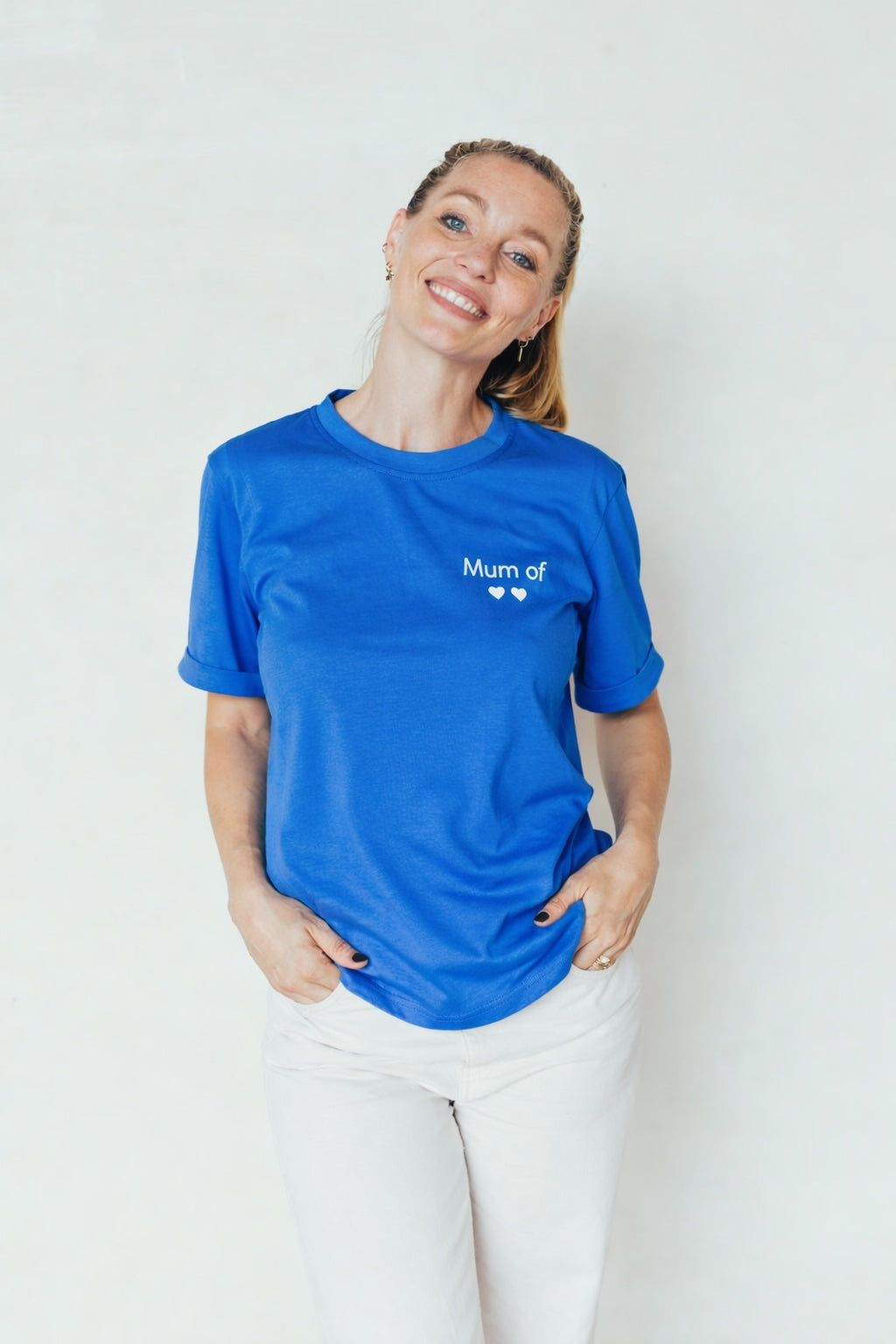
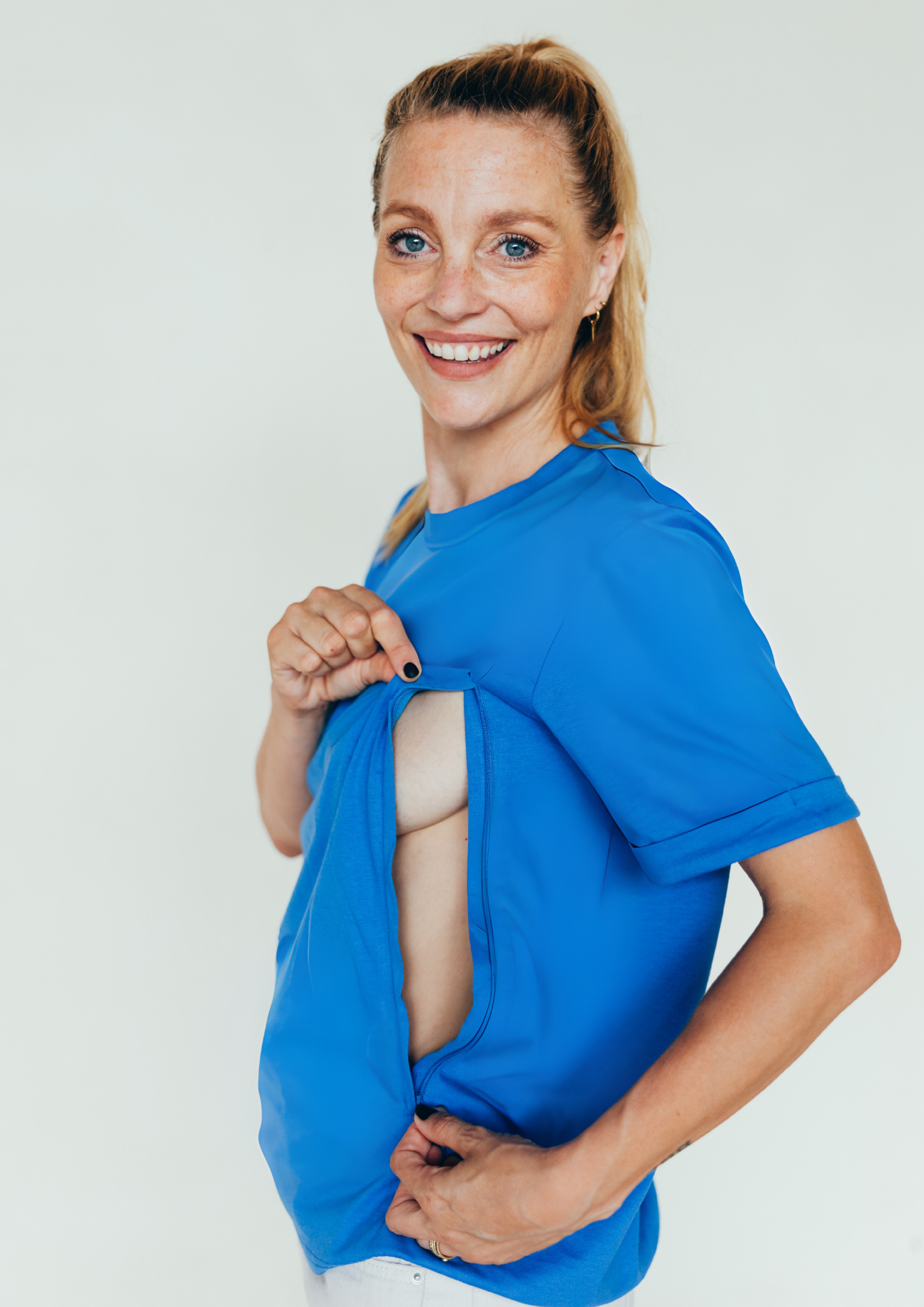
At 23 Mai Paris, we support who are breastfeeding in every aspects of their during the winter, including the most personal ones. Our Breastfeeding t-shirts, our tank tops , and our new collection are designed so that you feel comfortable in your own skin while breastfeeding, during yoga, during meditation, and everything else.
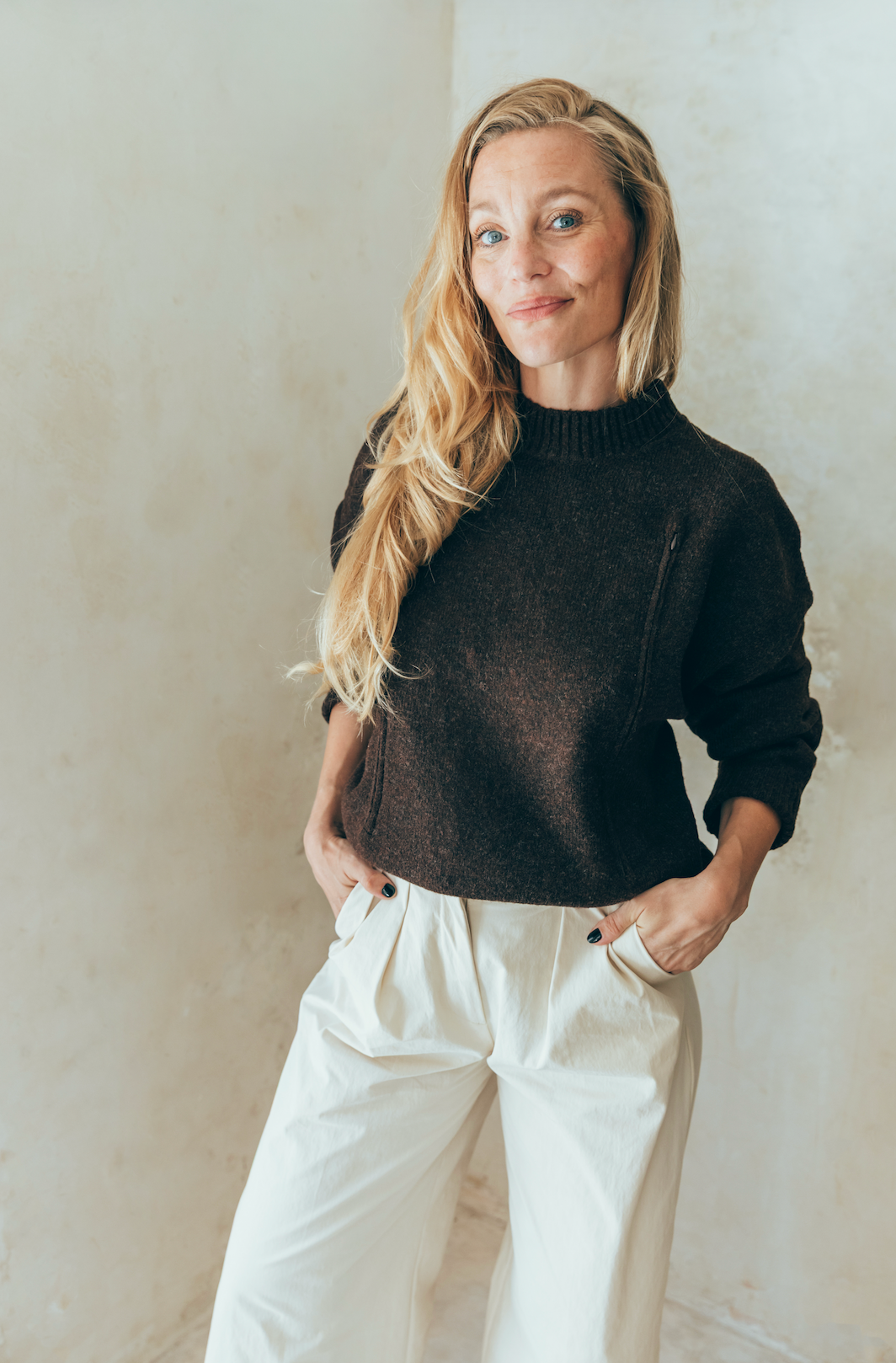
Check out our nursing sweatshirts and our knit sweaters —the perfect pieces for your winter wellness routines, warm and functional.