Finding Yourself Again After Having a Baby: Between Motherhood and Personal Identity
There comes a time—often a few weeks or months after giving birth—when a question gently creeps into your mind, sometimes in the middle of the night while breastfeeding, sometimes while standing in front of a mirror: Who have I become?
Not in a dramatic sense. Not in the sense of regret. Just a sincere question, asked of oneself, in the silence of a daily life that has changed everything without us really having had time to prepare for it.
We’ve talked to you about the changes in your body, the lack of sleep, and the immense love for this little one. We’ve talked less about that other transformation—one that’s quieter and harder to pinpoint: the transformation of your identity. About who you were before, who you are now, and the gap—sometimes comforting, sometimes disorienting—between the two.
This article is here to address this reality—not to solve it in ten steps, but to guide you through this issue with honesty and without judgment.

Motherhood does not replace one's identity; it is an addition to it.
There is a persistent misconception: that becoming a mother means becoming someone else—a new person, focused entirely on the child, whose former sense of self gradually fades away.
That is both true and false.
True, because motherhood truly transforms your focus, your priorities, and your perception of time—all of these things change profoundly. False, because you don’t disappear. The woman you were before having a baby—with her passions, her sense of humor, her desires, and her ambitions—hasn’t vanished. She’s still there, somewhere, sometimes buried under fatigue and new responsibilities, but she exists.
The real question isn't "how can I get back to who I used to be," but "how can I incorporate who I used to be into who I've become now."
Why Is This Loss of Orientation So Common?
Understanding why we feel this way often helps us get through it while being kinder to ourselves.
Time slips away
Before having a baby, your time was your own. You could choose to read, go out, or just do nothing. After having a baby, most of your time belongs to someone else. This loss of control over your own schedule has a direct impact on your sense of identity—we define ourselves in part by what we do, and suddenly, we’re no longer doing the same things.
The body has changed, and with it, our relationship with ourselves
The postpartum body is not the same as it was before. For some, this transformation is a source of pride. For others, it’s accompanied by a sense of loss or detachment. In any case, recognizing oneself in the mirror takes time to adjust to—and that adjustment isn’t always immediate.
Social roles are changing radically
Overnight, you become “the mother of” before you’re yourself. The Conversations shift to different topics. The questions people ask you revolve around the baby. This social redefinition—even loving and well-meaning, can make you feel as if you’re you’re fading into the background in your new role.
Fatigue clouds everything
It's hard to feel like yourself when you sleep four hours a night that are broken up. Chronic postpartum fatigue affects memory, mood, and the ability to concentrate—all factors that normally contribute to a sense of a stable sense of identity.

The signs that we look for to find ourselves again
This search for identity often takes very concrete forms, though not always recognized as such.
A to change your hairstyle, hair color, or . The need to take up an activity I had given up since pregnancy—a sport, a creative hobby, or going out with friends. The desire to go back to work—or, conversely, to make a career path entirely. The need to spend time alone, without guilt, just to exist outside of her role as a mother.
These desires are not whims or signs of ingratitude toward motherhood. They are healthy signals from you, asking to be recognized once more.
Reclaiming your body, one piece of clothing at a time
Tone of the most concrete ways to find oneself , paradoxically, through something very simple: what we wear.
The postpartum body has different needs: more comfort, more flexibility, and styles that accommodate physical changes while still allowing you to feel beautiful—not just functional. Consciously choosing your clothes, rather than settling for whatever “will do,” is an act of reclaiming your identity that is more powerful than it seems.
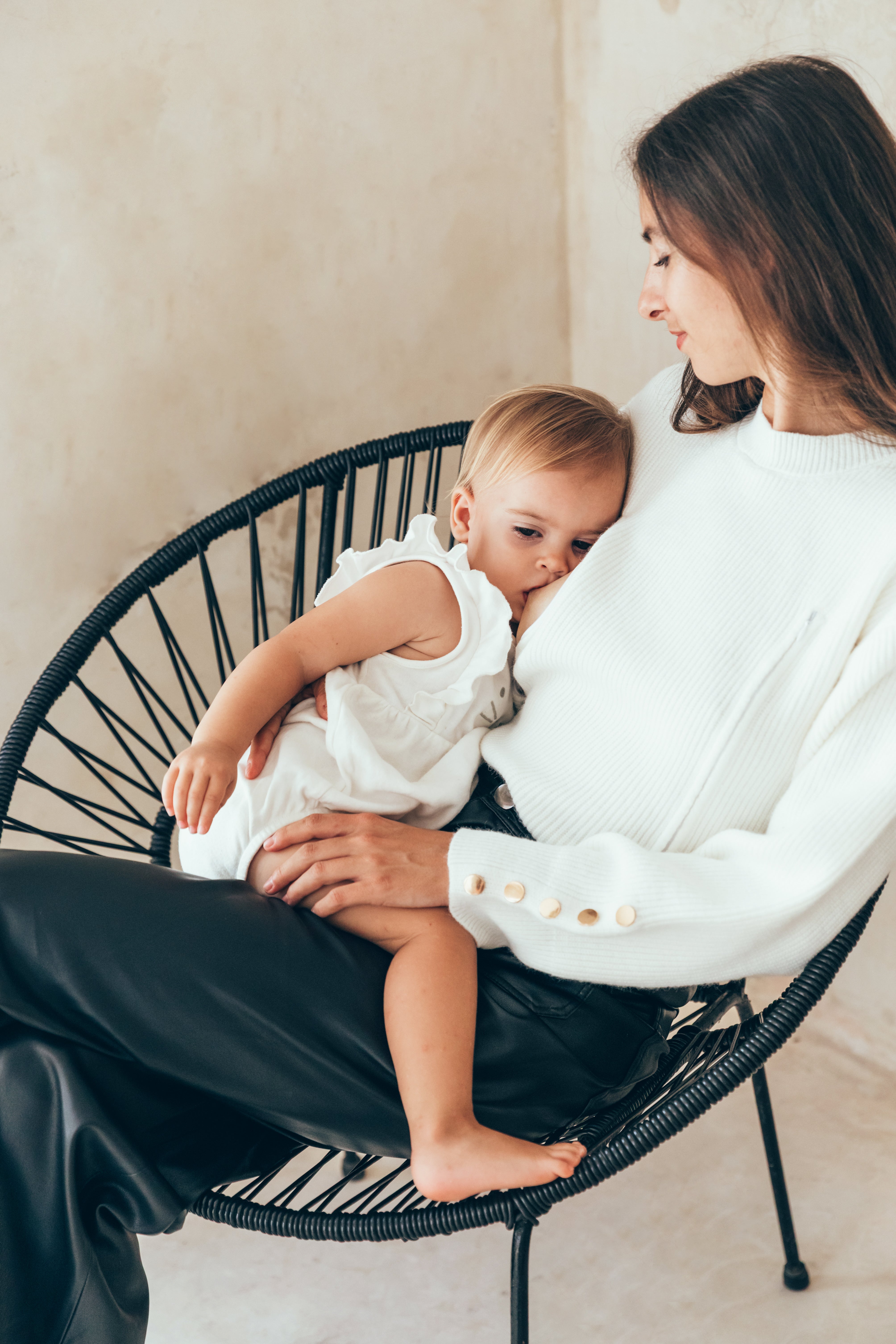
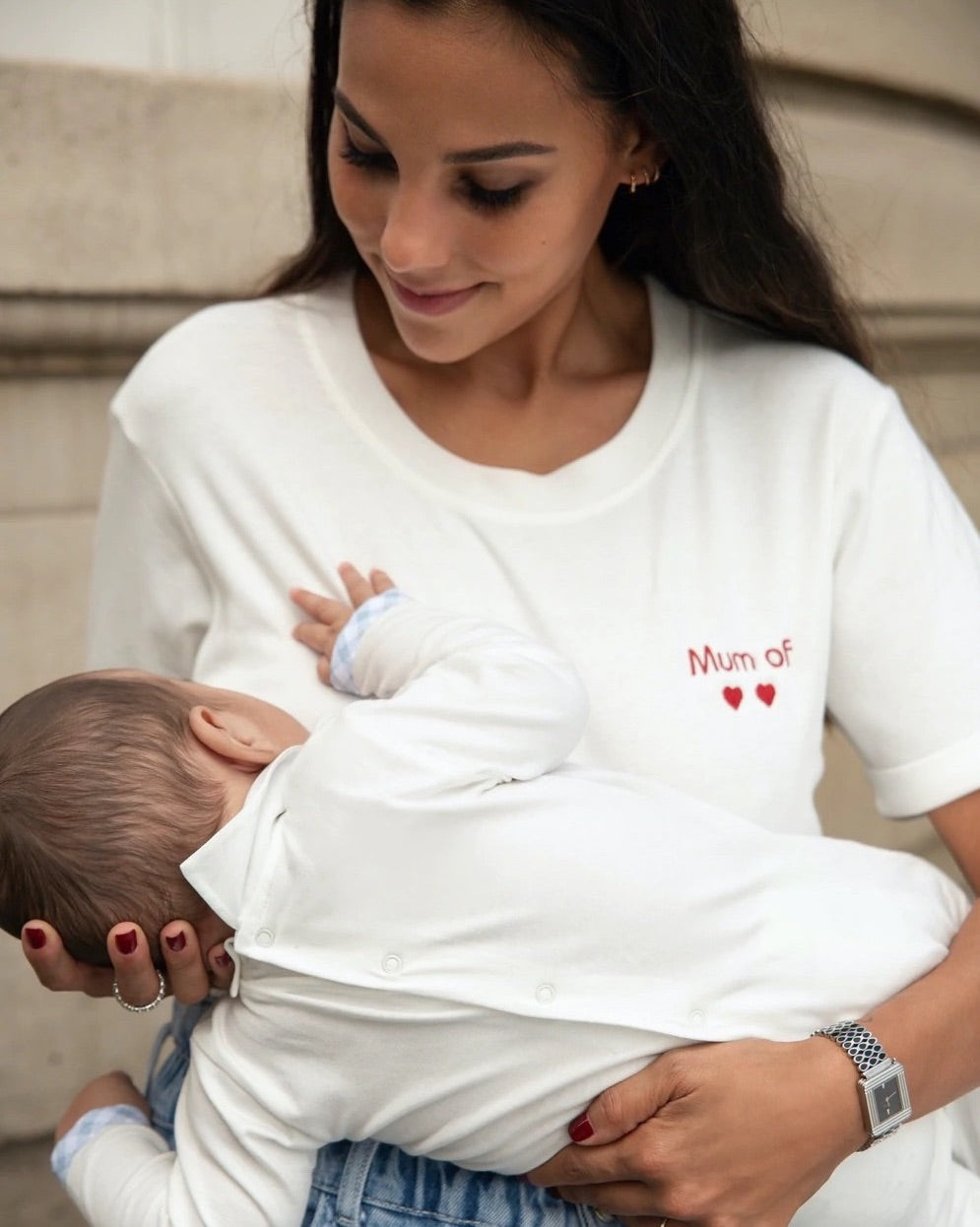
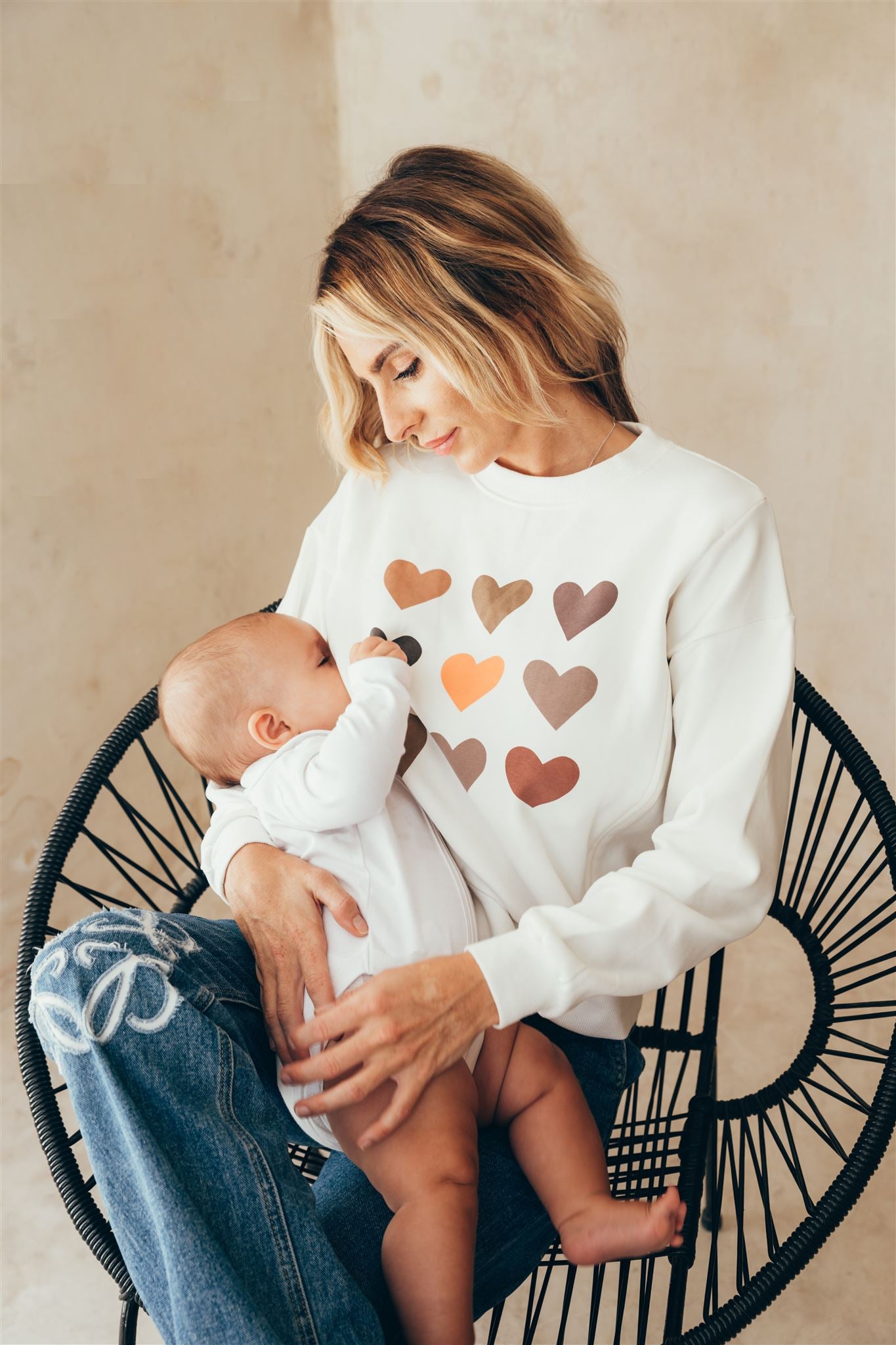
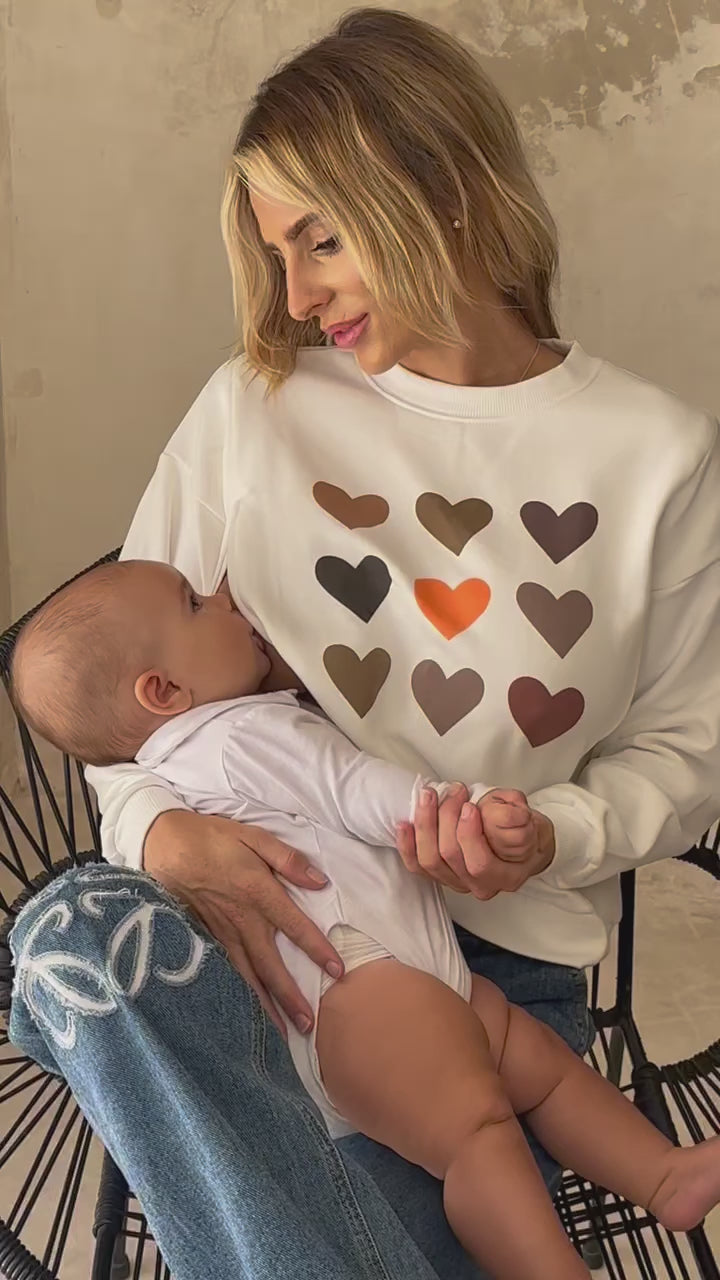
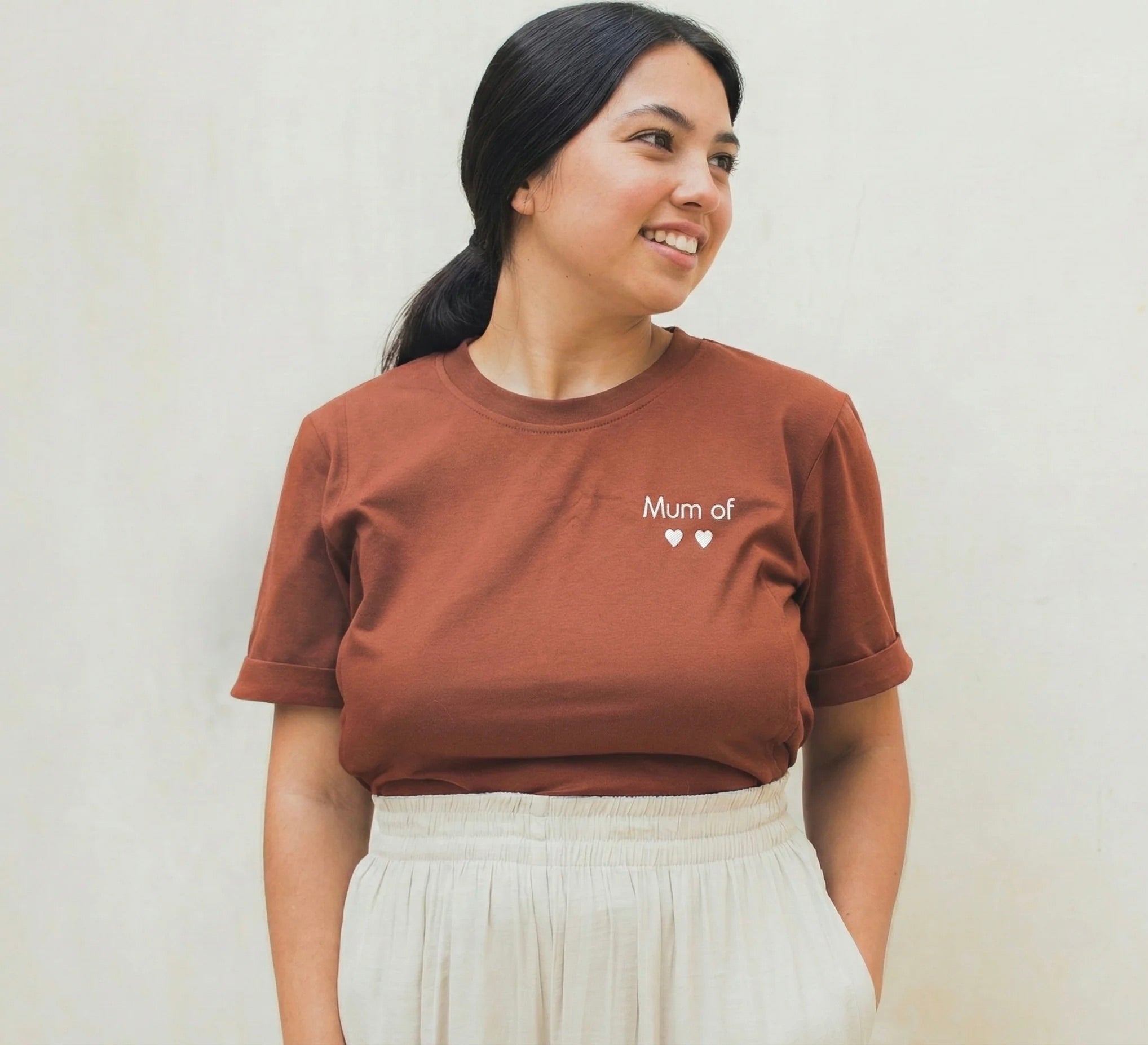
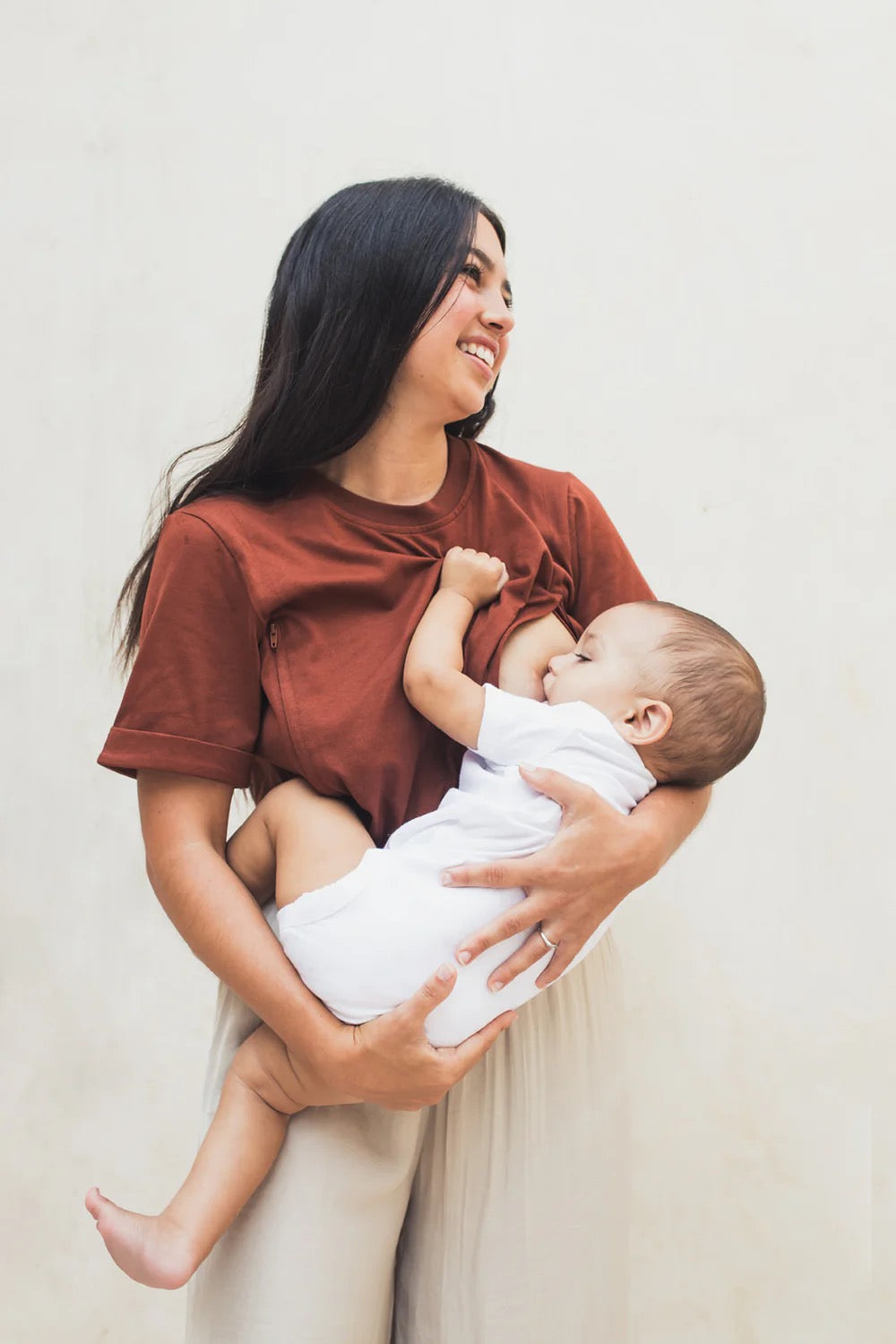
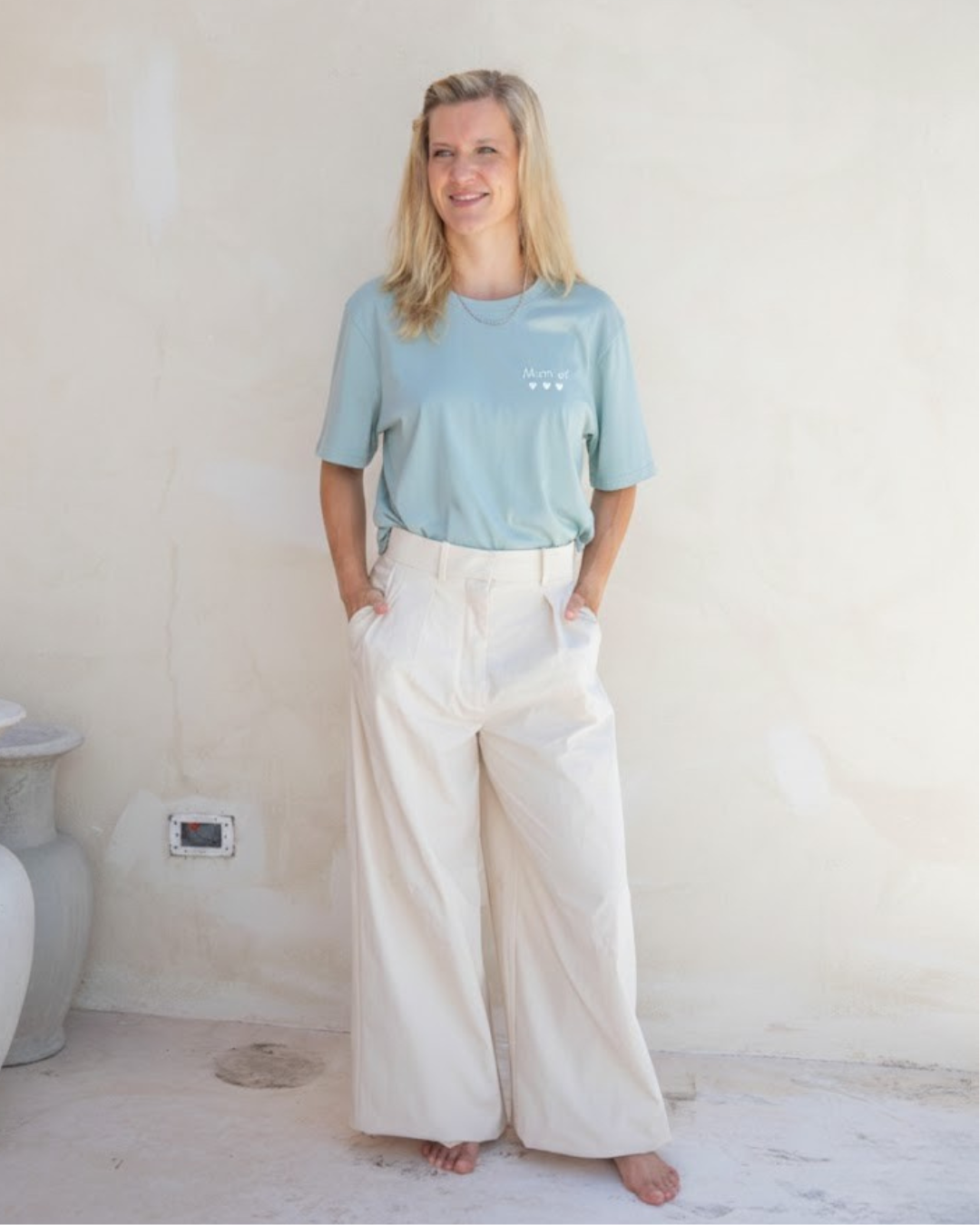
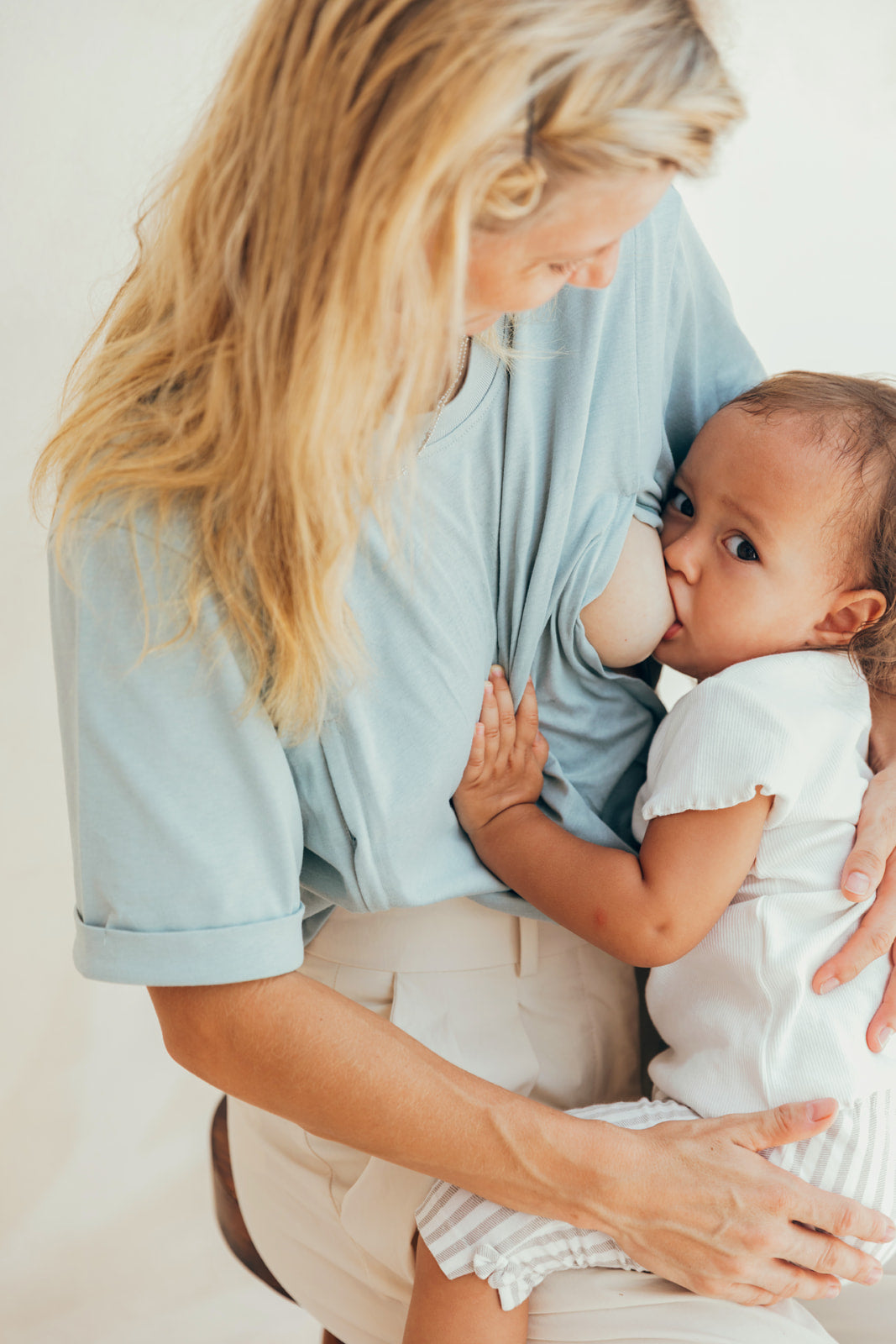
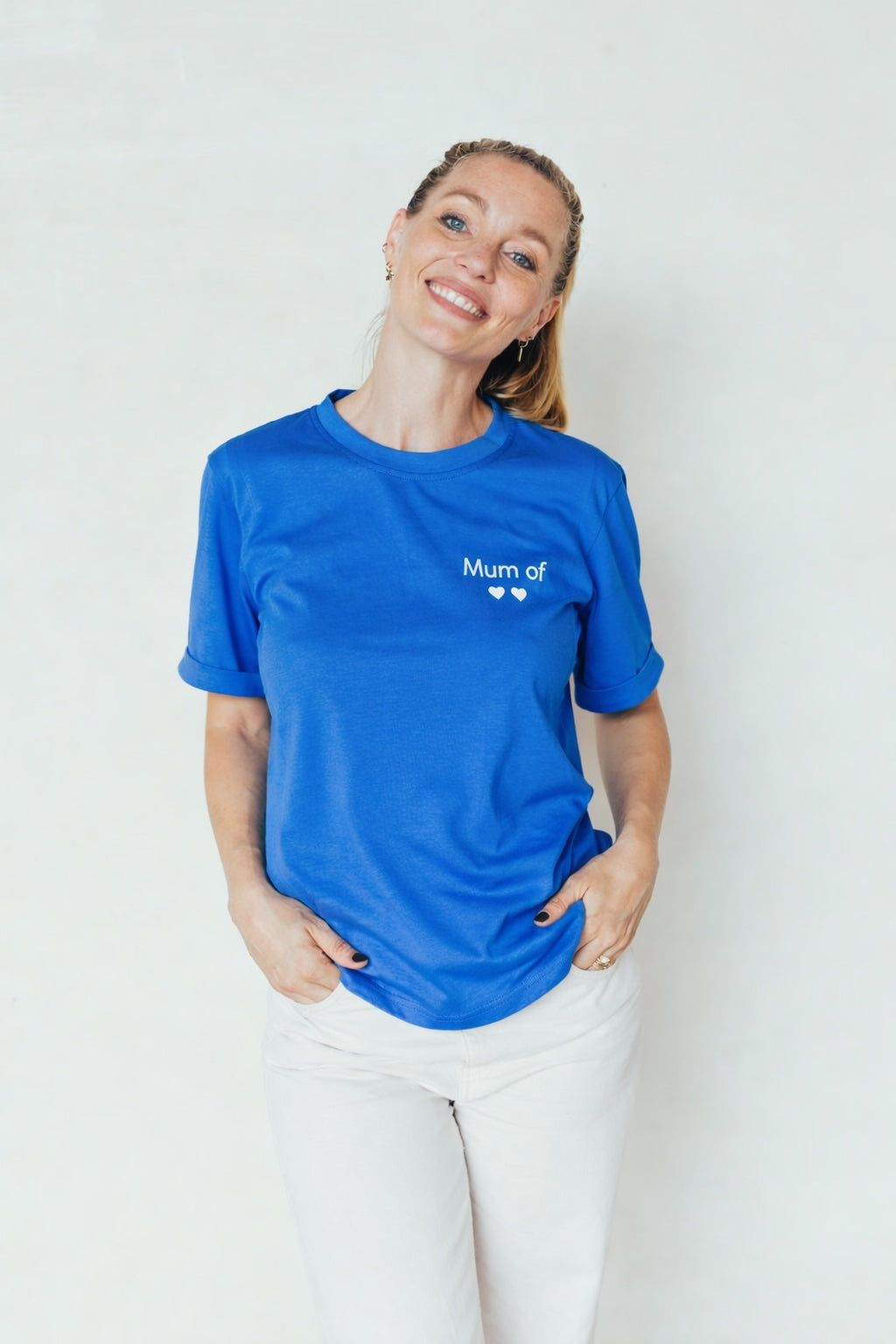
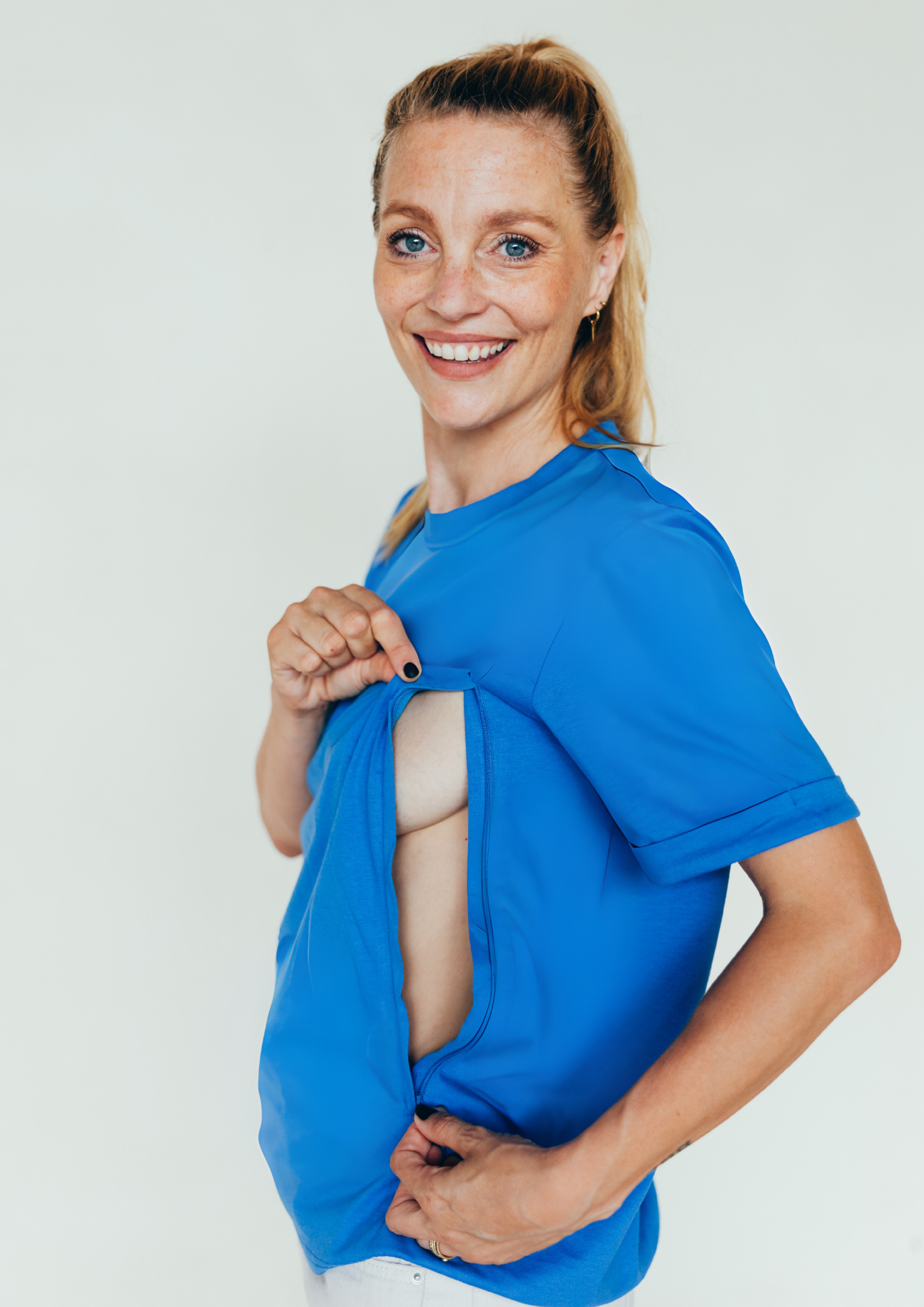
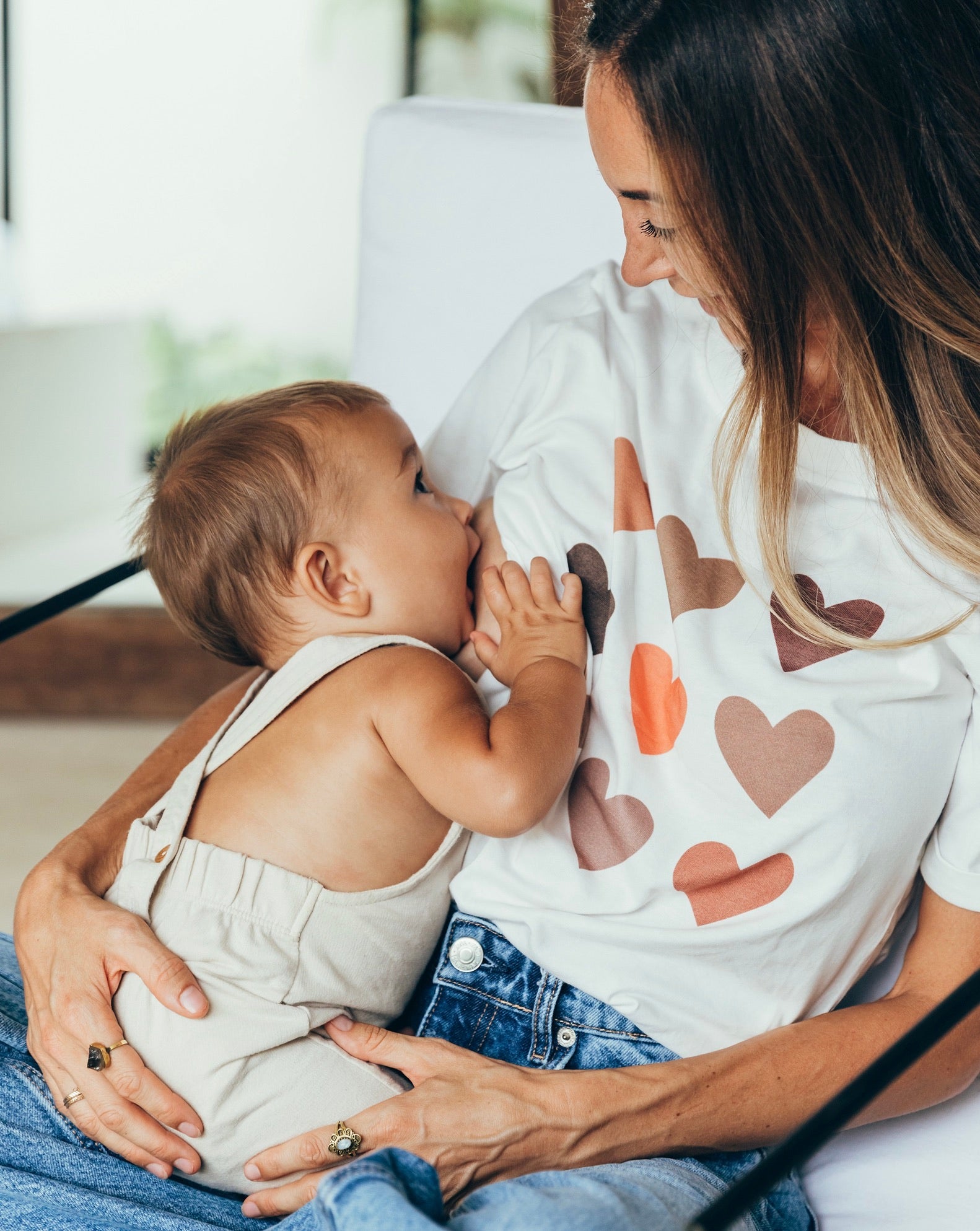
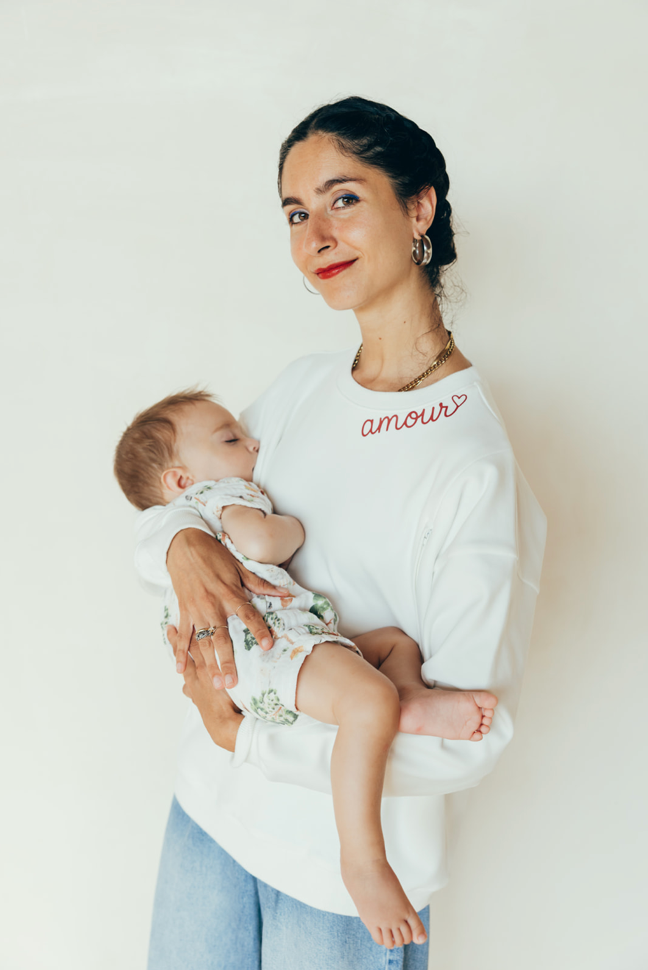
Our Breastfeeding t-shirts are designed to provide all the functionality needed for breastfeeding, while also letting your personality, style, a touch of humor, or a bit of whimsy shine through. Because feeling well-dressed—even amid the chaos of those first few months—truly changes the way you see yourself in the mirror.
For those days when you want to feel a little more like yourself, a Breastfeeding dress that’s flowing and feminine can make all the difference—it doesn’t just say “I’m a mom,” it also says “I’m 'm me."

Rediscover spaces that belong only to you
It's not a luxury. It is a , as documented by numerous studies on maternal well-being: having moments, even brief ones, that belong only to oneself.
Start small—really small
People people often imagine that it takes a whole day to “find yourself.” In reality, ten minutes are sometimes all it takes a leisurely shower, a cup of coffee, still hot, a few pages of a book, a song listened to with headphones. These micro-moments matter a great deal, and they’re possible even during the busiest weeks.
Resuming an activity, even in a modified form
The sport we used to play, the creative hobby we gave up during pregnancy, the book we didn’t time to do anymore, these activities—even in a reduced or adapted form, sends a powerful message: I am still the person who loves this.”
Accepting Help to Make Time for Yourself
Ask someone to watch the baby for an hour or two hours—without feeling guilty—doesn’t mean giving up your role as a mother. It’s recognizing that taking care of yourself is an integral part of taking good care of your child.
Motherhood as expansion, not as a loss
There's another way of looking at this transformation of identity—one that is more generous—and just as true—way
Motherhood pregnancy may not have just taken something away. It may also have given you something: a patience you didn’t know you had, an unsuspected strength, an capacity to love without limits, a new way of seeing the world through your child’s eyes.
You are not just a of who you used to be before. You may also be an enhanced version with new dimensions that didn’t exist before the baby arrived.
This dual reality—the loss of certain points of reference, and the discovery of new dimensions, coexists . And it’s normal to feel both at the same time, sometimes even on the same day.

Table: Recognizing the Signs and Responding to Them gently
| What you feel | What that means | What can help |
|---|---|---|
| Want to change your look | Need to regain control of your image | Try a new haircut, a new fashion style |
| Longing for the Way Things Used to Be | Mourning Normal mourning for a bygone era, not a rejection of a baby | Allow yourself to feel it without guilt |
| Need for solitude | Signal is healthy—it doesn't mean a lack of love for the baby | Ask for help to create respite spaces |
| Want to get back into a hobby | The part of you that is still asking to exist | Start small, without the pressure of performance |
| Difficulty recognize oneself in the mirror | Currently adapting to a new font | Choose clothes that flatter your body just as it is |

Talking about how we feel, without shame
Many mothers carry this question in silence, for fear of being judged as ungrateful or to seem as though they don’t love their child enough.
That's exactly the opposite. Admitting that you’re trying to find yourself, and talking about it with your partner, a friend, or a professional if needed, is an act of mental health. The postpartum is a high-risk period for maternal depression and anxiety and isolation, with these unspoken identity-related issues can exacerbate this risk.
While this quest for identity is accompanied by a persistent sadness, a feeling of emptiness that won’t go away, or a difficulty finding joy in everyday moments, it’s important to talk to a healthcare professional midwife, doctor, or psychologist specializing in perinatal care.
Time takes its course, slowly
There is no deadline to "find yourself." Some moms experience this reconnection with themselves after a few months, others after several years, and the journey is never really straightforward—we —we take steps forward, we take steps back; some days we feel completely like ourselves, other days the question comes back.
What matters is keep the issue alive, without turning it into an emergency or an performance requirement. You don’t have have to “become yourself again” according to a specific timeline. You have the right to explore, try things out, change your mind, and discover a different side of yourself that is just as legitimate as before.
At 23 Mai Paris, we support moms through this journey—not just with functional clothing, but with pieces that let them feel beautiful, true to themselves, and whole at every stage of this adventure. Our new collection and our affordable basics are designed to support you without limiting you to just your role as a mother.
Discover our complete collection of nursing clothes designed for moms who are—and always will be—so much more than just moms.