Nursing Clothes on Sale vs. Fast Fashion: Why Choose Quality
There's a line of reasoning that seems logical at first glance: since nursing clothes are only needed for a short time, why not opt for inexpensive items that you won't feel bad about throwing away afterward?
That's a valid point. And it's also an approach that, in practice, costs more—in terms of money, comfort, and energy—than the alternative.
Sales change this equation. They make it possible to find high-quality nursing clothes at prices that are now on par with those of fast fashion. And from there, the equation is completely reversed.
Here's why.
The "fast fashion" argument: what seems true at first glance
Let's be honest: the case for fast fashion when it comes to maternity and nursing clothes makes a certain amount of sense.
On average, women breastfeed for anywhere from a few months to two years. Breastfeeding clothes therefore have a limited lifespan for their primary use. So why not buy three T-shirts for €8 each and move on to something else once you’re done breastfeeding?
This reasoning works on paper. It doesn't work in practice—for several reasons that have everything to do with the reality of a breastfeeding mother's daily life.
What Fast Fashion Doesn't Tell You About Nursing Clothes
Nursing openings in fast fashion: the consistent weak point
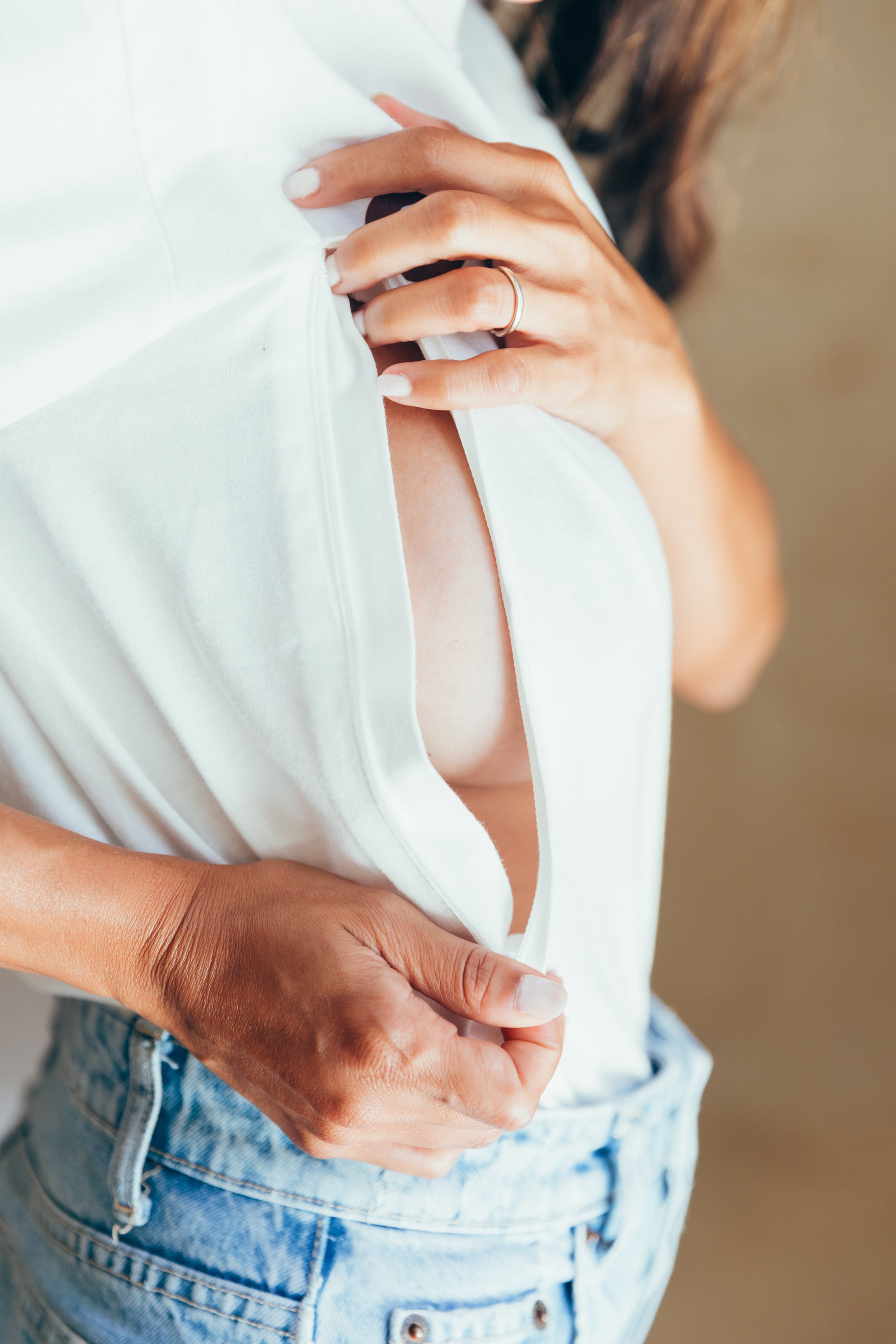
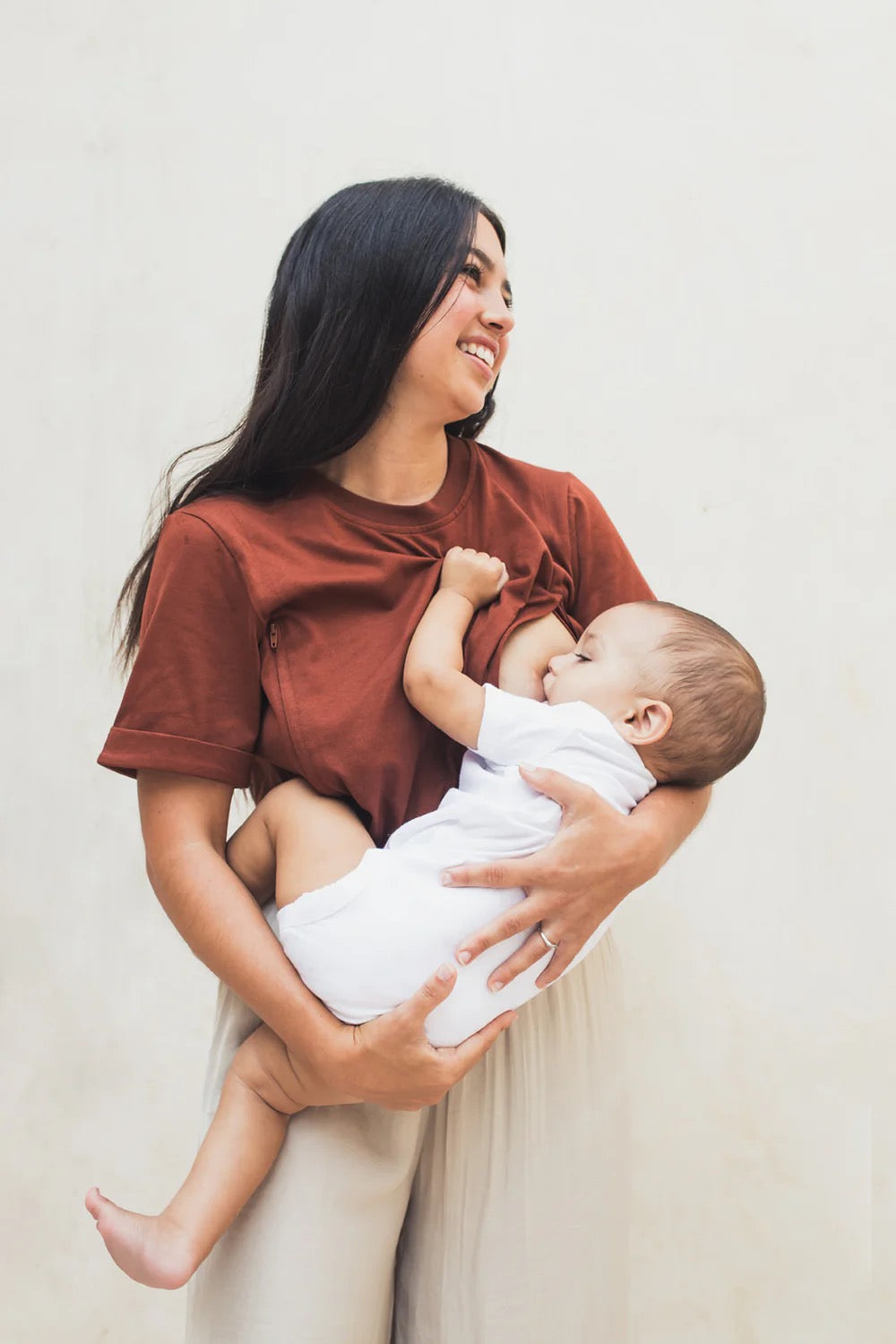
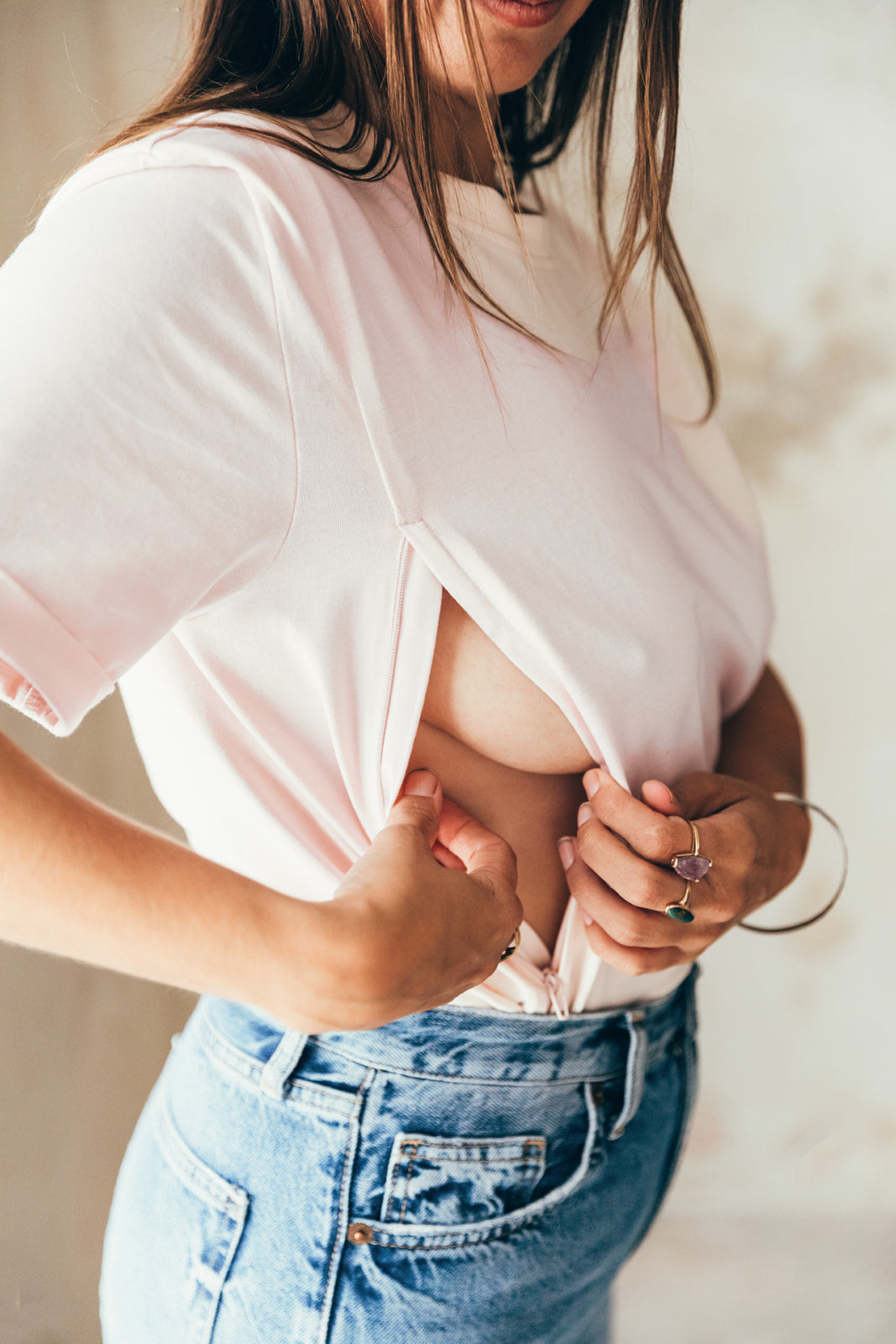
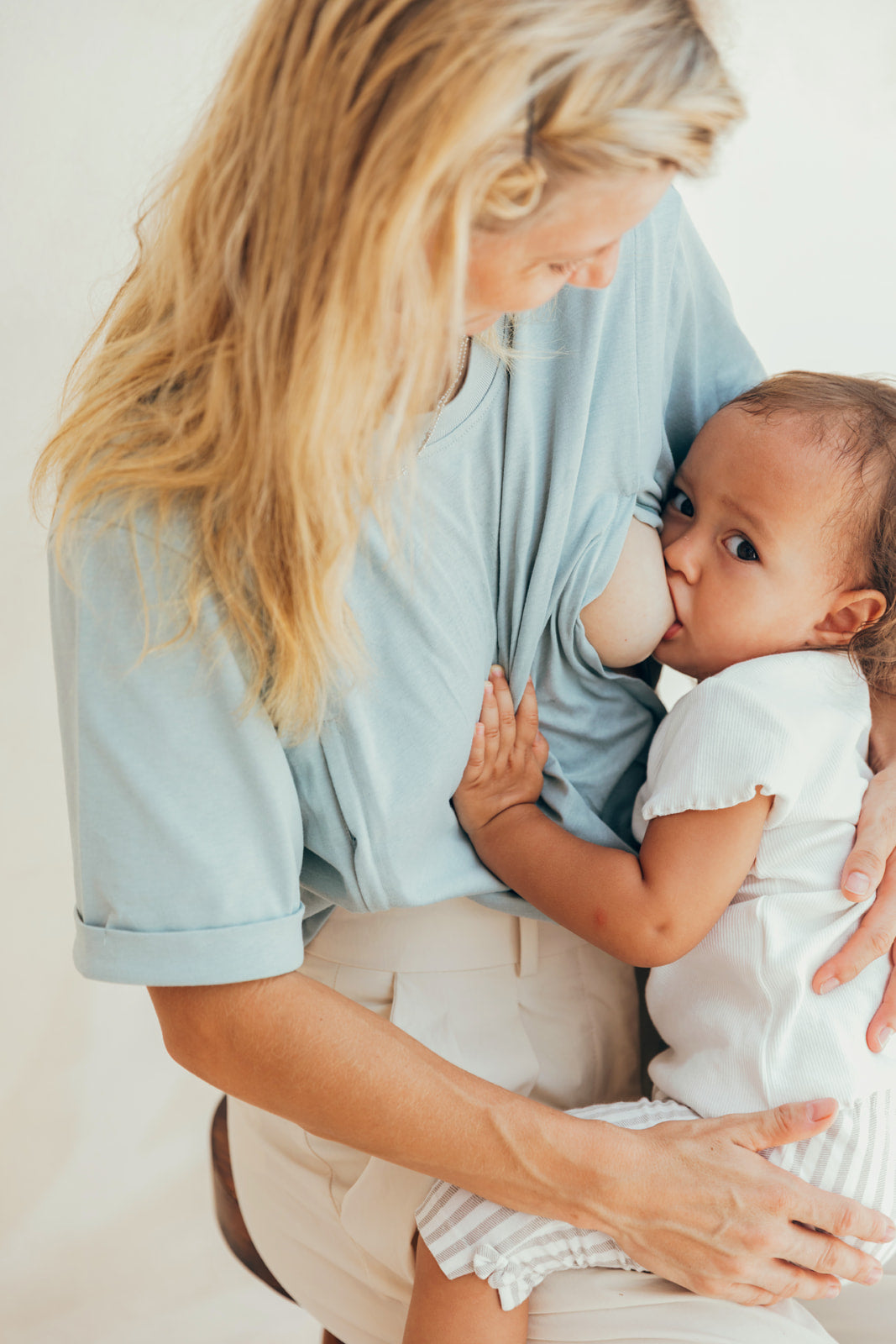
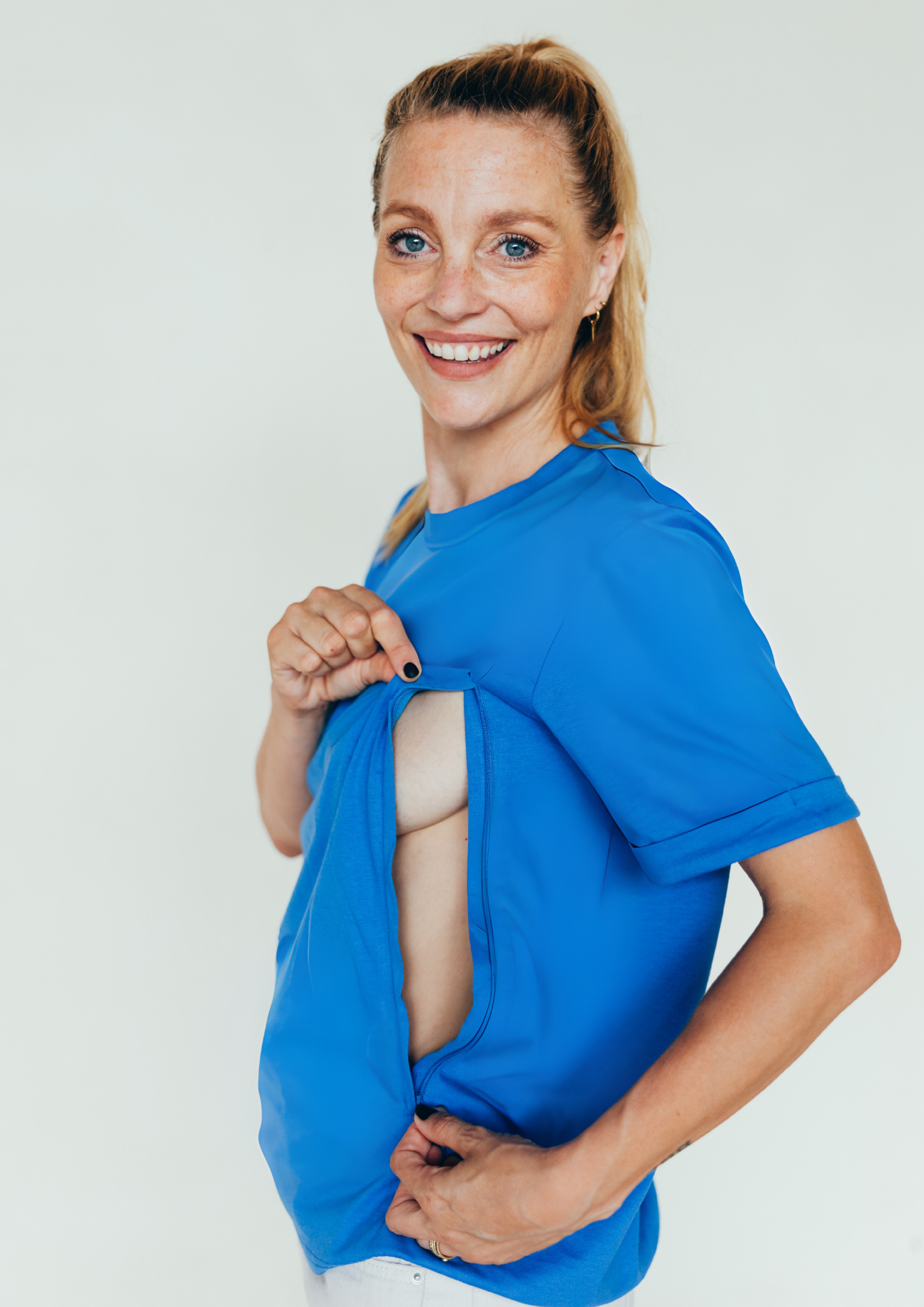
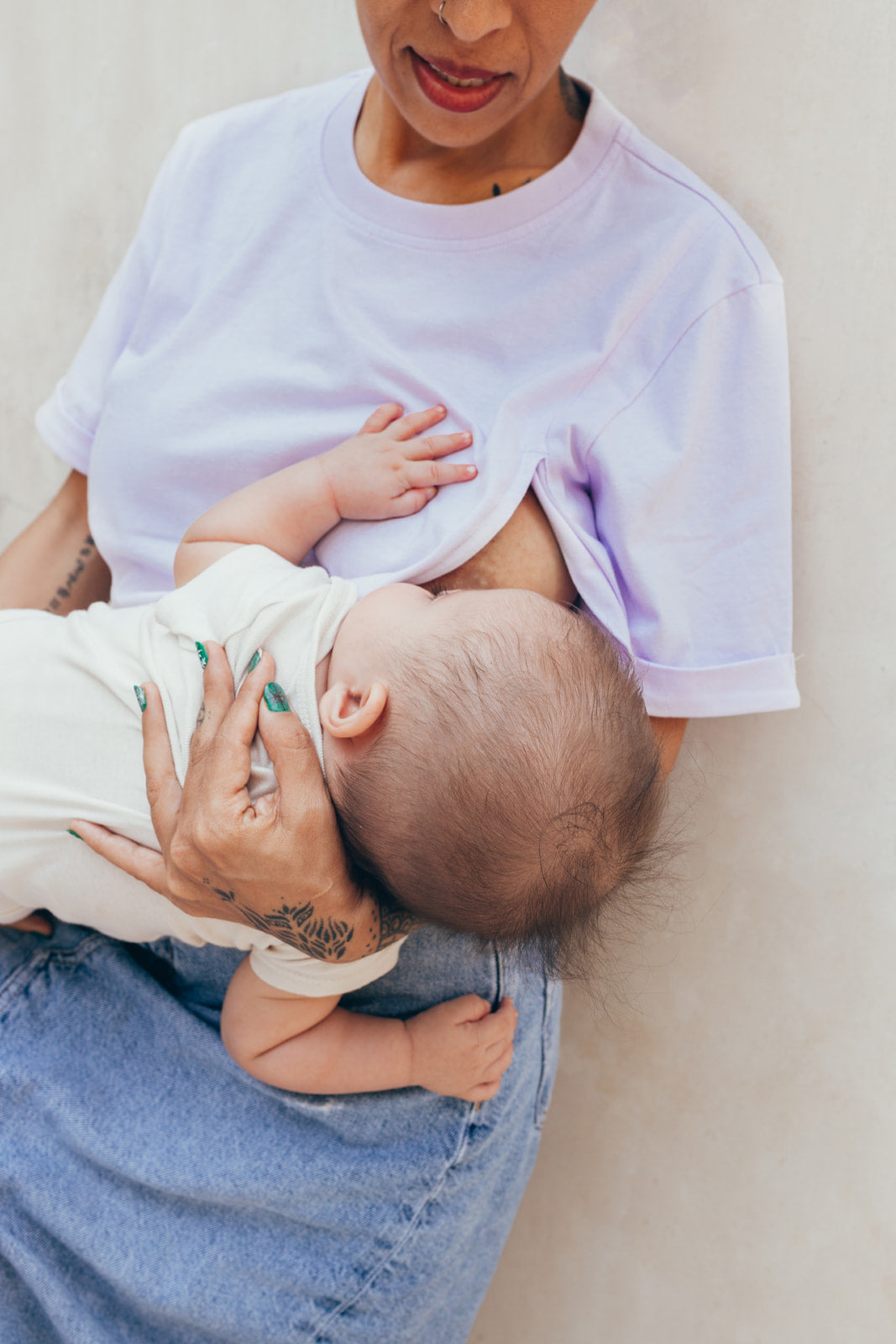
A nursing garment is not just an ordinary garment with an extra opening. The nursing opening—whether it’s a zipper, a clip, or a layer of fabric—is a technical feature that requires careful design to function properly.
In fast fashion, these openings are often the first areas to show wear and tear. Zippers get stuck. Clips come loose after a few weeks of washing. Layers of fabric don’t stay in place during breastfeeding. What seems to work in the fitting room or upon delivery turns out to be disappointing after a week of heavy use.
When this mechanism is activated several times a day during each feeding—sometimes ten to twelve times in a 24-hour period—the quality of the opening is no minor detail. It is the functional heart of the garment.
Fabrics that don't hold up to frequent washing
A breastfeeding mom washes her clothes often. Very often. Milk leaks, the baby spitting up during skin-to-skin contact, and sweat from nighttime feedings—all of this results in a washing frequency that far exceeds what a fast-fashion garment is designed to withstand.
Inexpensive synthetic fibers lose their shape, pill, shrink, or fade after twenty or thirty washes. A Breastfeeding t-shirt that looked fine when you bought it may look worn and misshapen after six to eight weeks—precisely when you need it most.

Substances that irritate sensitive skin
While breastfeeding, your skin is often more sensitive than usual, and your baby’s skin—which comes into regular contact with your clothing during skin-to-skin contact—is even more so. Cheap synthetic fibers like polyester, acrylic, and non-breathable blends can cause irritation, make you sweat, and create discomfort that adds to an already demanding time.
A complete lack of thermal comfort
A synthetic fast-fashion fabric doesn't regulate temperature. It feels hot when it's hot, cold when it's cold, and makes you sweat no matter what. During nighttime feedings, when your milk comes in, and on summer days with your baby close to you, the thermal comfort of a natural, breathable fabric isn't a luxury. It's a daily necessity.

The Actual Cost Per Passenger
That's where the comparison gets really interesting, and that's where sales make all the difference.
Let's look at a concrete example.
Fast fashion scenario:
A Breastfeeding t-shirt for €8. You buy four (because one isn’t enough). Budget: €32. Actual lifespan with frequent washing: two to three months before noticeable wear and tear. You might end up buying four more. Total budget for one year of breastfeeding: €64 to €96. Not to mention the openings that come undone, the zippers that get stuck, and the blow to your morale every morning when you get dressed.
Quality Scenario During the Sales:
A Breastfeeding t-shirt priced at €25, reduced to €15 during the sales. You buy four of them. Total cost: €60. Lifespan with the same frequent wash cycles: twelve to eighteen months without noticeable loss of shape. Withstands repeated washing; the fabric stays soft, and the openings still work. Total cost over one year of breastfeeding: 60€. No last-minute replacements, no disappointments.
The result: By buying high-quality pieces on sale, you'll spend less over time and wear clothes that really work throughout your entire breastfeeding period.
What sales make possible—something fast fashion tries to imitate but fails to achieve
The 23 Mai Paris sales 23 Mai Paris access to pieces that were designed with a unique approach from the very beginning.
Tried-and-true, durable openings
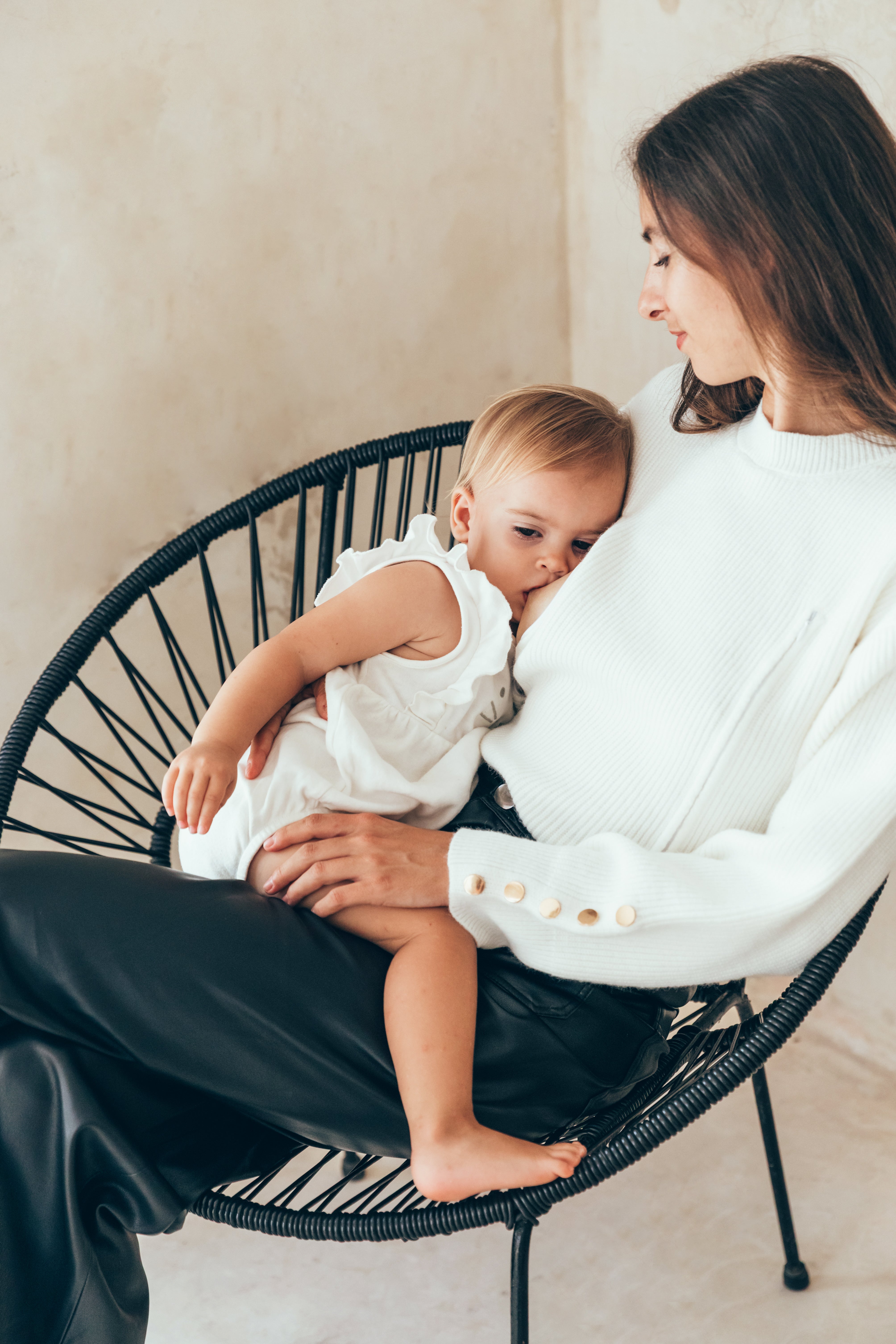
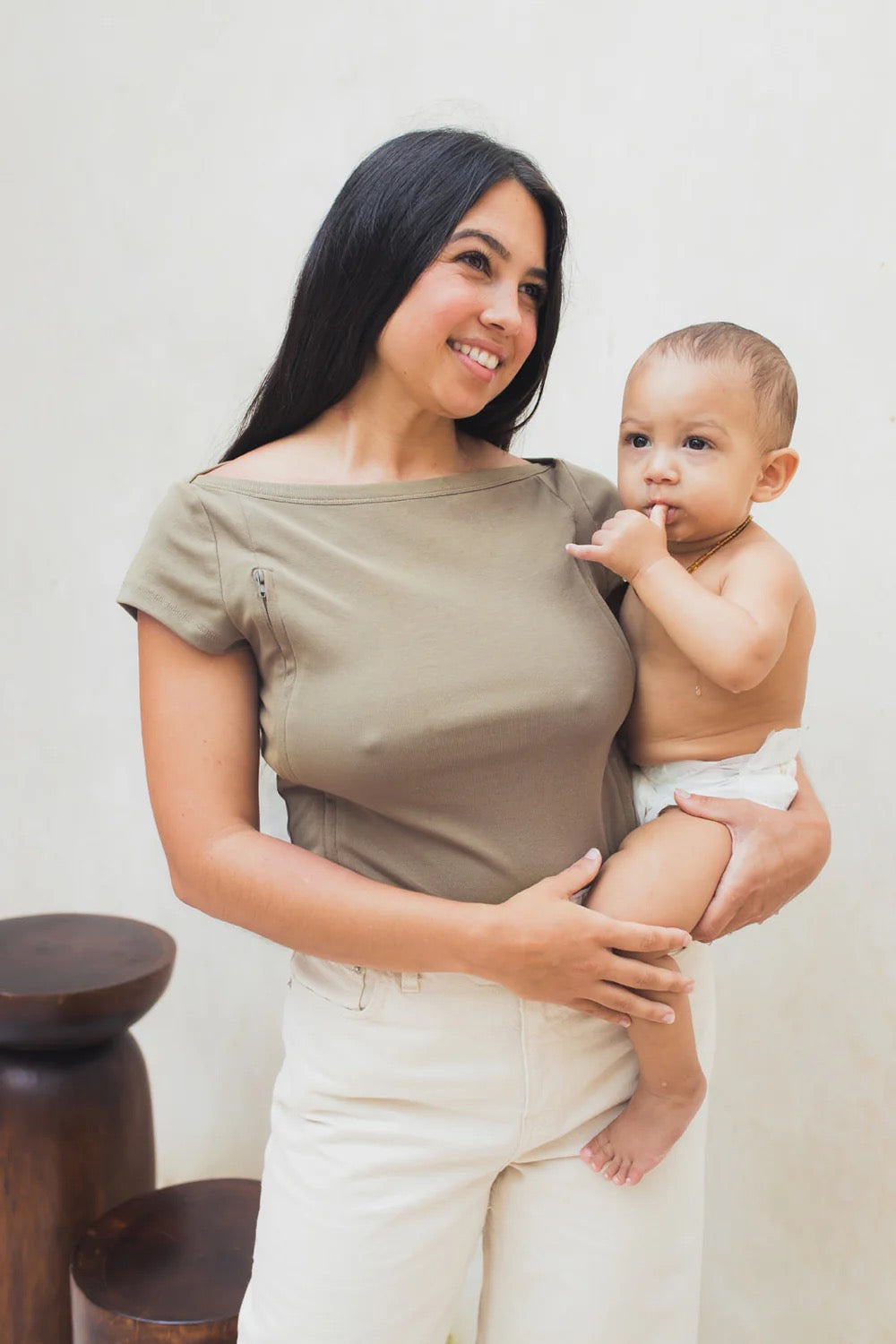
Our side zippers are quiet and designed so they won’t wake your baby during nighttime feedings. They withstand repeated machine washing without getting stuck or losing their shape. This isn’t just a minor detail—it’s a mechanism that’s used ten times a day, seven days a week, for months on end.
Natural, breathable materials
Soft organic cotton and temperature-regulating modal—these fabrics are chosen for both mom’s skin AND baby’s skin during skin-to-skin contact. They’re breathable, absorbent, and durable. And during the sales, they become affordable at prices that make them just as good a choice as synthetic alternatives.
Styles designed for the postpartum body
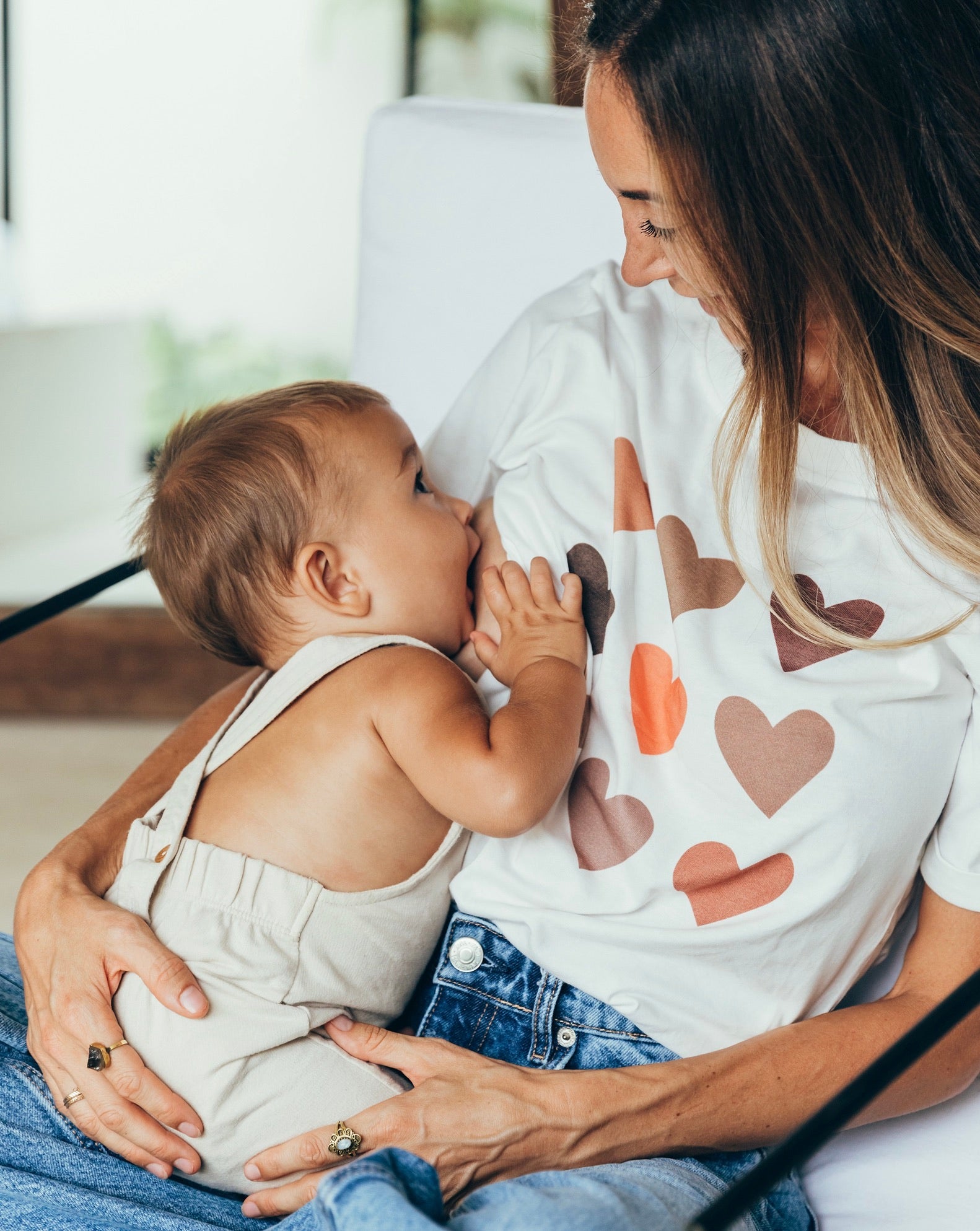
A high-quality nursing garment isn't just an ordinary piece of clothing with an added opening. It's designed to accommodate a changing body—with cuts that don't constrict the still-sensitive belly, lengths intended to provide adequate coverage, and armholes adapted to all breastfeeding positions.
Fast fashion, on the other hand, rarely adapts its cuts to the specific needs of new mothers. They take a standard design and add an opening. The result is often a garment that doesn’t stay in place, pulls in the wrong direction, or rides up onto the stomach as soon as you raise your arms.

The environmental argument: what we'd rather not calculate
Maternity fast fashion has an environmental cost that can be avoided by shopping for quality items on sale.
A synthetic polyester T-shirt bought to be worn for two months ends up in the trash or, at best, in a donation bag that won’t find a taker. Multiplied by the number of items purchased over the course of an entire breastfeeding period, this adds up to a significant amount of textile waste.
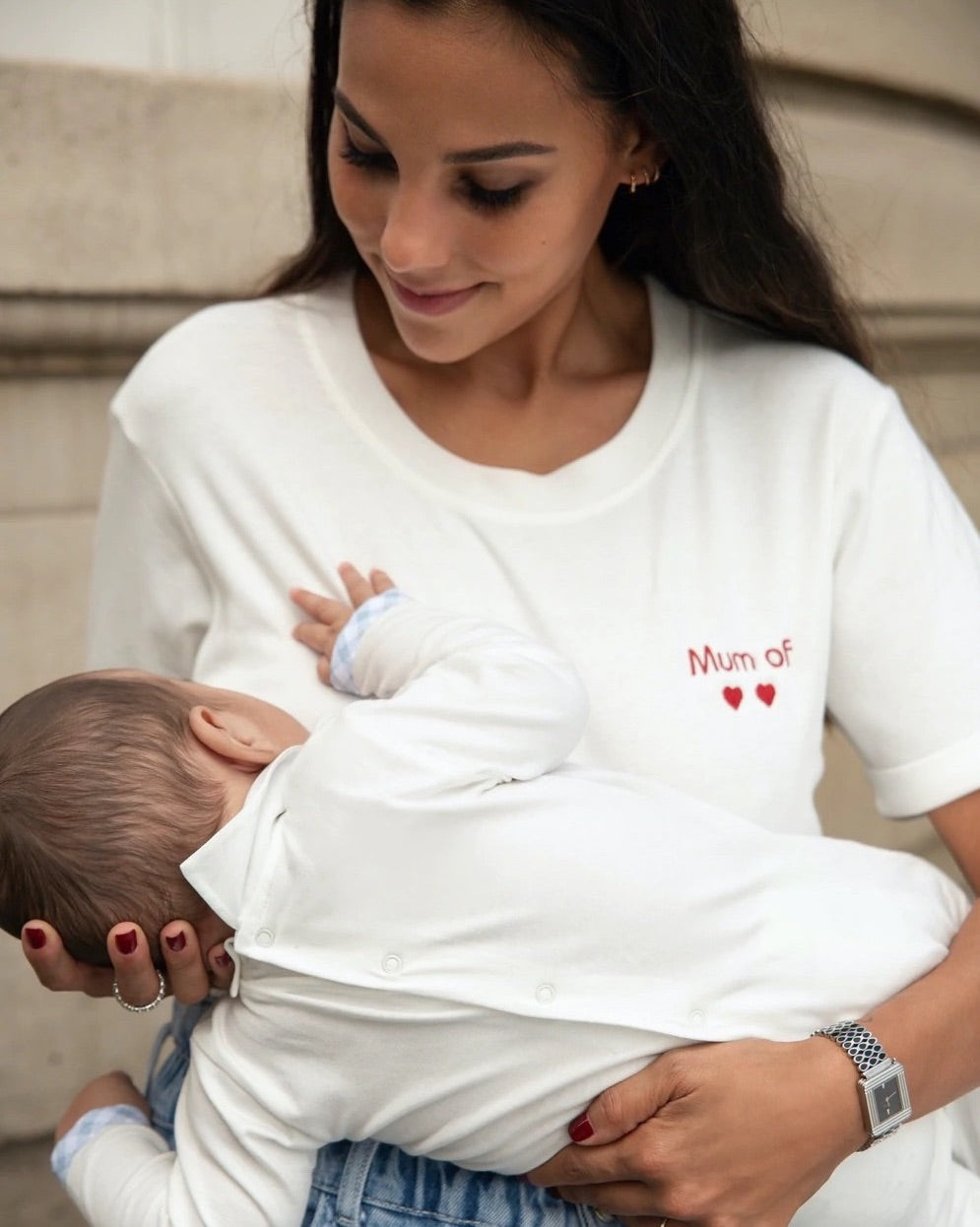
A Breastfeeding t-shirt , on the other hand, lasts through pregnancy and breastfeeding. It can be given to a pregnant friend. It can be resold on secondhand maternity platforms, where high-quality items easily find buyers. It can be saved for a future pregnancy.
This isn't a moral argument; it's simply a calculation of what you're really getting when you buy something that lasts.

Sales: a one-time opportunity you can't make up for later
Fast fashion is available year-round, at any time, with just two clicks. Its main competitive advantage is immediacy—no planning required.
Sales happen twice a year. They last a few weeks. Some items go on sale, while others don't. Certain sizes sell out quickly.
That's why sales call for a real strategy—not just impulse shopping. Knowing what you need before the sales start, having your priority list ready, and knowing which pieces you've wanted since the last collection—all of this helps you turn the sales season into a real advantage.
Fast fashion, on the other hand, is always there when you have an urgent need you didn't anticipate. The 23 Mai Paris sales, however, let you avoid finding yourself in that situation by building a reliable wardrobe in advance.
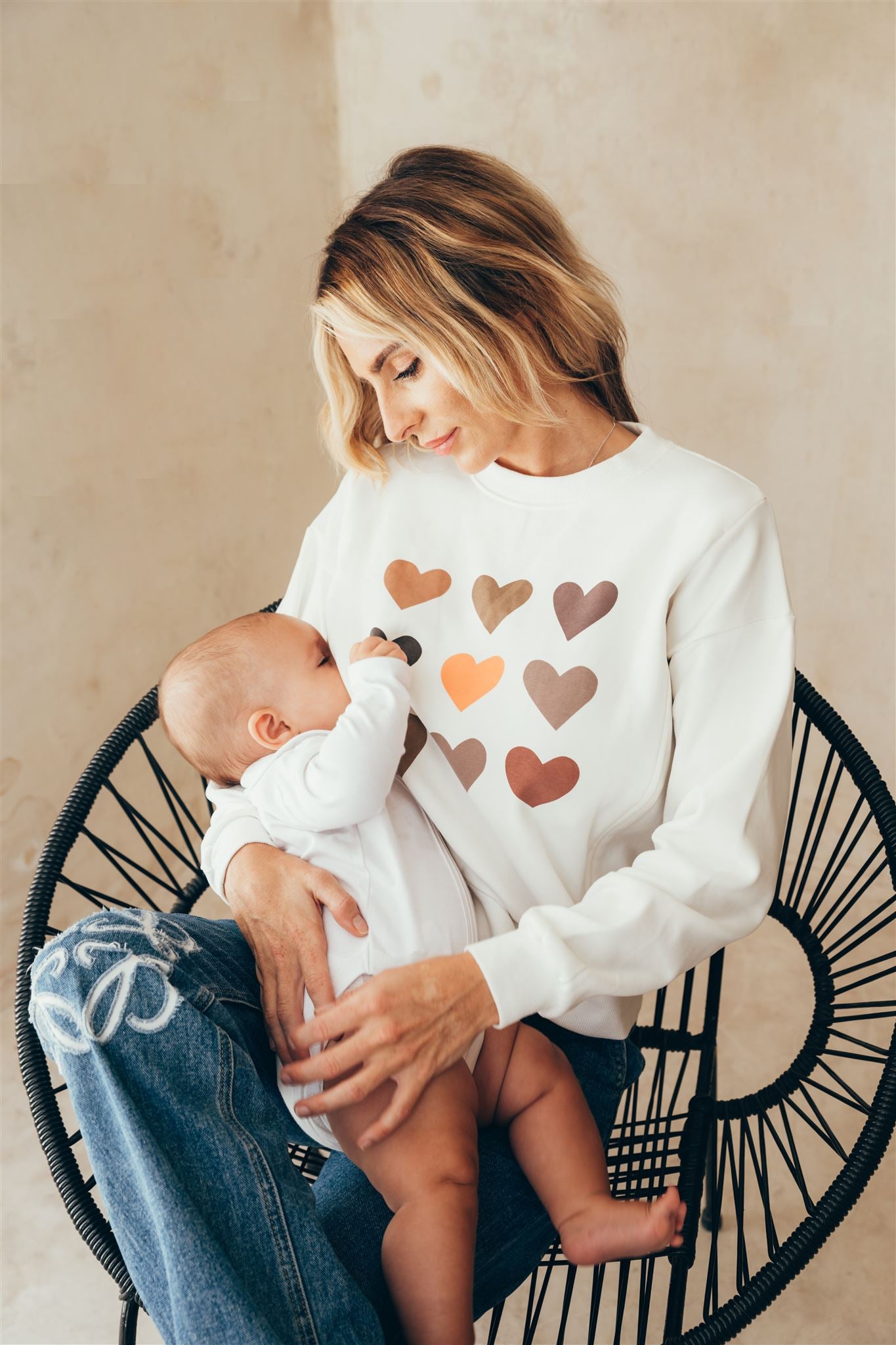
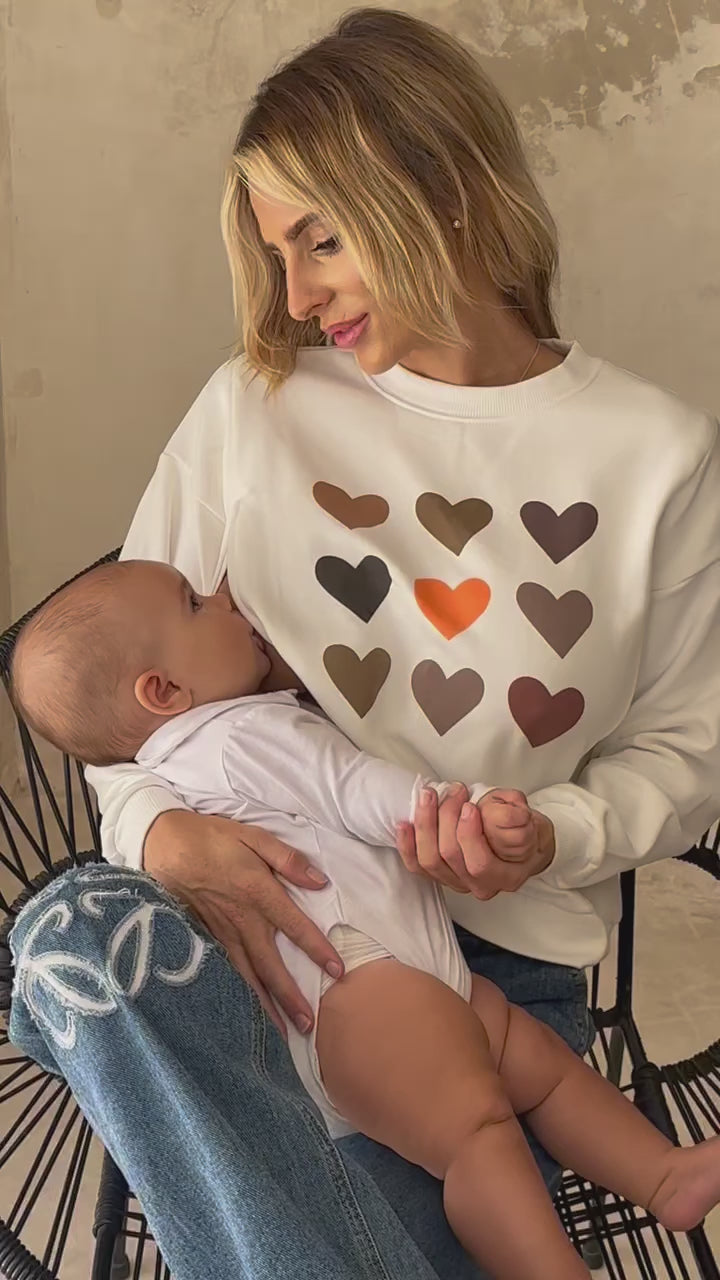
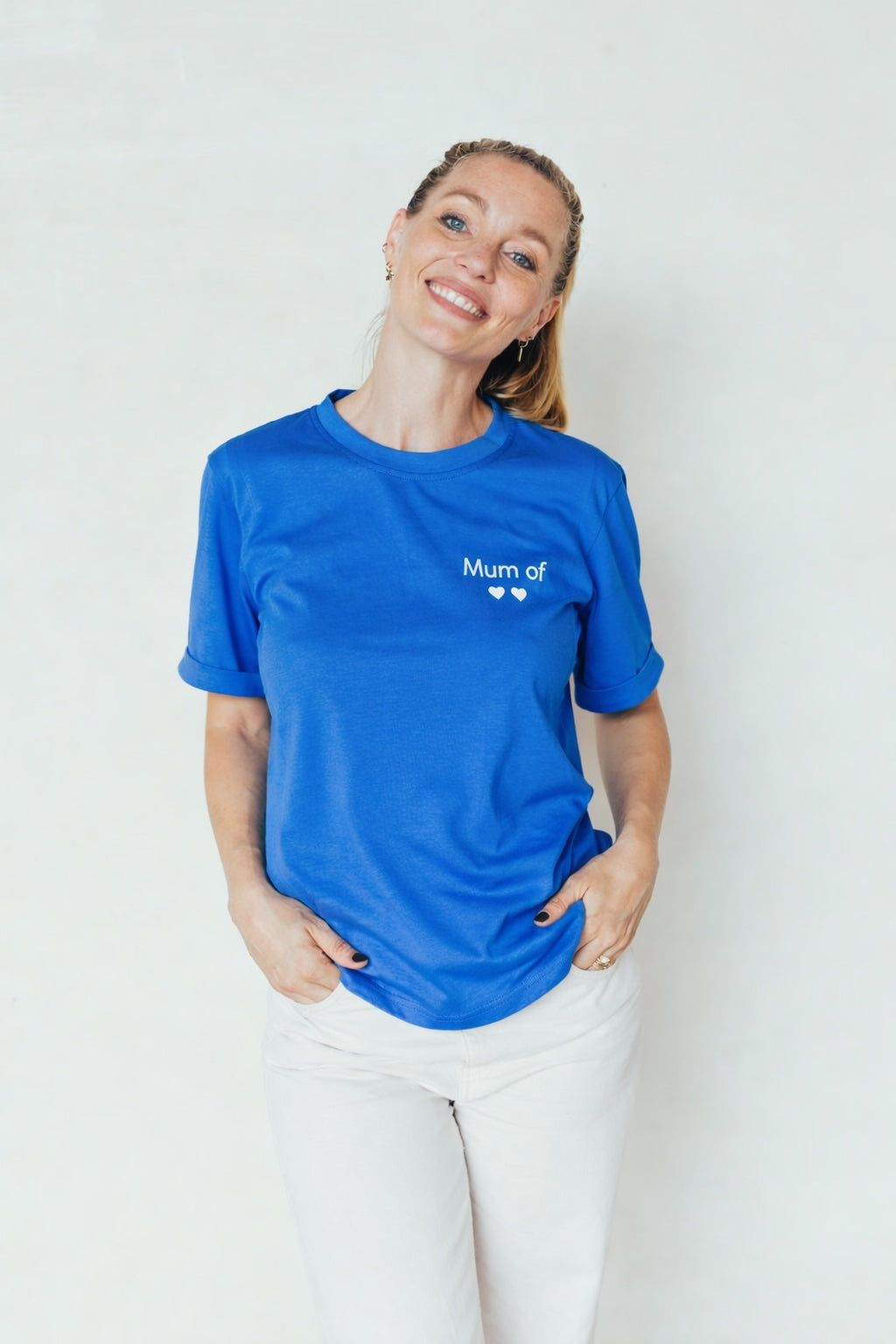
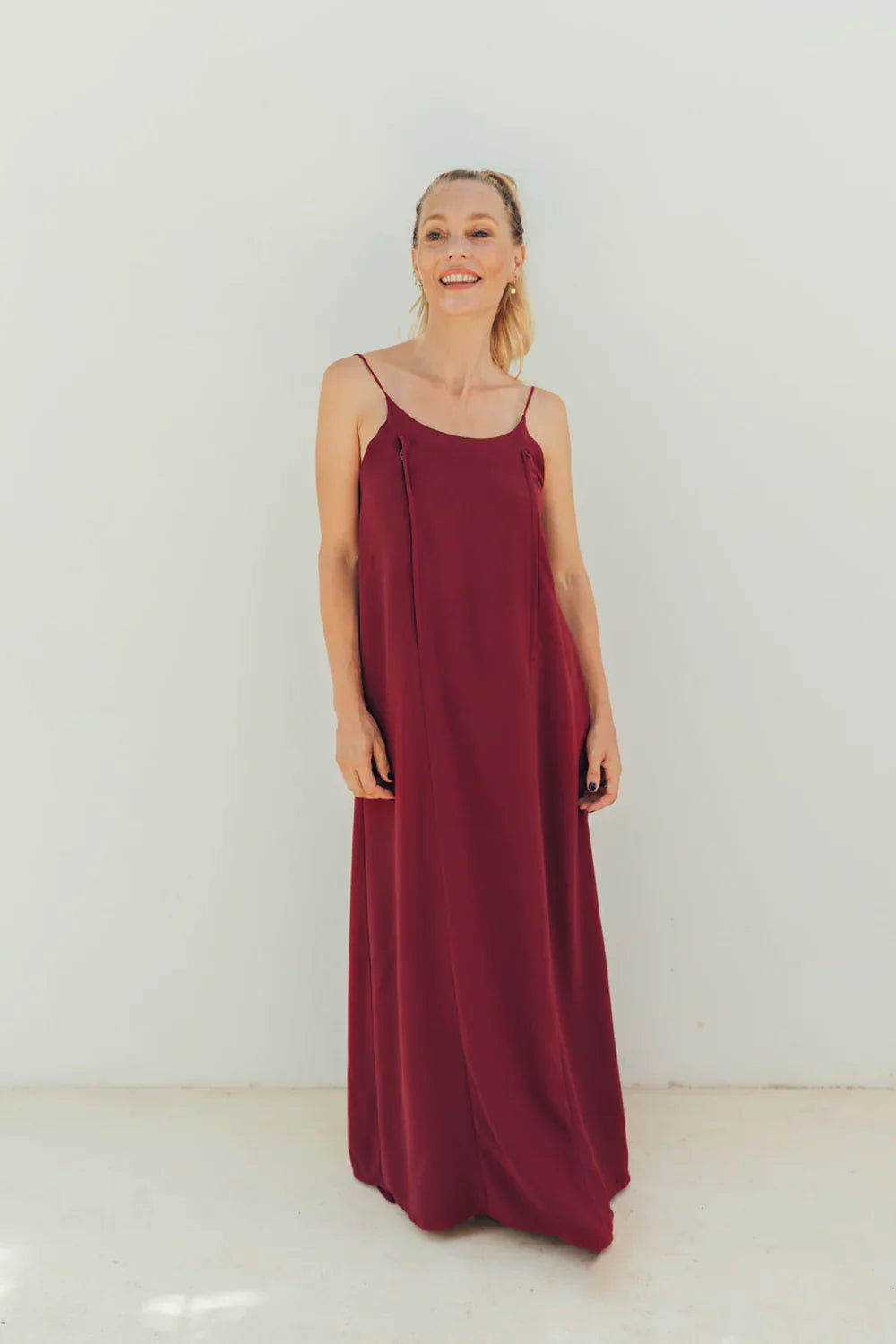
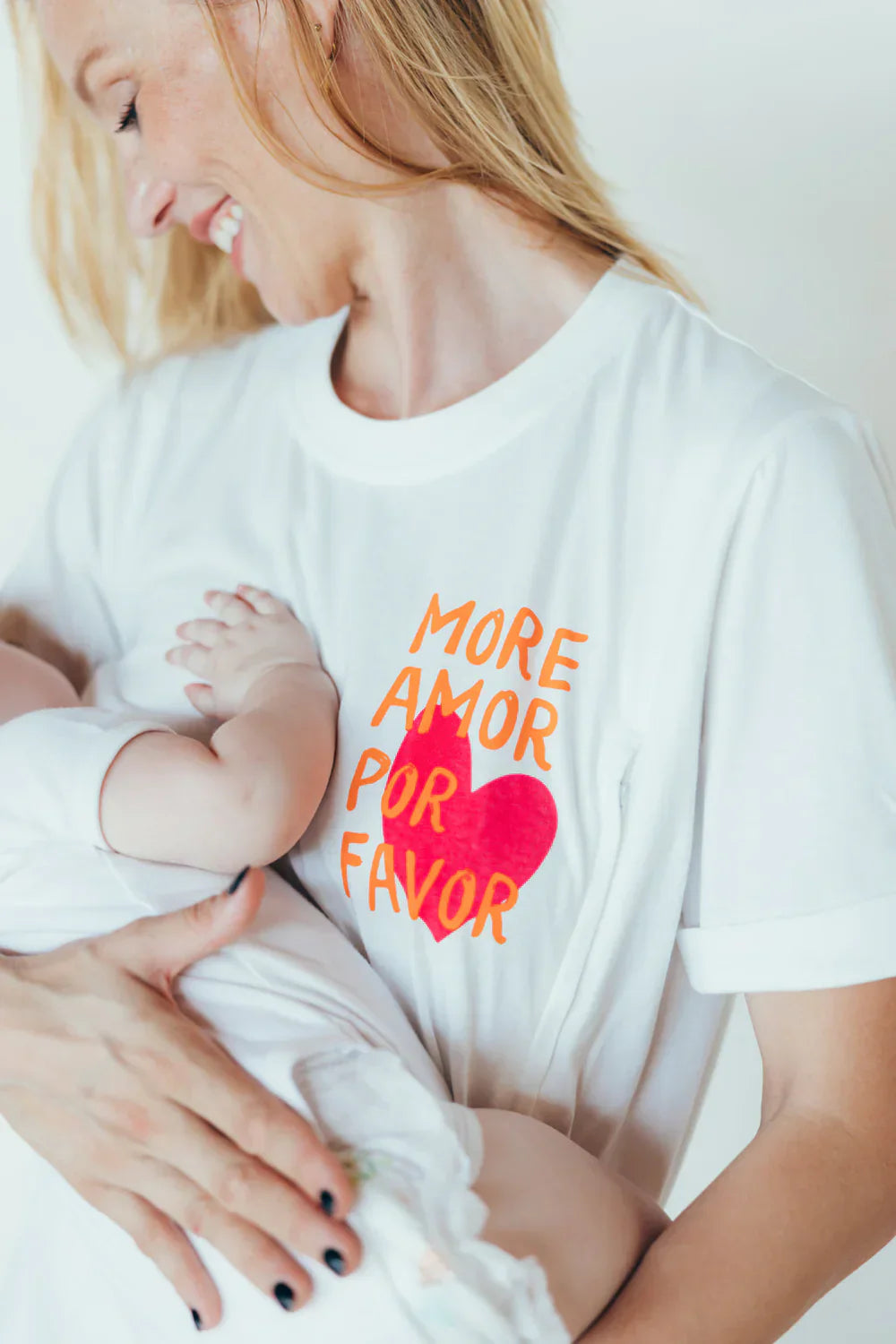
Our Breastfeeding t-shirts, our nursing tank tops, our Breastfeeding dresses and our Breastfeeding pyjamas are all designed to last beyond the breastfeeding period, and their quality is evident to the eye, to the touch, and holds up wash after wash.
When Fast Fashion Does Have Its Place After All
Let's be completely honest: there are situations where fast fashion for expectant mothers is still a valid option.
When sales aren't available at the right time and you have an urgent need. When your budget is so tight that even high-quality sale items are out of reach. When you're looking for a very specific piece—an outfit for a one-time event—that doesn't warrant a larger investment.
In these cases, fast fashion is still better than having nothing at all. But outside of these specific situations—when building the core of yourBreastfeeding dress—for the pieces you wear every day, quality items on sale come out on top every time.
True luxury: not having to think about it anymore
There's something liberating about having aBreastfeeding dress actually works. No need to check if the opening is still holding up. No need to replace a stretched-out T-shirt. No need to choose between comfort and functionality because you had to compromise when you bought it.
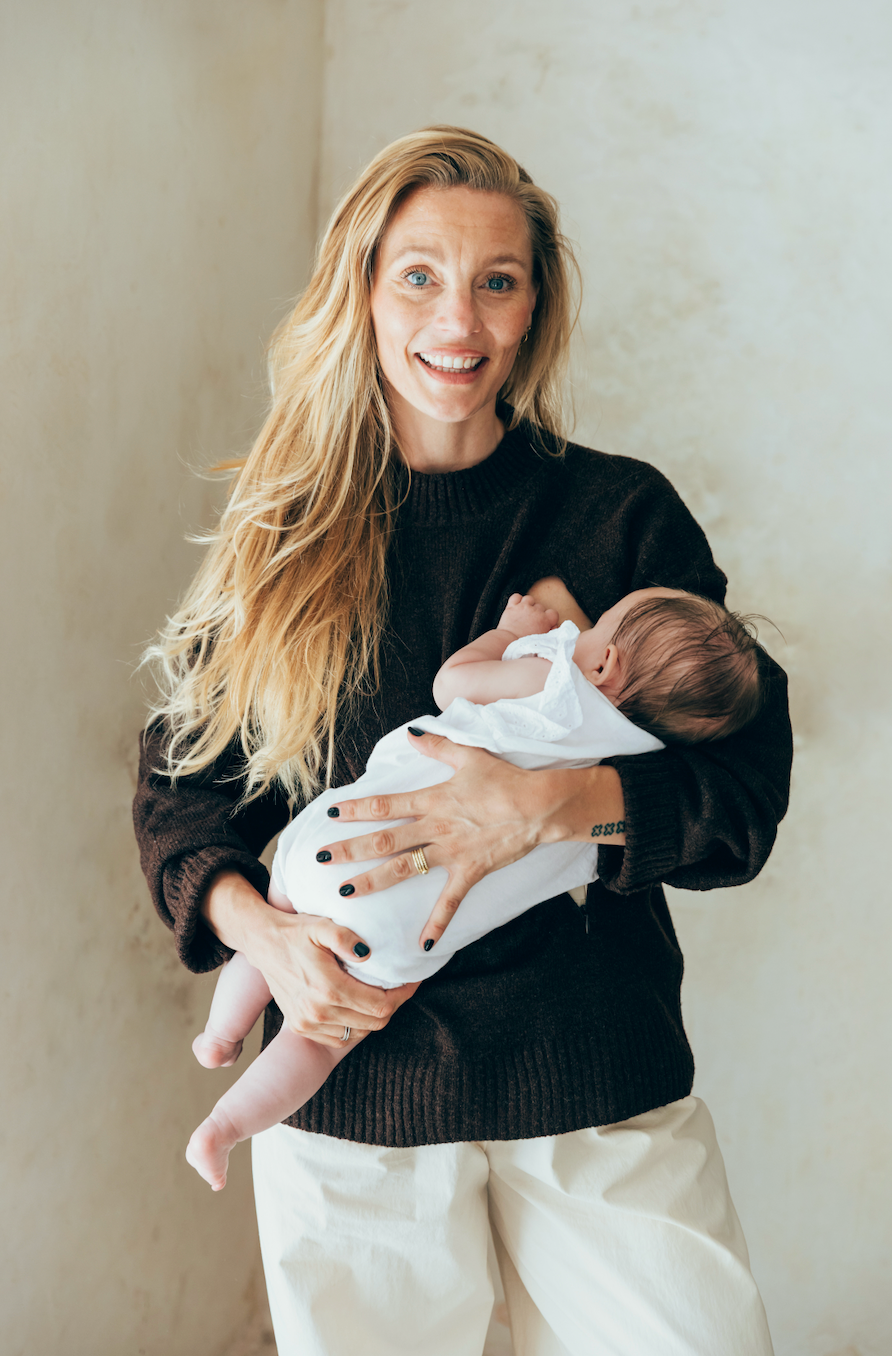
When your nursing clothes do their job quietly—with an opening that opens easily, breathable fabric, and a fit that stays in place—you can focus all your energy where it really counts: on those first weeks and months with your baby.
That's what the 23 Mai Paris sales 23 Mai Paris : access to that level of comfort at a price that no longer forces you to choose between quality and affordability.
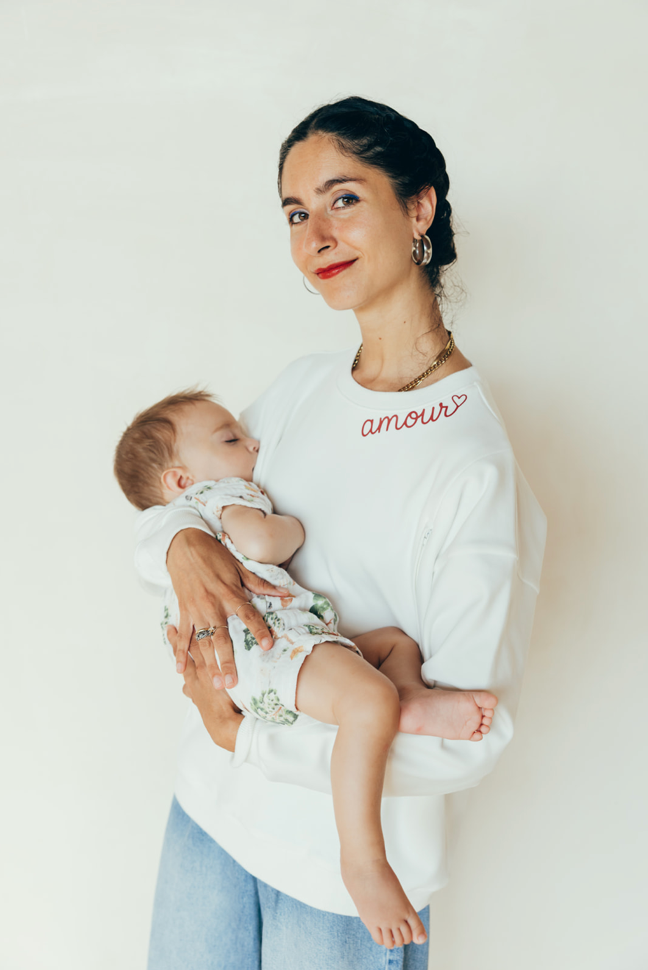
At 23 Mai Paris, our Breastfeeding t-shirts , sweaters, and new collection are designed to see you through your breastfeeding journey without faltering, and the sales are the perfect time to make them accessible to everyone.
Check out our affordable basics and our entire collection of nursing clothes to shop smart during the sales without compromising on what really matters.