Filters
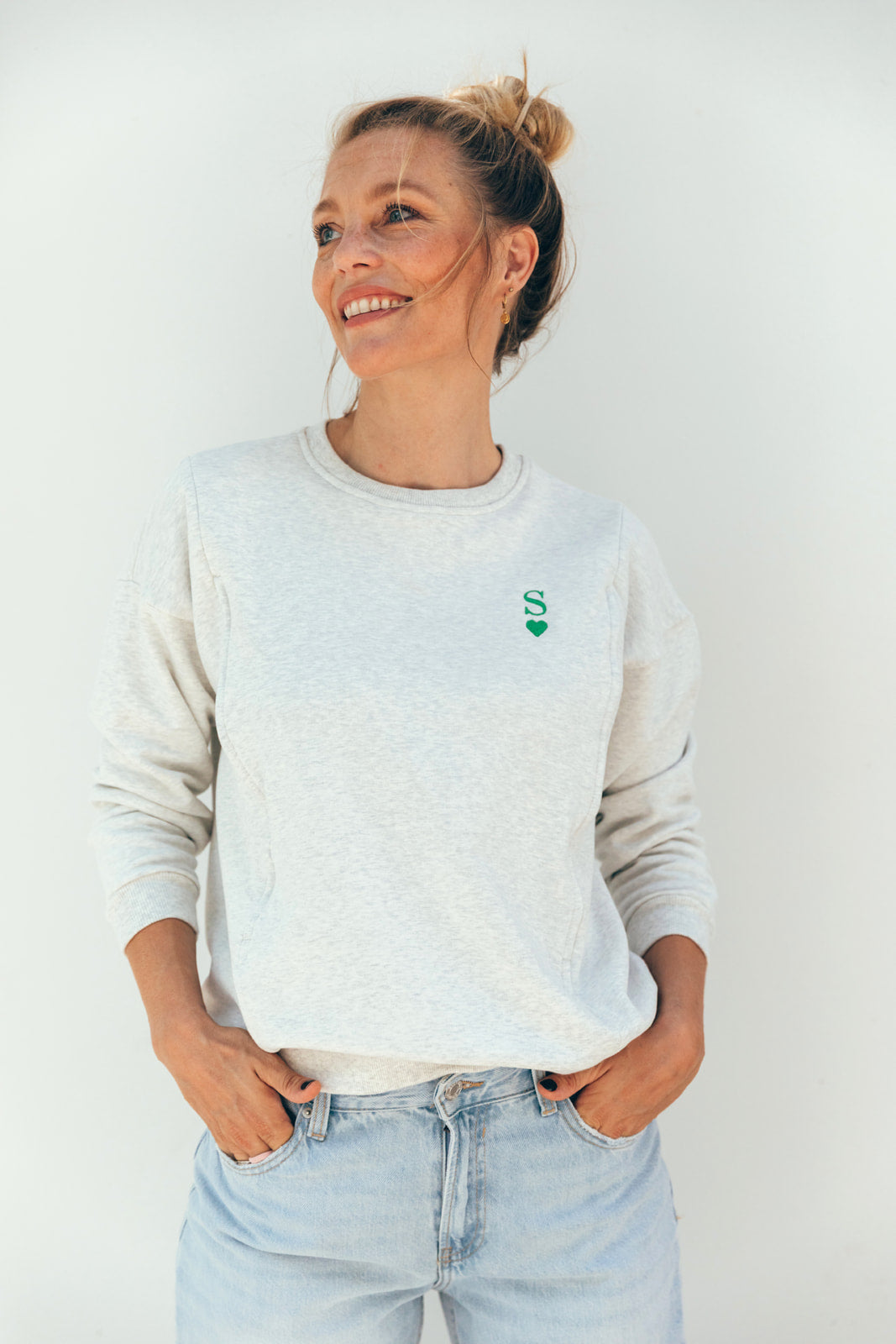
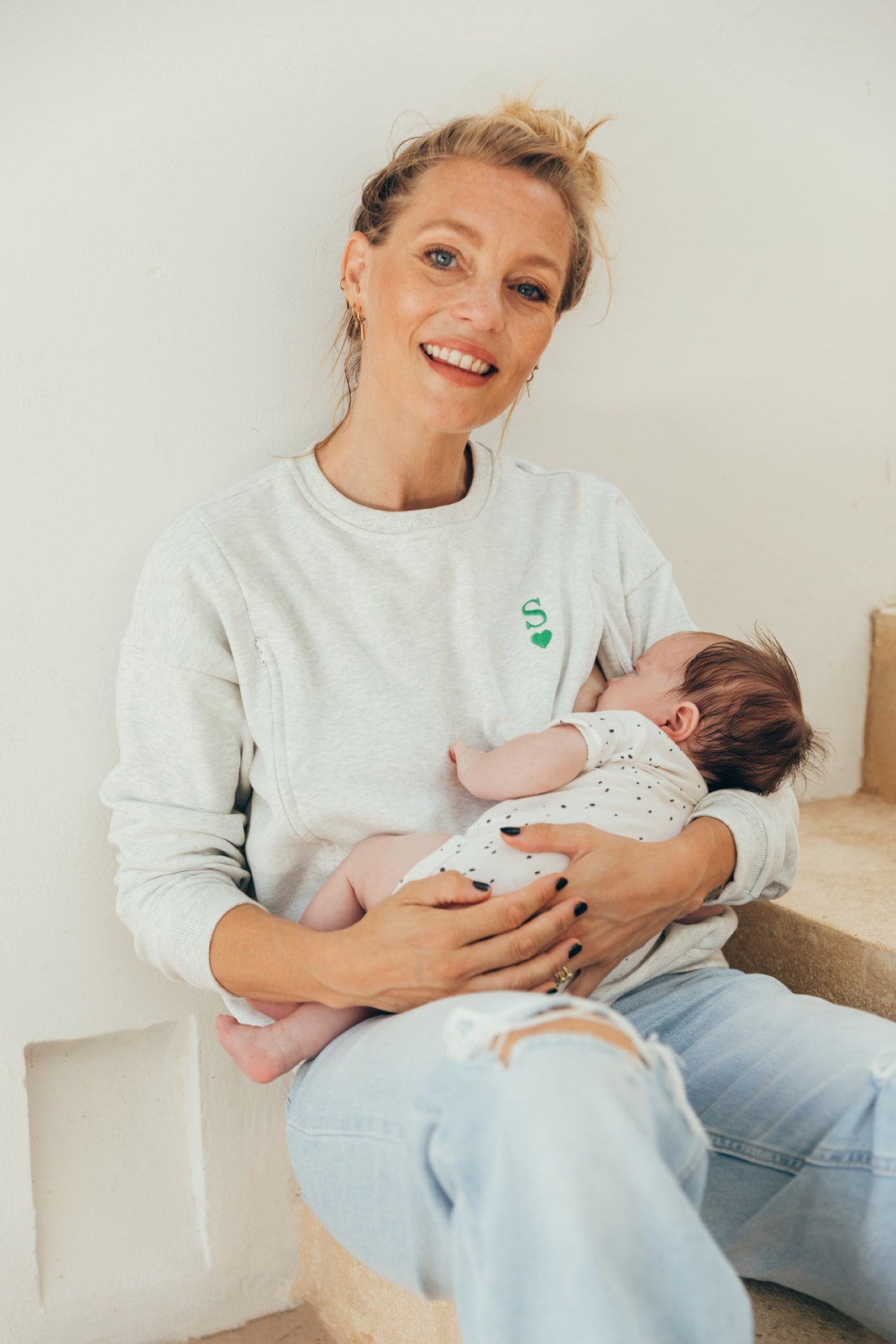
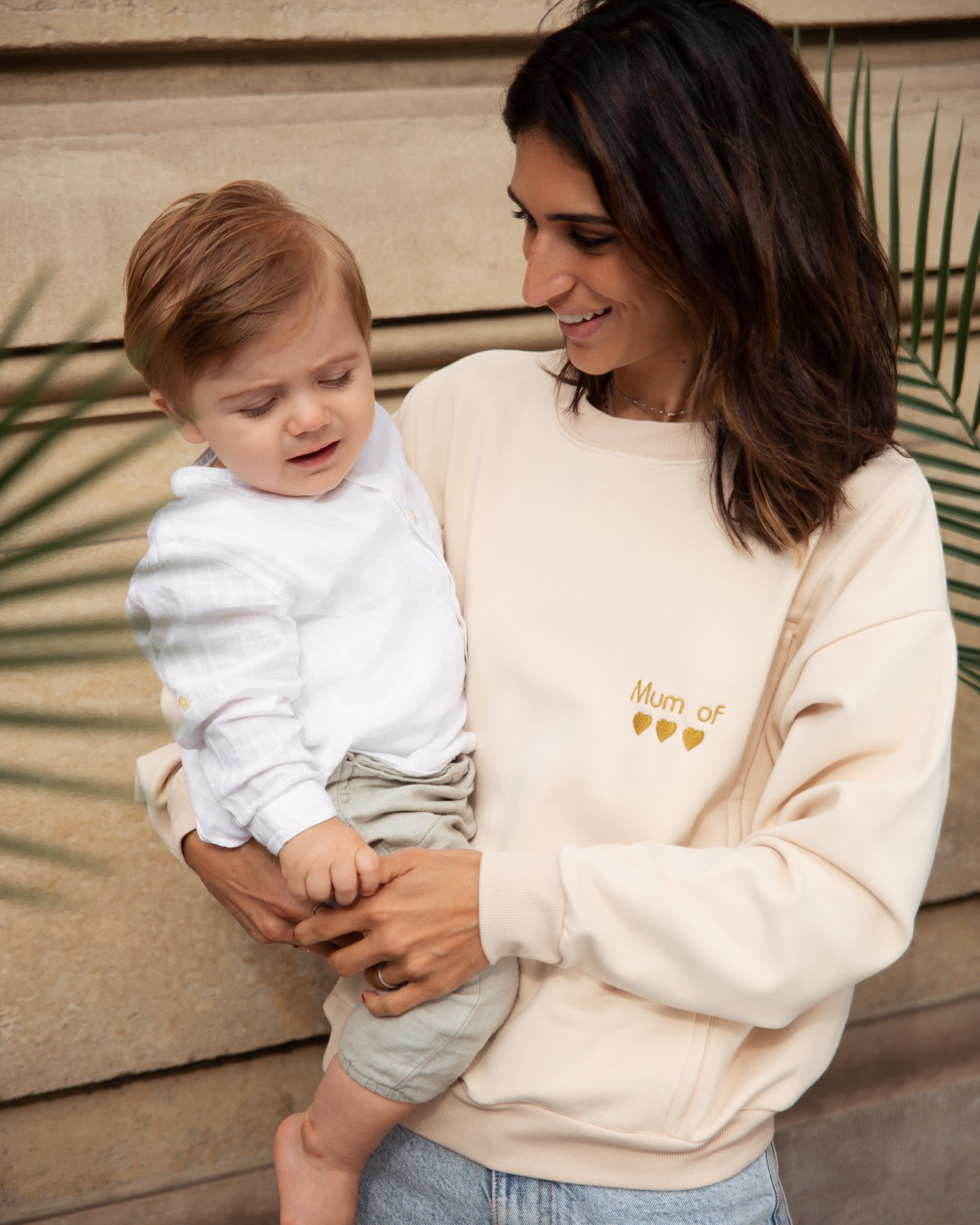
LUCKY CHARM Gray Nursing Sweatshirt
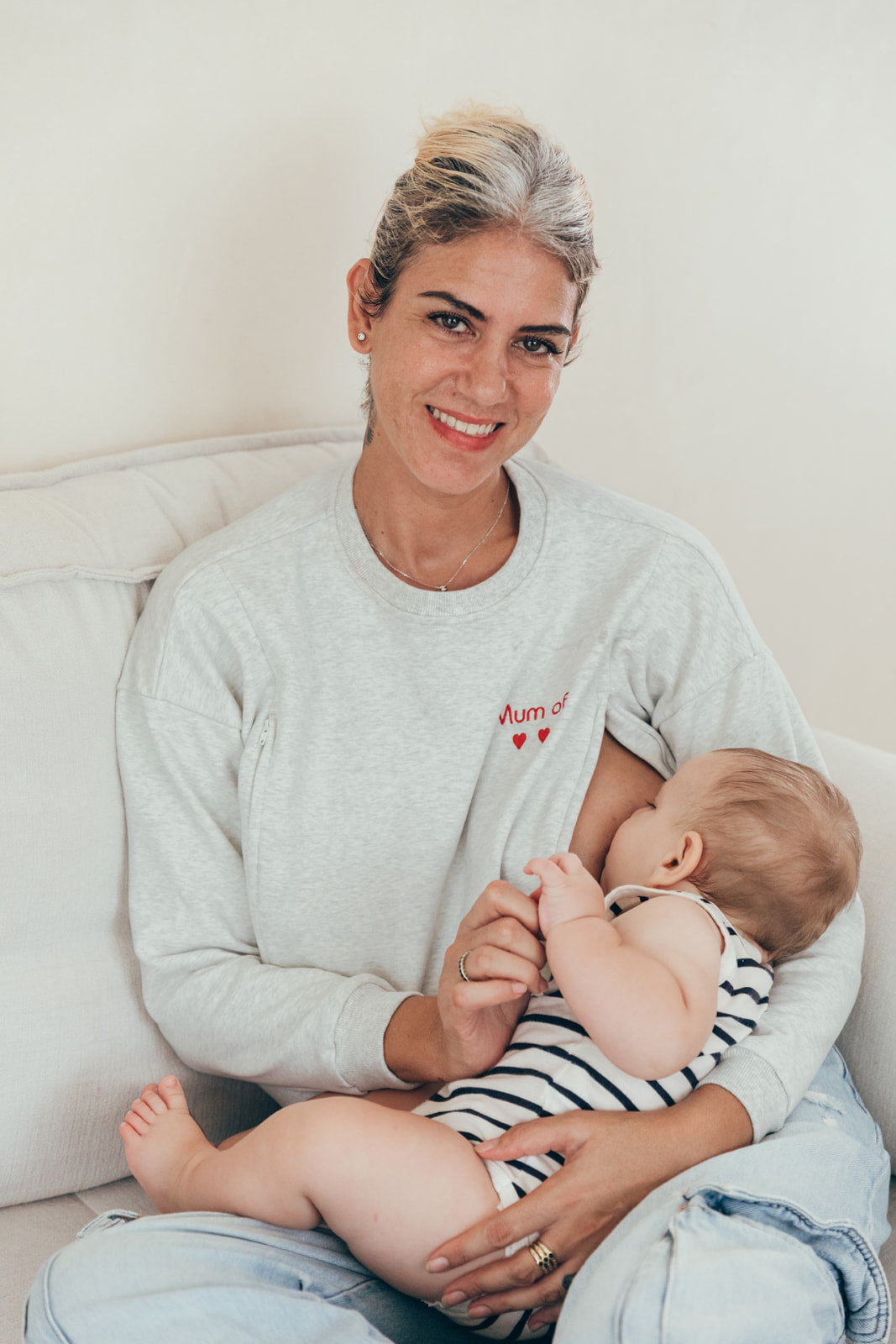
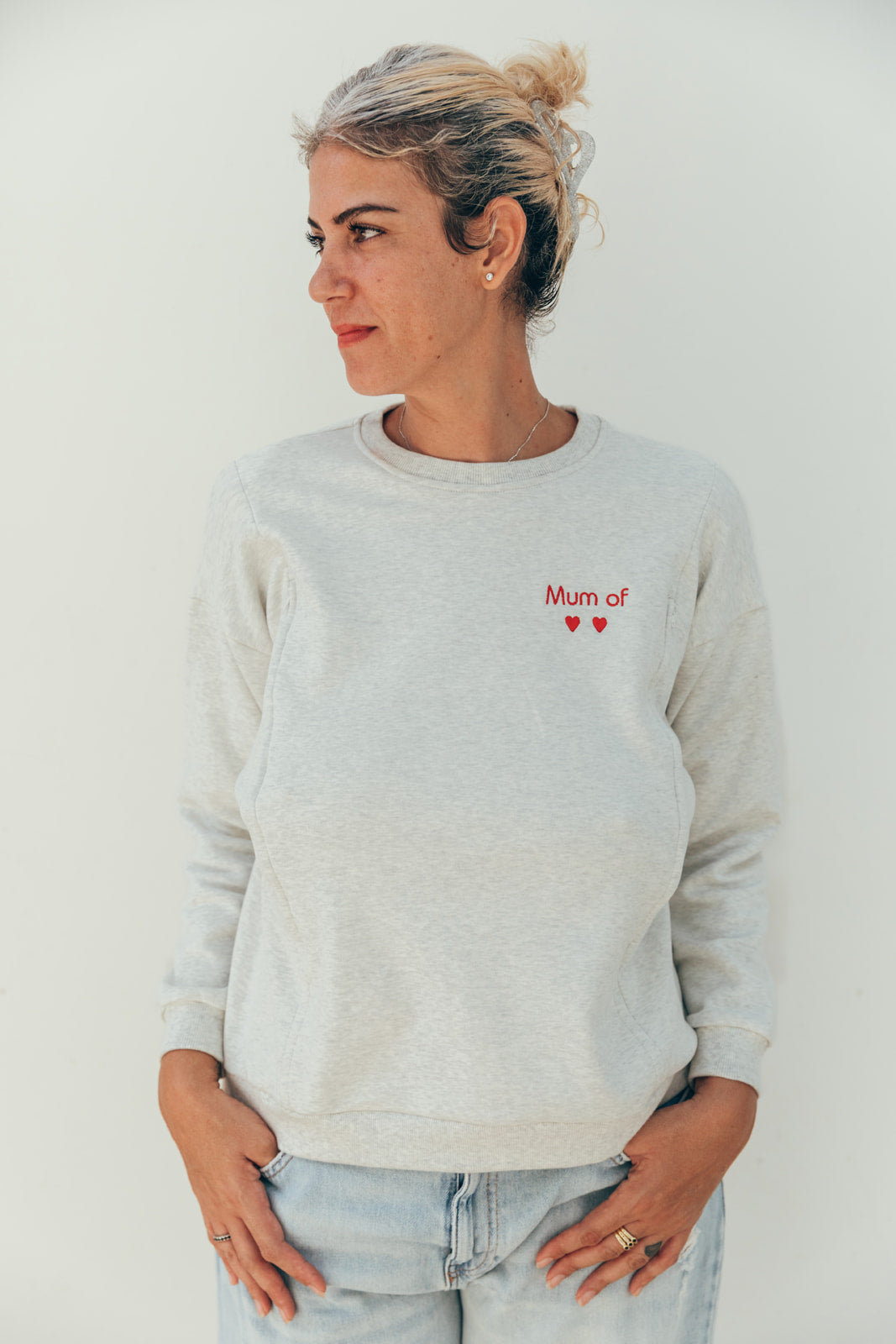
Gray Nursing Sweatshirt #MOMMY
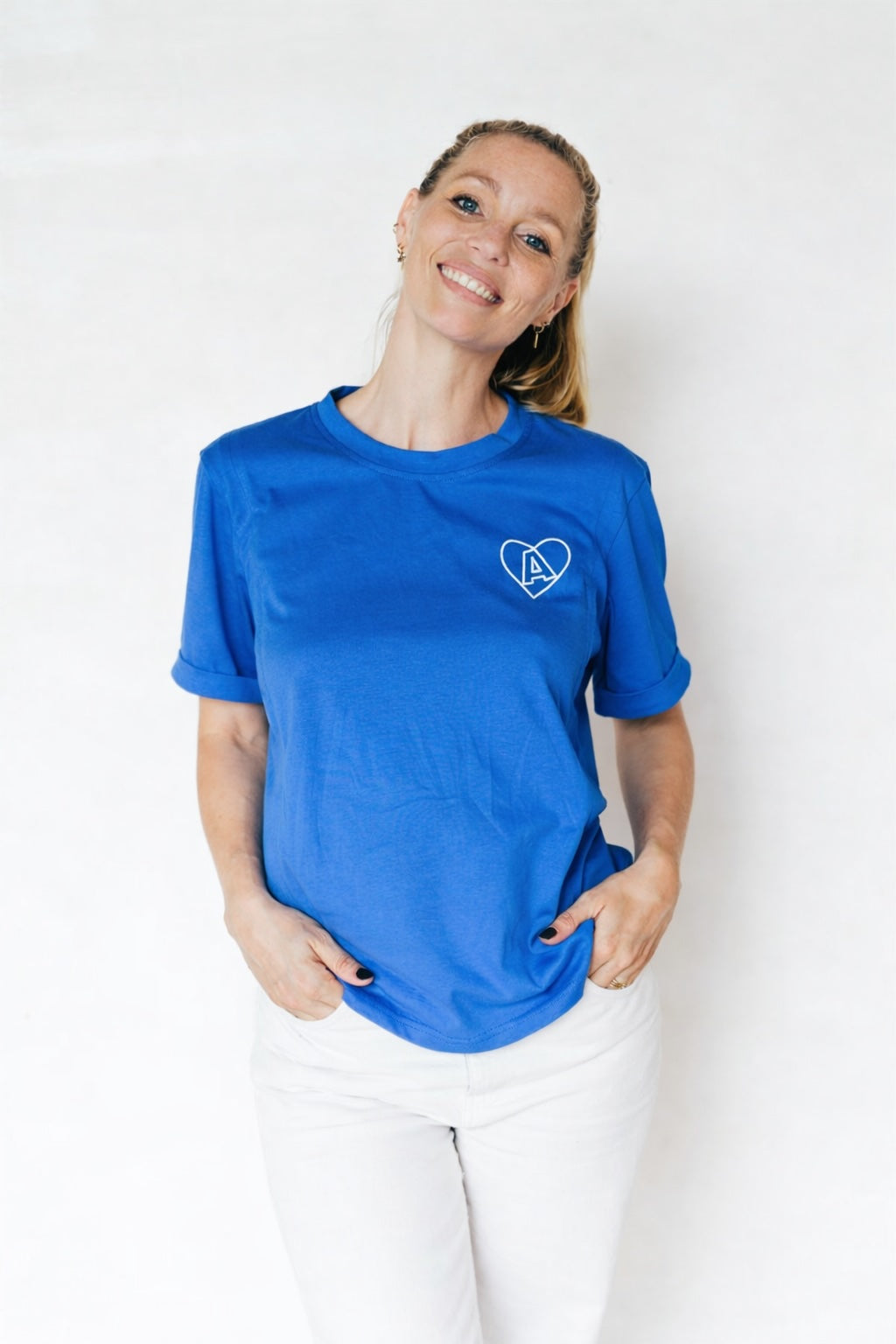

ALPHA Breastfeeding t-shirt
Should you eat differently when breastfeeding in the winter?
Yes, and this is one of the most important—and most often overlooked—adjustments to make when breastfeeding in the winter. In winter, a breastfeeding mother’s body faces a double challenge: continuously producing milk, which requires a considerable amount of energy, and fighting the cold, which increases her basal energy needs. The combination of these two factors results in significantly higher nutritional needs than in the summer, and yet breastfeeding mothers often eat less well in the winter—between meals eaten quickly between feedings and the urge to comfort themselves with less nutritious foods.
A winter-appropriate diet doesn't fundamentally change what you eat; rather, it enriches it, warms it up, and adapts it to the specific needs of the cold season. A few simple adjustments are all it takes to make a real difference in energy levels, milk quality, and overall well-being.
How many extra calories should you consume when breastfeeding in the winter?
Producing breast milk requires about 500 additional calories per day on top of a woman’s usual energy needs. In winter, the energy needed to stay warm adds to this demand—especially if you regularly go out with your baby in cold weather or if your home is hard to heat.
This isn’t an invitation to overindulge in cookies and high-fat foods, but rather a genuine reason to eat more—and better. A breastfeeding mom who doesn’t eat enough in the winter risks increased fatigue, low mood due to a lack of nutrients, and potentially a slight decrease in milk supply. Listen to your hunger—it’s there for good reasons.
What foods should you prioritize in winter when you're breastfeeding?
Winter offers a variety of foods that are particularly well-suited to the needs of breastfeeding mothers. Here are a few categories to incorporate into your daily diet.
Protein at every meal is essential for supporting milk production and maintaining energy over the long term. In winter, opt for eggs, legumes (lentils, chickpeas, beans), fish, white meat, and cheese. Whole-grain starchy foods —such as oatmeal, brown rice, sweet potatoes, and whole-grain bread—release energy slowly and help prevent midday fatigue, which is especially helpful during long winter nights with a baby.Seasonal root vegetables and squash —such as carrots, leeks, butternut squash, and celeriac—are rich in vitamins, fiber, and antioxidants that strengthen the immune system during peak virus season. Andfatty fish —such as salmon, sardines, and mackerel—provide the omega-3s that are essential for milk quality and naturally support your mood during the grayest winter days.
What are the best hot meals for a breastfeeding mom in winter?
In winter, warm, comforting meals are a breastfeeding mom’s best friend—they warm you up, nourish you, and are easy to eat even between feedings. Here are a few practical ideas.
Red lentil soup is probably the best recipe: quick to make, rich in protein and iron, nourishing, and warming. A bowl of hot soup within reach while breastfeeding is the perfect meal for a winter day spent nursing. Oatmeal for breakfast is a breastfeeding classic: oats are known to support lactation, keep you full for a long time, and can be prepared in five minutes. Roasted sweet potato with eggs is a combination of complex carbohydrates and protein that provides sustained energy. And homemade chicken broth with vegetables, bones, and herbs is a true powerhouse of nutrients and hydration, especially valuable during the winter months.
What foods should you avoid or limit in the winter while breastfeeding?
The list of foods strictly prohibited during breastfeeding is much shorter than is often thought. In winter, as in any other season, there are a few foods that warrant caution, though they shouldn't be automatically ruled out.
Alcohol should be avoided while breastfeeding; it passes into breast milk and can affect the baby’s neurological development. Excess caffeine can disrupt the baby’s sleep; two cups of coffee a day are generally acceptable, but beyond that, caution is advised. Excess added sugar—in cakes, store-bought cookies, and very sweet hot chocolate—can affect the composition of breast milk and contribute to bouts of fatigue. In winter, the urge to comfort yourself with sweet foods is strong—nothing is off-limits, but moderation is key. And too much salt—which is particularly common in prepared meals and store-bought soups— cancontribute to water retention and fatigue.
How can you stay well-hydrated in the winter while breastfeeding?
Hydration is one of the most underestimated challenges of breastfeeding in the winter. In winter, the sensation of thirst naturally decreases—we sweat less and feel less hot—yet water needs remain extremely high for breastfeeding mothers. Producing milk requires a significant amount of water, and the dry air in heated indoor spaces exacerbates dehydration without us even realizing it.
The goal is to drink at least 2 liters a day—and preferably more. In winter, replace some of your water intake with hot beverages: herbal teas, broths, and ginger infusions, which warm you up and hydrate you at the same time. A simple and effective tip: keep a cup of hot herbal tea or a large glass of water within reach during each feeding—feeding is the best reminder to drink.
Which herbal teas are good for lactation in winter?
Several plants are traditionally associated with supporting lactation and are particularly good when consumed as a hot herbal tea during the winter months. Fenugreek is the best-known galactogenic plant—it is often used to stimulate milk production, but should be consumed in moderation and only after consulting a doctor, as it can affect blood sugar levels. Fennel is mild, aids digestion, and is known to promote lactation while helping babies digest their food.Stinging nettle is rich in iron and minerals—particularly useful in winter to combat postpartum anemia and fatigue. Ginger warms the body, stimulates circulation, and helps fight minor winter ailments.
Important: Before drinking any herbal tea while breastfeeding, consult your doctor or midwife—some herbs are not recommended during breastfeeding, even in the form of herbal tea.
How do iron and vitamin D affect breastfeeding in the winter?
Iron and vitamin D are the two nutrients that breastfeeding mothers are most often deficient in during the winter, and the two that have the greatest impact on fatigue and well-being.
Iron levels are often low in the postpartum period due to blood loss during childbirth. In winter, when diets are sometimes less varied, this deficiency can become more pronounced. Untreated iron-deficiency anemia causes severe fatigue, headaches, and low mood, which can be mistaken for postpartum depression. Increase your iron intake with lentils, spinach, red meat, and fish, and eat them with a source of vitamin C to optimize absorption. Vitamin D is synthesized by the skin when exposed to sunlight. In winter, with limited sun exposure, most people in France are deficient. For breastfeeding mothers, doctors often recommend supplementation. Talk to your doctor about this at your next appointment.
How can you plan your meals in the winter when you're breastfeeding your baby alone at home?
This is one of the most practical challenges of breastfeeding in the winter: how can you eat properly when your baby takes up all your time, the days are short, and you’re often home alone? Here are a few simple strategies that can really make a difference.
Sunday batch cooking —preparing large quantities of soups, starchy foods, and protein over the weekend for the week ahead—is the most efficient solution. A large pot of lentil soup, a batch of roasted sweet potatoes, and some hard-boiled eggs on hand are all you need to put together nutritious meals in two minutes during the week. Always keep easy snacks within reach: dried fruit, nuts, cheese, and fruit compotes—nutritious snacks you can eat with one hand while breastfeeding. And ask friends and family for help with grocery shopping and cooking, especially during the first few weeks of winter when breastfeeding is still frequent.
What is the return policy for 23 Mai Paris nursing clothing 23 Mai Paris
You have 14 days from the date you receive your order to let us know if an item does not meet your expectations and request a refund. Please note that exchanges are not available; only refunds are offered.
Customized items featuring embroidery are excluded from this policy and cannot be returned or refunded. For any inquiries, please contact our customer service team in advance at the following email address: bonjour@23maiparis.com.
You can also find more designs here
Breastfeeding sweaters Winter
Warm nursing clothes
Breastfeeding pyjamas
Breastfeeding t-shirts Long-sleeved
Our blog post: Nutrition While Breastfeeding
Our blog post: How to Dress for Winter While Breastfeeding