Filters
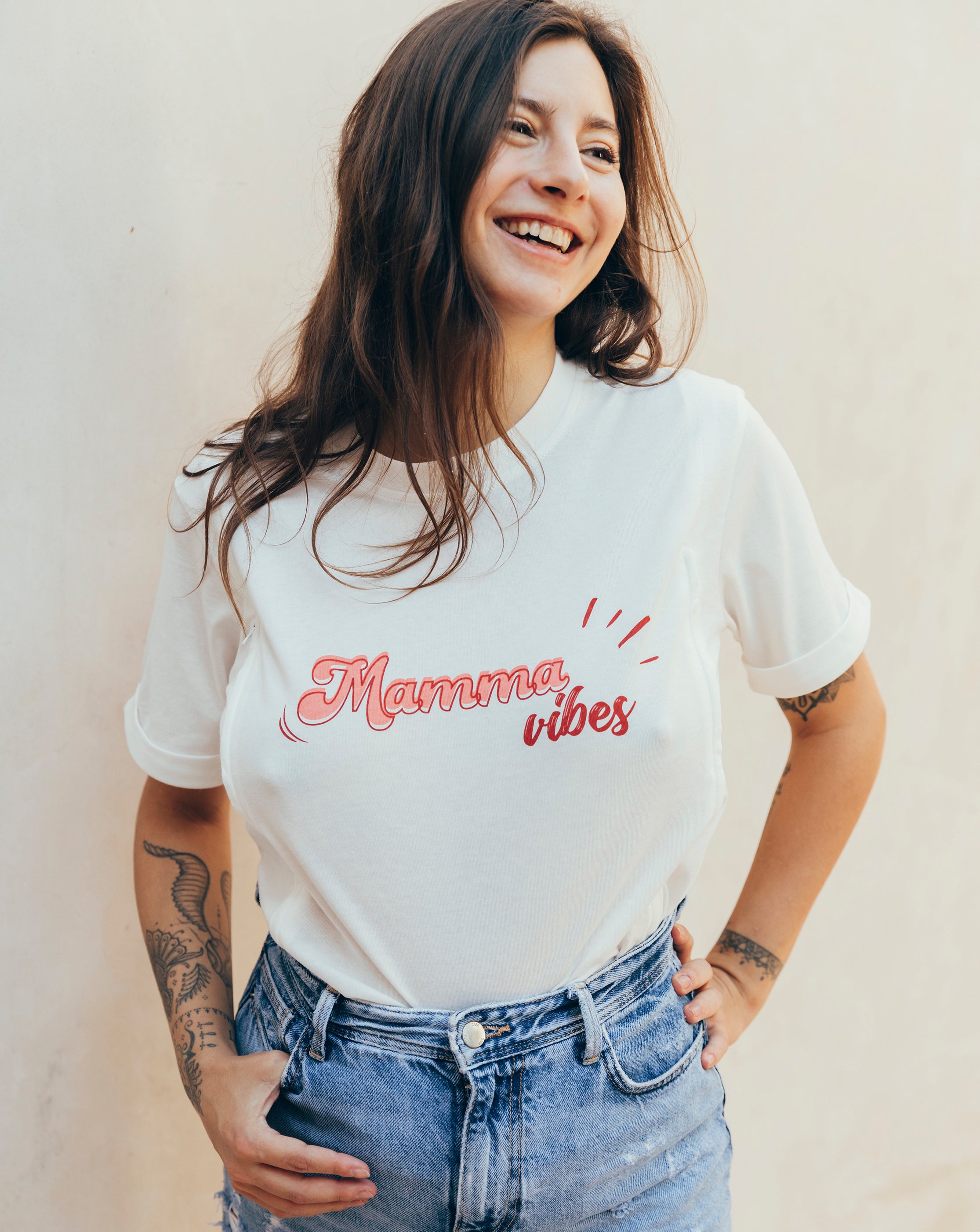
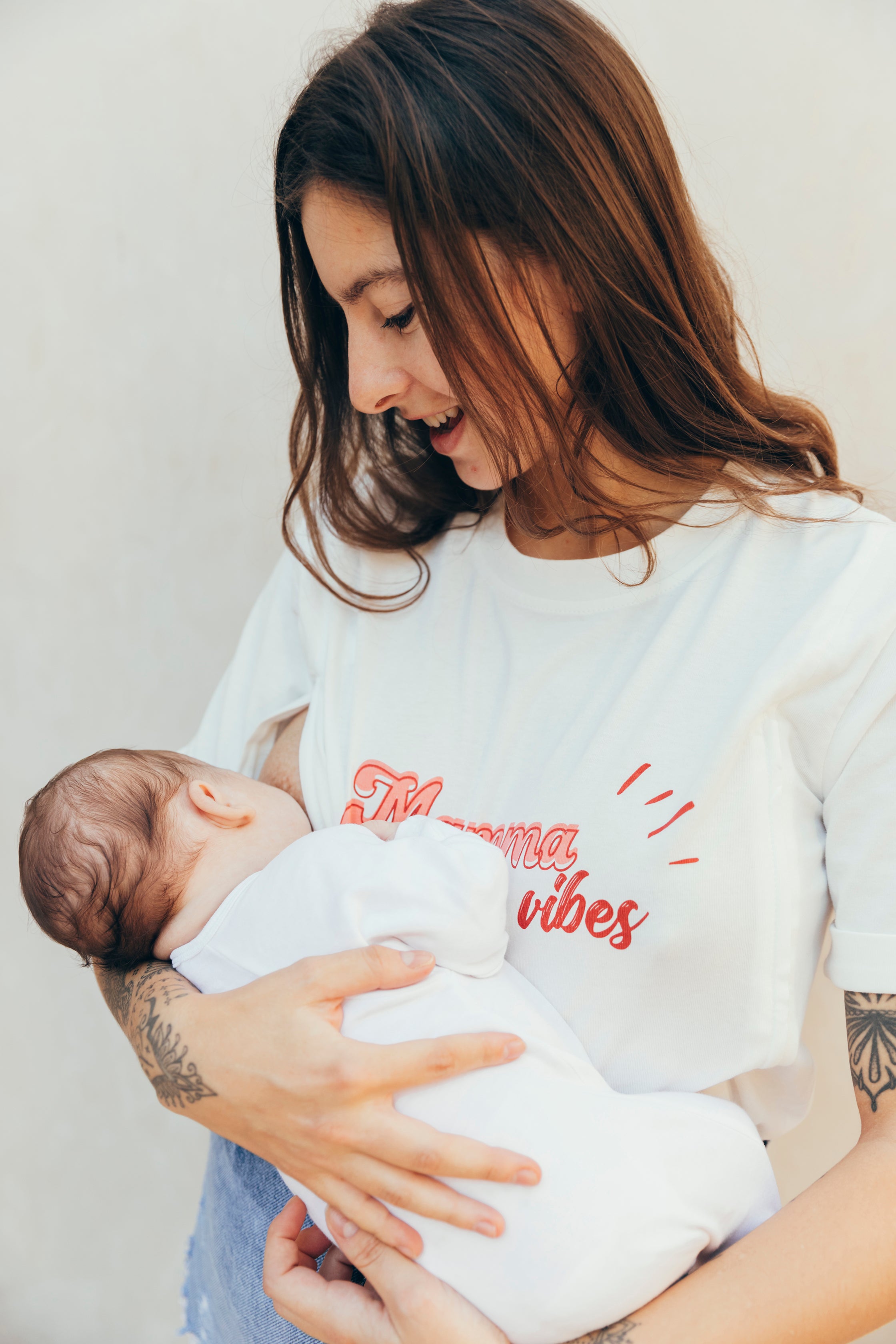
Breastfeeding t-shirt MAMMA VIBES
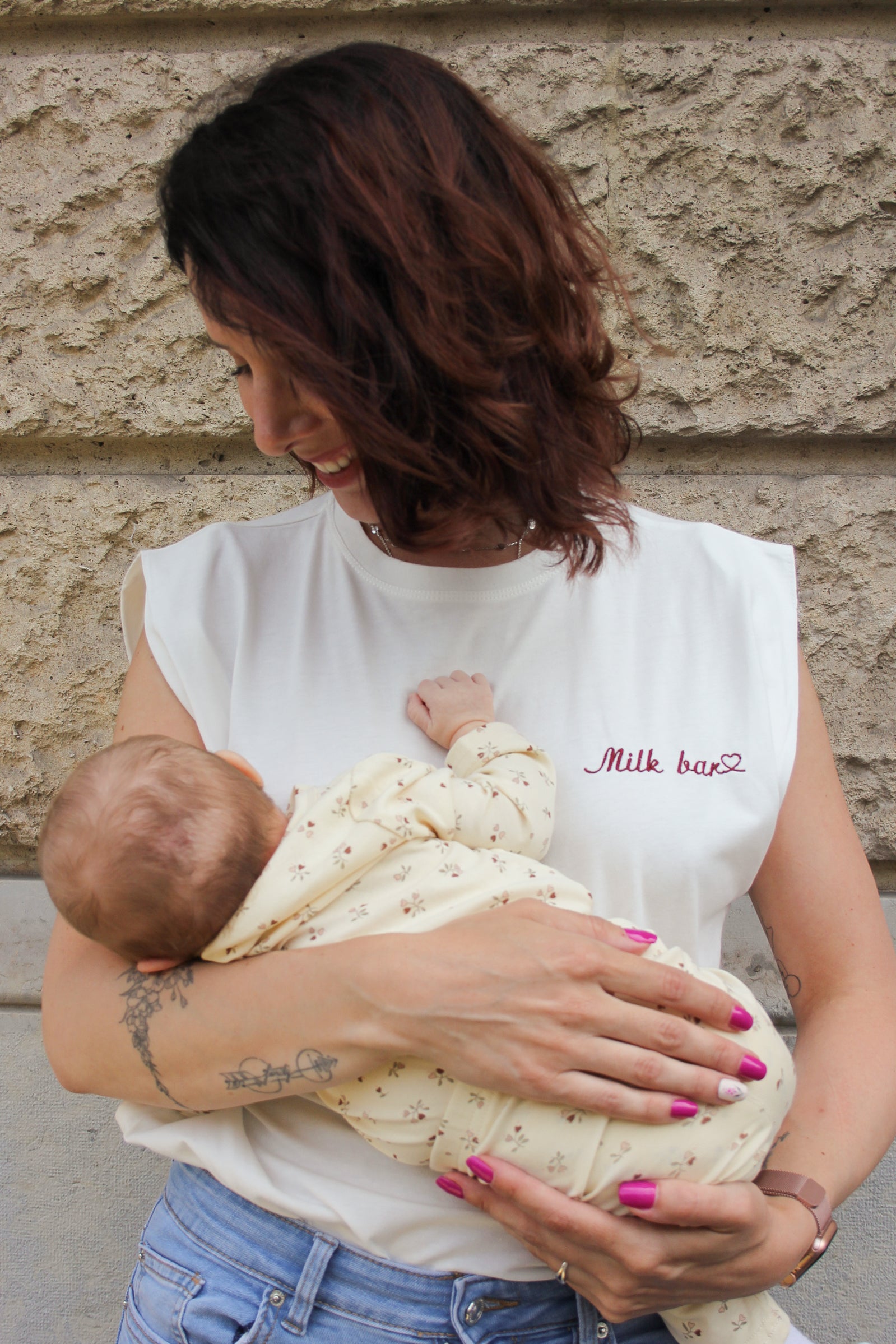
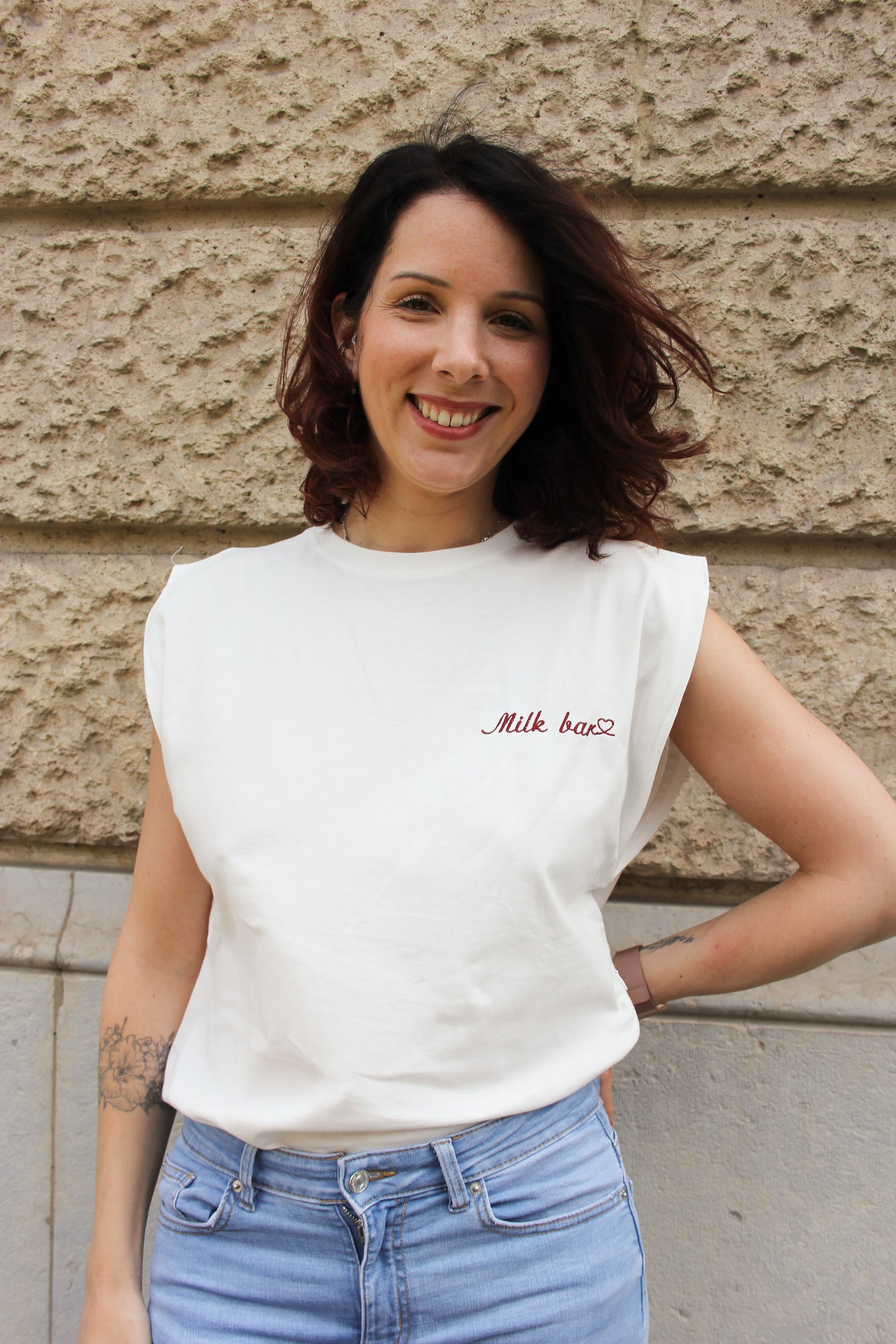
AMORE nursing tank top
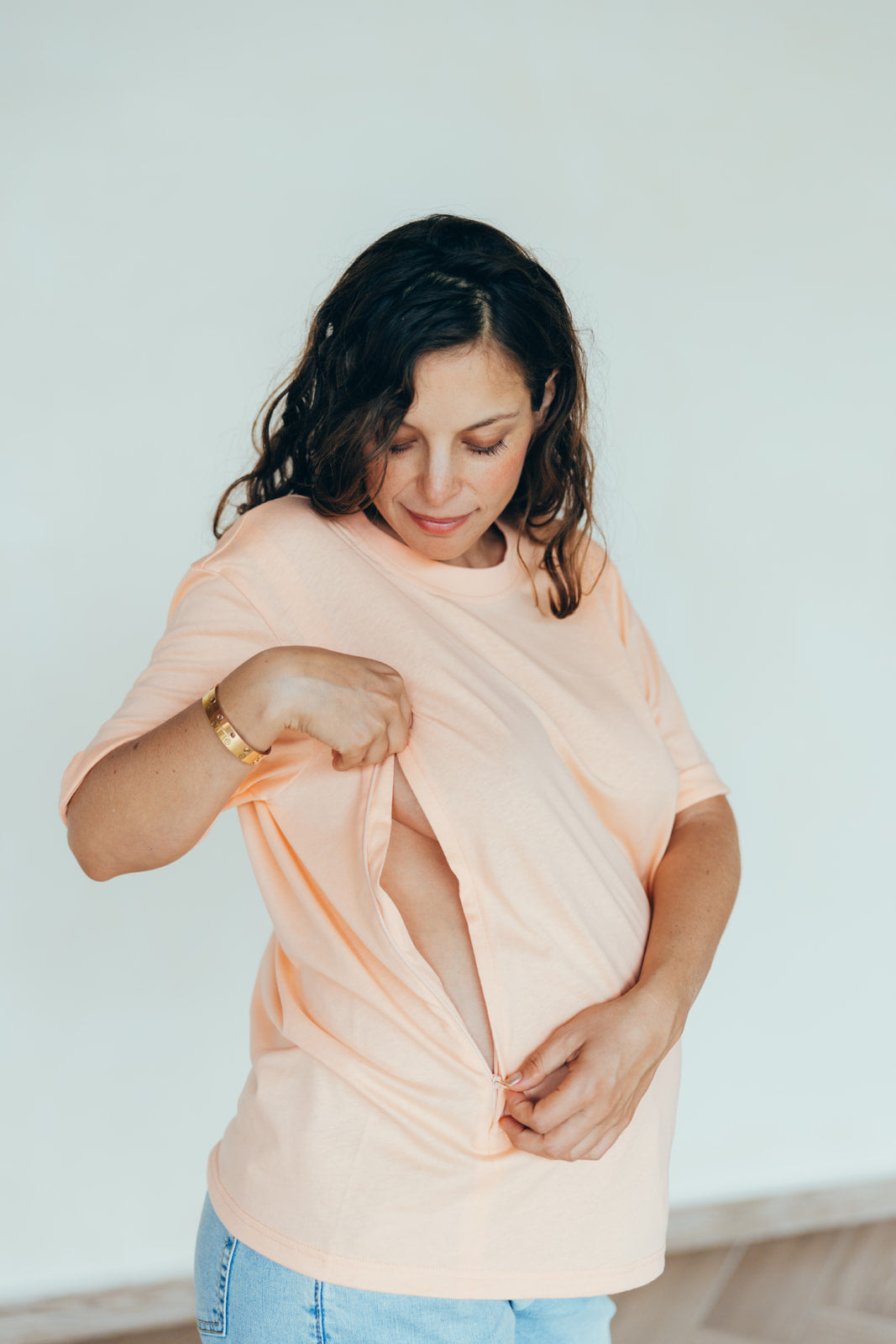
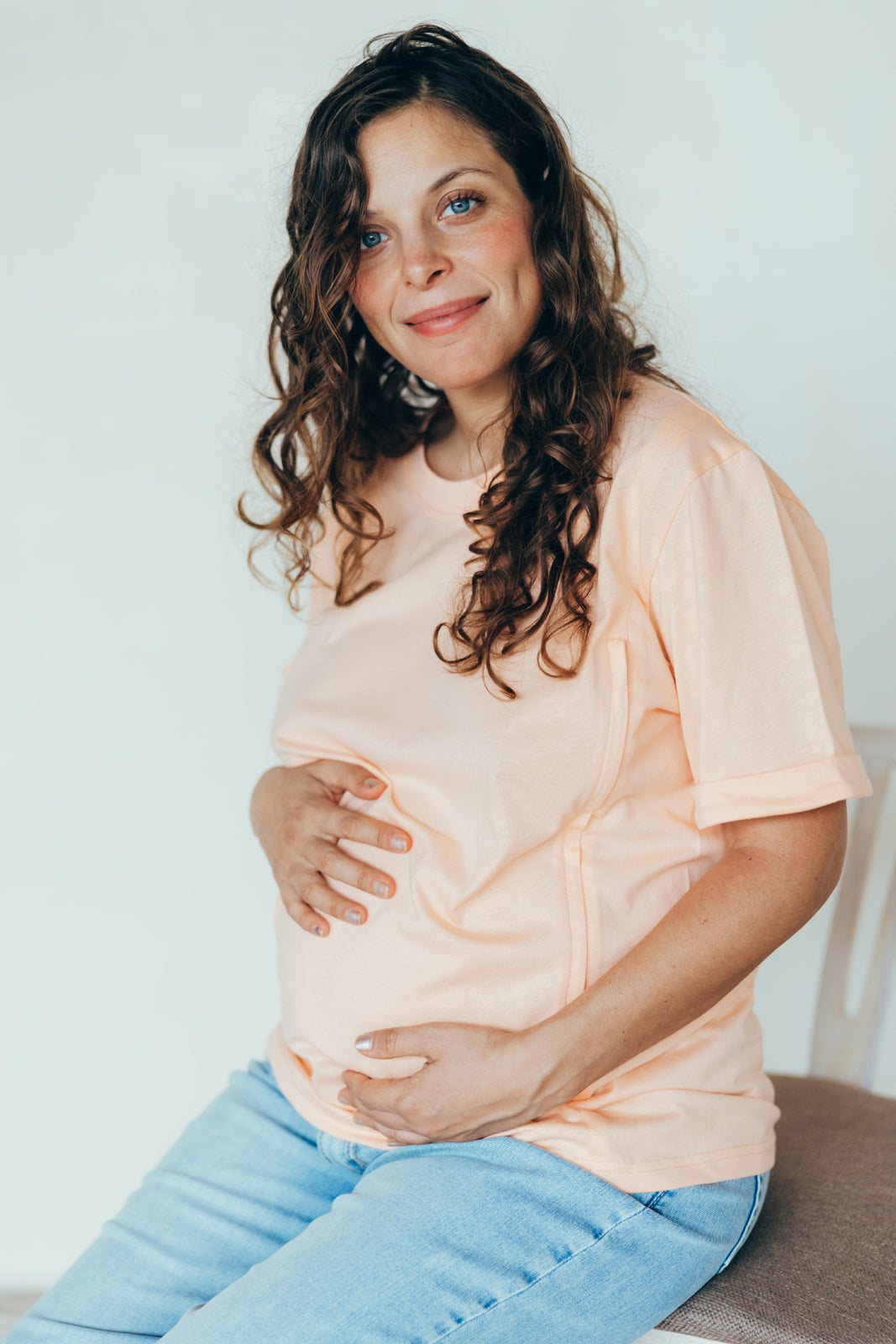
Breastfeeding t-shirt
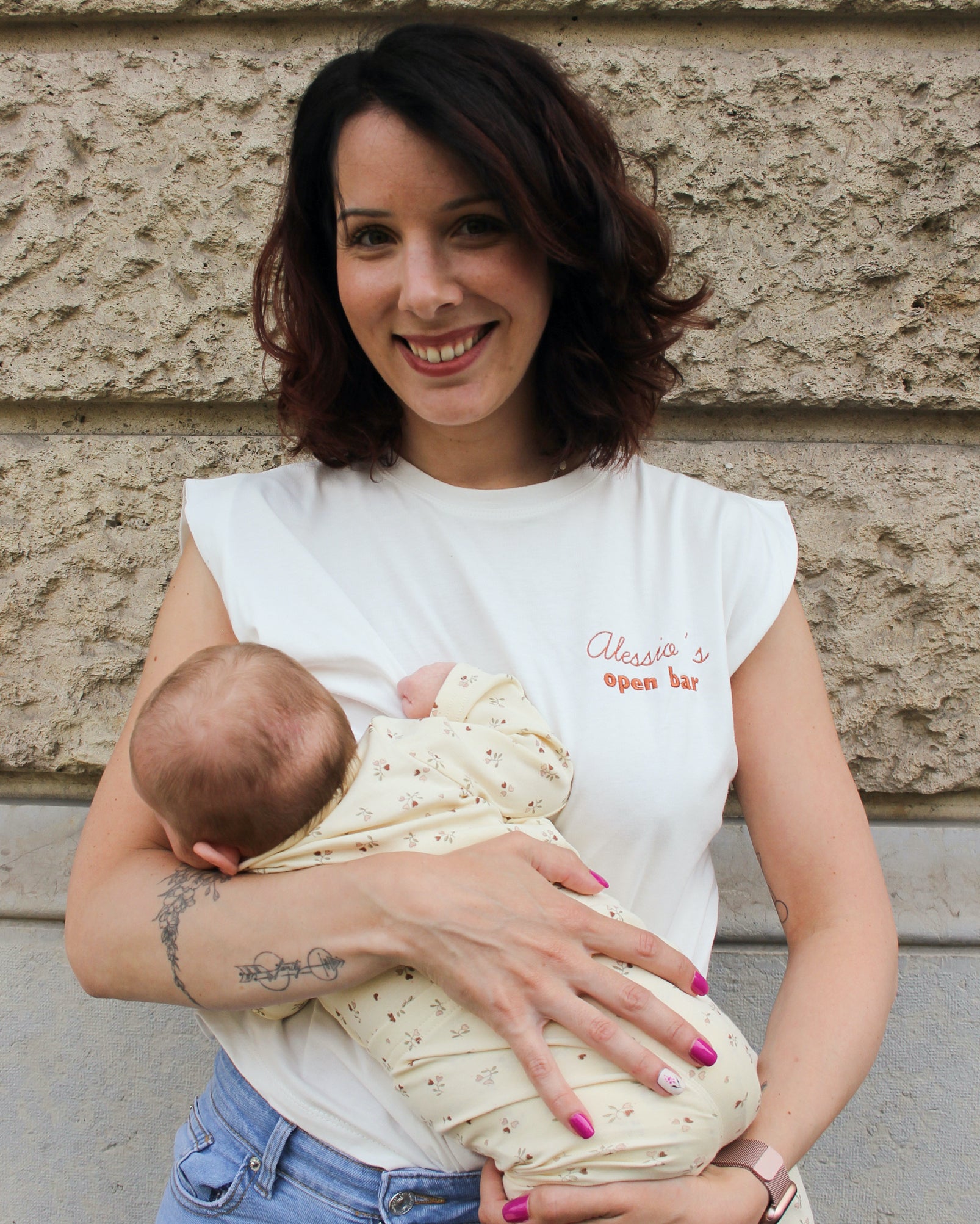
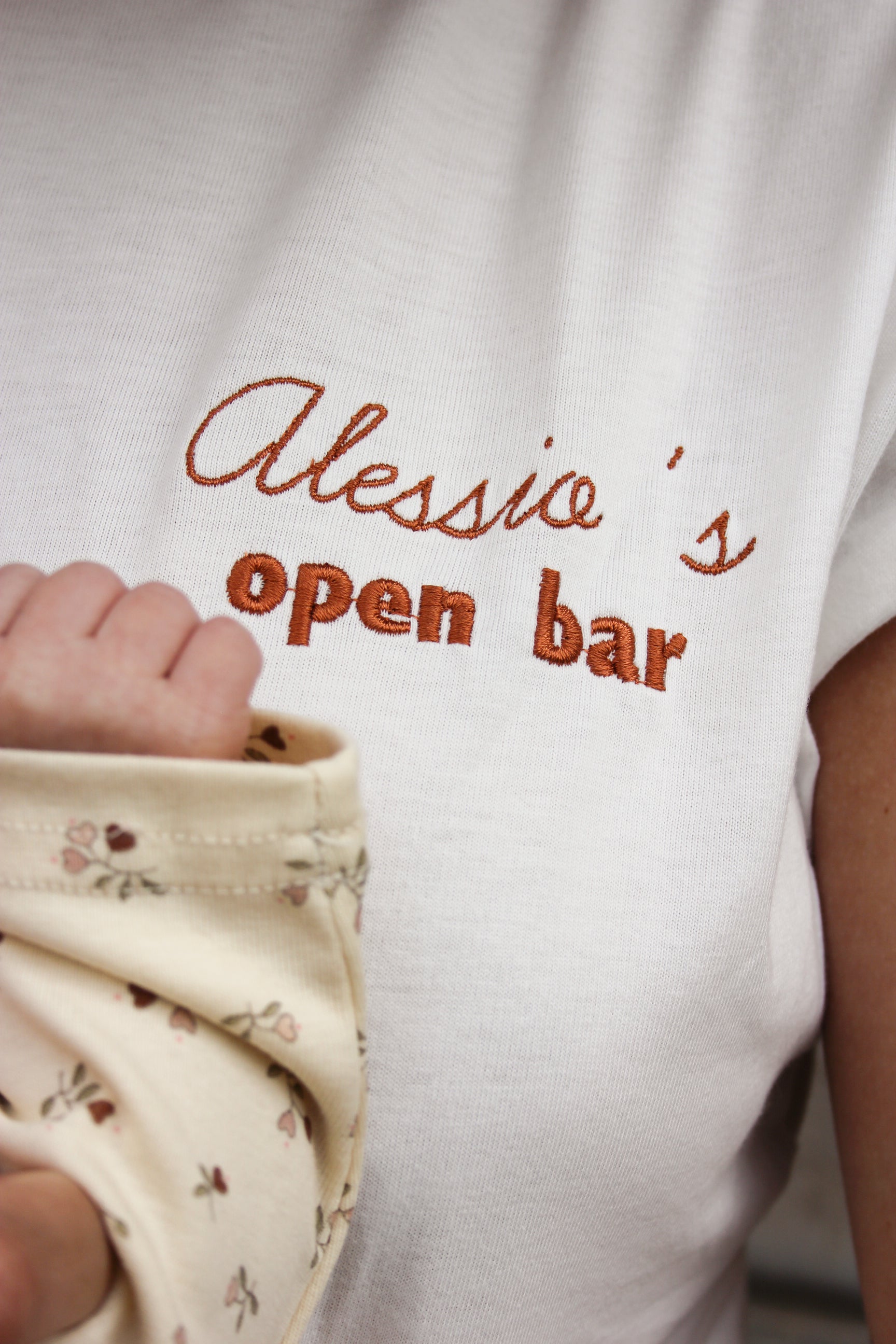
OPEN BAR nursing tank top


Breastfeeding t-shirt
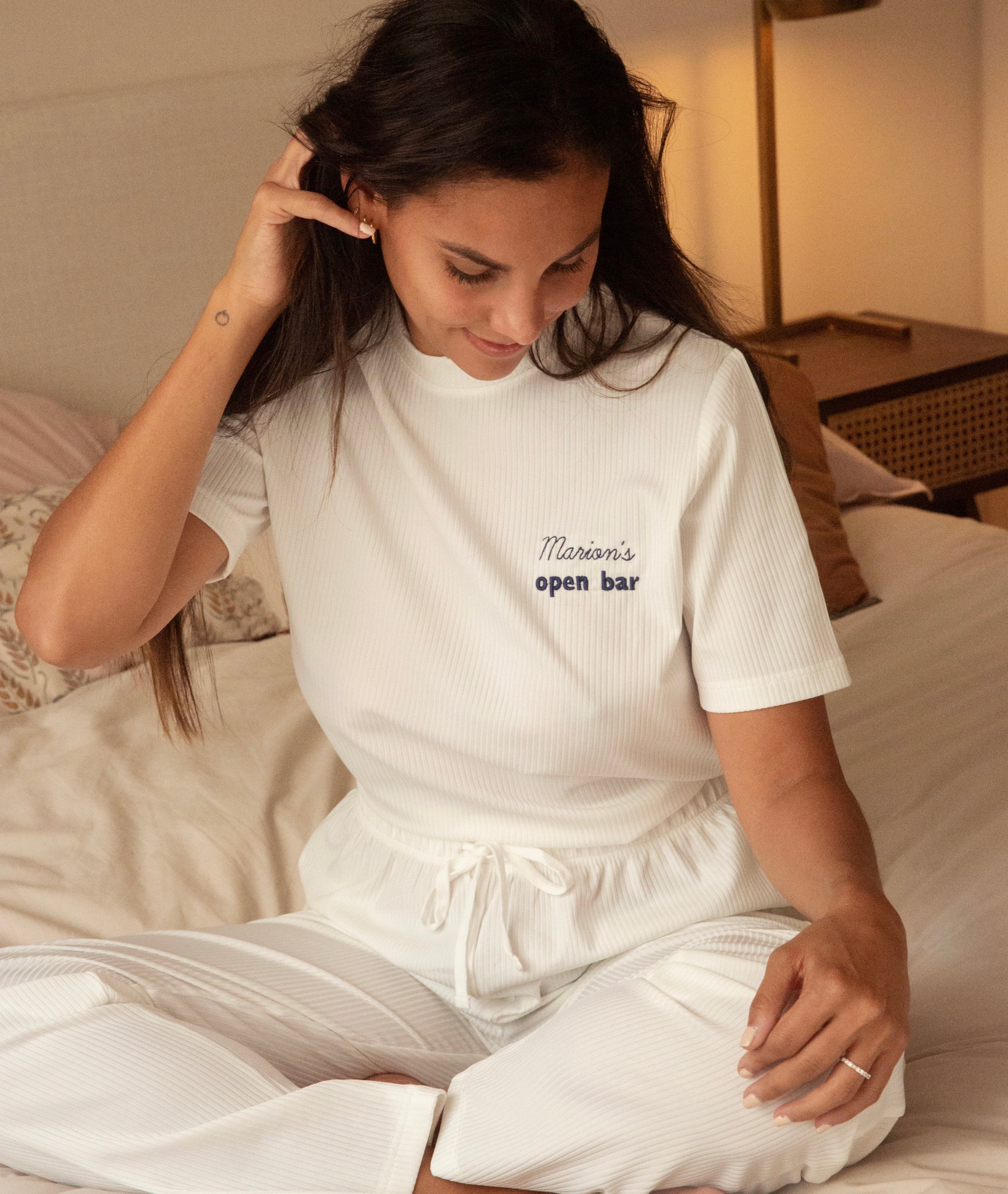
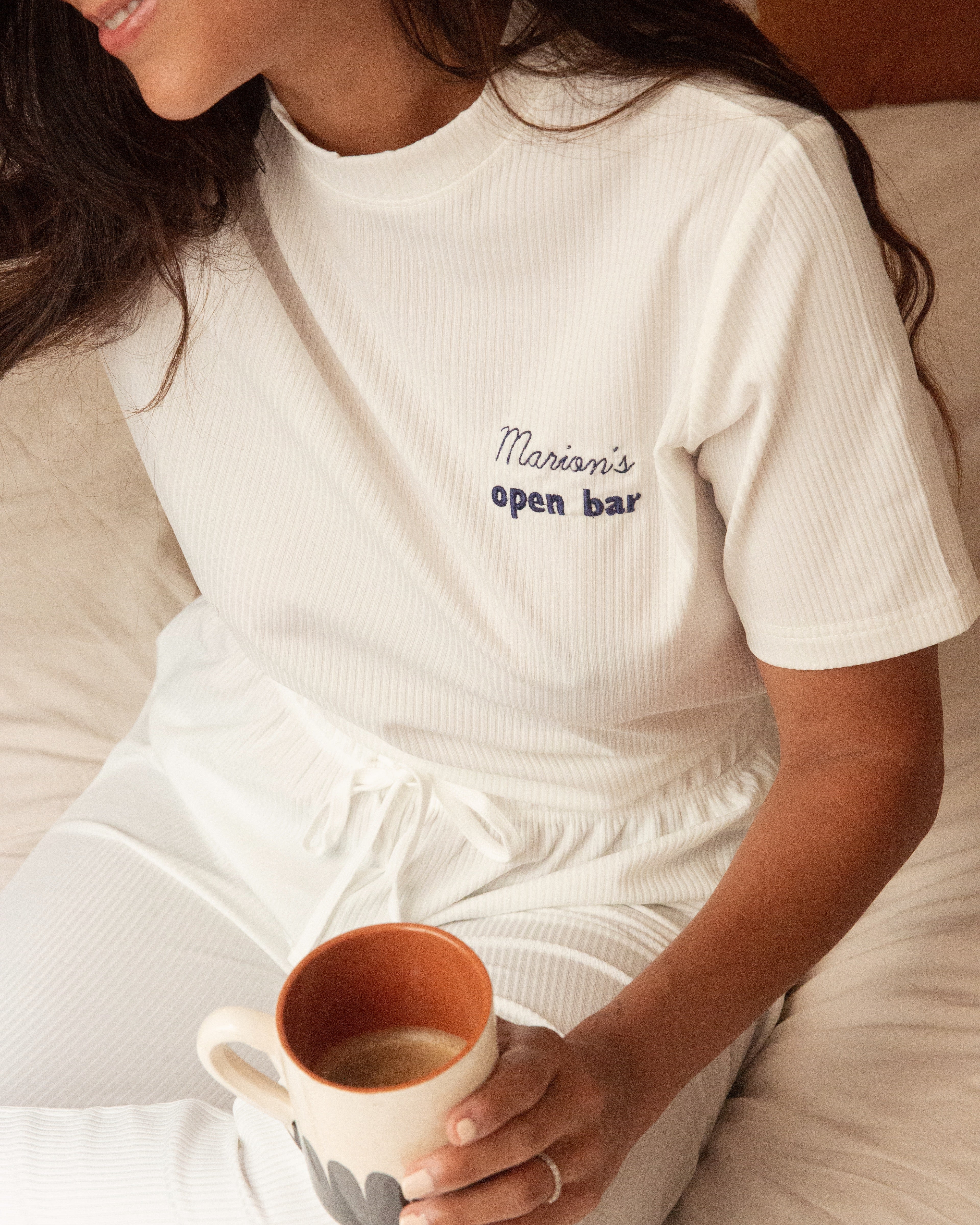
OPEN BAR nursing pyjamas
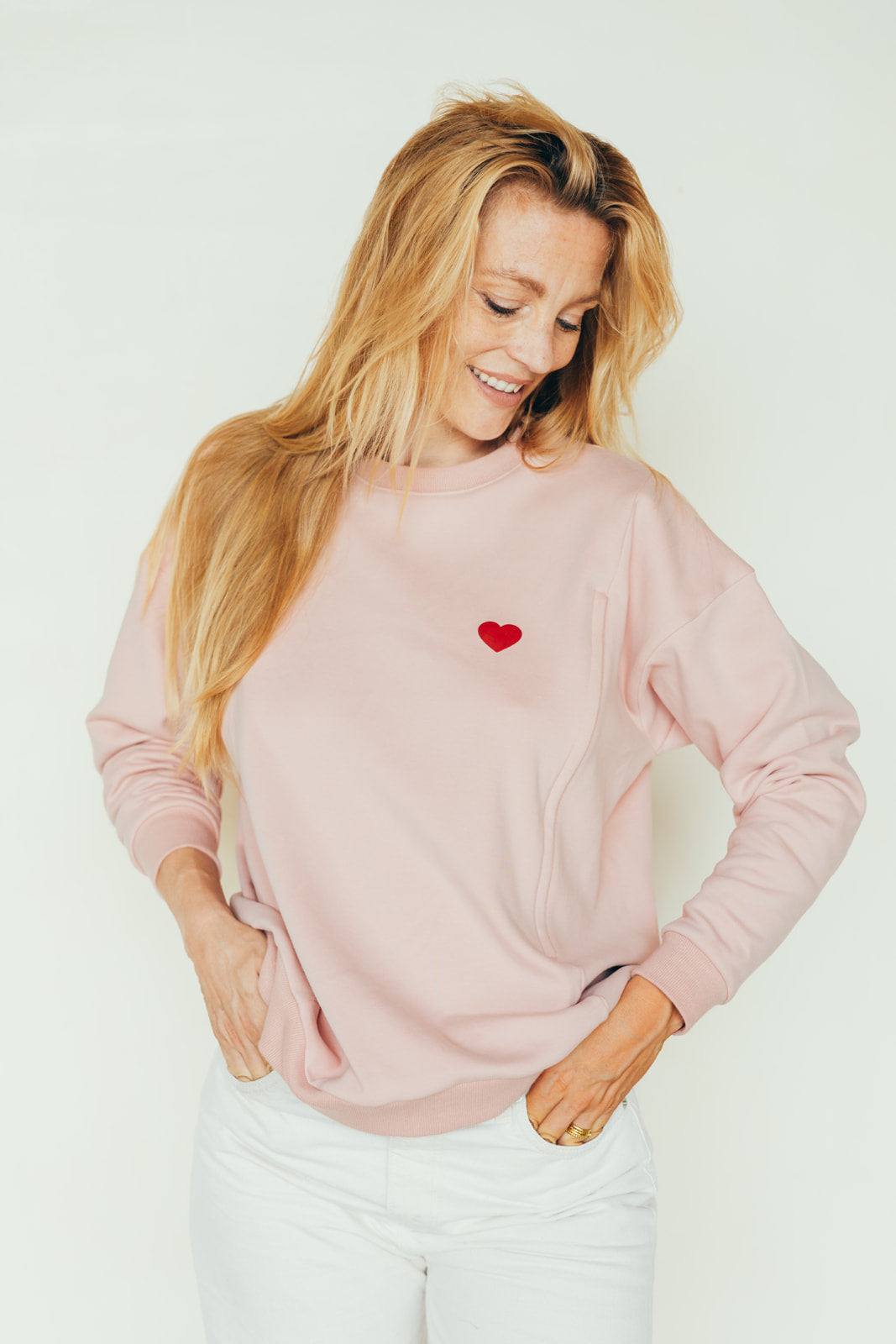

Pink Heart Nursing Sweatshirt


Breastfeeding t-shirt HAPPY VIBES

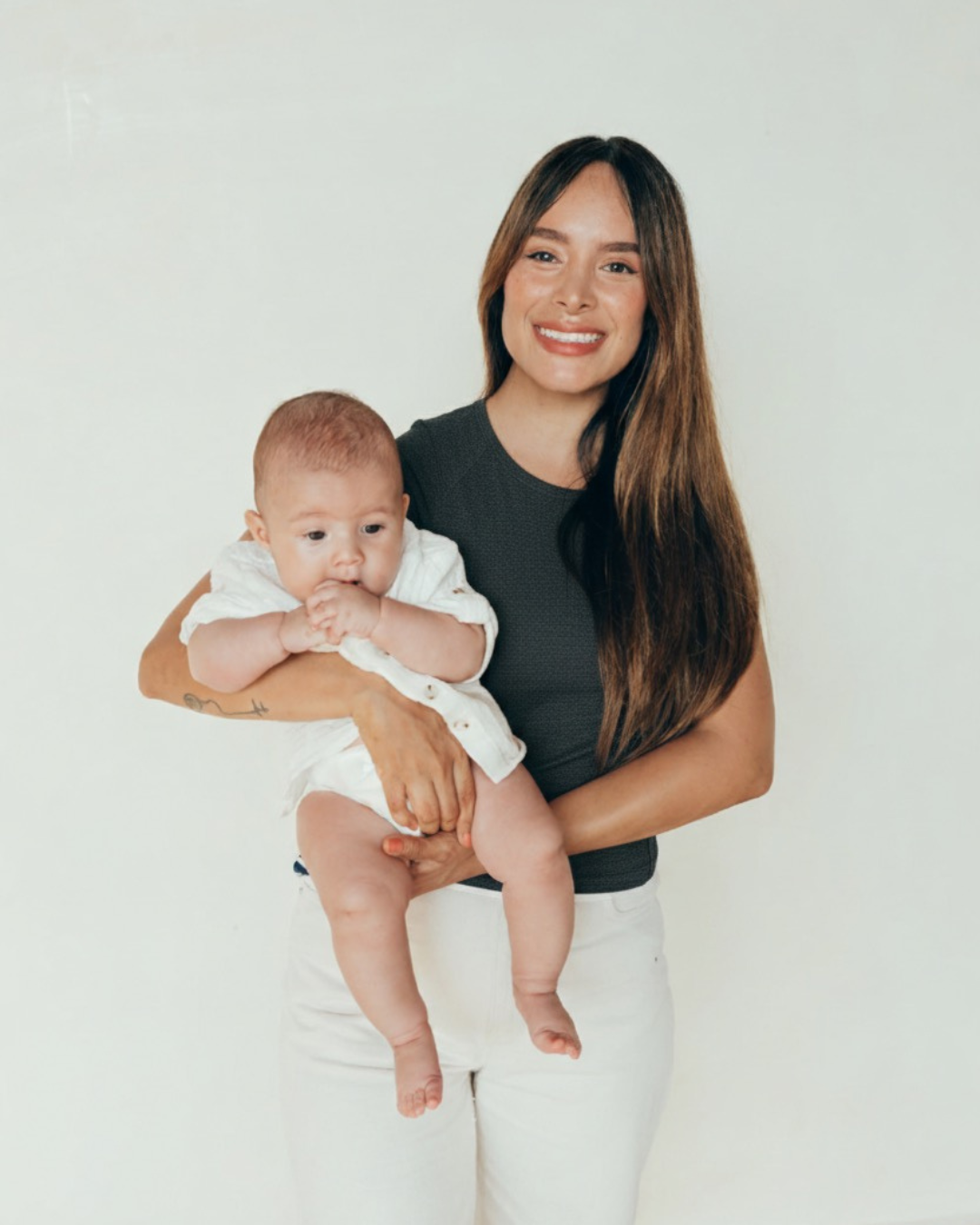
Breastfeeding t-shirt sleeves) - Gray
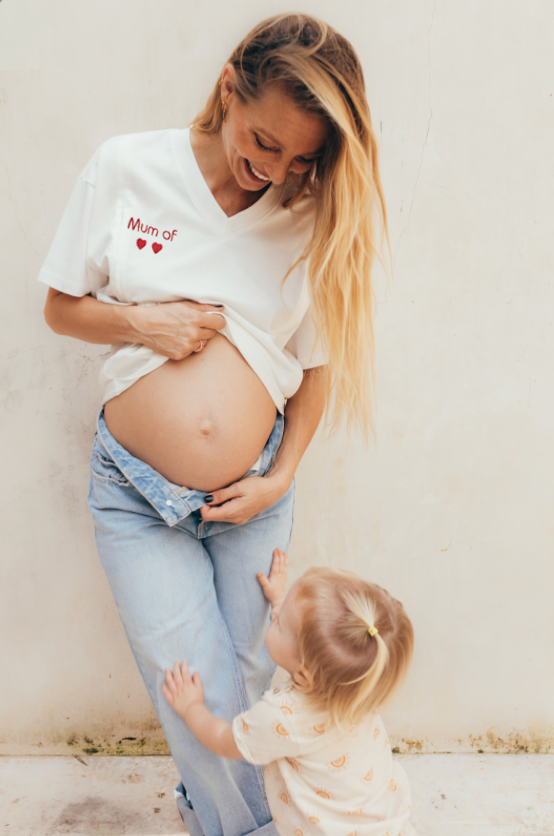

Breastfeeding t-shirt #MOMMY
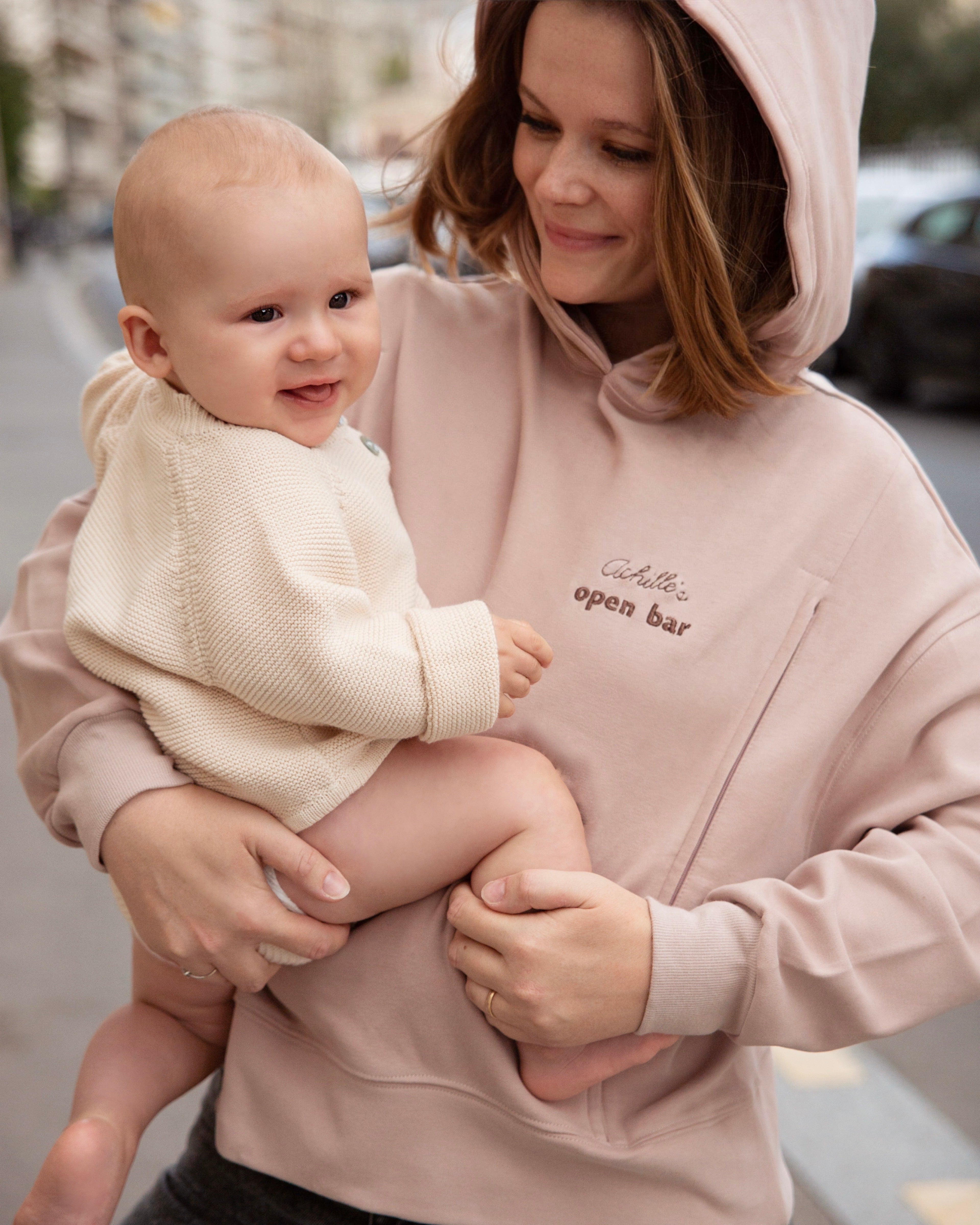
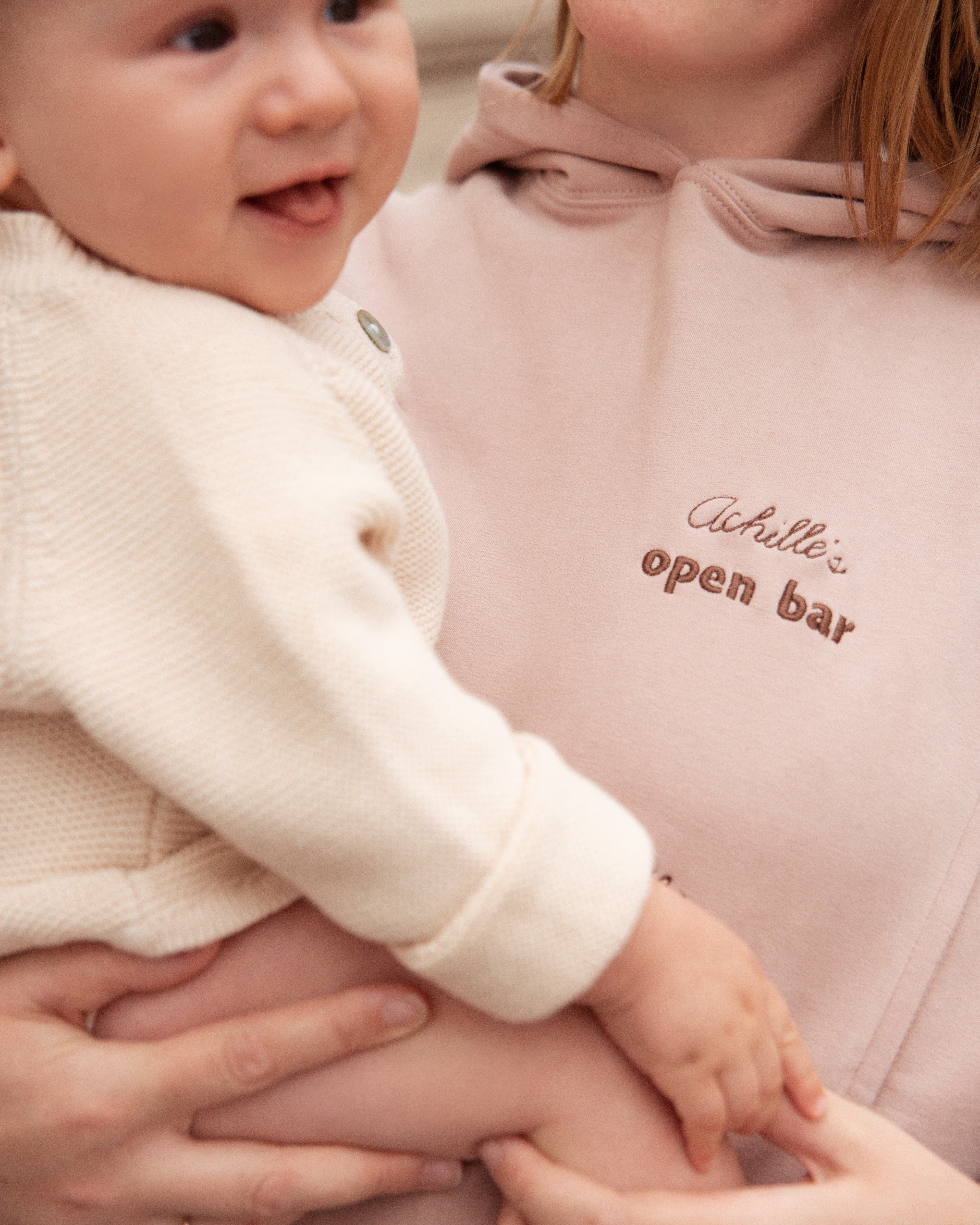
OPEN BAR taupe nursing hoody
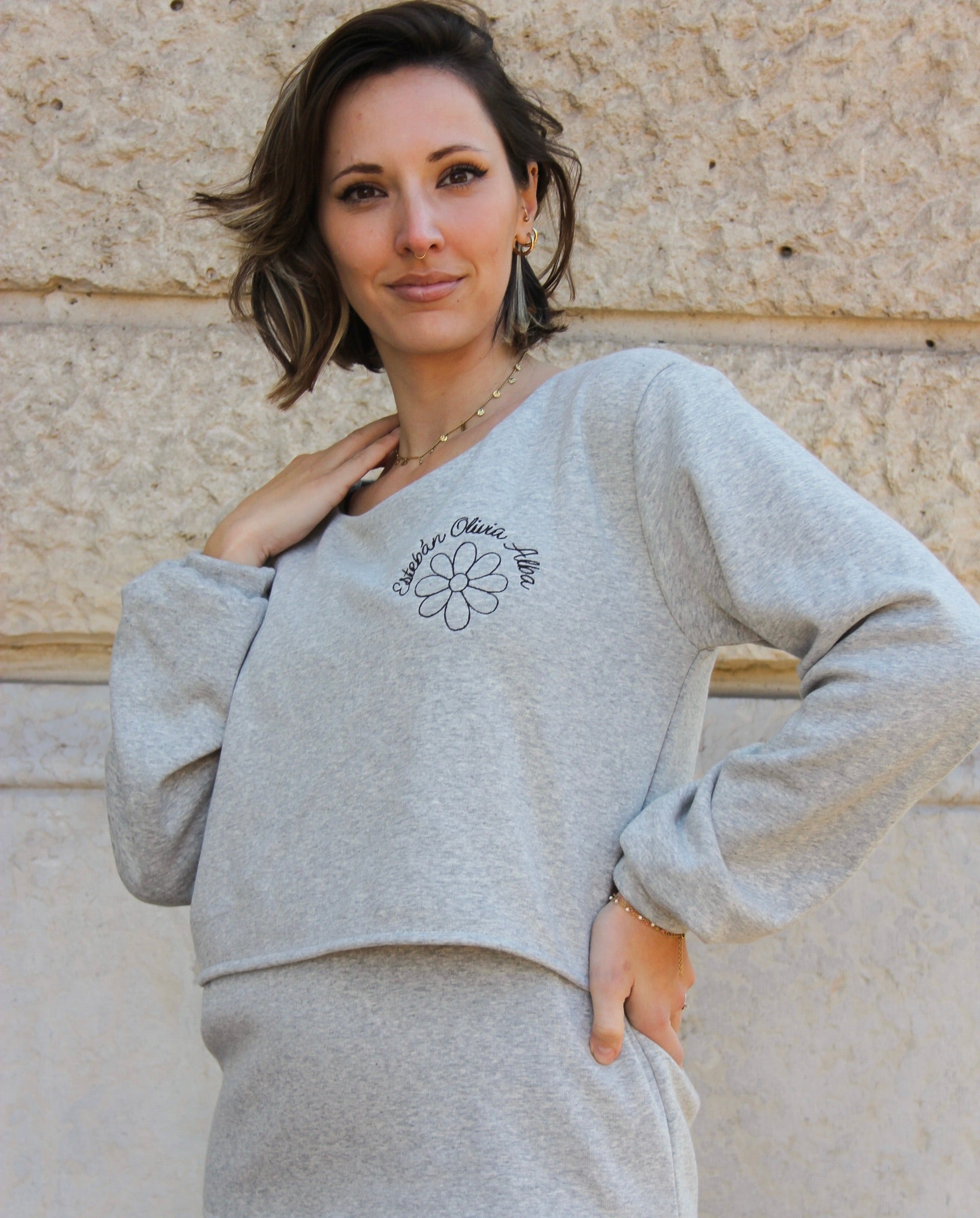
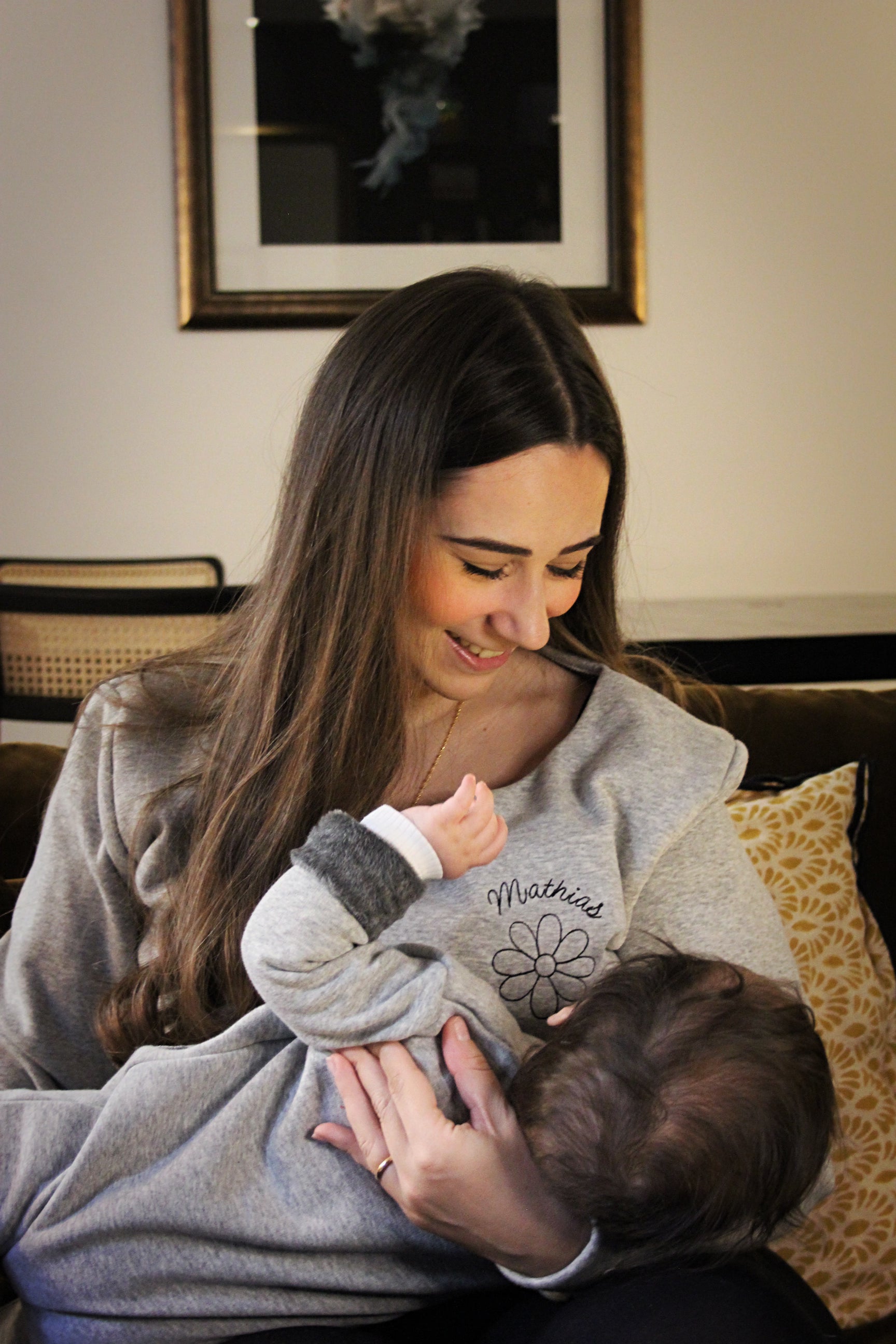
TZIGANETTE daisy nursing sweater
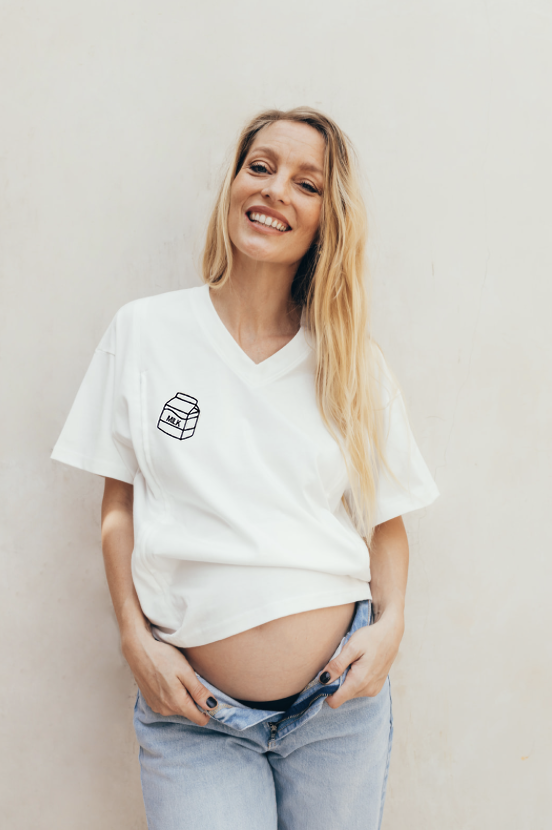
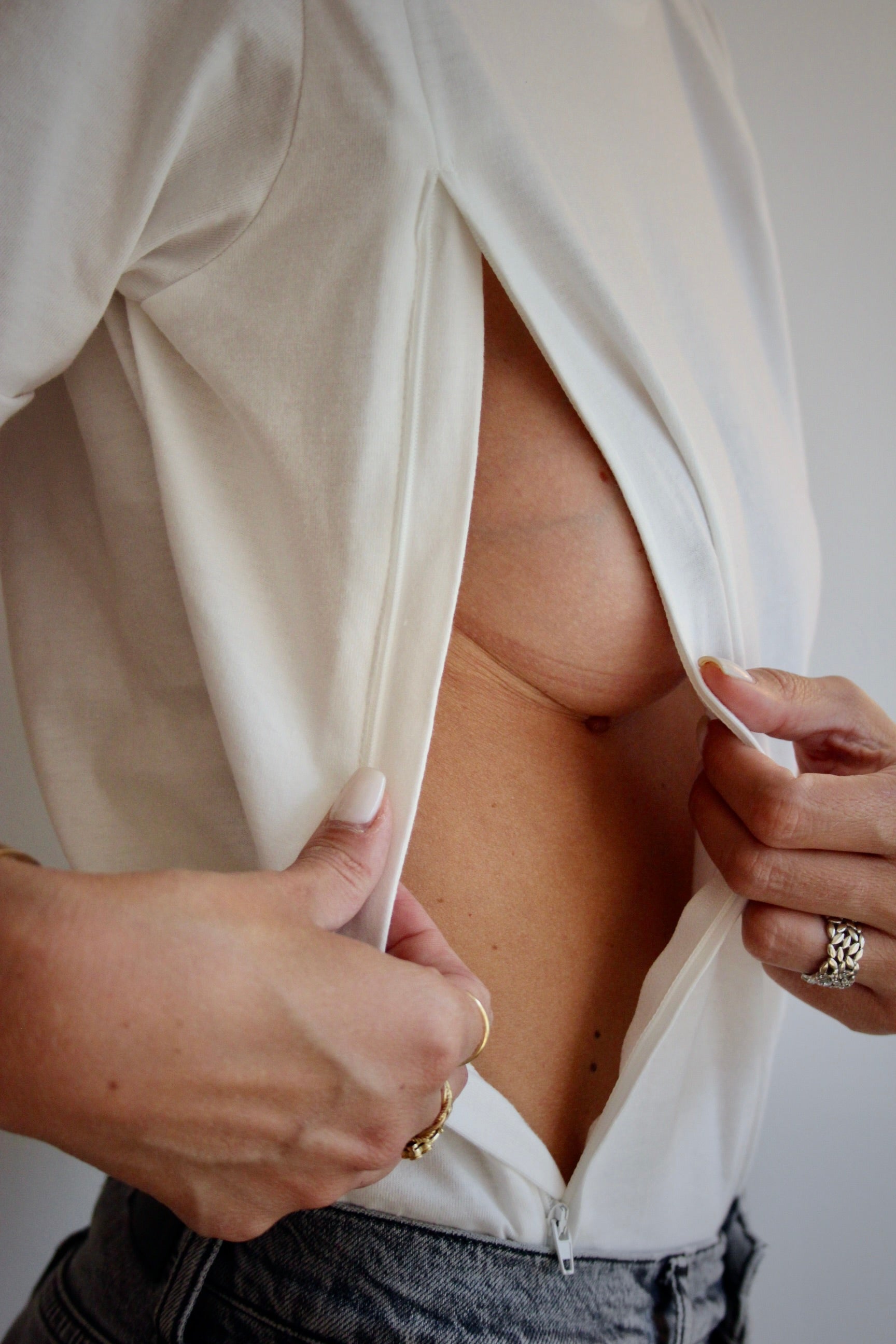
MILK BOX Breastfeeding t-shirt
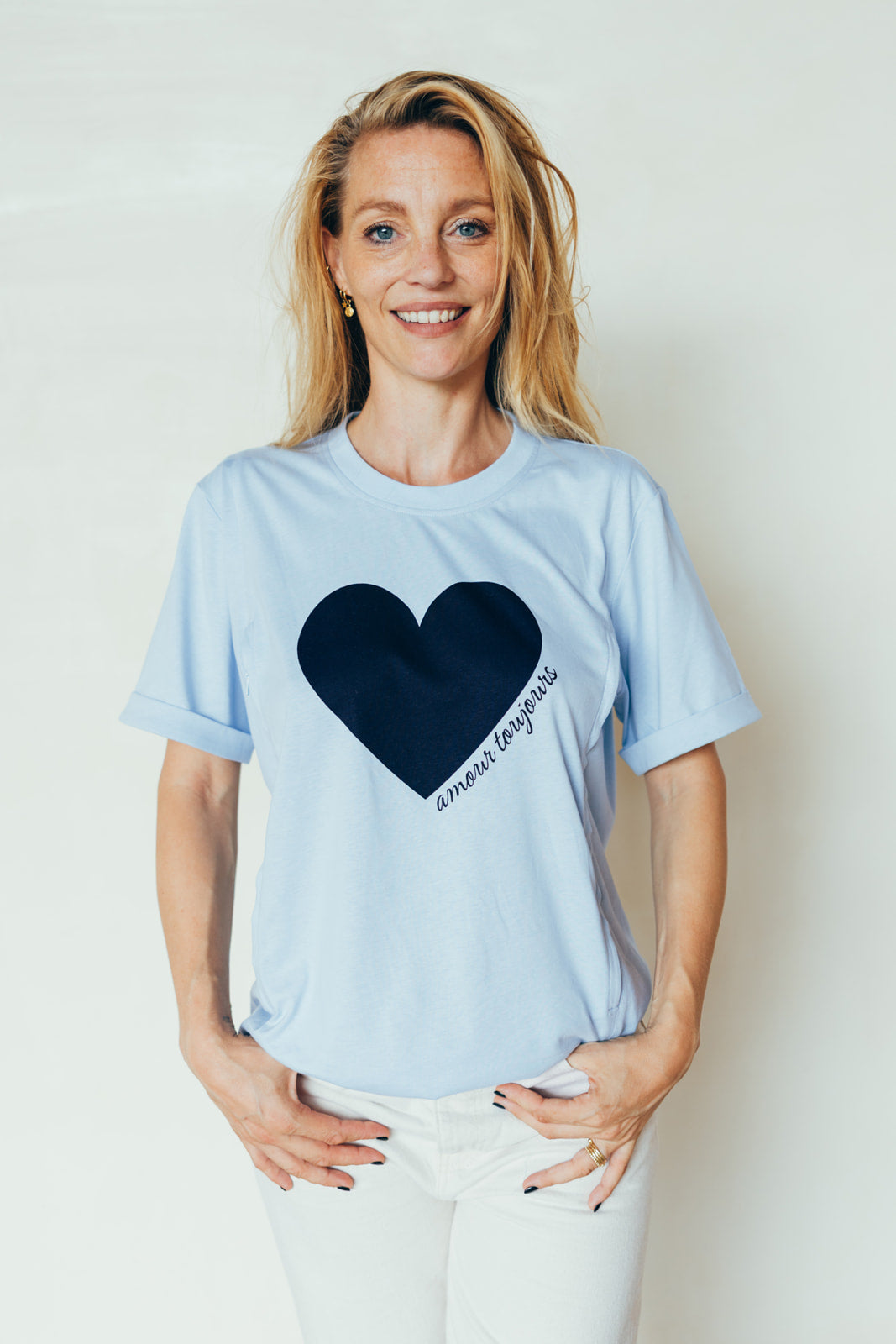
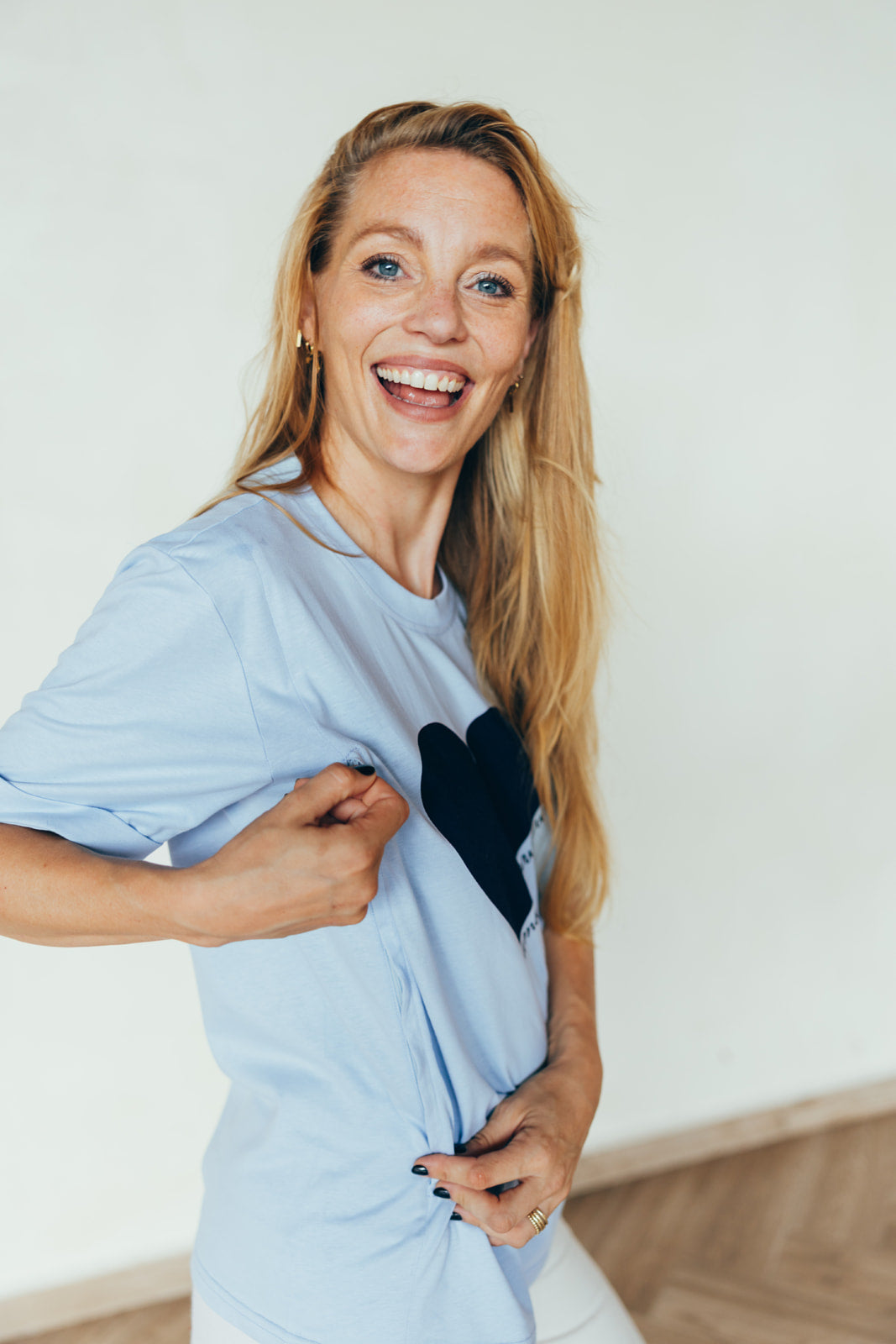
Breastfeeding t-shirt sky AT
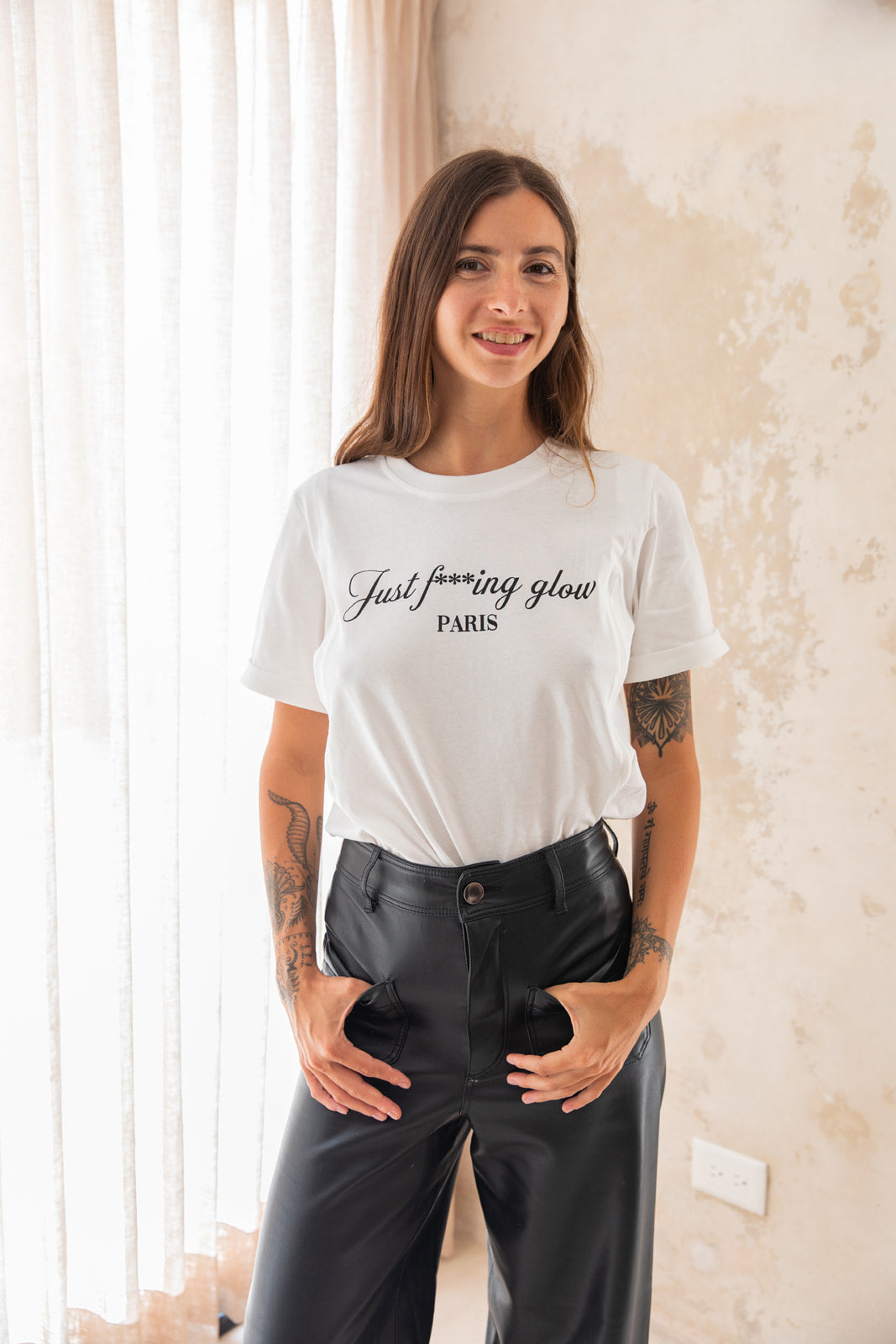
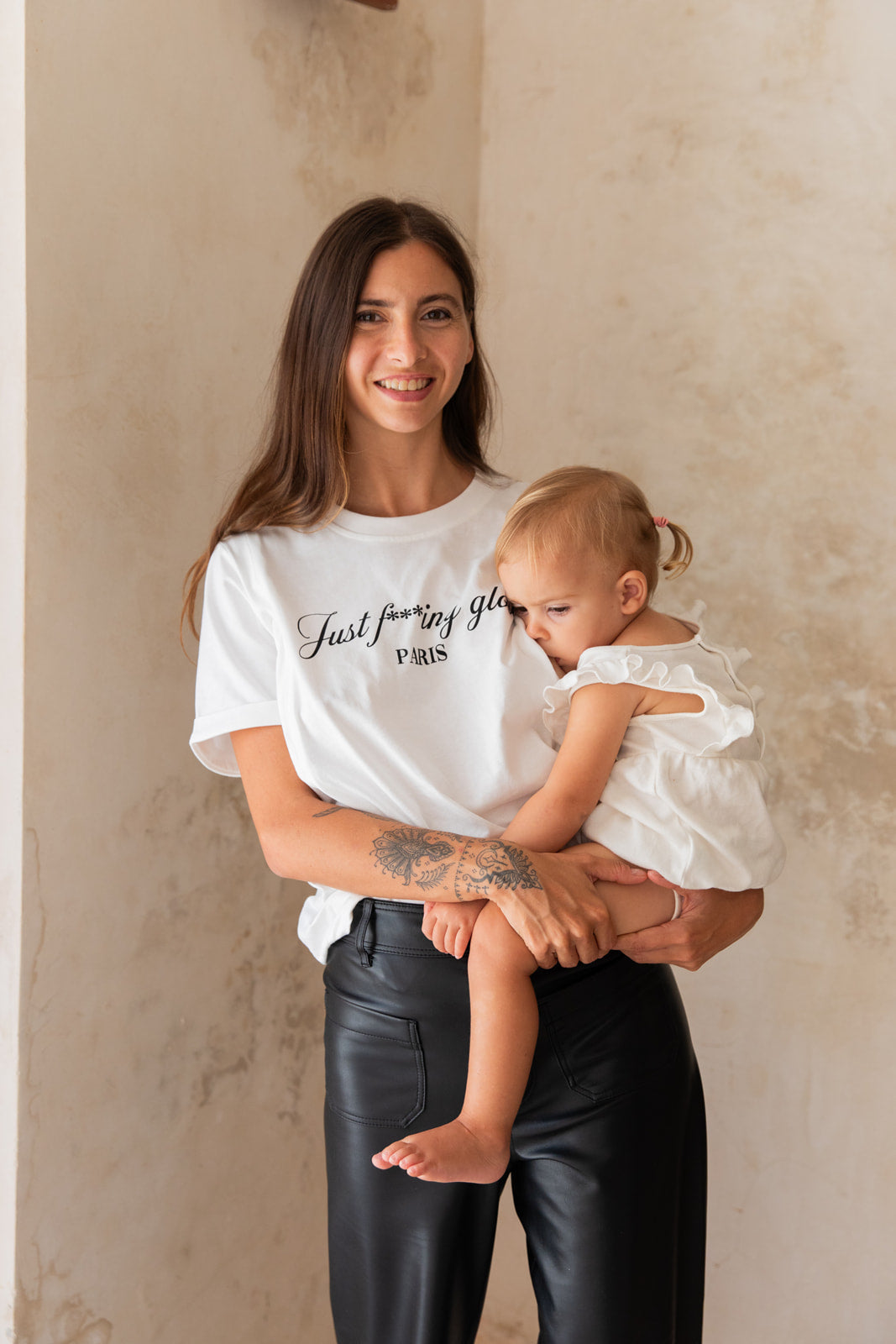
Breastfeeding t-shirt Glow
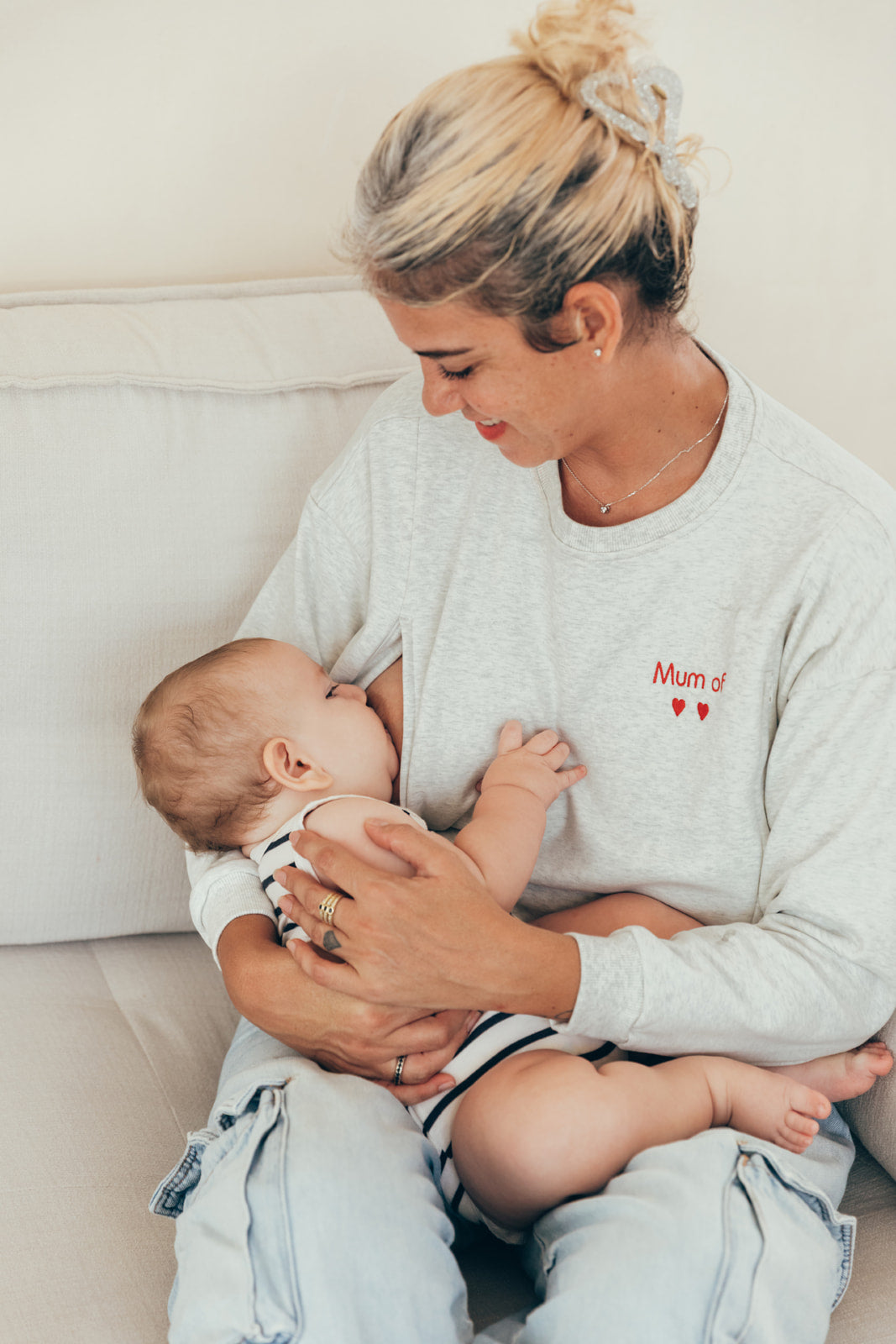
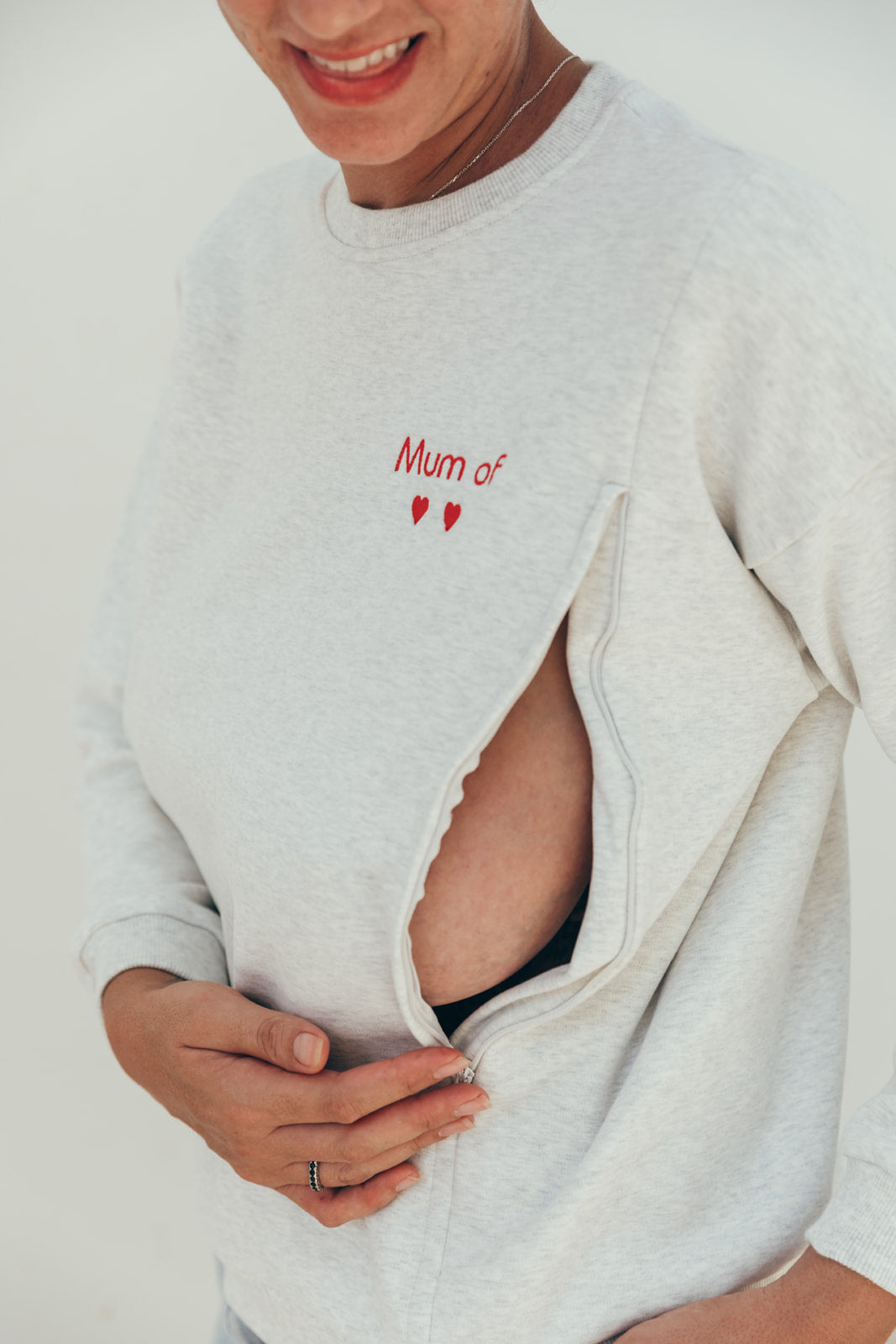
Nursing sweatshirt #MOMMY grey
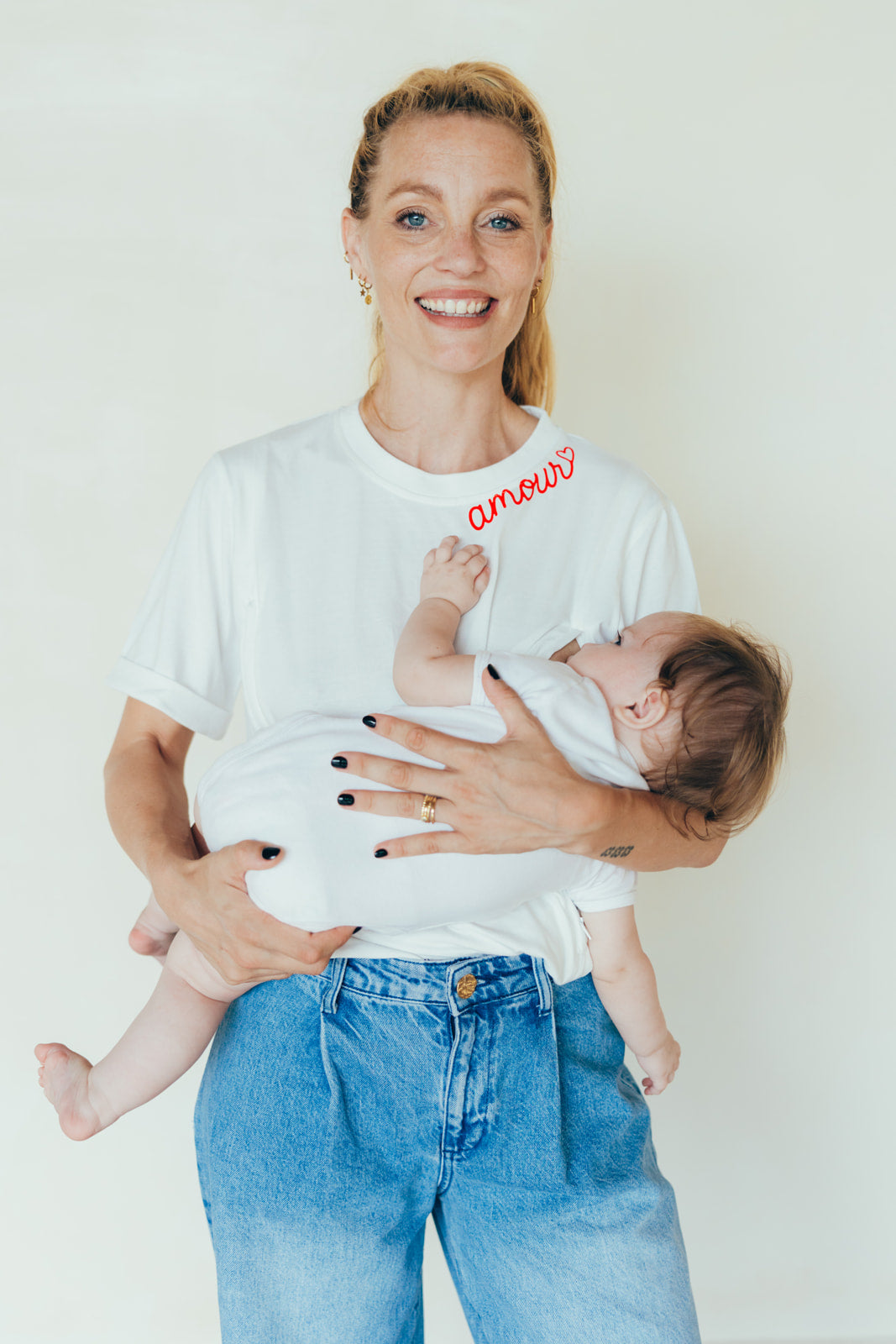
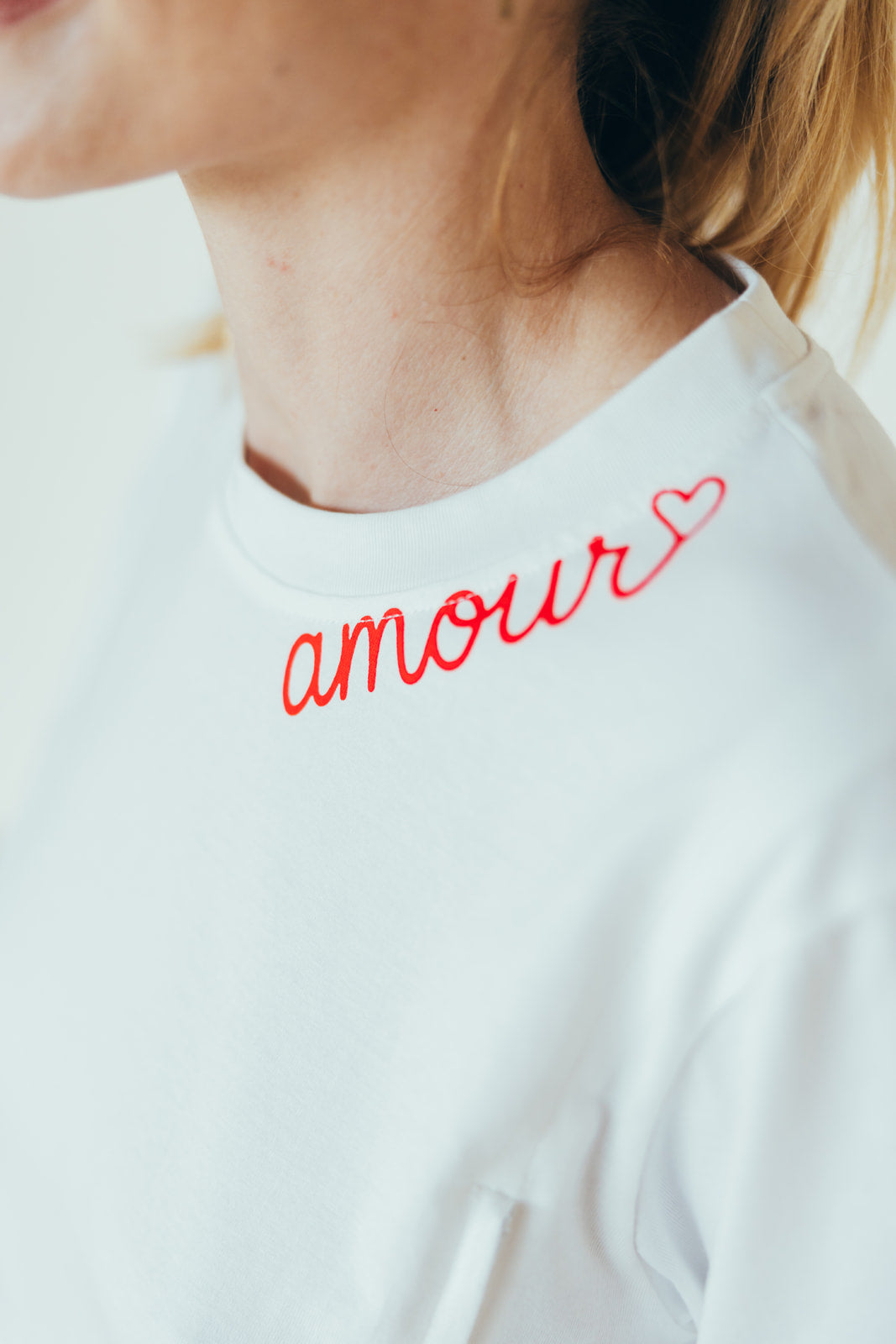
Breastfeeding t-shirt white LOVE
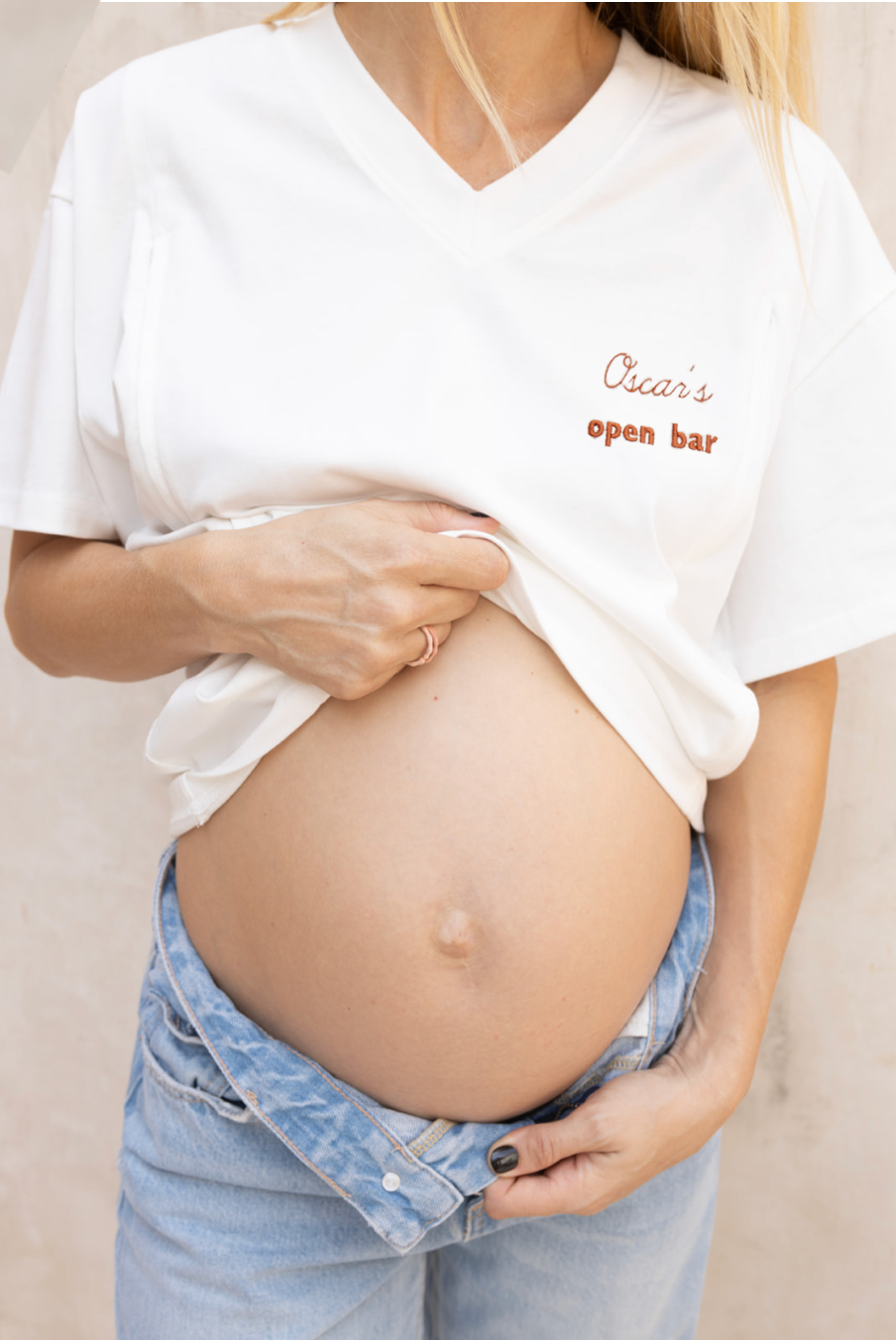

OPEN BAR Breastfeeding t-shirt
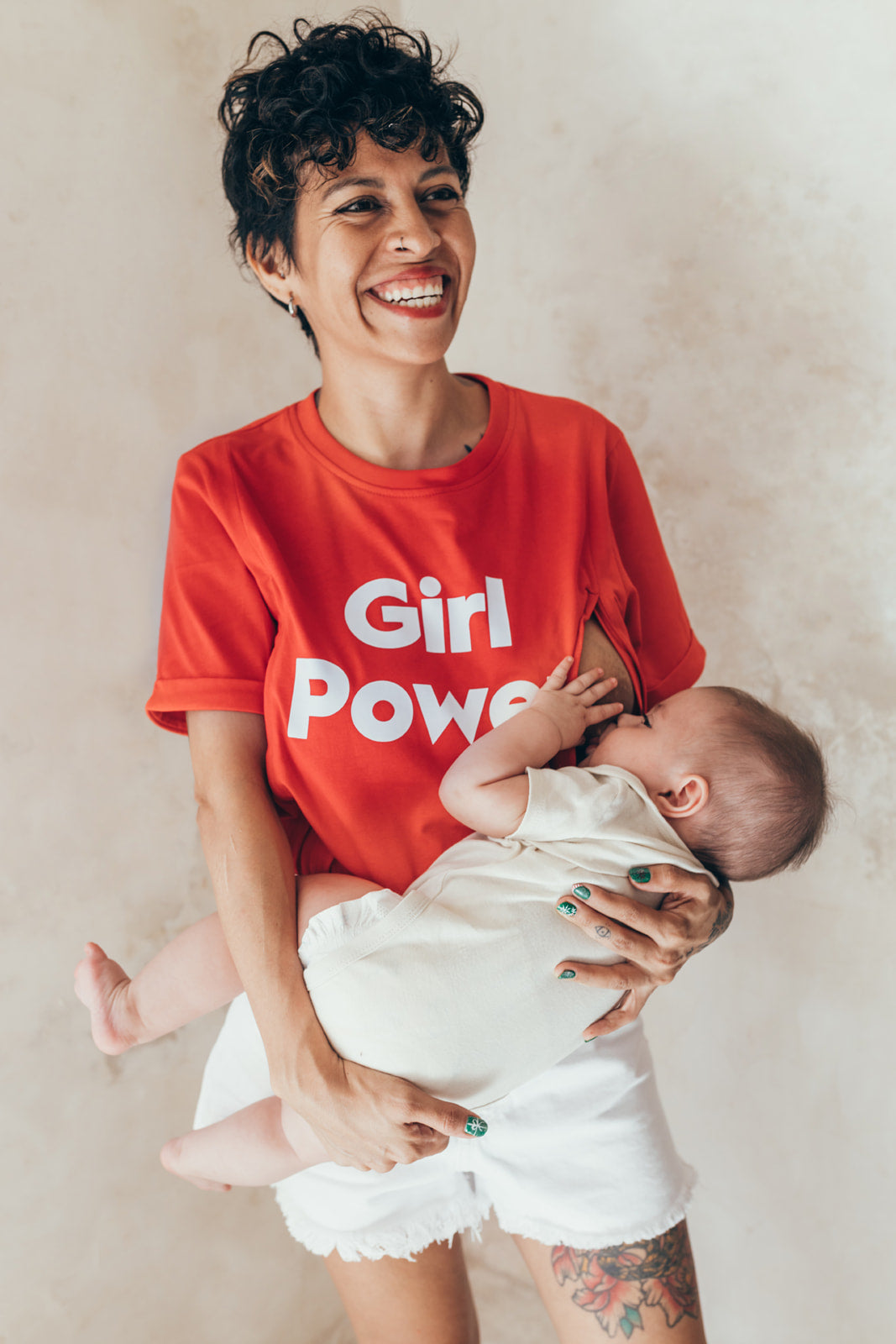

Breastfeeding t-shirt GIRL POWER
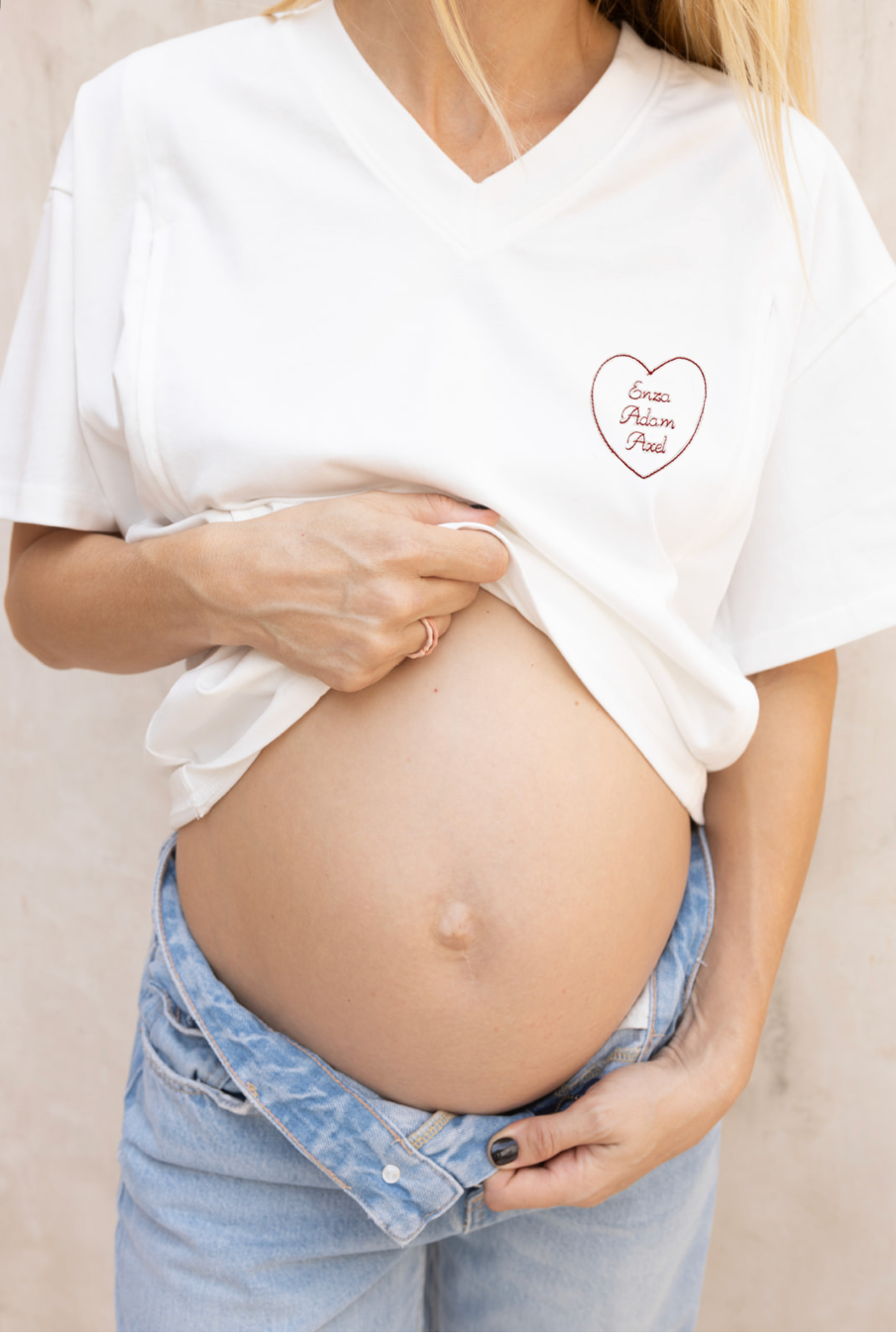
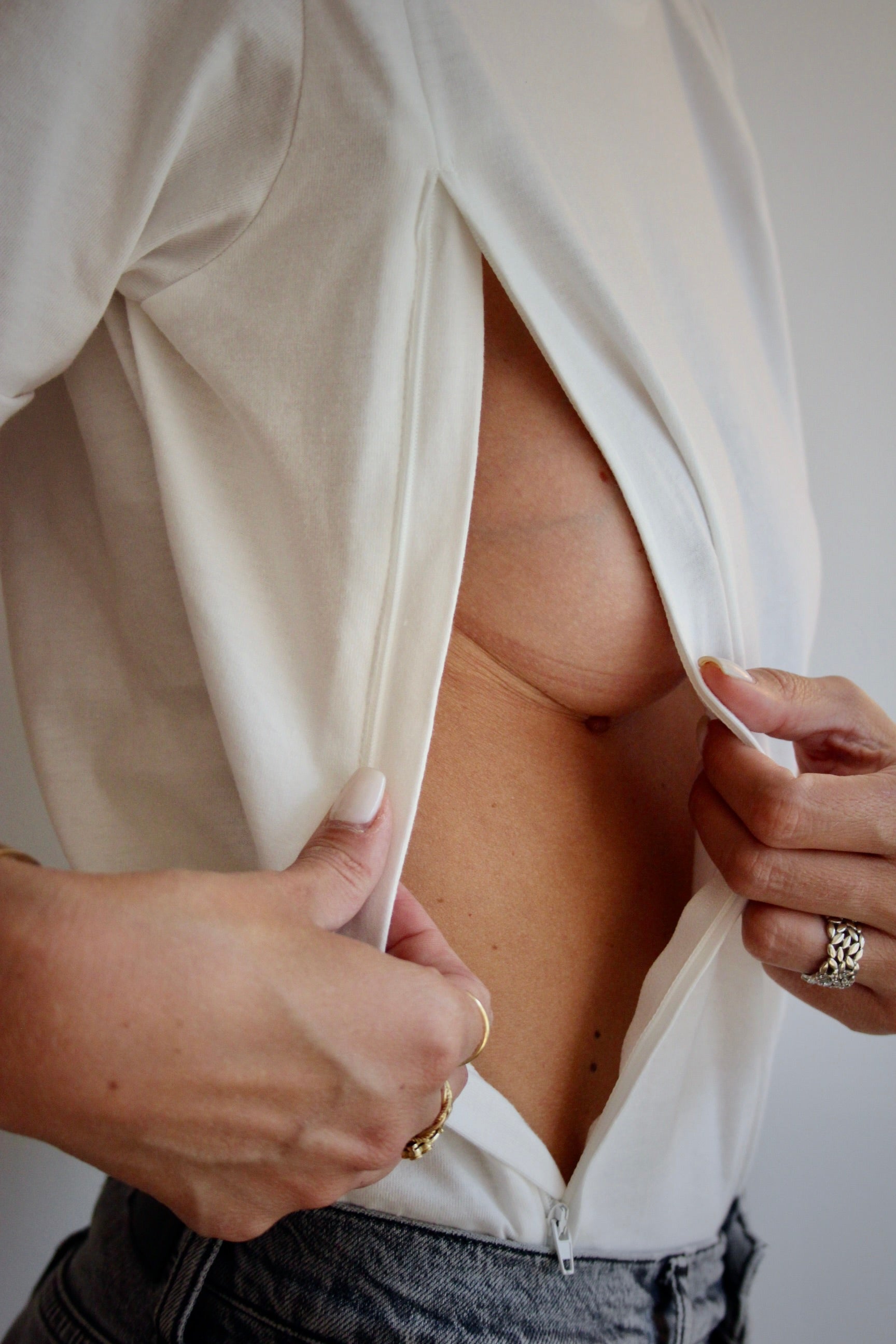
Breastfeeding t-shirt HEART TO HEART
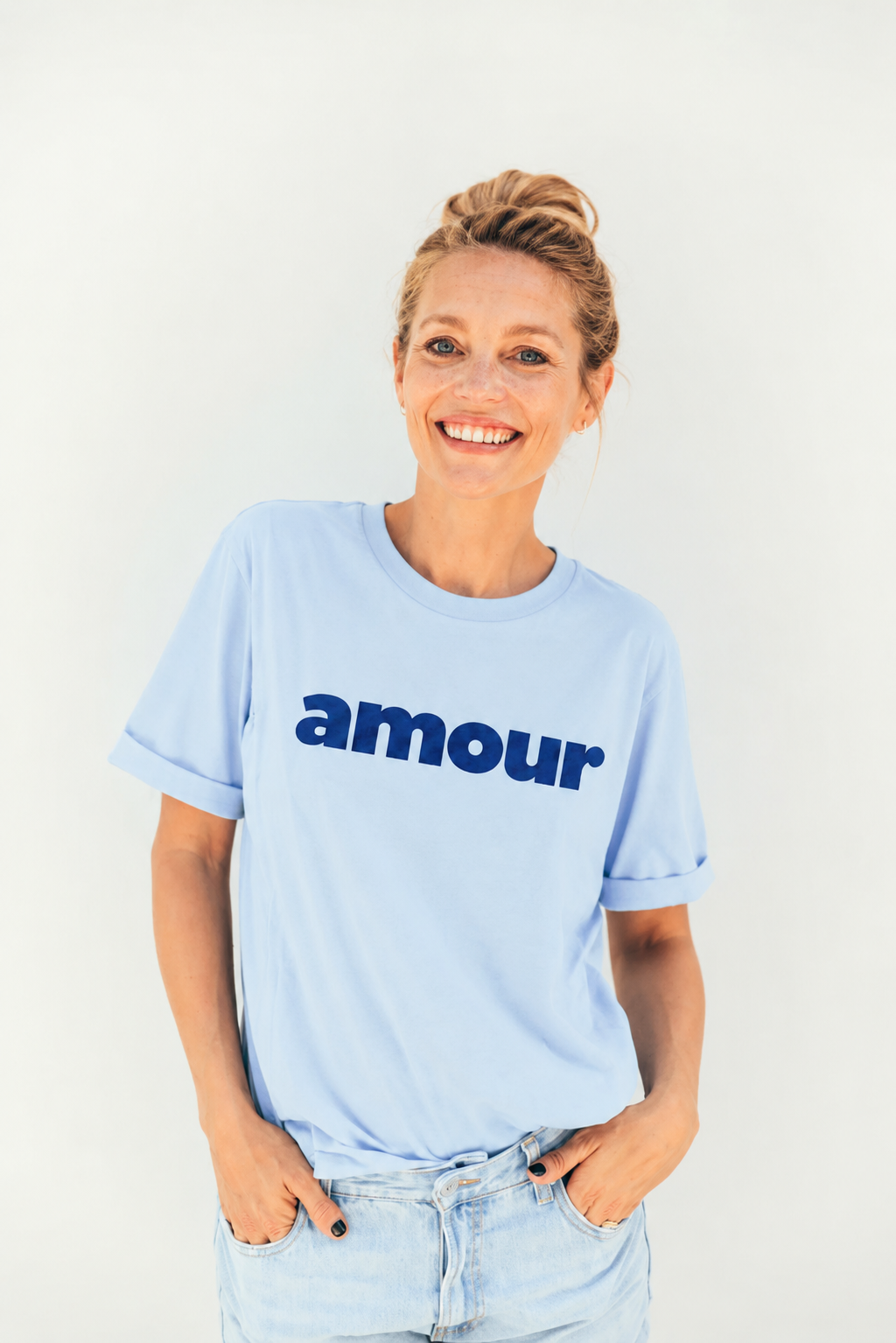
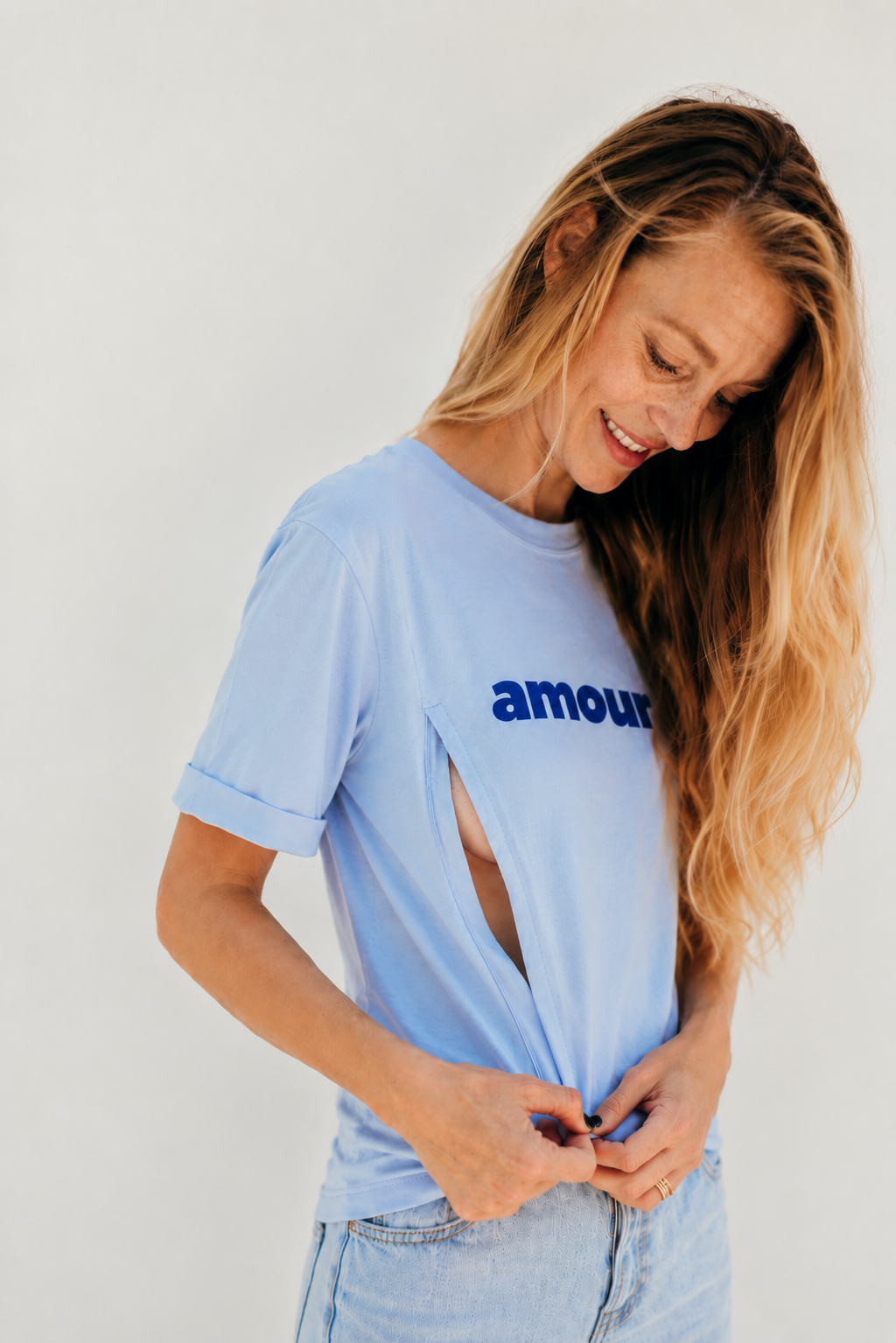
Breastfeeding t-shirt "AMOUR" Breastfeeding t-shirt
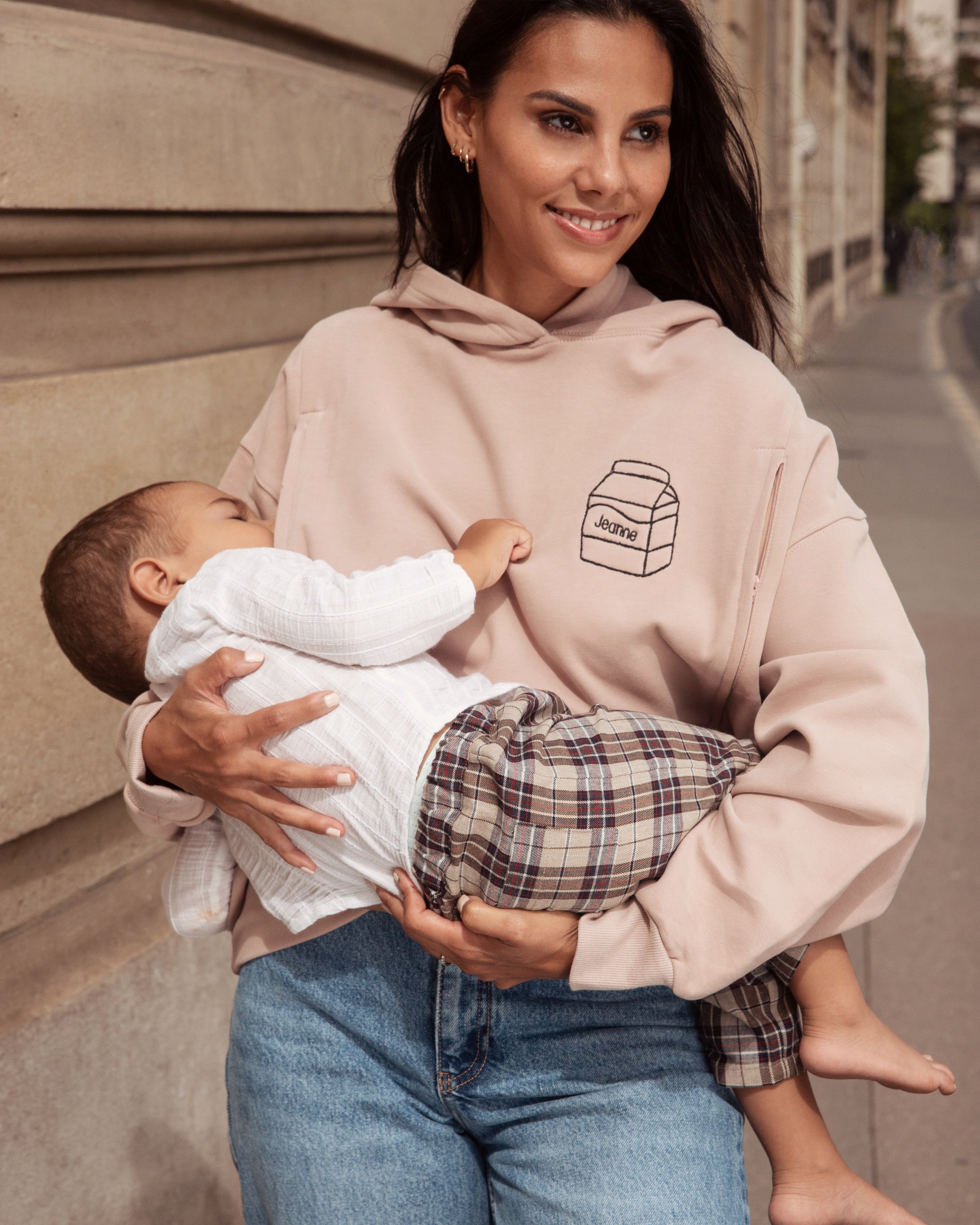
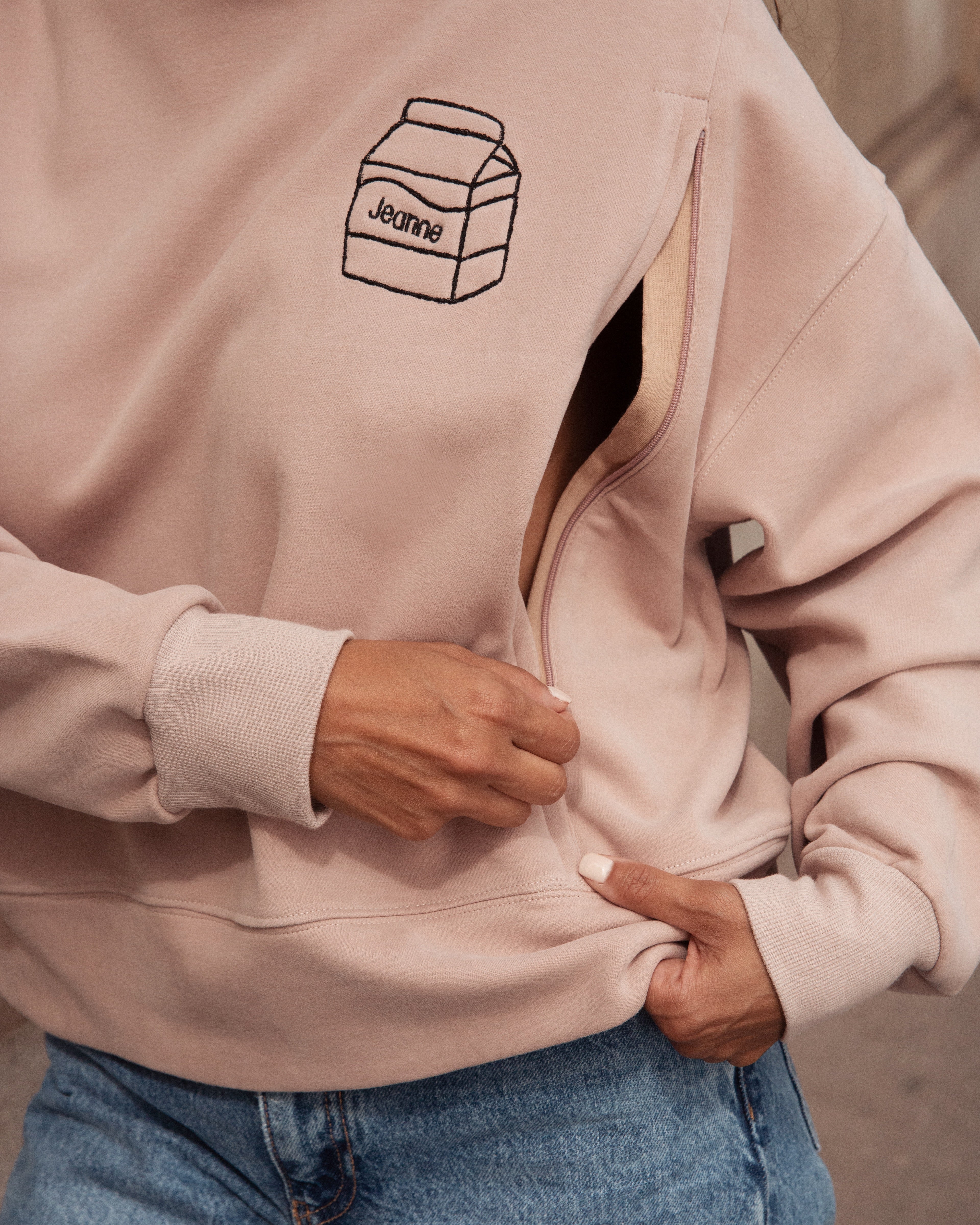
Taupe nursing hoody MILK BOX
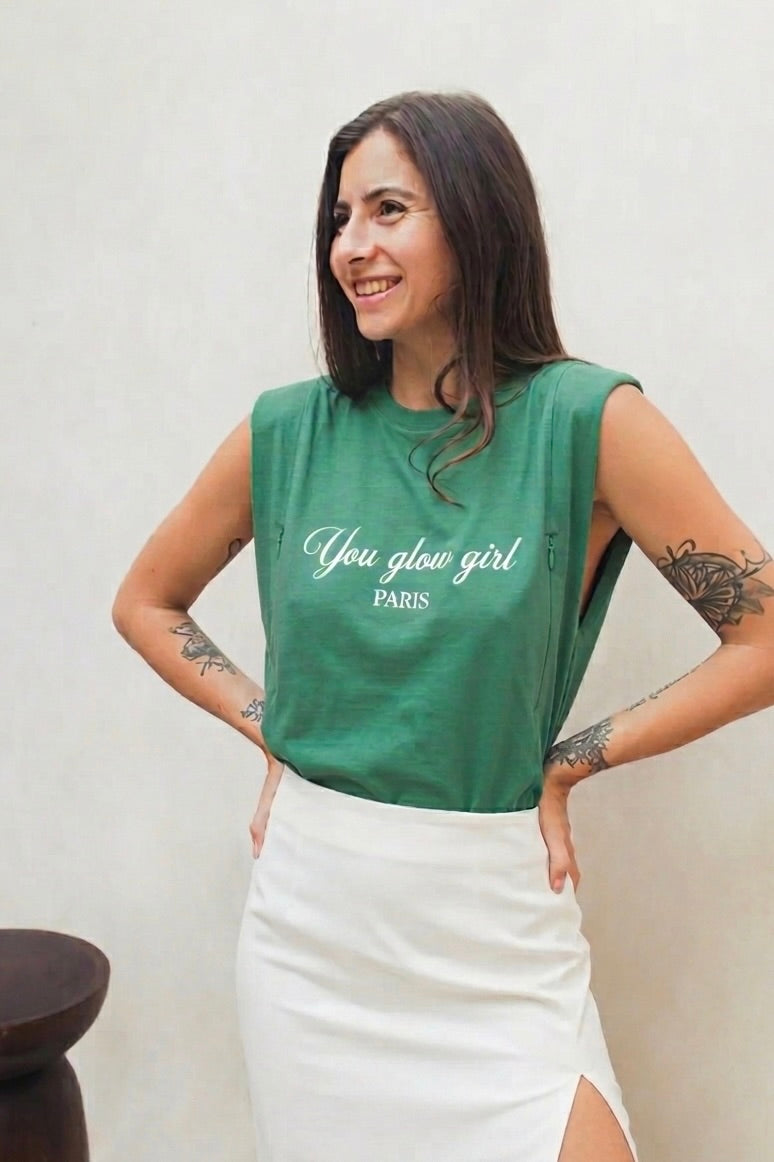
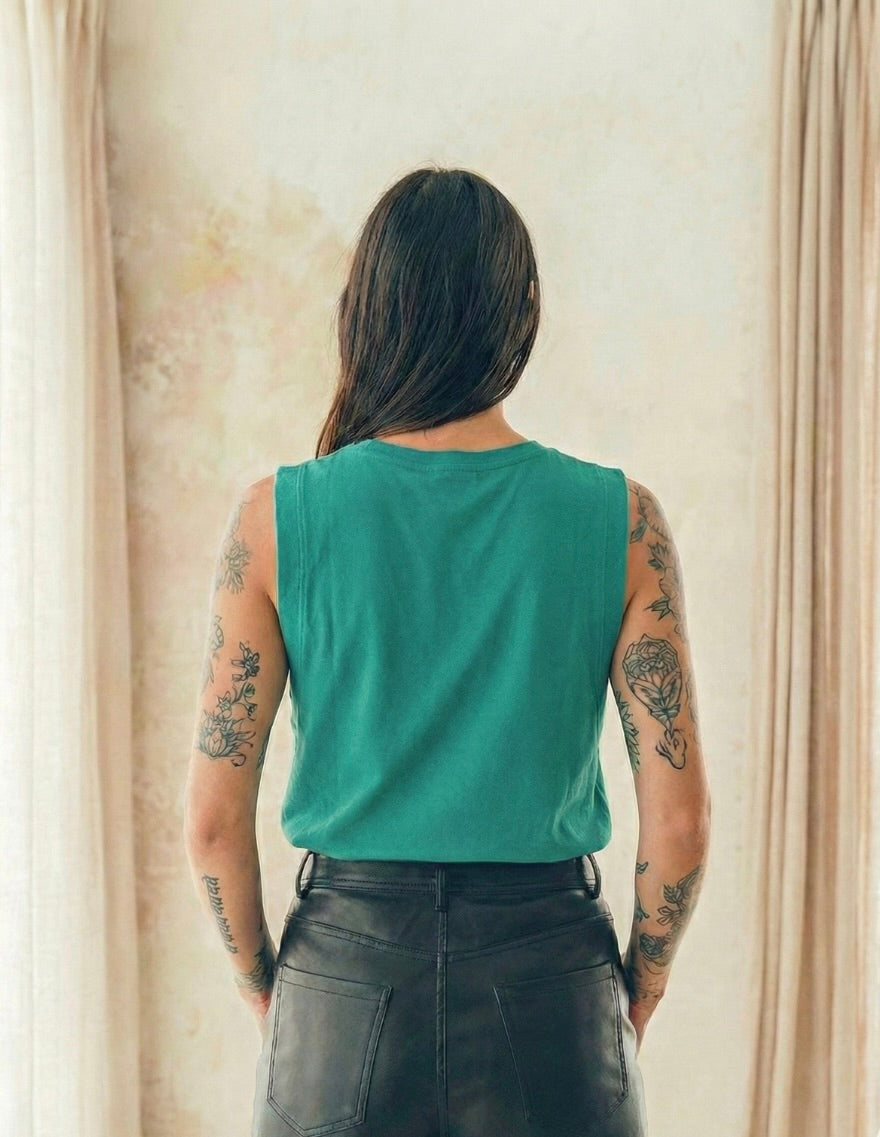
GLOW Green Nursing Tank Top
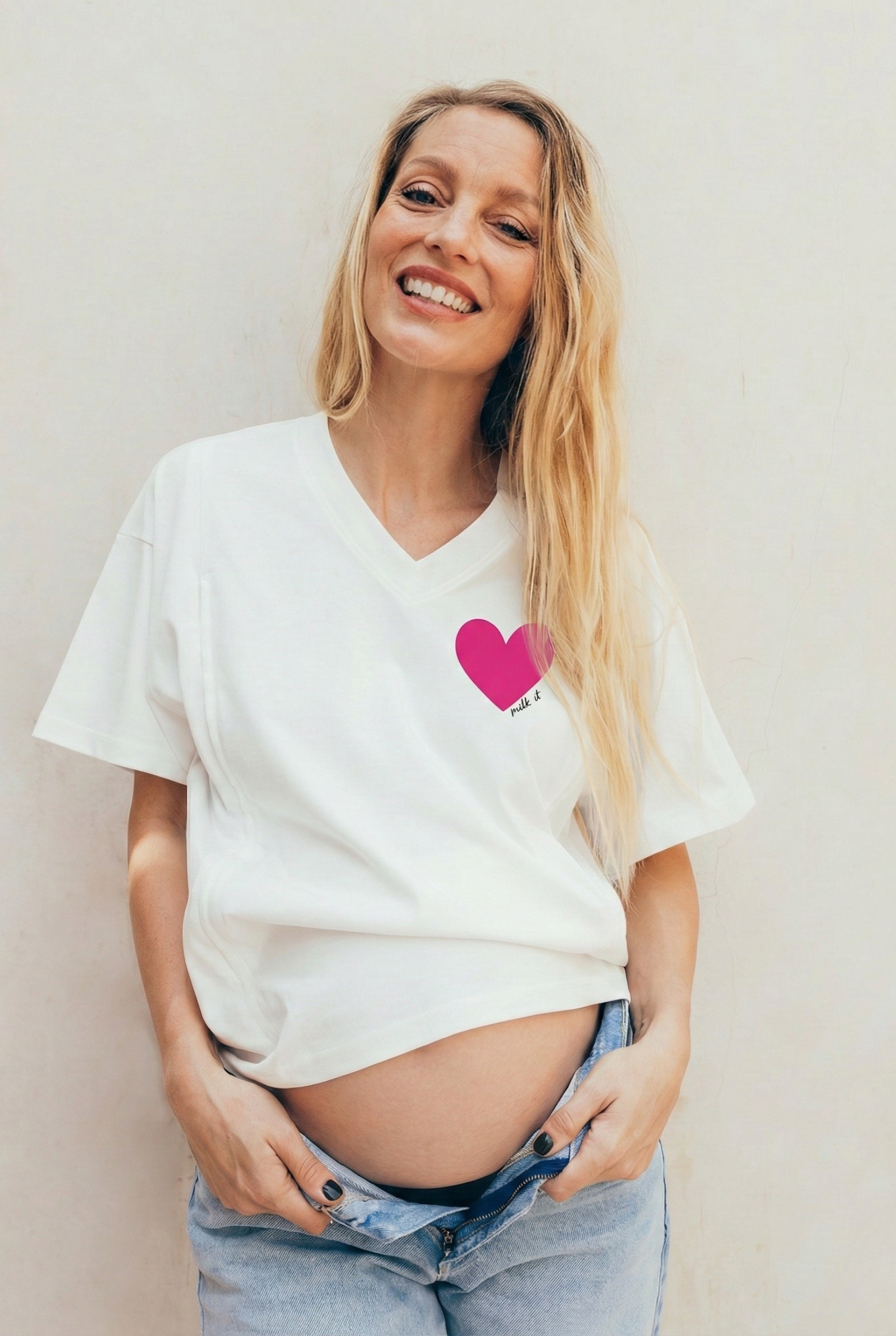
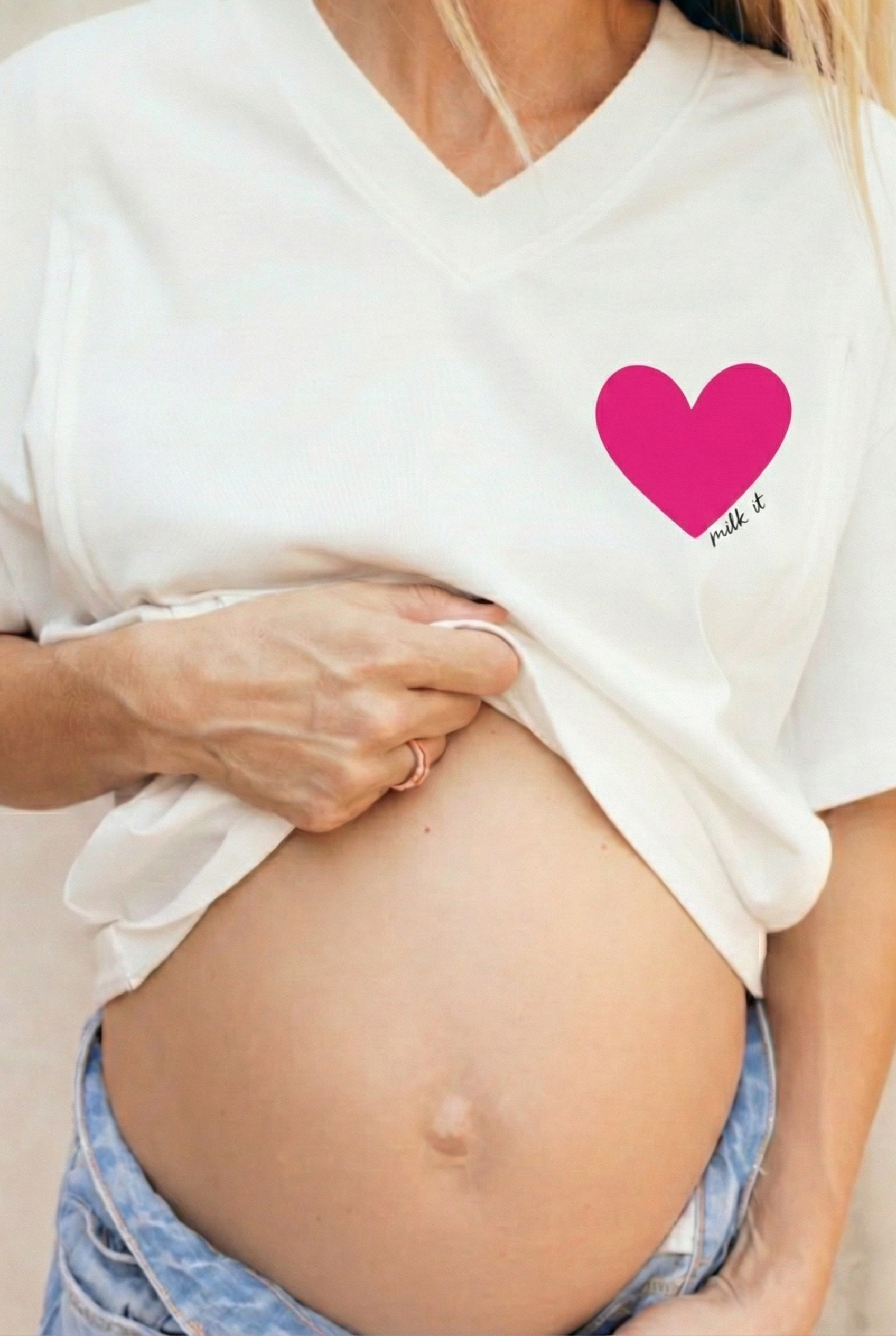
Breastfeeding t-shirt PINK HEART


Blue Heart Nursing Sweatshirt
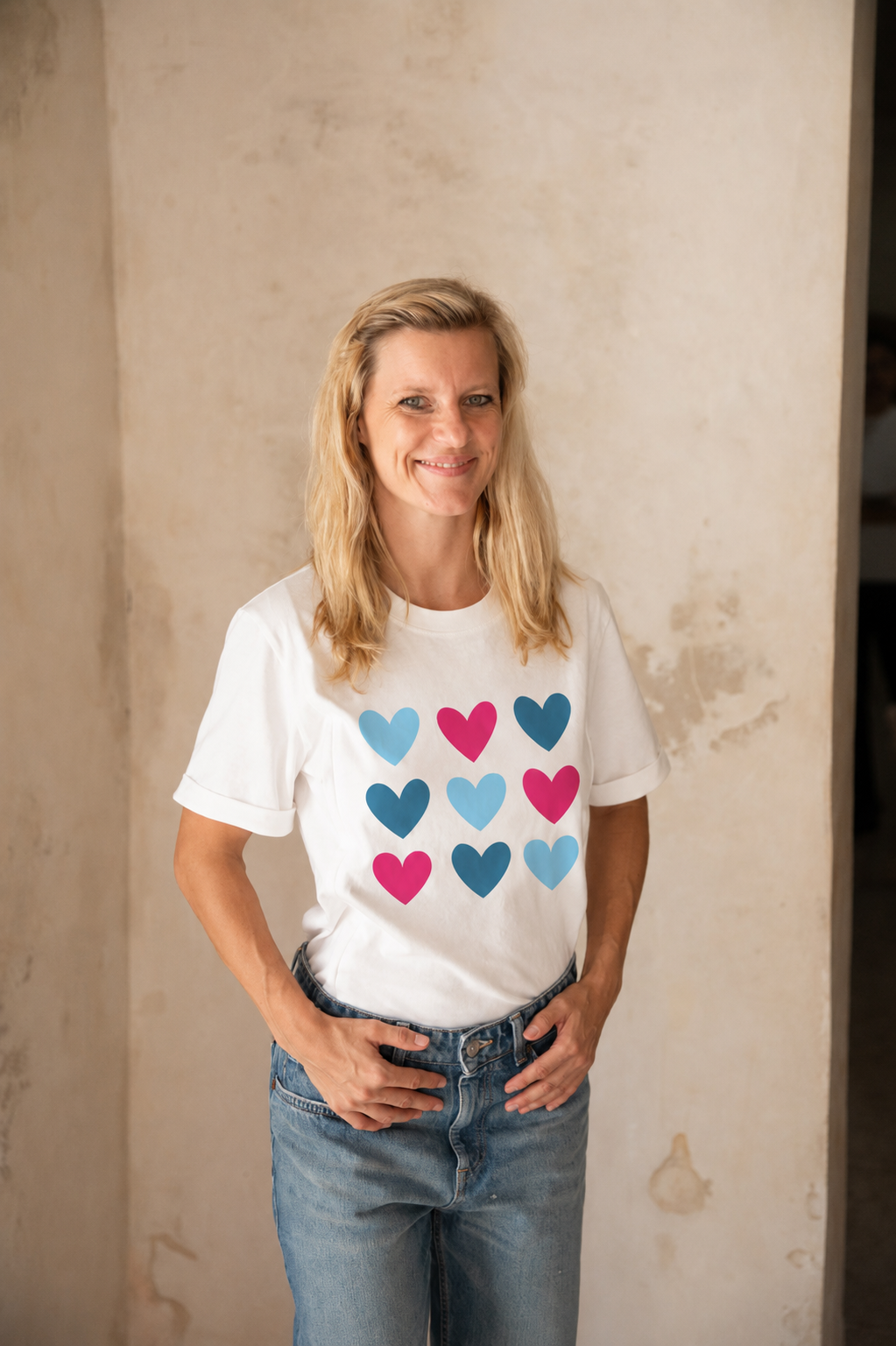
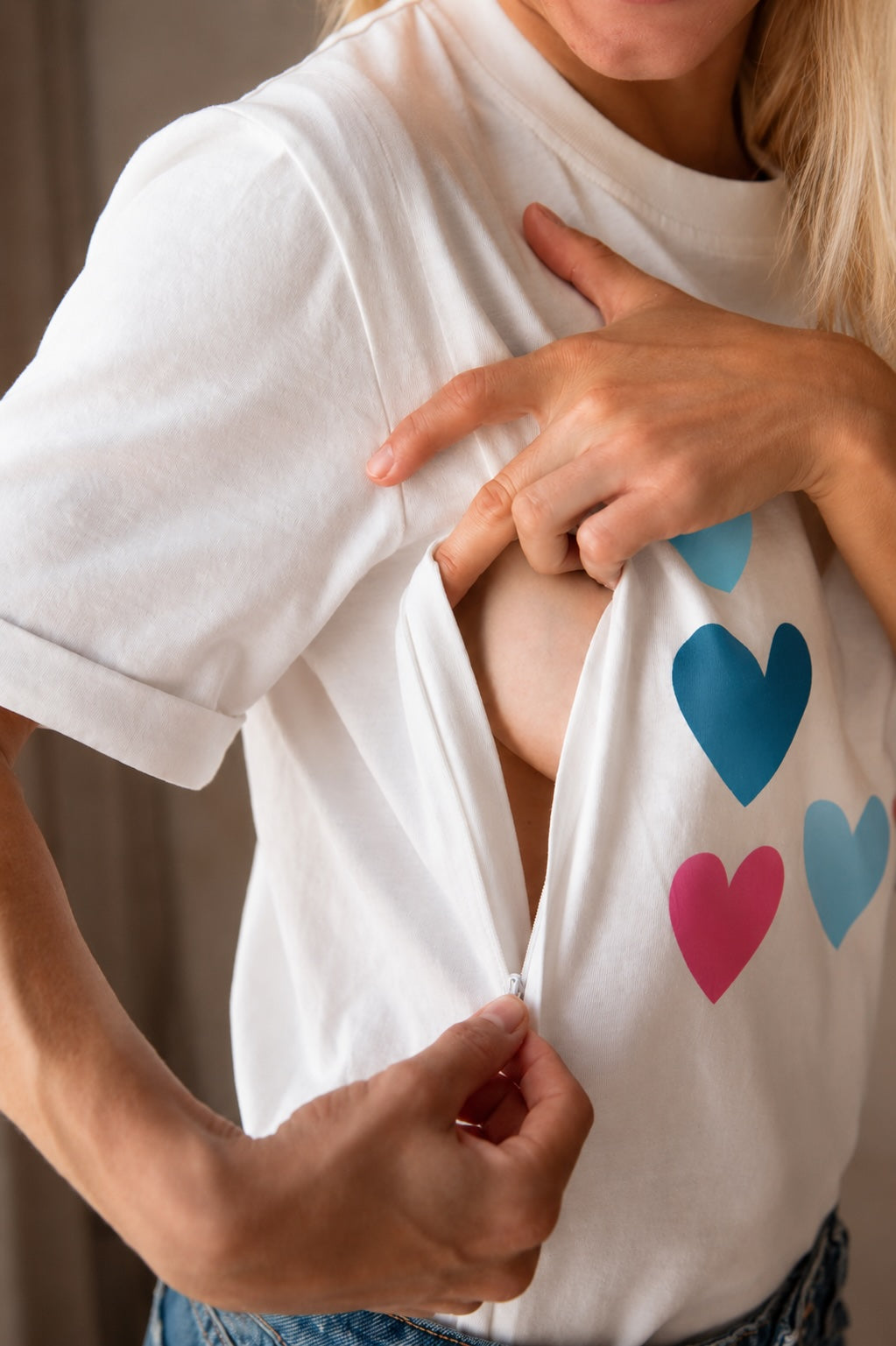
Breastfeeding t-shirt POP Breastfeeding t-shirt
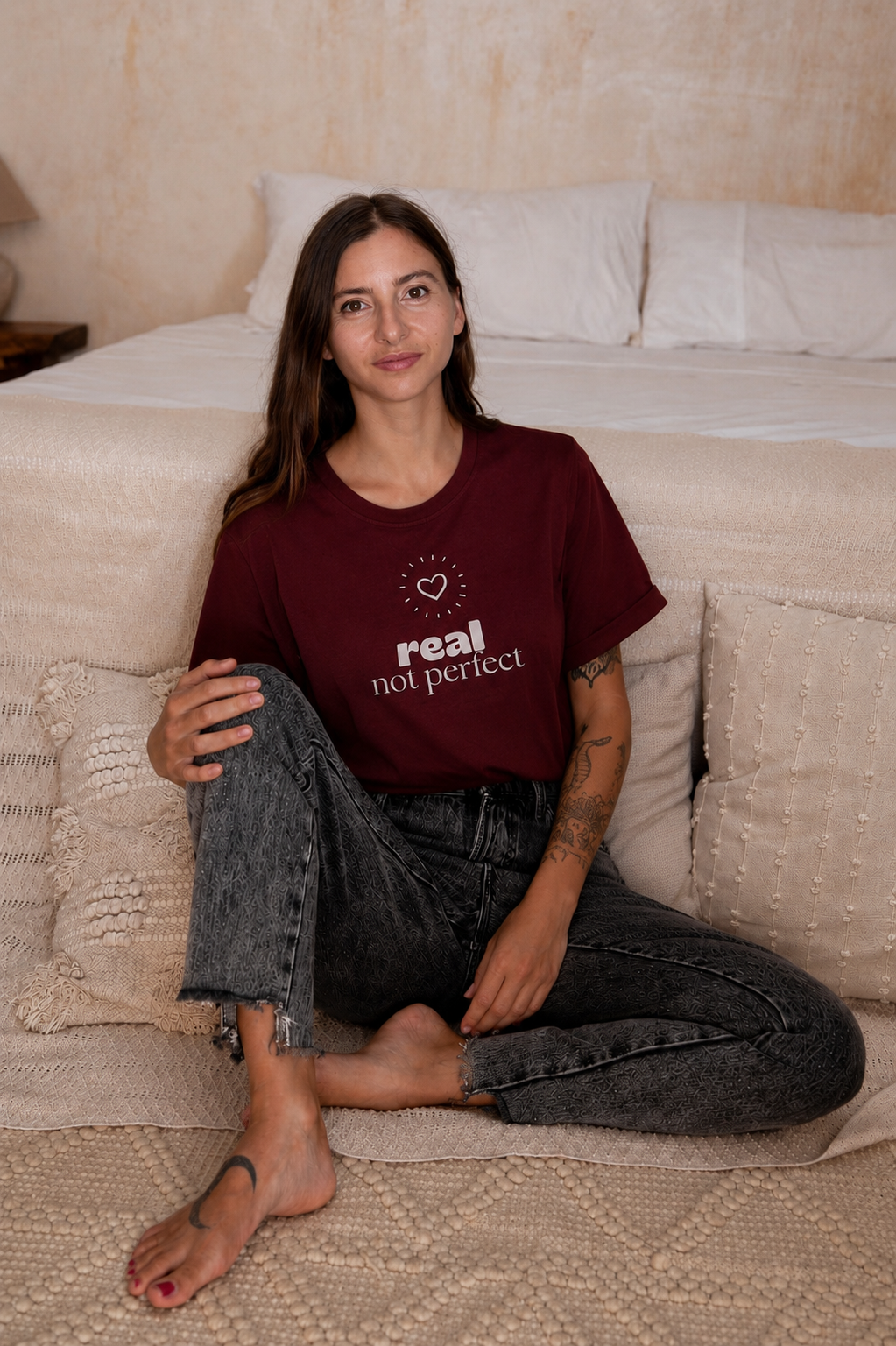
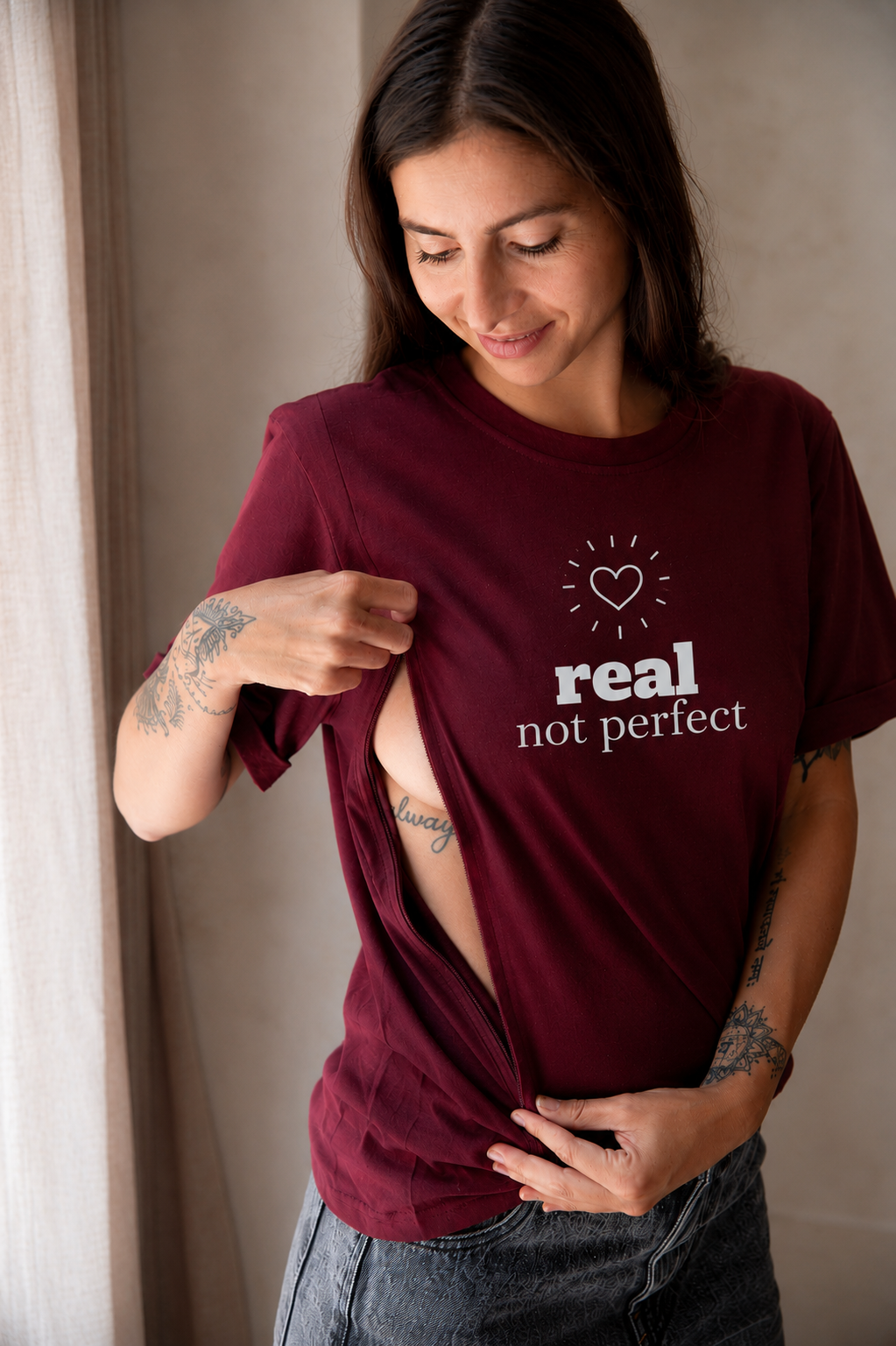
Breastfeeding t-shirt REAL
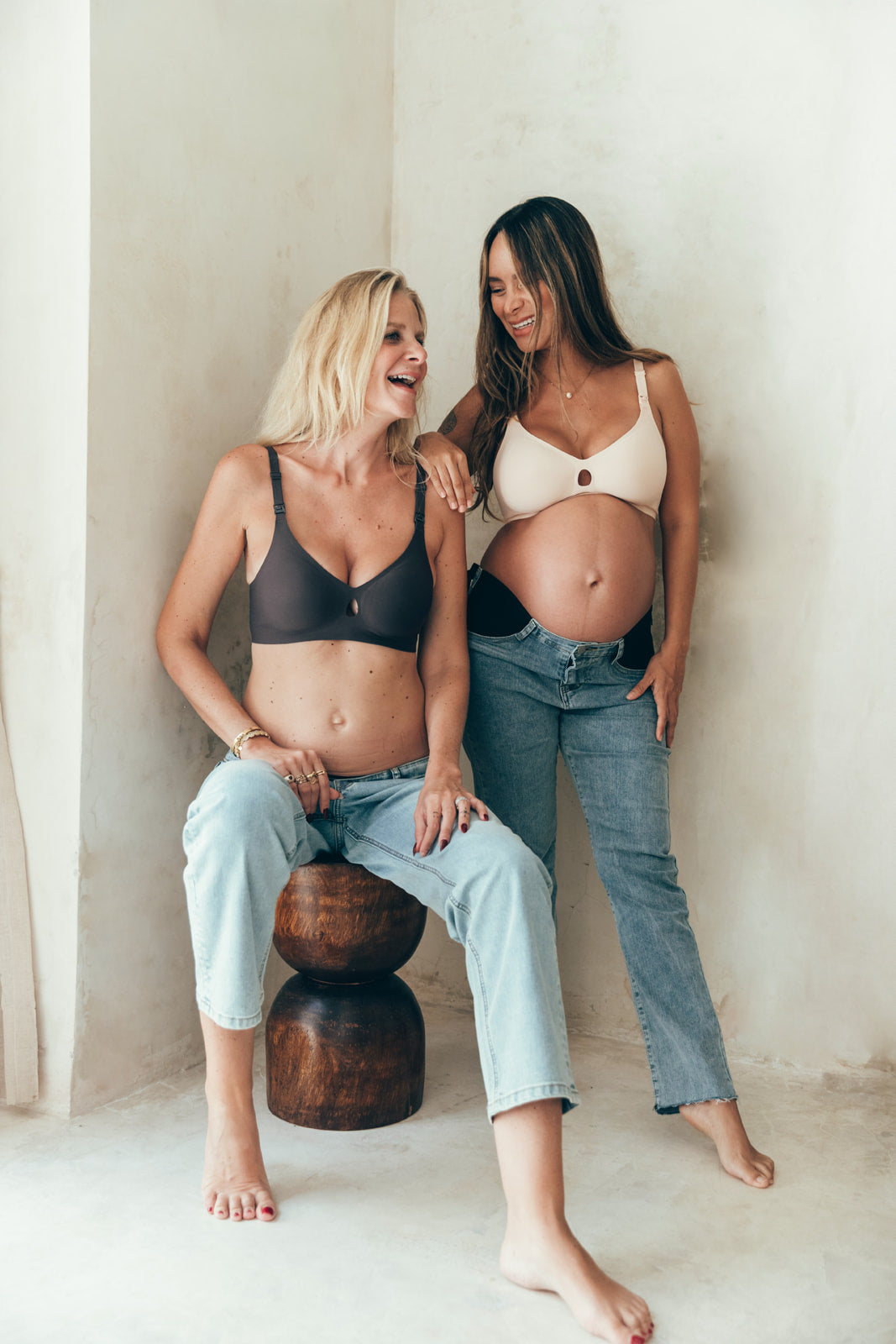
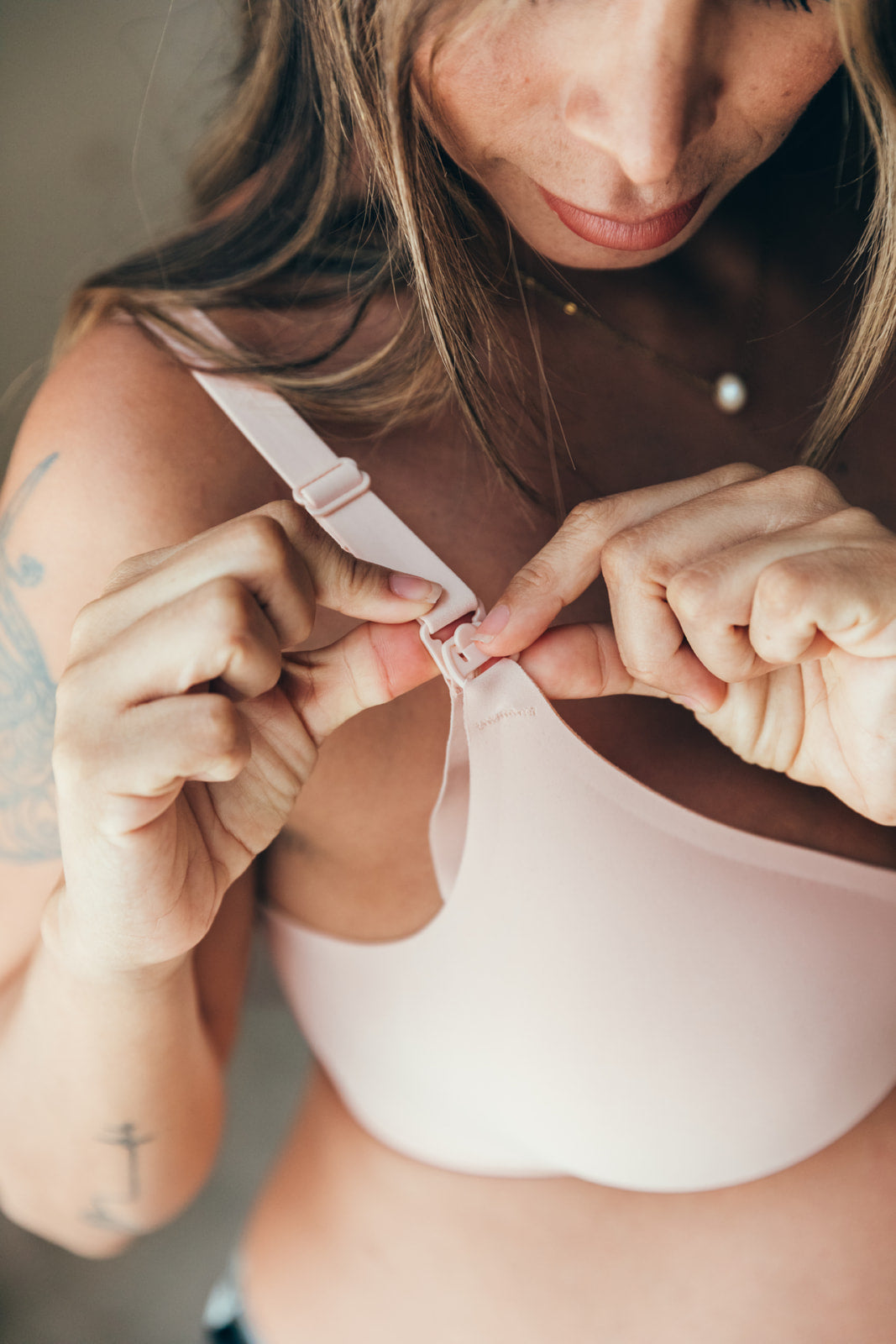
Beige nursing bra
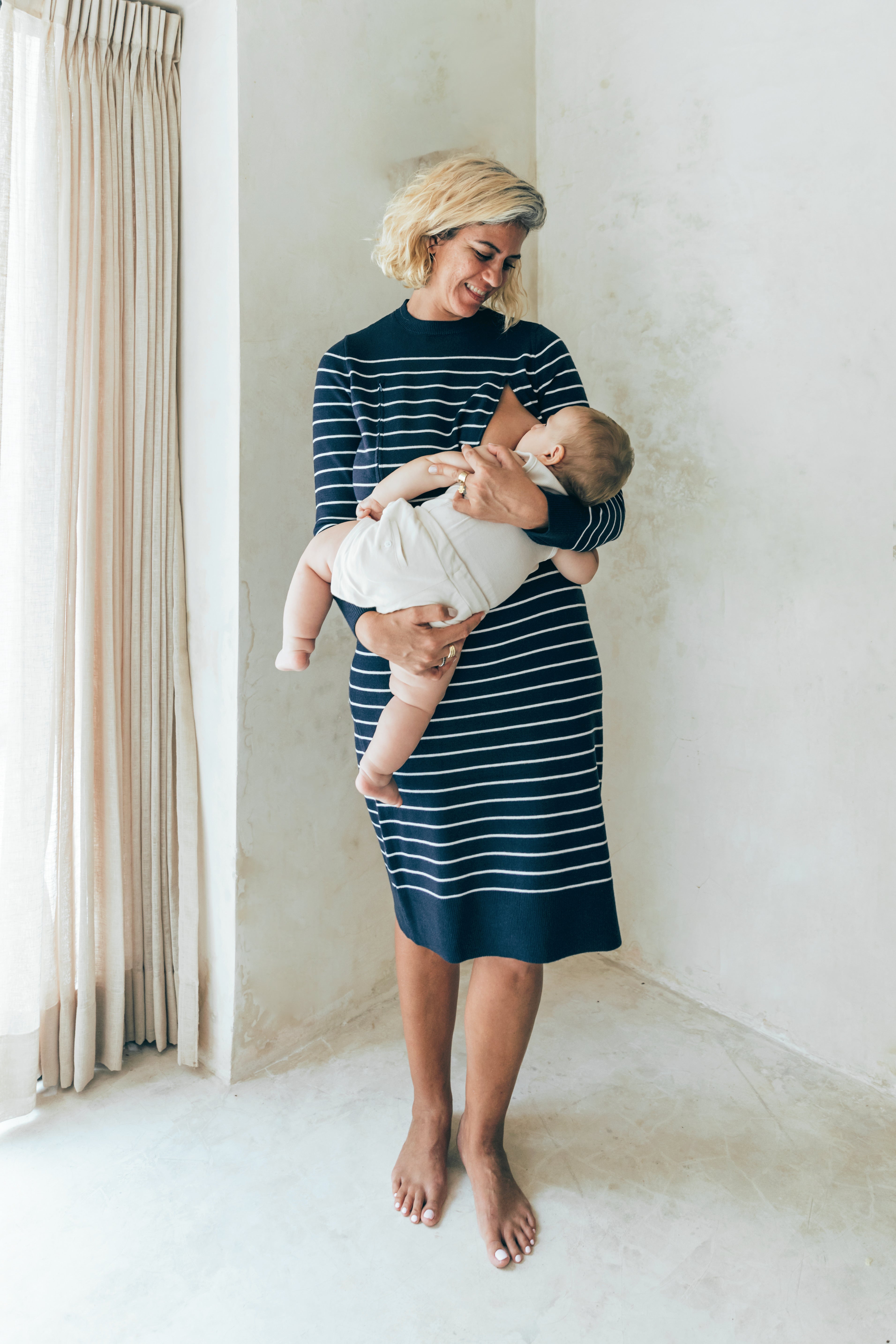

Breastfeeding dress knit Breastfeeding dress knit
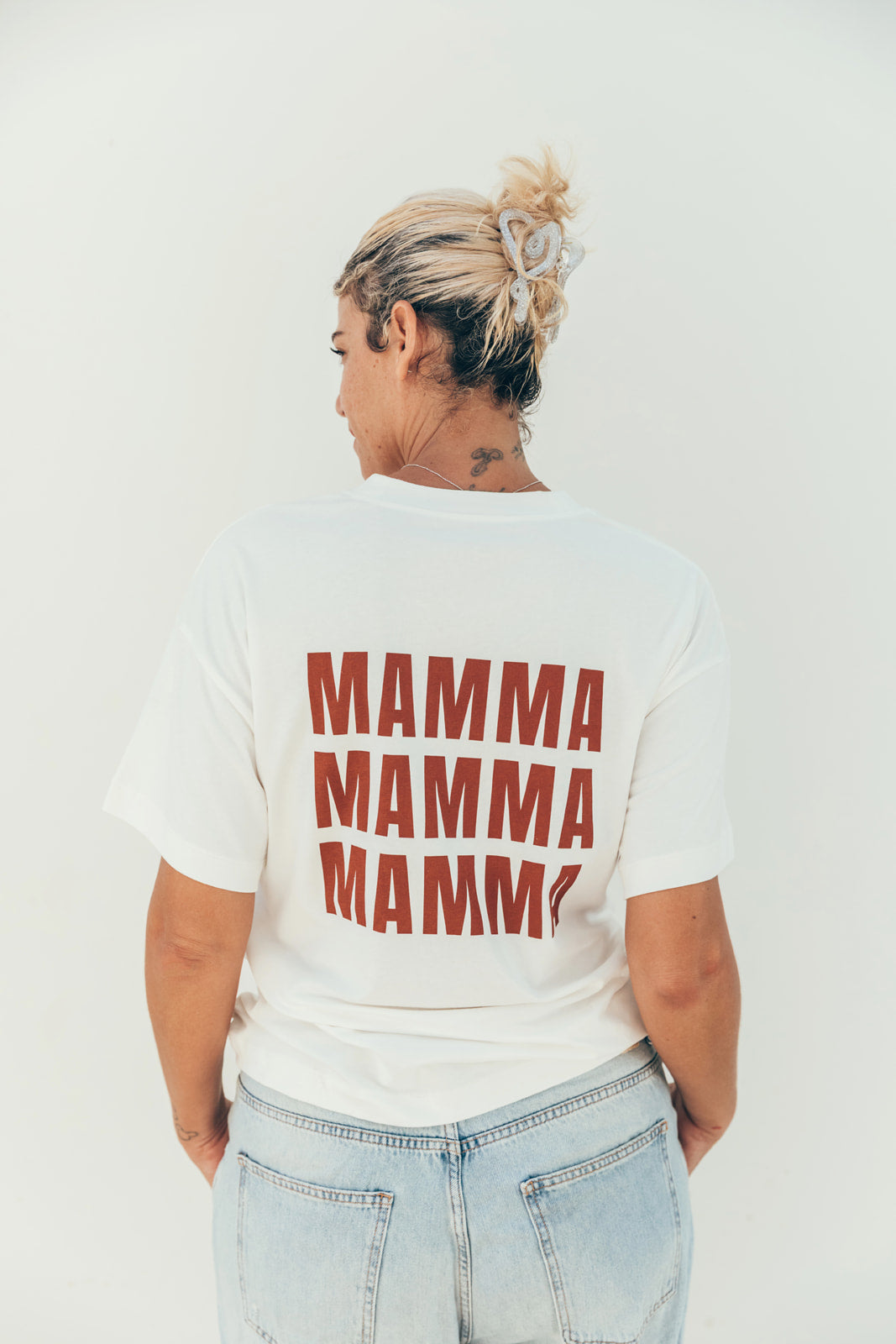
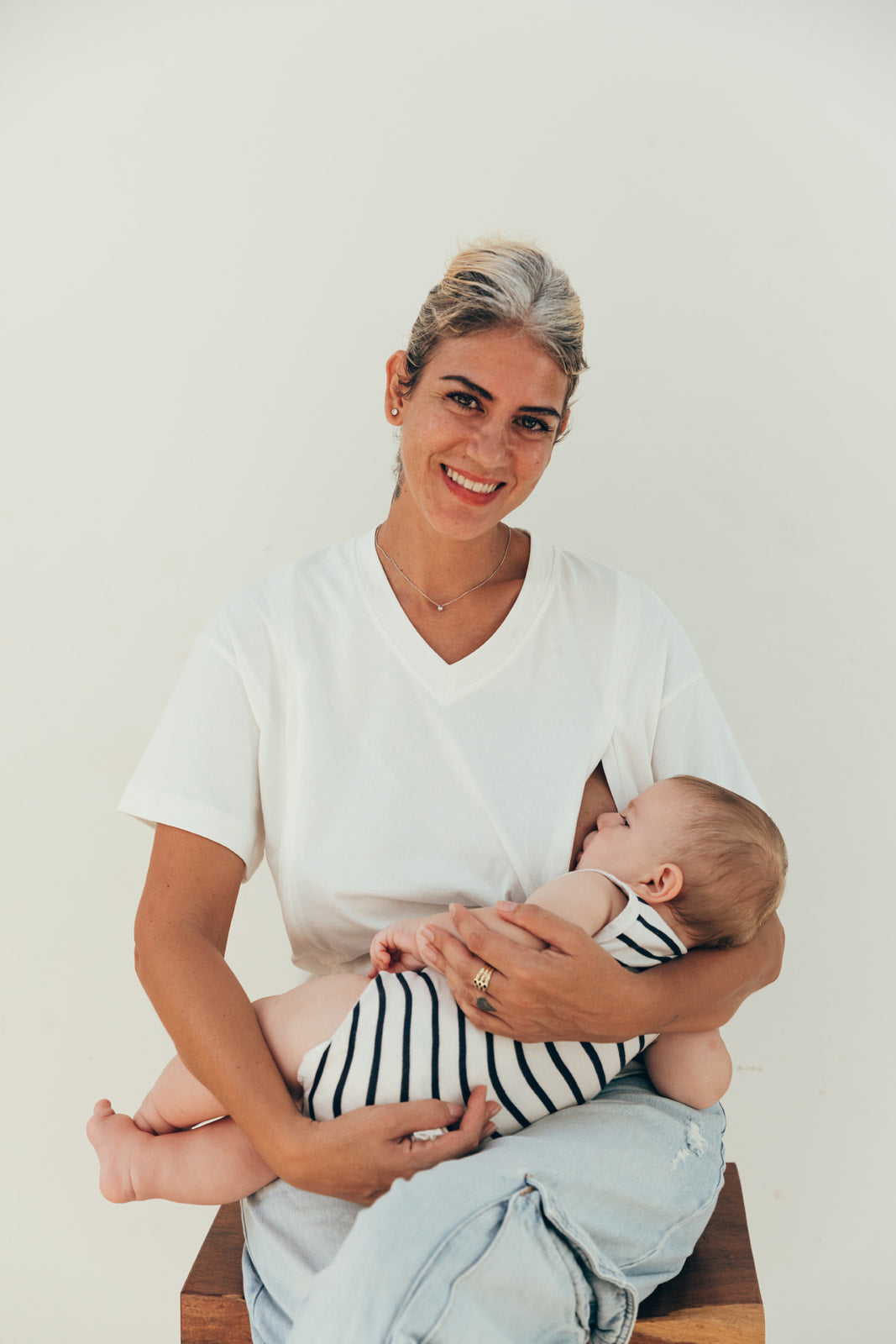
Breastfeeding t-shirt BROWN
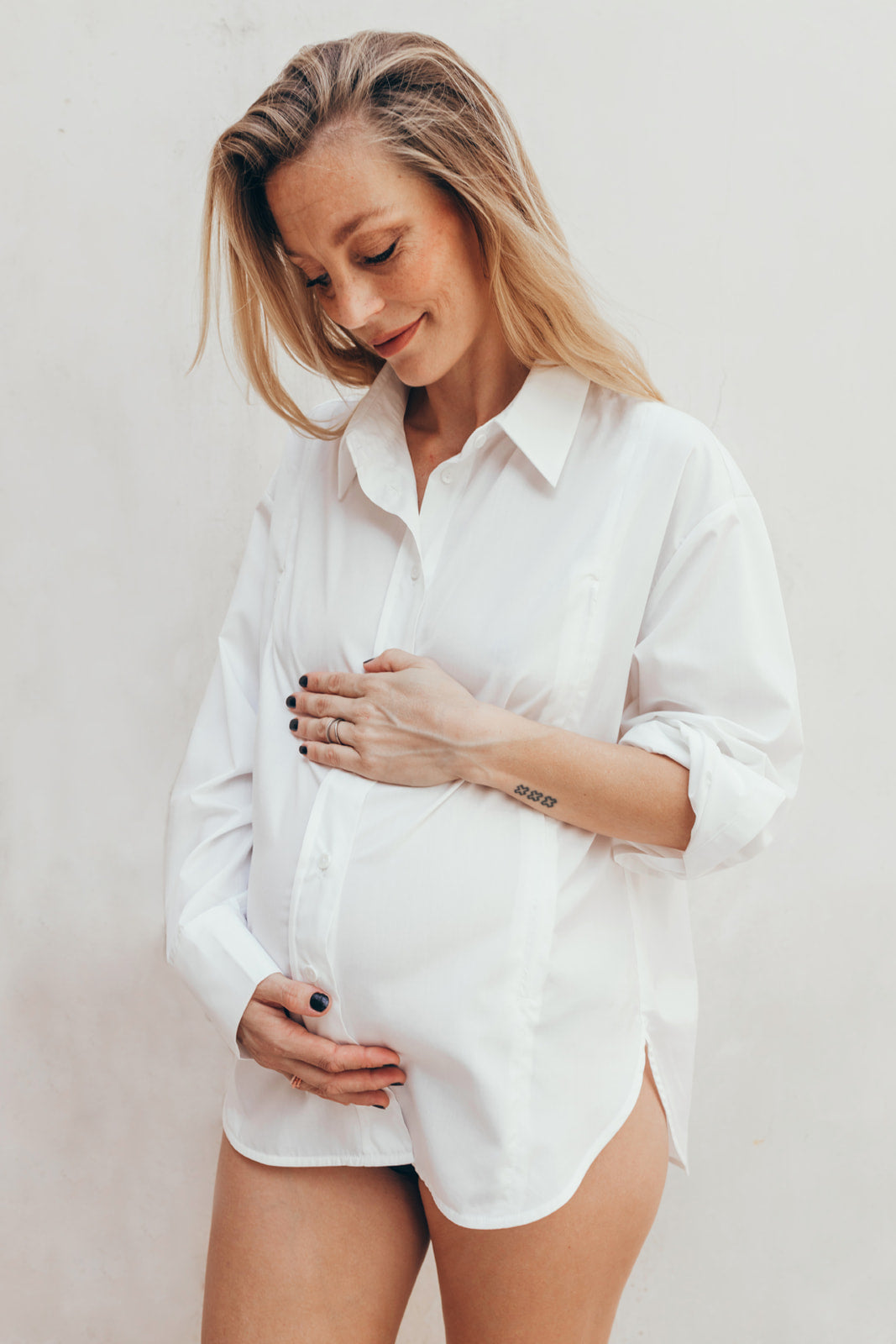

Nursing shirt
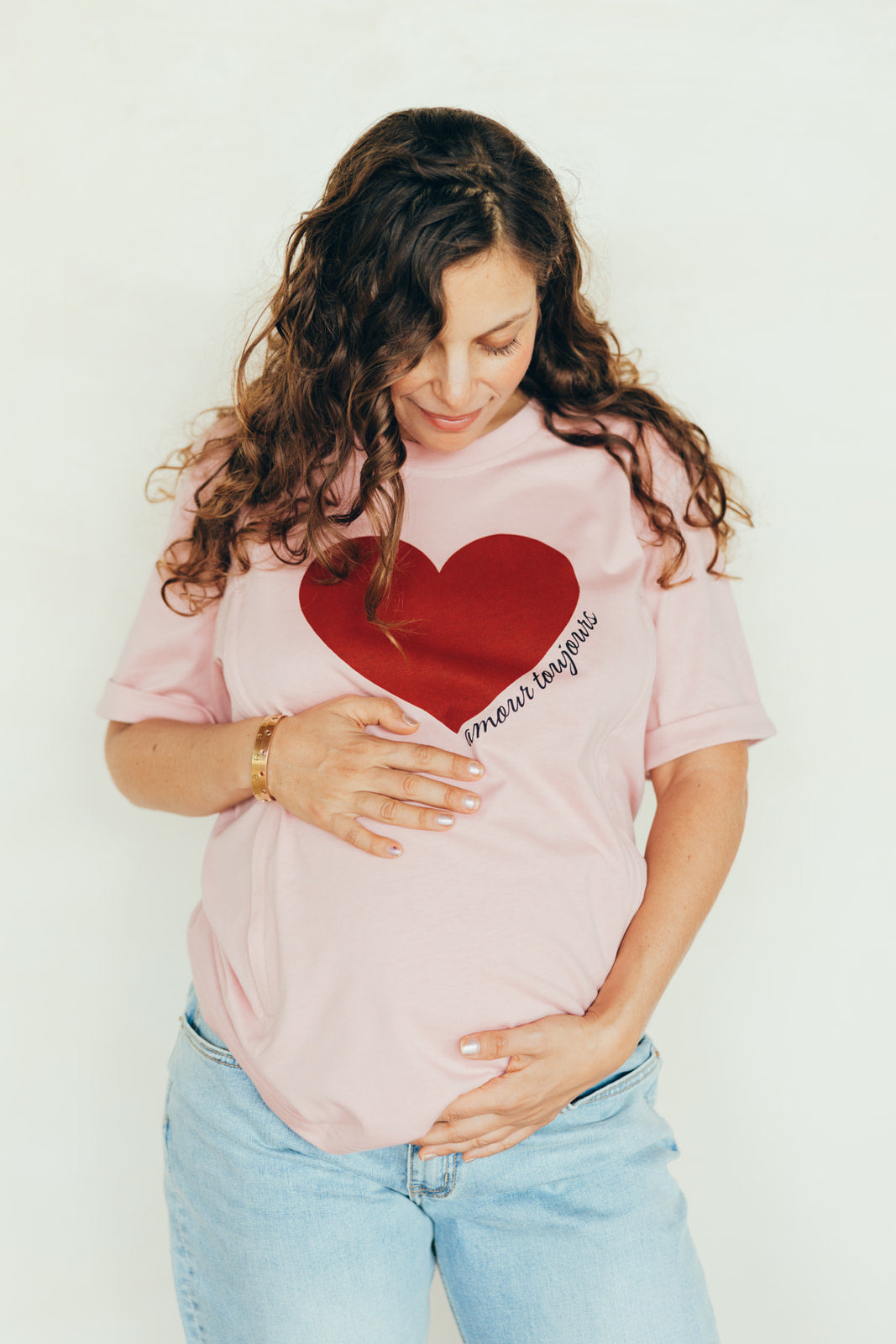
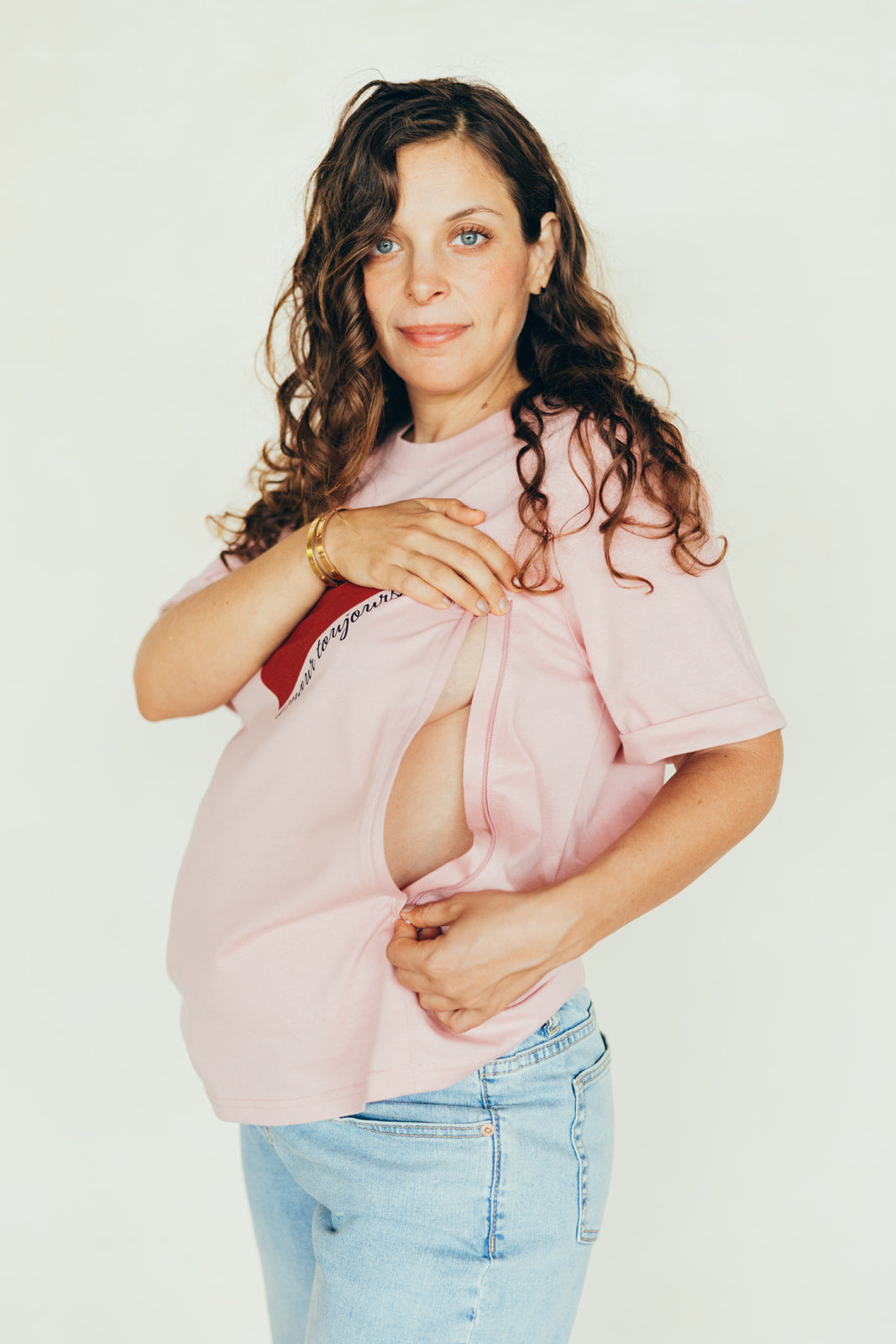
Breastfeeding t-shirt AT
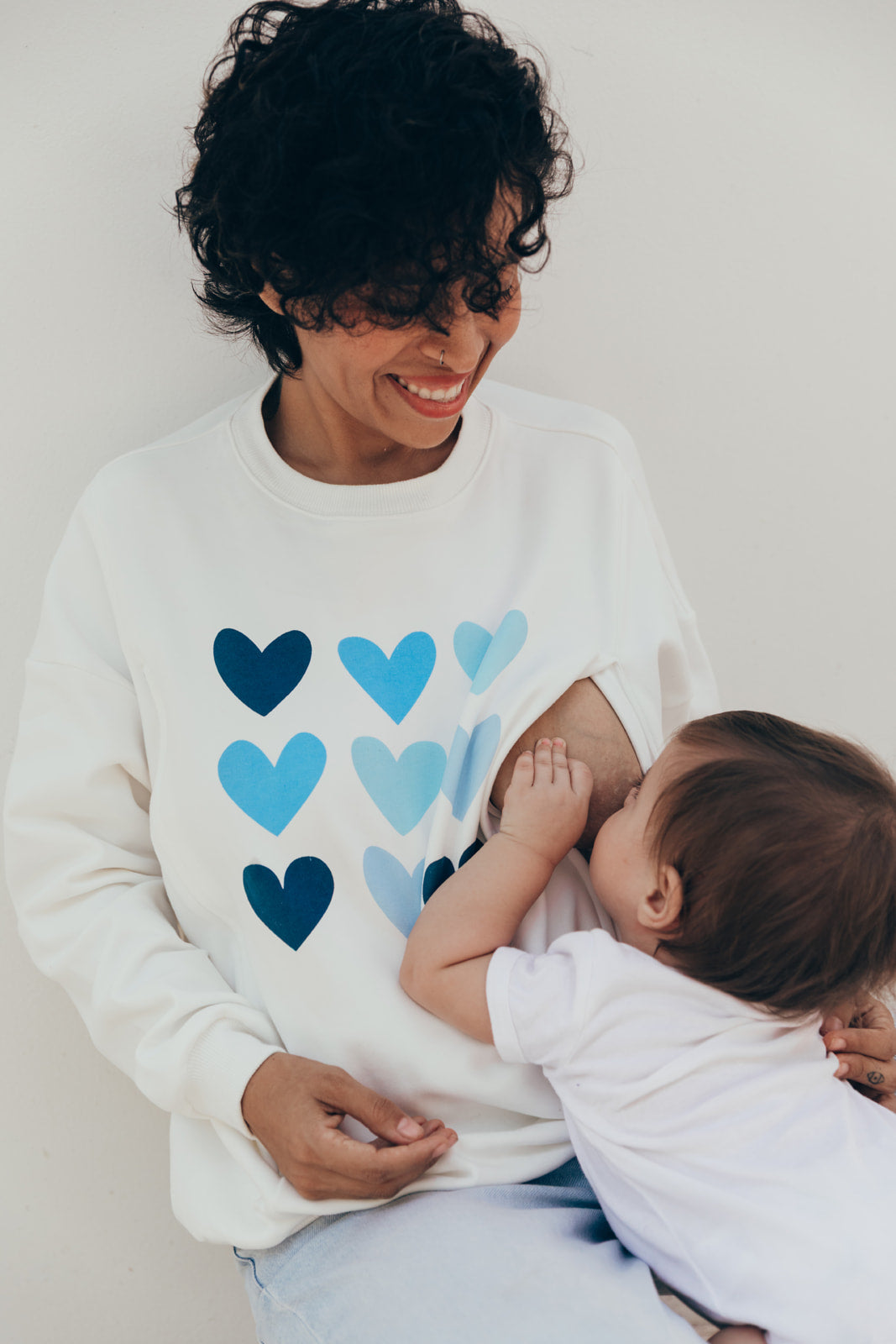
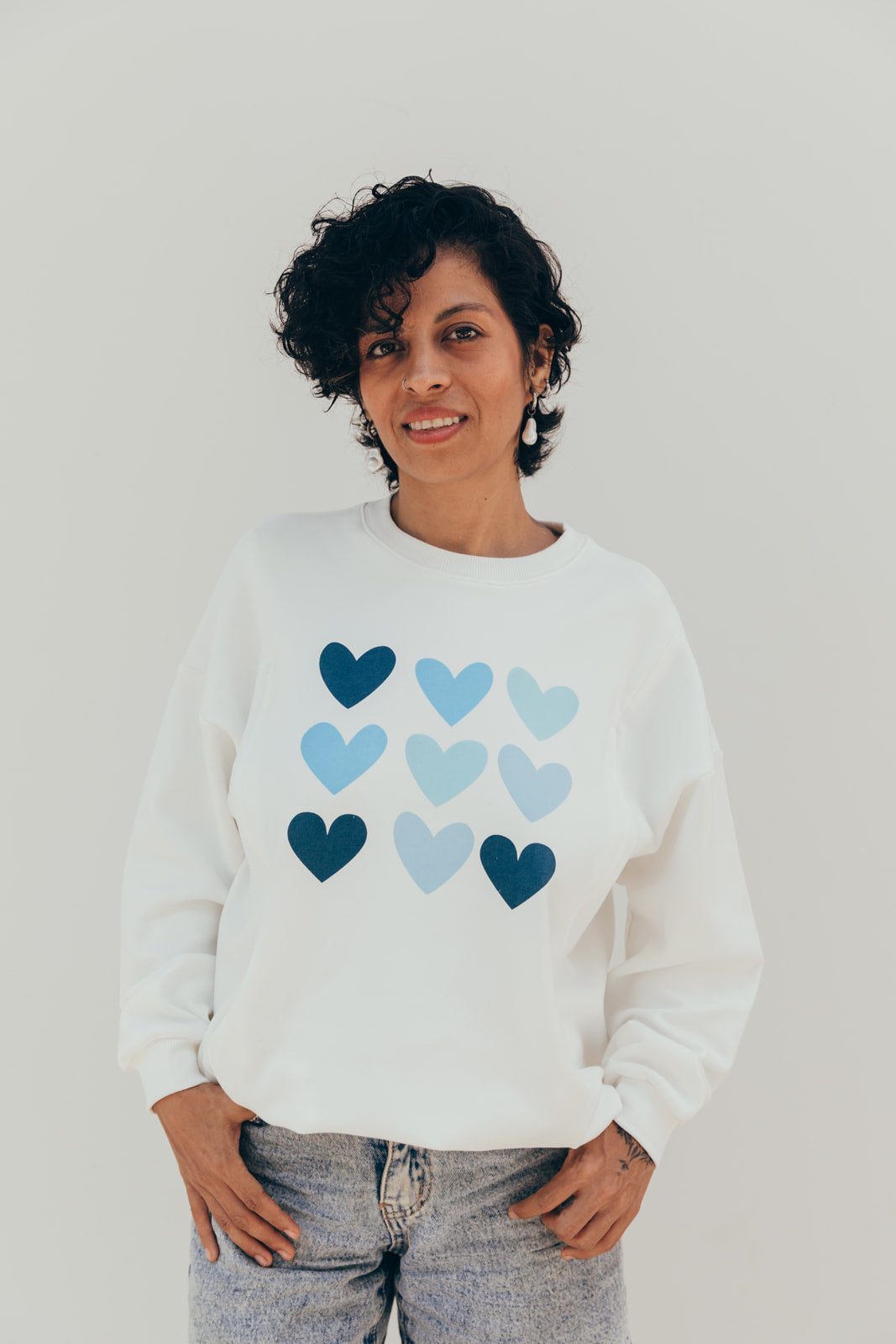
Blue Hearts Nursing Sweatshirt
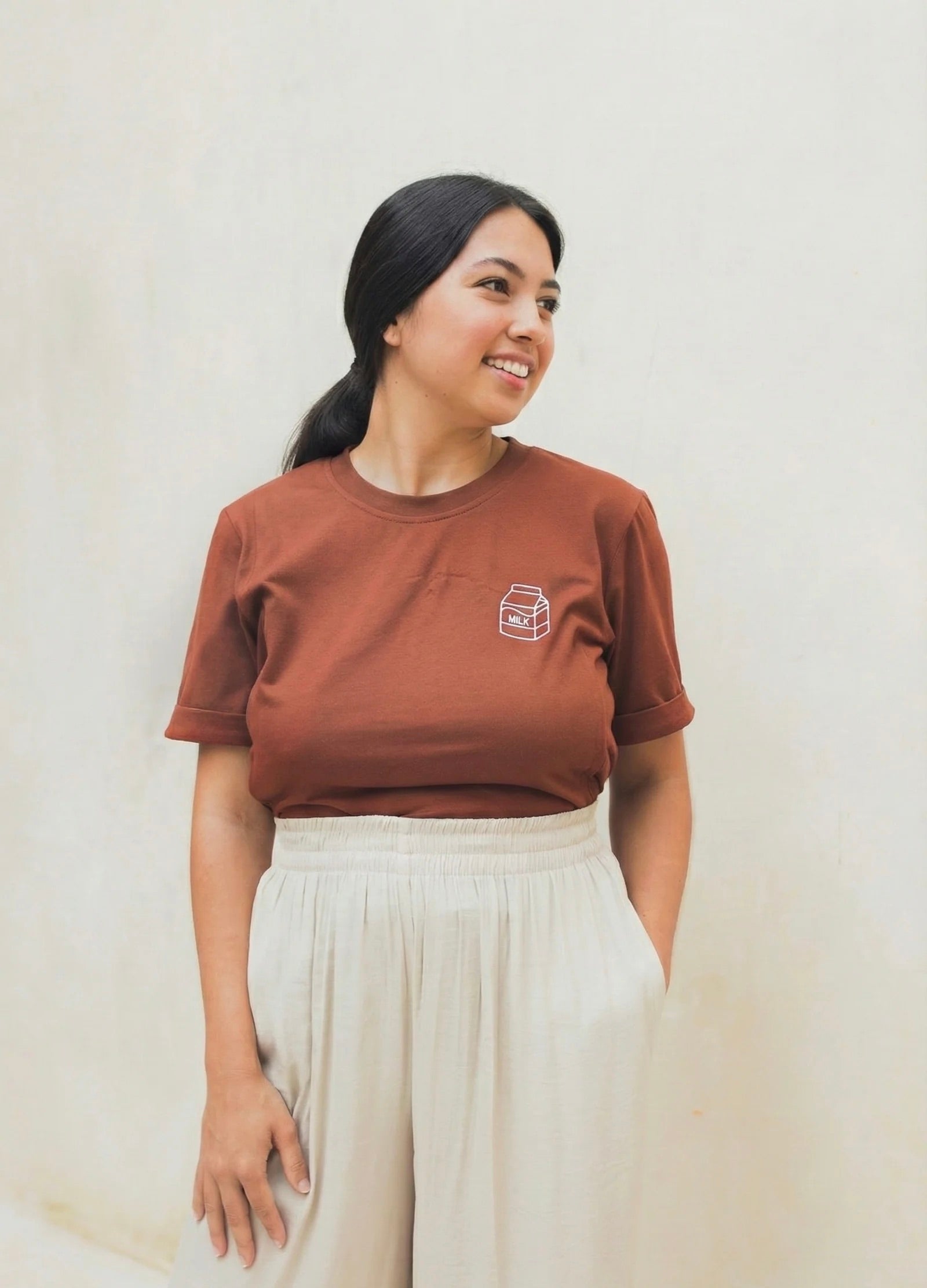
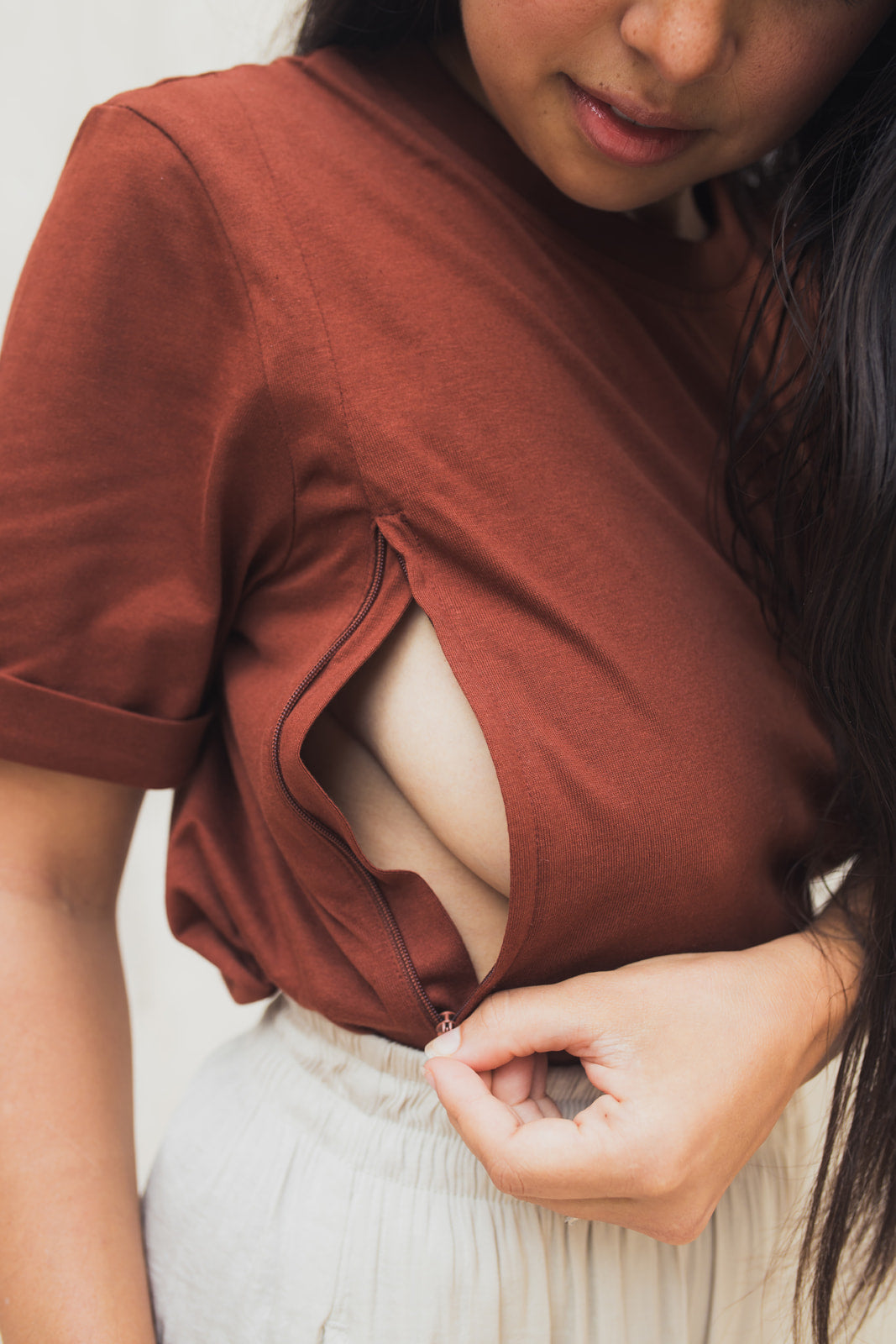
MILK BOX Breastfeeding t-shirt
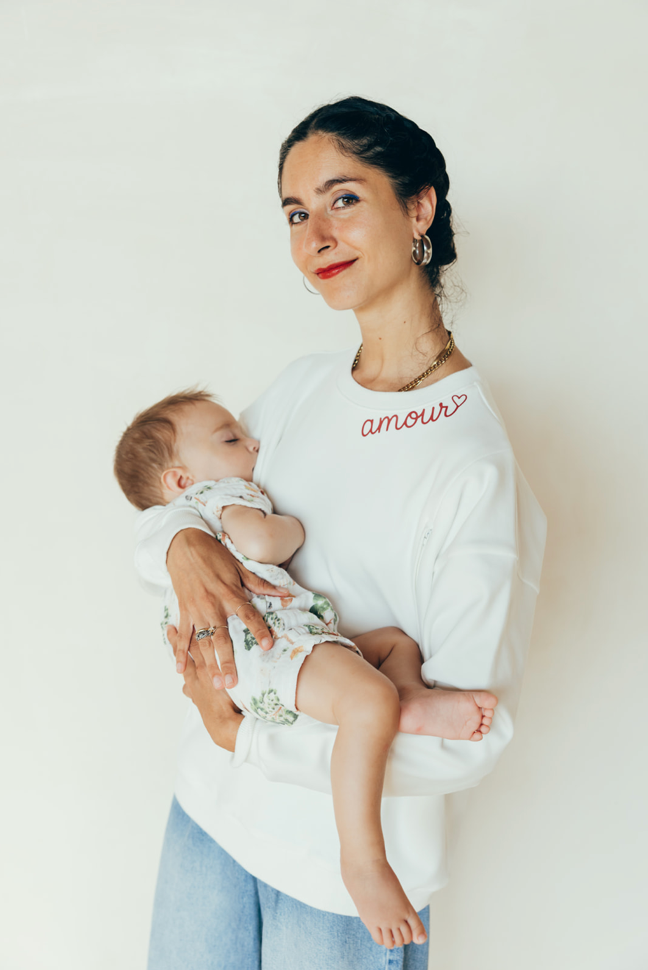
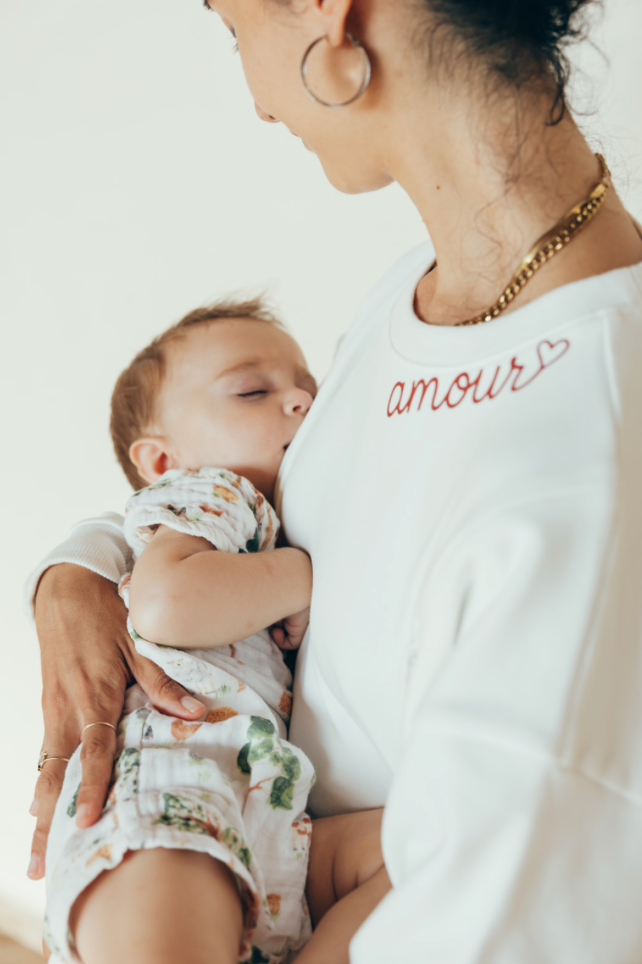
White AMOUR nursing sweatshirt
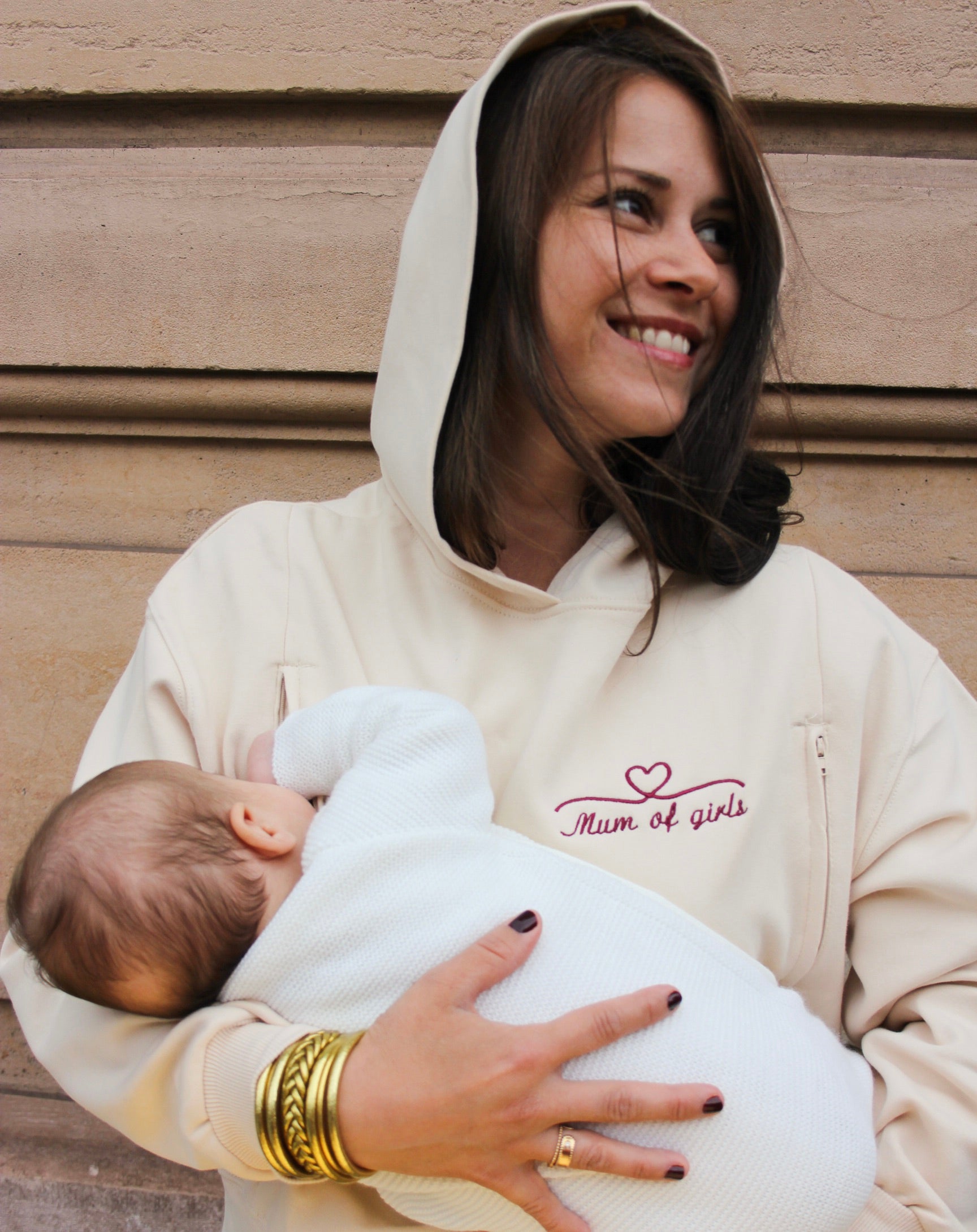
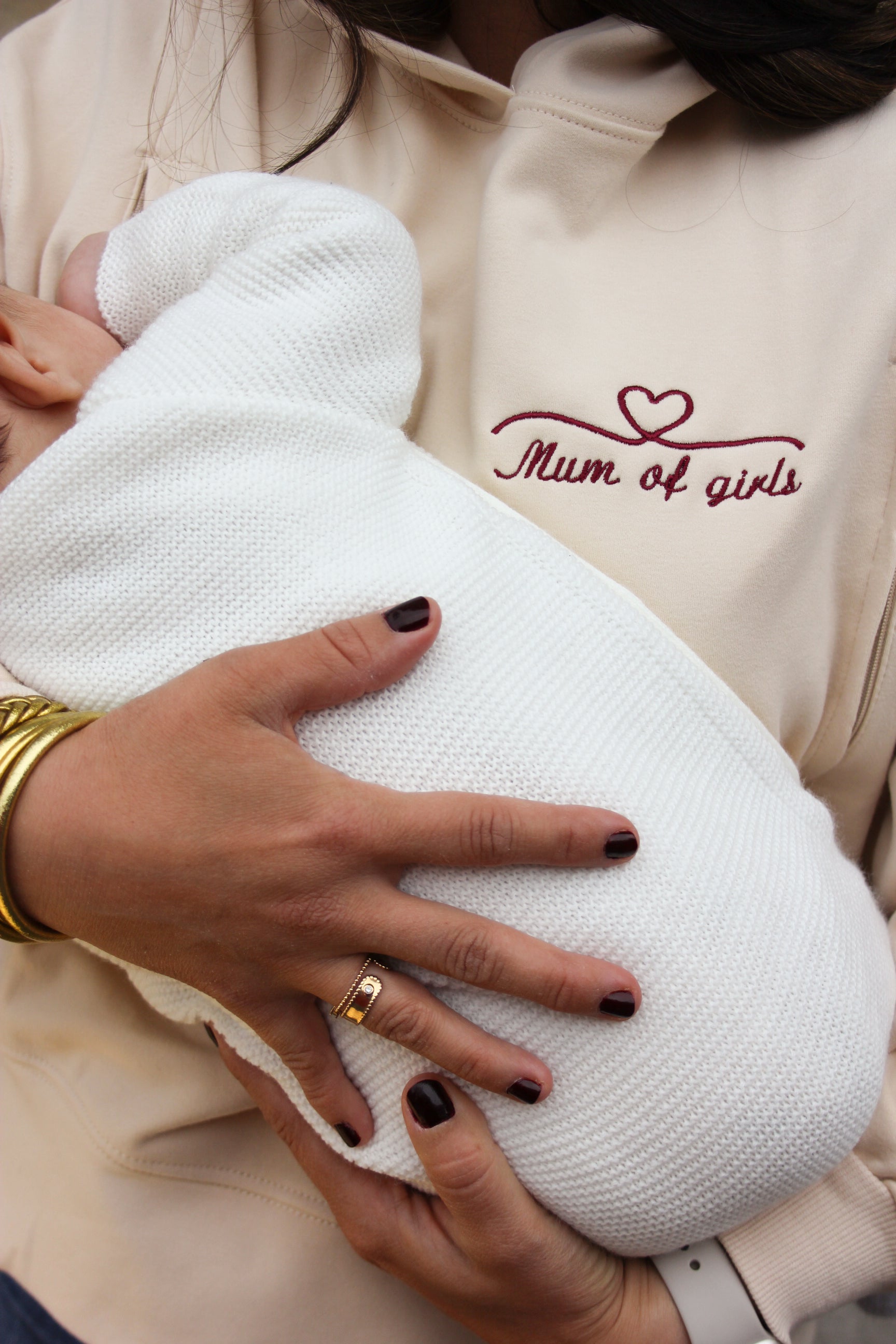
INFINI nursing hoodie

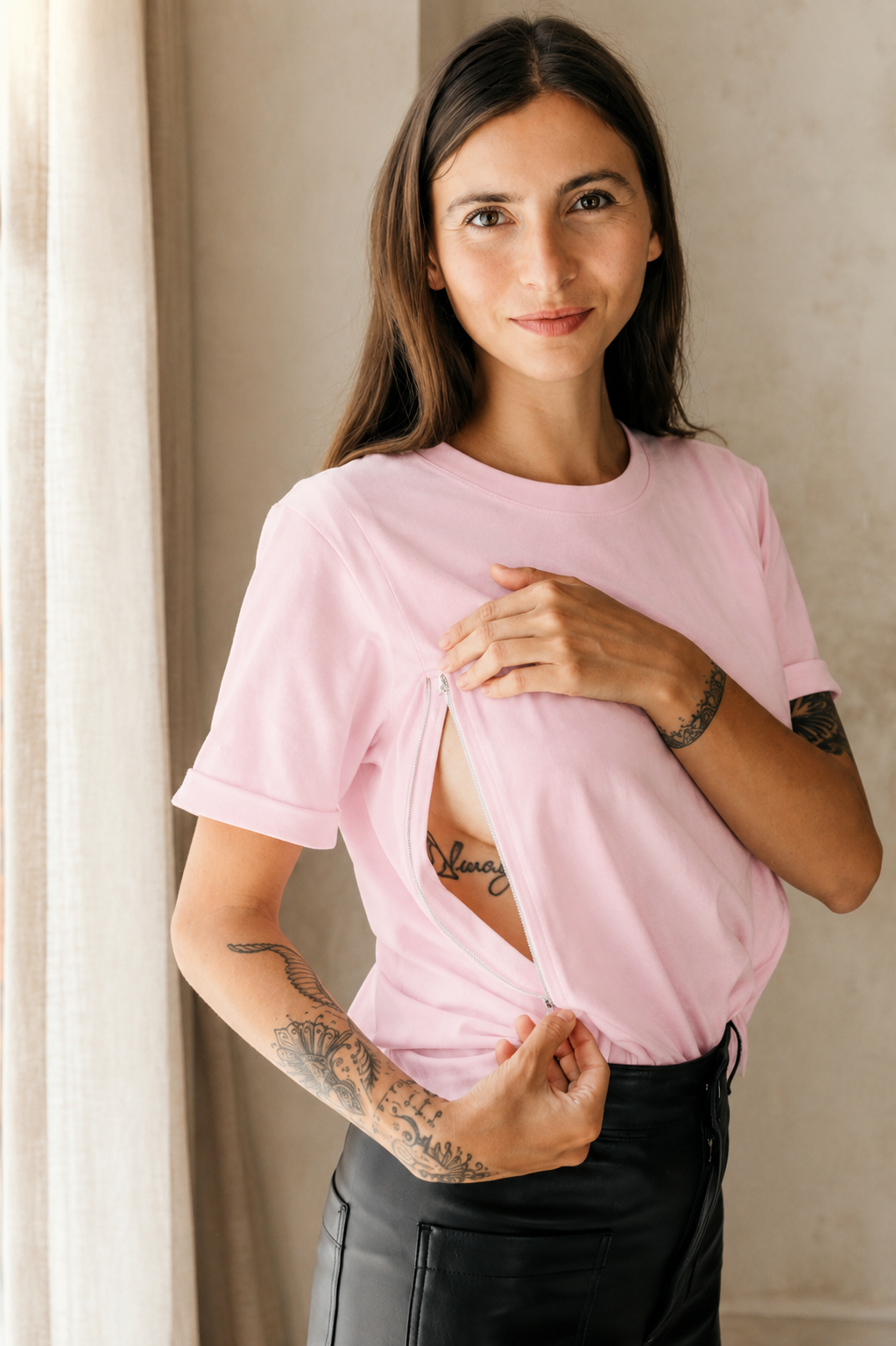
Glow Breastfeeding t-shirt
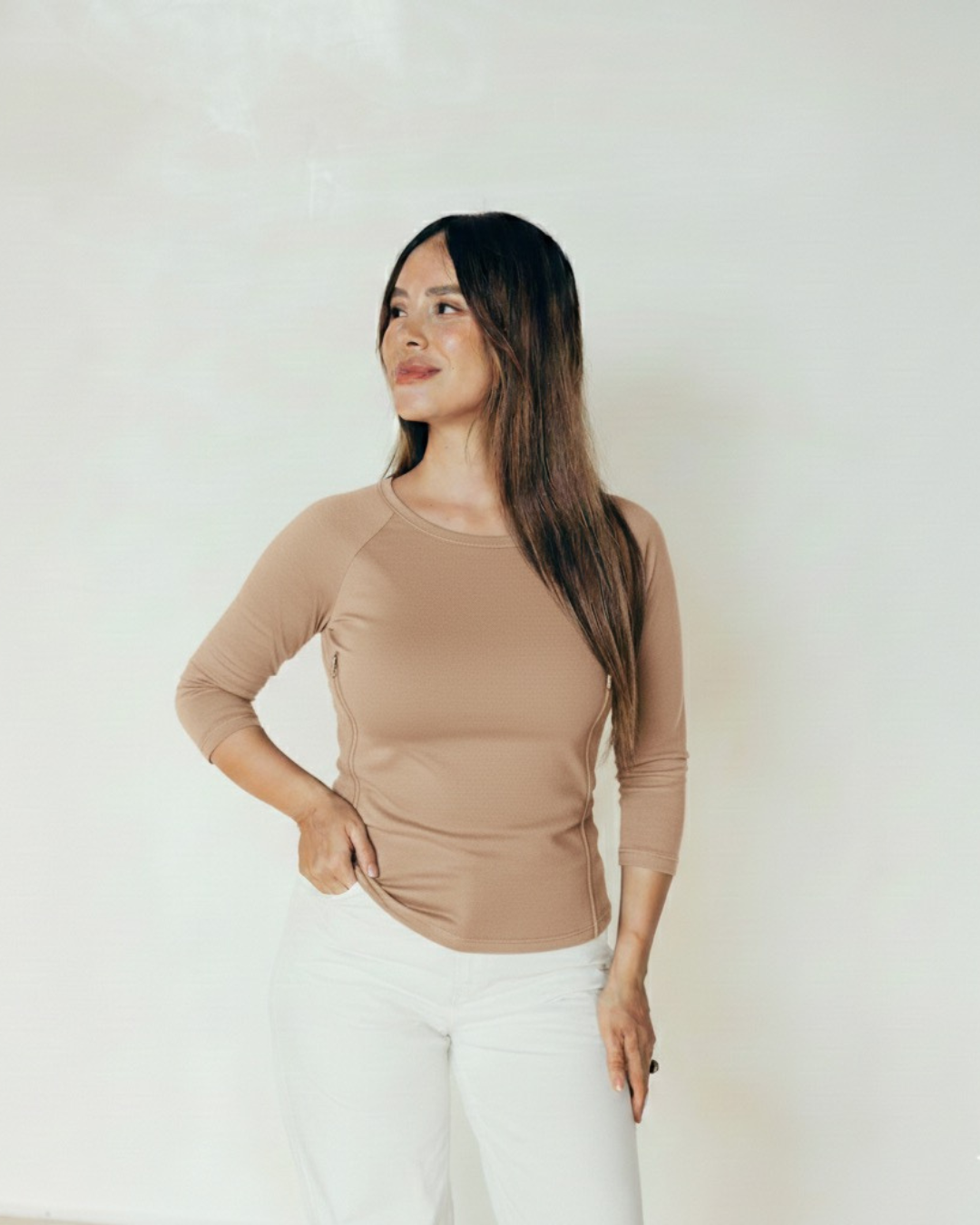
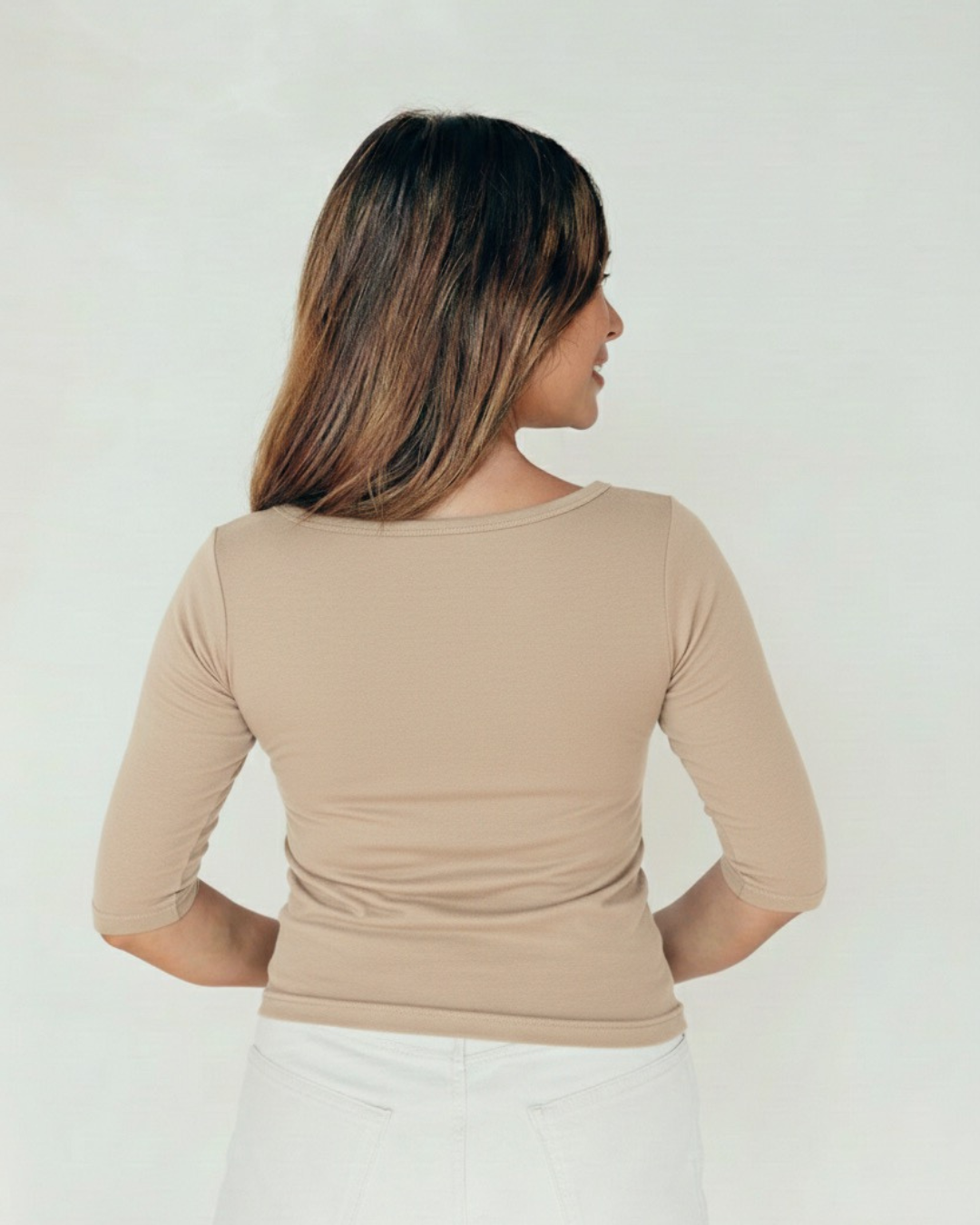
Breastfeeding t-shirt sleeves) - Taupe

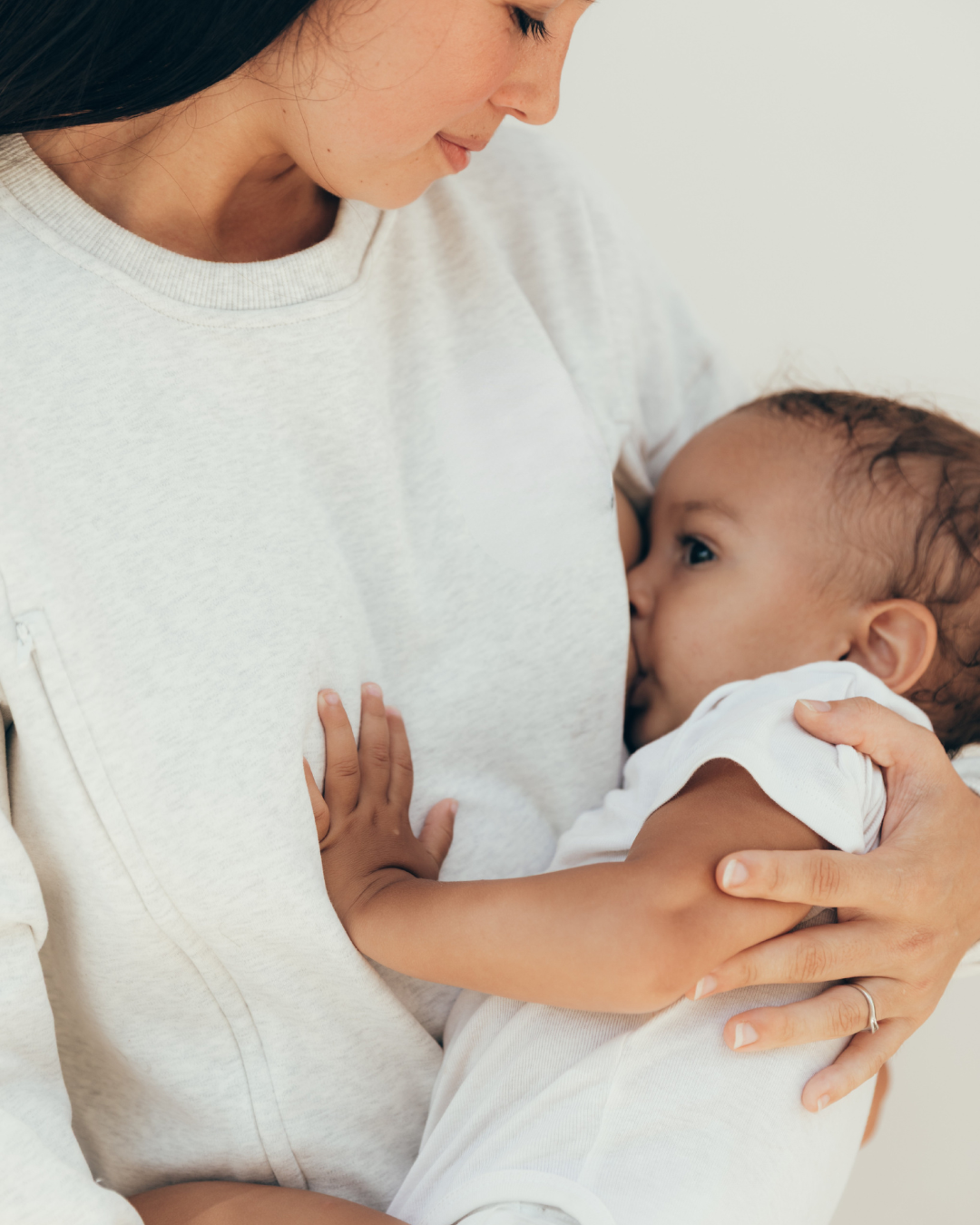
Gray nursing sweatshirt
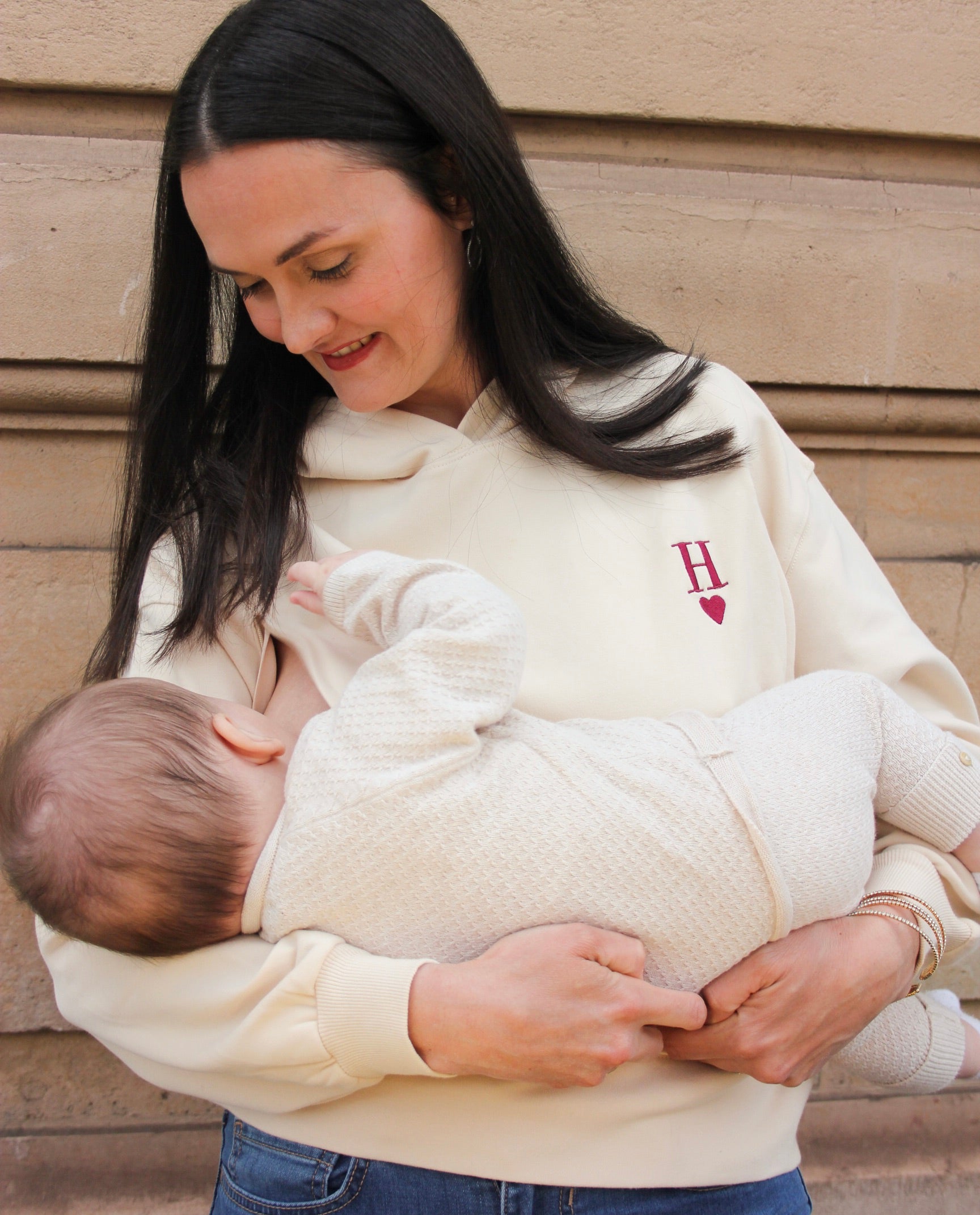
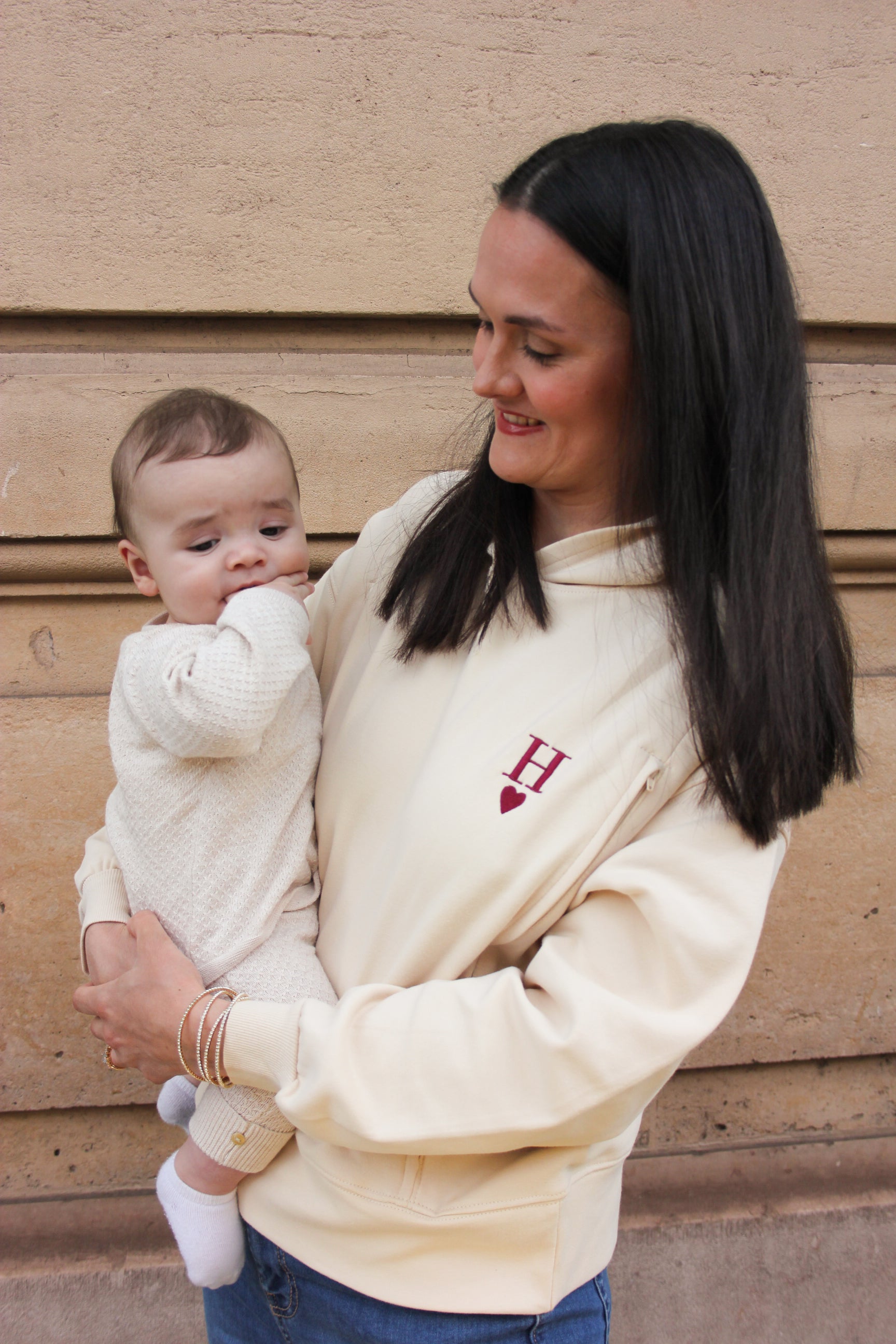
LUCKY CHARM nursing hoody
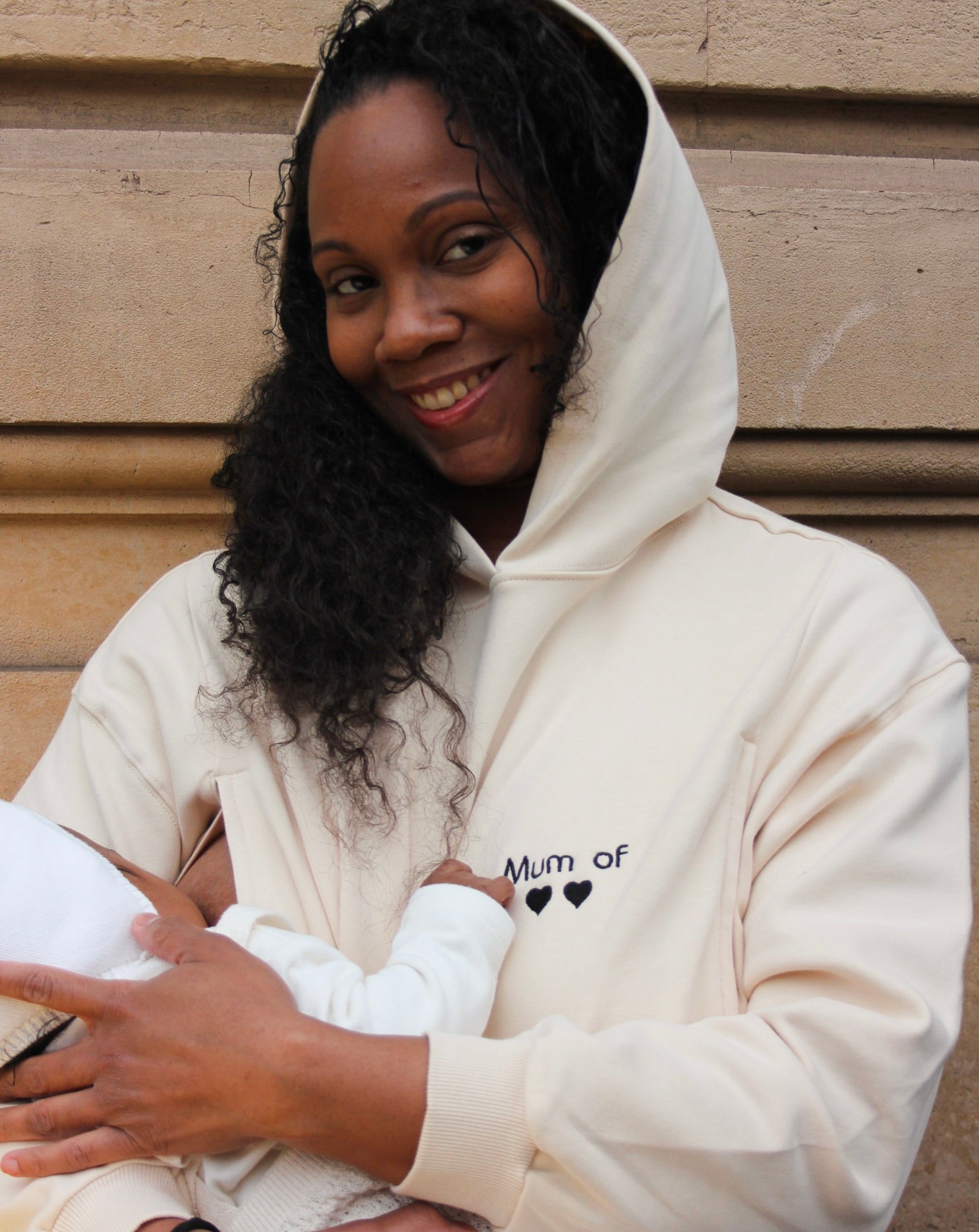
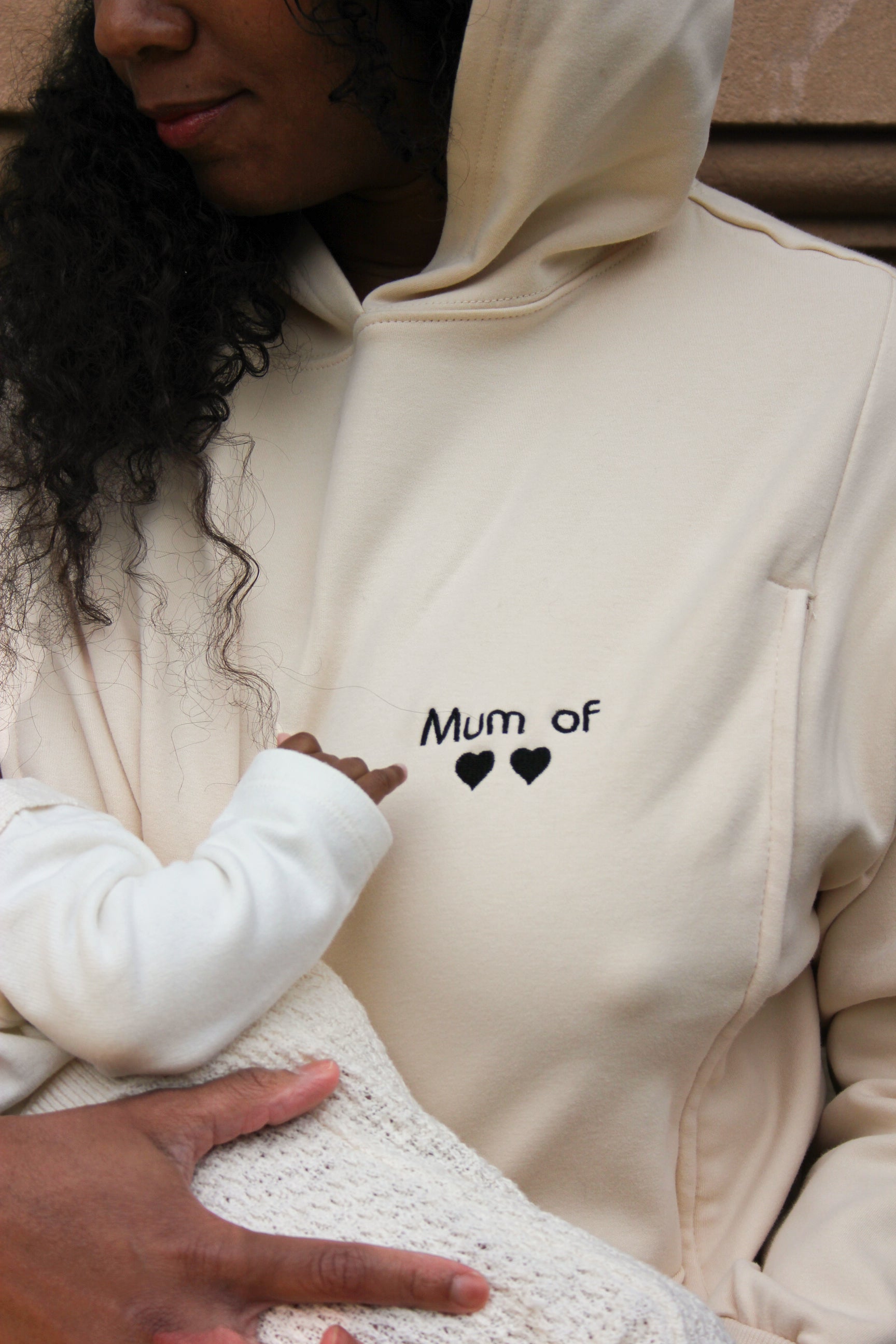
Nursing hoodie #MOMMY


White Breastfeeding t-shirt
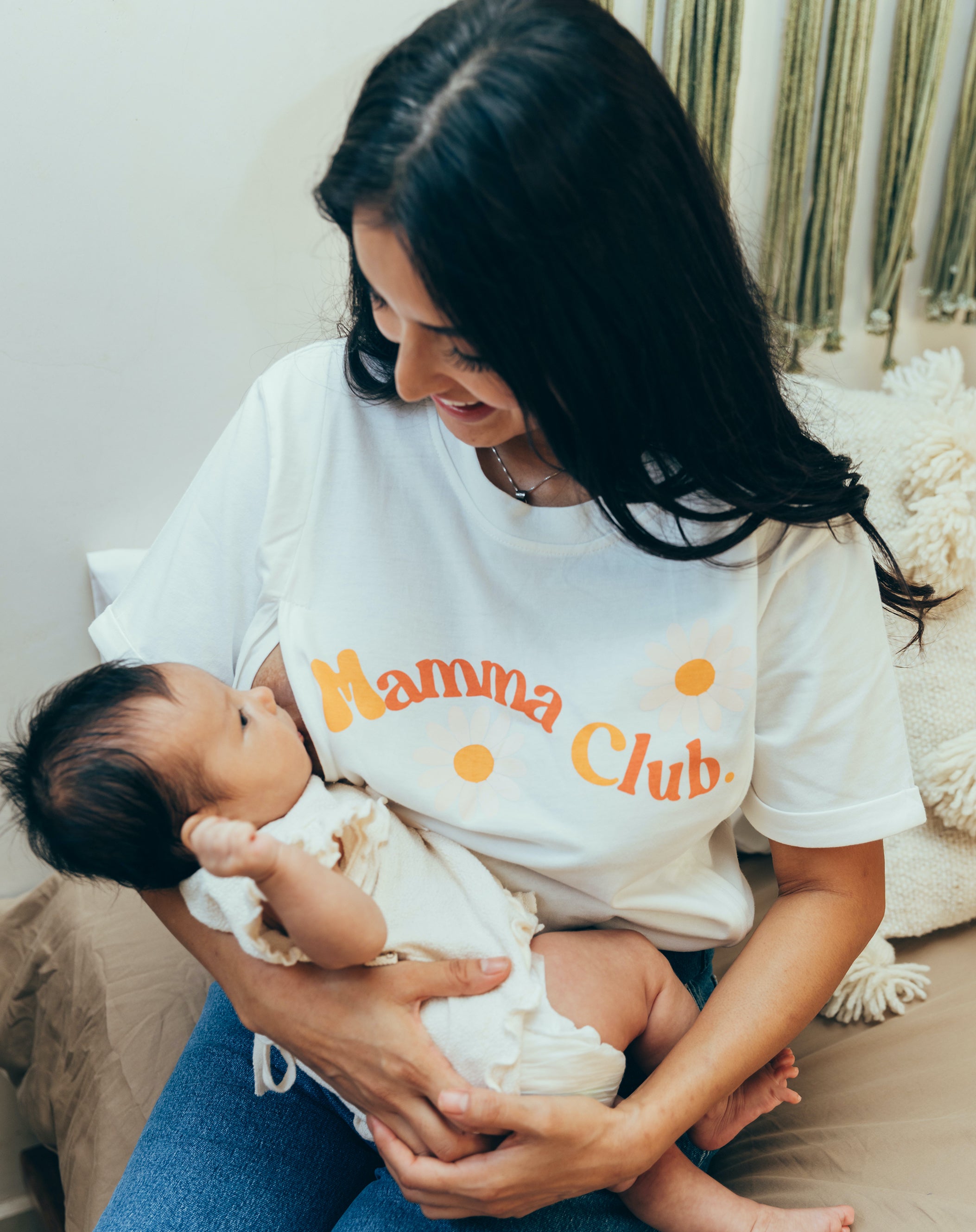

Breastfeeding t-shirt MAMMA CLUB
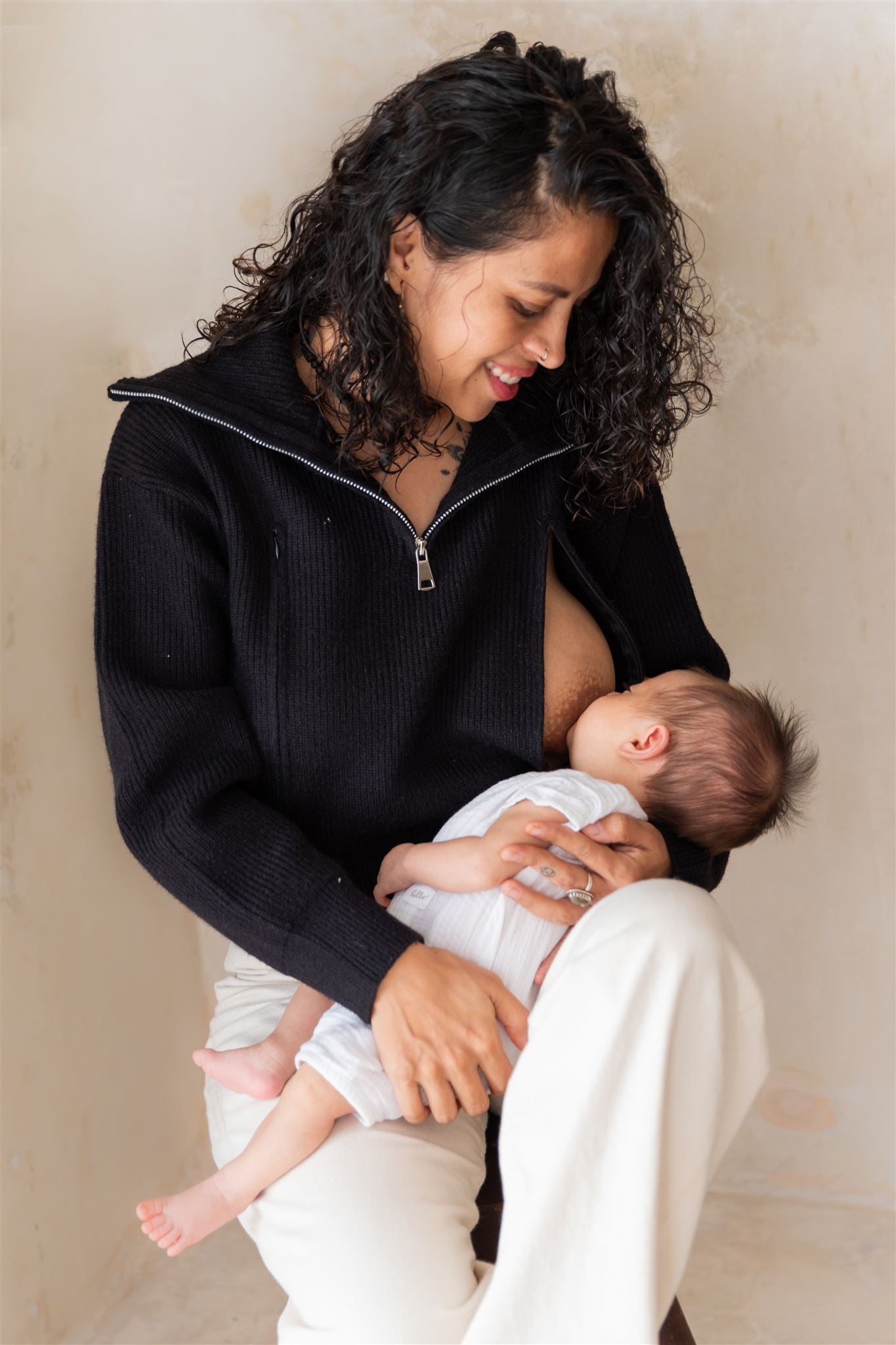
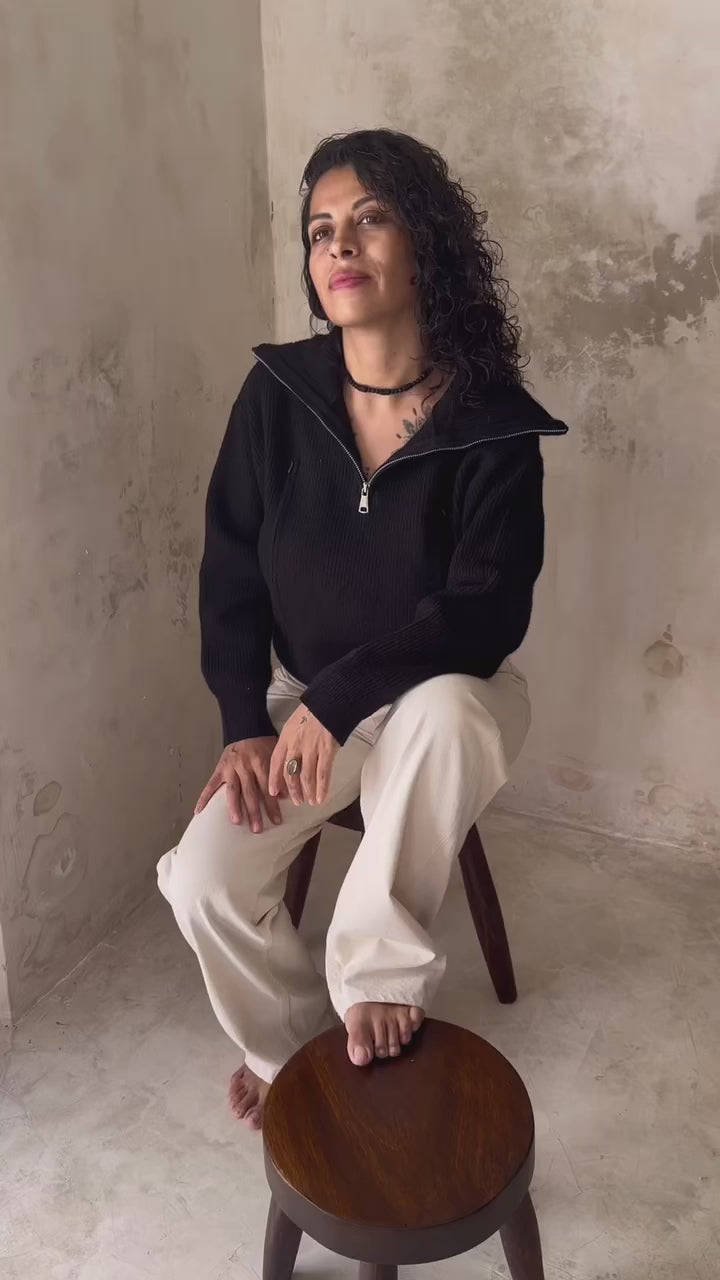
CHIARA black breastfeeding sweater
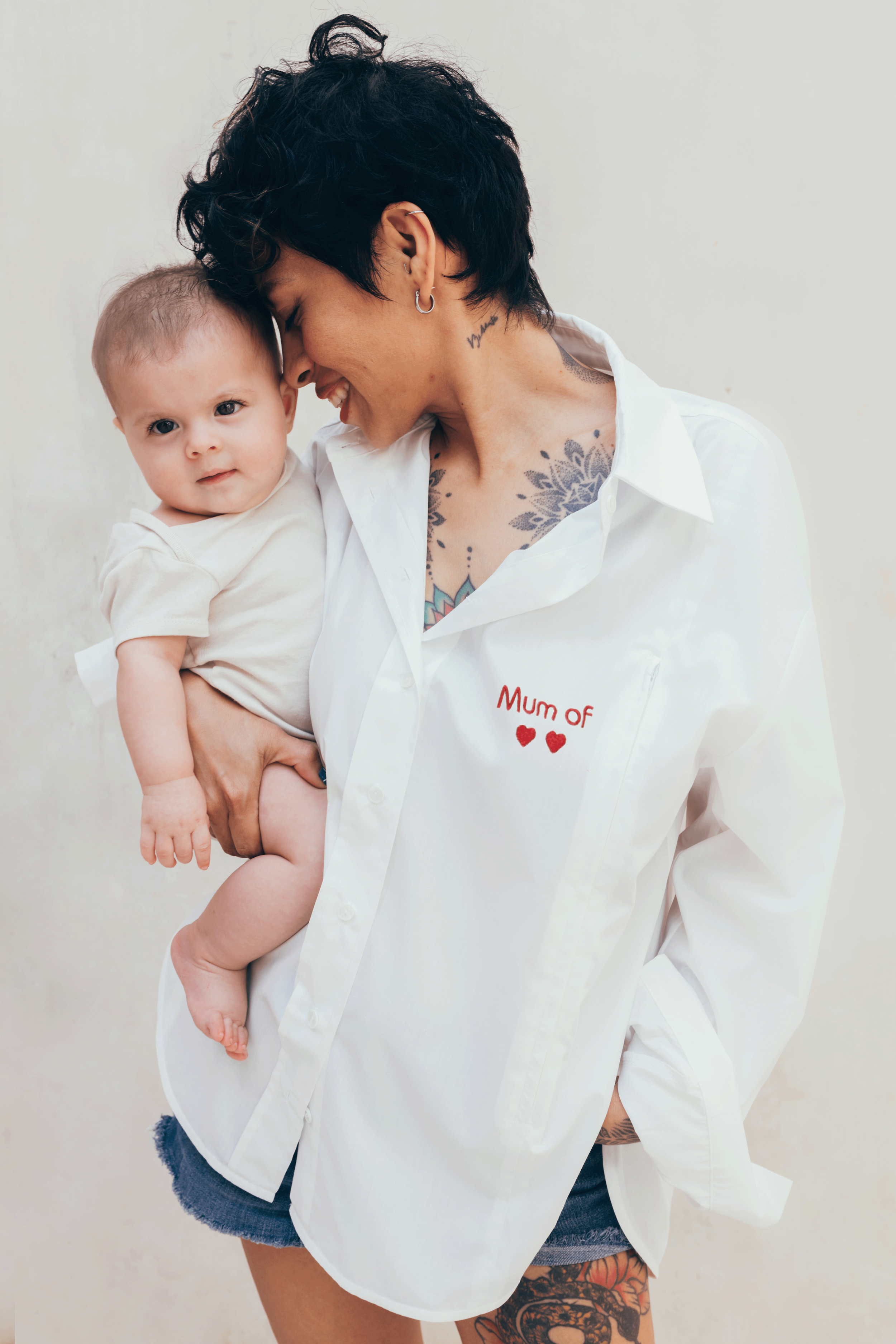
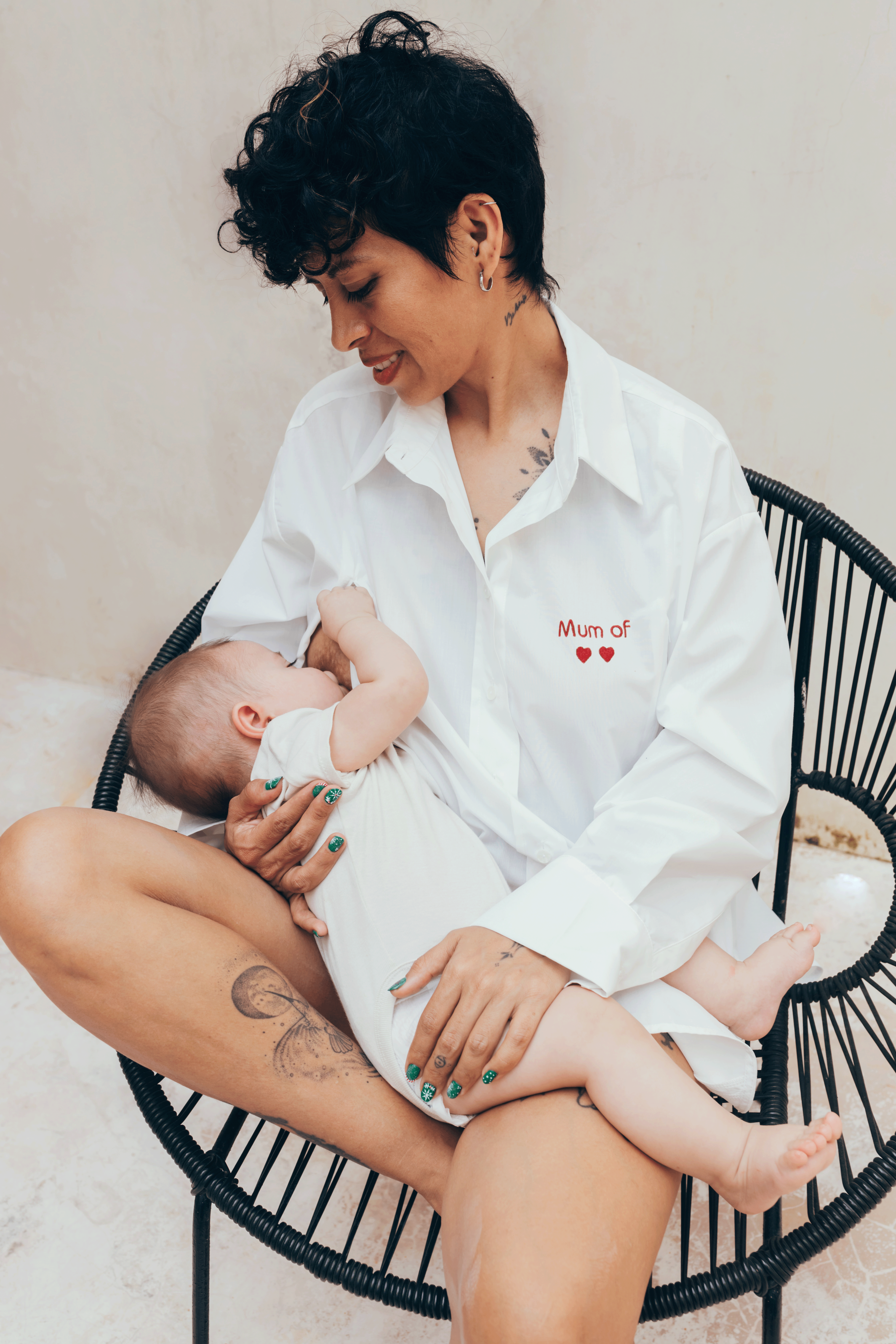
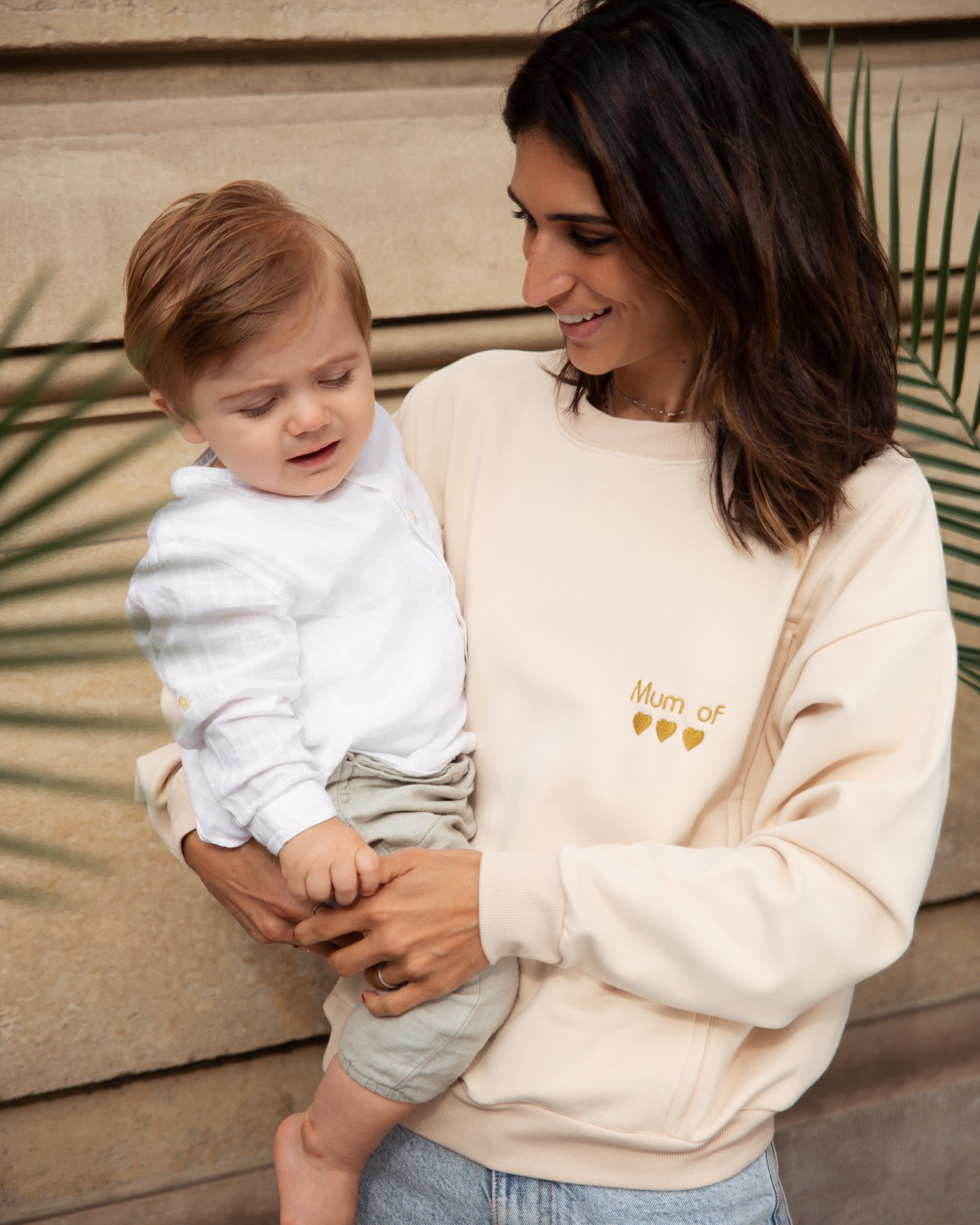
MUM OF nursing shirt
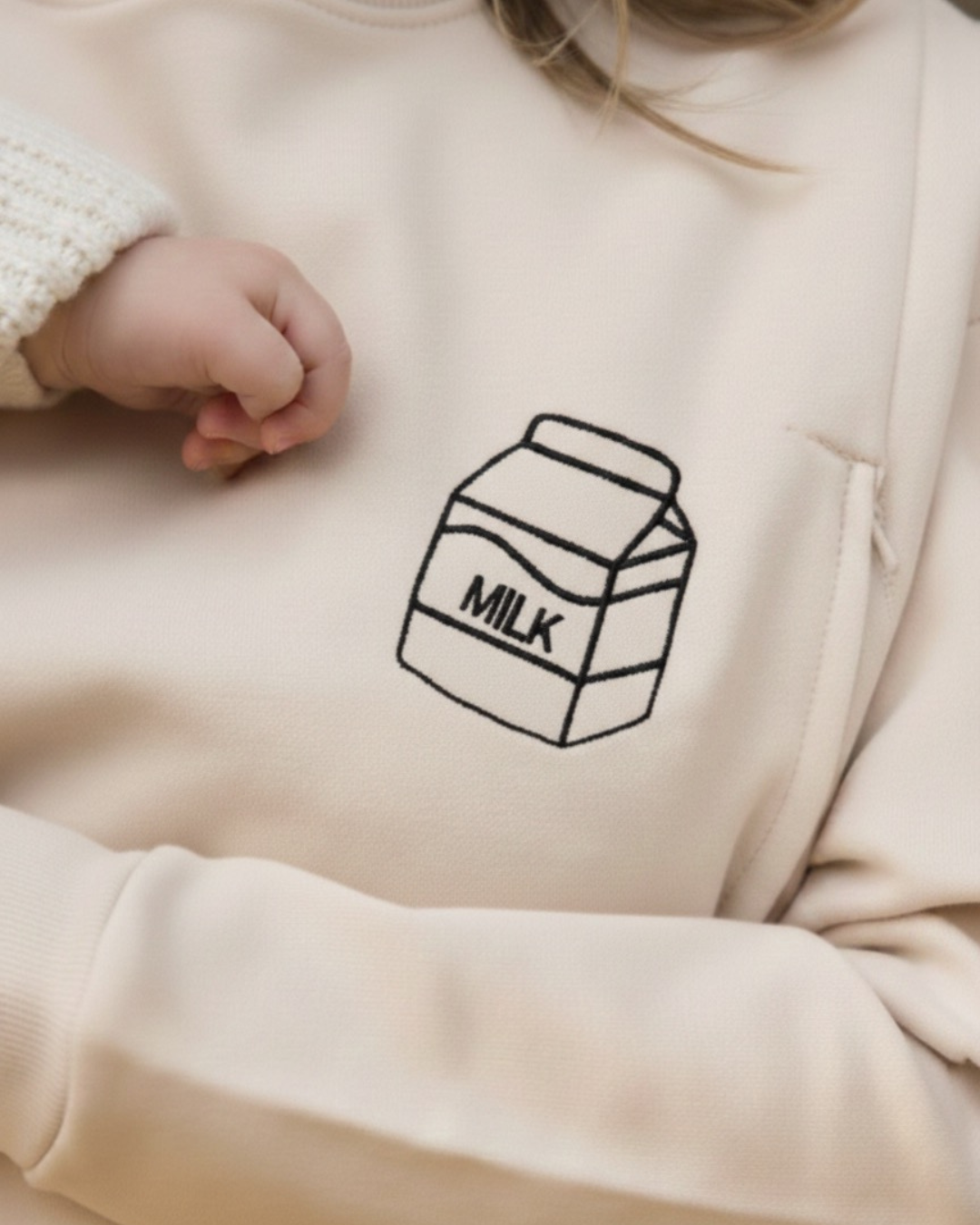
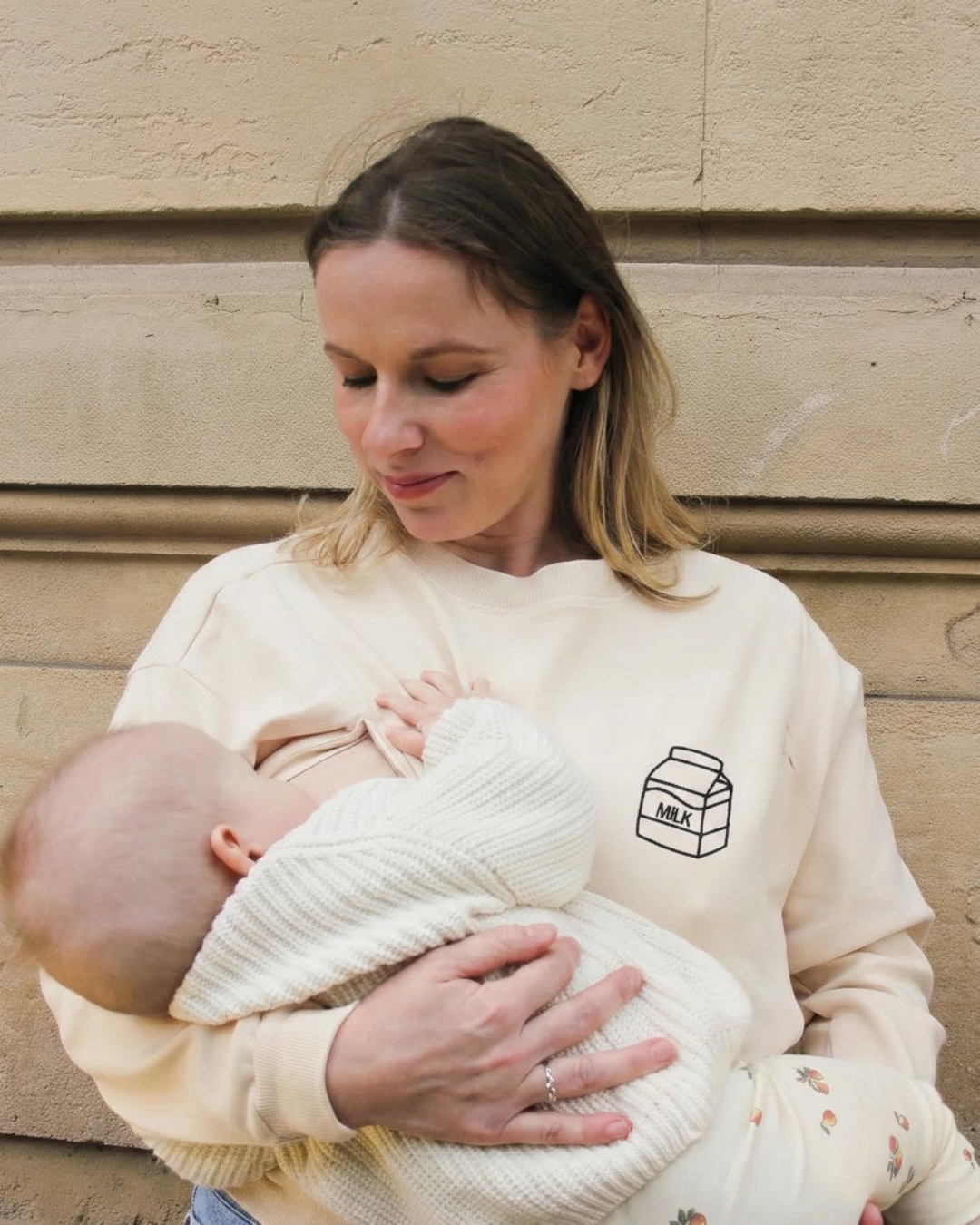
MILKBOX nursing sweatshirt
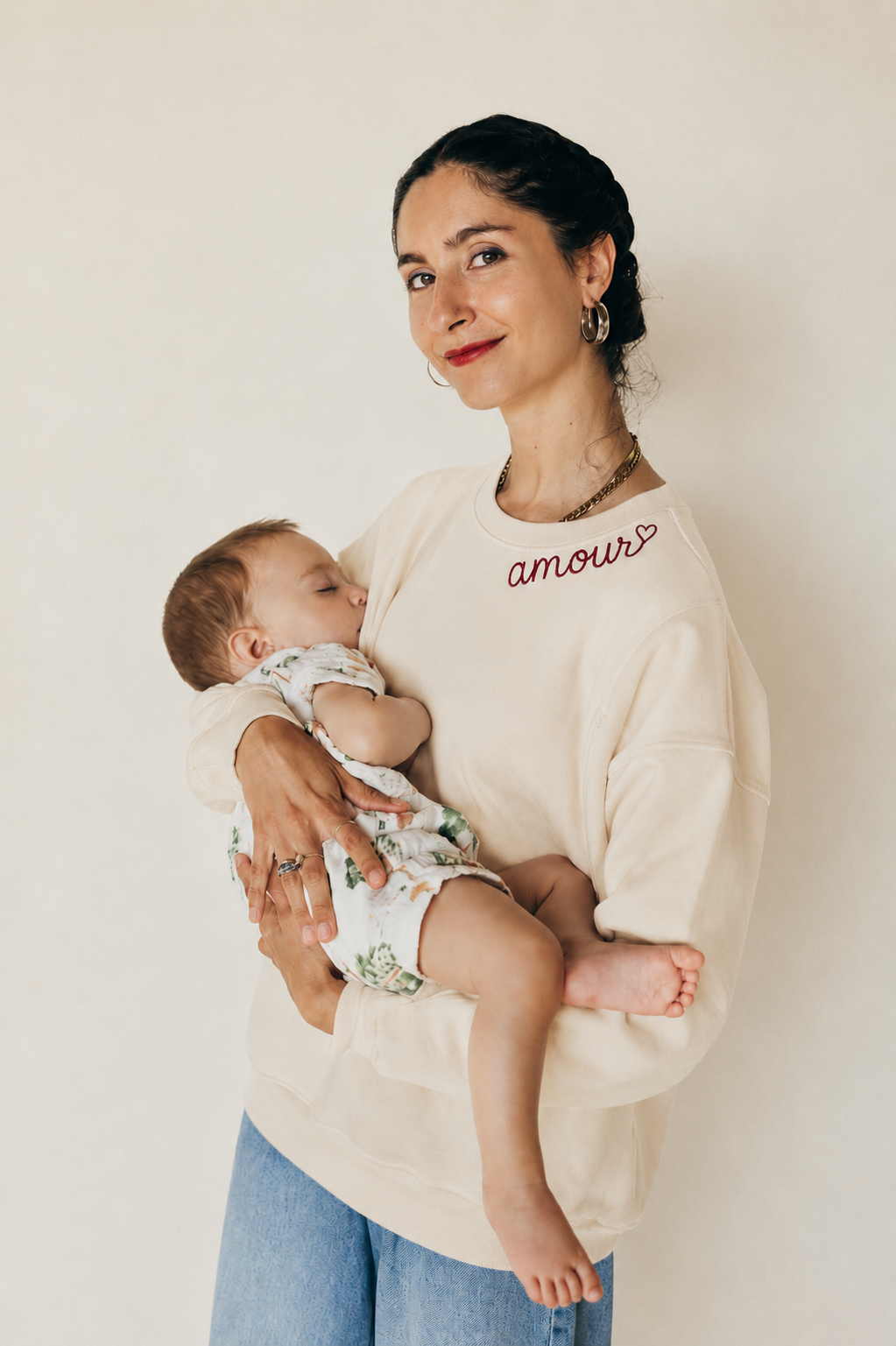
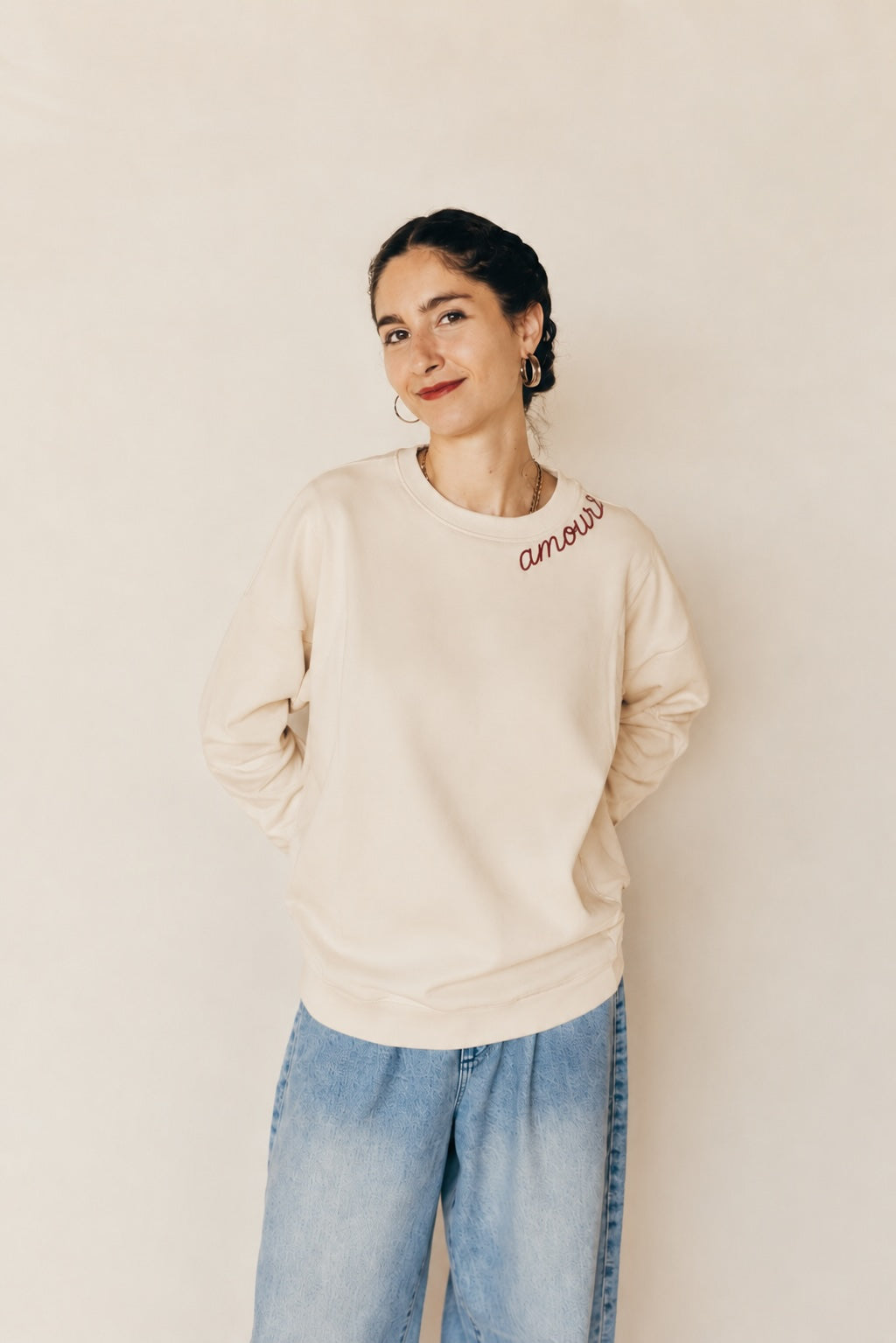
AMOUR Beige Nursing Sweatshirt

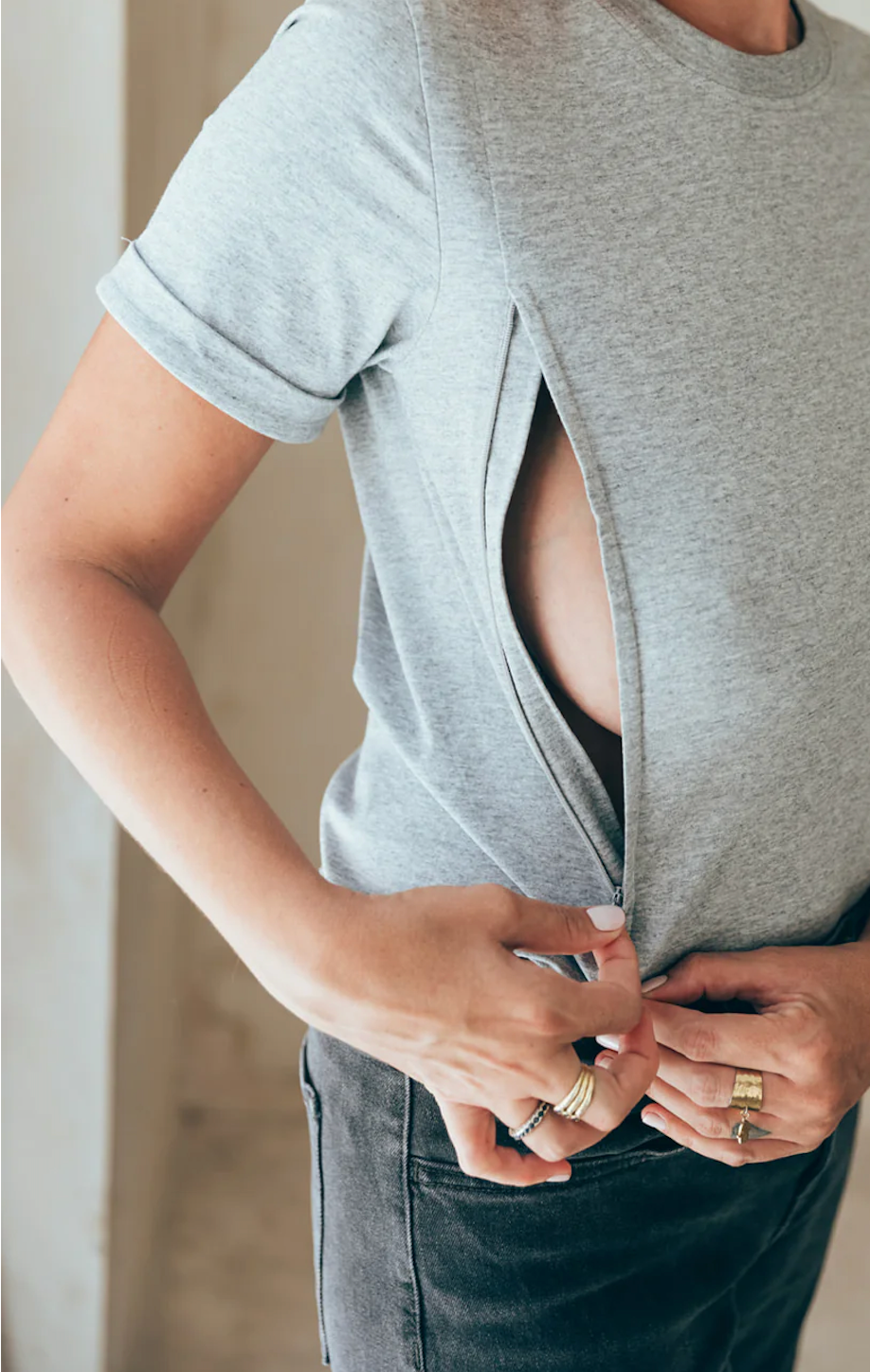
LUCKY CHARM Breastfeeding t-shirt
What is a cold, and how can you tell if a breastfeeding mother has one?
A "cold snap" is a common expression that generally refers to the first signs of a viral upper respiratory tract infection—medically known as nasopharyngitis or the common cold. It is characterized by a scratchy throat, a runny nose, mild fatigue, and sometimes a moderate fever. In winter, breastfeeding mothers are particularly vulnerable: their immune systems are already under strain from lactation, and outings with their babies in cold weather increase their exposure to seasonal viruses.
The good news—and this is important—is that a cold never calls into question whether you should continue breastfeeding. Quite the contrary.
Should you stop breastfeeding if you catch a cold in the winter?
No, and that’s one of the most widespread and harmful misconceptions about breastfeeding in the winter. A chill or a cold is not a contraindication for breastfeeding—in fact, it’s exactly the opposite. As soon as a mother is exposed to a virus, her immune system produces specific antibodies that pass directly into her breast milk within a few hours.
By continuing to breastfeed during and after a cold, a mother passes these antibodies on to her baby in real time—providing natural, personalized immune protection that cannot be replicated in any other way. Stopping breastfeeding deprives the baby of precisely this protection at the very moment when he or she needs it most. The rule is simple and universal: unless there is a specific medical contraindication, continue breastfeeding when you are sick.
Can a mother's cold be passed on to her baby while breastfeeding?
This is the biggest fear of all moms who catch a cold in the winter, and it's understandable. The answer is nuanced but reassuring.
The common cold virus is spread through the air via respiratory droplets released when someone sneezes, coughs, or talks—not through breast milk. Breastfeeding itself does not directly infect the baby. However, the inevitable physical closeness during breastfeeding exposes the baby to the mother’s respiratory tract. A few simple precautions can limit this risk: wash your hands thoroughly before each feeding, avoid sneezing or coughing directly onto the baby’s face, and wear a mask if you have severe respiratory symptoms. These measures significantly reduce airborne viral transmission without compromising continued breastfeeding.
Does breast milk change when the mother catches a cold?
Yes, and in a good way. As soon as a mother is exposed to the virus that causes the common cold, her body begins to produce targeted antibodies that appear in her breast milk within a few hours—sometimes even before the first symptoms appear. Breast milk also becomes enriched with white blood cells and immune factors during the illness.
This is one of the most remarkable aspects of breastfeeding: breast milk is a living fluid that adapts in real time to the mother’s health status. A breastfed baby whose mother has caught a cold receives natural, personalized immune protection against that specific virus, which explains why breastfed babies generally get sick less often than other babies, or experience illnesses in a less severe form.
What medications can you take after catching a cold while breastfeeding?
This is the question that worries breastfeeding mothers the most at the first sign of a winter illness. The answer depends on the medication, and consulting a doctor or pharmacist is always the best approach before taking any medication.
Acetaminophen is generally considered the safest first-line medication during breastfeeding for relieving moderate fever and pain. It passes into breast milk in very small amounts and poses no proven risk to the baby at usual therapeutic doses.Ibuprofen is also often accepted but should be confirmed by a healthcare provider based on your specific situation.Aspirin is not recommended while breastfeeding. Nasal decongestant sprays containing pseudoephedrine, in particular, can reduce milk production and should be avoided. Saline-based nasal sprays, on the other hand, are completely safe and very effective at relieving a stuffy nose. If you have any doubts about a medication, consult the CRAT (Reference Center for Teratogenic Agents), whose online database is available free of charge and provides information on the compatibility of medications with breastfeeding.
Can a cold snap reduce milk production?
Yes, temporarily. Fever, fatigue, and dehydration caused by a cold can lead to a slight decrease in milk production. This is a temporary and reversible phenomenon; milk production returns to its usual level as soon as the mother recovers.
To minimize this impact, there are two top priorities: maintain optimal hydration throughout your illness—with hot herbal teas, broths, and water—and continue to breastfeed or pump as regularly as possible. It is the regular stimulation of the breast that maintains milk production, even during the most difficult days. Do not skip any feedings just because you are sick—this is the best way to maintain your milk supply.
Can a baby still catch a cold even if he or she is breastfed?
Yes, breastfeeding significantly reduces the risk and severity of winter respiratory infections, but it does not provide 100% protection. A baby can catch a virus through contact with a sick mother, other family members, or while out in crowded places—such as daycare centers, public transportation, or waiting rooms.
The difference is nevertheless significant: breastfed babies statistically have fewer respiratory and gastrointestinal infections in the winter, and when they do get sick, their symptoms are generally less severe and their recovery is faster. Breastfeeding is a particularly valuable natural shield during the winter months.
How can you take care of yourself after catching a cold while breastfeeding in the winter?
Recovering quickly from a cold while breastfeeding requires a few simple but effective steps.
Stay well-hydrated by drinking plenty of ginger and honey herbal teas, hot broths, and water to replenish fluids lost due to symptoms and maintain milk production.Get as much rest as possible; you can breastfeed while lying on your side, which allows you to rest while your baby feeds. Eat warm, nutritious foods like vegetable soup, chicken broth, and porridge to support your immune system without straining your digestion.Air out your room for a fewminutes in the morning and evening to refresh the air and reduce the concentration of the virus in the room. And accept any help offered by those around you with daily tasks—your rest is just as important as your baby’s during these few days.
How can I dress comfortably when I have a cold and am breastfeeding?
When you have a fever, body aches, and a cold, the last thing you should have to worry about is what to wear while breastfeeding. Yet it’s often a real headache without the right clothes.
Nursing pajamas are the centerpiece of sick days and nights: soft against the skin, their zippered openings let you nurse without undressing or exposing yourself to the cold, and they remain comfortable for lying down between feedings. On very cold days or when you have a fever with chills, a lightweight nursing sweater worn over your pajamas adds a layer of warmth without making it harder to access your breast. And for those particularly grueling nighttime feedings when you have a cold, warm socks and a glass of water within reach really make all the difference.
When should you see a doctor after catching a cold while breastfeeding?
A simple winter cold usually clears up within 7 to 10 days without specific medical treatment. However, there are certain symptoms that should prompt you to seek medical attention promptly.
A high fever above 38.5°C that lasts more than 48 hours; localized, intense pain in one breast accompanied by redness and fever, which may indicate mastitis; severe chills, shortness of breath, or chest pain, which may signal a more serious infection; or symptoms that worsen after initially improving. In any case, always inform your doctor that you are breastfeeding before starting any treatment; certain medications require specific precautions during breastfeeding.
What is the return policy for 23 Mai Paris nursing clothing 23 Mai Paris
You have 14 days from the date you receive your order to let us know if an item does not meet your expectations and request a refund. Please note that exchanges are not available; only refunds are offered.
Customized items featuring embroidery are excluded from this policy and cannot be returned or refunded. For any inquiries, please contact our customer service team in advance at the following email address: bonjour@23maiparis.com.
You can also find more designs here
Breastfeeding pyjamas
Breastfeeding pyjamas 2-room apartment
Breastfeeding sweaters Winter
Warm nursing clothes
Breastfeeding t-shirts Long sleeves
Our blog post: Breastfeeding and Winter Illnesses
Our blog post: Breastfeeding and Pain