Filters
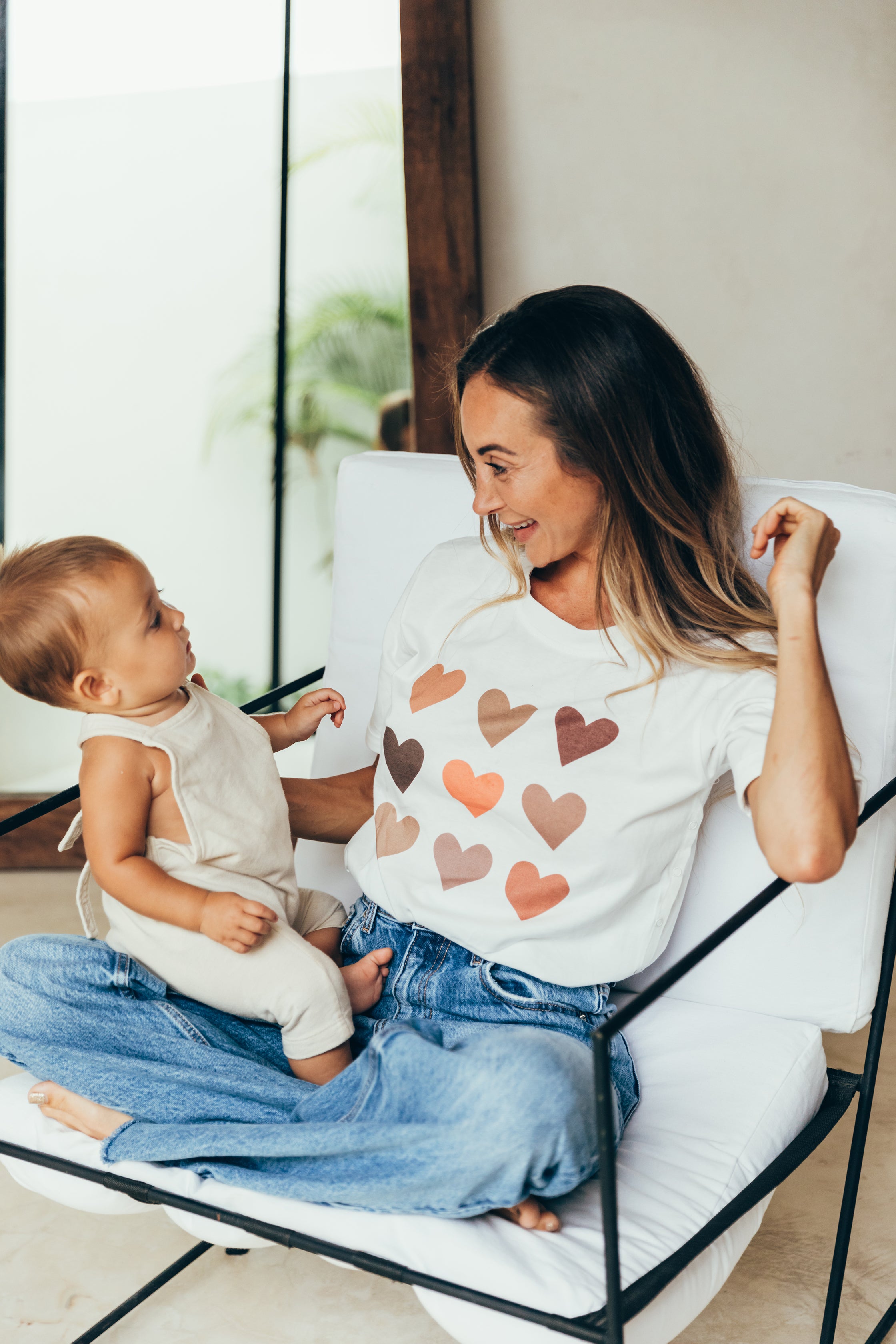
Breastfeeding t-shirt "BICOLORE AMOUR" Breastfeeding t-shirt
VALENTINE Nursing Sweater
Breastfeeding t-shirt
Breastfeeding t-shirt
COSSIMA Navy Blue Nursing Sweater
EMMA Black Nursing Sweater
CHIARA Sailor-Striped Nursing Sweater
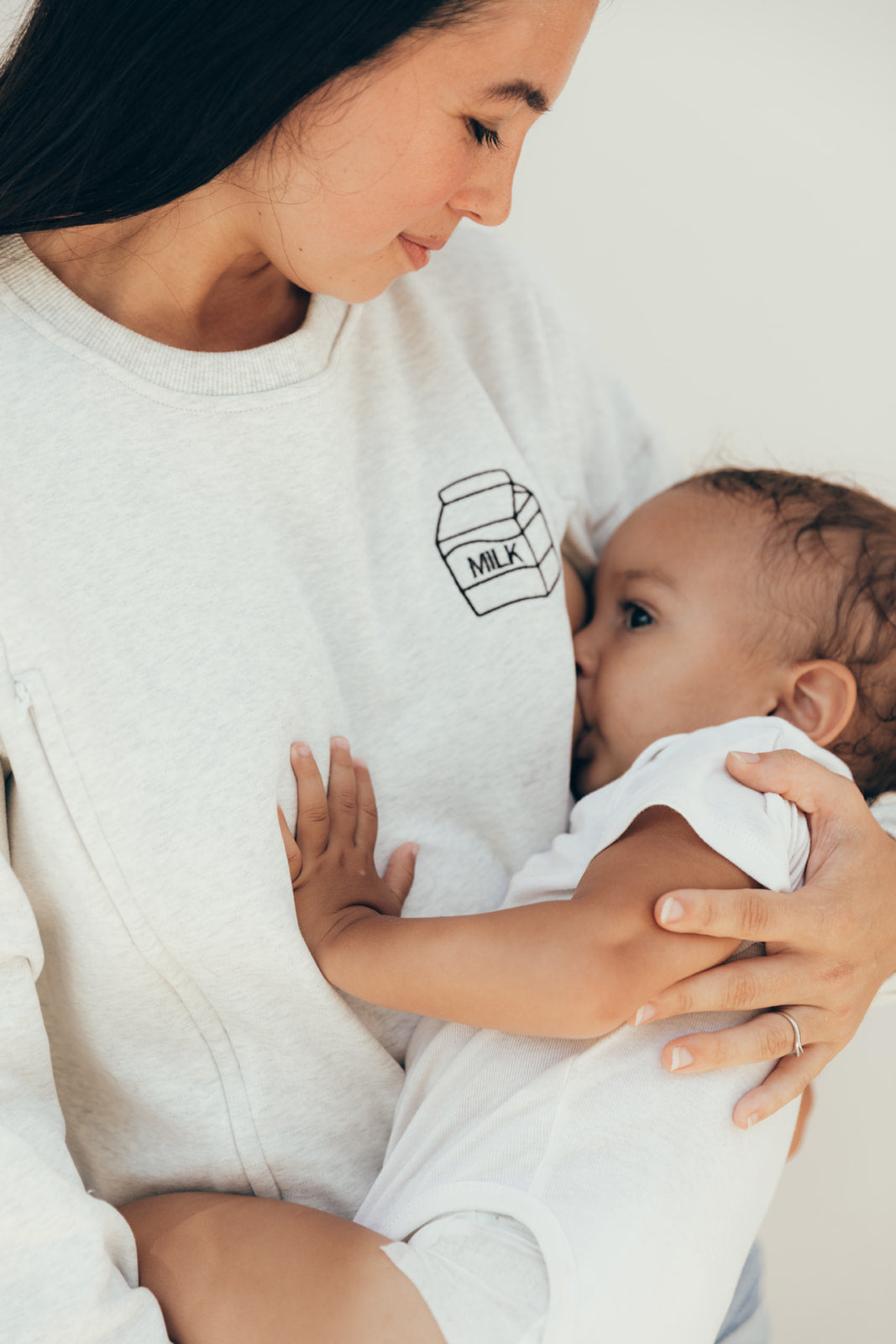
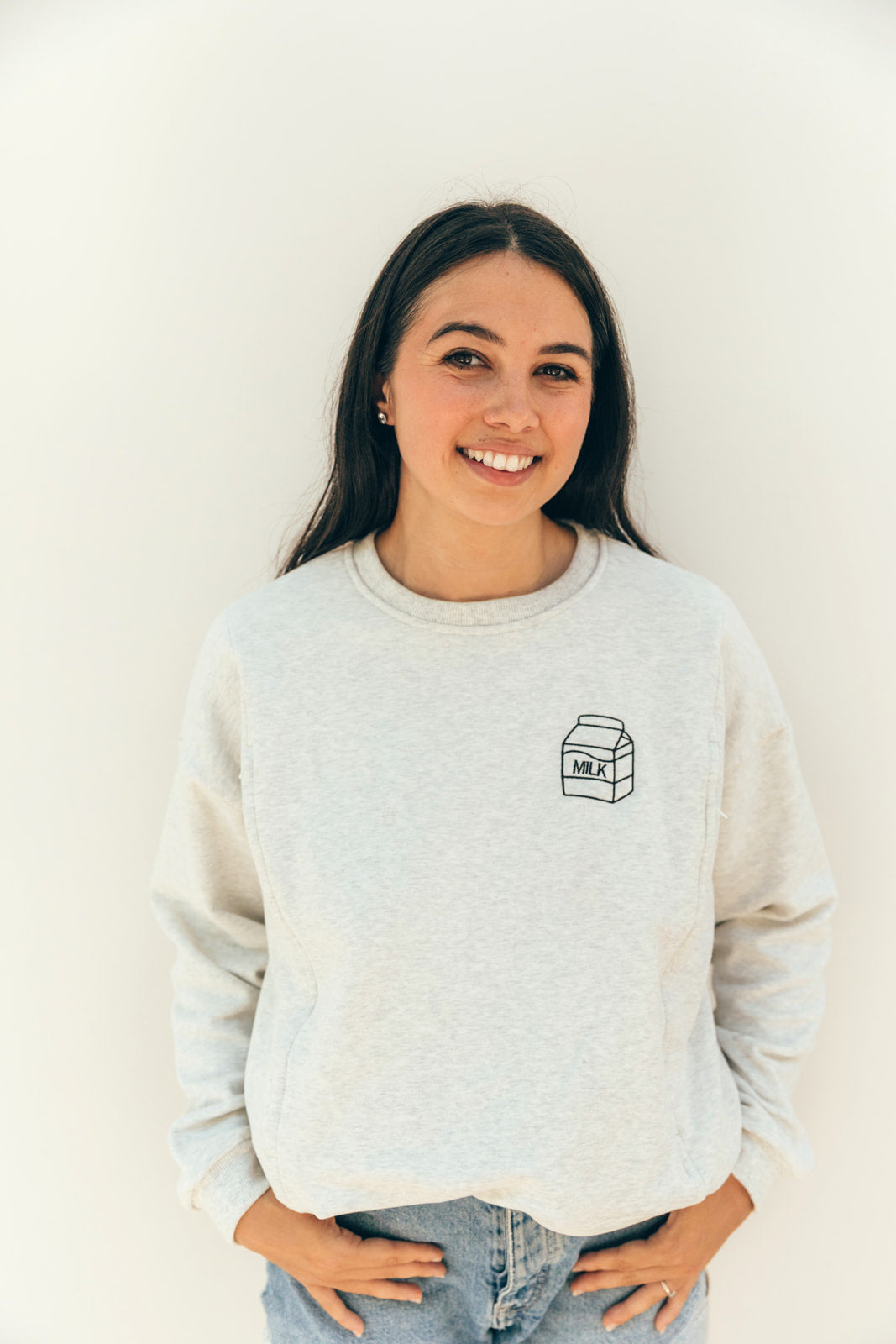
MILK gray nursing sweatshirt
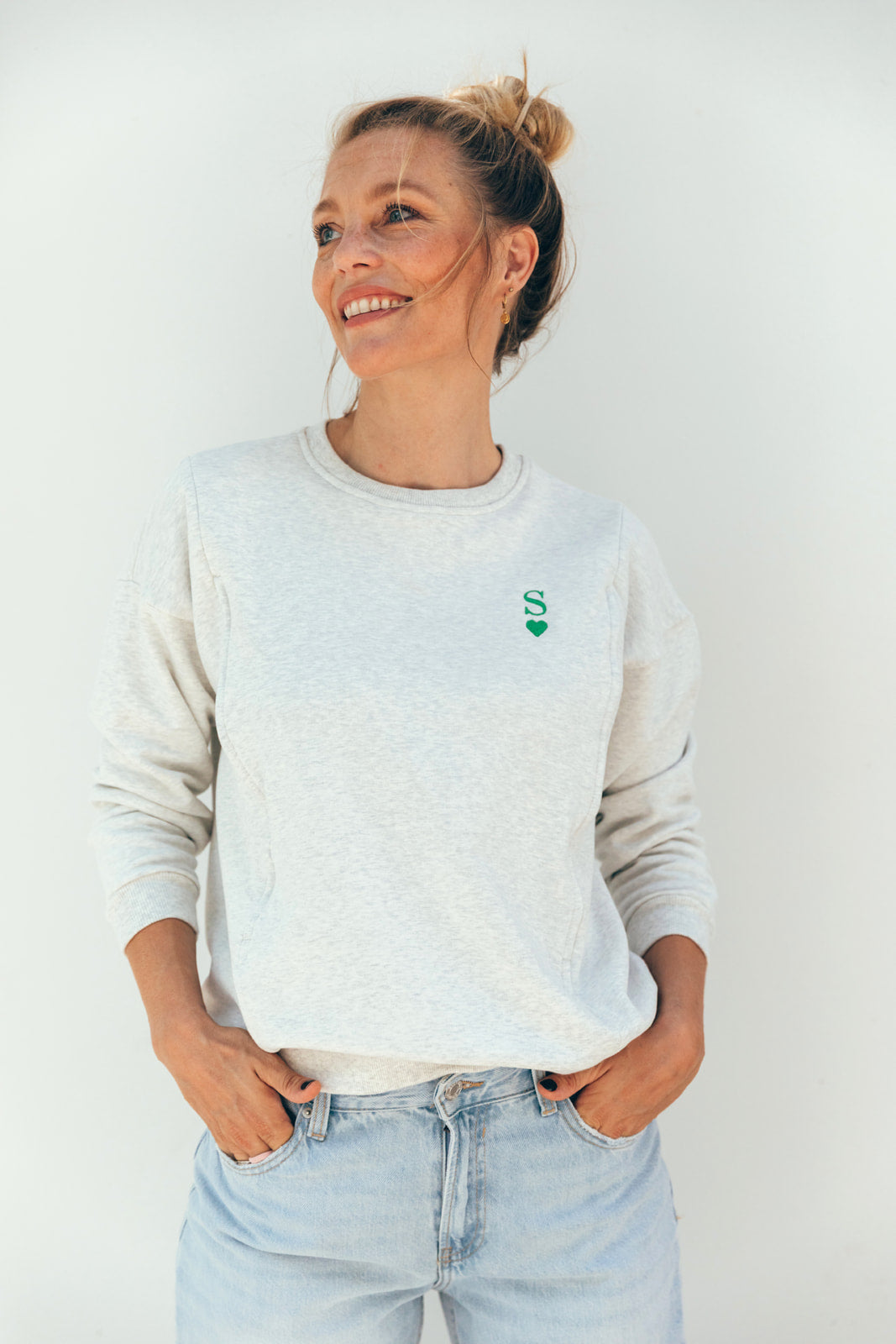
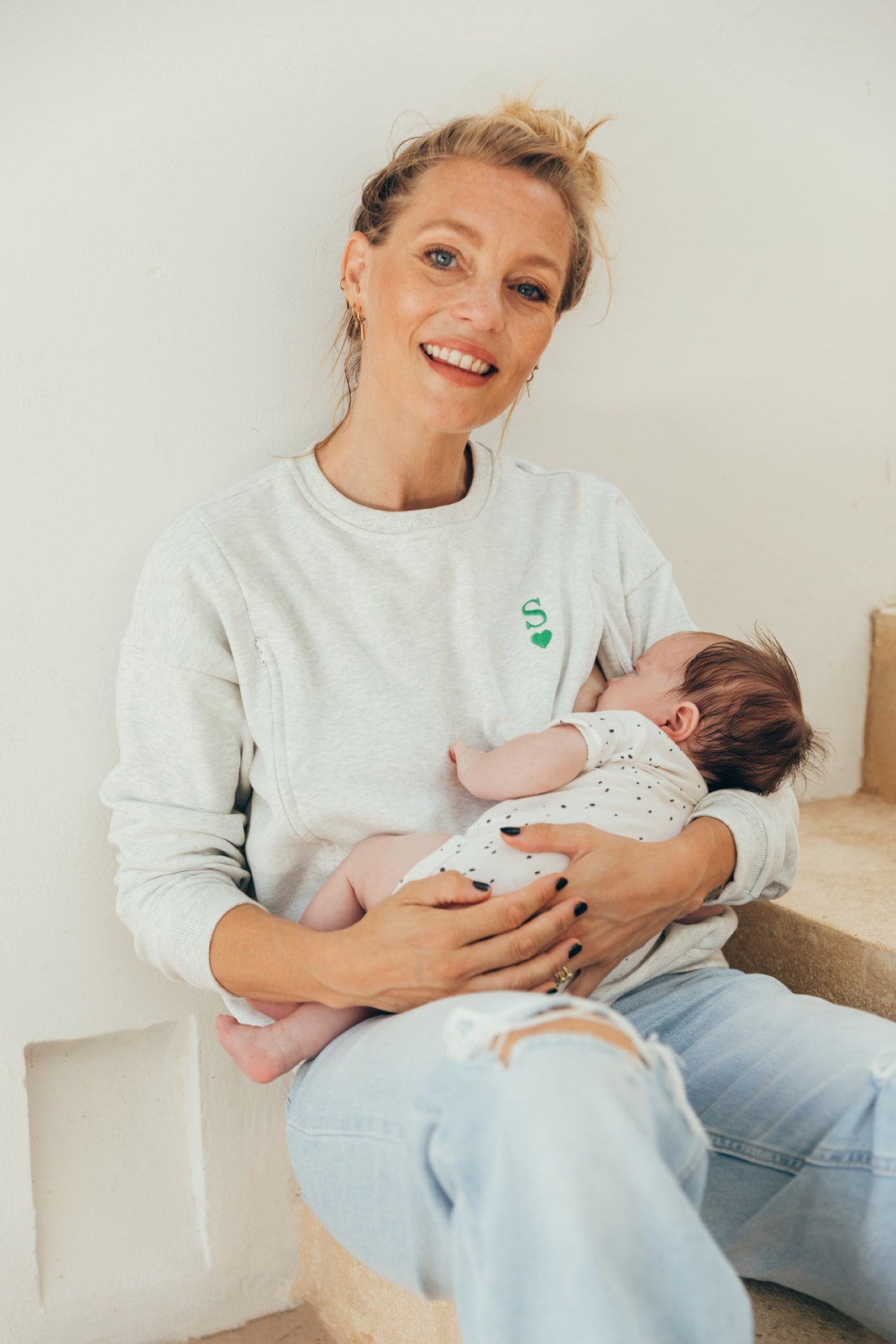
LUCKY CHARM Gray Nursing Sweatshirt
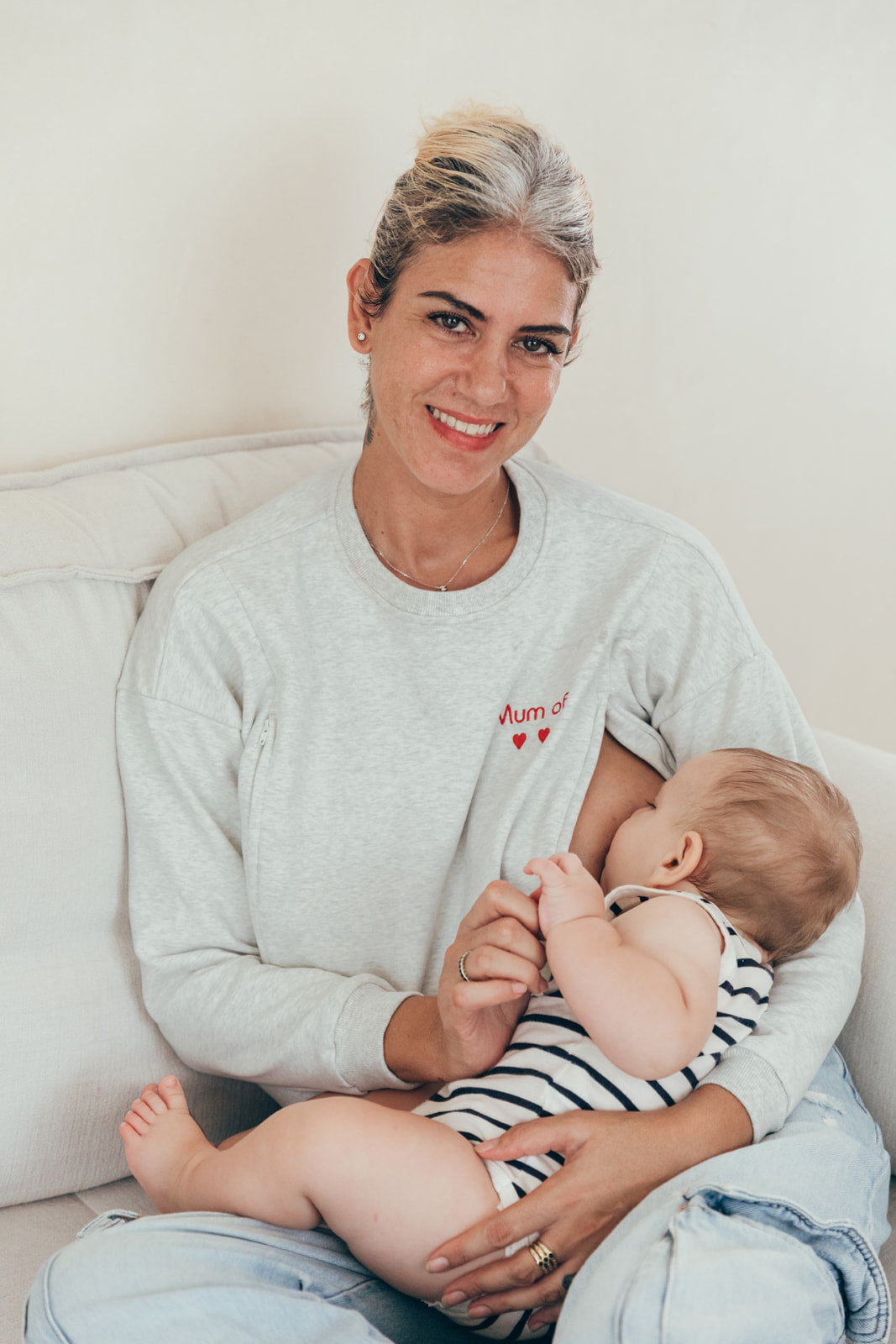
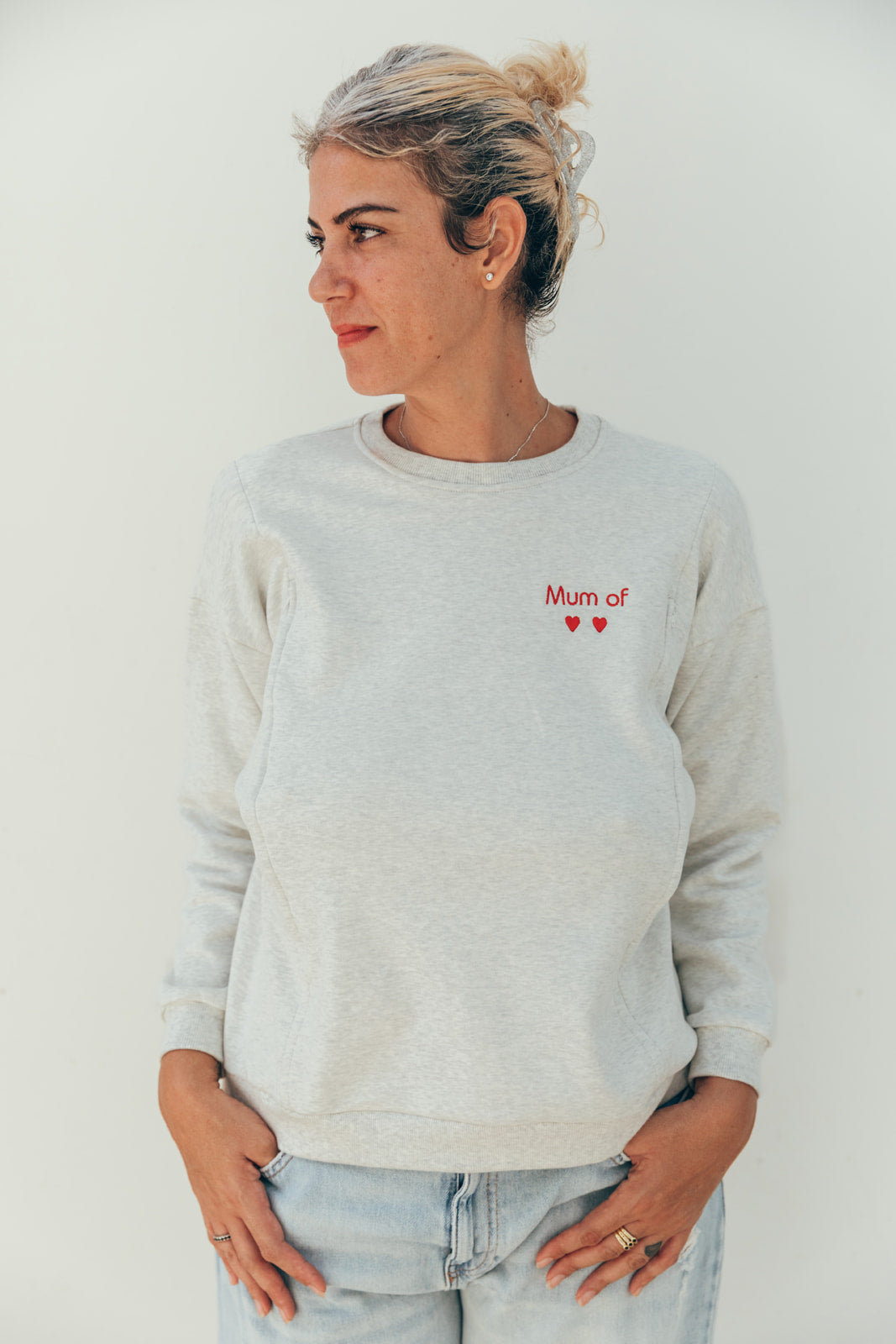
Gray Nursing Sweatshirt #MOMMY
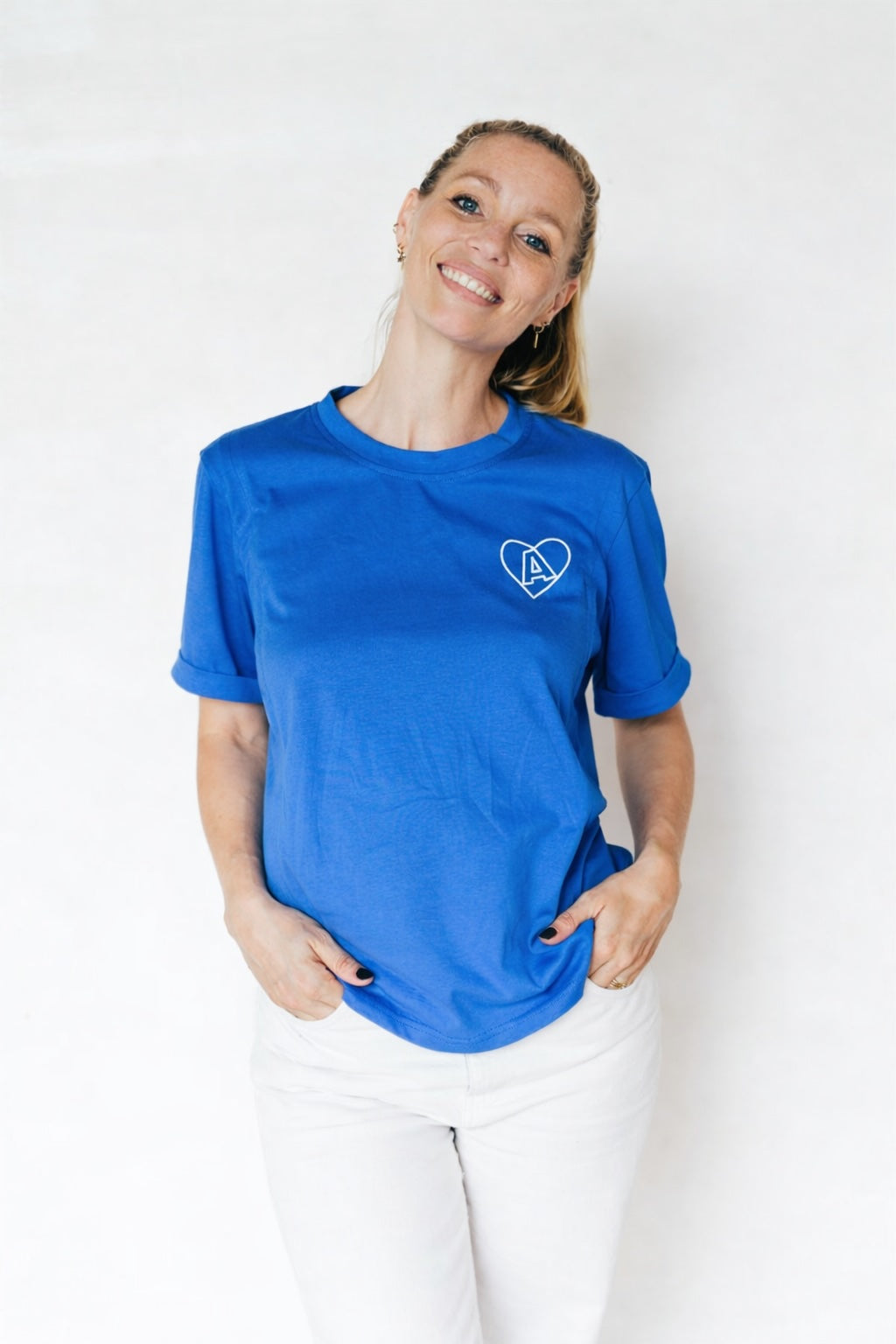
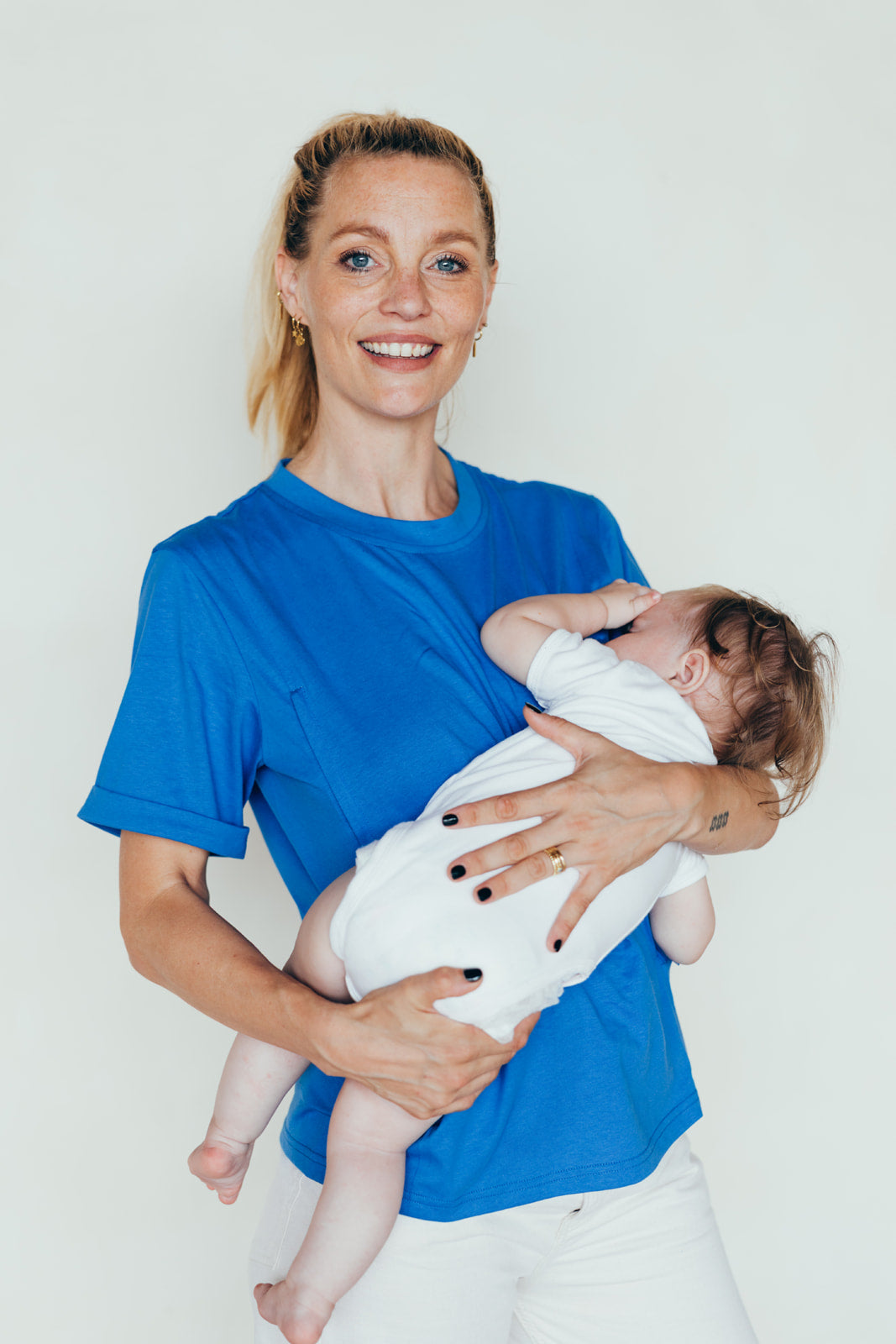
ALPHA Breastfeeding t-shirt
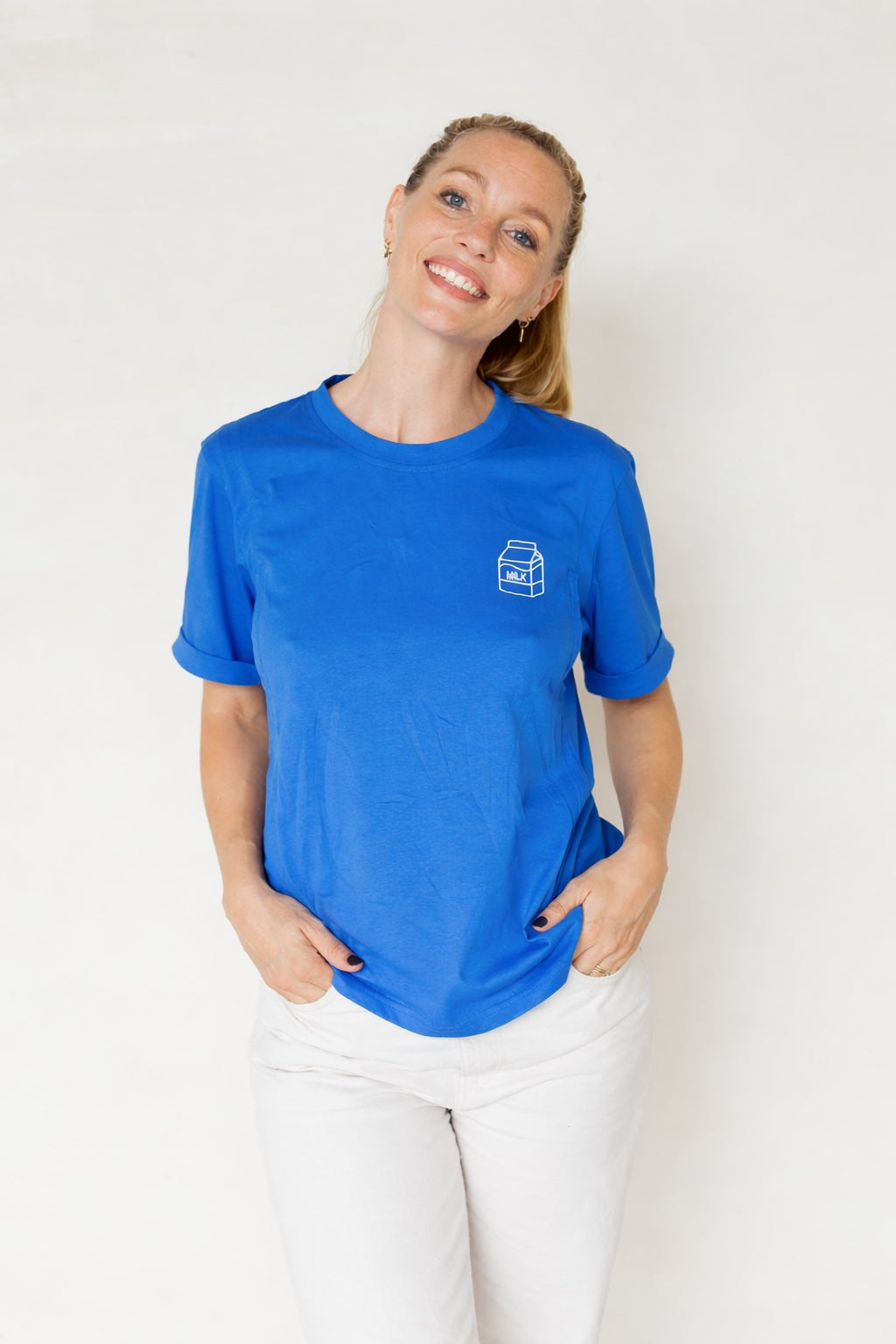
MILK BOX Breastfeeding t-shirt
Breastfeeding and Cold Nights: How to Stay Organized?
Winter nights with a breastfeeding baby are often the most dreaded challenge for new moms: getting out of a warm bed several times a night, braving the cold for a feeding, and then trying to fall back asleep. With the right habits and the right pieces in your wardrobe, these moments can be much more peaceful than you might think.
The key is simple: plan ahead. The right nursing pajamas, a bedroom at the right temperature, and a few layering tips are all it takes to turn exhausting nighttime awakenings into gentle, quick feedings—even in the middle of winter.
What is the ideal room temperature for nighttime feedings?
The recommended temperature for a baby's room is between 18 and 20°C. This range is comfortable enough to prevent the baby from getting cold, without causing the room to become too hot—which is just as important for the baby's safety and the quality of their sleep.
For moms, this temperature may feel a bit chilly during nighttime feedings, especially when getting out of a warm bed. That’s where choosing the right nursing pajamas makes all the difference: a one-piece that keeps you warm while providing quick access to your breast helps prevent any temperature shock when you wake up.
Which nursing pajamas should you choose for cold nights?
For winter nights, you have two options to choose from, depending on your preferences and sleep habits.
The two-piece nursing pajama set is the most versatile option: a top with discreet side zippers and matching pants. What’s the advantage of a two-piece set in winter? You can easily add an extra layer—like warm socks or sweatpants—without having to change everything.
The Breastfeeding nightdress offers a more flowing and cozy all-in-one solution. On very cold nights, you can easily wear it with a vest or cardigan draped over your shoulders while breastfeeding, so you never lose any warmth.
In both cases, the discreet side zippers allow you to access your chest in just a few seconds, even with your eyes still closed, without having to undress or lift the garment—which is especially appreciated at 3 a.m. in freezing temperatures.
How can you stay warm during a nighttime feeding in winter?
A few simple habits can make all the difference during nighttime feedings in the winter.
Keep a nursing vest, cardigan, or sweater within reach on your nightstand—drape it over your shoulders while breastfeeding—to protect your back and shoulders from the slight draft when you unzip your top. A light blanket over your lap rounds out the setup for feedings that last a little longer.
Also, keep your socks warm—cold feet can disrupt sleep and make getting your baby to nurse more stressful. Having thick socks or slippers near the bed is a small detail that makes a big difference.
Can you layer nursing clothes for very cold nights?
Yes, and it's even recommended for particularly cold nights. Nursing pajamas can easily be worn with a nursing sweater over them for the coldest nighttime feedings—the zipper openings on the pajamas remain accessible even under a nursing sweater with its own side openings.
For moms who are breastfeeding in a particularly cool room or who are very sensitive to the cold, this combination of pajamas and a nursing sweater is the most effective solution: you can access your breast by opening the two zippers on the left or right side, without ever being exposed to the cold.
How can you set up the sleeping area to make winter feedings easier?
Organizing your sleeping area is just as important as the clothes you wear. A few small adjustments can make nighttime feedings go much more smoothly.
Keep the following items within reach on your nightstand: a light nursing cardigan or sweater to drape over your shoulders, a small, soft lamp so the light isn’t too harsh on your eyes, a bottle of water—breastfeeding makes you thirsty even at night—and, if you use nursing pads, a clean set. No need to go out into the cold to get anything—everything is within reach, so you can start nursing in just a few seconds.
How can you handle nighttime feedings without disrupting the whole family's sleep?
Speed is key. The less time it takes to get ready for a nighttime feeding, the better your chances of getting your baby back to sleep—and getting yourself back to sleep, too. Nursing pajamas with zipper openings let you get ready in seconds, without any fumbling or frustration.
Soft lighting, rather than bright lights, is better for maintaining a drowsy state for both of you. And if your baby shares your room, having a pair of nursing pajamas on hand means you won’t have to venture out into the cold for nighttime feedings—a precious comfort during the coldest weeks of winter.
Should you dress your baby differently during nighttime feedings in winter?
In a room at 18–20°C, your baby generally doesn’t need an extra blanket while breastfeeding—your natural body heat is enough to keep him warm against you. However, as soon as the feeding is over, tuck him back in quickly and make sure he’s well covered in his bed.
On very cold nights, or if the room temperature is below 18°C, a light blanket draped over the baby while feeding may be helpful—but never cover the baby’s face. The goal is to keep the baby comfortably warm without overheating.
What precautions should you take to care for your winter nursing pajamas?
To ensure your nursing pajamas stay soft and their zippers glide smoothly even after frequent nighttime washes, be gentle with them. Washing them inside out at a maximum of 30°C on the delicate cycle is more than enough.
Wait until after the first wash before using an iron or steamer. Iron on a low heat setting, inside out, only if necessary. Do not tumble dry or use bleach under any circumstances. Each product page provides specific care instructions to follow.
What is the return policy for Breastfeeding pyjamas
You have 14 days from the date you receive your order to let us know if an item does not meet your expectations and request a refund. Please note that exchanges are not available; only refunds are offered.
Customized items featuring embroidery are excluded from this policy and cannot be returned or refunded. For any inquiries, please contact our customer service team in advance at the following email address: bonjour@23maiparis.com.
You can also find more designs here
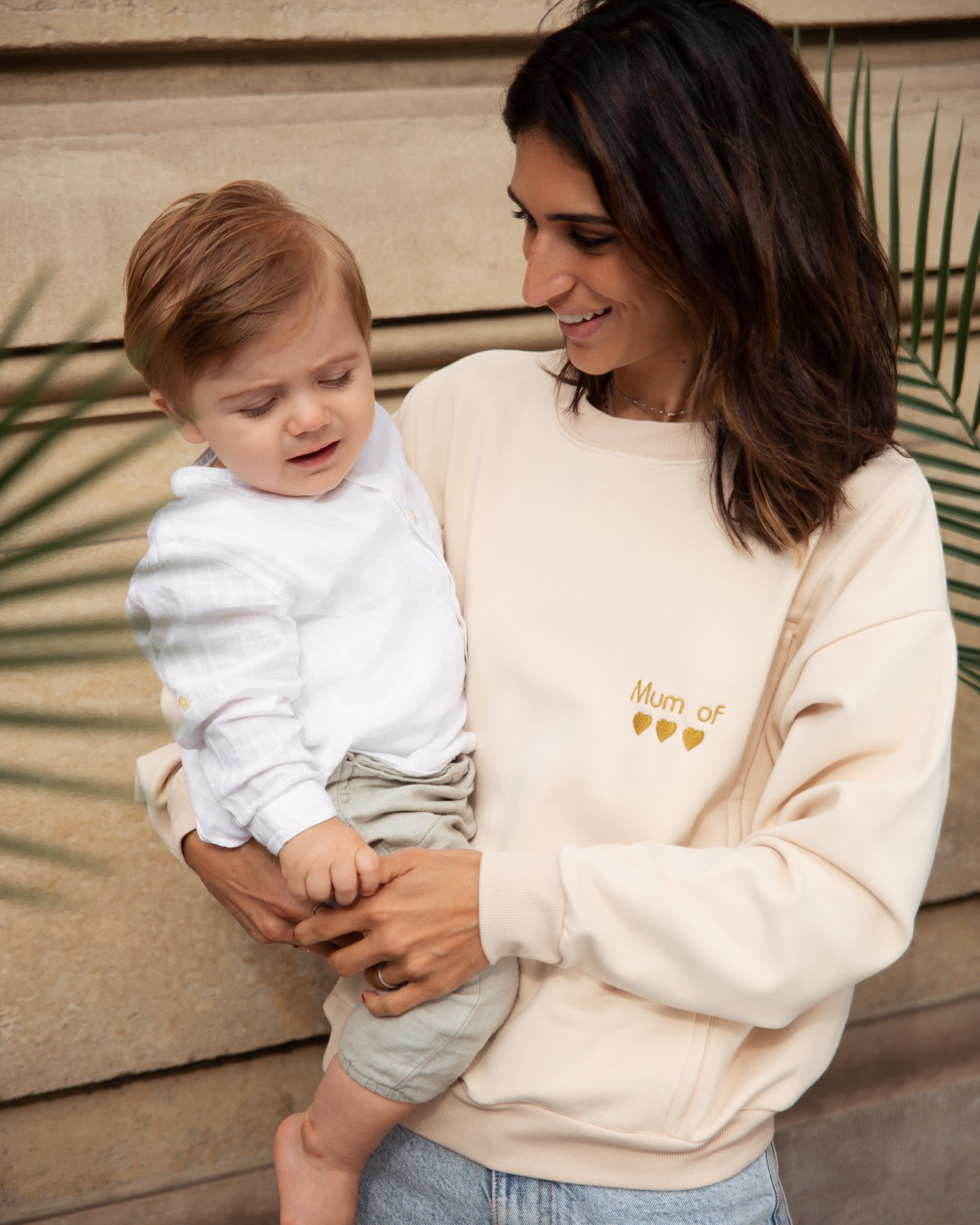
Breastfeeding sweaters
Warm Nursing Clothes
Our blog post: How to Dress for Winter While Breastfeeding