Filters
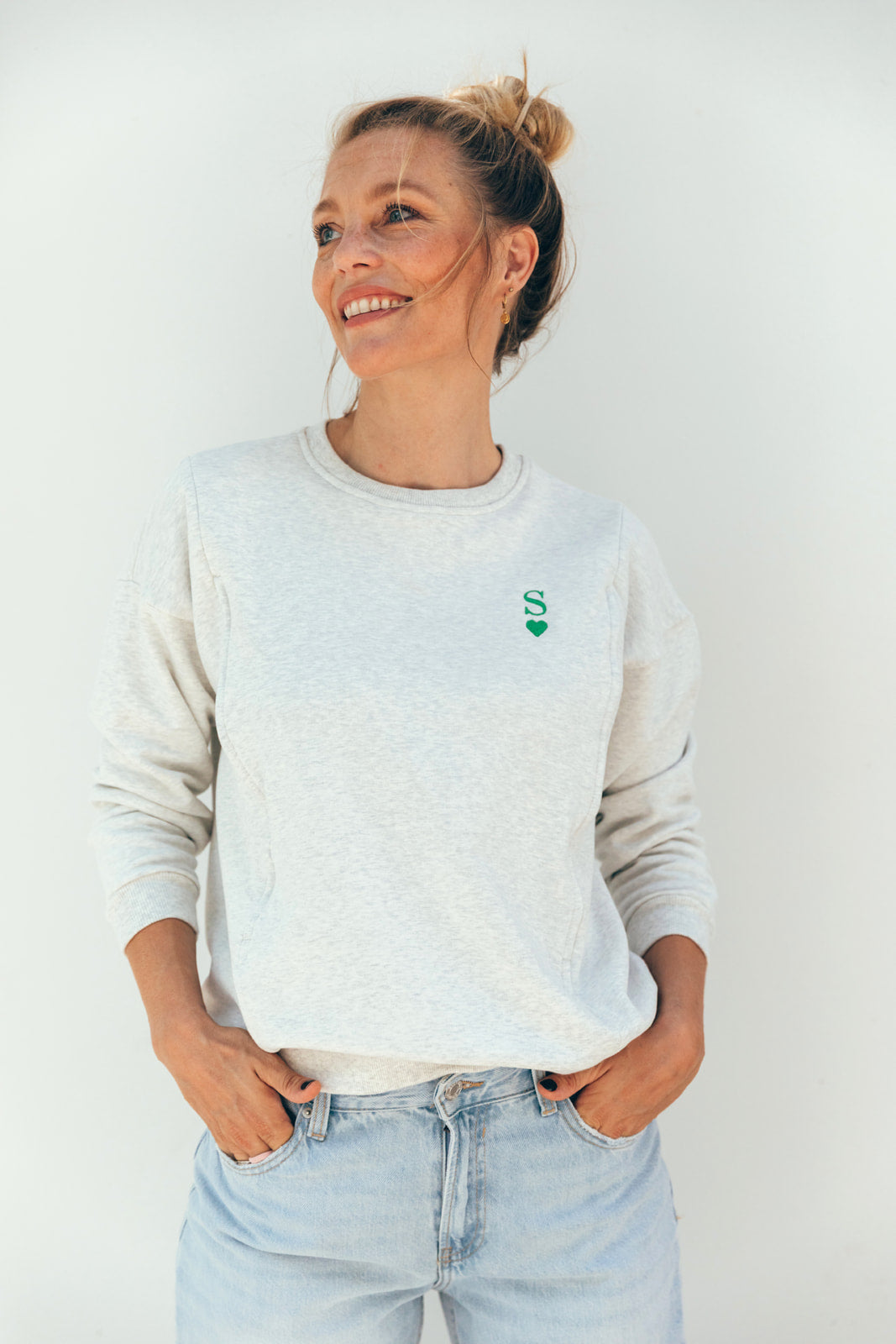
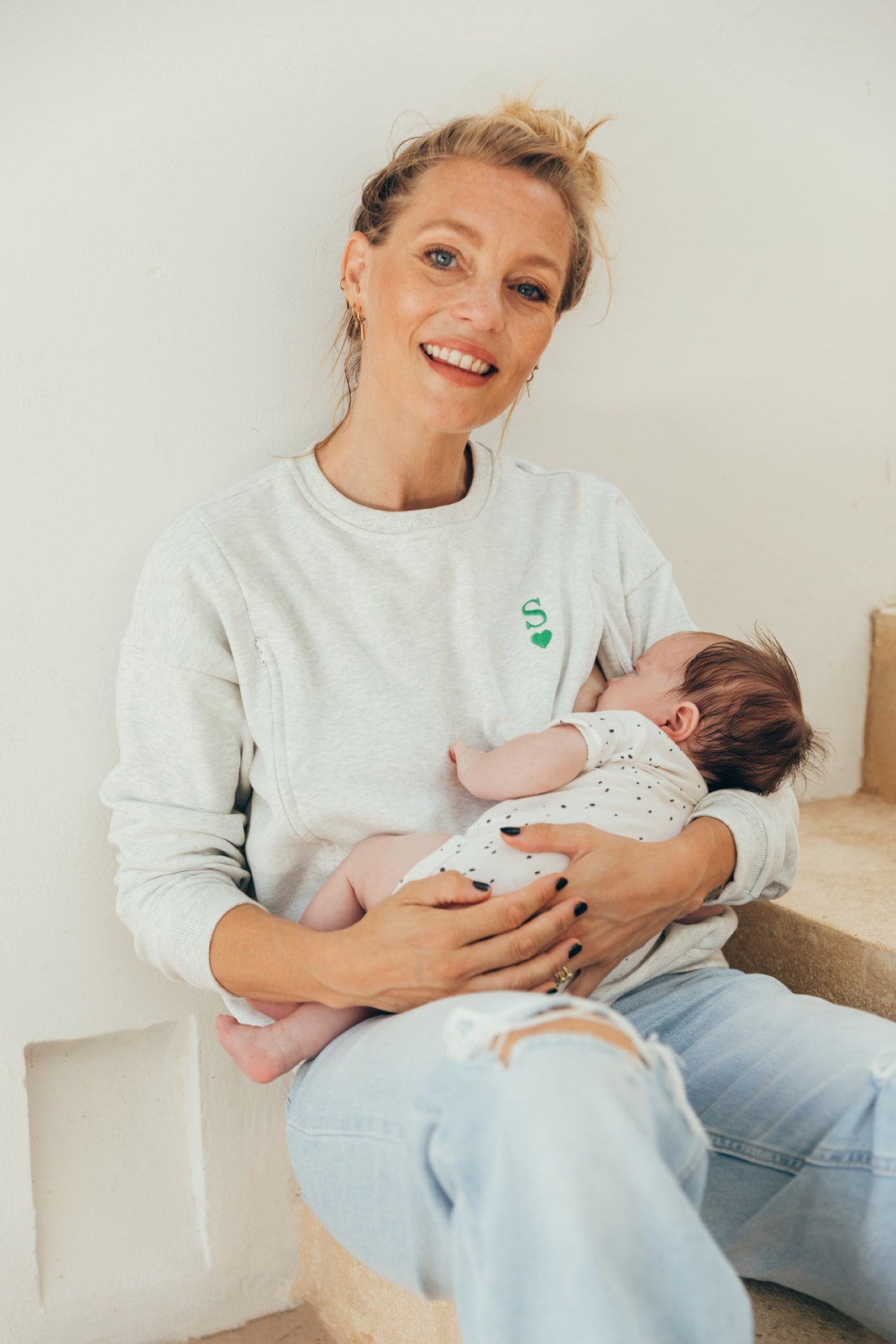
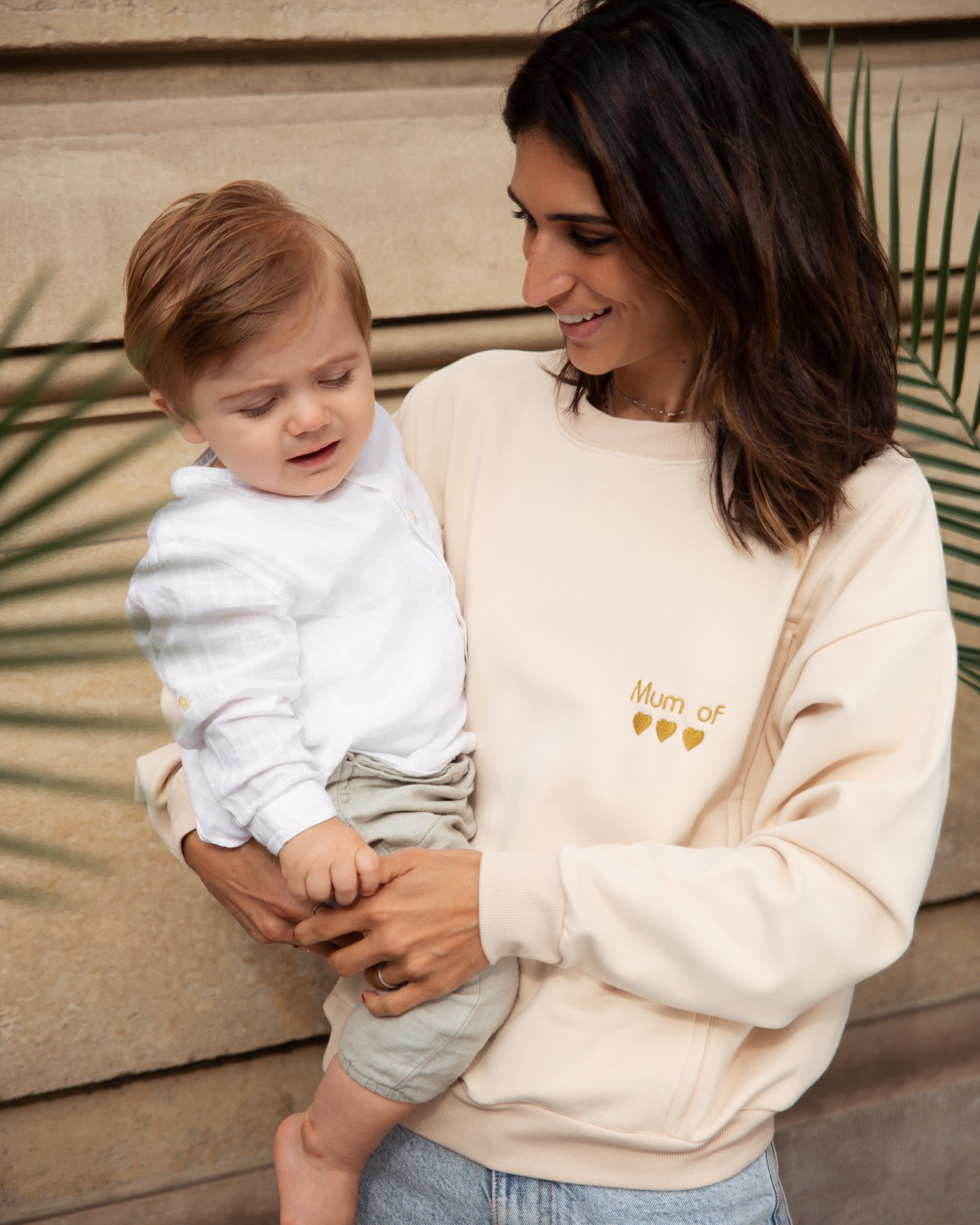
LUCKY CHARM Gray Nursing Sweatshirt
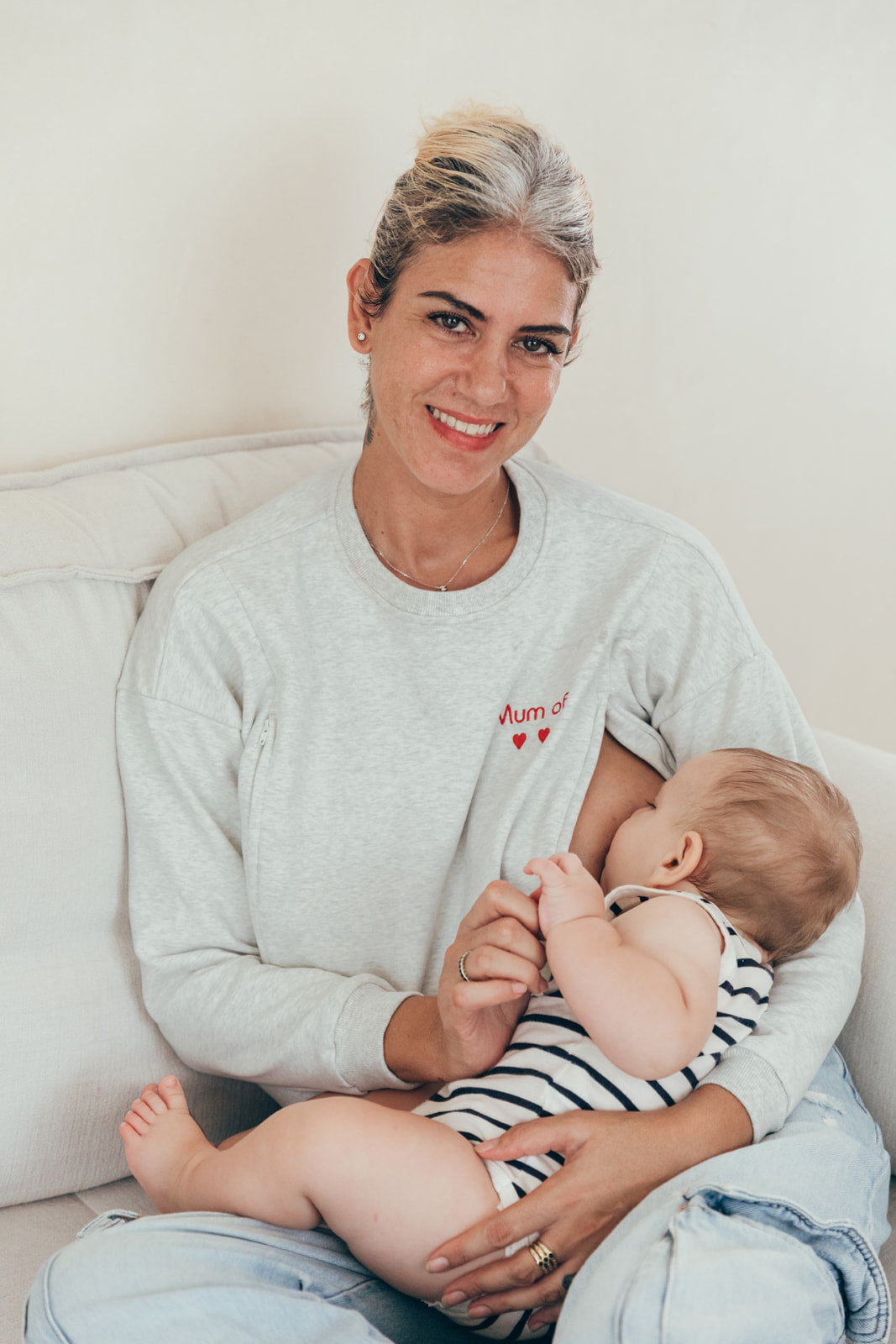
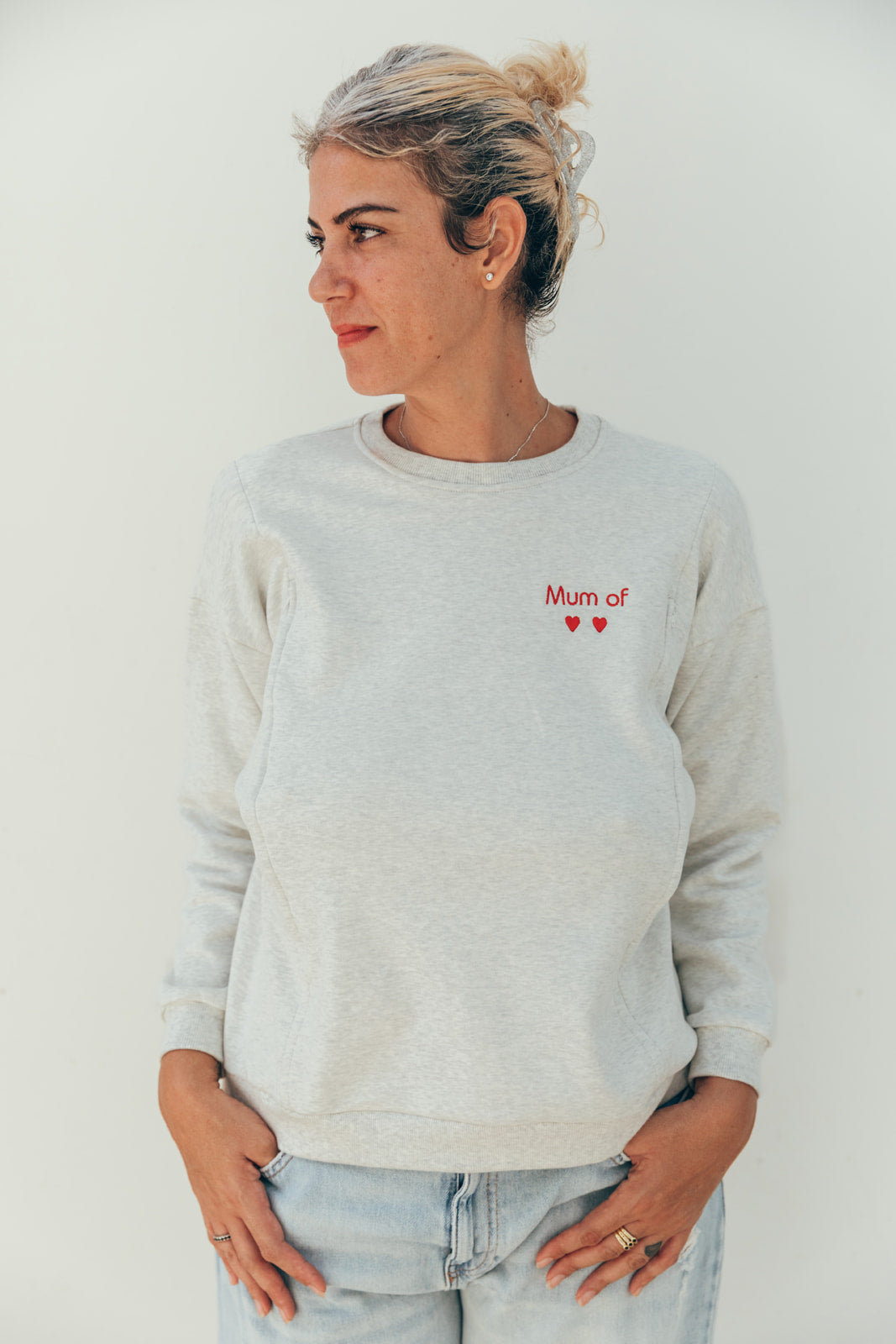
Gray Nursing Sweatshirt #MOMMY
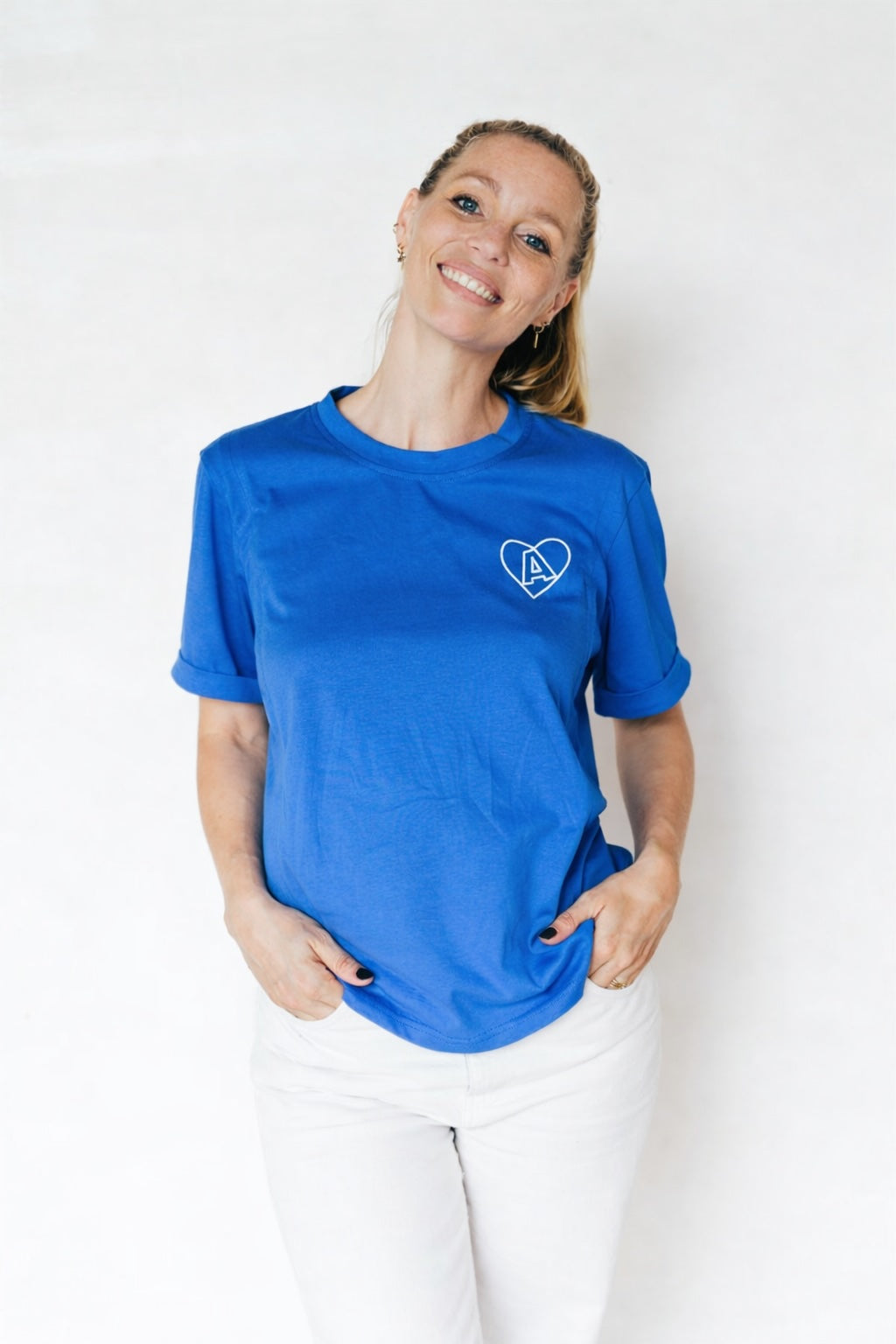
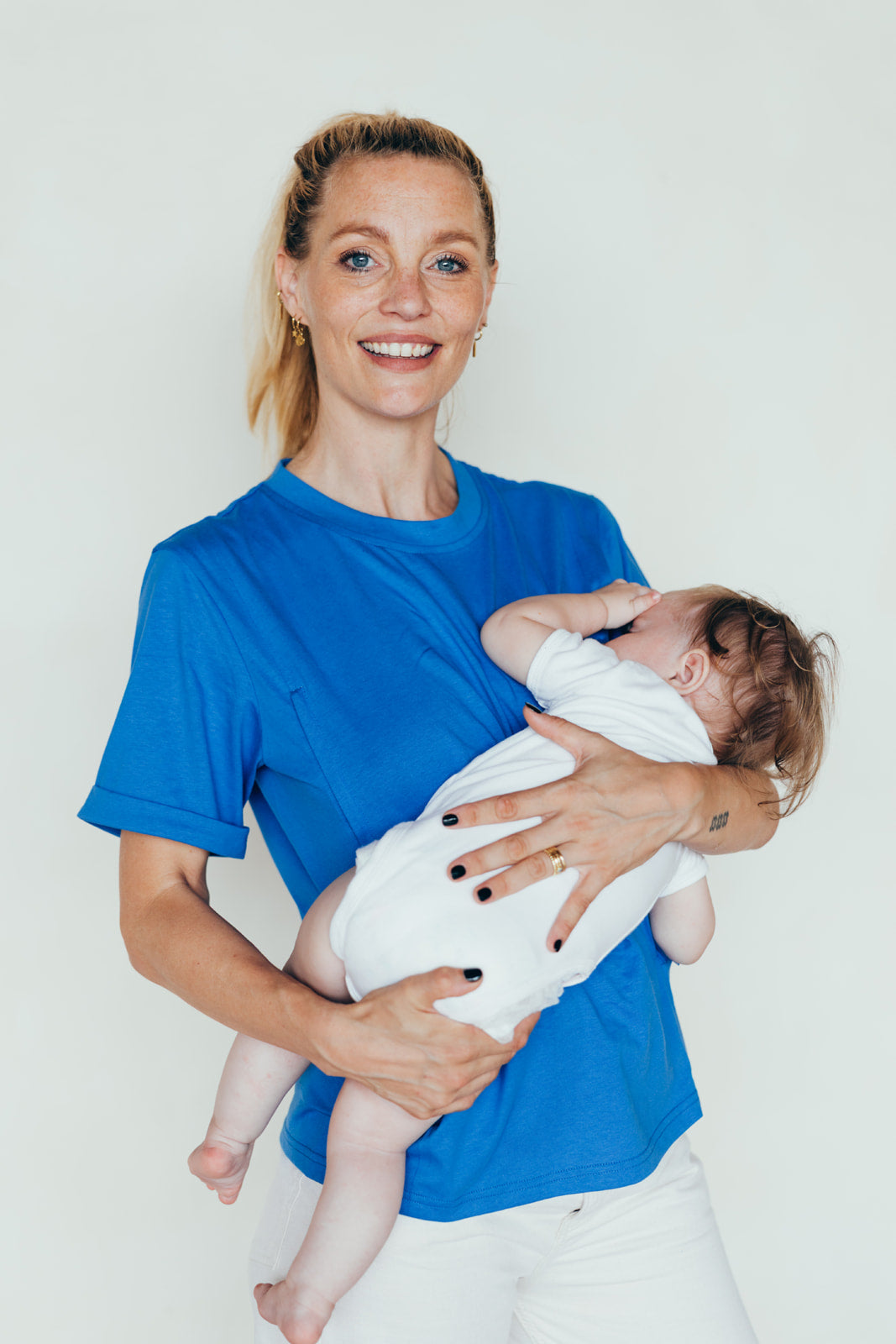
ALPHA Breastfeeding t-shirt
Is it normal to feel hot while breastfeeding in the winter?
Yes, absolutely, and that’s one of the most surprising paradoxes of breastfeeding in the winter. While everyone around you is complaining about the cold, you may find yourself sweating in a heated room, taking off layers during feedings, or waking up in a sweat during nighttime feedings. This is perfectly normal and directly related to the hormonal changes that come with breastfeeding.
Breastfeeding causes a slight increase in basal body temperature; the body works actively to produce milk, which generates heat. Lactation hormones, particularly prolactin and oxytocin, also influence thermoregulation. As a result, a breastfeeding mother may experience hot flashes, sweat more easily, and feel warm in situations where others feel cold—even in the middle of winter.
Why do we feel especially warm while breastfeeding in the winter?
During breastfeeding, a mother’s body releases oxytocin—the hormone associated with bonding and milk ejection—which causes a sensation of warmth spreading throughout the body, particularly in the breasts. This warmth is enhanced by holding the baby close: an infant gives off a significant amount of body heat, and holding the baby close to the chest for several minutes increases heat exchange.
In winter, this phenomenon is exacerbated by indoor heating that is often set too high, layers of warm clothing, and dry indoor air, which intensifies the sensation of heat. The combination of all these factors can make some feedings very uncomfortable for mothers who naturally feel the cold more during winter feedings.
Is it normal to have night sweats while breastfeeding in the winter?
Yes, and it’s one of the most common—and least expected—symptoms during the first few weeks of breastfeeding. Postpartum night sweats are directly linked to the sudden drop in estrogen levels after childbirth, combined with the rise in prolactin for lactation. The body also eliminates excess fluid accumulated during pregnancy through sweating.
These night sweats can last for several weeks, sometimes up to two or three months after childbirth. They are often more intense during nighttime milk let-downs, when the body is actively producing milk, which generates heat. In winter, sleeping in an overly heated room significantly exacerbates this phenomenon.
How can I manage hot flashes while breastfeeding in the winter?
A few simple adjustments can make winter feedings much more comfortable for moms who tend to get hot easily.
Opt for flexible layering rather than overly warm one-piece garments: a lightweight Breastfeeding t-shirt as the first layer, with a nursing sweater over it that you can easily remove between feedings. That way, during a feeding, you can simply take off the sweater—the first layer stays on for modesty and comfort—and put it back on as soon as the feeding is finished. Keep a glass of cool water within reach during each feeding—the warmth you feel while nursing increases thirst, and staying well-hydrated helps regulate your body temperature. Air out the room regularly to refresh the air and prevent the heating from creating a stuffy atmosphere.
What kinds of nursing clothes should you choose if you tend to get hot easily in the winter?
Choosing the right fabrics is crucial for breastfeeding moms who tend to get hot easily in the winter. The goal is to find clothes that keep you warm when needed but allow your skin to breathe to prevent overheating.
Cotton remains the go-to material for base layers: naturally breathable, it absorbs sweat without causing a damp feeling, and regulates body temperature better than synthetic materials. Thermoregulatory materials, such as cotton blended with modal, are also very popular: they adapt to body temperature, keeping you warm when it’s cold and allowing your skin to breathe when you get hot.
Avoid: non-breathable synthetic fabrics as a base layer—they trap heat and sweat, quickly making you feel stuffy while breastfeeding. Thick wool worn directly against the skin can also be uncomfortable for moms who feel the cold easily while breastfeeding.
How can I sleep comfortably in the winter if I have night sweats and am breastfeeding?
Winter nights with night sweats and waking up to breastfeed can quickly become exhausting. A few adjustments to your sleep environment can make a real difference.
Keep the room at a maximum of 18°C; an overly heated room significantly worsens night sweats. Opt for several layers of light blankets rather than a single, very warm comforter: you can easily uncover an arm or your legs to cool off without losing all your body heat. Lightweight cotton nursing pajamas are a must-have for sweaty nights: breathable and soft, their zippered openings allow you to breastfeed without having to undress, while still letting your skin breathe. Avoid flannel or thick fabrics for pajamas if you tend to get hot easily at night. Keep a glass of water on your nightstand—sweating and breastfeeding at the same time can quickly lead to dehydration.
Can the heat I feel while breastfeeding affect my milk?
No, the warmth you feel during feedings does not affect the quality or composition of your milk. A mother’s body temperature has no direct impact on breast milk; it is produced and maintained at the correct temperature by the body, regardless of the mother’s perception of heat.
On the other hand, significant dehydration caused by excessive sweating can, over time, have a slight impact on milk production. The key is to stay well-hydrated throughout the day, especially during and after feedings; drinking enough fluids compensates for fluid loss resulting from both milk production and sweating.
Will these hot flashes last for the entire duration of breastfeeding?
Not necessarily. The most intense postpartum night sweats and hot flashes are generally associated with the first few months of breastfeeding, when hormones are in a state of flux. For many mothers, these symptoms subside significantly after the first 6 to 8 weeks, once breastfeeding is well established and hormones have stabilized.
However, some mothers continue to experience hot flashes throughout the entire breastfeeding period—every body reacts differently. If these sensations are very intense or accompanied by other symptoms, don’t hesitate to discuss them with your doctor or midwife during a postnatal visit.
How should you dress to handle the temperature changes between the cold outside and the warmth inside when you're breastfeeding?
This is the daily challenge for breastfeeding moms in winter: being cold outside and warm inside, and having to manage these temperature changes several times a day while holding a baby. Layering is the perfect solution.
The goal is to be able to add or remove a layer in just a few seconds, without having to struggle with complicated clothing. A breathable Breastfeeding t-shirt , a nursing sweater you slip on when you go out and take off when you get home, and a coat you take off as soon as you’re indoors. This layered approach lets you regulate your body temperature throughout the day without ever being too covered up or too exposed—and without ever compromising access to your breast for feedings.
What is the return policy for 23 Mai Paris nursing clothing 23 Mai Paris
You have 14 days from the date you receive your order to let us know if an item does not meet your expectations and request a refund. Please note that exchanges are not available; only refunds are offered.
Customized items featuring embroidery are excluded from this policy and cannot be returned or refunded. For any inquiries, please contact our customer service team in advance at the following email address: bonjour@23maiparis.com.
You can also find more designs here
Breastfeeding t-shirts
Breastfeeding t-shirts
Breastfeeding pyjamas
Breastfeeding pyjamas
Warm breastfeeding clothes
Our blog post: How to Dress for Winter When Breastfeeding