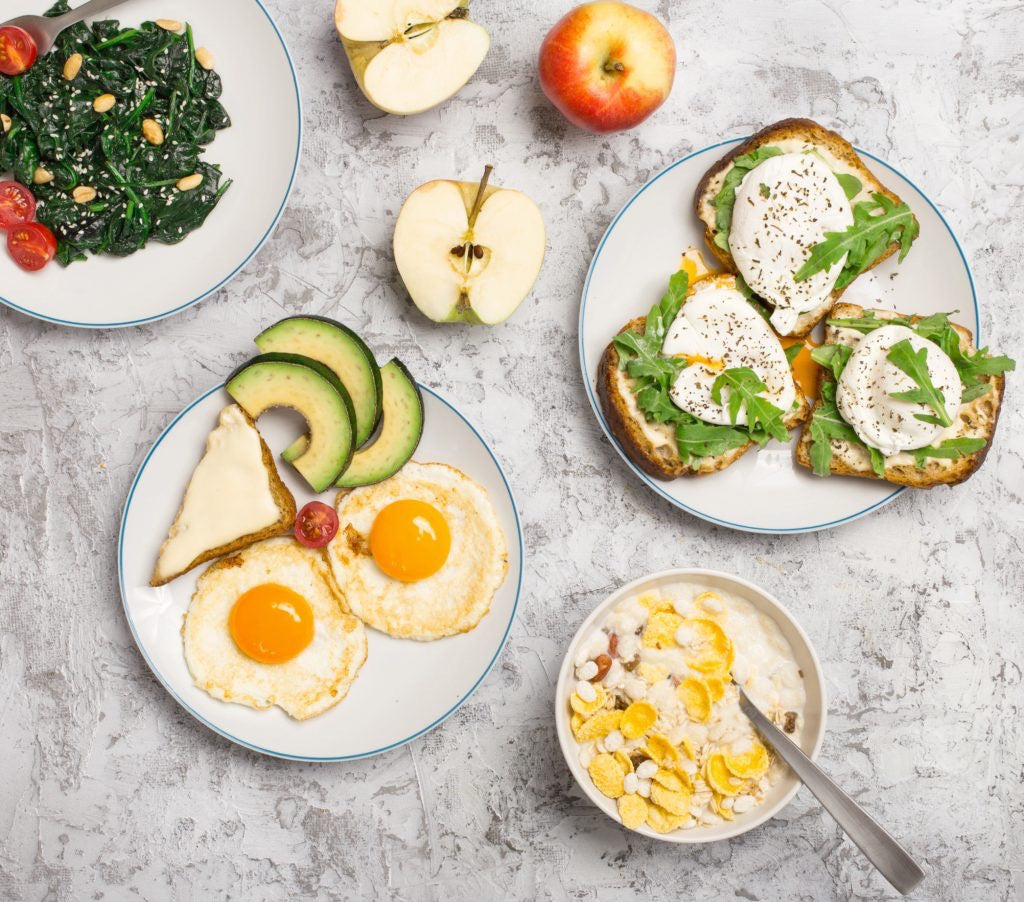
Nutrition and breastfeeding: 5 tips to stay in shape
The arrival of a baby turns everyday life and the mother's nutritional needs upside down. While breastfeeding is a unique bonding experience, it also requires a lot of energy from your body. Between short nights, repeated feedings, and accumulated fatigue, knowing what to eat becomes essential for your well-being and that of your child.
At 23 Mai Paris, we support mothers in all aspects of motherhood. In this article, we share five practical nutritional tips to help you stay in shape while breastfeeding.
Why monitor your diet while breastfeeding?
During the postpartum period, your body works hard to produce milk. Contrary to popular belief, it is not a question of following a restrictive diet, but of providing the necessary nutrients to avoid extreme fatigue.
A balanced diet allows you to:
- Maintain your energy throughout the day
- Promoting good milk production
- Recover more quickly from childbirth
- Staying in good spirits despite fatigue
A healthy lifestyle allows you to fully enjoy these moments of bonding with your baby, comfortably dressed in your favorite nursing sweatshirt .

5 nutrition tips for breastfeeding moms
1. Focus on high-quality protein
Protein is the building block of your body. To support milk production and muscle recovery, focus on:
- Eggs (easy and quick to prepare)
- White meat (chicken, turkey)
- Fish
- Legumes such as lentils, chickpeas, or beans
These foods keep you feeling full for longer, which is ideal for avoiding snacking between feedings. Consider meal prep: prepare a few portions in advance for days when you don't have time to cook.

2. Promote healthy fats for your baby's brain
Essential fatty acids, particularly omega-3s, are crucial for your newborn's brain development. And it is through your milk that you pass on these valuable nutrients to your baby.
Where can I find them?
- Fatty fish: salmon, sardines, mackerel (twice a week)
- Nuts and flax seeds
- Canola or walnut oil (for seasoning)
- Lawyers
Tip: Add a handful of nuts to your morning yogurt or sprinkle flax seeds on your salads.

3. The importance of regular hydration
Milk production consumes a lot of water. Even mild dehydration can lead to fatigue, headaches, and decreased lactation.
Our advice:
- Always keep a water bottle handy.
- Drink a large glass of water every time you breastfeed your baby.
- Aim for around 2 to 2.5 liters per day (water, herbal teas, soups, etc.).
If you get tired of water, fennel, verbena, or basil infusions can be excellent alternatives. Some are even known for their galactogenic properties (promoting lactation).
To learn more, check out our article Herbal teas and plants: allies to support your breastfeeding journey.

4. Complex carbohydrates for long-lasting energy
Forget about fast sugars (industrial cakes, candy, sodas) that cause insulin spikes followed by fatigue. Choose complex carbohydrates that release energy slowly into your body:
- Whole grains (whole wheat bread, brown rice, whole wheat pasta)
- Quinoa
- The sweet potato
- Oatmeal
These foods help you keep up with the fast pace of a new mom's day, without the energy roller coaster.
Breakfast idea: oatmeal porridge with fresh fruit and a few almonds.

5. Don't neglect iron and calcium
Iron
Iron requirements are high after childbirth, especially if you have lost blood. Iron deficiency leads to severe fatigue and lack of energy.
Sources of iron:
- Red meat (1 to 2 times per week)
- Spinach and green vegetables
- Lenses
- Dark chocolate (in moderation, but it's allowed!)
Tip: Combine iron-rich foods with vitamin C (lemon juice, bell peppers, kiwi) to improve absorption.
Calcium
Calcium is essential for your bones and your baby's bones. If you consume dairy products, this is easy. If not, try:
- Almonds and hazelnuts
- Green vegetables (broccoli, kale)
- Mineral waters rich in calcium
- Canned sardines (with bones)
If you're feeling exhausted, discover our Tips for surviving nighttime feedings.
Foods to limit or avoid while breastfeeding
A few precautions to keep in mind:
- Caffeine: limit yourself to 2-3 cups of coffee per day. Caffeine passes into breast milk and can agitate your baby.
- Alcohol: ideally avoid, or consume occasionally, allowing sufficient time before the next feed.
- Certain fish: avoid fish with high mercury content (swordfish, shark, bluefin tuna).
- Very spicy foods or foods that cause gas: observe your baby's reactions. Some babies are more sensitive than others.
If in doubt, listen to your body and observe your child's reactions.

Combining comfort and nutrition in everyday life
Taking care of your diet is just as important as feeling good in your clothes. The two go hand in hand for your overall well-being.
At 23 Mai Paris, we design nursing clothes that adapt to your new life. Whether you're grabbing a healthy snack in the kitchen or preparing a balanced meal, our Breastfeeding dresses and nursing tops with discreet openings allow you to breastfeed with ease, wherever you are.

Our daily tips:
- Choose homemade whenever possible
- Listen to your hunger (it's real and legitimate!)
- Wear loose-fitting clothing to facilitate digestion and access to the breast.
- Have healthy snacks on hand for when you feel hungry.
Conclusion
Eating while breastfeeding doesn't have to be complicated. By focusing on high-quality protein, healthy fats, regular hydration, complex carbohydrates, and sufficient iron and calcium, you'll give your body everything it needs to take care of you and your baby.
At 23 Mai Paris, we believe that moms deserve to feel good, both in their own skin and in their clothes. Take care of yourself—you deserve it.
Discover our nursing wear collection to support you every day.
If you are breastfeeding, here are some of our nursing clothes that may interest you:
Breastfeeding t-shirts
Breastfeeding sweaters
Breastfeeding tank tops
Breastfeeding dresses
Breastfeeding pyjamas