Coffee and breastfeeding: 5 truths about caffeine and breastfeeding
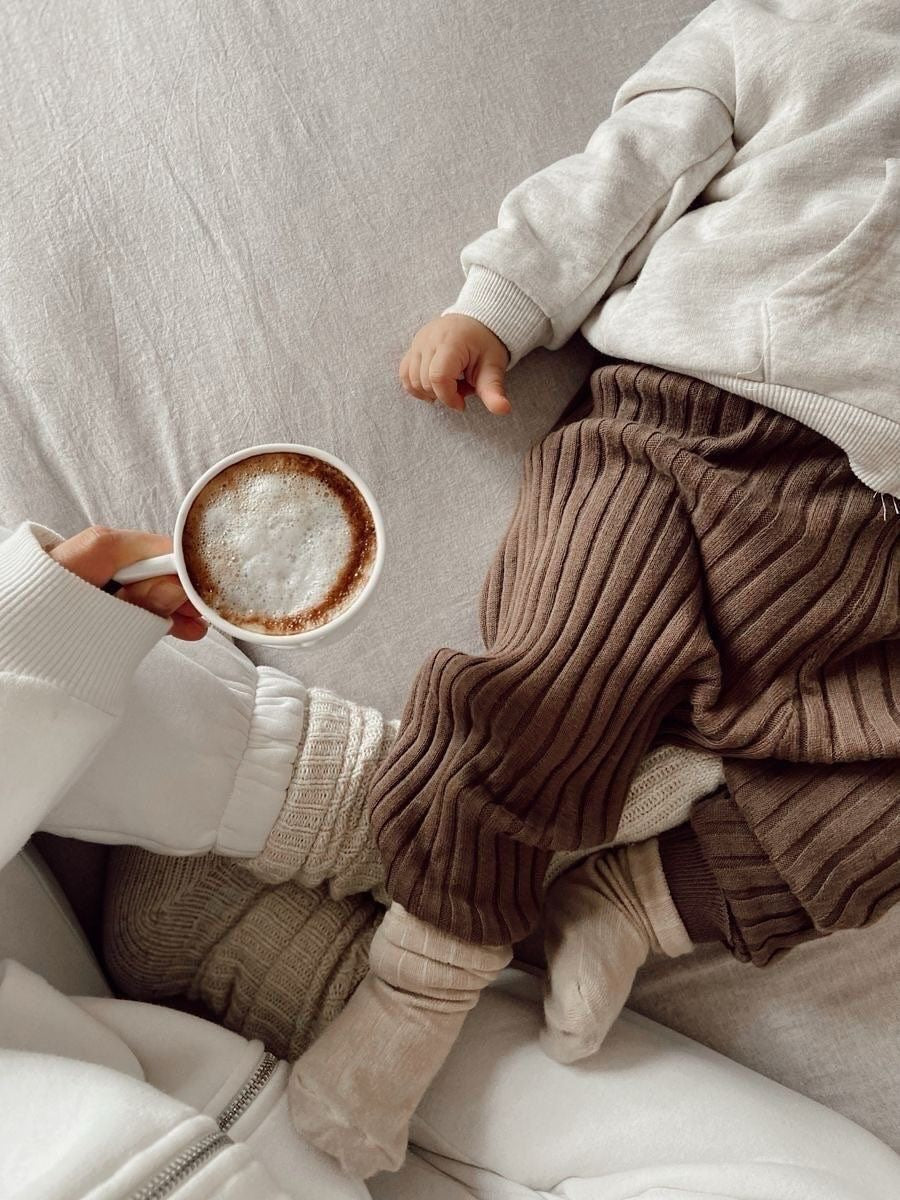
For many new mothers, their morning cup of coffee is a sacred ritual, especially after a night interrupted by their baby waking up. However, one question often arises: does caffeine pass into breast milk? And if so, what are the risks for the baby?
At 23 Mai Paris, we support moms in all aspects of their daily lives. In this article, we separate fact from fiction about coffee and breastfeeding, so you can enjoy your coffee break with peace of mind.

1. Moderation is key, according to experts
Good news: you don't have to give up coffee completely while breastfeeding!
The World Health Organization and pediatricians generally agree on moderate consumption. It is recommended not to exceed 200 to 300 mg of caffeine per day, which corresponds to approximately:
- 2 cups of filter coffee
- 3 espressos
- 4 cups of black tea
It is important to note that every baby reacts differently. Some metabolize caffeine more slowly than others, especially during the first few months of life when their digestive systems are still immature.

2. Observe your baby's signals
Rather than completely eliminating your morning pleasure, monitor your child's behavior after you drink coffee.
Signs that may indicate sensitivity to caffeine:
- Unusual nervousness or agitation
- Difficulty falling asleep
- Lighter or interrupted sleep
- Increased irritability
- Unexplained crying
Caffeine reaches its peak concentration in breast milk approximately 60 to 120 minutes after ingestion. If you regularly notice these signs after drinking coffee, it may be wise to reduce your intake or adjust the timing.
Good to know: Newborns (0-3 months) eliminate caffeine much more slowly than older babies. Caution is therefore advised during the first few months.
To get breastfeeding off to a good start, check out our article Starting breastfeeding: 10 mistakes to avoid.

3. The importance of timing
To minimize the impact of caffeine on their babies, some mothers choose to drink their coffee right after breastfeeding. This allows the body to begin eliminating caffeine before the next feeding.
Optimal strategy:
- Breastfeed your baby
- Enjoy your coffee in peace
- The next feeding will take place 2-3 hours later, when the caffeine peak has passed.
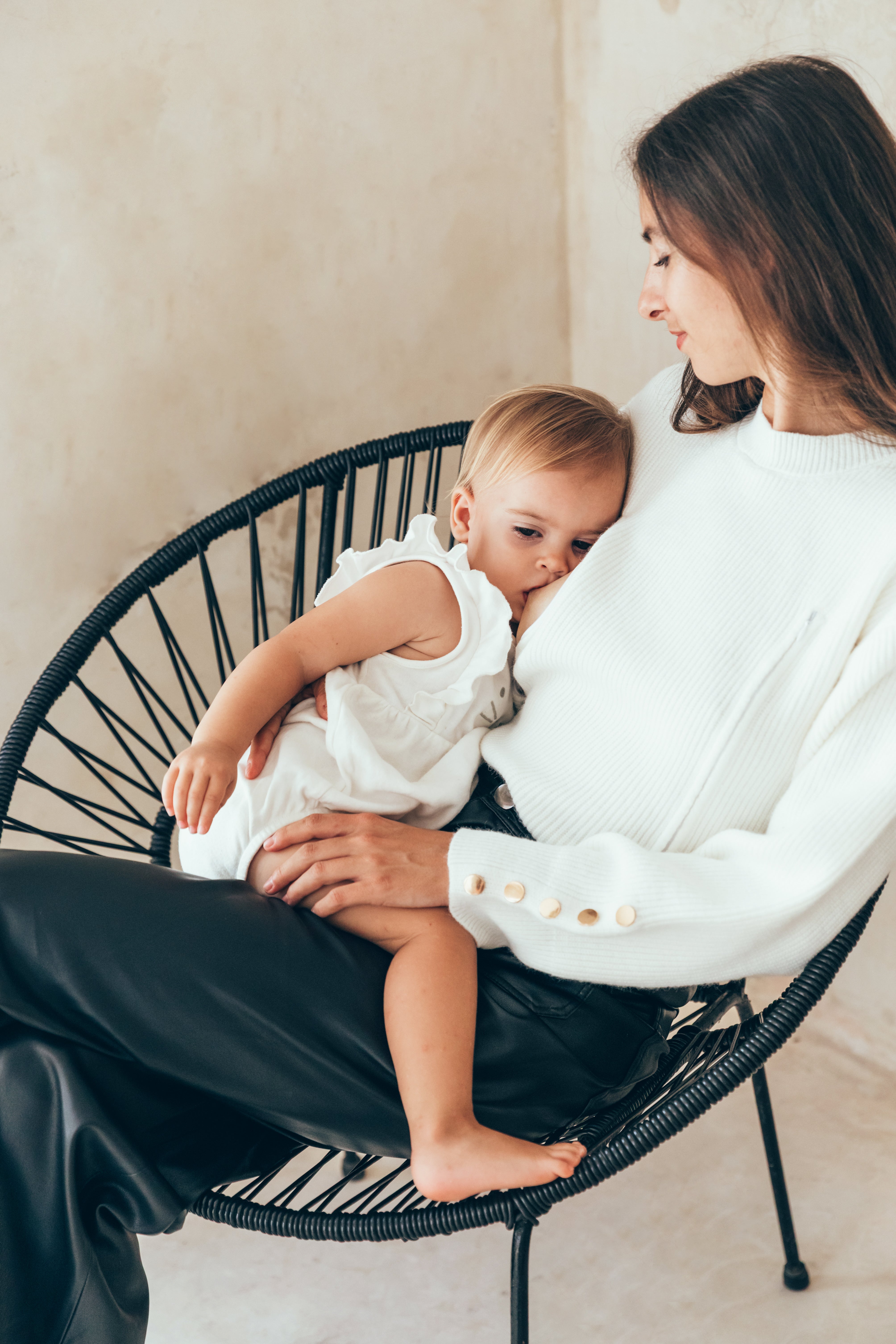
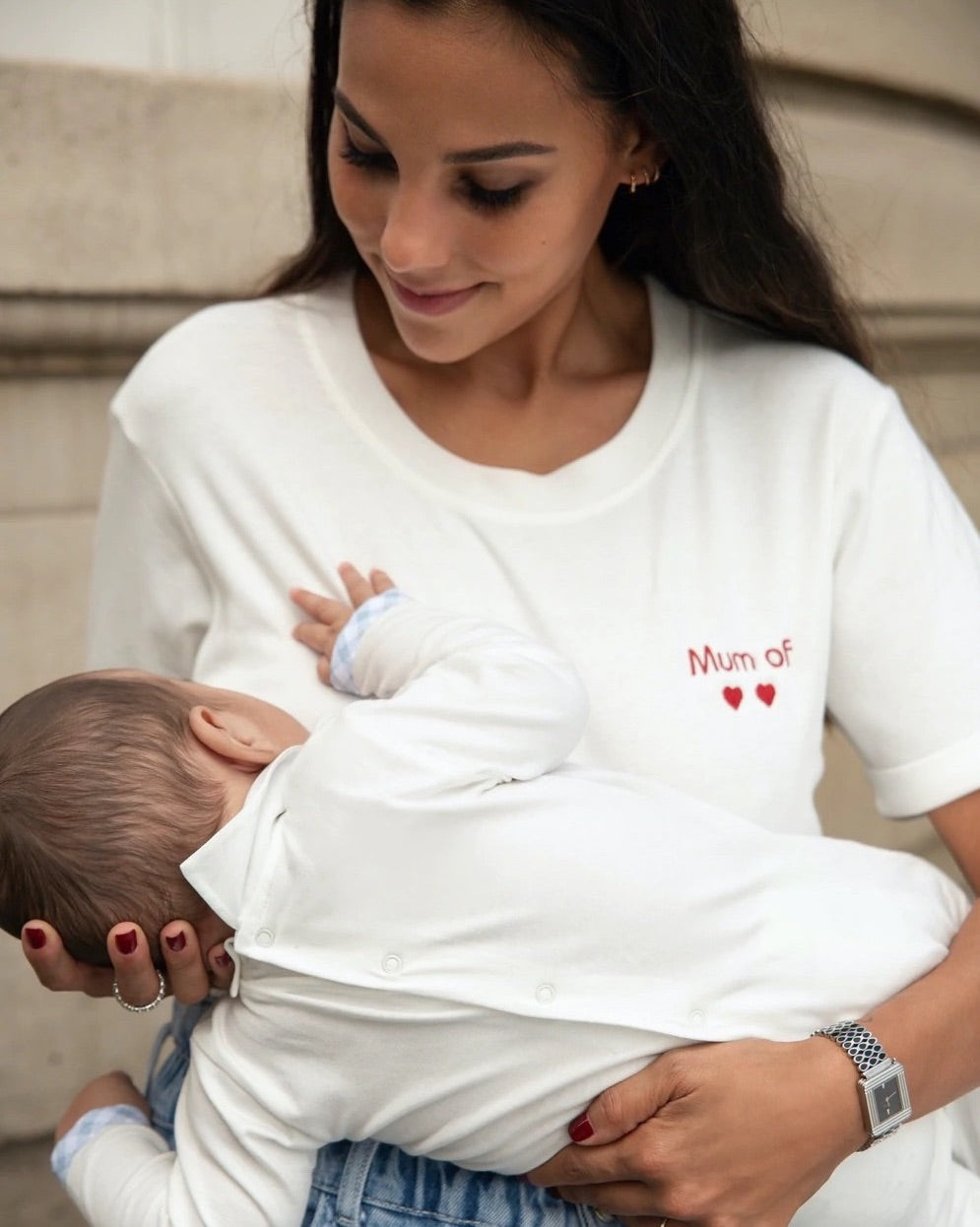
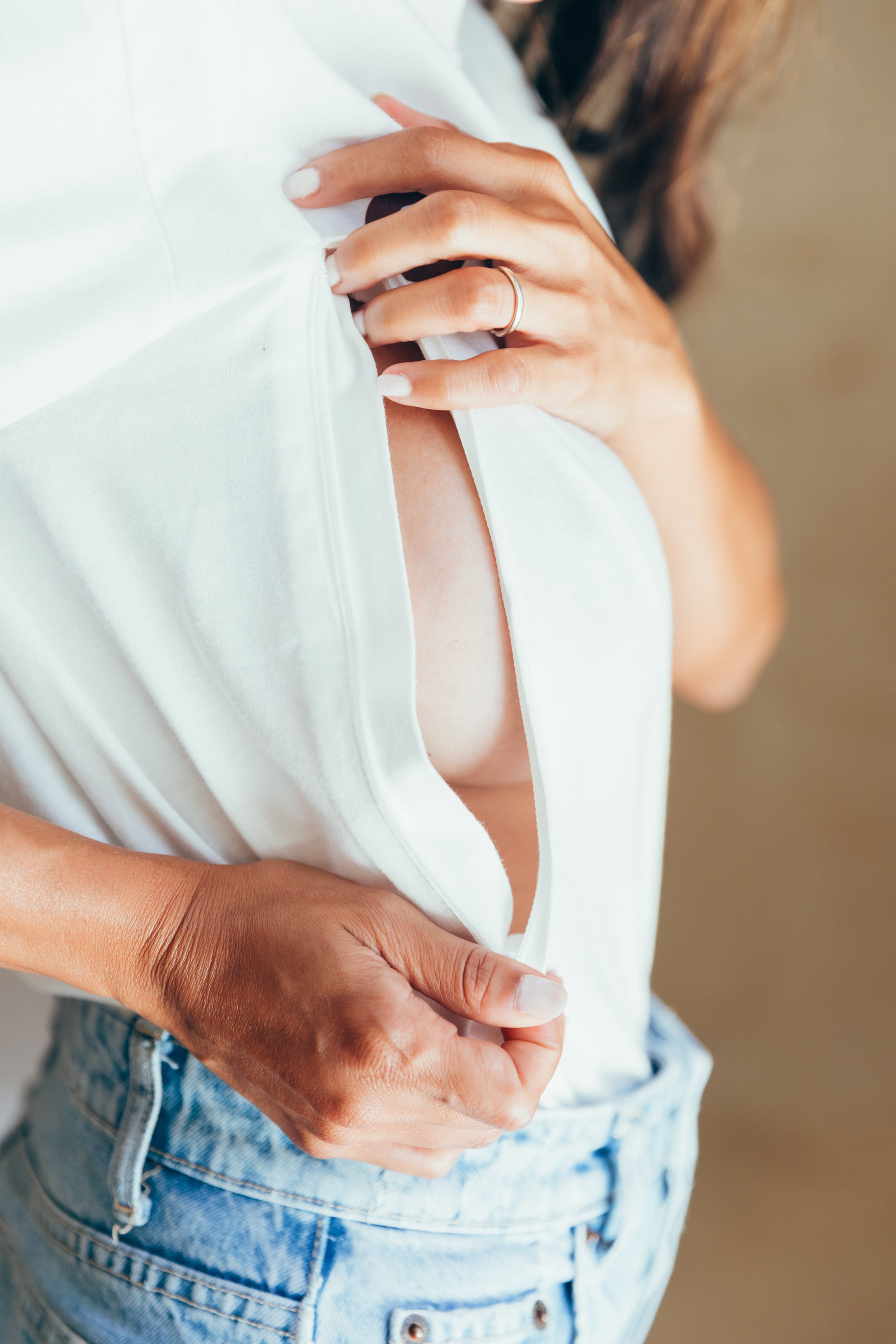
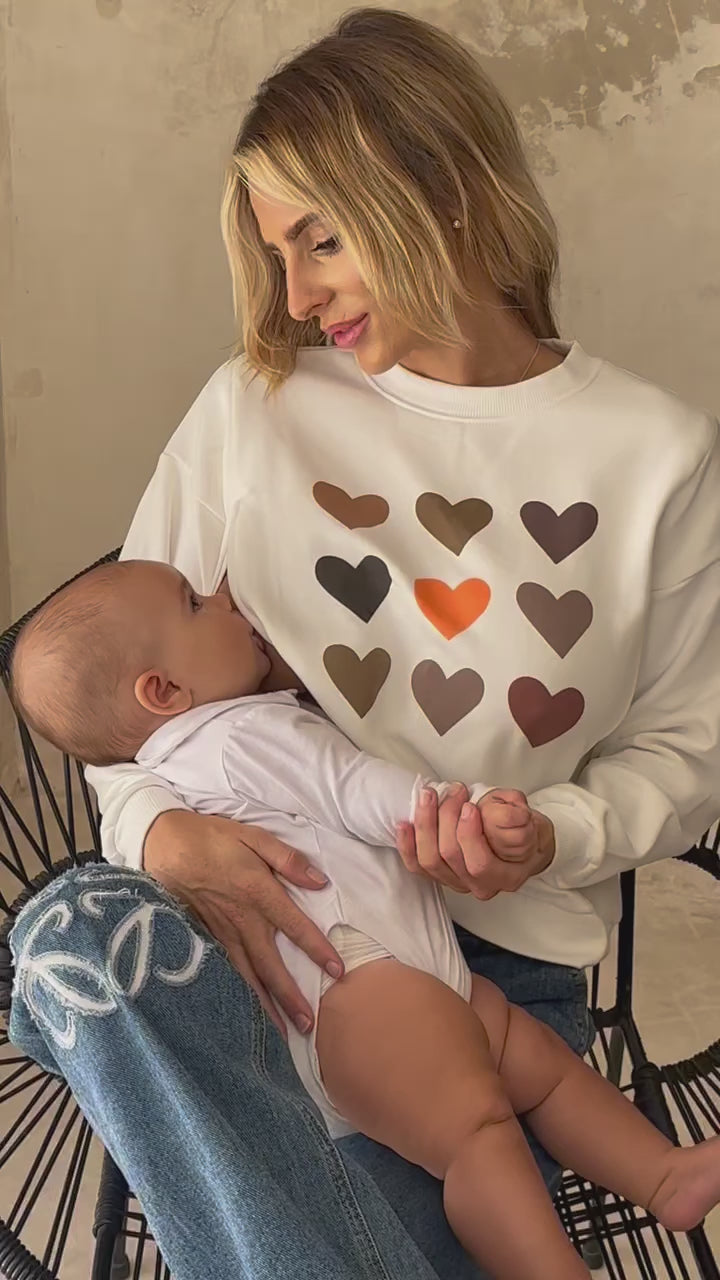
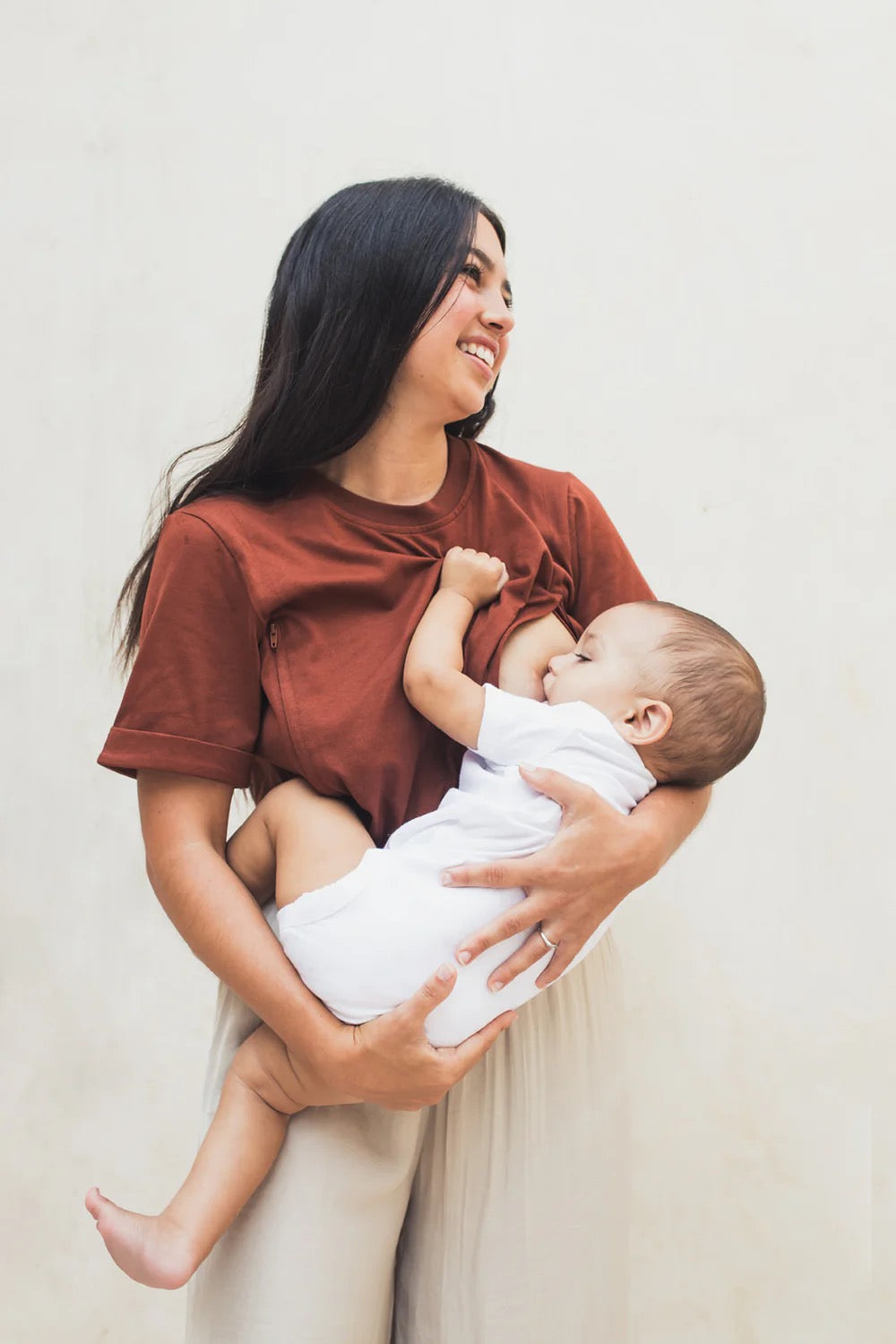
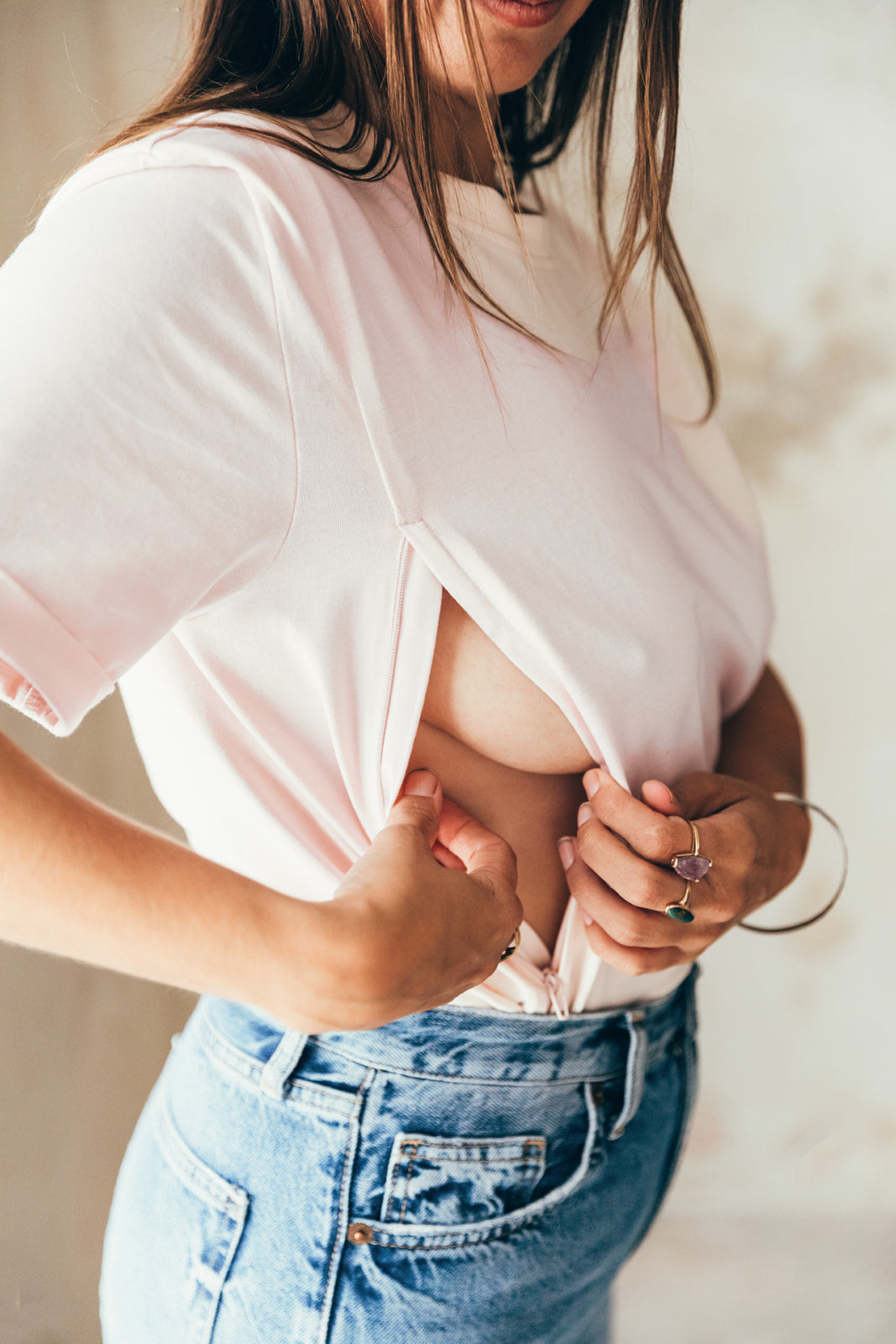
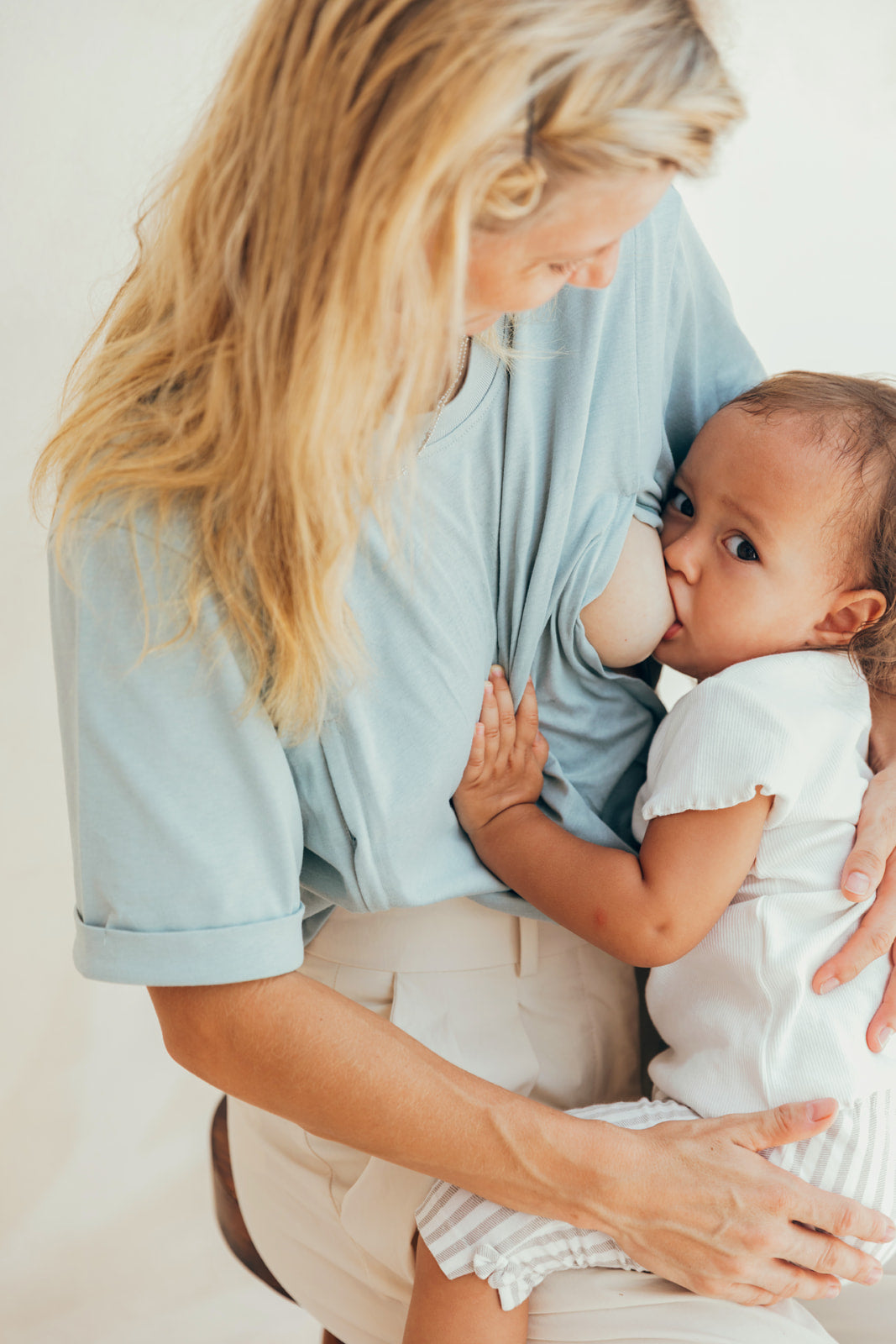
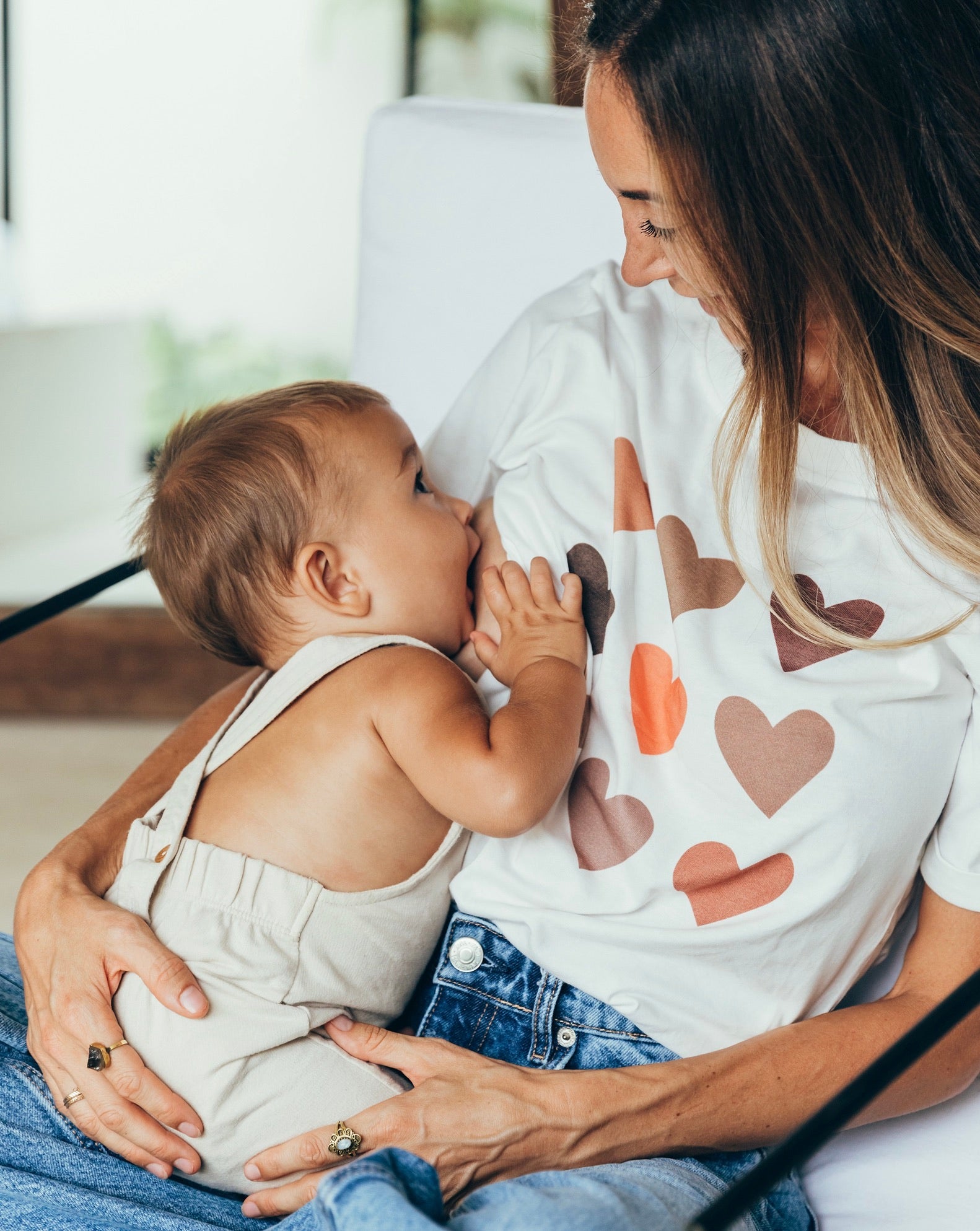
To make these moments more peaceful, To make these moments more peaceful, opt for a nursing wear practical. At 23 Mai Paris, our designs allow for discreet and quick breastfeeding, enabling you to enjoy your coffee break without any logistical constraints.

4. Alternatives to traditional coffee
If your baby seems sensitive to caffeine, or if you simply want to vary your intake, here are some alternatives:
Decaffeinated coffee
It still contains a tiny amount of caffeine (around 2-5 mg per cup compared to 80-100 mg in a regular coffee), but it's a great option for enjoying the taste of coffee without the stimulating effects.
Chicory
Excellent for digestion and completely caffeine-free. Its roasted flavor is reminiscent of coffee and it is prepared in the same way.
Rooibos
This South African infusion is naturally caffeine-free, rich in antioxidants, and delicious hot or cold.
Matcha
Although it contains caffeine, it provides a slower, more gradual release of energy thanks to the L-theanine it contains. Less of a spike, less of a crash.
Energizing infusions
Ginger, peppermint, or lemongrass can give you a natural boost without caffeine.
To learn more about beverages during breastfeeding, check out our article. Breastfeeding and motherhood: the complete guide to the postpartum period.

5. Hydration and well-being: the winning combination
Remember that coffee is a mild diuretic. To maintain good lactation, it is essential to compensate by drinking enough water.
Our advice:
- Drink a large glass of water for every cup of coffee consumed.
- Keep a water bottle handy during feedings.
- Aim for 2 to 2.5 liters of fluids per day (water, herbal teas, soups, etc.).
Taking care of yourself also means taking care of your baby.
Being a fulfilled mother also requires physical and mental comfort. Treat yourself to a good cup of coffee, wear a Breastfeeding sweatshirt or a Breastfeeding t-shirt stylishTaking a few minutes for yourself... It's these little rituals that help you run the marathon of motherhood.
At 23 Mai Paris, we believe that moms deserve to feel beautiful and comfortable, with or without caffeine.

Key takeaways
| Question | Answer |
|---|---|
| Can you drink coffee while breastfeeding? | Yes, in moderation |
| What is the maximum amount? | 200–300 mg/day (2 cups) |
| When should you drink your coffee? | Right after feeding |
| Caffeine peak in milk | 1-2 hours after ingestion |
| Sensitive baby? | Cut back or switch to decaf |

Conclusion
Coffee and breastfeeding are not incompatible. With a little moderation, observation, and common sense, you can enjoy your daily coffee without guilt. Listen to your body, observe your baby, and adjust as needed.
At 23 Mai Paris, we support moms in their daily lives with practical and elegant . Because every coffee break deserves to be enjoyed in peace, in clothes that make you look your best.
Discover our collections:
Breastfeeding t-shirts
Breastfeeding sweaters
Breastfeeding tank tops
Breastfeeding dresses
Breastfeeding pyjamas