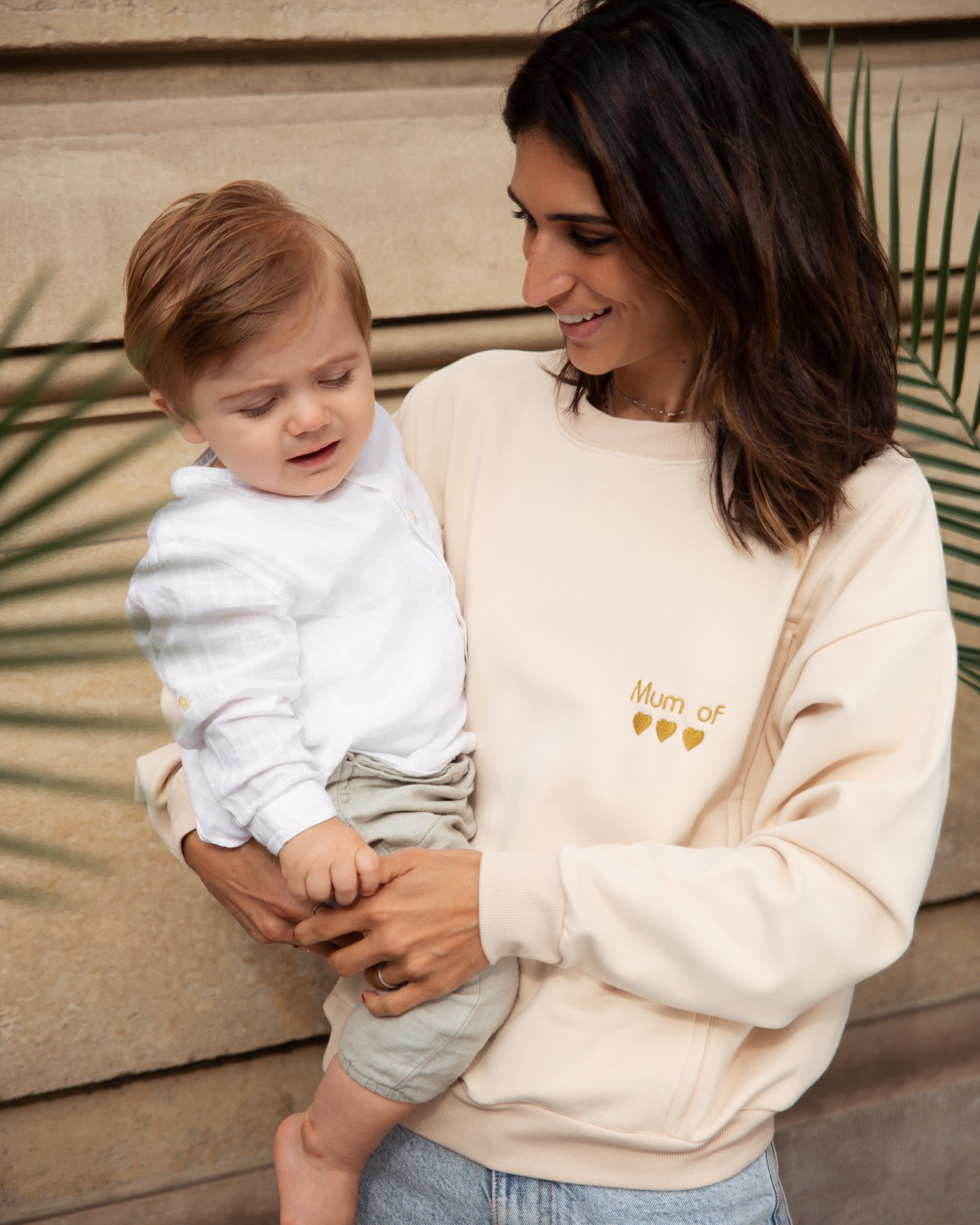
Filters

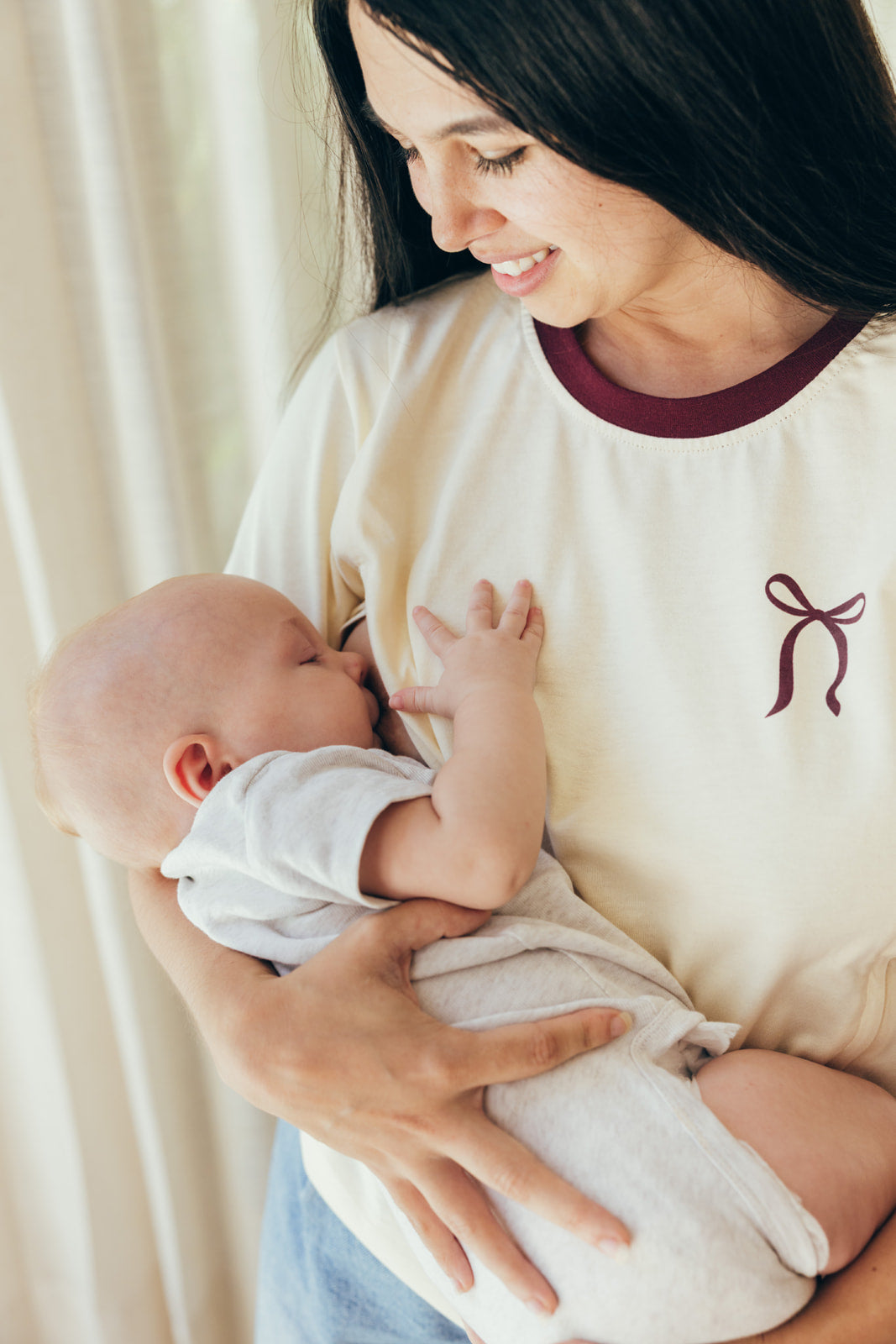
Breastfeeding t-shirt Bow Breastfeeding t-shirt


Gray Nursing Sweatshirt #MOMMY


Breastfeeding nightdress


Breastfeeding t-shirt olive OPEN BAR
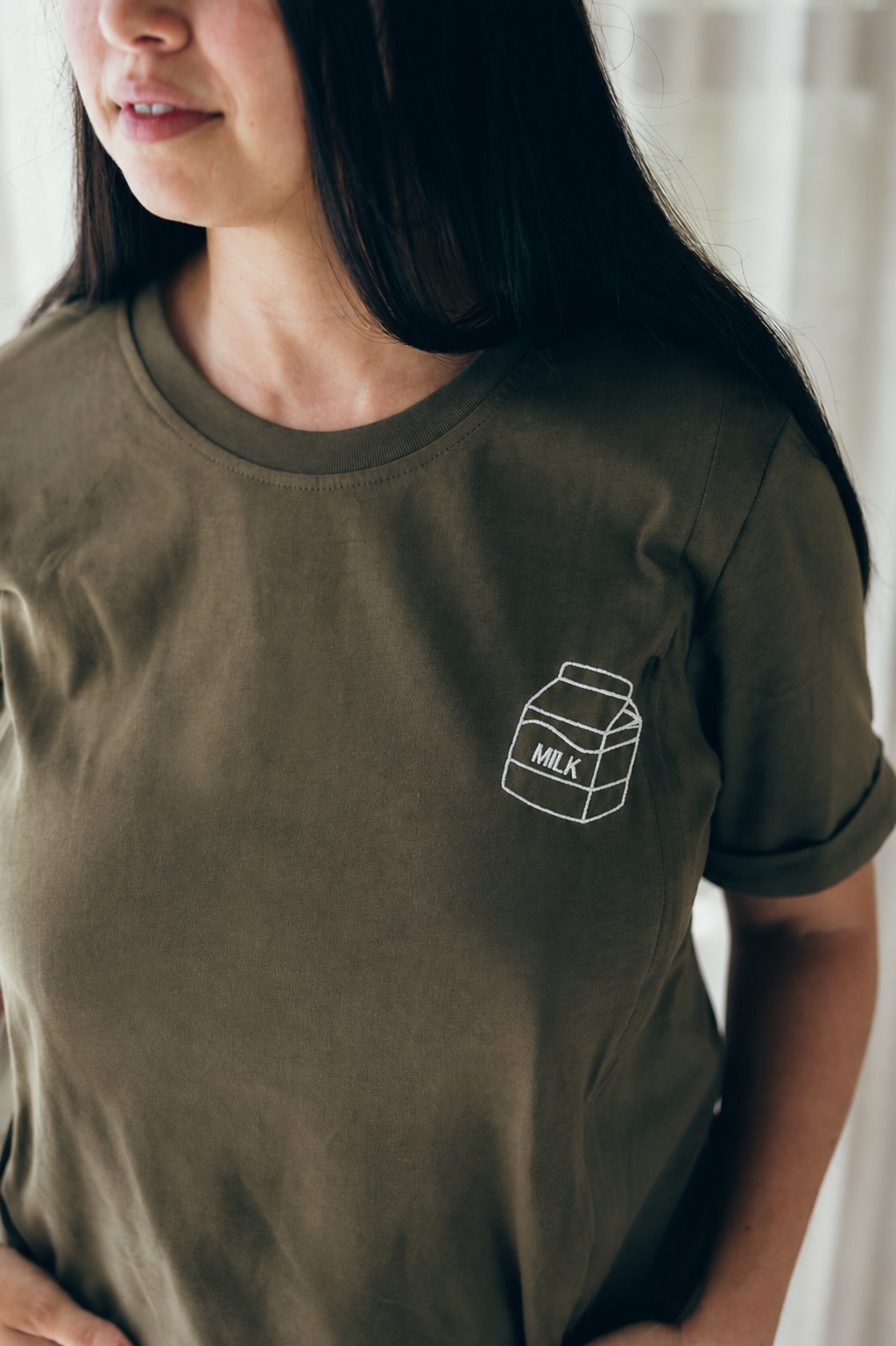
Breastfeeding t-shirt olive MILK BOX


Women's t-shirt ALPHA


MILK gray nursing sweatshirt
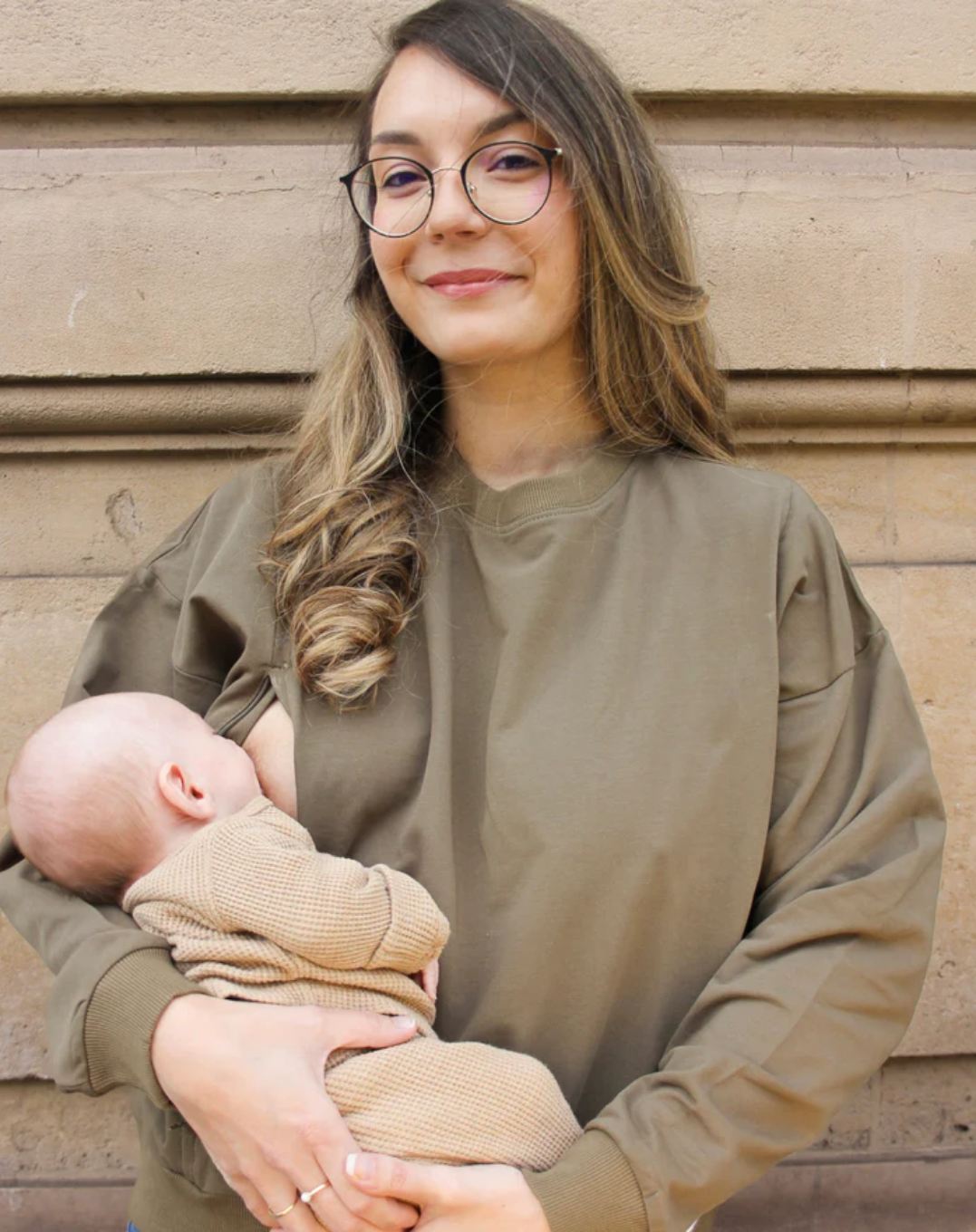

Khaki nursing sweatshirt
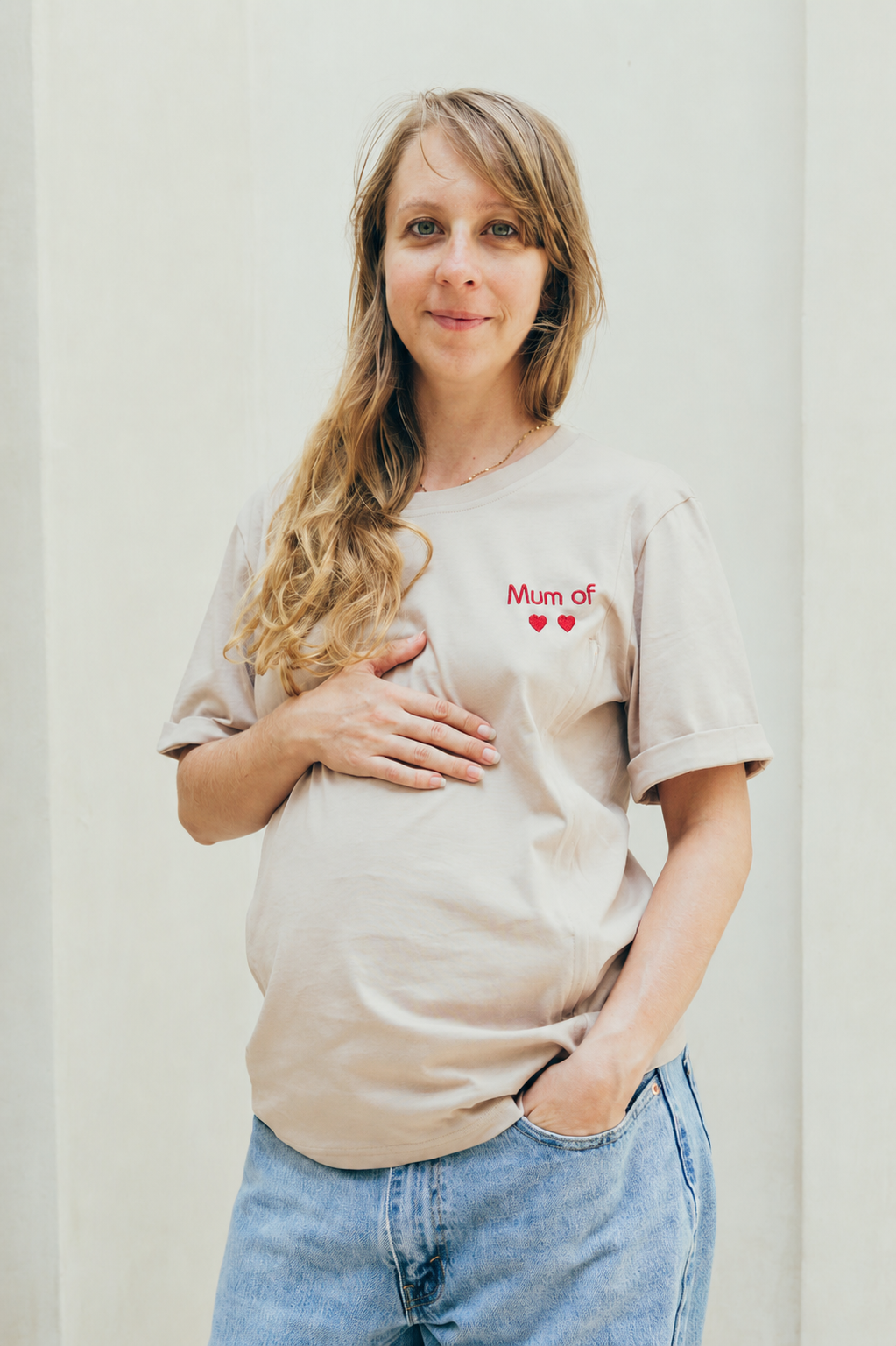

Breastfeeding t-shirt beige #MOMMY
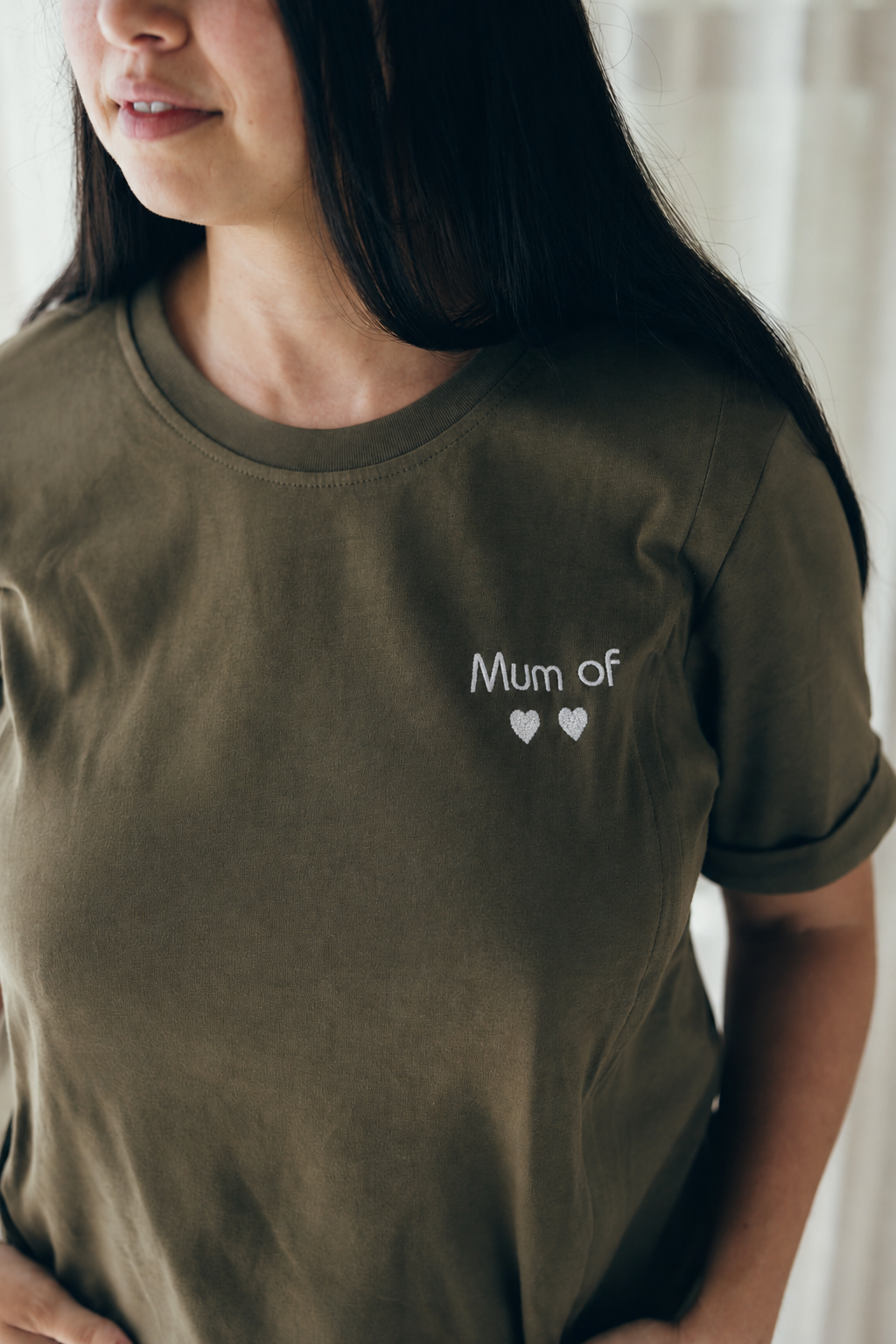
Breastfeeding t-shirt olive #MOMMY
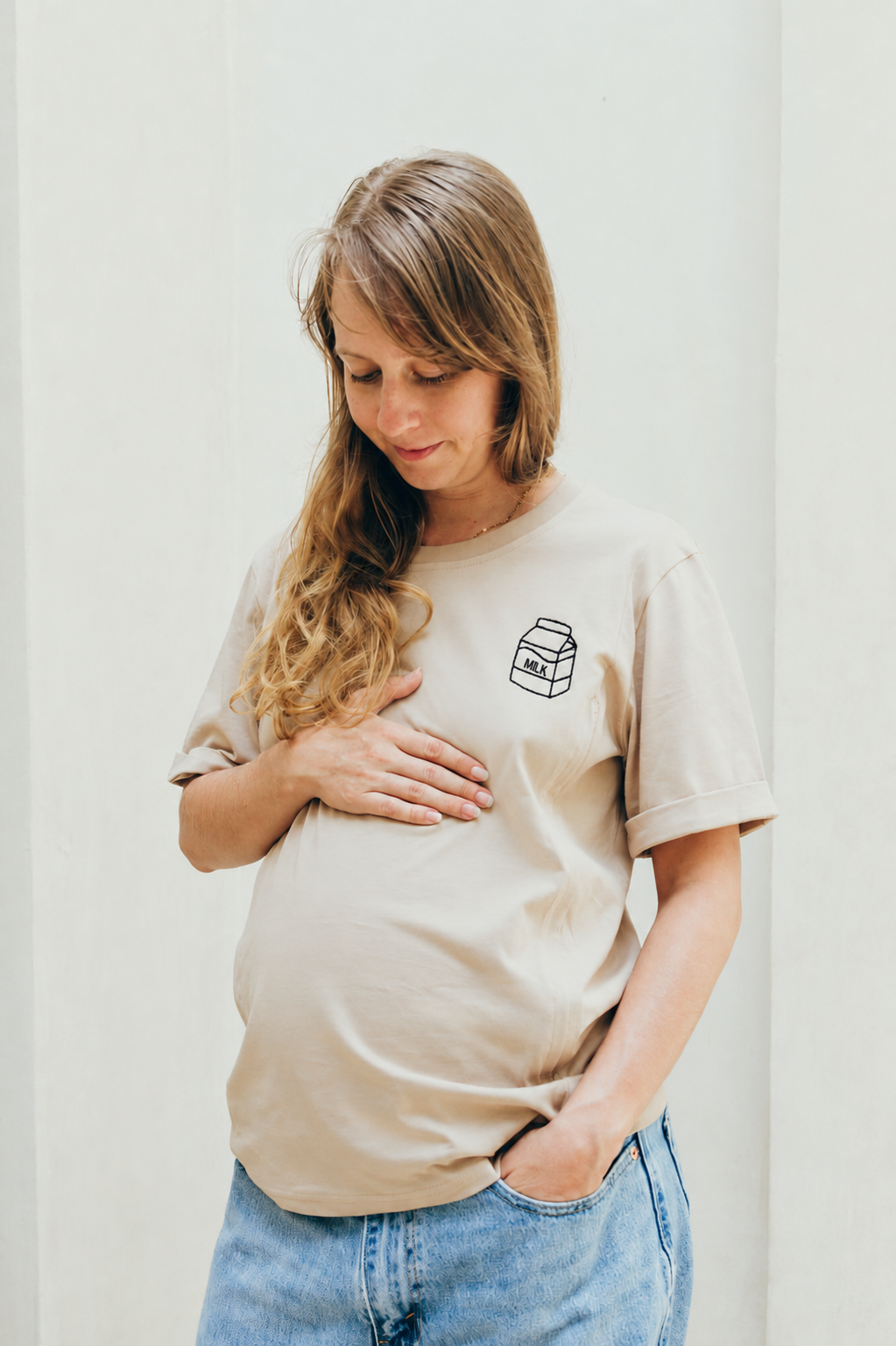
Breastfeeding t-shirt beige MILK BOX


Breastfeeding t-shirt

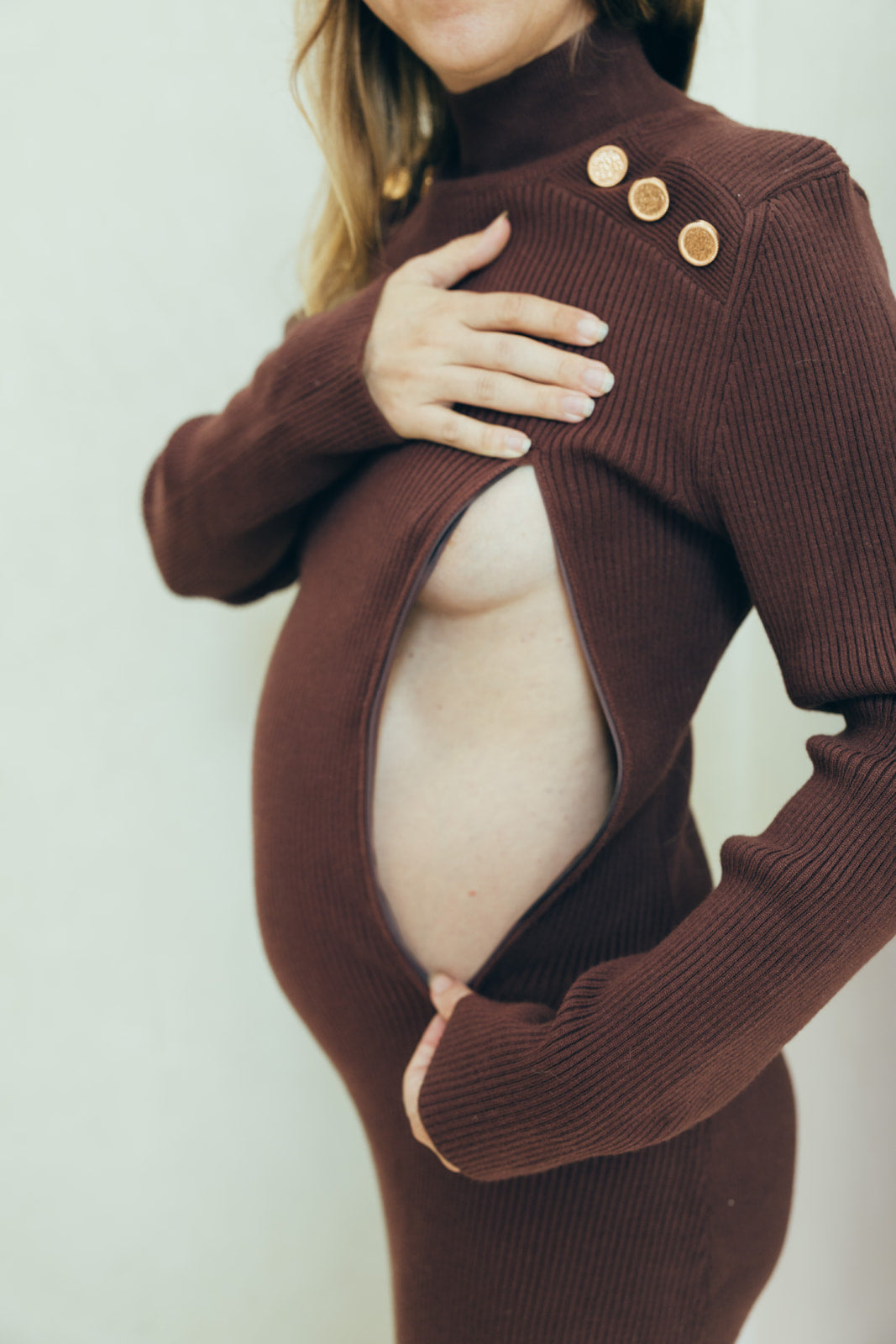
Breastfeeding dress
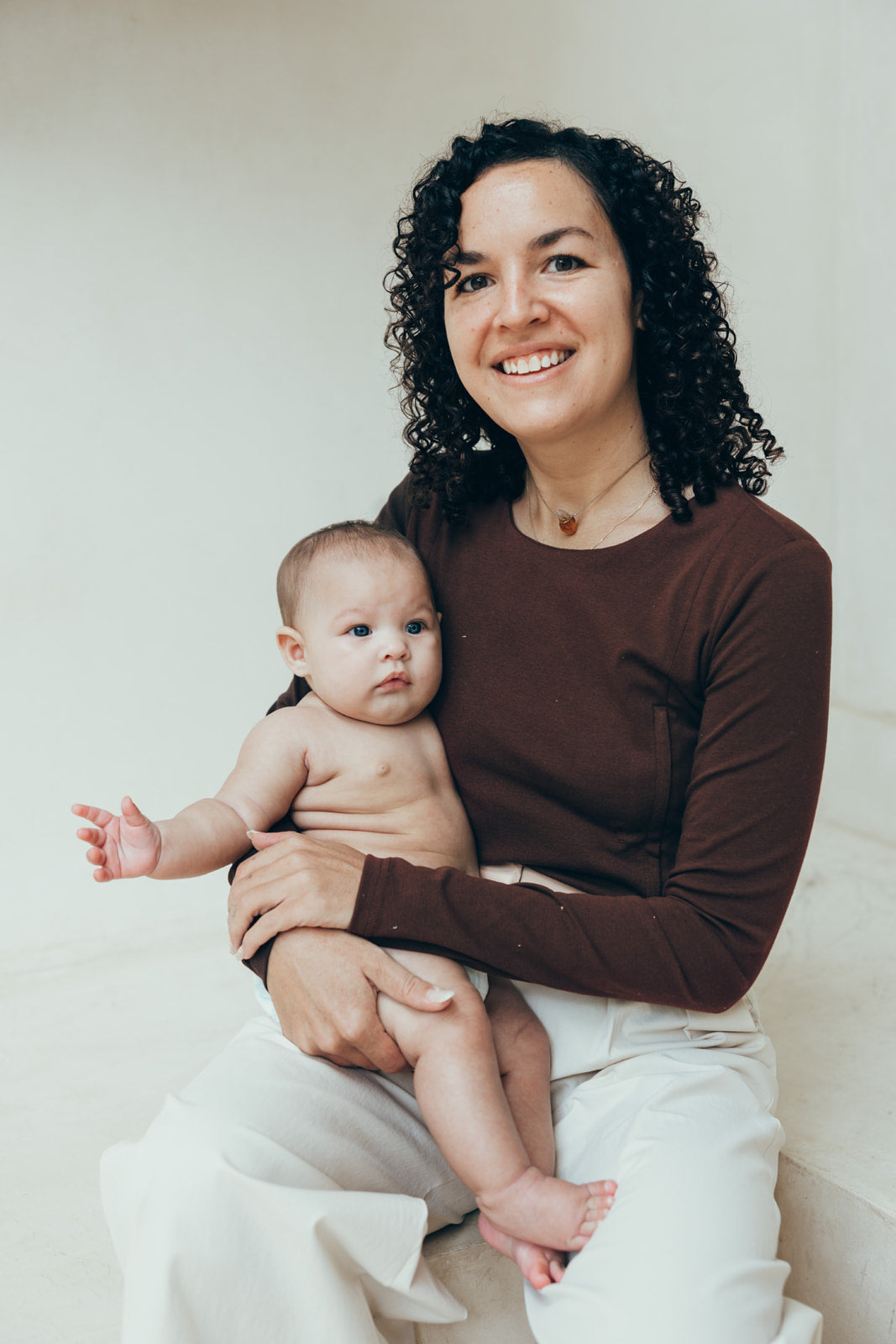

Breastfeeding t-shirt Long-Sleeve Breastfeeding t-shirt


Breastfeeding t-shirt , Medium
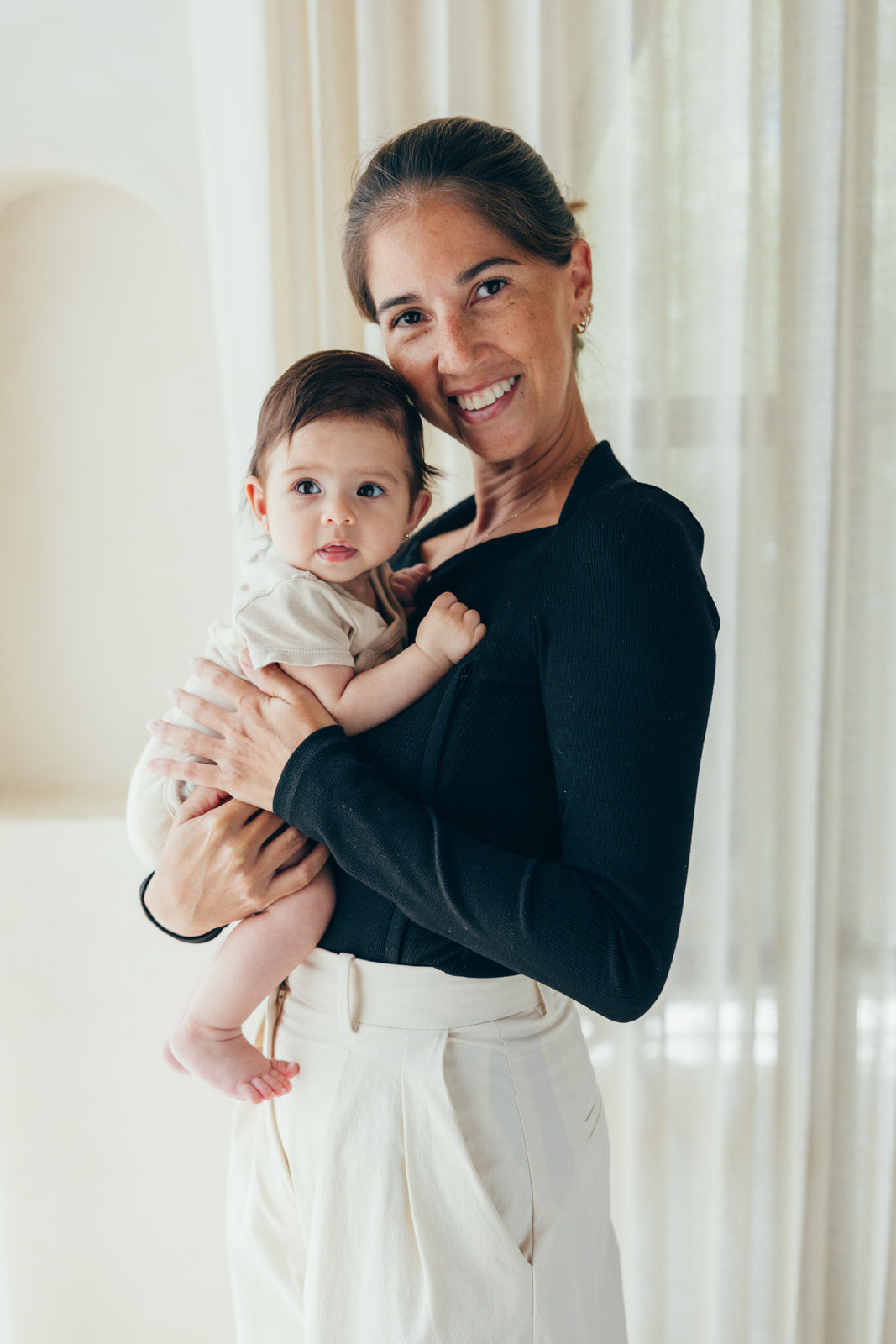
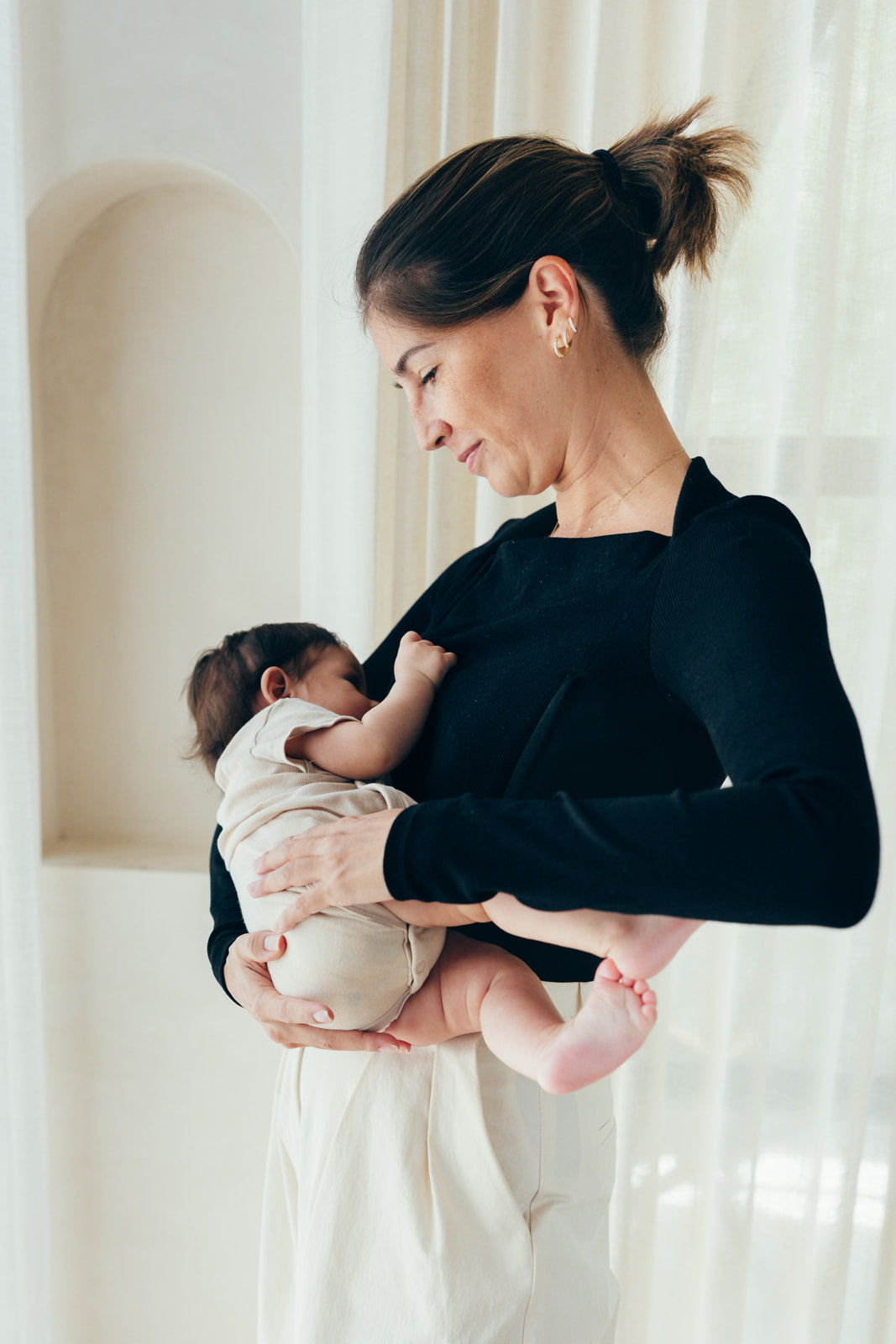
Breastfeeding t-shirt , Medium


LEO Nursing Sweatshirt
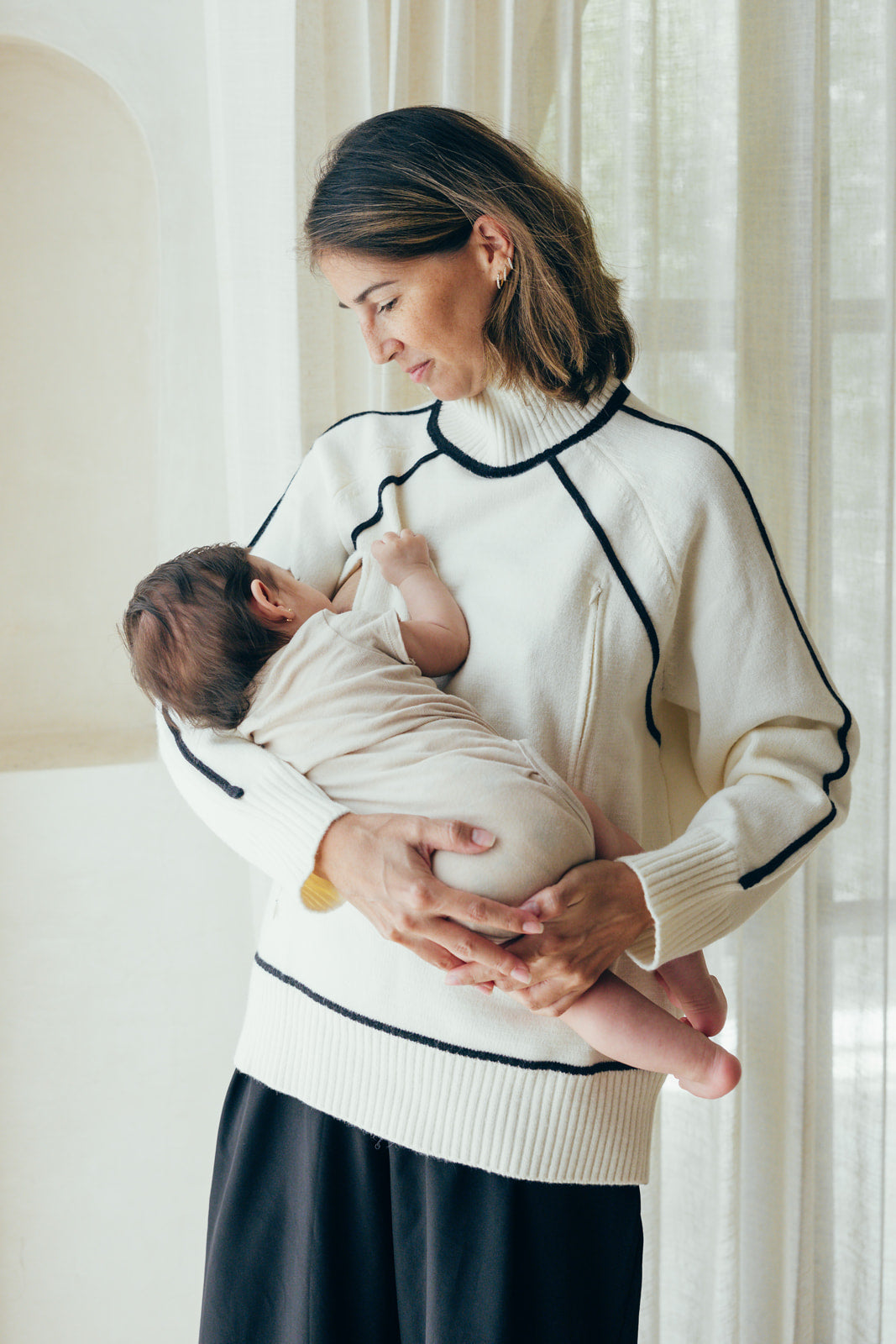

VALENTINE Nursing Sweater


ALPHA Breastfeeding t-shirt
Why is fatigue more intense in the winter when you're breastfeeding?
Breastfeeding fatigue is universal—every breastfeeding mom experiences it. But in winter, it takes on an extra dimension that many don’t see coming. Short days and a lack of natural light reduce serotonin production and disrupt circadian rhythms, making it harder to recover between feedings. The cold weather makes you want to stay indoors, limiting outings and opportunities to recharge. And the winter season often coincides with a time of stomach bugs, colds, and all kinds of viruses for both baby and mom, which take a toll on a body already pushed to its limits by breastfeeding.
The combination of breastfeeding, winter, lack of daylight, and nighttime awakenings is one of the most challenging aspects of motherhood. Recognizing this is already half the battle when it comes to getting through it.
Does the lack of light in winter really affect fatigue in breastfeeding mothers?
Yes, and significantly so. Natural light plays a central role in regulating mood and sleep through the production of serotonin—the neurotransmitter associated with well-being—and melatonin, the sleep hormone. In winter, when days sometimes last less than 9 hours and the sun is often hidden by clouds, serotonin production naturally drops.
For a breastfeeding mother who is already sleep-deprived, this drop in serotonin intensifies feelings of fatigue, can lead to increased irritability, and makes getting through the day more difficult. This is a real physiological phenomenon—not a lack of courage or motivation. Exposing yourself to natural light first thing in the morning, even on gray days, remains one of the most effective ways to counteract this winter effect.
Breastfeeding and Winter Fatigue: Is It the Baby Blues or Postpartum Depression?
Winter fatigue related to breastfeeding is distinct from the baby blues and postpartum depression, even though the symptoms can sometimes be similar and overlap. Winter fatigue is primarily physiological: a lack of light, exhaustion from nighttime awakenings, and the intense physical demands of breastfeeding. It varies from day to day and generally improves with rest, exposure to light, and support from loved ones.
The "baby blues," on the other hand, usually occur in the first few days after childbirth and go away on their own within two weeks. Postpartum depression is a more serious condition that requires medical attention; it is characterized by persistent sadness, feelings of inadequacy, and a lack of interest in the baby or in oneself. If you experience these symptoms for more than a few weeks, talk to your doctor or midwife right away. Fatigue is normal; however, exhaustion that leaves you feeling like you can’t catch your breath warrants professional attention.
Can winter fatigue affect milk production?
Yes, indirectly. Stress and severe exhaustion can affect milk production through cortisol, the stress hormone, which, when present in excess, can interfere with prolactin, the hormone responsible for lactation. An exhausted, stressed, and malnourished mother may experience a slight decrease in milk production, which is particularly noticeable in the winter when diet and hydration are often poorer than in the summer.
The good news is that this effect is reversible. As soon as the mother gets a few extra hours of sleep, a day of rest, and a warm, nutritious meal, milk production usually returns to its usual level. The body does everything it can to maintain lactation, even under difficult conditions.
How can you manage waking up at night during the winter to minimize fatigue?
Winter nights, with their repeated awakenings for feedings, are often the tipping point for winter fatigue. A few simple adjustments can turn these trying nights into more peaceful moments.
Set up your sleeping area in advance so that each feeding is as quick and smooth as possible: nursing pajamas within reach, a glass of water on the nightstand, and soft lighting. Keep the room between 18 and 20°C to avoid temperature shocks when your baby wakes up. And most importantly: sleep when your baby sleeps, even in the middle of the afternoon. In winter, the shorter daylight hours make these naps even more valuable for catching up on rest. Housework and other chores can wait until after you’ve rested—they certainly can’t.
What should you eat in the winter to combat fatigue while breastfeeding?
Diet is one of the most powerful ways to combat winter fatigue while breastfeeding. In winter, the body needs more energy to fight off the cold and produce milk, yet breastfeeding mothers often eat too little or too quickly between feedings.
Include protein at every meal to support milk production and maintain energy levels over time—eggs, legumes, fish, and meat. Complex carbohydrates —such as oatmeal, brown rice, and sweet potatoes—release energy slowly and help prevent midday slumps. Iron is especially important in winter and during the postpartum period—red meat, lentils, and spinach—to combat anemia, which can make fatigue worse. Andomega-3s —found in fatty fish, walnuts, and flaxseed oil—naturally support your mood and reduce the effects of limited sunlight.
Should you take vitamin D while breastfeeding in the winter?
This is a question you should always ask your doctor or midwife, as the answer depends on your personal situation. In France, vitamin D supplementation is generally recommended for all breastfed infants during the winter months, because breast milk naturally contains little vitamin D and sun exposure is insufficient for the body to synthesize it.
For mothers, vitamin D supplementation may also be considered, especially if you have limited sun exposure, if your diet is low in fatty fish, or if you’re experiencing particularly intense fatigue. Vitamin D plays a role in regulating mood and the immune system—two areas that are particularly challenged in winter. Consult your doctor before taking any supplements.
How should you dress in winter to feel better despite feeling tired?
It’s a small detail that might seem insignificant, but it really makes a difference. Getting dressed in the morning—even if you’re just staying home—actively contributes to your sense of well-being and helps combat winter lethargy. Swapping out your old pajamas for a cute, cozy nursing sweater and comfortable leggings can set the tone for your entire day.
Nursing clothes that combine comfort and style—soft against tired skin, practical for feedings, and pleasant to wear—are a true ally for winter well-being. Feeling good in your clothes, even when you’re exhausted, is a small daily victory that really matters. And nursing pajamas that you love to slip into at night make those nighttime awakenings a little less daunting.
How can you ask for help when winter fatigue becomes too much to bear?
Asking for help is one of the hardest things for new moms—and one of the most necessary. The winter fatigue that comes with breastfeeding is real, legitimate, and requires no justification. You don’t have to carry the burden all by yourself.
Here are some specific ways to ask for help from those around you: “I need you to watch the baby for two hours this afternoon so I can get some sleep.” “Can you make dinner tonight?” "I need someone to do the grocery shopping for me this week." Being specific in your requests helps those around you respond effectively, without having to guess. And if your fatigue turns into exhaustion that overwhelms you, talk to your midwife, doctor, or primary care physician—maternal exhaustion is taken seriously and warrants professional support.
When should winter fatigue be a cause for concern?
Fatigue is normal while breastfeeding, especially in the winter. However, certain symptoms warrant an immediate medical consultation.
Extreme fatigue that doesn’t improve despite rest, persistent headaches, severe paleness, or unusual shortness of breath may indicate anemia—which is common in the postpartum period and often worsens in winter. Deep sadness, a feeling of emptiness, or a sense of helplessness that lasts more than two weeks may signal postpartum depression, which requires appropriate care. And sudden, intense fatigue accompanied by a fever may indicate mastitis or another infection that requires prompt treatment. When in doubt, always consult your healthcare provider—your well-being is just as important as your baby’s.
What is the return policy for 23 Mai Paris nursing clothing 23 Mai Paris
You have 14 days from the date you receive your order to let us know if an item does not meet your expectations and request a refund. Please note that exchanges are not available; only refunds are offered.
Customized items featuring embroidery are excluded from this policy and cannot be returned or refunded. For any inquiries, please contact our customer service team in advance at the following email address: bonjour@23maiparis.com.
You can also find more designs here
Breastfeeding sweaters Winter
Breastfeeding pyjamas
Warm nursing clothes
Breastfeeding t-shirts Long-sleeved
Our blog post: Stress and Breastfeeding — 5 Wellness Rituals
Our blog post: Nighttime Breastfeeding — 10 Tips for Surviving Night Feedings
Our blog post: How to Dress in Winter When You’re Breastfeeding