Filters


Breastfeeding t-shirt COEURS
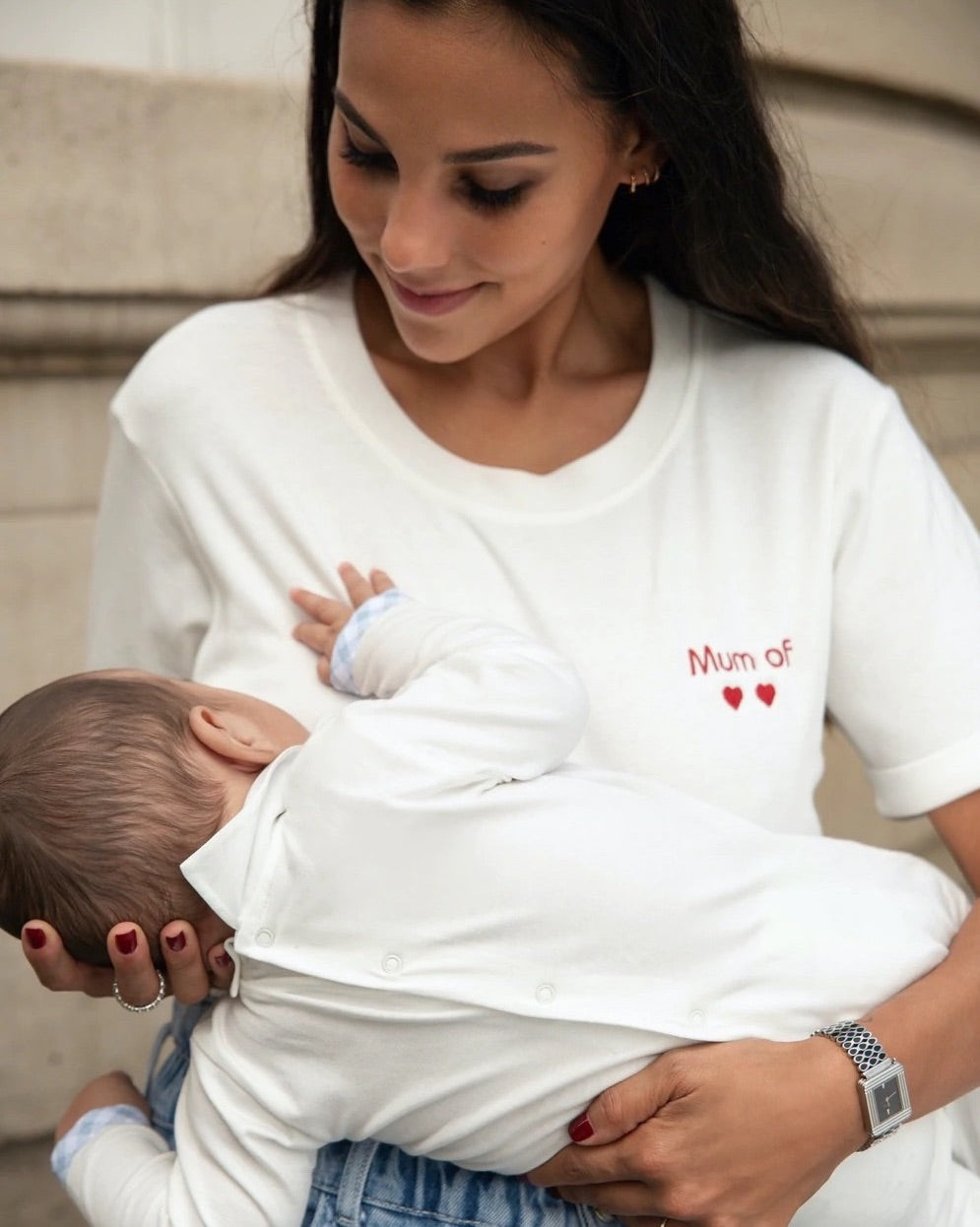

Breastfeeding t-shirt #MOMMY
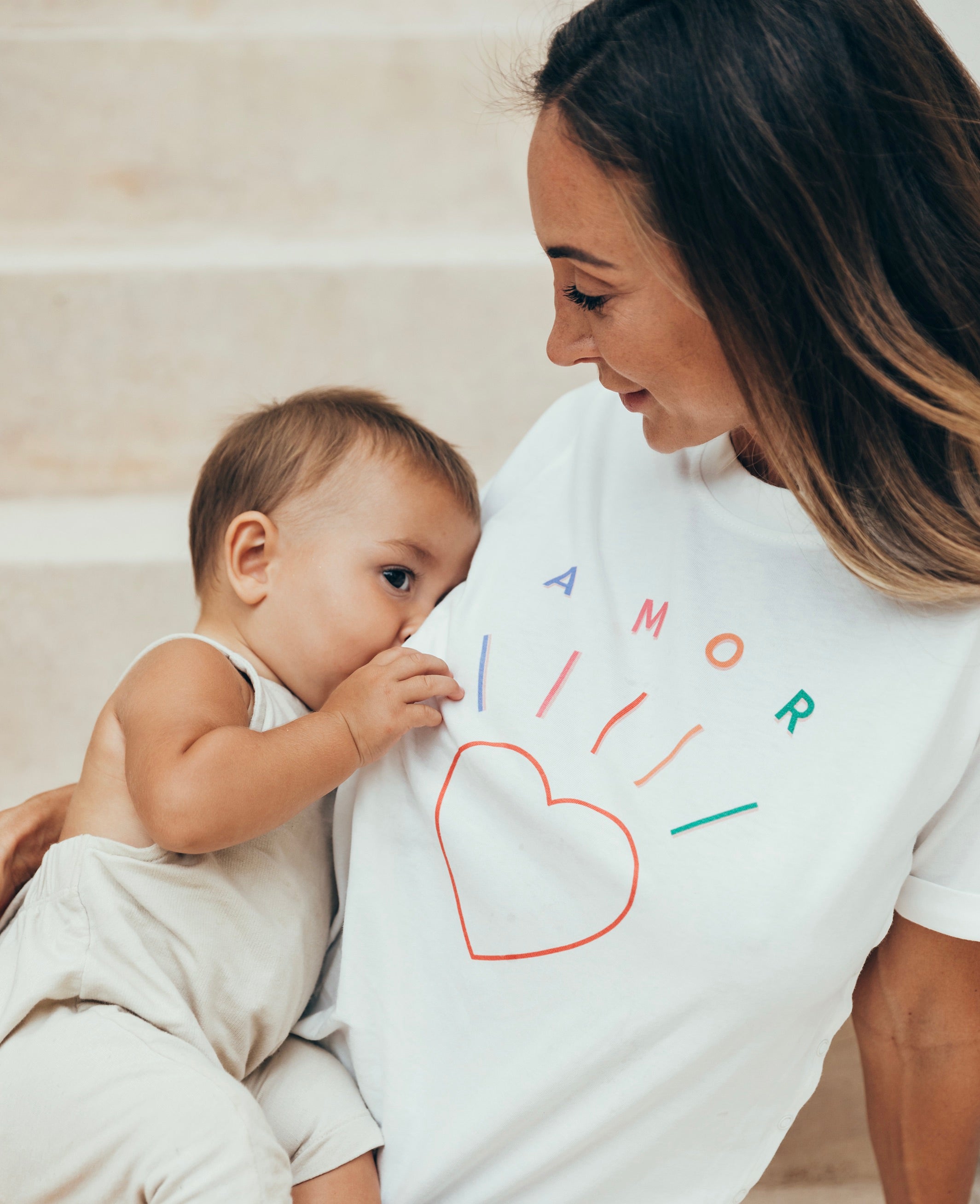
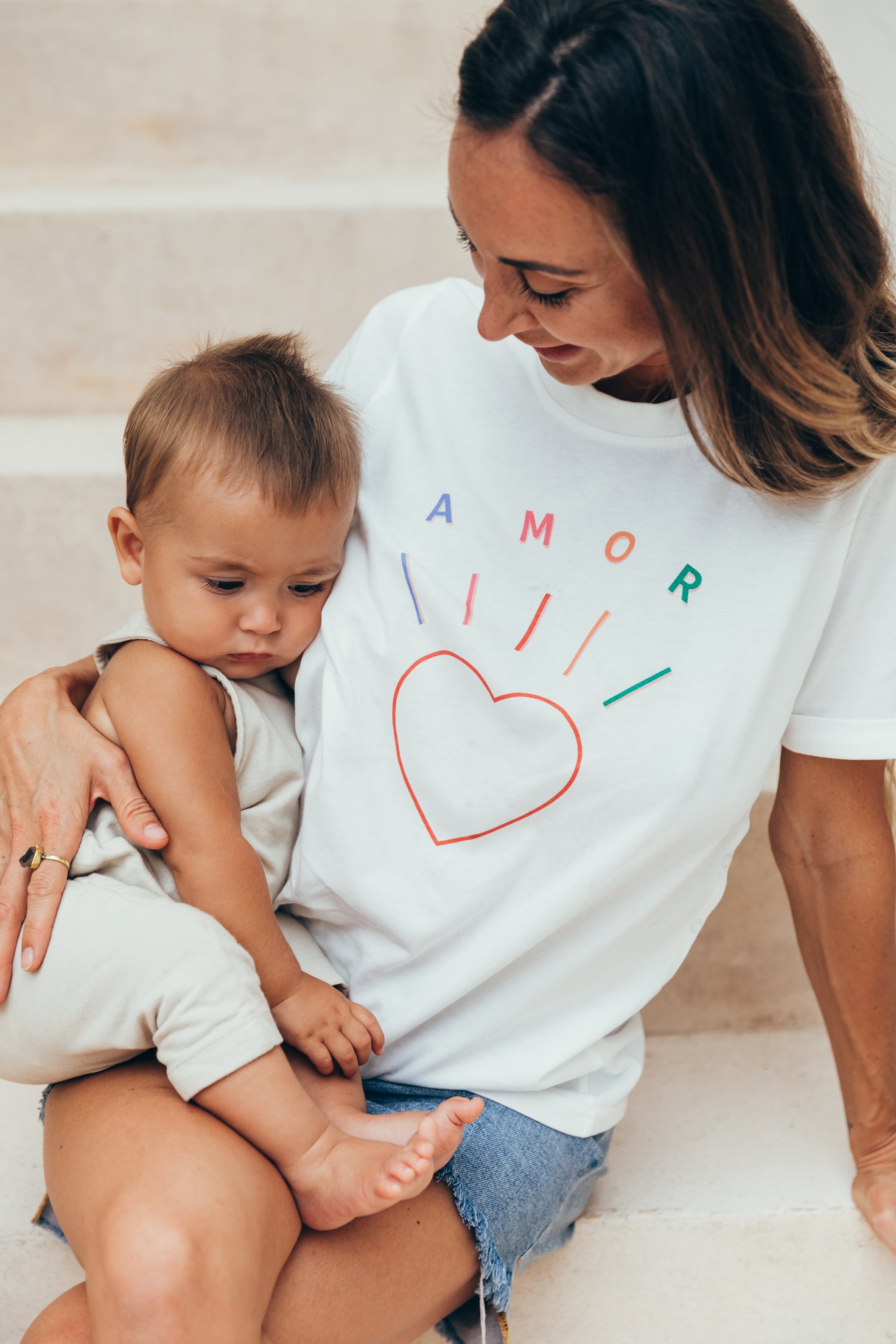
Breastfeeding t-shirt AMOR

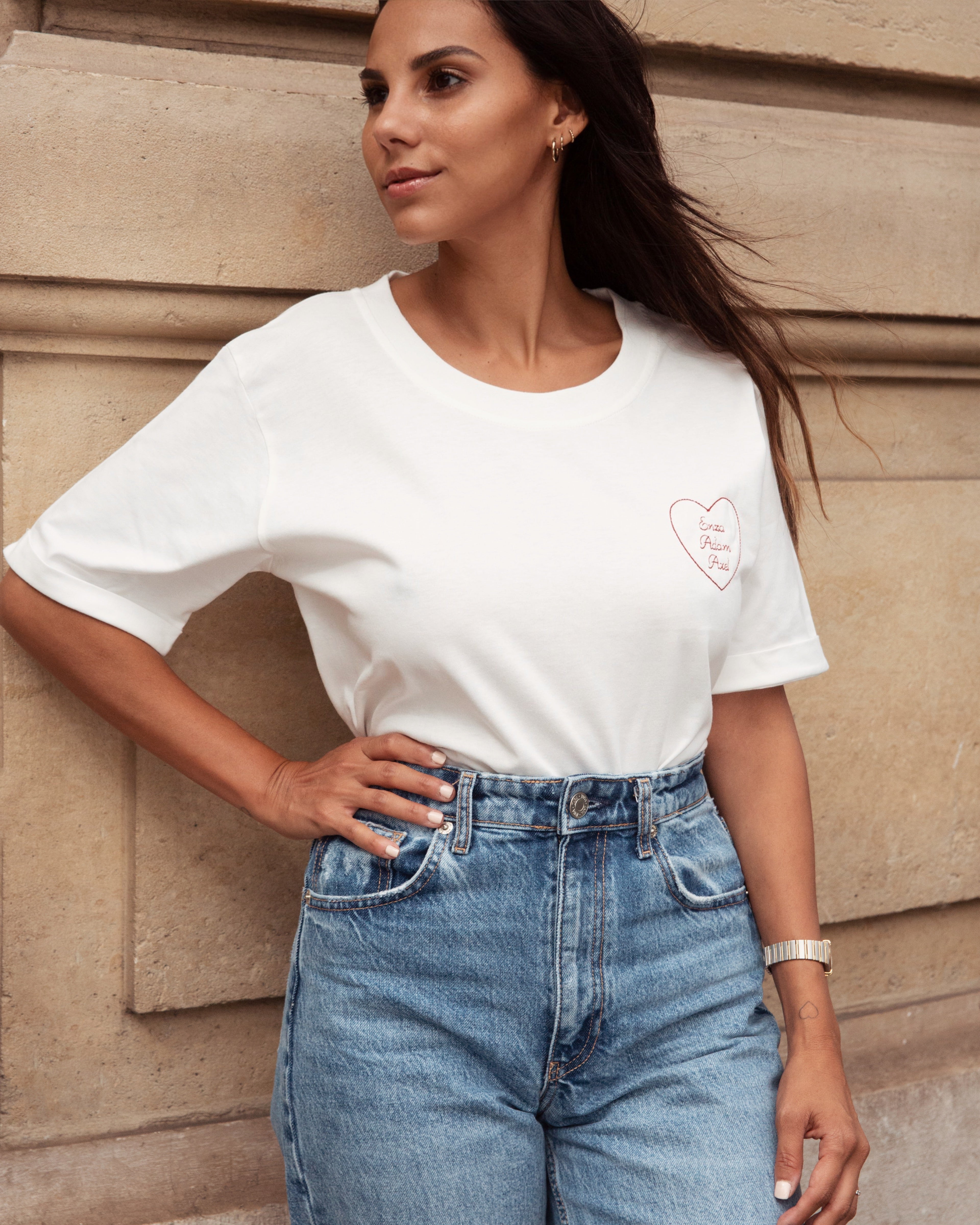
Breastfeeding t-shirt COEUR A COEUR
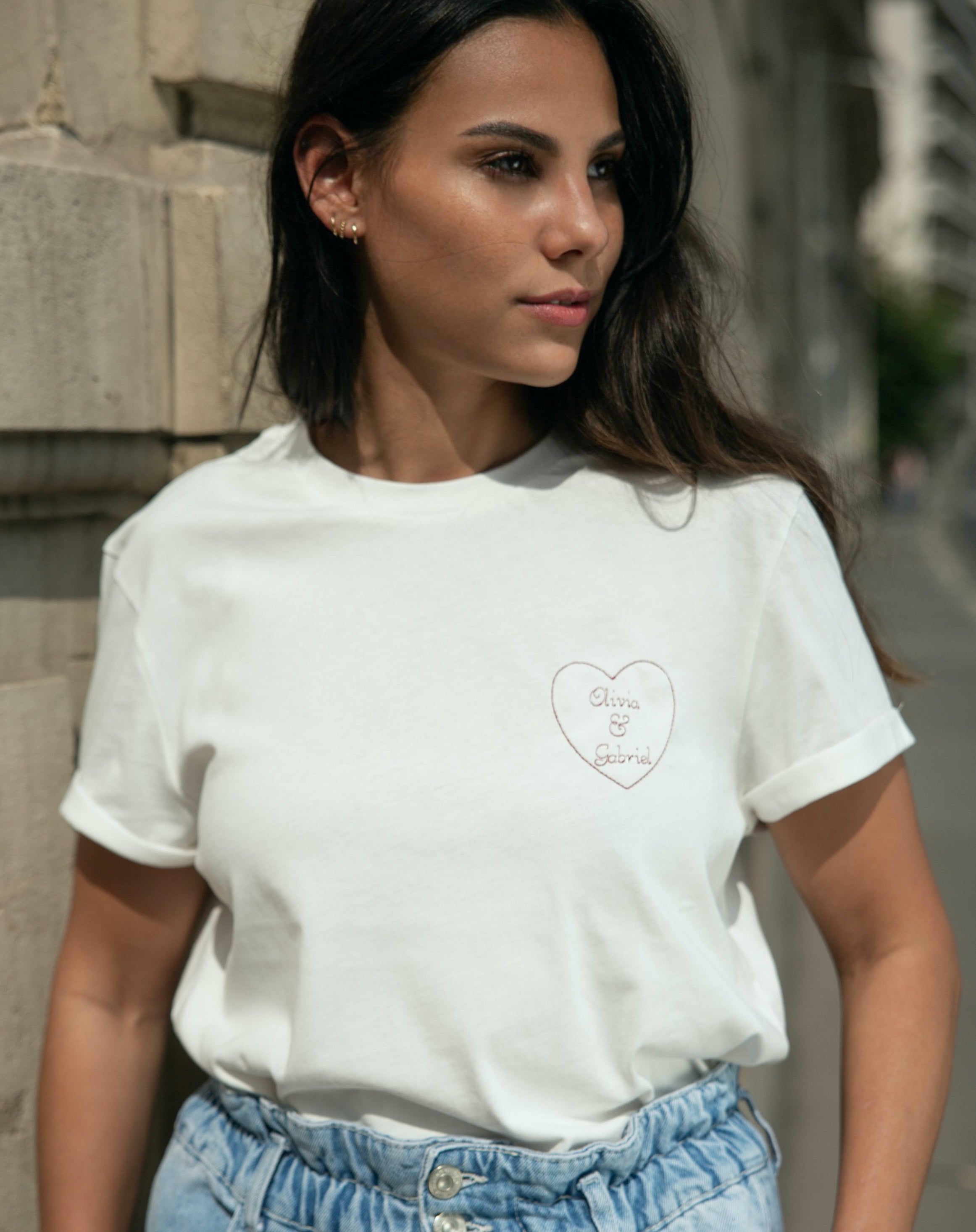
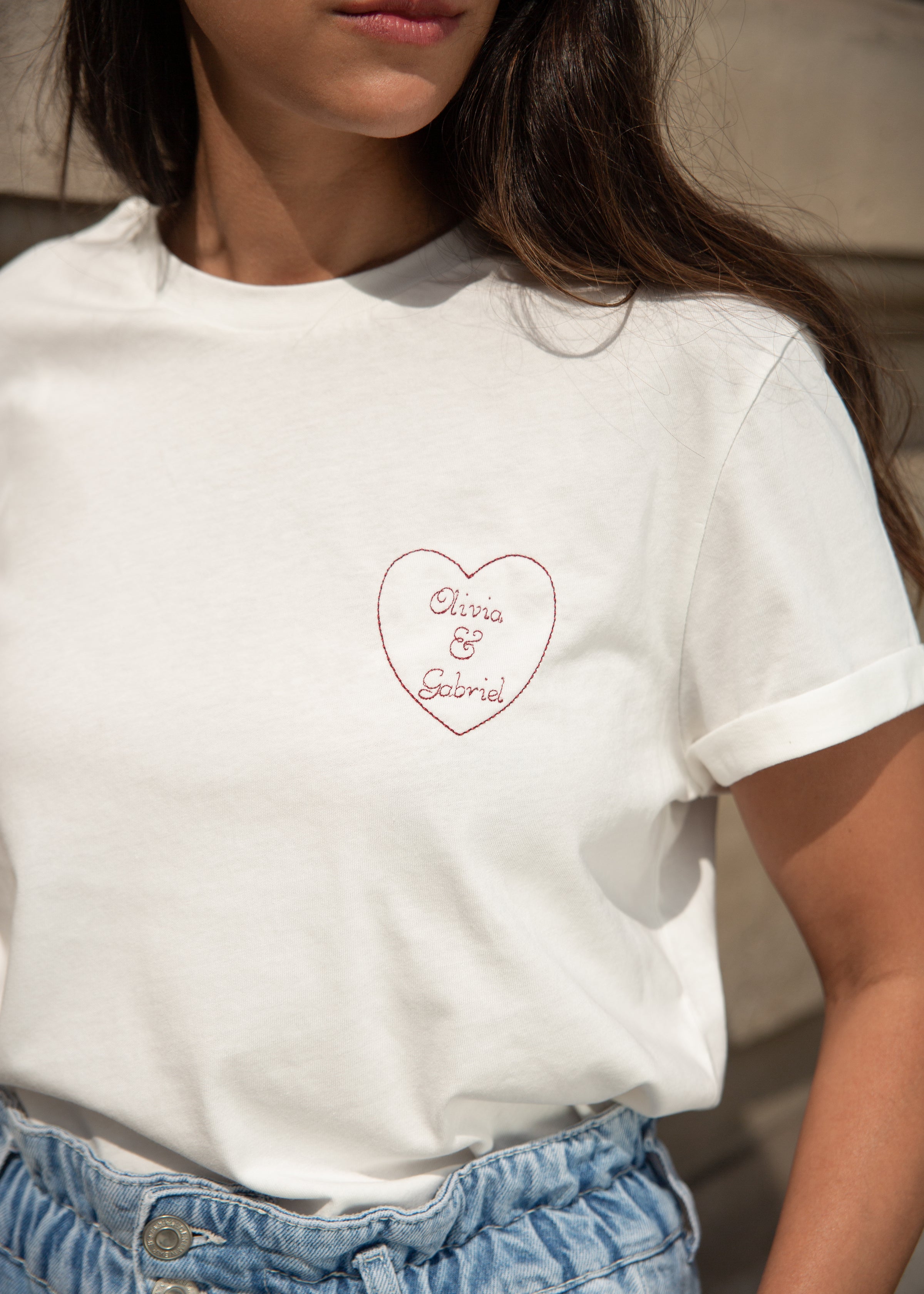
Women's t-shirt HEART TO HEART
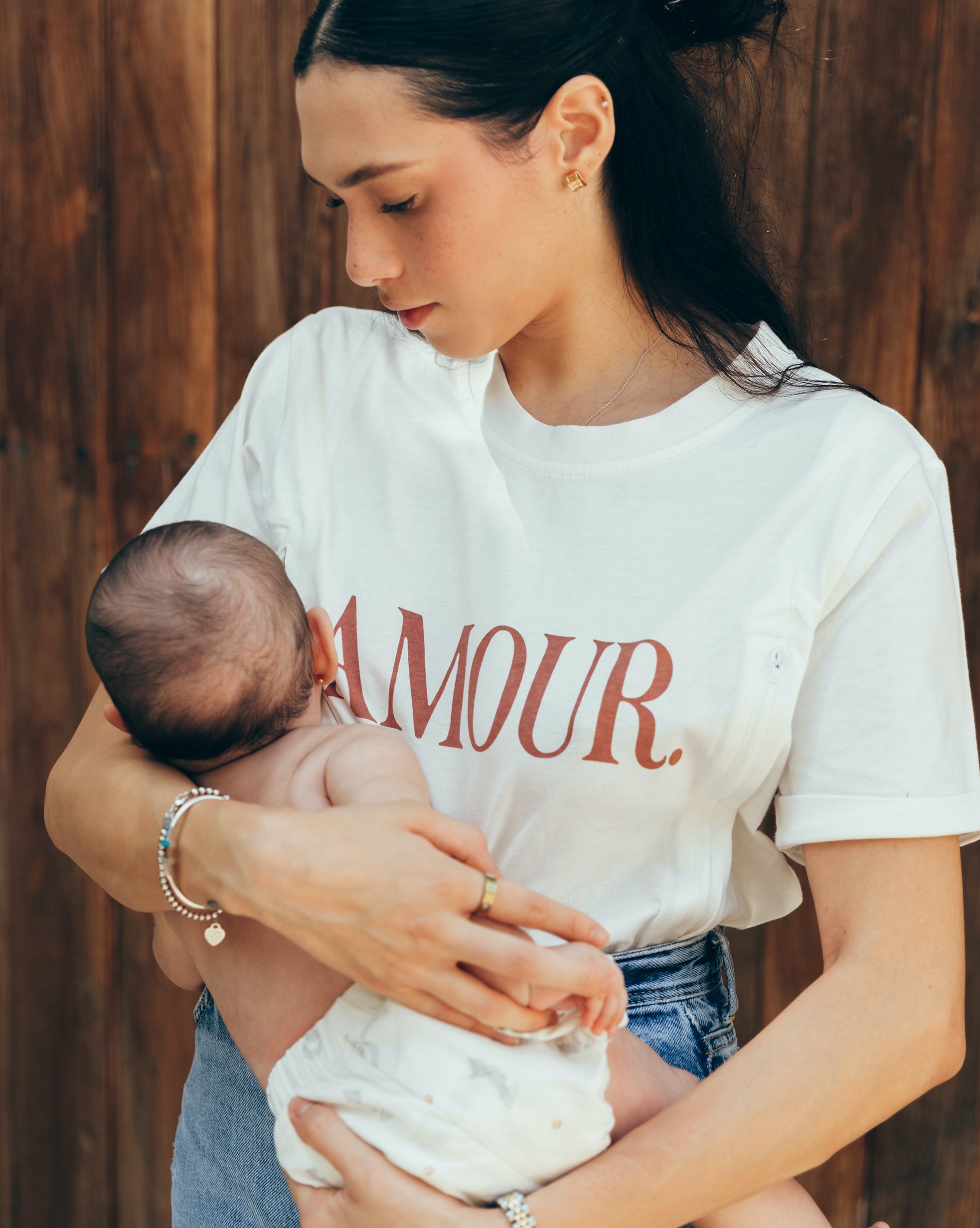

Breastfeeding t-shirt AMOUR

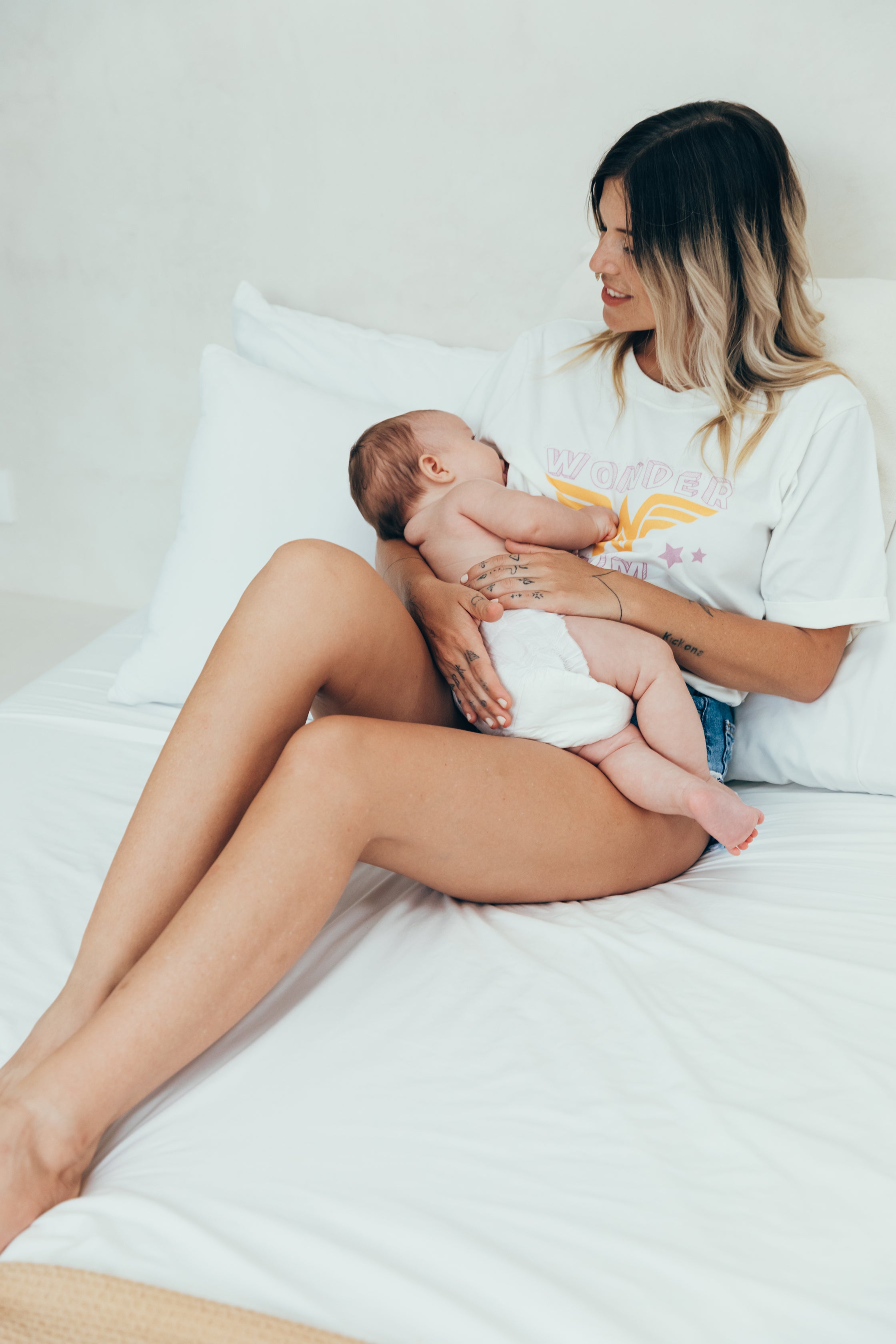
Breastfeeding t-shirt WONDER MOM
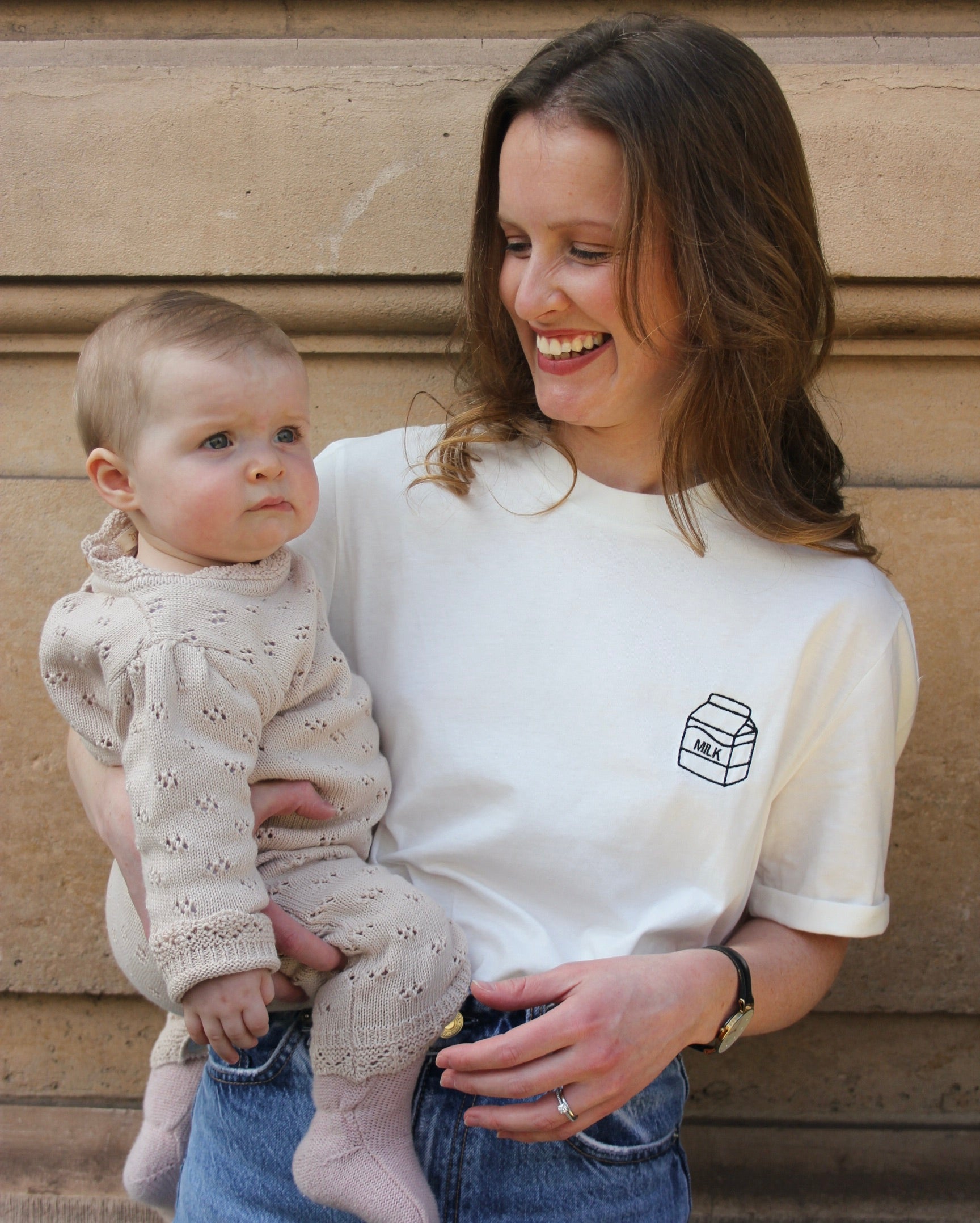
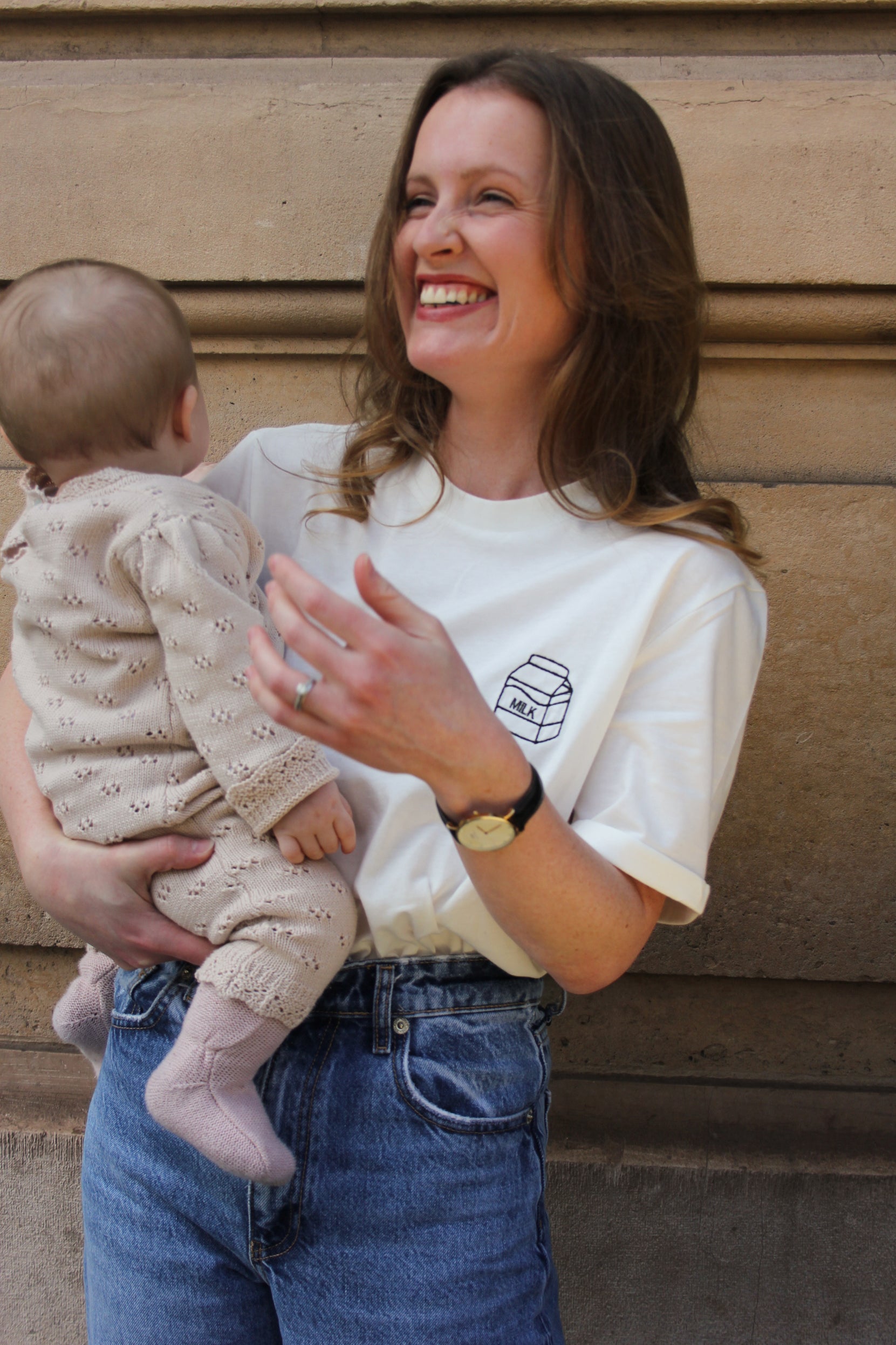
Breastfeeding t-shirt MILK BOX
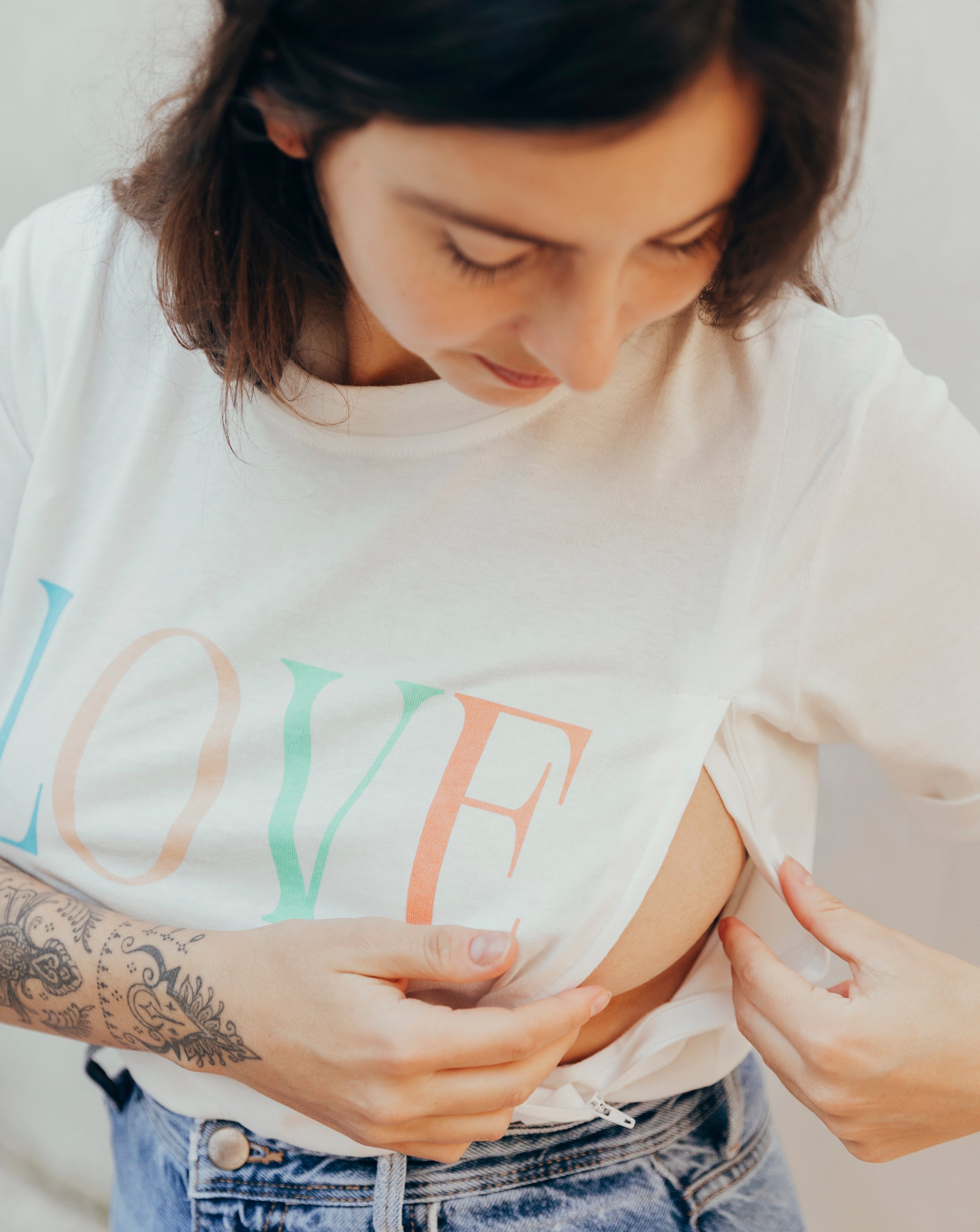
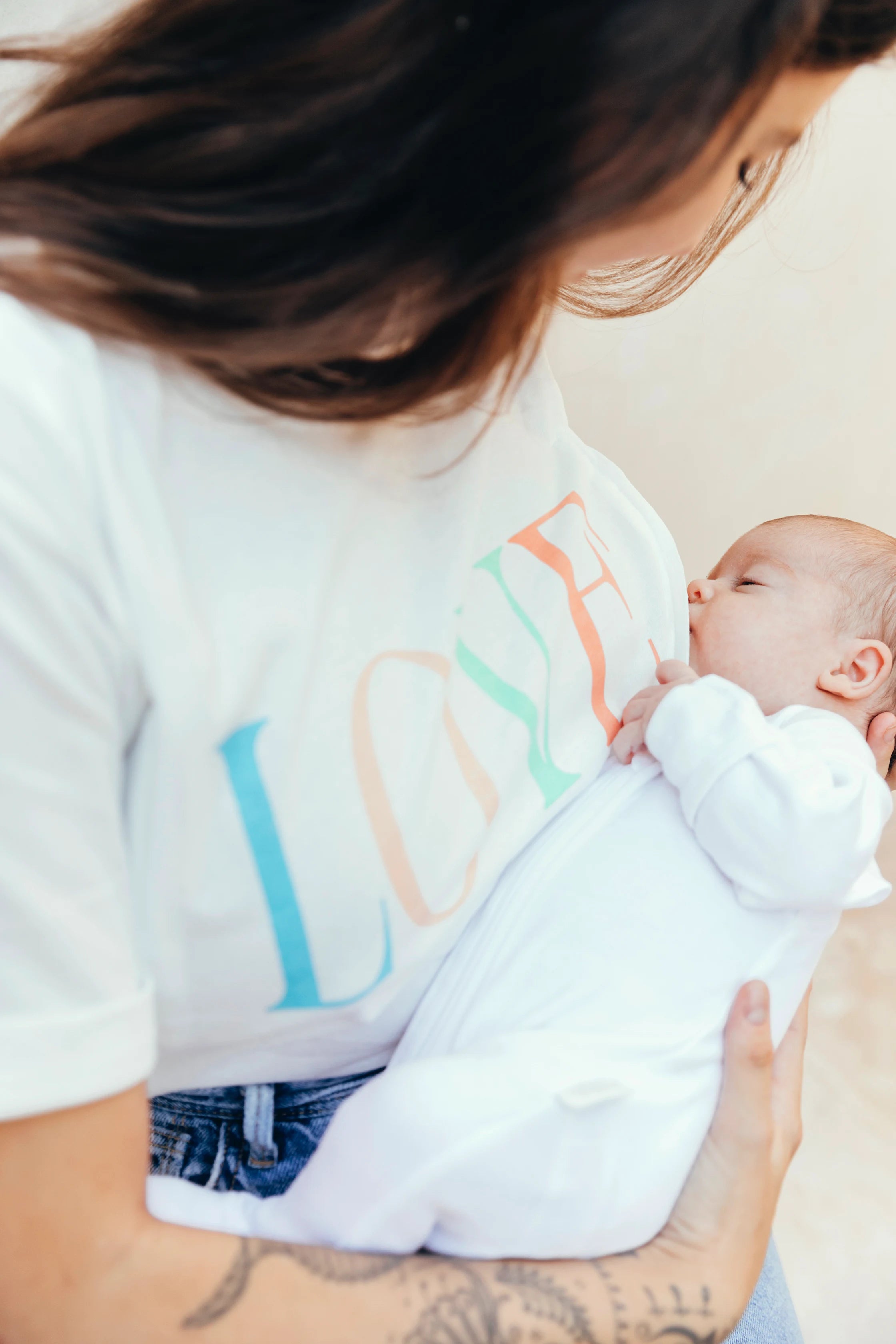
Breastfeeding t-shirt LOVE
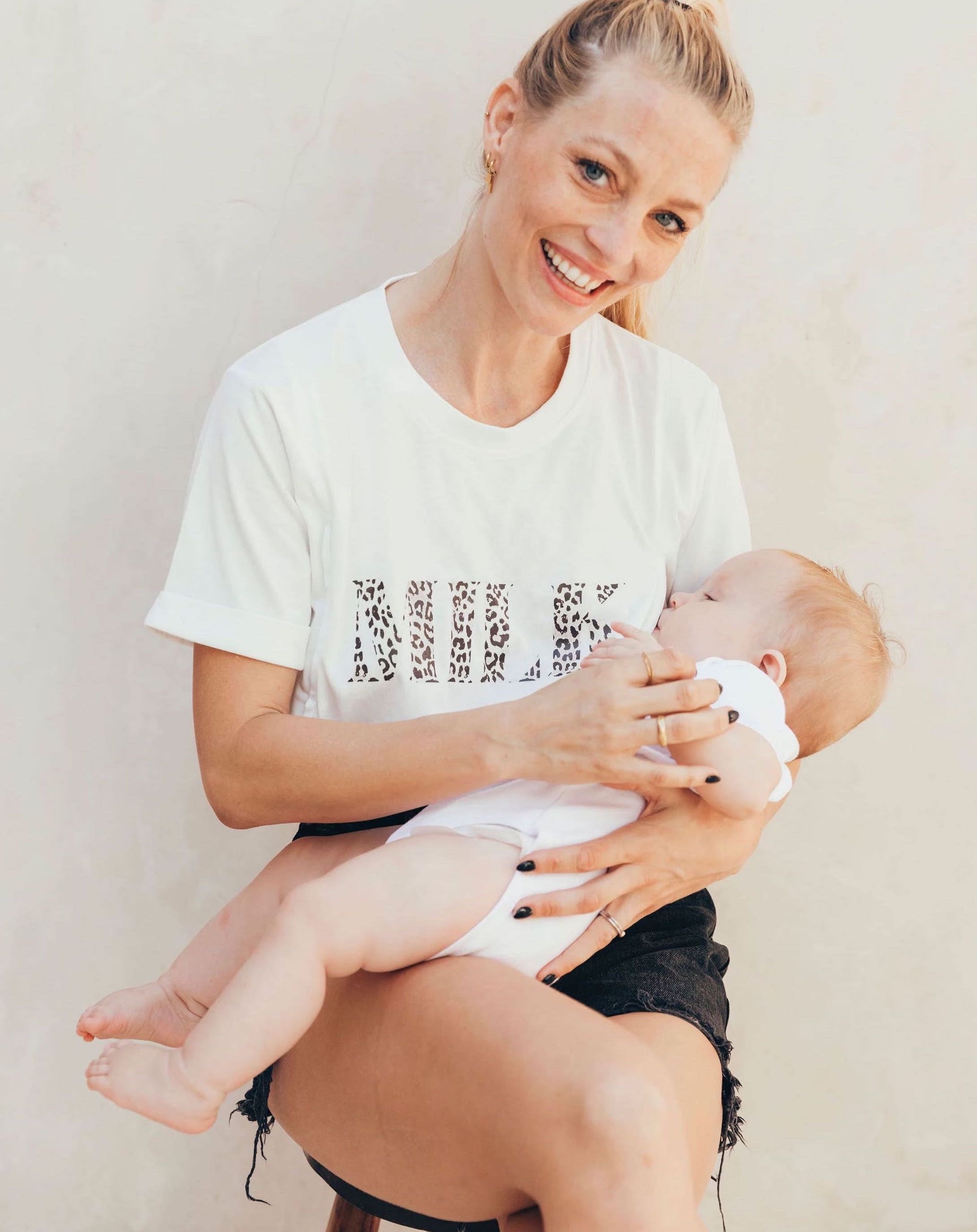

Breastfeeding t-shirt MILK LEOPARD
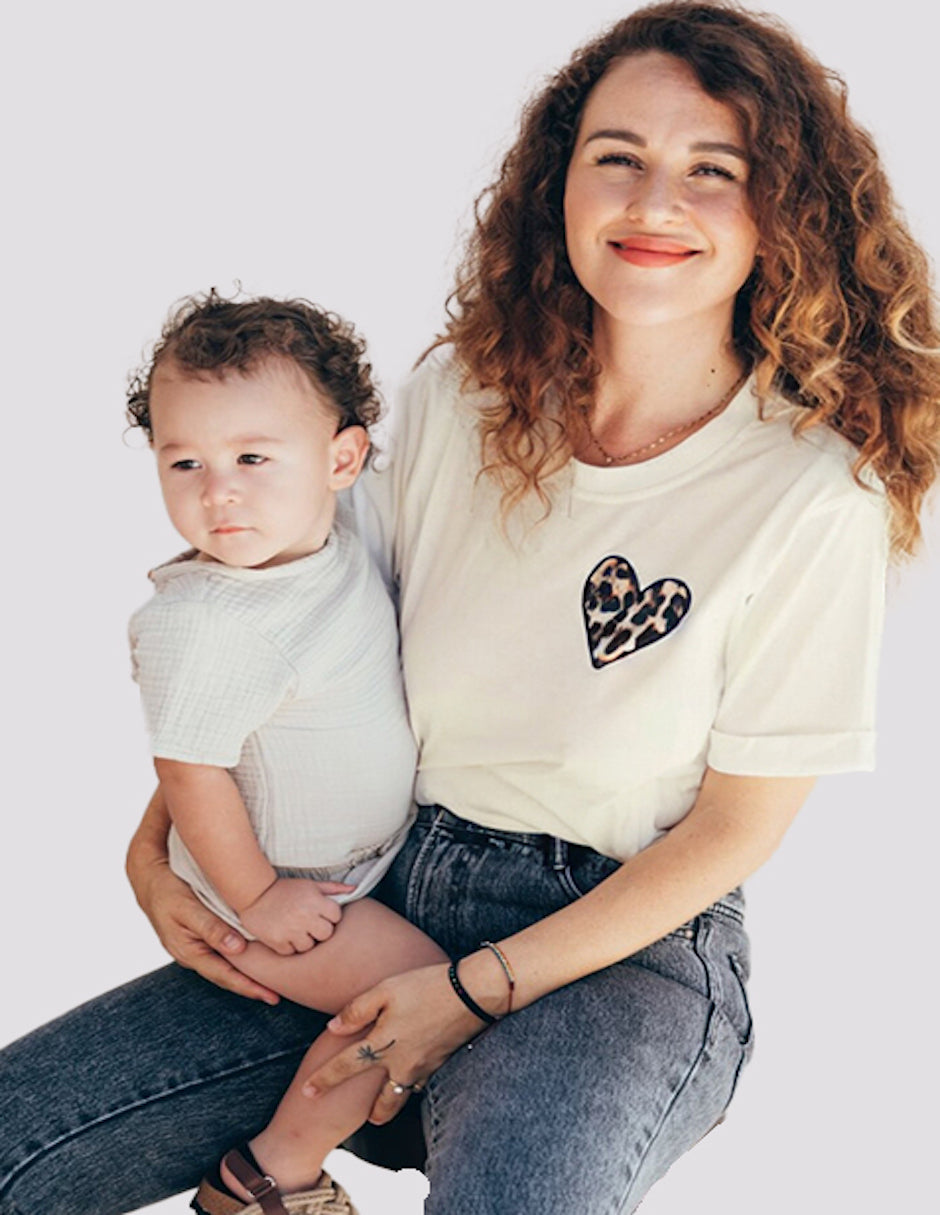
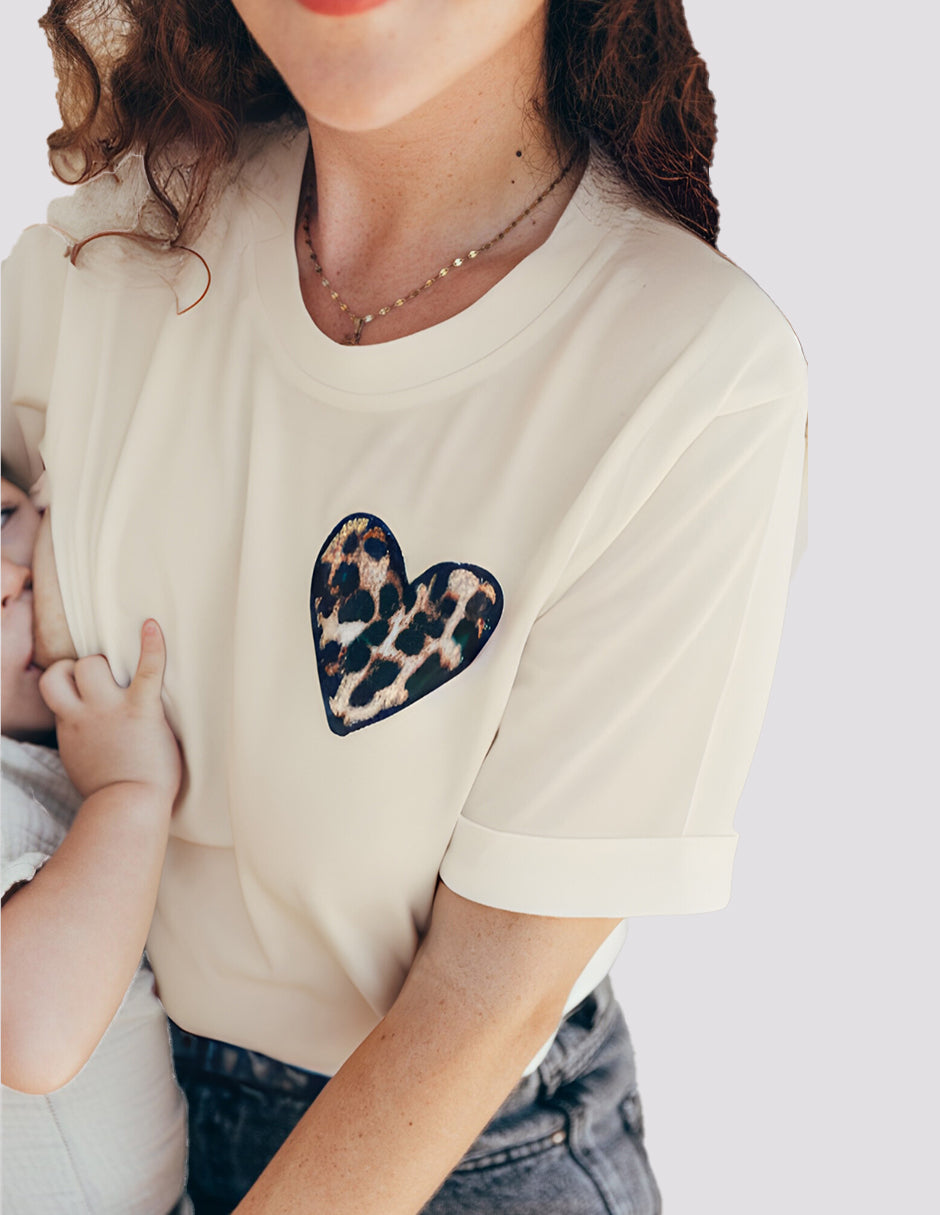
Breastfeeding t-shirt COEUR LEOPARD
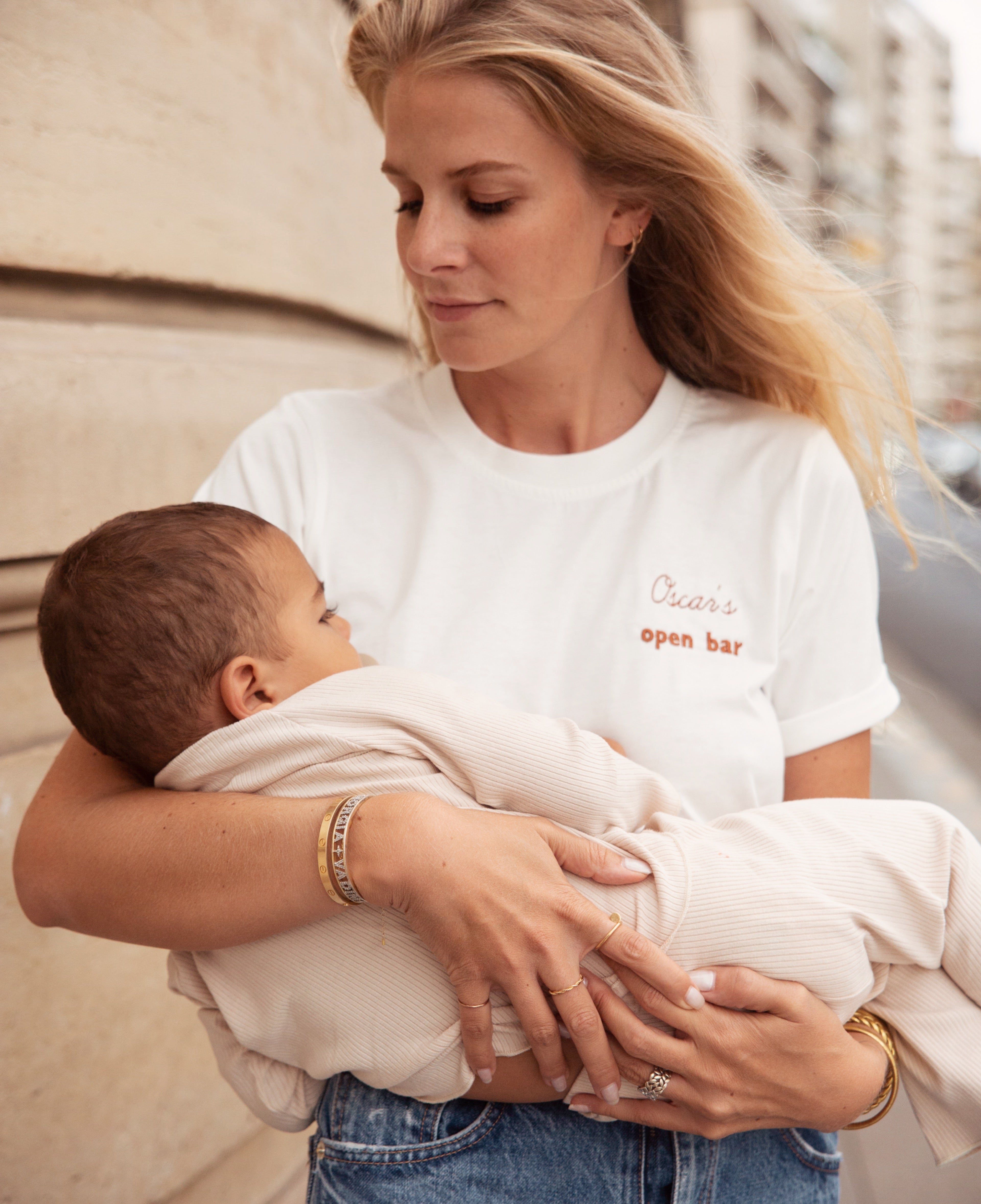
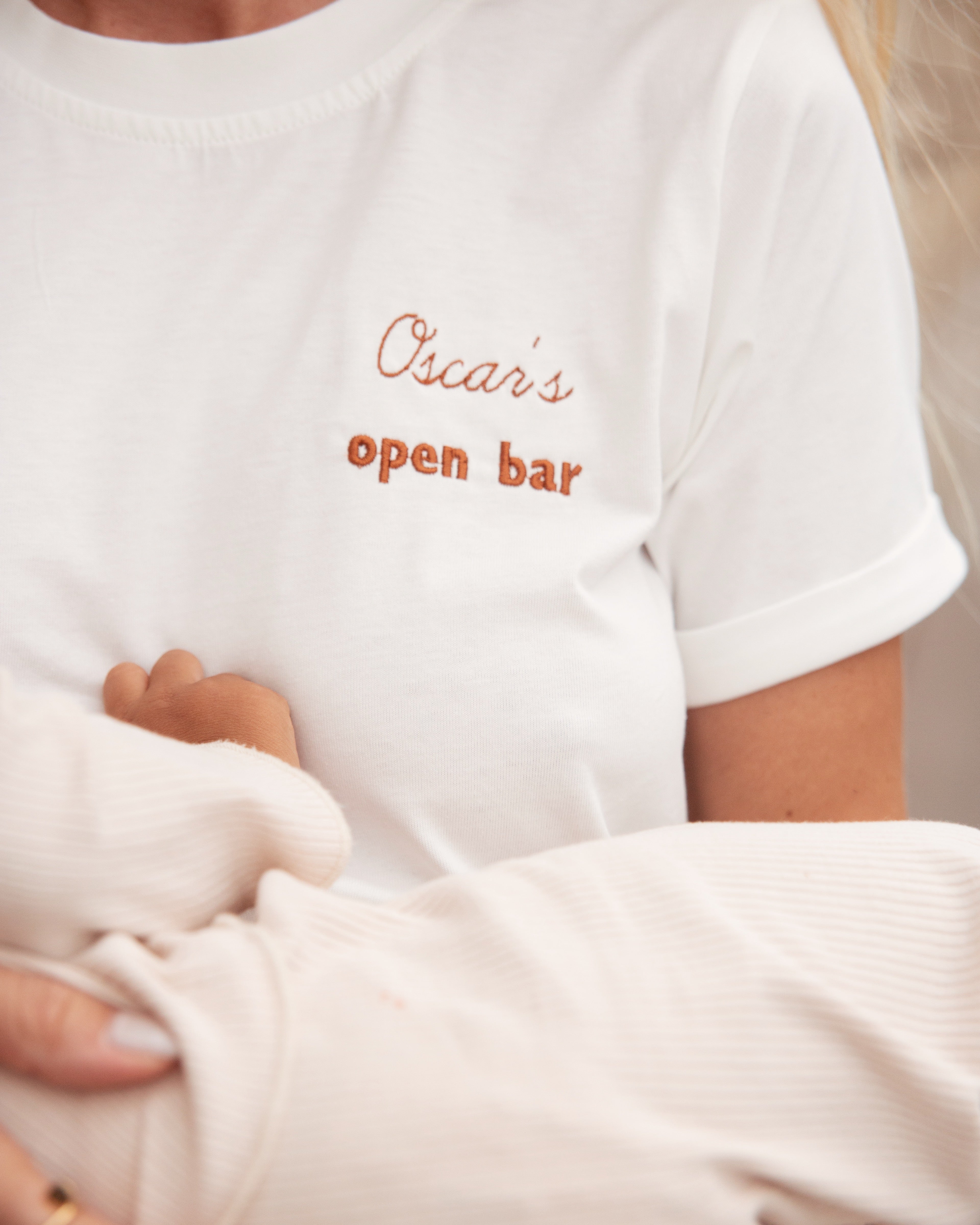
Breastfeeding t-shirt OPEN BAR
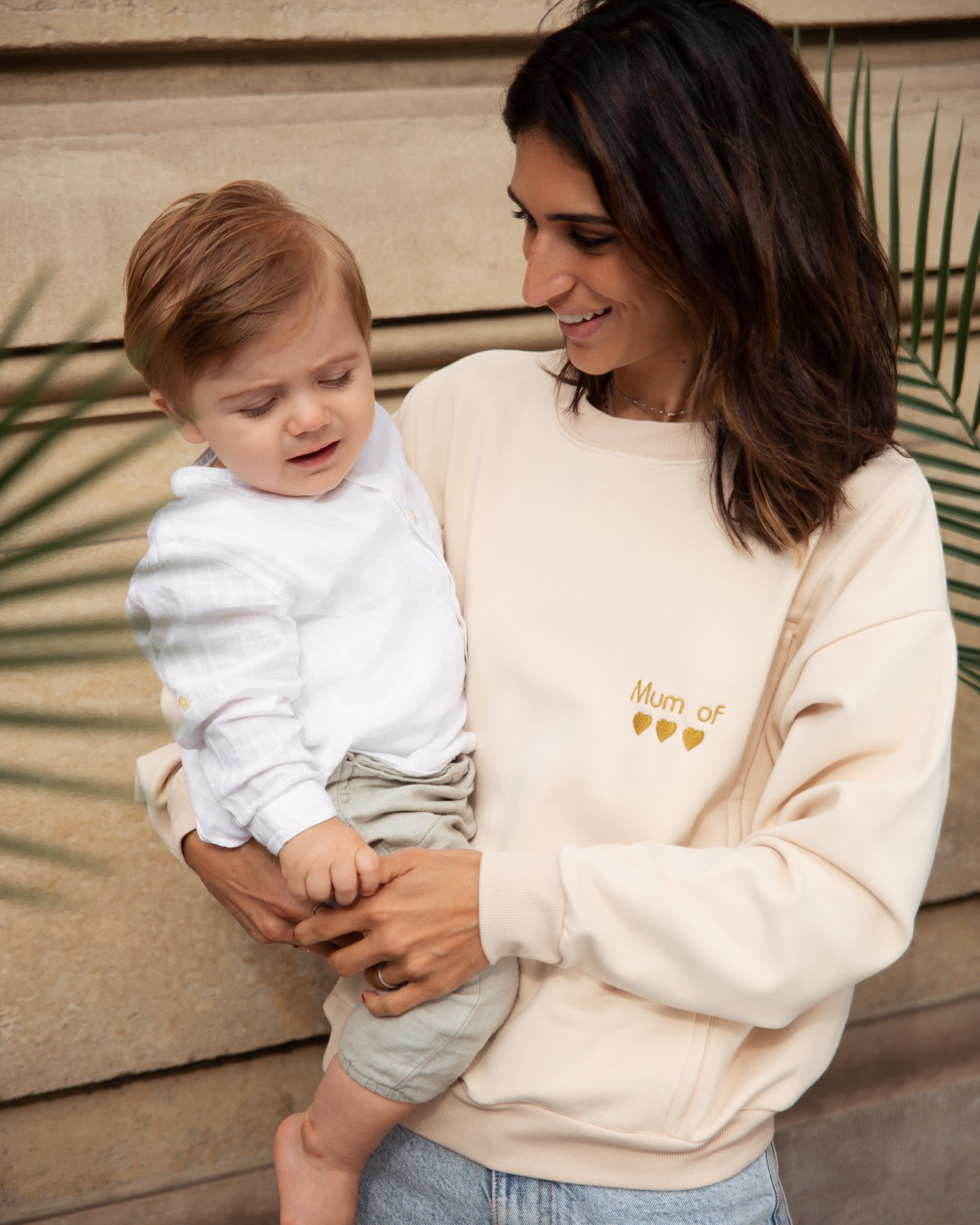
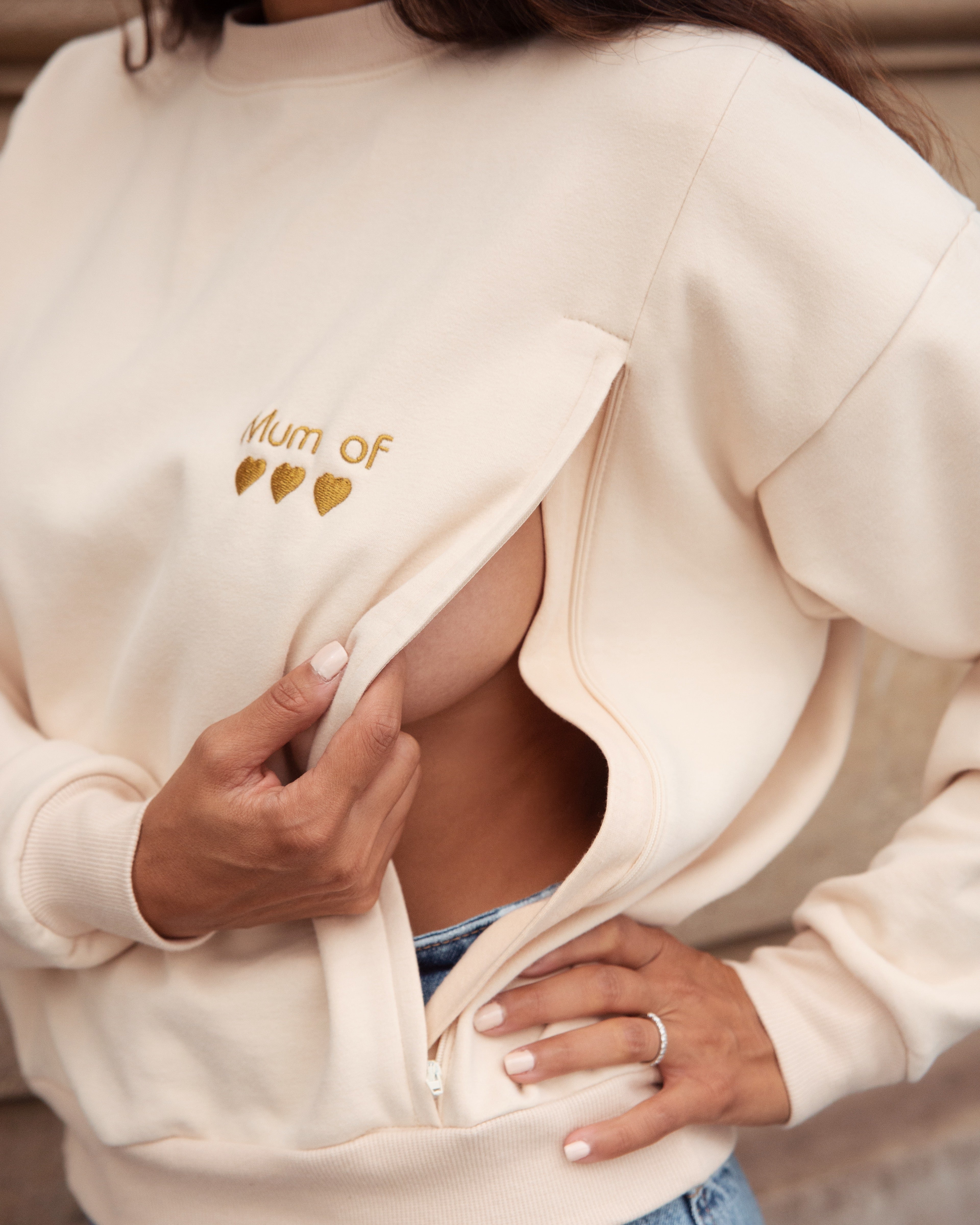
Breastfeeding sweatshirt #MOMMY
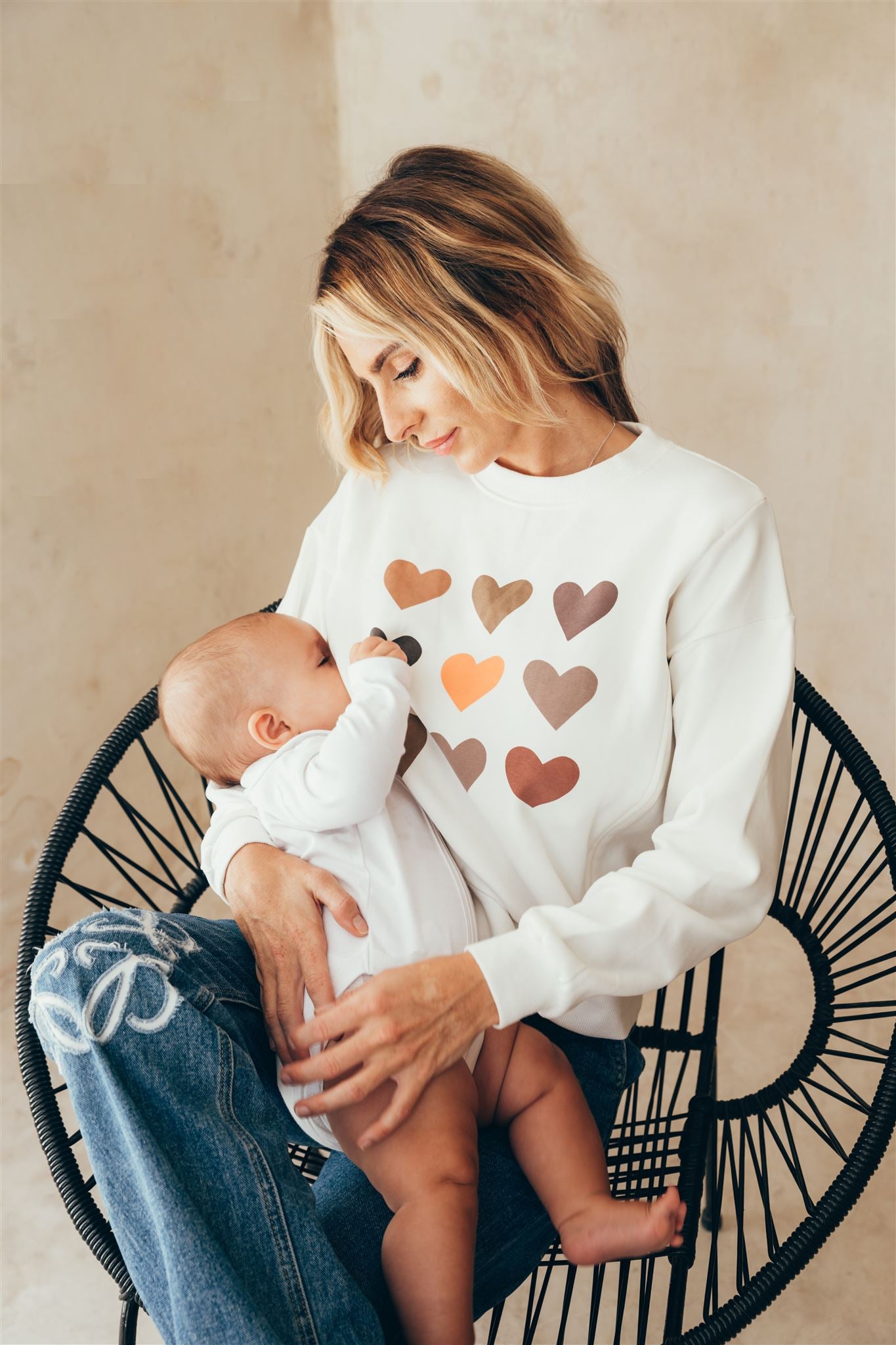
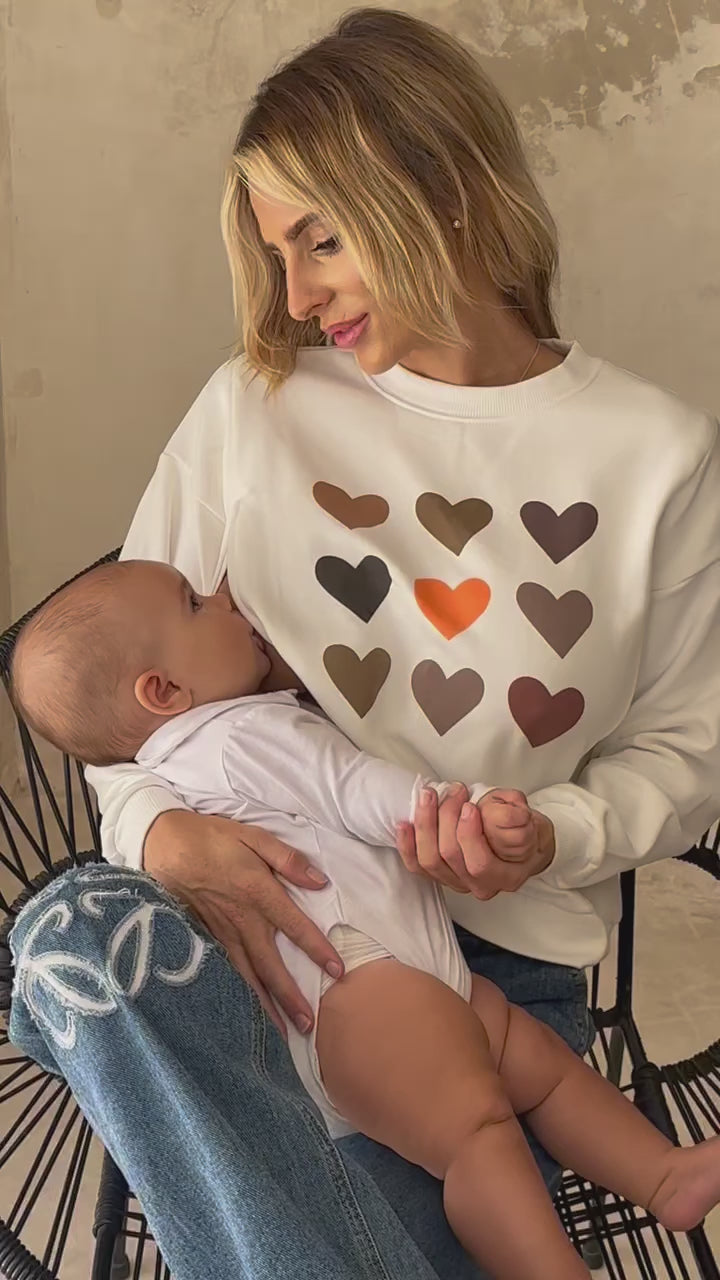
Breastfeeding Sweat-shirt COEURS
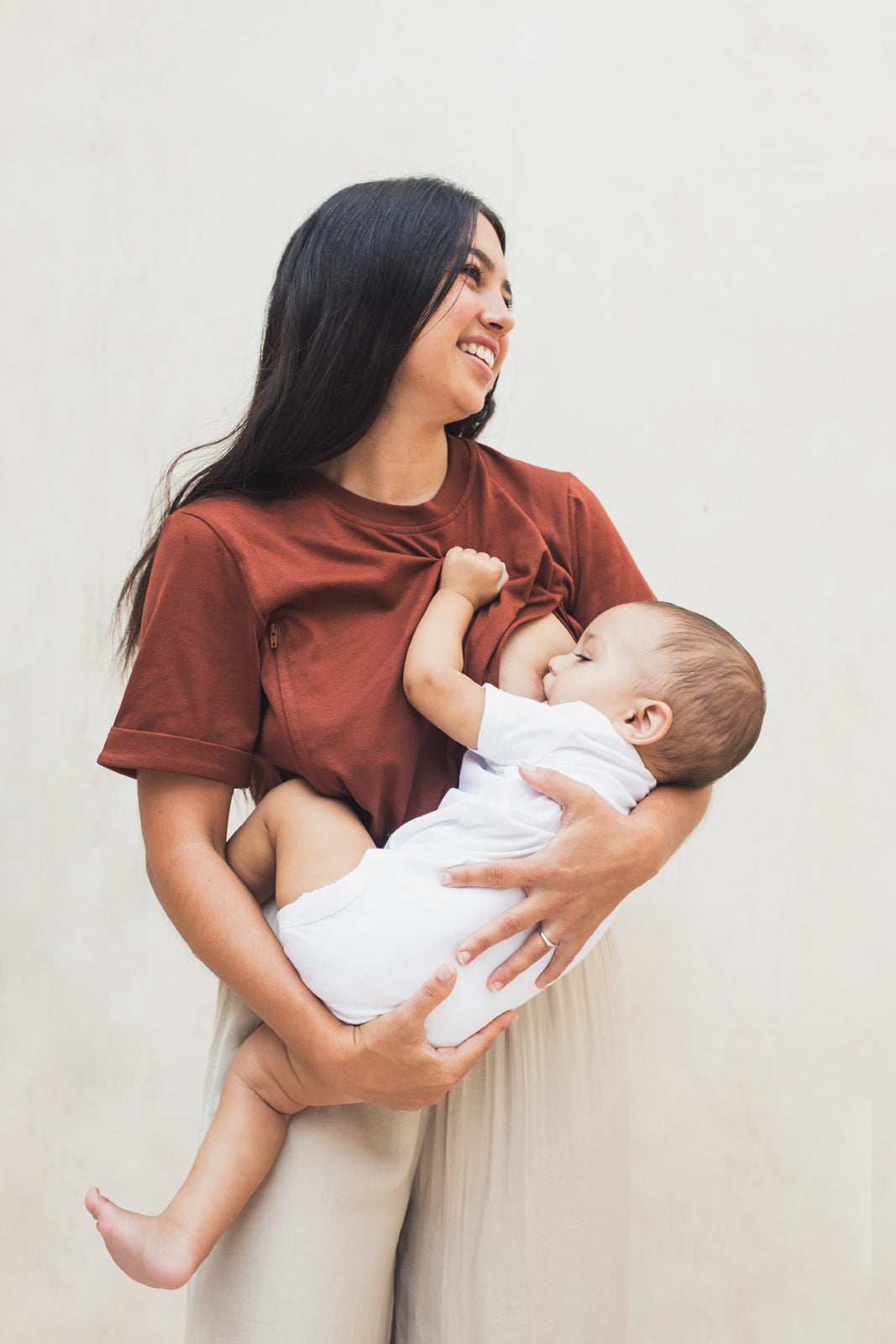
Breastfeeding t-shirt BROWN
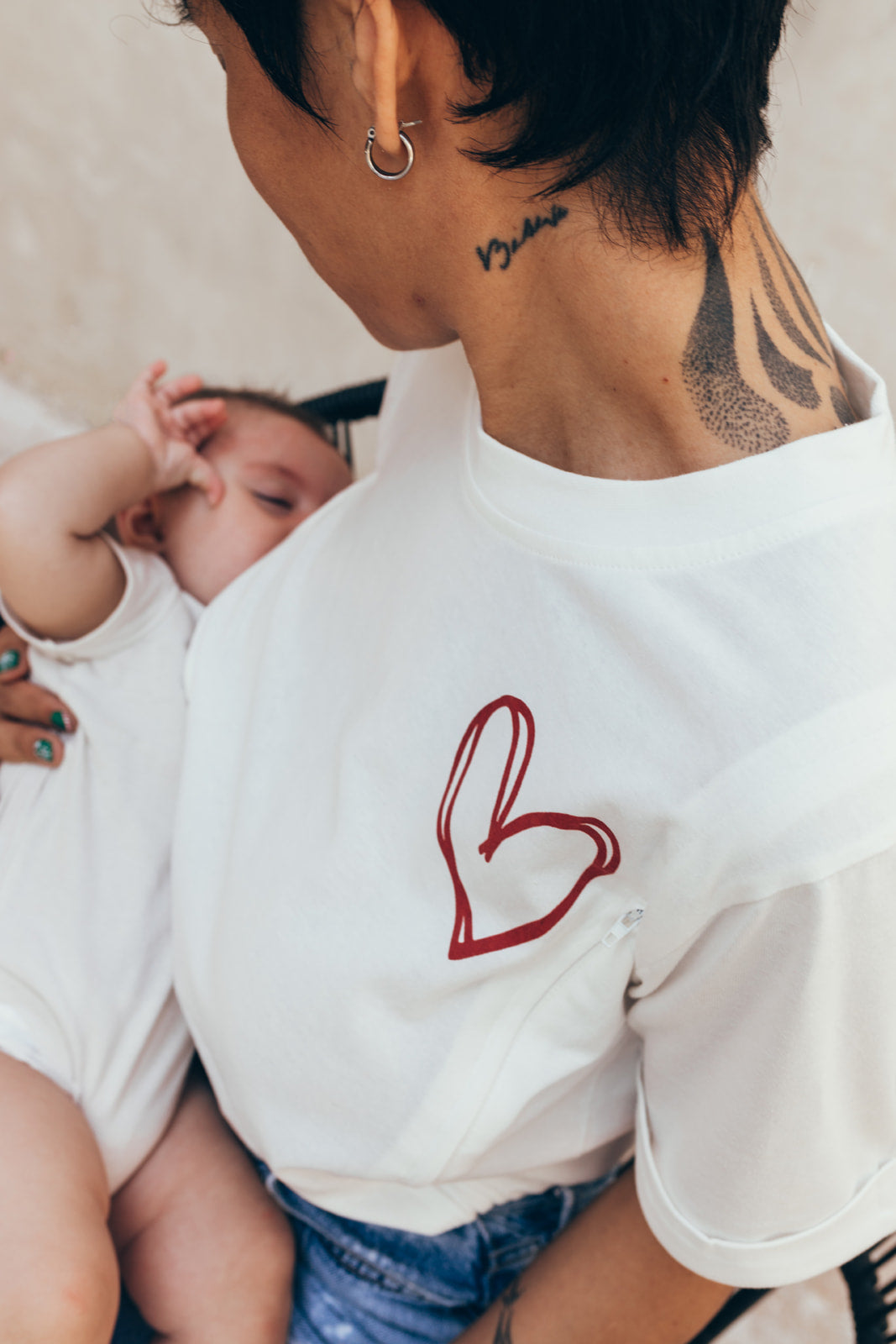

Breastfeeding t-shirt RED HEART
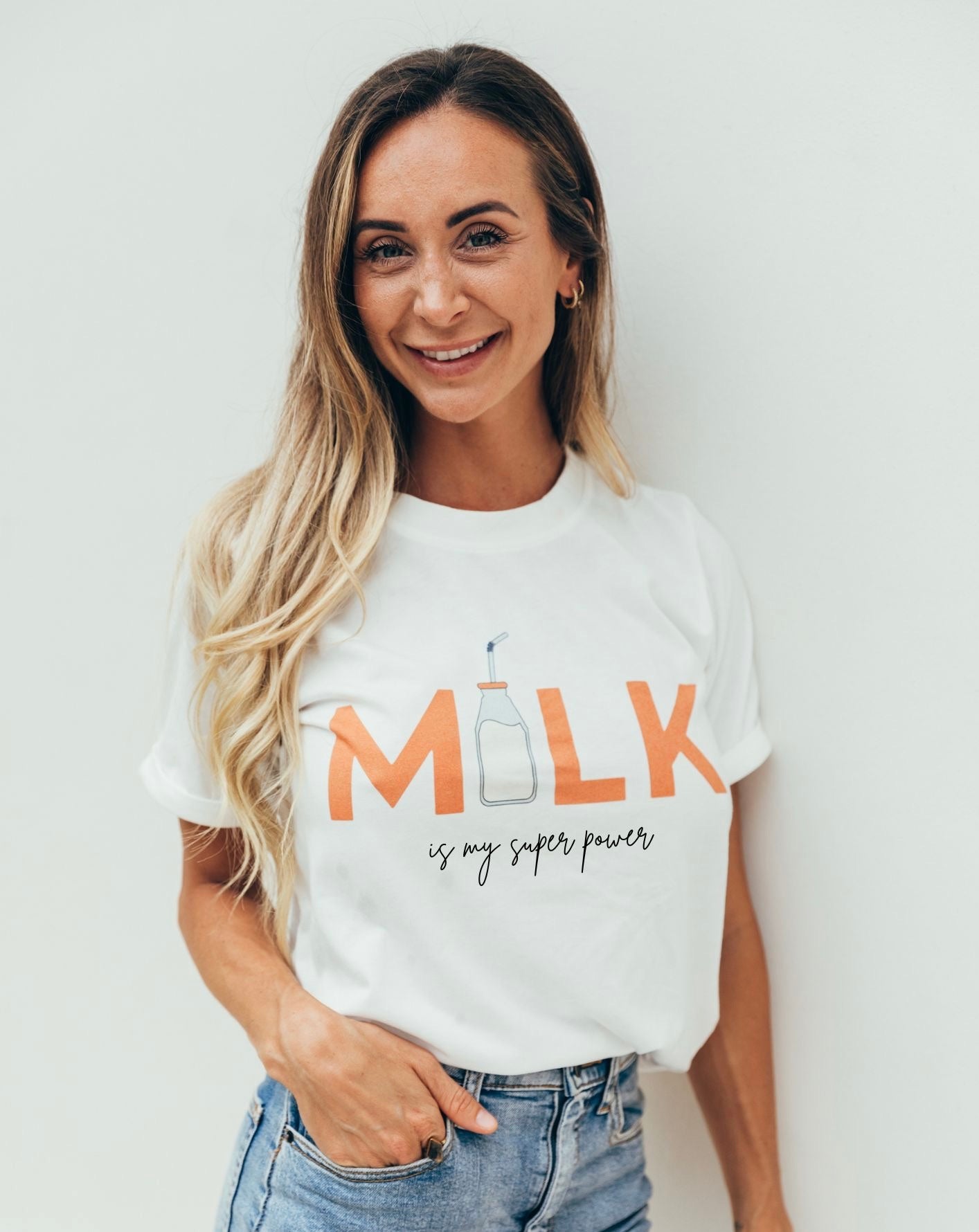
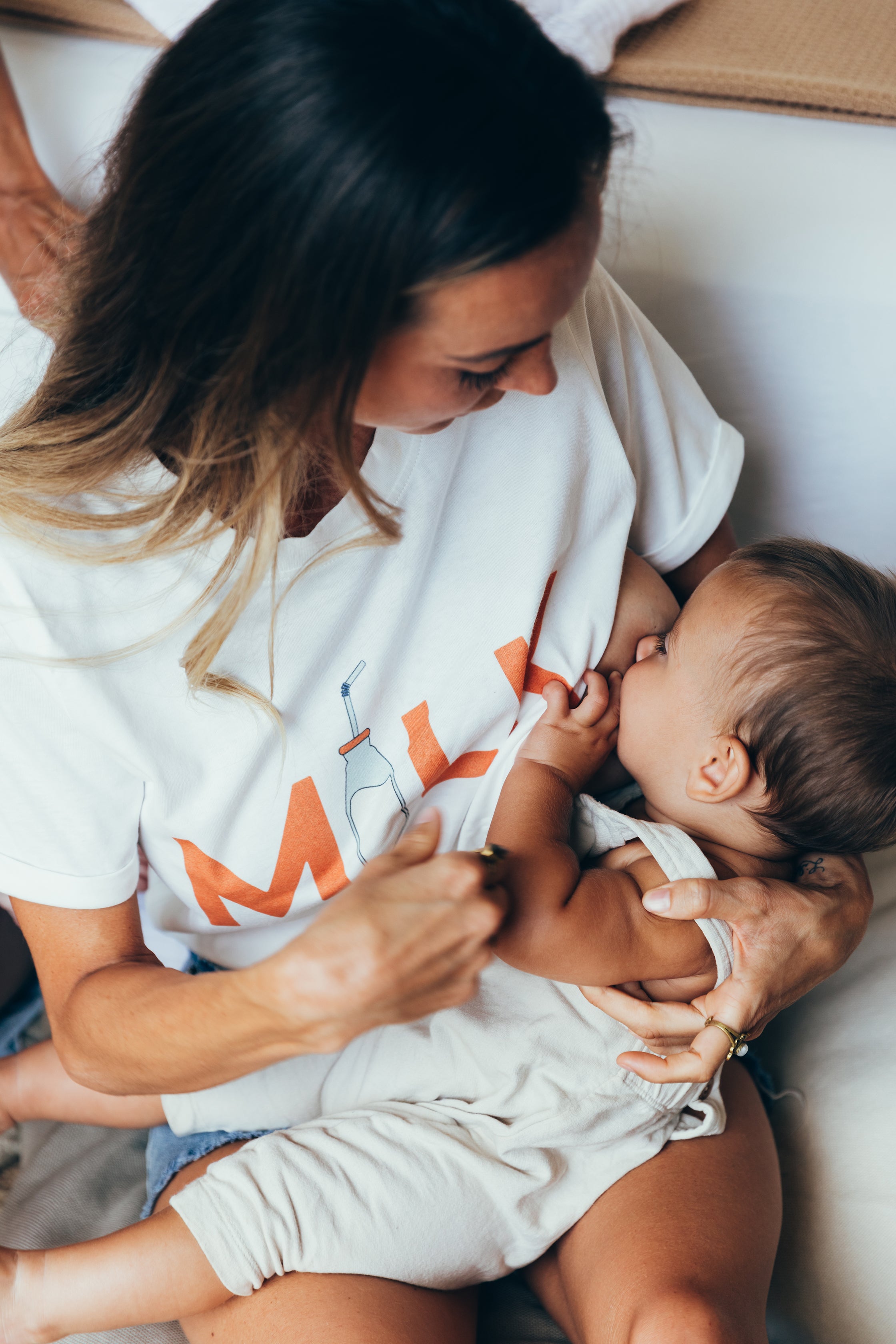
Breastfeeding t-shirt SUPER POWER
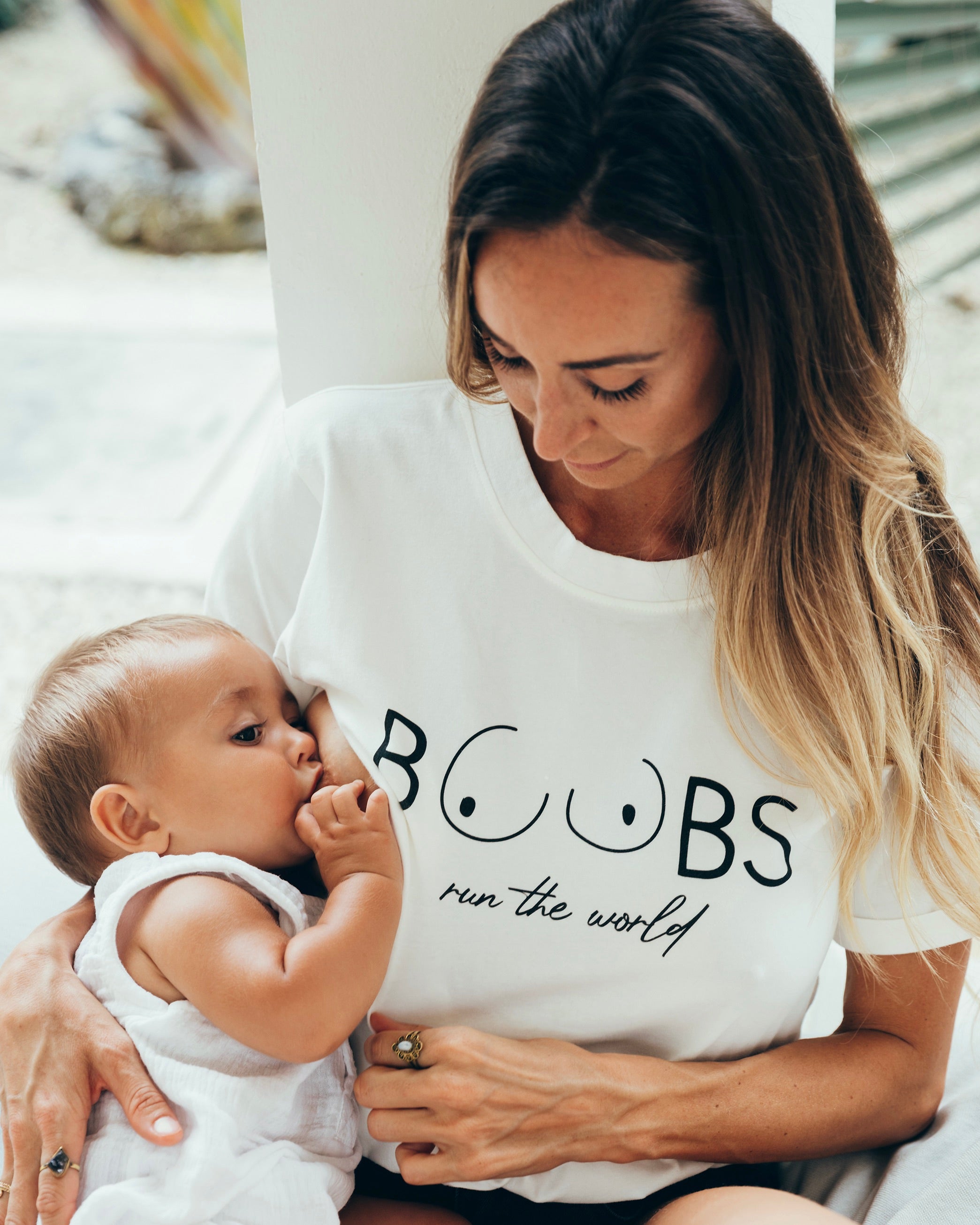

Breastfeeding t-shirt BOOBS
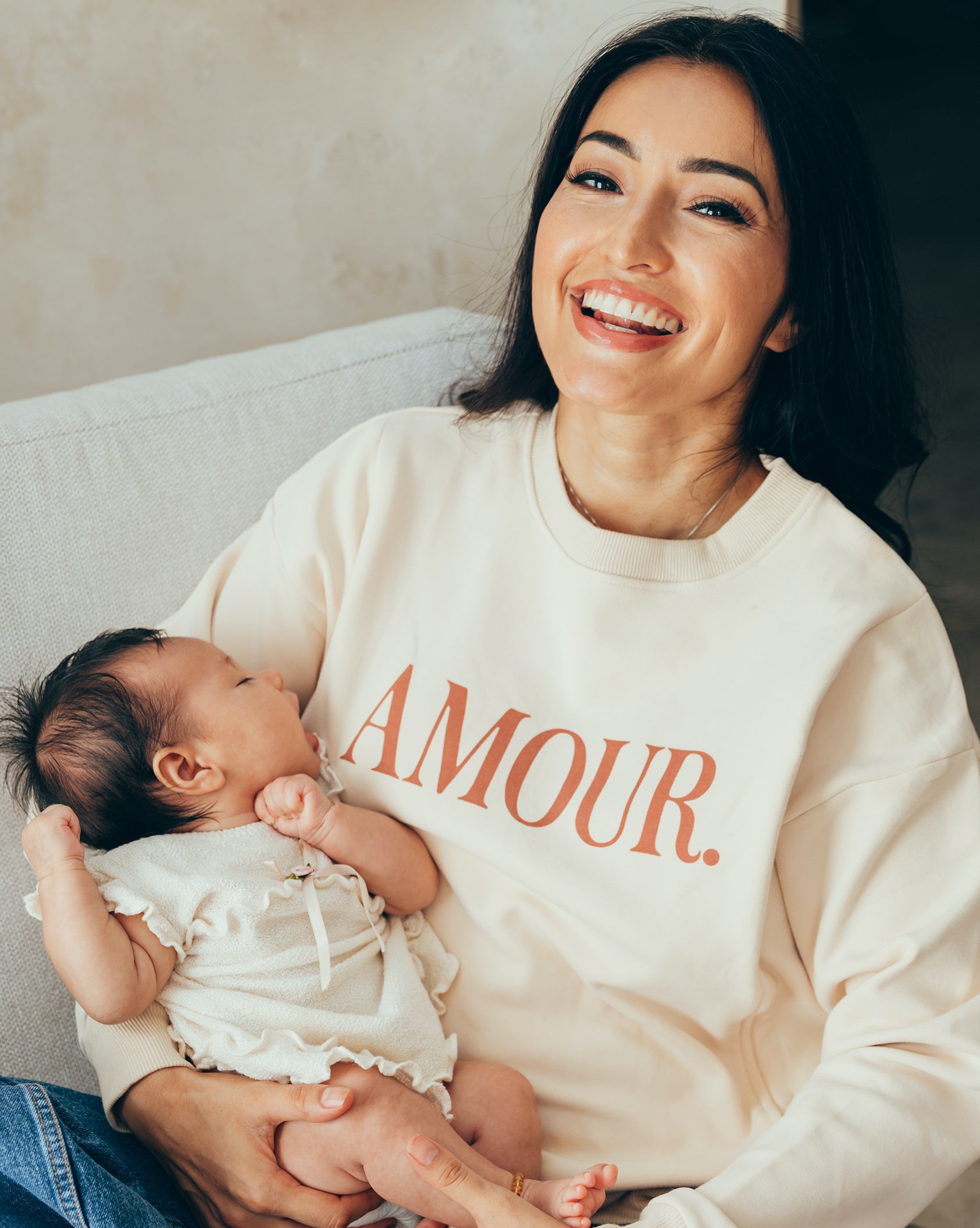

Breastfeeding sweat-shirt AMOUR
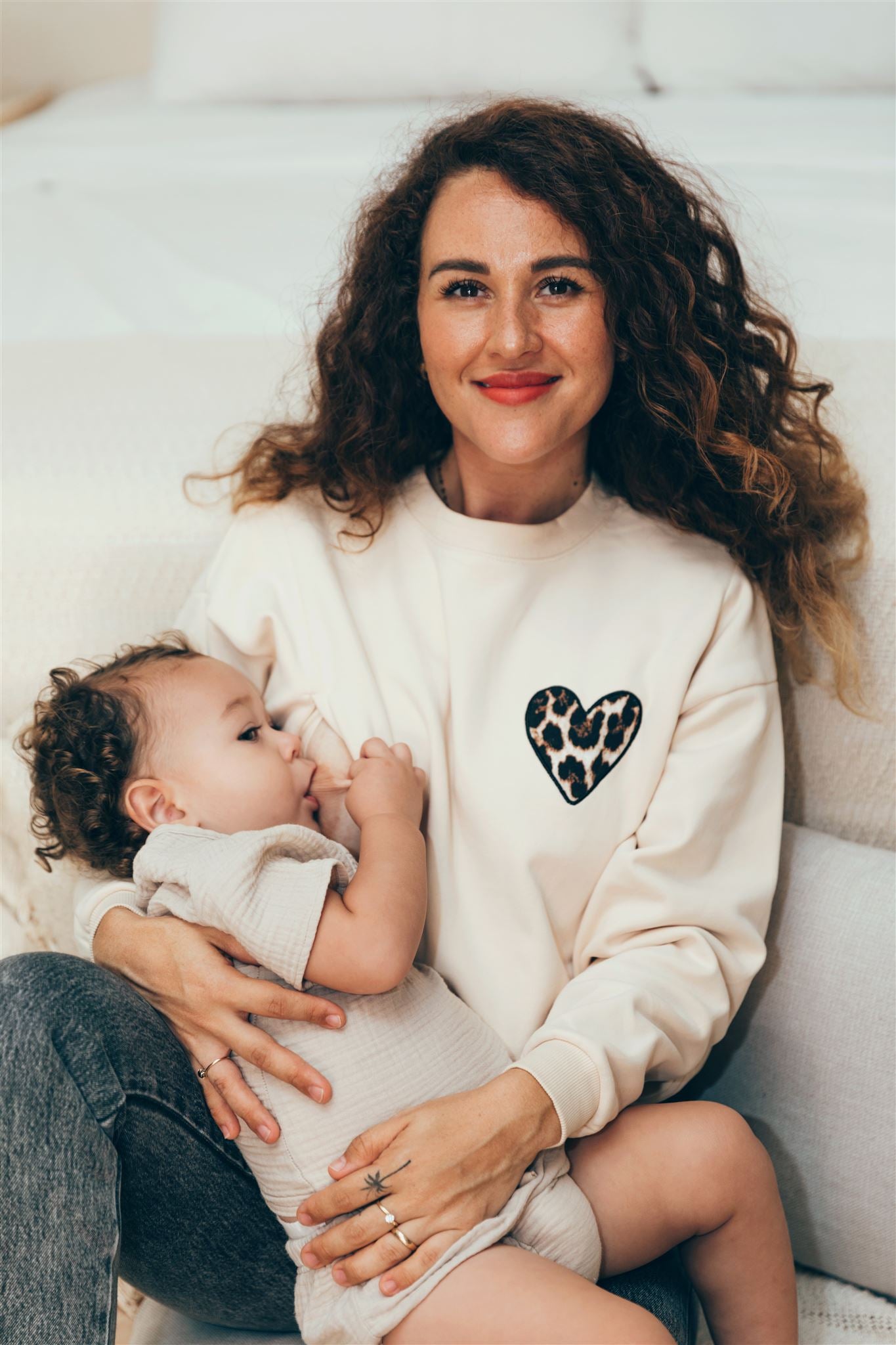
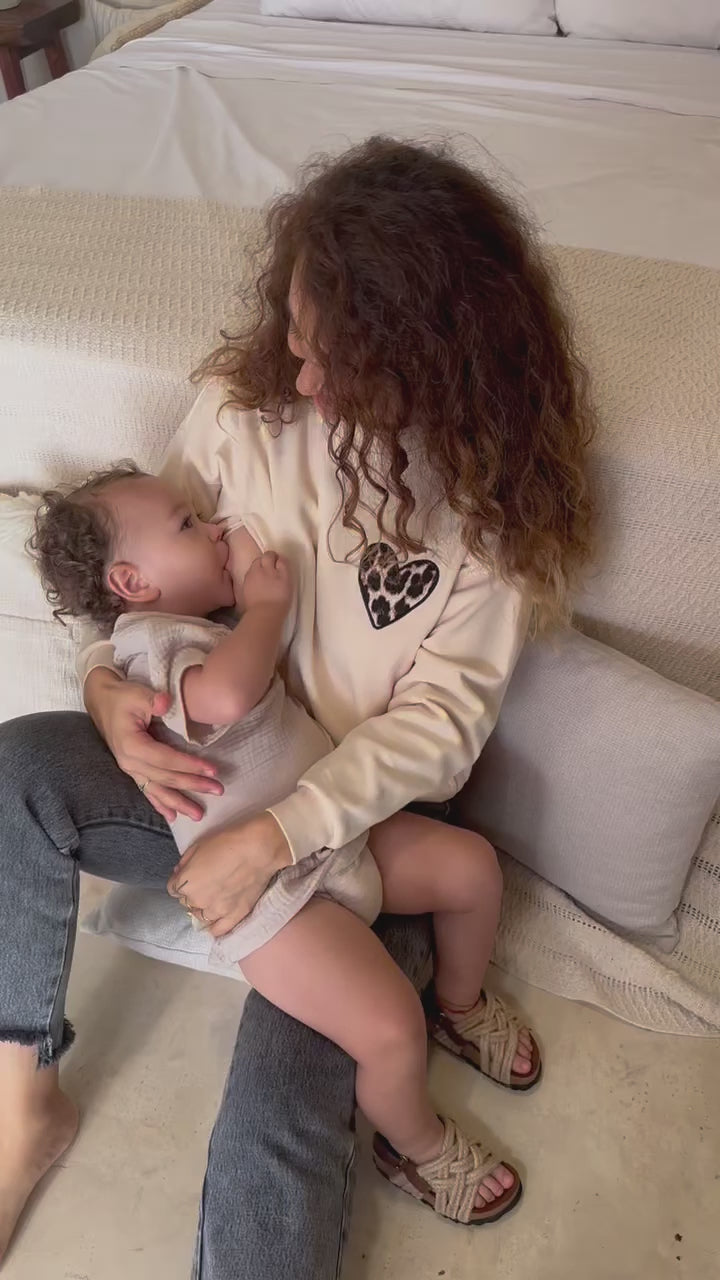
Breastfeeding sweatshirt LEOPARD
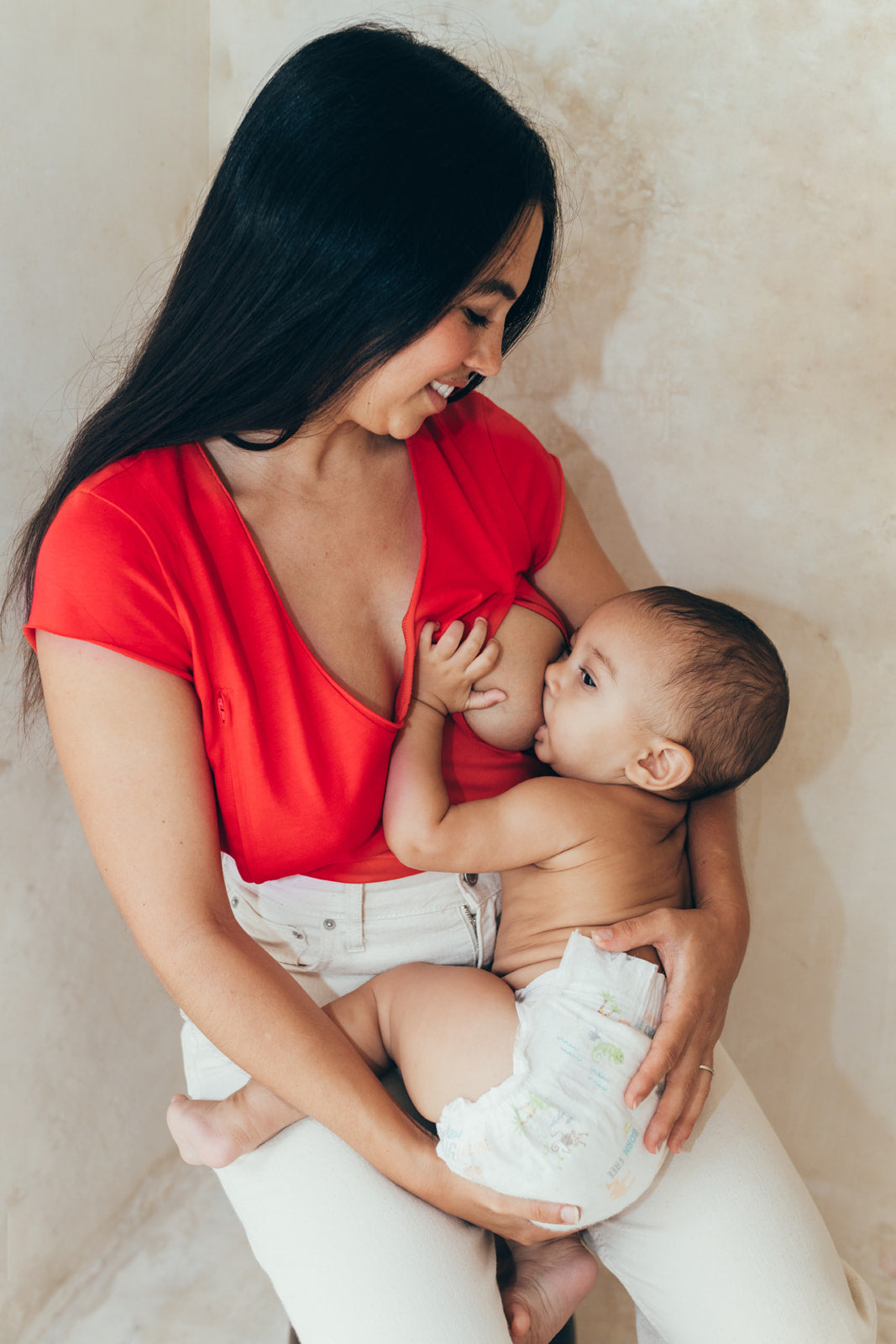

Breastfeeding t-shirt RED
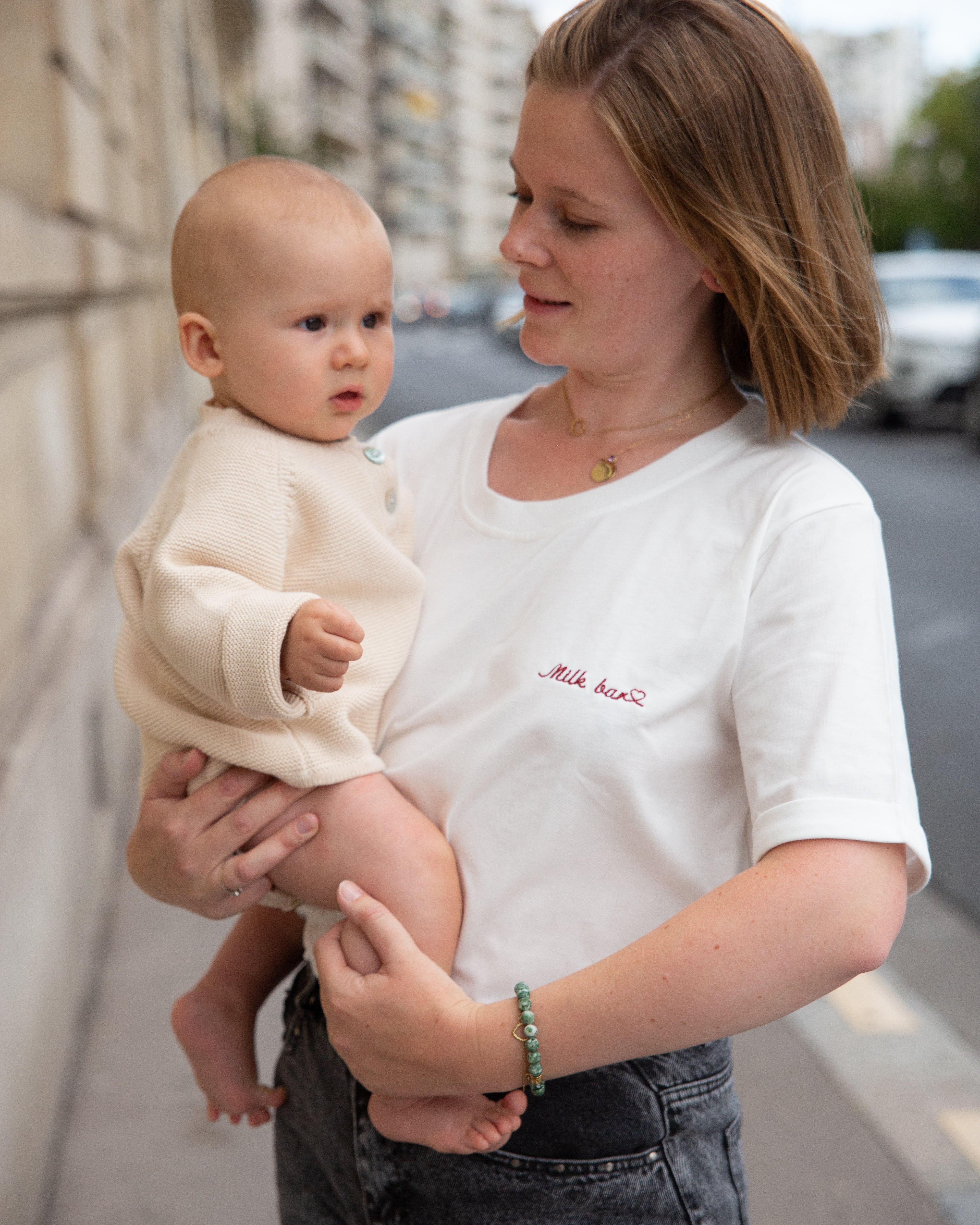

Breastfeeding t-shirt AMORE
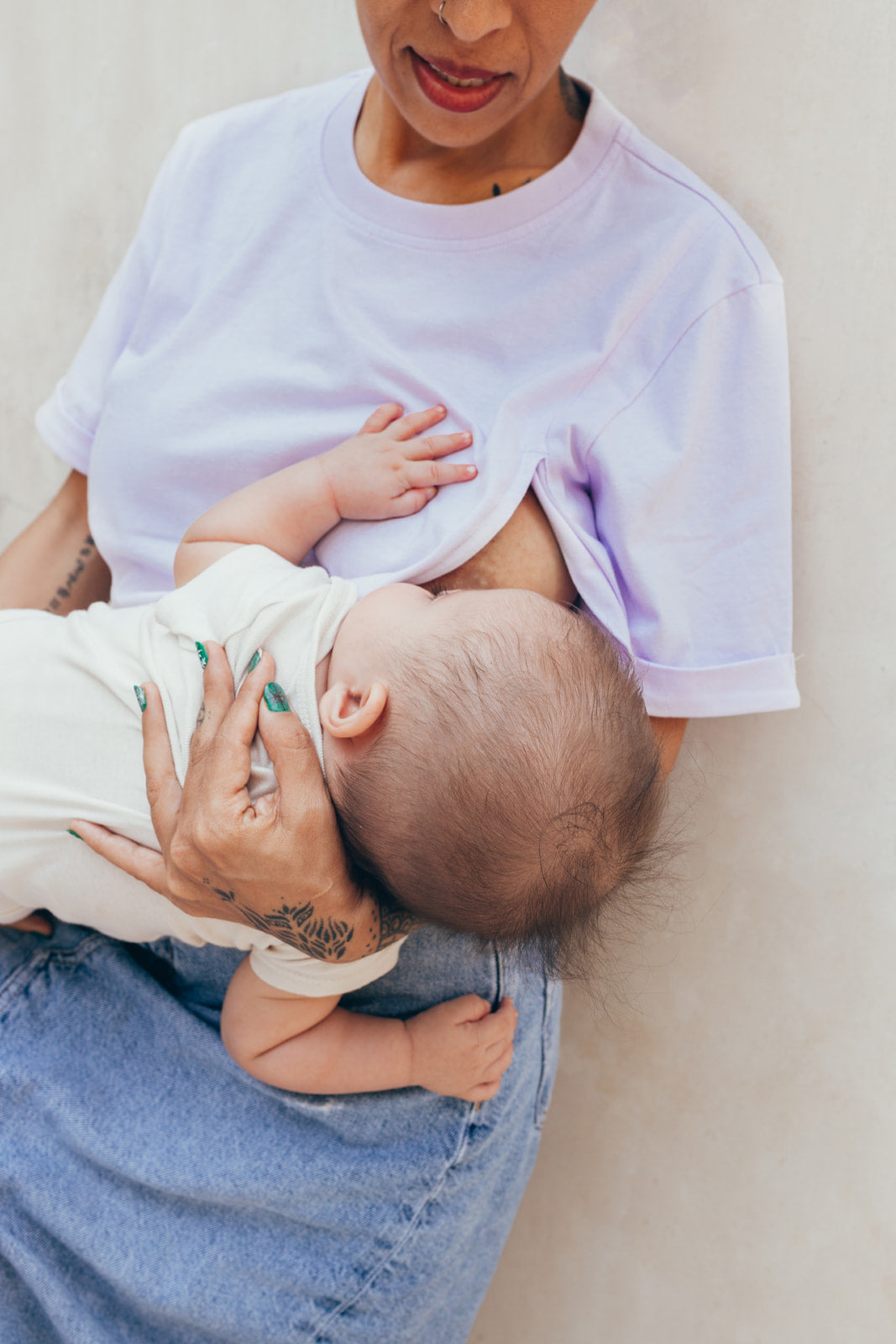
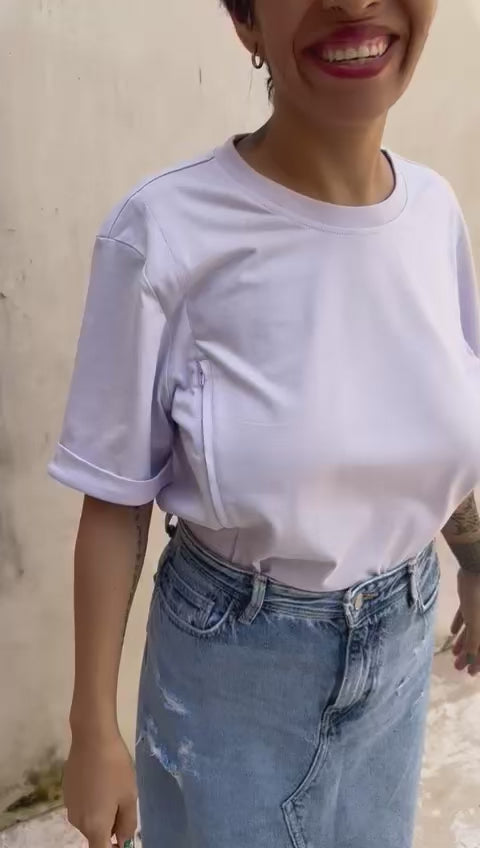
Breastfeeding t-shirt PARME
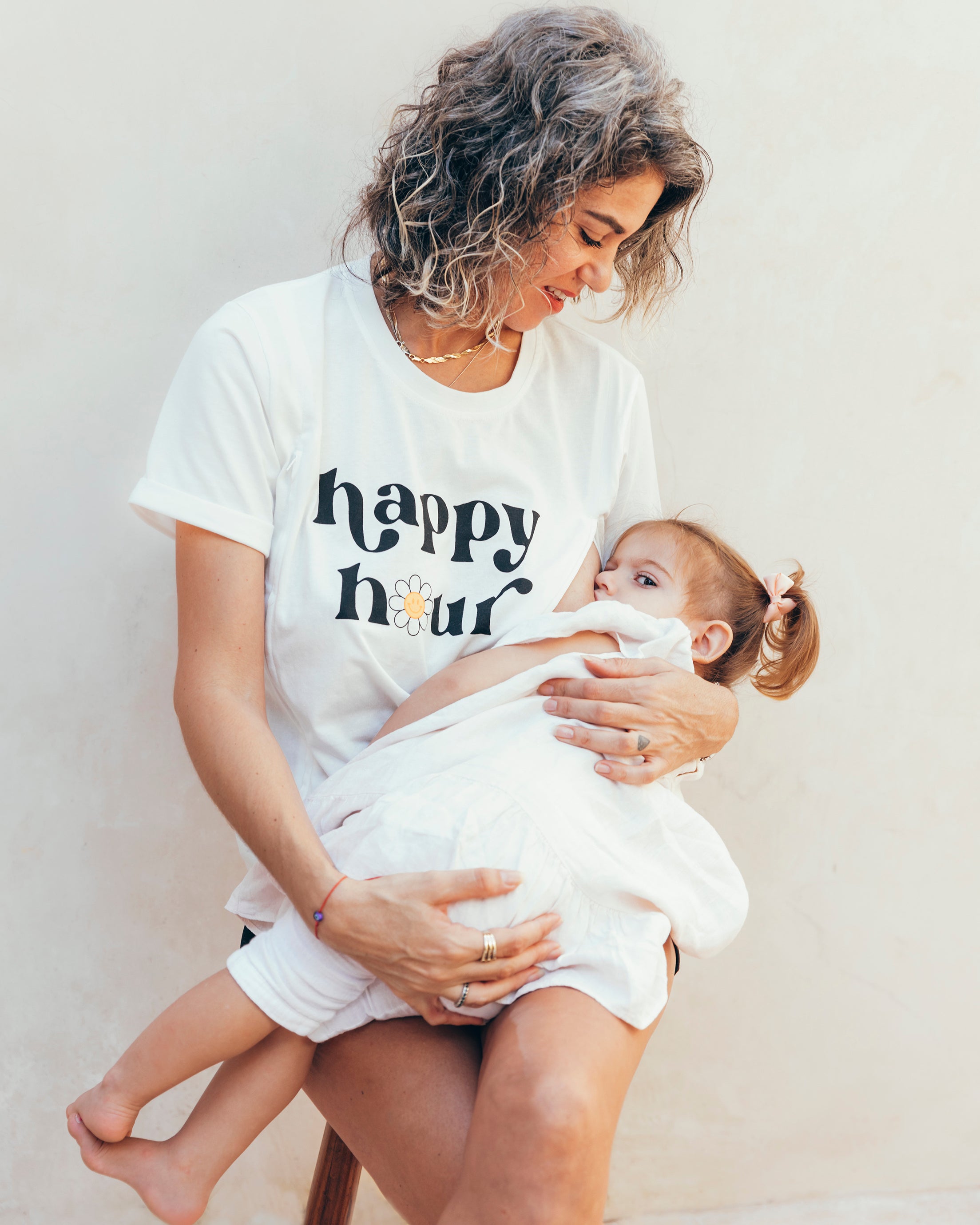

Breastfeeding t-shirt HAPPY HOUR
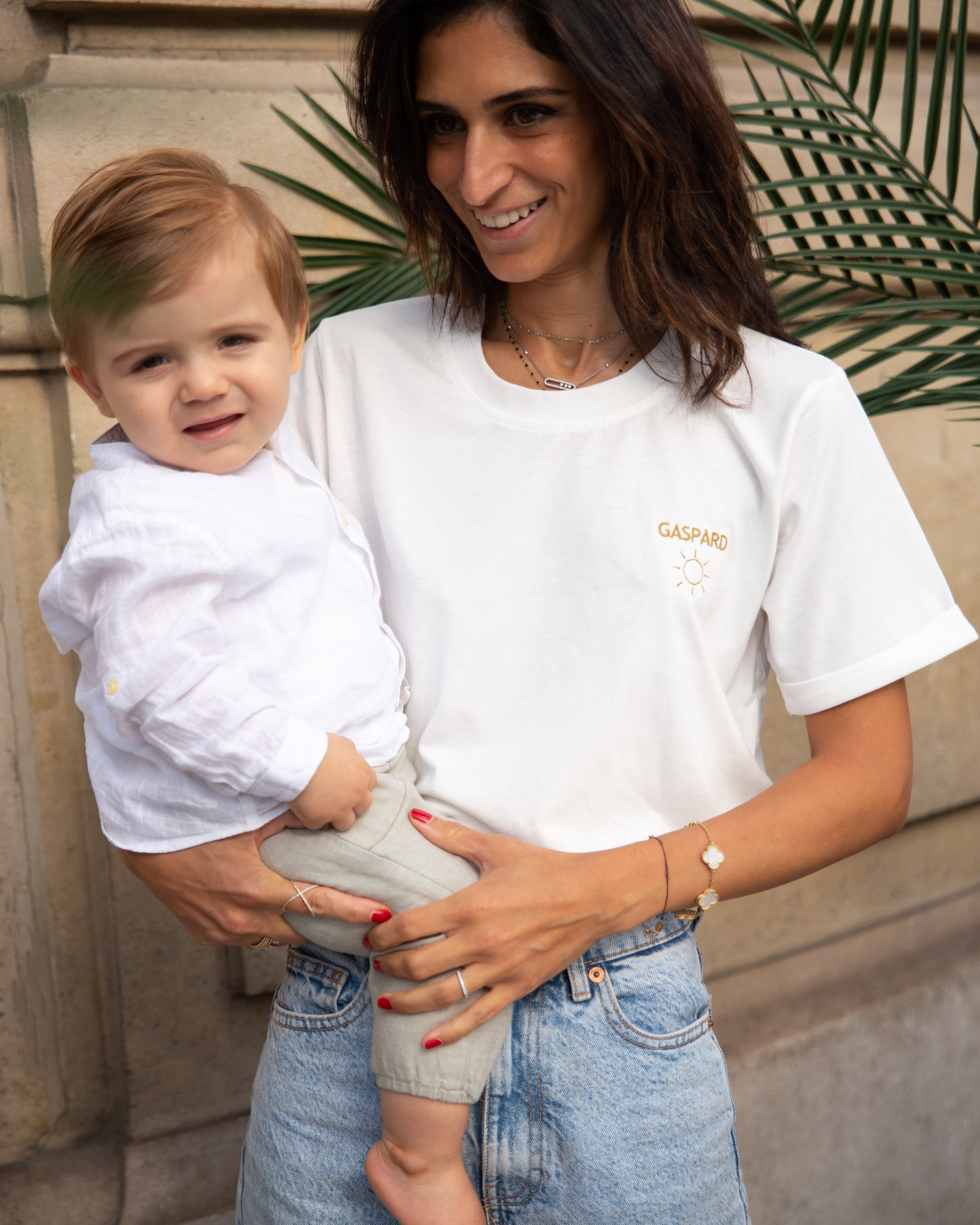
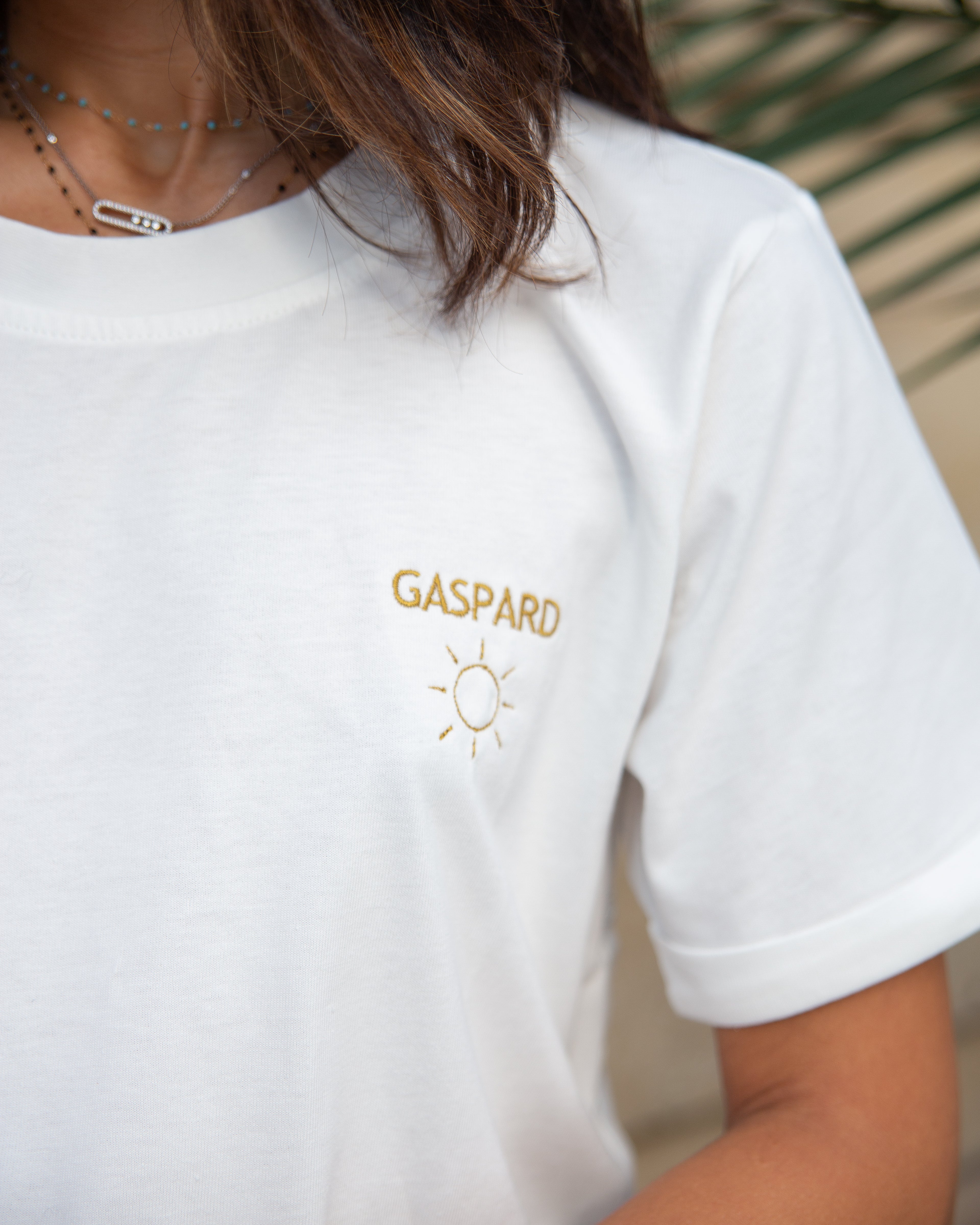
Breastfeeding t-shirt SOLEIL
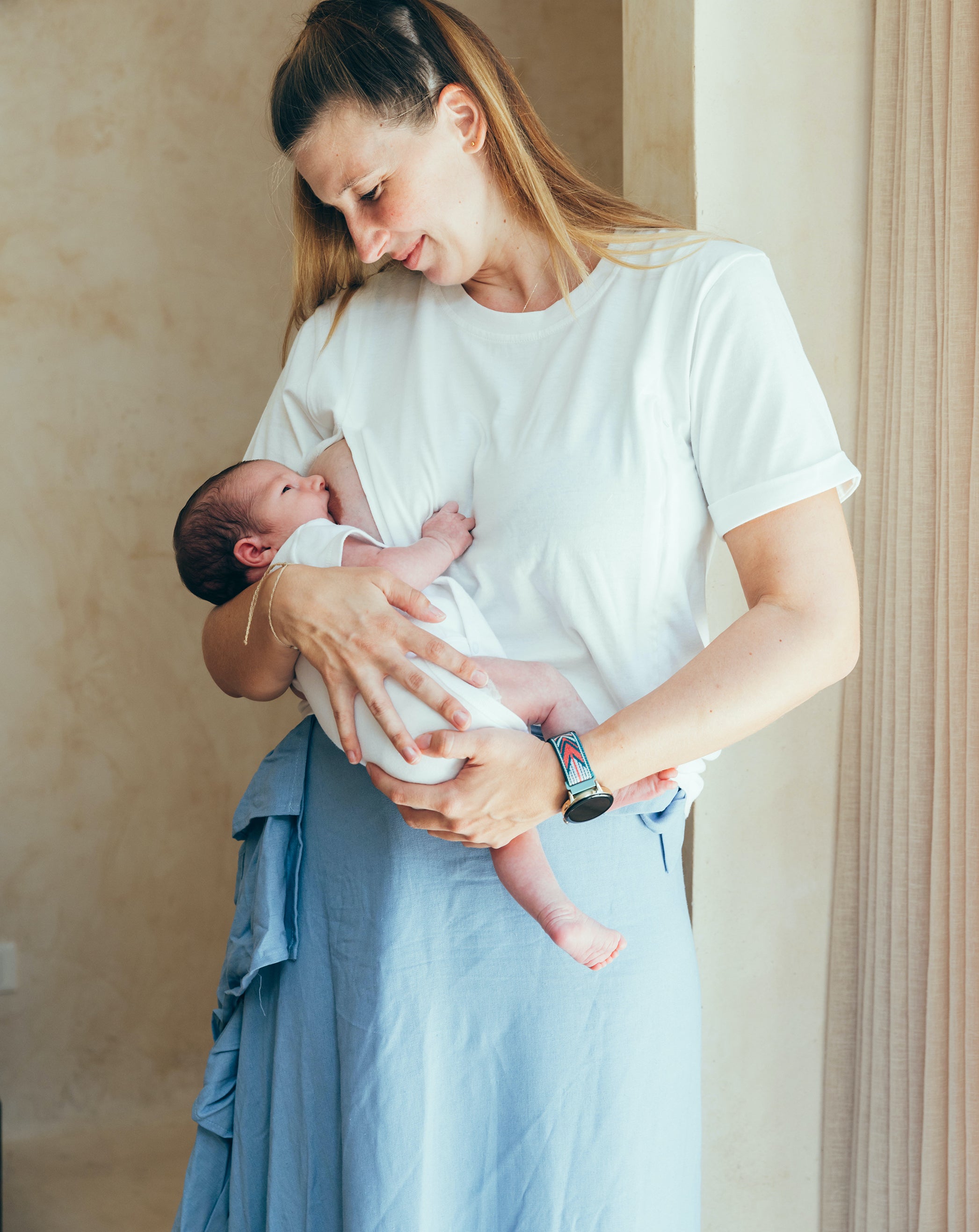
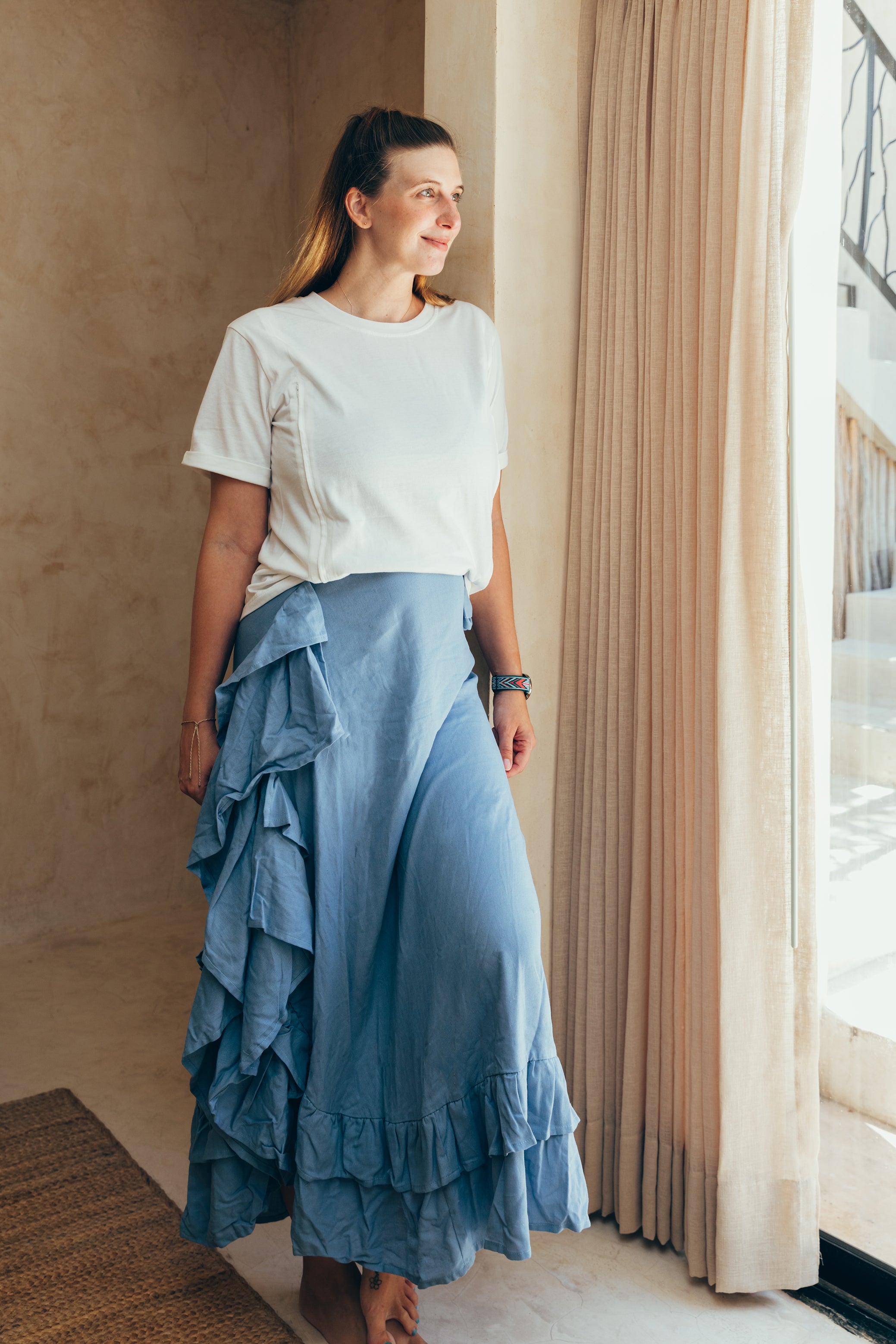
Breastfeeding t-shirt white


Breastfeeding t-shirt JE T'AIME
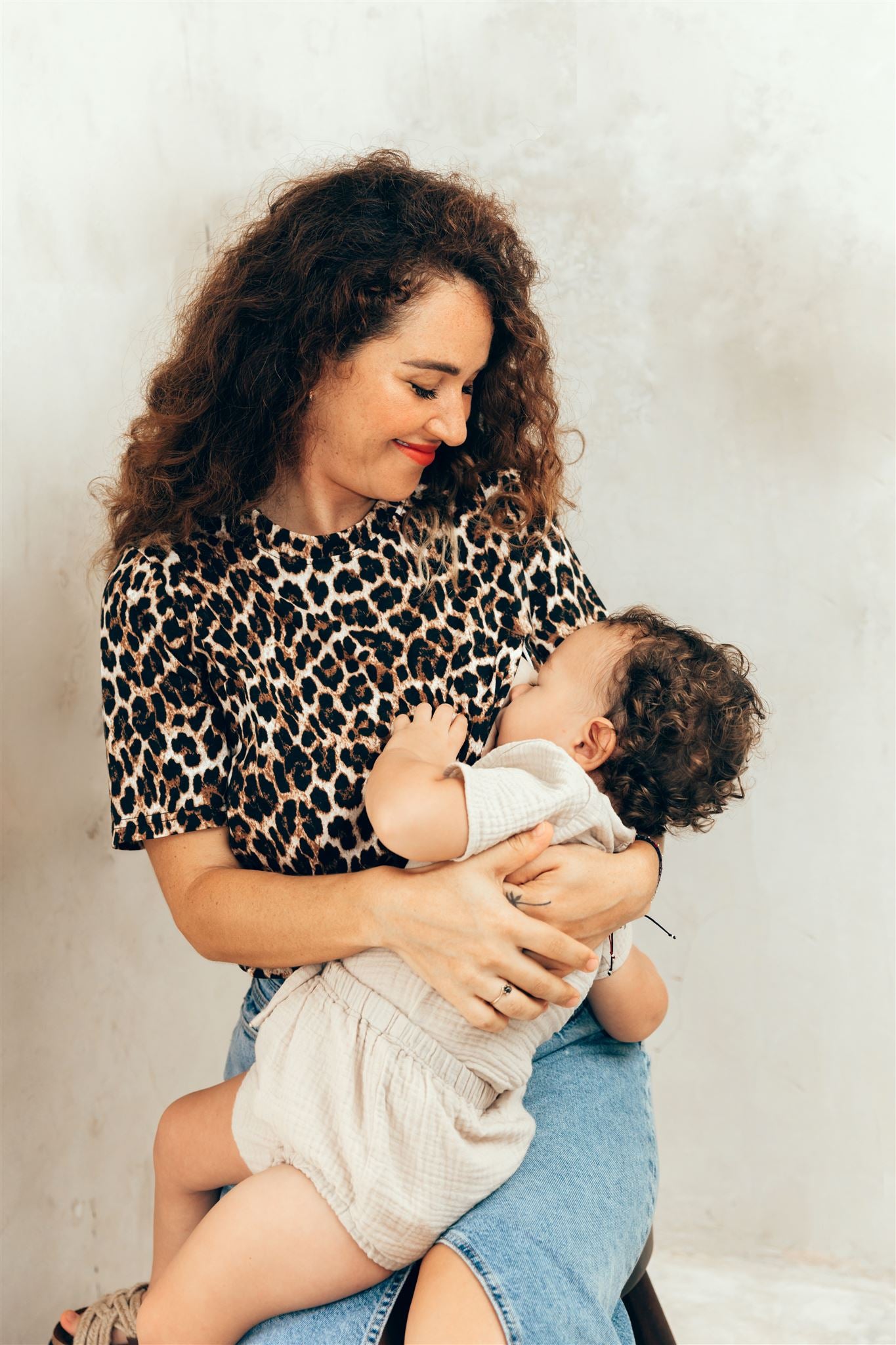
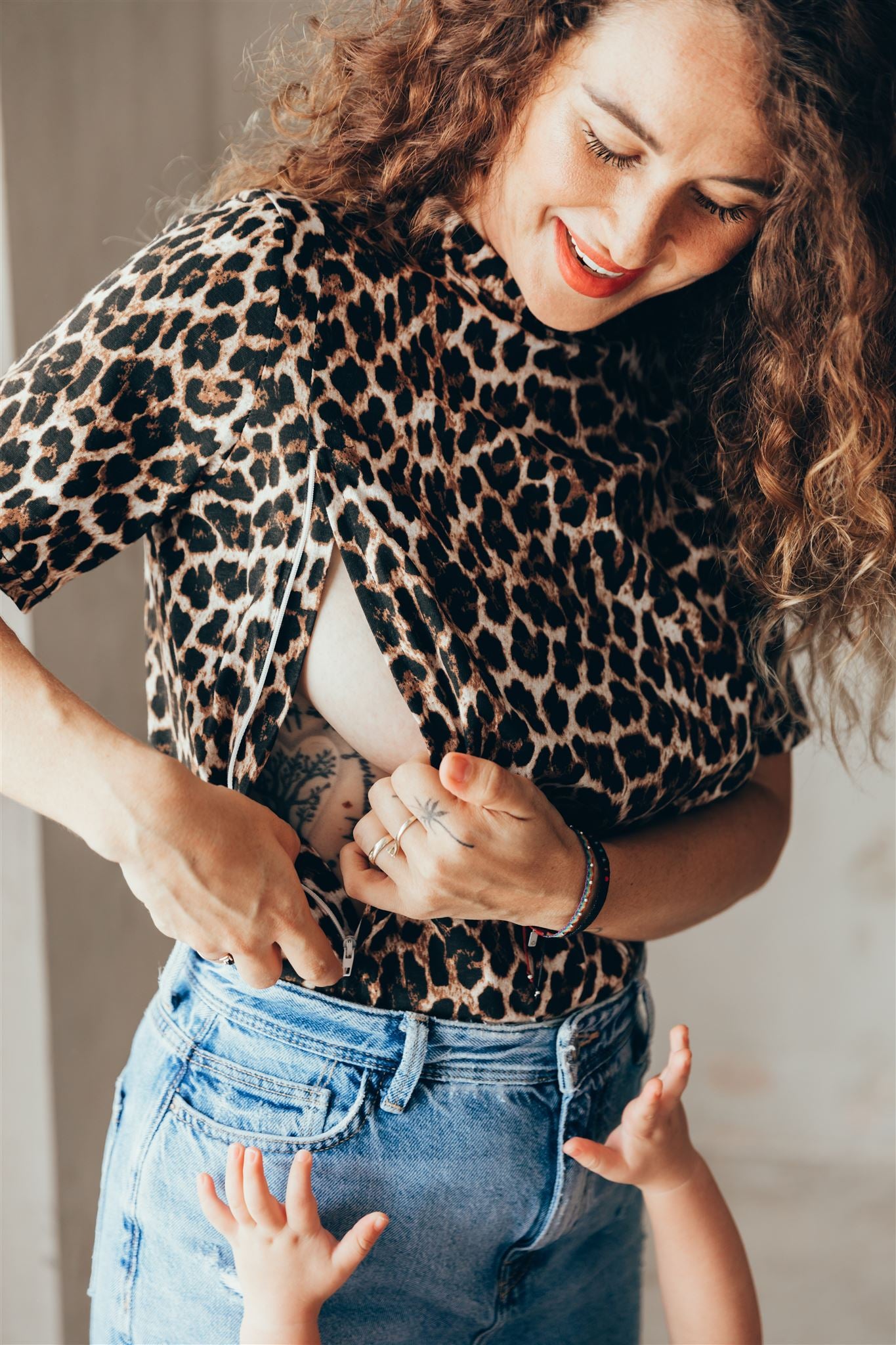
Breastfeeding t-shirt LEOPARD
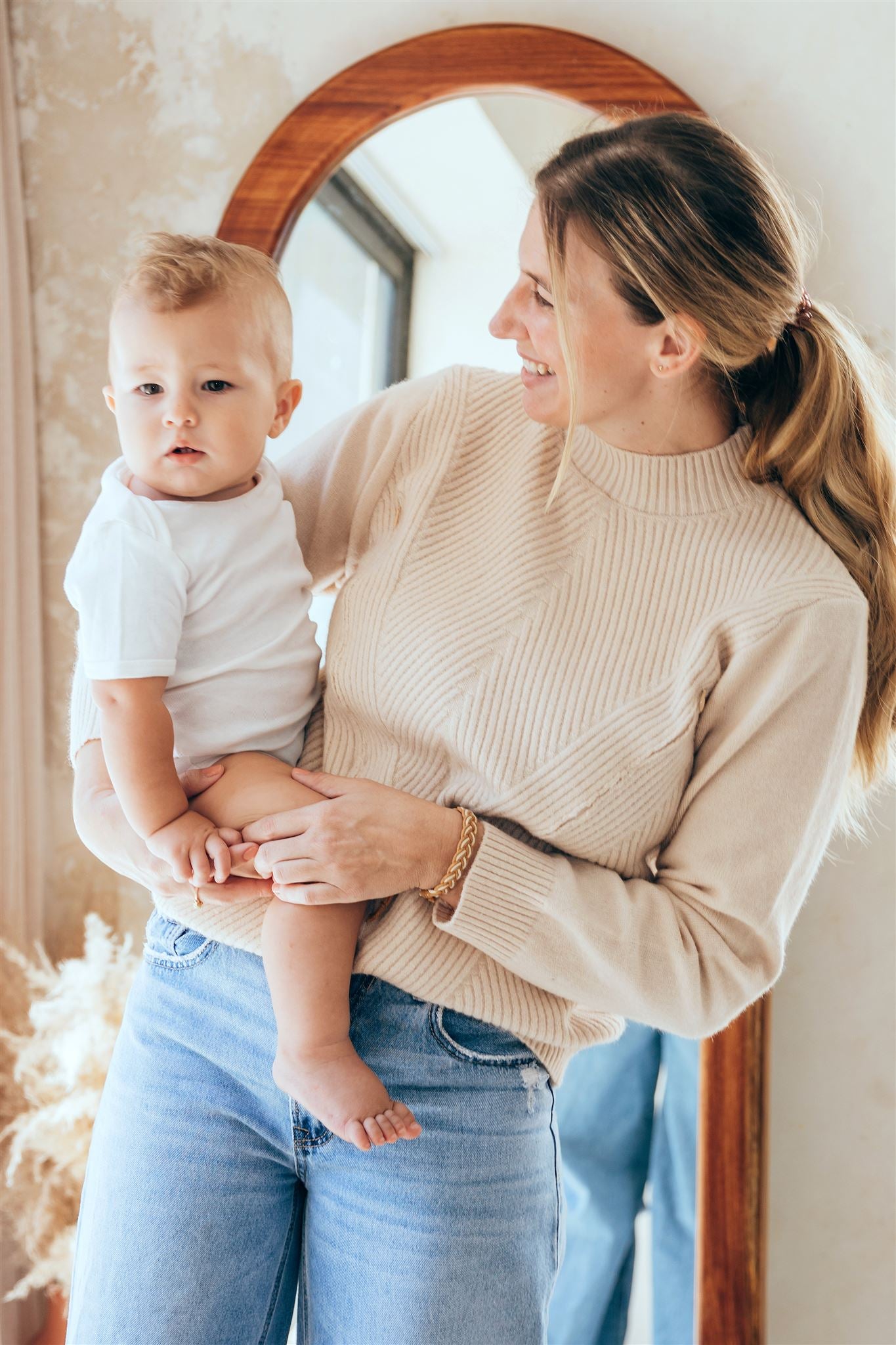
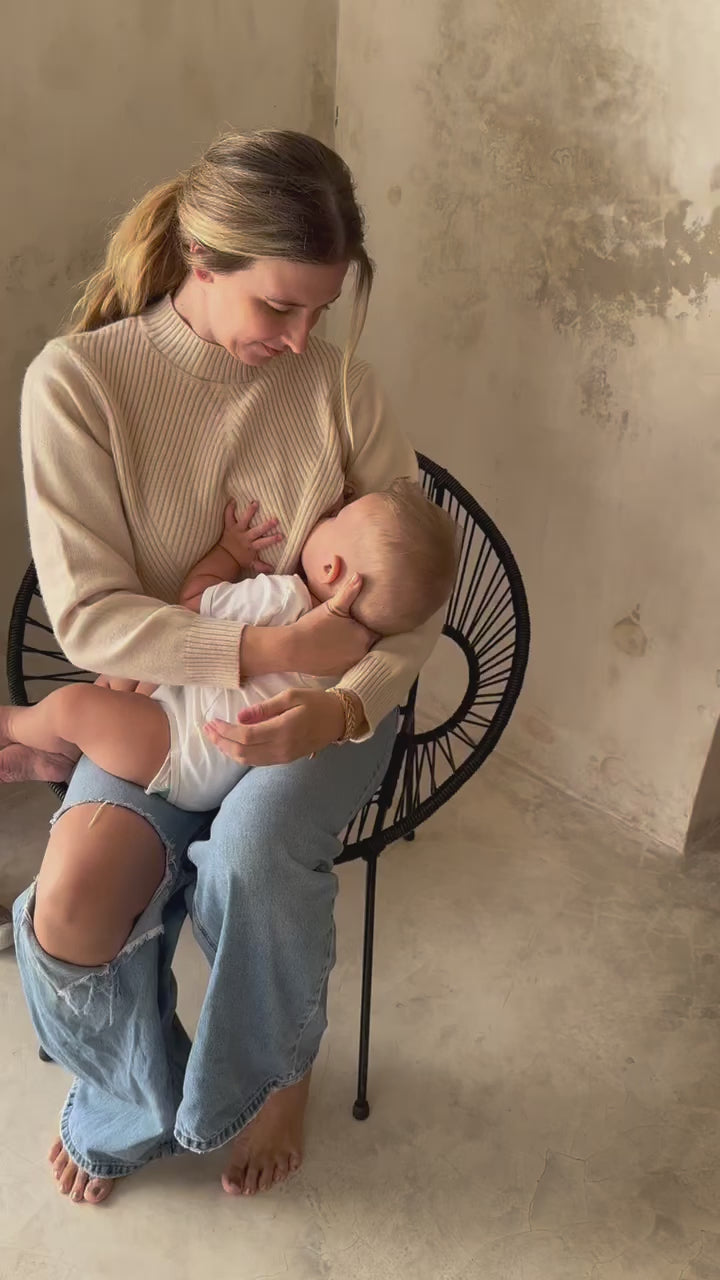
ALMA Ecru Breastfeeding Sweater
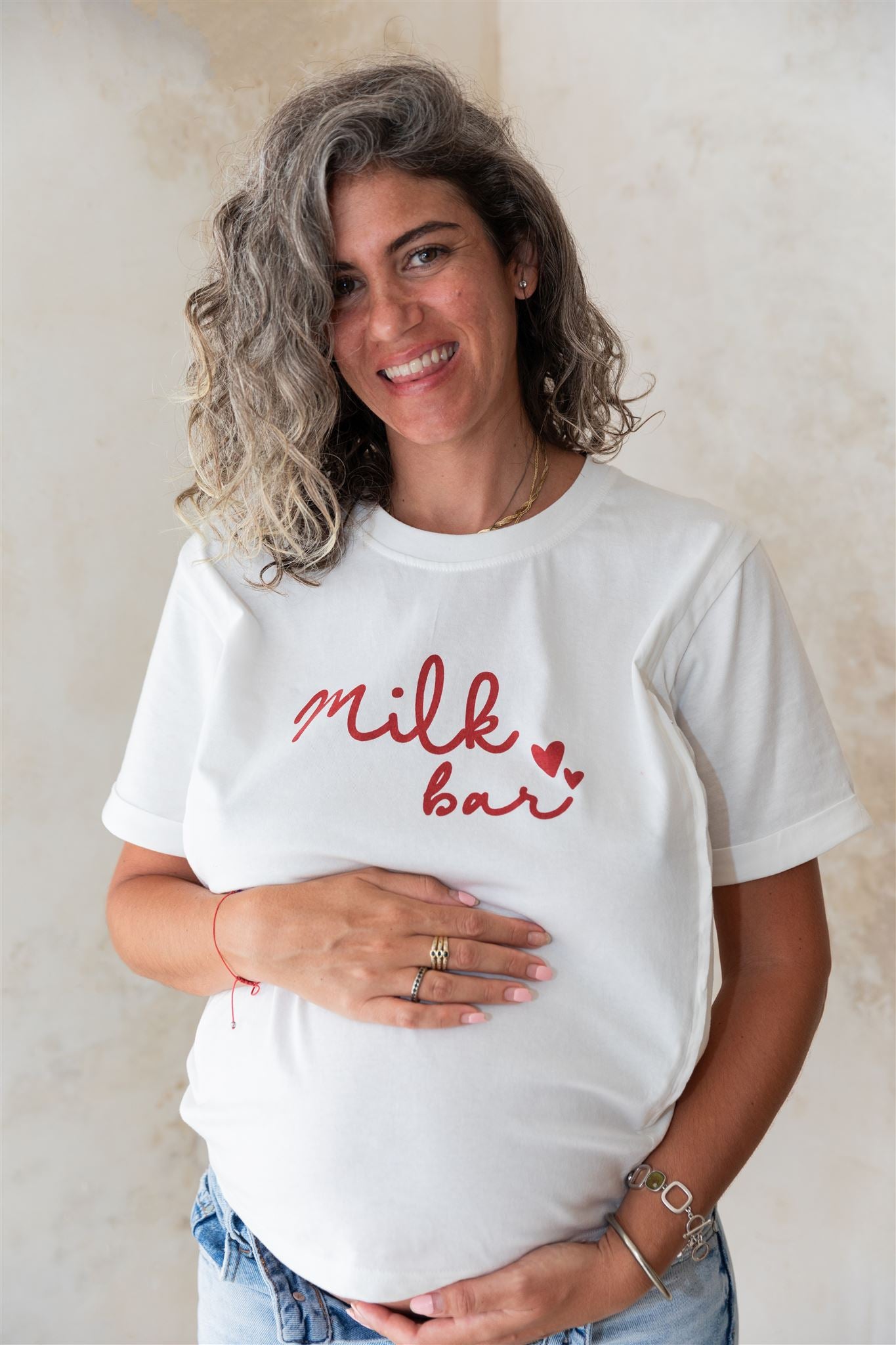
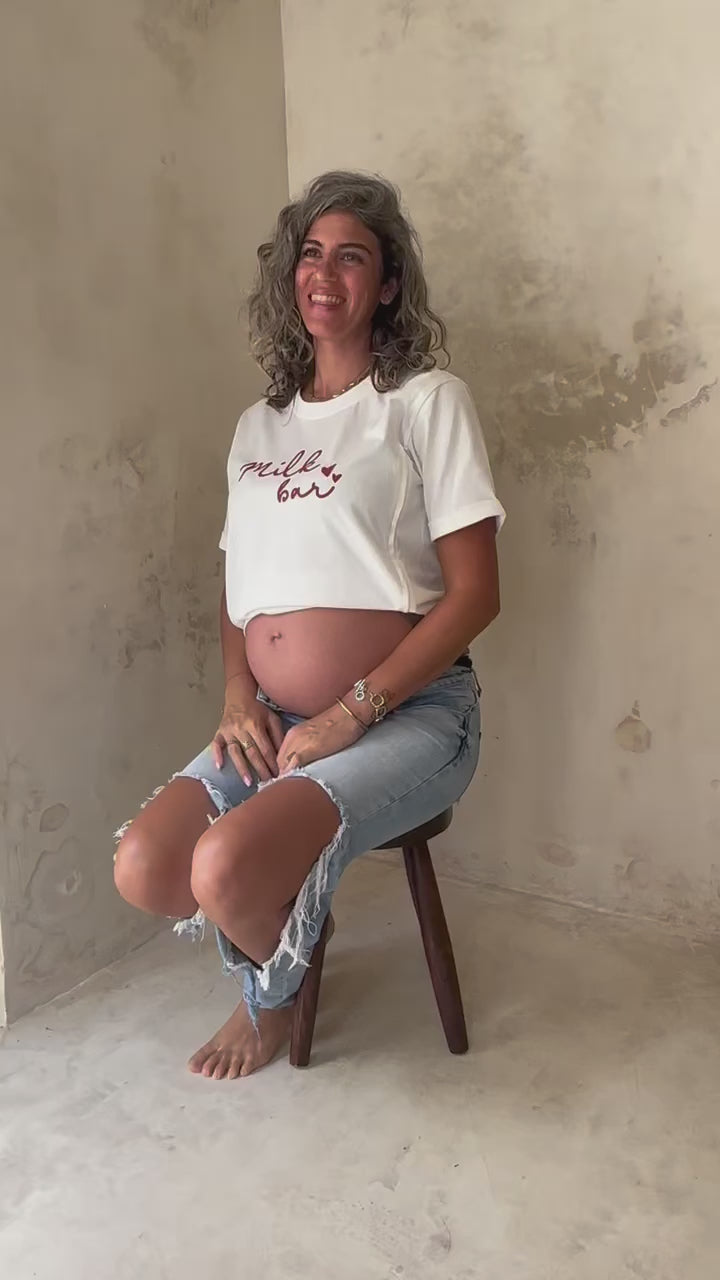
Breastfeeding t-shirt MILK BAR
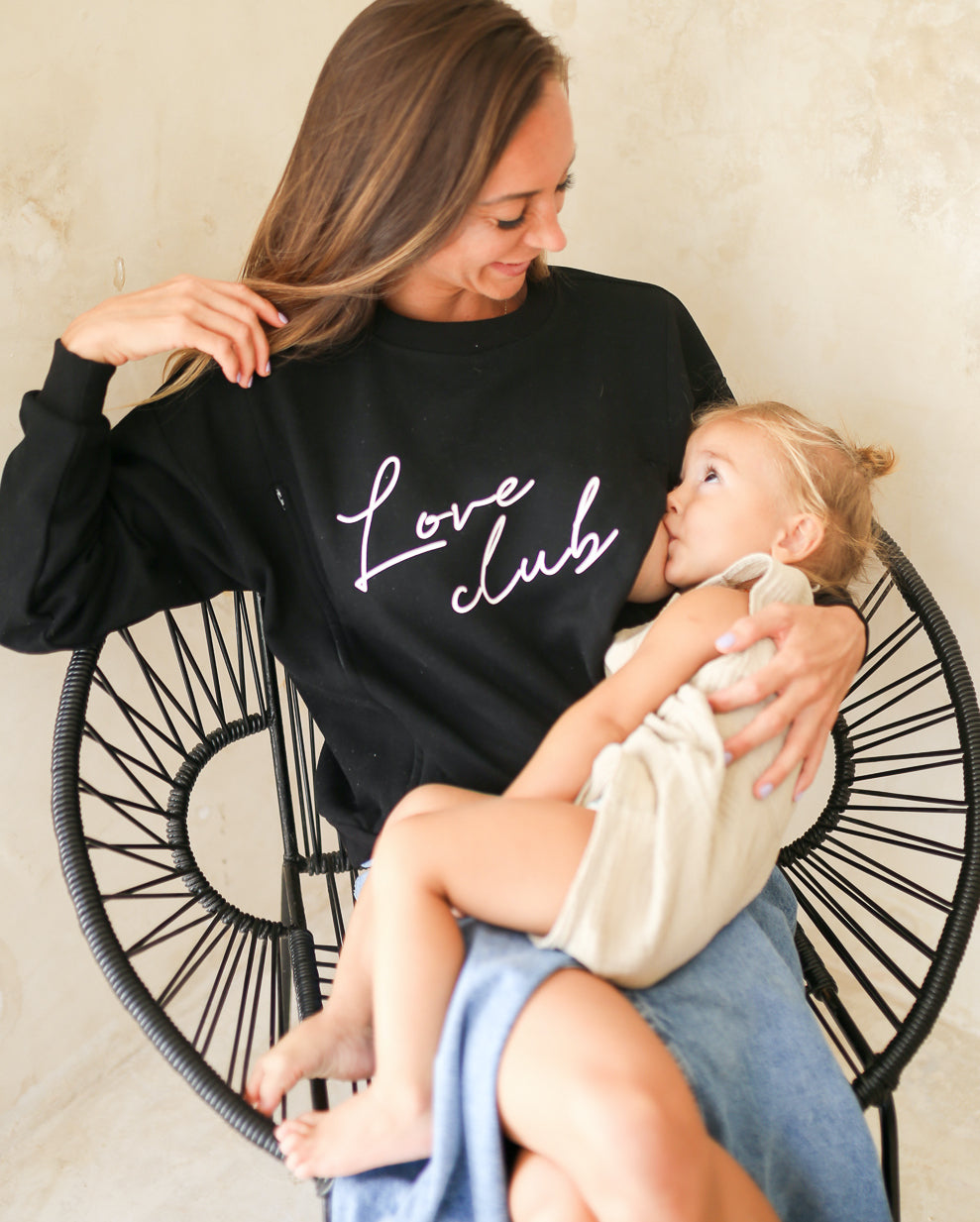
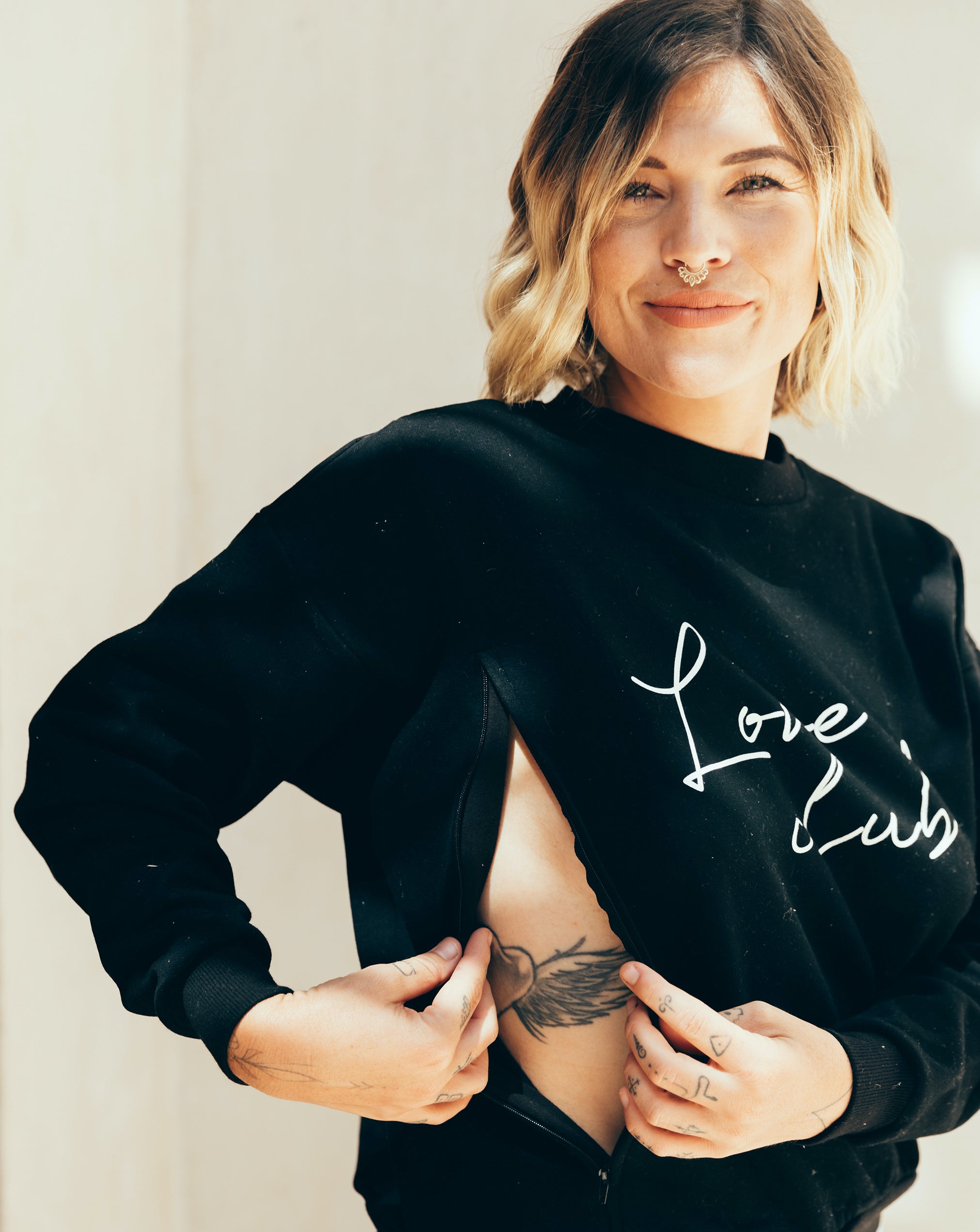
Breastfeeding sweatshirt LOVE CLUB

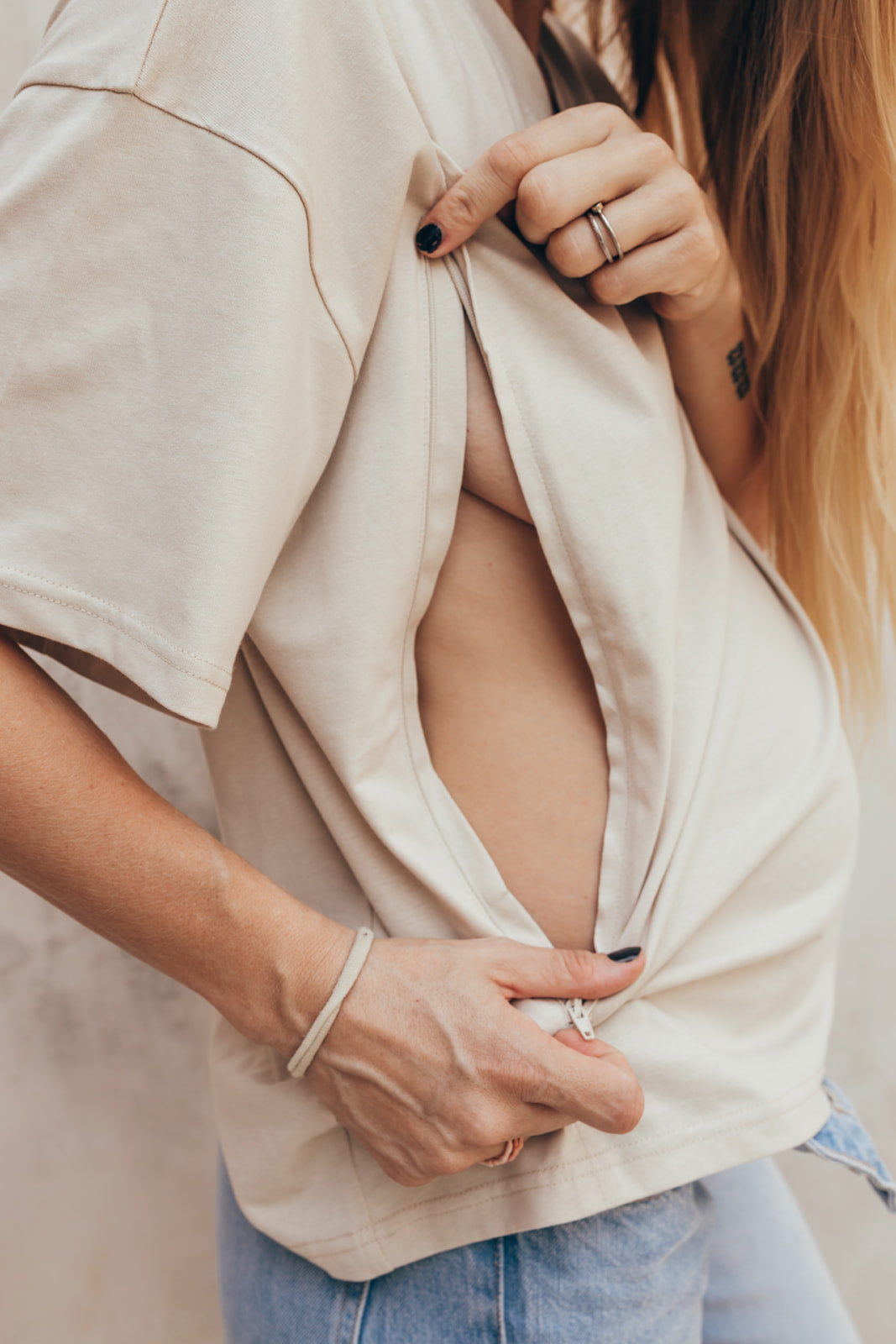
Breastfeeding t-shirt SABLE


Breastfeeding t-shirt LOVE CLUB
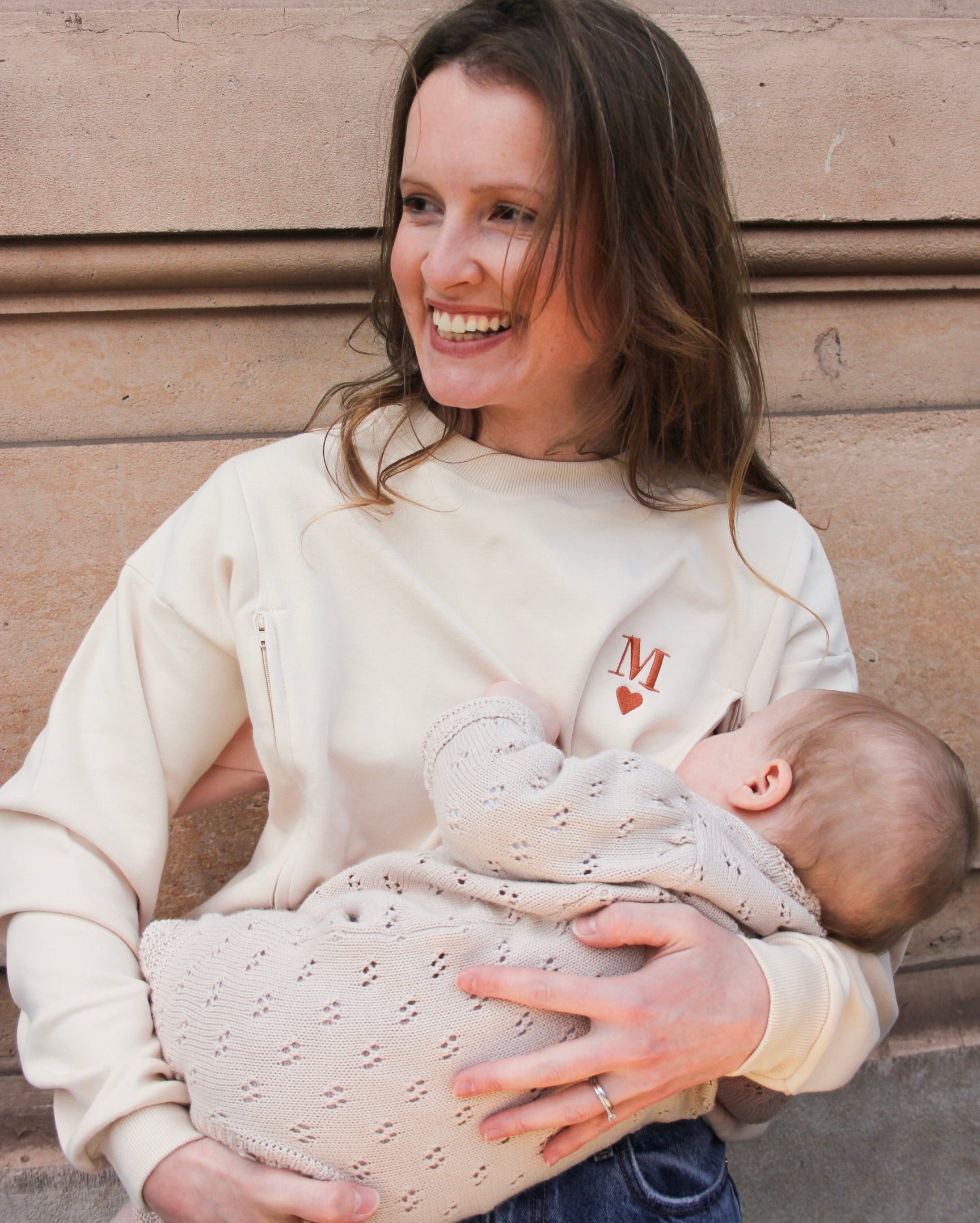
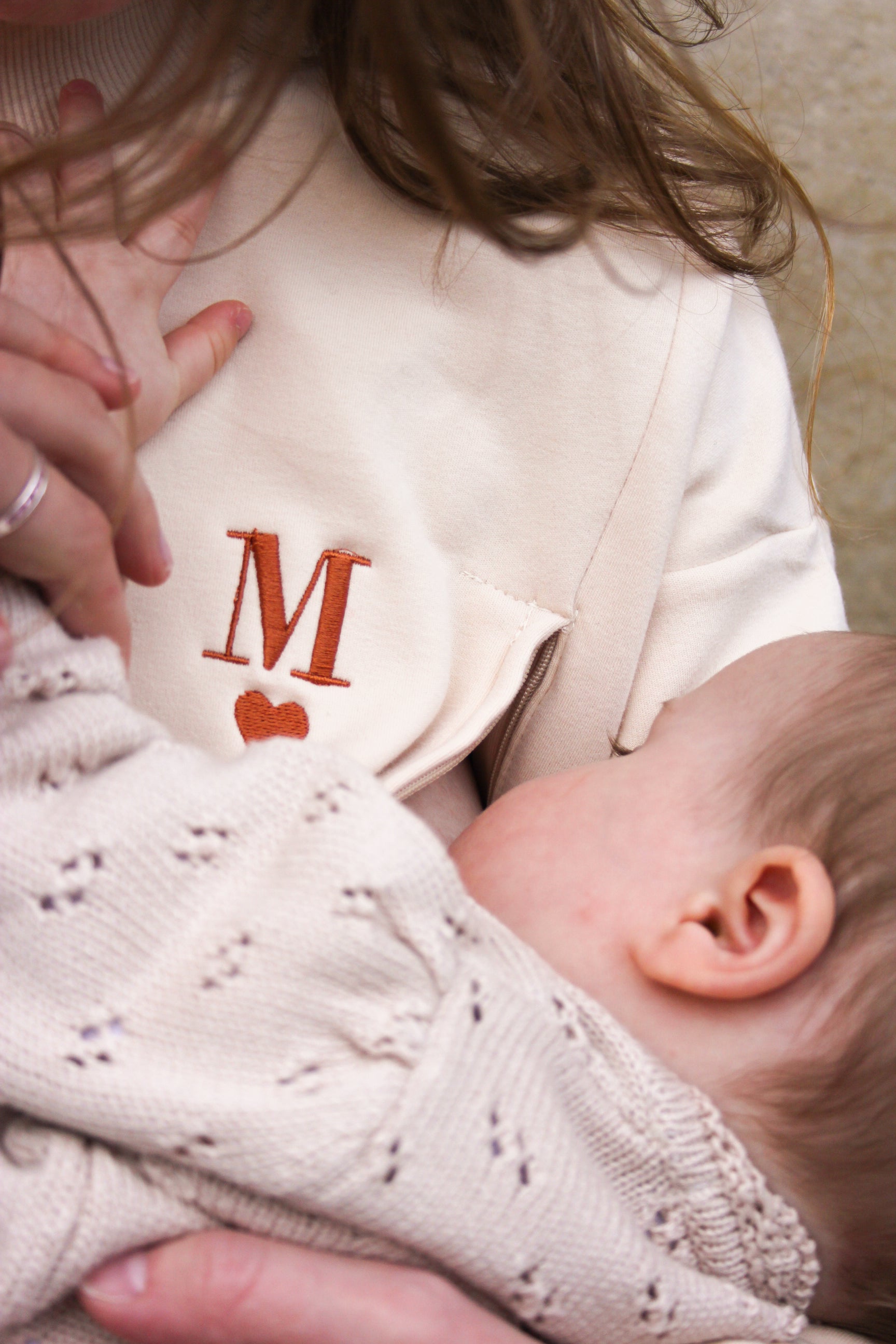
Breastfeeding sweatshirt LUCKY CHARM
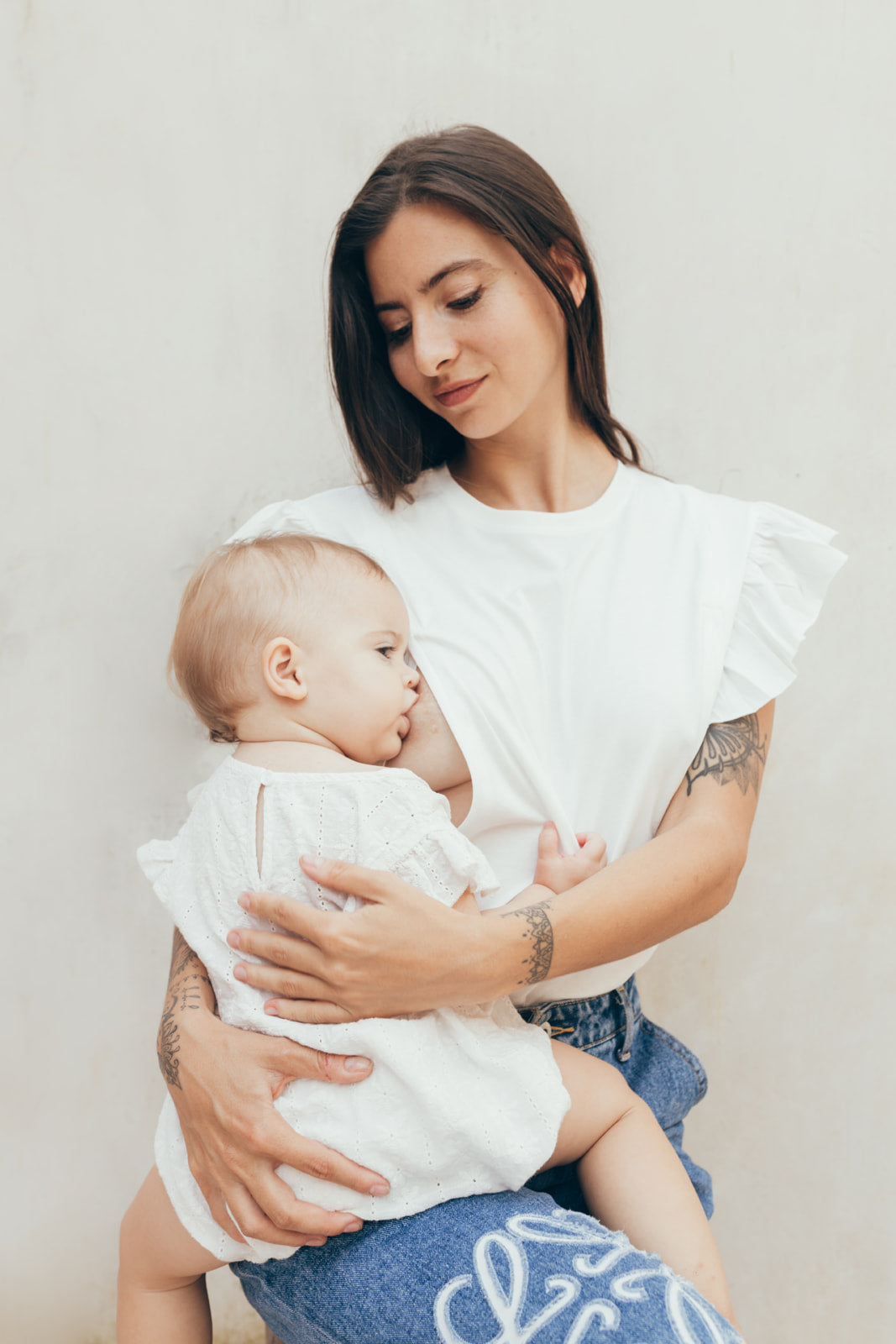

Breastfeeding t-shirt with ruffle

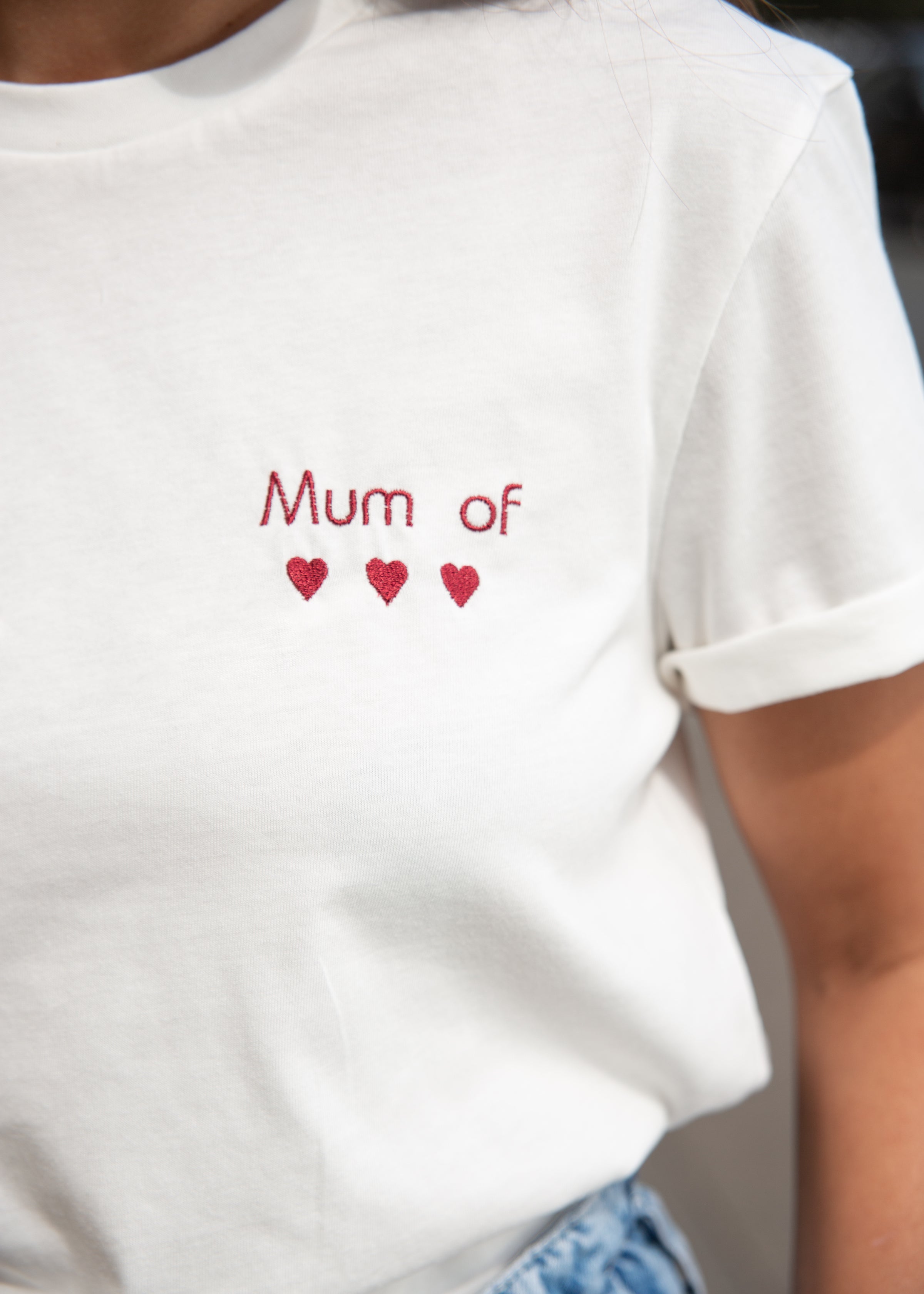
Women's t-shirt #MOMMY
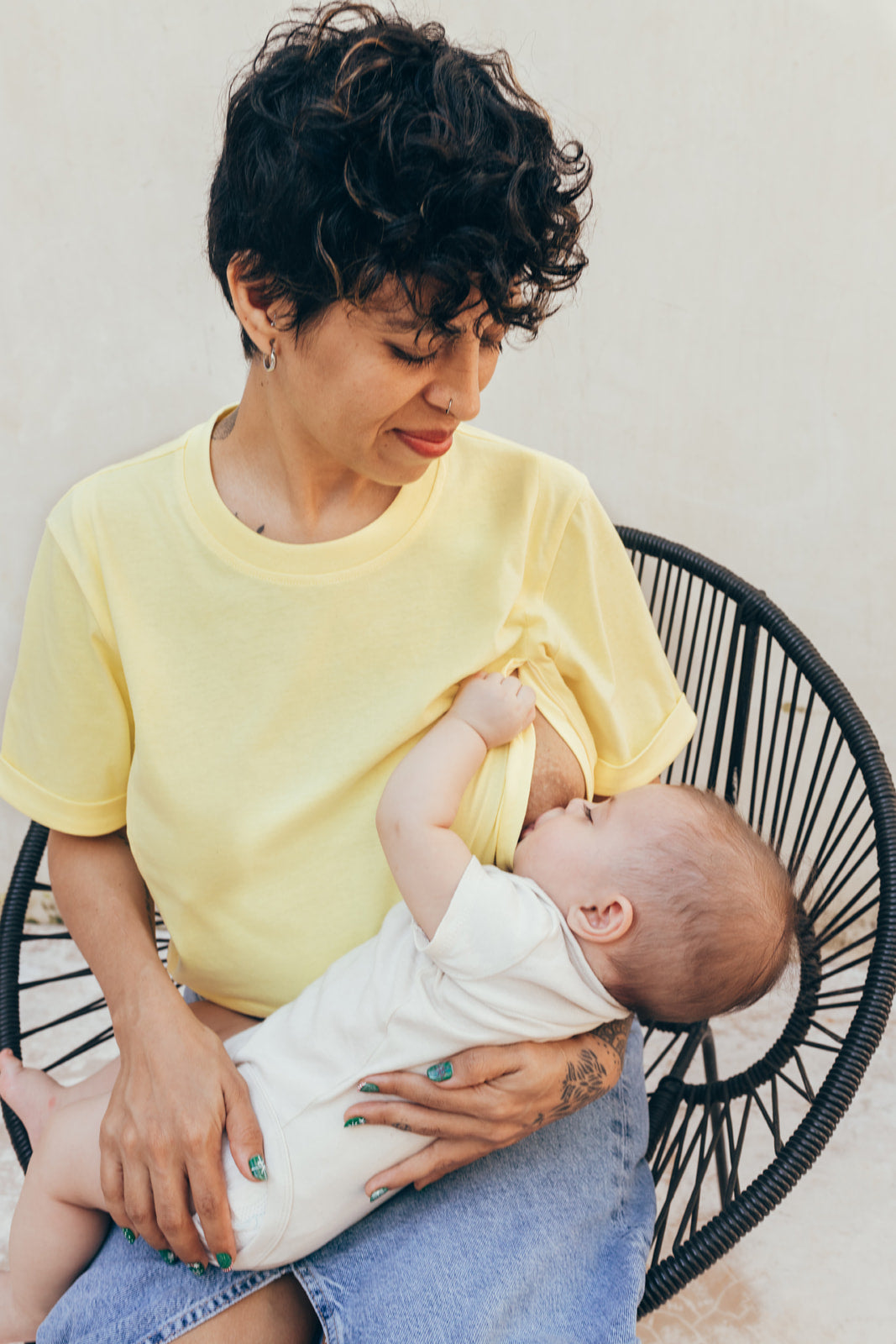
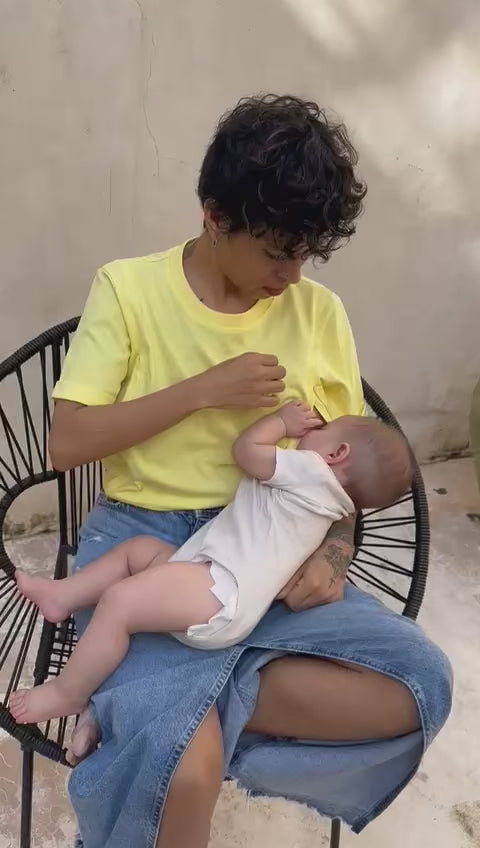
Breastfeeding t-shirt YELLOW
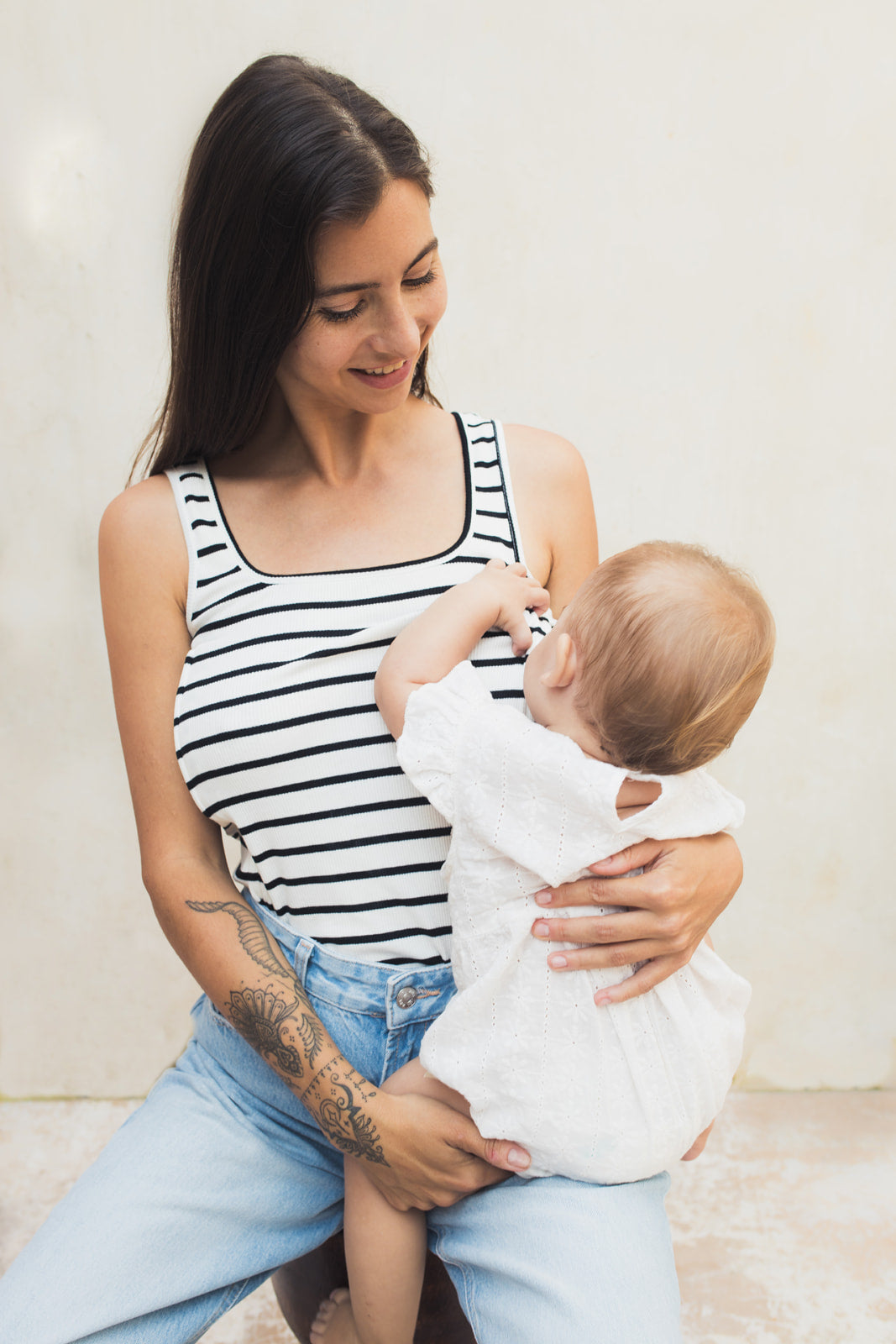

MARINIÈRE nursing tank top
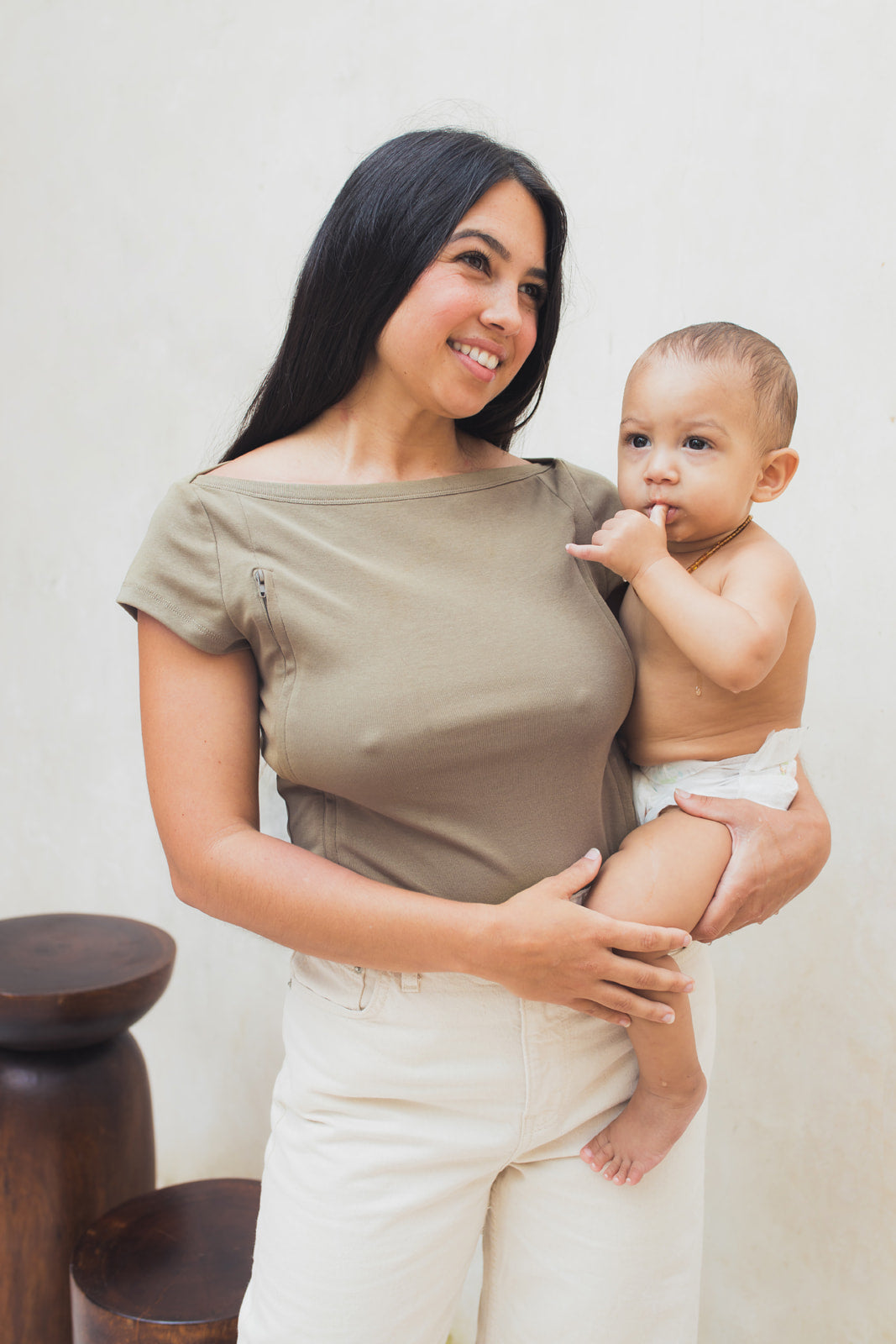
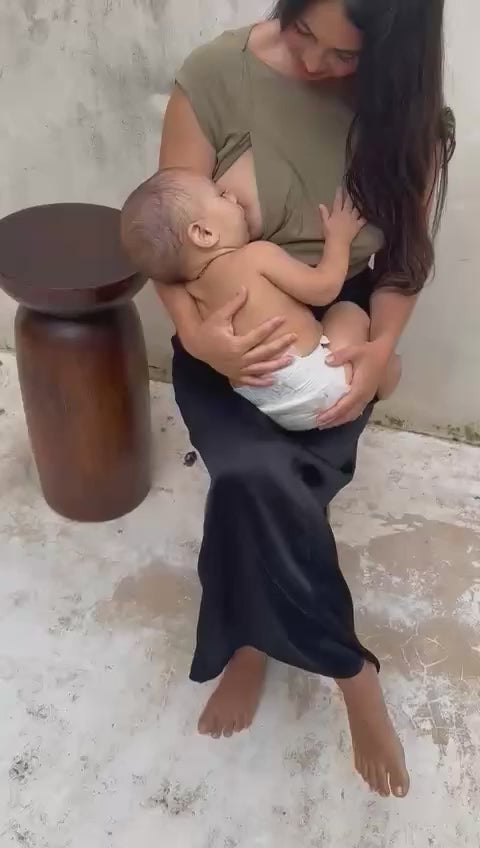
Breastfeeding t-shirt KAKI


Breastfeeding t-shirt WONDER


Breastfeeding t-shirt AMOUR MARINE


Breastfeeding t-shirt

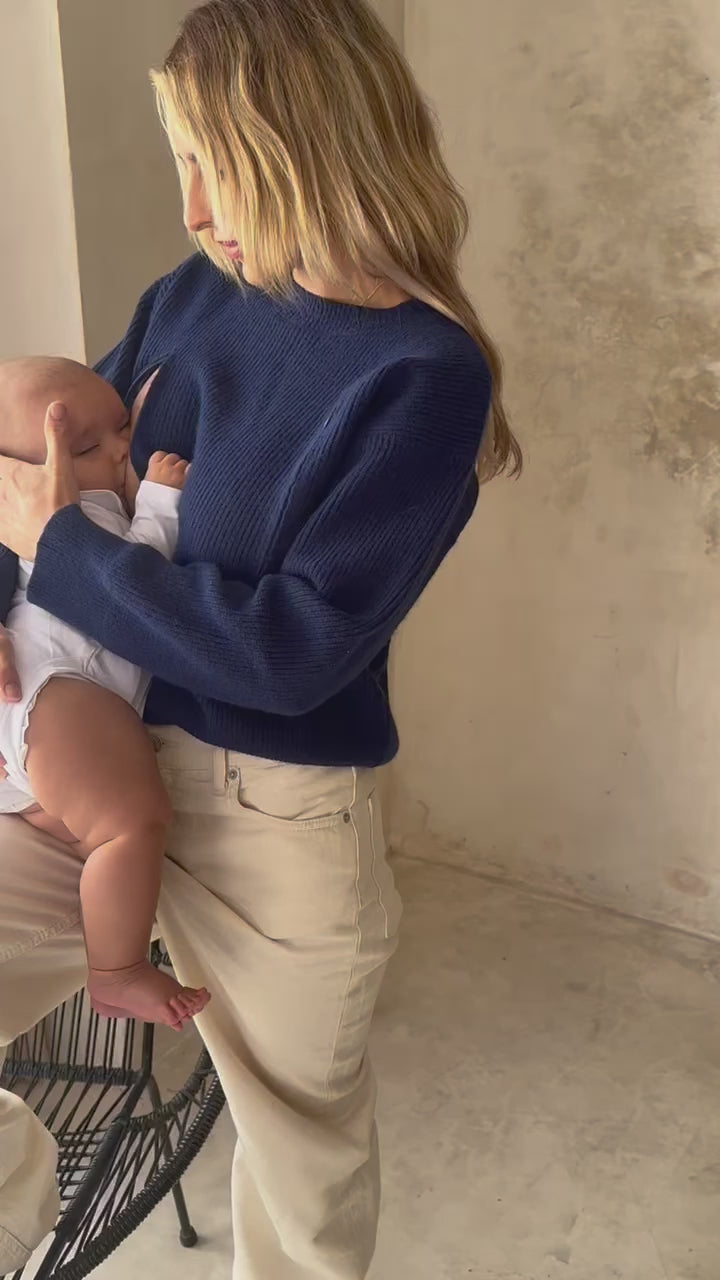
ASSIA navy breastfeeding sweater
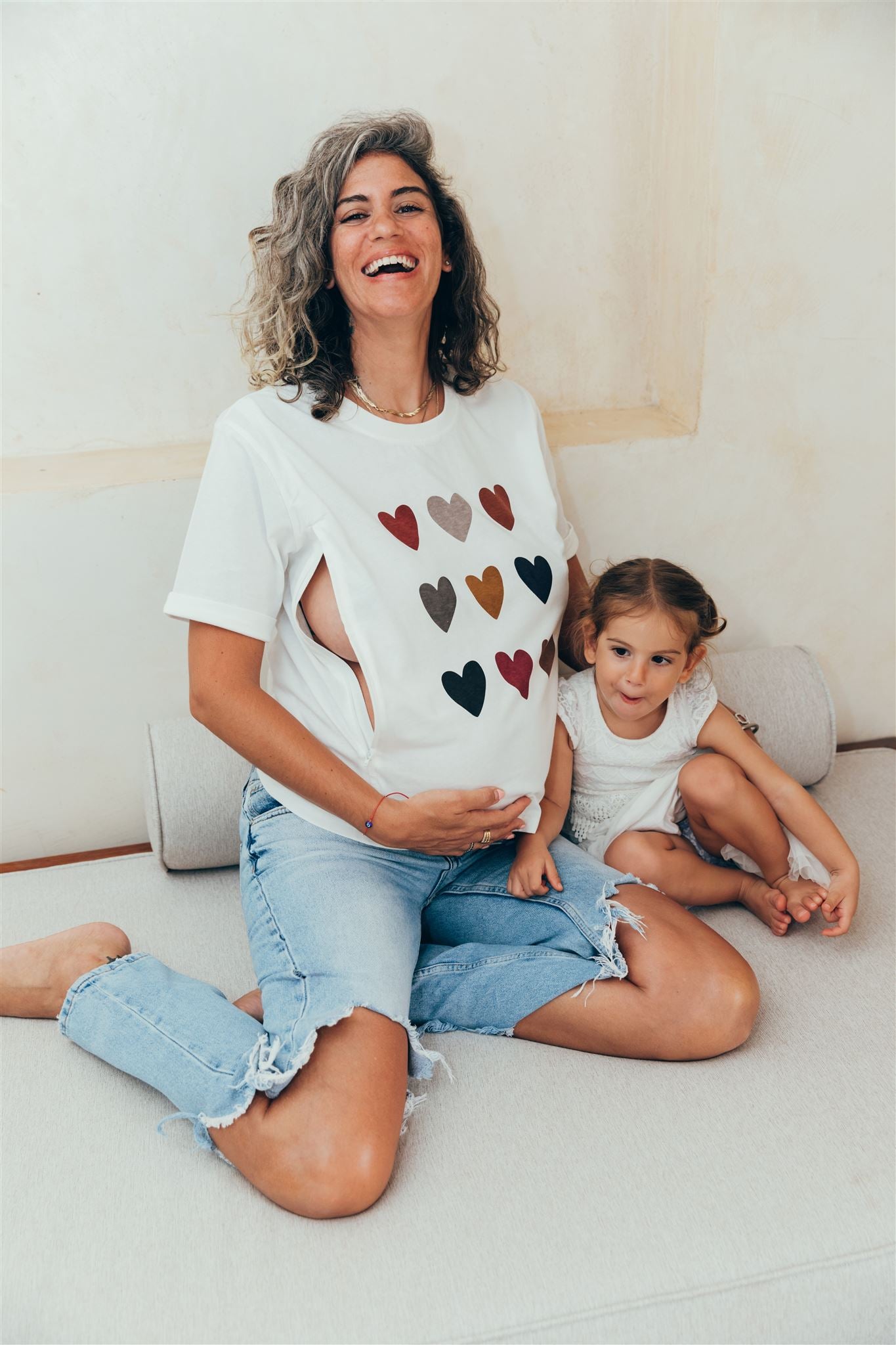

Breastfeeding t-shirt COEURS HIVER
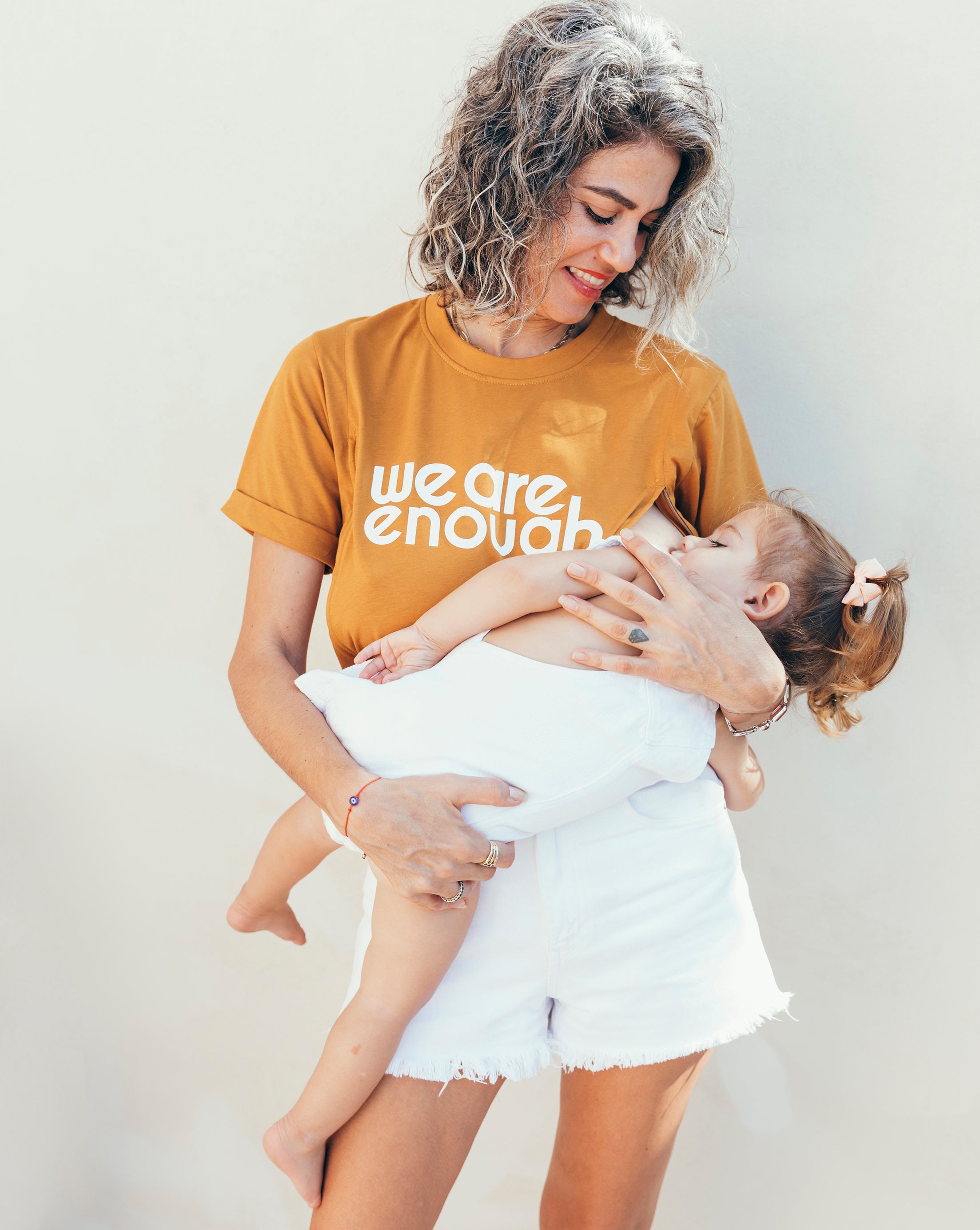

Breastfeeding t-shirt WE ARE
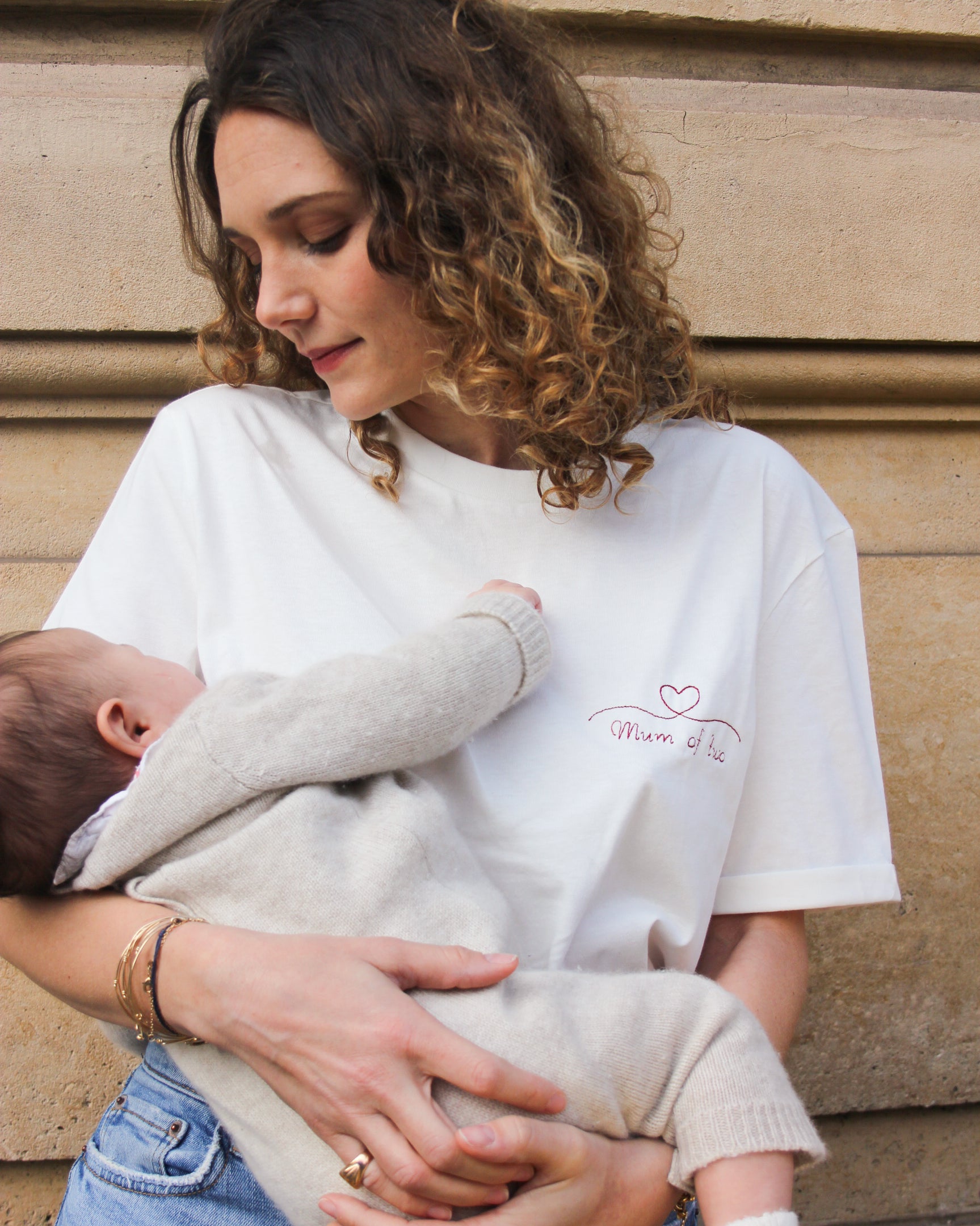
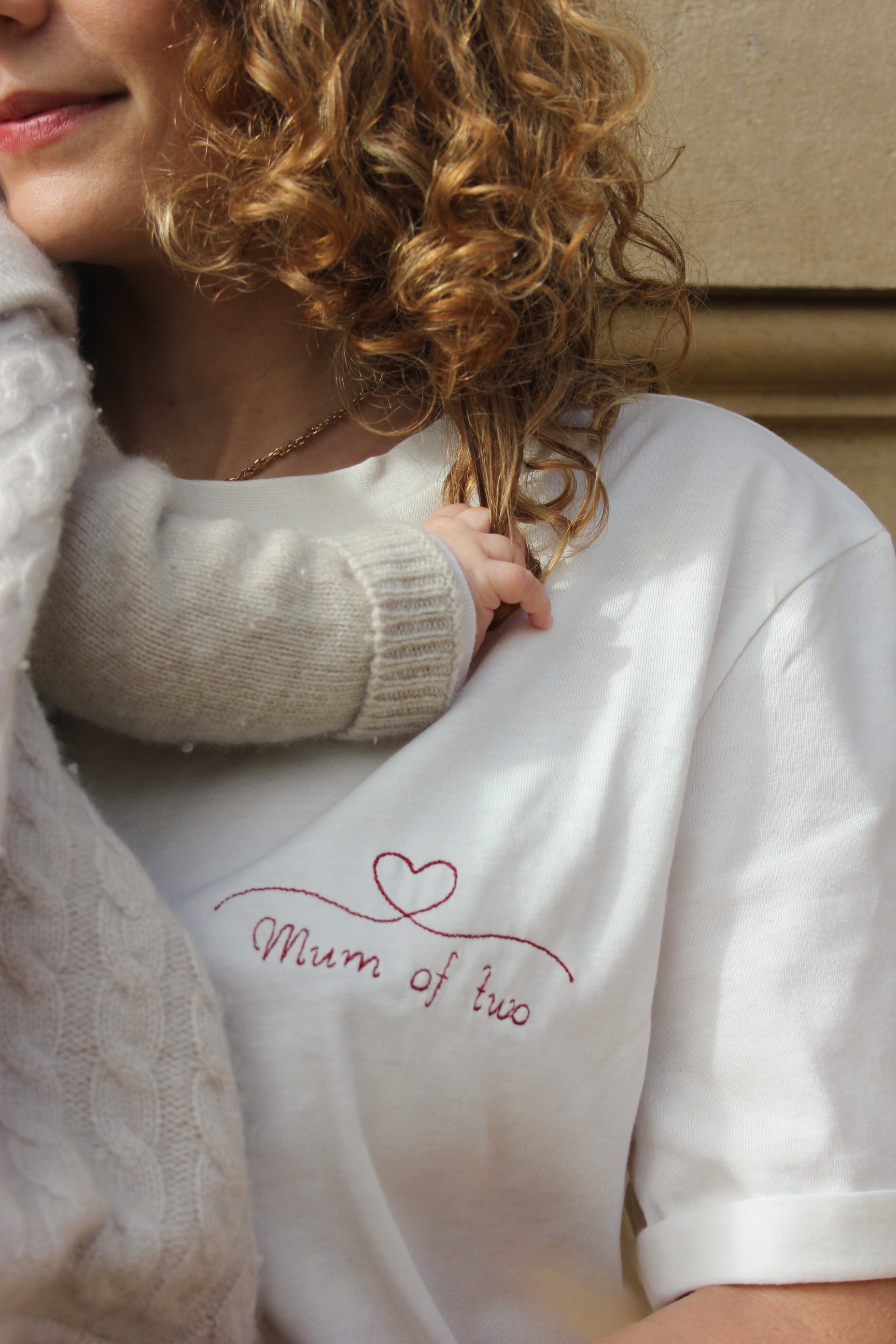
Breastfeeding t-shirt INFINI
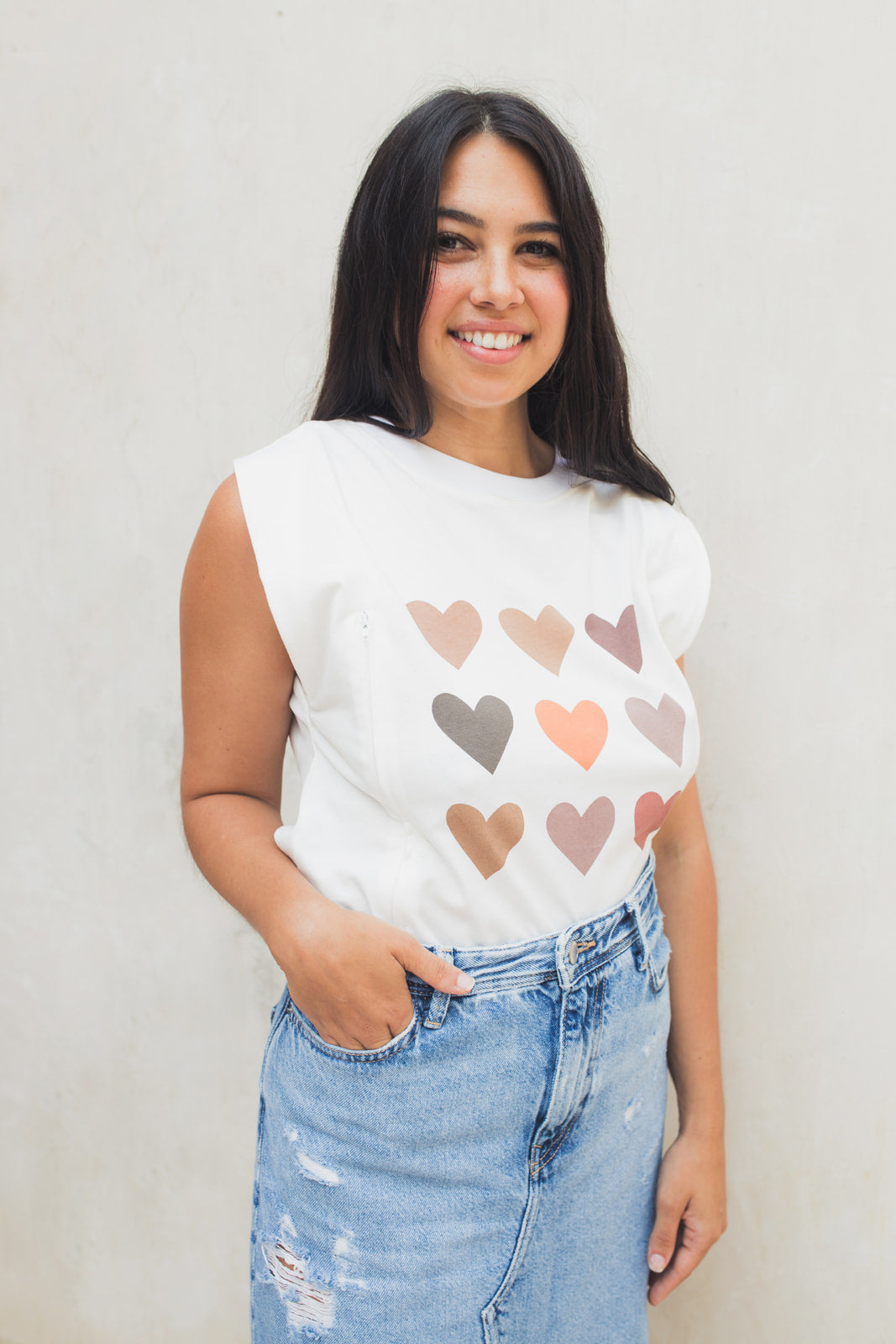

COEURS nursing tank top
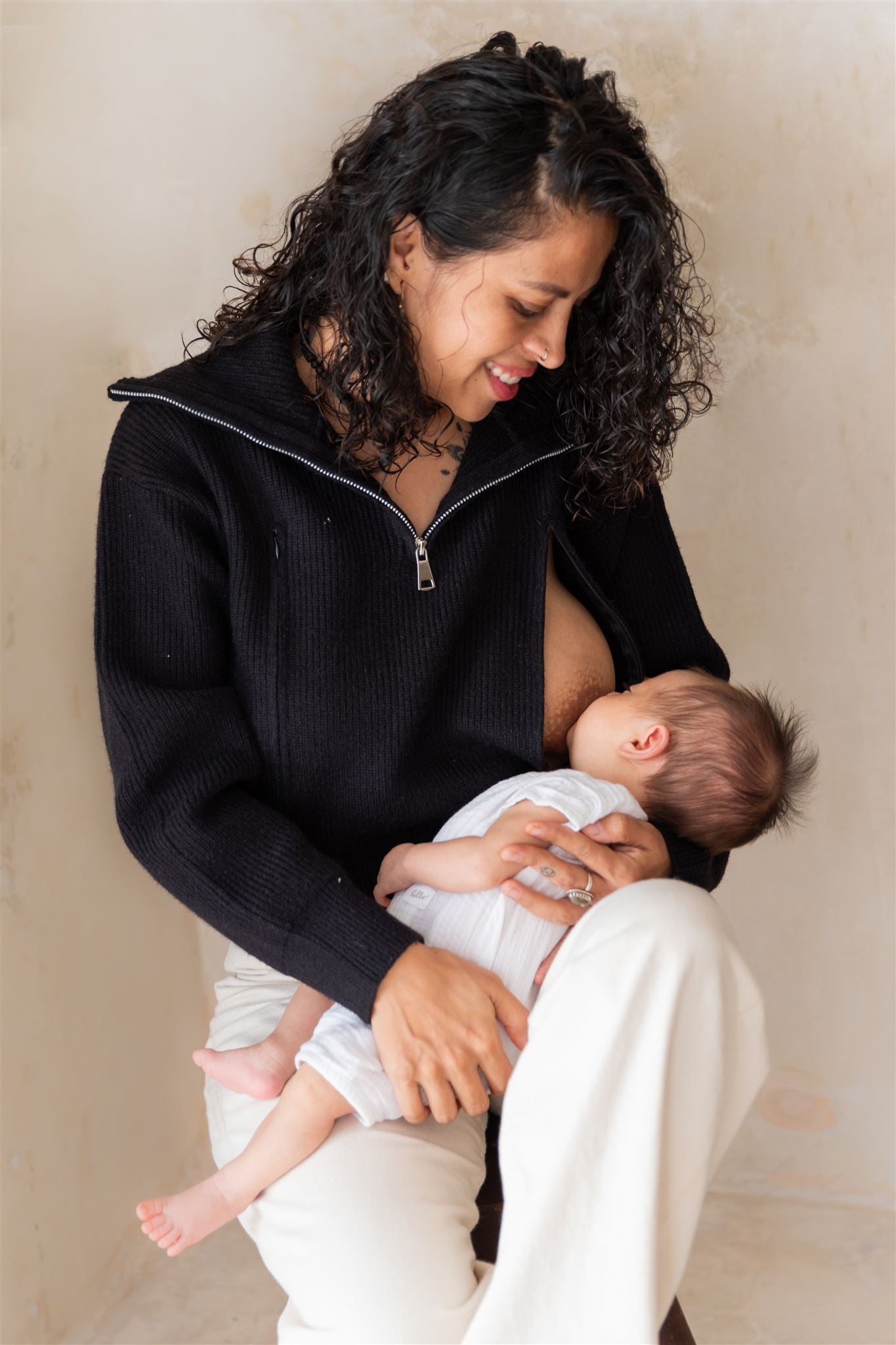
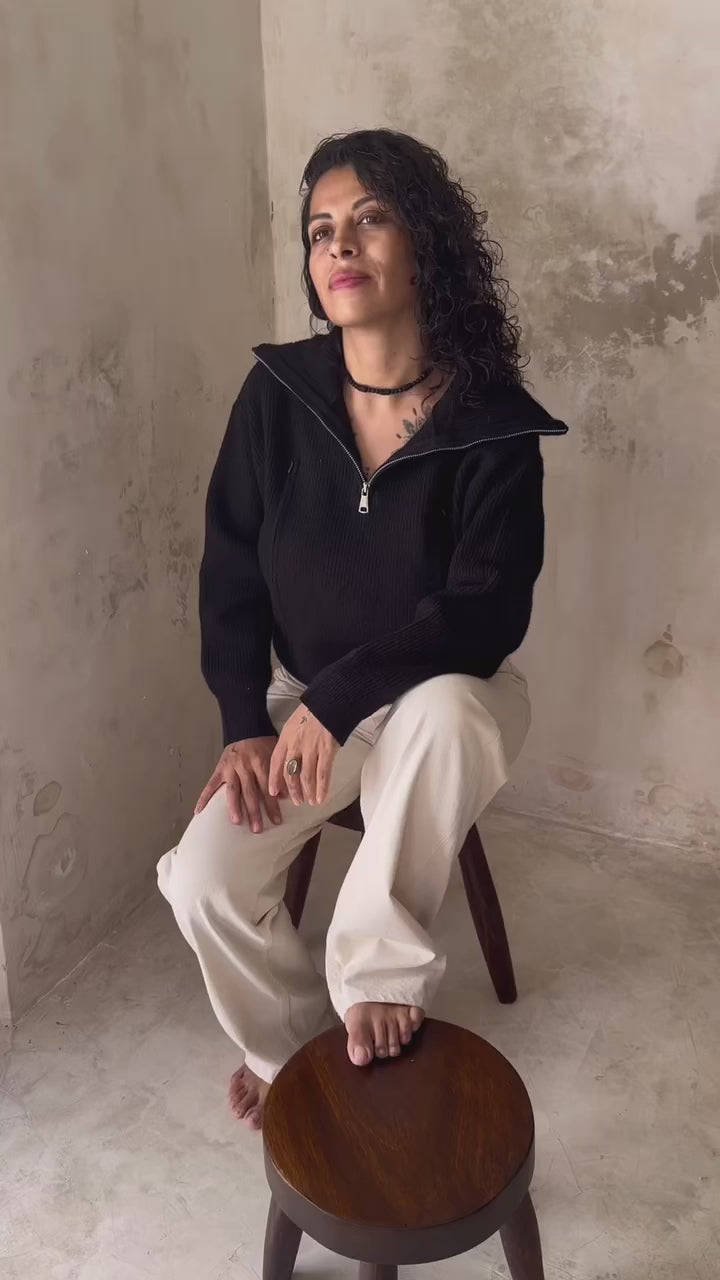
CHIIARA black nursing sweater
Can you continue to breastfeed when you're sick in the winter?
Yes, in the vast majority of cases, not only can you continue to breastfeed, but it’s actually strongly recommended. It’s one of the most counterintuitive aspects of motherhood: when a mother gets sick, many people automatically assume it’s best to stop breastfeeding to protect the baby. It’s actually the exact opposite.
As soon as a mother is exposed to a virus or bacteria, her immune system produces specific antibodies that pass directly into her breast milk. By continuing to breastfeed while she is sick, the mother passes these antibodies on to her baby in real time—providing natural, personalized immune protection that cannot be replicated in any other way. Stopping breastfeeding deprives the baby of precisely this protection at the very moment when he or she needs it most.
Does breast milk change when the mother is sick?
Yes, and in a good way. When a mother contracts an infection—such as a cold, the flu, gastroenteritis, or another winter virus—her body detects the pathogen and immediately begins producing targeted antibodies. These antibodies appear in breast milk within a few hours, sometimes even before the mother’s first symptoms appear.
The composition of breast milk also adapts in terms of white blood cells and immune factors to strengthen the baby’s protection. This is one of the most remarkable mechanisms of breastfeeding: breast milk is a living fluid that changes in real time to meet the needs of the situation.
Should you stop breastfeeding if you have the flu?
No. The flu, even a severe case, is not a contraindication to breastfeeding. The flu virus is not transmitted through breast milk; it is transmitted through the air via respiratory droplets. Continuing to breastfeed allows the mother to pass on the flu antibodies she produces to her baby, strengthening the baby’s natural protection.
If the mother is very weak and has trouble holding the baby to breastfeed, she can pump her milk and have it fed to the baby by bottle until she recovers. The most important thing is that the baby continues to receive breast milk, as it contains the immune protection.
Can you breastfeed if you have a cold or sinusitis?
Yes, without any restrictions. The common cold and sinusitis are upper respiratory tract infections that are not transmitted through breast milk. Continuing to breastfeed while you have a cold is not only safe for your baby, but it also provides your baby with the antibodies your body produces against the virus that causes the cold.
Basic hygiene precautions apply: wash your hands before each feeding, avoid sneezing or coughing directly onto the baby’s face, and wear a mask if you have severe symptoms. These precautions reduce airborne viral transmission without interfering with continued breastfeeding.
Can you breastfeed if you have winter gastroenteritis?
Yes, and it’s especially important to keep breastfeeding. Gastroenteritis, which is very common in winter, is caused by viruses such as norovirus or rotavirus, which, again, are not transmitted through breast milk. Continuing to breastfeed during an episode of gastroenteritis protects the baby through the antibodies passed on and significantly reduces the risk that the baby will develop the illness or experience a severe form of it.
The main challenge for a mother during a stomach bug is to stay hydrated; breastfeeding increases her fluid needs, and diarrhea or vomiting further exacerbate them. Drinking water, broth, or rehydration drinks regularly is essential to maintain milk production and prevent dehydration.
What medications can you take in the winter while breastfeeding?
This is the question almost every breastfeeding mother asks herself when her baby gets the first winter cold. The answer depends on the medication, and caution is always advised, but many common medications are safe to take while breastfeeding.
Acetaminophen is generally considered the safest first-line medication for relieving fever and pain while breastfeeding. Ibuprofen is also often considered safe, but you should check with your doctor or pharmacist. Aspirin, on the other hand, is not recommended while breastfeeding.
Before taking any medication while breastfeeding—whether prescription or over-the-counter—always consult your doctor or pharmacist. In France, the Reference Center for Teratogenic Agents (CRAT) also offers an online database on the compatibility of medications with breastfeeding.
Can the disease reduce milk production?
Yes, temporarily. Fever, dehydration, and severe fatigue associated with a winter illness can lead to a slight decrease in milk production. This is a temporary and reversible phenomenon; milk production returns to its usual level as soon as the mother recovers.
To minimize this impact, there are two priorities: staying well-hydrated throughout the illness, and continuing to breastfeed or pump as regularly as possible. Regular breast stimulation is the best way to maintain lactation, even on difficult days.
Can my baby still get sick even if I'm breastfeeding?
Yes, breastfeeding significantly reduces the risk of illness and the severity of symptoms, but it does not provide 100% protection. A baby can catch a virus through the air by coming into contact with a sick mother, other family members, or while out and about, even if the baby is breastfed.
The difference is significant: breastfed babies statistically have fewer respiratory and gastrointestinal infections, and when they do get sick, the illnesses are generally less severe and recovery is faster. Breastfeeding is a shield, not an impenetrable barrier.
How can you take care of yourself when you're sick and breastfeeding?
Being sick while continuing to breastfeed is challenging, and allowing yourself to rest is essential. Here are a few tips to help you get through these difficult days with as few complications as possible.
Stay well-hydrated by drinking plenty of water, herbal teas, and broths to make up for fluid loss due to illness and maintain milk production. Get as much rest as possible: You can breastfeed while lying on your side, which allows you to rest during feedings. Accept any help offered by family and friends with daily tasks while you recover. And see your doctor right away if your symptoms worsen or if you have any questions about taking medication.
How can you dress comfortably when you're sick and breastfeeding in the winter?
It’s often the last thing on your mind, and yet it makes a big difference. When you’re running a fever, aching all over, and exhausted, having comfortable clothing that doesn’t make breastfeeding any more difficult is a real relief.
Nursing pajamas are the essential item for days when you’re sick: soft against the skin, with zipper openings that let you nurse without undressing, and comfortable for lying down between feedings. On very cold days or when you have a fever with chills, a lightweight nursing sweater worn over your pajamas adds a layer of warmth without making it harder to access your breast.
What is the return policy for 23 Mai Paris nursing clothing 23 Mai Paris
You have 14 days from the date you receive your order to let us know if an item does not meet your expectations and request a refund. Please note that exchanges are not available; only refunds are offered.
Customized items featuring embroidery are excluded from this policy and cannot be returned or refunded. For any inquiries, please contact our customer service team in advance at the following email address: bonjour@23maiparis.com.
You can also find more designs here
Breastfeeding pyjamas
Breastfeeding pyjamas
Breastfeeding sweaters
Warm breastfeeding clothes
Breastfeeding t-shirts
Our blog post: Breastfeeding in Winter