Filters


Breastfeeding t-shirt white LOVE


Breastfeeding t-shirt "AMOUR" Breastfeeding t-shirt


Breastfeeding t-shirt PINK HEART


Breastfeeding t-shirt sleeves) - Gray


Breastfeeding t-shirt POP Breastfeeding t-shirt
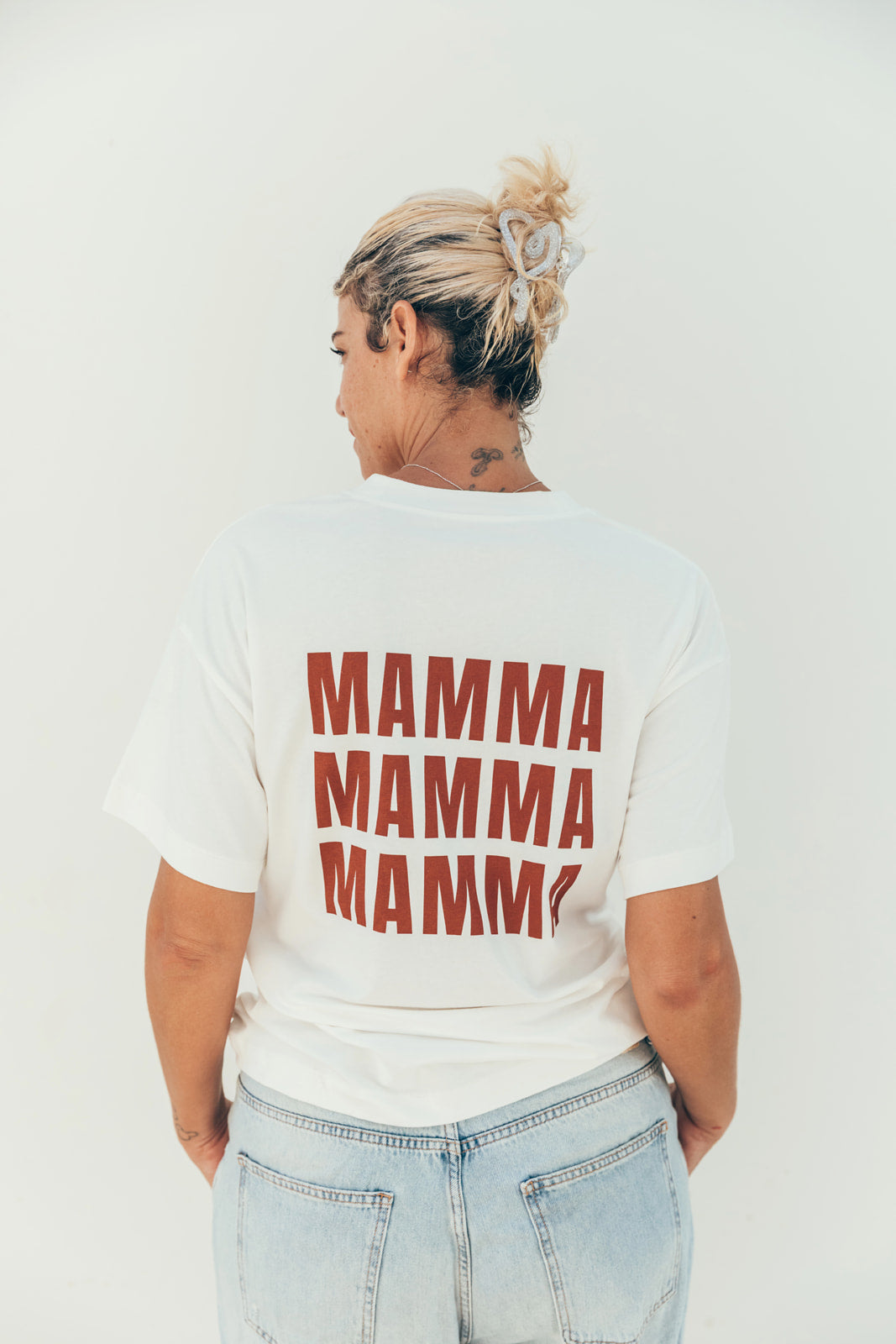
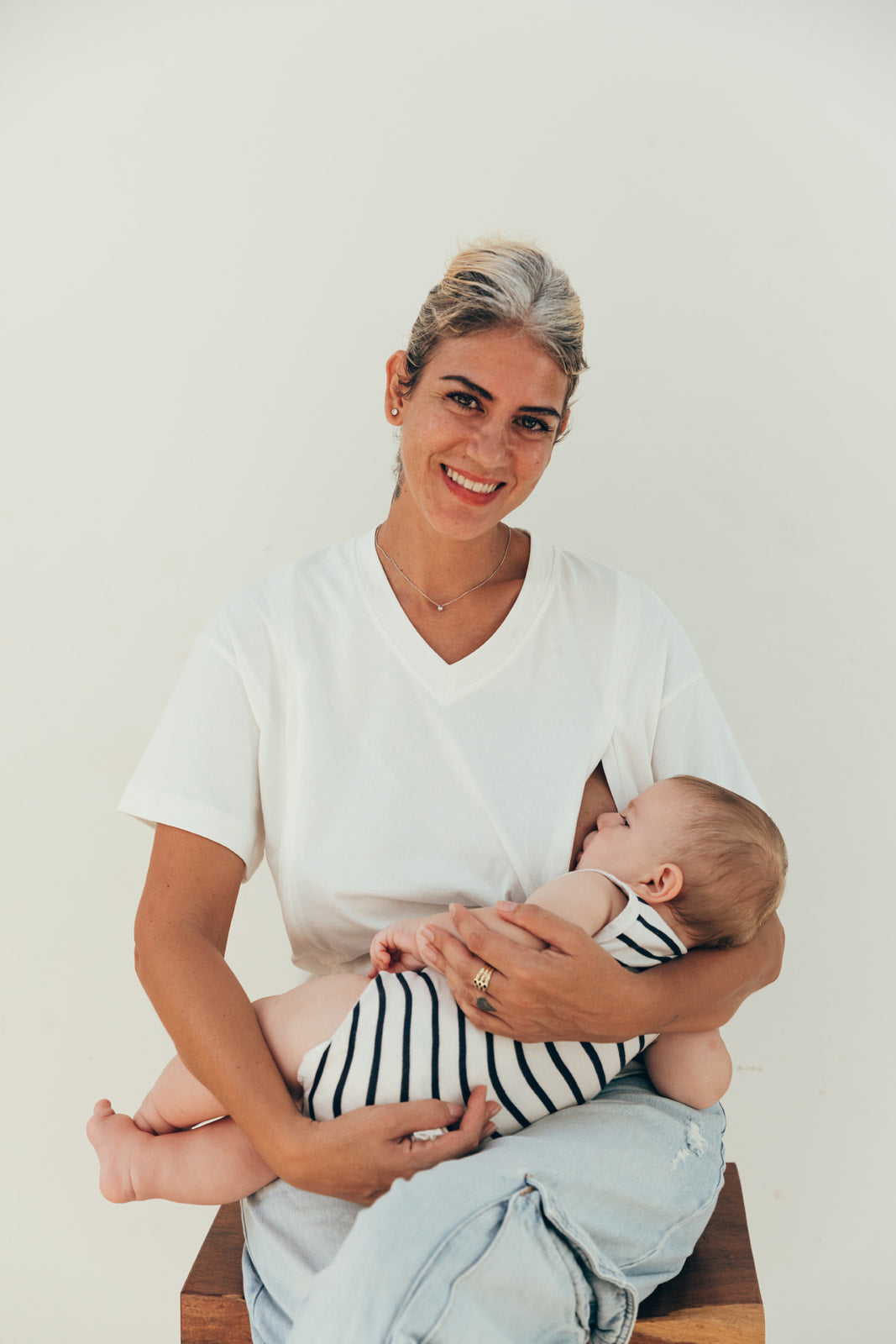
Breastfeeding t-shirt BROWN


Nursing shirt


Breastfeeding t-shirt AT


Women's t-shirt AMORE


MILK BOX Breastfeeding t-shirt


Breastfeeding t-shirt REAL


Glow Breastfeeding t-shirt


White Breastfeeding t-shirt


Breastfeeding t-shirt MAMMA CLUB
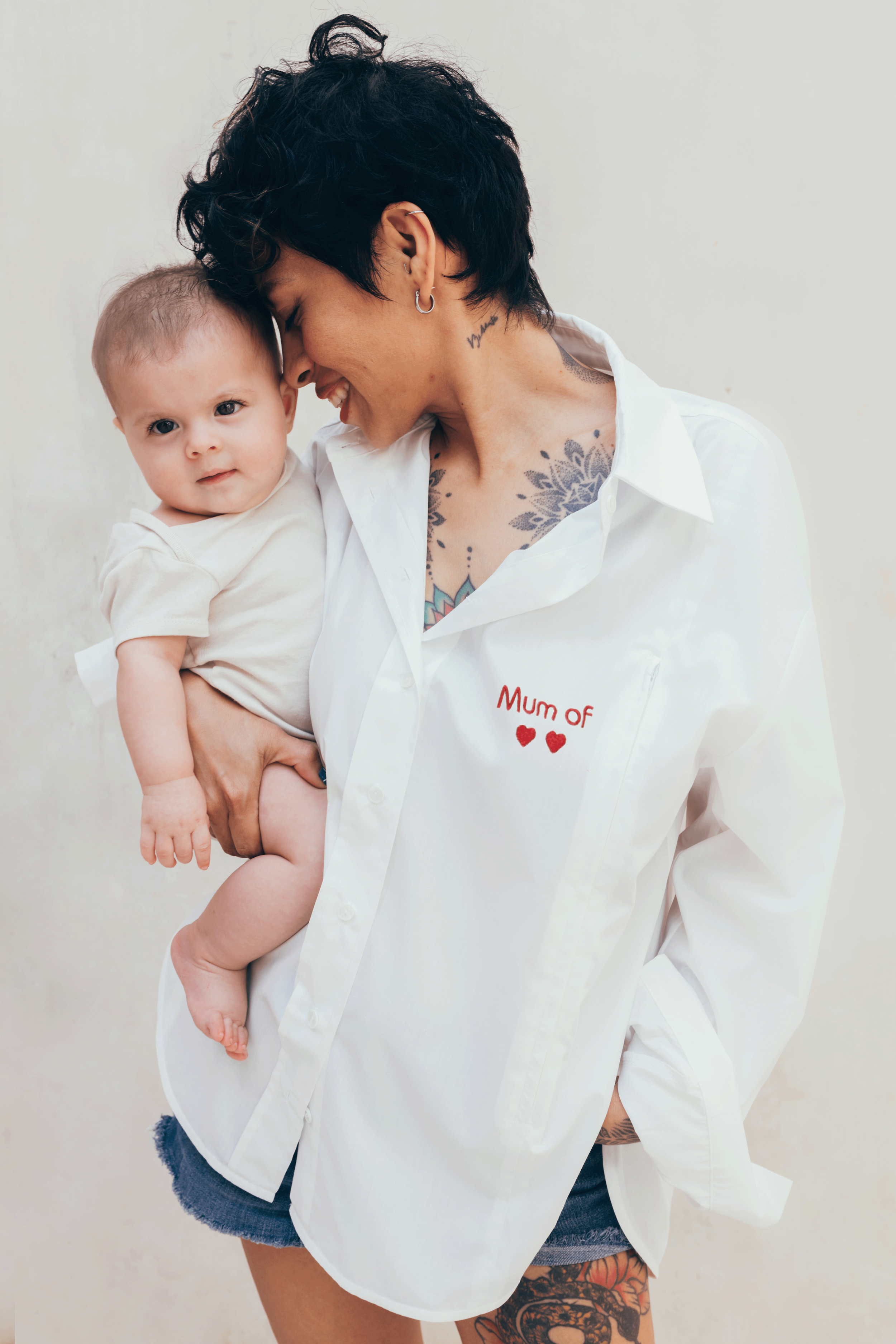

MUM OF nursing shirt


Breastfeeding t-shirt "LOVE" Breastfeeding t-shirt


LUCKY CHARM Breastfeeding t-shirt

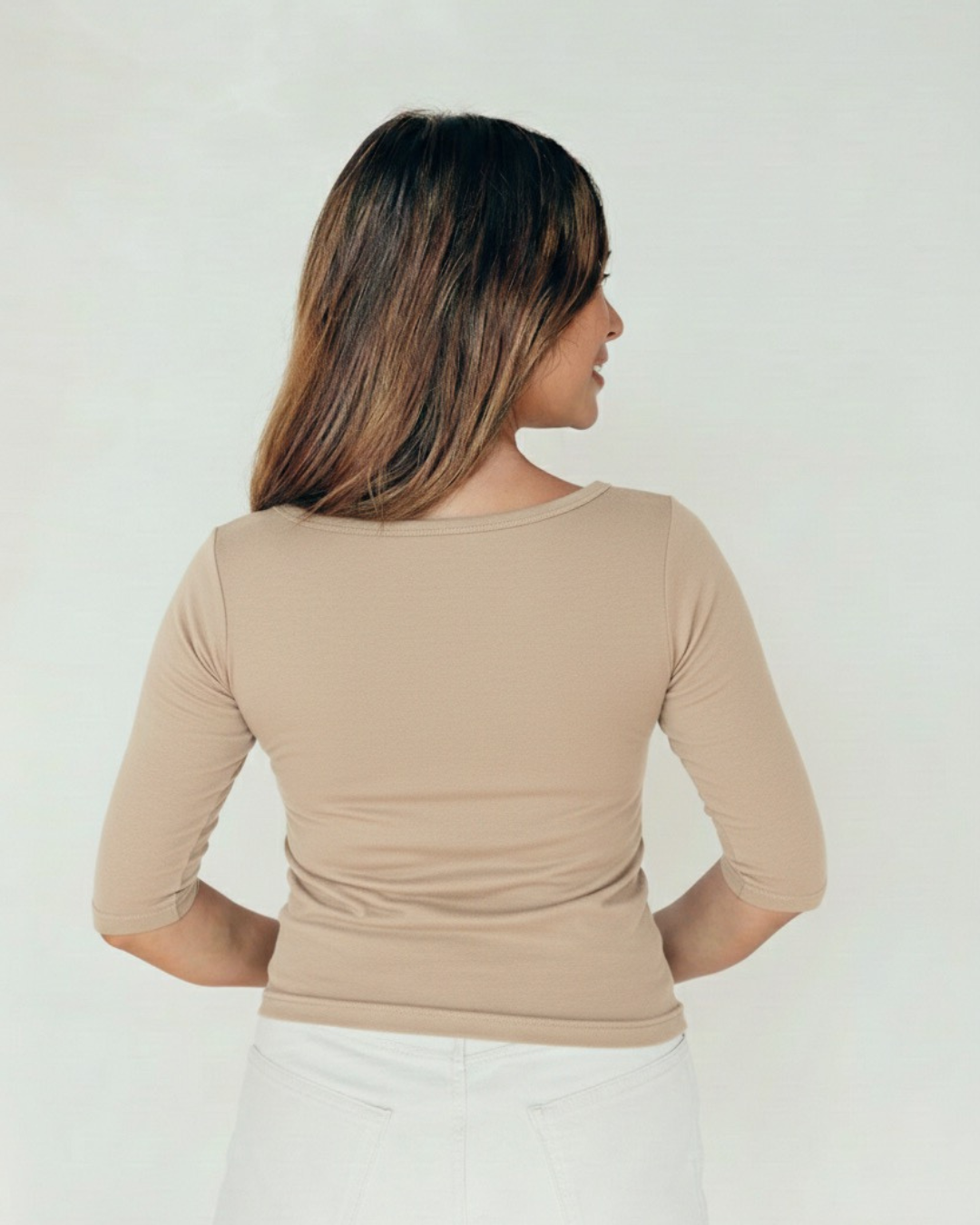
Breastfeeding t-shirt sleeves) - Taupe


Breastfeeding t-shirt


Breastfeeding t-shirt #MOMMY


Breastfeeding t-shirt #MOMMY
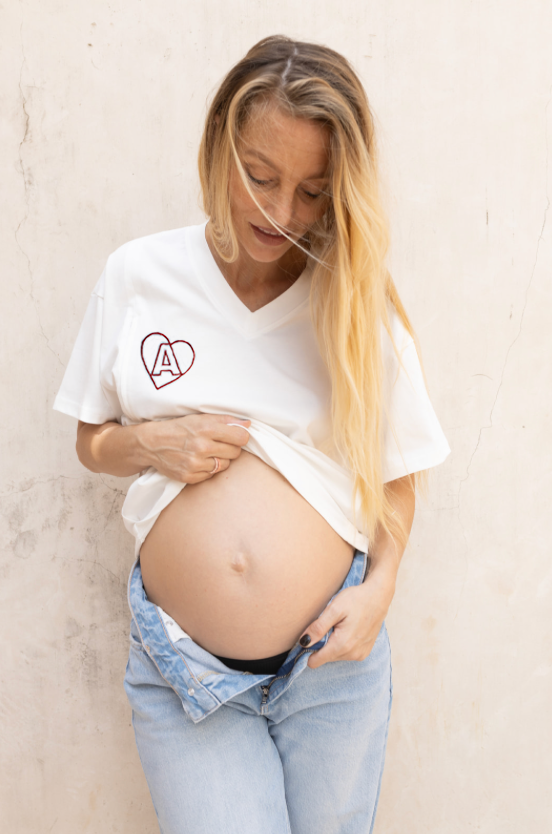

ALPHA Breastfeeding t-shirt


Breastfeeding t-shirt MILK BOX Breastfeeding t-shirt


MILK nursing shirt


Breastfeeding t-shirt AMORE Breastfeeding t-shirt


Breastfeeding t-shirt LOVE

MOMMY Breastfeeding t-shirt


Breastfeeding t-shirt #MOMMY


Breastfeeding t-shirt in sea Breastfeeding t-shirt #MOMMY
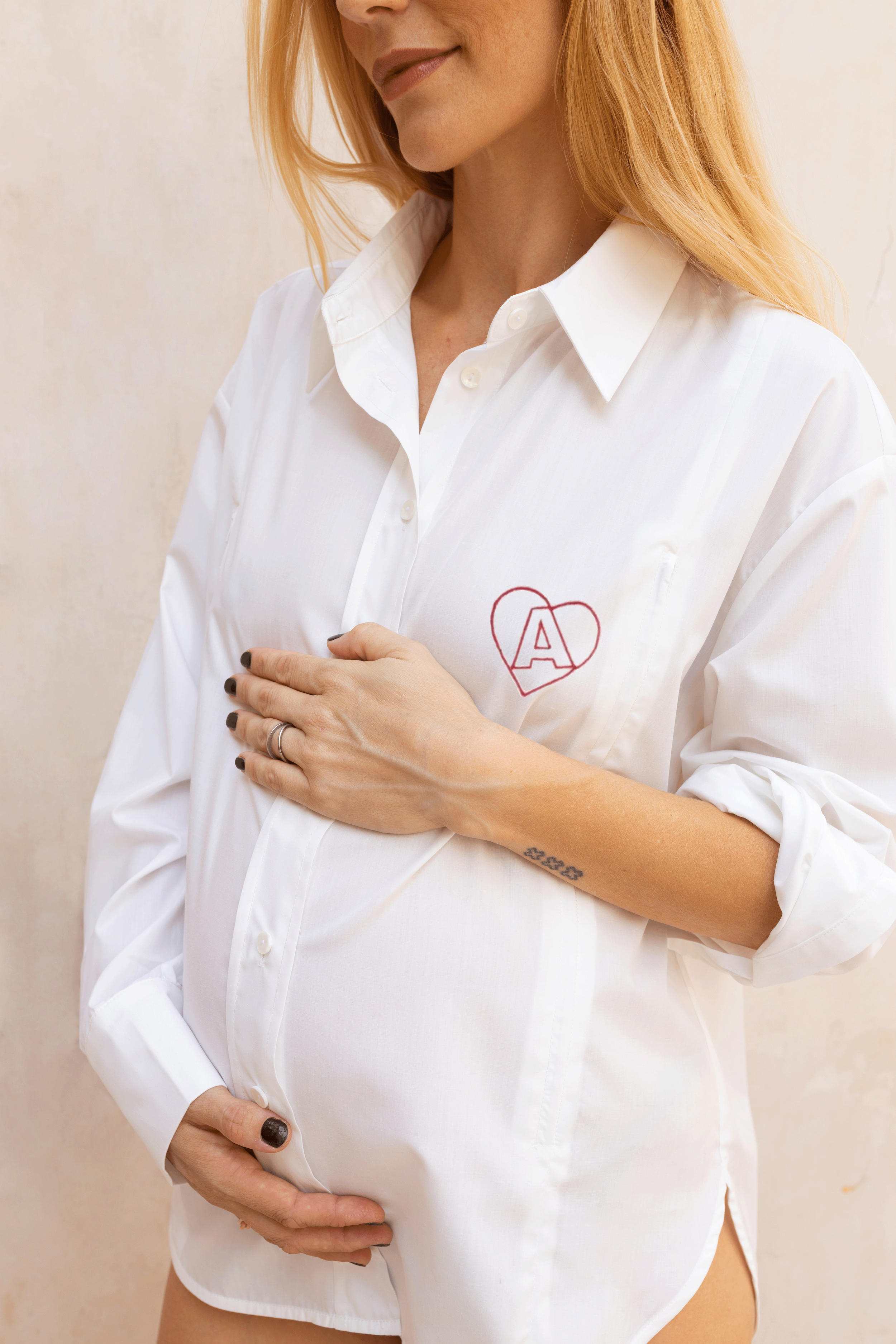
ALPHA nursing shirt


Breastfeeding t-shirt MAMMA

LUCKY CHARM Breastfeeding t-shirt


Women's t-shirt LOVE

Men's T-shirt #AMORE


MILK BOX Breastfeeding t-shirt


LUCKY CHARM Breastfeeding t-shirt

AMORE nursing shirt

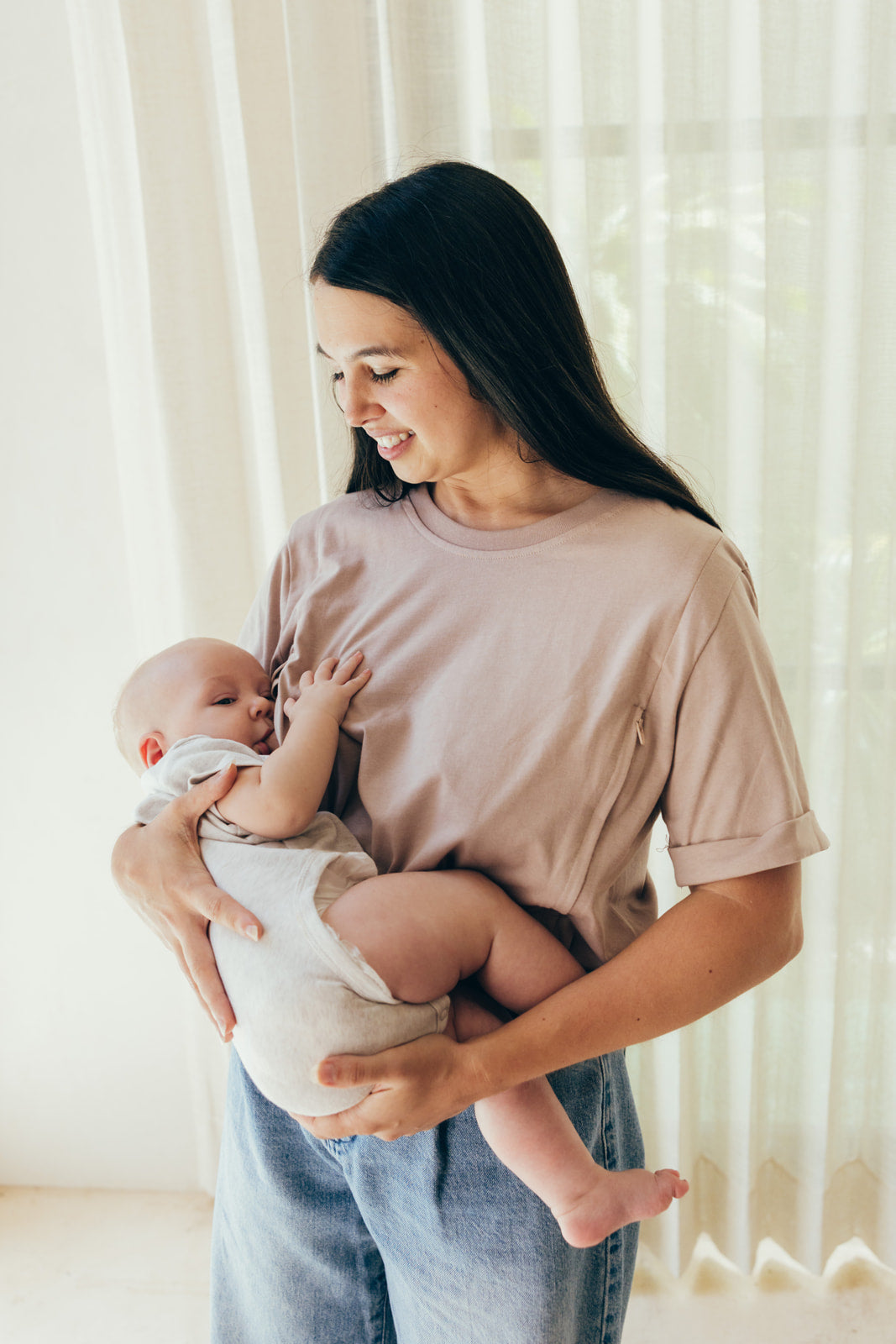
Breastfeeding t-shirt

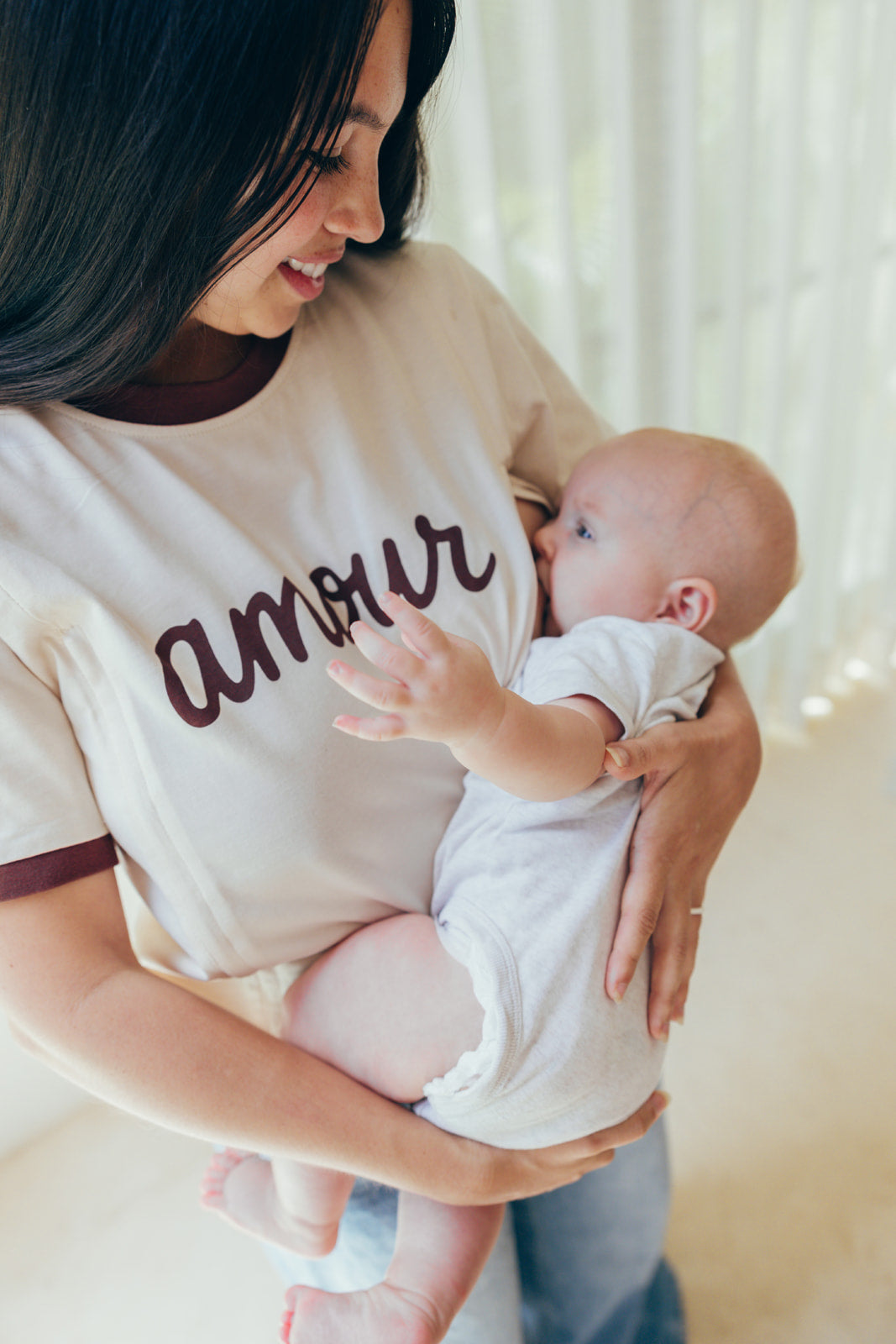
Breastfeeding t-shirt "BICOLORE AMOUR" Breastfeeding t-shirt
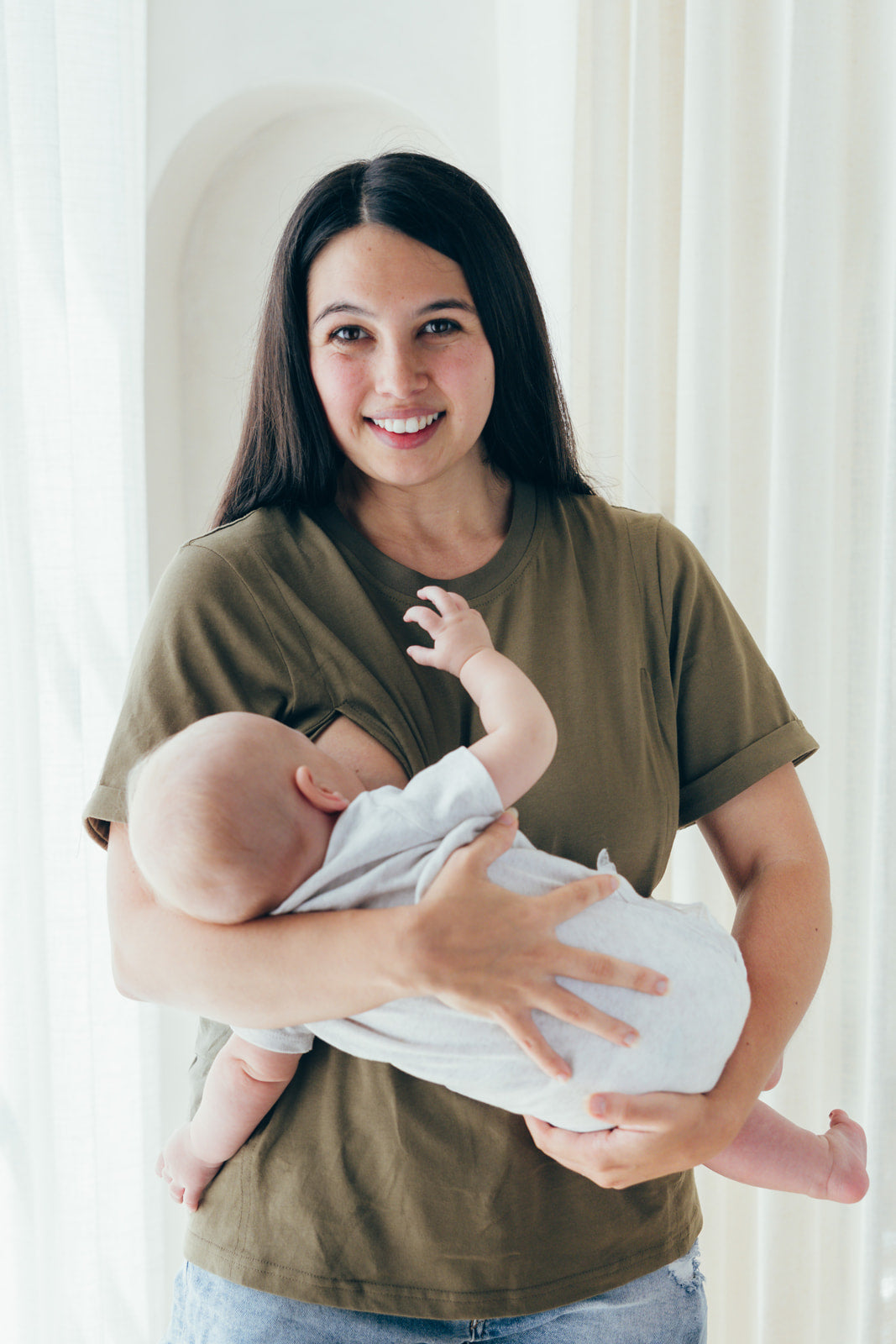

Breastfeeding t-shirt


Women's t-shirt ALPHA
Breastfeeding t-shirt
Breastfeeding t-shirt Long-Sleeve Breastfeeding t-shirt
Breastfeeding t-shirt , Medium
Breastfeeding t-shirt , Medium


Breastfeeding t-shirt "I SEE YOU" Breastfeeding t-shirt

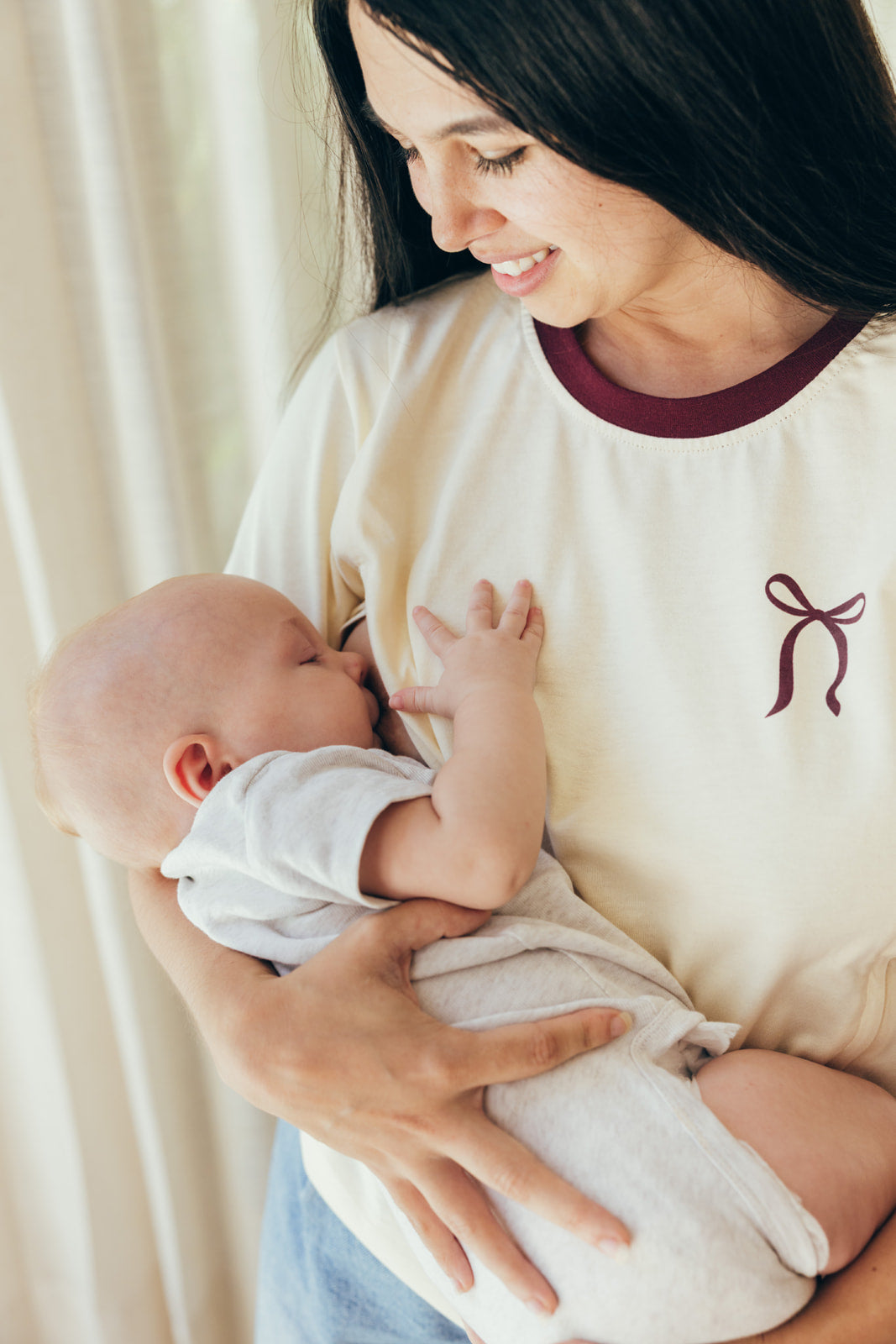
Breastfeeding t-shirt Bow Breastfeeding t-shirt

Men's T-shirt #AVION
Yes, absolutely—and it’s one of the most common misconceptions to believe that returning to work automatically means the end of breastfeeding. Returning to work in September while breastfeeding is not only possible, but is done every day by thousands of mothers in France. With good organization, the right equipment, and accurate information about your rights, you can continue breastfeeding for as long as you’d like—whether you’re working full-time, part-time, or partially from home.
The start of the school year in September is actually a particularly good time to prepare with peace of mind: the weeks in July and August give you a chance to plan ahead, build up a milk supply, get your baby used to the bottle, and sort out the logistics of using the breast pump before the first day back.
What are my legal rights regarding breastfeeding at work in France?
French law is clear and protects breastfeeding mothers in the workplace. As an employee, you are entitled to a one-hour reduction in your workday for breastfeeding, divided into 30 minutes in the morning and 30 minutes in the afternoon, throughout your baby’s first year of life, starting from the day of birth.
This right applies regardless of your length of service or the type of contract you have, and your employer cannot deny it to you. This hour may be used to breastfeed directly if your baby is being cared for near your workplace, or to pump breast milk. In addition, your employer is legally required to provide you with a suitable space for pumping breast milk—one that is clean, private, and equipped with a comfortable chair and an electrical outlet. This space cannot be a restroom. If you encounter difficulties with your employer regarding these rights, the occupational health physician and the labor inspectorate are the appropriate contacts.
How can you prepare to go back to work in September if you're breastfeeding?
Preparation is the key to a smooth return to work for a breastfeeding mom. Ideally, start getting organized 3 to 4 weeks before your actual return-to-work date.
Start building up your milk supply by pumping a small extra amount each morning—when your milk supply is at its peak—and gradually freeze it. A few 60- to 120-ml bags per day are enough to build a comfortable supply for the first week. Gradually get your baby used to the bottleif you want them to drink your expressed milk while you’re away, starting with one bottle a day several weeks before you return to work. Some breastfed babies initially refuse the bottle; the person caring for them will often be more successful than you at introducing it, since the baby doesn’t sense your presence and is less likely to seek the breast. Choose your breast pump and take the time to familiarize yourself with how it works before you return to work—there’s no need to figure it out on your first day back at the office. Andinform your childcare provider about your breastfeeding plan from the very first contact—whether it’s a nanny, daycare, or grandparents—by giving them all the information on how to store and use breast milk.
Which breast pump should I choose for when I go back to work in September?
Choosing a breast pump is key to returning to work and requires careful consideration based on your individual situation. There are several factors to take into account.
The double-pump electric breast pump is the most effective solution for maintaining milk supply and saving time—it pumps both breasts simultaneously, cutting the session time in half. It is particularly recommended for women returning to full-time work who need to pump several times a day. Thehands-free or portable breast pump is particularly well-suited for the workplace: discreet and cordless, it can be worn under clothing during a meeting or at the office without taking up both hands. It’s a truly life-changing investment for moms with busy schedules. A manual breast pump may be sufficient for part-time work or for situations where pumping sessions are infrequent and brief.
How can you plan to pump breast milk at the office when school starts again?
Organizing the logistics of drop-off at school is often the most stressful part for moms returning to work in September. Here are a few simple tips to help you tackle this step with ease.
Determine where you’ll pump before your first day back at work—talk to your HR representative or manager ahead of time, without waiting until the last minute. Prepare your pumping kit at the office to keep in your bag or a desk drawer at all times: a breast pump, labeled sterile storage bags or containers, a cooler or insulated bag for transporting milk, spare nursing pads, and wipes for quickly cleaning your equipment. Schedule your pumping sessions in your calendar just like meetings—set aside fixed time slots and stick to them, especially during the first few weeks when consistency is essential for maintaining your milk supply. And find out what equipment is available at the office—a refrigerator to store milk pumped during the day, and electrical outlets in the designated area.
How many times a day should you pump at work to maintain your milk supply?
How often you pump depends on your baby's age and the number of hours you spend at the office. The general rule is to mimic as closely as possible the feeding schedule your baby would have had if you were there.
For a baby under 6 months who nurses frequently, two to three pumping sessions per full workday are generally needed to maintain milk supply. For an older baby whose feedings naturally become less frequent, one to two sessions may be sufficient. Ideally, you should not let more than 3 to 4 hours pass without stimulation through breastfeeding or pumping to prevent engorgement and maintain milk supply. In the first few weeks, it is normal for pumping to be less productive than direct breastfeeding—the breast responds less well to the pump than to the baby—but milk production gradually adjusts.
How can you manage childcare and breastfeeding when school starts in September?
Choosing and arranging childcare is closely tied to continuing to breastfeed when school starts. Here are a few key points to consider depending on your childcare arrangement.
Childcare provider: This is often the most flexible childcare option for breastfeeding. Let her know about your plans right from the first meeting, explain the guidelines for storing and using breast milk, and prepare a clear summary sheet. The adjustment period, which you can use to test the logistics, is invaluable.Daycare centers: Daycare centers generally have established protocols for handling breast milk. Find out about their acceptance criteria—required containers, labeling, and quantities—as soon as you enroll your child. Family: Whether it’s grandparents or other relatives, make sure they understand and follow the guidelines for storing breast milk and that they don’t give in to the temptation to supplement with formula without telling you.
How can I maintain my milk supply when school starts in September?
Returning to work in September is often accompanied by a temporary decrease in milk supply—due to stress, pumping sessions that are less effective than direct breastfeeding, and fatigue from the start of the school year. This is a normal phenomenon and is usually temporary.
To minimize this impact, continue breastfeeding directly in the morning before leaving for work, in the evening when you get home, at night, and on weekends—these direct feedings are the best way to maintain milk production. Stay well-hydrated throughout the day; dehydration is common in the office and directly affects milk production. Eat enough and eat well—the start of the workweek often means meals that are eaten quickly or skipped altogether. And if your milk supply continues to decline beyond 2 to 3 weeks, consult an IBCLC lactation consultant; they are trained to provide specific support to breastfeeding mothers returning to work.
What should you wear to the office when you're breastfeeding as the school year starts in September?
Office attire for breastfeeding mothers requires special consideration, particularly for pumping sessions at the office and for mothers who go home at lunchtime to breastfeed right away.
Nursing T-shirts and tops with discreet side zippers are the most practical solution for the office: professional-looking and invisible at first glance, they allow quick access to the breast for pumping without having to undress completely in the pumping room. When worn under a blazer or jacket for meetings, the zippers remain completely hidden. Breastfeeding dresses with discreet openings are also very popular at the office—a single piece, a complete and professional look, with openings that allow for hassle-free pumping. Avoid: dresses or one-piece tops without a built-in access system that require you to undress completely to pump—an unnecessary source of stress in a professional setting.
The start of the school year in September is also a good time to start thinking about breastfeeding as fall and winter approach. How can you prepare?
The start of the school year in September marks the beginning of the cooler season, and it’s a good idea to plan ahead for fall and winter nursing clothes before the first cold snaps arrive. In fact, this is one of the best times to stock up: the fall-winter collections are arriving, stores are well-stocked, and you have time to get organized before temperatures really start to drop.
A few must-have items to help you navigate fall and winter with ease while breastfeeding at the office: one or two Breastfeeding sweaters with discreet zipper openings that work with office attire, long-sleeve thick-cotton Breastfeeding t-shirts as a base layer, and nursing pajamas for the shorter nights and nighttime wake-ups that return as you adjust to the post-vacation routine.
What is the return policy for 23 Mai Paris nursing clothing 23 Mai Paris
You have 14 days from the date you receive your order to let us know if an item does not meet your expectations and request a refund. Please note that exchanges are not available; only refunds are offered.
Customized items featuring embroidery are excluded from this policy and cannot be returned or refunded. For any inquiries, please contact our customer service team in advance at the following email address: bonjour@23maiparis.com.
You can also find more designs here
Breastfeeding t-shirts Breastfeeding sweaters winter Breastfeeding t-shirts long sleeves Breastfeeding dresses Warm nursing clothes Our blog post: Breastfeeding and Returning to Work—A Practical Guide Our blog post: Breastfeeding Law in France Our blog post: Returning to Work in the Fall While Breastfeeding