Filters
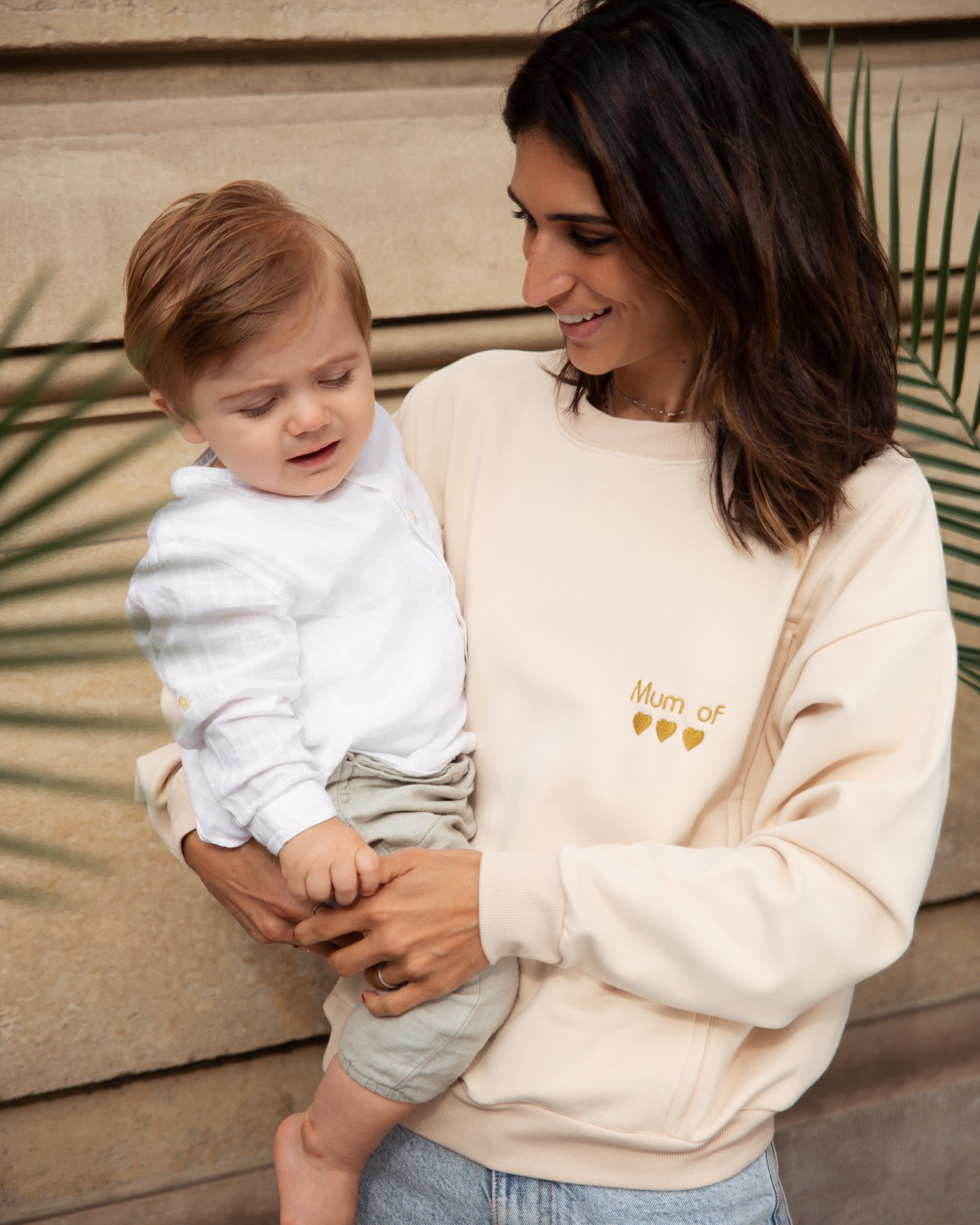

Breastfeeding sweatshirt #MOMMY

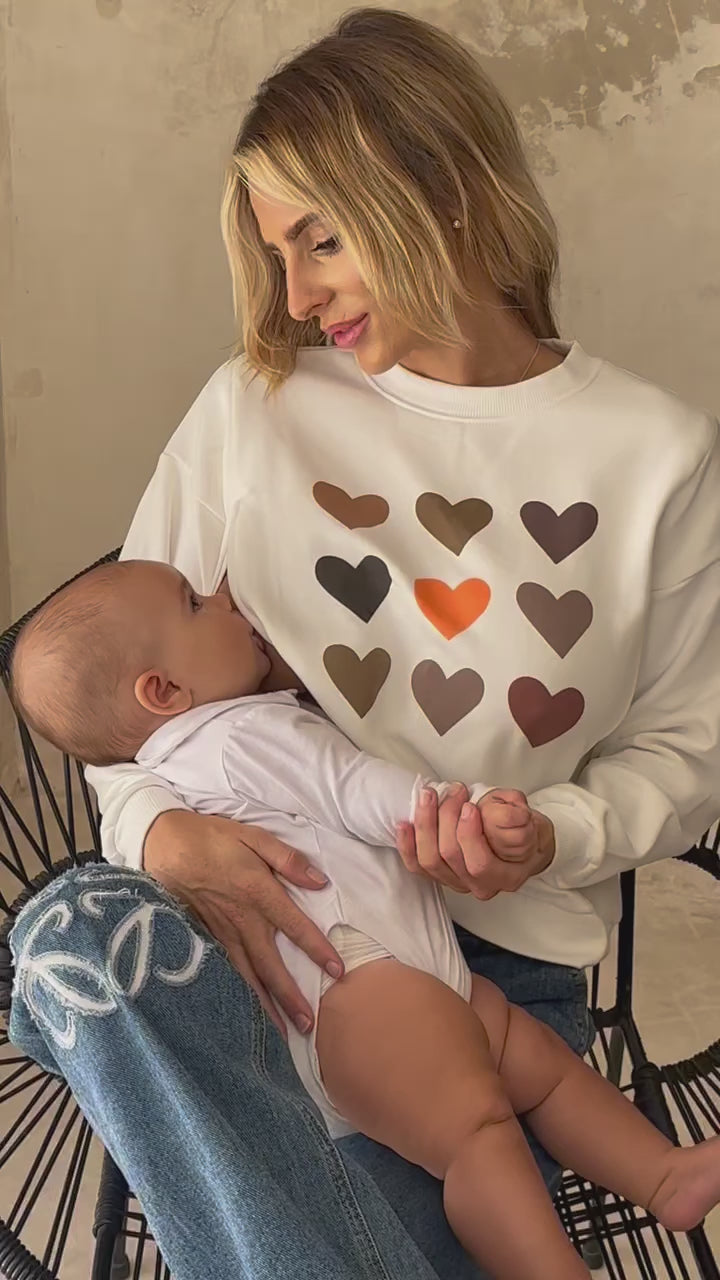
Breastfeeding Sweat-shirt COEURS


Breastfeeding sweat-shirt AMOUR

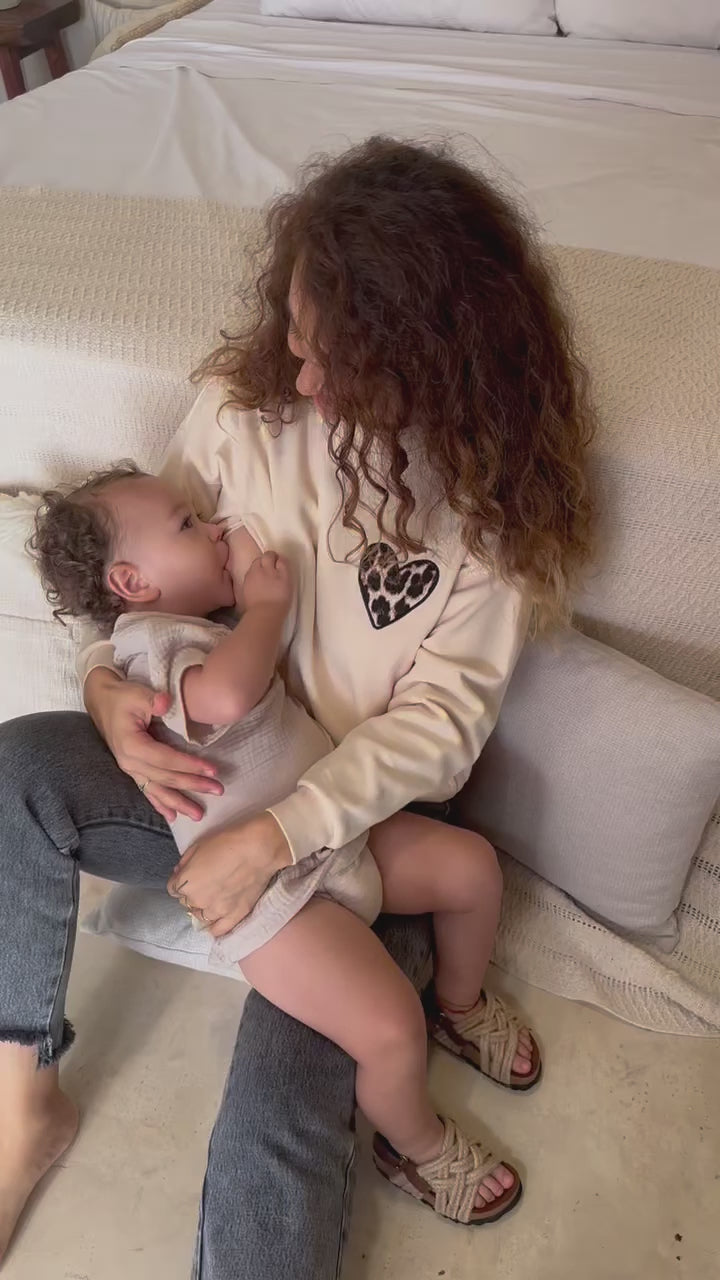
Breastfeeding sweatshirt LEOPARD

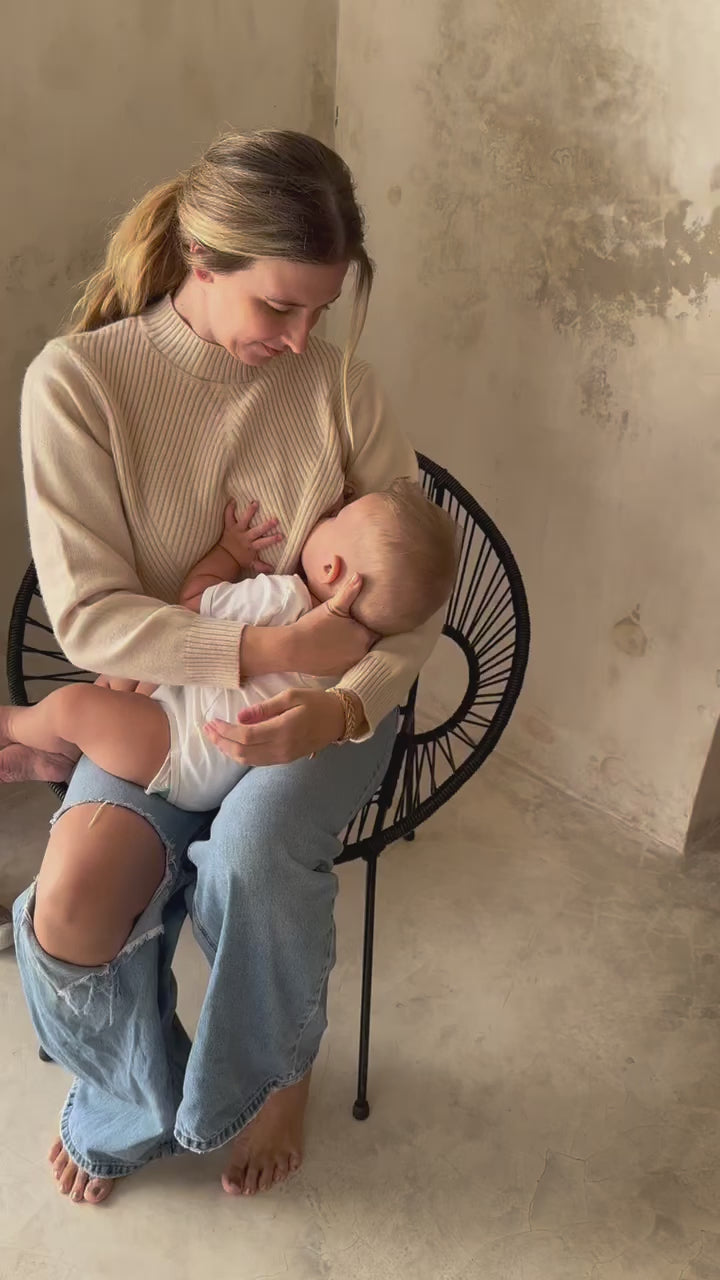
ALMA Ecru Breastfeeding Sweater
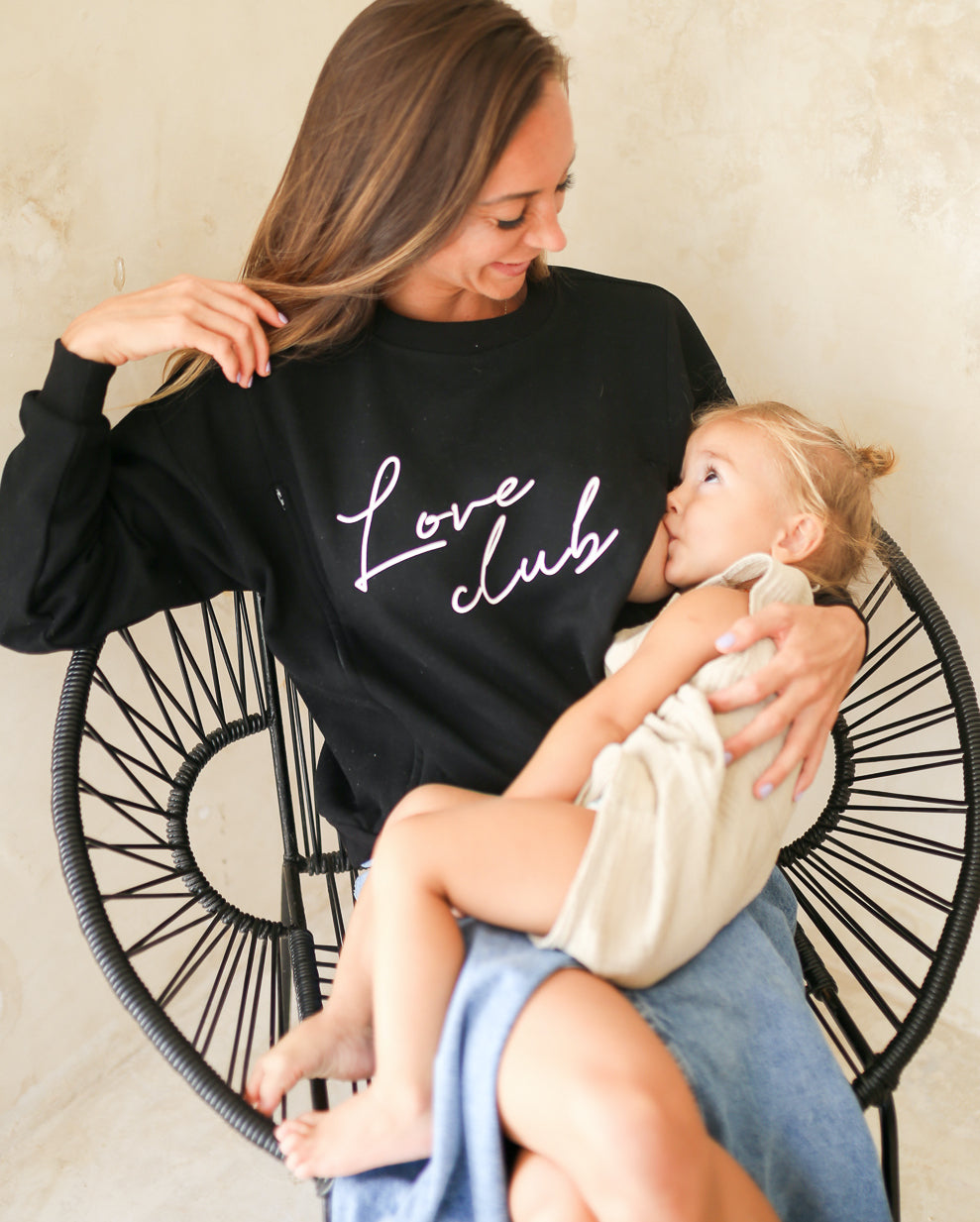

Breastfeeding sweatshirt LOVE CLUB
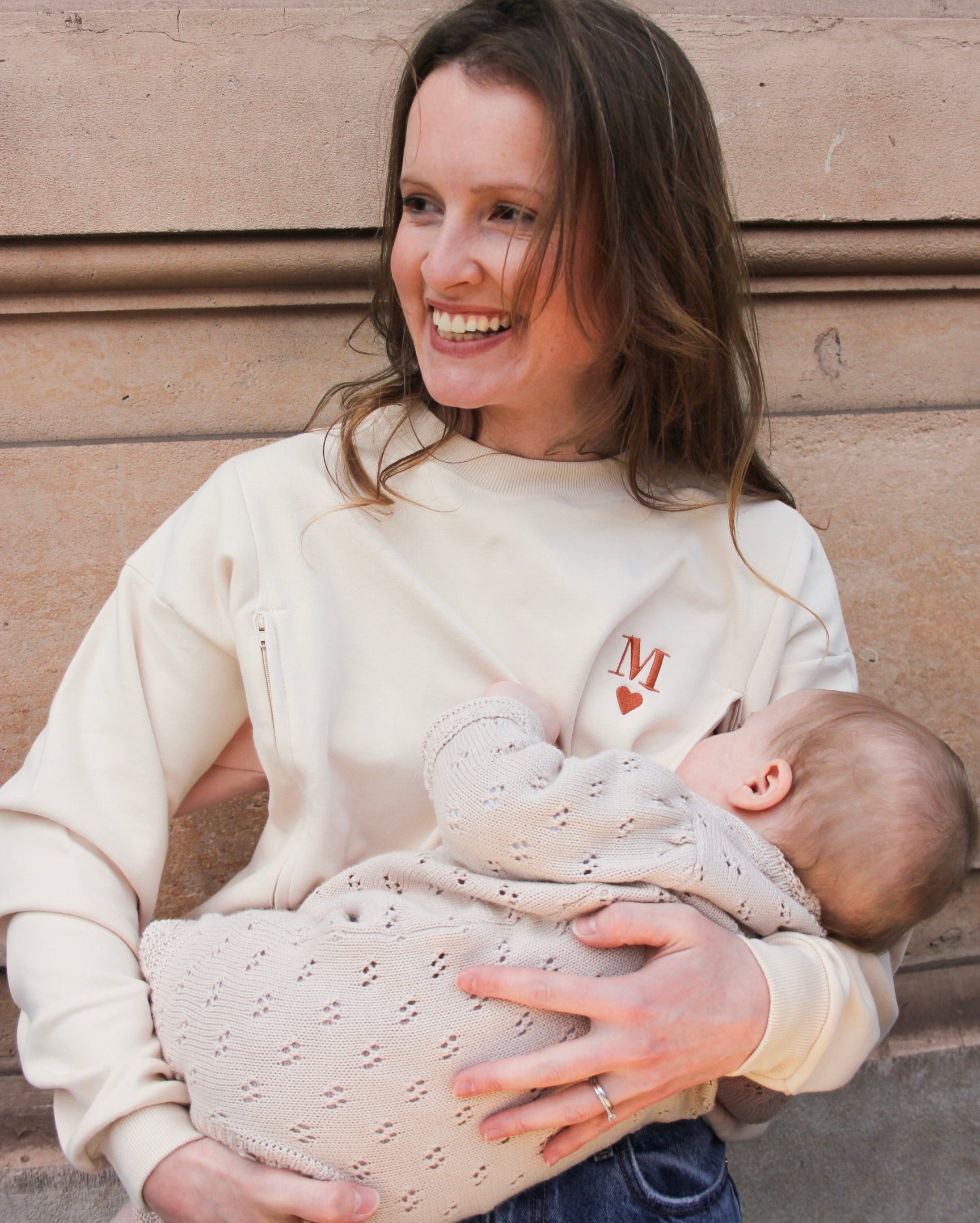
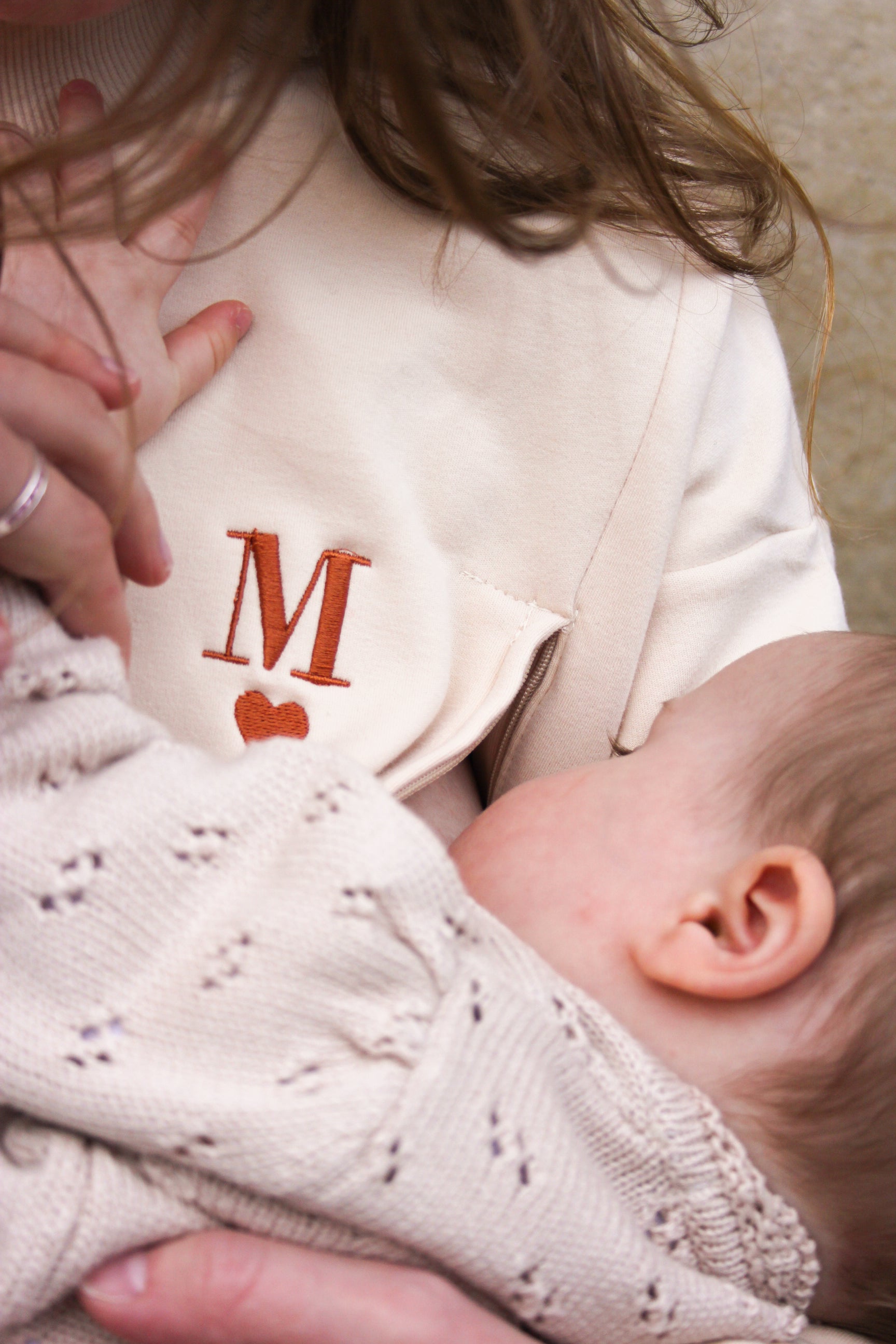
Breastfeeding sweatshirt LUCKY CHARM

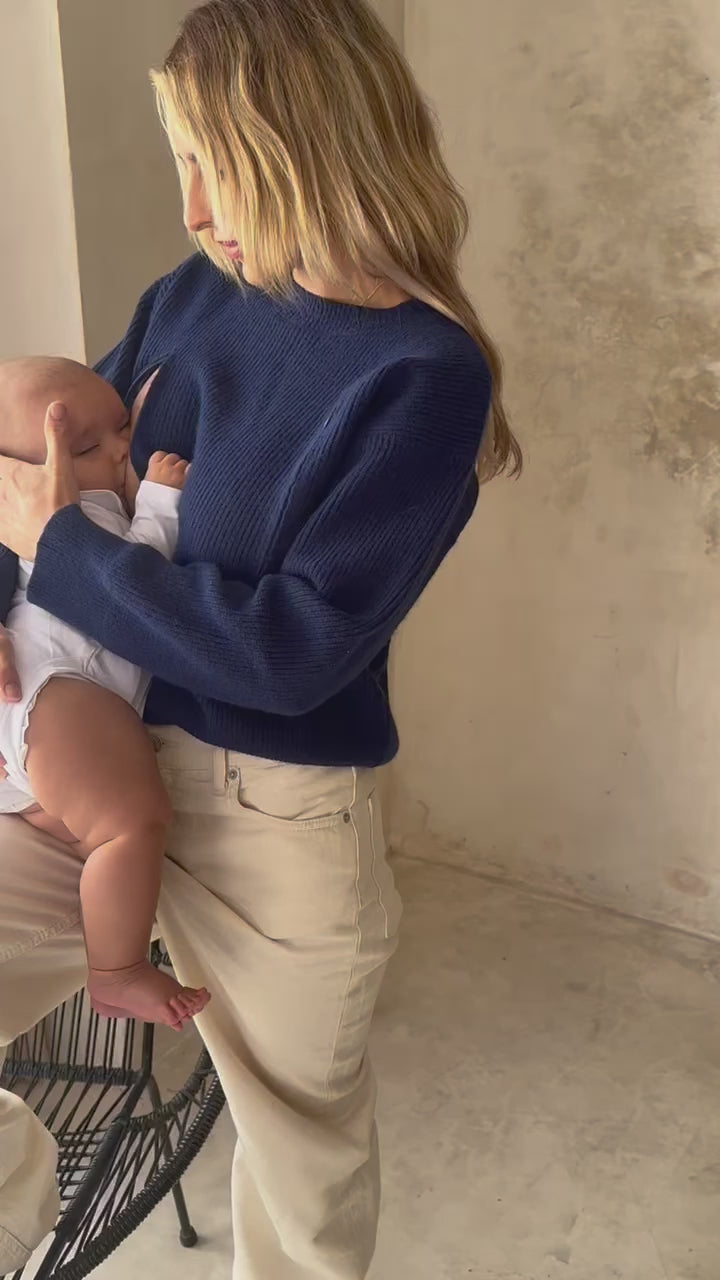
ASSIA navy breastfeeding sweater
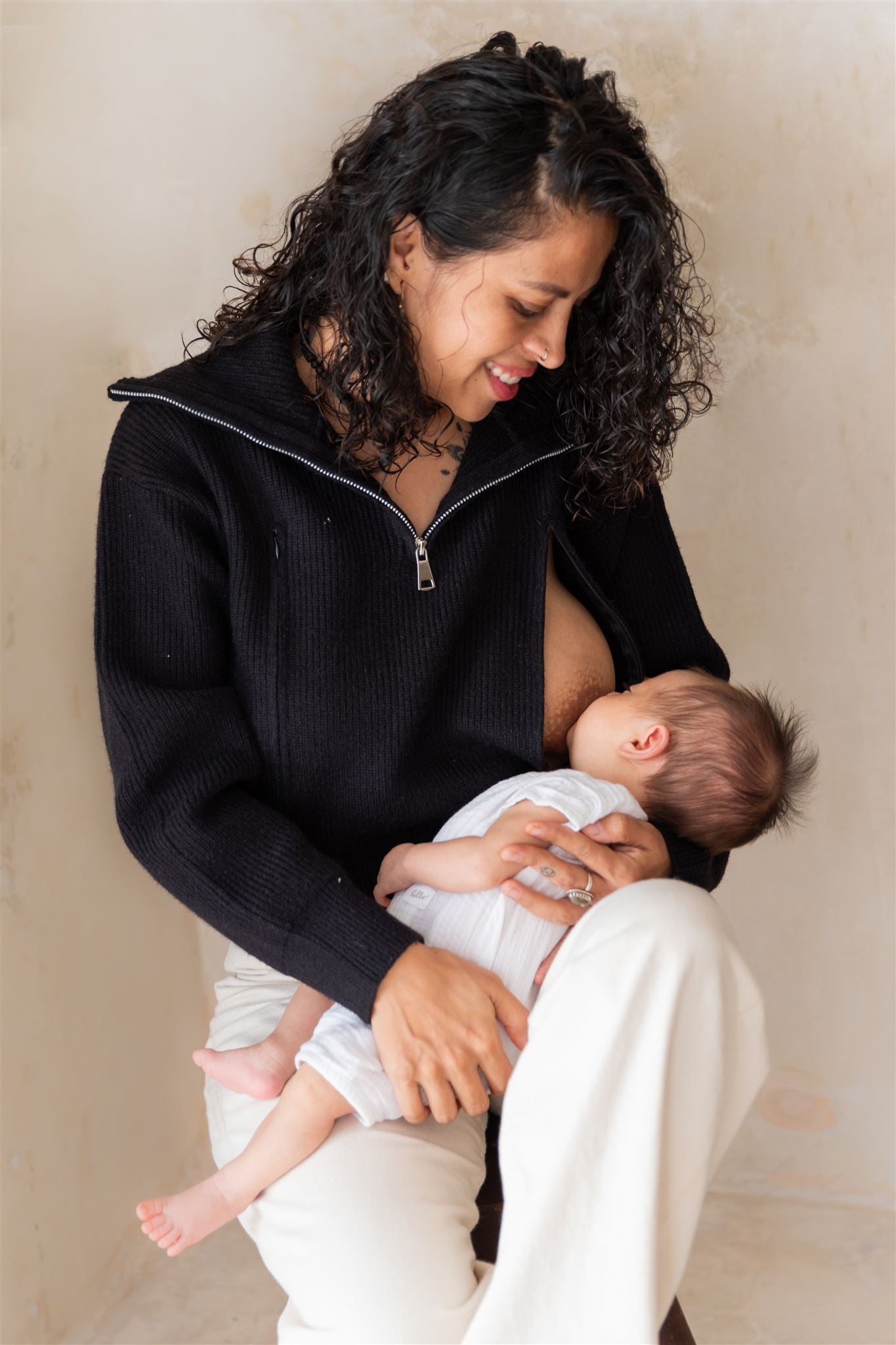
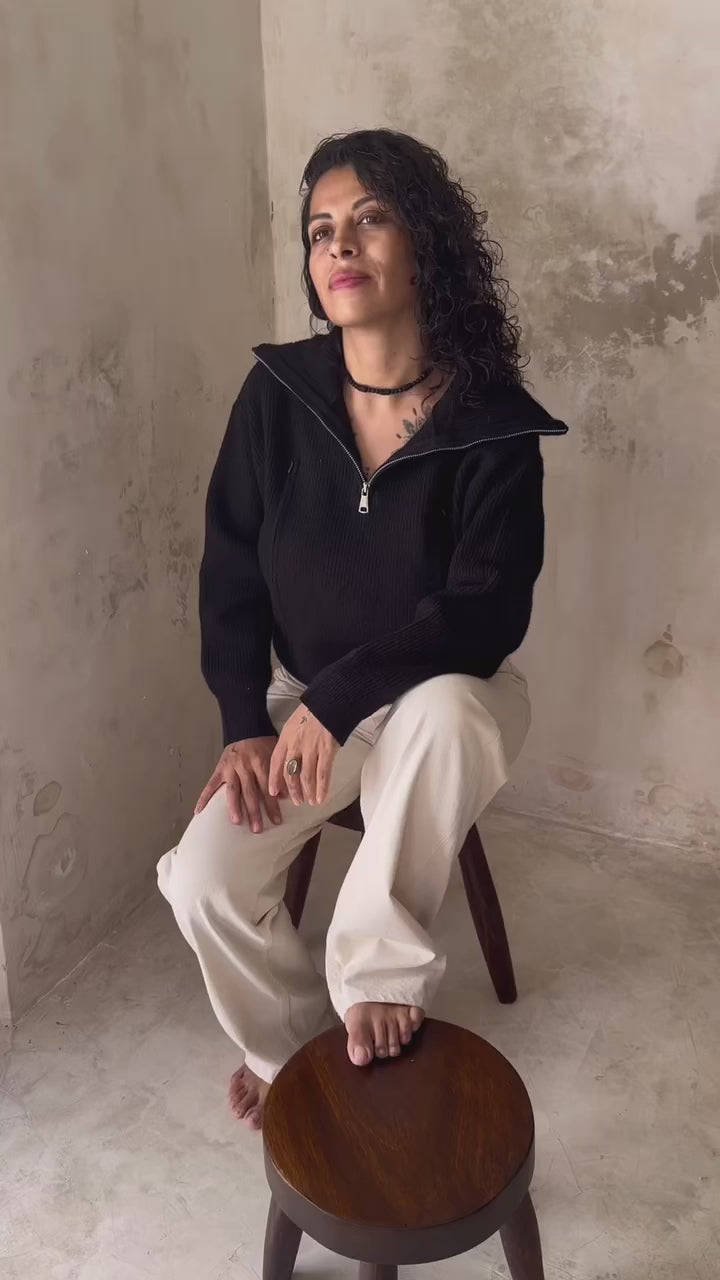
CHIIARA black nursing sweater


MAMMA COOL nursing sweatshirt
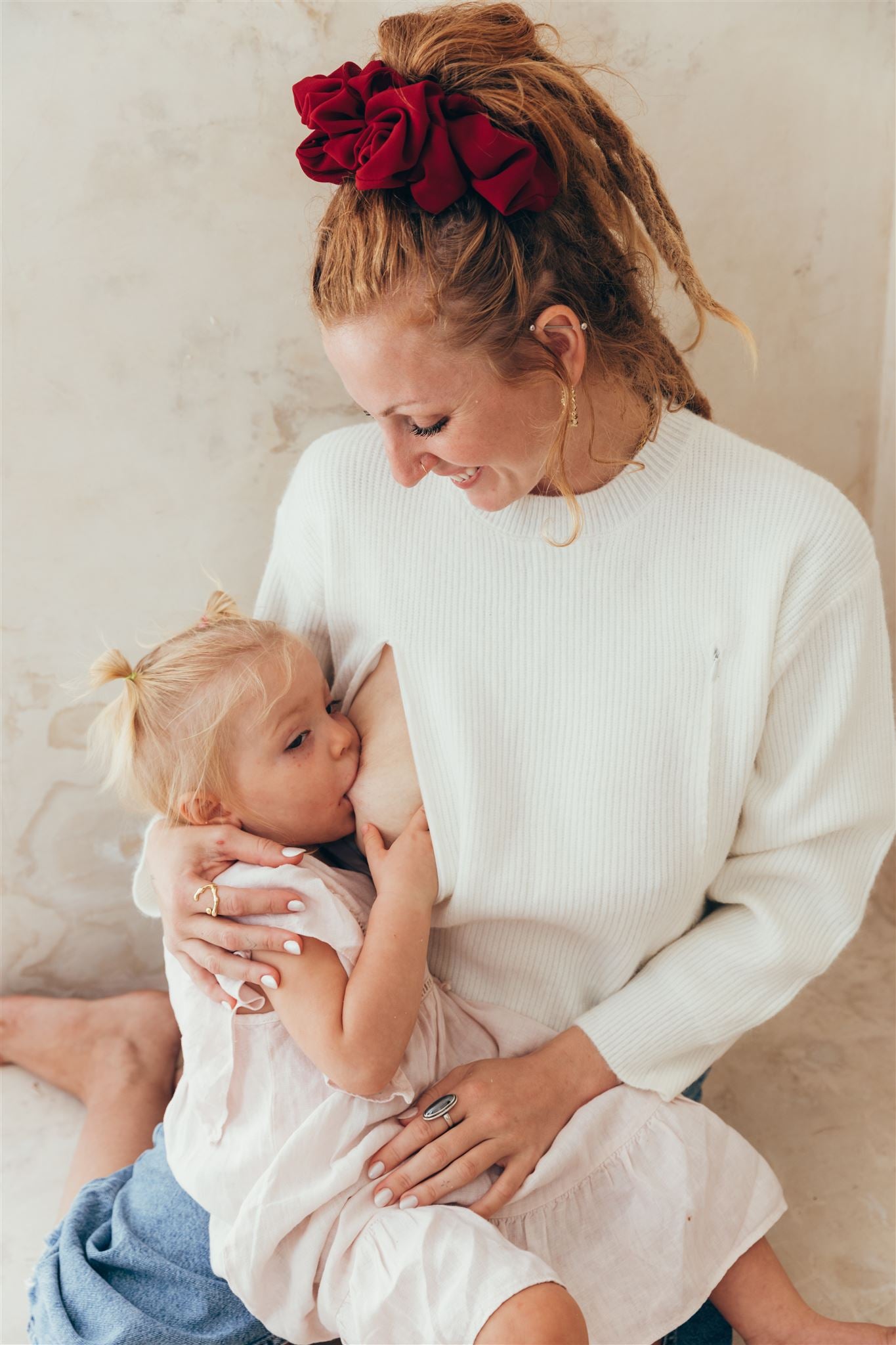
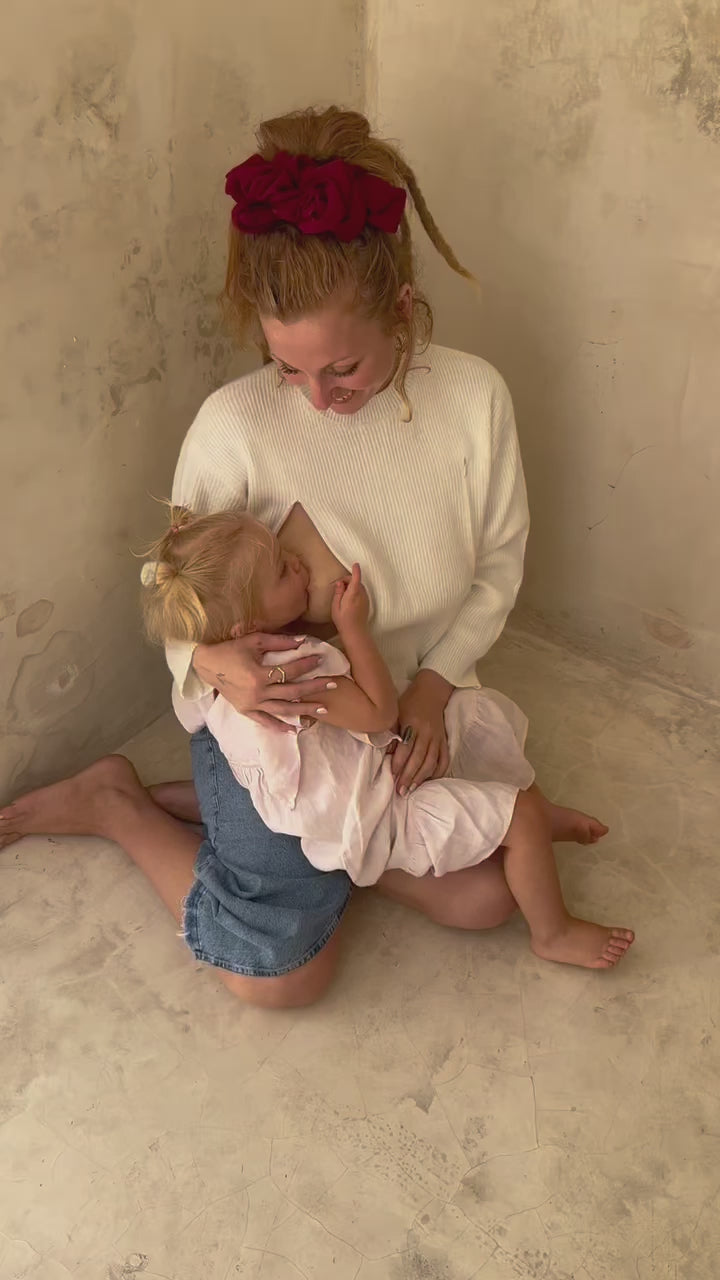
ASSIA Ecru Breastfeeding Sweater
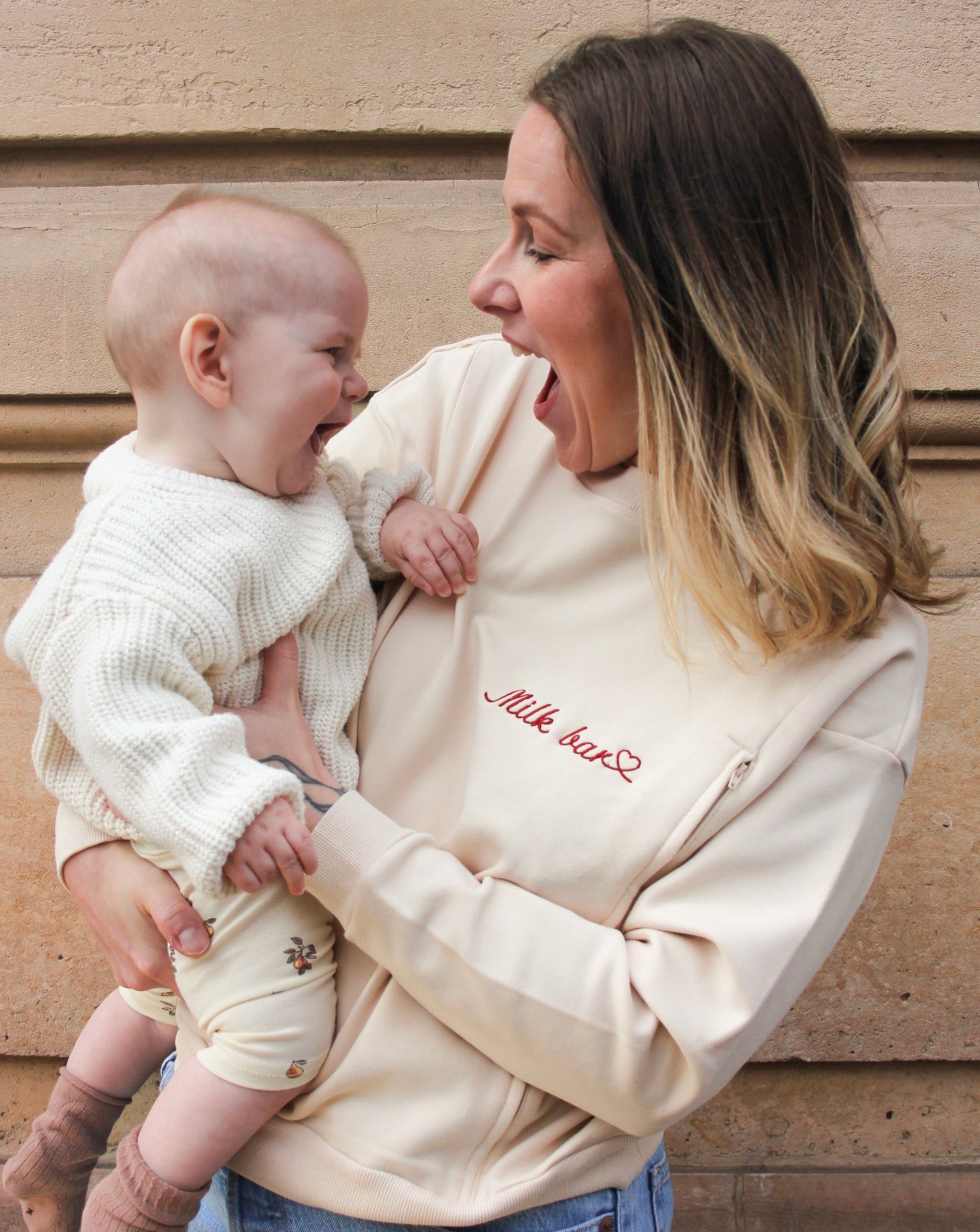
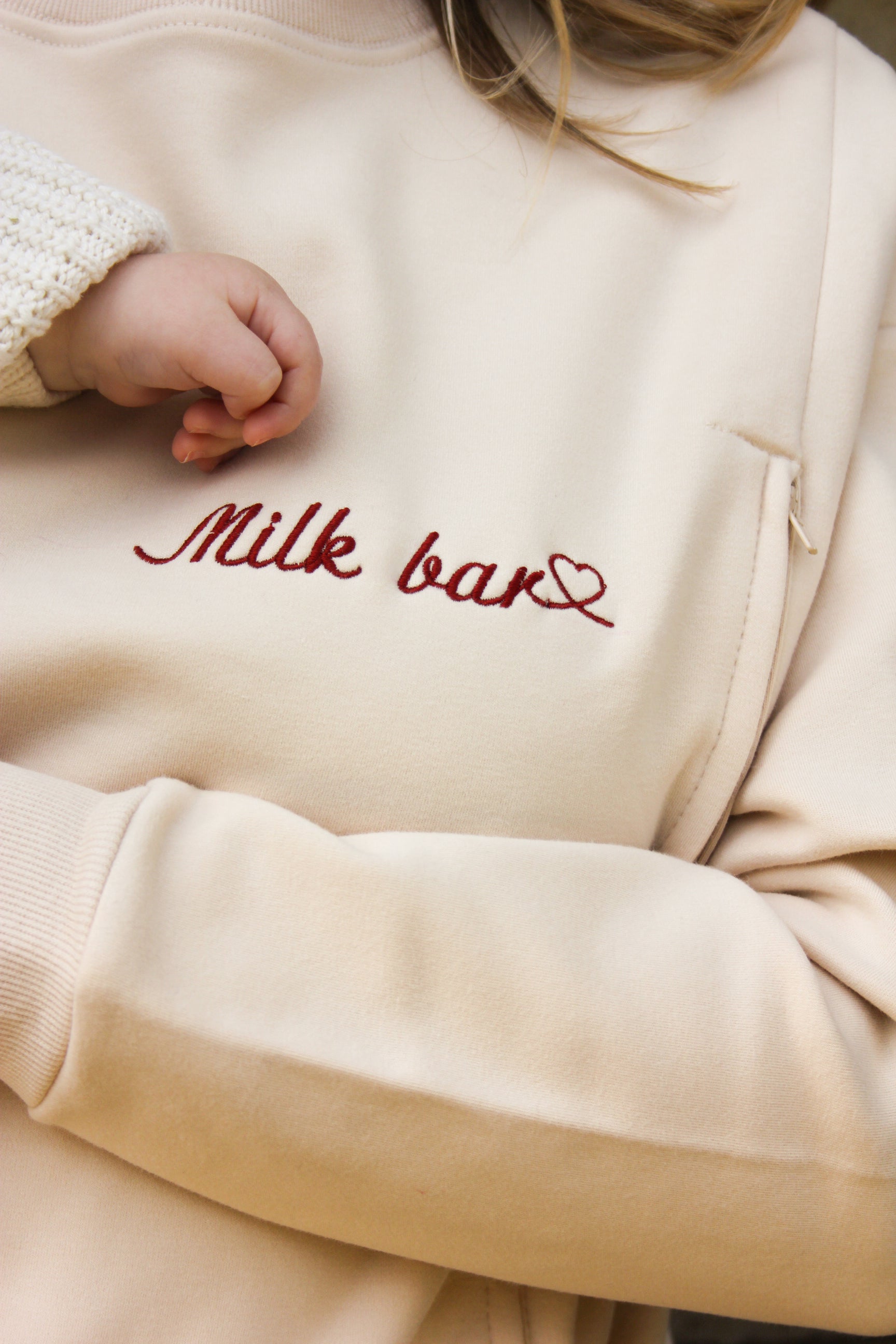
Breastfeeding sweatshirt AMORE
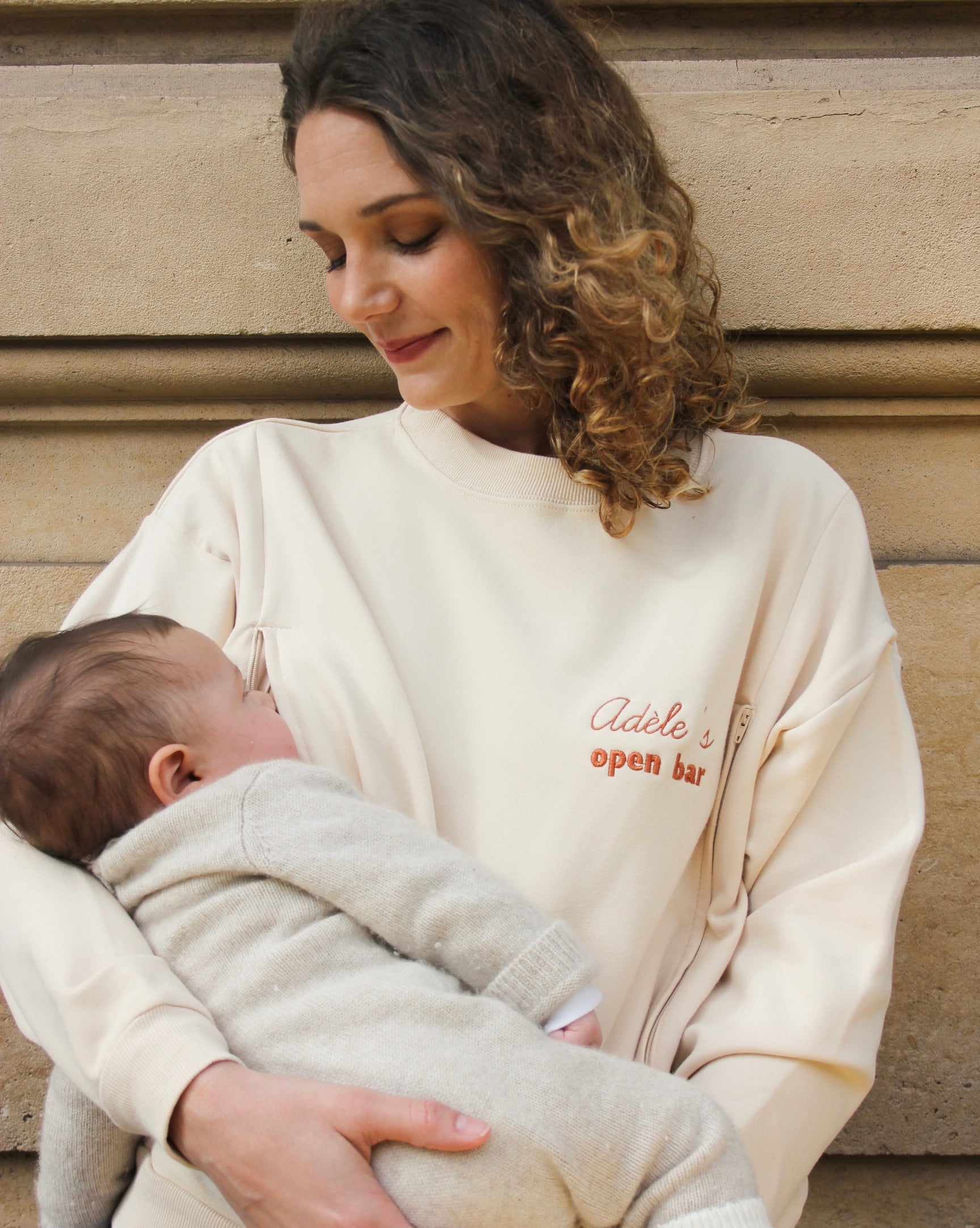
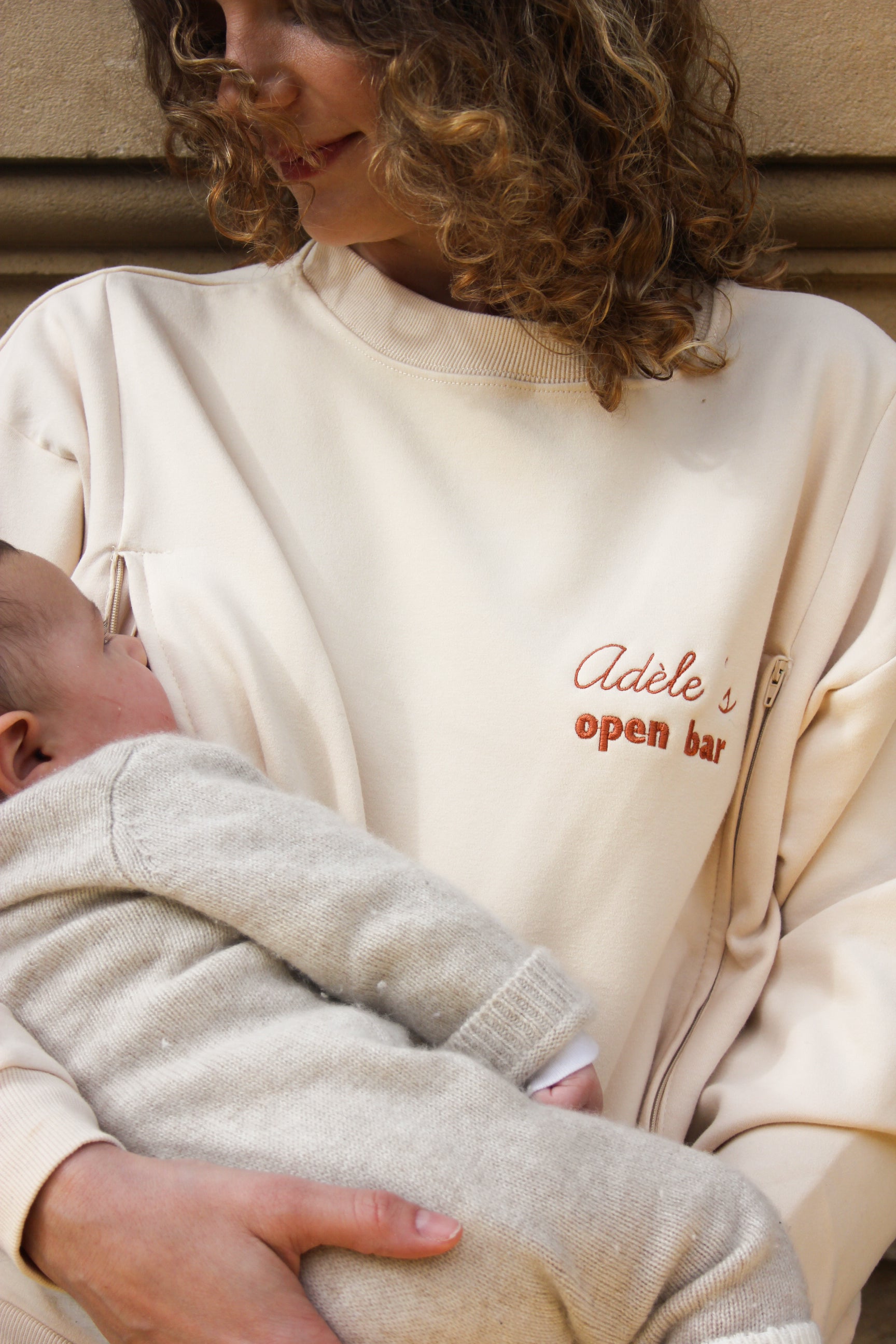
OPEN BAR Nursing Sweatshirt


Beige nursing sweater CHIARA bad sku

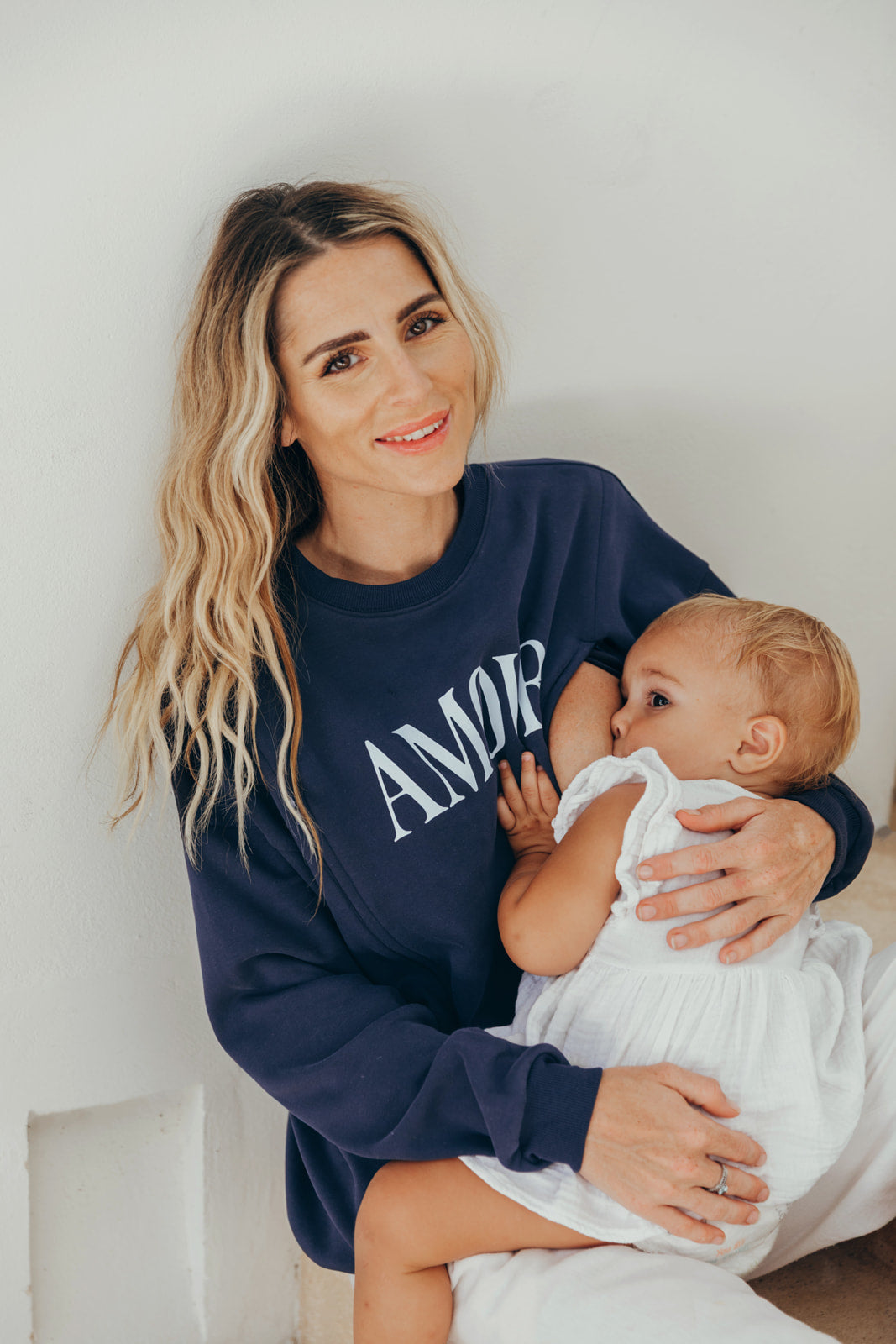
AMOUR navy nursing sweatshirt


Off white nursing sweater COSSIMA
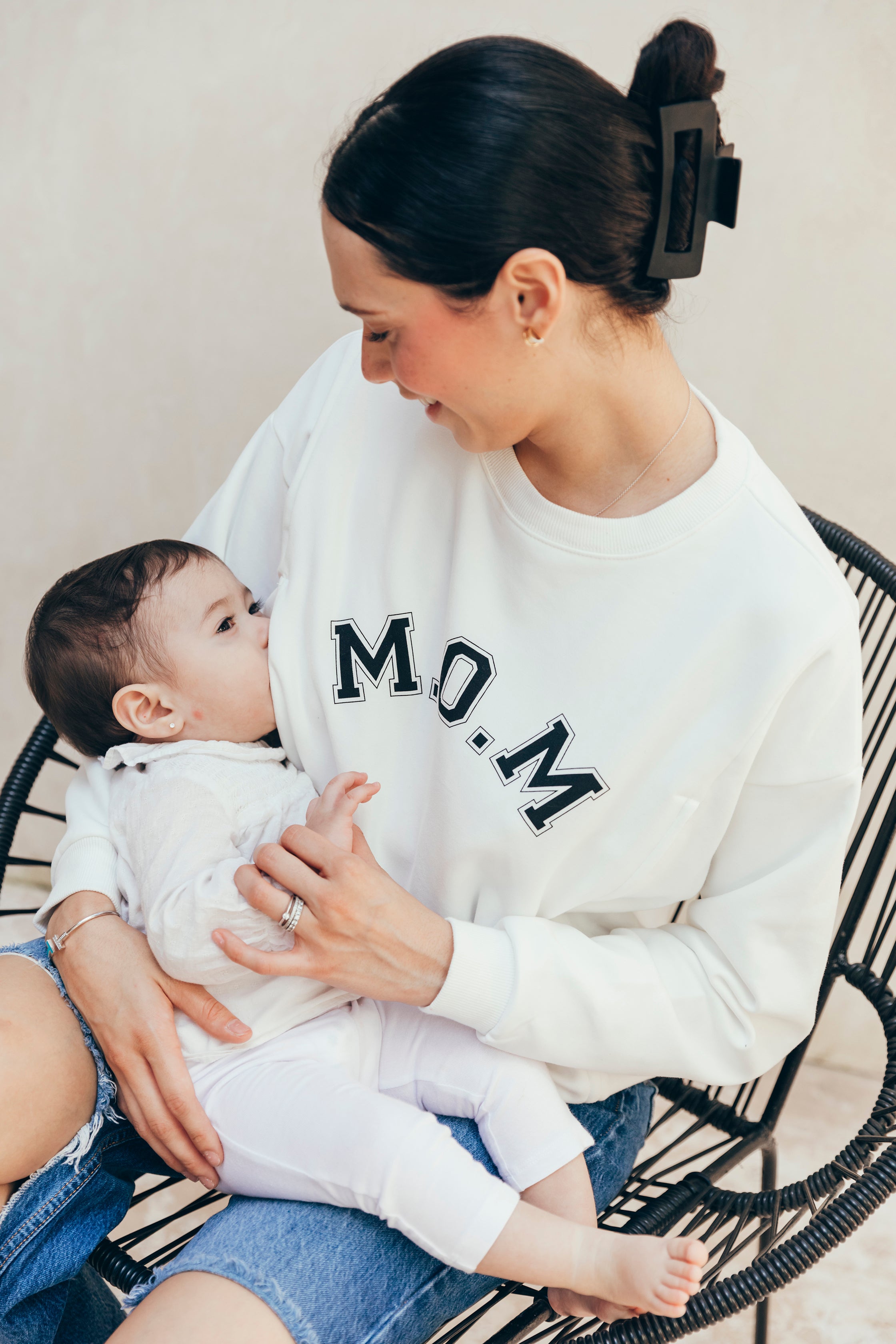

Breastfeeding sweat-shirt MOM


LOVE nursing sweatshirt

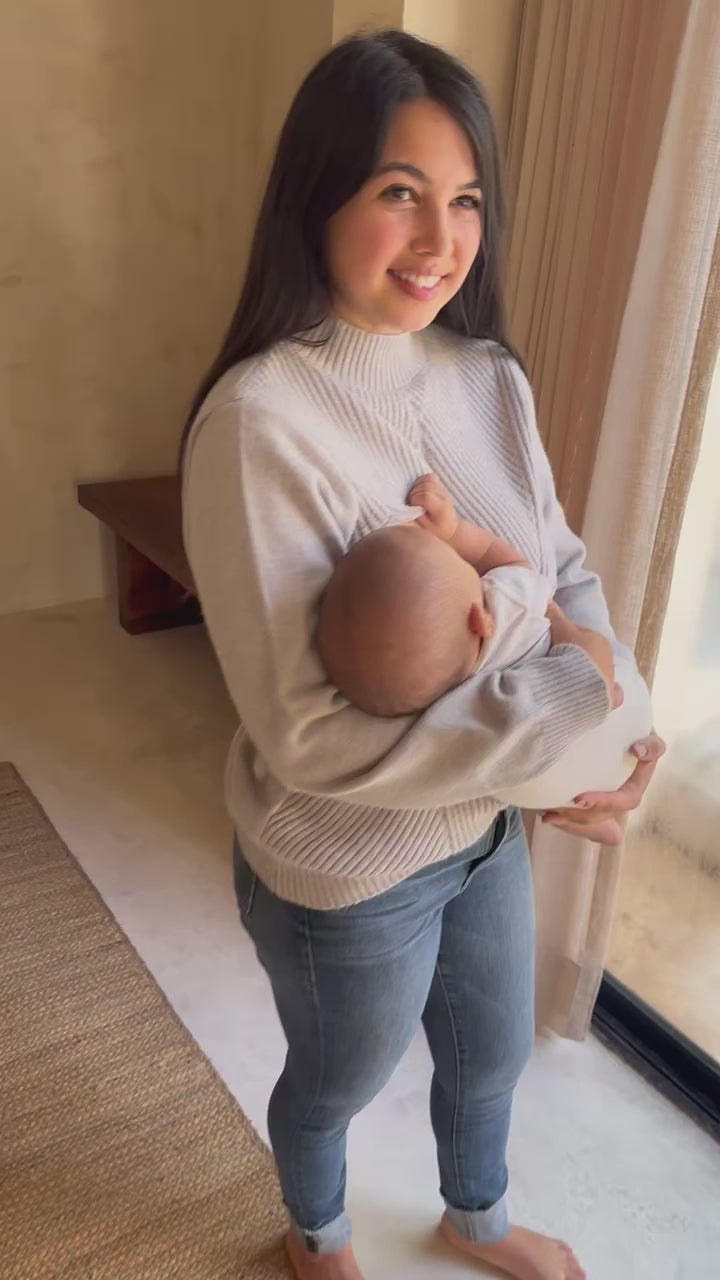
ALMA Grey Breastfeeding Sweater
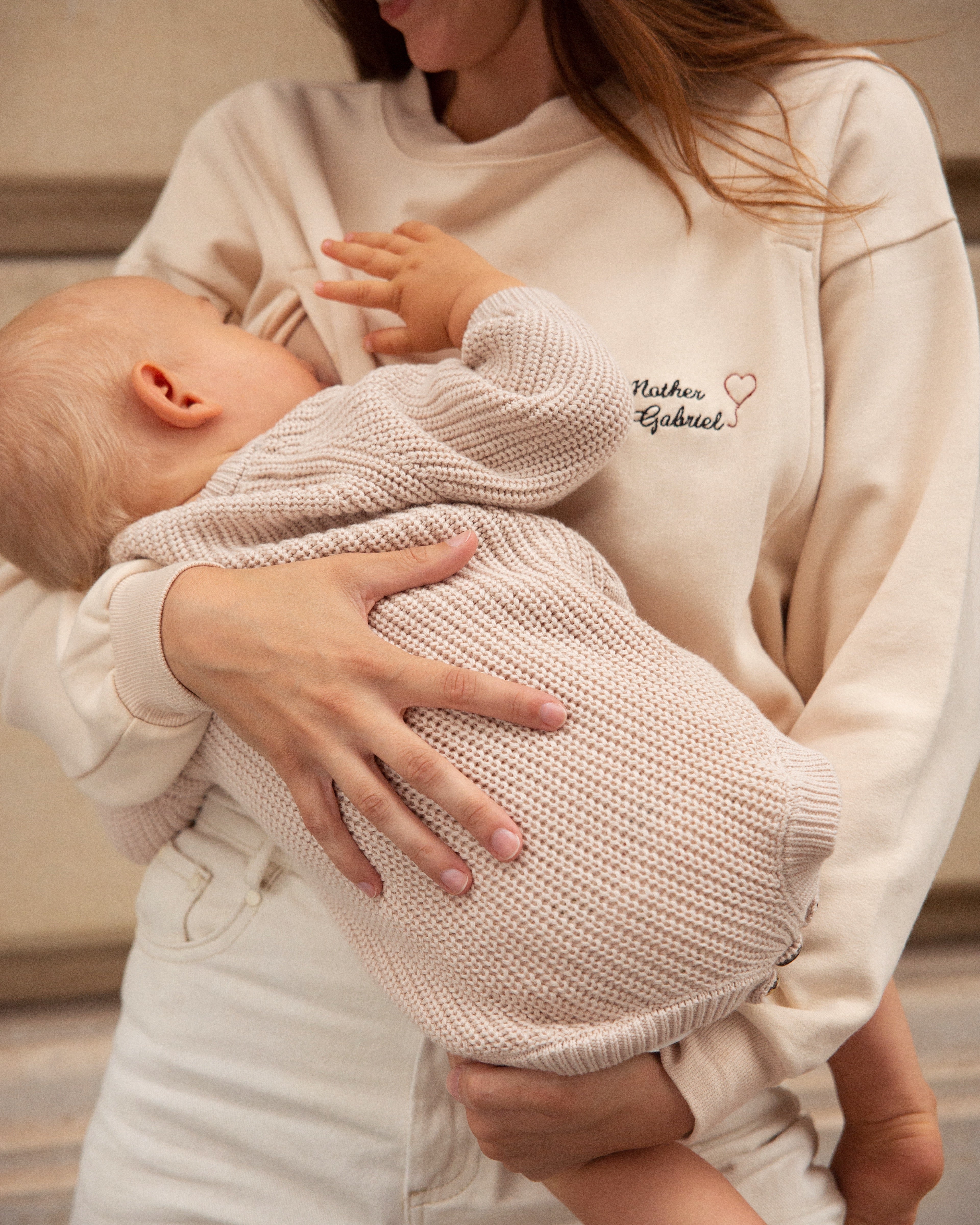

MOTHER OF nursing sweatshirt

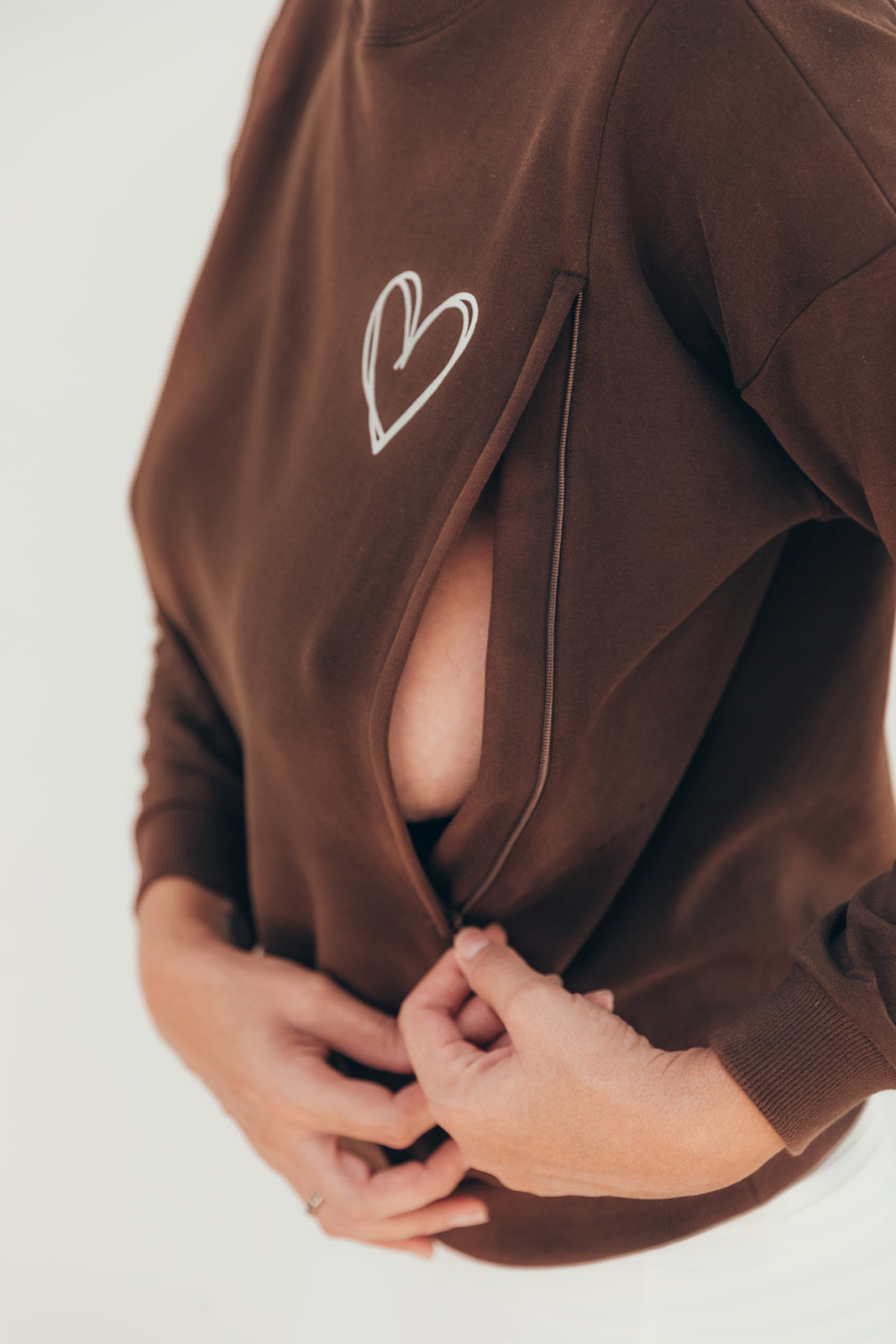
Brown heart nursing sweatshirt
CHIARA Beige Breastfeeding Sweater
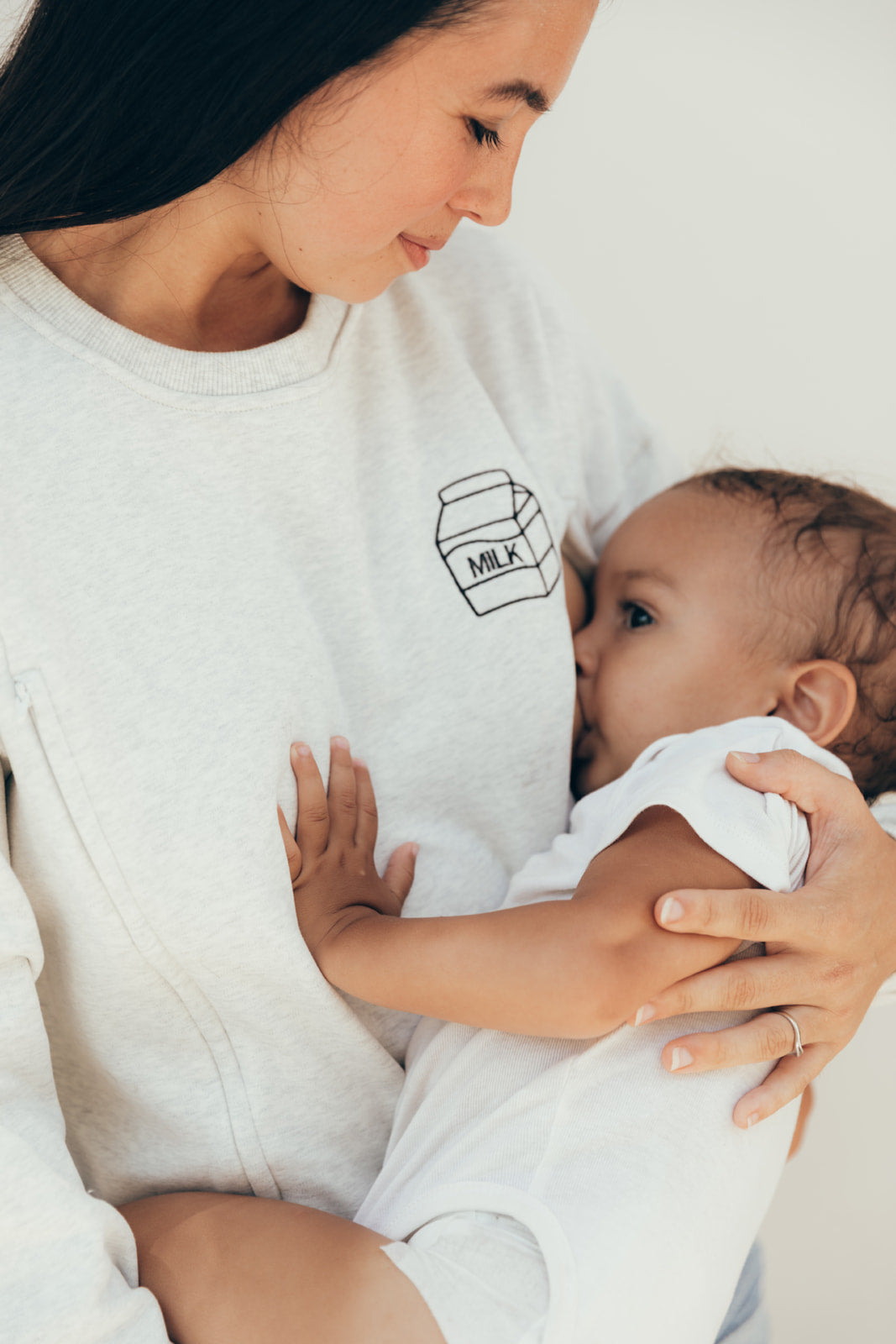
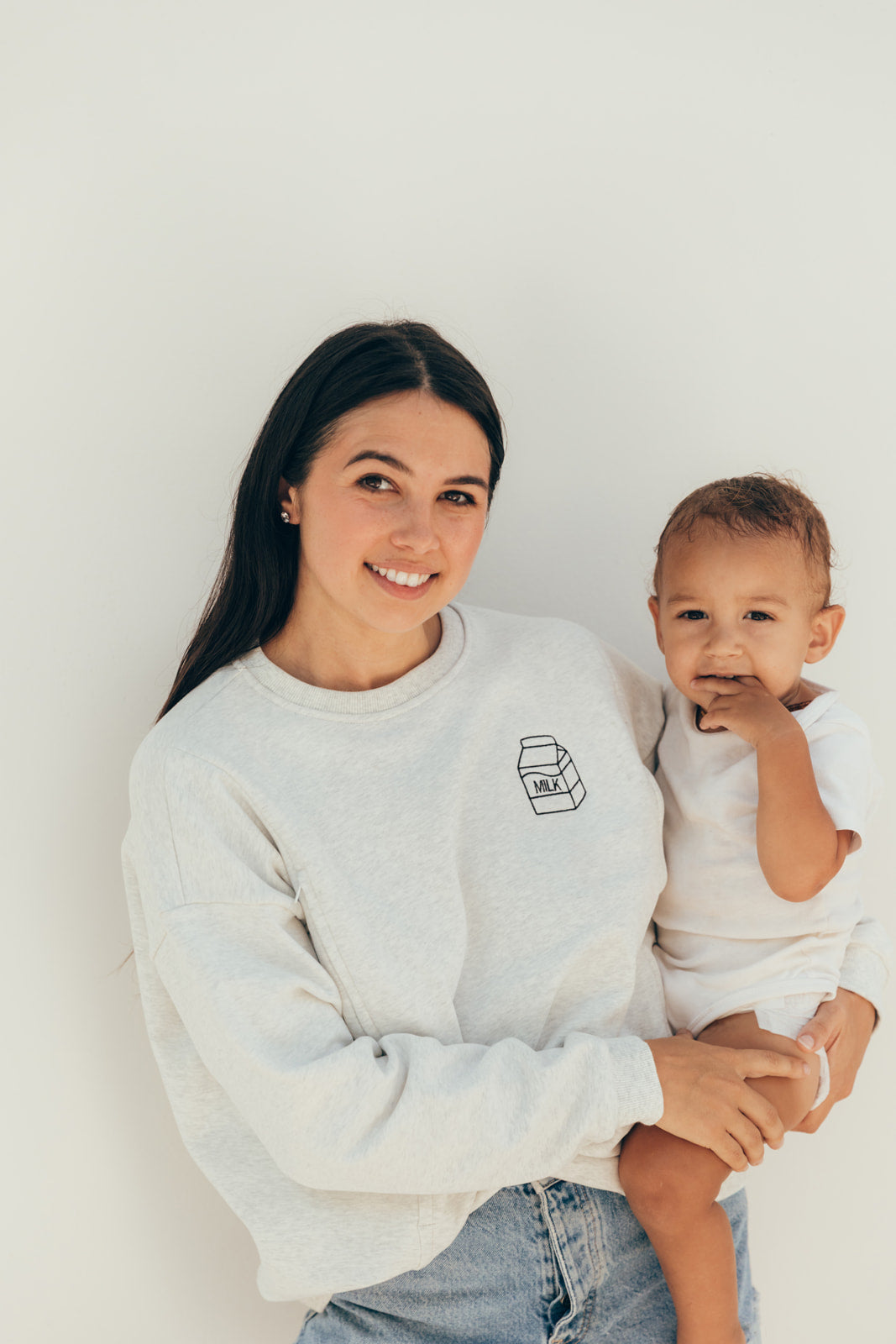
MILK nursing sweatshirt grey
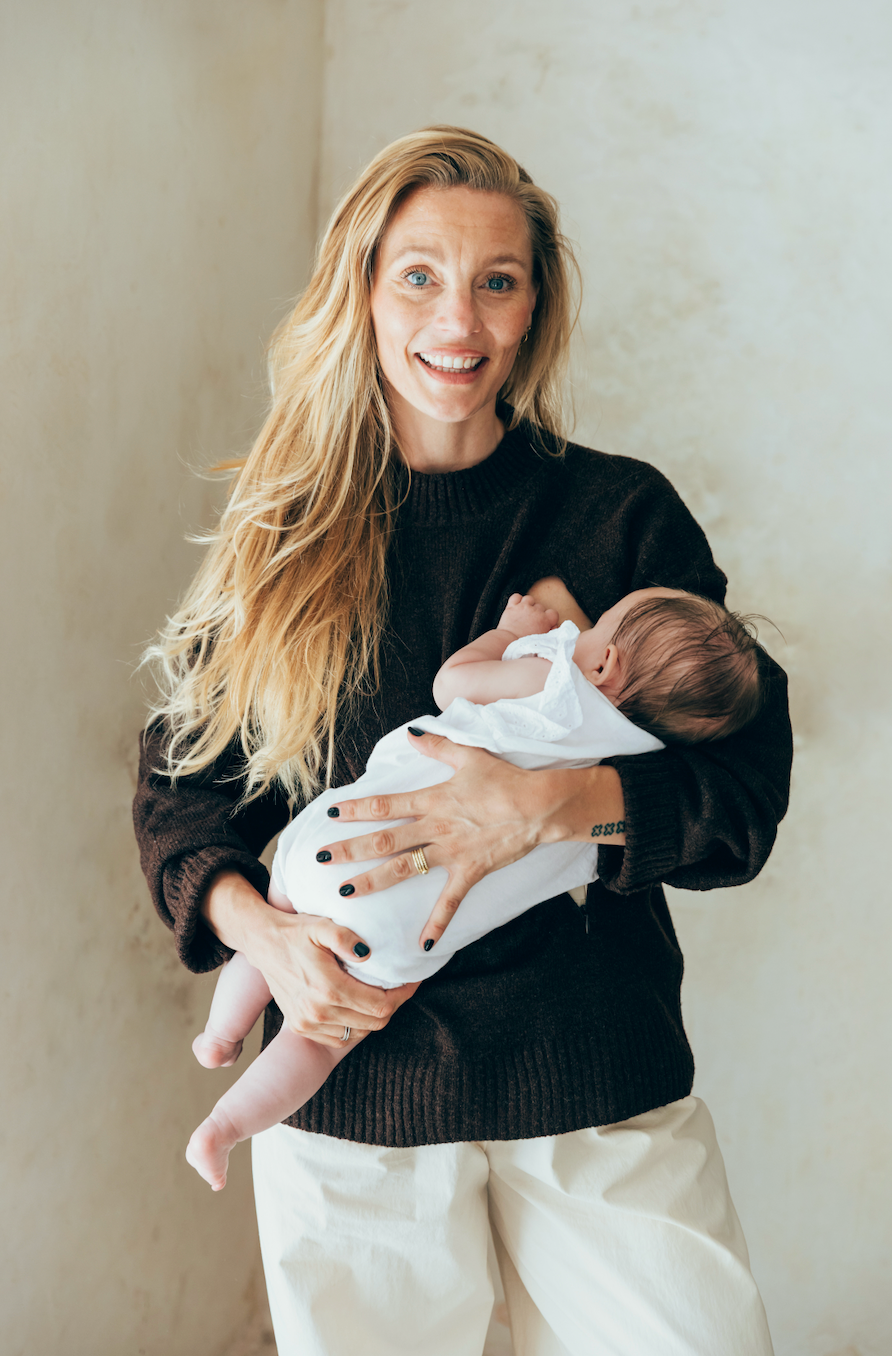

ASSIA brown nursing sweater
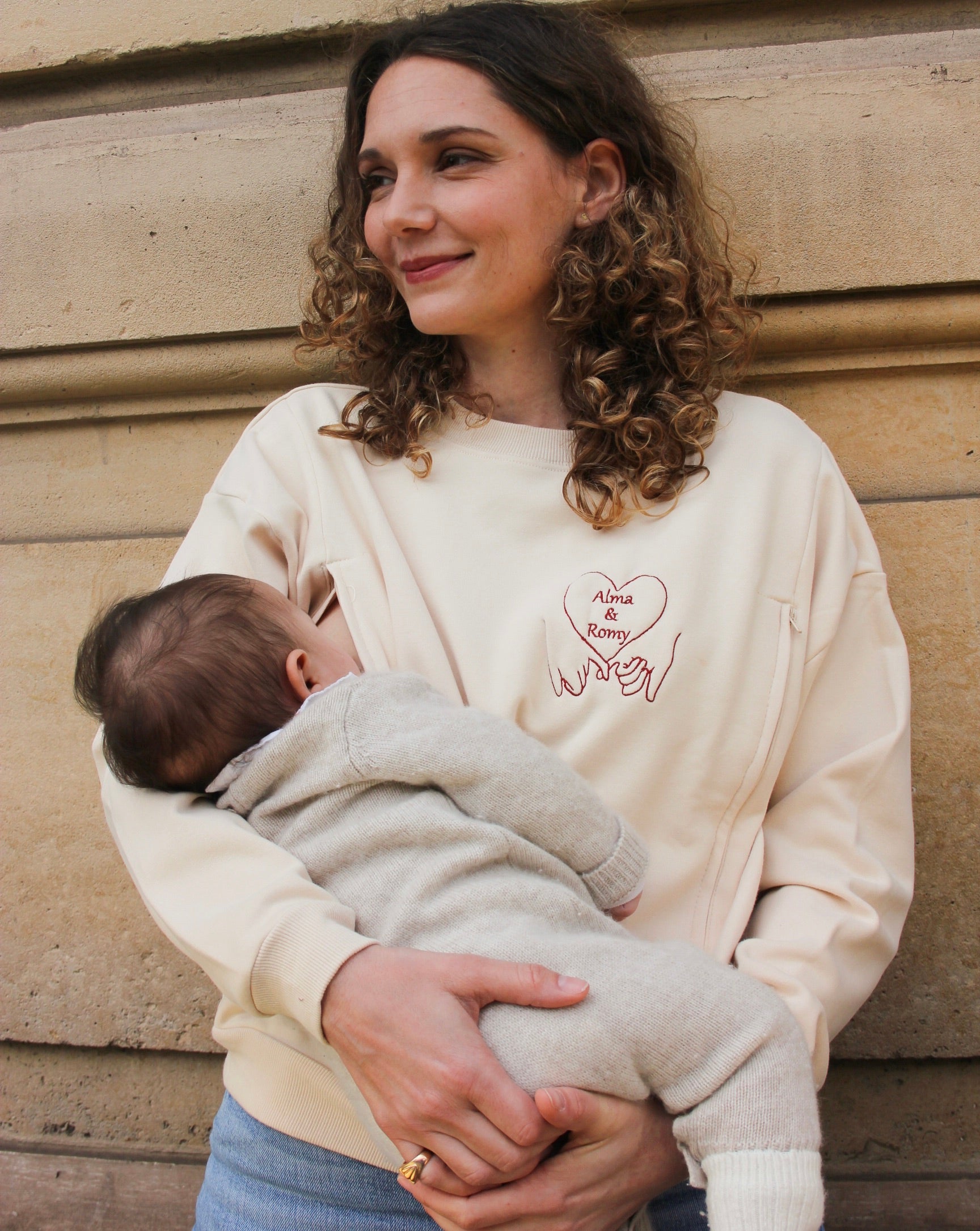
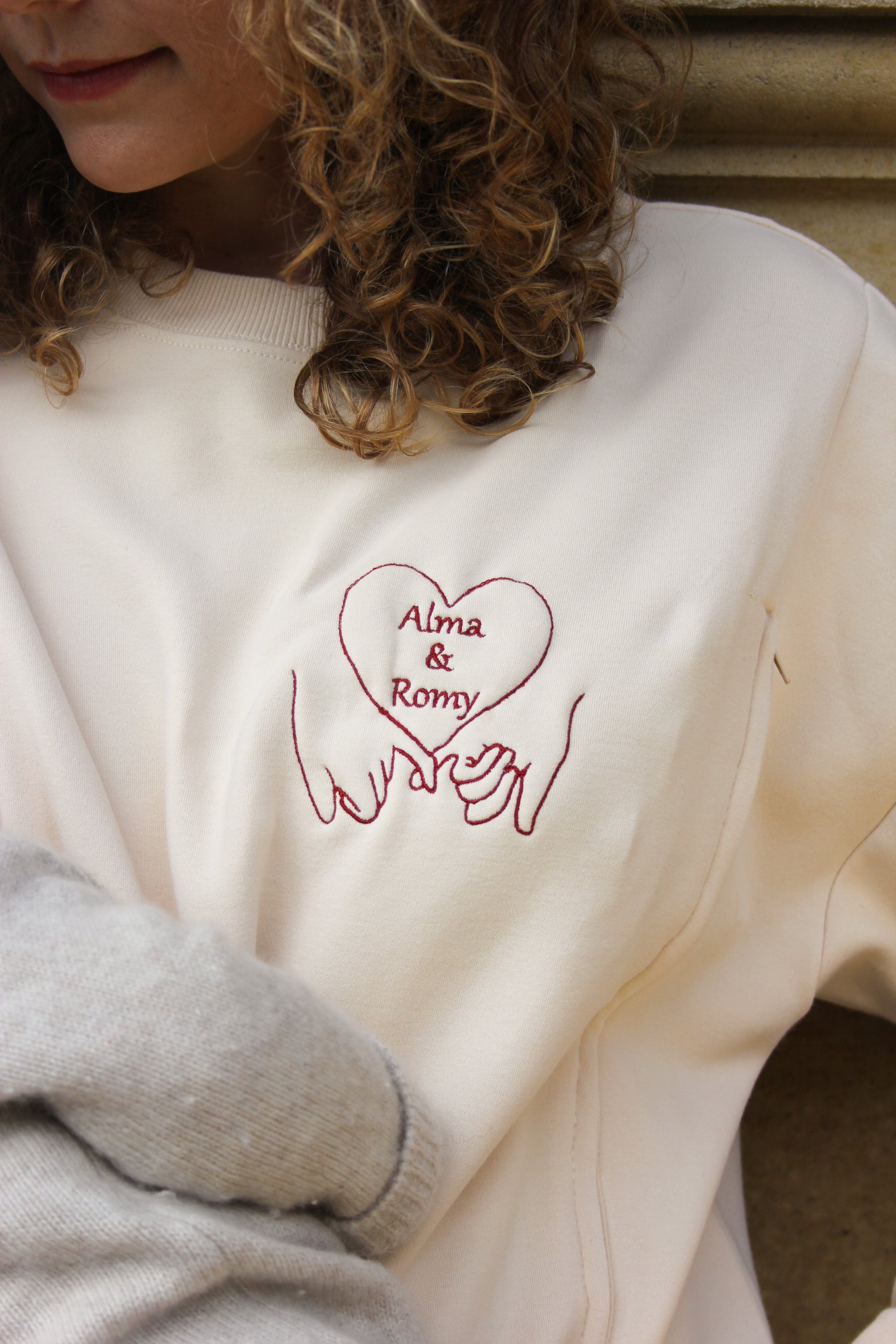
PROMESSE nursing sweatshirt
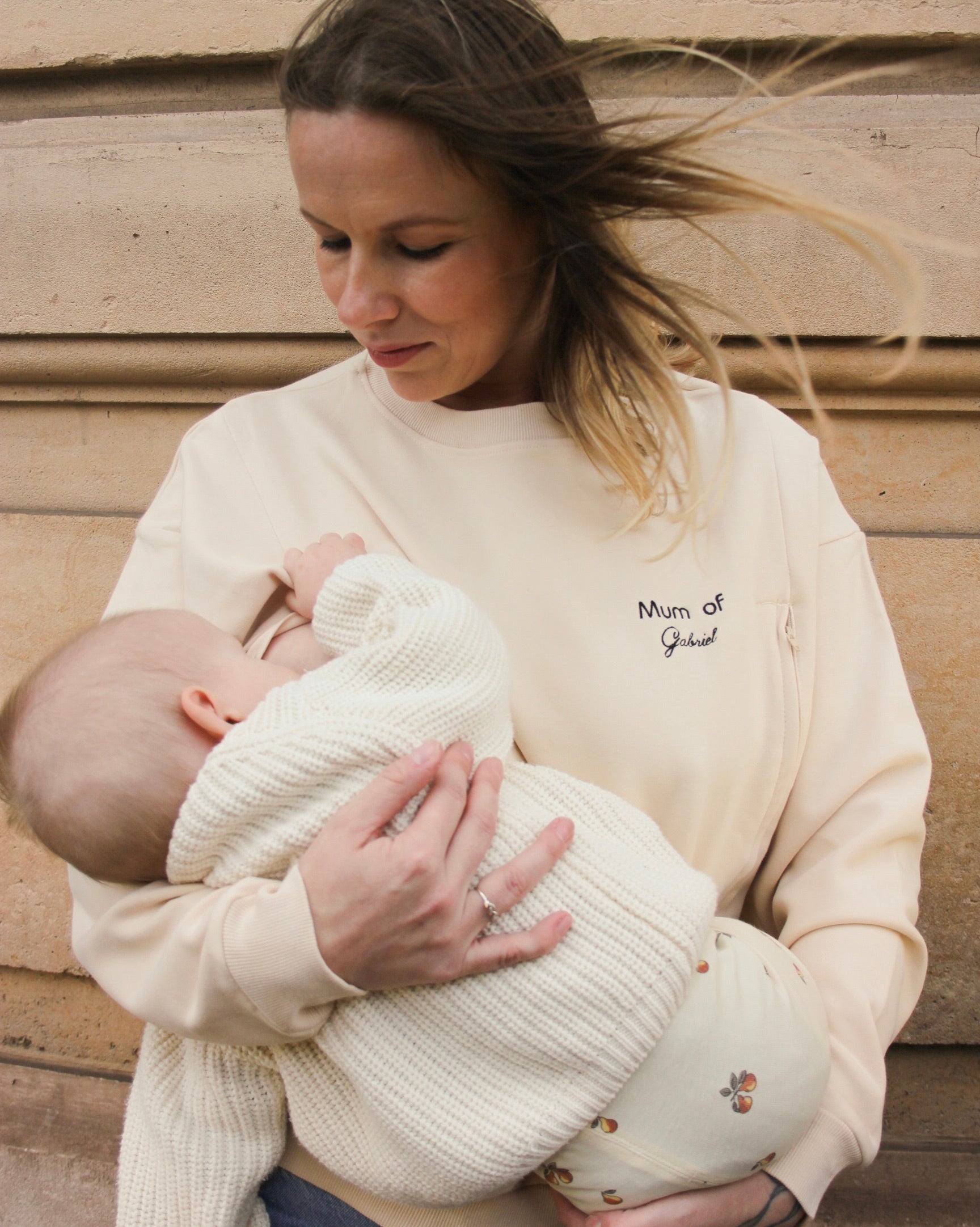
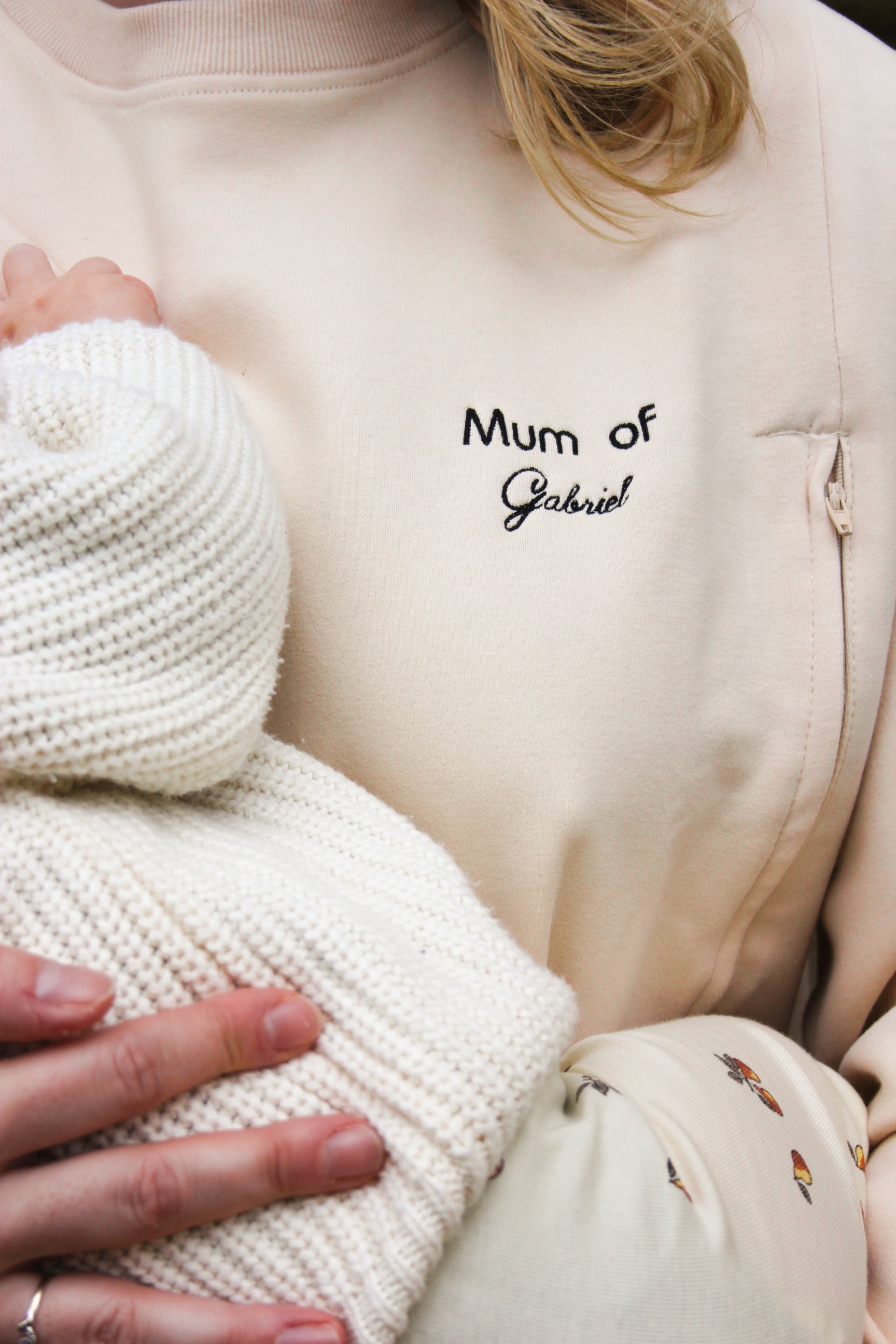
MY NAME nursing sweatshirt


RED HEART nursing sweater
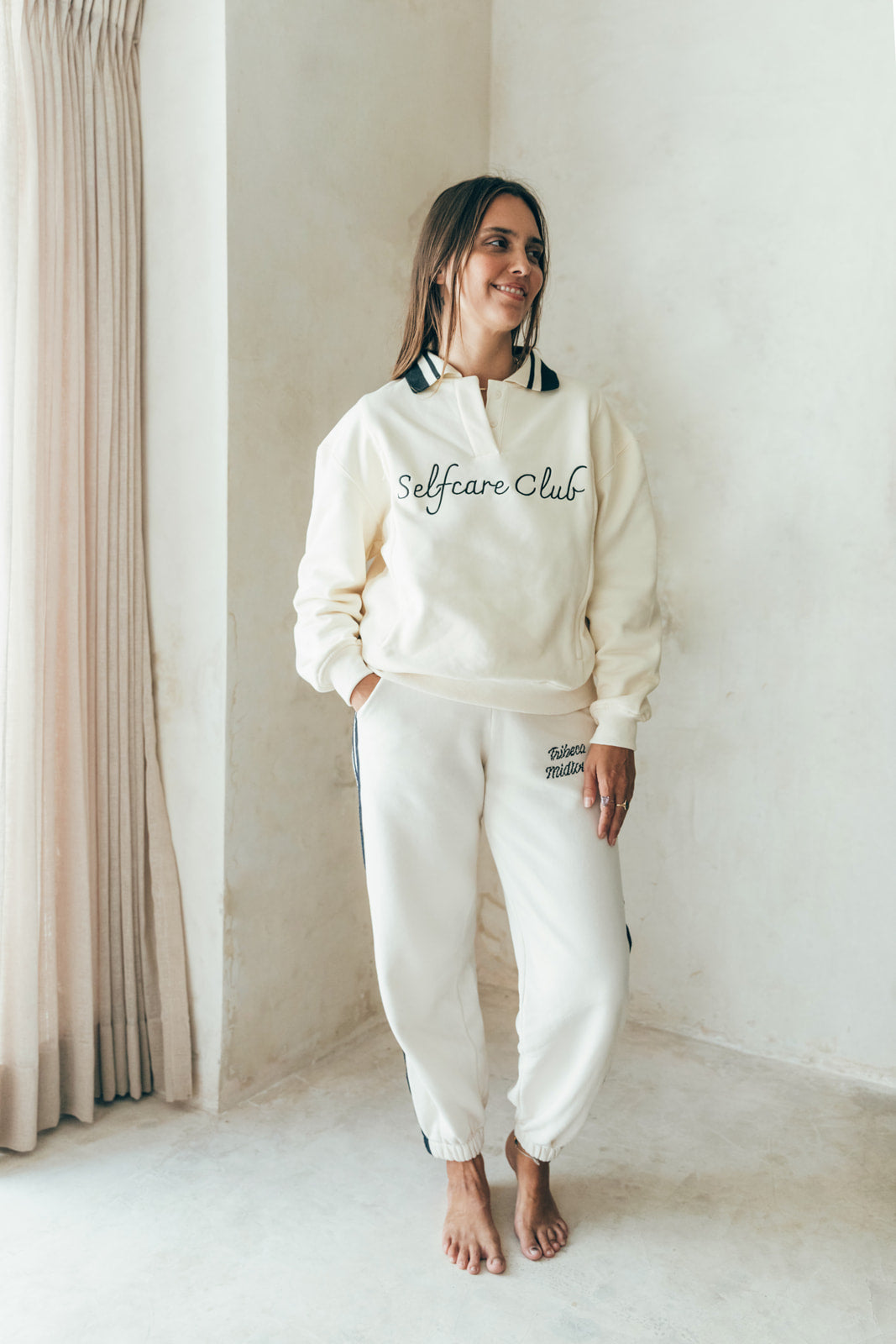

SELFCARE nursing sweatshirt
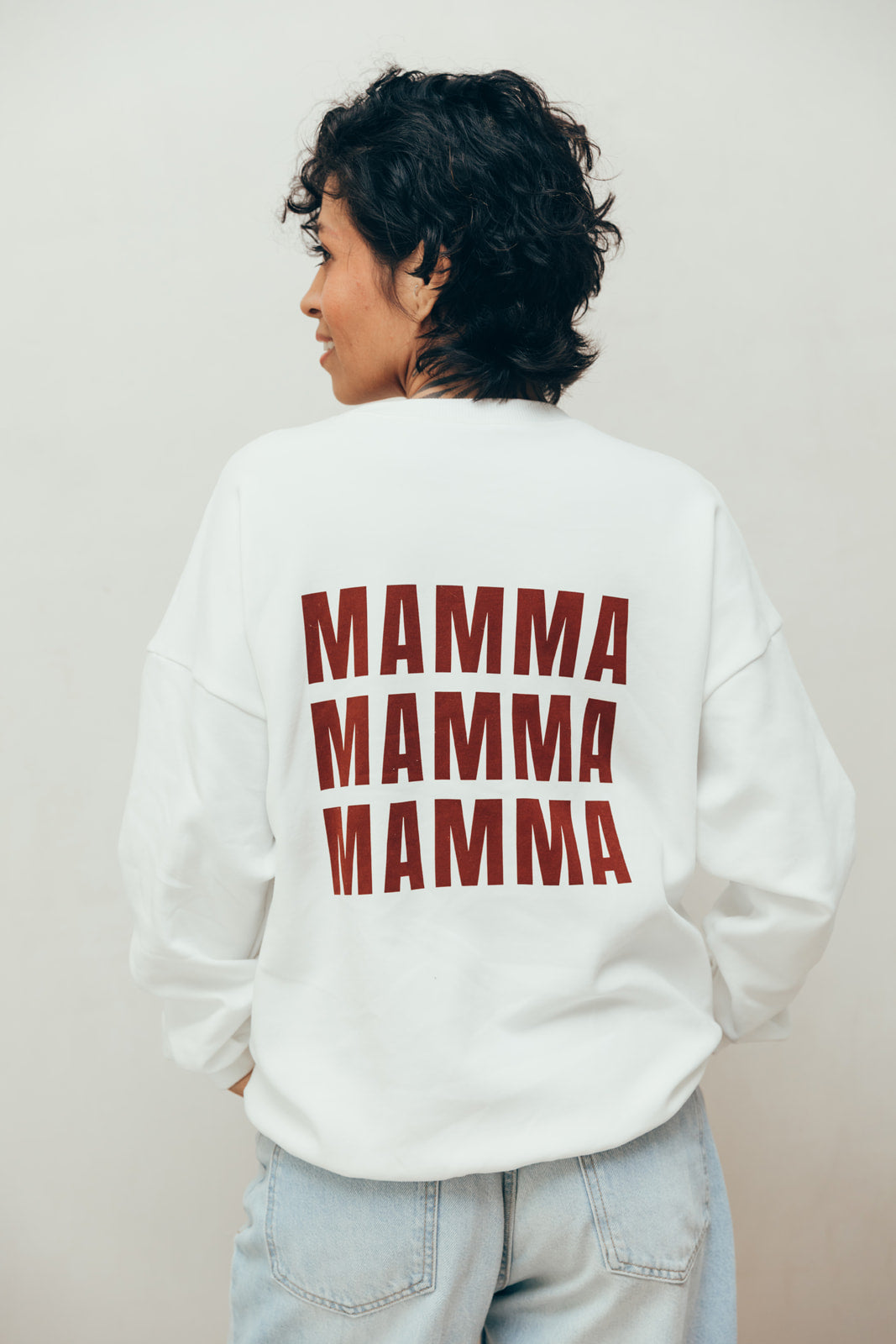

Mamma nursing sweatshirt
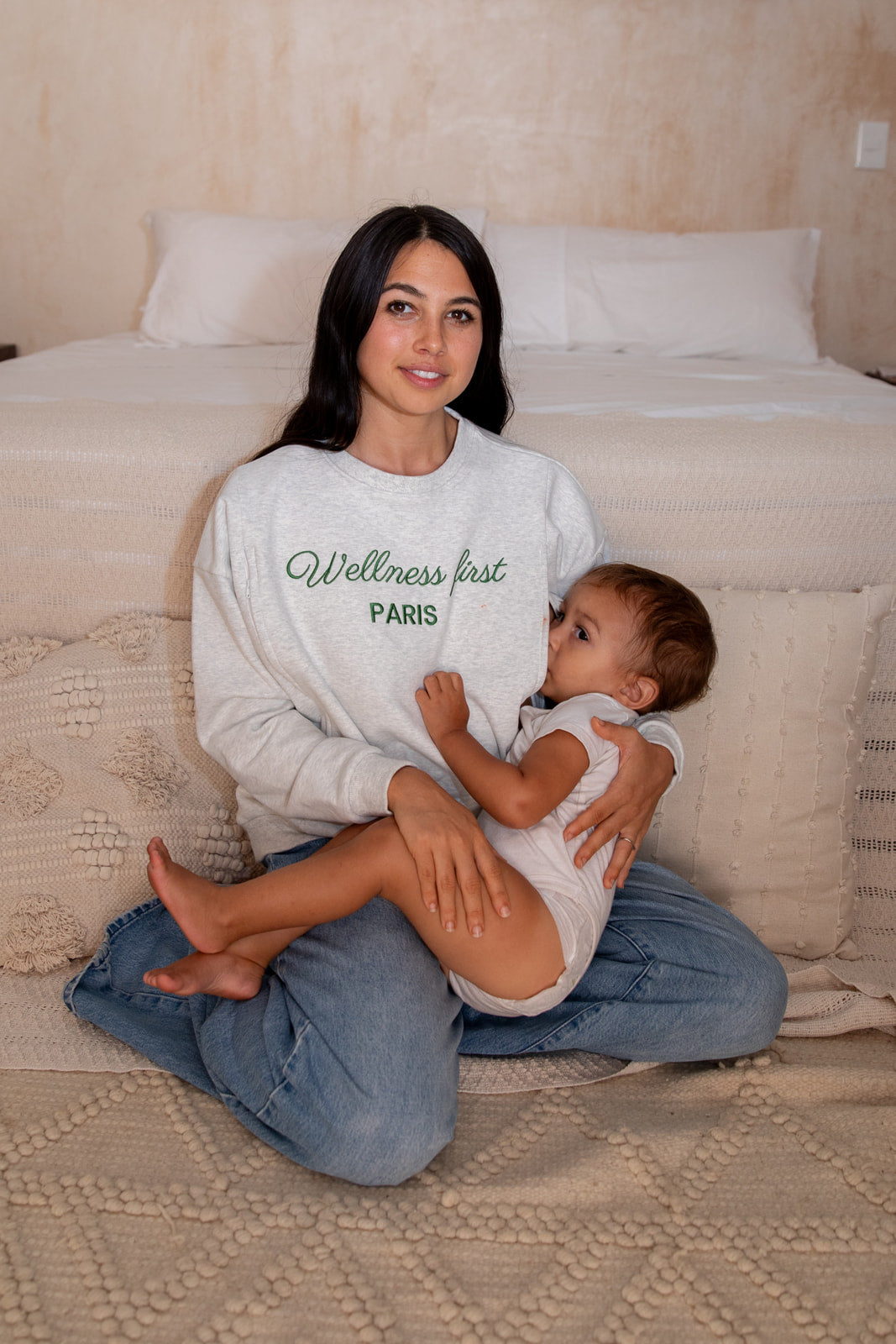
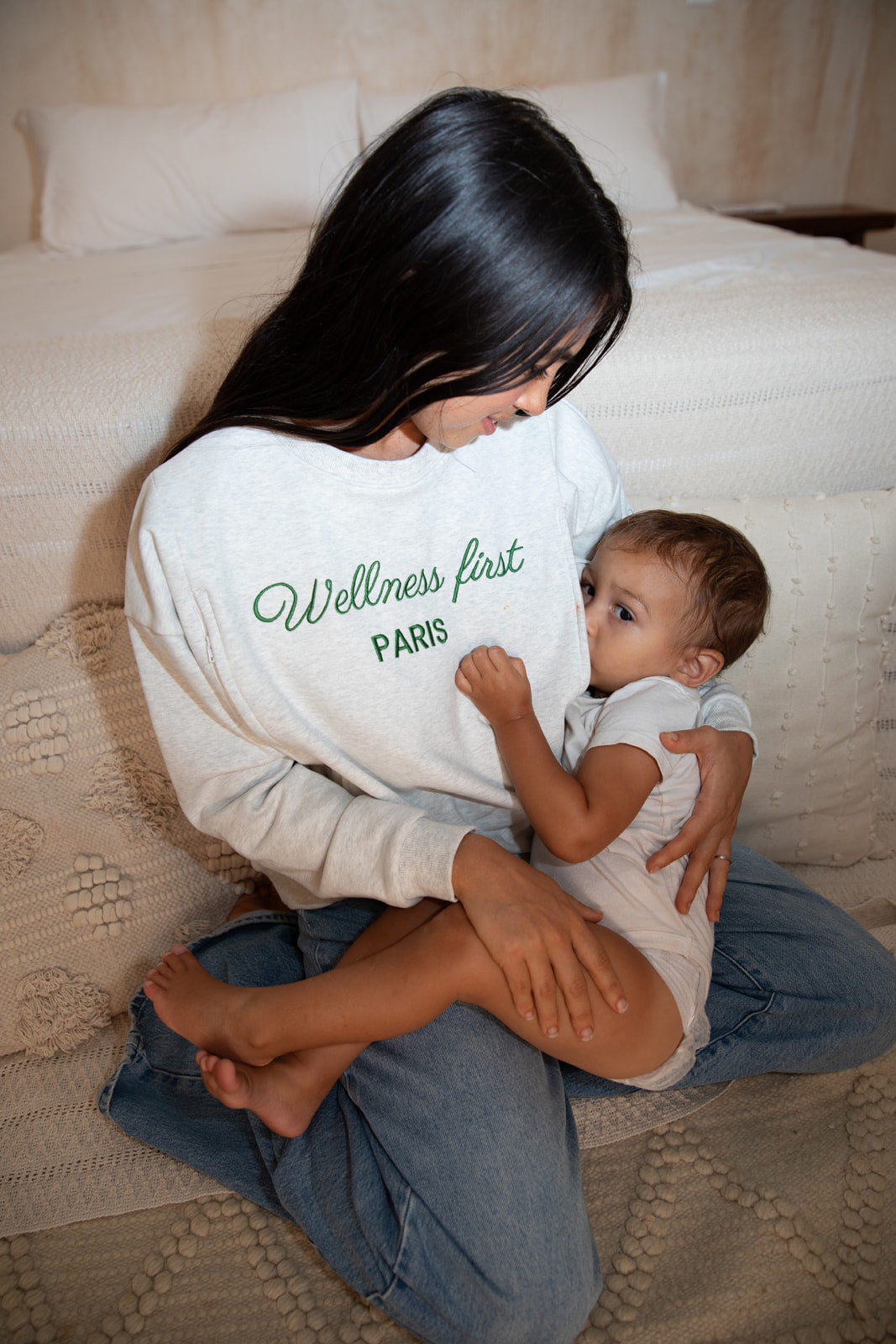
WELLNESS nursing sweatshirt
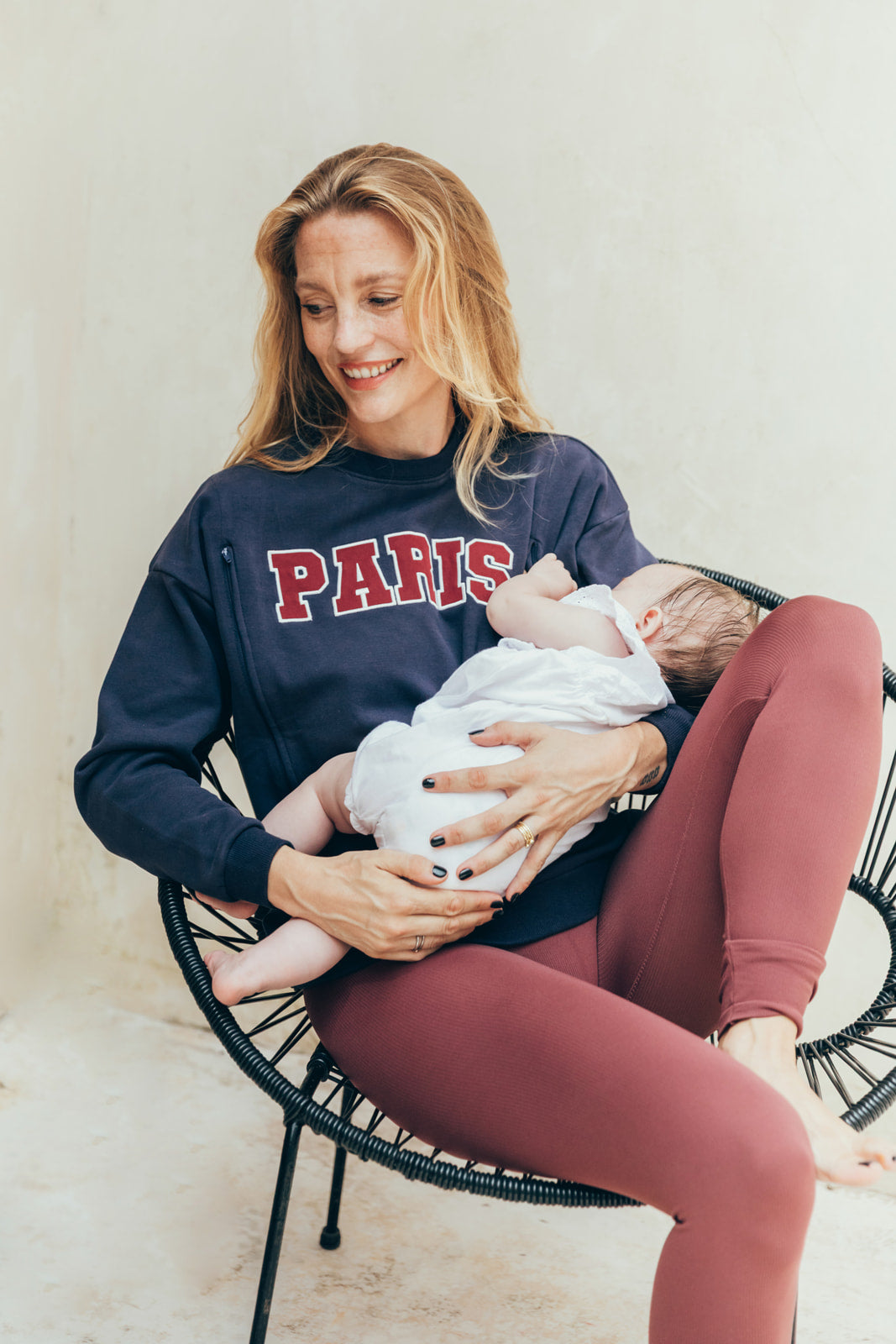

PARIS nursing sweatshirt
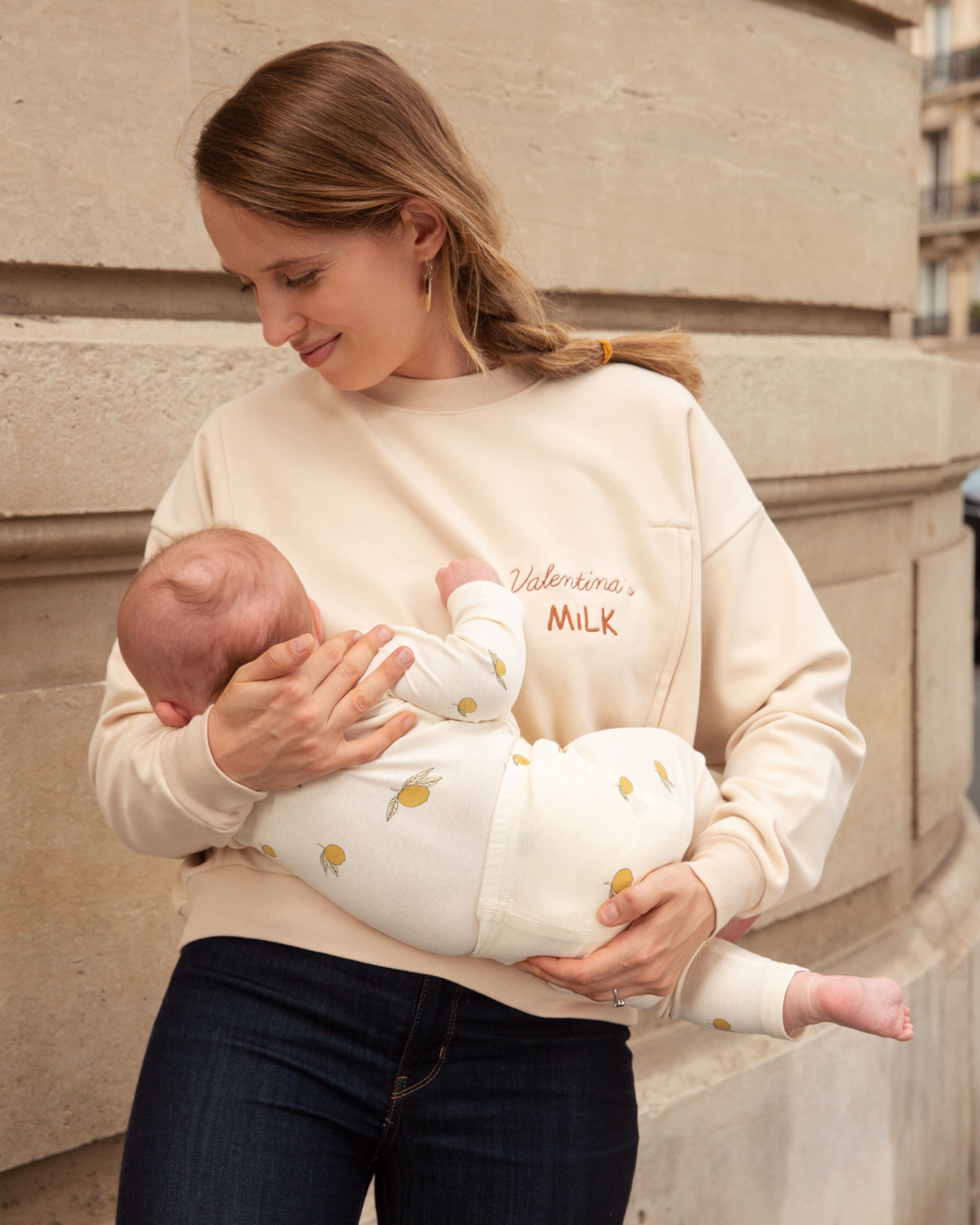
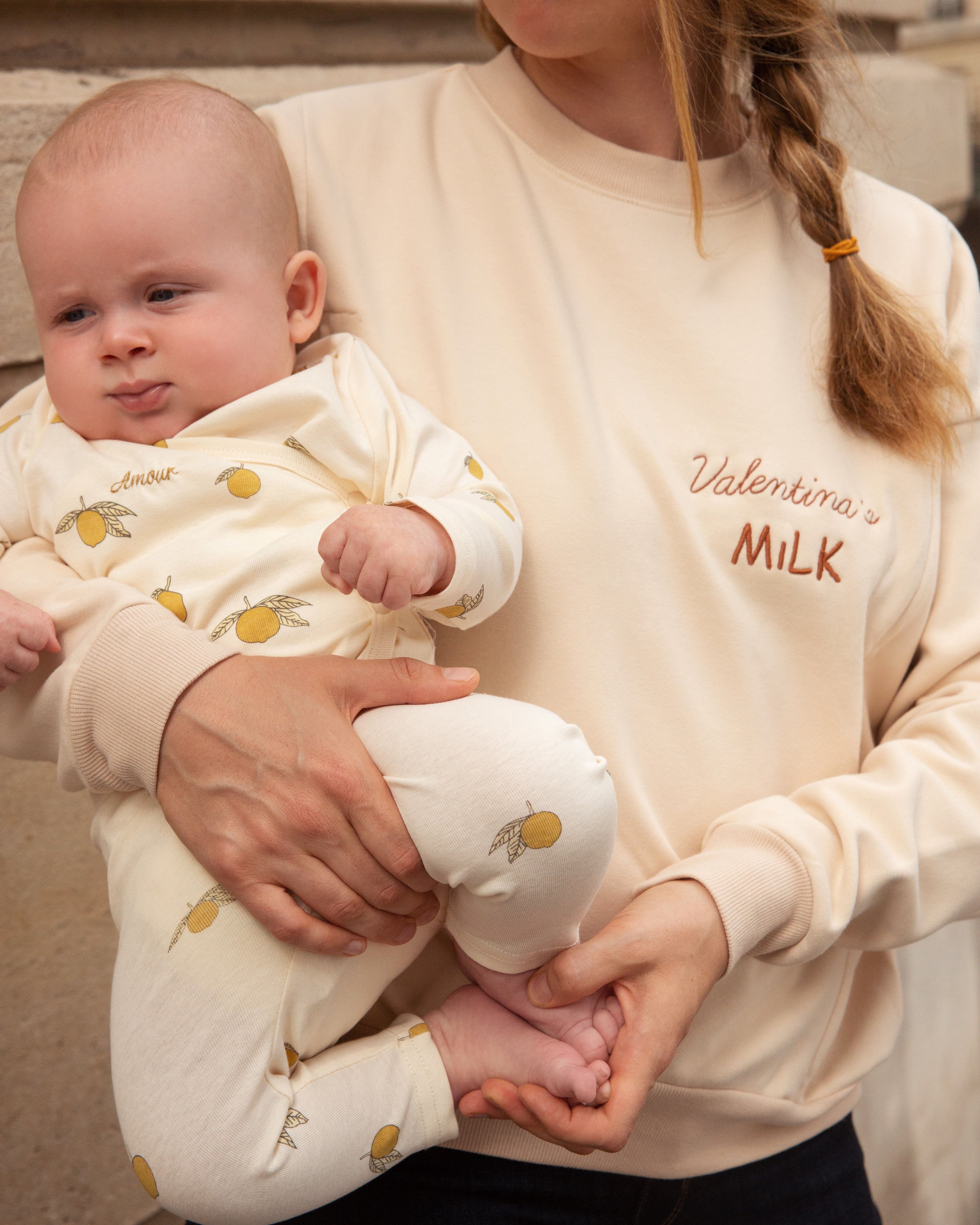
Breastfeeding sweatshirt MILK
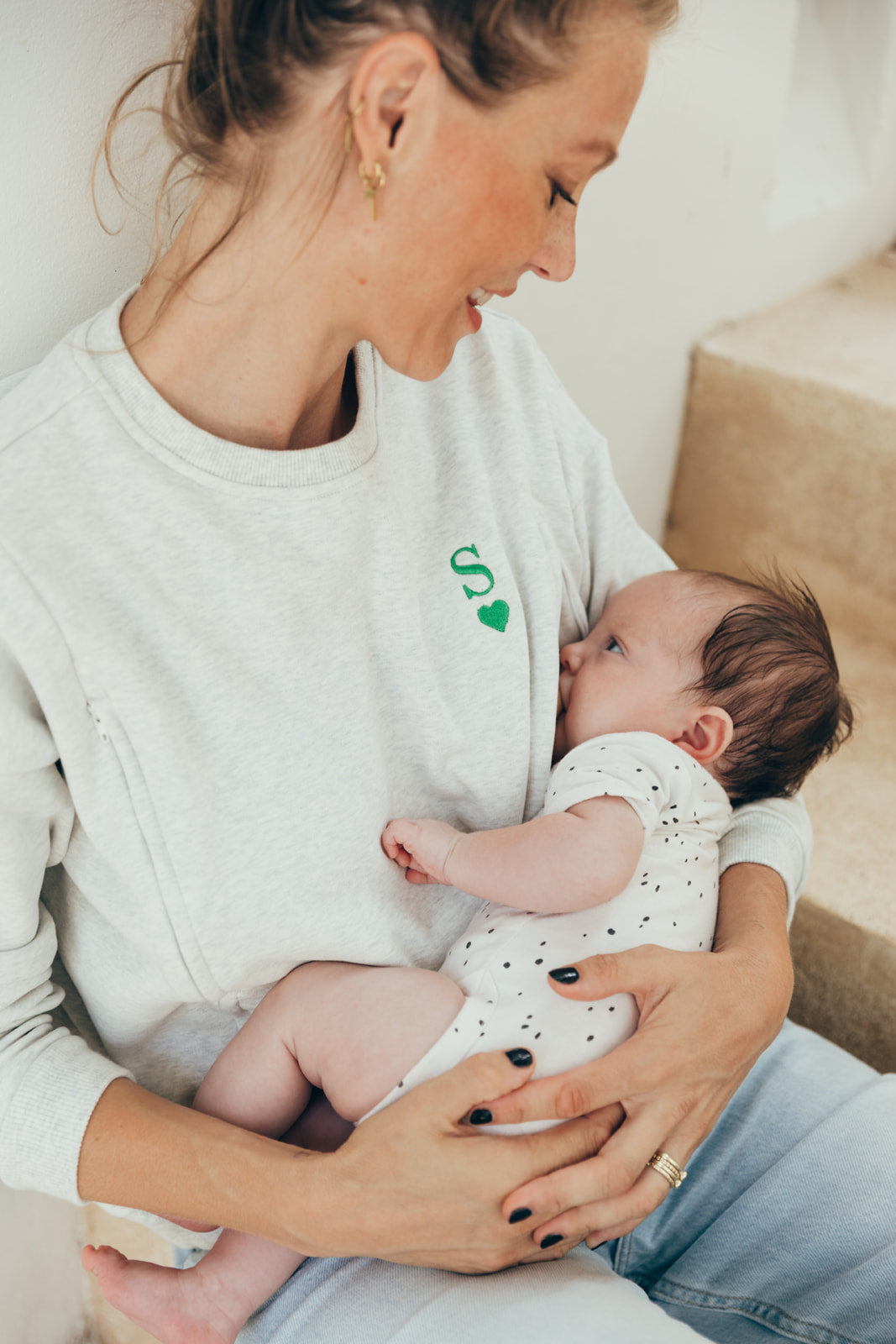

LUCKY CHARM Nursing Sweatshirt, OLD Gray
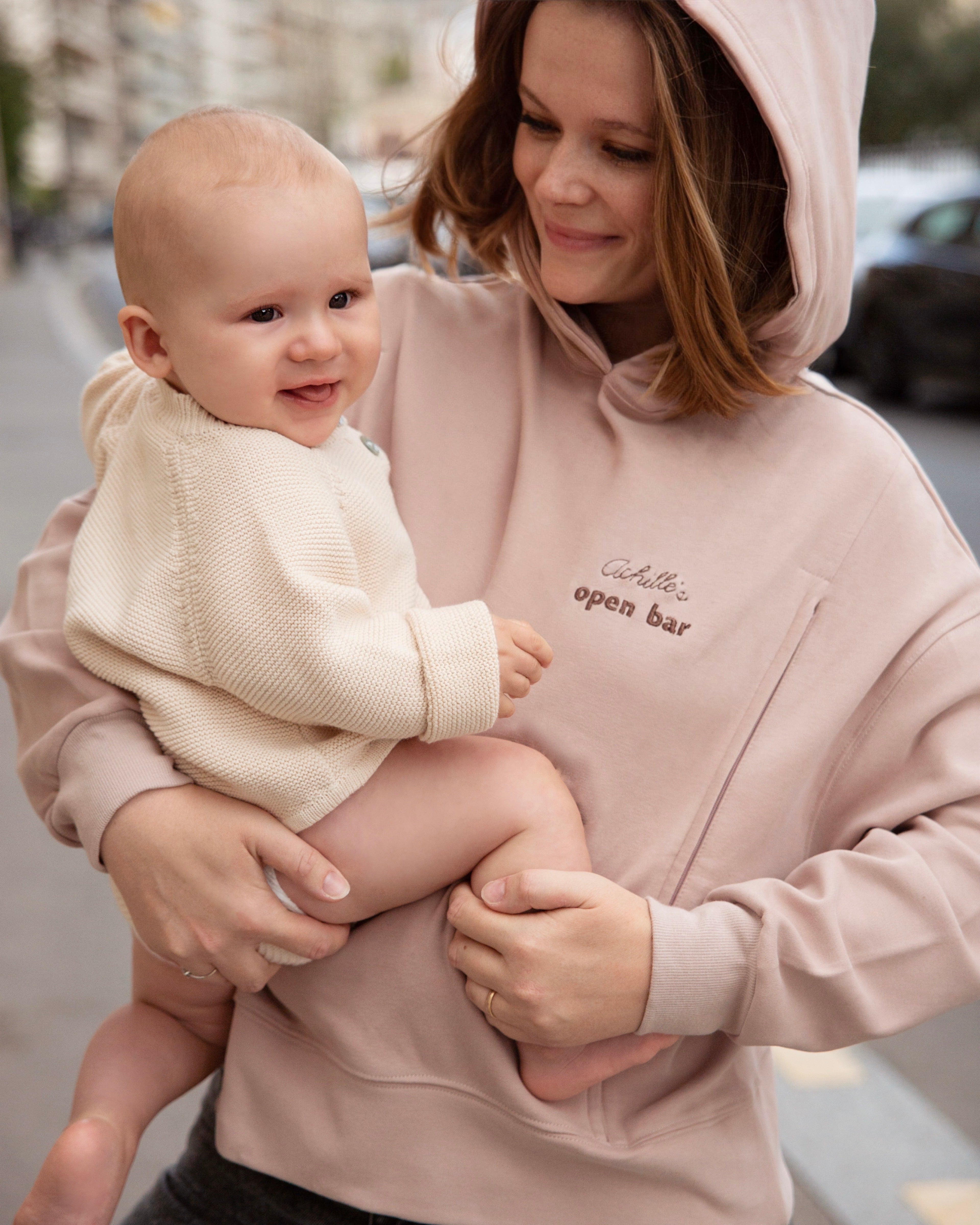
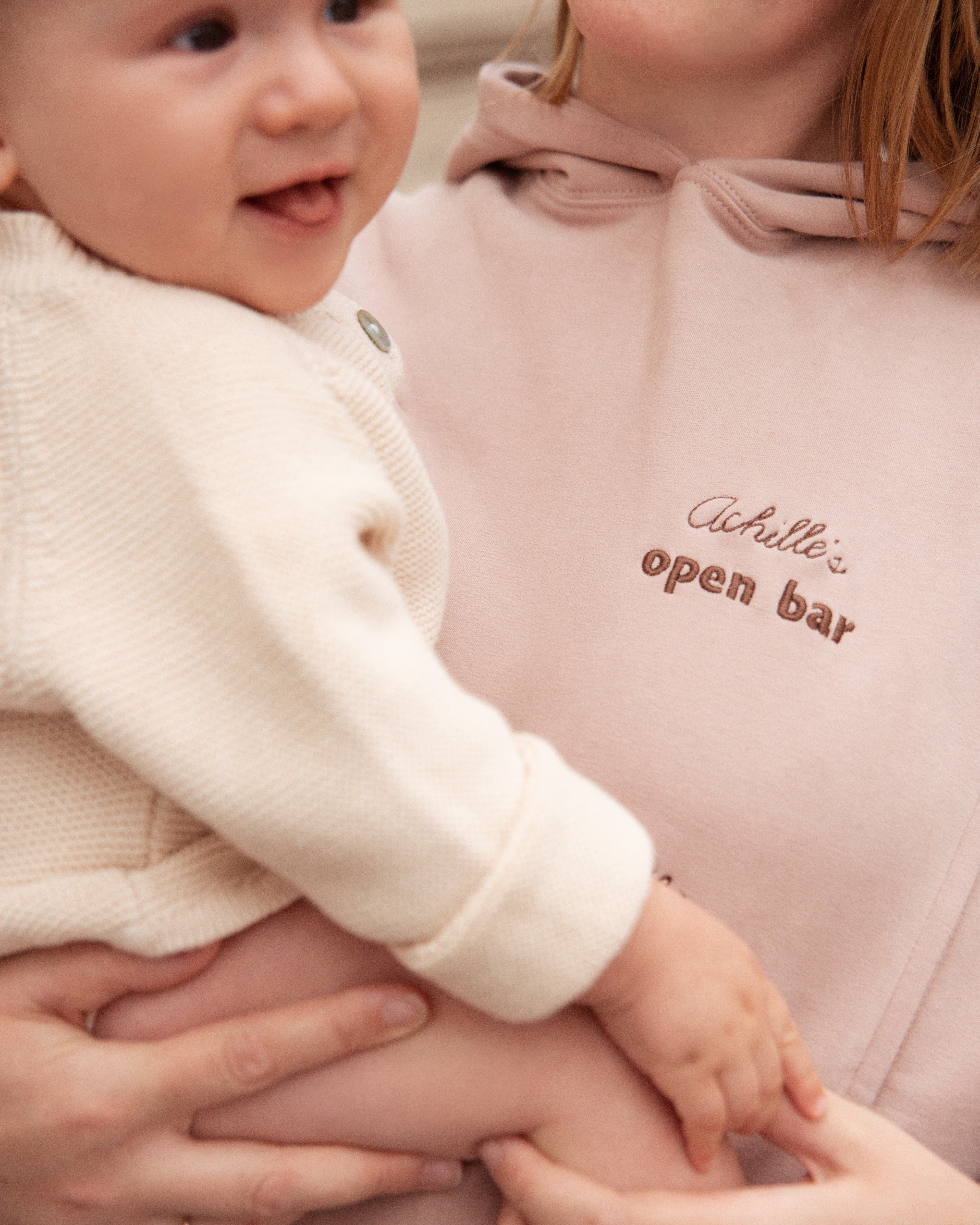
OPEN BAR taupe nursing hoody
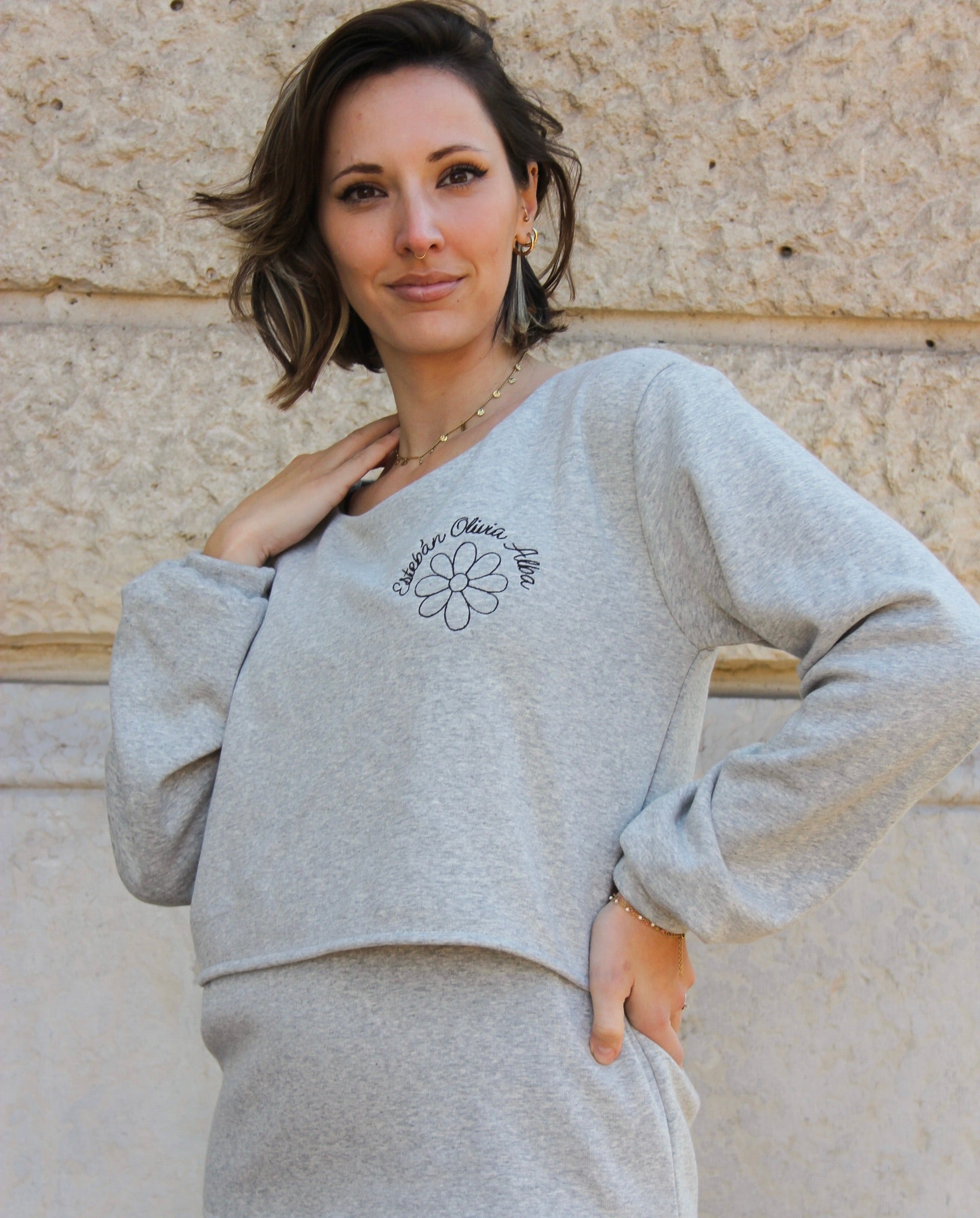
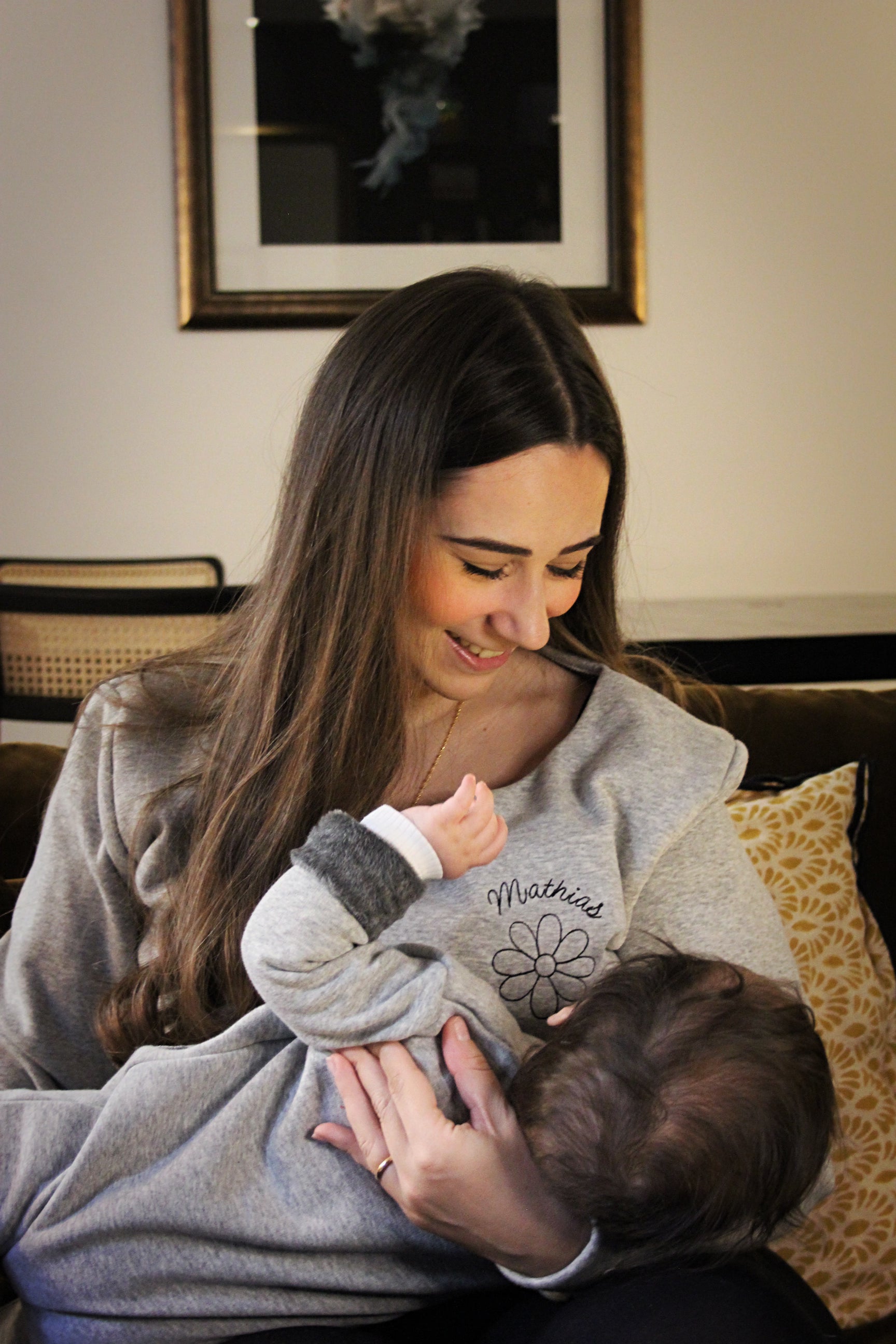
TZIGANETTE daisy nursing sweater


Pink Heart Nursing Sweatshirt
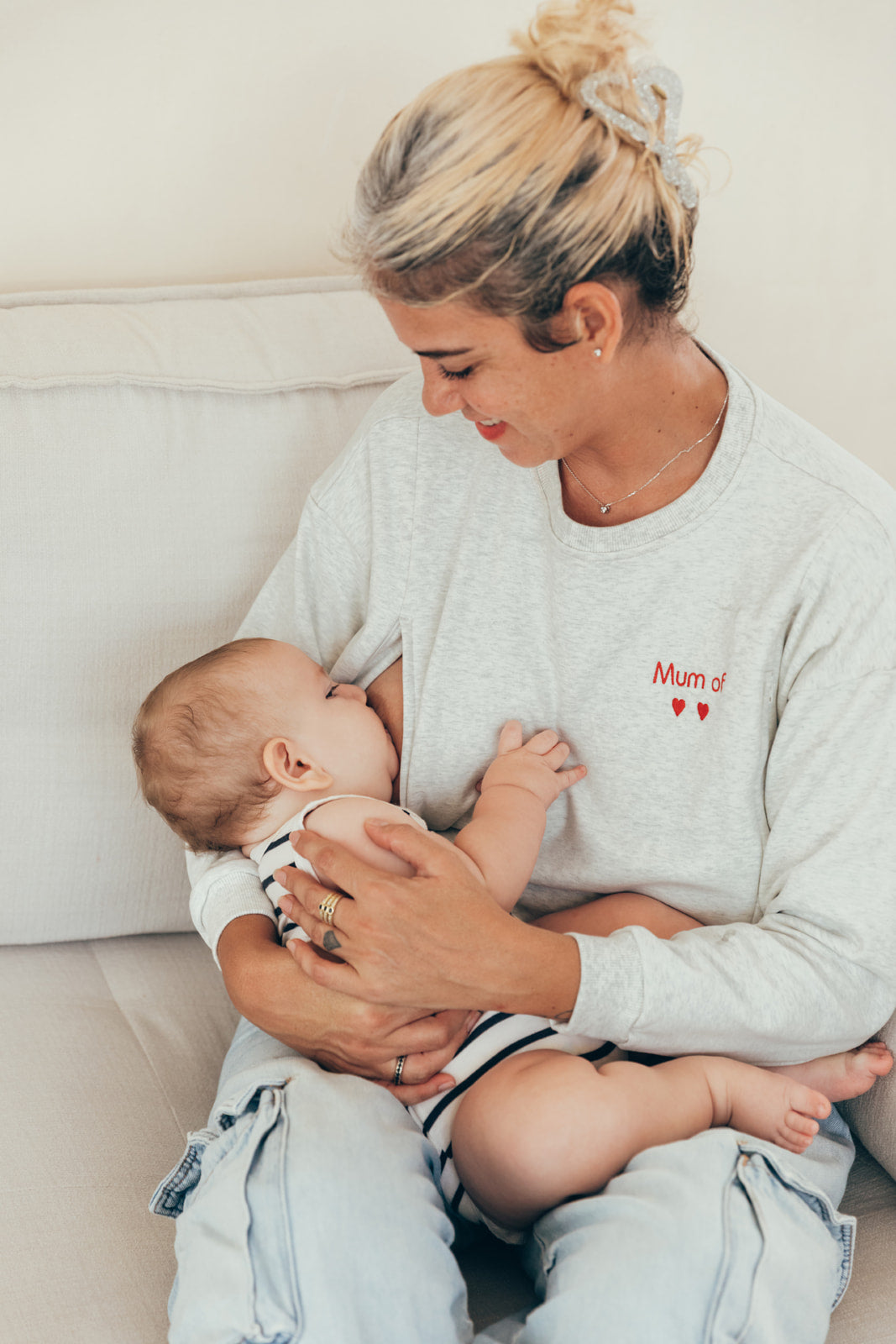
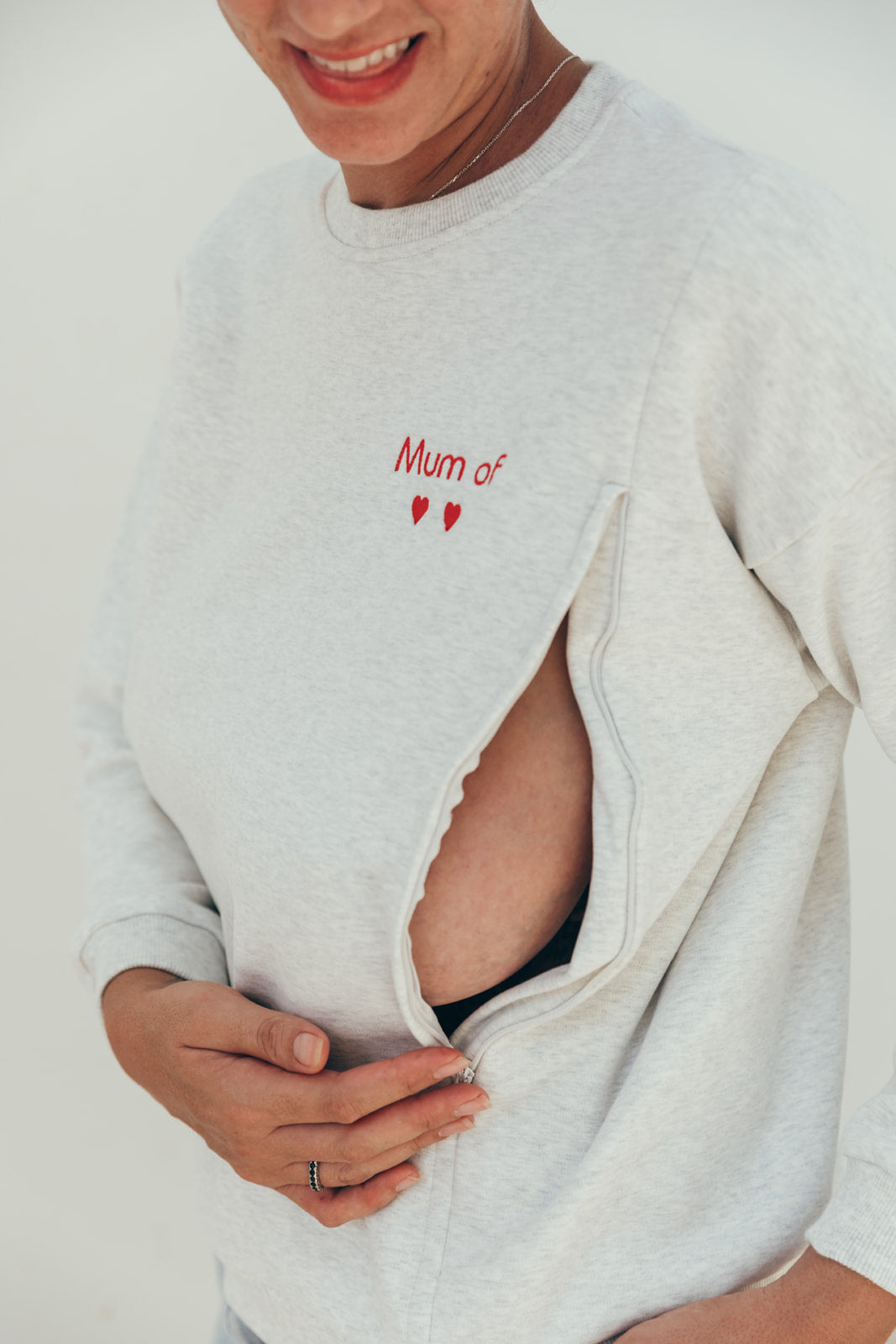
Nursing sweatshirt #MOMMY grey


Taupe nursing hoody MILK BOX
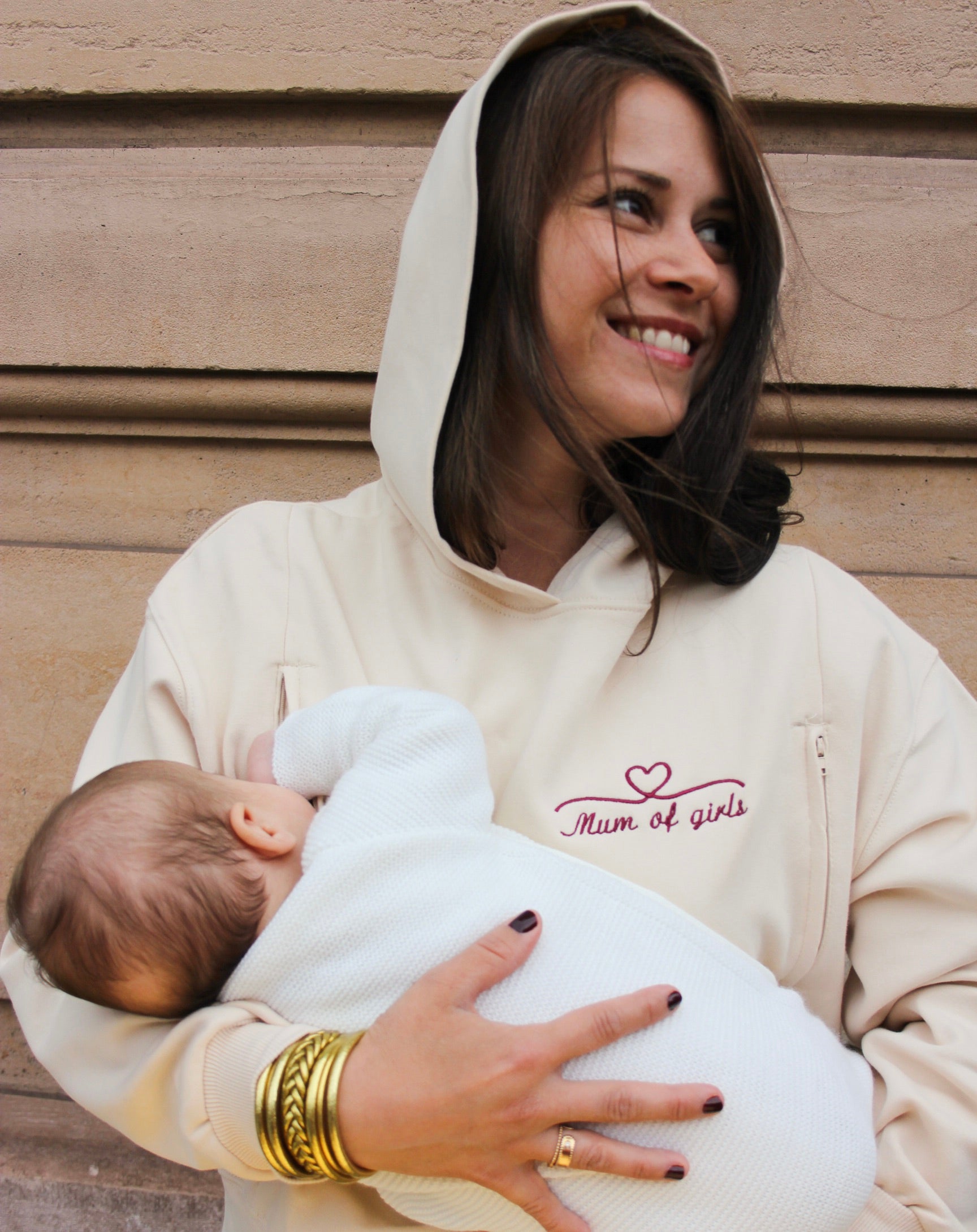
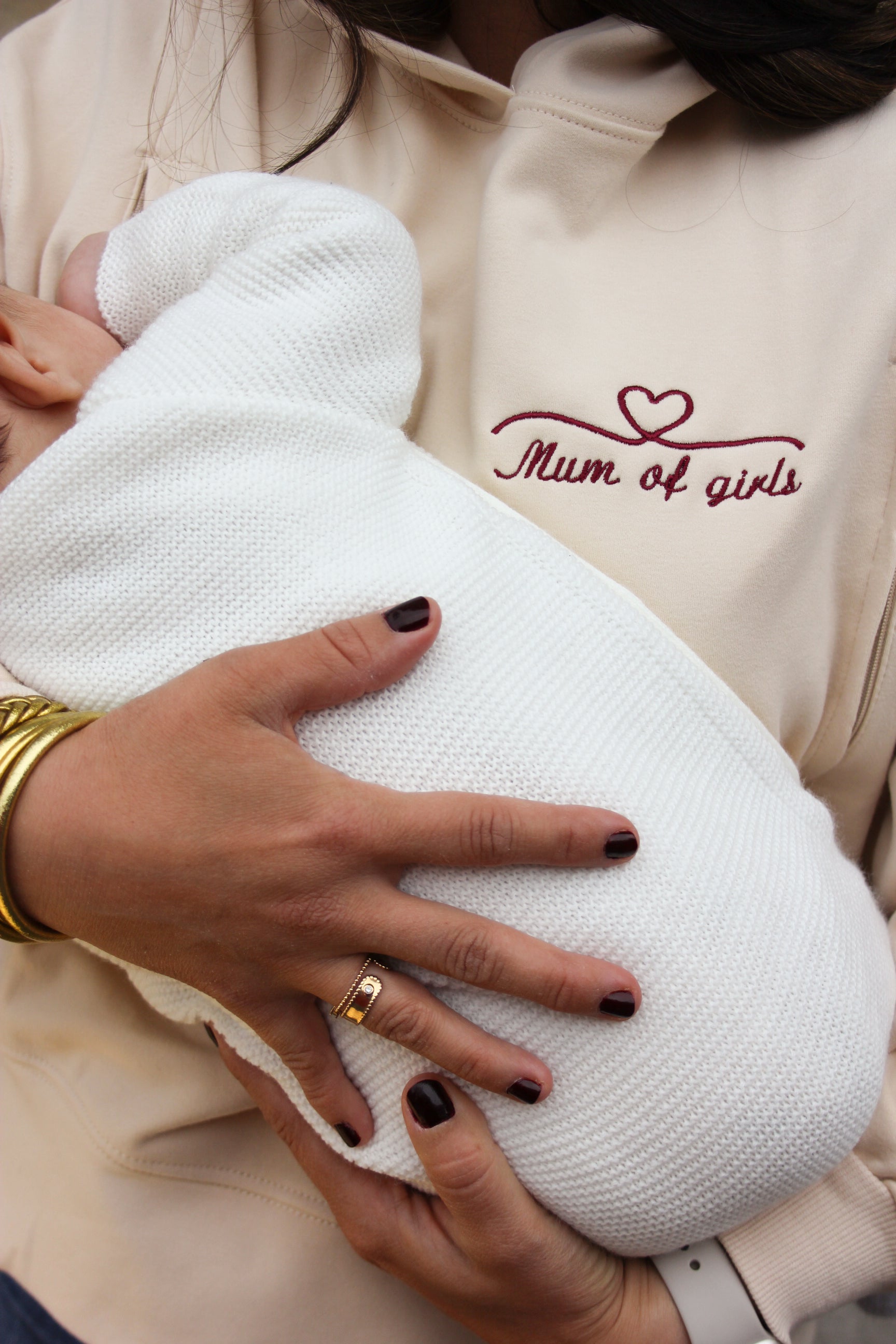
INFINI nursing hoodie


Blue Hearts Nursing Sweatshirt
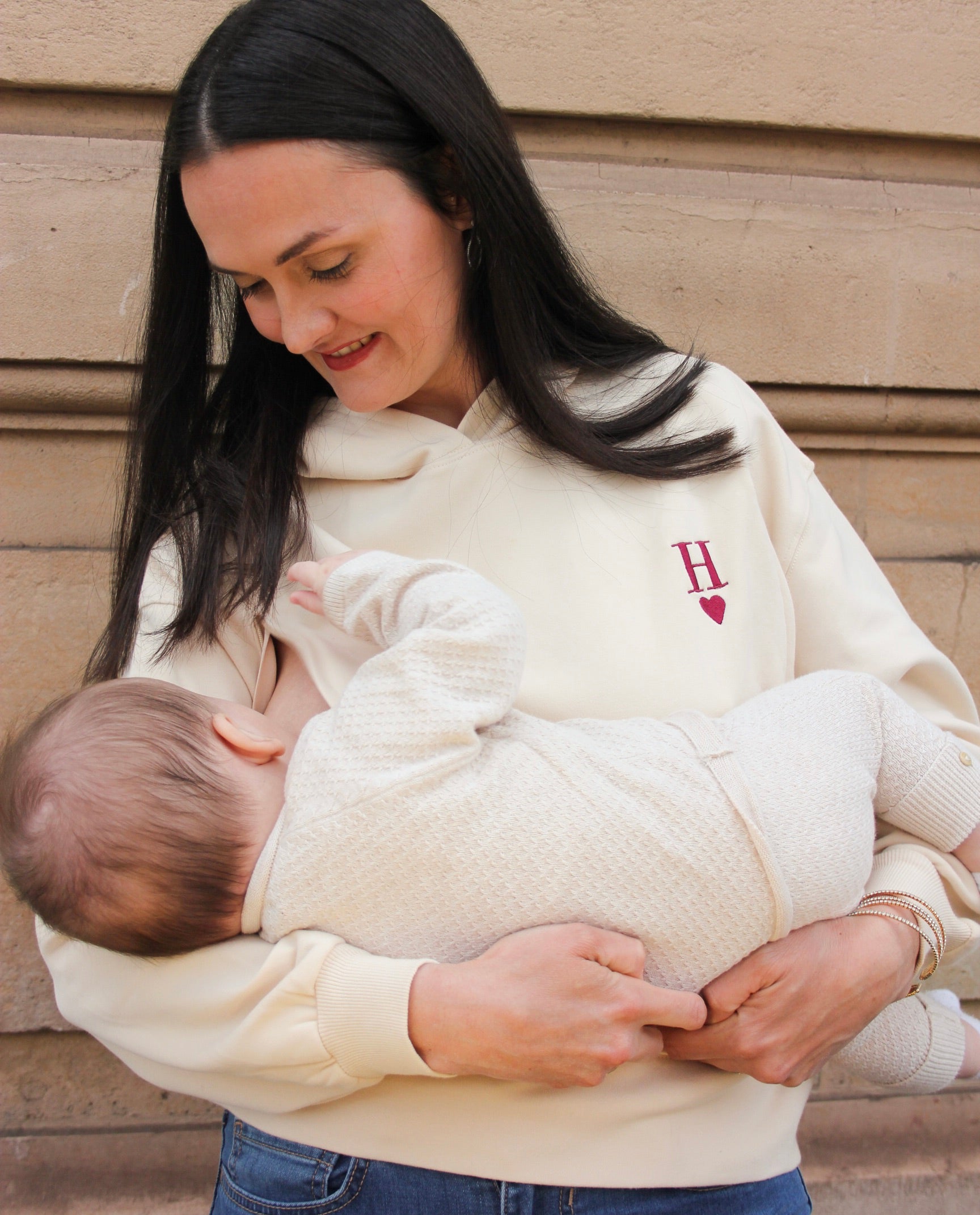
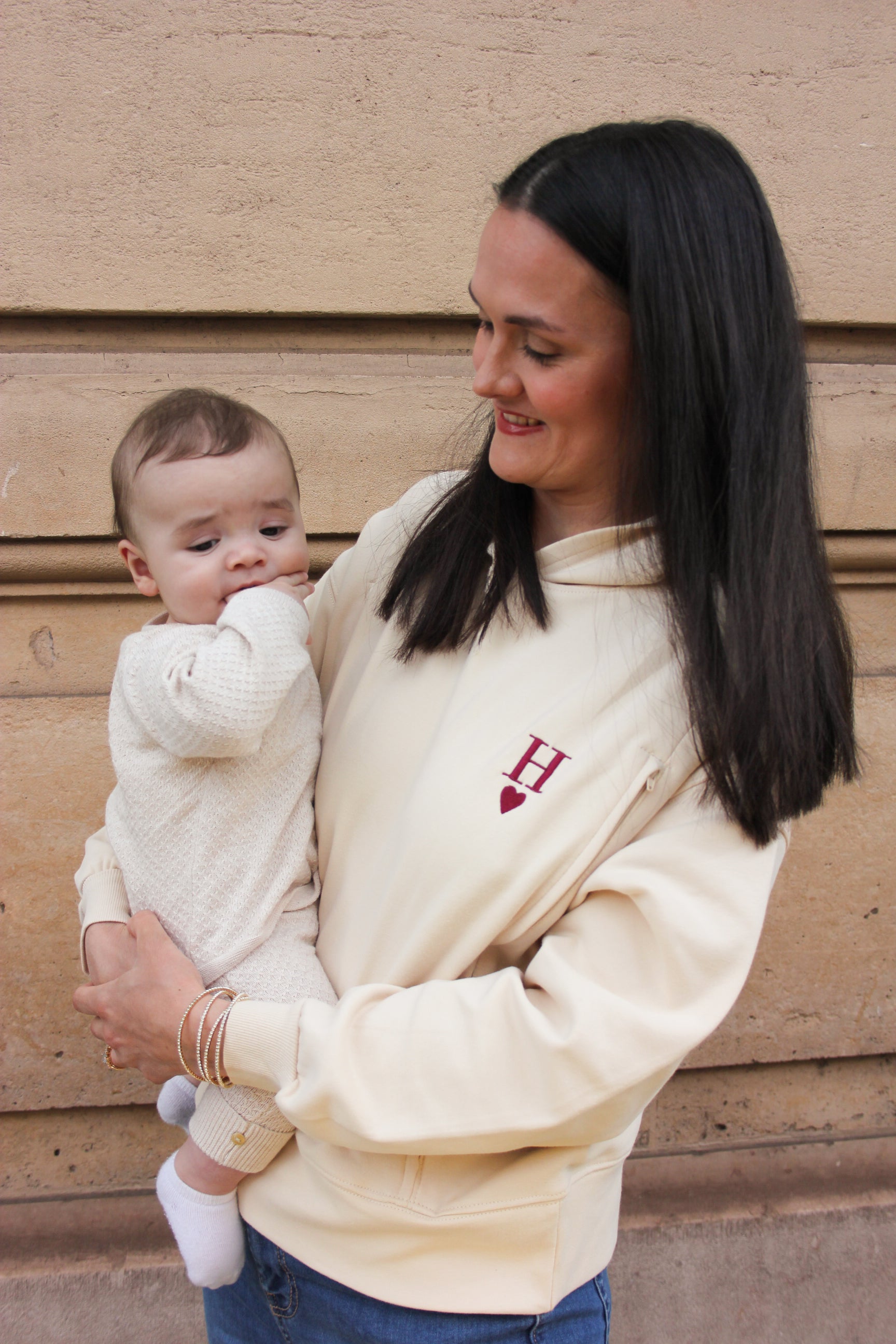
LUCKY CHARM nursing hoody


Blue Heart Nursing Sweatshirt
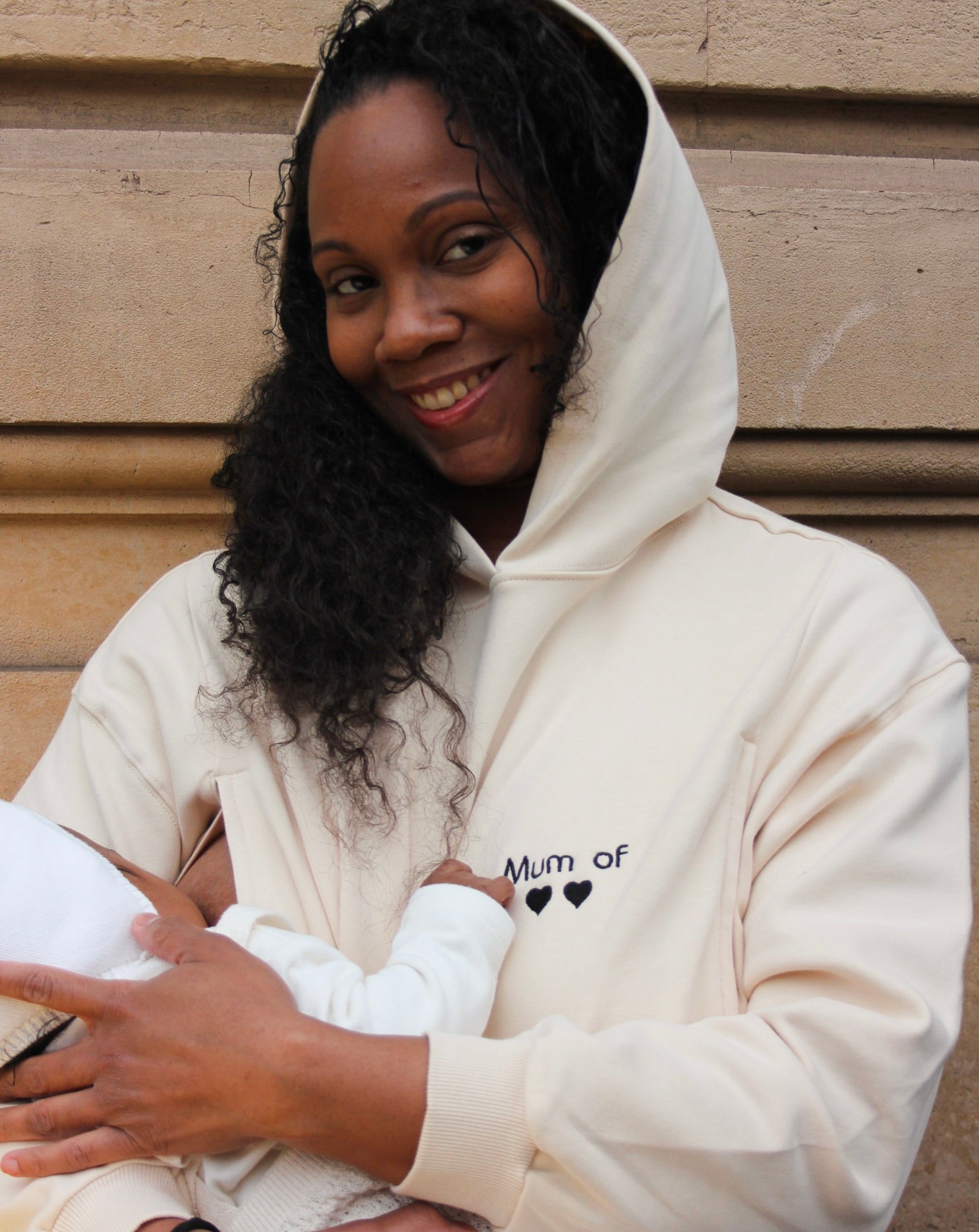
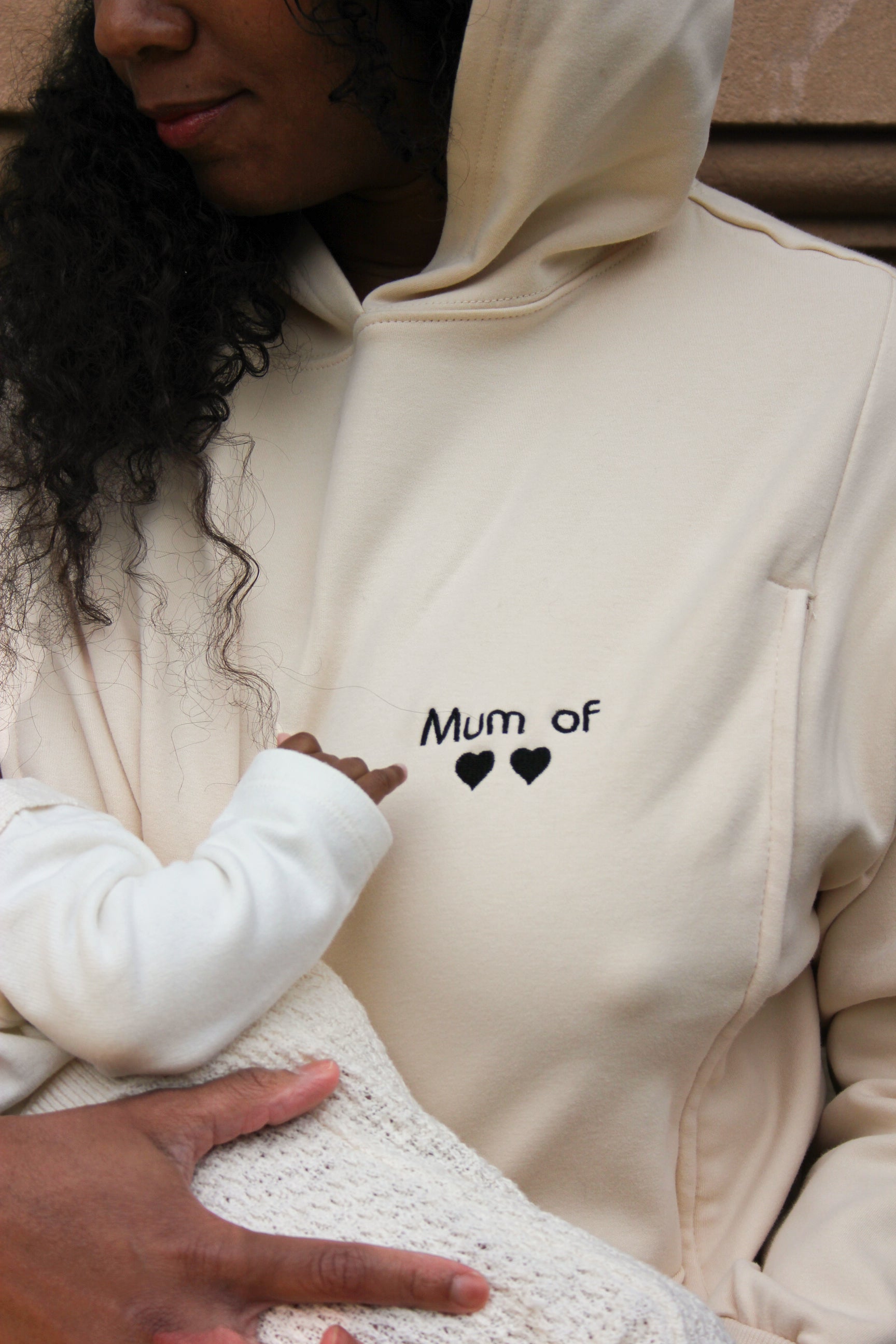
Nursing hoodie #MOMMY
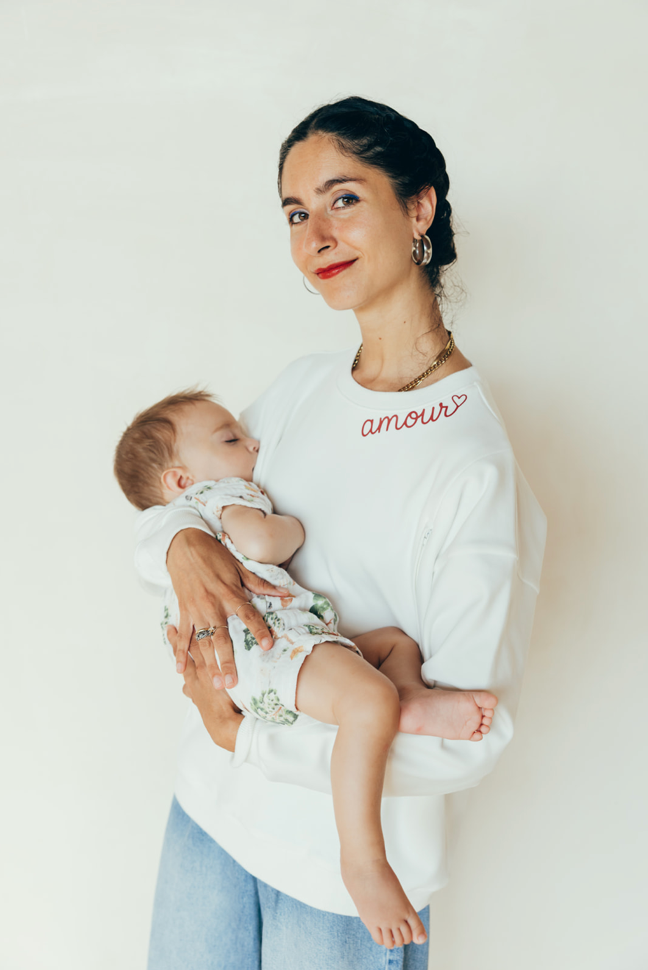
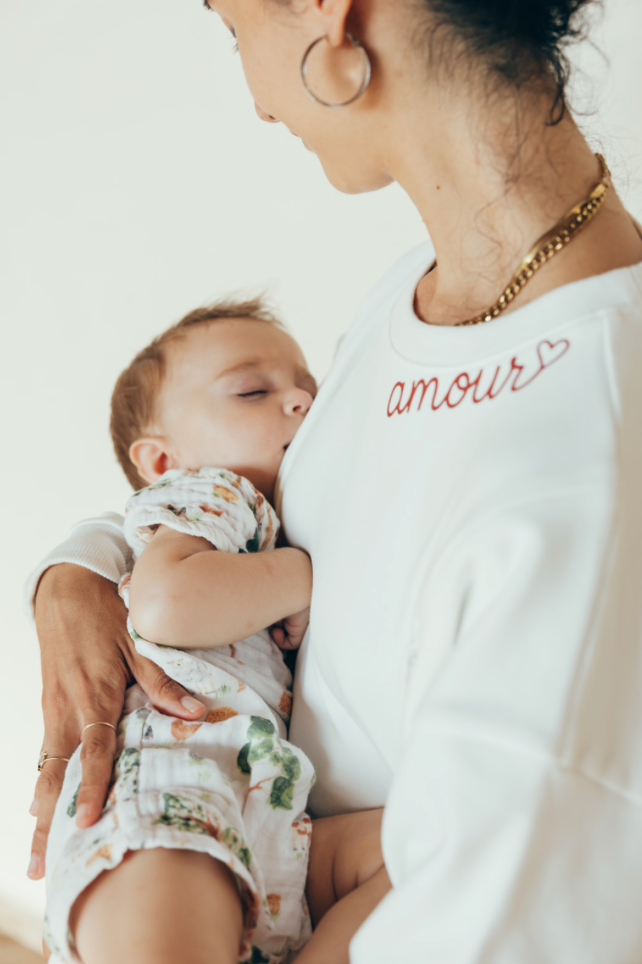
White AMOUR nursing sweatshirt
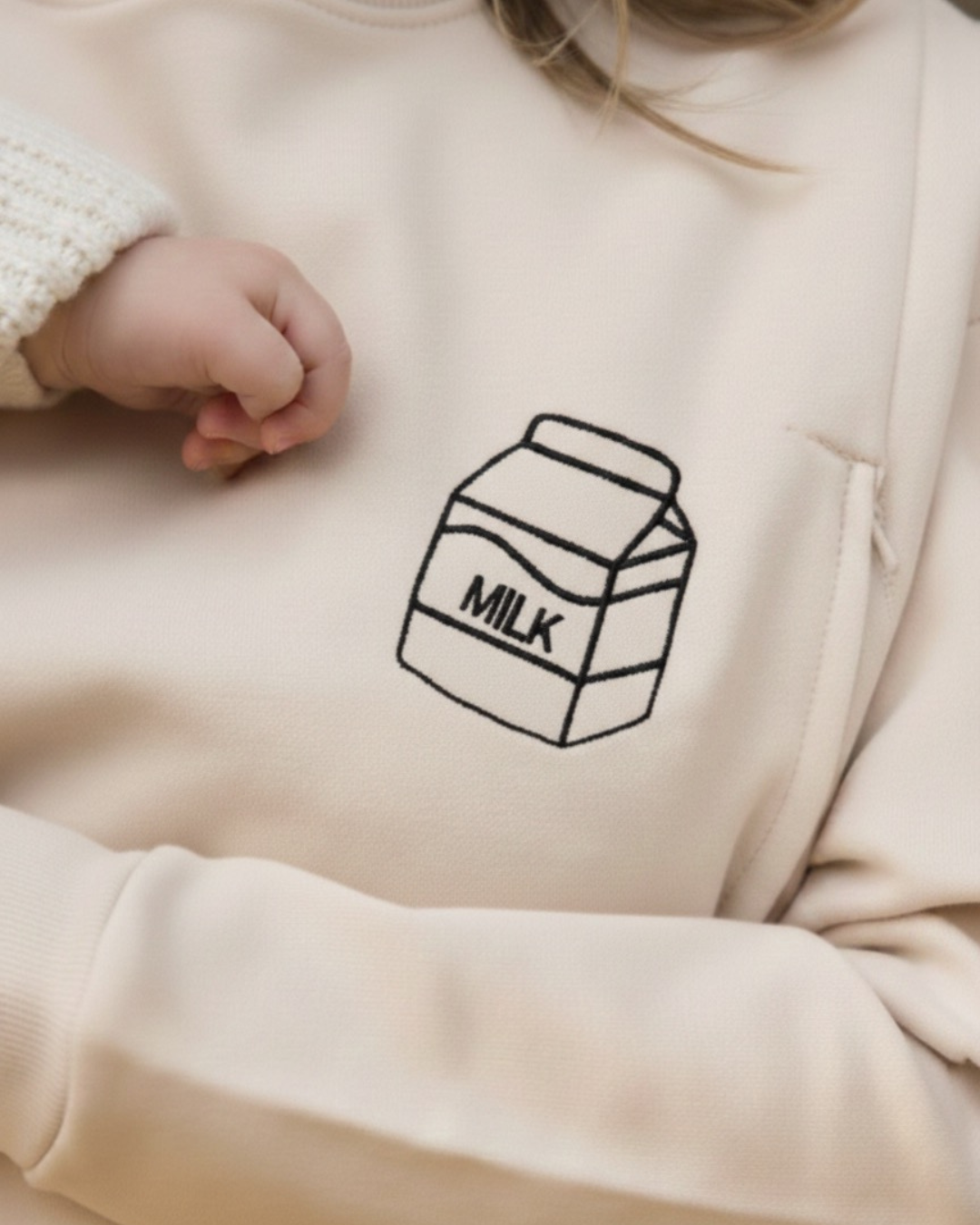
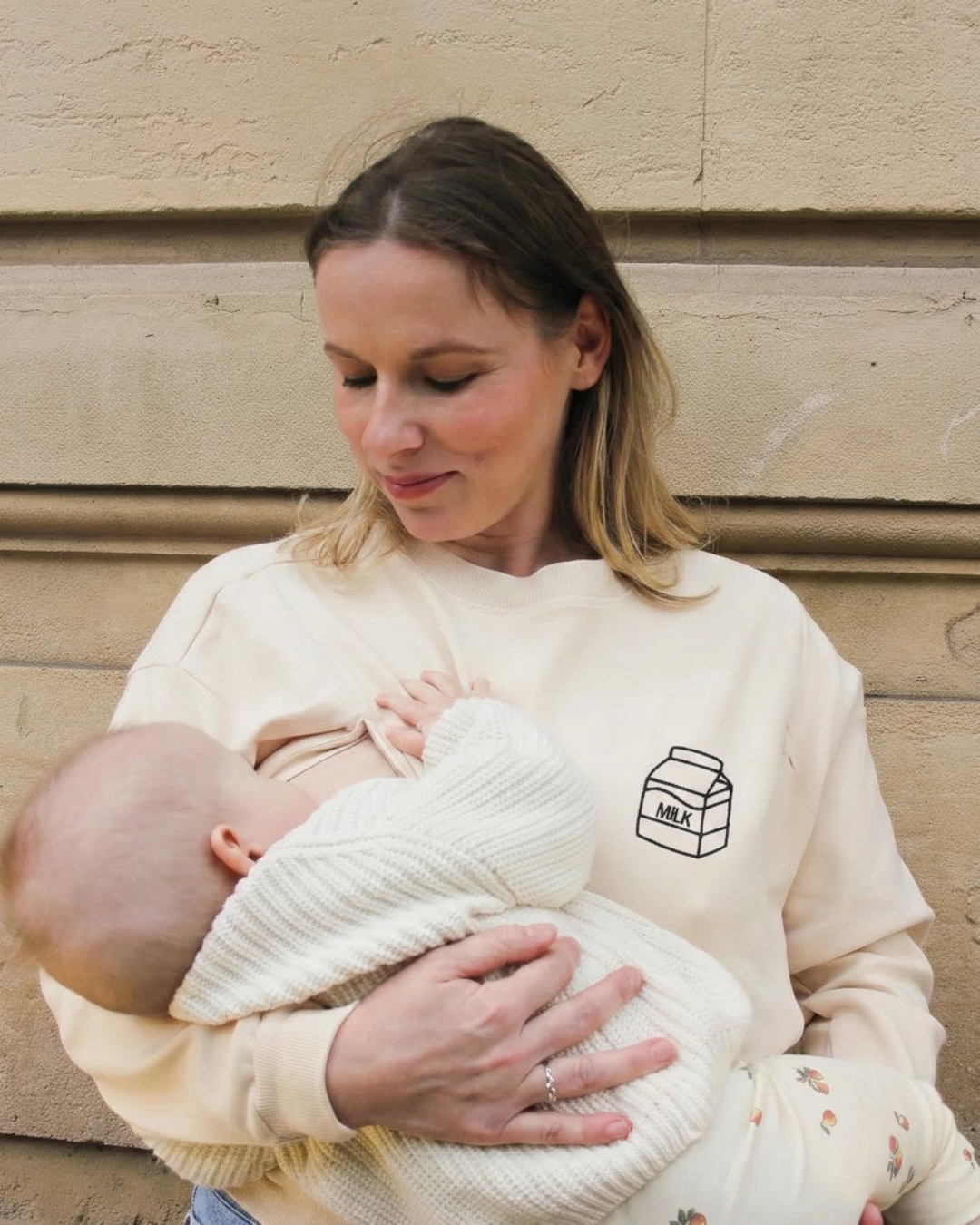
MILKBOX nursing sweatshirt

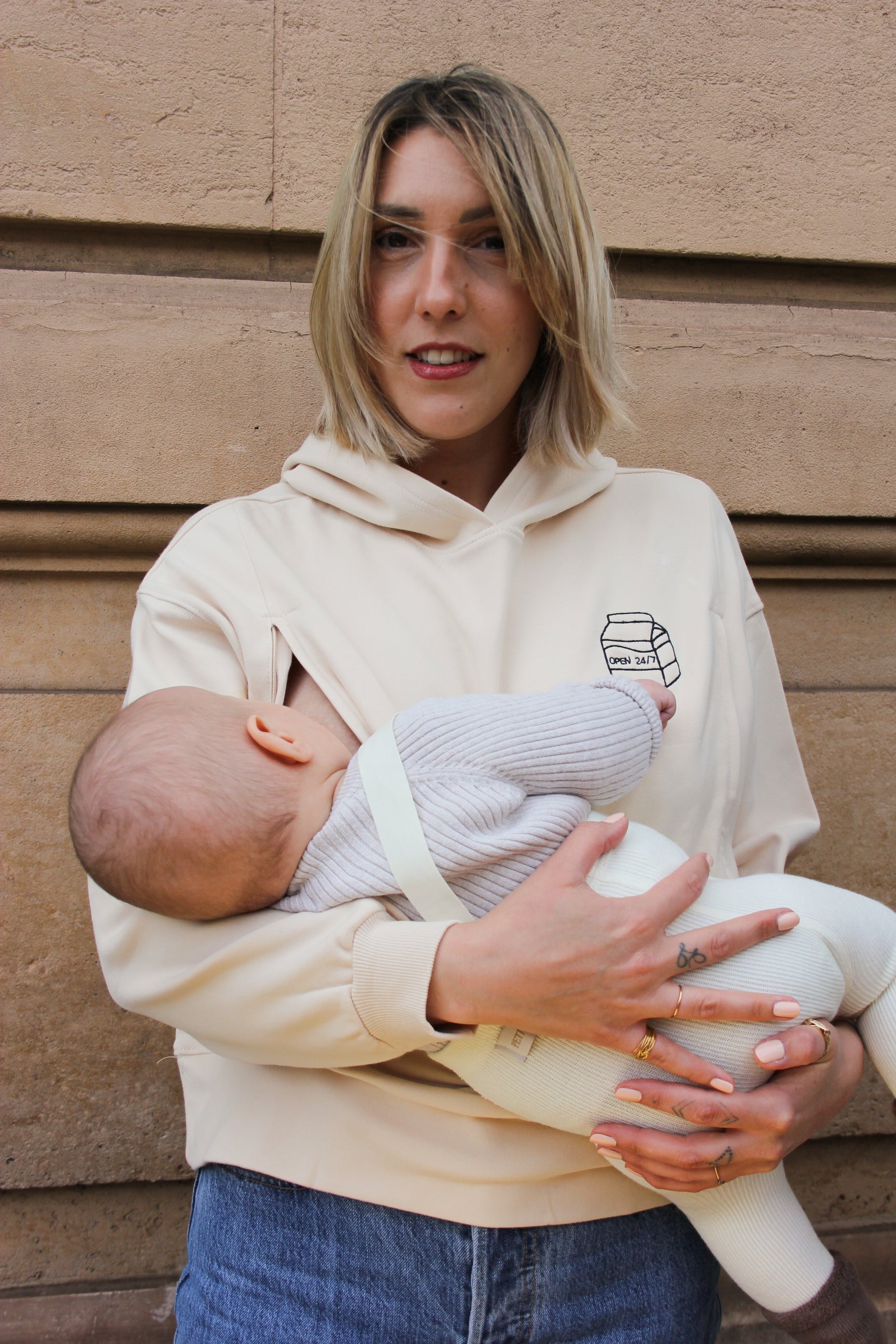
MILKBOX nursing hoody
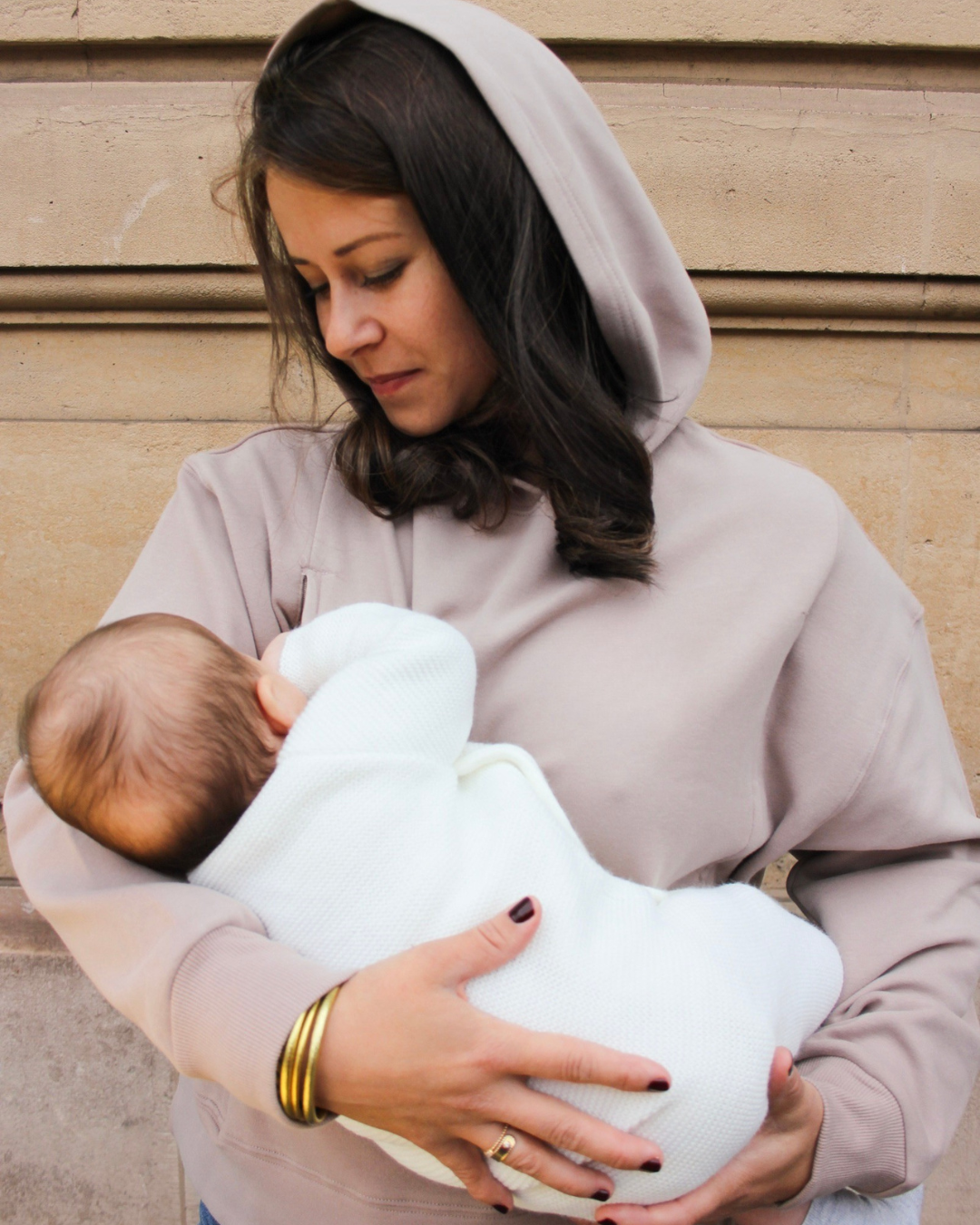

Mauve nursing hoodie
CHIARA black breastfeeding sweater
Yes, and that’s the most important answer in this entire FAQ. In the vast majority of cases, not only can you continue to breastfeed when you’re sick, but it’s actually strongly recommended. Colds, the flu, gastroenteritis, bronchitis, fever—none of these common winter illnesses are a contraindication to breastfeeding.
As soon as a mother is exposed to a virus, her immune system produces specific antibodies that pass directly into her breast milk. By continuing to breastfeed while she is sick, she passes these antibodies on to her baby in real time—providing natural, personalized immune protection that cannot be replicated in any other way. Stopping breastfeeding deprives the baby of precisely this protection at the very moment when he or she needs it most.
What's the difference between a cold and the flu when you're breastfeeding?
Both are very common respiratory viral infections in the winter, but they are not the same and are not treated quite the same way.
A cold is a mild upper respiratory tract infection—characterized by a stuffy nose, a scratchy throat, and mild fatigue—that usually resolves within 7 to 10 days without specific medical treatment. It poses no risk to breastfeeding. The flu is significantly more severe: it involves a sudden onset of high fever, severe body aches, intense fatigue, and a dry cough. For a breastfeeding mother, the flu can cause extreme dehydration and fatigue, which may temporarily affect milk production. However, it does not preclude breastfeeding—on the contrary, the milk produced while you have the flu is particularly rich in flu-fighting antibodies that are beneficial for your baby. In either case, continue to breastfeed, stay well-hydrated, and see a doctor if your symptoms worsen.
Can you breastfeed when your baby has a cold or a stuffy nose?
Yes, and breastfeeding is especially beneficial when a baby has a cold. Breast milk contains specific antibodies against the virus that causes a baby’s cold, which are particularly effective if the mother has been exposed to the same virus—which is often the case within the household.
The practical challenge when a baby has a stuffy nose is that feeding can become more difficult—the baby has trouble breathing through the nose while feeding and may frequently lose the latch. A few simple tips can make feedings easier: clear your baby’s nasal passages with saline solution just before a feeding, offer shorter, more frequent feedings rather than one long feeding, and hold your baby in a slightly more upright position to make breathing easier during the feeding.
What is bronchiolitis, and can you breastfeed if your baby has it?
Bronchiolitis is a viral respiratory infection of the lower airways in infants, caused primarily by the respiratory syncytial virus (RSV). It affects approximately 30% of infants under 2 years of age each winter and presents as a cold that progresses to a dry cough, rapid and wheezing breathing, and sometimes difficulty breathing.
Yes, you can and should continue breastfeeding when your baby has bronchiolitis. Breastfeeding is even recognized as one of the protective factors against severe forms of bronchiolitis; statistically, breastfed babies experience less severe cases of bronchiolitis and recover more quickly. During the illness, feedings may be shorter and more frequent because the baby tires quickly. If the baby has trouble nursing due to breathing difficulties, pump your milk and offer it by spoon or cup to maintain the baby’s nutrition and your milk supply. See a doctor promptly as soon as the first signs appear—bronchiolitis can progress rapidly in infants younger than 2 months.
Does breastfeeding really protect against winter illnesses?
Yes, and the scientific evidence is strong. Breast milk contains a wide range of antibacterial and antiviral agents—IgA antibodies, white blood cells, lactoferrin, and lysozyme—that protect babies against the most common respiratory and digestive infections in winter. Depending on the duration of breastfeeding, the risk of colds, the flu, respiratory tract infections, ear infections, and gastroenteritis is significantly reduced in breastfed babies.
This protection is particularly effective against winter illnesses because breast milk adapts in real time to the viruses circulating in the immediate environment of the mother and baby. When a mother is exposed to a virus at daycare while dropping off her baby, on public transportation, or while out with her family, her body produces specific antibodies that appear in her milk within a few hours. It’s a personalized, real-time immune shield that nothing else can replicate.
Which cold and flu medications are safe to take while breastfeeding?
This is the question that stresses breastfeeding moms the most when their baby gets their first winter illness—and for good reason, since certain common medications should be avoided while breastfeeding.
Acetaminophen is the safest first-line medication for relieving fever and pain while breastfeeding. It passes into breast milk in very small amounts and poses no proven risk to the baby at usual therapeutic doses.Ibuprofen is also often considered safe, but you should consult a healthcare provider to confirm this based on your specific situation.Aspirin is not recommended while breastfeeding. Decongestants containing pseudoephedrine, phenylephrine, or phenylpropanolamine can reduce milk production and should be avoided, whether as a nasal spray or taken orally.Cough syrups containing codeine or guaifenesin should be avoided. Saline nasal spray is completely safe and very effective for relieving a stuffy nose. If you have any doubts about a medication, consult the CRAT (Reference Center on Teratogenic Agents), whose online database is available for free, or ask your doctor or pharmacist directly, making sure to mention that you are breastfeeding.
Can you breastfeed if you have winter gastroenteritis?
Yes, and it’s especially important to keep going. Winter gastroenteritis—most often caused by norovirus or rotavirus—is not transmitted through breast milk. The virus is spread via the fecal-oral route through contact with contaminated surfaces or unwashed hands, not through breastfeeding. Continuing to breastfeed during an episode of gastroenteritis protects the baby thanks to the antibodies passed on and significantly reduces the risk that the baby will develop the illness.
The main challenge for a mother during a stomach bug is to stay hydrated. Diarrhea and vomiting, combined with milk production, create a risk of rapid dehydration. Drinking water, broth, or oral rehydration solutions regularly is essential for maintaining milk production and preventing dehydration. If you’re having trouble staying sufficiently hydrated, see a doctor right away.
Should you breastfeed when your baby has an ear infection?
Yes, absolutely. An ear infection is an inflammation of the middle ear that is very common in infants and young children during the winter—often following a cold or nasopharyngitis. It does not preclude breastfeeding; on the contrary, breastfeeding remains a valuable source of comfort for a baby in pain.
Breastfeeding is even a recognized protective factor against recurrent ear infections; breastfed babies statistically have fewer ear infections than bottle-fed babies, largely due to the antibodies in breast milk and the breastfeeding position, which promotes proper drainage of the middle ear. If your baby is in pain and has trouble nursing because of it, try shorter, more frequent feedings, and see a doctor right away to determine whether treatment is necessary.
Can you get a flu shot while breastfeeding?
Yes, the flu vaccine is safe to take while breastfeeding and is even recommended for breastfeeding mothers. Getting the vaccine does not prevent breastfeeding—the flu vaccine does not contain live viruses and cannot be transmitted to the baby through breast milk.
In addition, getting vaccinated while breastfeeding offers a twofold benefit: it protects the mother against the flu—and thus allows her to continue breastfeeding without interruption—and it may pass on flu antibodies to the baby through breast milk, strengthening the baby’s natural protection. Ask your doctor or midwife about the recommended vaccination schedule while breastfeeding.
How can you keep your baby from getting sick when you're sick in the winter?
Winter illnesses are not transmitted through breast milk, but they are spread through the air and by contact. A few simple precautions can help limit direct viral transmission during feedings and care.
Washing your hands thoroughly before each feeding and before touching your baby is the most effective preventive measure. Wear a surgical mask if you have significant respiratory symptoms—such as a cough or frequent sneezing—to limit the spread of droplets. Avoid kissing your baby on the face during the period of peak contagiousness. Ventilate the room regularly to reduce the concentration of the virus in the air. And continue breastfeeding—the antibodies passed through breast milk are the best additional protection available.
How can you dress comfortably when you're sick and breastfeeding in the winter?
When you're running a fever, aching all over, and exhausted, the last thing you should have to worry about is figuring out what to wear while breastfeeding. Yet it's often a real headache without the right clothes.
Nursing pajamas are the centerpiece of sick days and nights: soft against sensitive skin, their zippered openings let you nurse in just a few simple steps without undressing, and they remain comfortable for lying down between feedings. On days when you’re feeling chilly, a lightweight nursing sweater worn over the pajamas adds a layer of warmth without making breastfeeding more difficult. And for exhausting nighttime feedings, having everything you need within reach—a glass of water, tissues, and clean nursing pads—means you won’t have to get up unnecessarily in the cold.
When should you see a doctor right away if you're sick and breastfeeding?
The vast majority of winter illnesses can be managed at home without needing urgent medical attention. However, certain symptoms should prompt a prompt visit to the doctor for both the mother and the baby.
For the mother: a high fever above 38.5°C that persists for more than 48 hours despite taking acetaminophen; localized, intense pain in one breast accompanied by redness and fever, which may indicate mastitis; shortness of breath; chest pain; or signs of severe dehydration. For the baby: significant breathing difficulties—rapid, wheezing, or labored breathing with flaring nostrils; refusal to feed for several hours; fever in an infant under 3 months of age; signs of dehydration—dry mouth, sunken fontanelle, absence of tears, few wet diapers—or rapid worsening of symptoms. If in doubt, call your doctor or dial 15—it’s better to seek medical attention unnecessarily than to let a situation worsen without treatment.
What is the return policy for 23 Mai Paris nursing clothing 23 Mai Paris
You have 14 days from the date you receive your order to let us know if an item does not meet your expectations and request a refund. Please note that exchanges are not available; only refunds are offered.
Customized items featuring embroidery are excluded from this policy and cannot be returned or refunded. For any inquiries, please contact our customer service team in advance at the following email address: bonjour@23maiparis.com.
You can also find more designs here
Breastfeeding pyjamas Breastfeeding sweaters Winter Warm nursing clothes Breastfeeding t-shirts long-sleevedOur blog post: Breastfeeding and Winter Illnesses Our blog post: Breastfeeding and Colds Our blog post: Breastfeeding and Winter Fatigue Our blog post: How to Dress in Winter When Breastfeeding