Filters


Breastfeeding t-shirt black AMORE


MAMMA COOL nursing sweatshirt
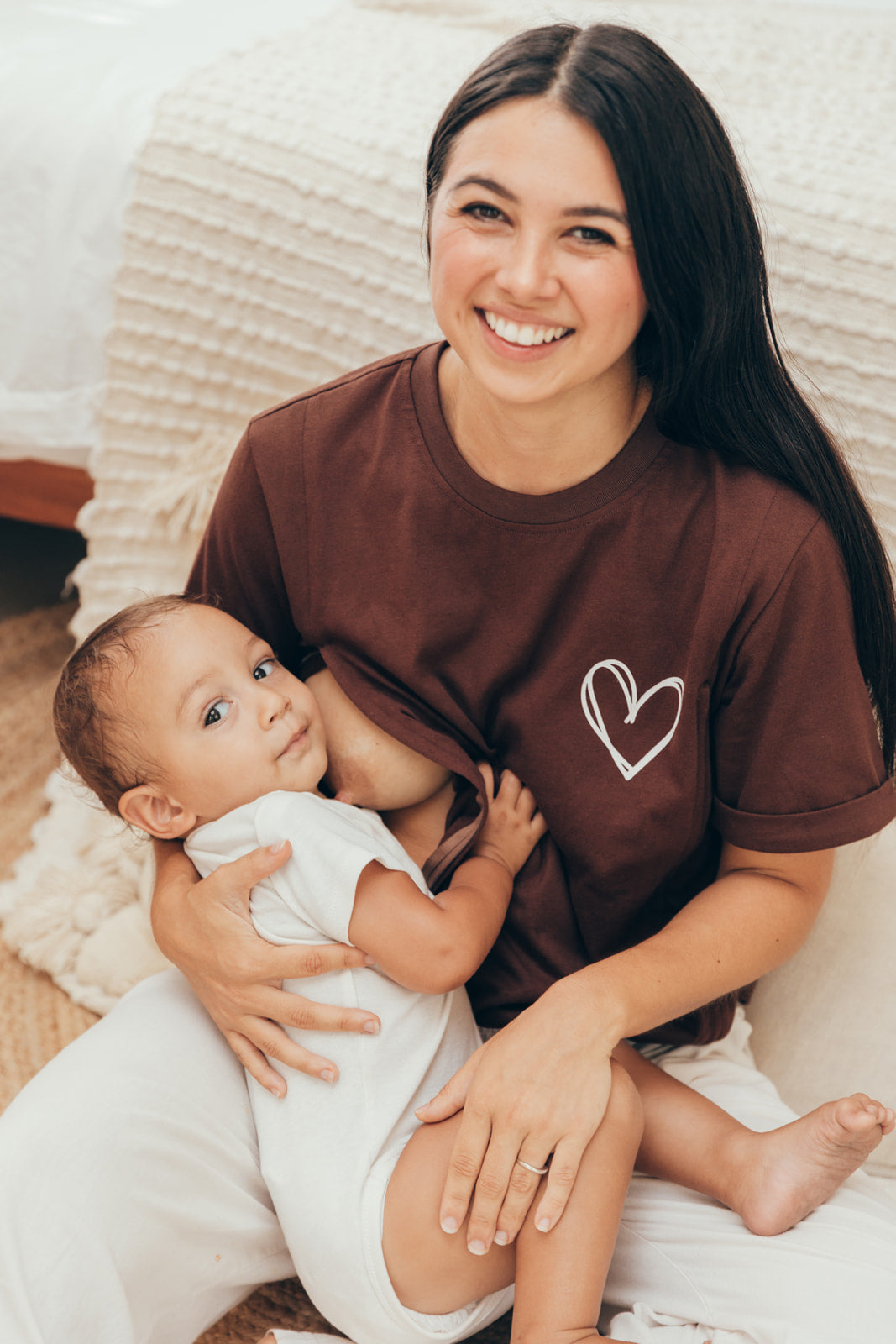

Breastfeeding t-shirt brown heart
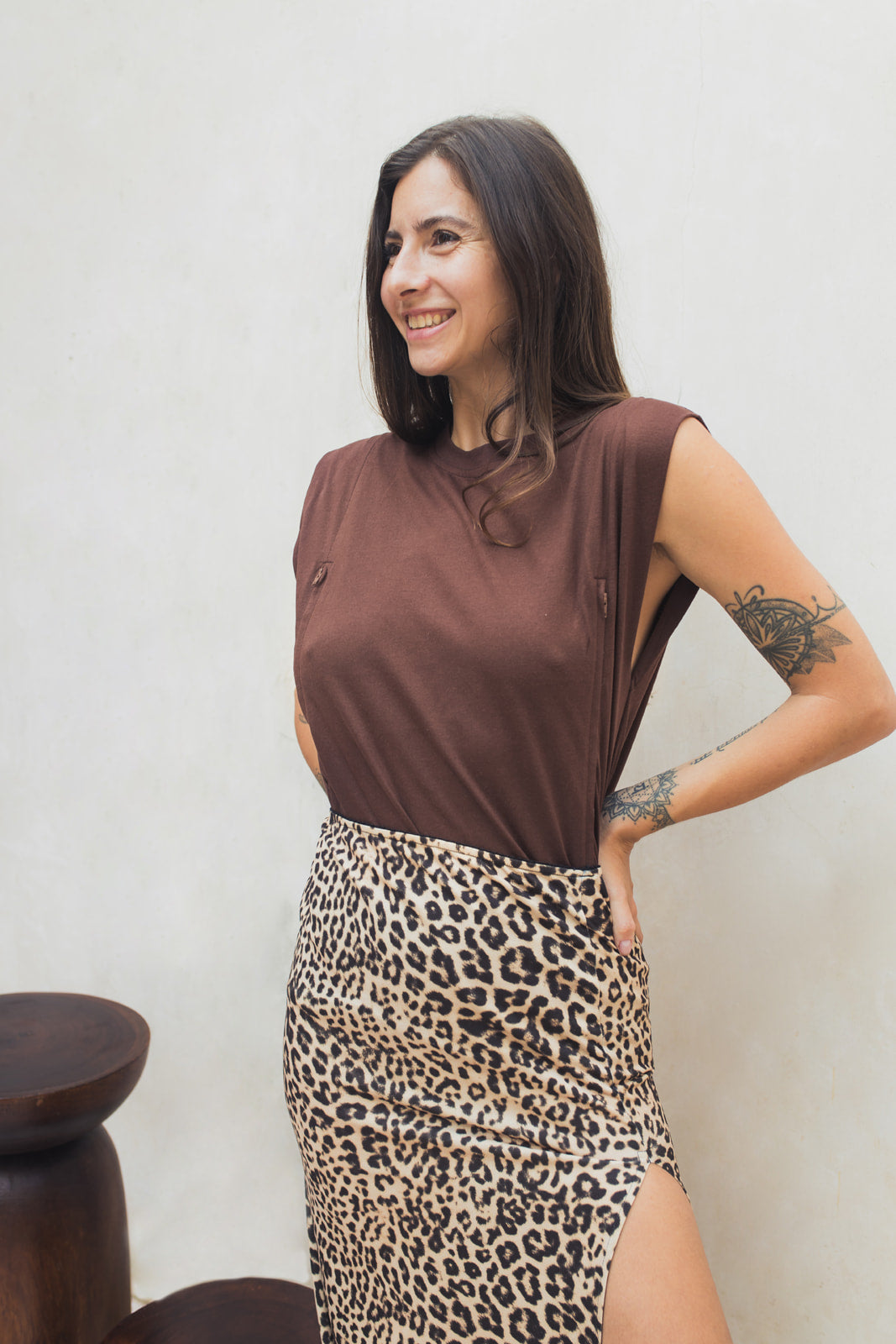

Nursing tank top BROWN
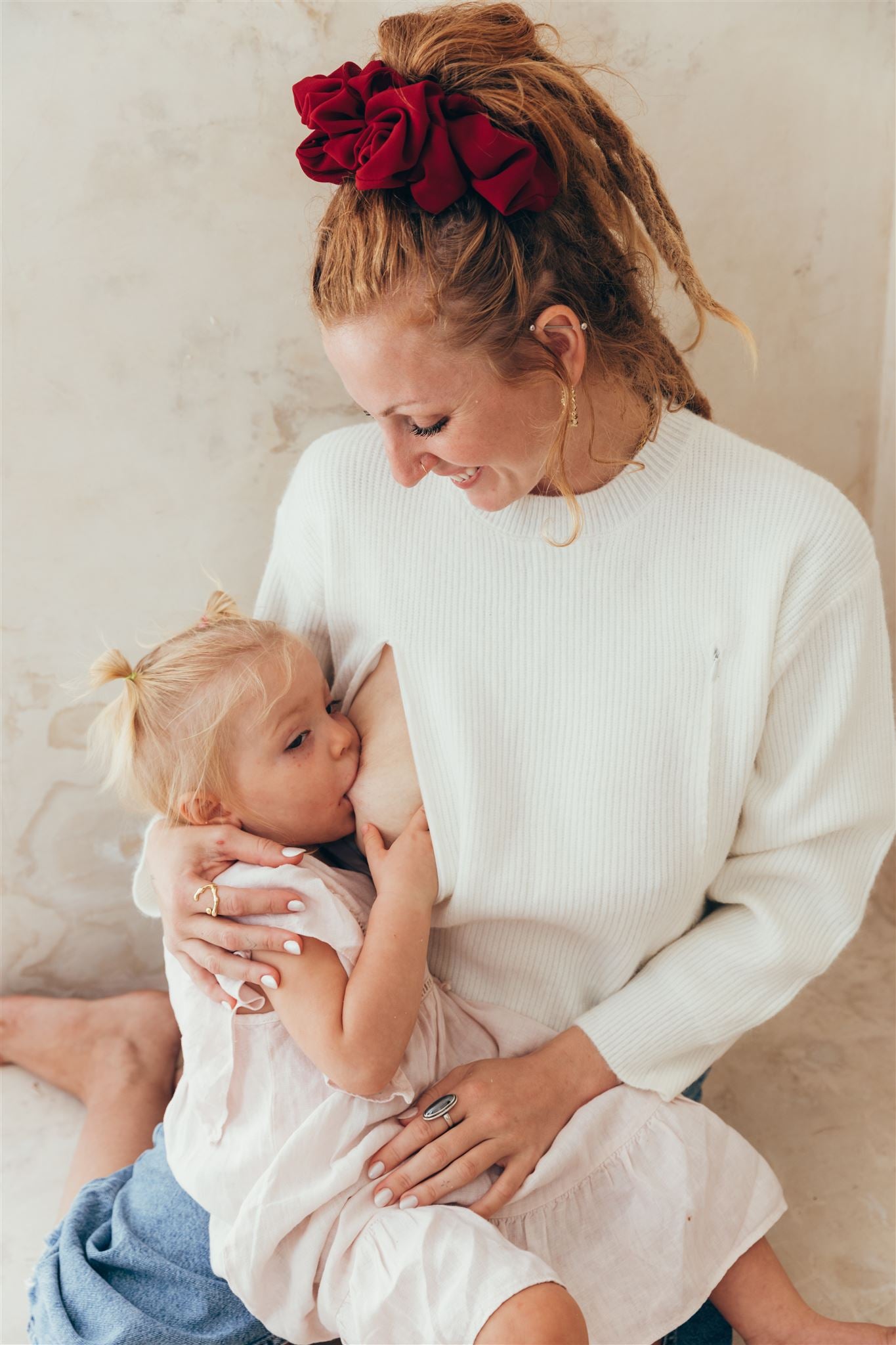
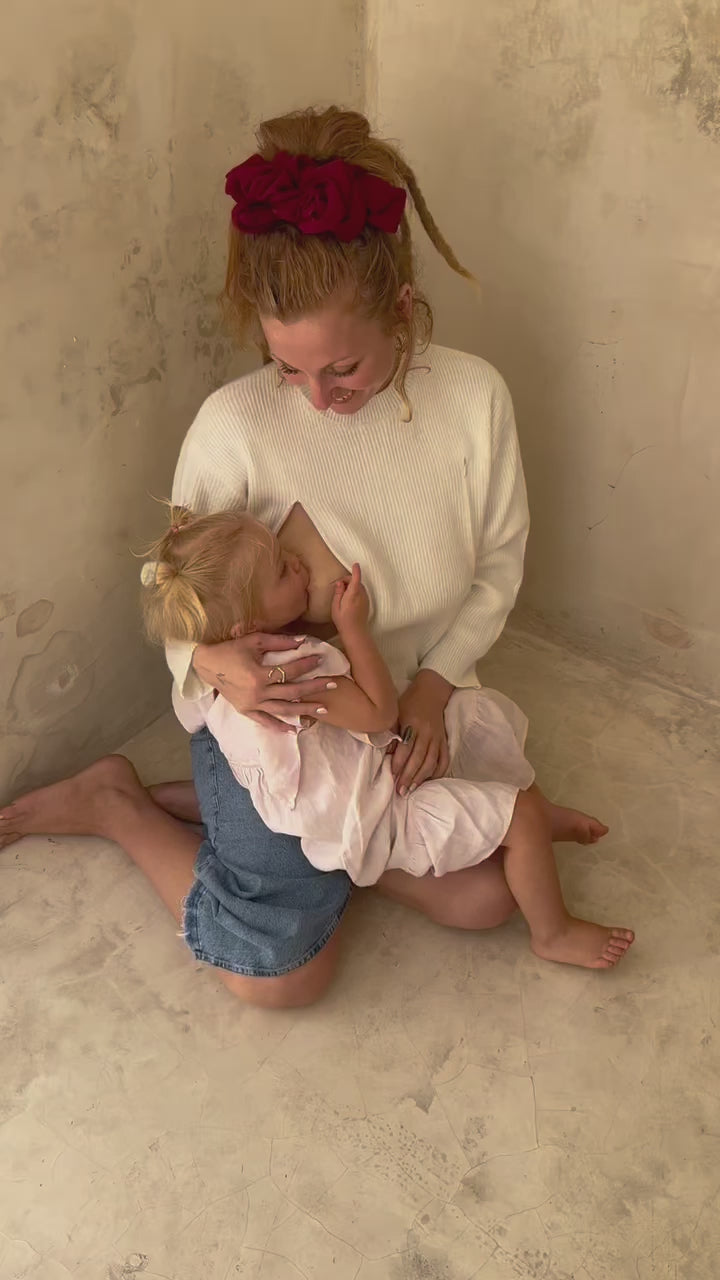
ASSIA Ecru Breastfeeding Sweater
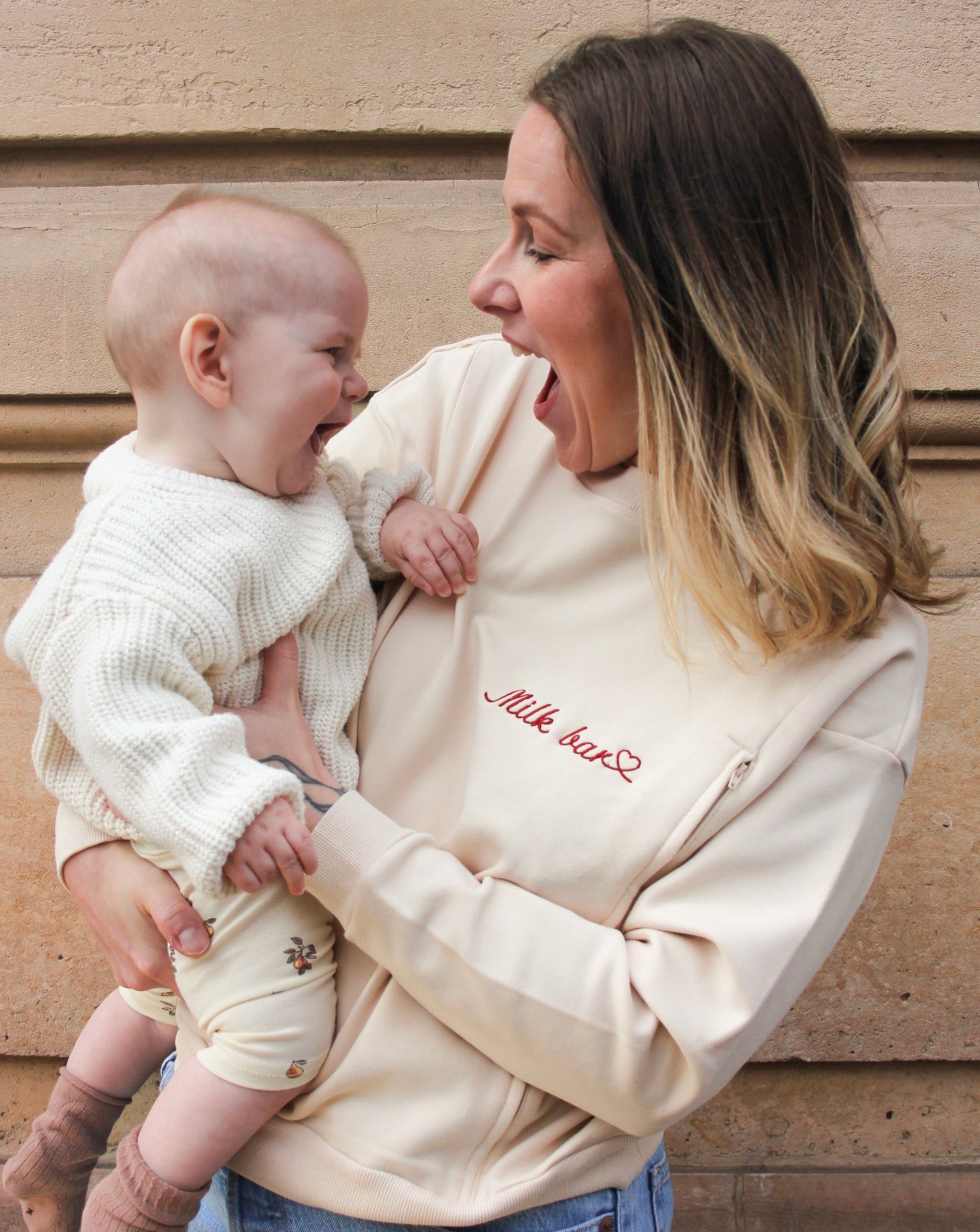
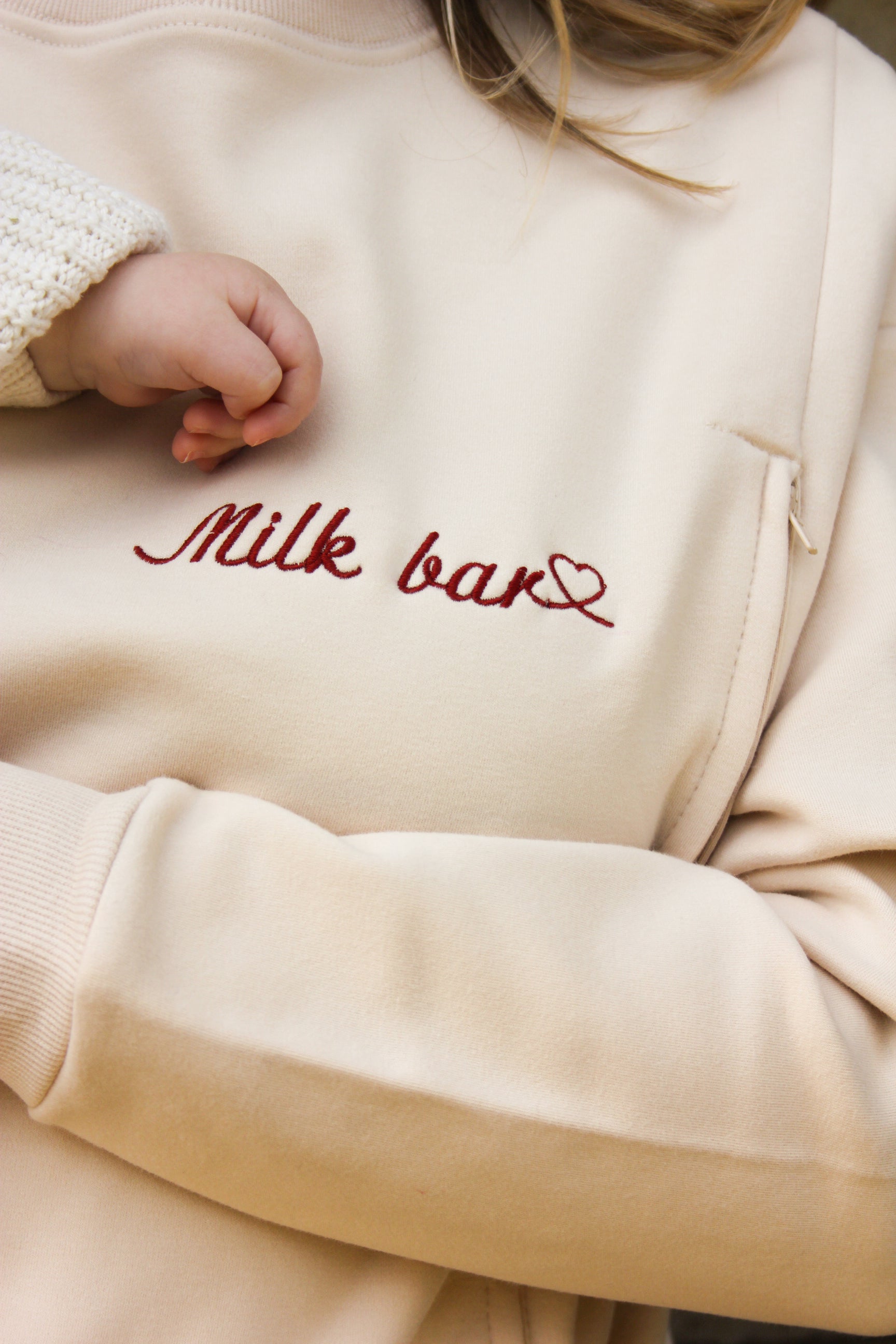
Breastfeeding sweatshirt AMORE
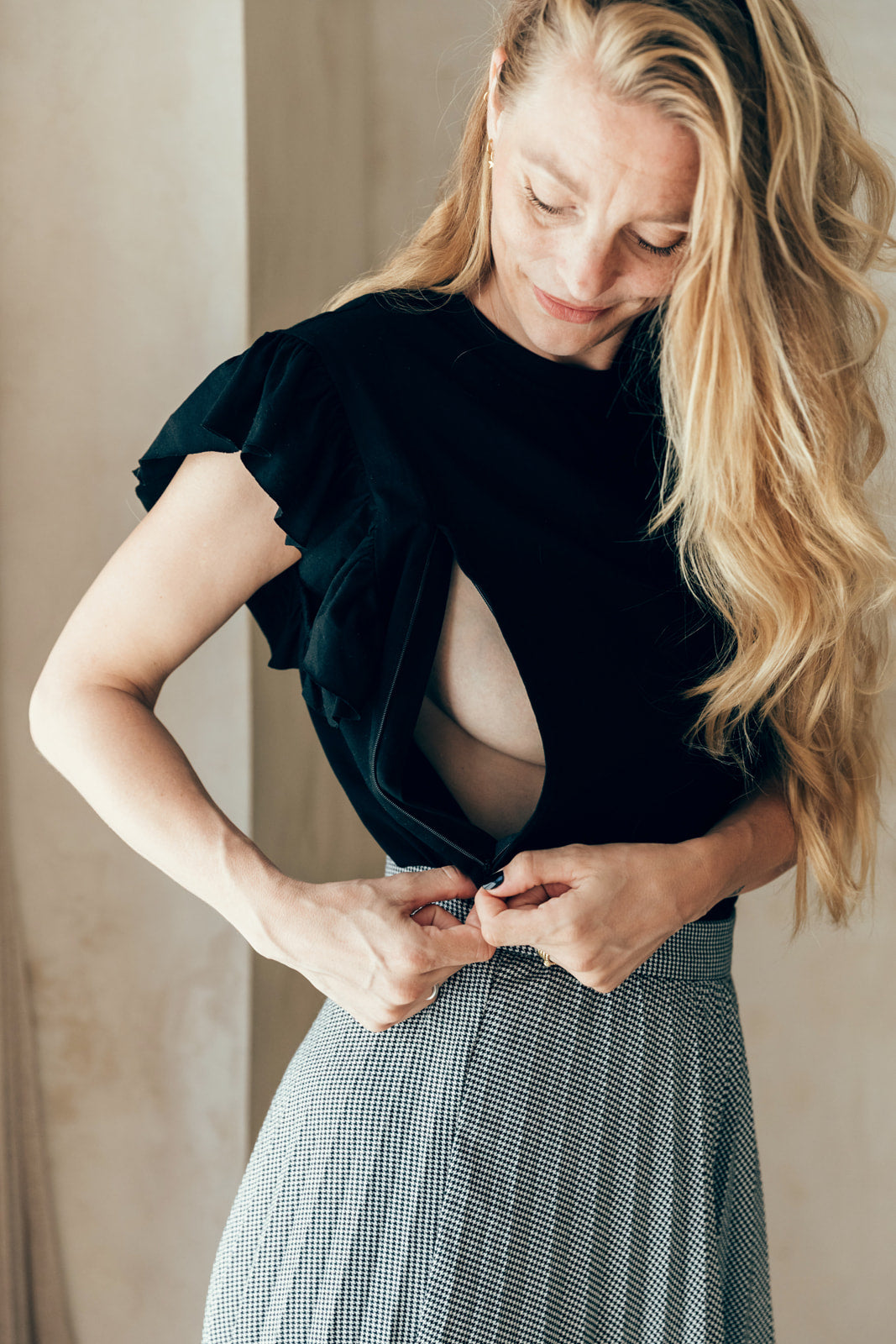
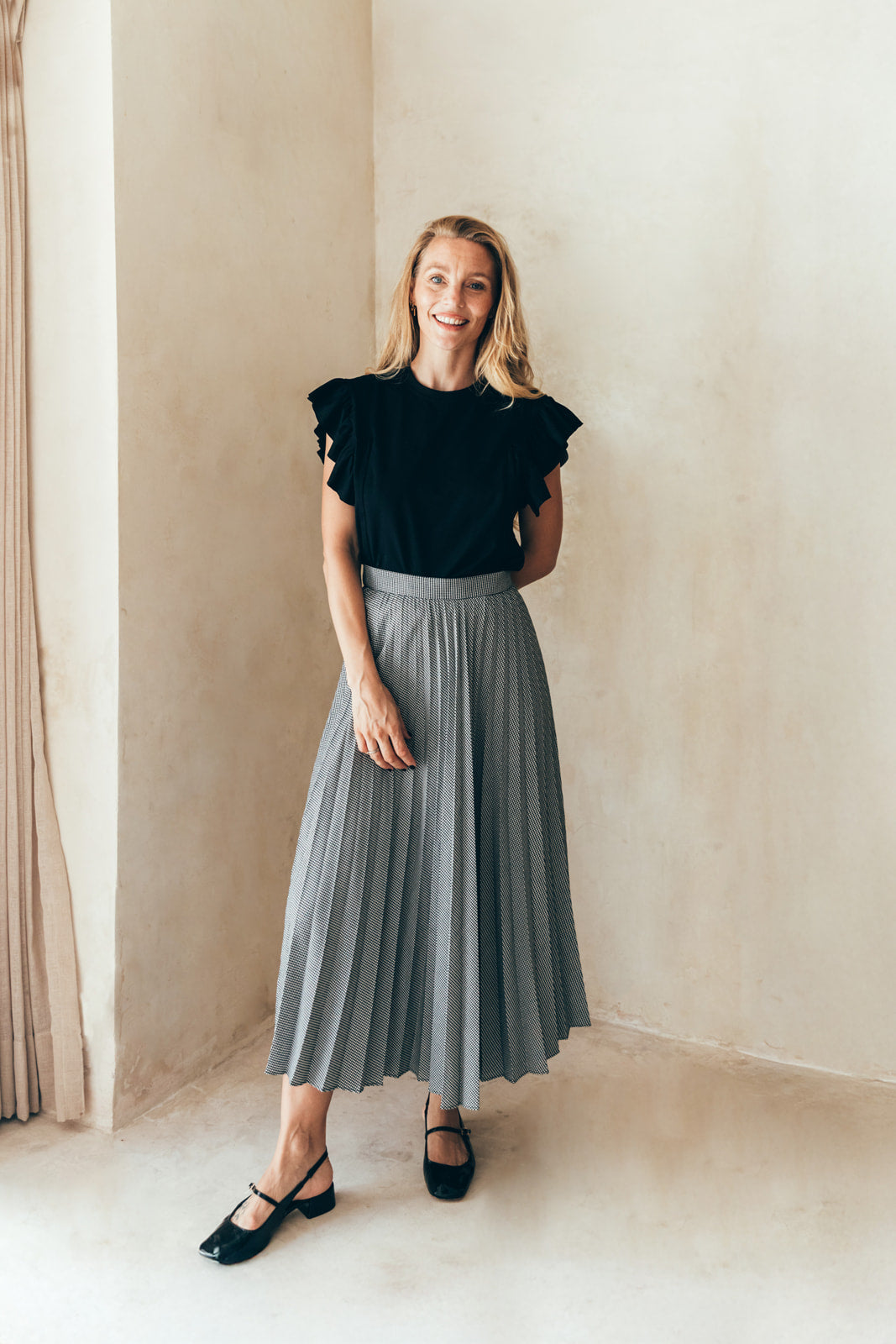
Breastfeeding t-shirt with ruffles


Breastfeeding t-shirt AMORE MIO


Breastfeeding t-shirt LA VIE EST BELLE

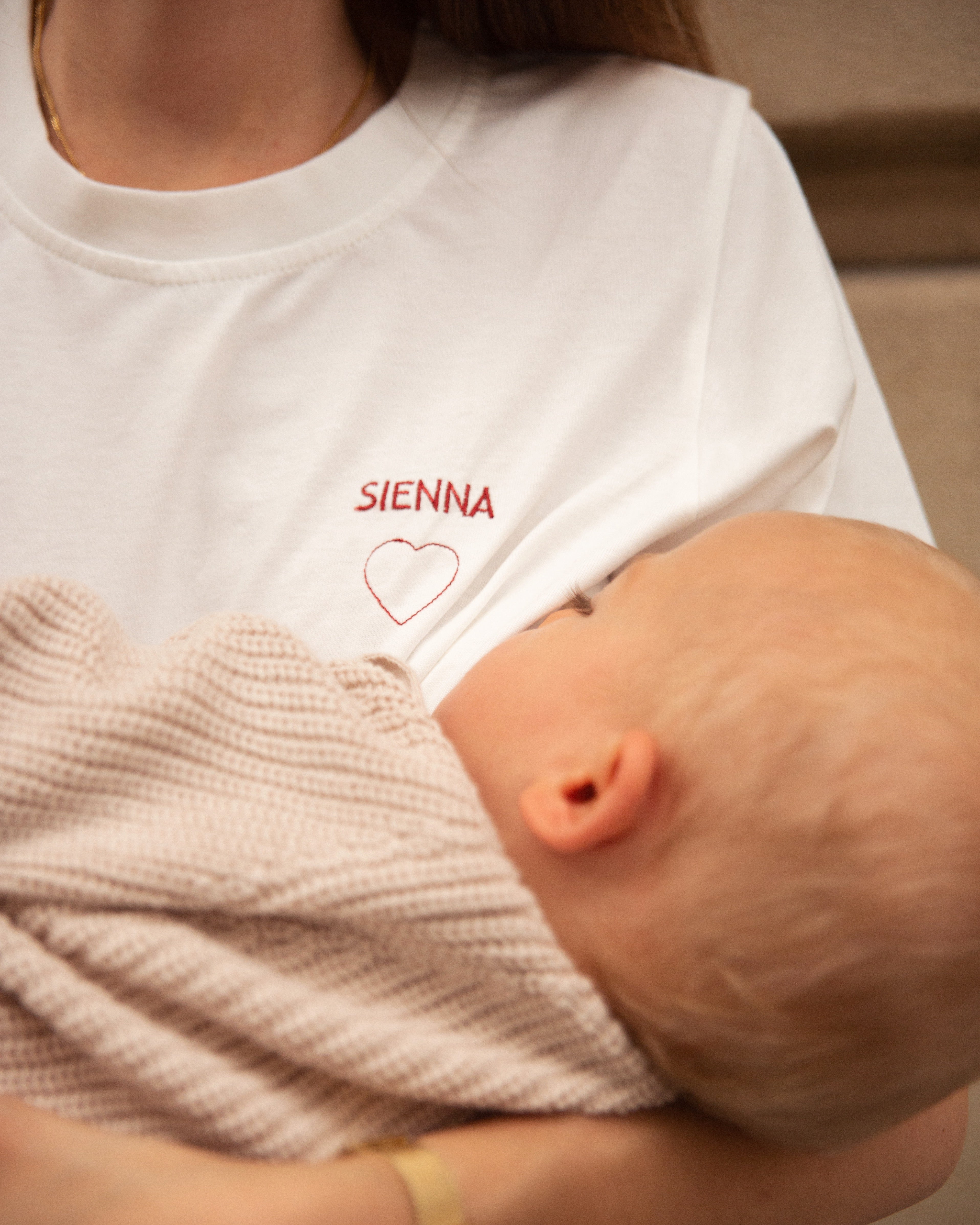
Breastfeeding t-shirt COEUR
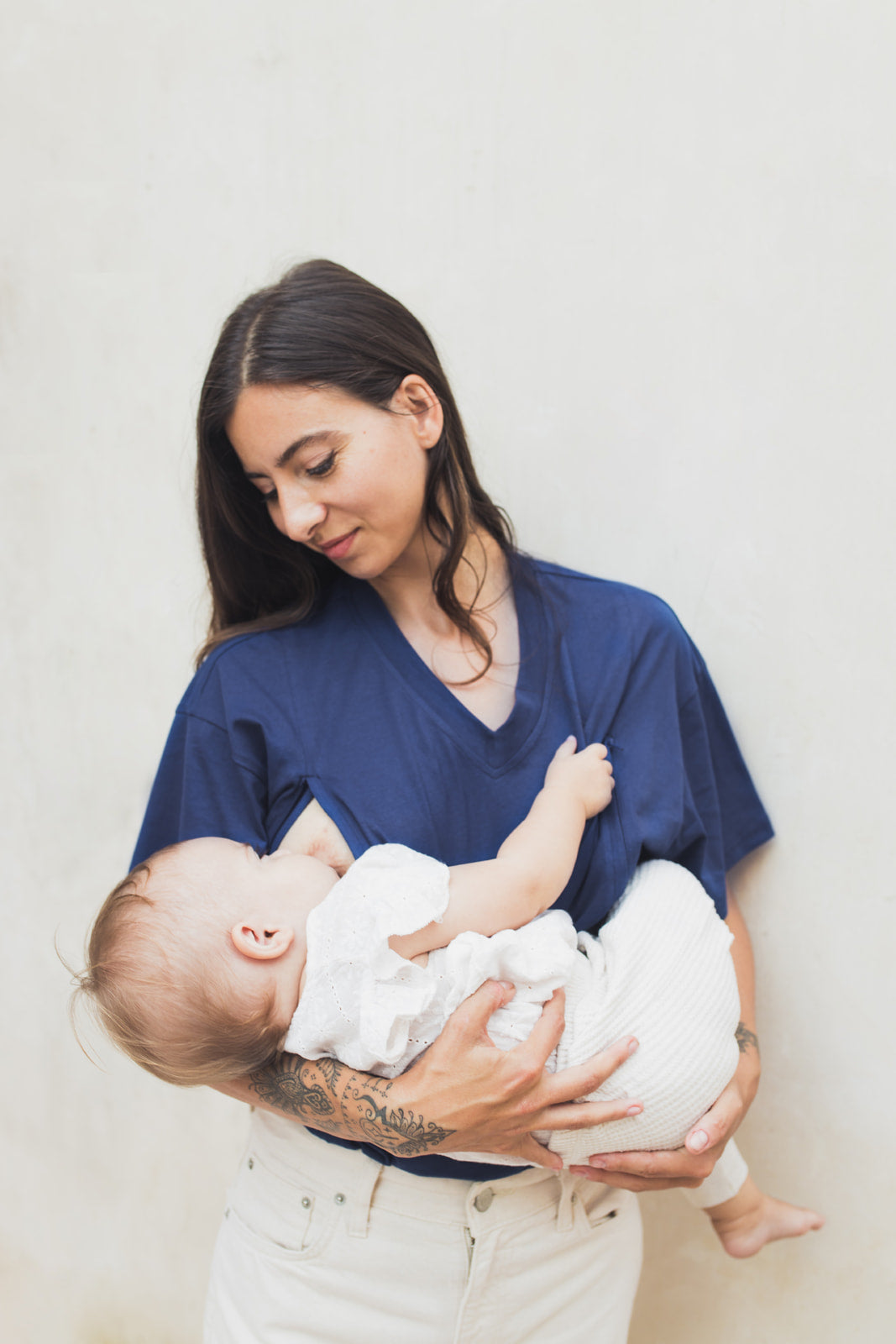

Breastfeeding t-shirt MARINE

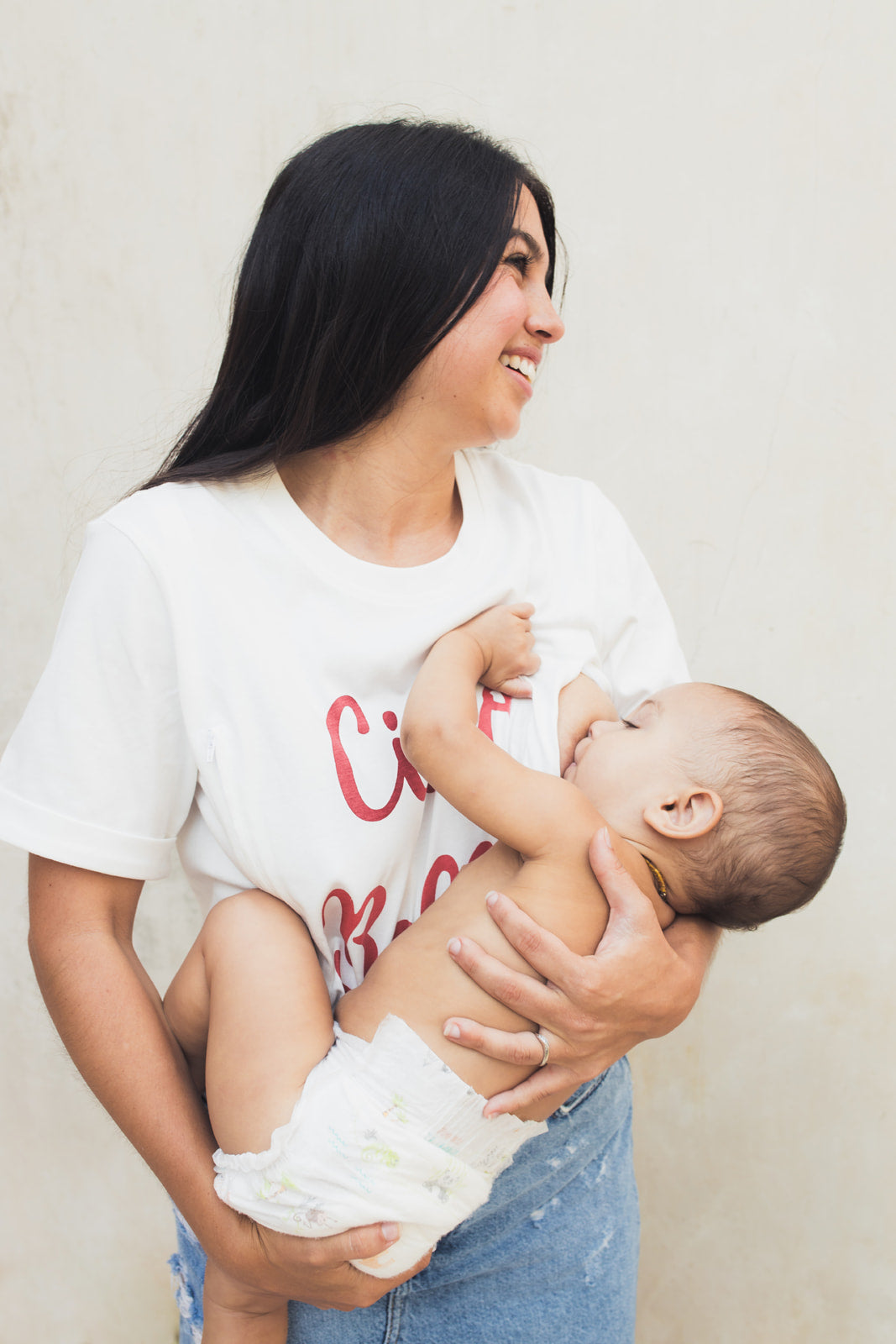
Breastfeeding t-shirt CIAO BELLA

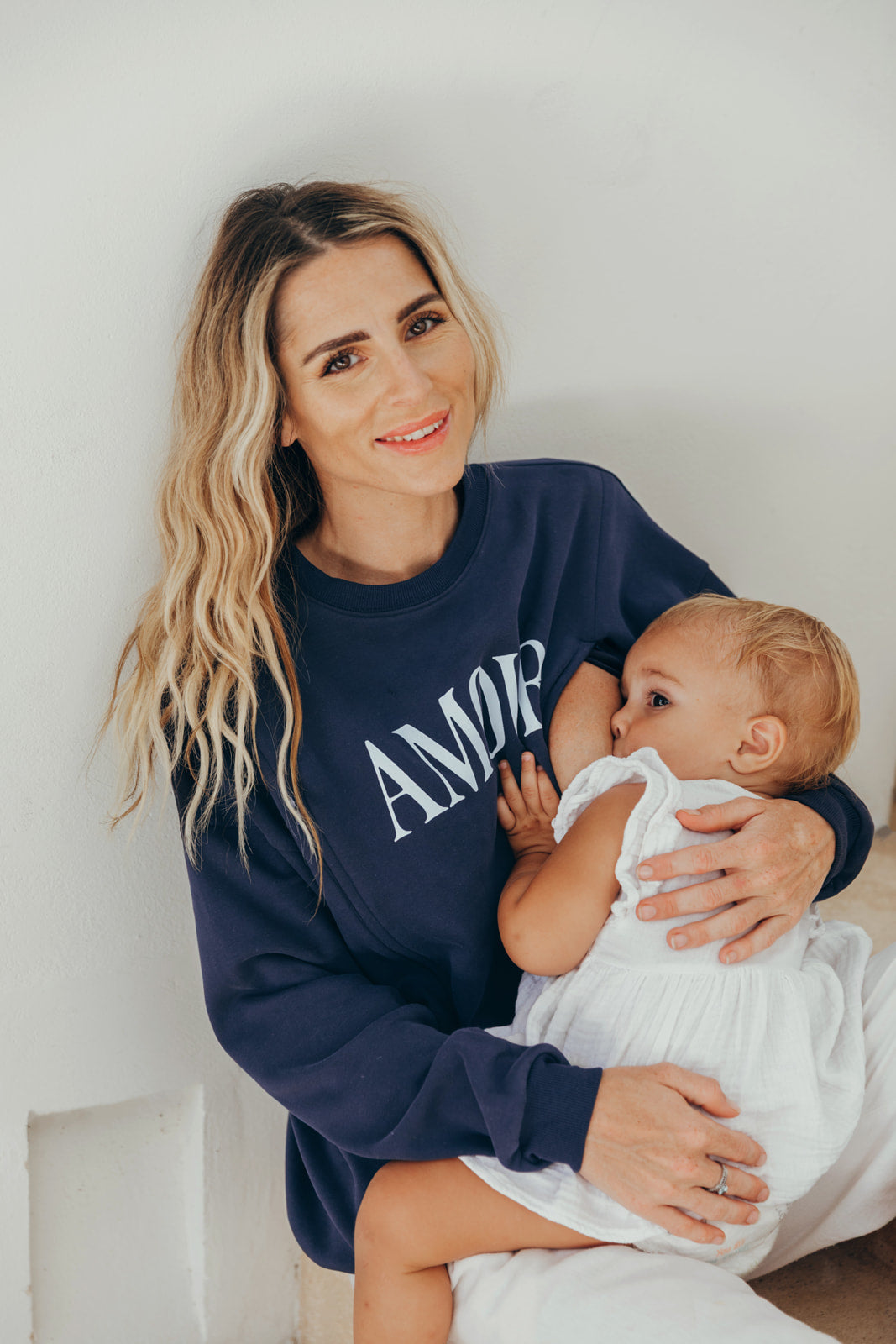
AMOUR navy nursing sweatshirt
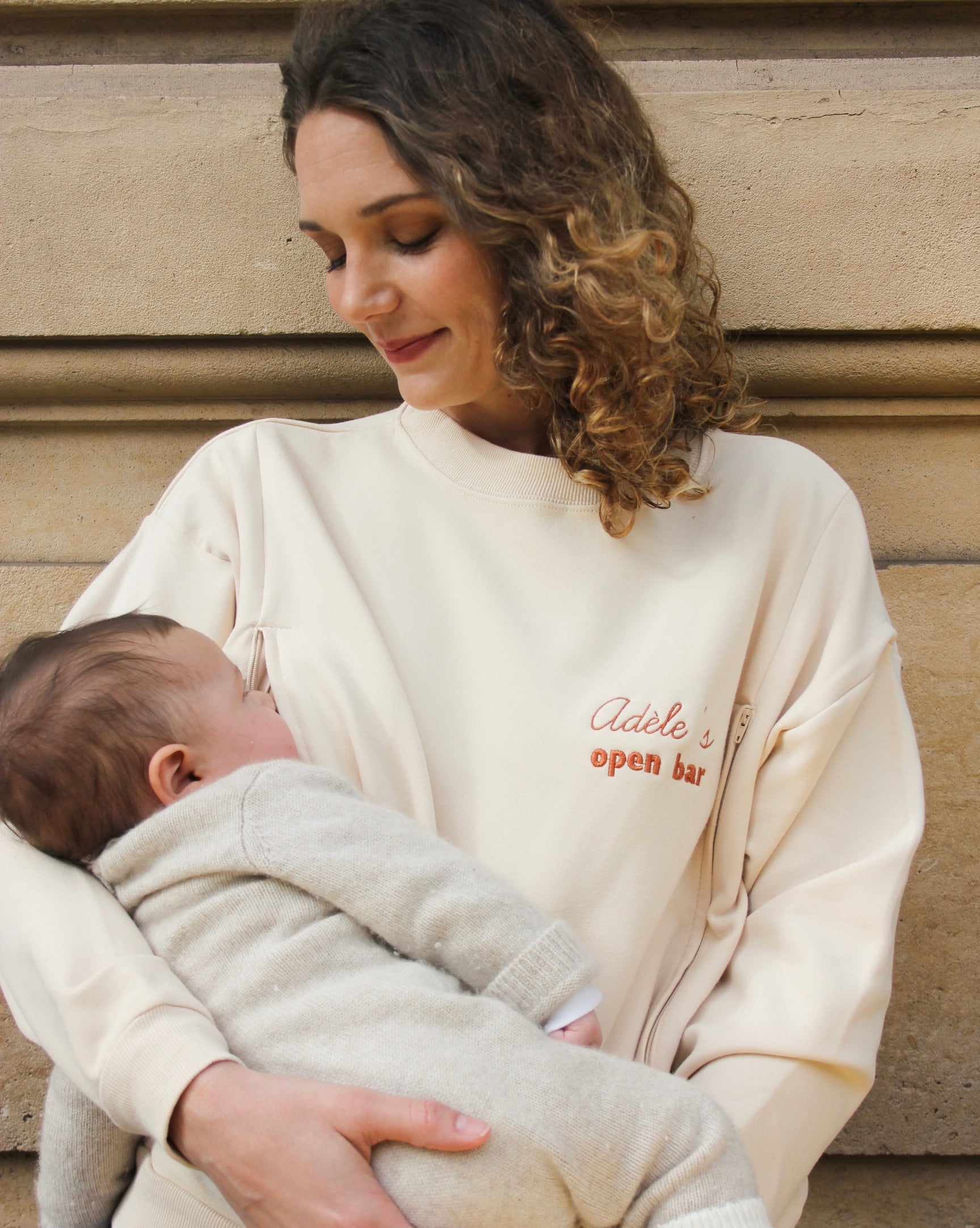
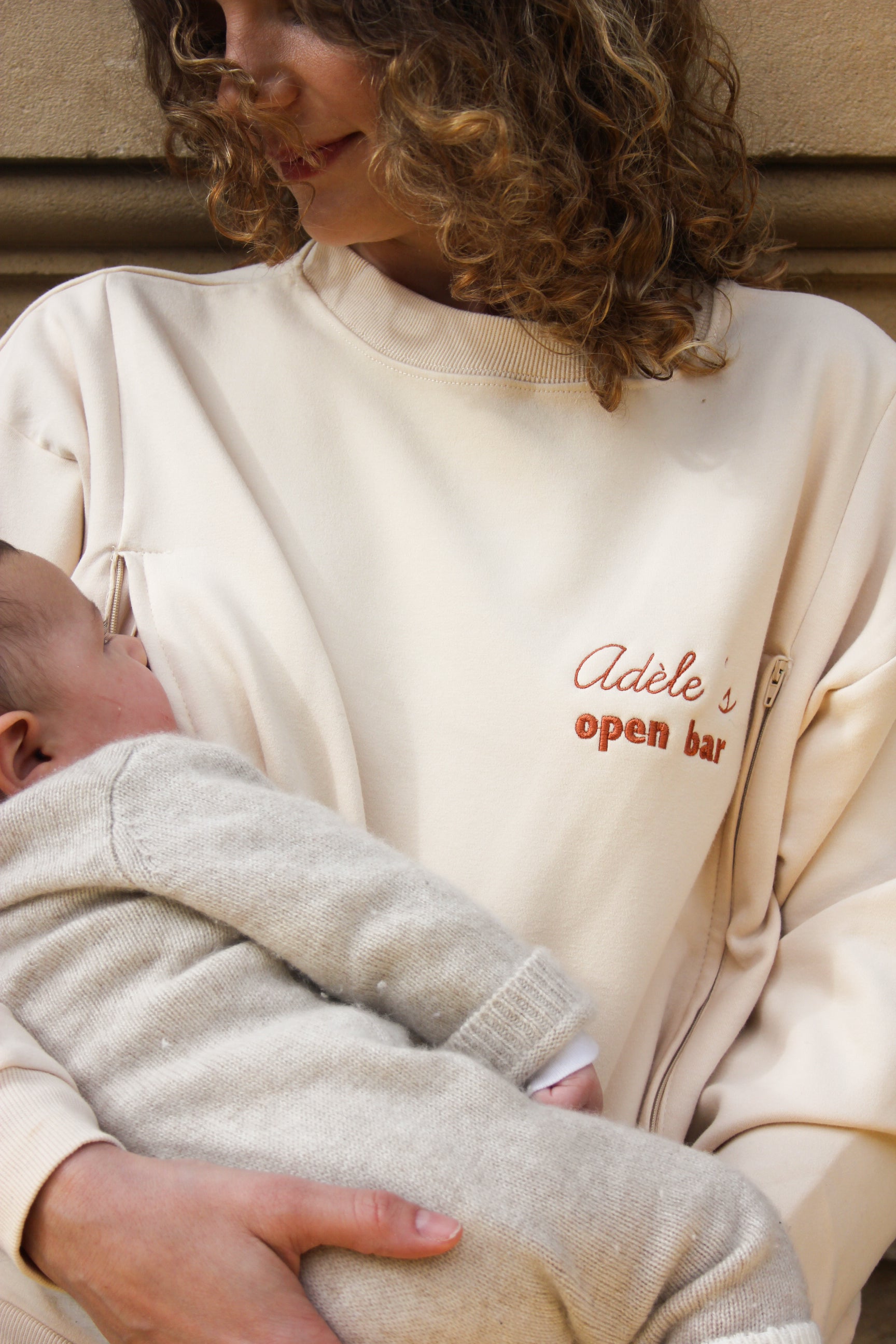
OPEN BAR Nursing Sweatshirt
Gift Card 23 Mai Paris
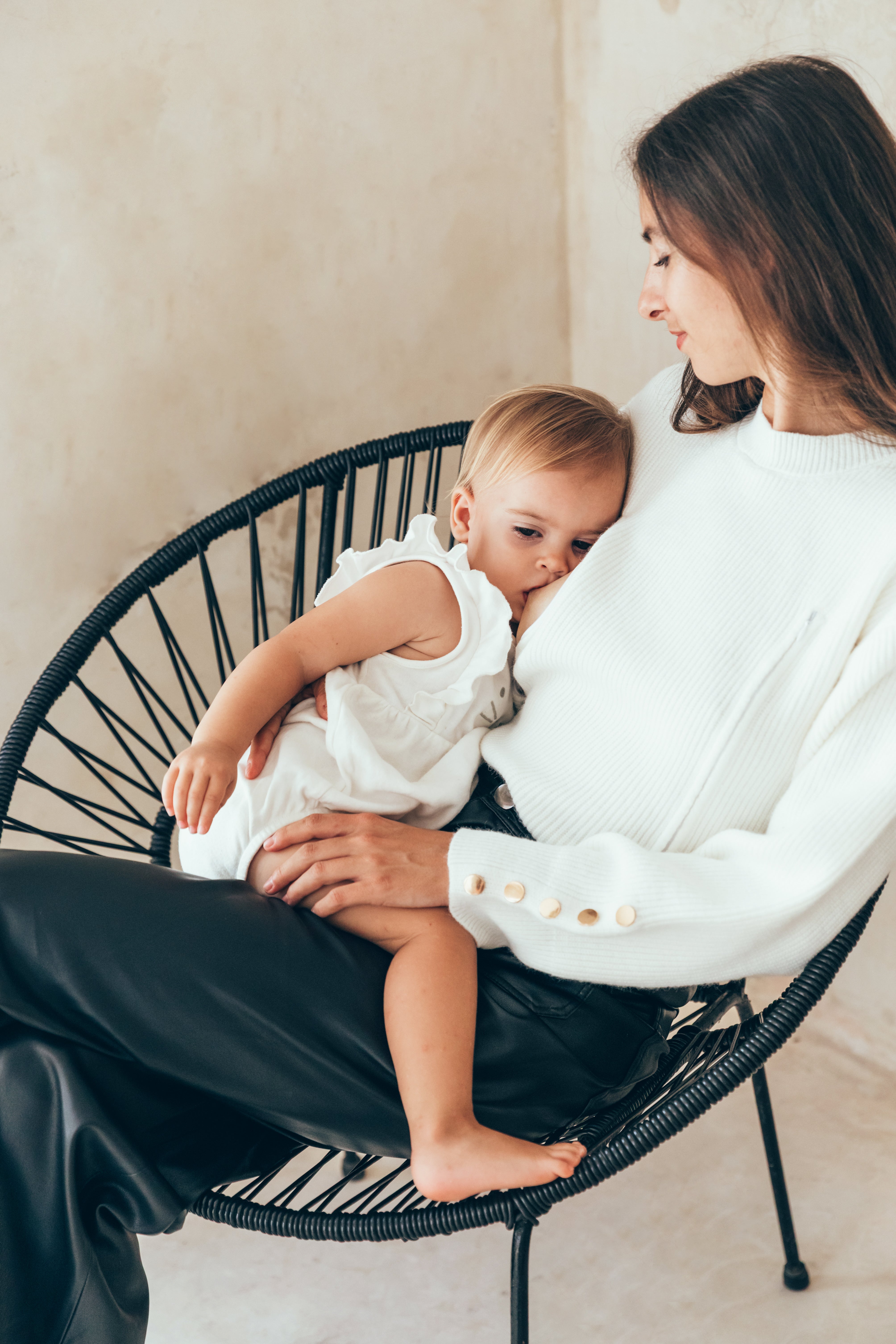

Off white nursing sweater COSSIMA
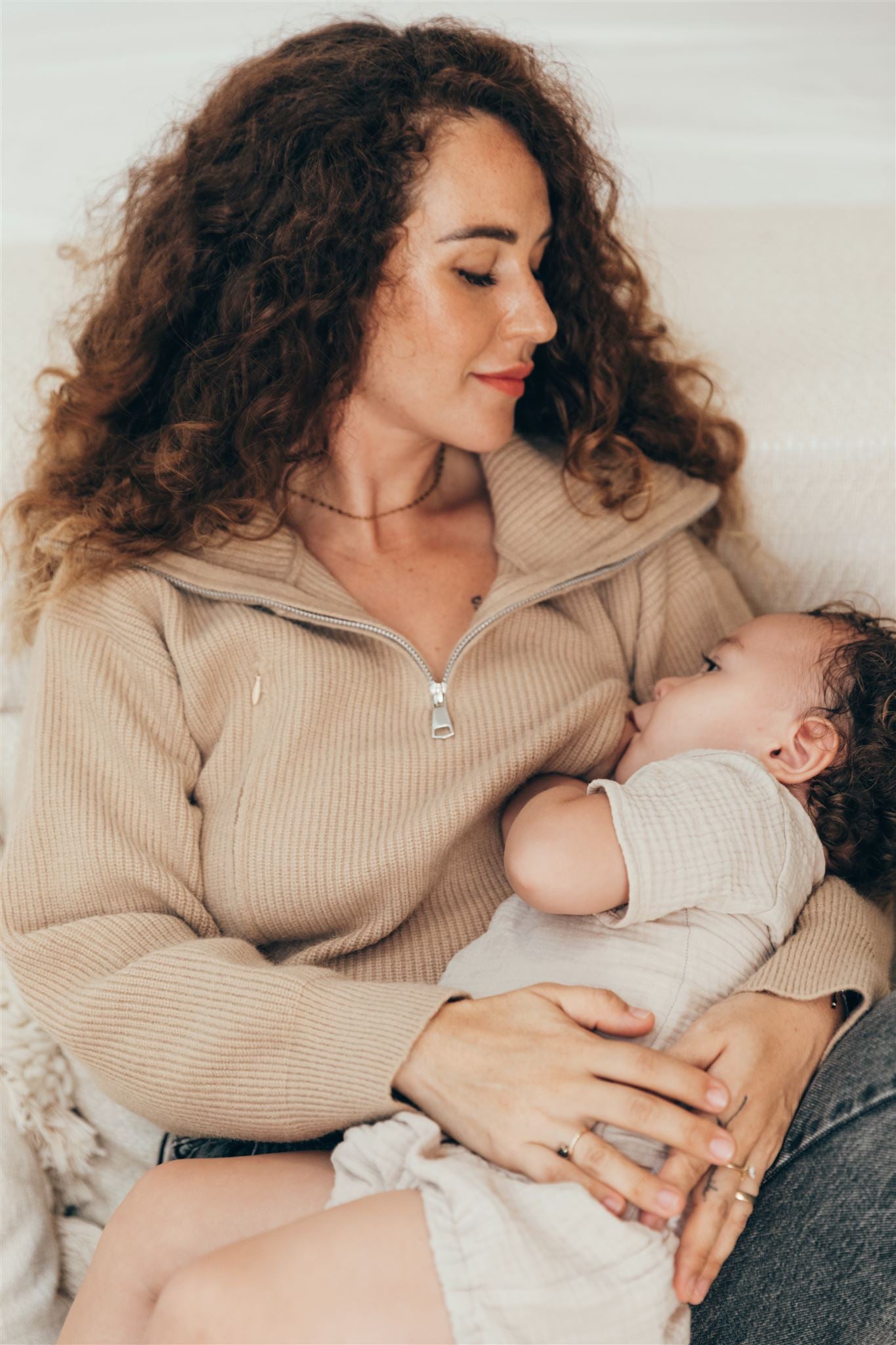

Beige nursing sweater CHIARA bad sku


Breastfeeding t-shirt LOVE IS ALL
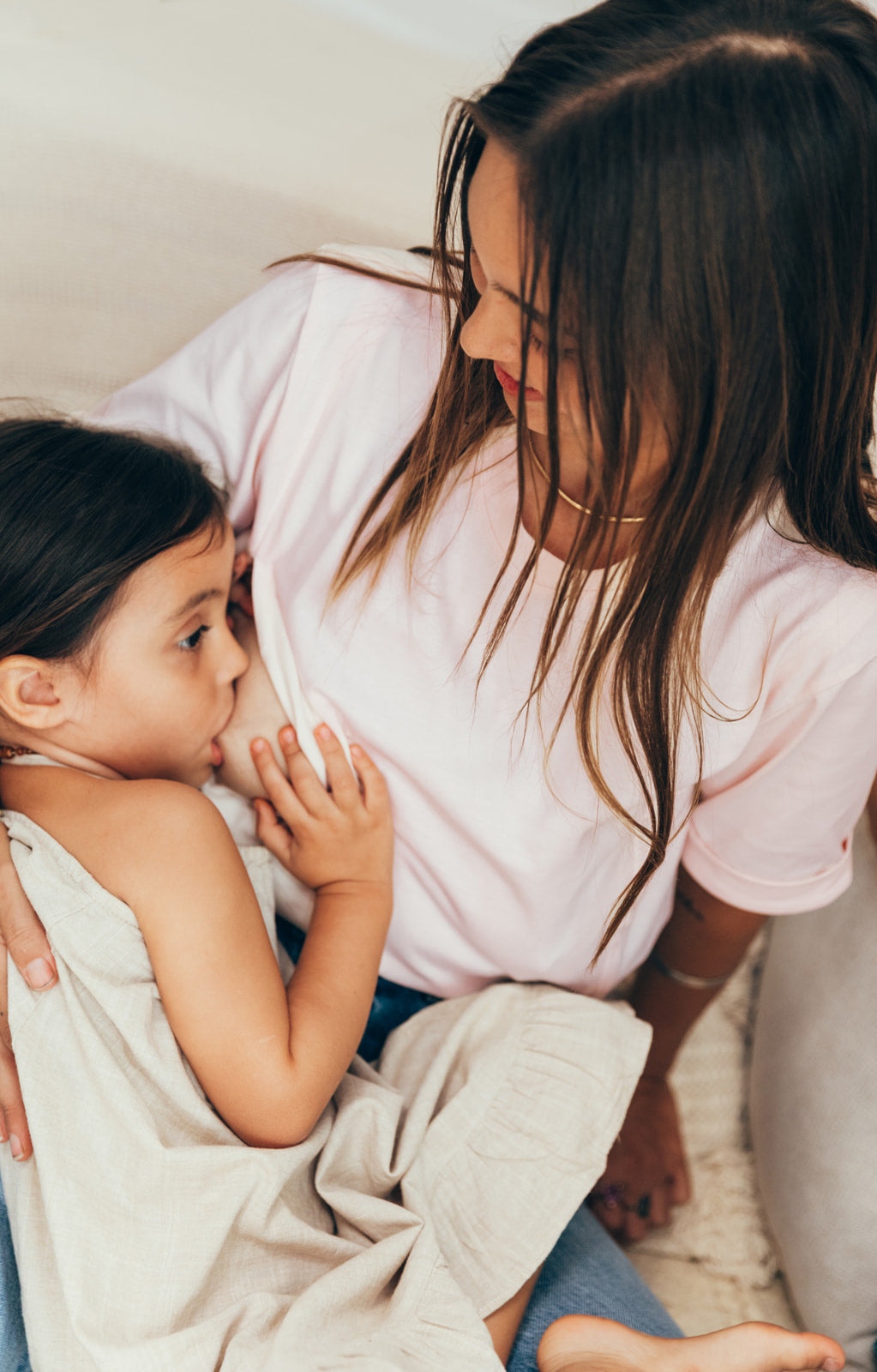

Breastfeeding t-shirt ROSE
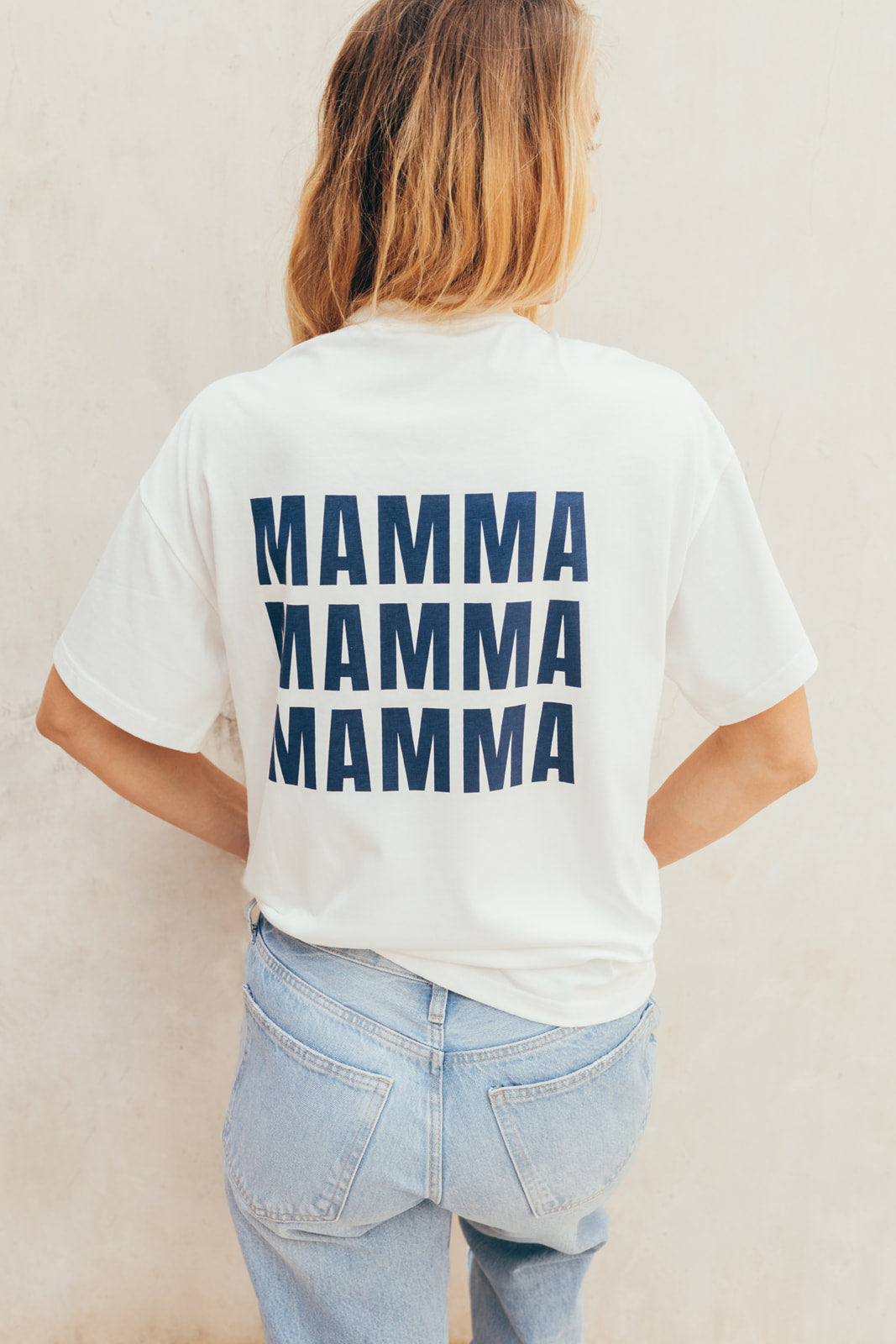

Breastfeeding t-shirt MAMMA blue


LOVE nursing sweatshirt
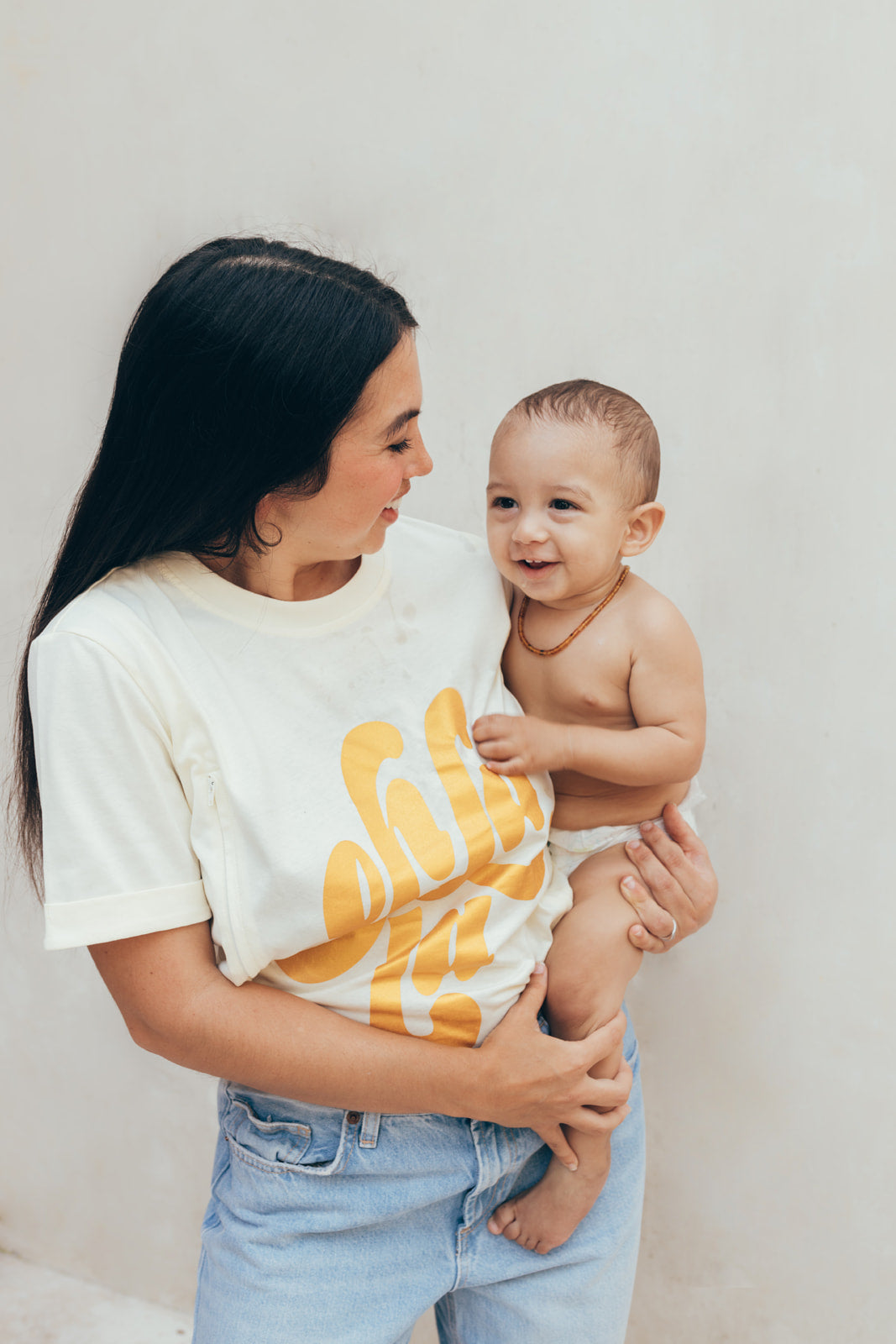

Breastfeeding t-shirt OH LA LA
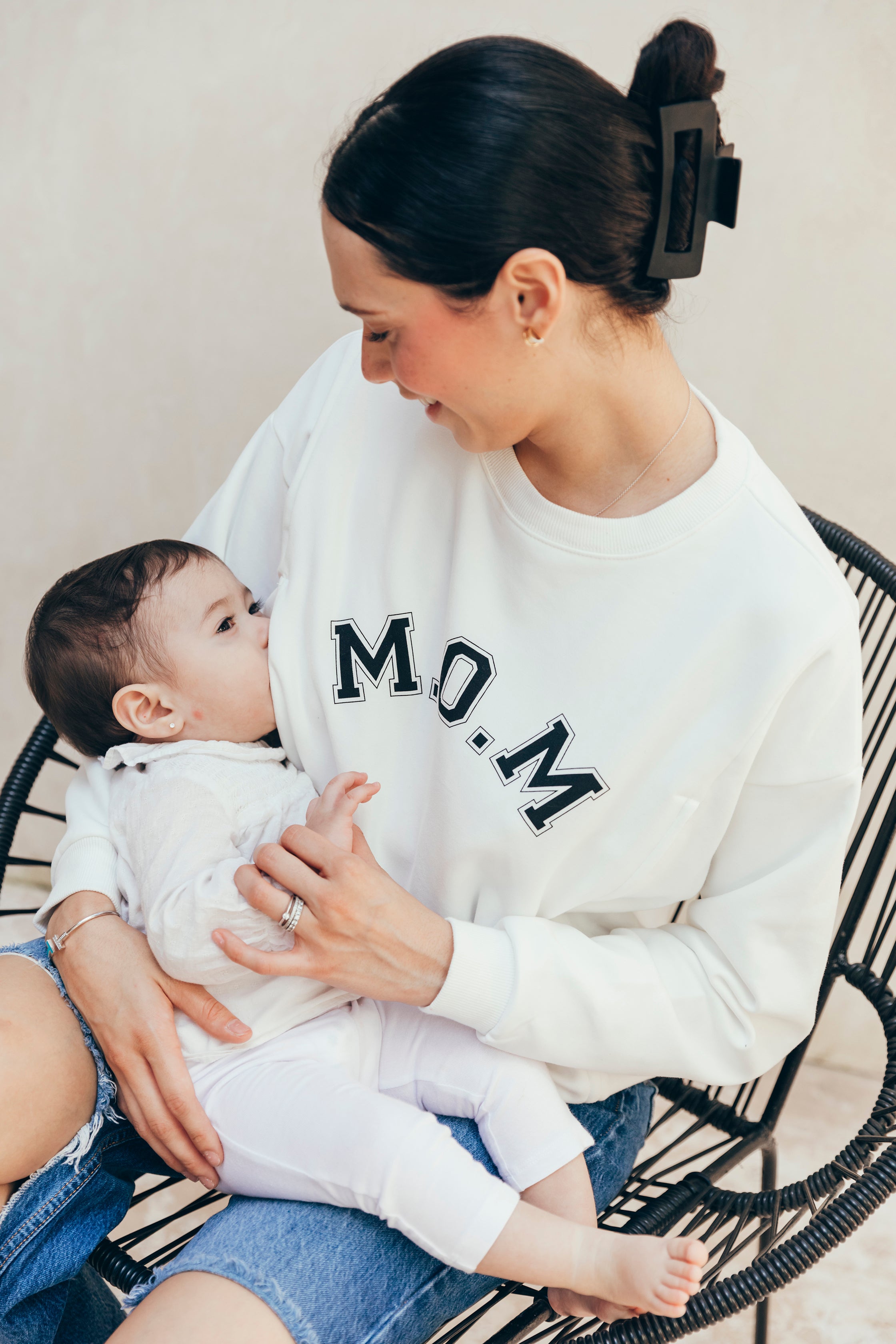

Breastfeeding sweat-shirt MOM
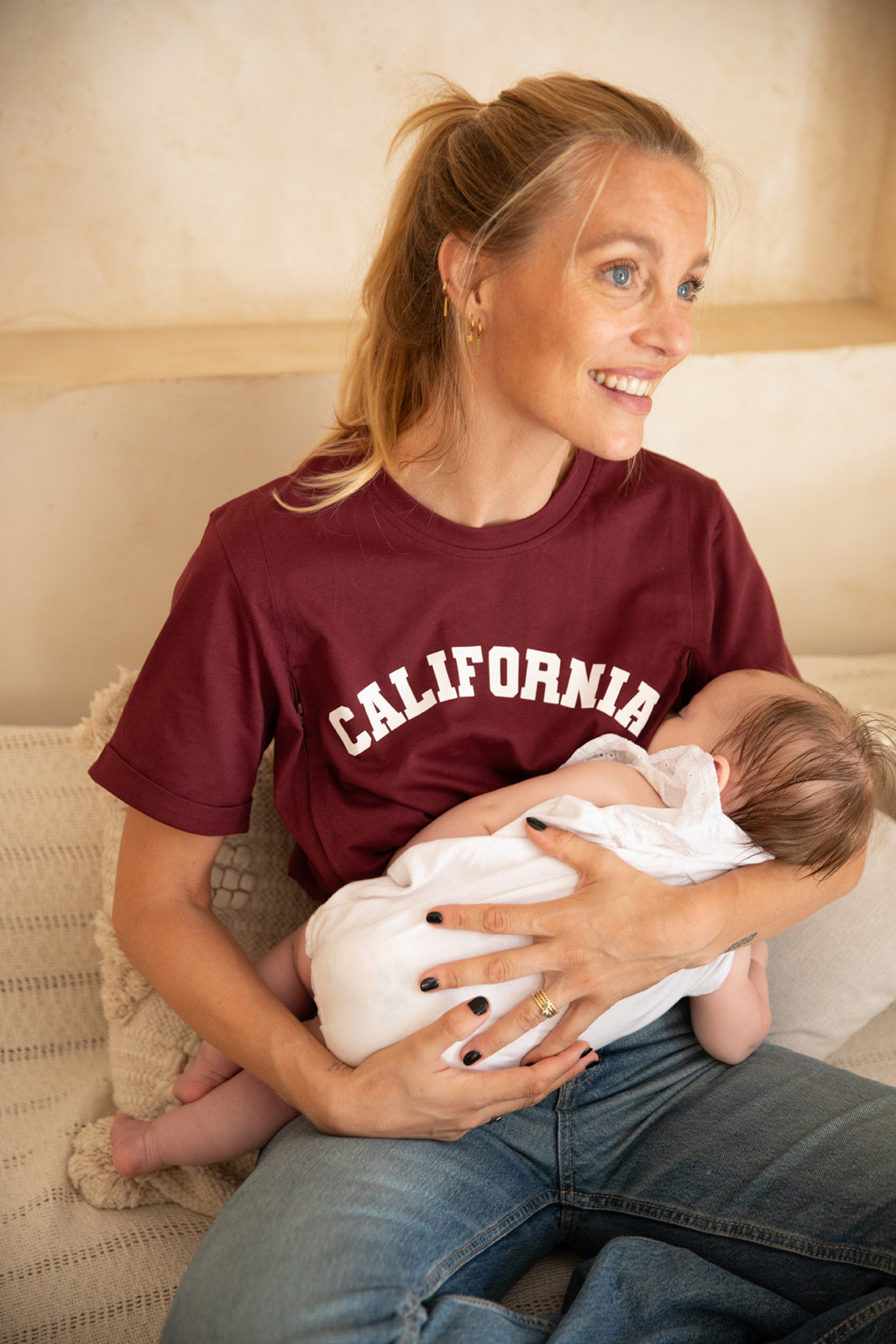

Breastfeeding t-shirt California
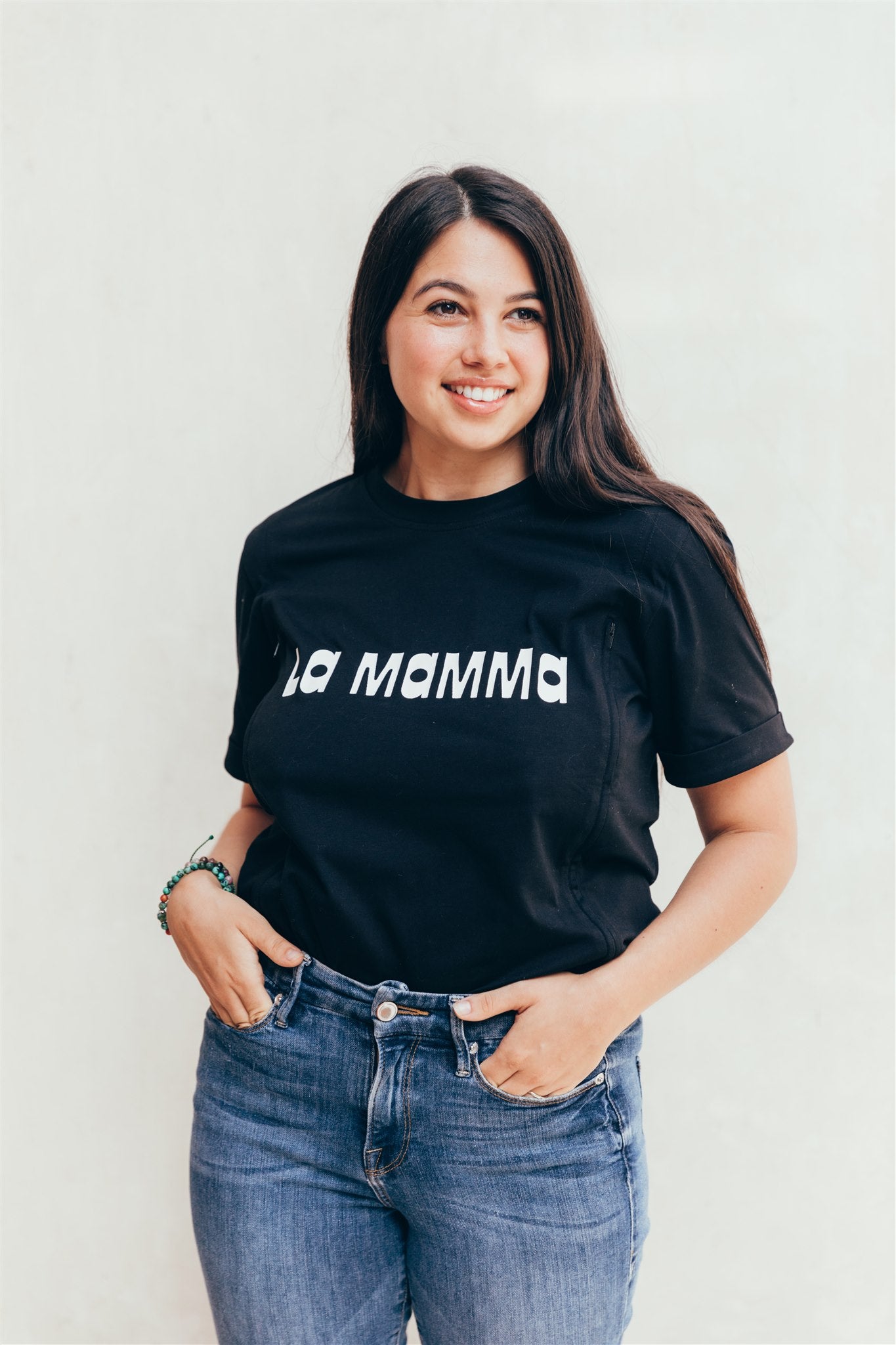

Breastfeeding t-shirt LA MAMMA

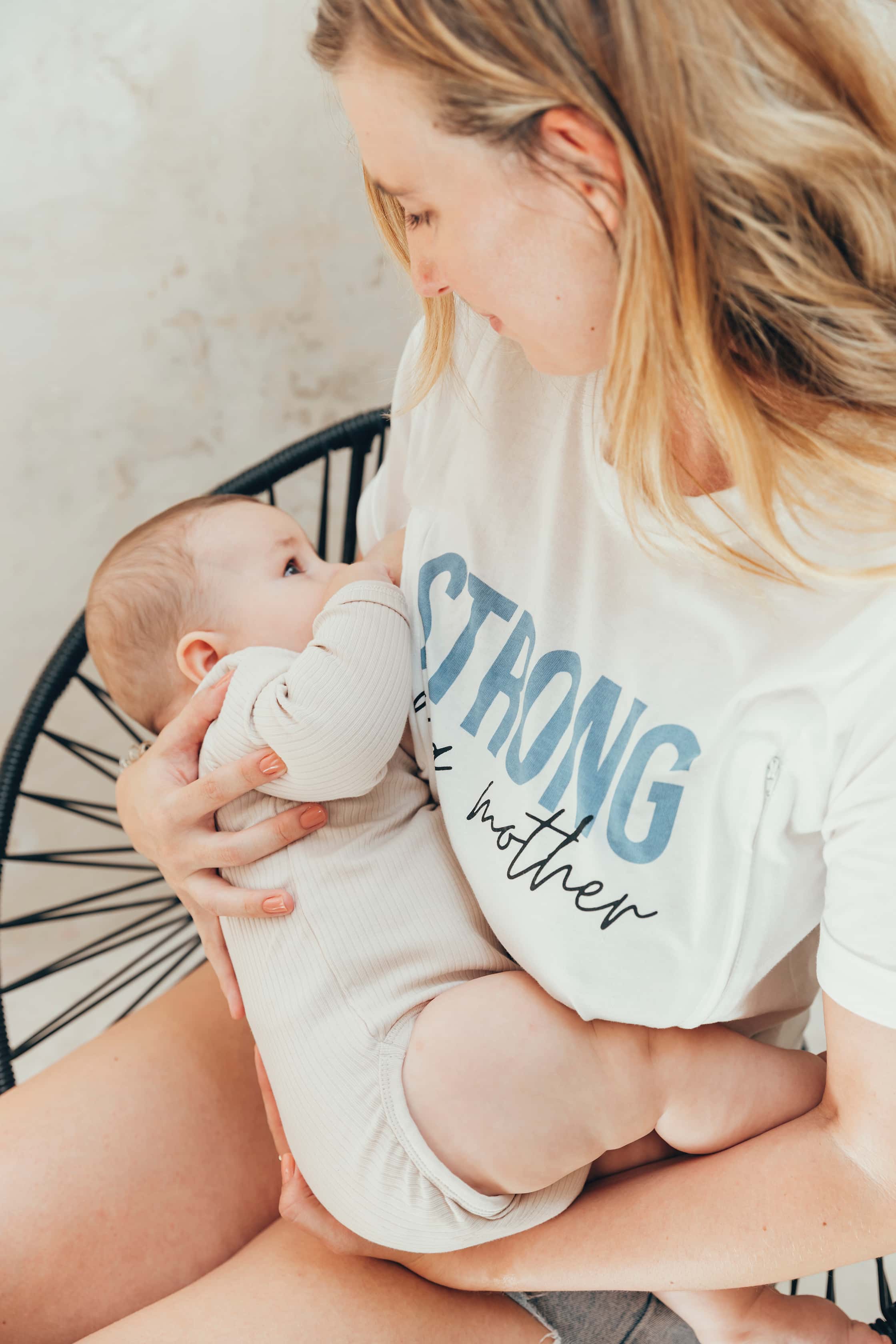
Breastfeeding t-shirt STRONG
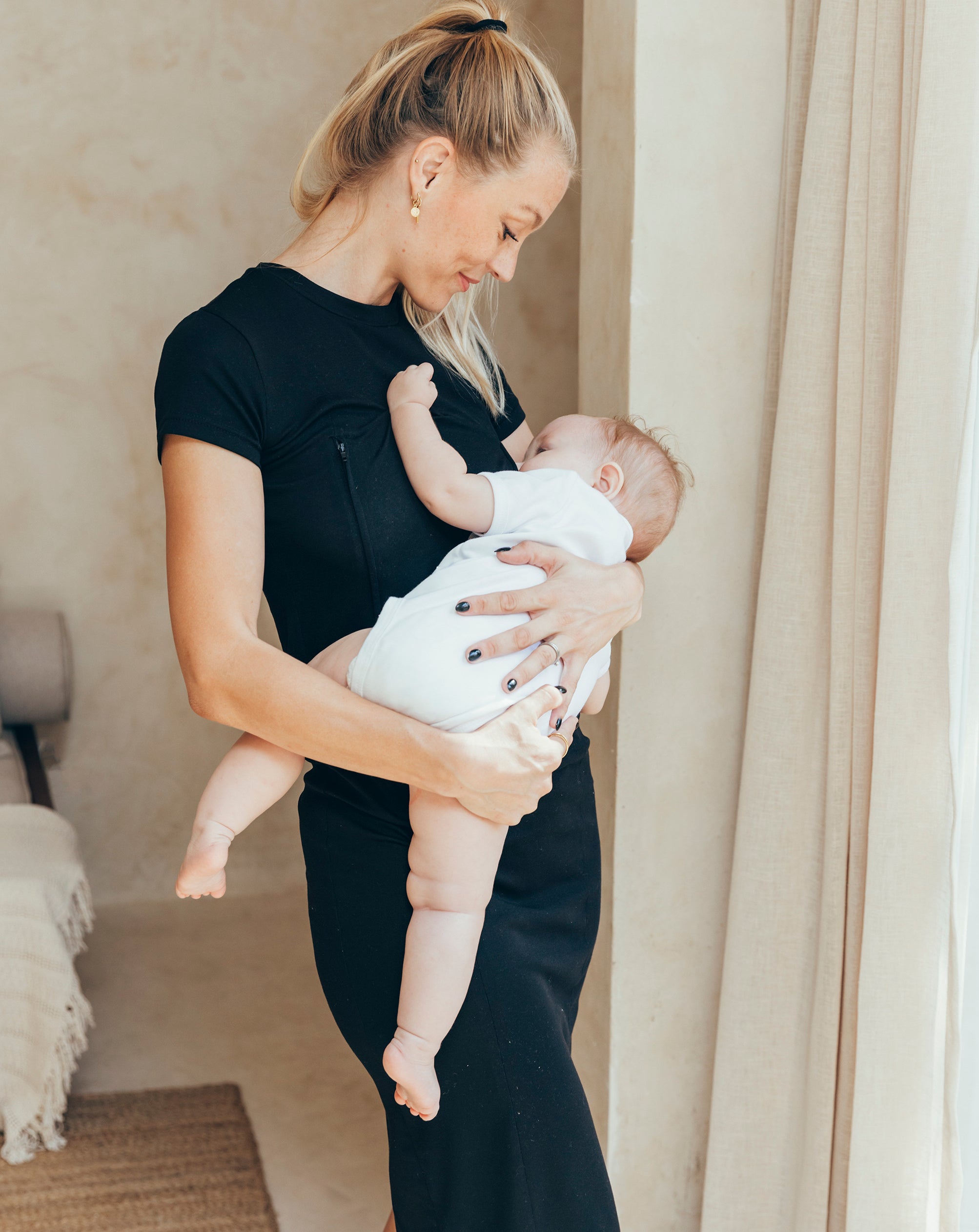
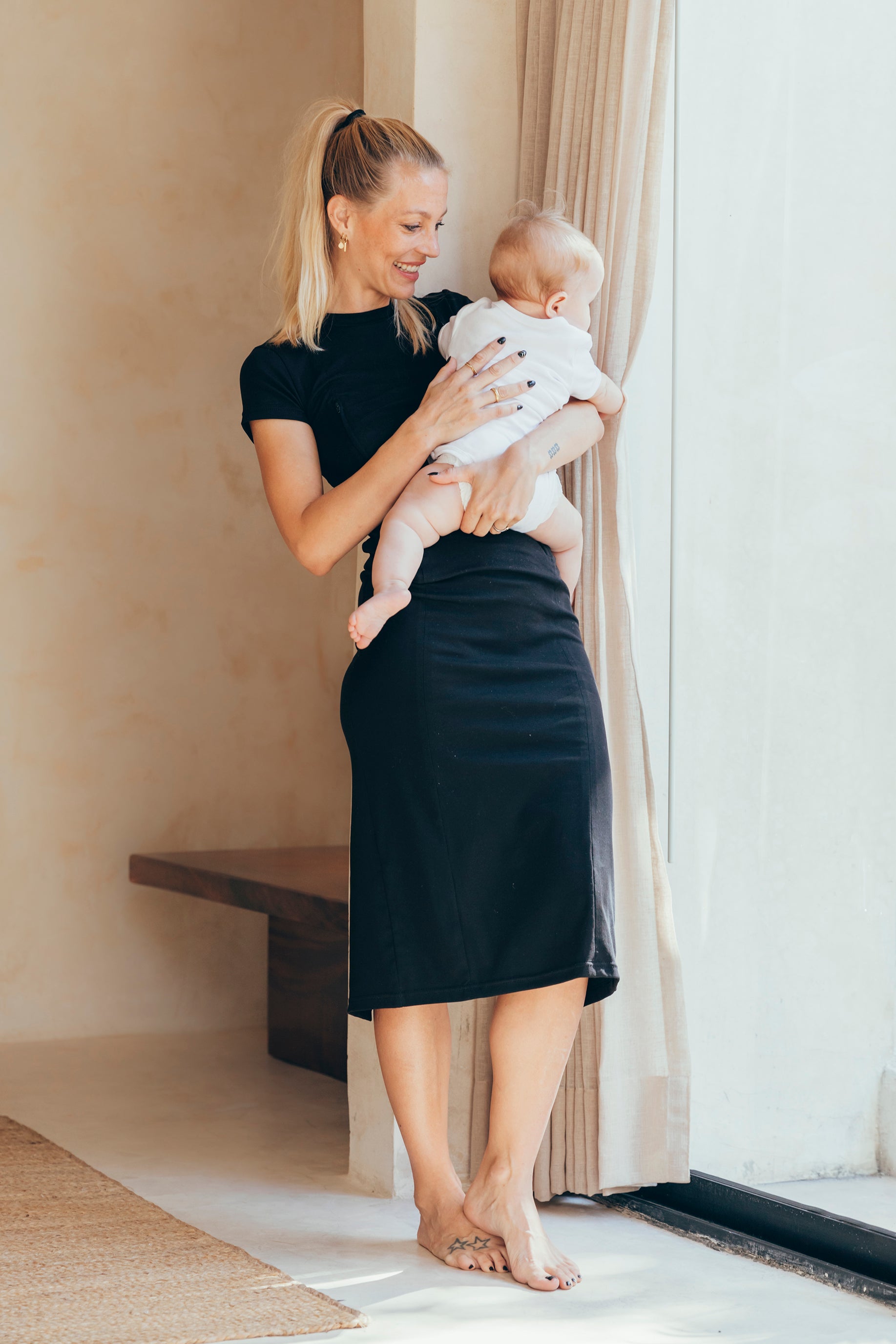
Breastfeeding dress TULUM
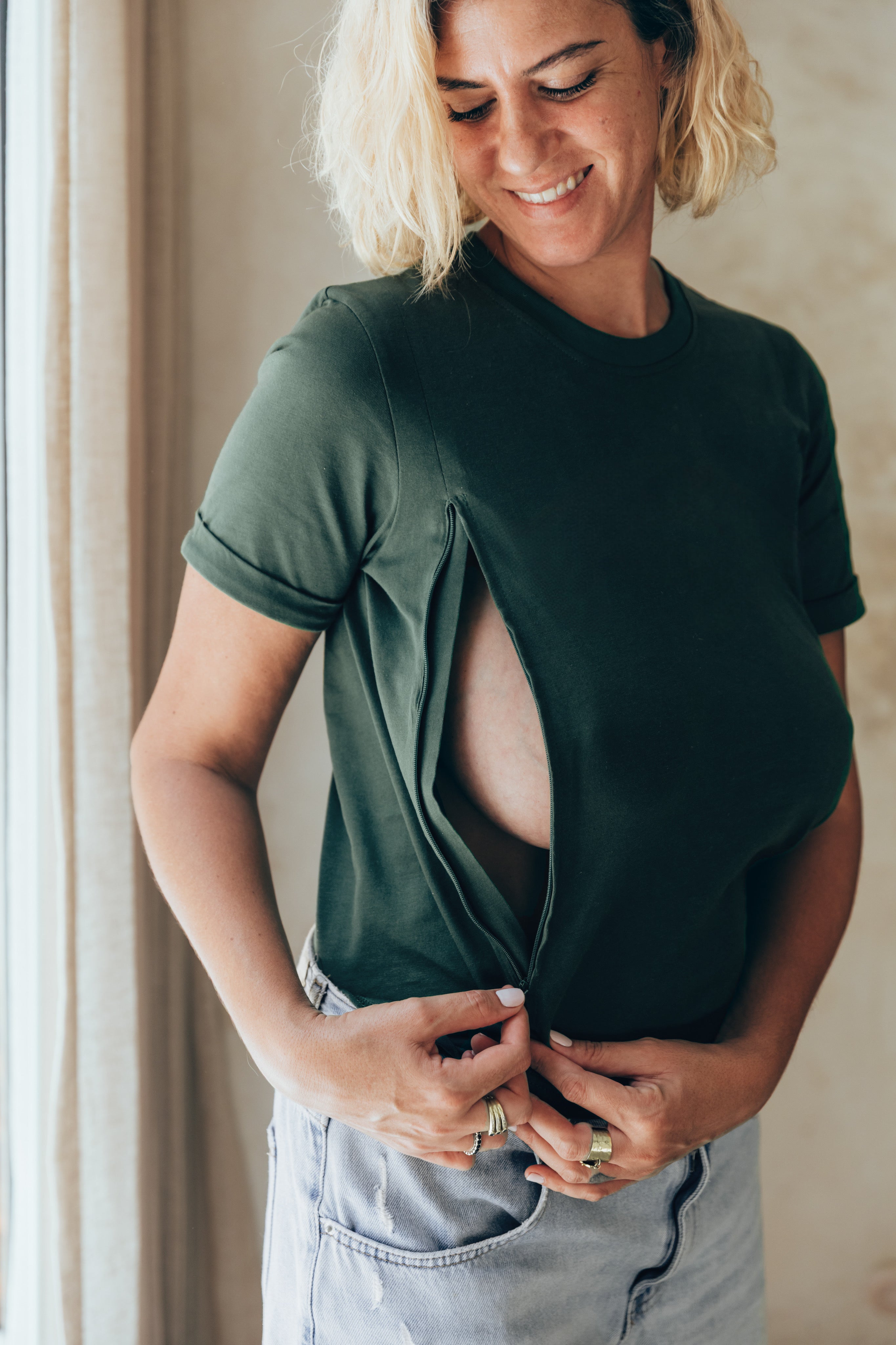
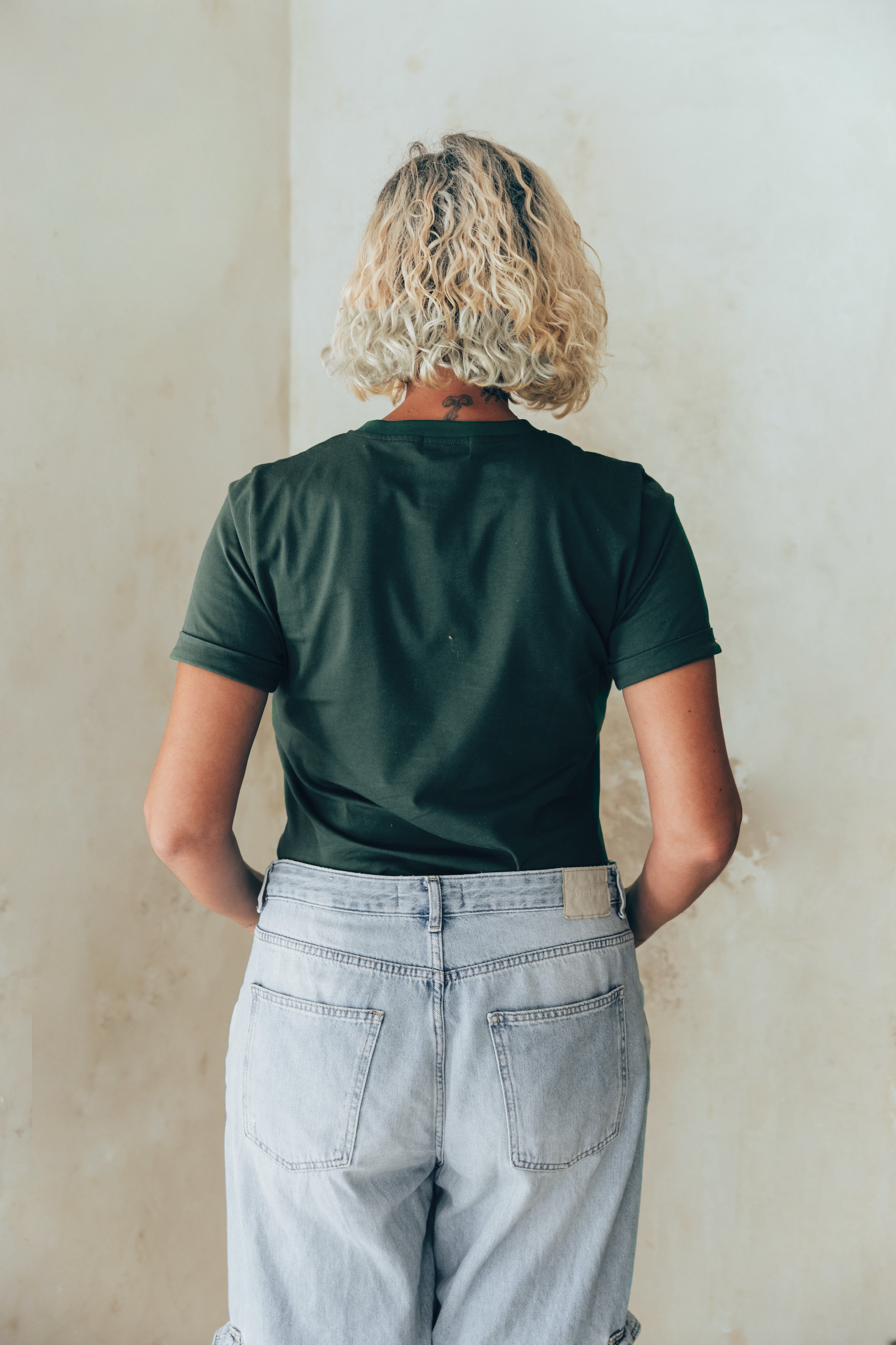
Breastfeeding t-shirt GREEN

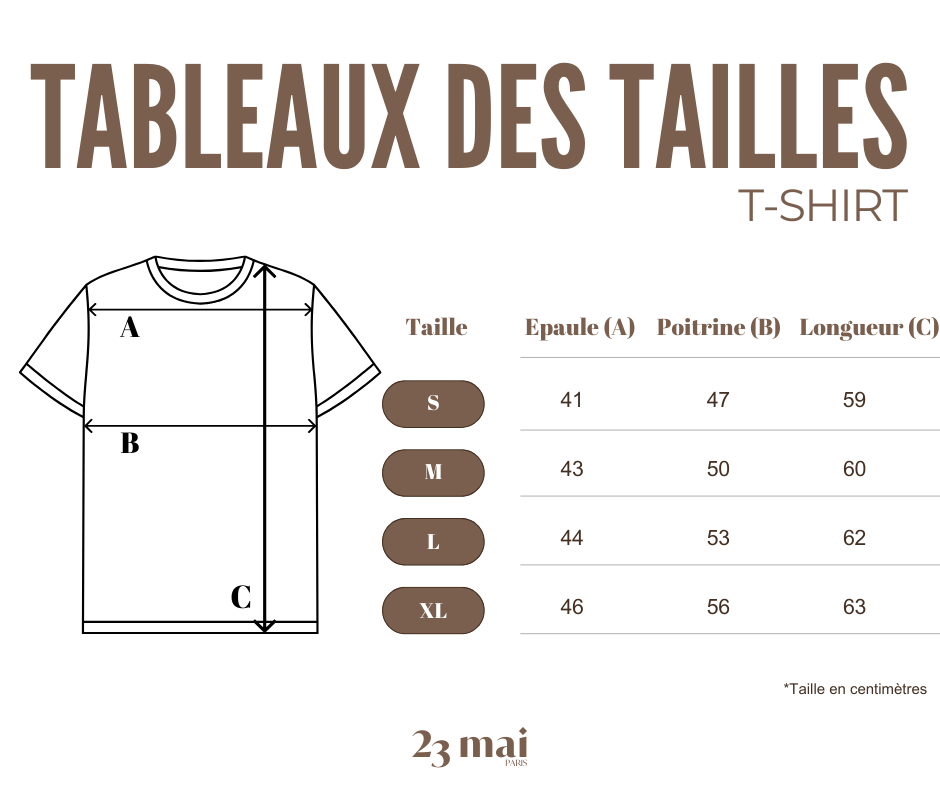
Embroidered Nursing T-Shirt Subscription
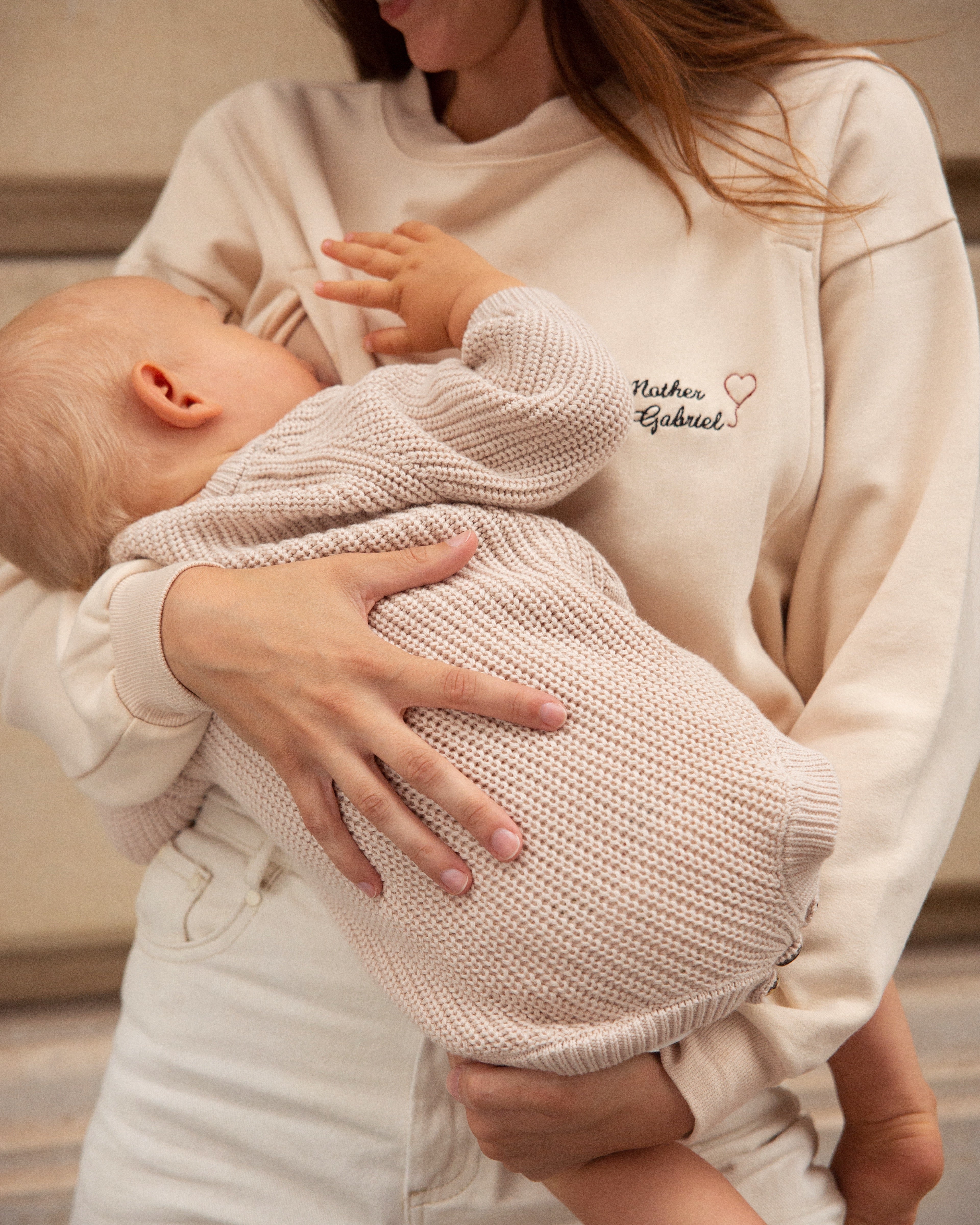

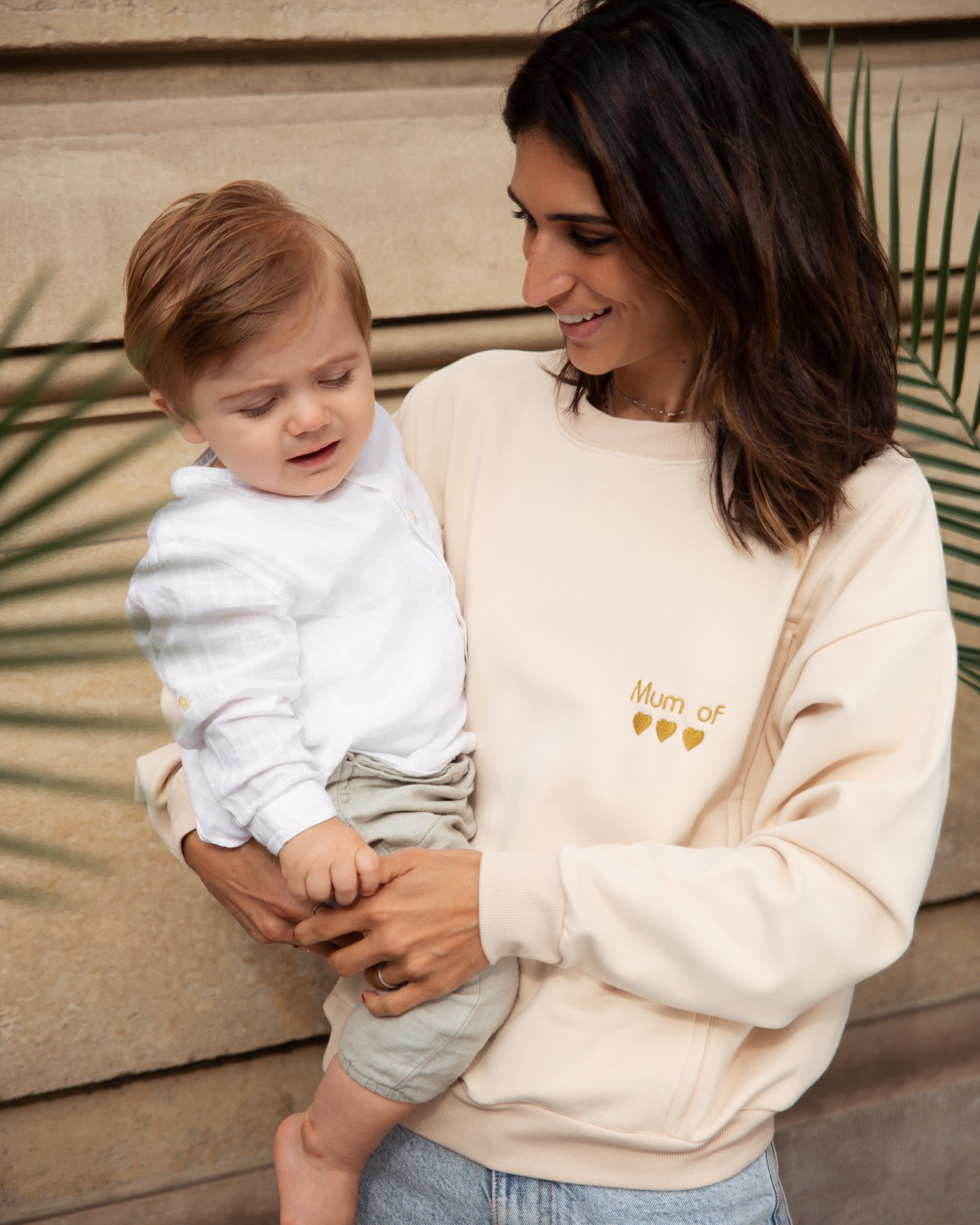
MOTHER OF nursing sweatshirt
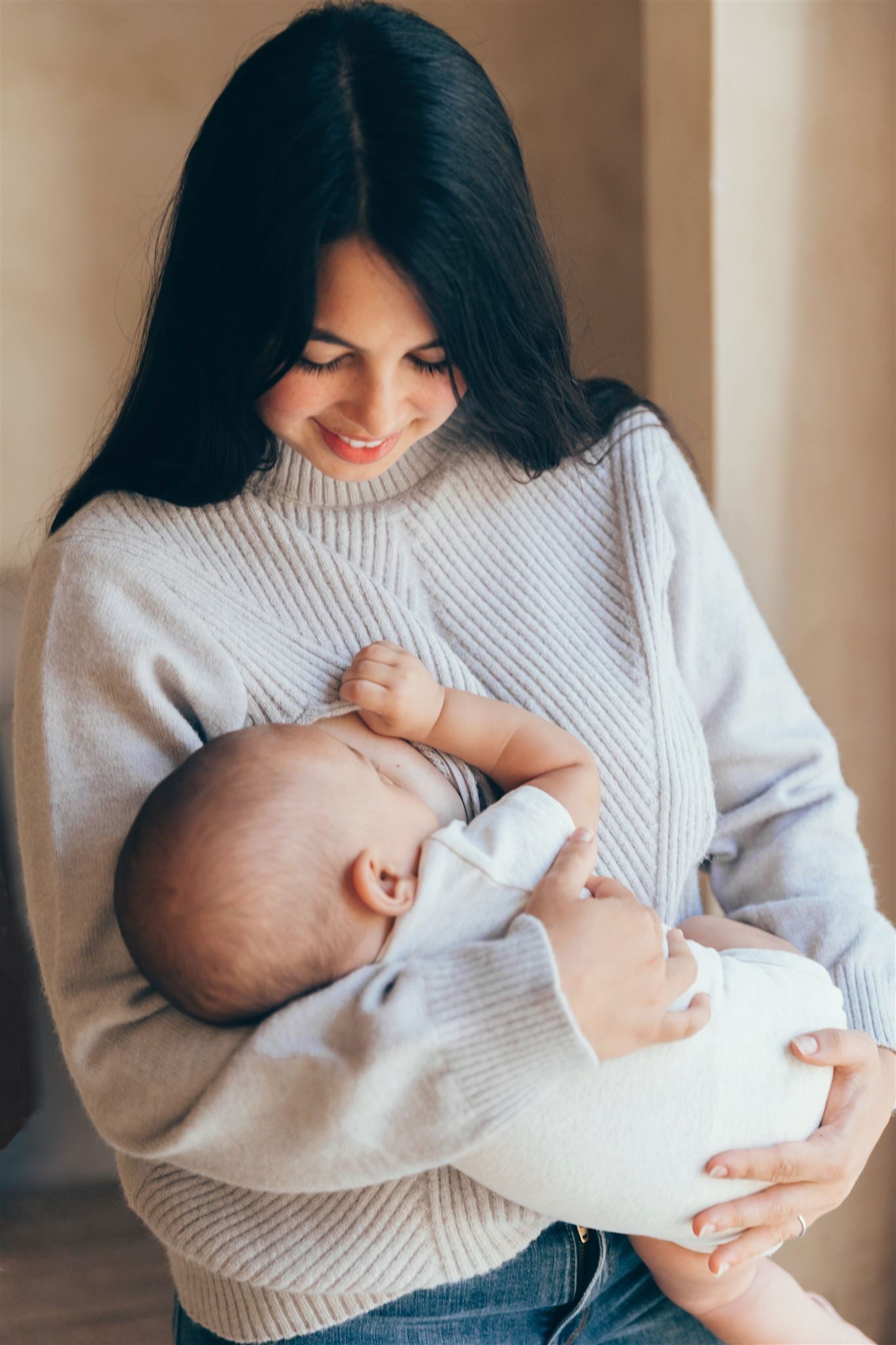
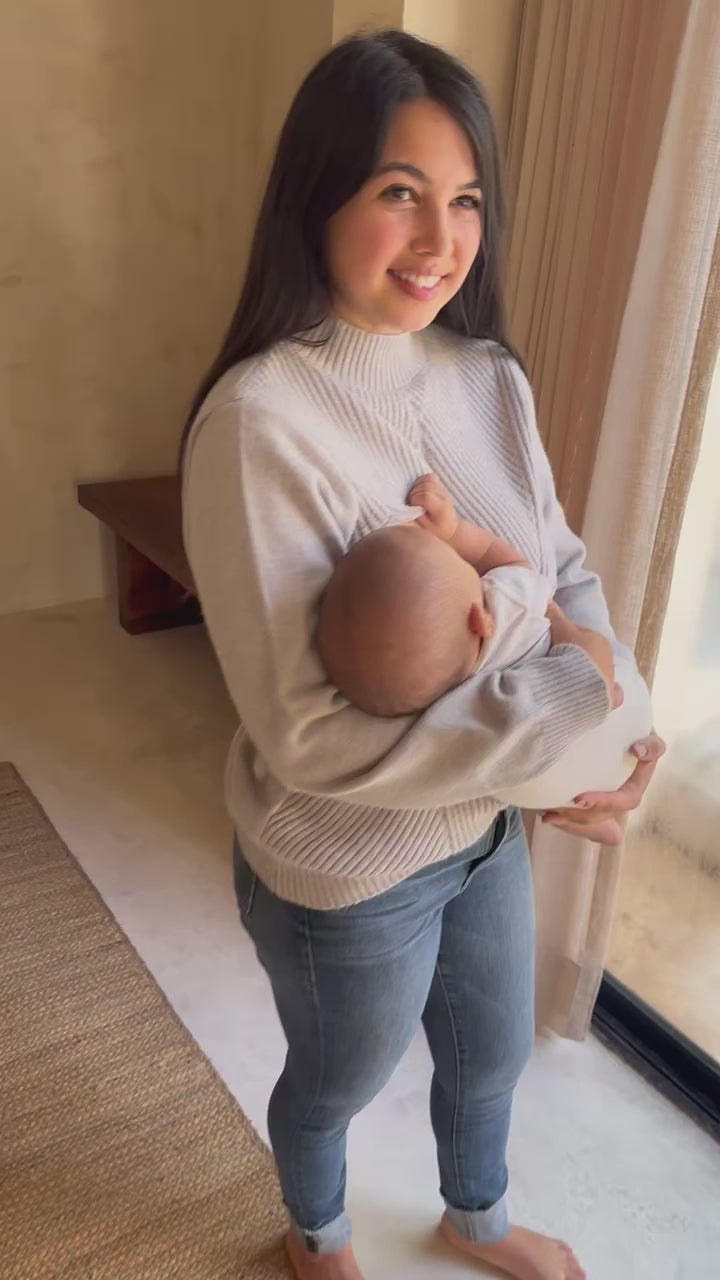
ALMA Grey Breastfeeding Sweater

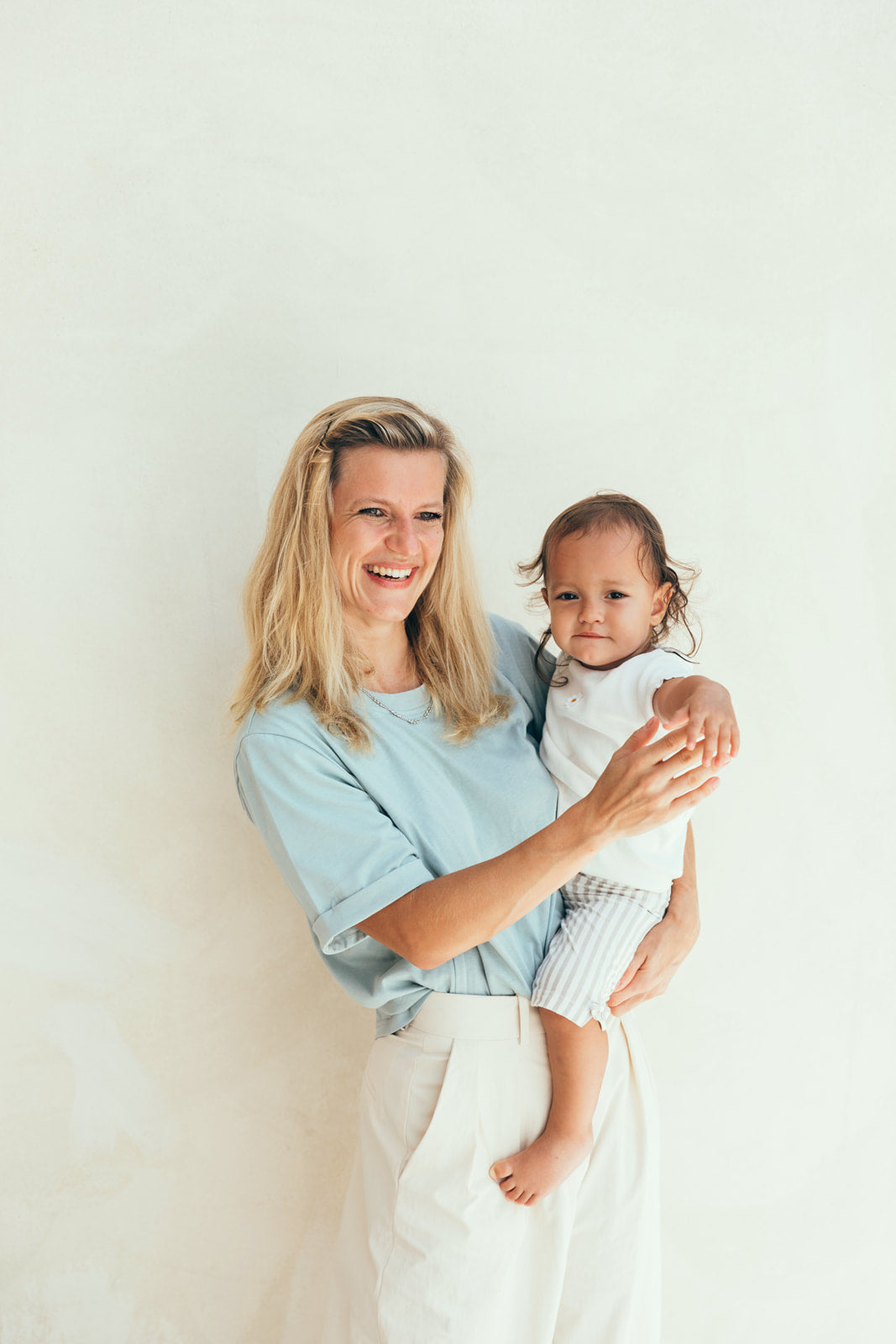
Breastfeeding t-shirt WATER GREEN
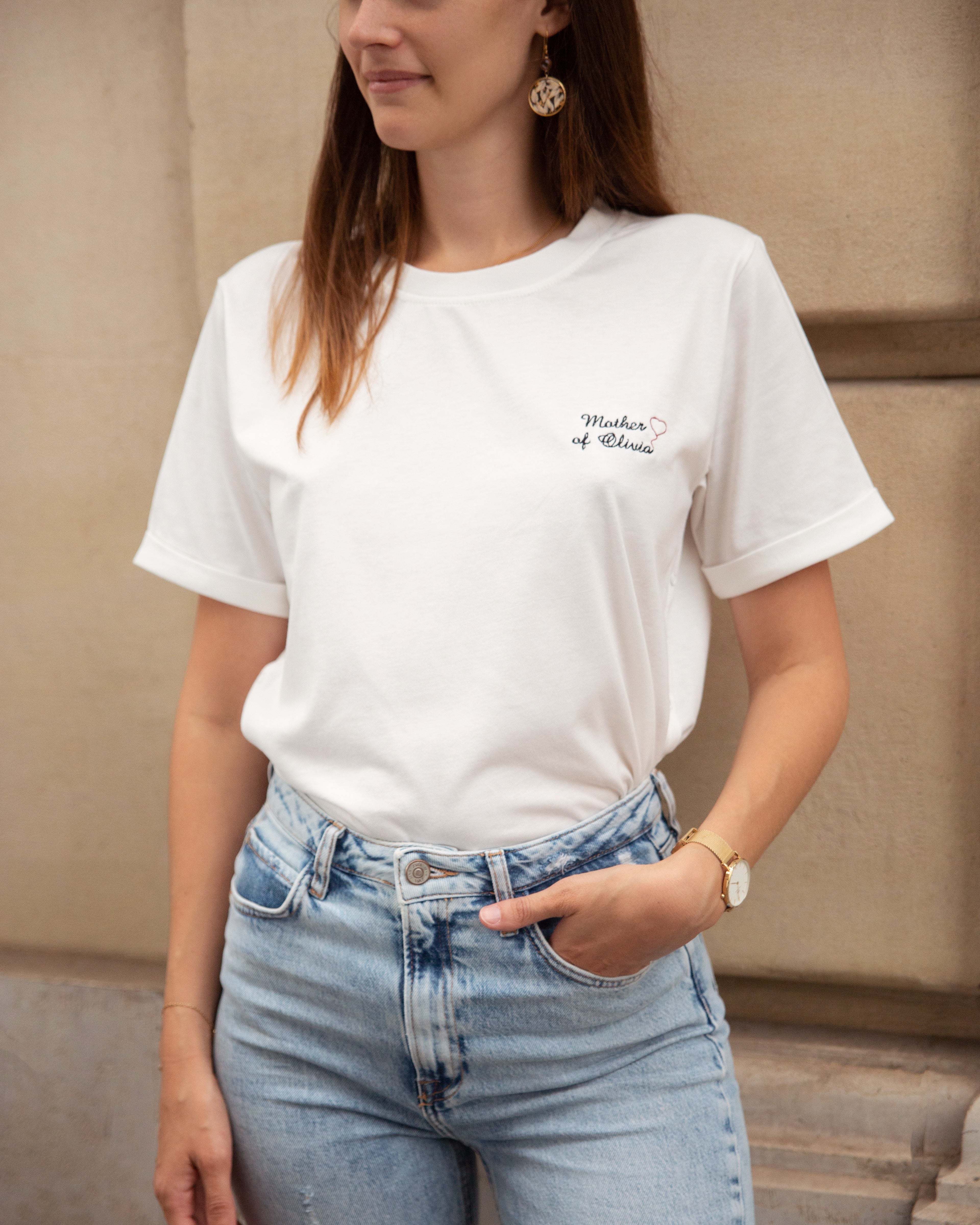
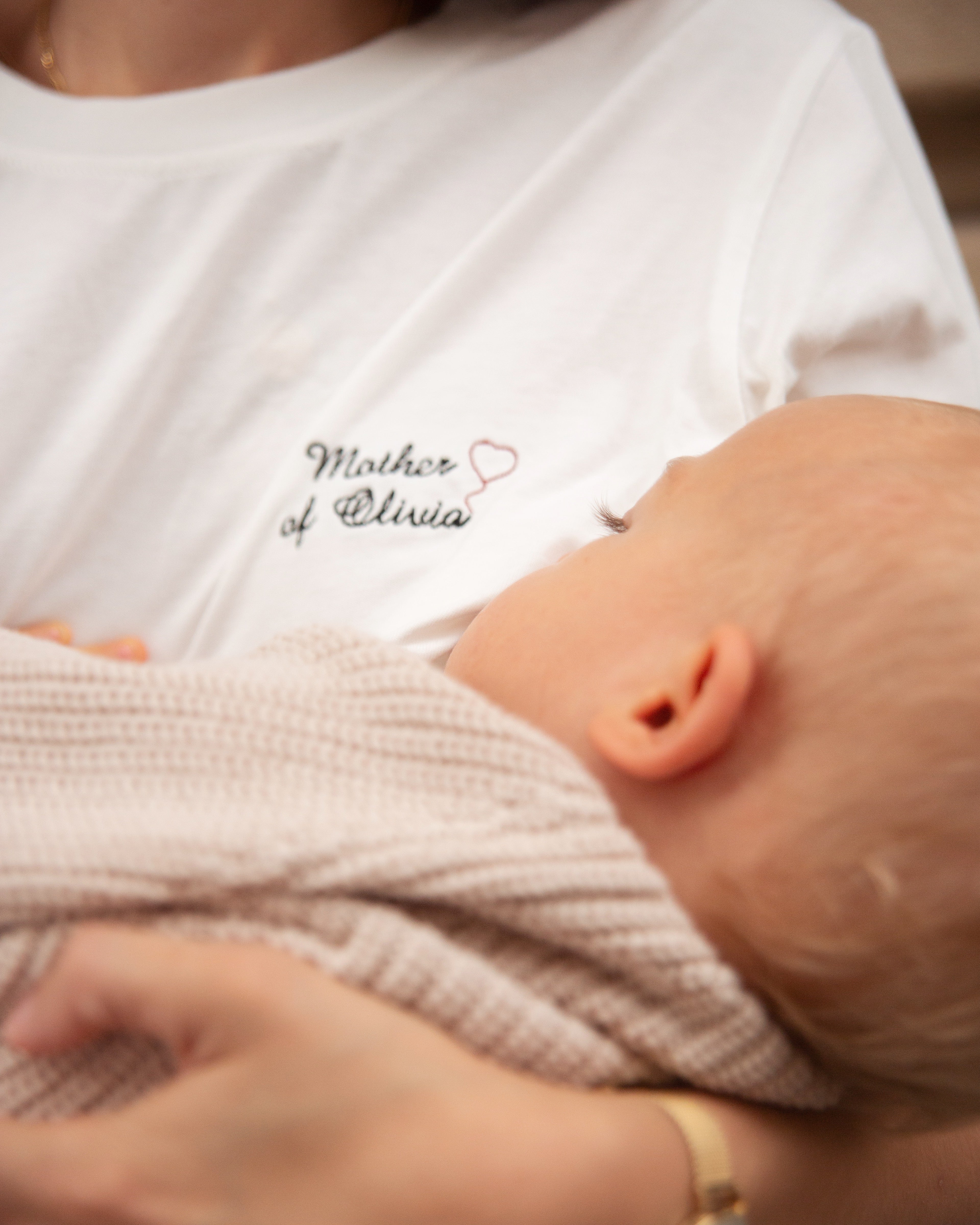
Breastfeeding t-shirt MOTHER OF
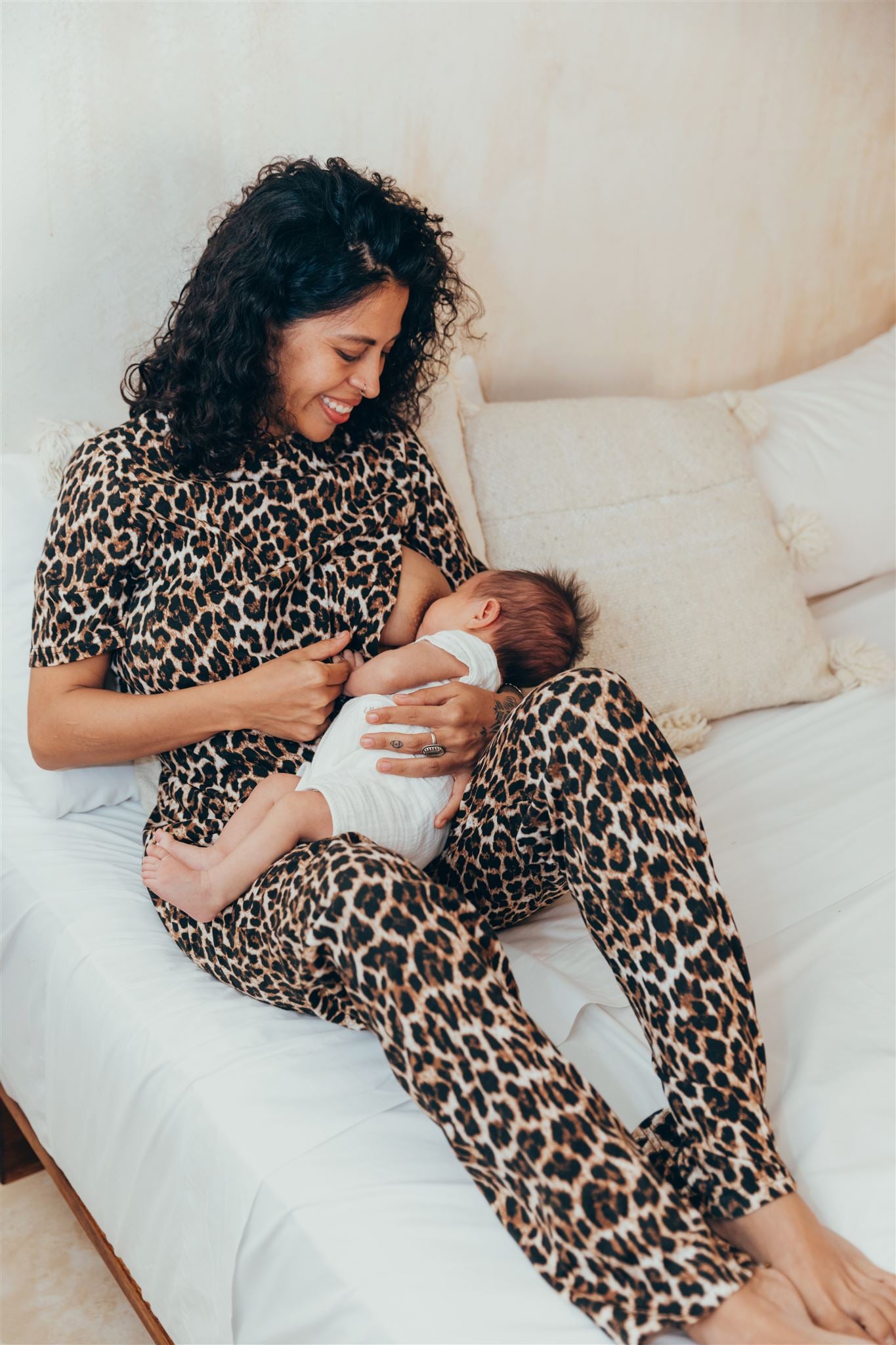

Breastfeeding pyjamas LEOPARD
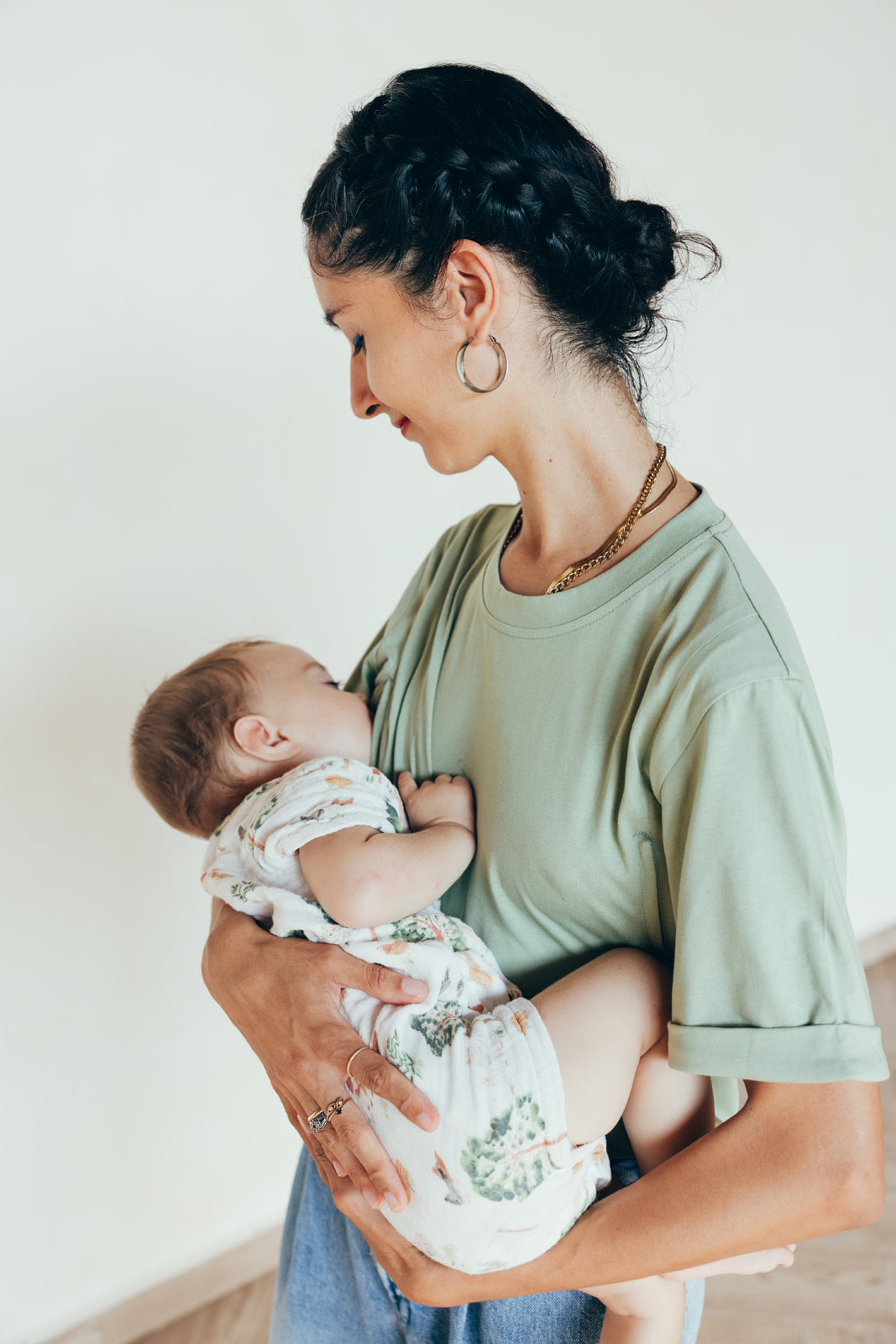

Breastfeeding t-shirt in SALVIA Breastfeeding t-shirt


Pink MARINIÈRE Nursing Tank Top

Breastfeeding mesh dress GEORGIA
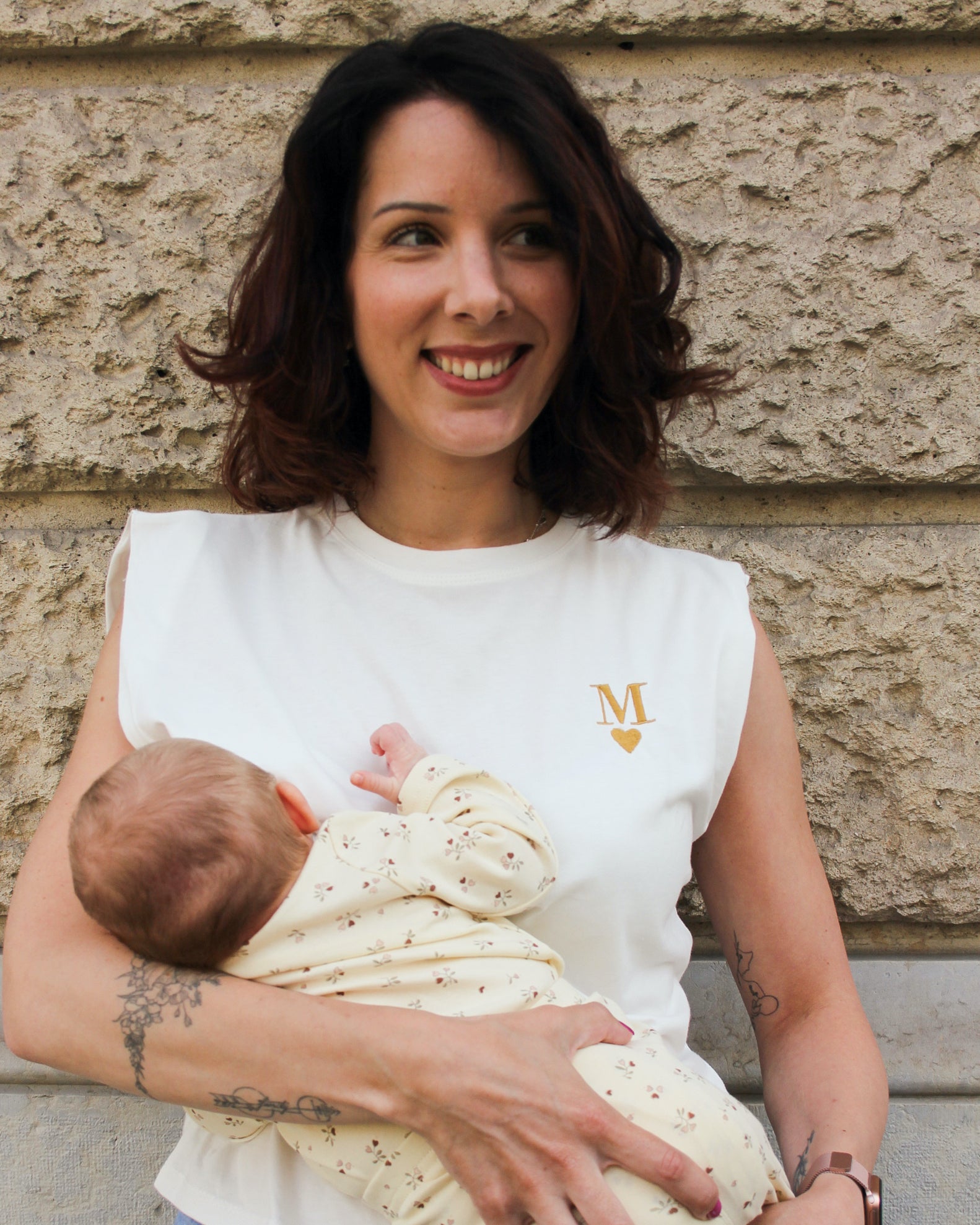
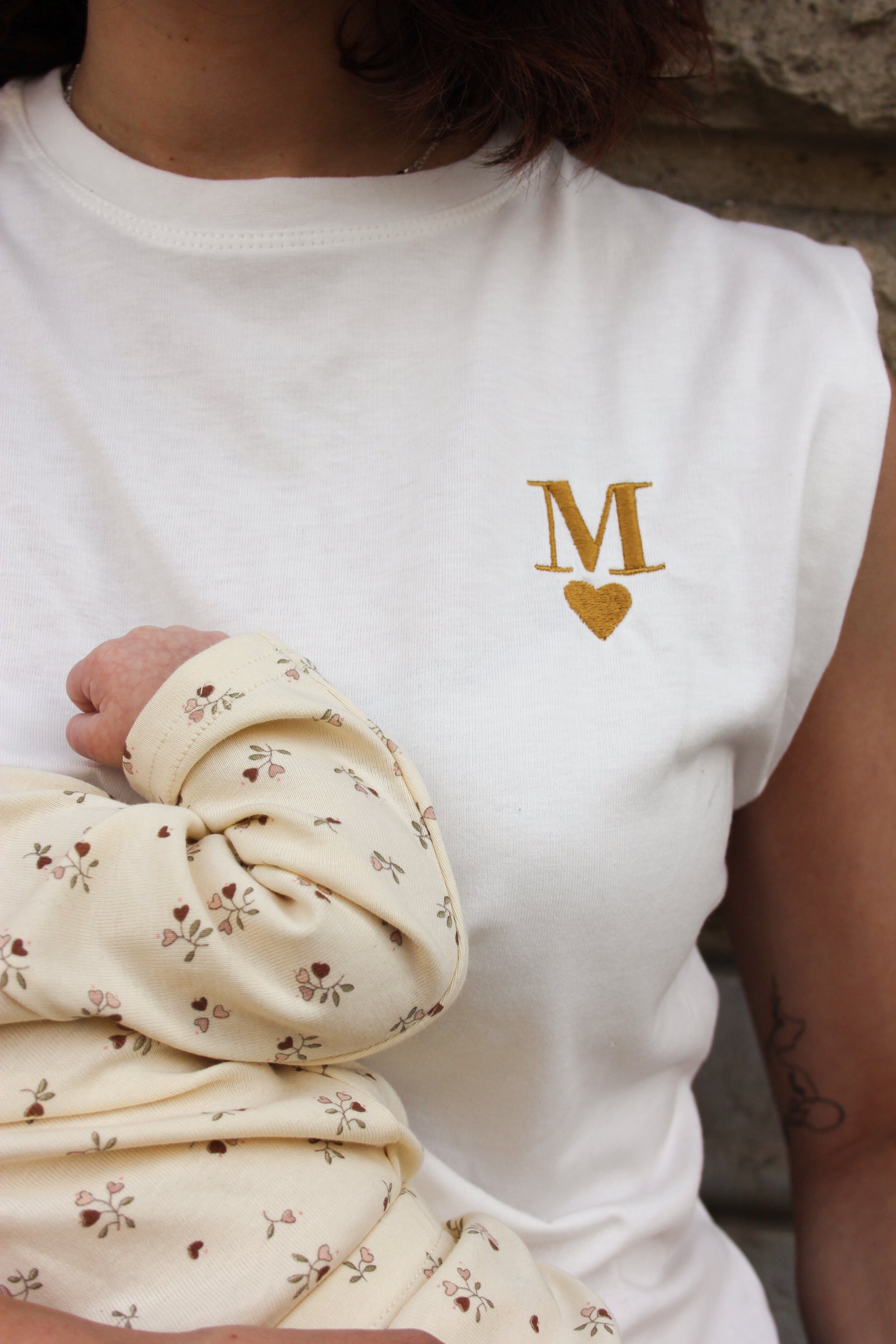
LUCKY CHARM nursing tank top


Breastfeeding t-shirt LOVE
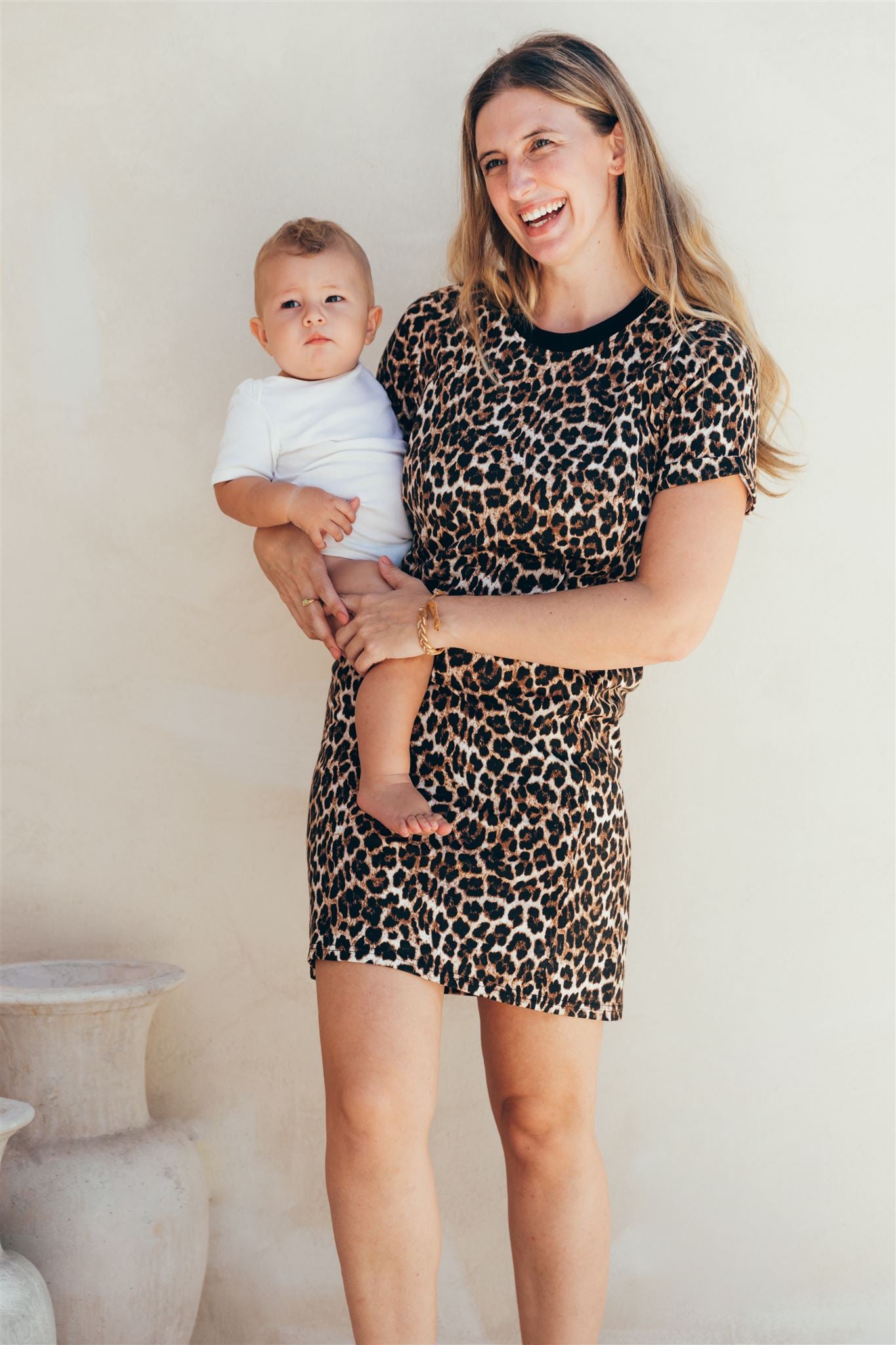

Breastfeeding dress LEOPARD
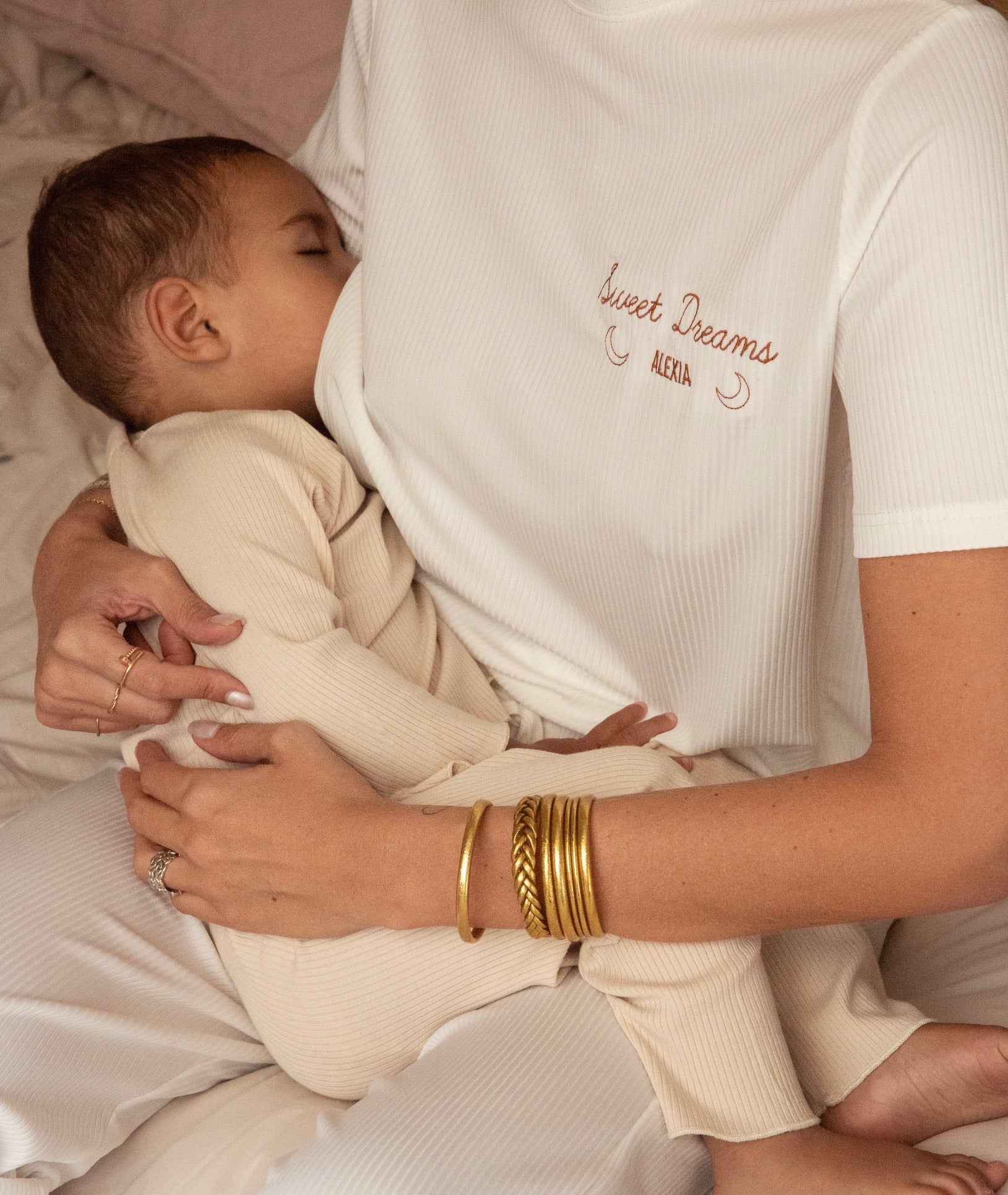
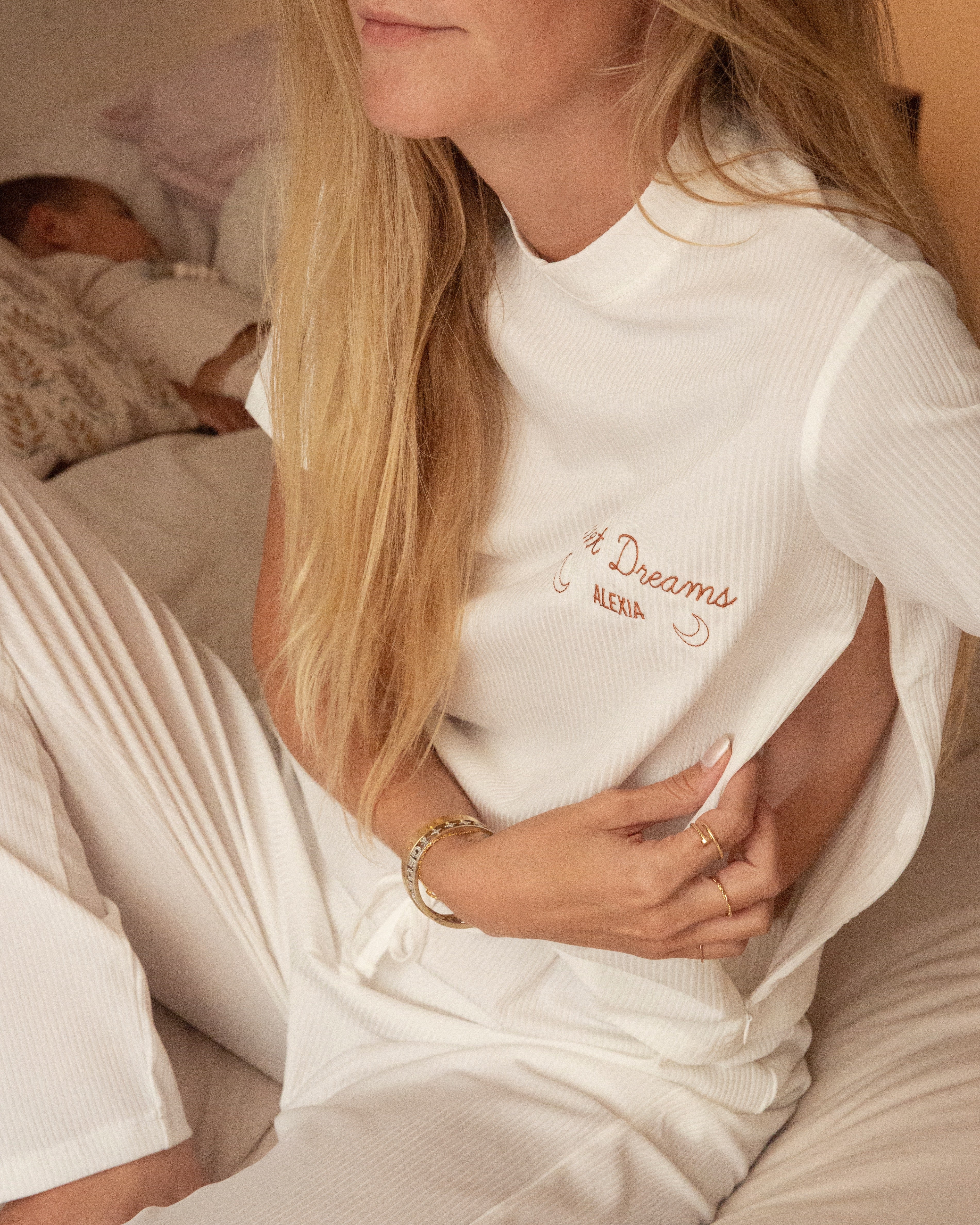
SWEET DREAMS nursing pajamas

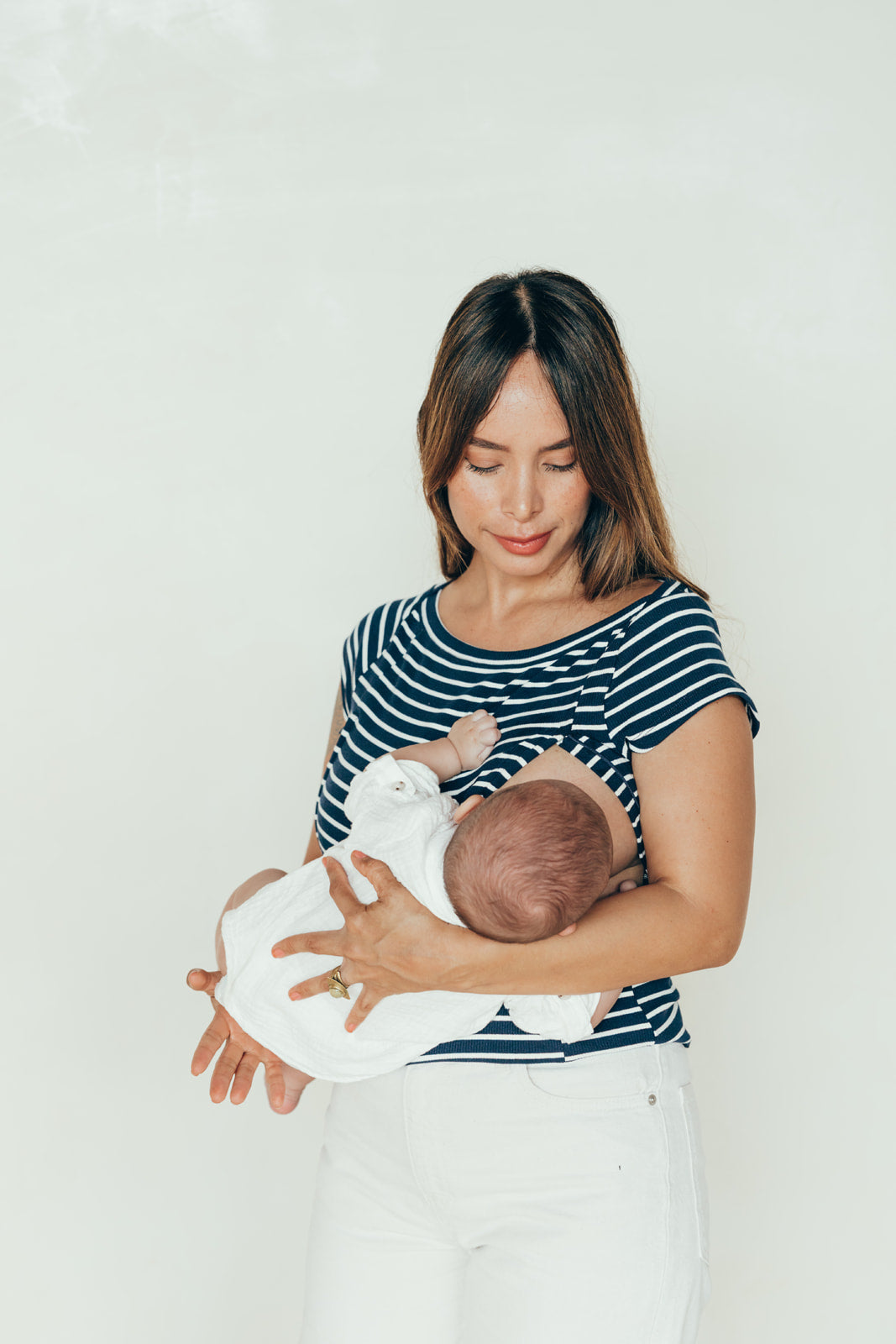
Breastfeeding t-shirt
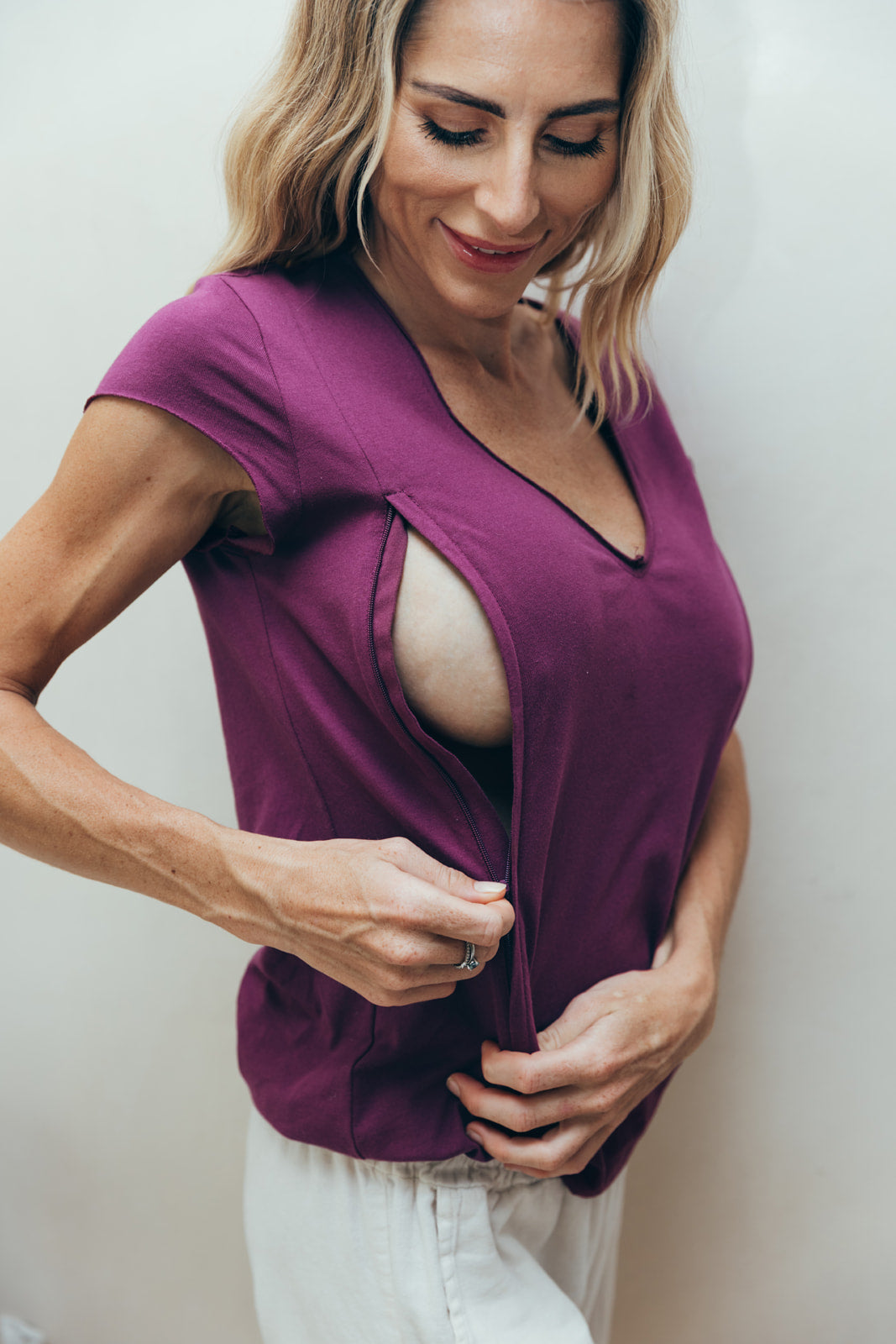
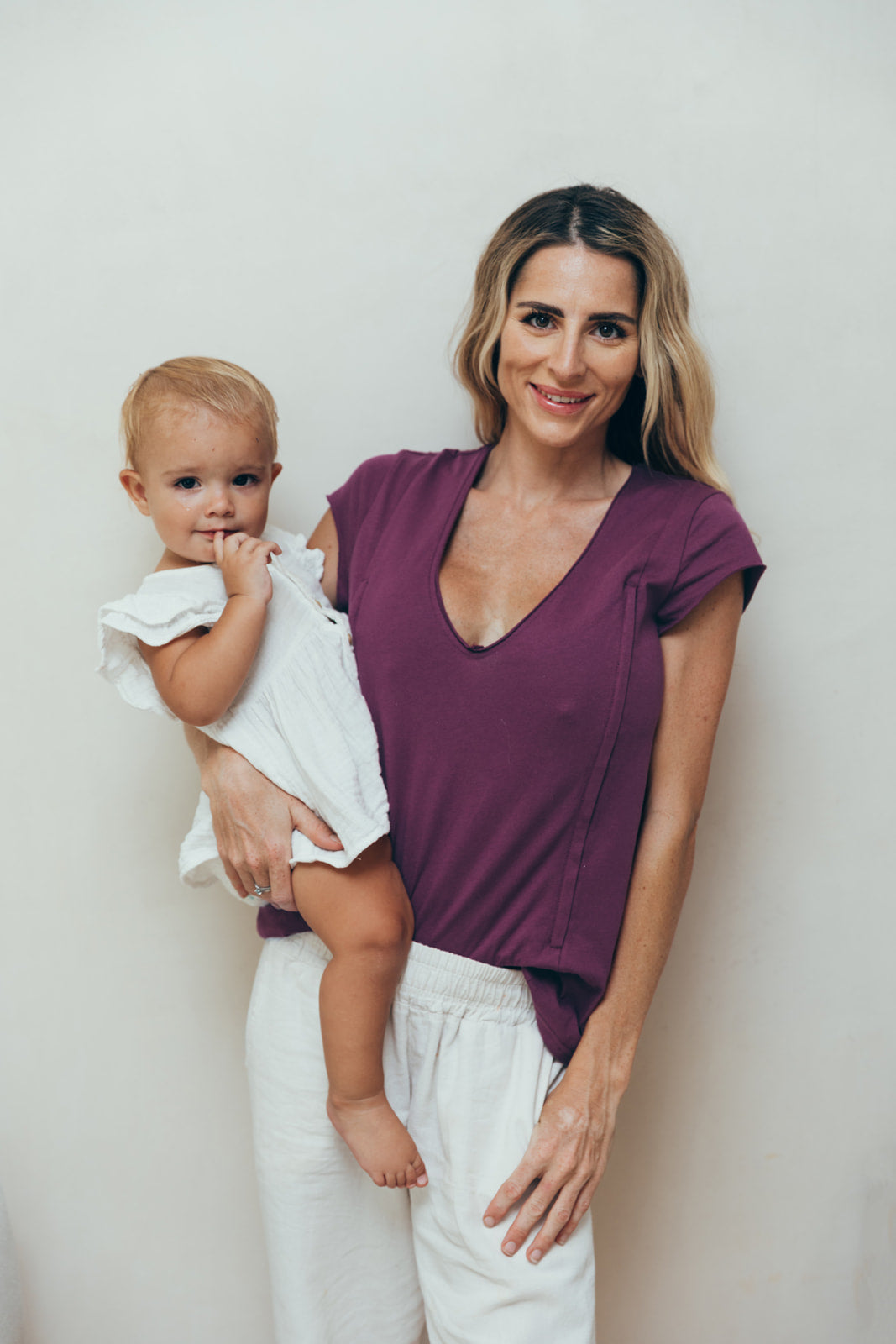
Breastfeeding t-shirt VIOLET
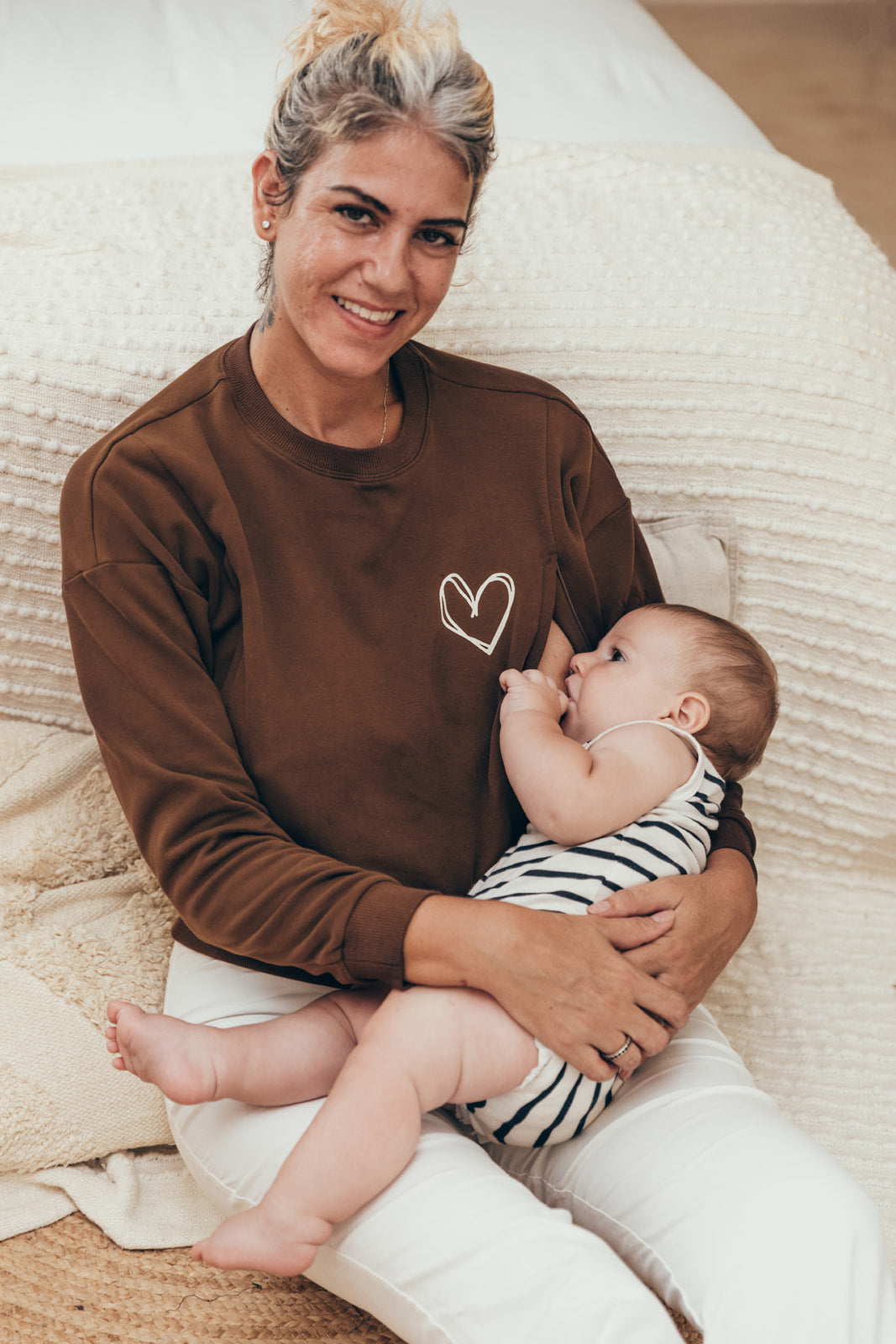
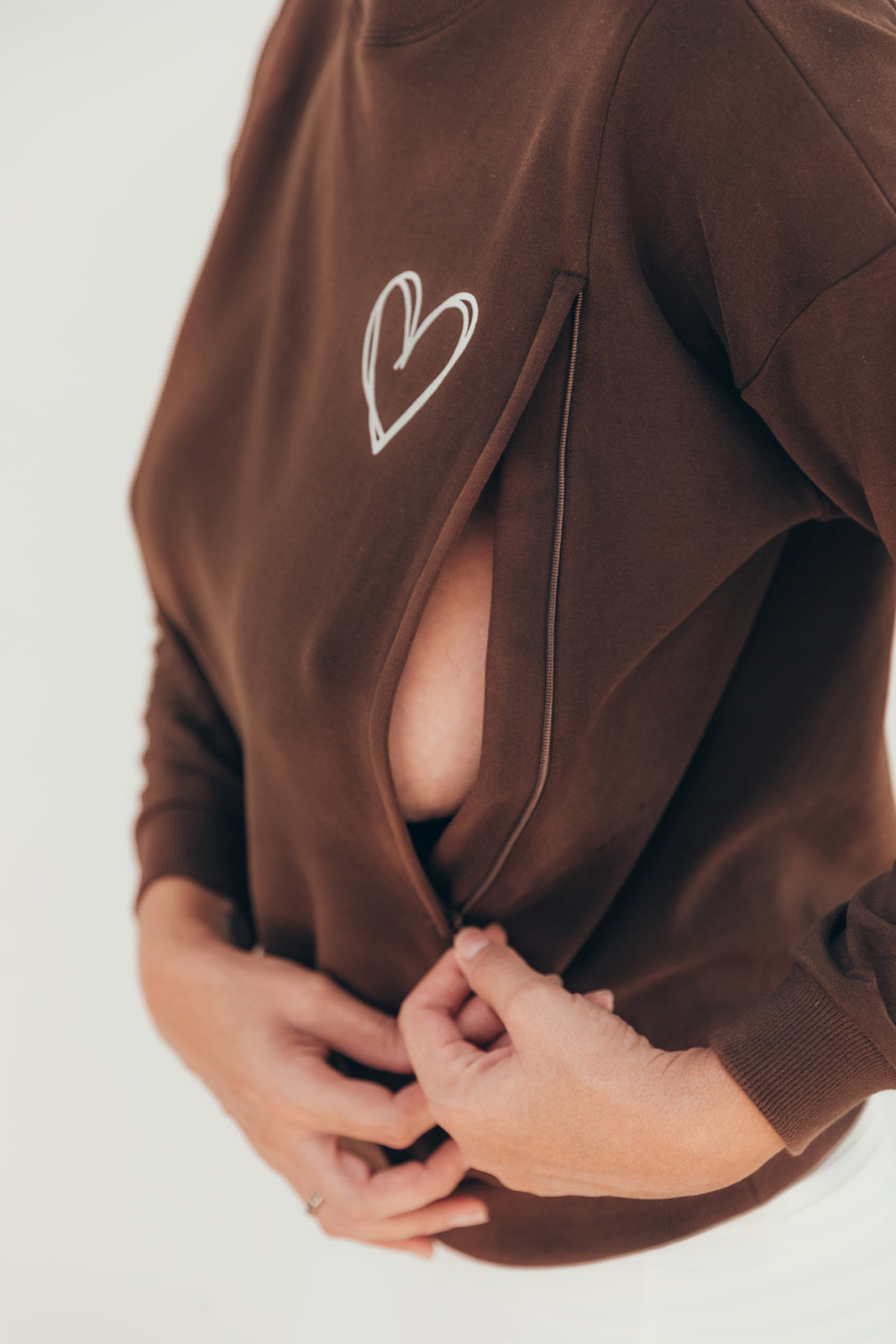
Brown heart nursing sweatshirt
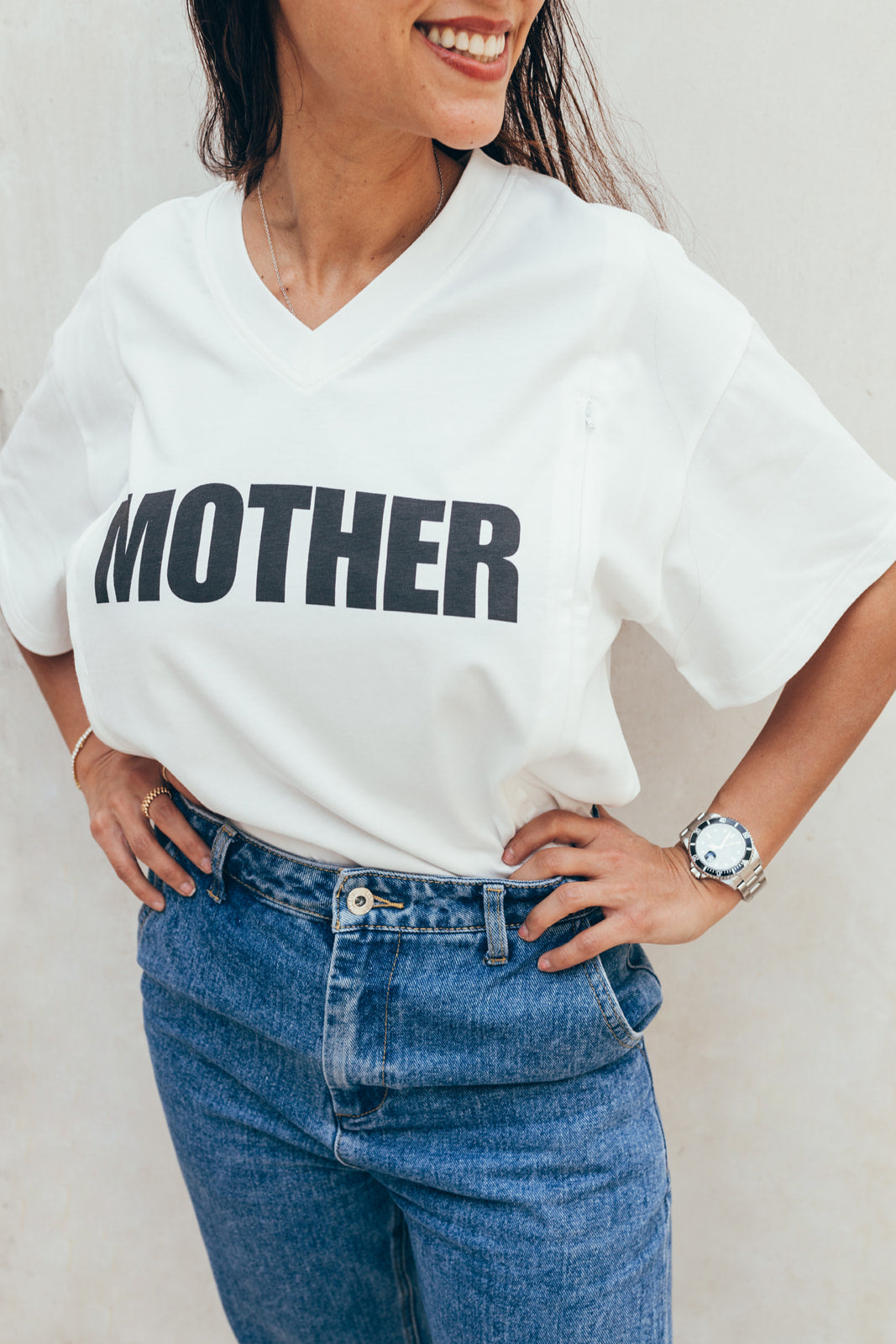
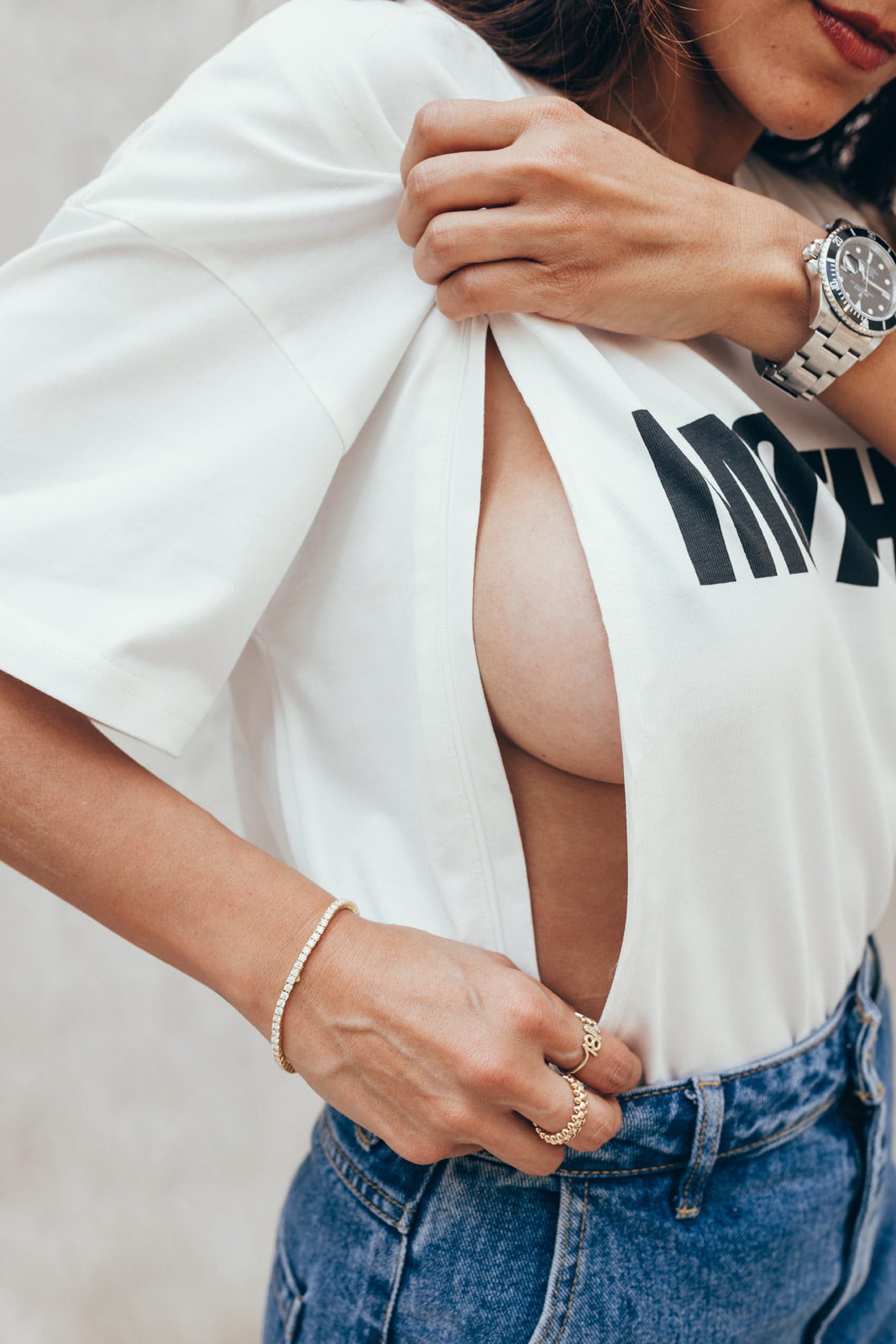
Breastfeeding t-shirt MOTHER
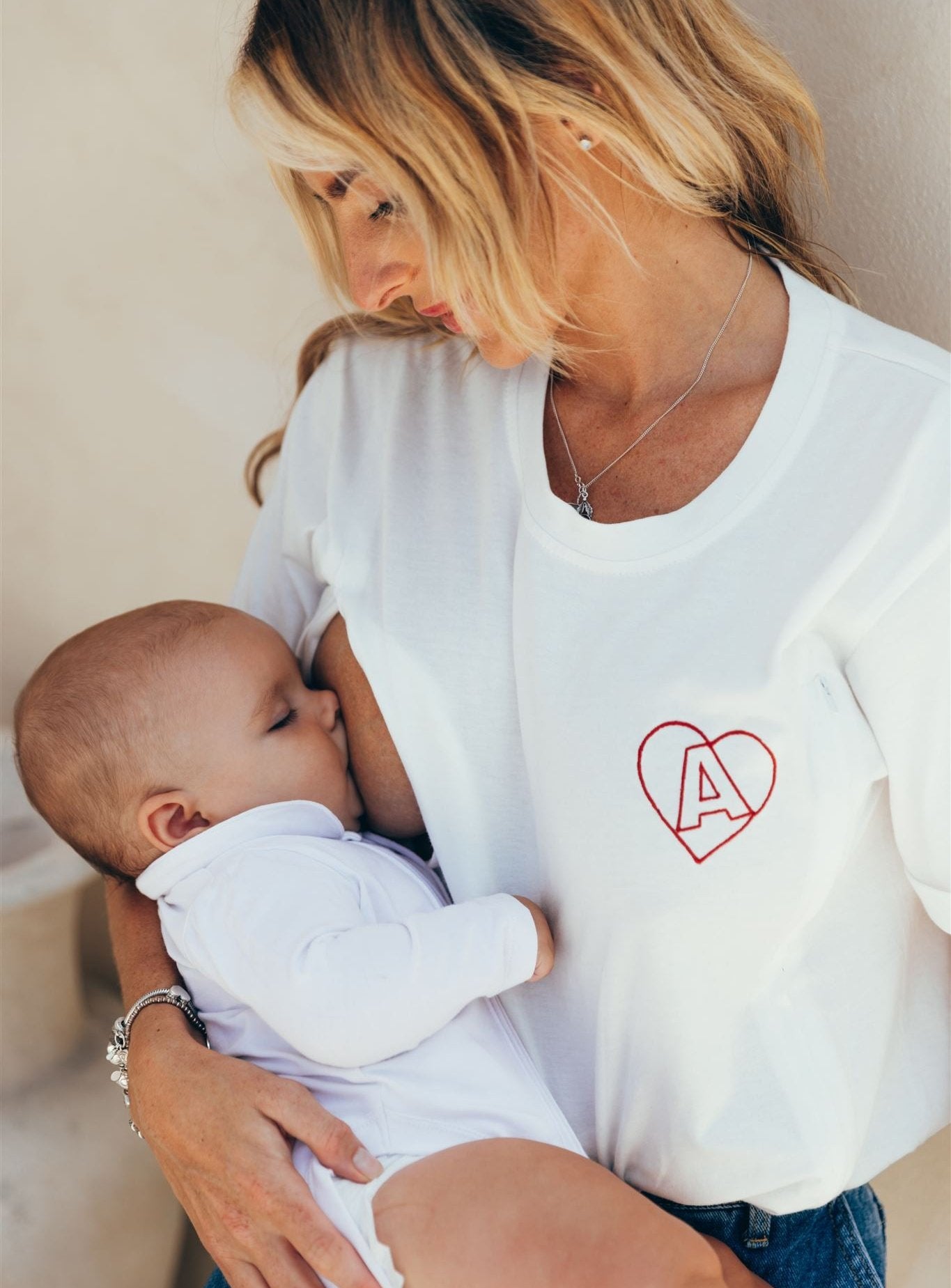

Breastfeeding t-shirt ALPHA
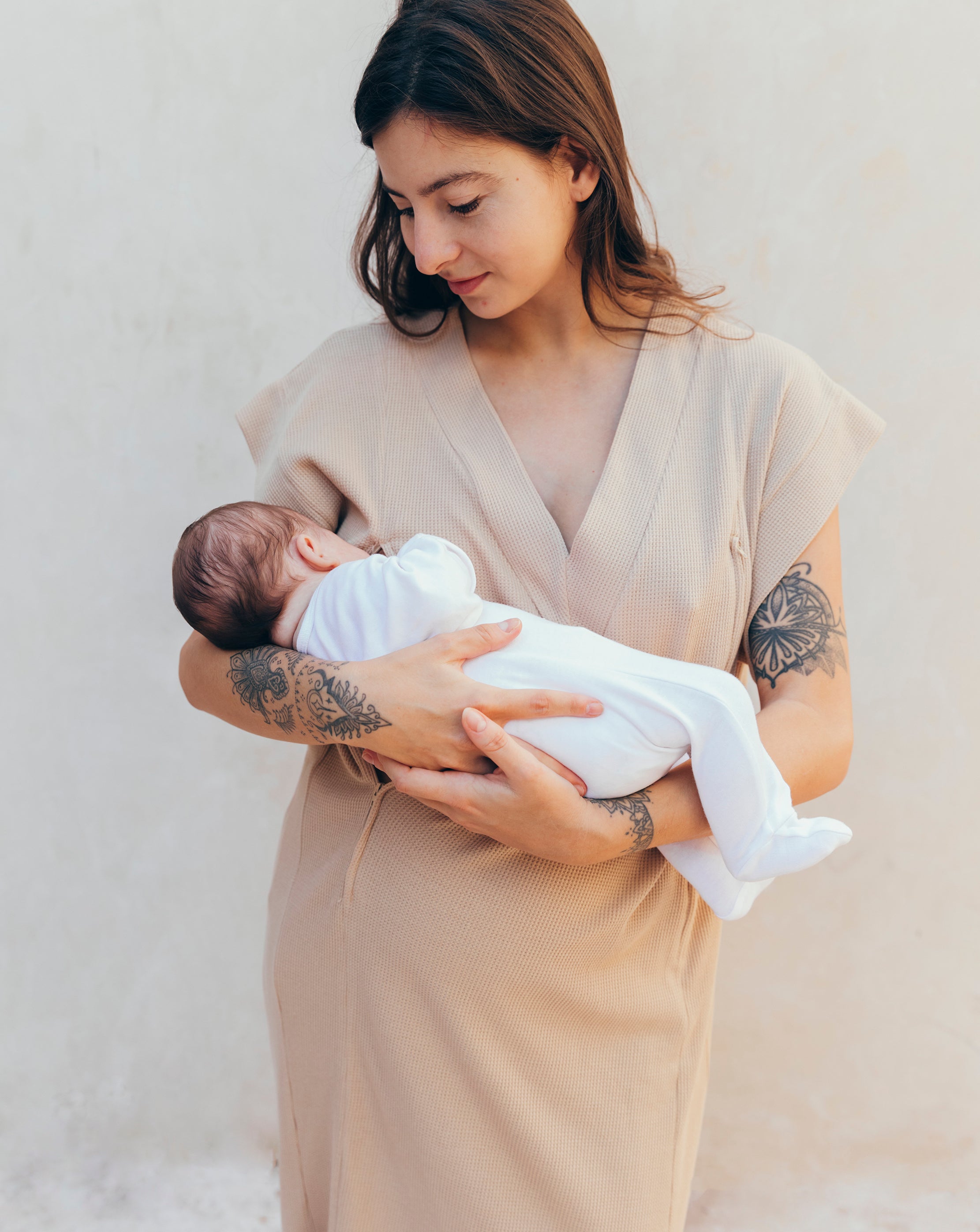
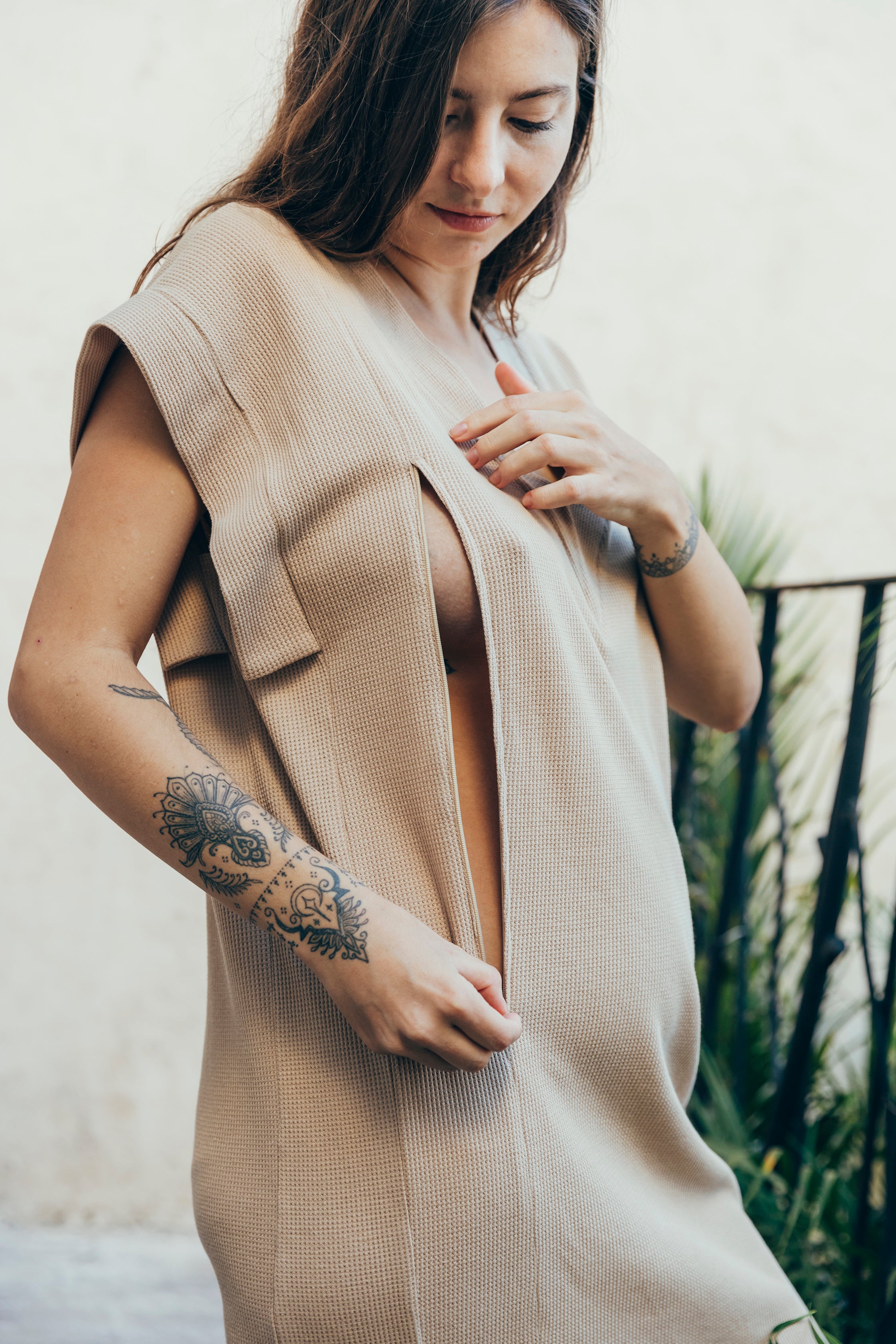
Beige CANCUN Breastfeeding dress
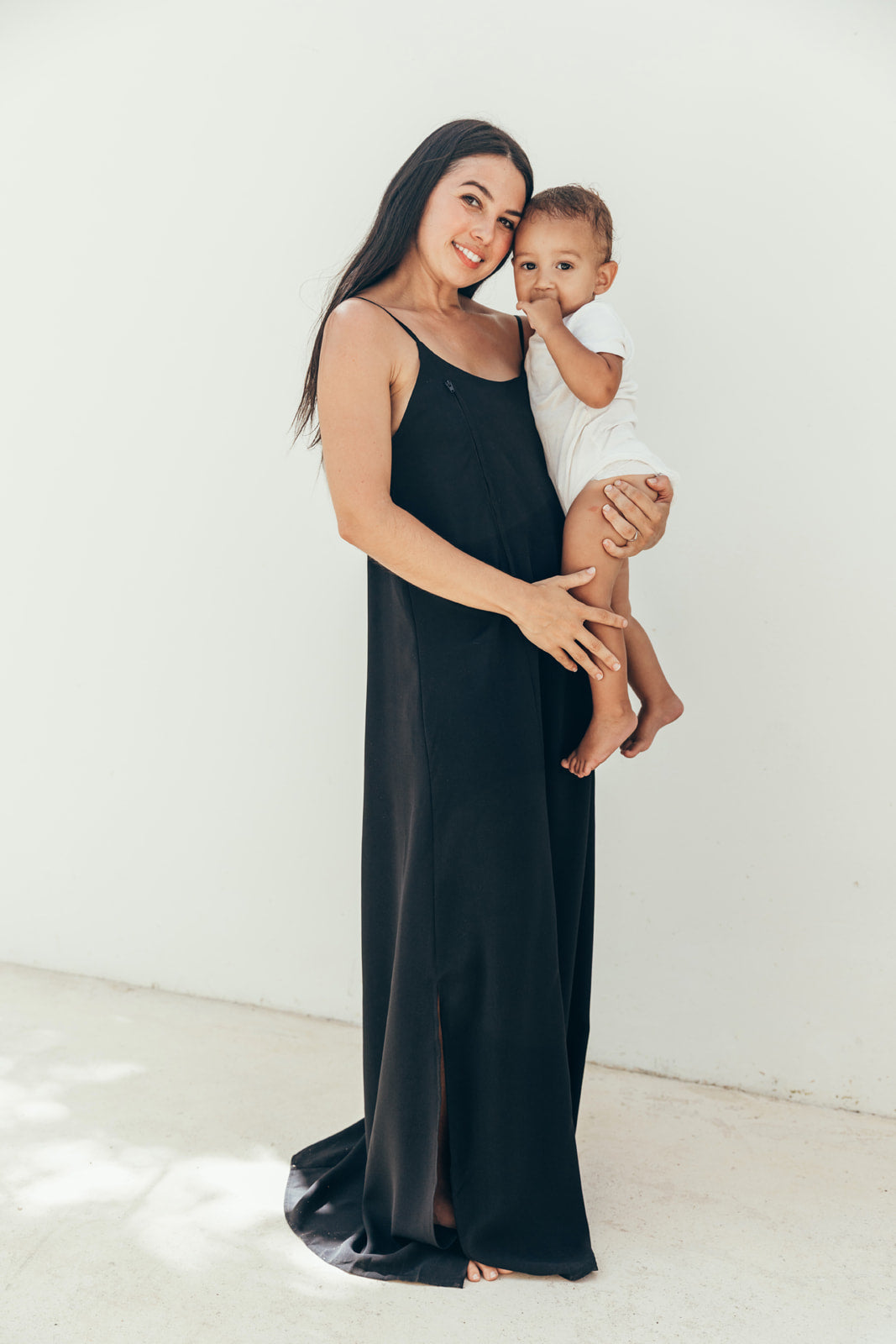

INDIA black maternity and nursing dress
Why is it especially hard to get sleep in the winter when you're breastfeeding?
Winter adds another layer of complexity to the already turbulent nights of breastfeeding. Short days and a lack of natural light disrupt the circadian rhythms of both mother and baby, making it harder to fall asleep and less effective to rest between feedings. Winter fatigue caused by the lack of light amplifies the exhaustion from fragmented nights. And the cold itself complicates the logistics of nighttime awakenings: getting out of a warm bed, standing up in a cold room, and managing multiple layers of clothing in the dark at 3 a.m.—all obstacles that turn a ten-minute feeding into an ordeal.
However, breastfeeding at night during the winter can become much more peaceful with a few simple adjustments to your surroundings, clothing, and nighttime routine.
Do breastfed babies sleep less well in the winter?
Not necessarily, but the cold weather and winter viruses can temporarily disrupt sleep patterns that seemed to be settling into a routine. A cold, an ear infection, teething made worse by the cold, or a slight fever—these are all winter-related factors that can cause a baby who was starting to sleep through the night to wake up more often.
The good news is that these disruptions are temporary. Extra nighttime feedings caused by illness or teething naturally become less frequent once the issue has passed. Winter is also the season when a baby’s need for comfort is strongest; the warmth and security of a nighttime feeding serve a real emotional purpose that a baby’s body instinctively seeks out when he or she isn’t feeling well.
Does prolactin really help you sleep in the winter?
Yes, and that’s one of the pleasant surprises of nighttime breastfeeding. Prolactin, the hormone responsible for milk production, reaches its highest levels at night, particularly between 2 a.m. and 6 a.m. These nighttime peaks in prolactin have a natural sedative effect that helps you fall back asleep more quickly after nighttime feedings.
In winter, when the nights are long and dark, this effect can be particularly beneficial. Studies show that breastfeeding mothers fall asleep more quickly after a nighttime feeding than mothers who bottle-feed—a valuable advantage when winter nights are short on quality sleep. A nighttime feeding, when managed well, can become a way to get back to sleep rather than an obstacle to it.
What temperature should be maintained in the bedroom during winter nights when breastfeeding?
The ideal temperature for a baby’s room is between 18 and 20°C. This range is comfortable enough to prevent the baby from getting cold, without causing overheating—which is a risk factor for the baby’s sleep. For the mother, this temperature may feel cool during nighttime awakenings, especially when getting out of a warm bed.
A humidifier in the bedroom is especially useful in winter: heating dries out the air considerably, which can cause your baby to wake up more often with a dry nose and an irritated throat, further disrupting nights that are already fitful. Maintaining a humidity level of around 50% in the bedroom significantly improves the quality of sleep for the whole family.
Which nursing pajamas should you choose to sleep better in the winter?
Nursing pajamas are the most important—and yet most often overlooked—item for a winter night. Struggling with ill-fitting clothes at 3 a.m. in the cold is one of the main sources of stress during nighttime awakenings.
The two-piece nursing pajama set is the most versatile option for winter: a top with discreet side zippers that allow access to the breast in seconds, and matching warm, comfortable pants. The zippers are easy to use even with your eyes closed, without having to lift the garment or expose yourself to the cold. The Breastfeeding nightdress offers a more enveloping alternative—flowing, soft, and easy to wear, it’s perfect for moms who prefer an all-in-one solution. On very cold nights, it can easily be worn with a light cardigan draped over the shoulders while nursing.
In both cases, opt for natural fabrics like cotton, which are breathable and soft against the skin; they better regulate temperature fluctuations and manage the frequent night sweats that occur during winter breastfeeding.
How can you set up your bedroom to make nighttime feedings in the winter go more smoothly?
Organizing your sleeping space is just as important as the clothes you wear. A few simple adjustments can turn an exhausting night into a bearable one.
Keep the following within easy reach on your nightstand: a soft nightlight with warm lighting—never a bright light or screen that might disrupt your return to sleep—a large glass of water or a thermos of hot herbal tea, clean spare nursing pads, and a light nursing cardigan or sweater to drape over your shoulders while breastfeeding. The goal: never having to get out of bed or turn on a bright light for a nighttime feeding. Everything you need is within arm’s reach, so you can start feeding in seconds and fall back asleep more easily.
Does co-sleeping make breastfeeding at night easier in the winter?
Co-sleeping—having the baby sleep in the same room as his or her parents—is often recommended to make nighttime breastfeeding easier, especially in the winter. Being close by allows parents to respond to the baby’s first signs of waking—such as searching for the breast, restlessness, or other cues—before the baby starts crying, which helps prevent the baby from waking up fully and helps both parent and baby fall back asleep more quickly.
In winter, co-sleeping offers an additional thermal benefit: there’s no need to walk through a cold hallway to get the baby from their room. Feeding can begin without getting up, while lying on your side—the most effective position for nighttime feedings in winter—and end without either the mother or the baby being fully awake. If you co-sleep, be sure to follow safety guidelines: the baby should sleep in their own crib or bassinet next to the parents’ bed, never in the parents’ bed if they smoke, drink alcohol, or take sedatives.
How can I manage night sweats related to breastfeeding in the winter?
Postpartum night sweats are common during breastfeeding, especially in the first few weeks, and may, paradoxically, worsen in the winter if the room is too warm or the blankets are too heavy.
Here are a few tips to help you manage these nights better: Opt for several layers of light blankets instead of a single, very warm comforter, so you can easily uncover yourself without losing all the warmth. Choose nursing pajamas made of thin cotton rather than flannel or thick fabric—cotton breathes and absorbs sweat better without making you feel clammy. Keep a glass of water within reach—sweating and breastfeeding can quickly lead to dehydration. And if you’re sweating heavily, air out the room for a few minutes before going to bed to refresh the air and reduce the stuffy feeling caused by the heat.
Can we space out nighttime feedings in the winter to get more rest?
This is a valid question that many moms ask themselves when dealing with winter fatigue. The answer depends on the baby's age and nutritional needs.
Before 6 months, nighttime feedings are generally necessary for the baby’s growth and to maintain milk production. Spacing them out or eliminating them before this age can compromise weight gain and milk production; it is not recommended to do so without medical advice. After 6 months, if the baby is feeding well during the day, gaining weight properly, and the mother’s exhaustion becomes a serious issue, it is possible to gradually and gently space out nighttime feedings—always with the guidance of a midwife or lactation consultant. In any case, the decision is up to the mother and should be made without guilt.
How can you catch up on sleep in the winter when you're breastfeeding?
The universal golden rule—and the one that’s hardest to follow—is still to sleep when your baby sleeps. In winter, with short, dim days, this rule is even more important because daytime naps partially make up for the lack of natural light, in addition to interrupted nights.
Here are a few practical strategies: Take turns with your partner at night—you can pump your milk so he can feed the baby with a bottle, giving you a solid 4- to 5-hour stretch of sleep, which really makes a difference. Accept help from family and friends with daily tasks like housework, grocery shopping, and meal prep, and use your free time to rest. And resist the temptation to use screens during nighttime feedings—blue light disrupts melatonin and makes it much harder to fall back asleep.
What is the return policy for 23 Mai Paris nursing clothing 23 Mai Paris
You have 14 days from the date you receive your order to let us know if an item does not meet your expectations and request a refund. Please note that exchanges are not available; only refunds are offered.
Customized items featuring embroidery are excluded from this policy and cannot be returned or refunded. For any inquiries, please contact our customer service team in advance at the following email address: bonjour@23maiparis.com.
You can also find more designs here
Breastfeeding pyjamas
Breastfeeding pyjamas 2-room apartment
Breastfeeding night dresses
Breastfeeding sweaters Winter
Warm nursing clothes
Our blog post: Nighttime Breastfeeding — 10 Tips for Surviving Night Feedings
Our blog post: How to Choose a Breastfeeding nightdress
Our blog post: How to Dress in Winter When You’re Breastfeeding