Filters


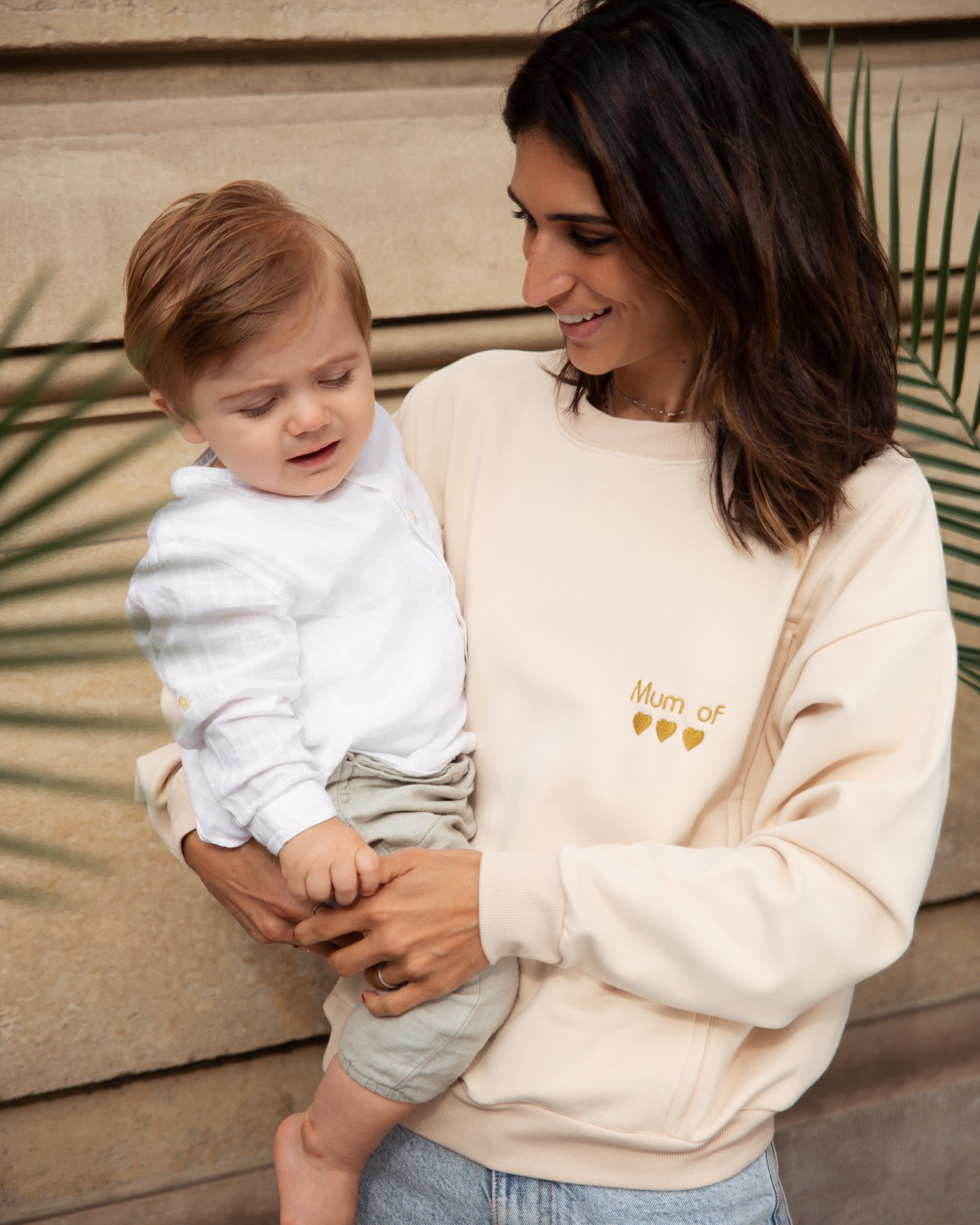
Breastfeeding t-shirt AMORE
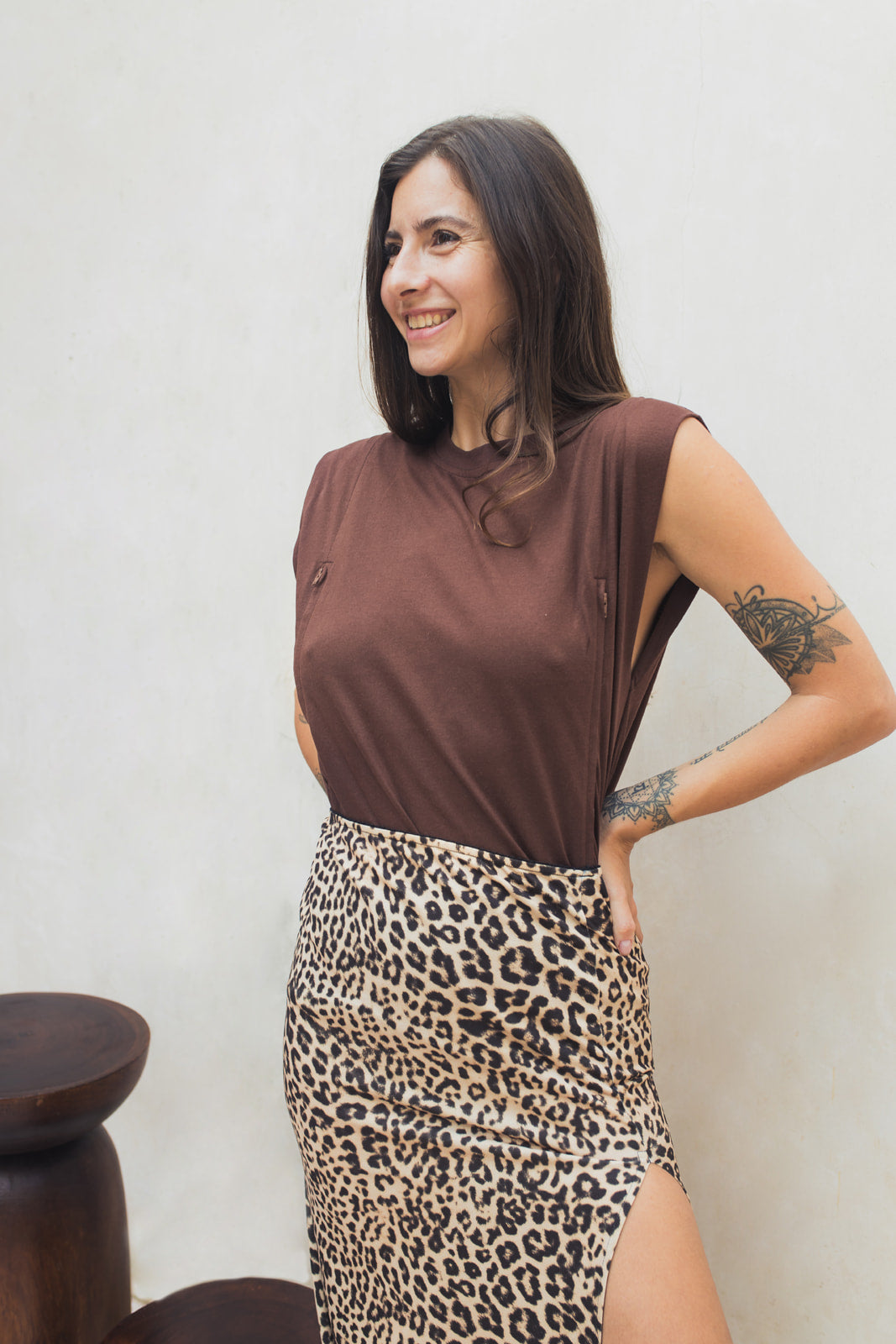

Nursing tank top BROWN
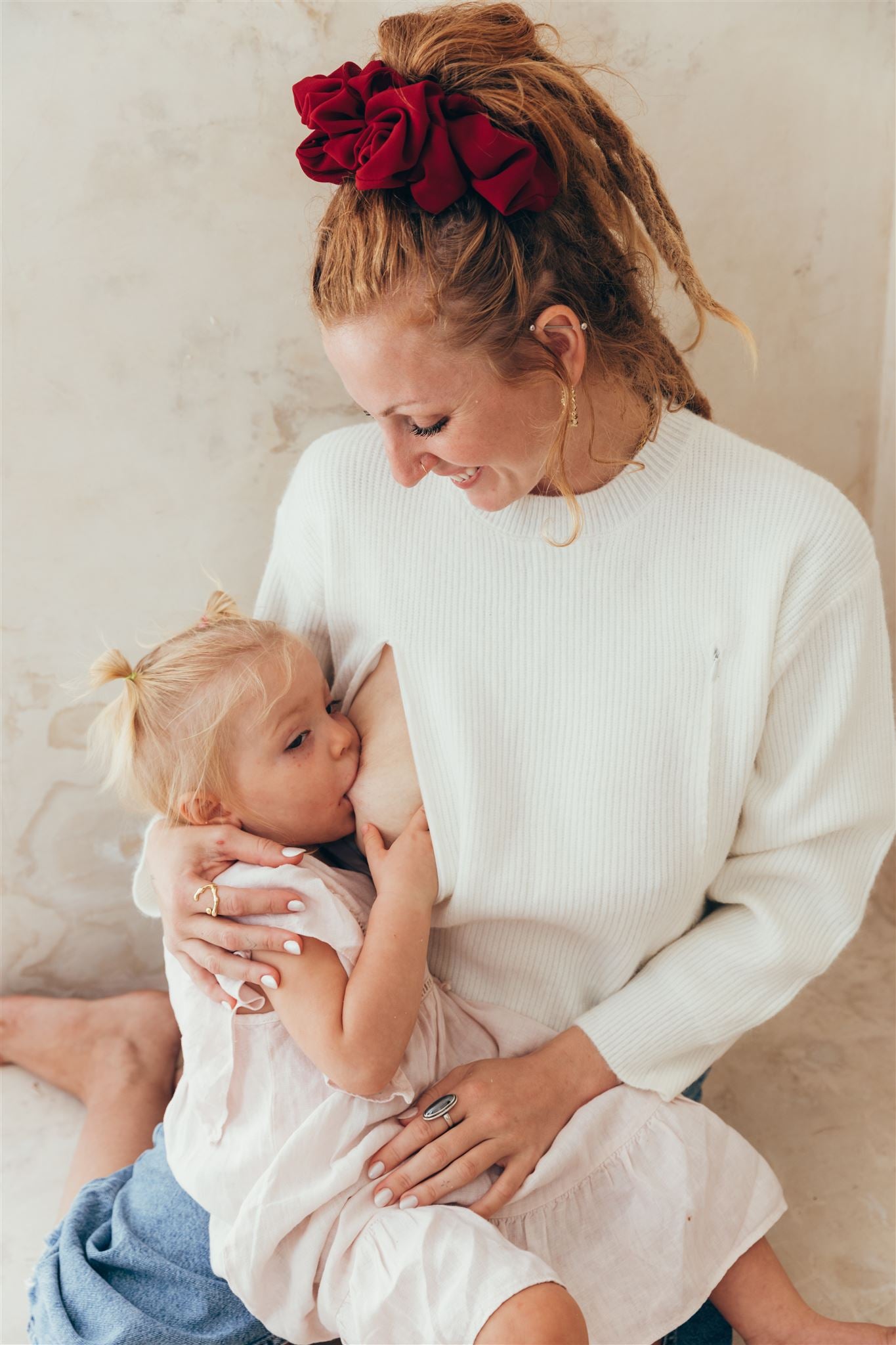
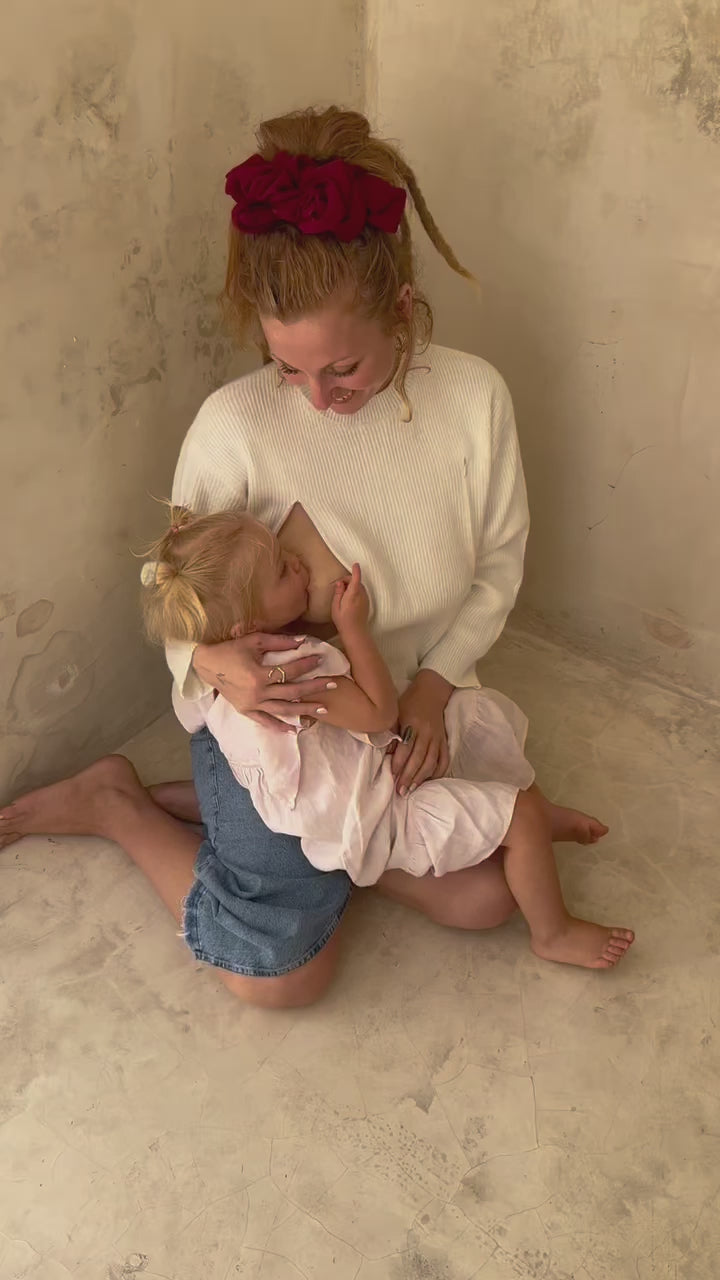
ASSIA Ecru Breastfeeding Sweater


MAMMA COOL nursing sweatshirt
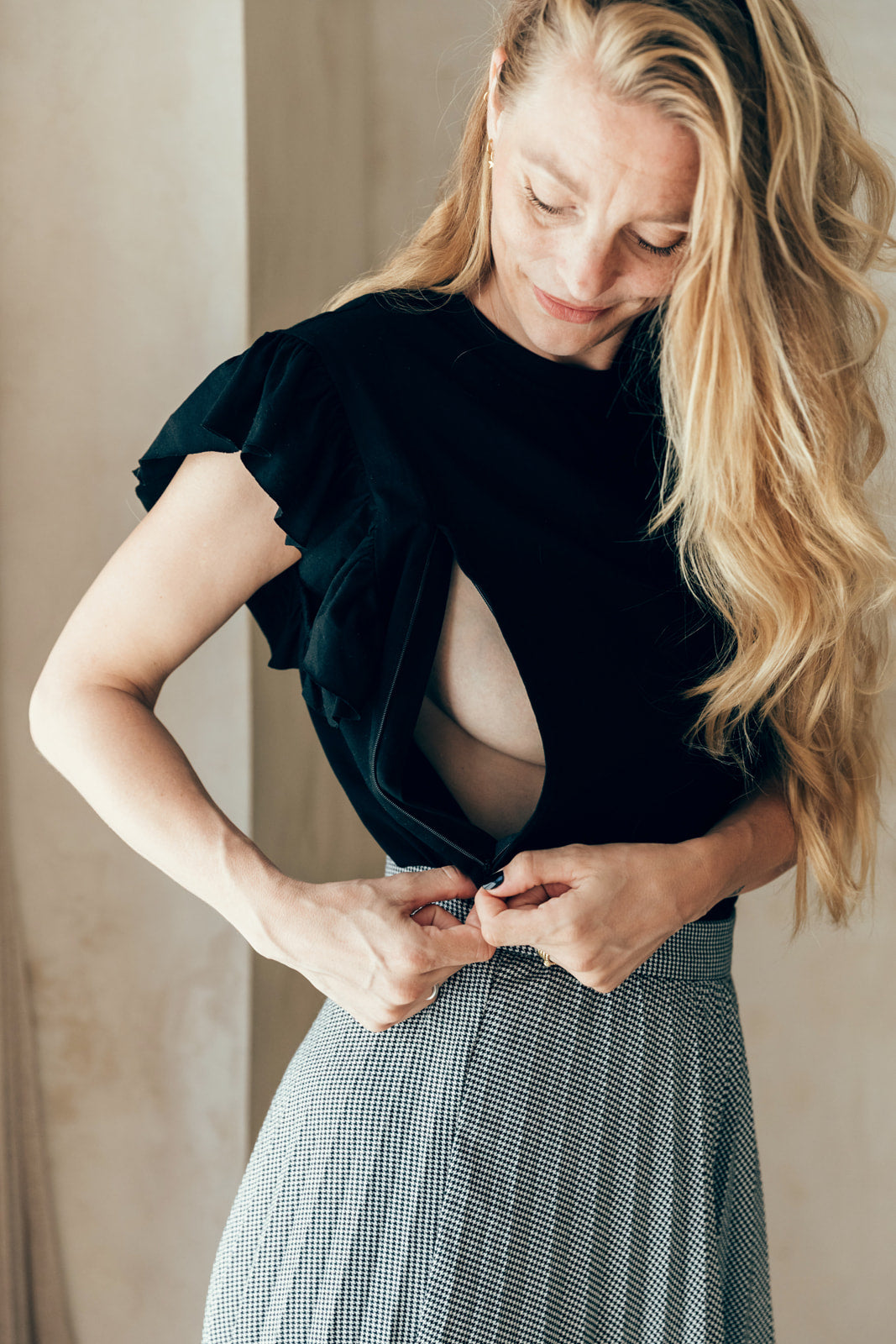
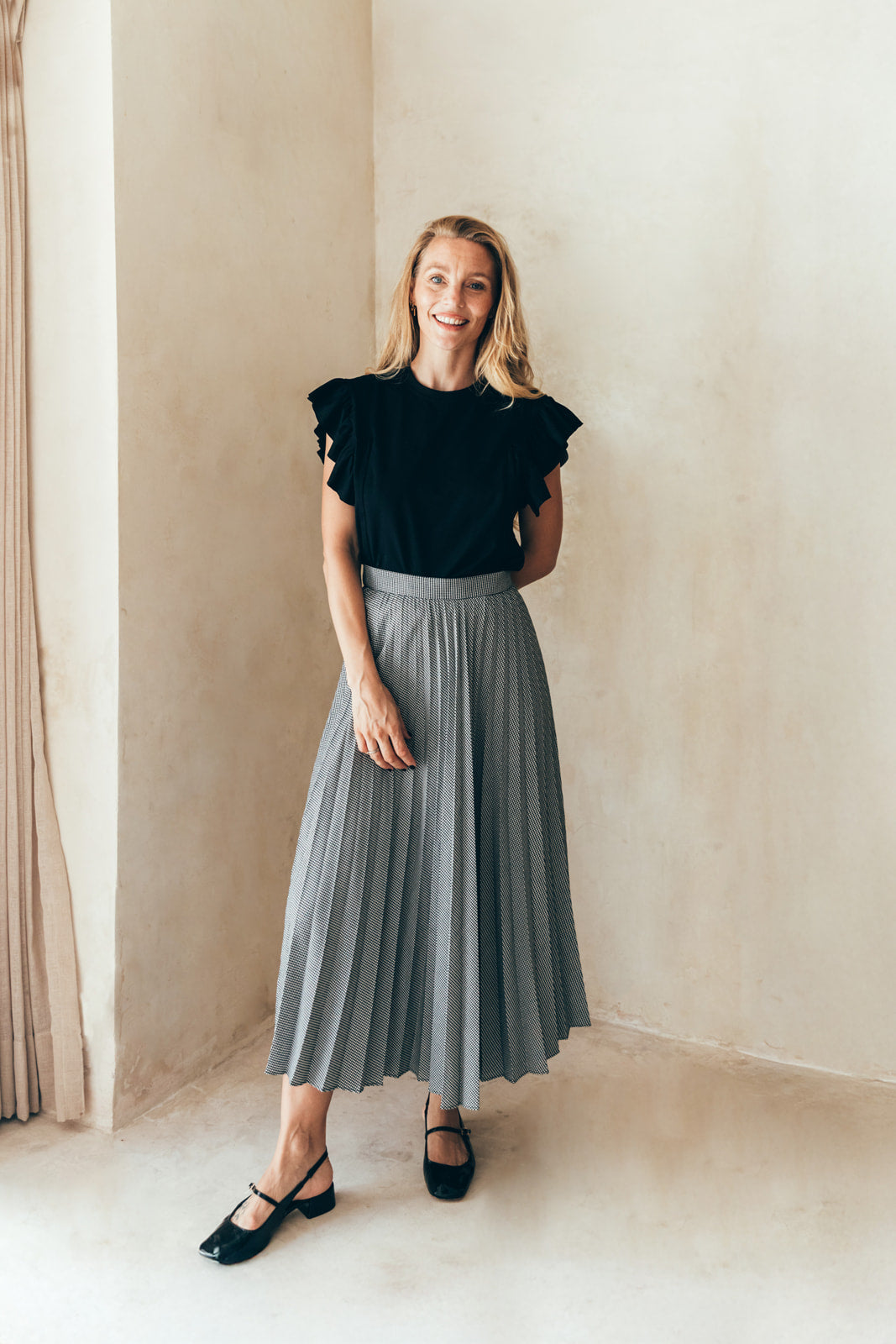
Breastfeeding t-shirt with ruffles
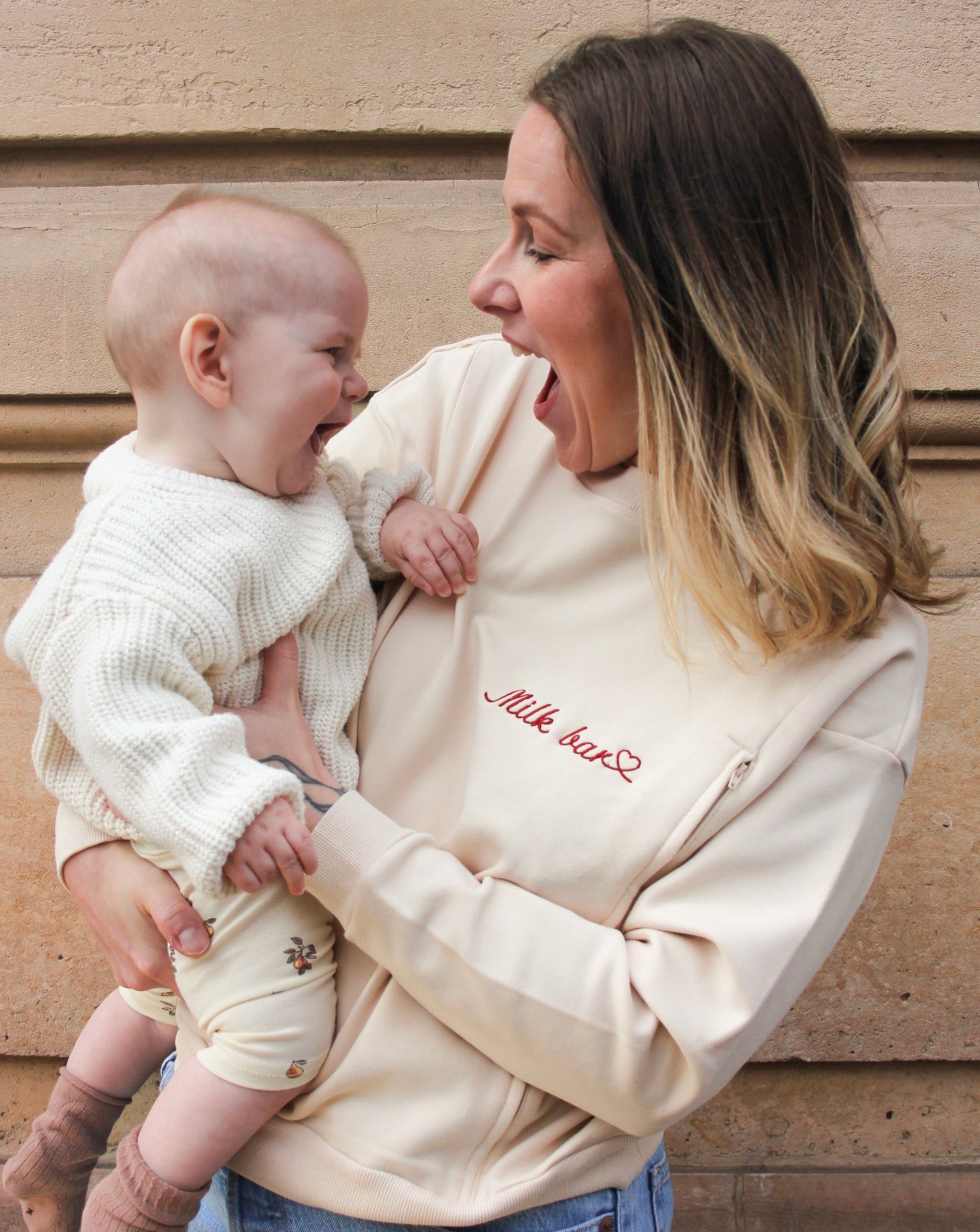
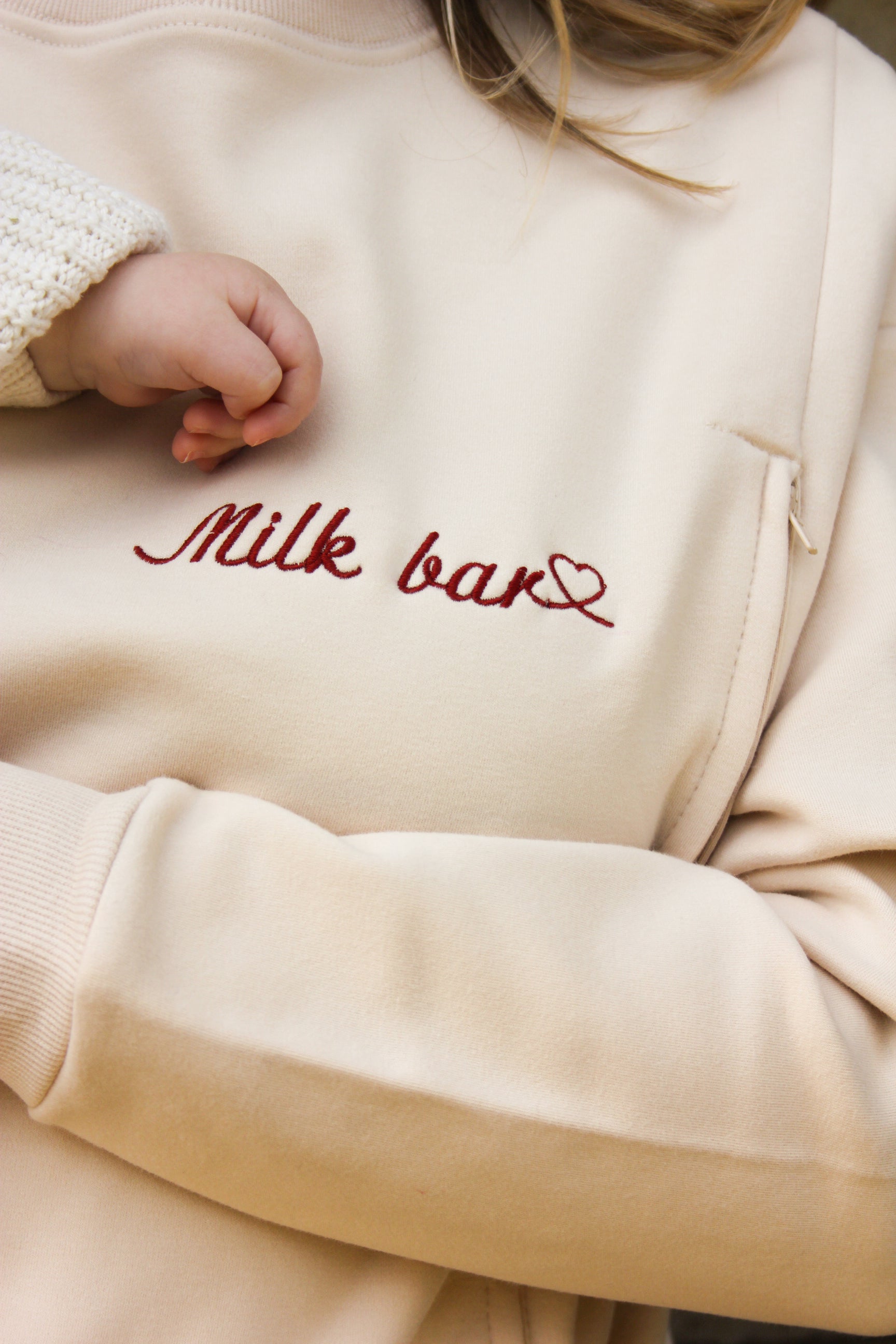
Breastfeeding sweatshirt AMORE


Breastfeeding t-shirt AMORE MIO

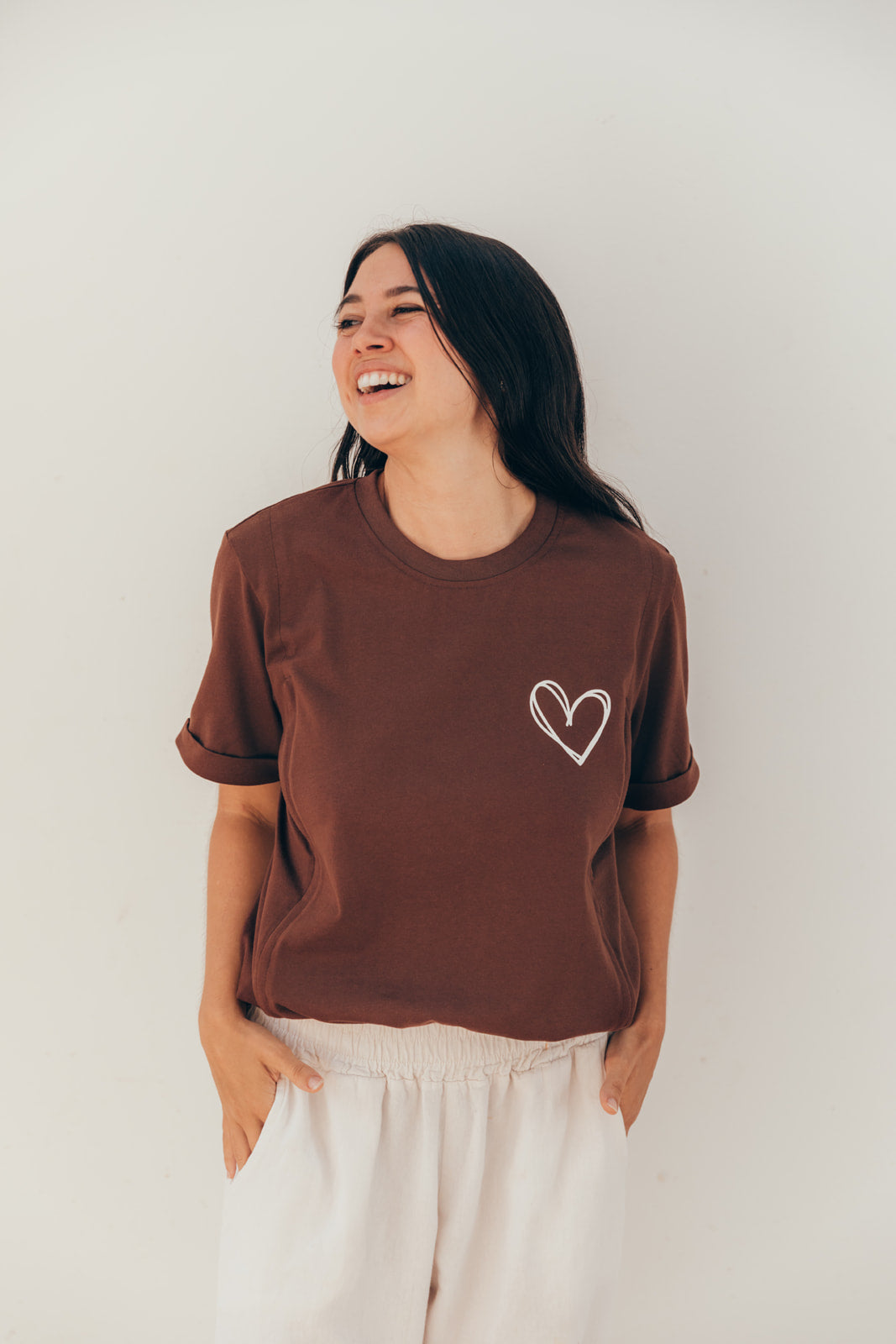
Breastfeeding t-shirt brown heart


Breastfeeding t-shirt LA VIE EST BELLE
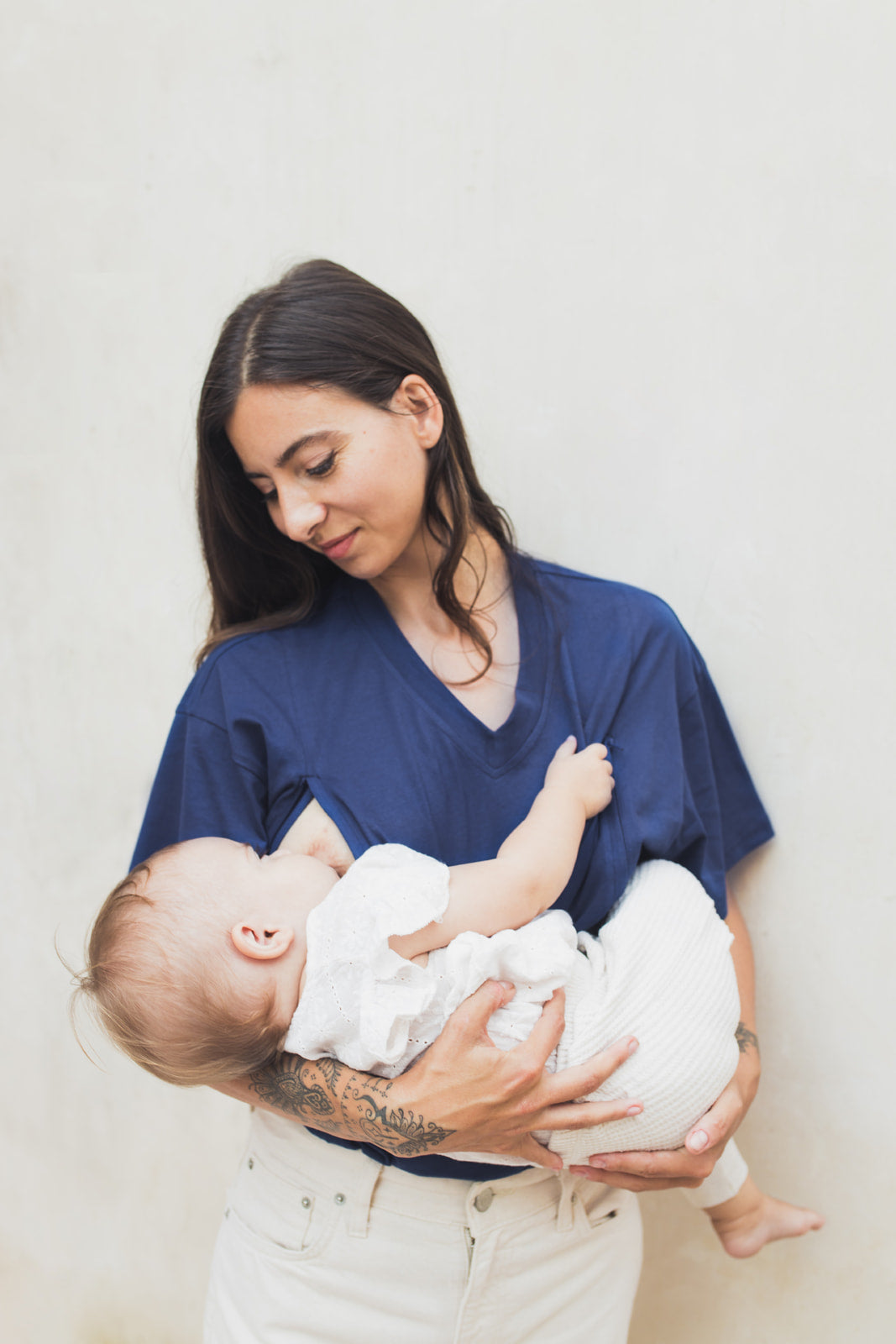

Breastfeeding t-shirt MARINE
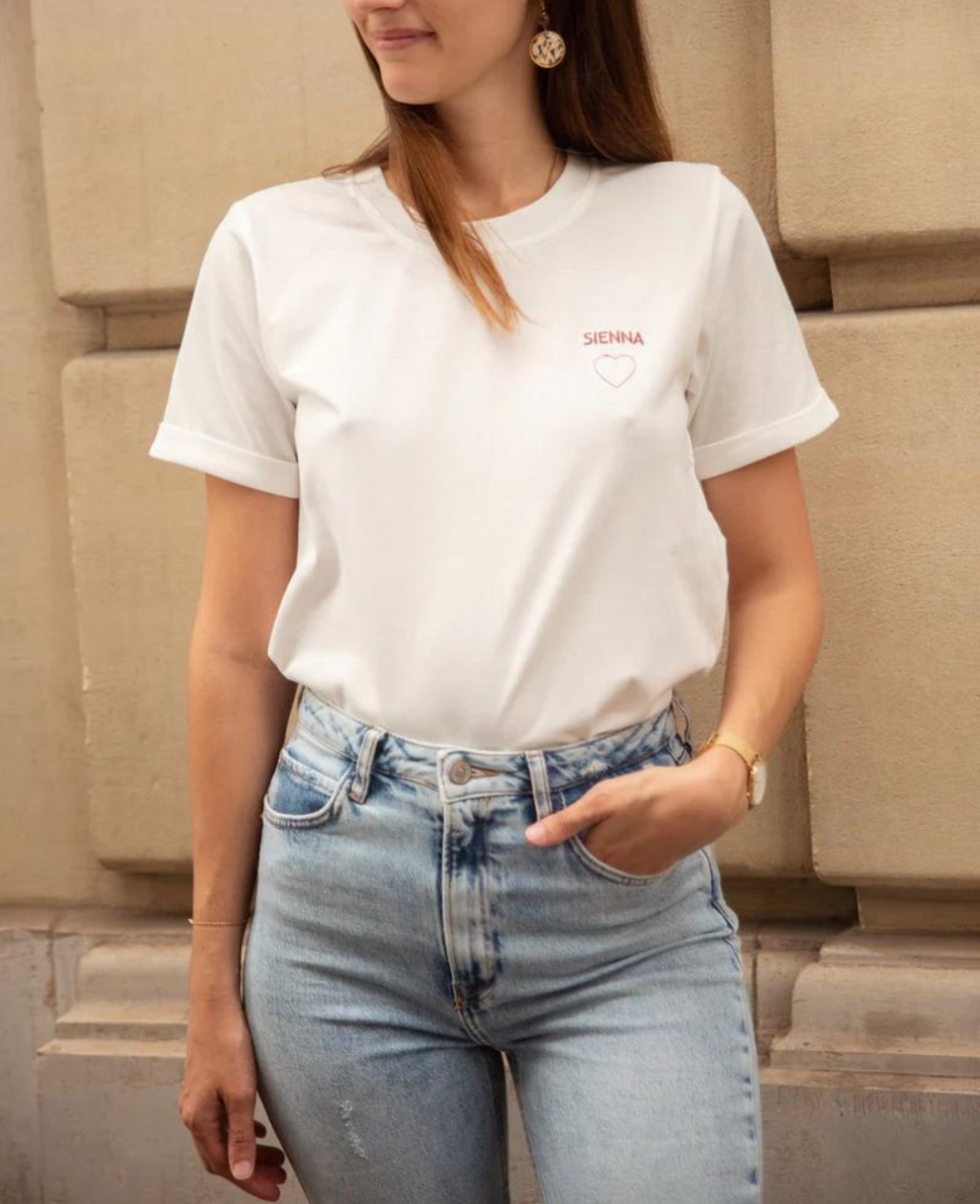
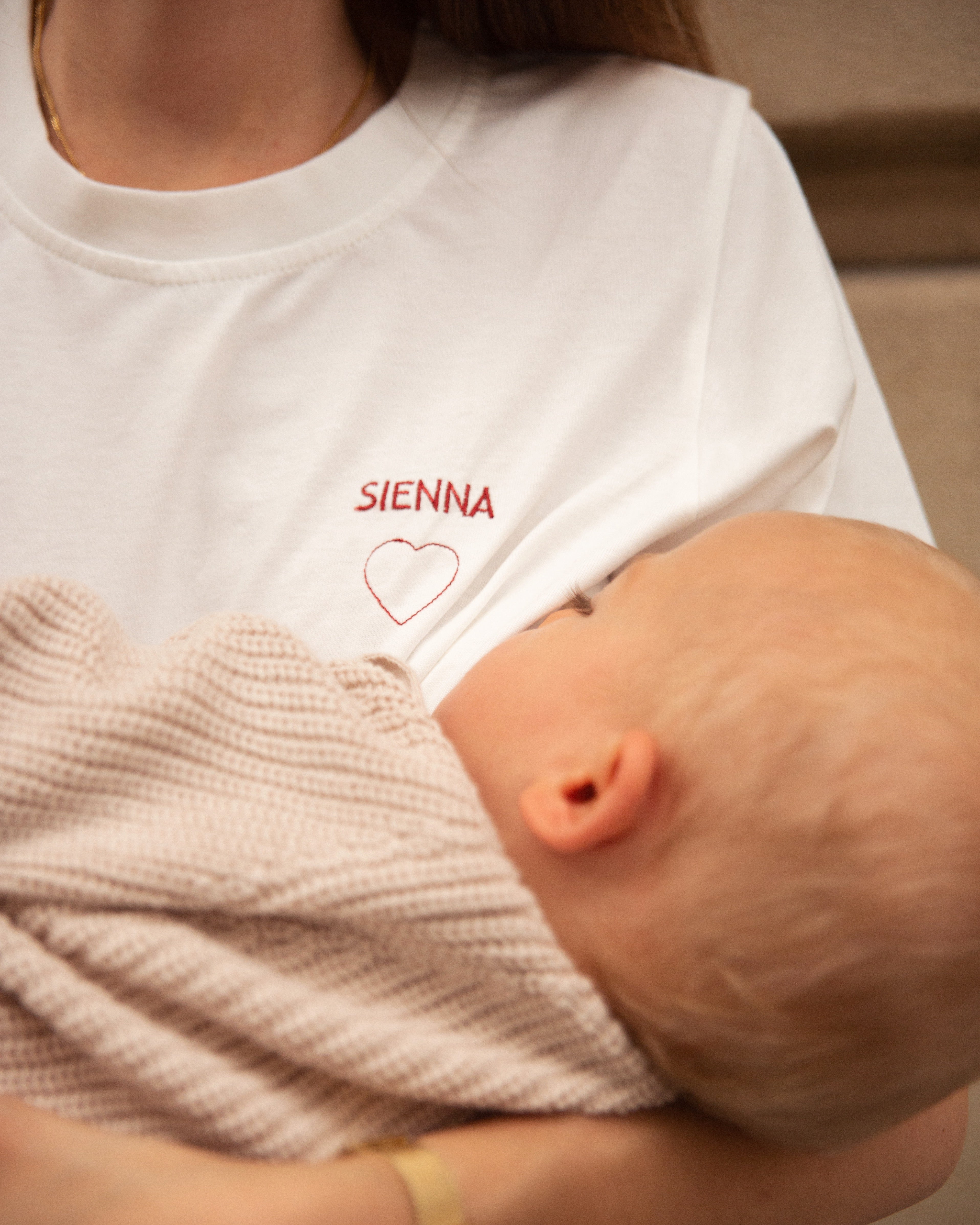
Breastfeeding t-shirt COEUR
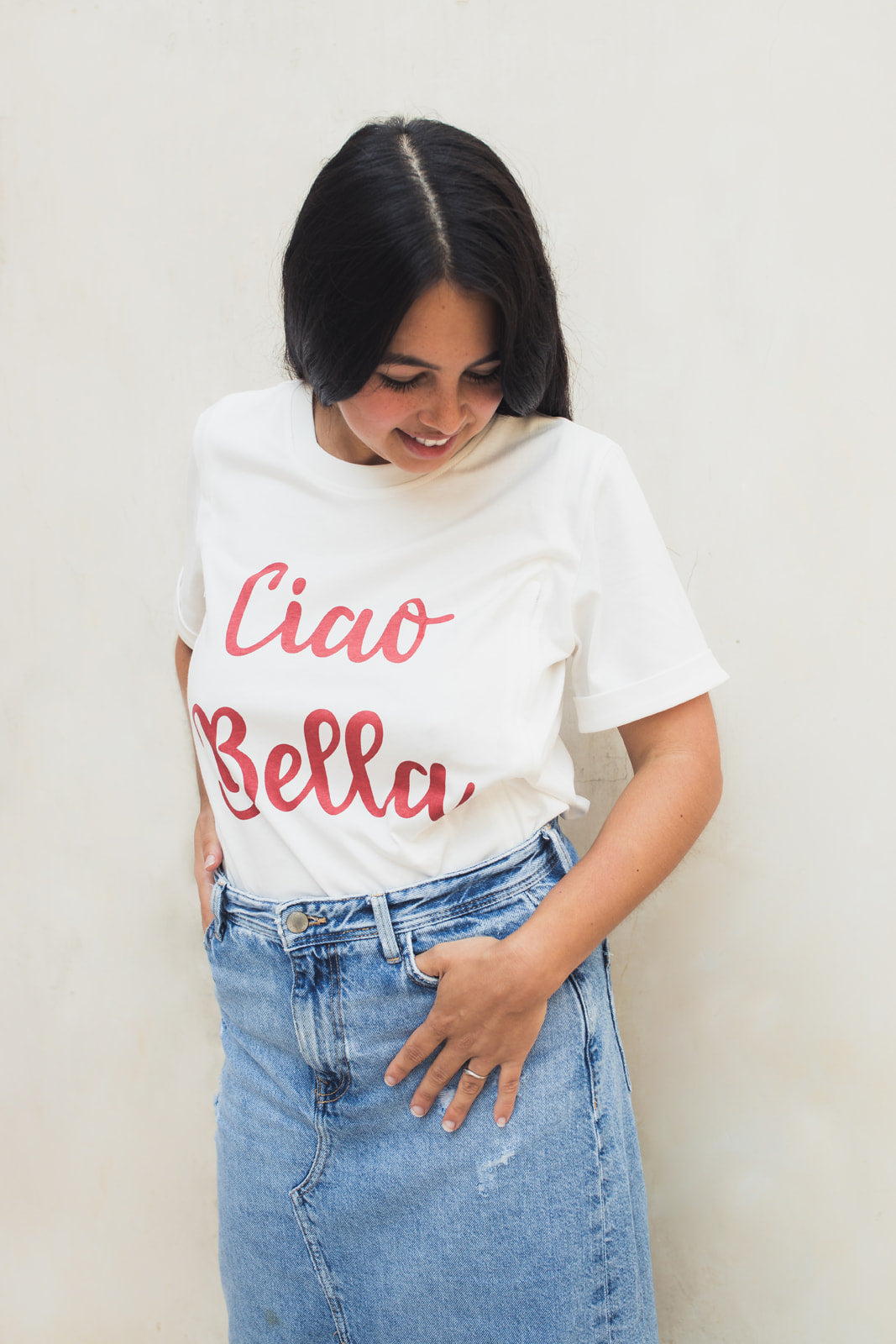
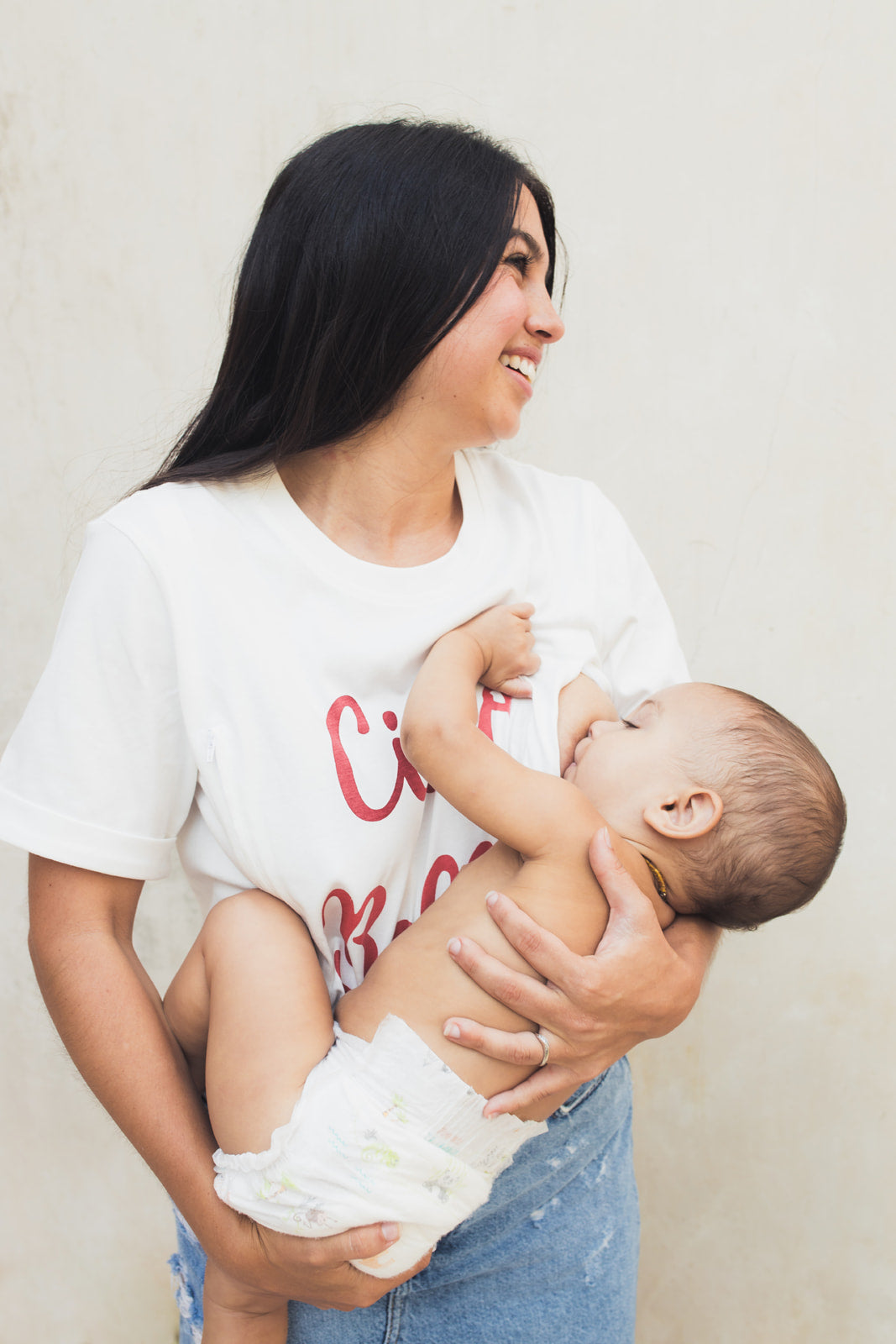
Breastfeeding t-shirt CIAO BELLA
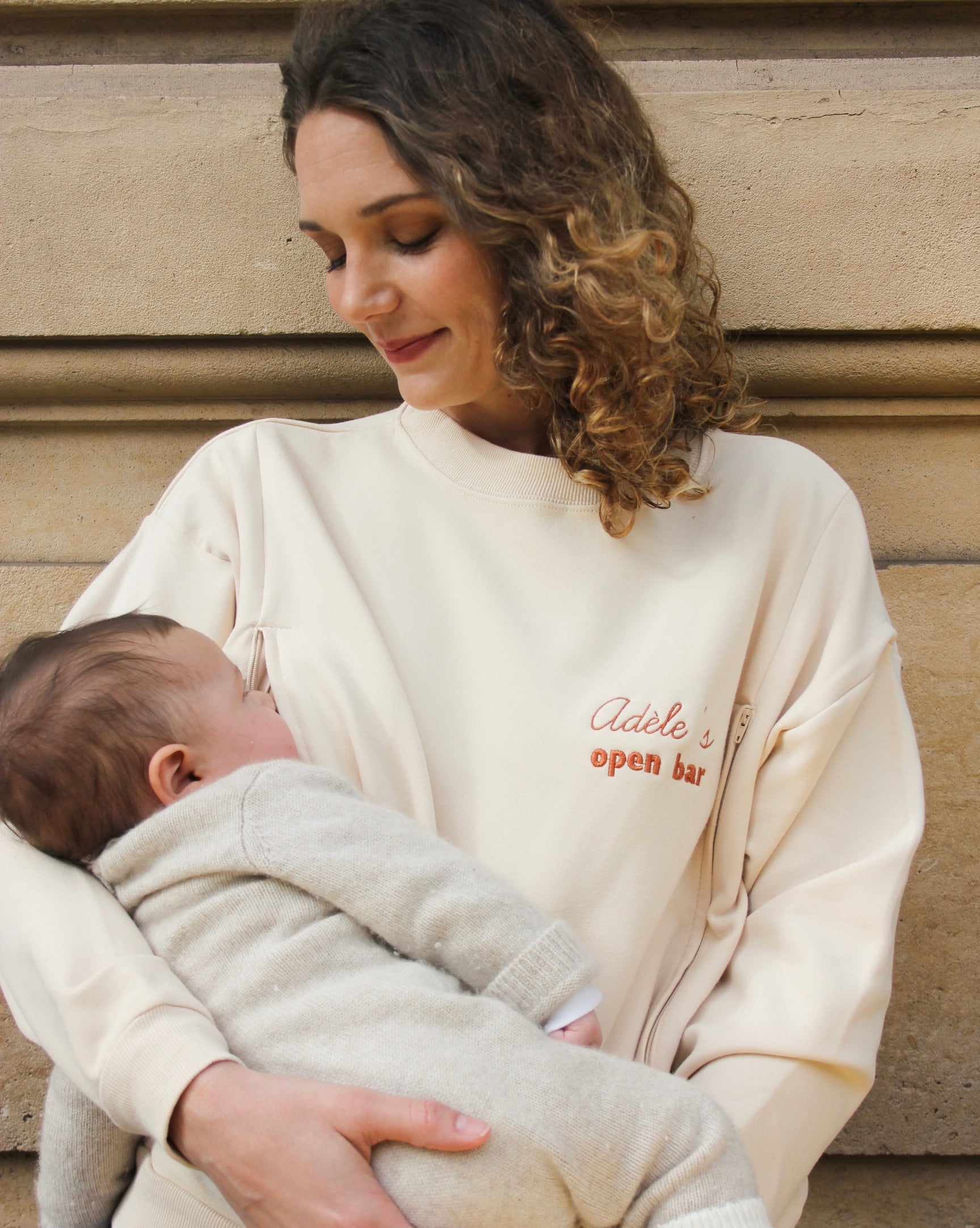
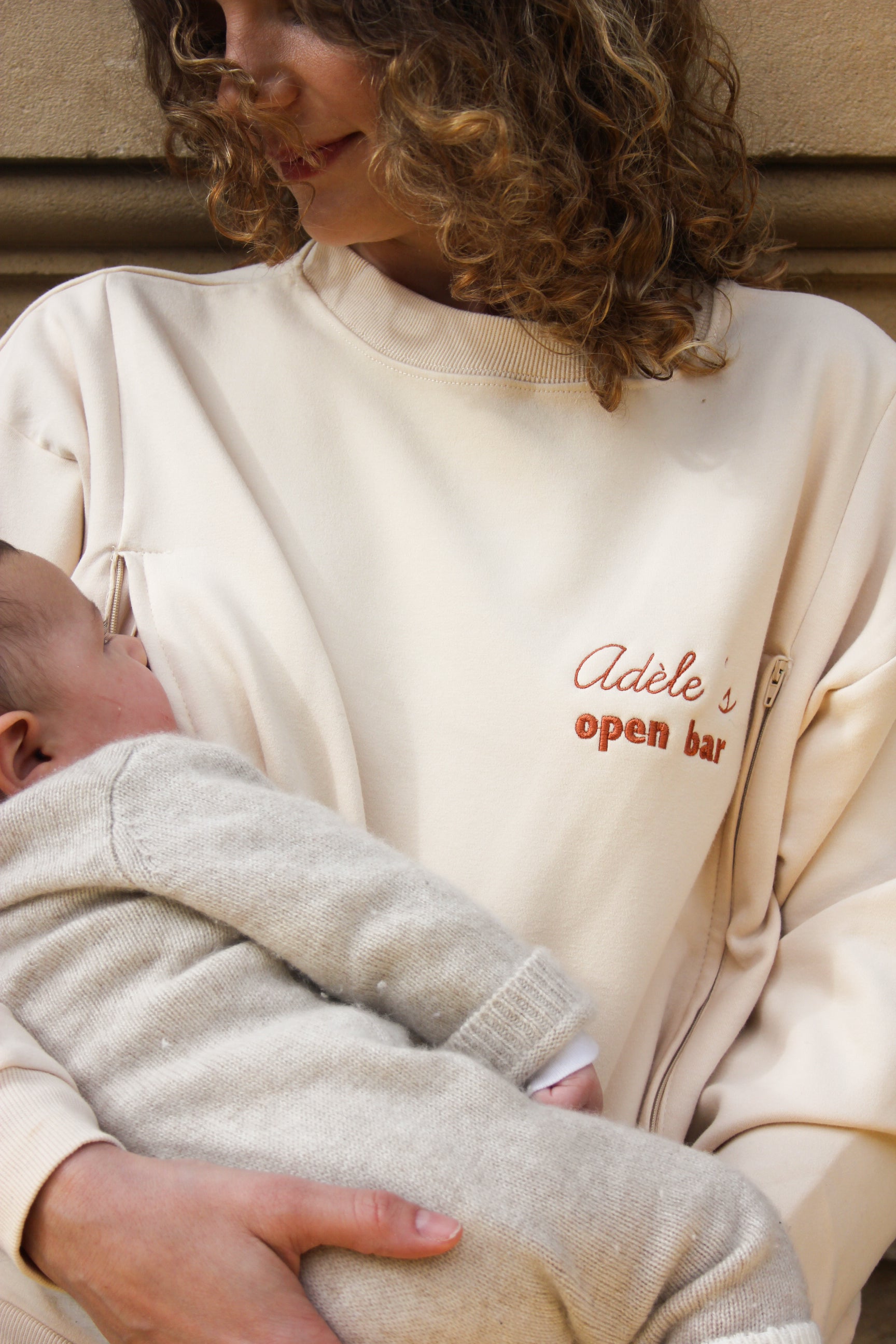
OPEN BAR Nursing Sweatshirt


Beige nursing sweater CHIARA bad sku
Gift Card 23 Mai Paris


Breastfeeding t-shirt LOVE IS ALL

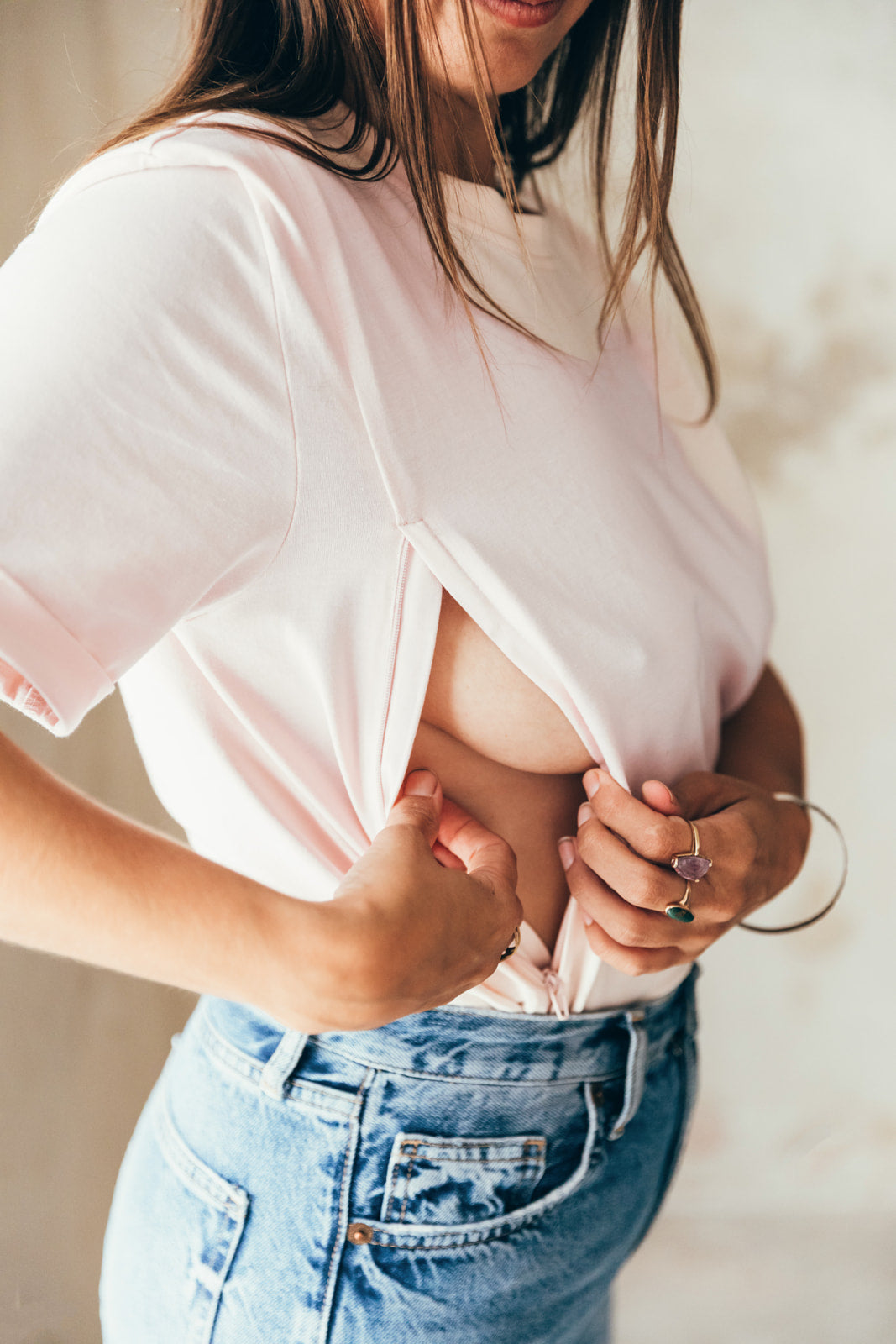
Breastfeeding t-shirt ROSE


AMOUR navy nursing sweatshirt
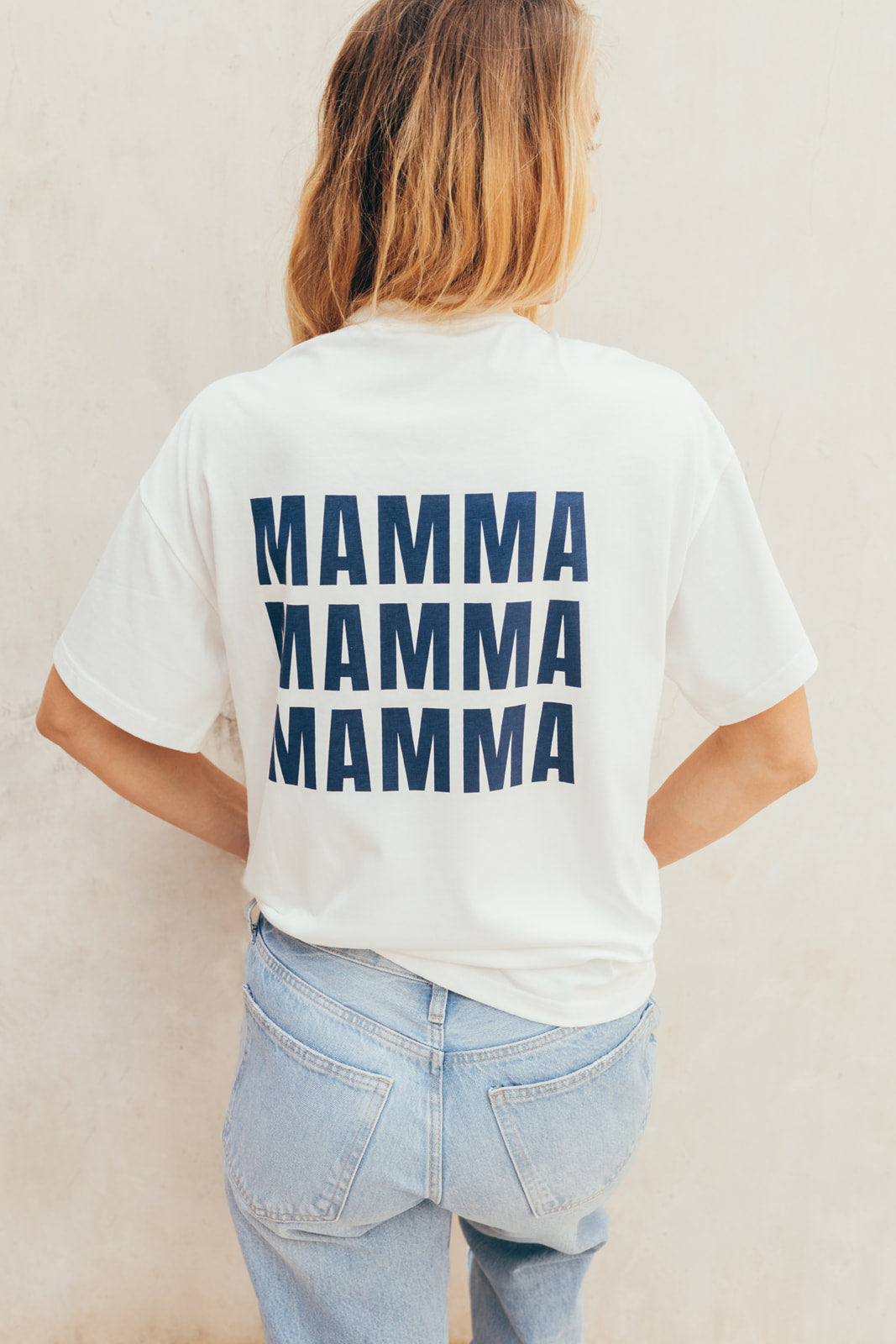

Breastfeeding t-shirt MAMMA blue
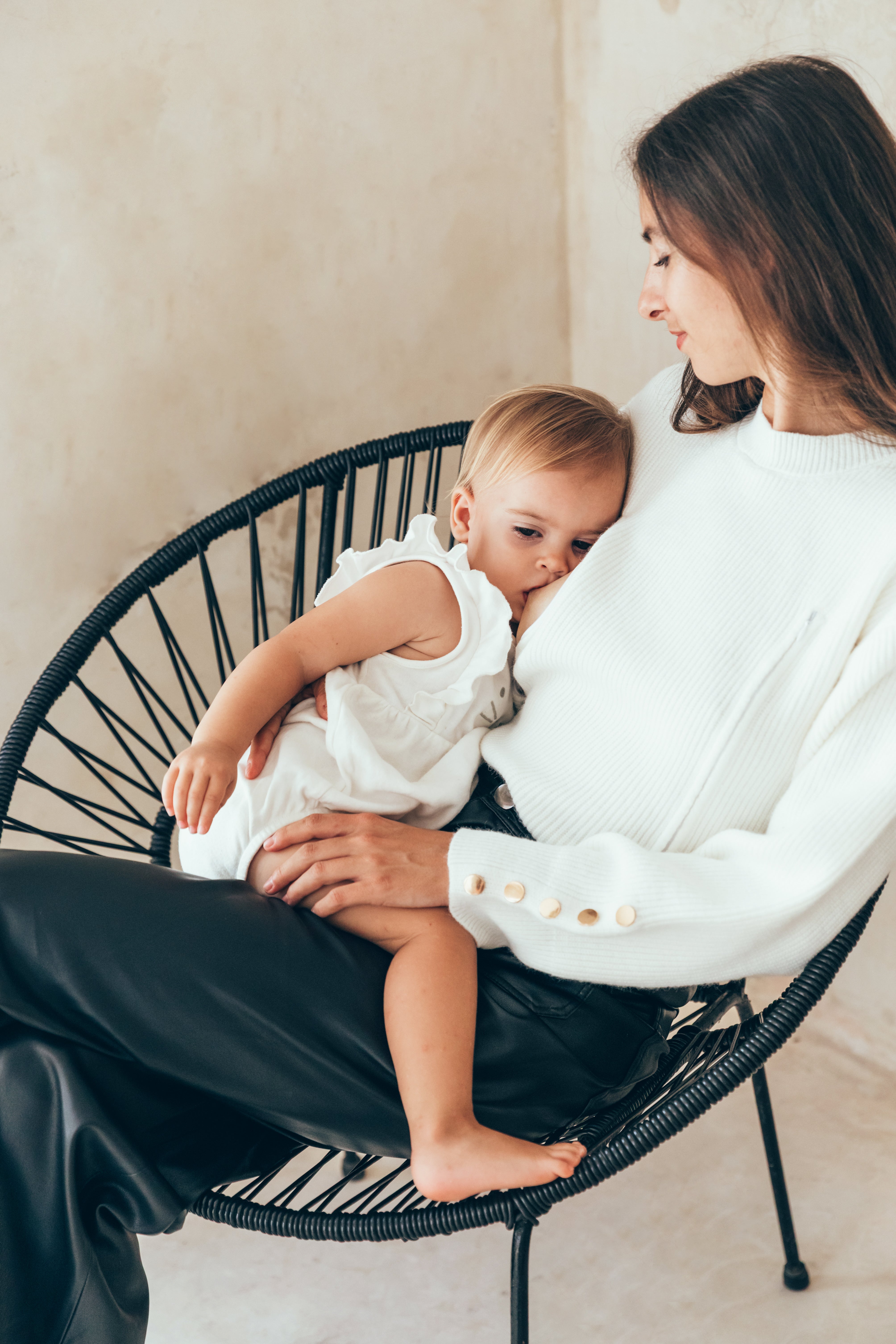

Off white nursing sweater COSSIMA
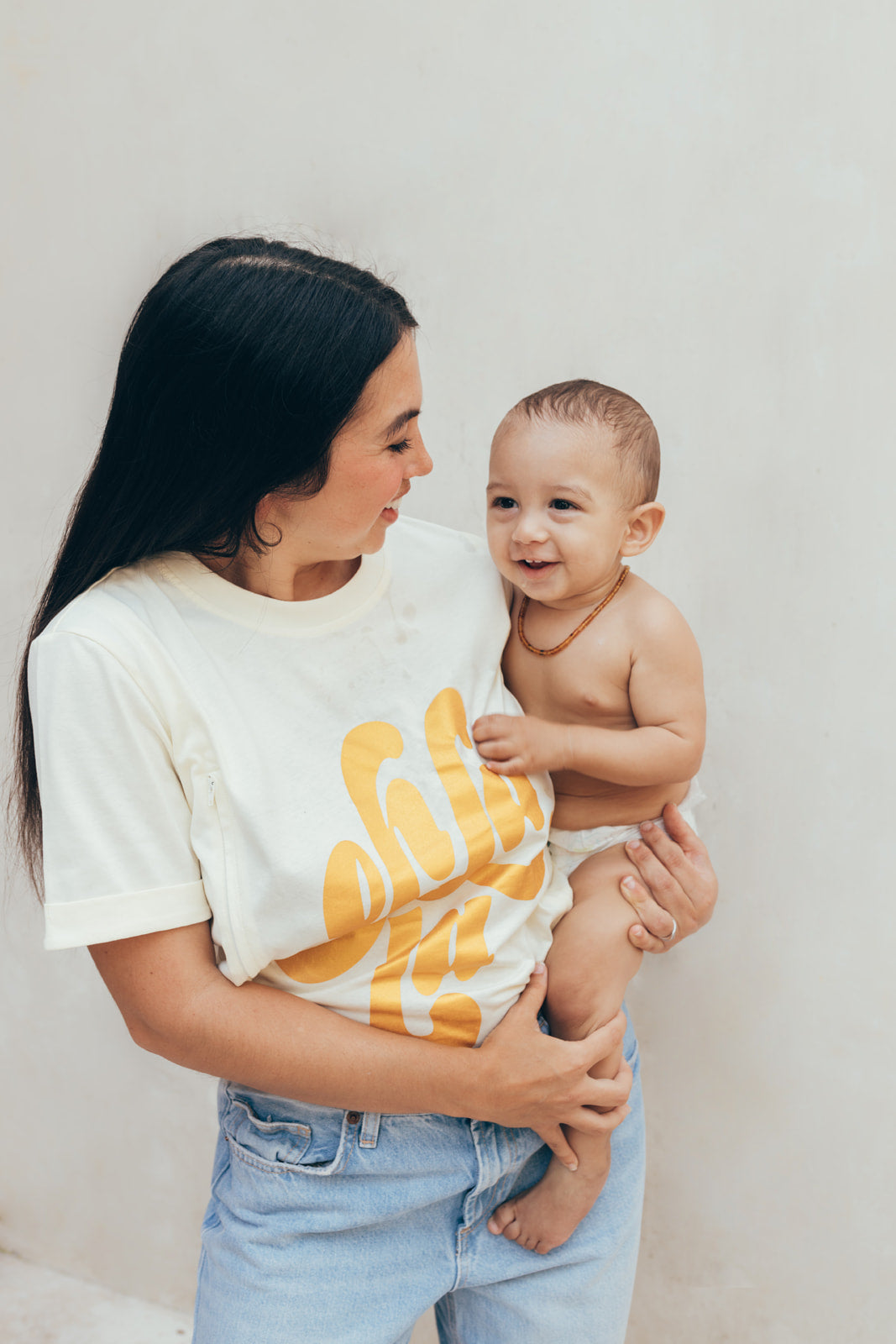

Breastfeeding t-shirt OH LA LA
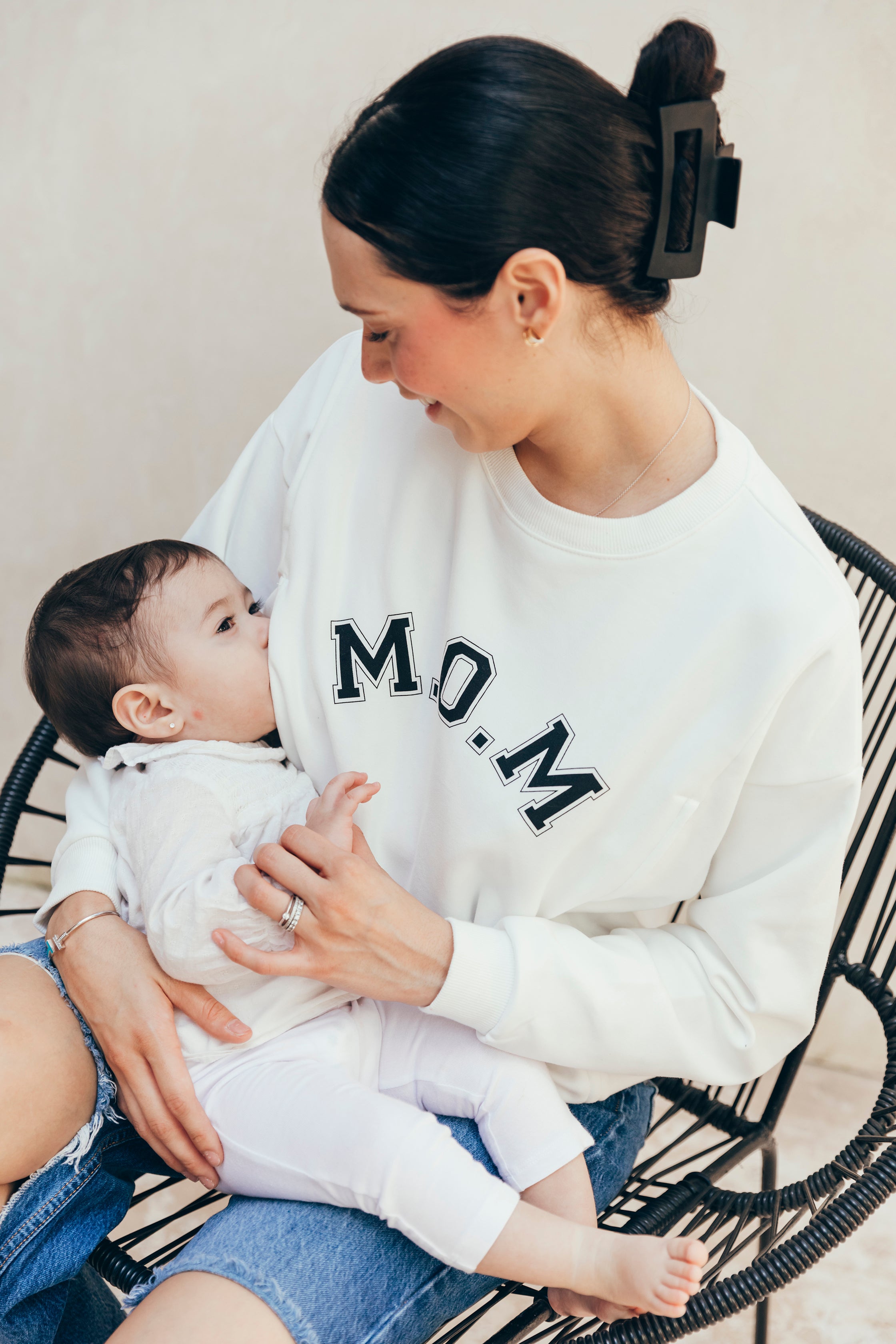
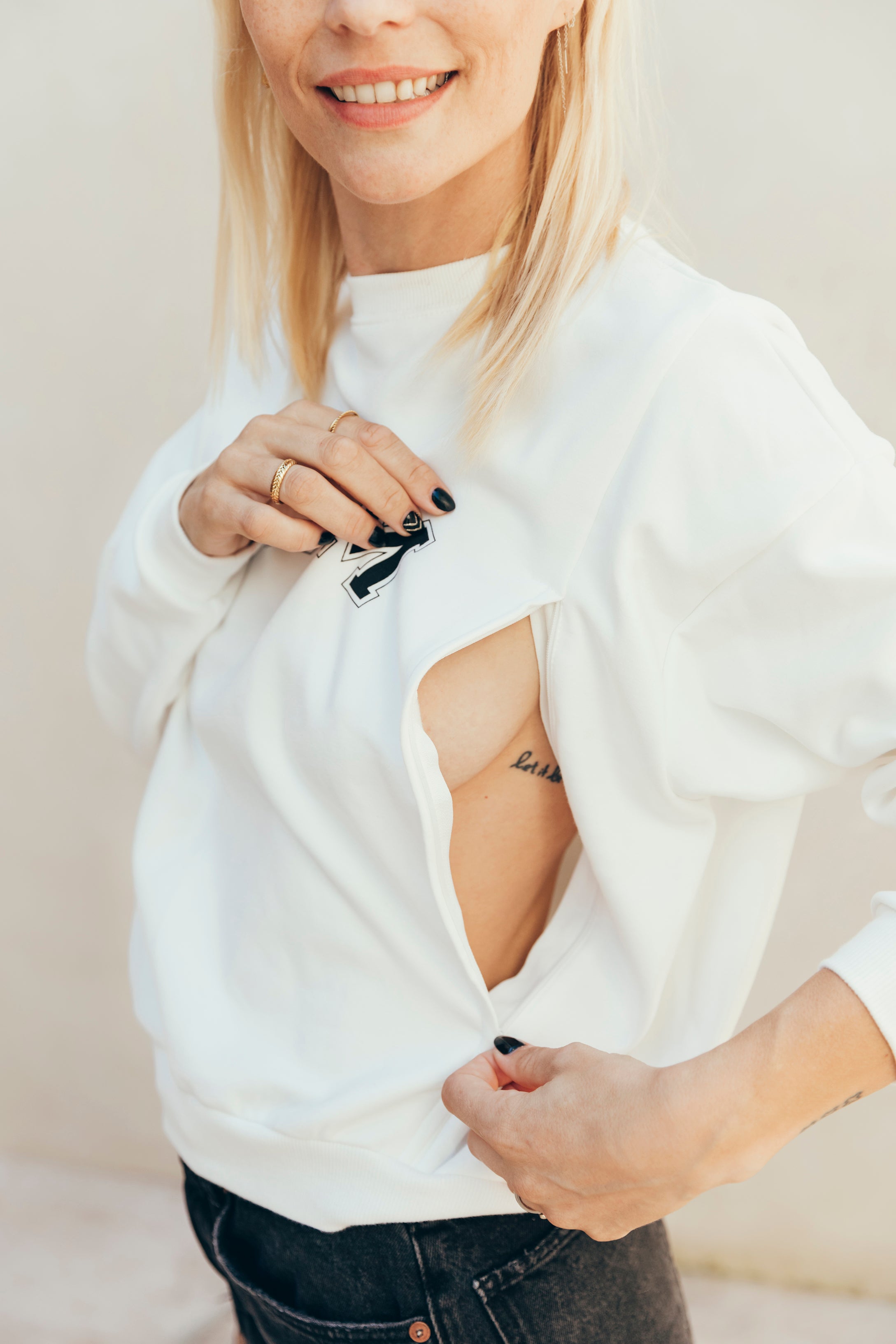
Breastfeeding sweat-shirt MOM
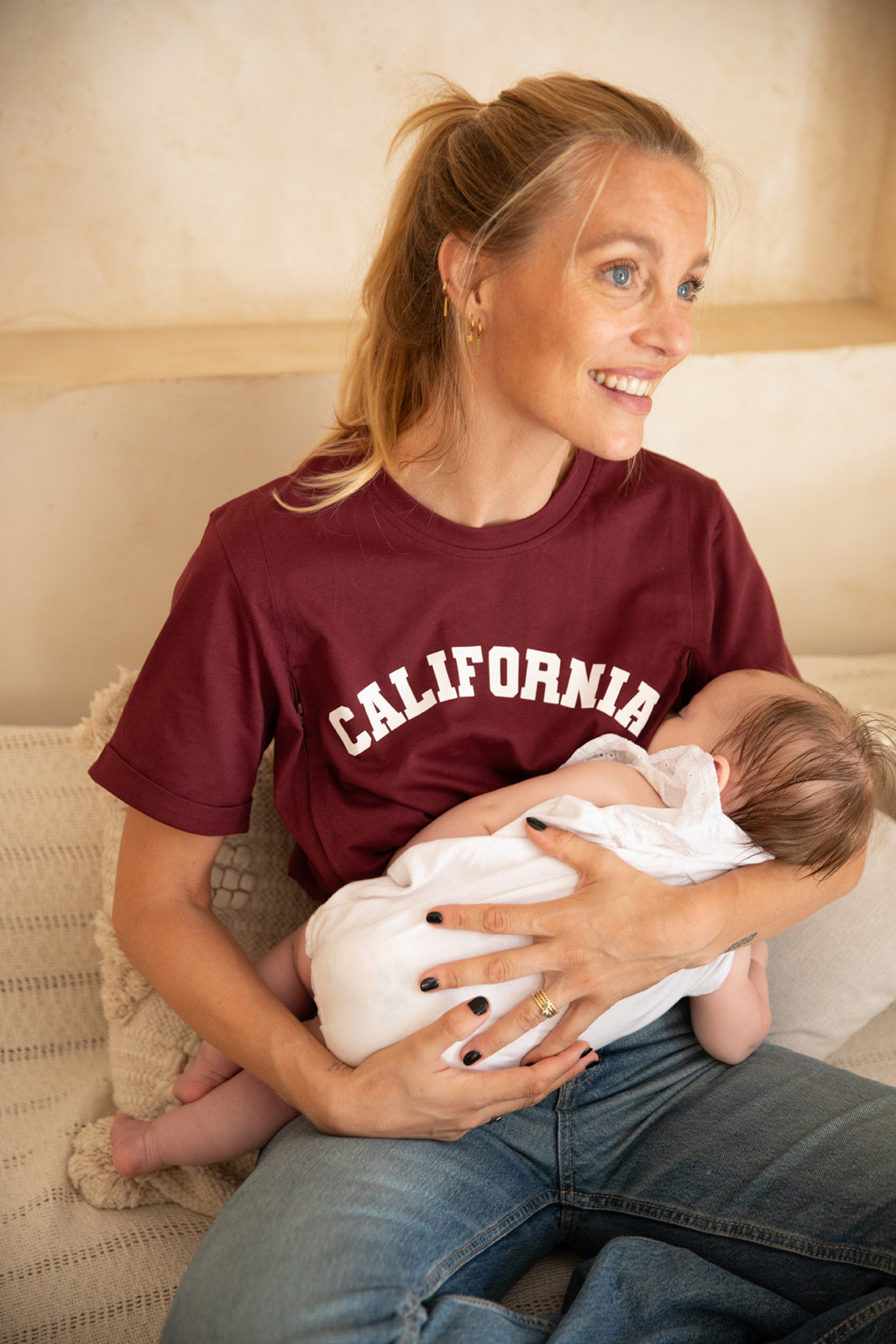

Breastfeeding t-shirt California
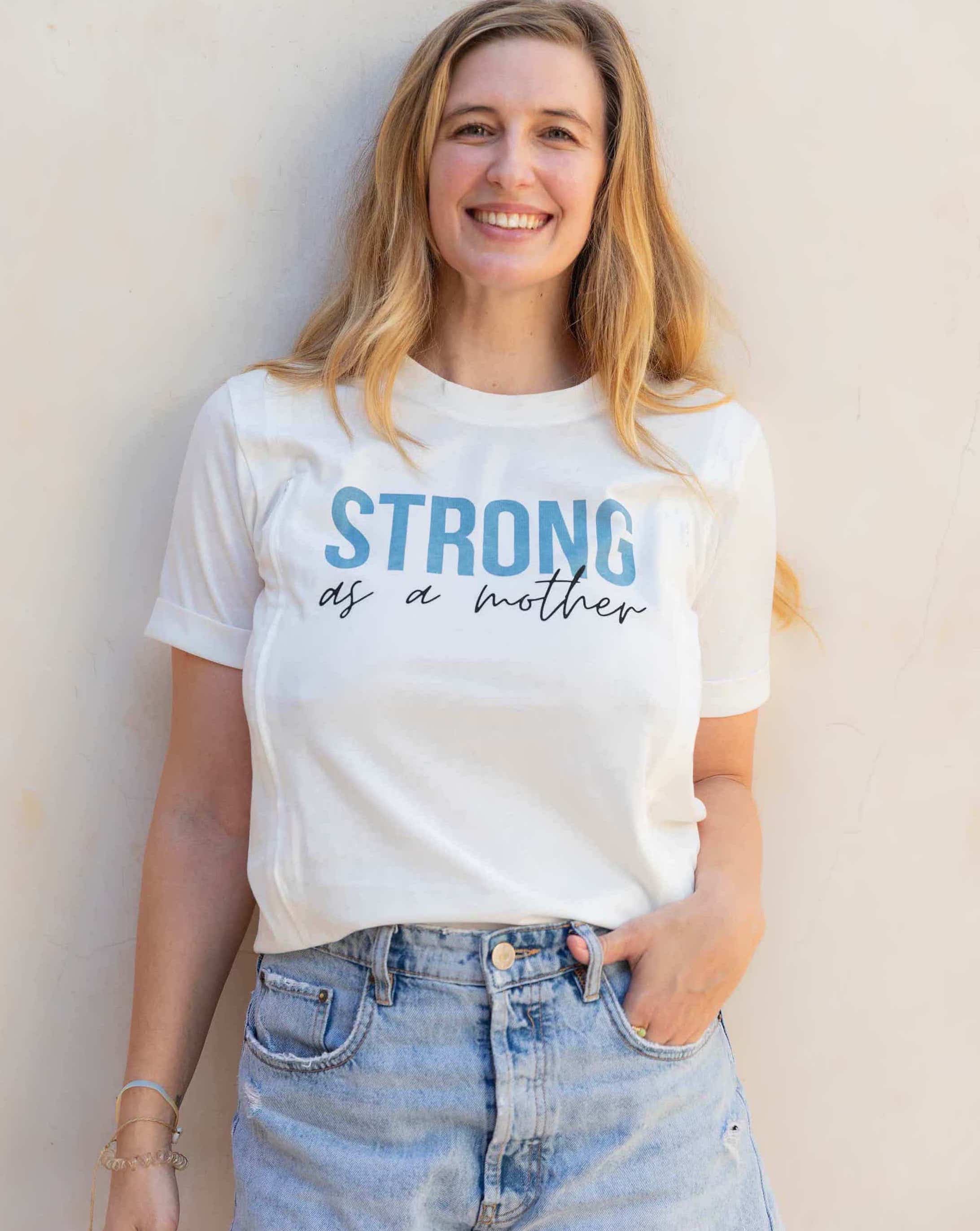
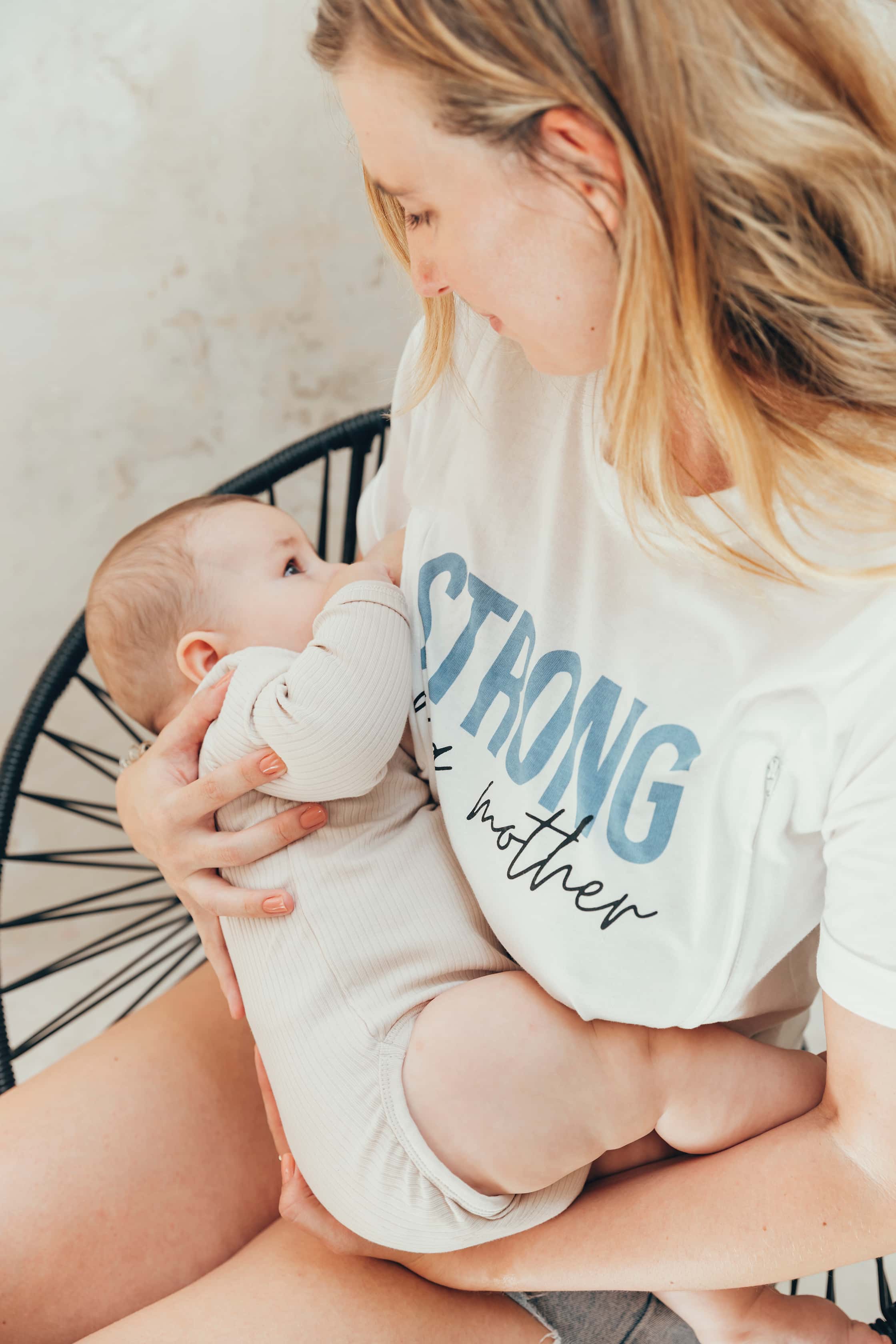
Breastfeeding t-shirt STRONG
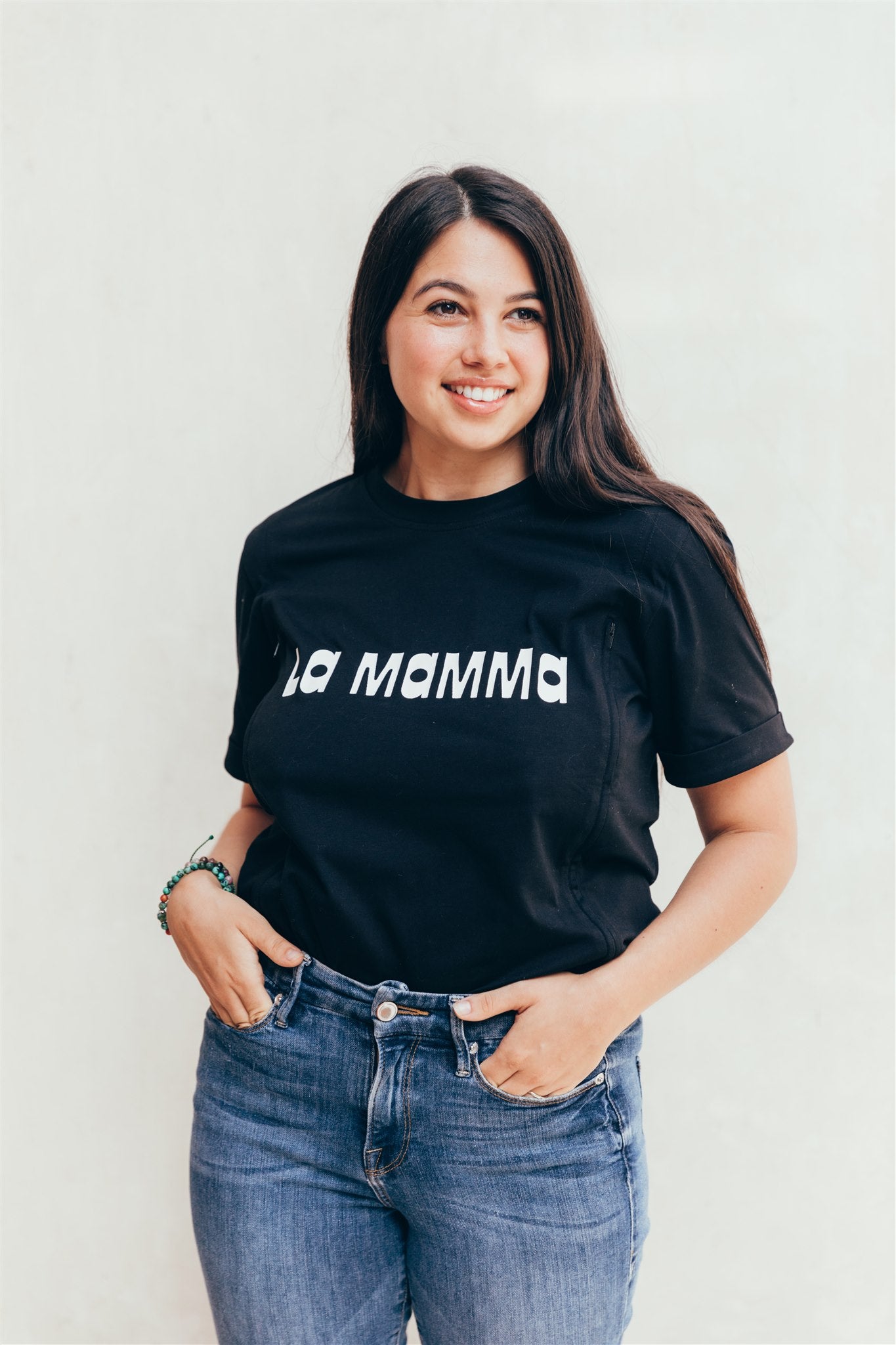

Breastfeeding t-shirt LA MAMMA
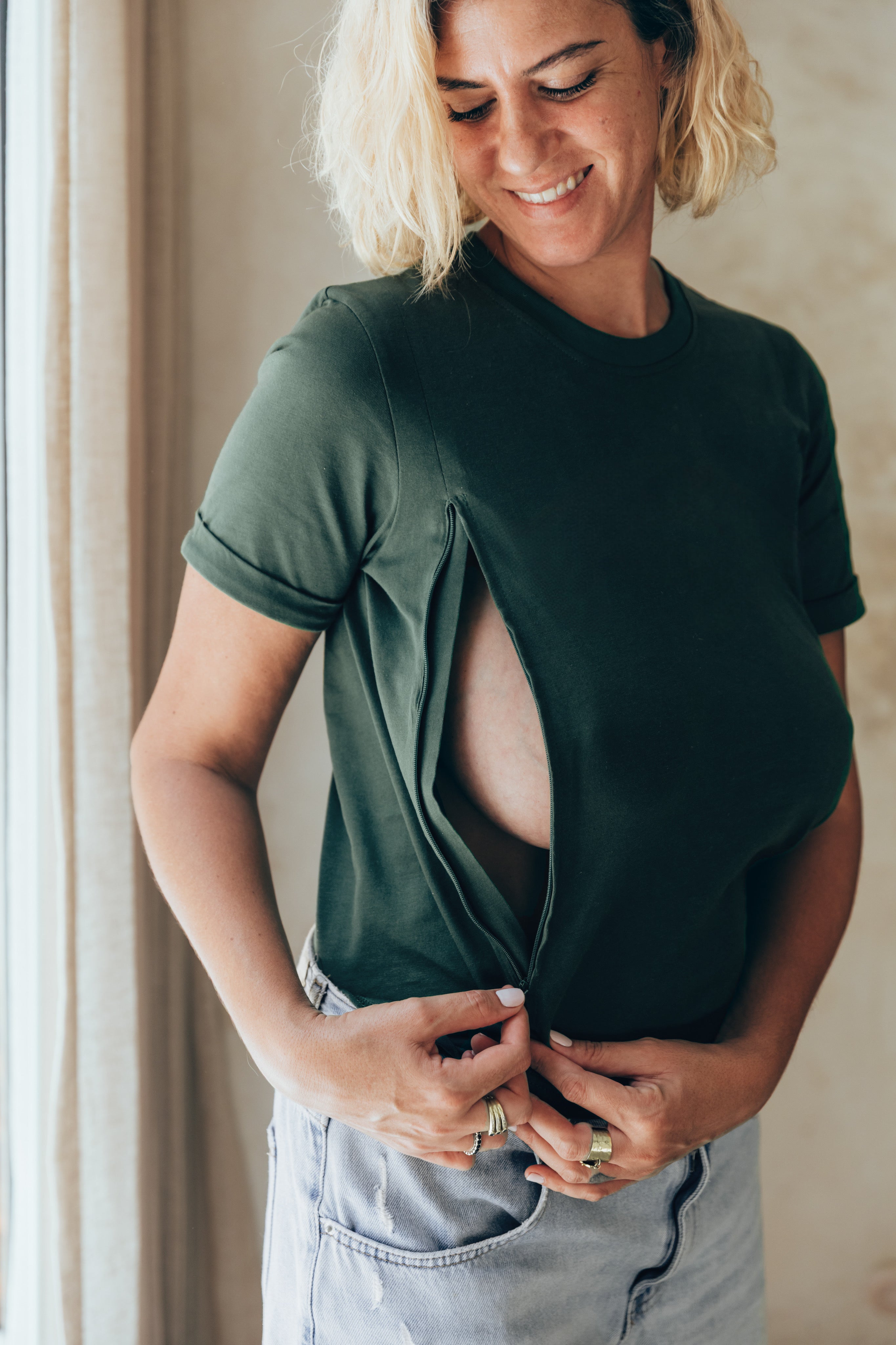
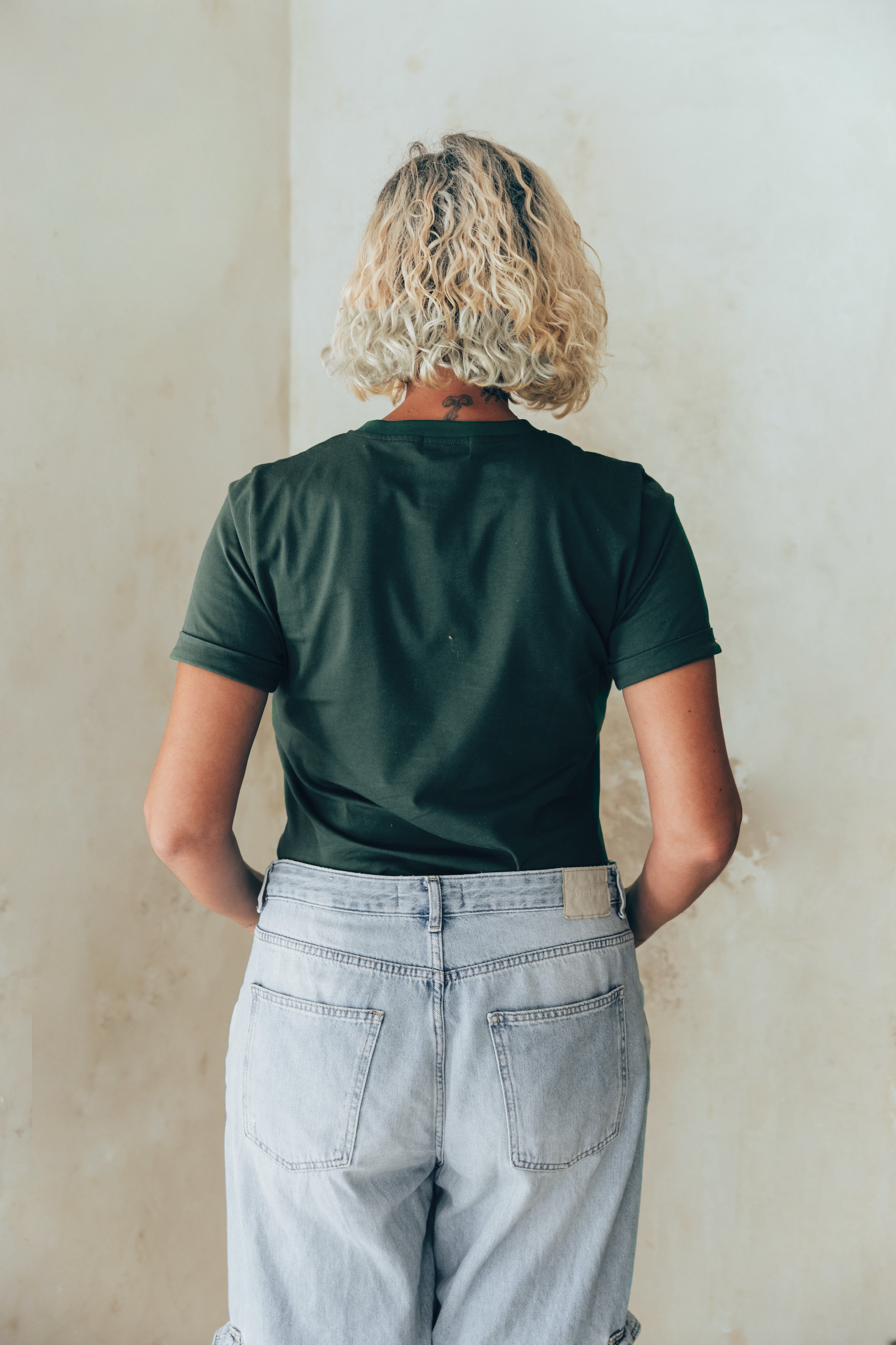
Breastfeeding t-shirt GREEN


LOVE nursing sweatshirt
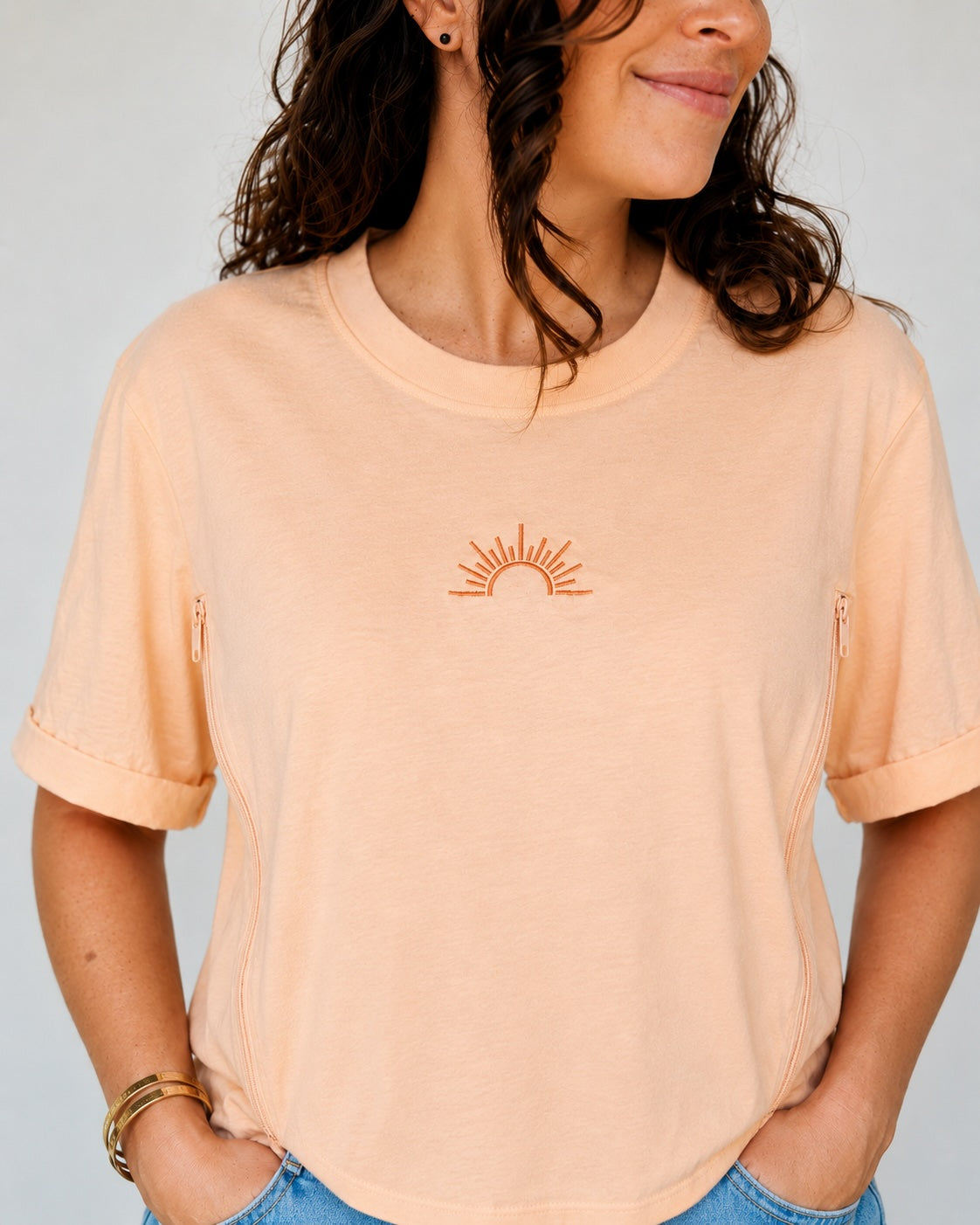
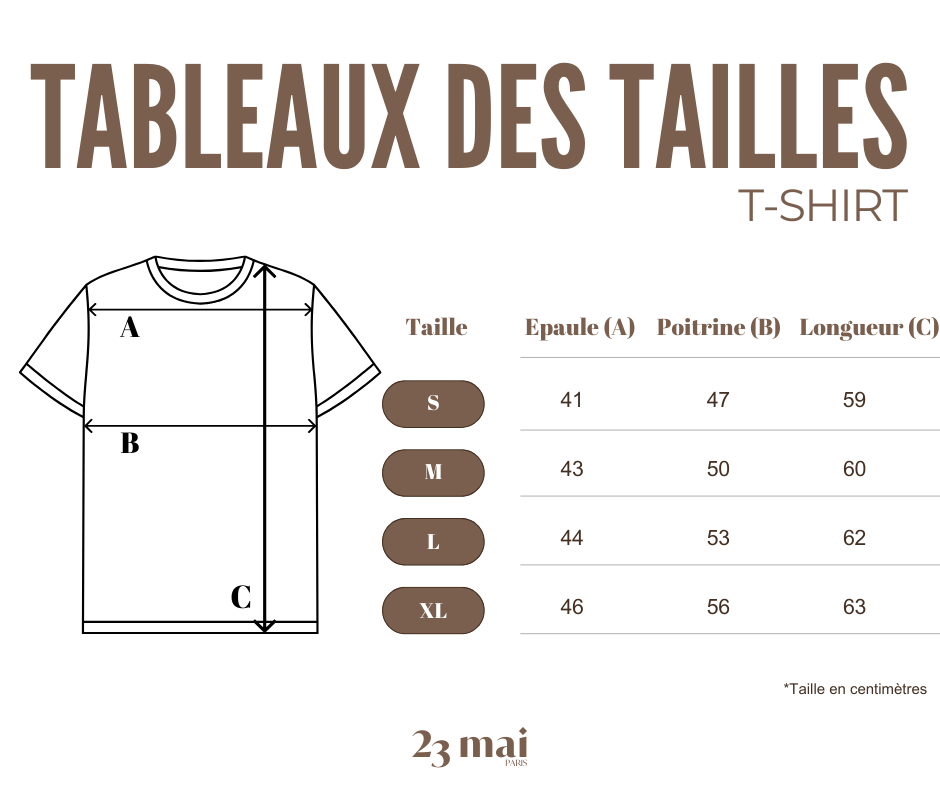
Embroidered Nursing T-Shirt Subscription
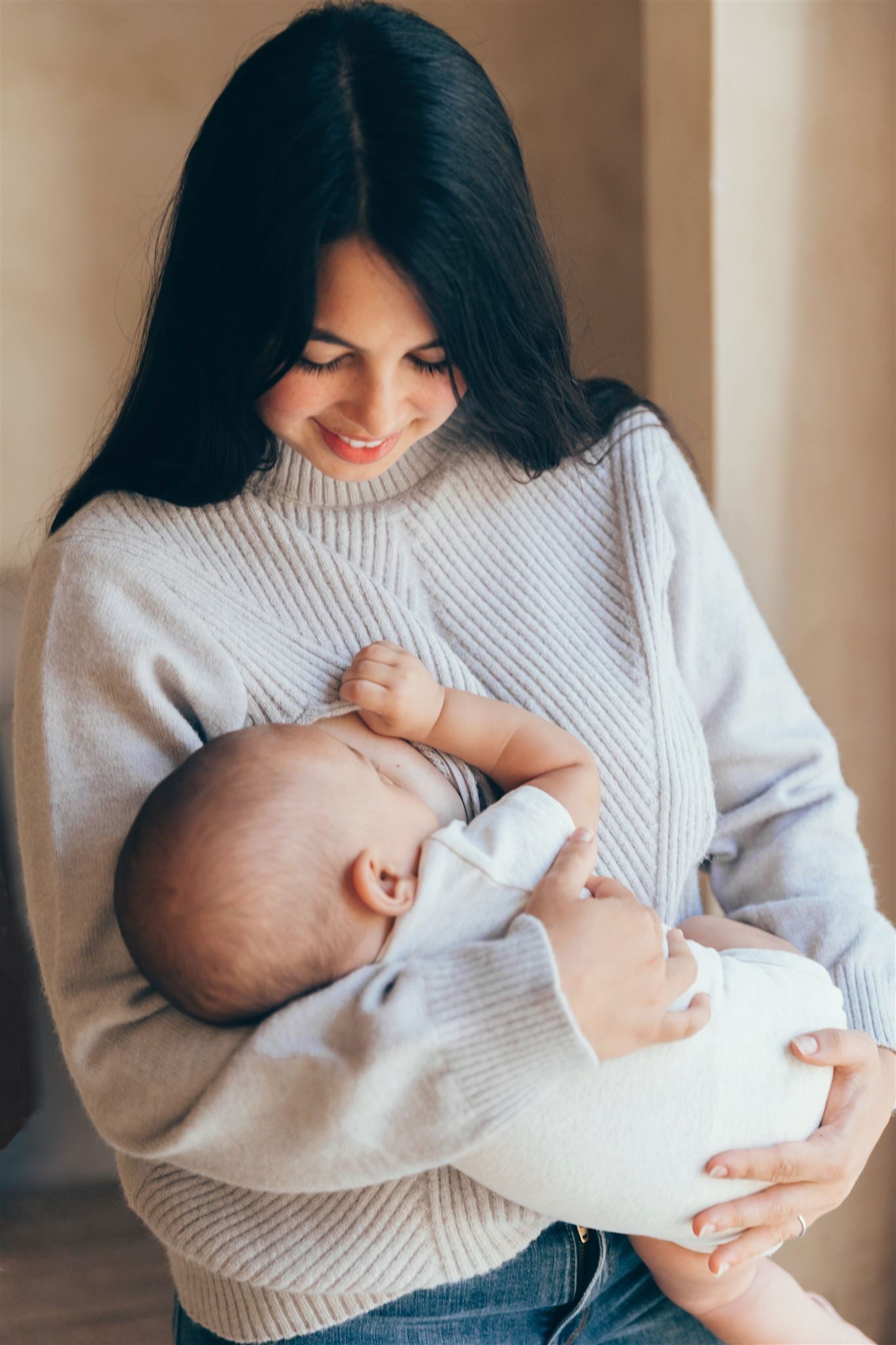
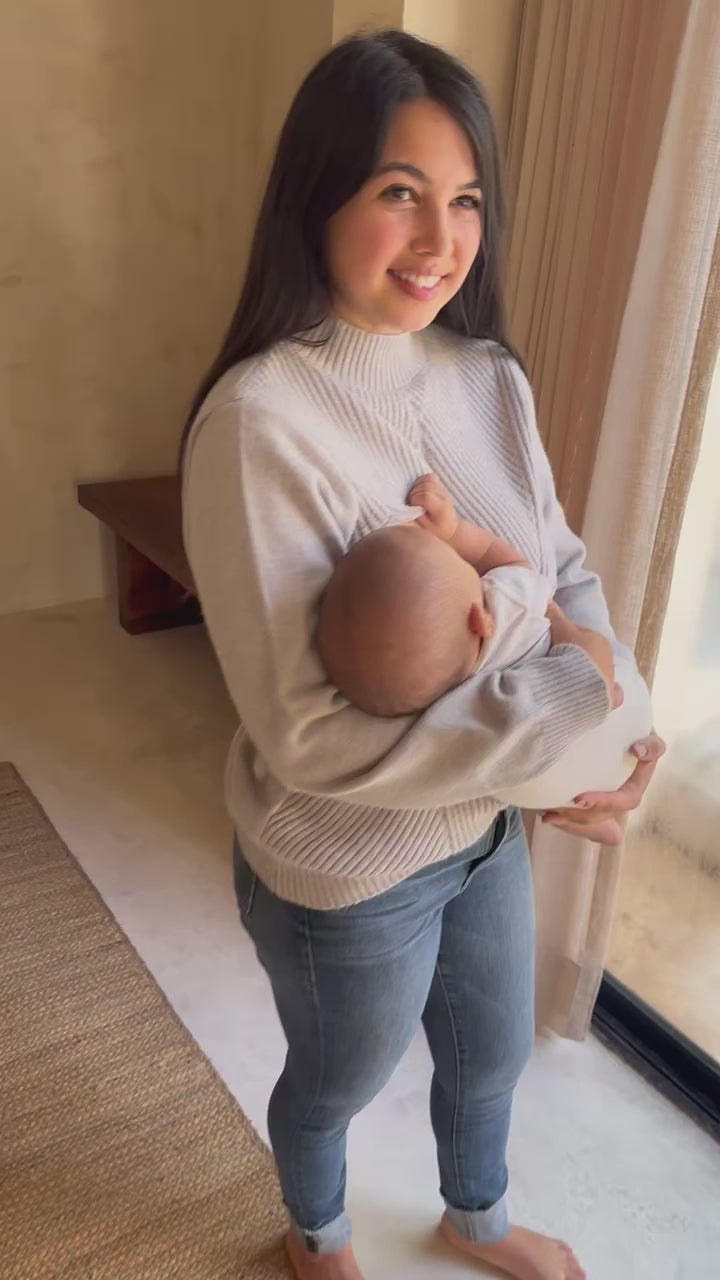
ALMA Grey Breastfeeding Sweater
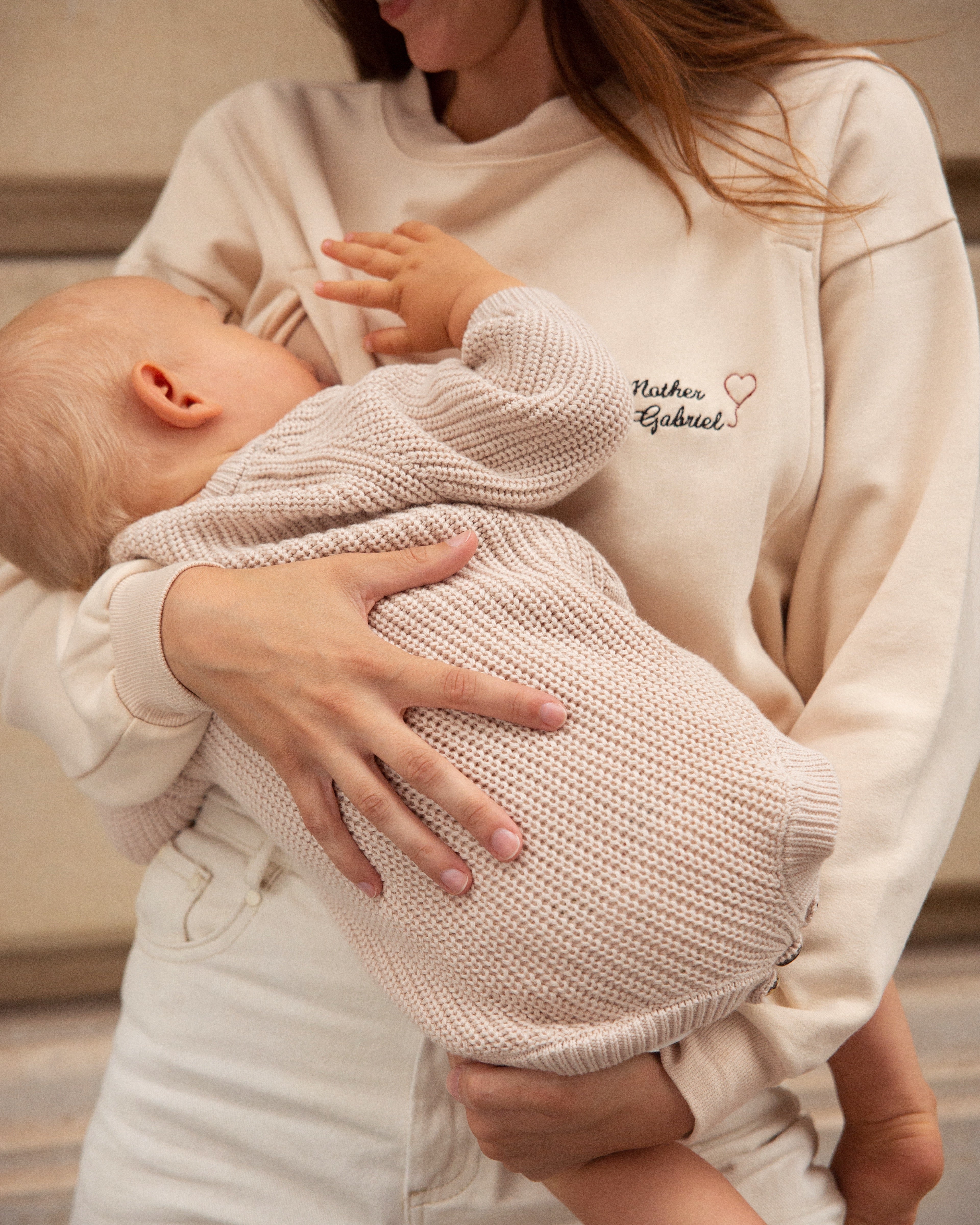
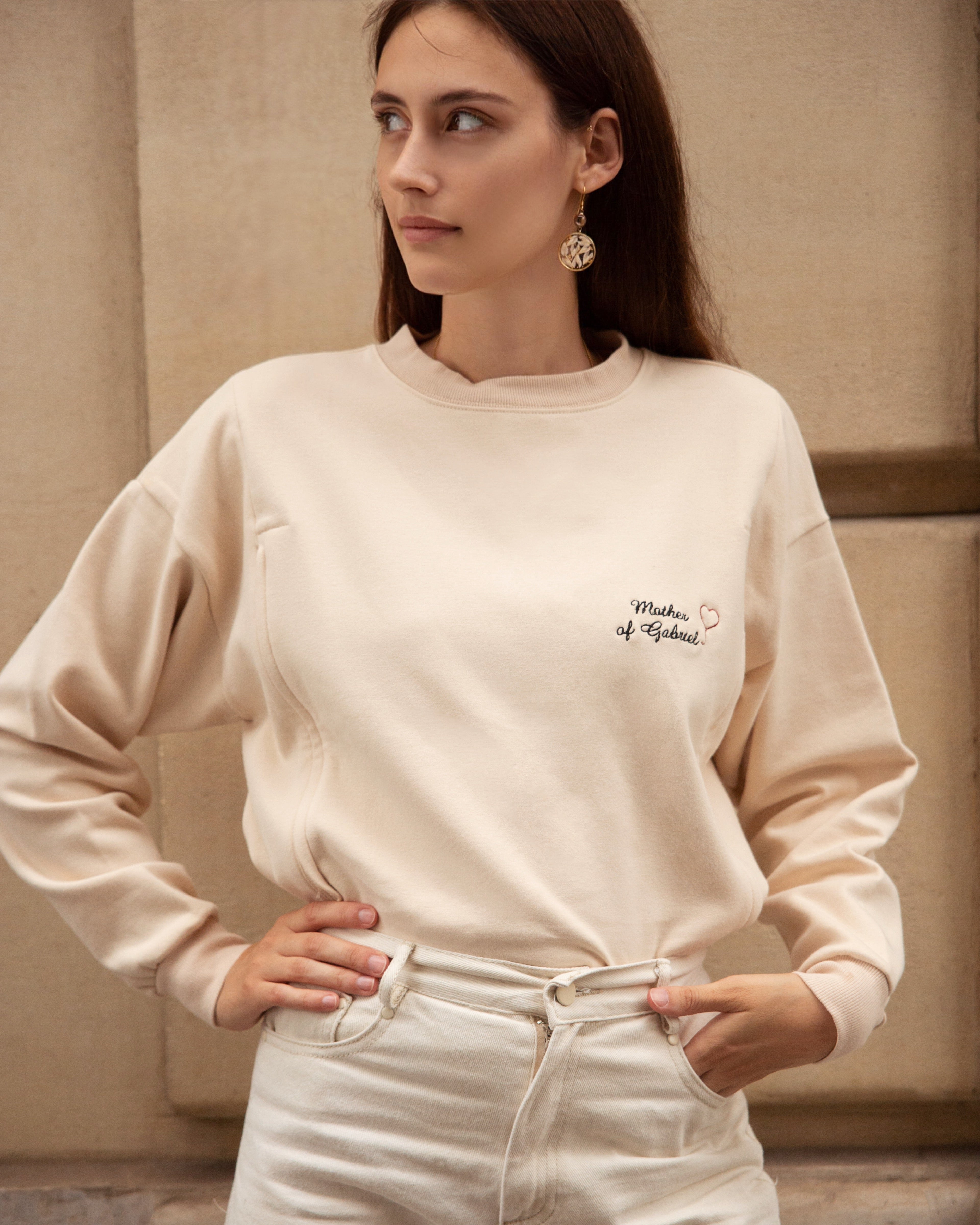
MOTHER OF nursing sweatshirt
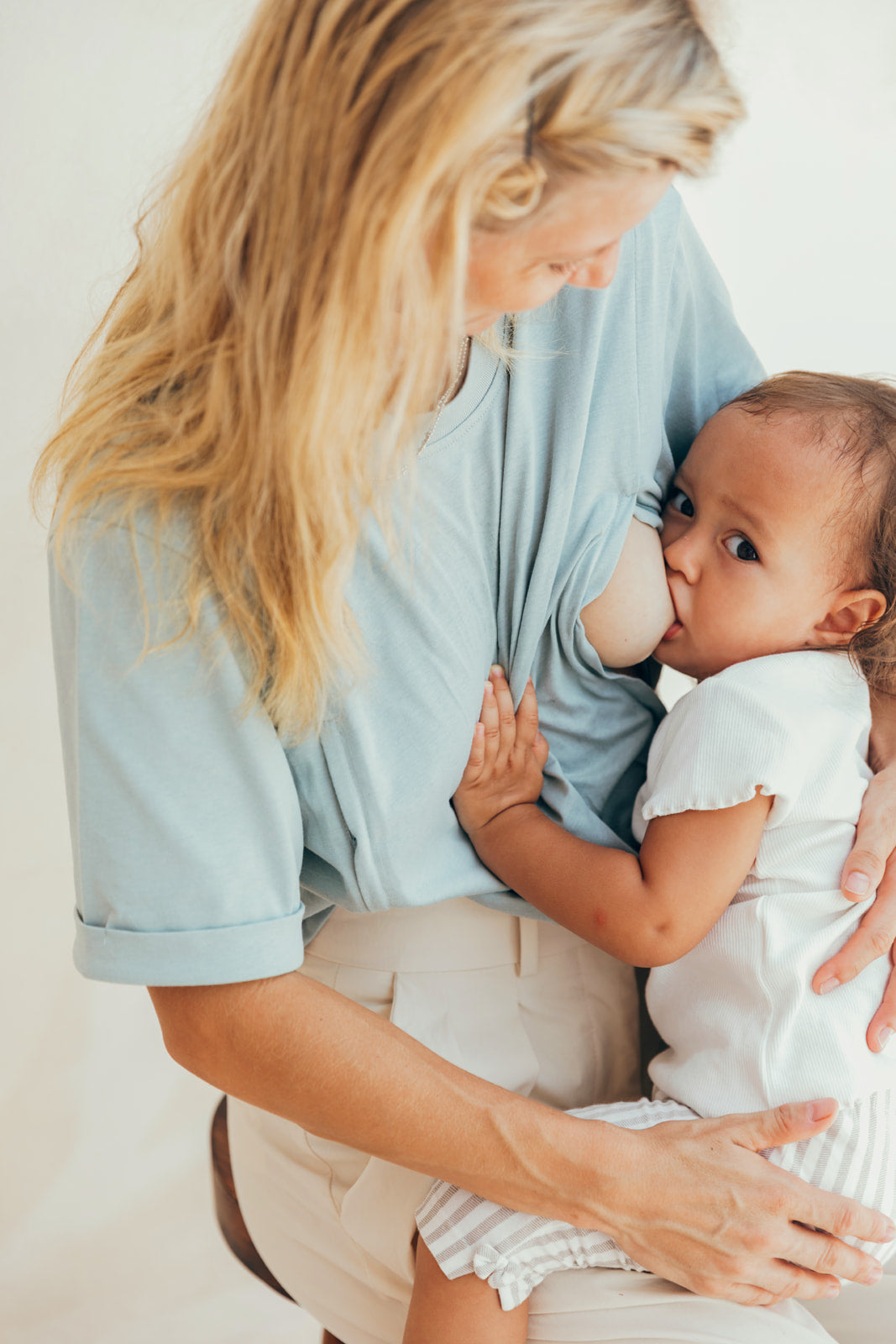
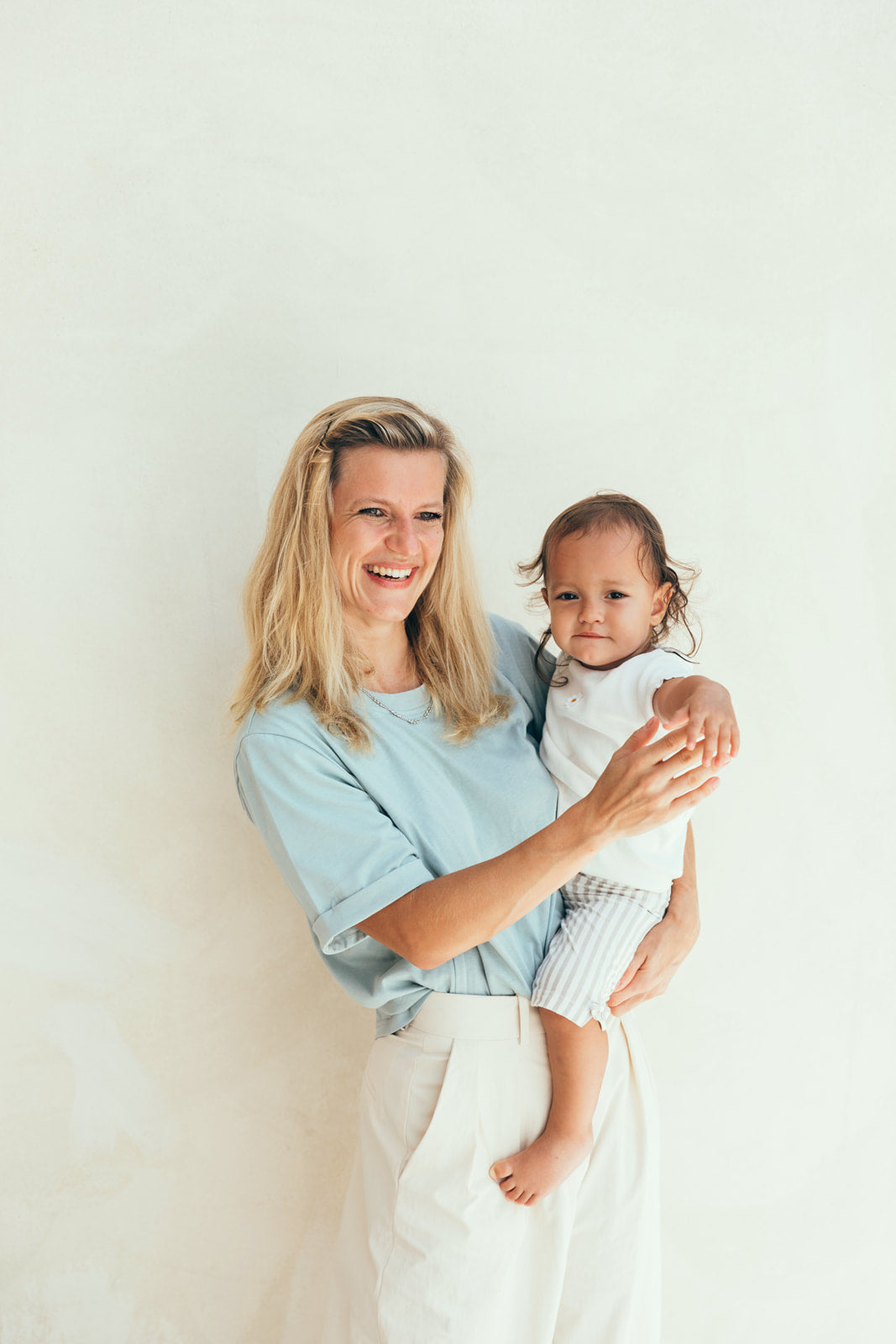
Breastfeeding t-shirt WATER GREEN
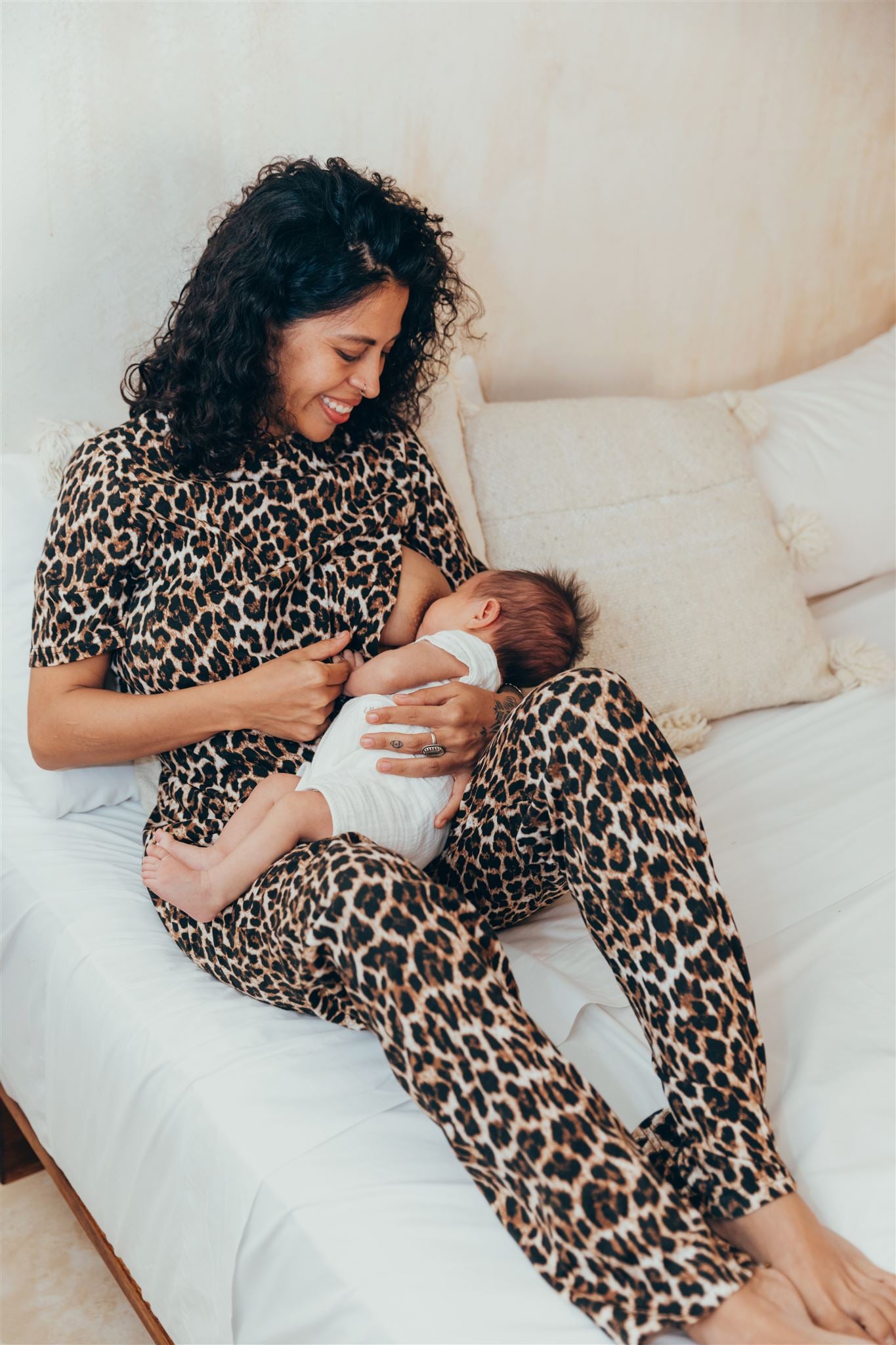

Breastfeeding pyjamas LEOPARD
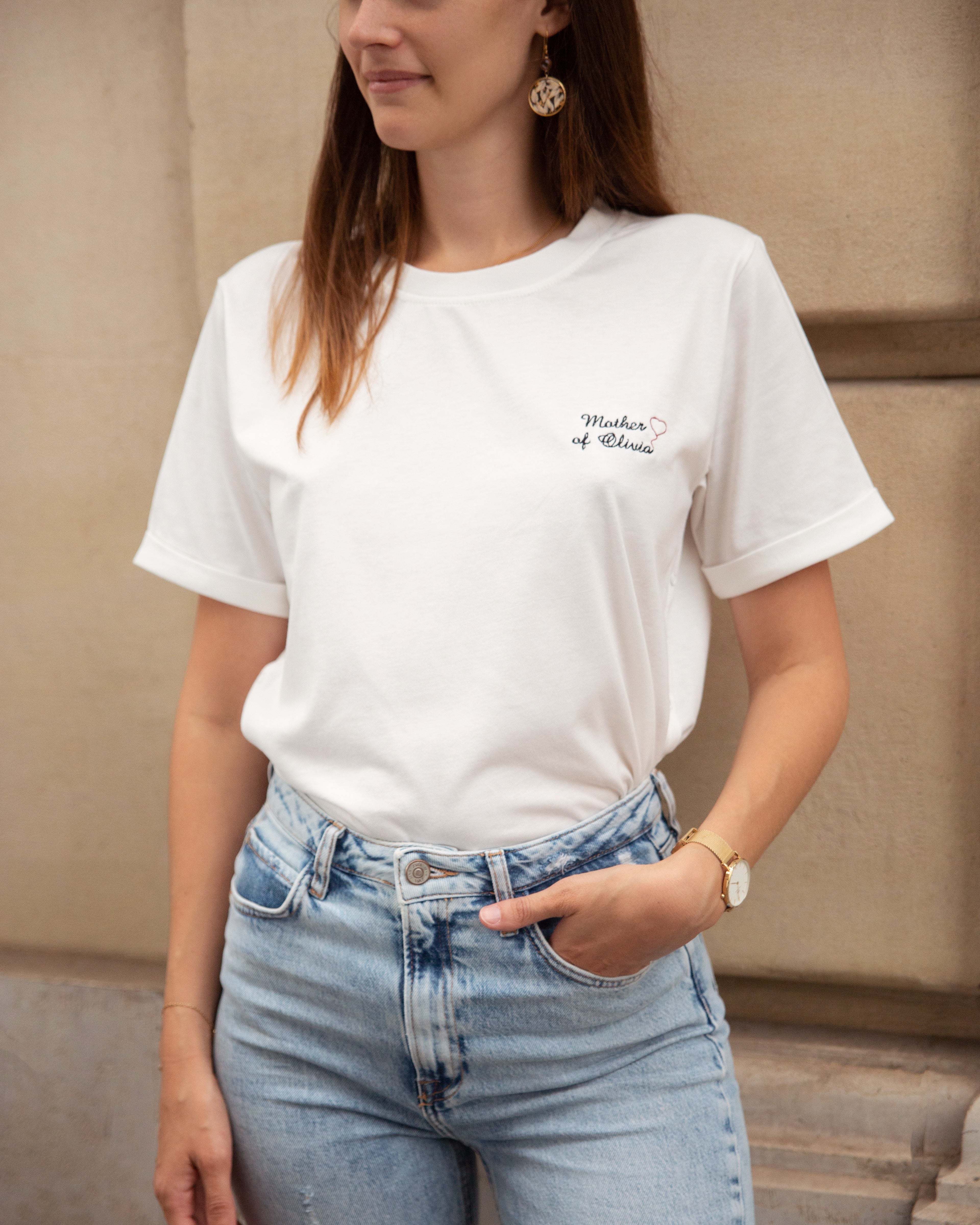
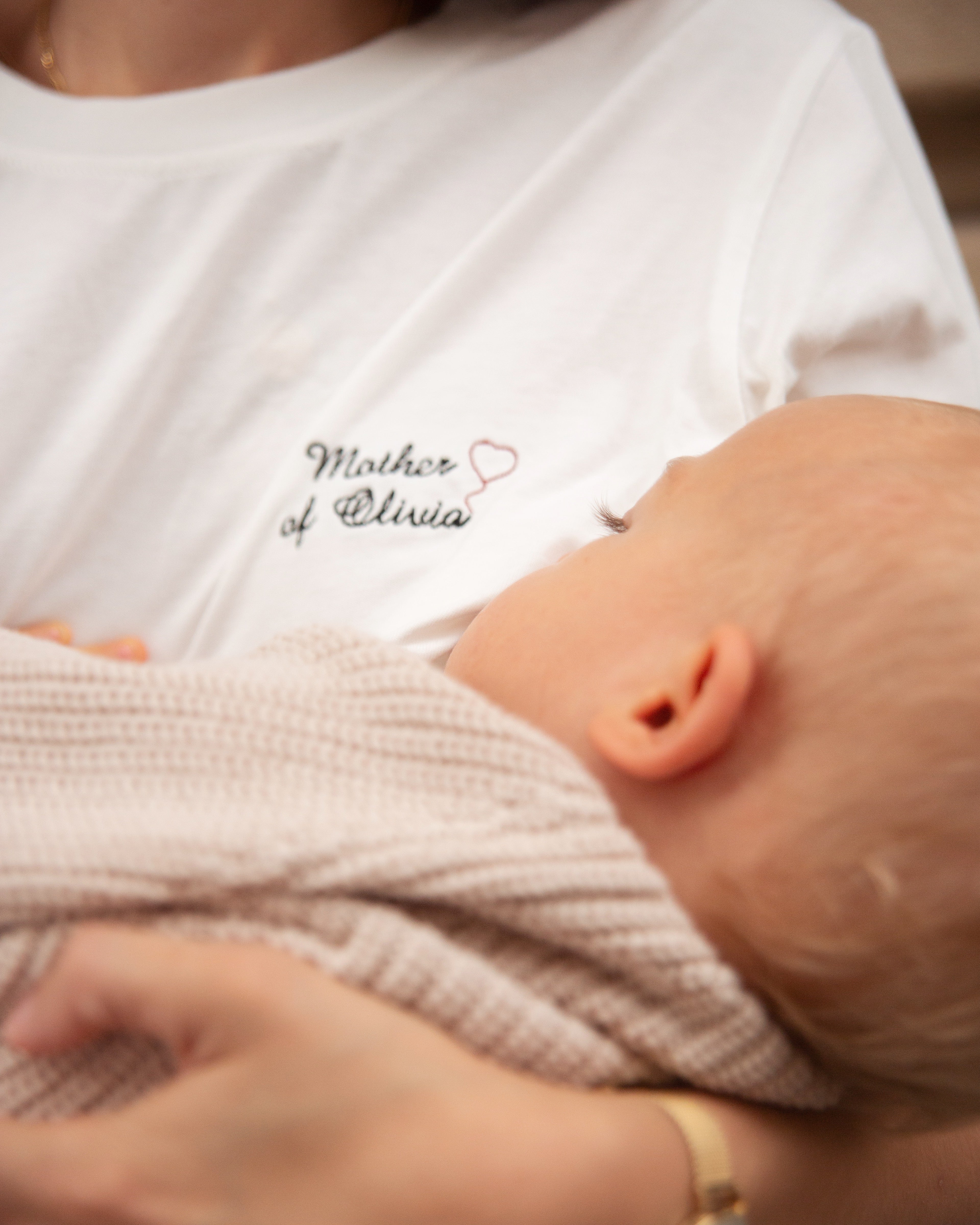
Breastfeeding t-shirt MOTHER OF
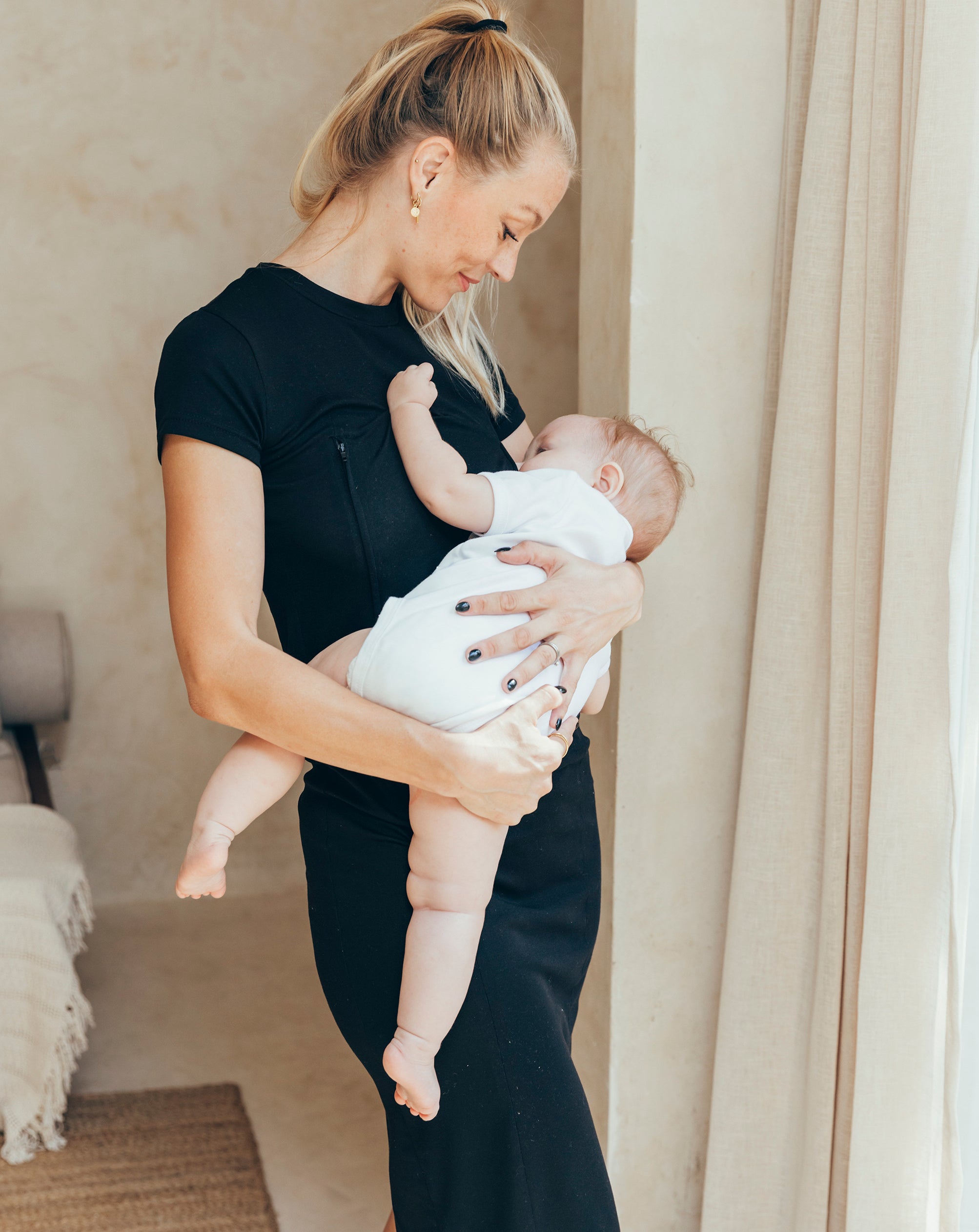
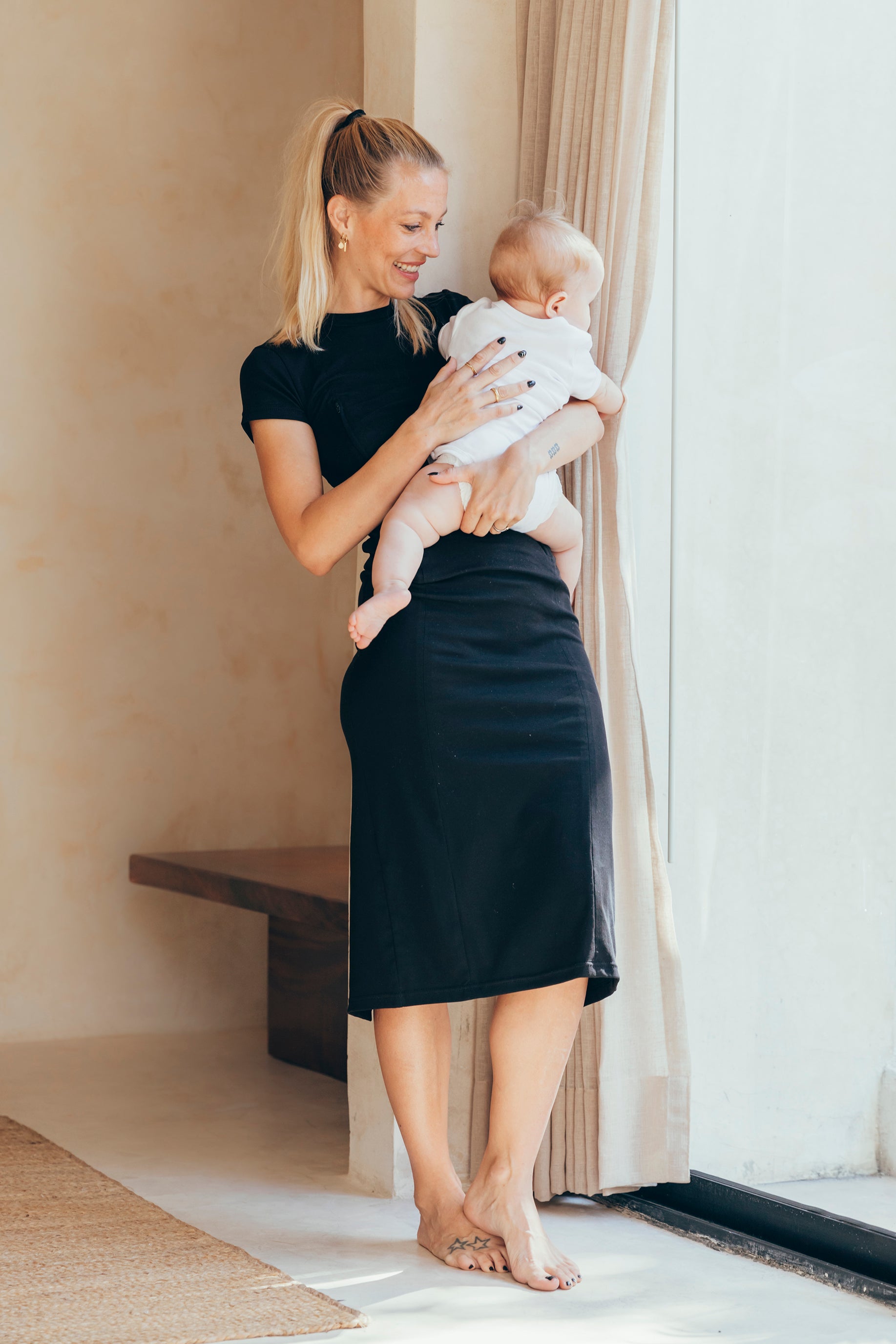
Breastfeeding dress TULUM
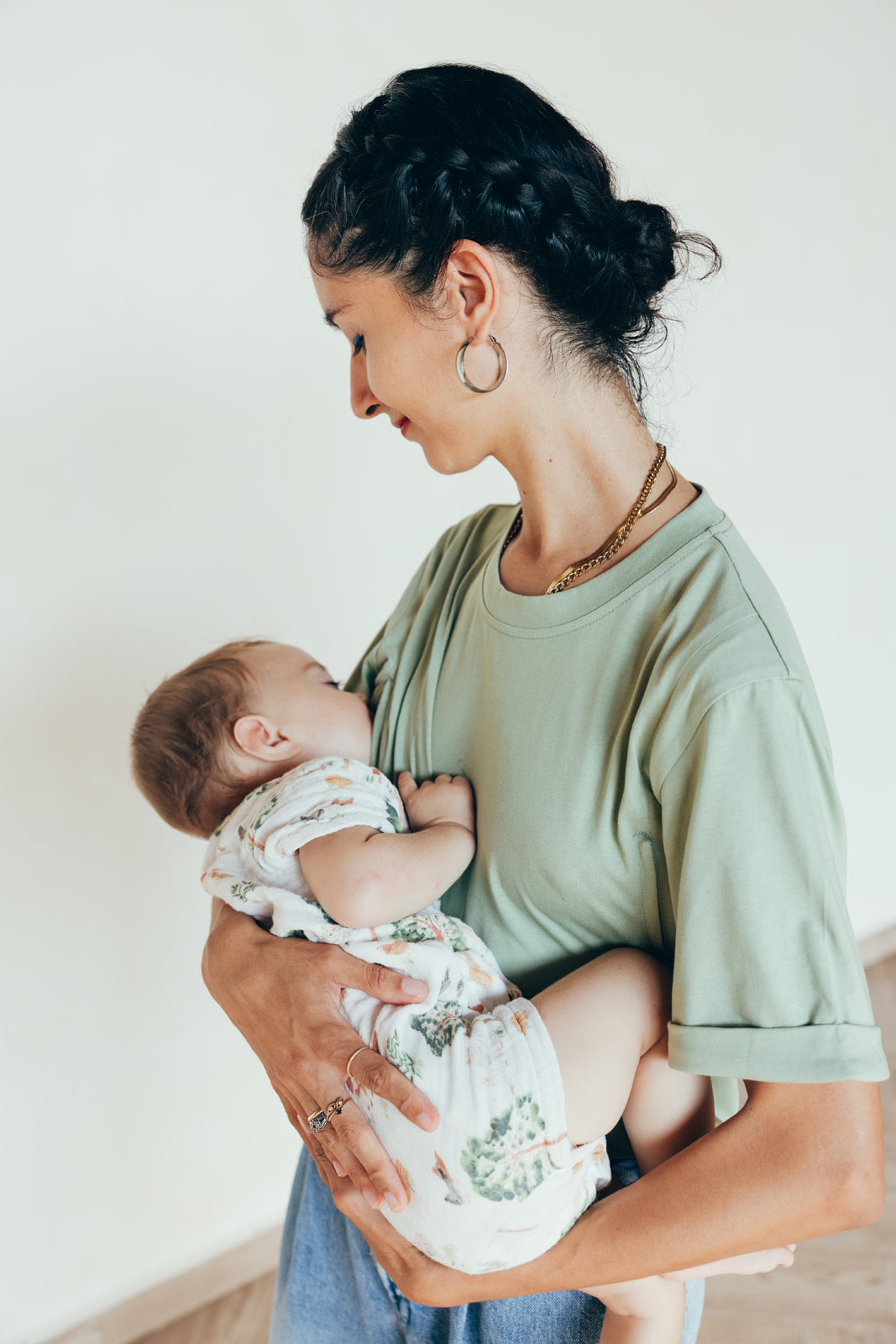
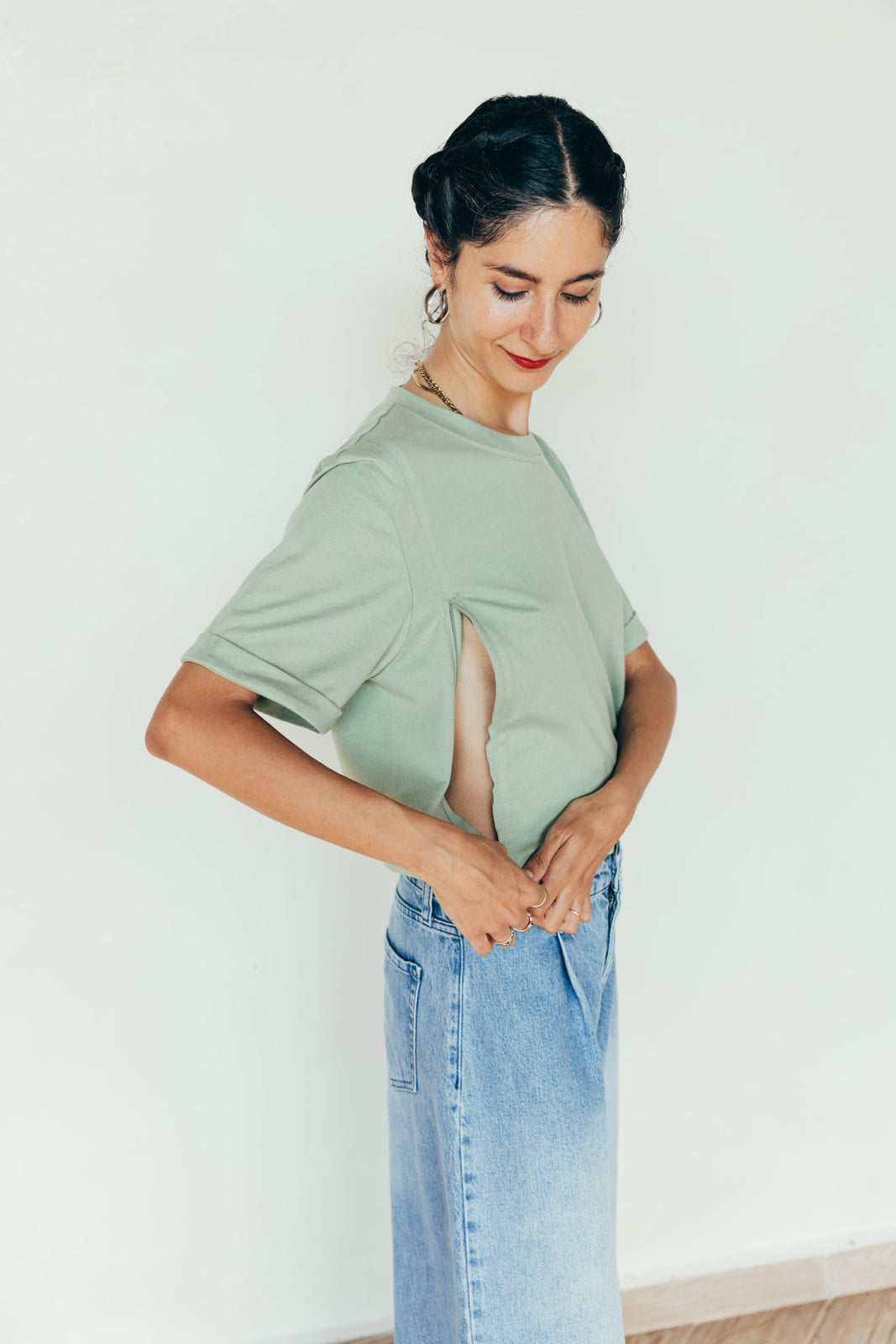
Breastfeeding t-shirt in SALVIA Breastfeeding t-shirt
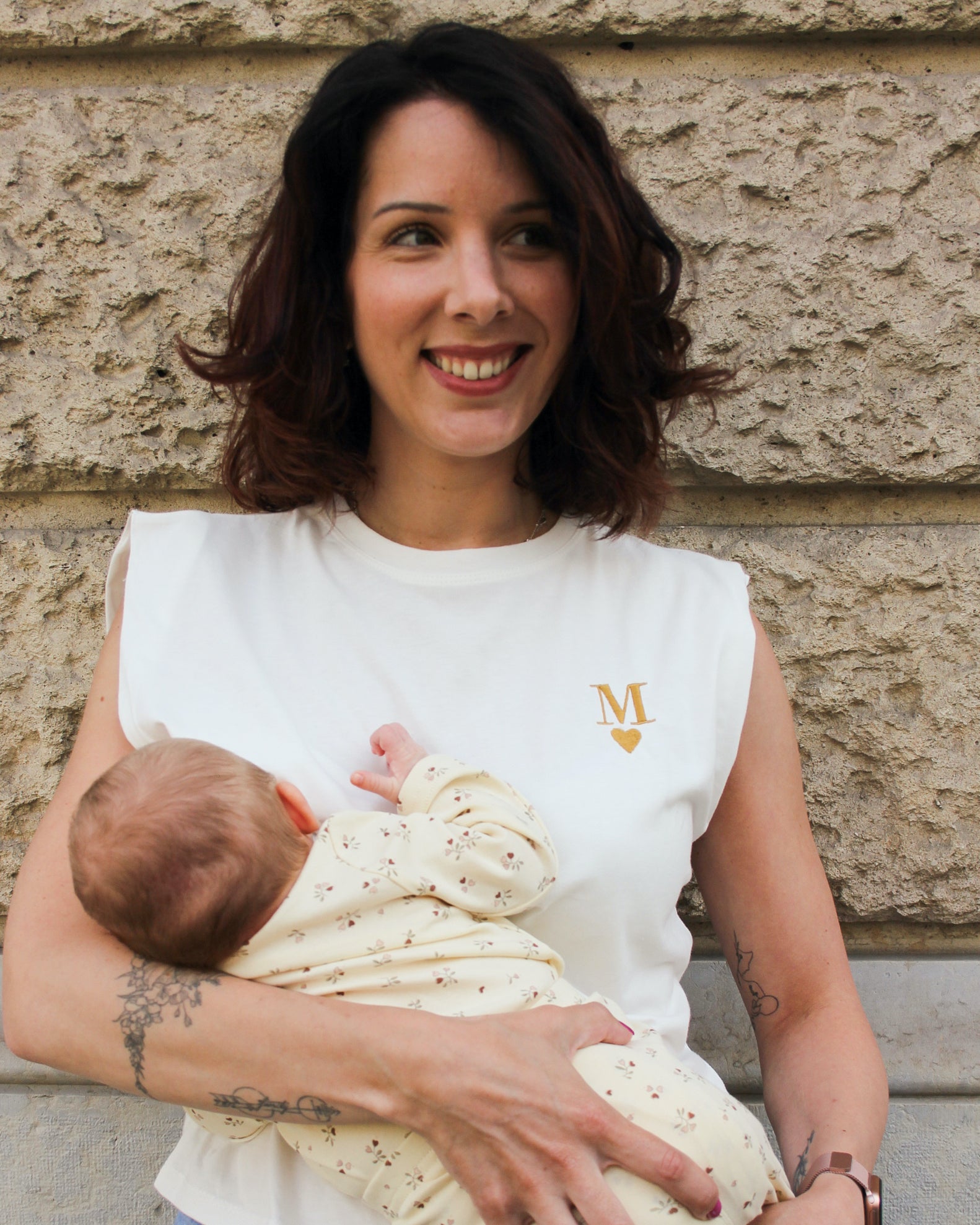
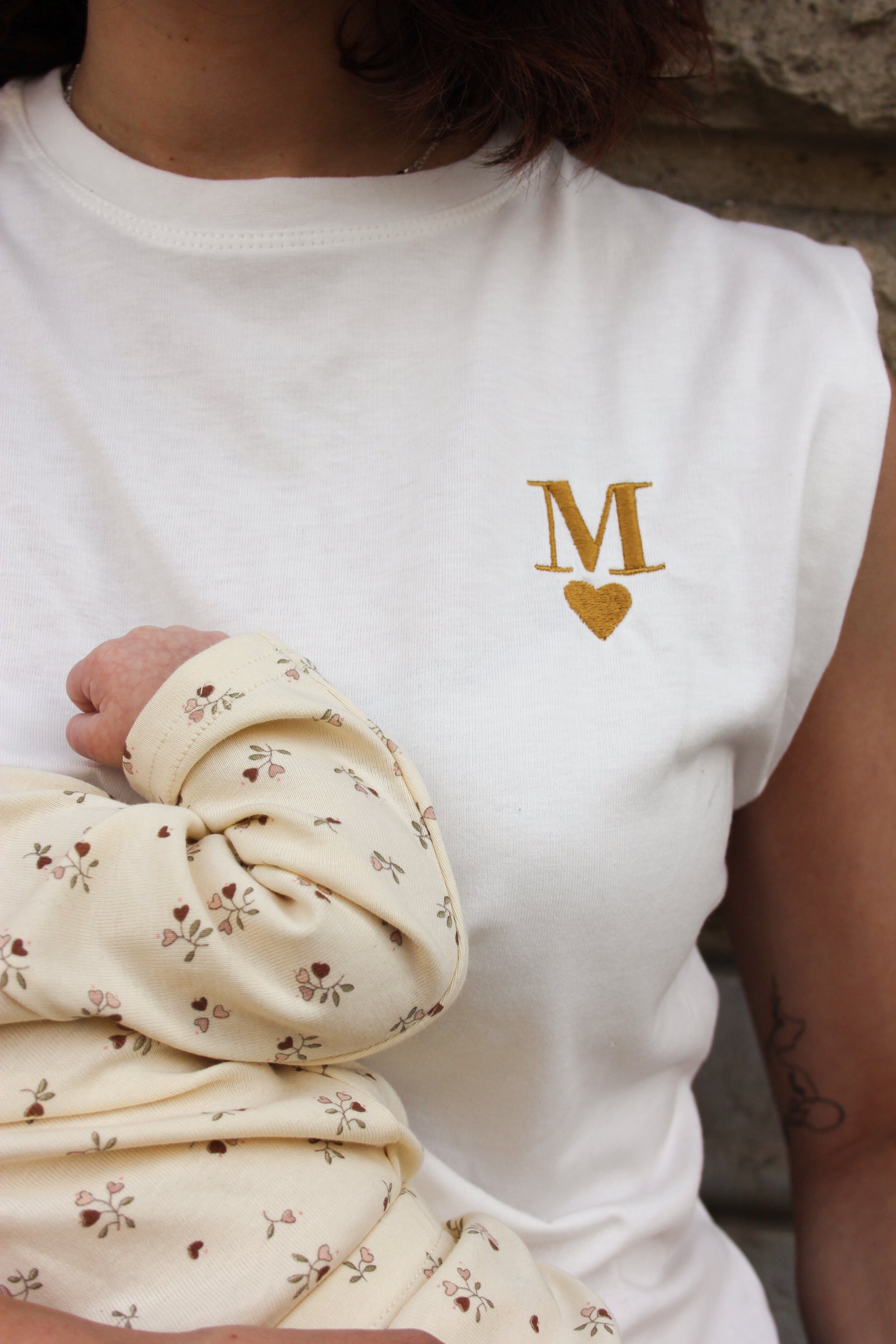
LUCKY CHARM nursing tank top


Breastfeeding t-shirt LOVE
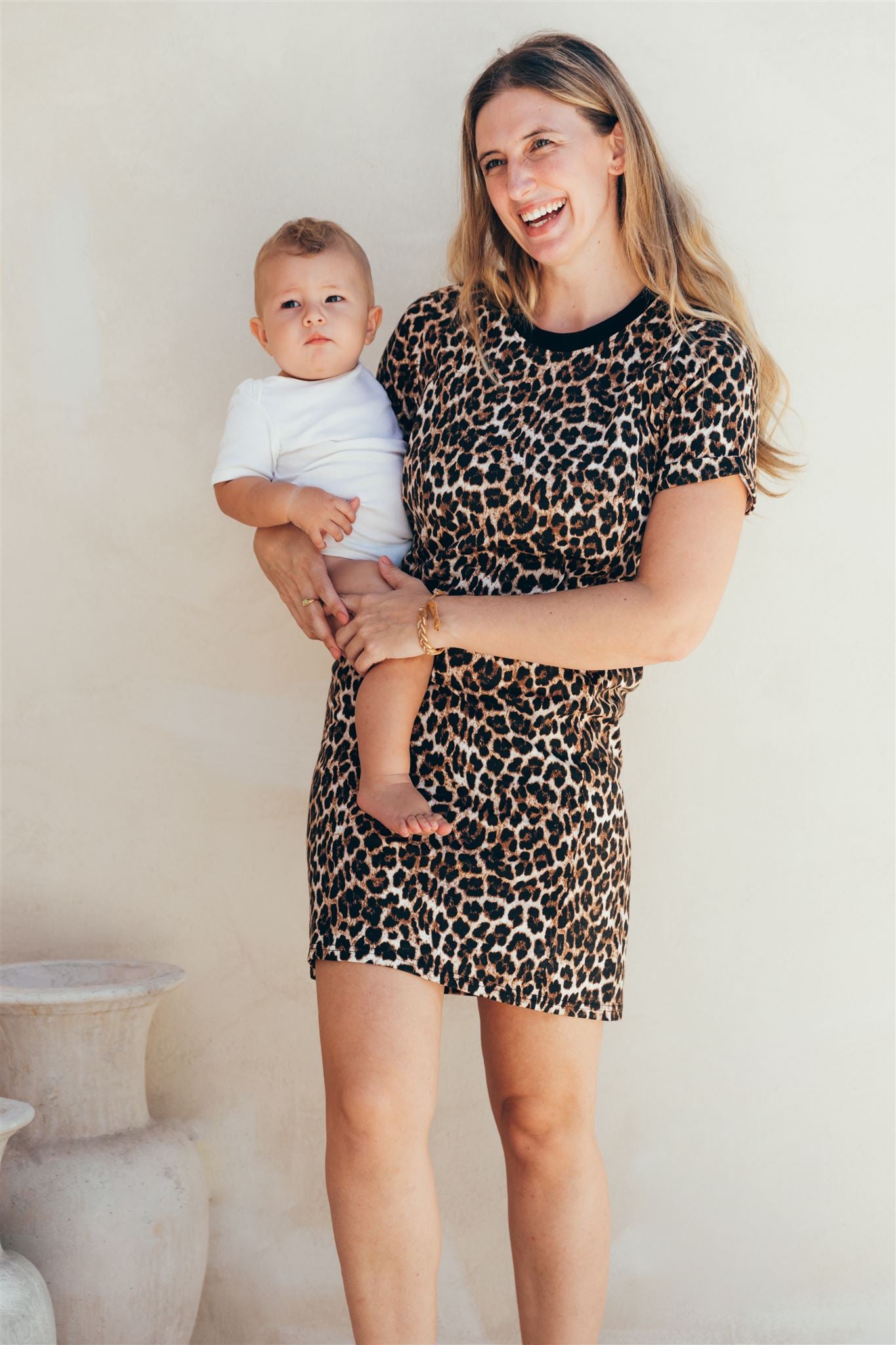

Breastfeeding dress LEOPARD
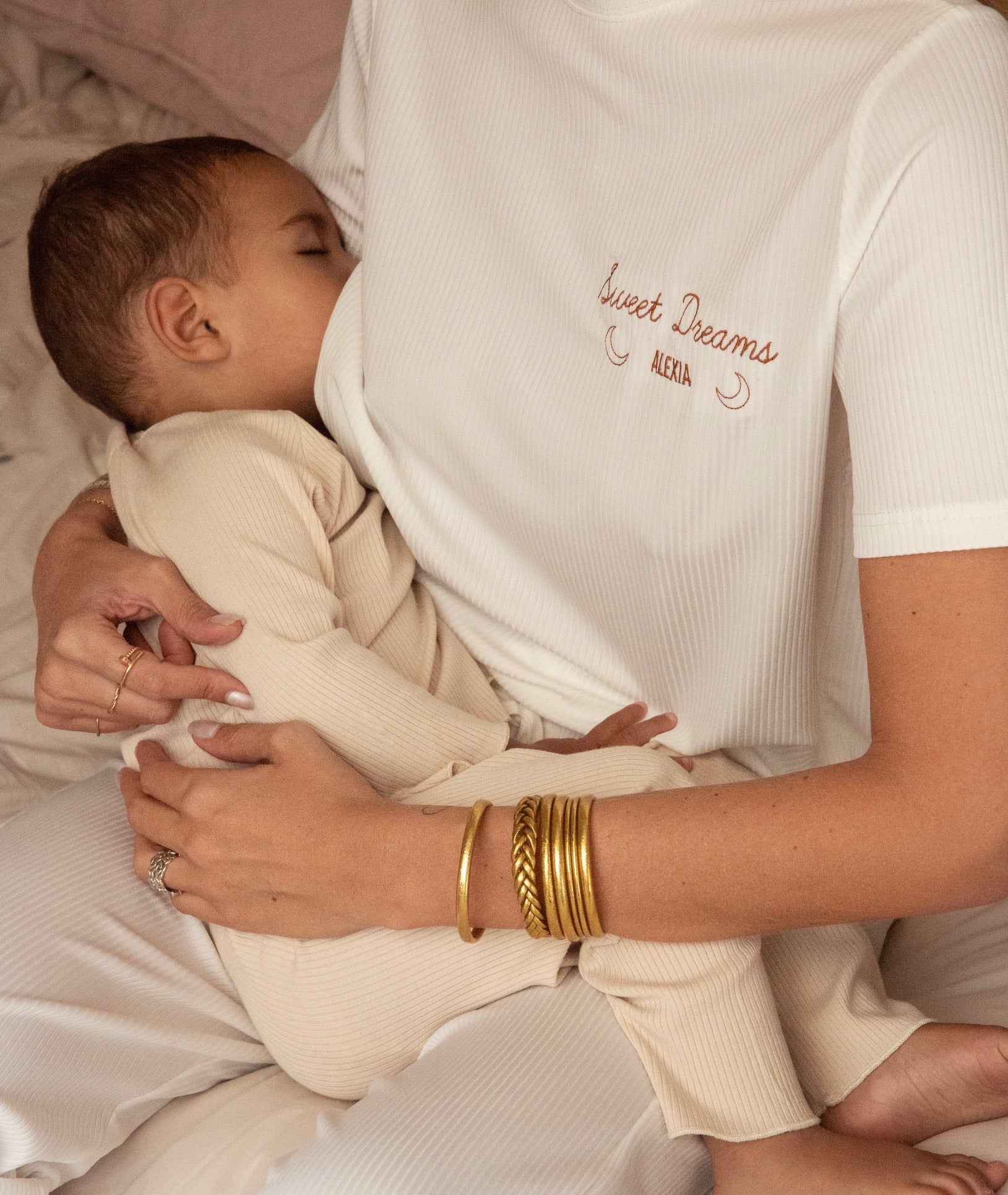
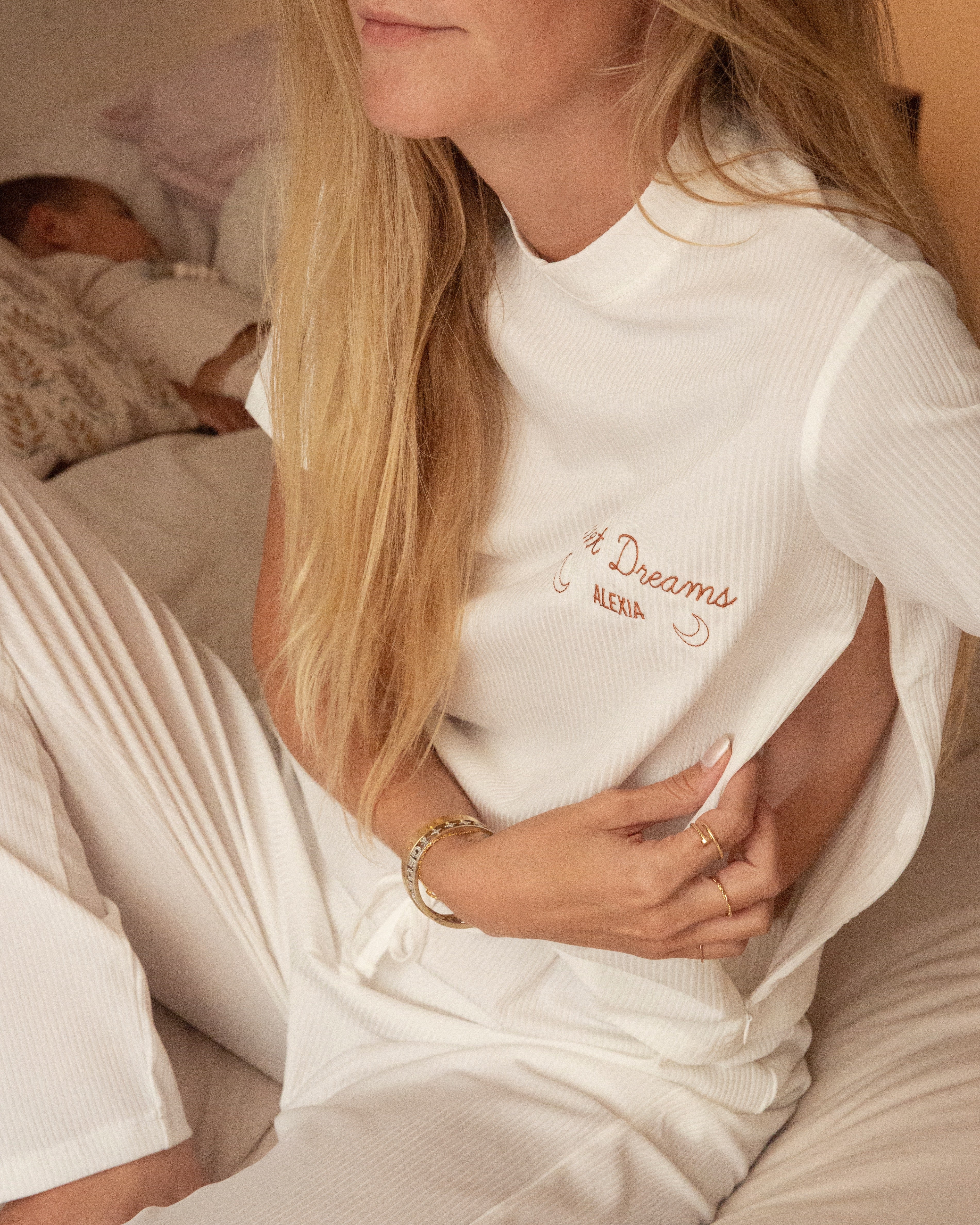
SWEET DREAMS nursing pajamas
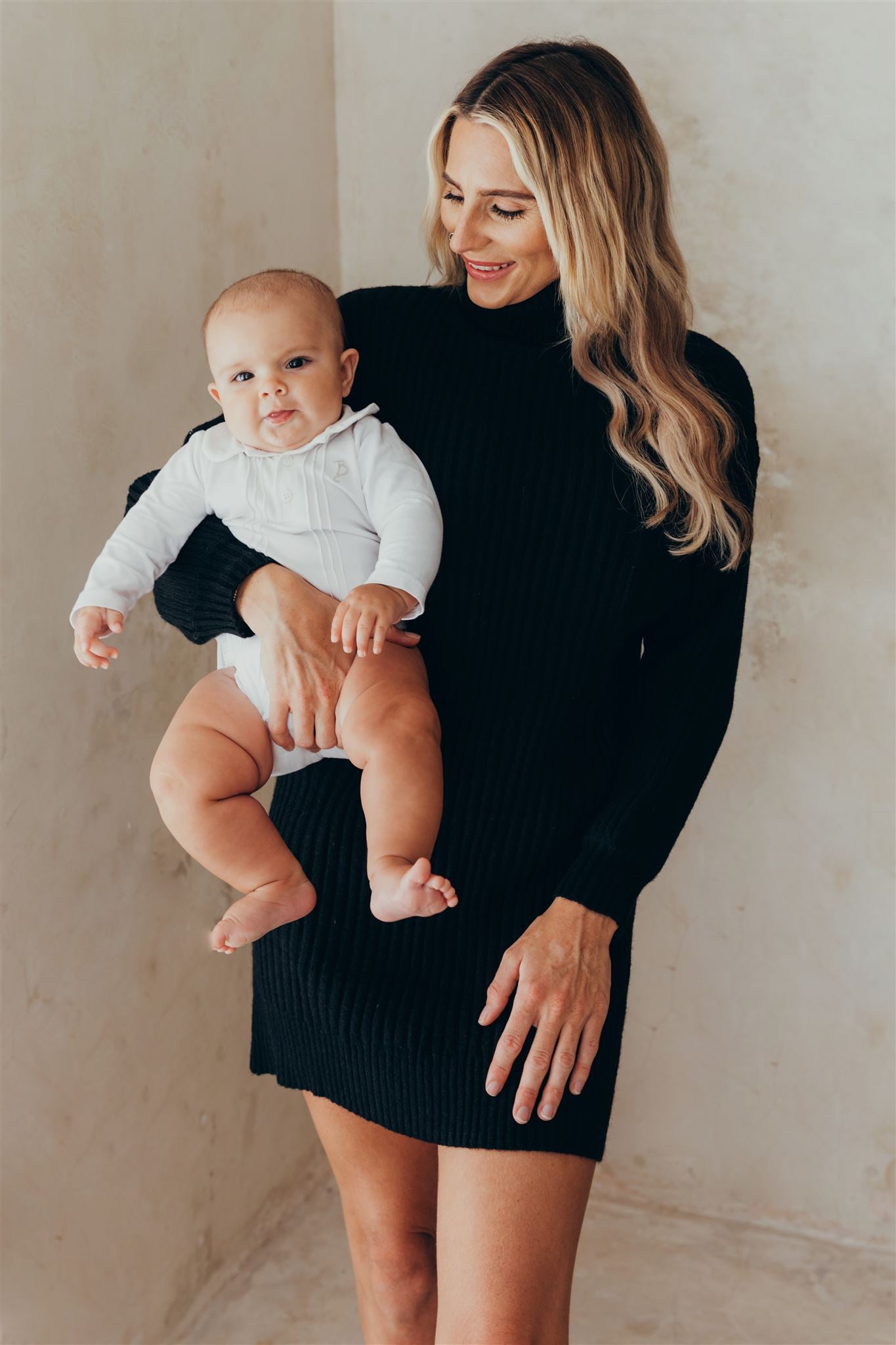

Breastfeeding mesh dress GEORGIA
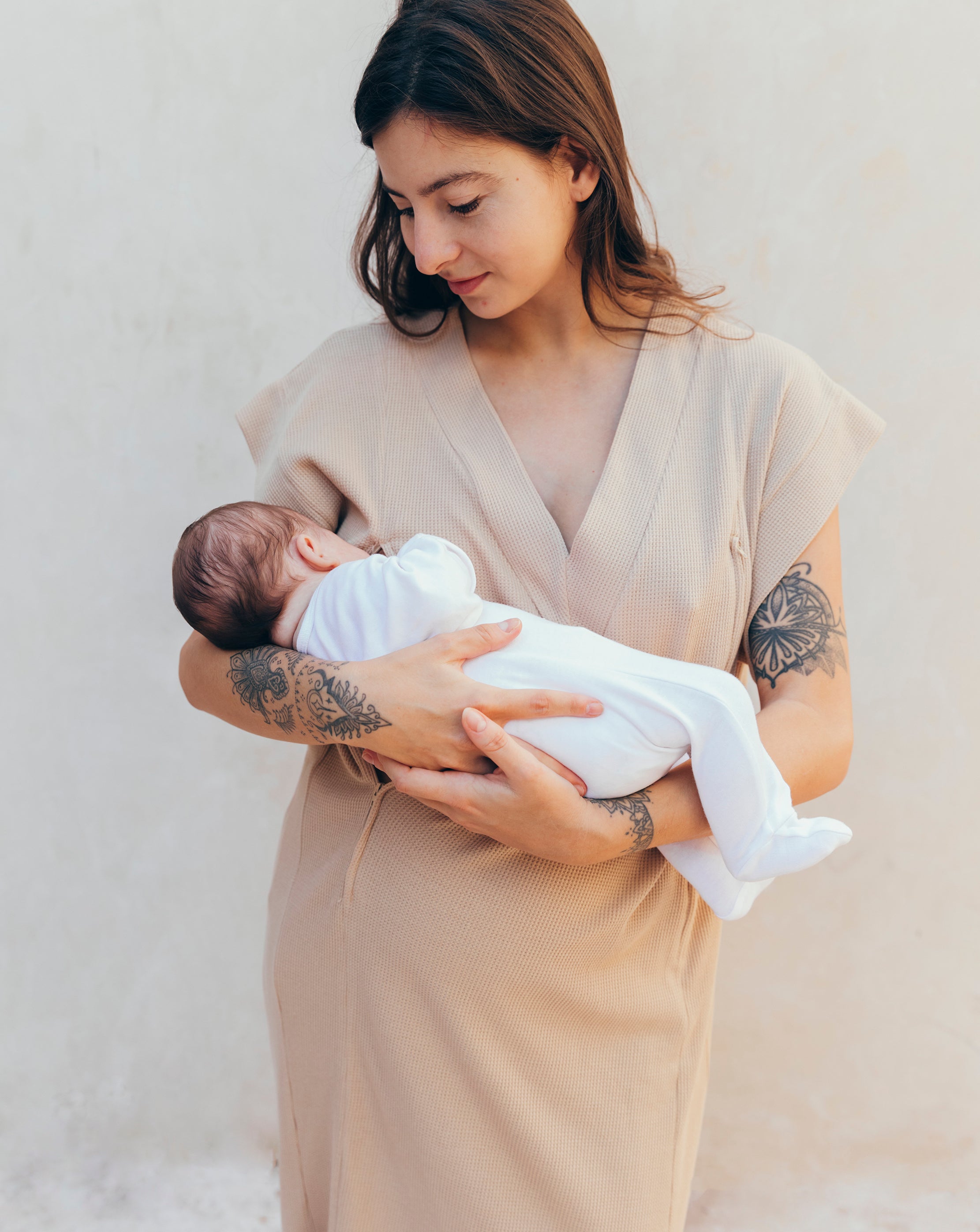
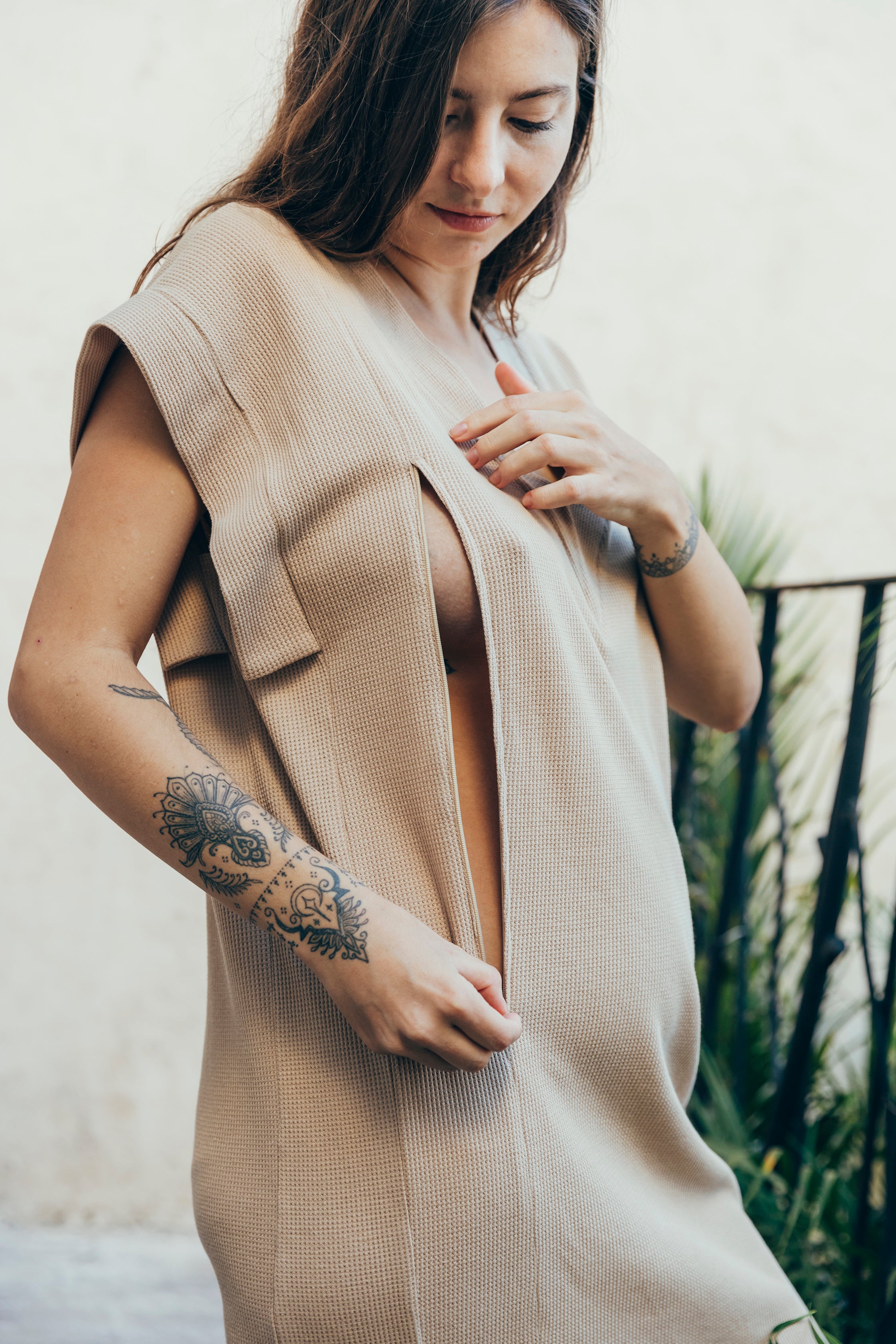
Beige CANCUN Breastfeeding dress
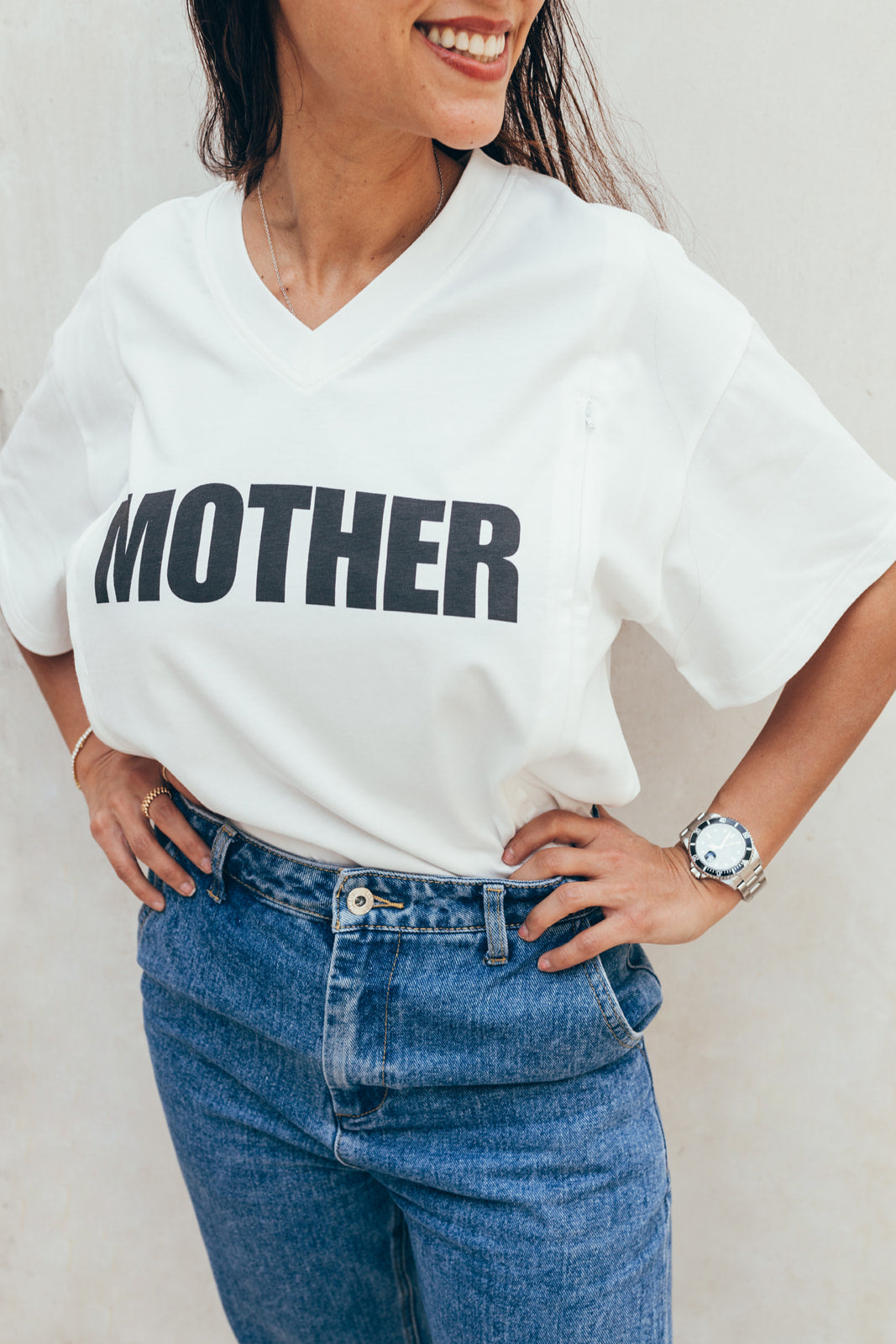
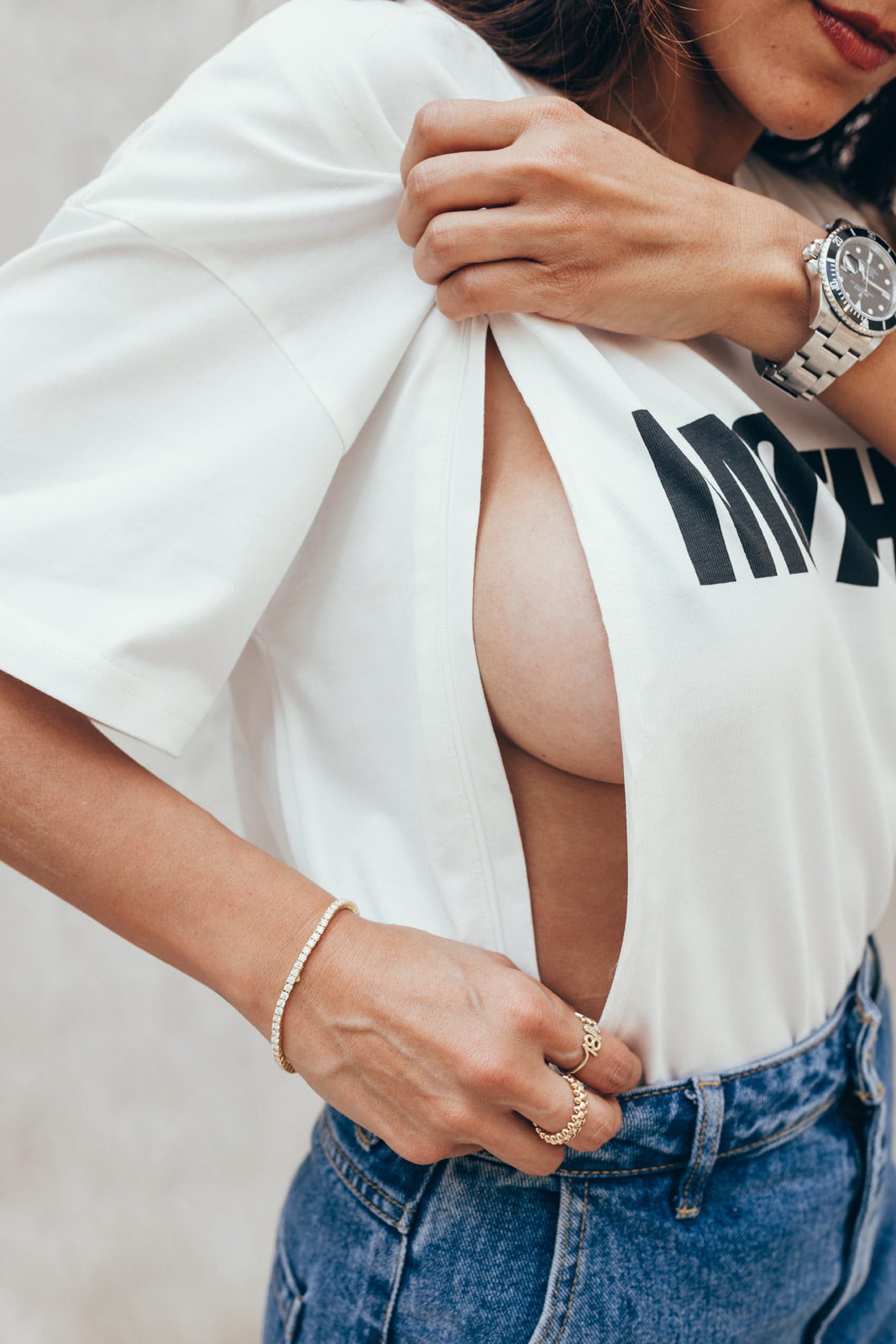
Breastfeeding t-shirt MOTHER
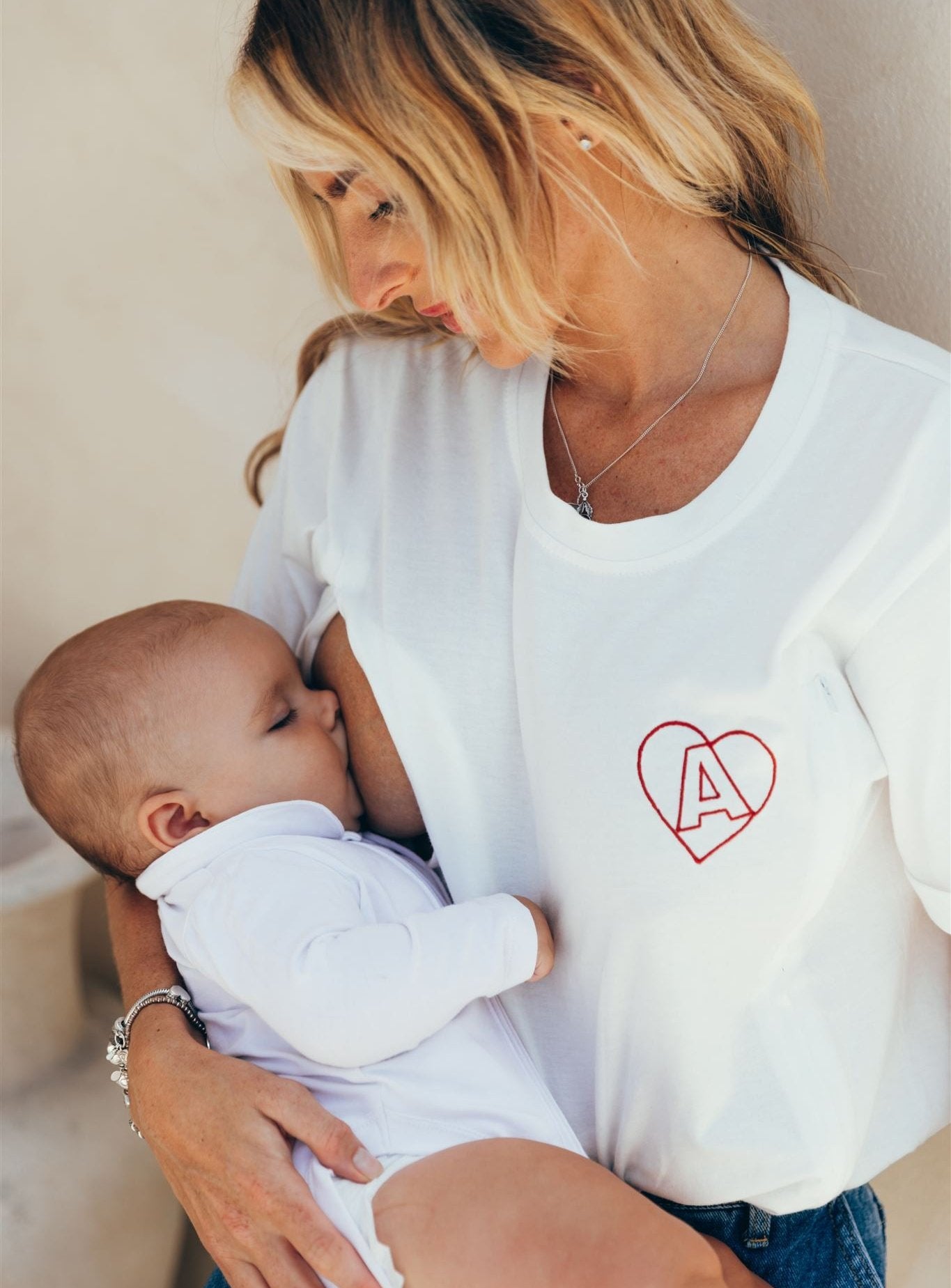

Breastfeeding t-shirt ALPHA
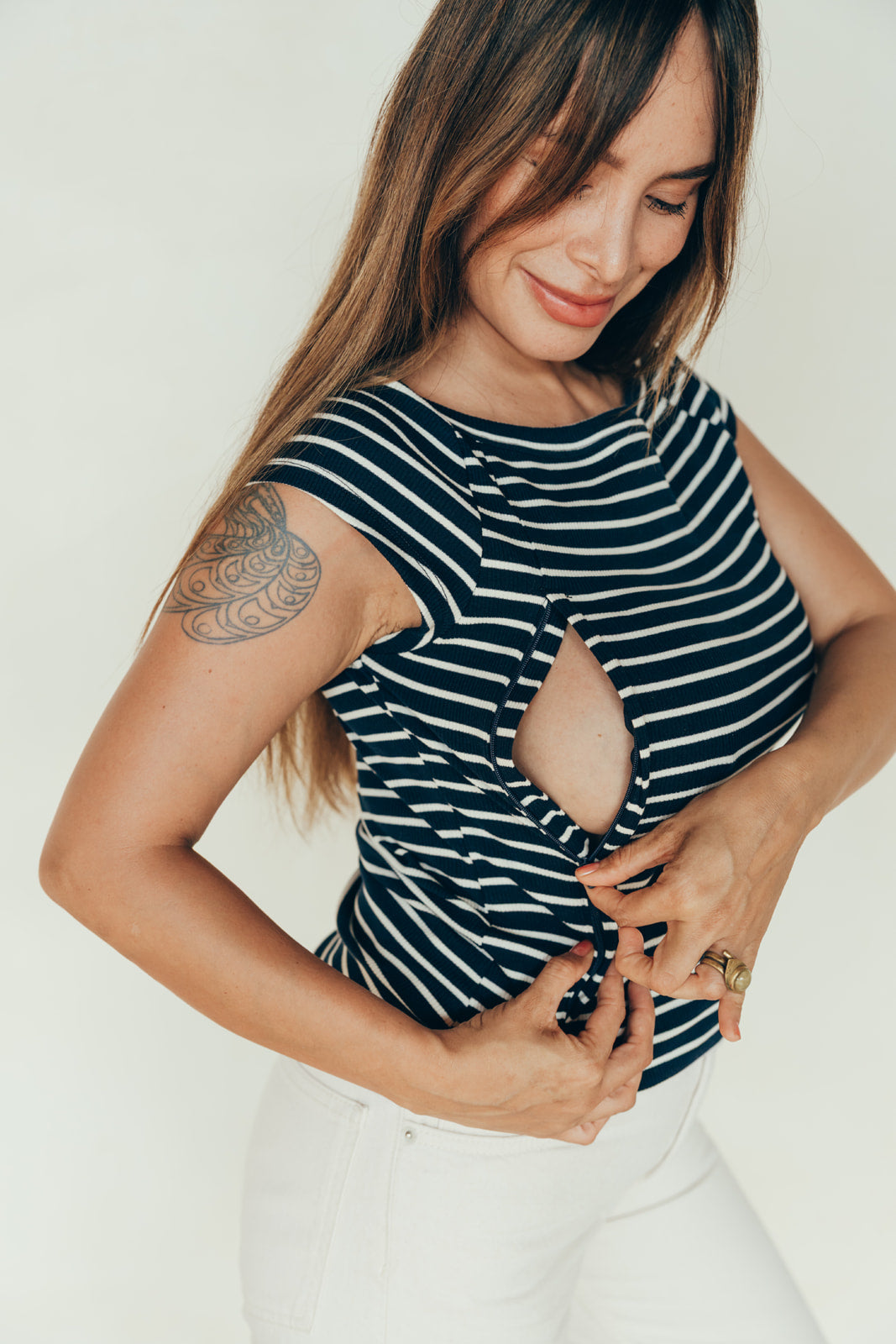

Breastfeeding t-shirt
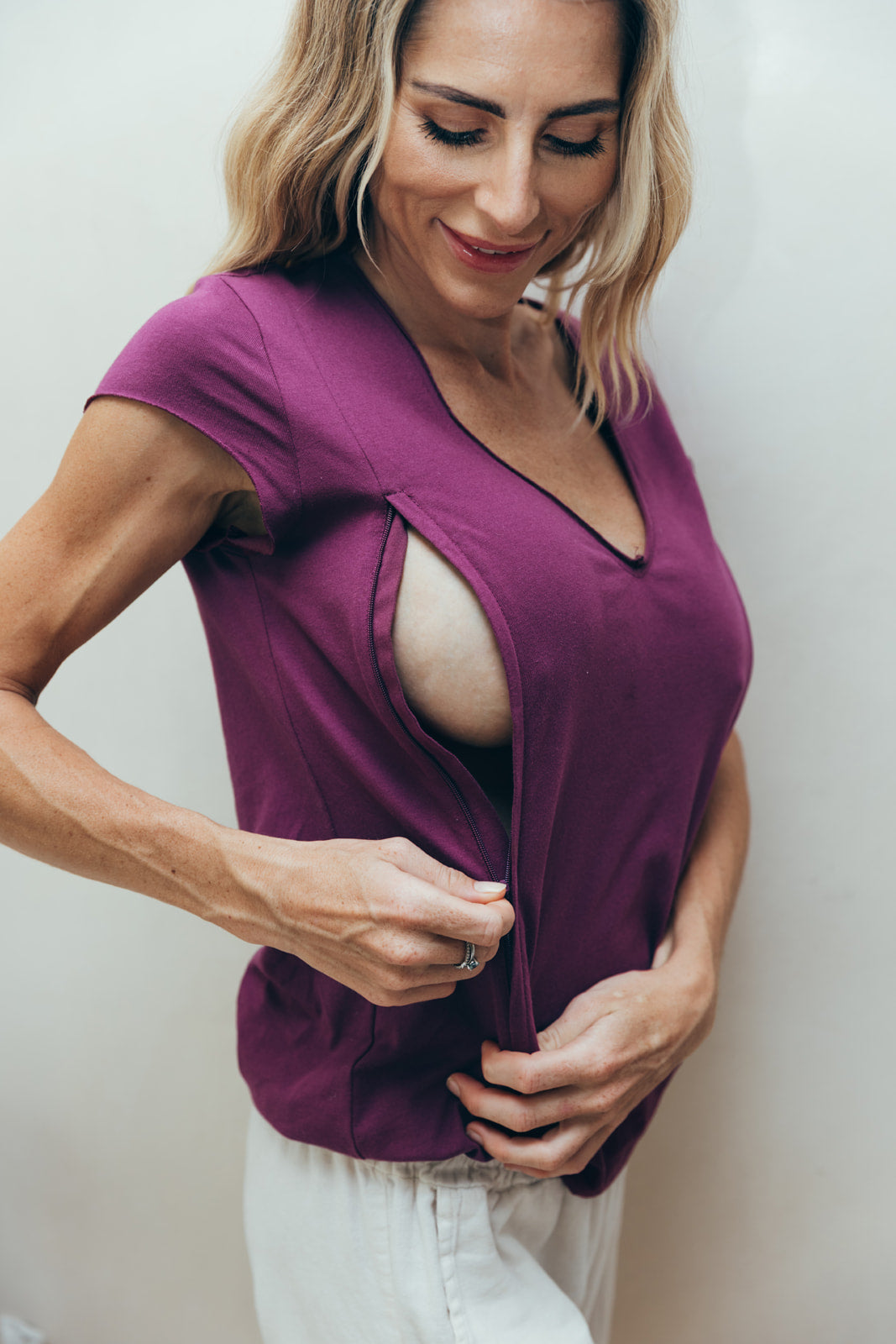
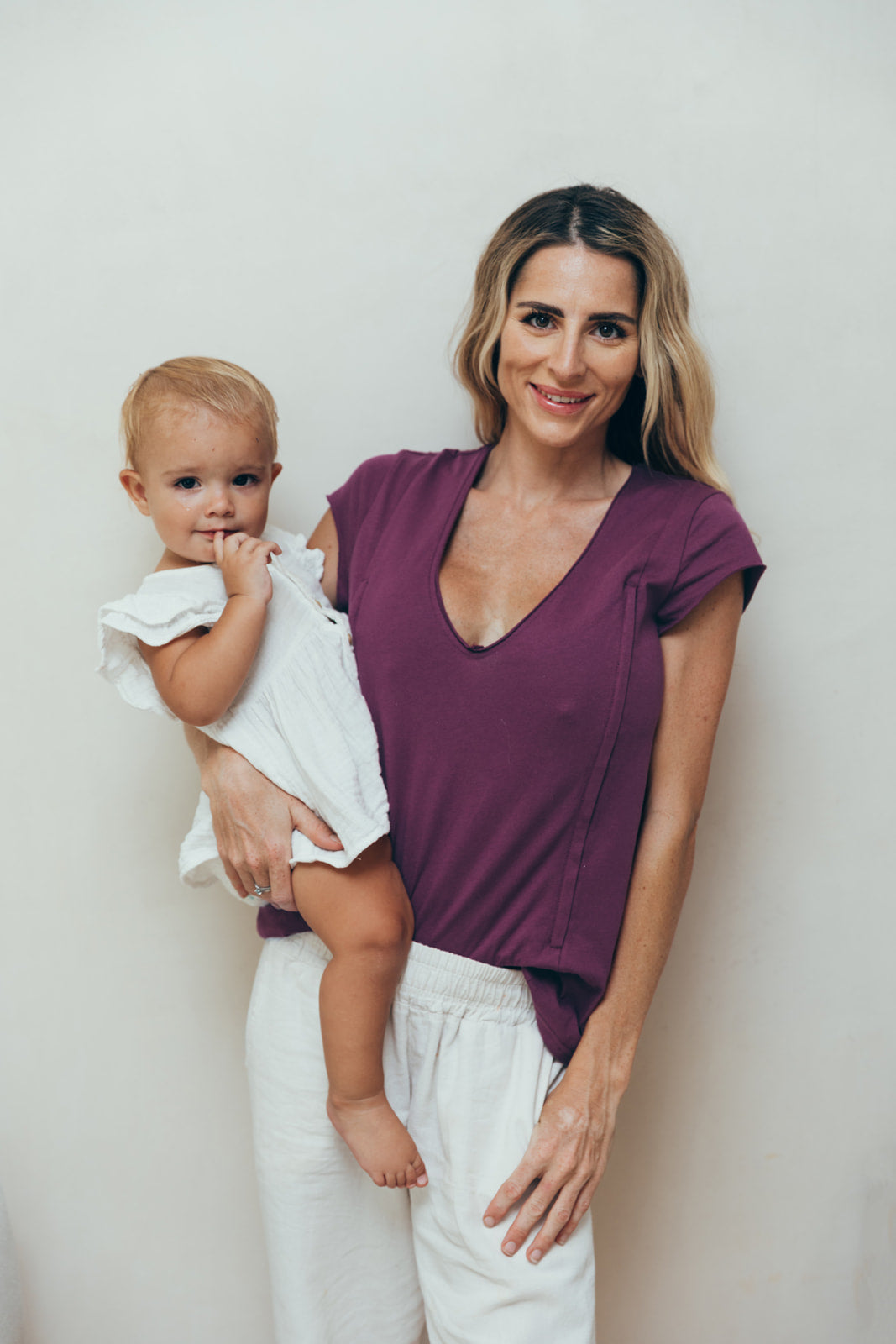
Breastfeeding t-shirt VIOLET
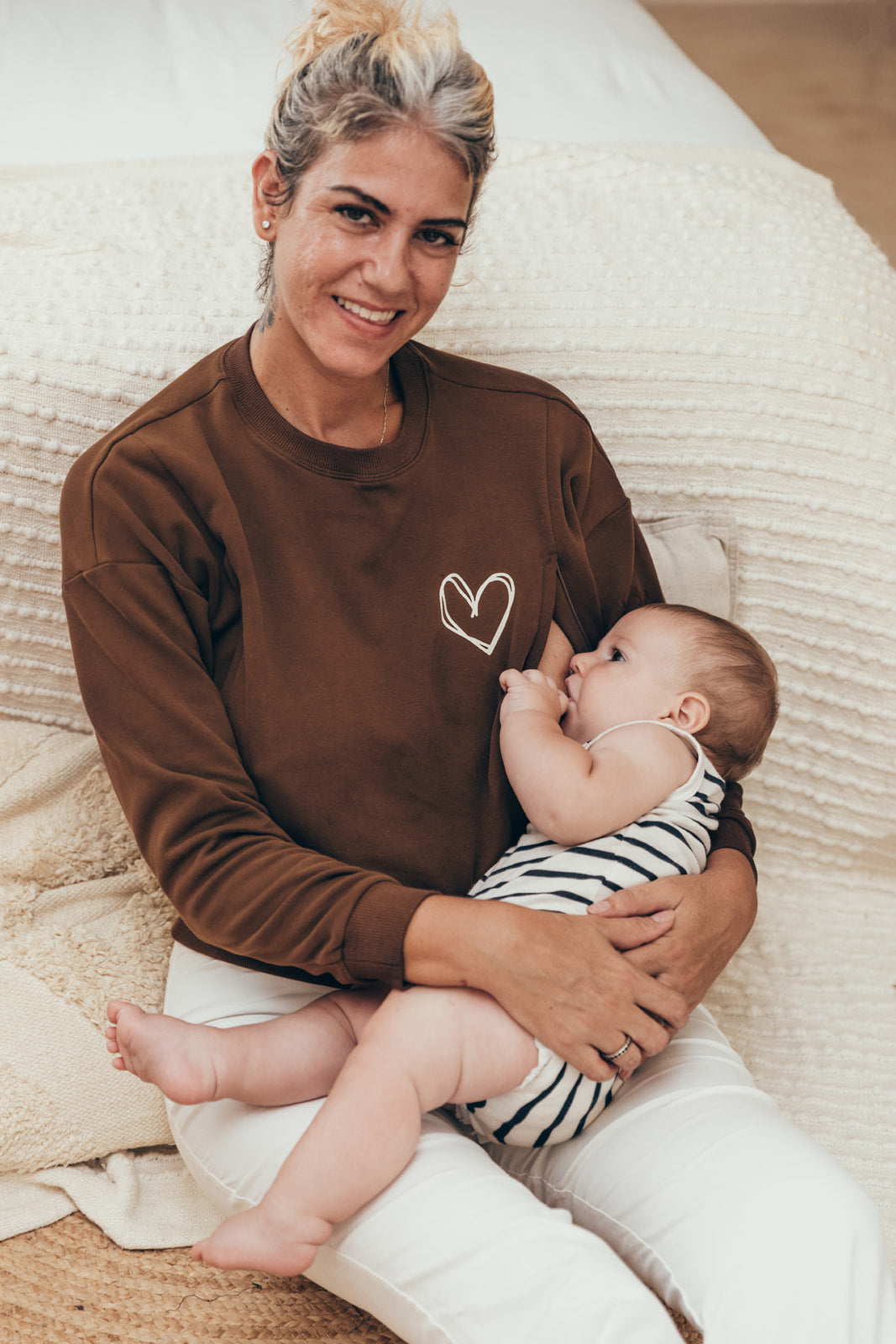
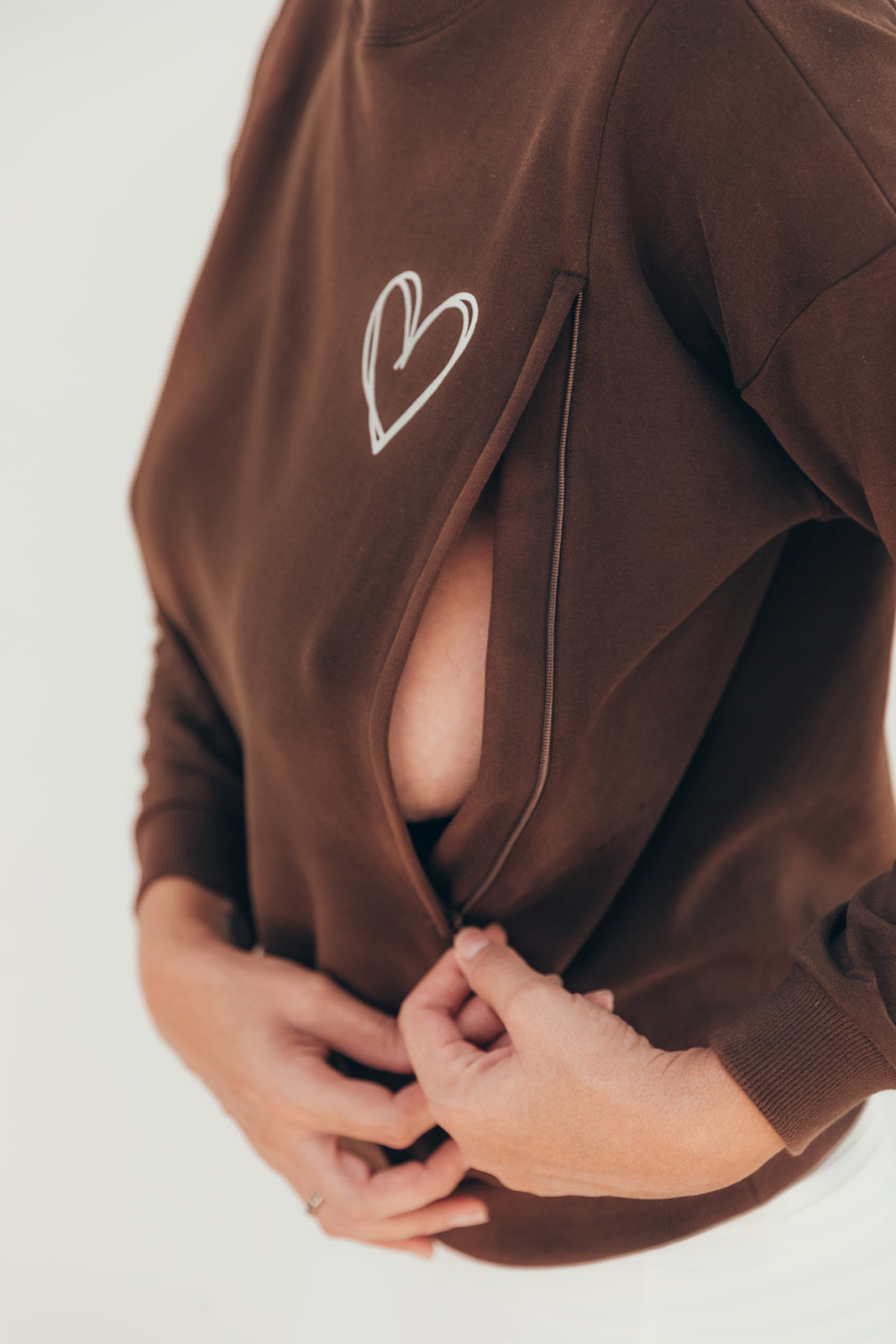
Brown heart nursing sweatshirt
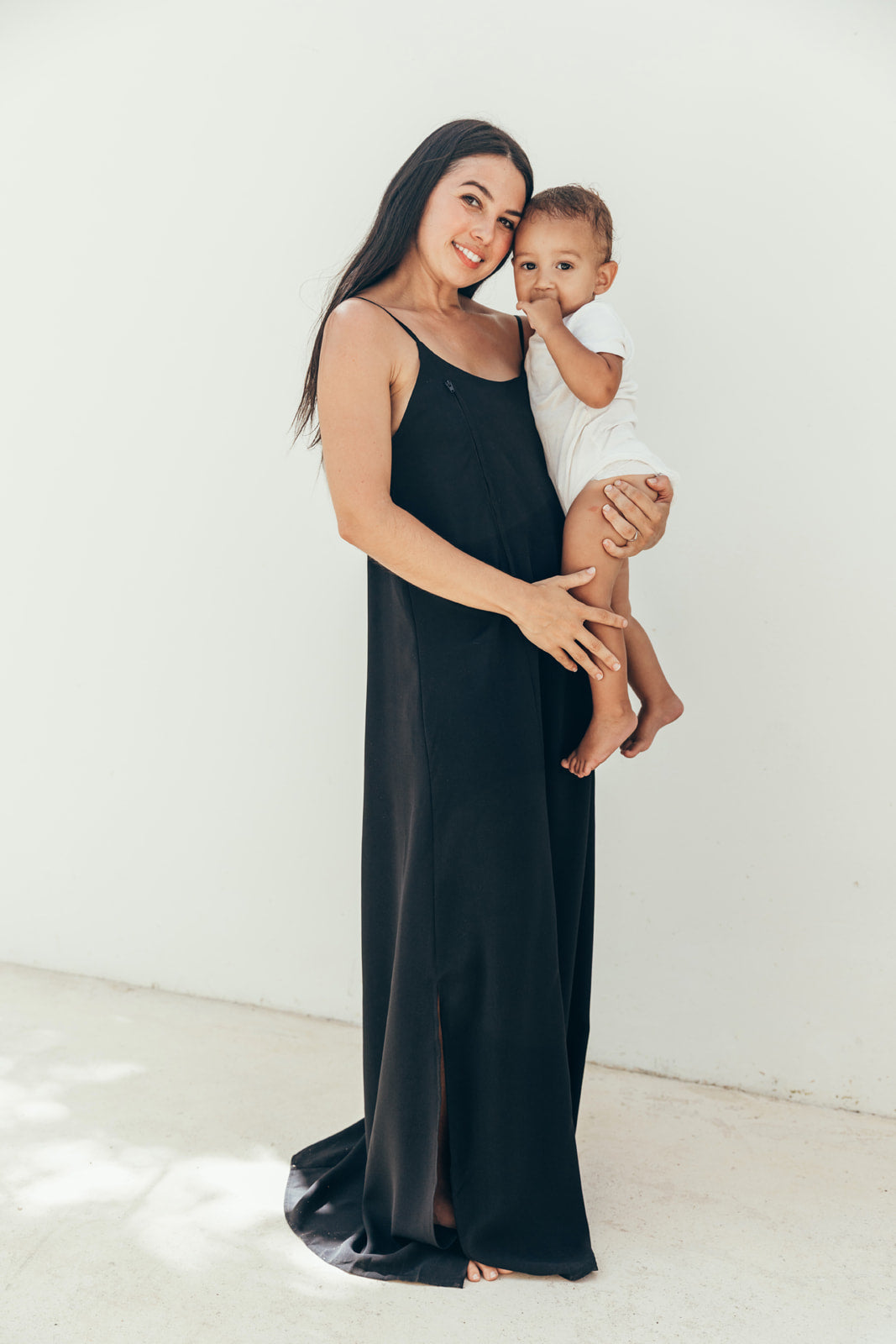

INDIA black maternity and nursing dress


White Nursing Tank Top
Why is your skin drier when you're breastfeeding in the winter?
Dry skin in the winter while breastfeeding is a very common occurrence, and it is actually caused by two factors: winter on the one hand, and breastfeeding on the other.
Winter naturally dries out the skin due to several factors: the cold outdoors, which reduces sebum production; the dry air in heated indoor spaces, which dehydrates the skin; and repeated temperature fluctuations between indoors and outdoors, which weaken the skin’s protective barrier. Breastfeeding, for its part, significantly increases the body’s water needs—a breastfeeding mother produces, on average, between 700 ml and 1 liter of milk per day, which represents a significant loss of fluids that can directly impact skin hydration if fluid intake isn’t sufficient. The combination of these two factors creates conditions particularly conducive to dry skin.
Which areas of the skin are most affected by dryness in the winter when breastfeeding?
Several areas account for the majority of winter dry spells among breastfeeding mothers.
The nipples and areolas are the most sensitive areas: because they are used during every feeding, they dry out quickly in winter, especially when the air is very dry. Chafing, cracks, or irritation can develop and make feedings painful if the dryness isn’t treated promptly. Hands are also highly exposed; washed frequently before each feeding, they lose their natural protective barrier. The stomach and breasts may feel tight due to postpartum hormonal changes combined with the cold. And the face, exposed to the elements during winter outings with the baby, may show redness and dry patches.
How can I keep my nipples moisturized while breastfeeding in the winter?
The nipples are a particularly sensitive area because any cream or skincare product applied there comes into direct contact with the baby’s mouth during feedings. Therefore, care must be taken when choosing products.
Pure lanolin is the gold standard for moisturizing the nipples during breastfeeding: natural and requiring no rinsing before feeding, it creates a protective, moisturizing film that quickly relieves chafing and dryness. Applying a few drops of breast milk to the nipple after a feeding and letting it air-dry is also a very effective natural remedy—breast milk contains antibacterial and healing properties that naturally protect and moisturize. If the cracks are painful or persist despite these treatments, consult a midwife or doctor promptly—mastitis or a yeast infection may be the underlying cause of persistent dryness.
How can you stay properly hydrated while breastfeeding in the winter?
Hydration is the key to everything: skin that is well-hydrated from the inside is better able to withstand the harsh conditions of winter. And water needs during breastfeeding are much higher than normal.
In winter, the sensation of thirst often decreases—we feel less hot, sweat less, and think less about drinking. However, our fluid needs remain the same or even increase due to the dry air in heated indoor spaces. The goal is to drink at least 2 liters of water per day while breastfeeding, and more if the days are particularly dry or heated. Hot herbal teas, broths, and soups are great ways to increase your fluid intake in winter while warming up. A handy tip: keep a bottle of water or a cup of herbal tea within reach during each feeding—that’s when you’re most likely to feel thirsty.
How can you protect your skin from winter dryness while breastfeeding?
A daily body moisturizing routine is especially important while breastfeeding in the winter. Just a few simple steps can make a big difference.
Apply a rich moisturizer to your body—breasts, stomach, and legs—ideally right after showering, when your skin is still slightly damp, to maximize absorption. Avoid showers that are too hot or too long, as they strip away the skin’s natural protective barrier. Choose a gentle, fragrance-free shower gel for sensitive areas. When it comes to lingerie, choose natural fabrics like cotton for nursing bras; synthetic materials increase friction and can worsen dryness in sensitive areas.
What are the best fabrics for nursing clothes if you have dry skin in the winter?
The choice of materials that come into contact with the skin is particularly important when the skin is dry and sensitive. Some fabrics make the condition worse, while others soothe it.
Cotton is the ideal fabric for nursing clothing that comes into direct contact with sensitive skin in the winter: soft, natural, and breathable, it doesn’t chafe or cause further irritation. ThickBreastfeeding t-shirts worn as a base layer are particularly well-suited—they protect the skin without drying it out further.
Avoid wearing directly on the skin: scratchy wool can irritate skin that’s already sensitive. If you love wool sweaters or knit , always wear them over a Breastfeeding t-shirt , which acts as a barrier between the wool and your skin. Non-breathable synthetic fabrics should also be avoided as a base layer—they trap heat and sweat, creating an environment that can lead to irritation.
How can you deal with the dry air from the heater when breastfeeding in the winter?
Indoor heating is one of the main causes of dry skin in winter; it reduces the humidity in the air, sometimes to very low levels, which continuously dries out the skin and mucous membranes.
There are several simple ways to minimize this effect. Using a humidifier in the room where you spend the most time—especially in the bedroom at night—helps maintain a humidity level that’s better for your skin. Airing out the bedroom for a few minutes in the morning and evening refreshes the air and limits the buildup of dry heat. Don’t overheat the rooms—a temperature between 19 and 20°C is sufficient and helps limit the drying effect. And for nighttime feedings, keeping a glass of water within reach helps counteract dehydration caused by the dry air in the bedroom.
Can dry skin affect milk production?
Indirectly, yes. Dry skin is often a visible sign of more general dehydration, and dehydration itself can affect milk production. The body prioritizes milk production over skin hydration: if water intake is insufficient, the skin is the first to suffer, before lactation.
That’s why treating dry skin in the winter while breastfeeding starts first and foremost with proper internal hydration—drinking enough water even before applying topical treatments. Moisturizing creams treat the visible symptoms, but it’s hydration from the inside that addresses the root cause.
When should you see a doctor for dry skin while breastfeeding?
Dry skin in the winter is usually harmless and responds well to proper moisturizing. However, there are a few signs that should prompt you to seek medical attention promptly.
Nipple issues: Cracked, bleeding nipples; persistent pain during or after feedings; or redness or a burning sensation that does not improve within a few days with lanolin may indicate an infection (mastitis, candidiasis) that requires medical treatment. On the body: very severe dryness accompanied by intense itching, patches, or eczema may require dermatological treatment suitable for breastfeeding. In all cases, always inform your doctor or dermatologist that you are breastfeeding before starting any treatment; certain medications or creams require specific precautions during breastfeeding.
What is the return policy for 23 Mai Paris nursing clothing 23 Mai Paris
You have 14 days from the date you receive your order to let us know if an item does not meet your expectations and request a refund. Please note that exchanges are not available; only refunds are offered.
Customized items featuring embroidery are excluded from this policy and cannot be returned or refunded. For any inquiries, please contact our customer service team in advance at the following email address: bonjour@23maiparis.com.
You can also find more designs here
Breastfeeding t-shirts
Breastfeeding sweaters
Breastfeeding sweaters knit
Warm breastfeeding clothes
Breastfeeding pyjamas
Our blog post: How to Dress for Winter When Breastfeeding