Filters


Breastfeeding t-shirt COEURS
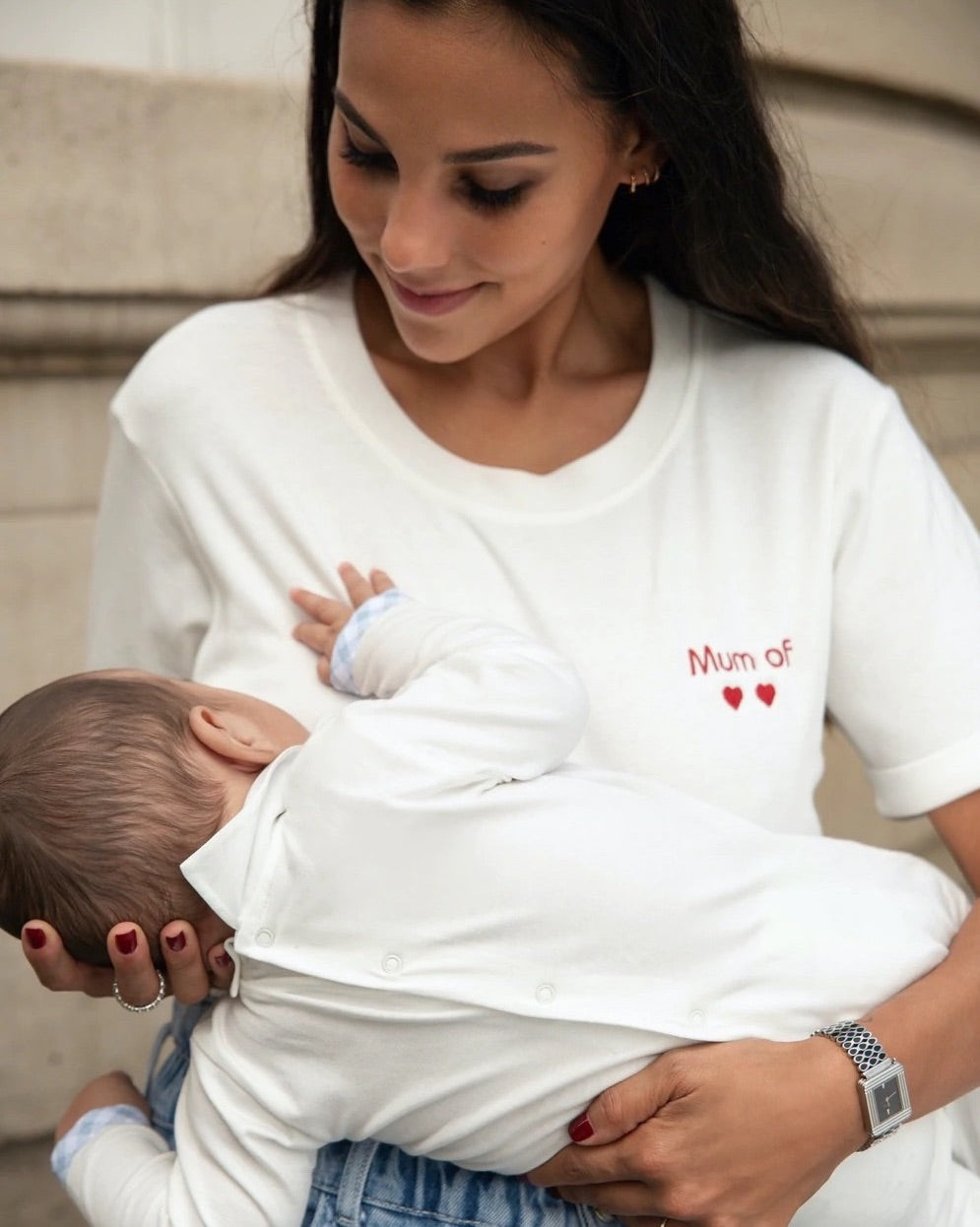

Breastfeeding t-shirt #MOMMY
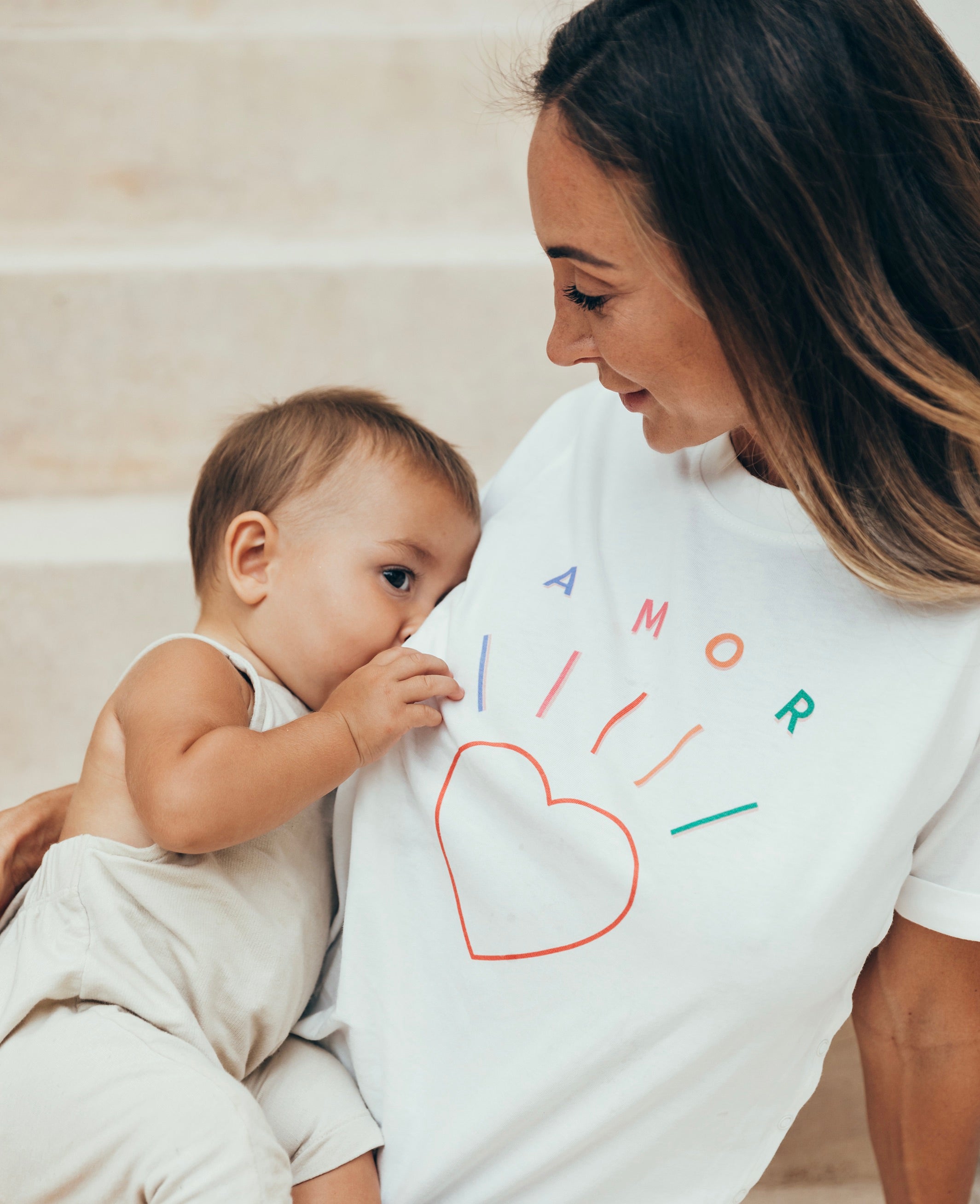

Breastfeeding t-shirt AMOR

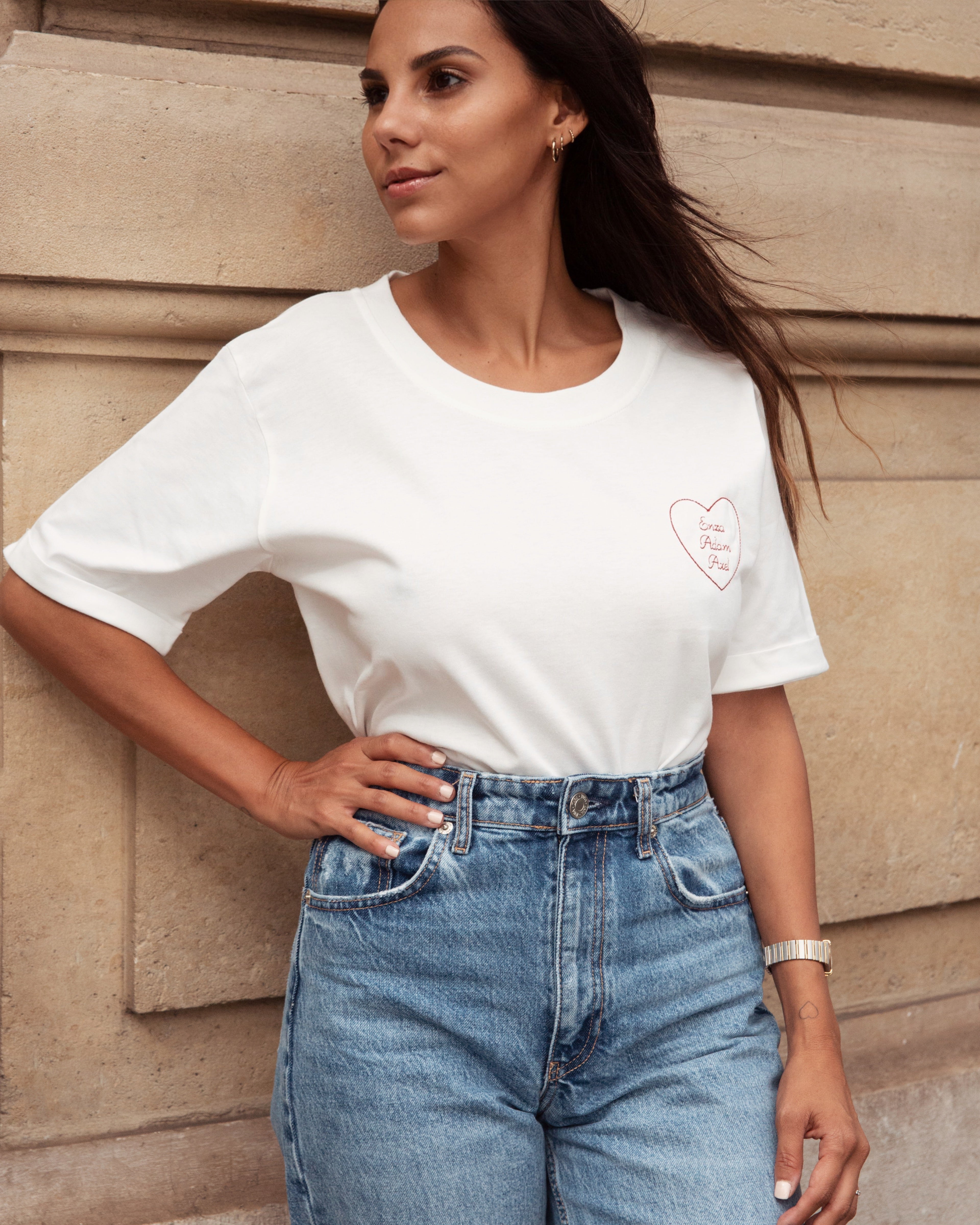
Breastfeeding t-shirt COEUR A COEUR
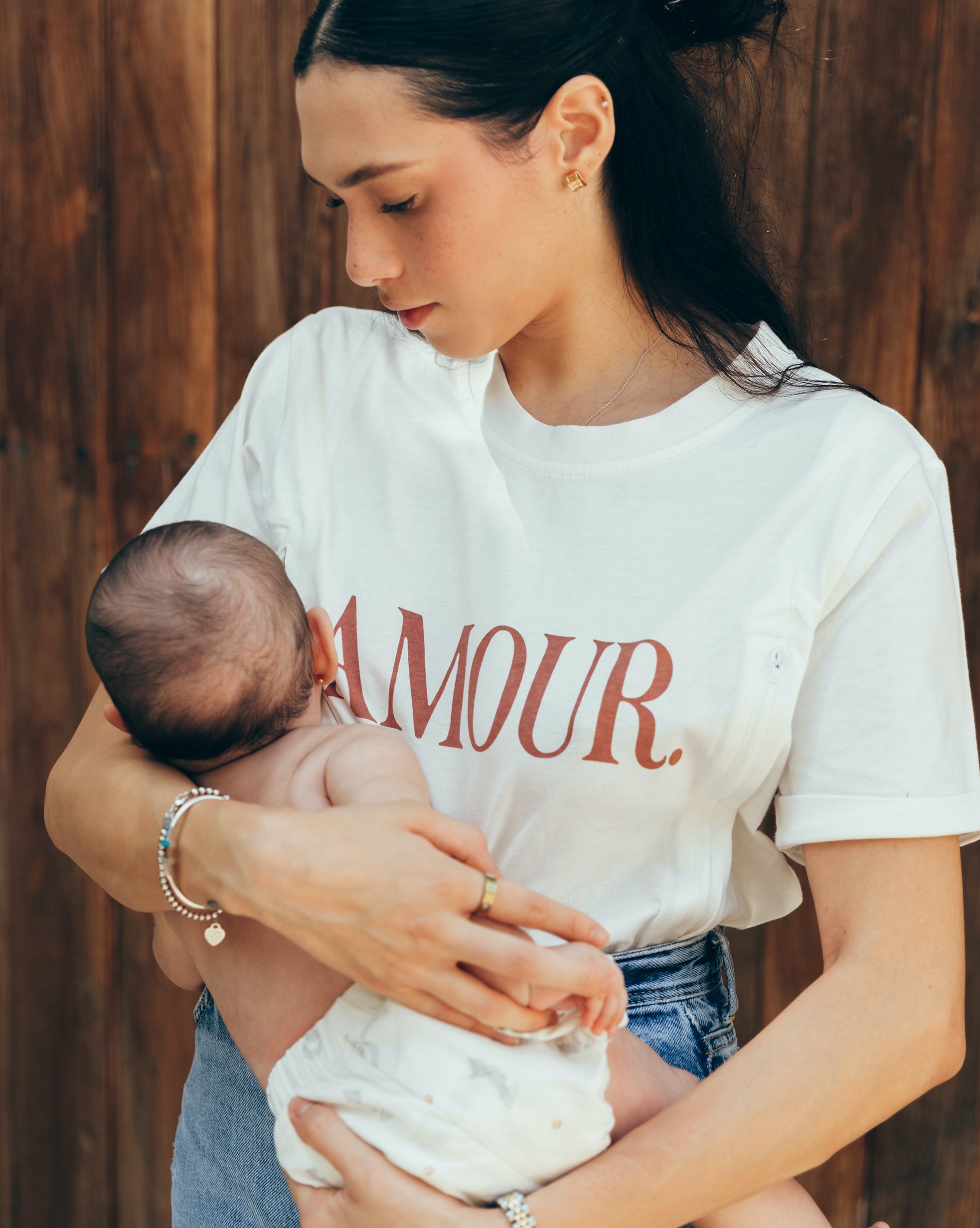

Breastfeeding t-shirt AMOUR


Breastfeeding t-shirt WONDER MOM
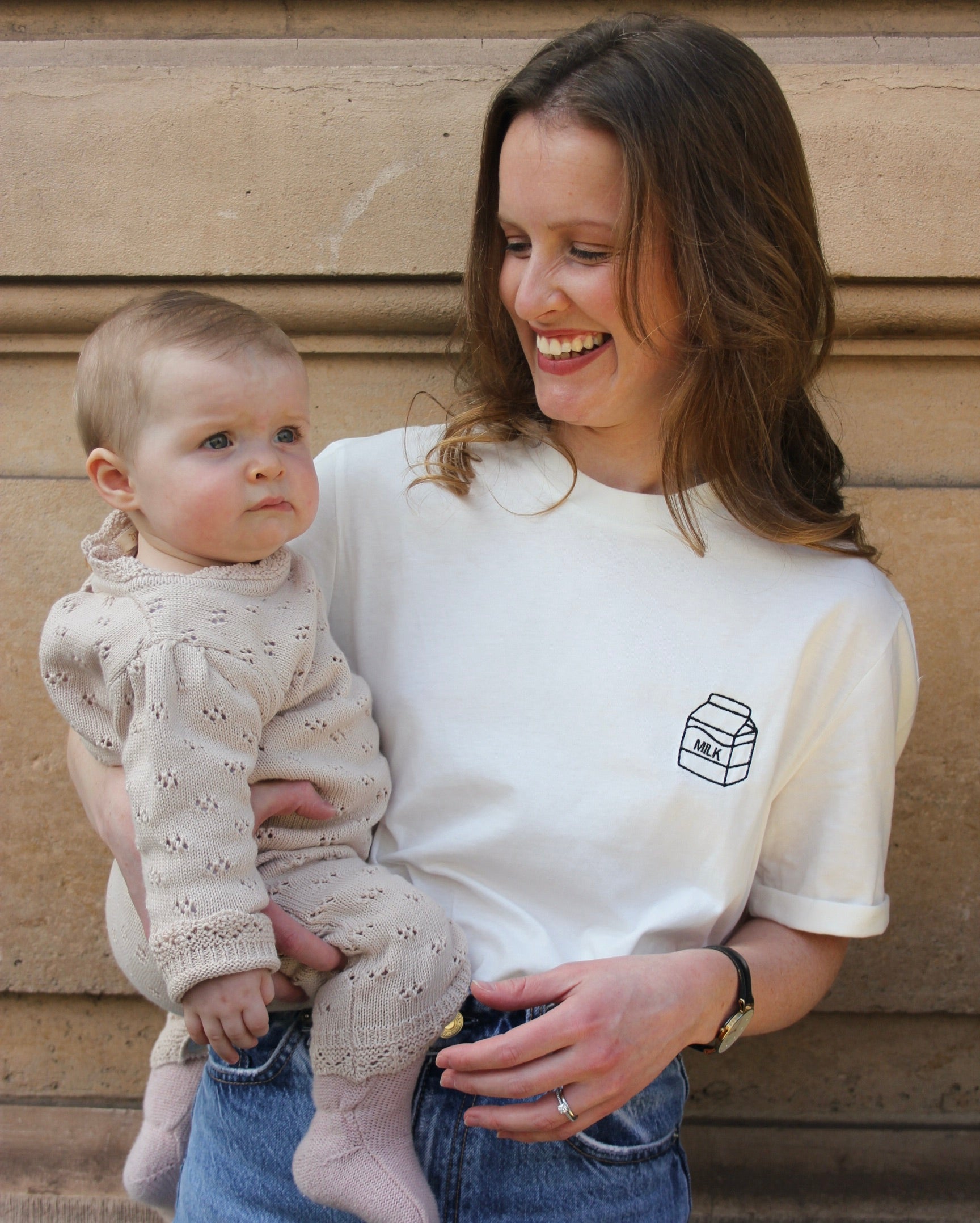
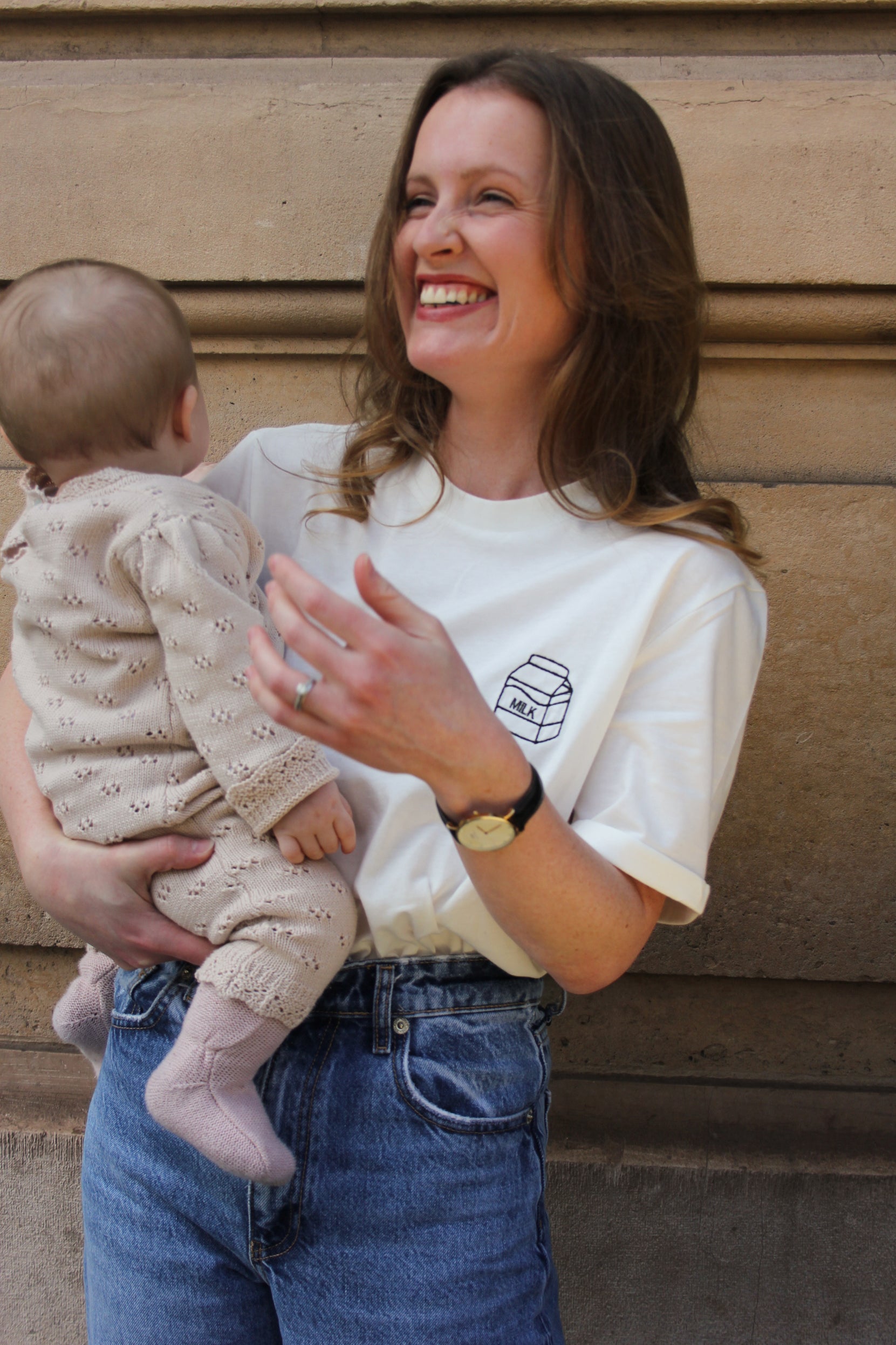
Breastfeeding t-shirt MILK BOX
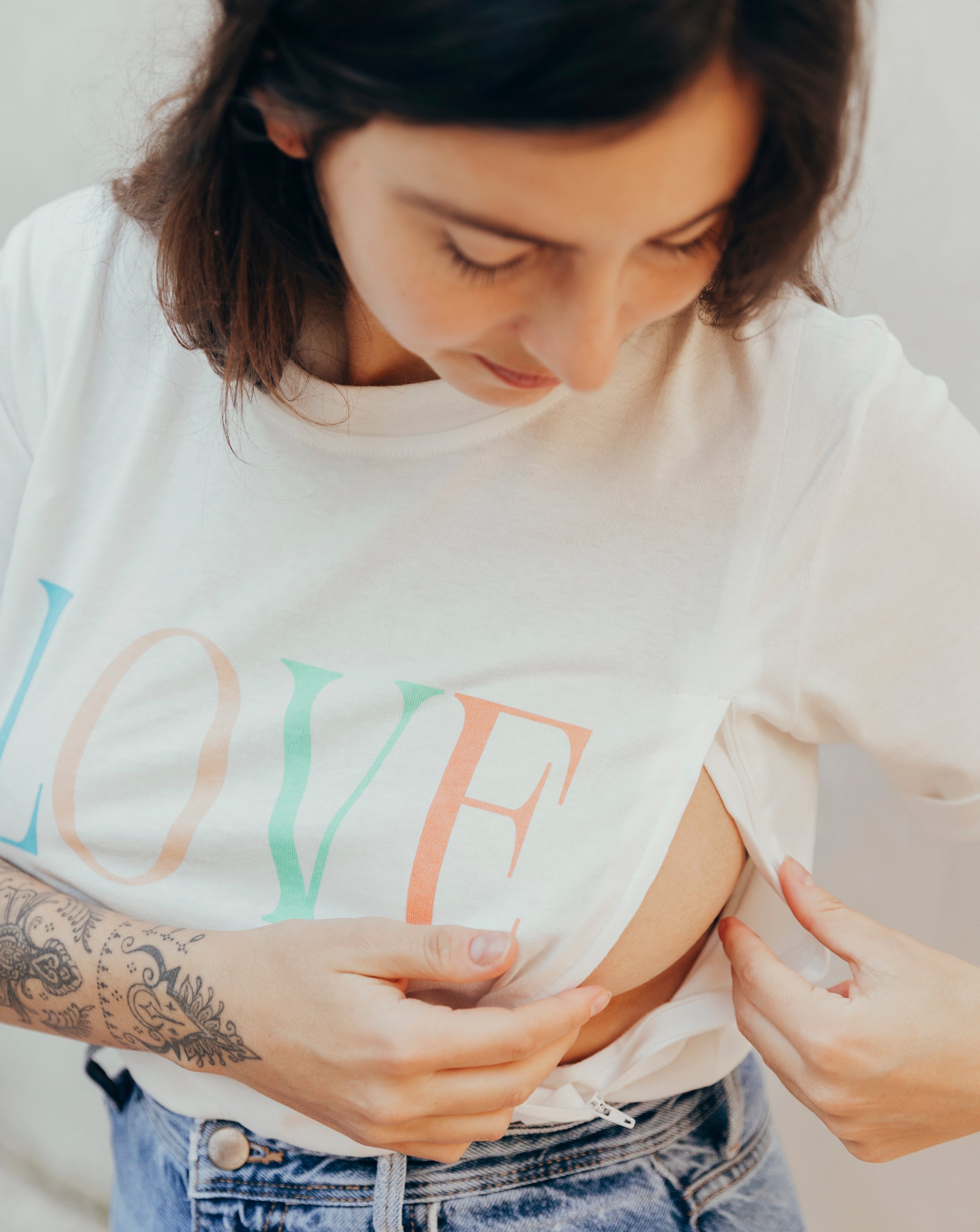

Breastfeeding t-shirt LOVE
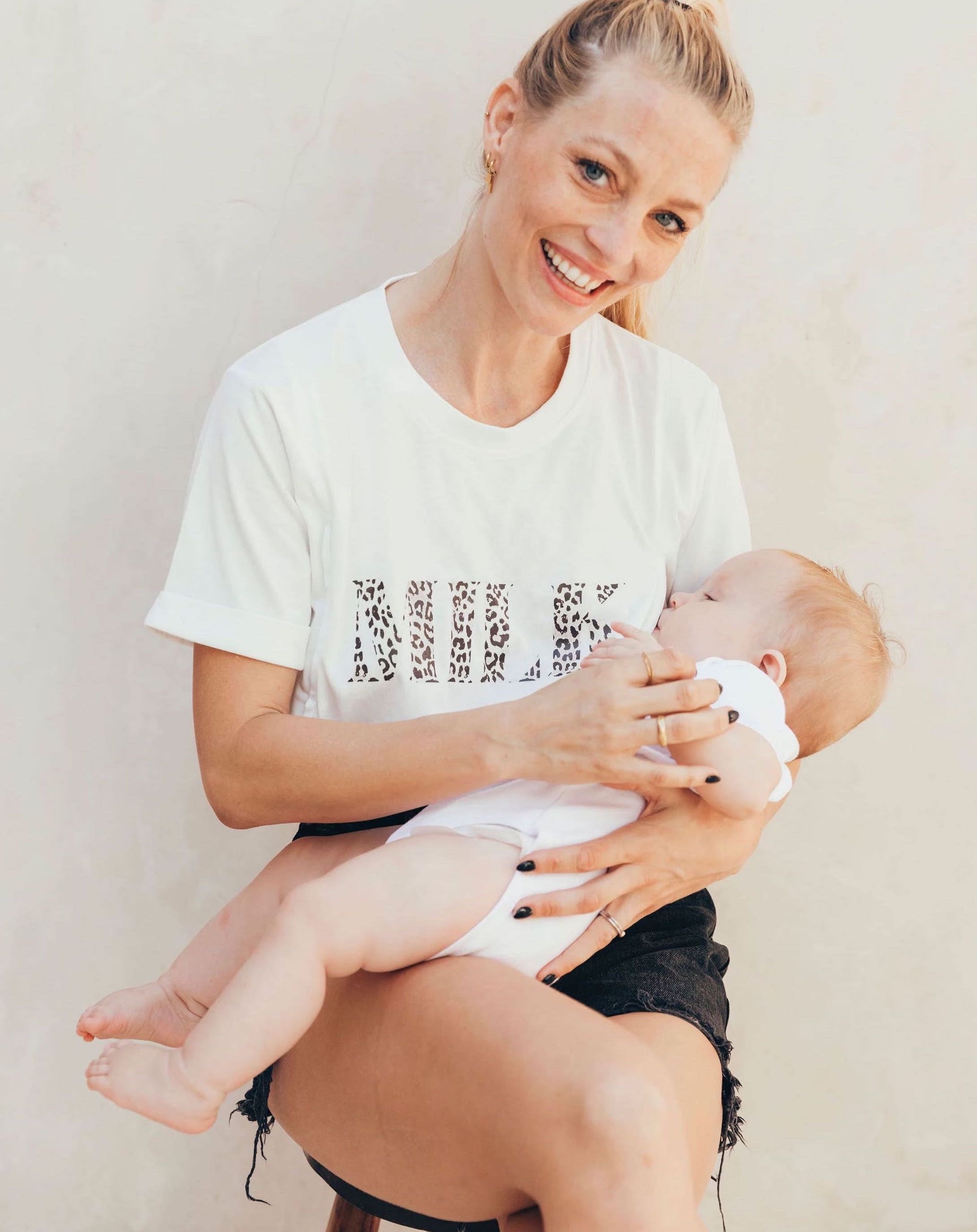

Breastfeeding t-shirt MILK LEOPARD
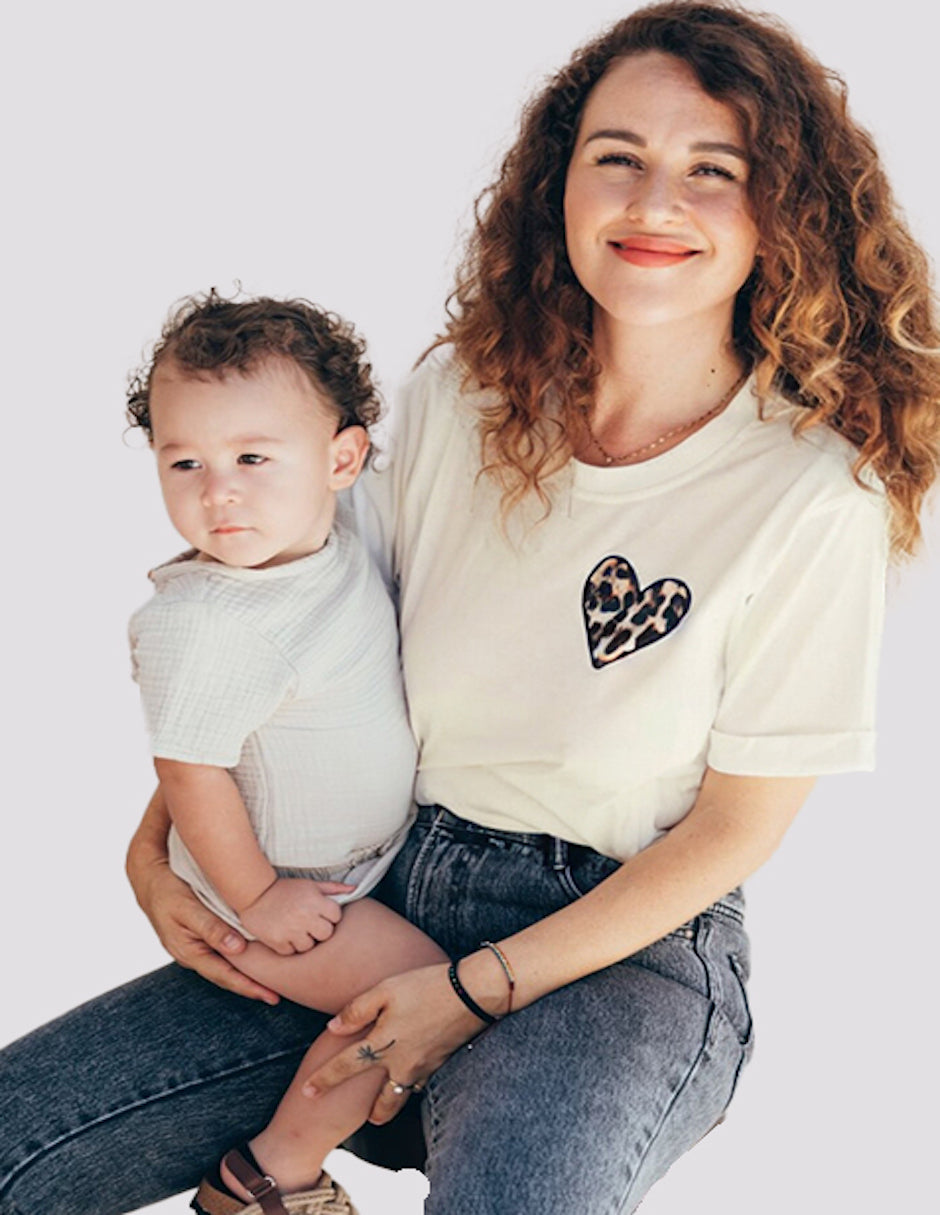
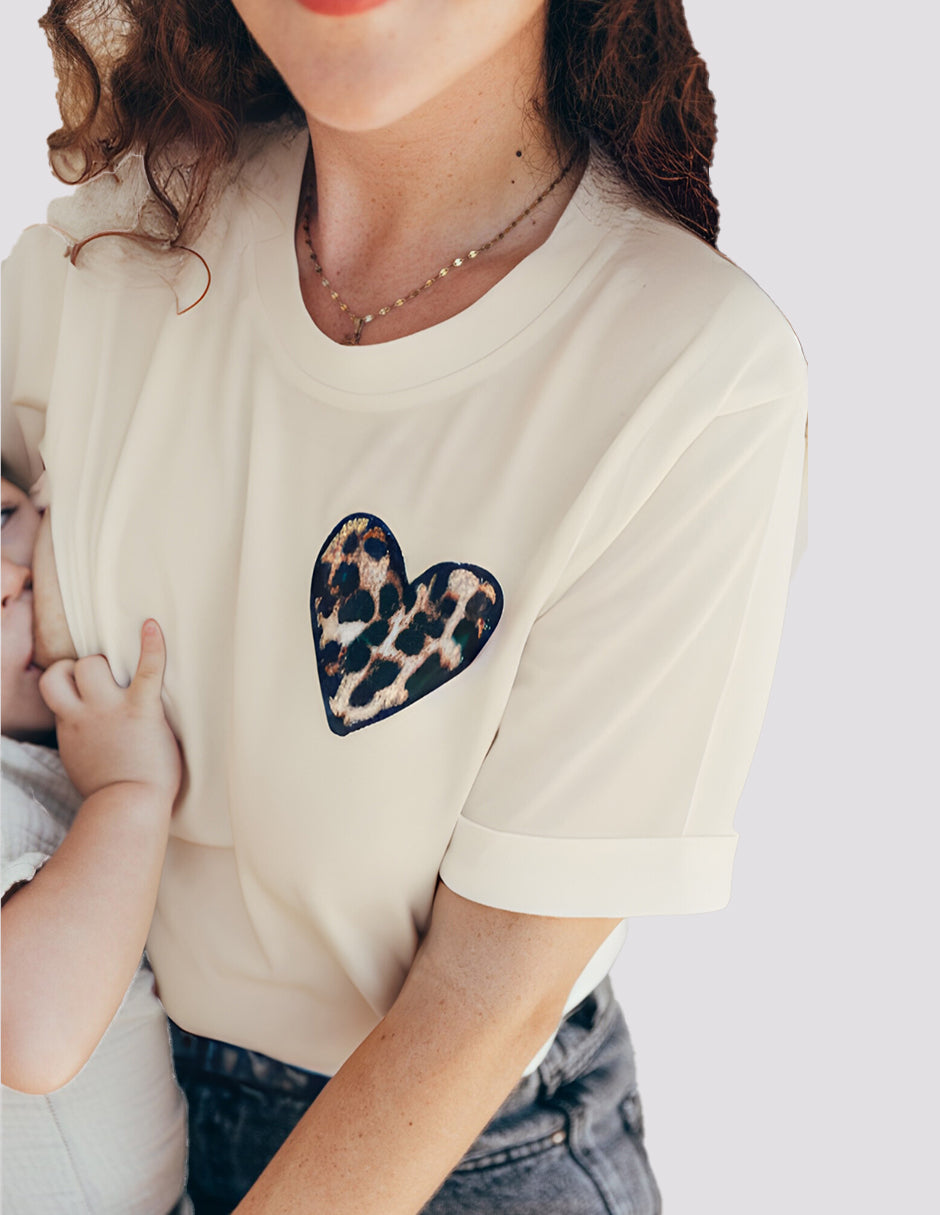
Breastfeeding t-shirt COEUR LEOPARD
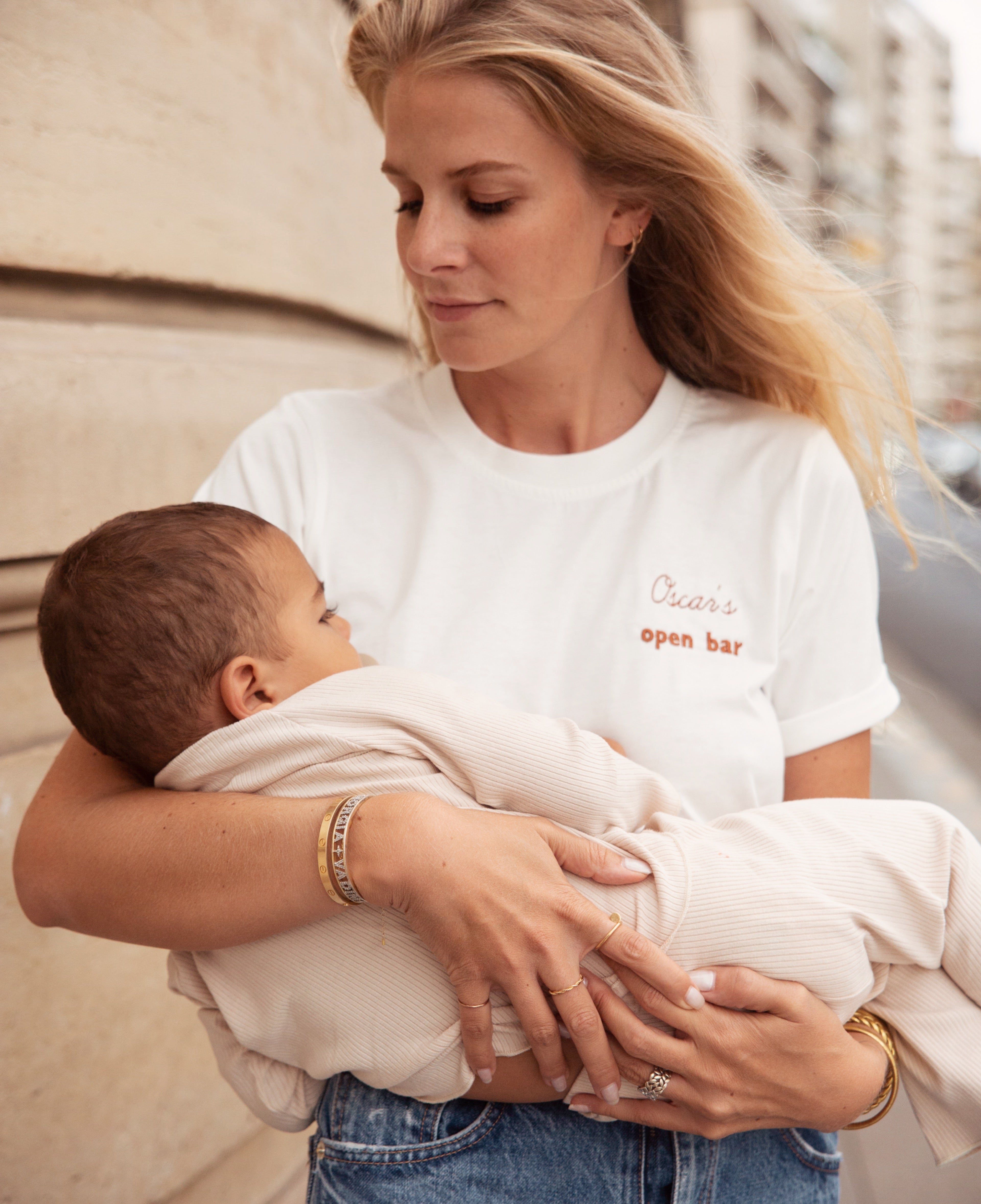

Breastfeeding t-shirt OPEN BAR
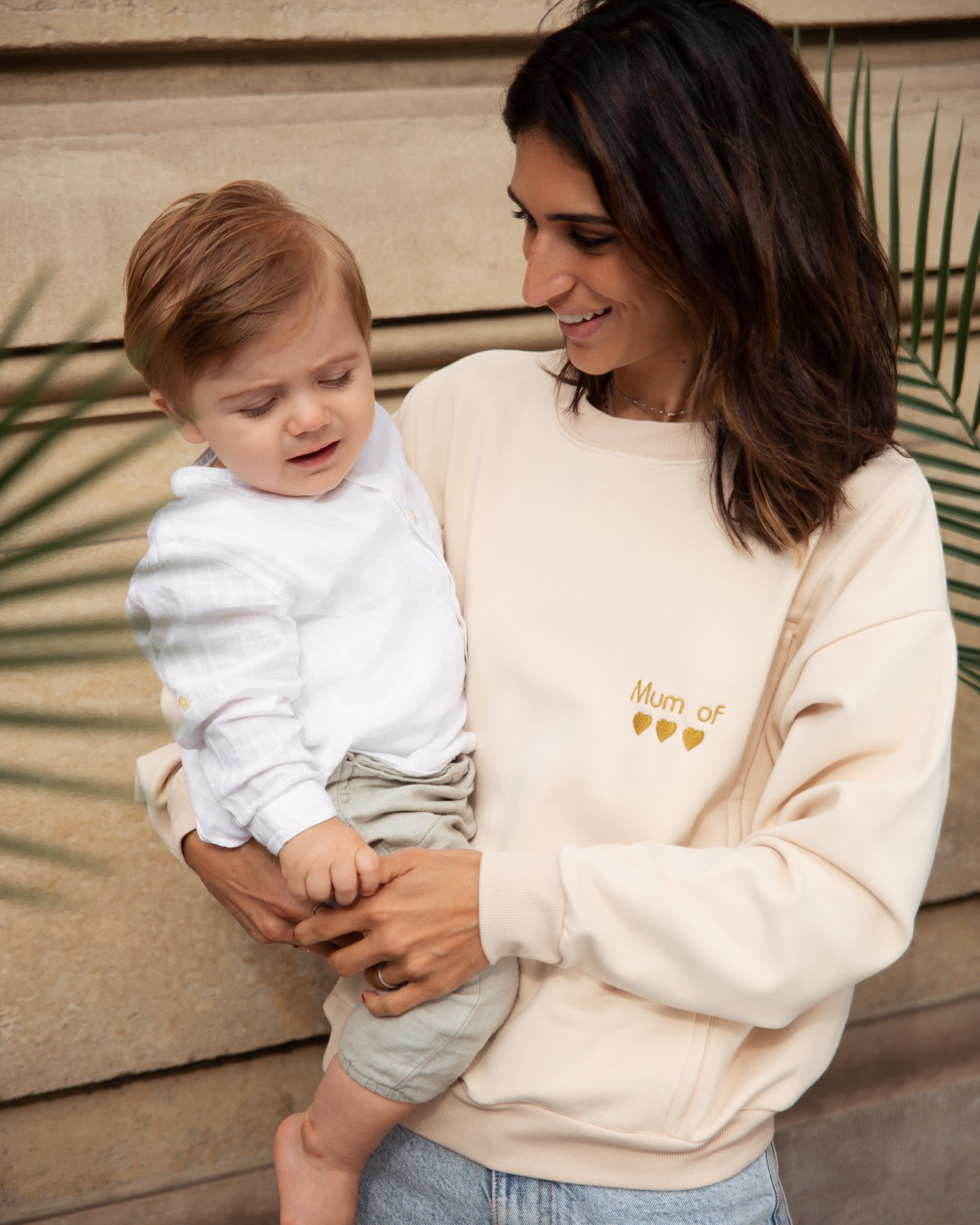
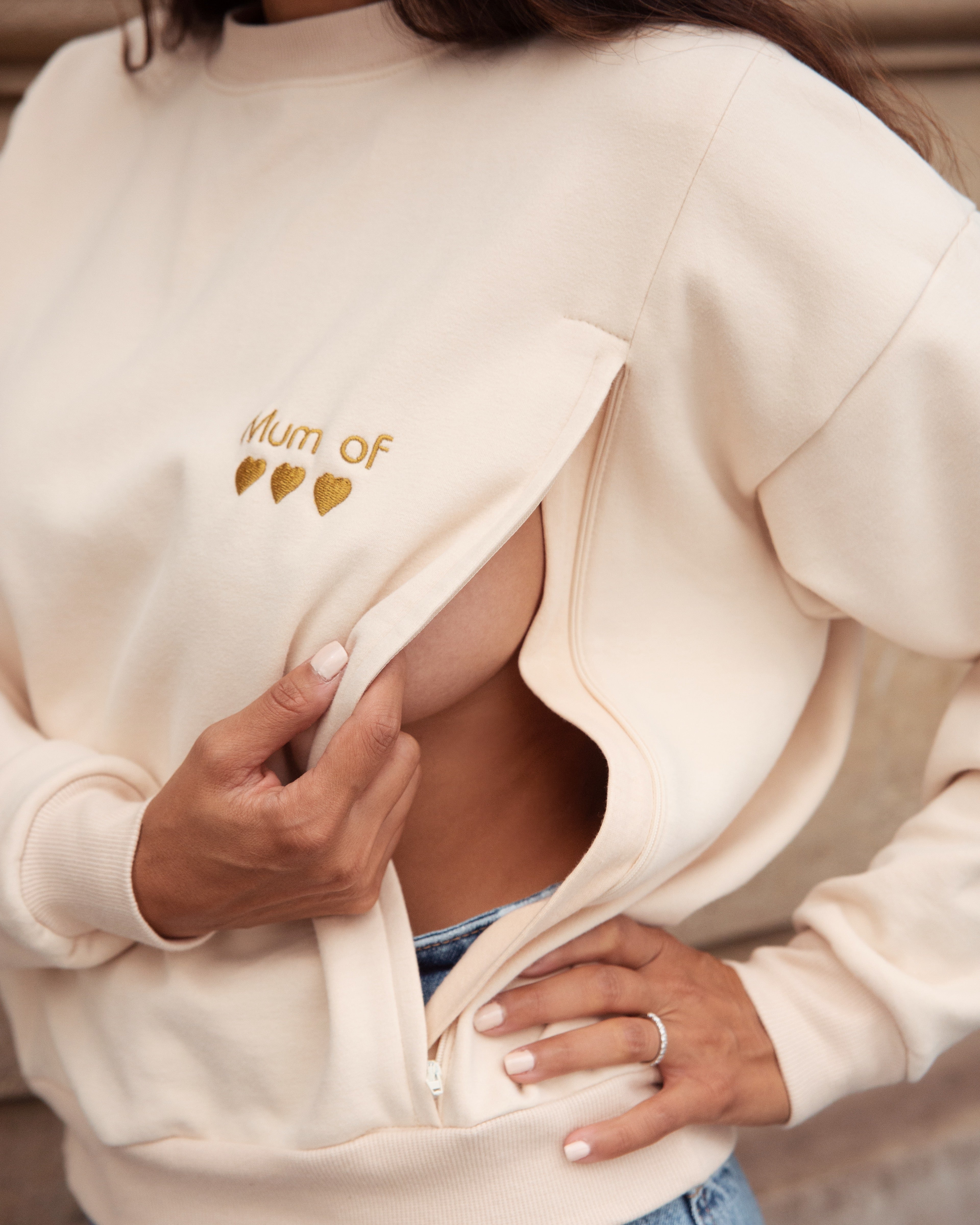
Breastfeeding sweatshirt #MOMMY


Breastfeeding Sweat-shirt COEURS


Breastfeeding t-shirt BROWN
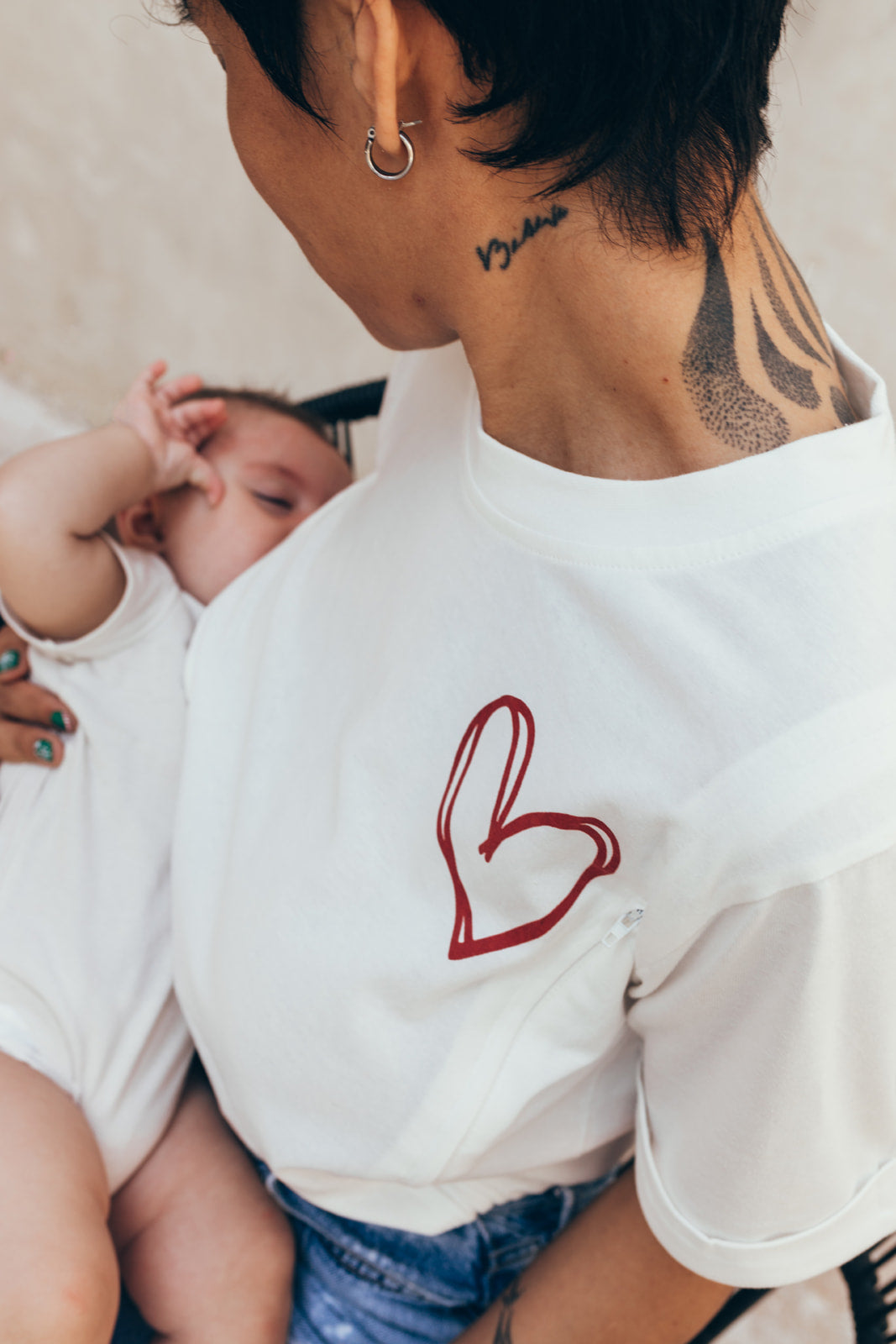

Breastfeeding t-shirt RED HEART
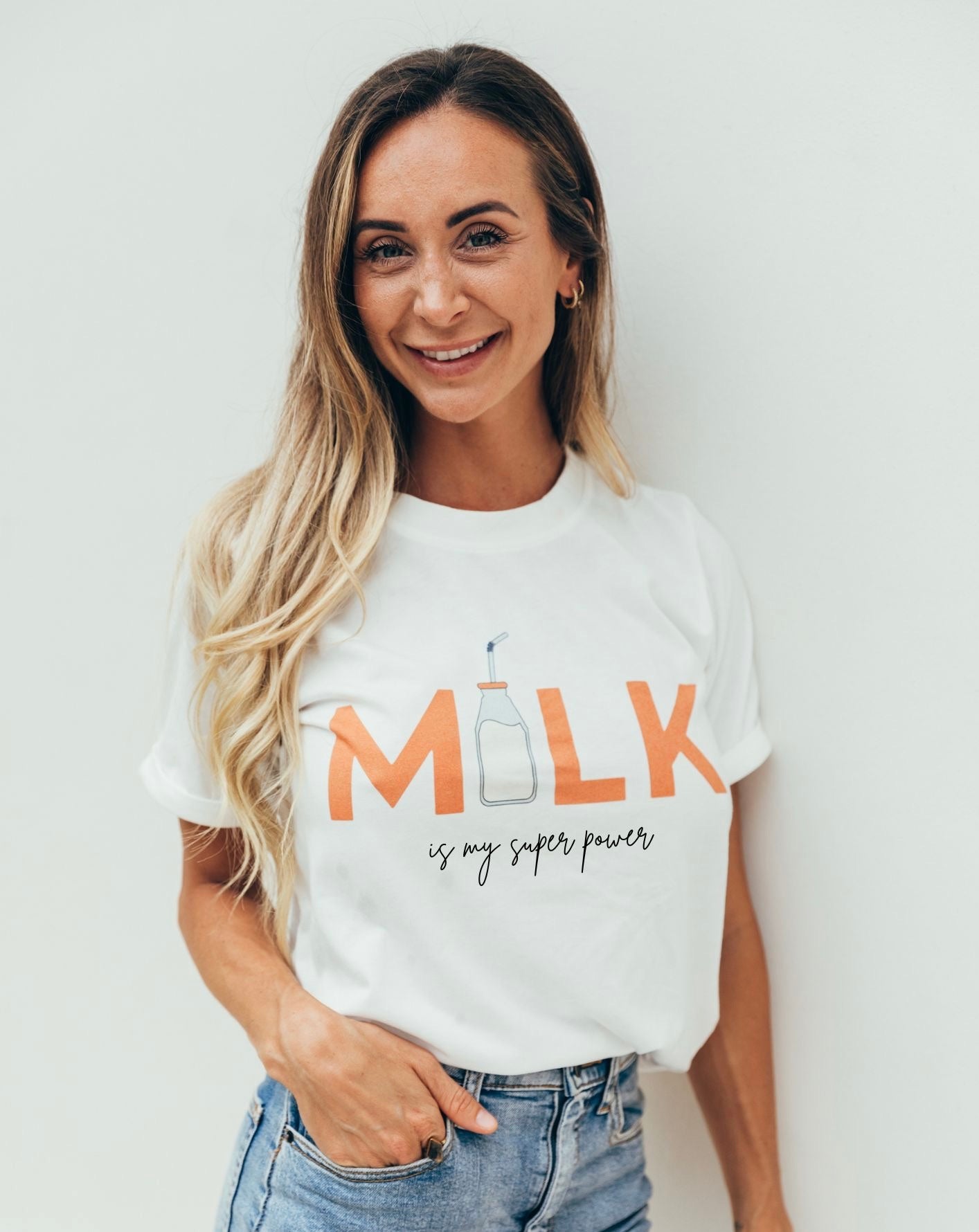

Breastfeeding t-shirt SUPER POWER
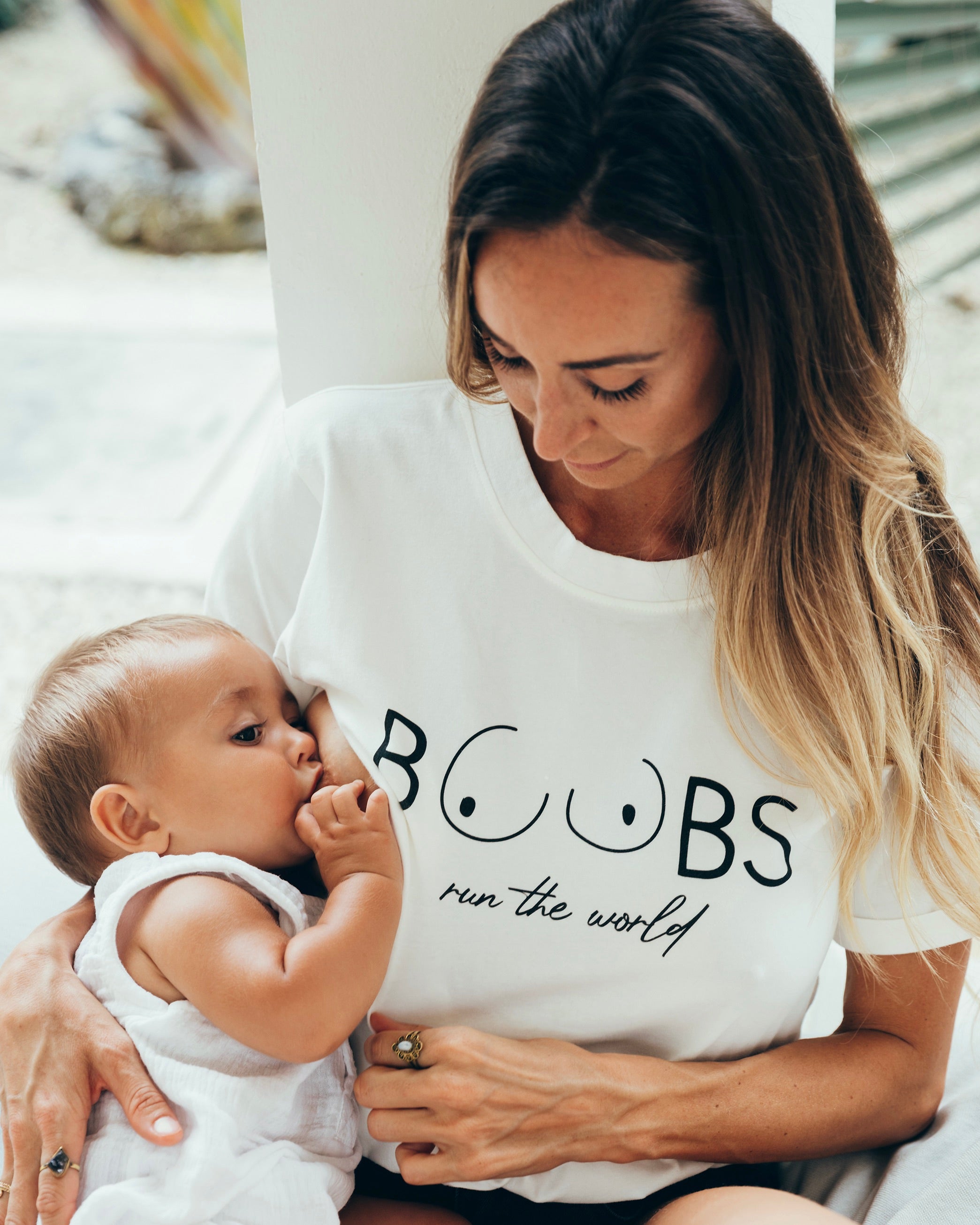

Breastfeeding t-shirt BOOBS


Breastfeeding sweat-shirt AMOUR

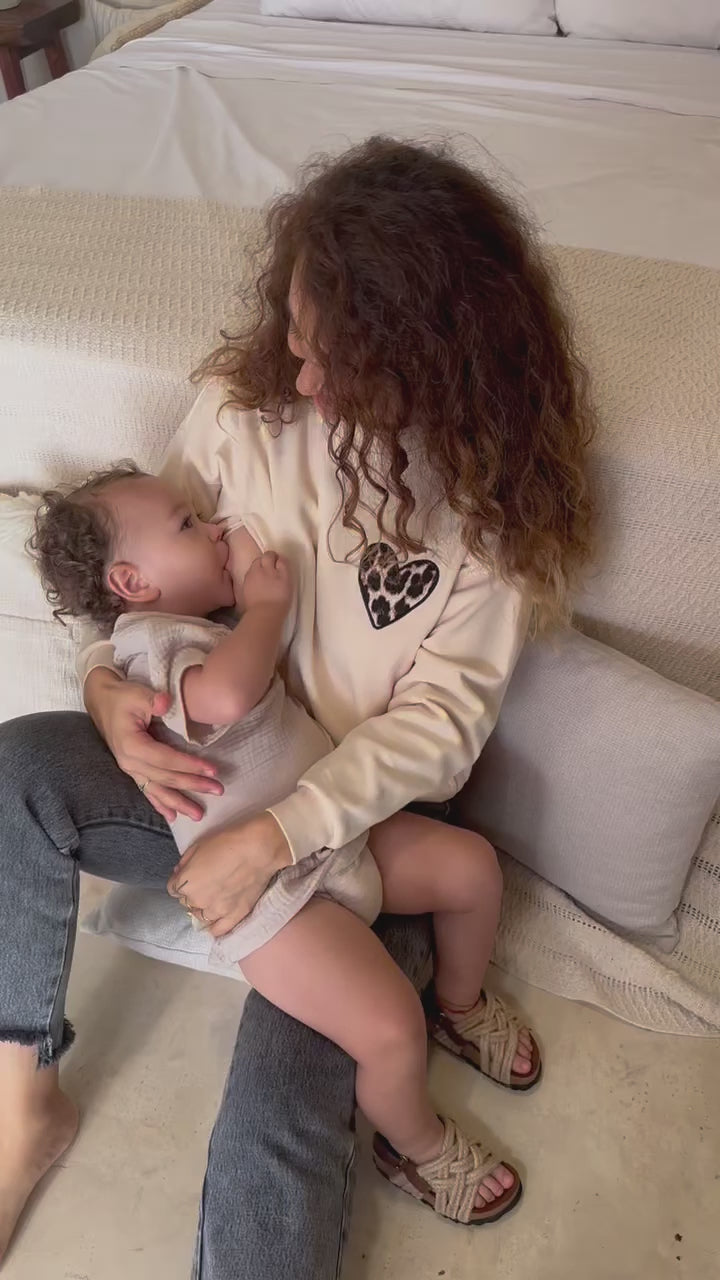
Breastfeeding sweatshirt LEOPARD
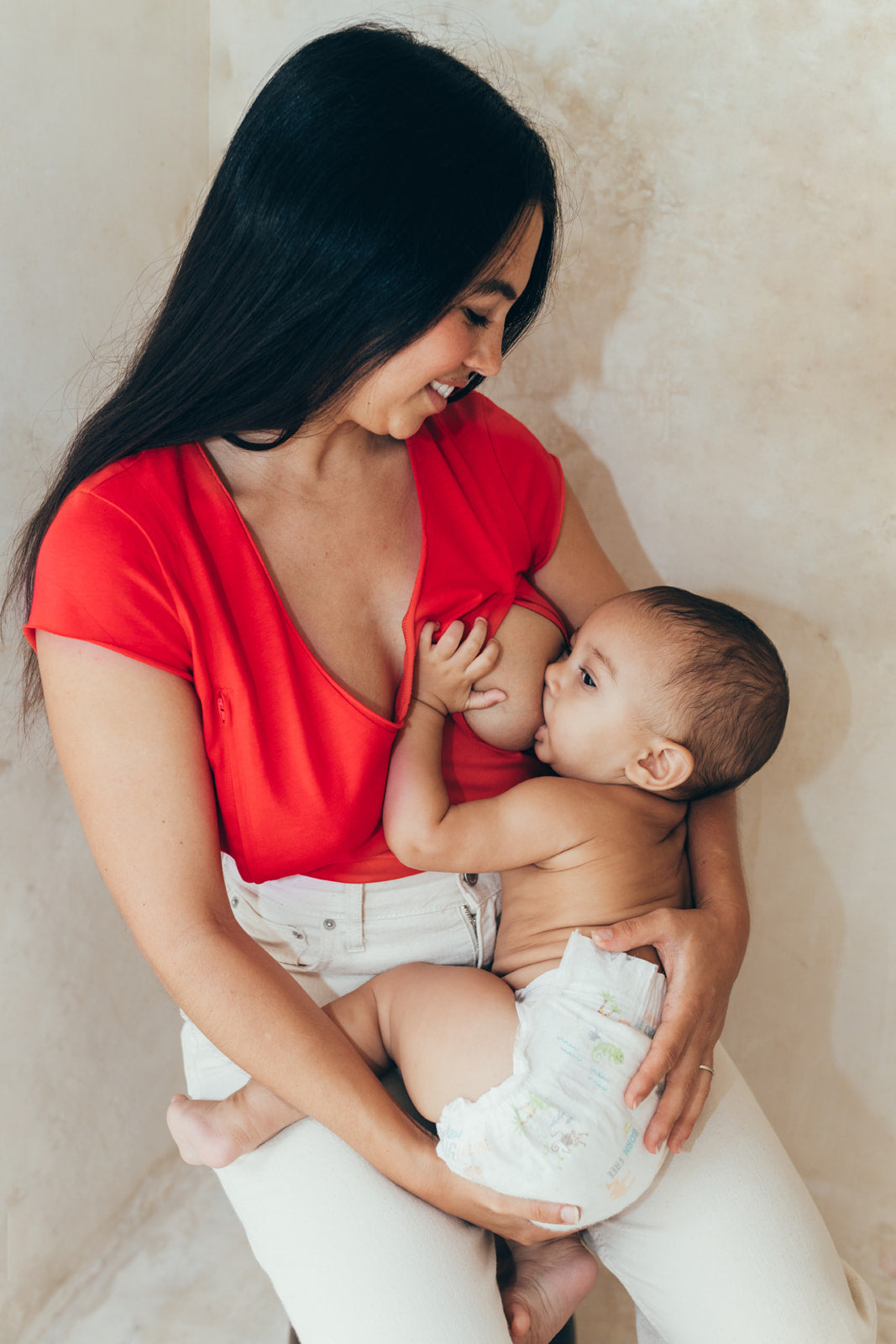

Breastfeeding t-shirt RED
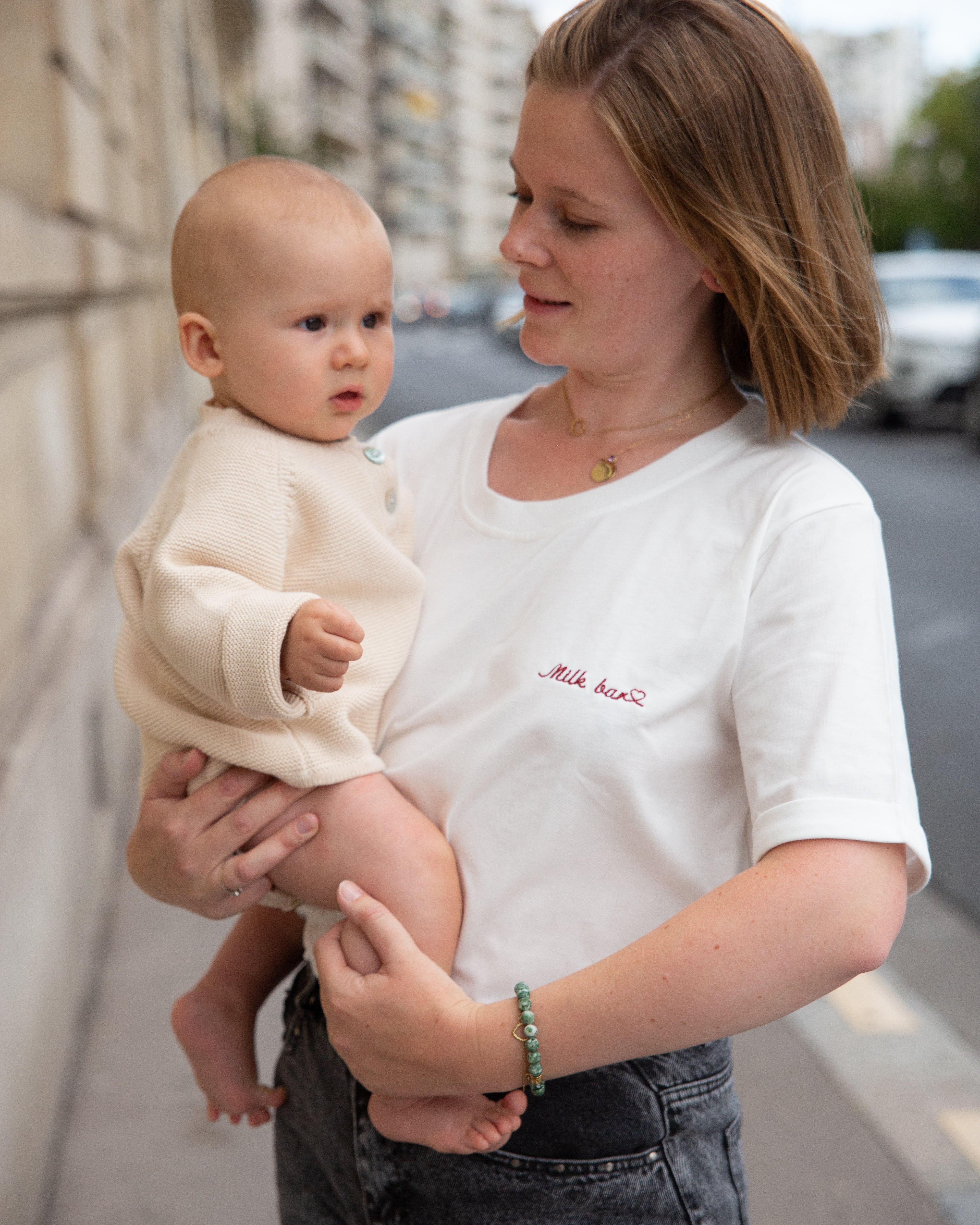

Breastfeeding t-shirt AMORE
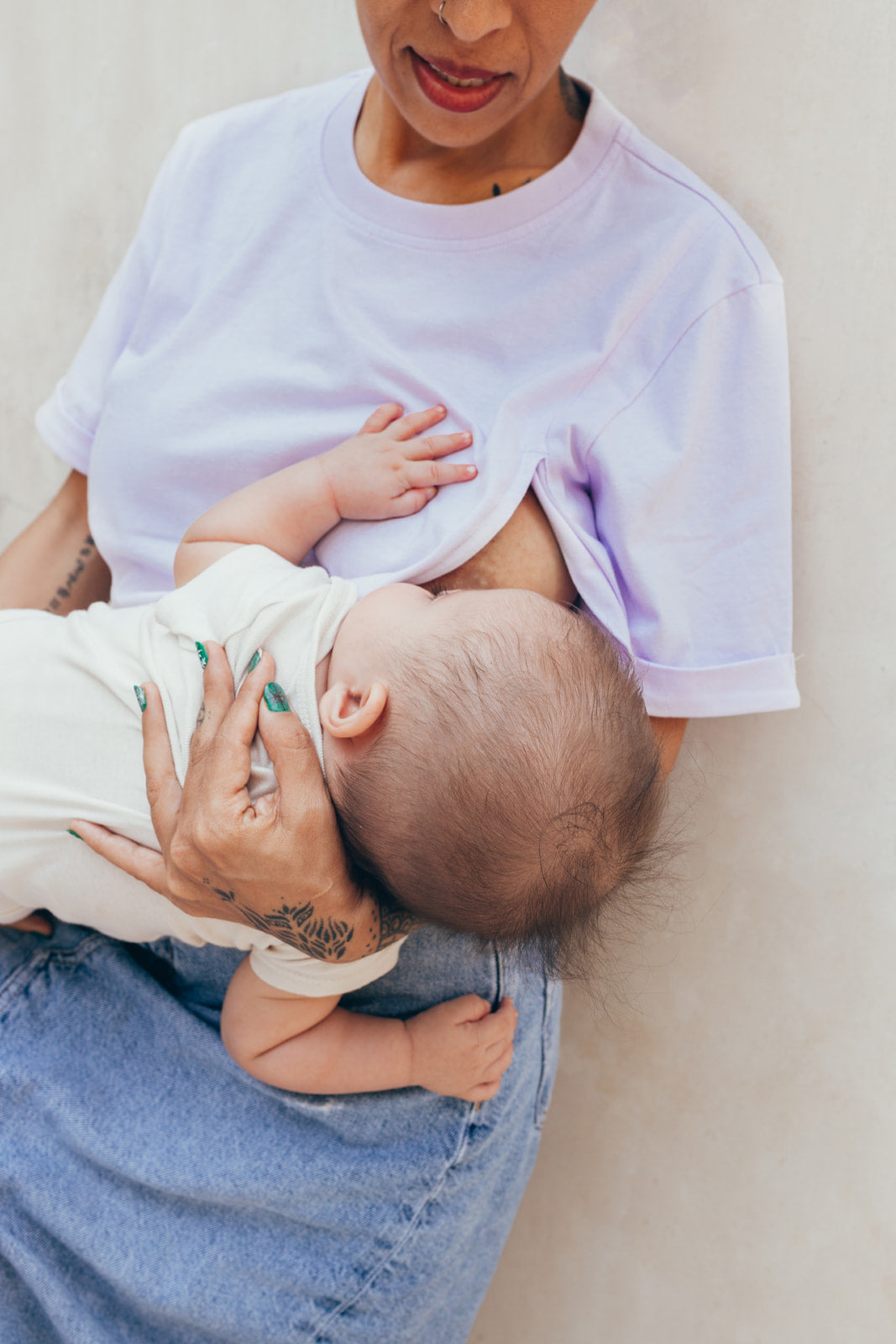
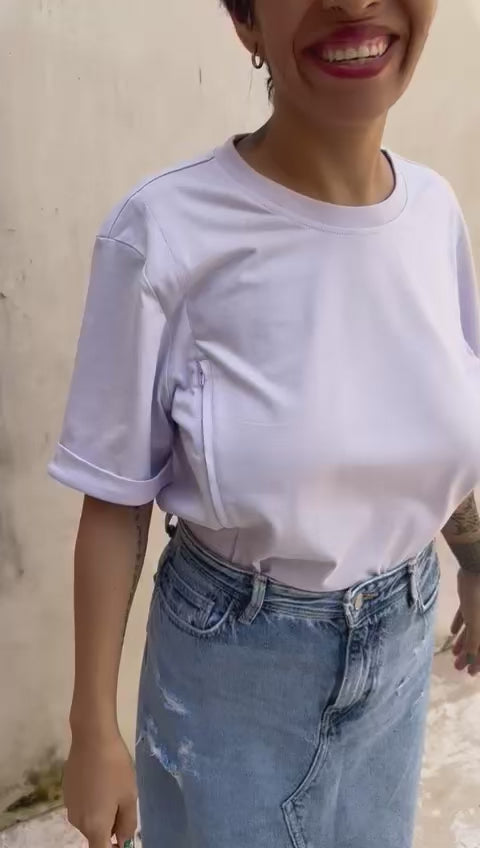
Breastfeeding t-shirt PARME
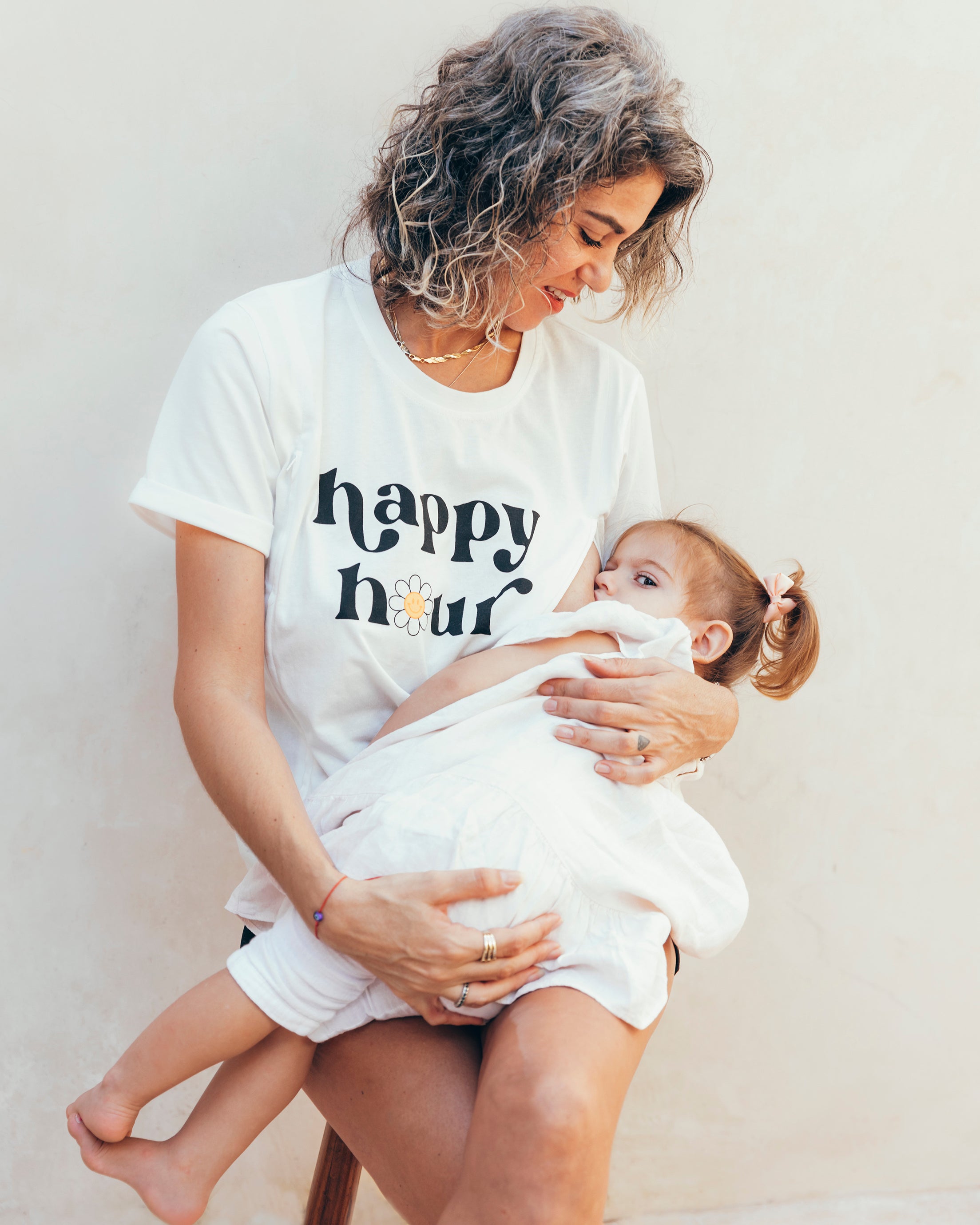

Breastfeeding t-shirt HAPPY HOUR


Breastfeeding t-shirt SOLEIL
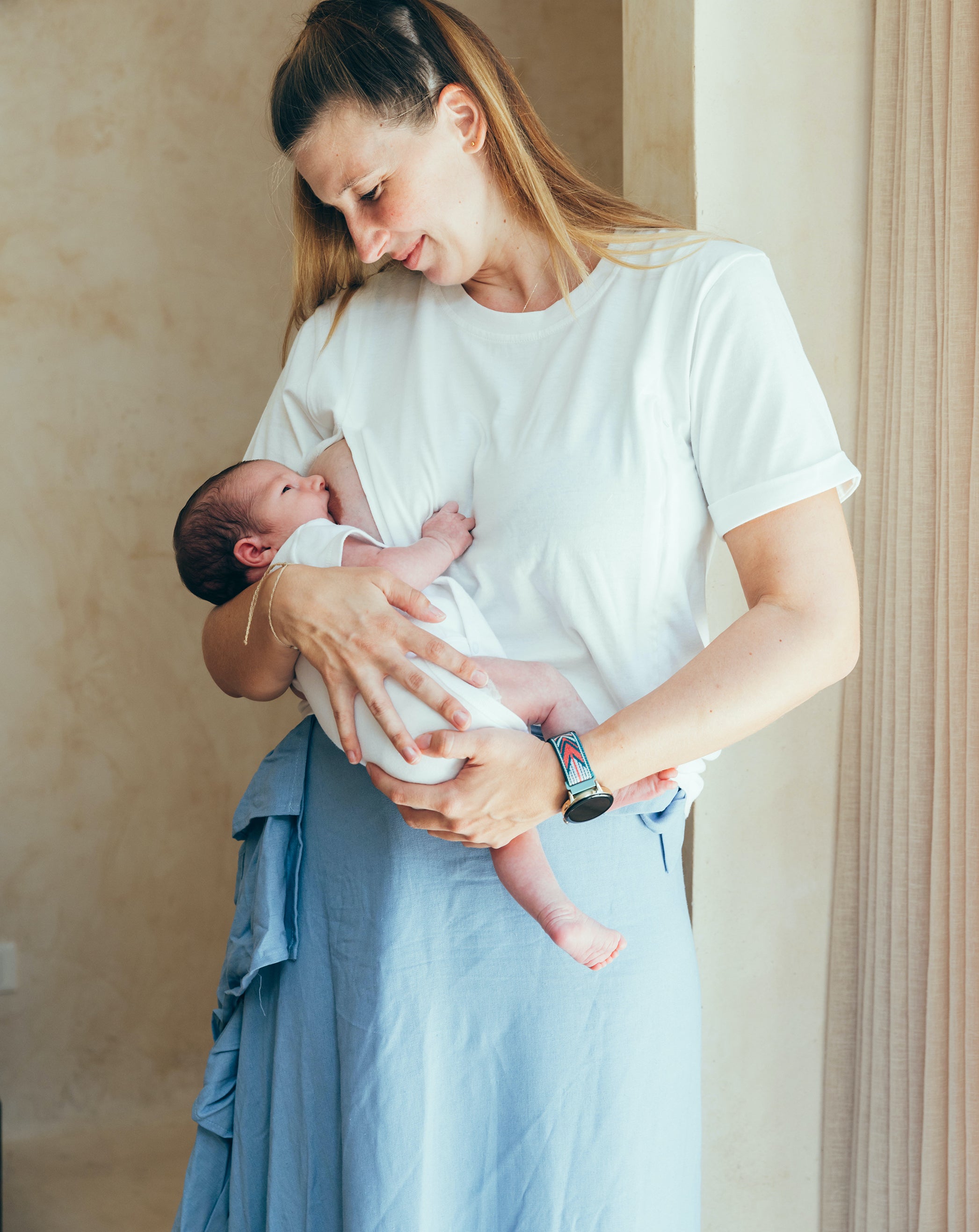

Breastfeeding t-shirt white


Breastfeeding t-shirt JE T'AIME
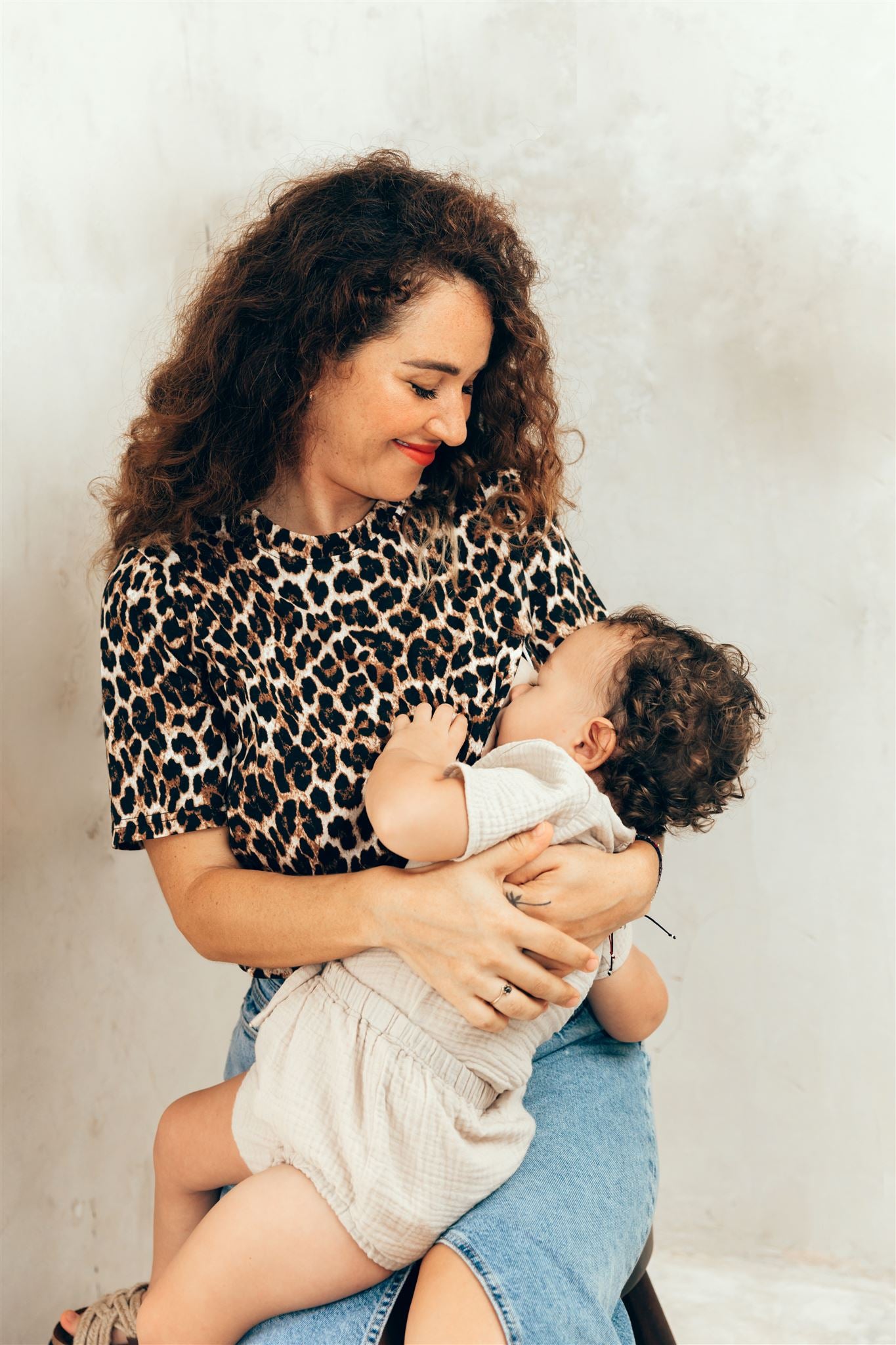
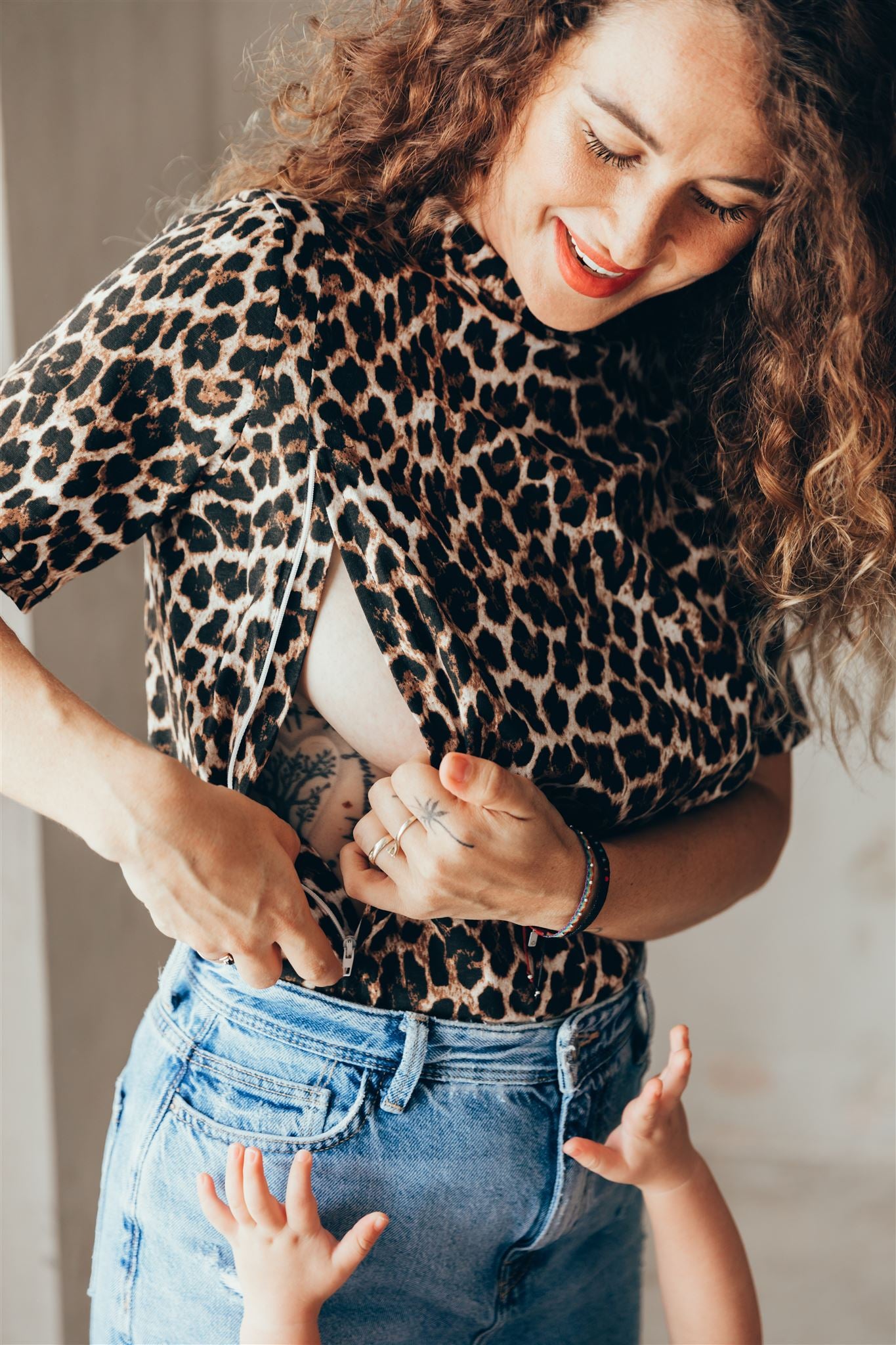
Breastfeeding t-shirt LEOPARD

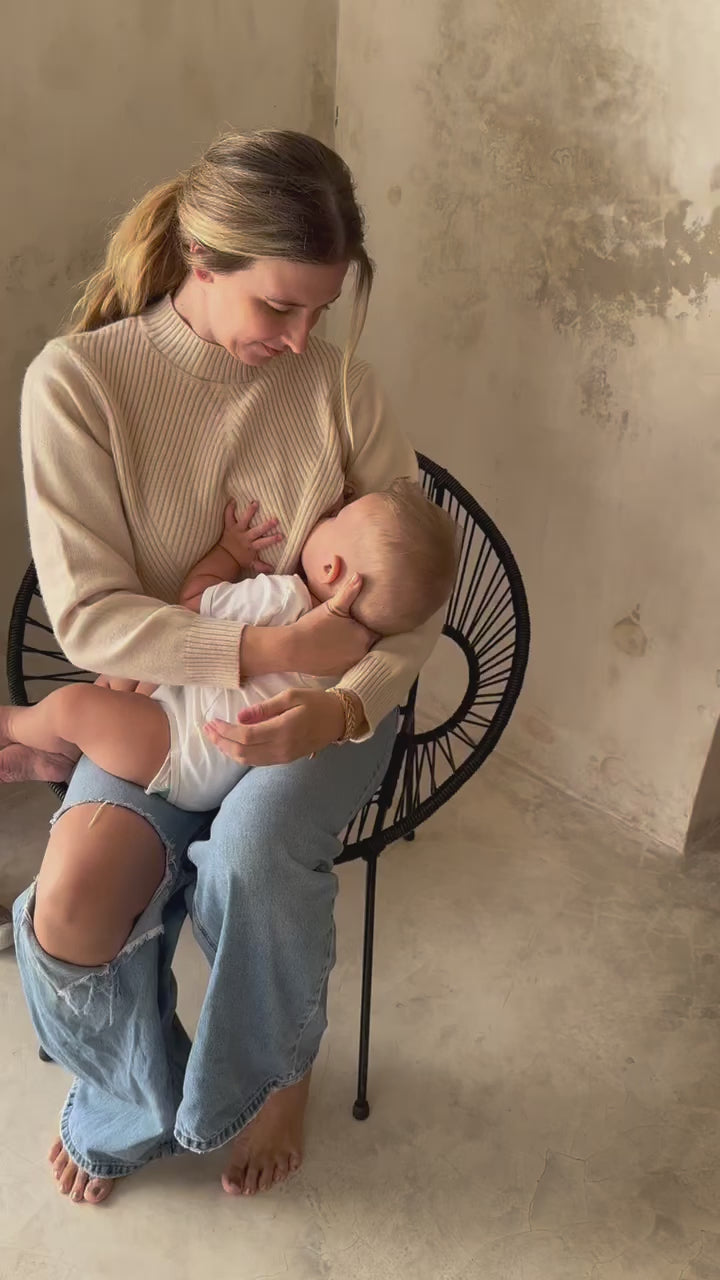
ALMA Ecru Breastfeeding Sweater
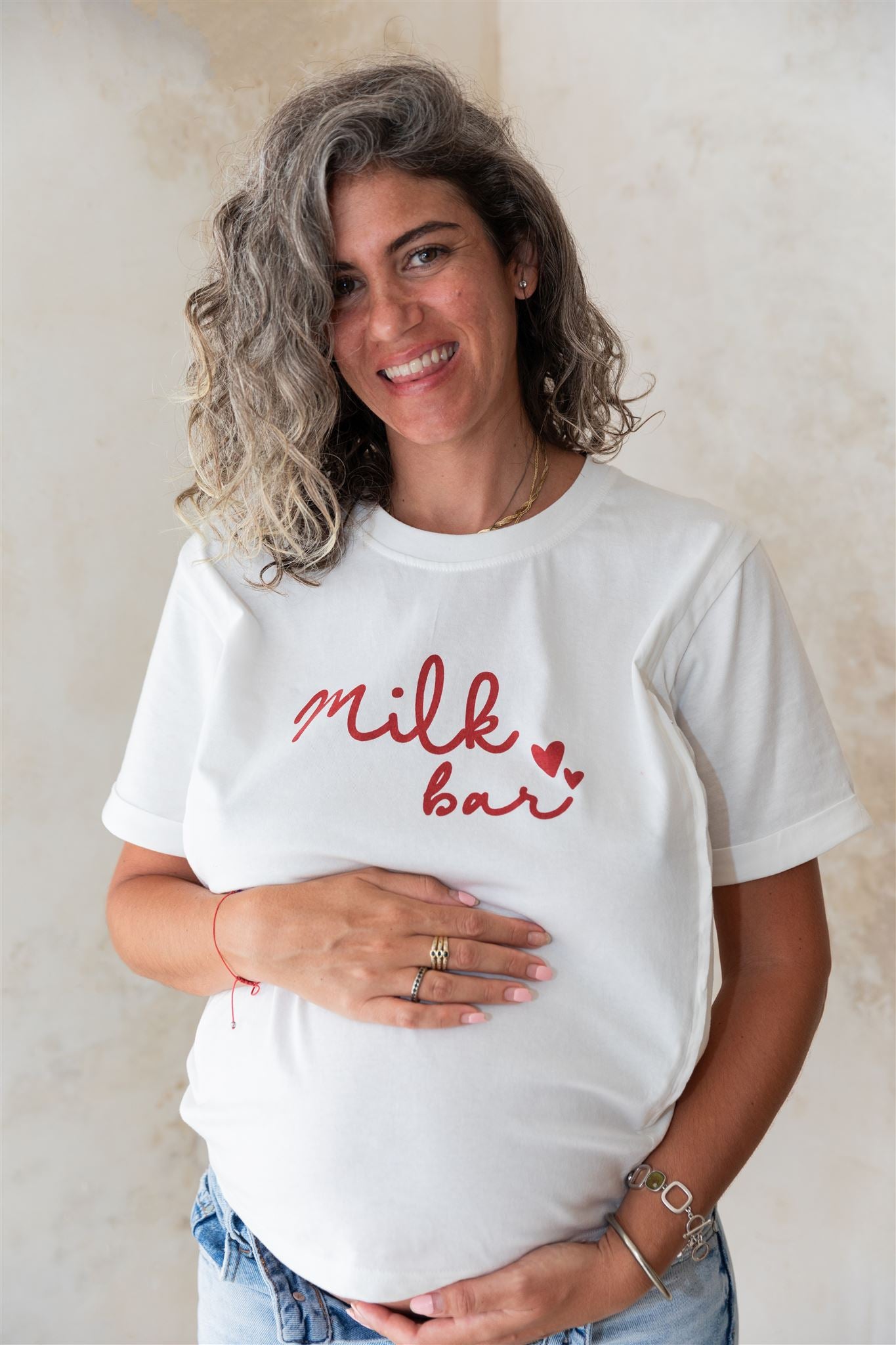

Breastfeeding t-shirt MILK BAR
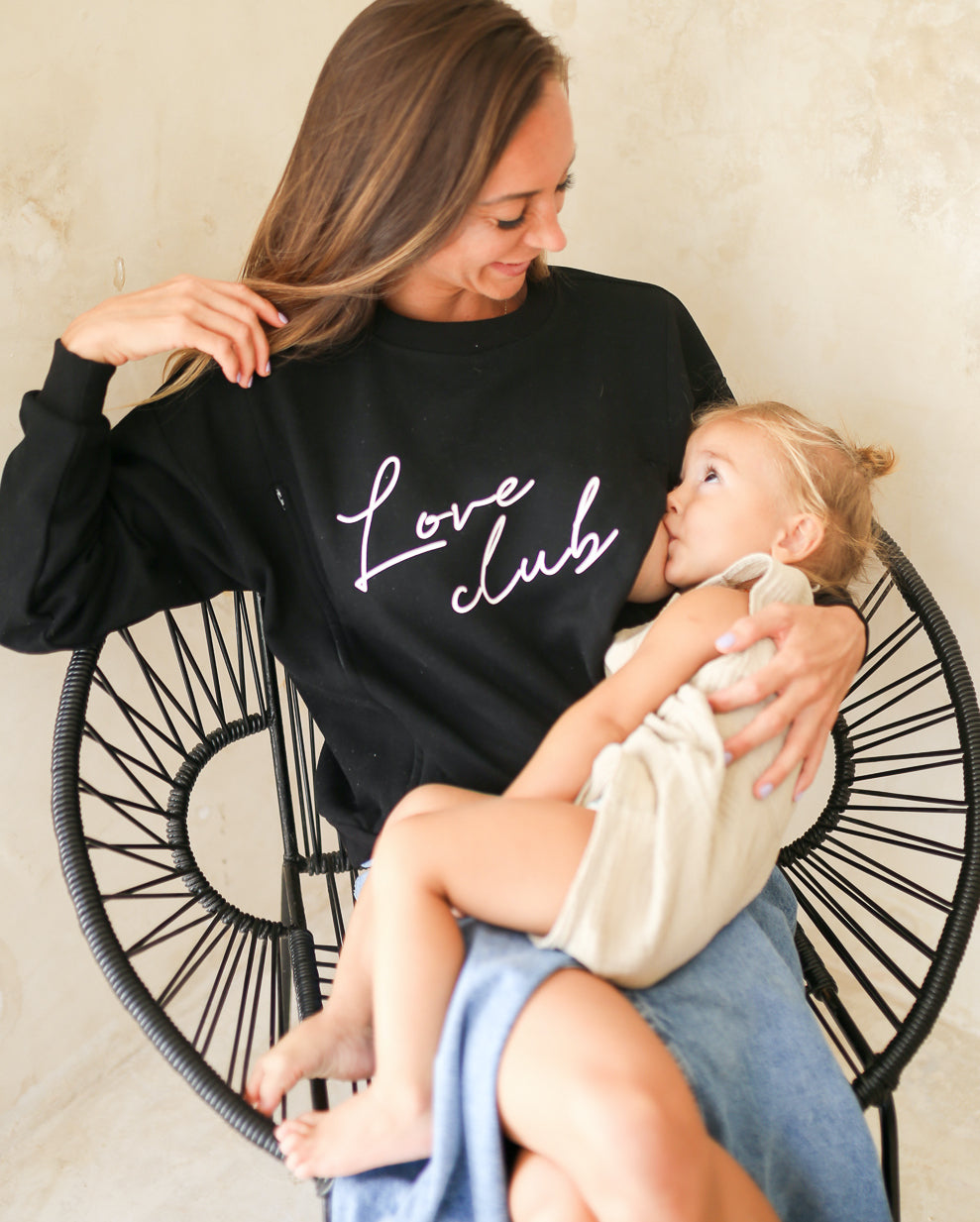

Breastfeeding sweatshirt LOVE CLUB


Breastfeeding t-shirt SABLE


Breastfeeding t-shirt LOVE CLUB
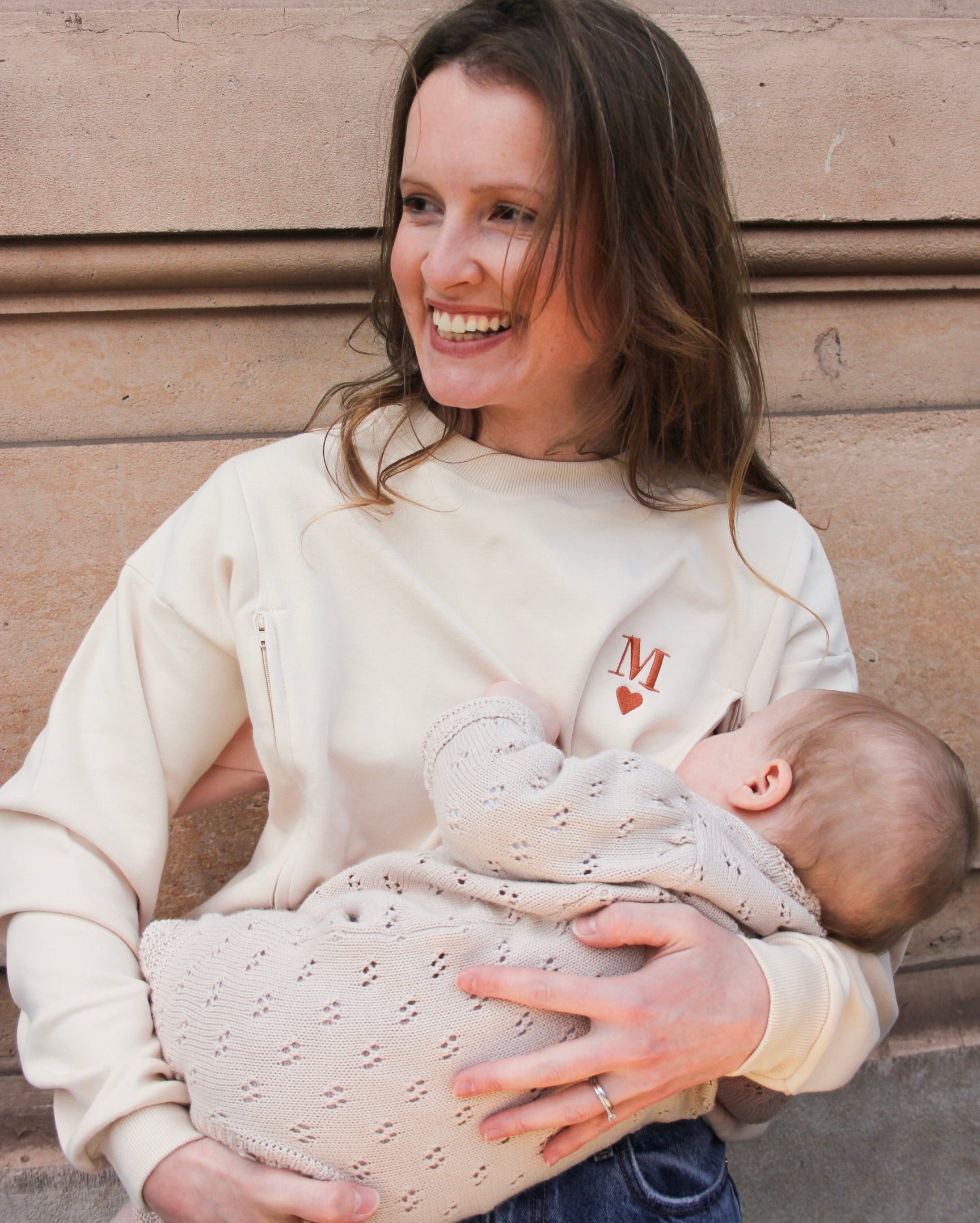
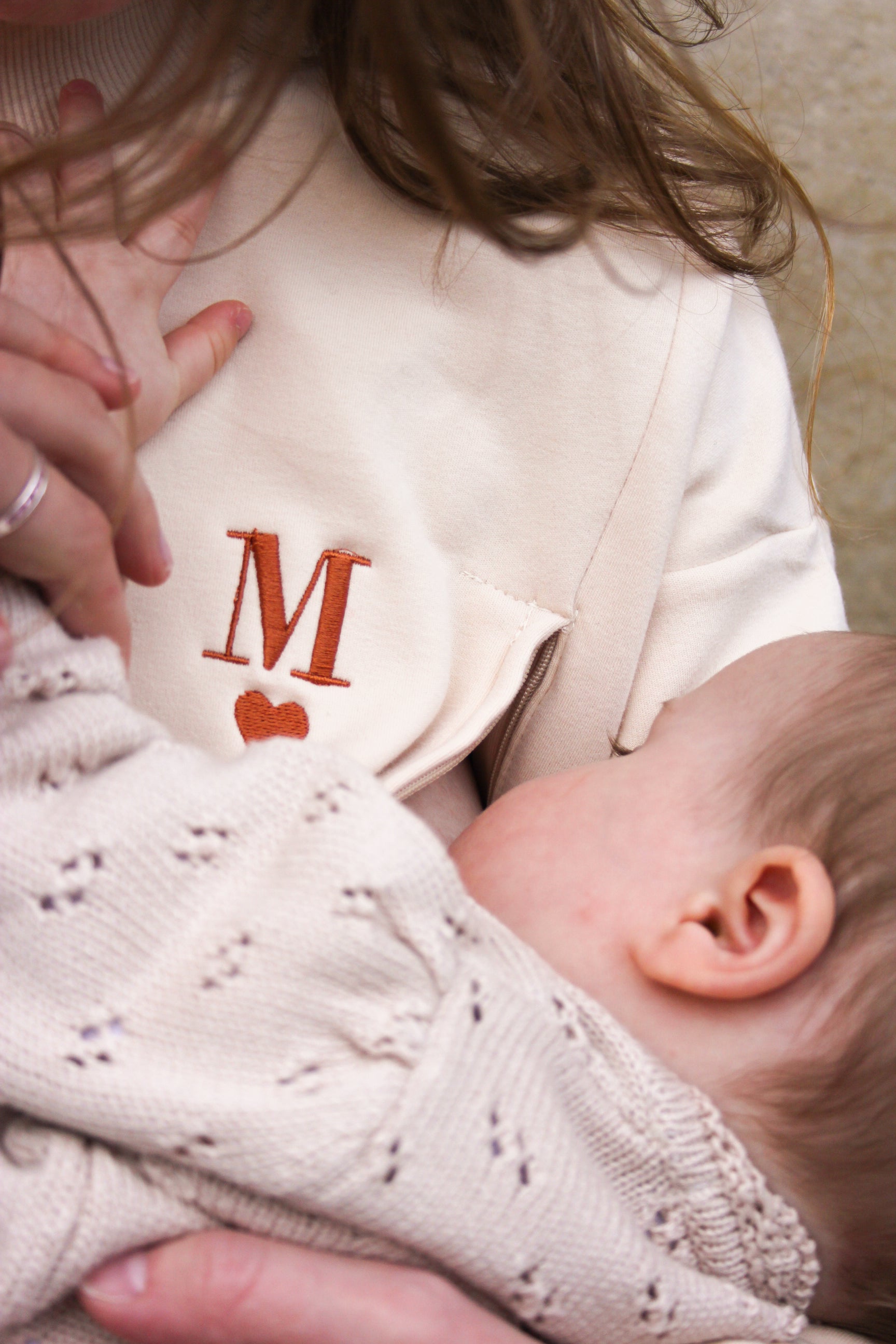
Breastfeeding sweatshirt LUCKY CHARM


Breastfeeding t-shirt with ruffle
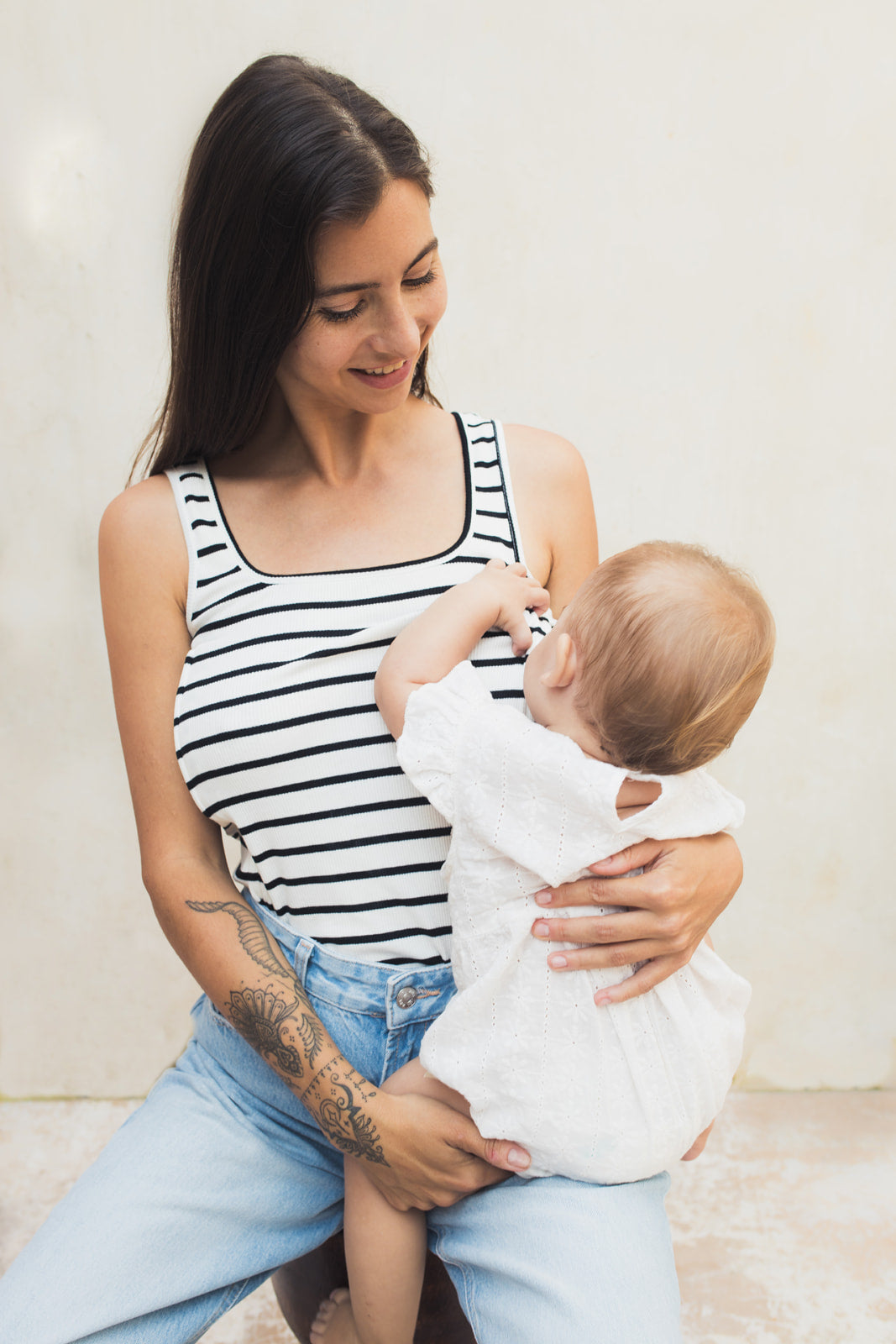

MARINIÈRE nursing tank top


Breastfeeding t-shirt YELLOW
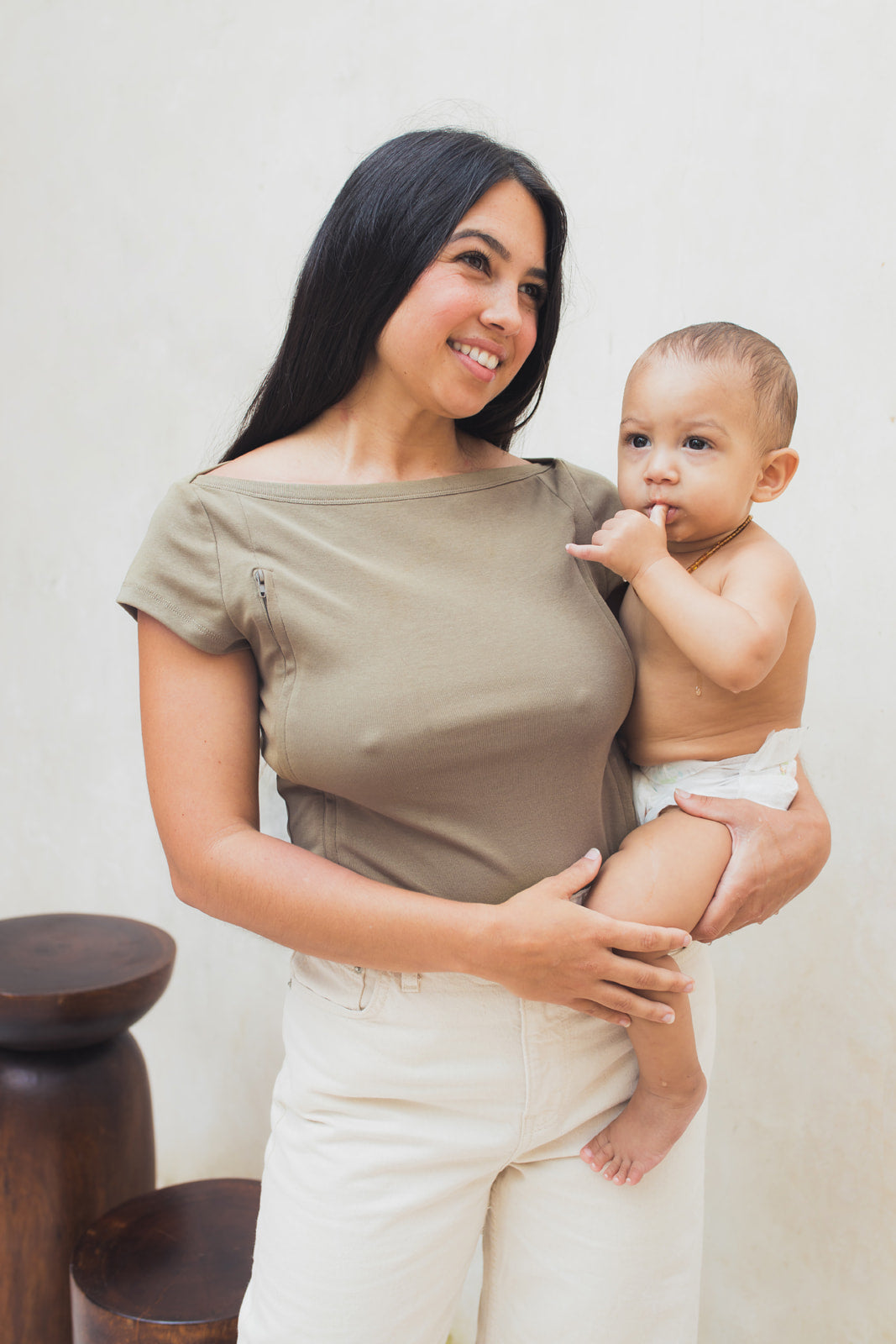
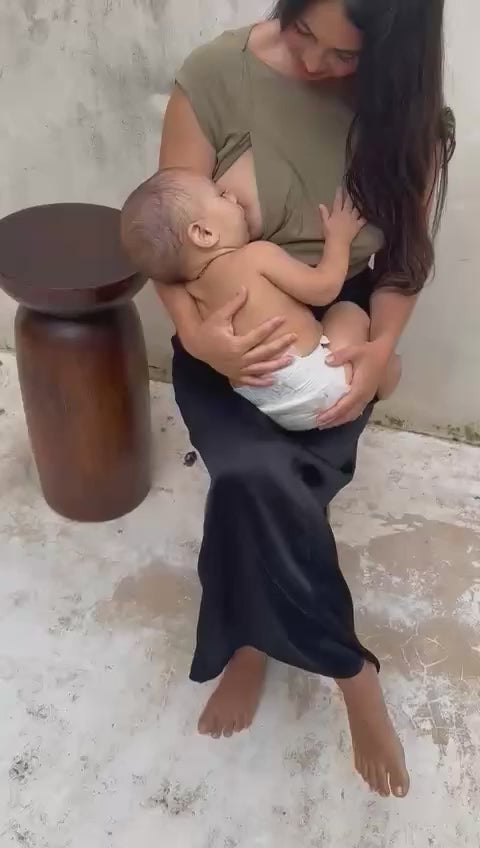
Breastfeeding t-shirt KAKI


Breastfeeding t-shirt WONDER


Breastfeeding t-shirt AMOUR MARINE


Breastfeeding t-shirt

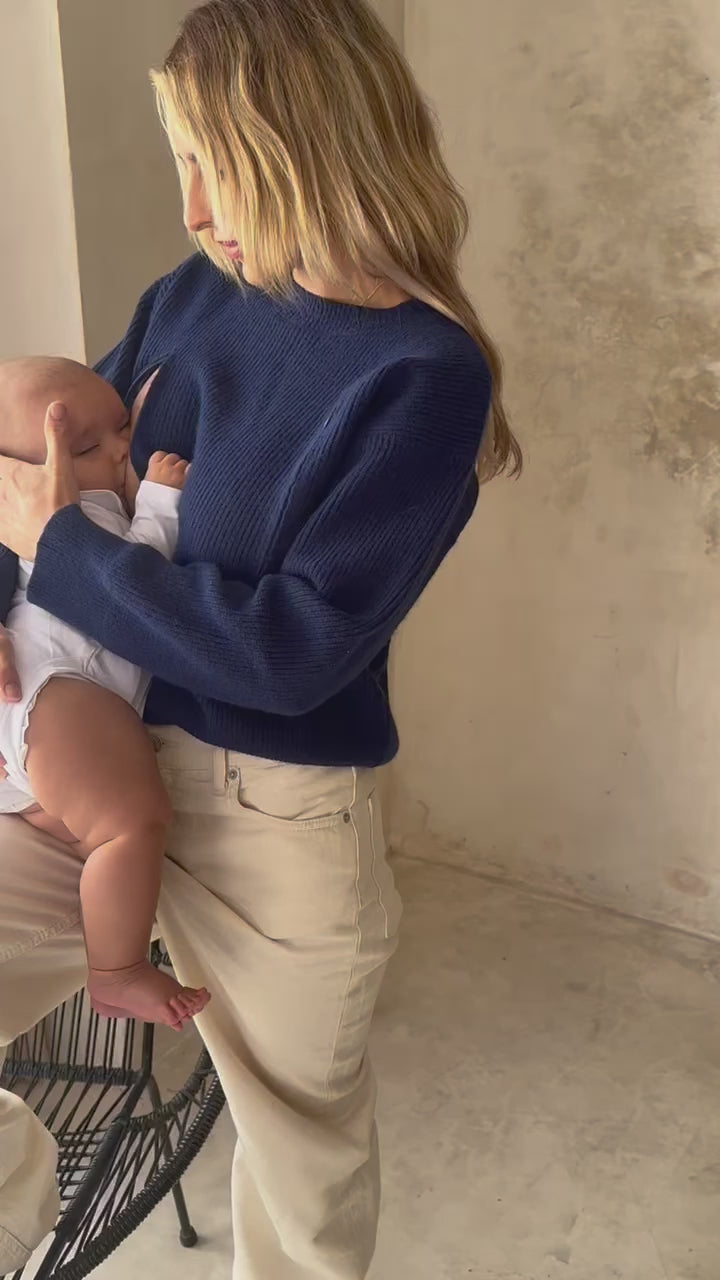
ASSIA navy breastfeeding sweater
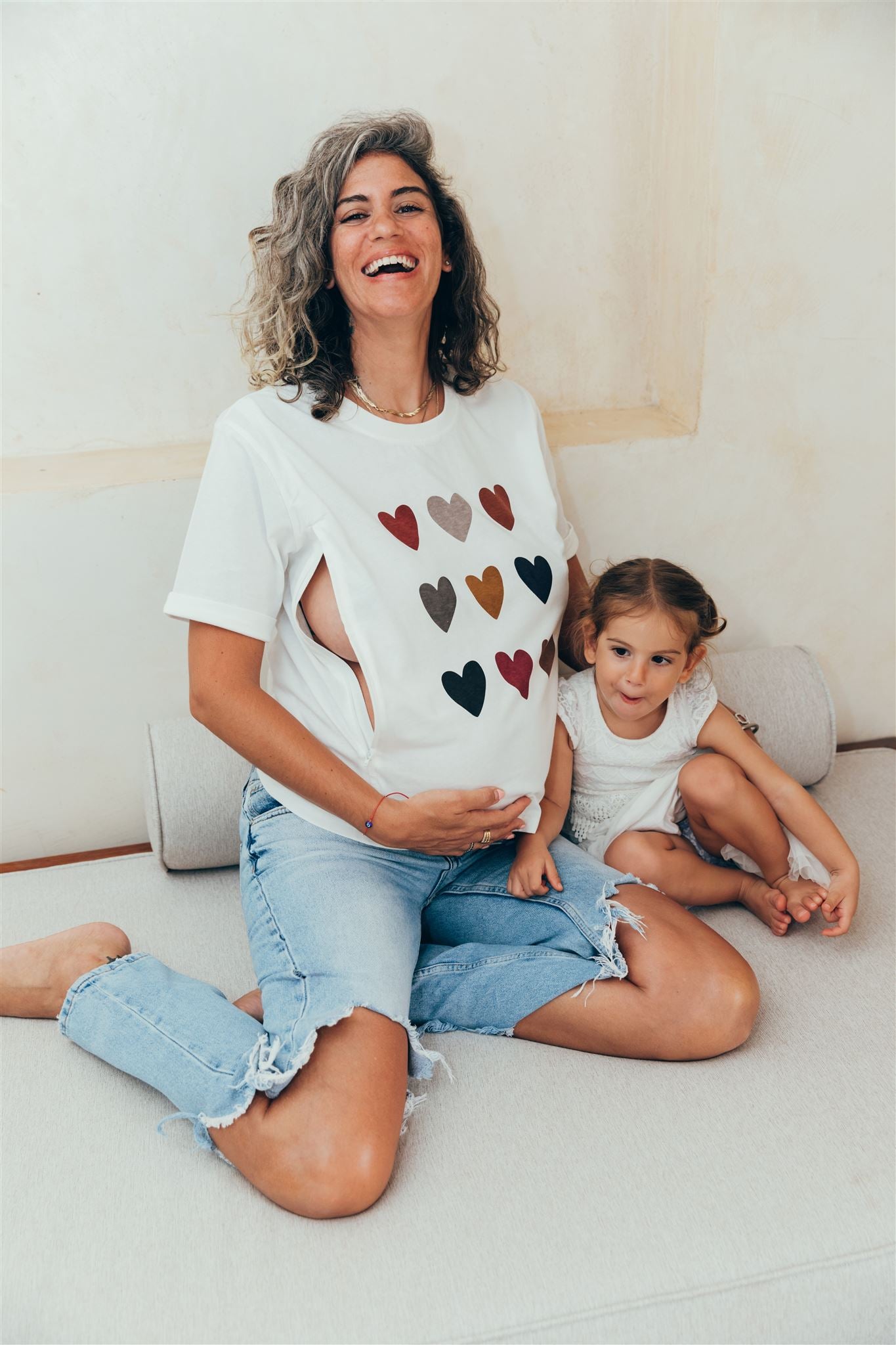

Breastfeeding t-shirt COEURS HIVER


Breastfeeding t-shirt WE ARE
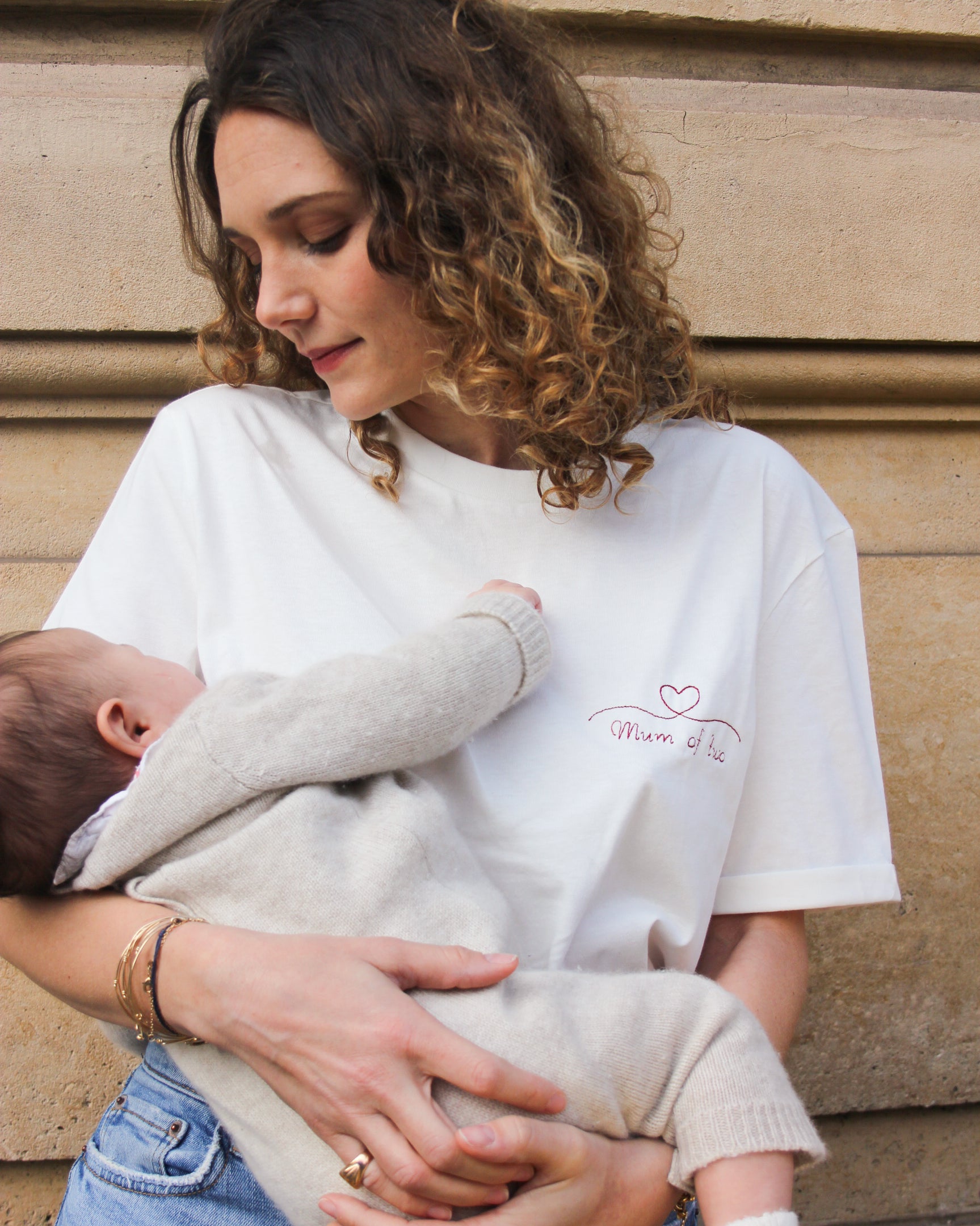

Breastfeeding t-shirt INFINI


COEURS nursing tank top


Breastfeeding t-shirt SKY BLUE
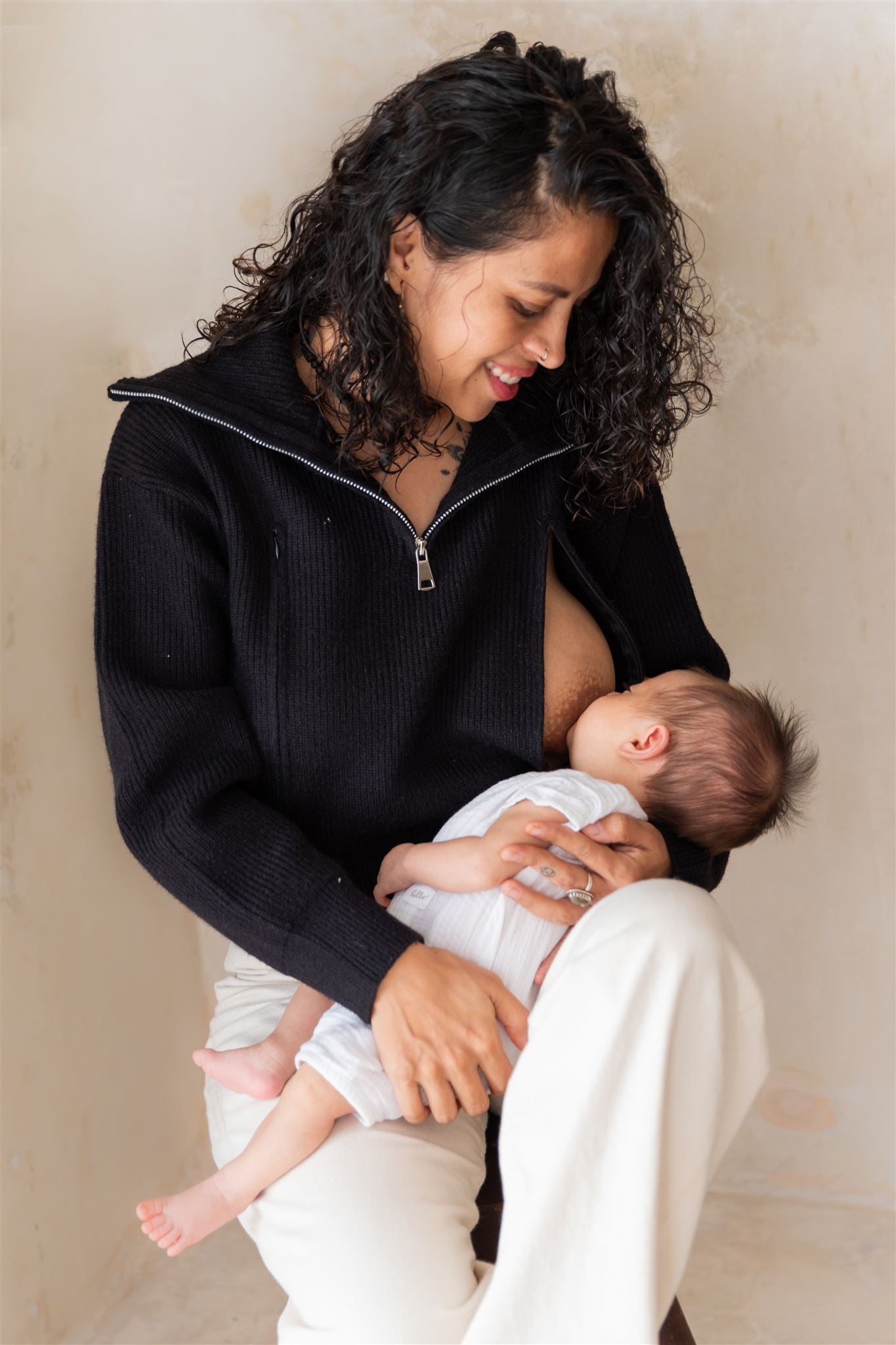

CHIIARA black nursing sweater
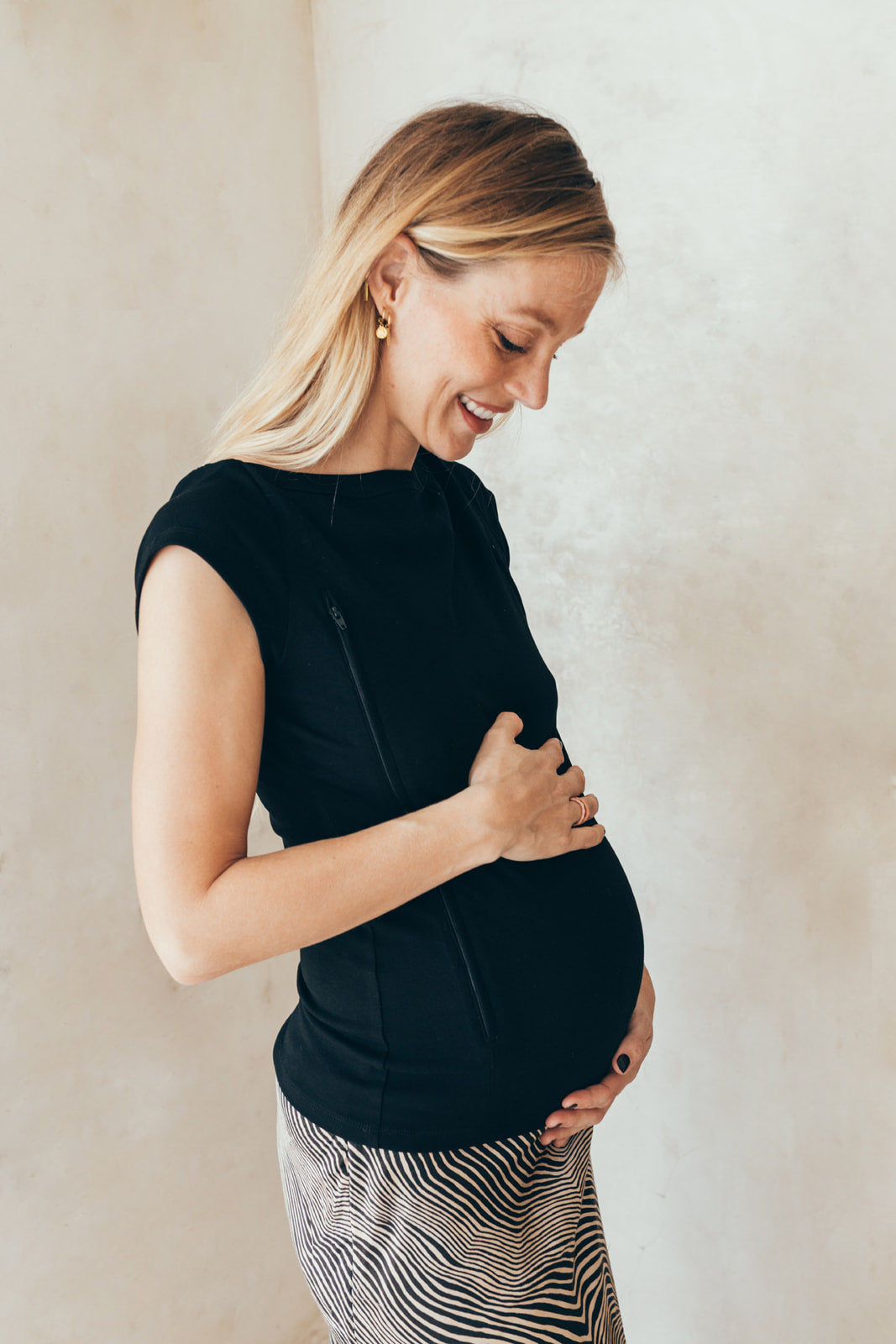

Breastfeeding t-shirt BLACK
Is storing breast milk different in the winter?
Yes, and this is one of the least-discussed topics when it comes to breastfeeding in the winter. Winter directly affects several factors related to breast milk storage: room temperature, conditions for transporting expressed milk outdoors, and risks associated with heating outages or significant temperature fluctuations between indoors and outdoors.
Understanding these winter-specific considerations helps prevent the waste of precious milk for everyone and ensures that your baby receives the highest-quality milk, no matter the season.
How long can breast milk be stored at room temperature in the winter?
How long breast milk can be stored at room temperature depends directly on the room temperature, and that's where winter changes the rules.
At room temperature between 19 and 22°C—the typical temperature of a heated home in winter—freshly expressed breast milk can be stored for 4 to 6 hours. If your home is cooler than 19°C, the storage time at room temperature may be slightly extended, as the cold naturally limits bacterial growth. On the other hand, if your home is overheated—above 25°C, with radiators turned up all the way or in a very small room—reduce the storage time to a maximum of 4 hours. The golden rule remains the same regardless of the season: if you have any doubts about the storage time or conditions, put the milk in the refrigerator rather than take any risks.
How long does breast milk last in the refrigerator during the winter?
The rules for storing breast milk in the refrigerator do not change with the seasons; what matters is that the refrigerator temperature remains constant, not the outside temperature. Freshly expressed breast milk can be stored in the refrigerator for up to 4 days at a temperature of 4°C or lower.
A winter tip: Avoid storing milk in the refrigerator door, as this is the area most exposed to temperature fluctuations due to frequent opening. Always place milk containers at the back of the refrigerator, where the temperature is most stable. And if you’re unsure about the actual temperature of your refrigerator—especially in a home that’s hard to heat in the winter—invest in a refrigerator thermometer. A variation of just a few degrees above 4°C can significantly reduce the shelf life of your milk.
How long can breast milk be frozen in the winter?
Freezing is the method that preserves milk the longest—and winter is often the best time to stock up on frozen milk, especially before returning to work in January or in anticipation of a winter illness.
In a freezer set to -18°C or lower, breast milk can be stored for up to 6 months. In the freezer compartment of a side-by-side refrigerator—which is often not as cold, at around -15°C—the storage time is reduced to 2 to 3 months. Be careful with freezers that may experience temperature fluctuations in winter; if the room where they are located is particularly cold—such as an unheated garage—this can cause the freezer to partially thaw during periods of extreme cold.
How can you transport expressed breast milk outdoors in the winter?
Transporting expressed milk outside the home is a daily challenge for mothers who are returning to work or who express milk away from home. In winter, the cold outside creates a paradoxical situation: while it naturally slows bacterial growth, it can also cause the milk to freeze partially and uncontrollably.
To transport your expressed milk in the winter, use a cooler or insulated bag—not to keep it cold as you would in the summer, but to maintain a stable temperature and prevent the milk from freezing during transport. Milk that has been partially frozen and then thawed under uncontrolled conditions loses quality and should not be refrozen. The insulated bag protects the milk from sudden temperature fluctuations—such as a cold car, a warm interior, or freezing temperatures outside—which are particularly common in winter.
Can snow or the cold outside be used to store breast milk?
No, and this is something you should absolutely avoid. Outdoor temperatures in winter—even at -5°C or lower—do not provide a safe way to store breast milk. Winter outdoor temperatures fluctuate and are difficult to control: a day at -5°C can alternate with periods at +5°C, creating cycles of partial freezing and thawing that degrade the quality of the milk and promote bacterial growth.
Storing breast milk requires stable, controlled temperatures—which is exactly what a refrigerator and freezer provide, not the cold outside. Even in the middle of winter, never leave your milk containers outside or in an unheated, uncontrolled space.
What containers should I use to store breast milk in the winter?
The rules for storage containers are the same regardless of the season, but there are a few winter precautions worth noting. Always use sterile containers—glass or food-grade plastic jars, or storage bags specifically designed for breast milk—and never use ordinary containers that may contain chemical or bacterial residues.
Store milk in small portions of 60 to 120 ml to avoid waste, which is especially common in winter when a baby’s illness can temporarily interrupt feedings. Always label each container with the date and time it was pumped—in winter, with fatigue and dark days, it’s easy to lose track. And always leave some empty space at the top of the containers before freezing—milk expands when it freezes, just like any liquid, and a container that’s too full may crack or warp.
How do you thaw breast milk in the winter?
Thawing breast milk requires a few precautions that are the same in winter as in summer, but winter conditions can sometimes make the process more difficult.
The best method is to thaw the milk gradually in the refrigerator: place the frozen container in the refrigerator the night before if you plan to use it the next morning. This method best preserves the milk’s nutritional properties. In a pinch, a lukewarm water bath—between 37 and 40°C, never boiling—allows for faster thawing while preserving antibodies and nutrients. Never thaw breast milk in the microwave—the uneven heat destroys its nutritional and immune properties and can create hot spots that are dangerous for the baby. And above all: never refreeze thawed milk, even partially.
Is it possible to build up a supply of frozen breast milk in the winter before returning to work?
Yes, and winter is often the perfect time to do this, especially for moms who are returning to work in January after maternity leave. Building up a supply of frozen breast milk ahead of time allows you to approach your return to work with peace of mind, without the pressure of having to pump enough milk right from the first few days back at the office.
The most effective strategy is to pump a small extra amount each morning—when milk production is generally at its peak—and gradually freeze it in the weeks leading up to your return to work. A few 60- to 120-ml bags per week are enough to build up a comfortable supply without disrupting your milk supply or direct breastfeeding.
How can you tell if breast milk stored during the winter is still good?
Breast milk stored under proper conditions has a characteristic appearance and odor that allow you to assess its quality. If the milk has a slight soapy or metallic odor after thawing, this is usually due to a high level of lipase, a natural enzyme, and is safe for your baby, although some babies may refuse it because of the slightly different taste.
On the other hand, breast milk that smells sour or rancid, has clumps that do not dissolve after gentle shaking, or has changed color unusually drastically should be thrown away without hesitation. The golden rule: when in doubt, throw it out. Breast milk is precious, but your baby’s safety is even more so.
What is the return policy for 23 Mai Paris nursing clothing 23 Mai Paris
You have 14 days from the date you receive your order to let us know if an item does not meet your expectations and request a refund. Please note that exchanges are not available; only refunds are offered.
Customized items featuring embroidery are excluded from this policy and cannot be returned or refunded. For any inquiries, please contact our customer service team in advance at the following email address: bonjour@23maiparis.com.
You can also find more designs here
Breastfeeding sweaters Winter
Breastfeeding pyjamas
Warm nursing clothes
Breastfeeding t-shirts Long-Sleeved
Our blog post: Exclusive Breastfeeding—The Complete Guide
Our blog post: How to Dress in Winter When Breastfeeding