Filters
Breastfeeding sweatshirt #MOMMY
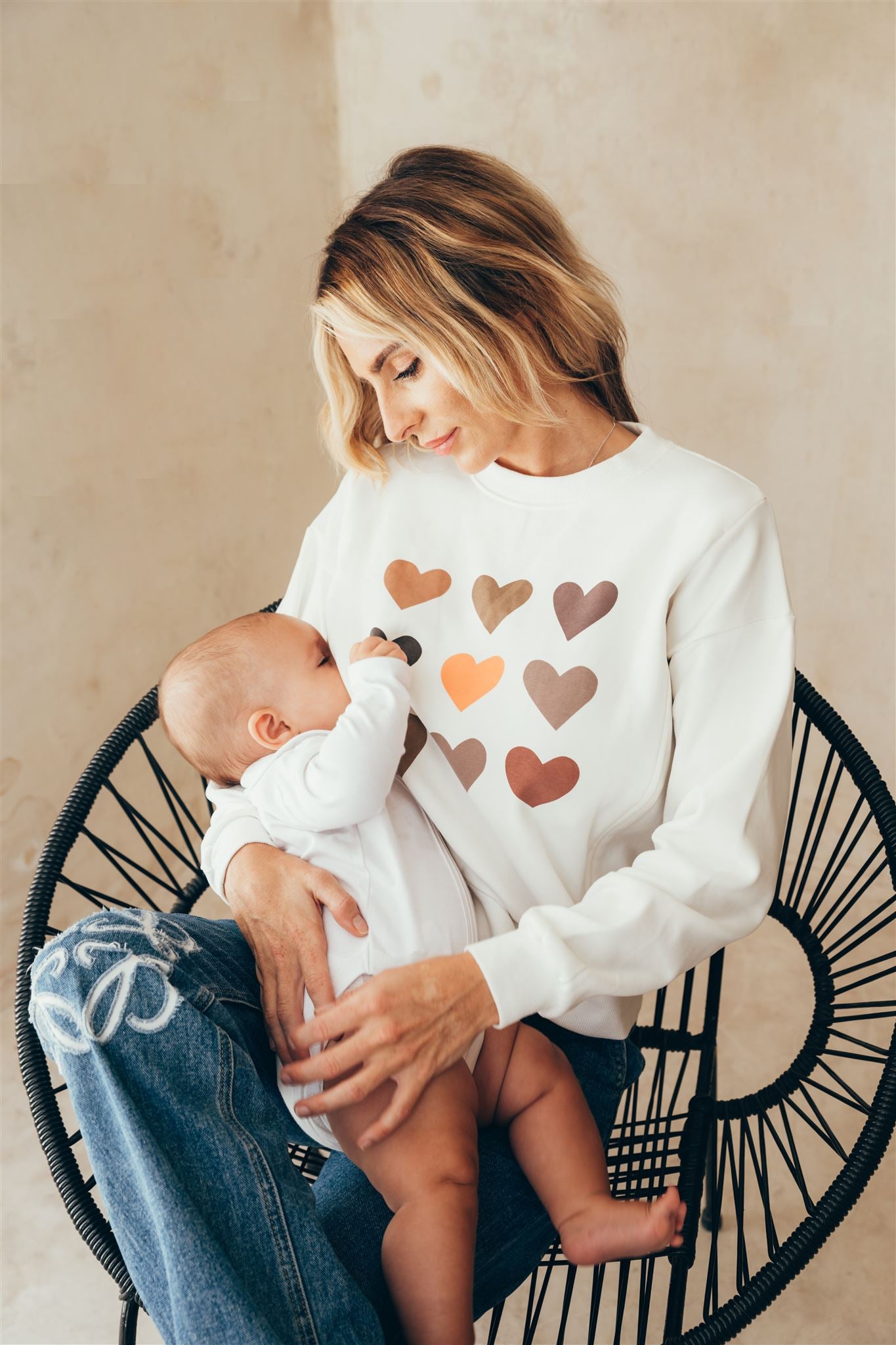
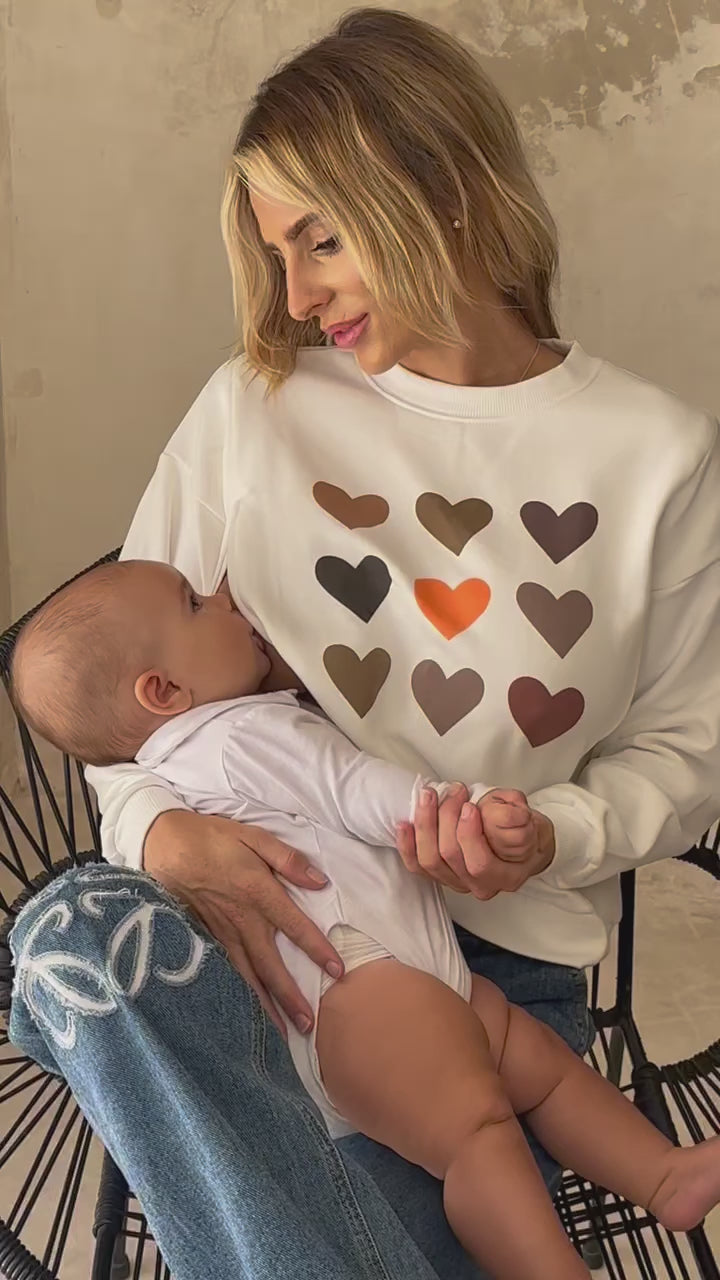
Breastfeeding Sweat-shirt COEURS
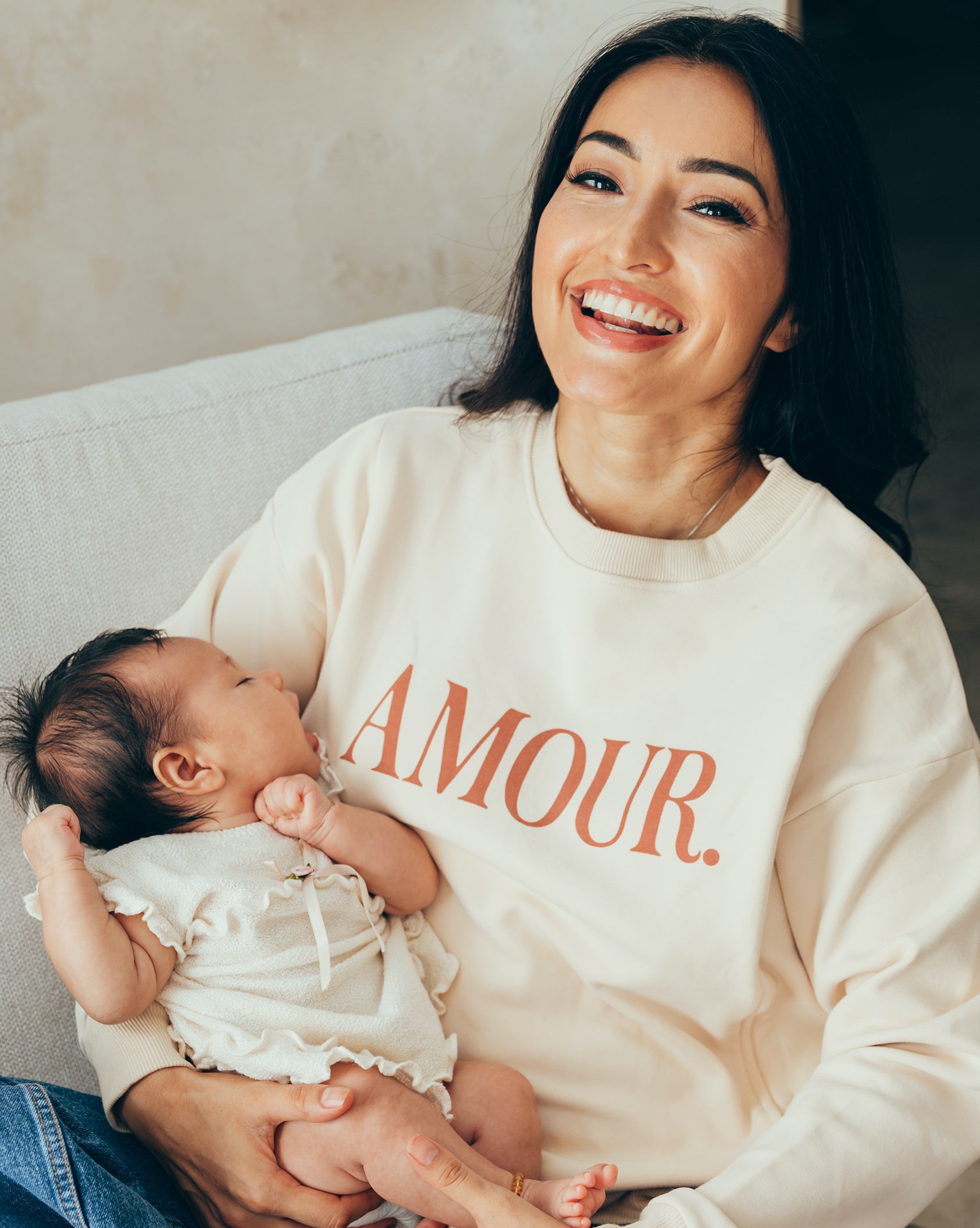

Breastfeeding sweat-shirt AMOUR
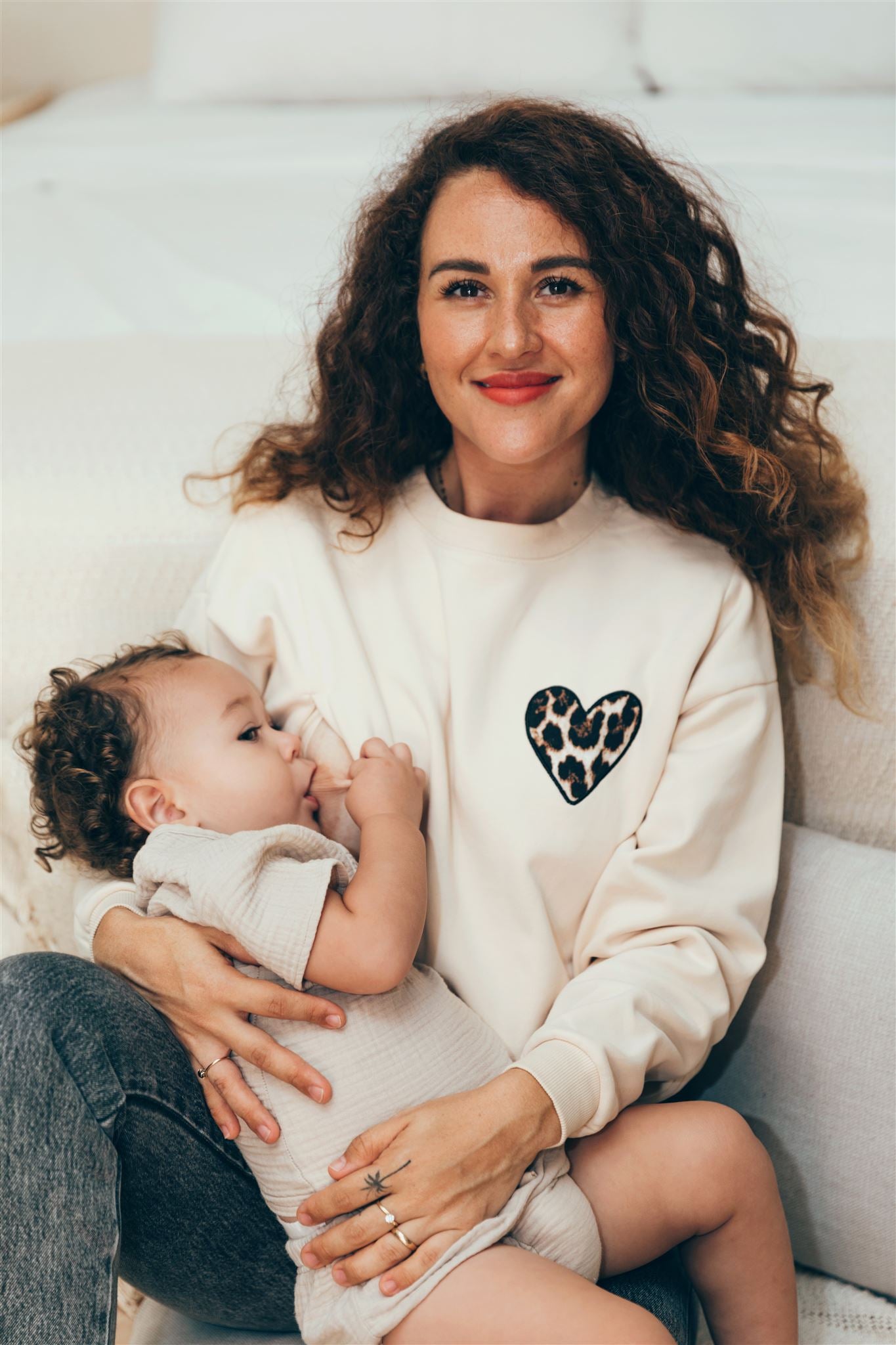
Breastfeeding sweatshirt LEOPARD
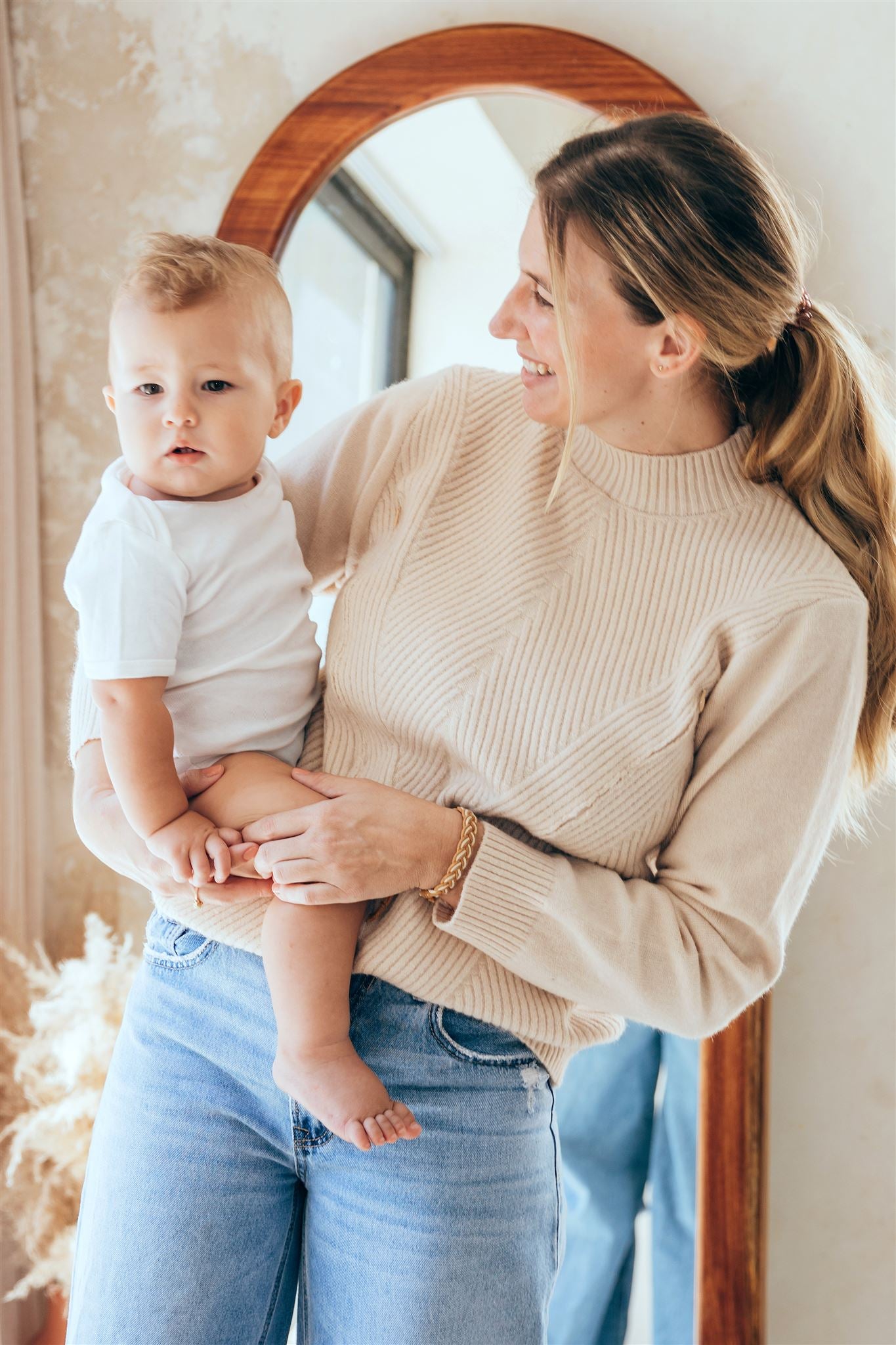
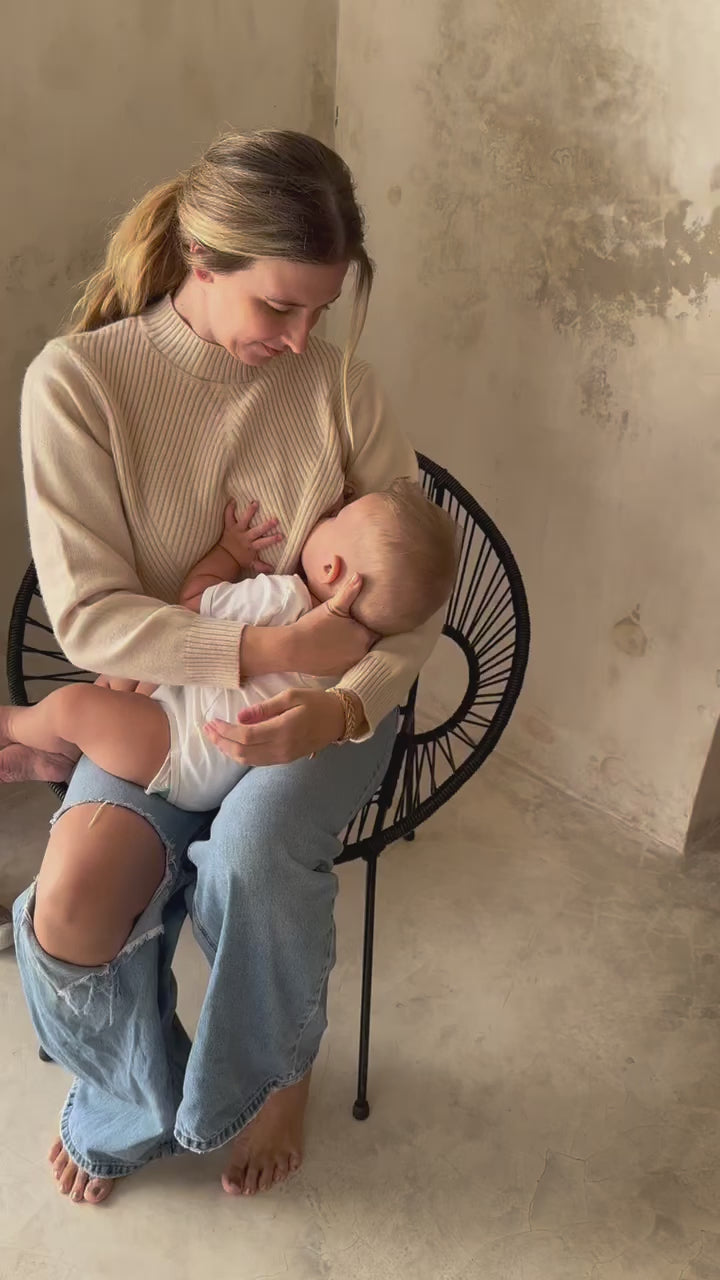
ALMA Ecru Breastfeeding Sweater
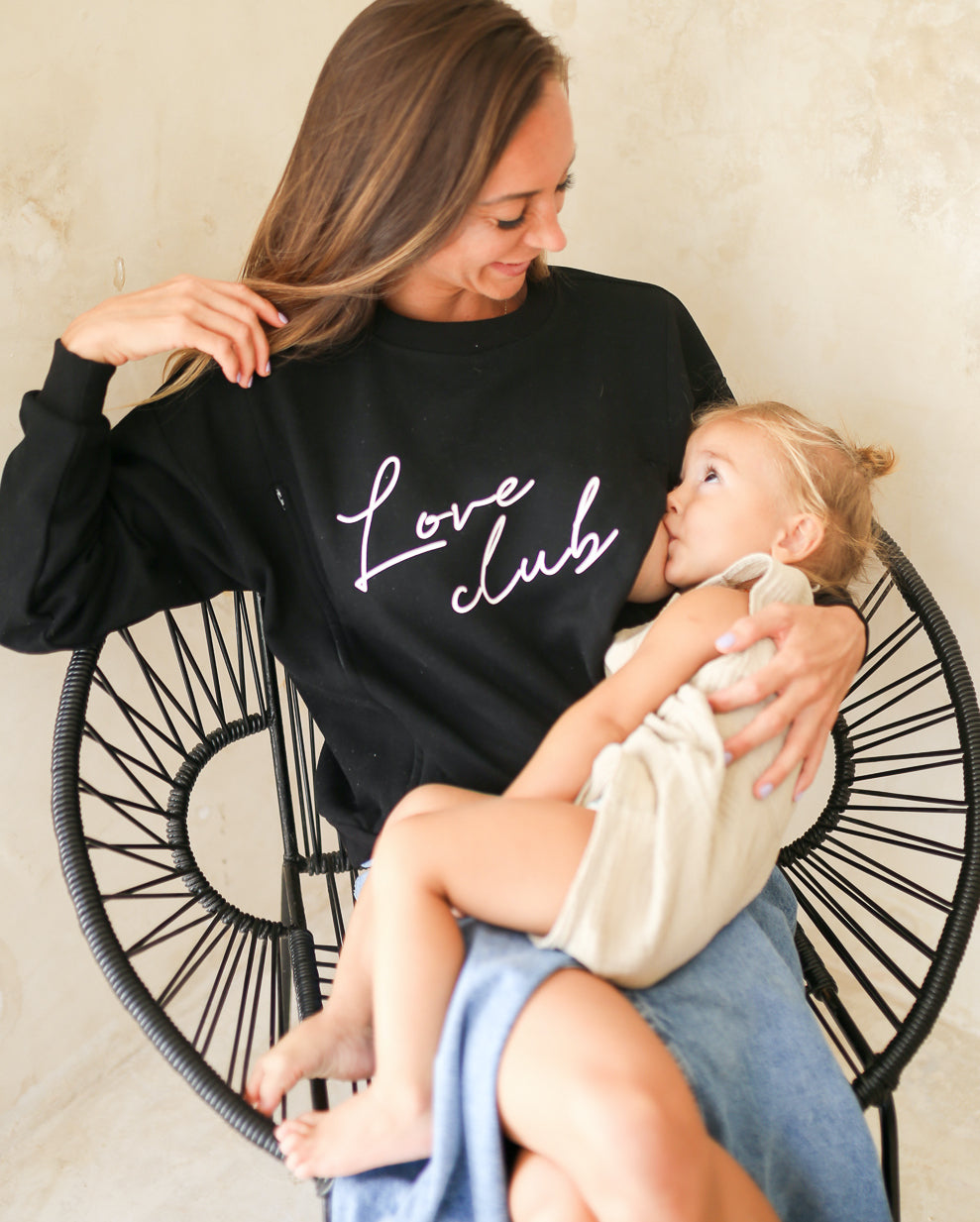

Breastfeeding sweatshirt LOVE CLUB
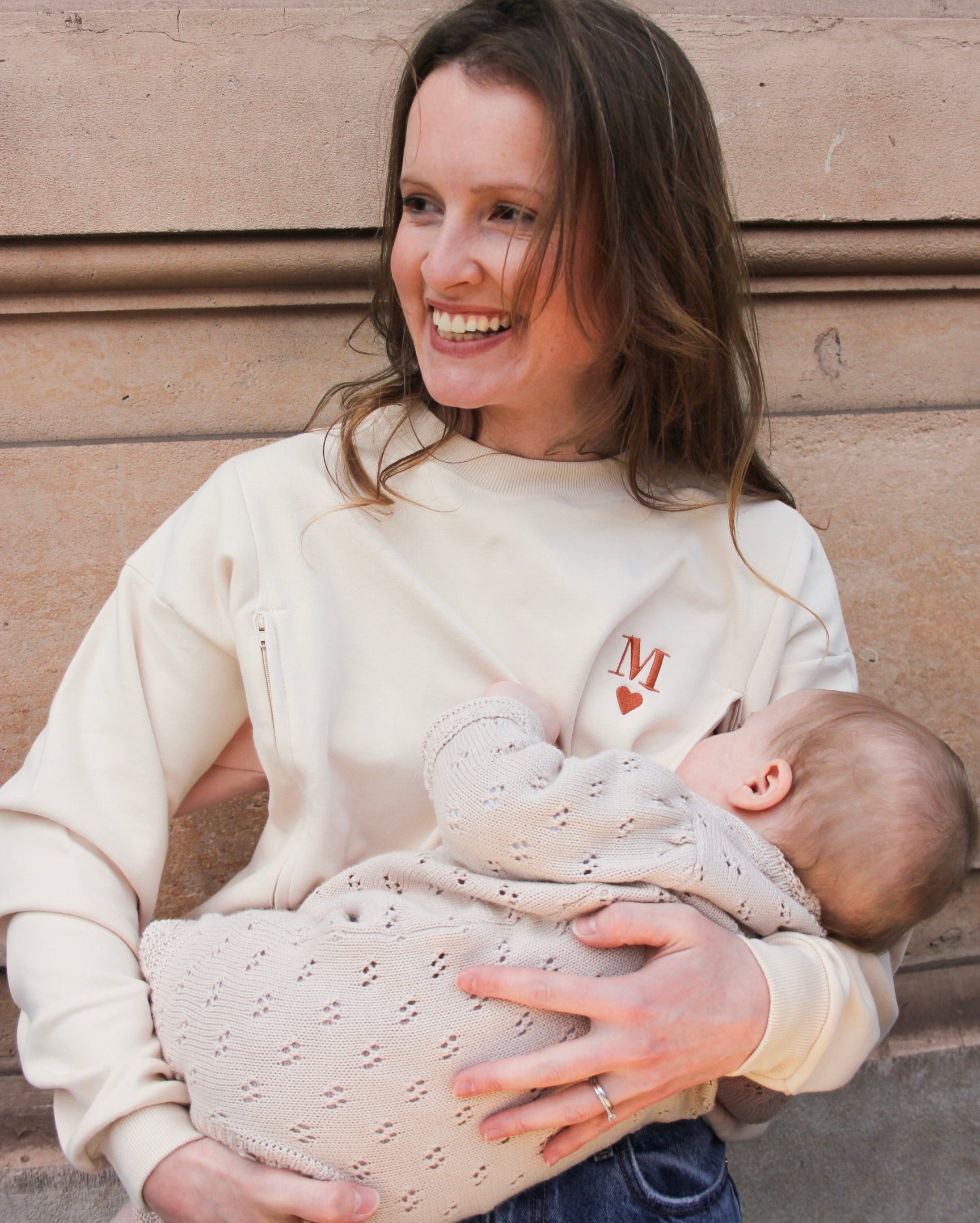
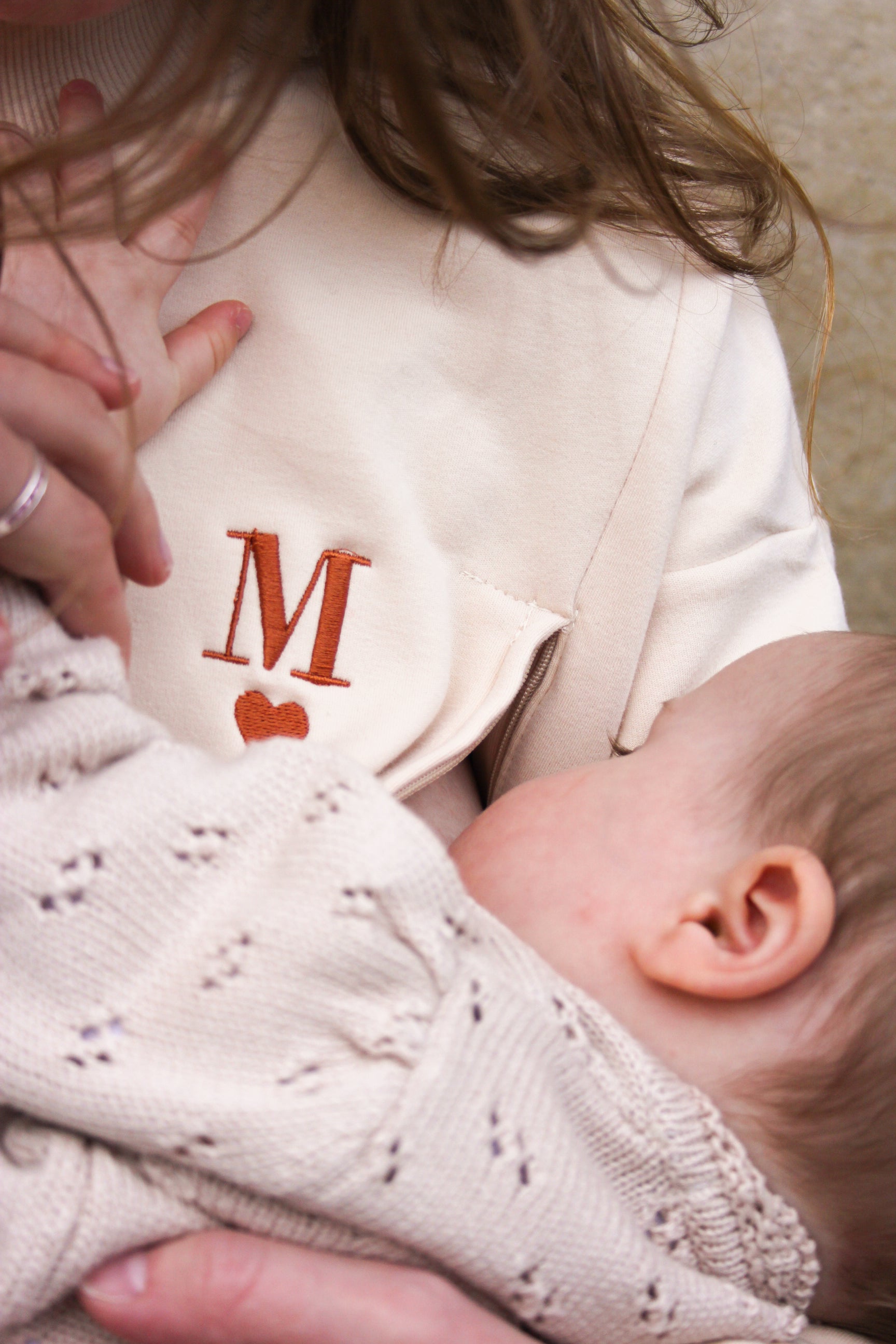
Breastfeeding sweatshirt LUCKY CHARM
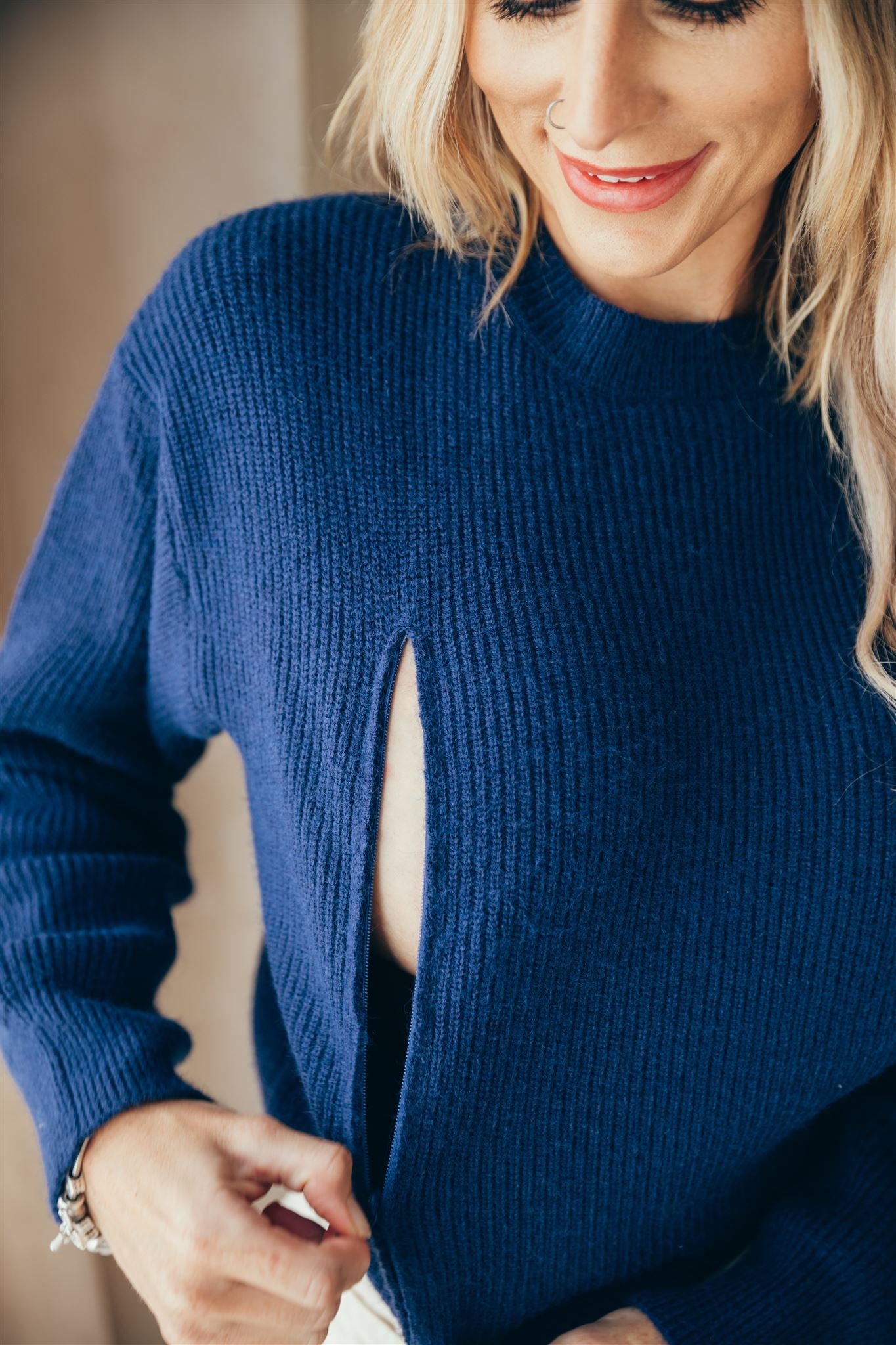
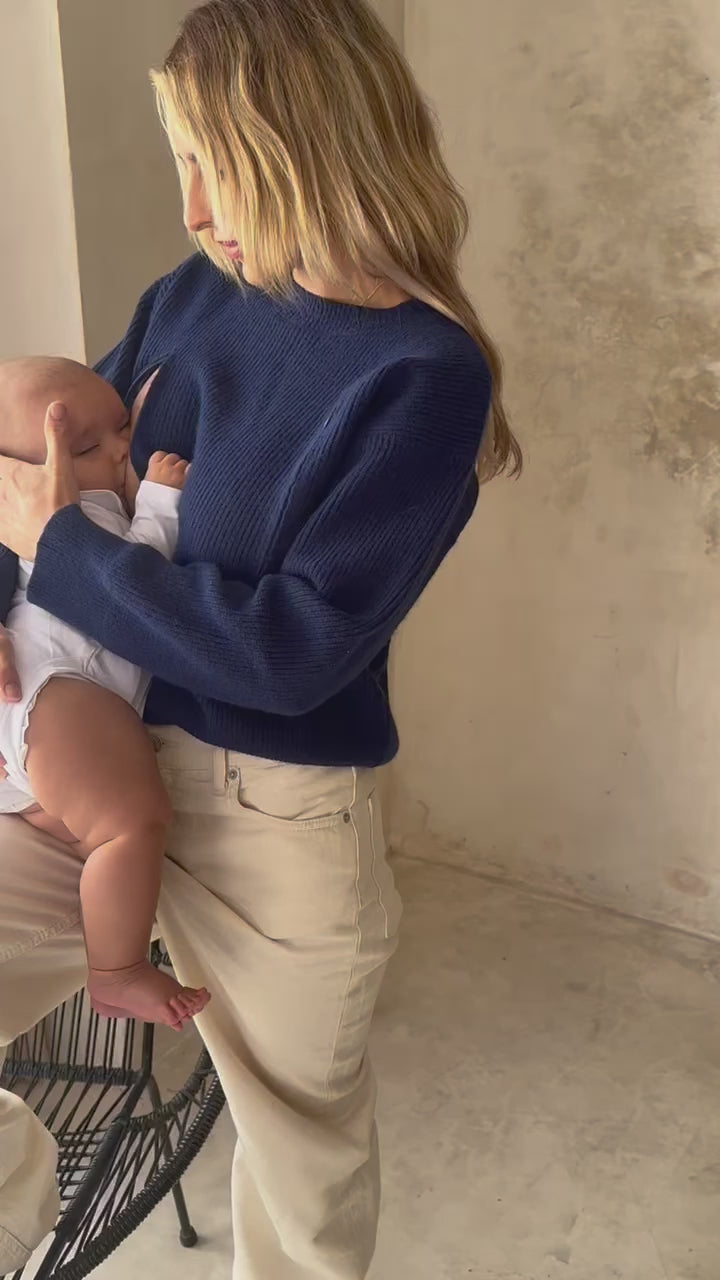
ASSIA navy breastfeeding sweater
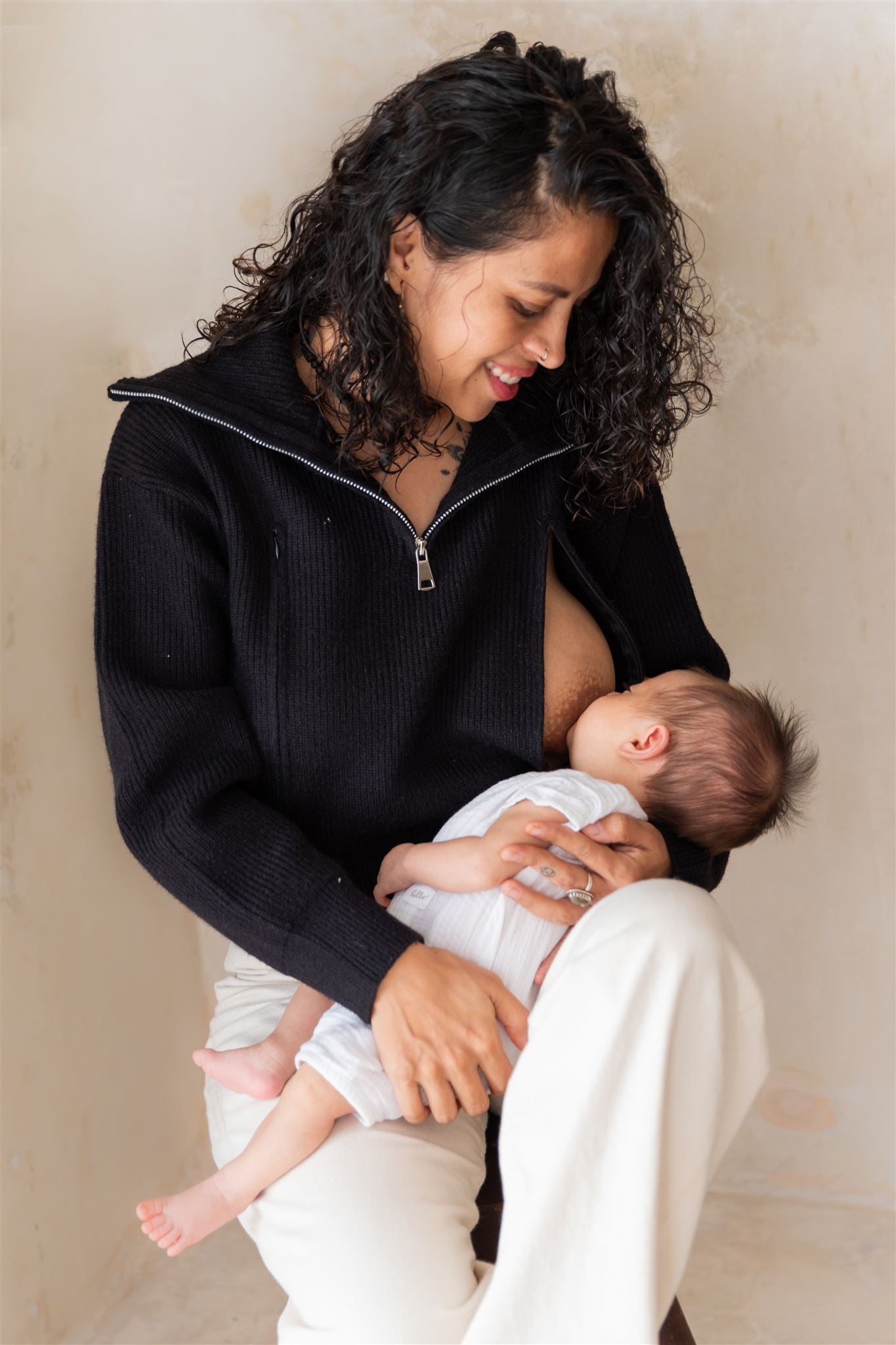
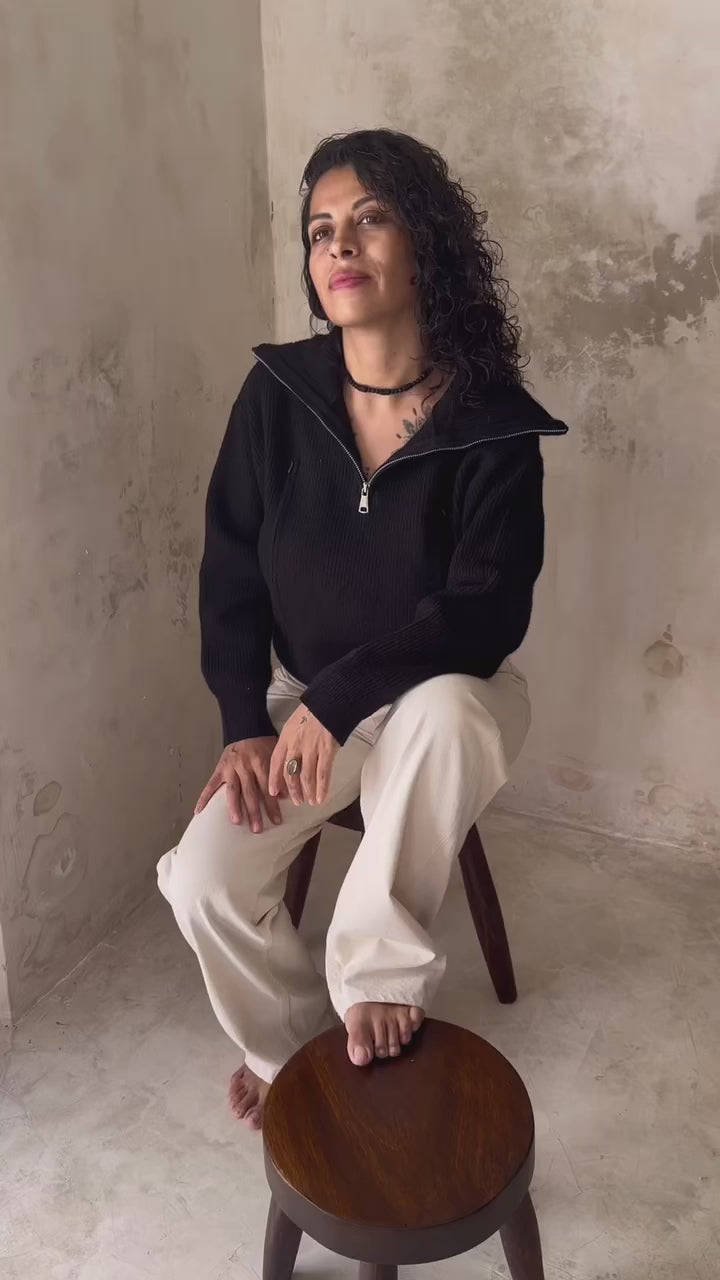
CHIIARA black nursing sweater

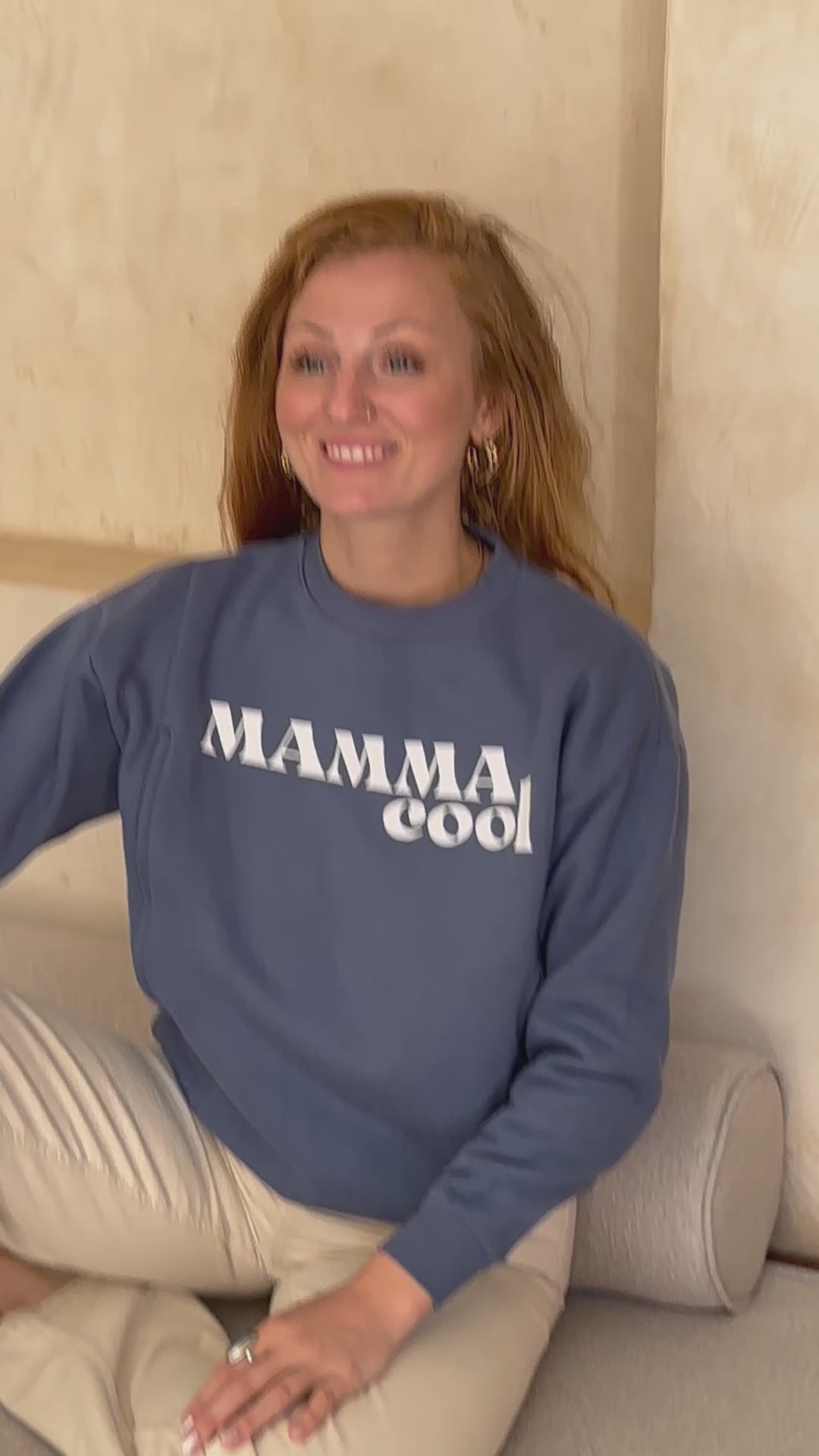
MAMMA COOL nursing sweatshirt
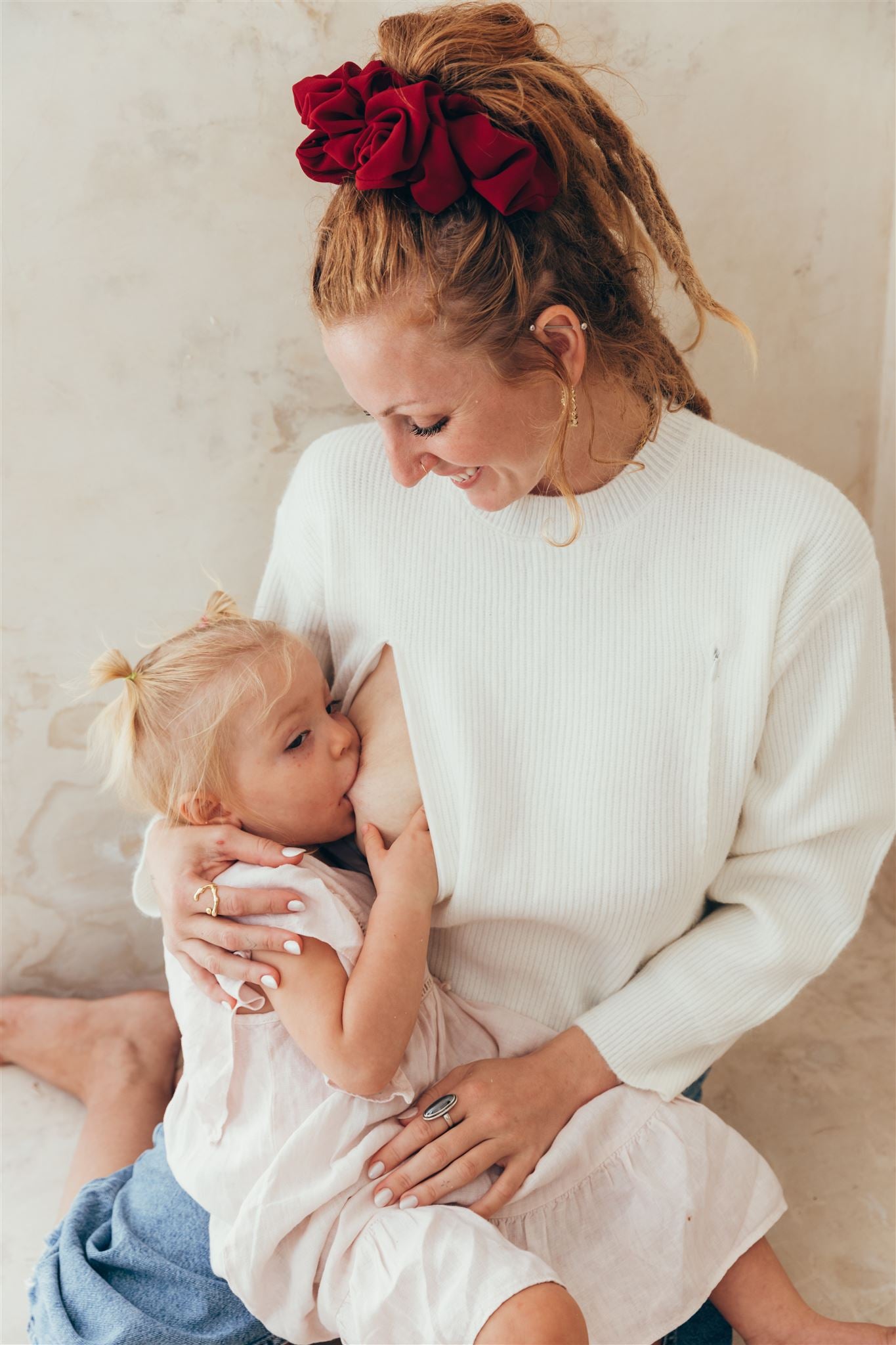
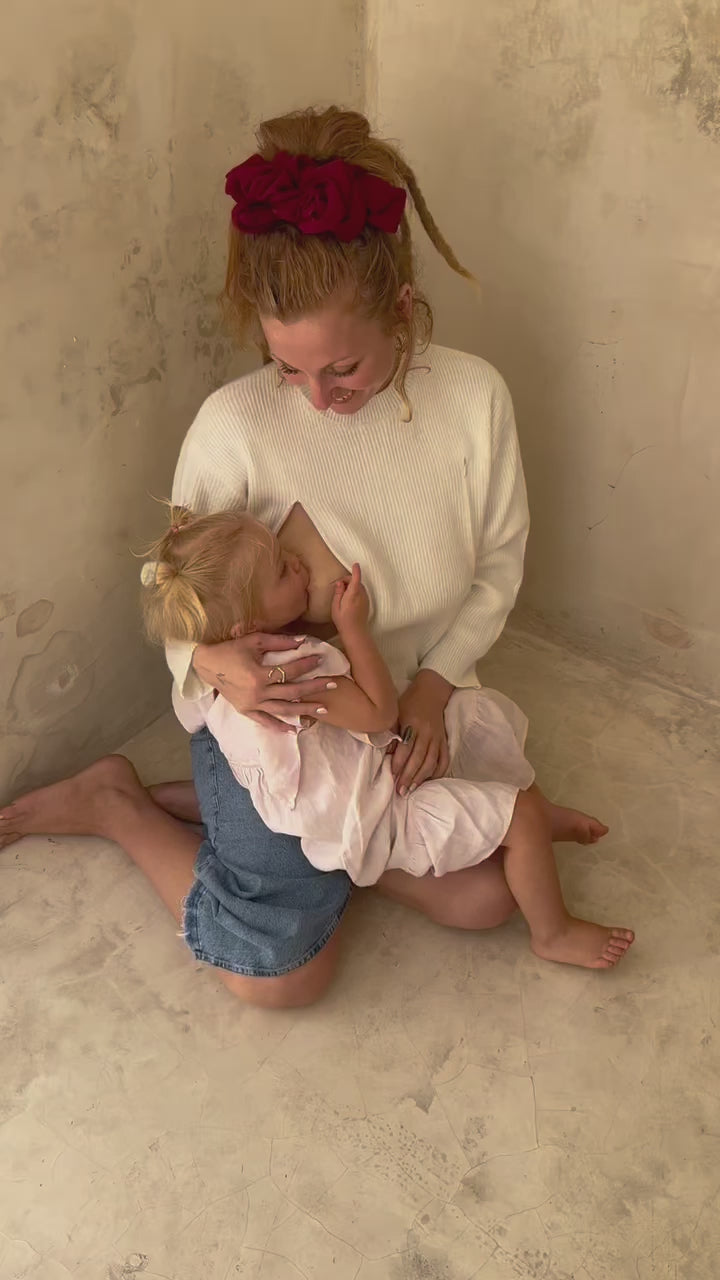
ASSIA Ecru Breastfeeding Sweater
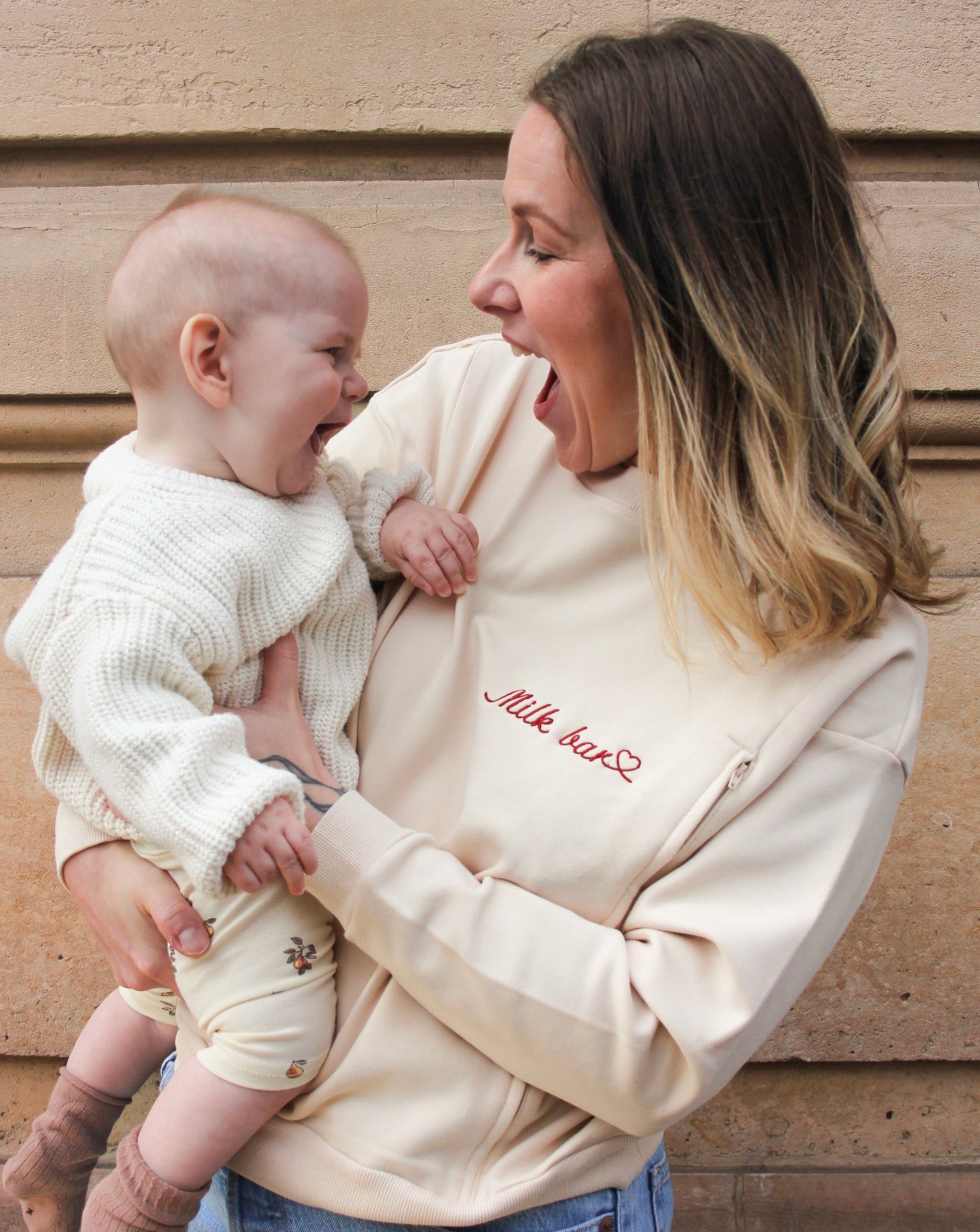
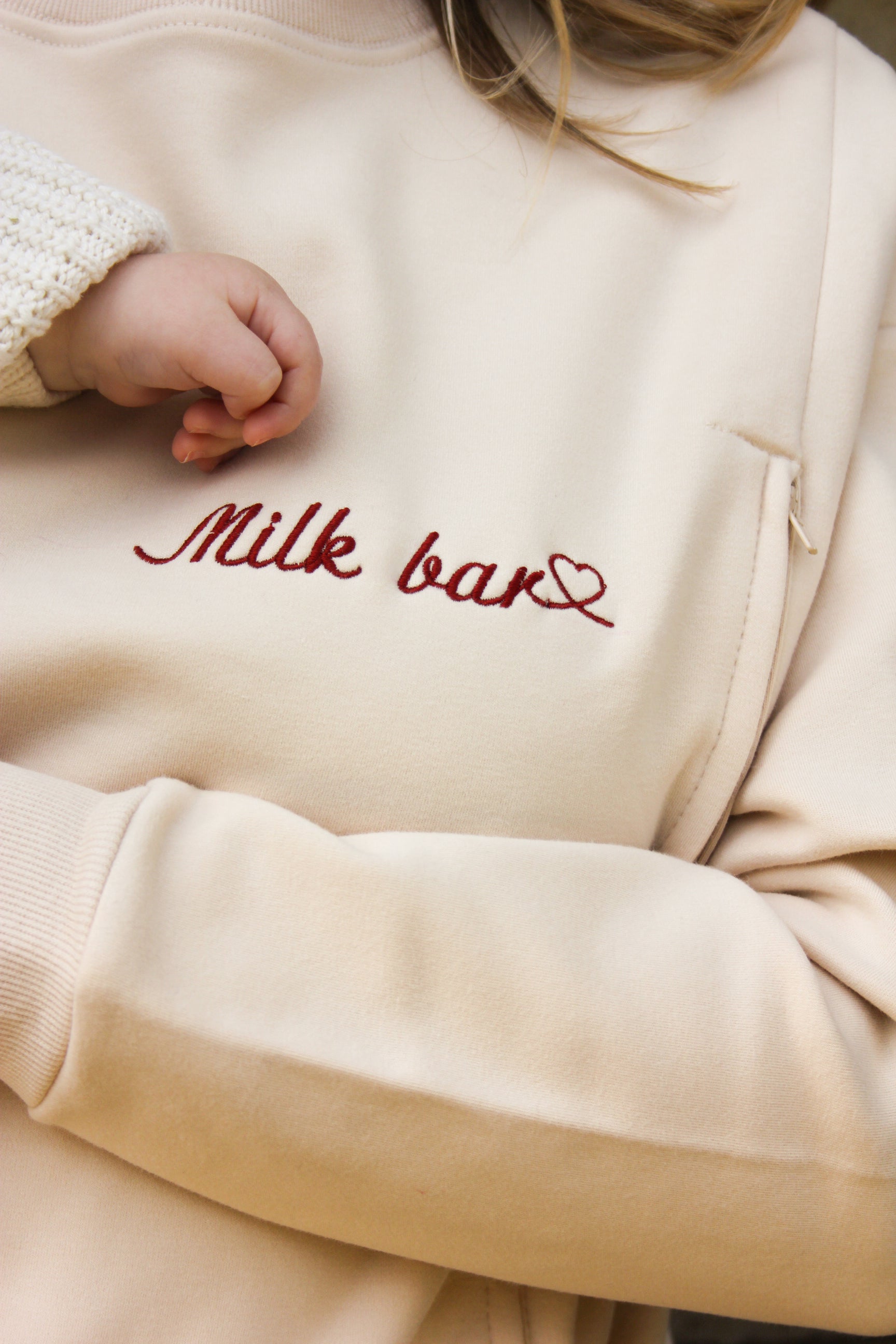
Breastfeeding sweatshirt AMORE
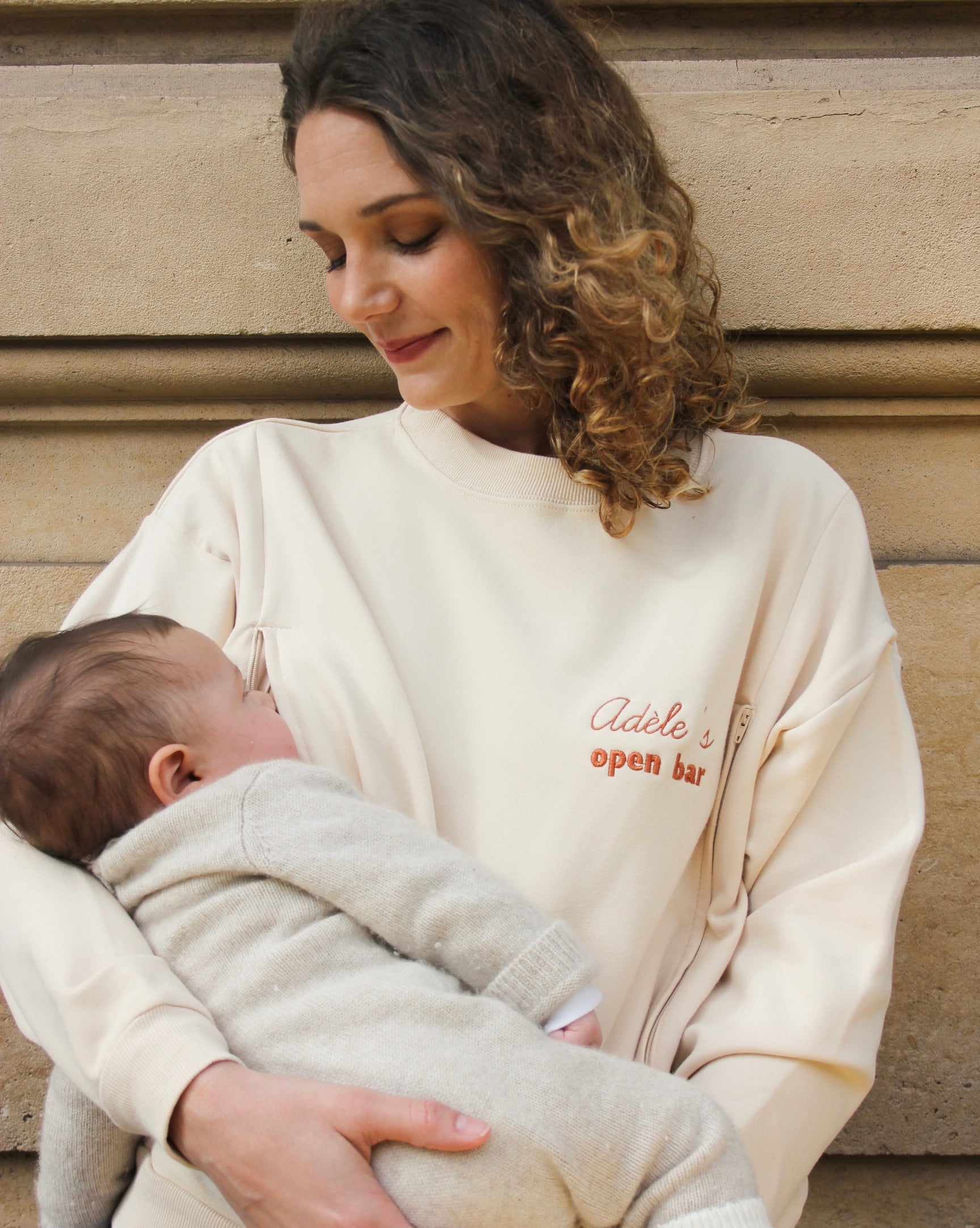
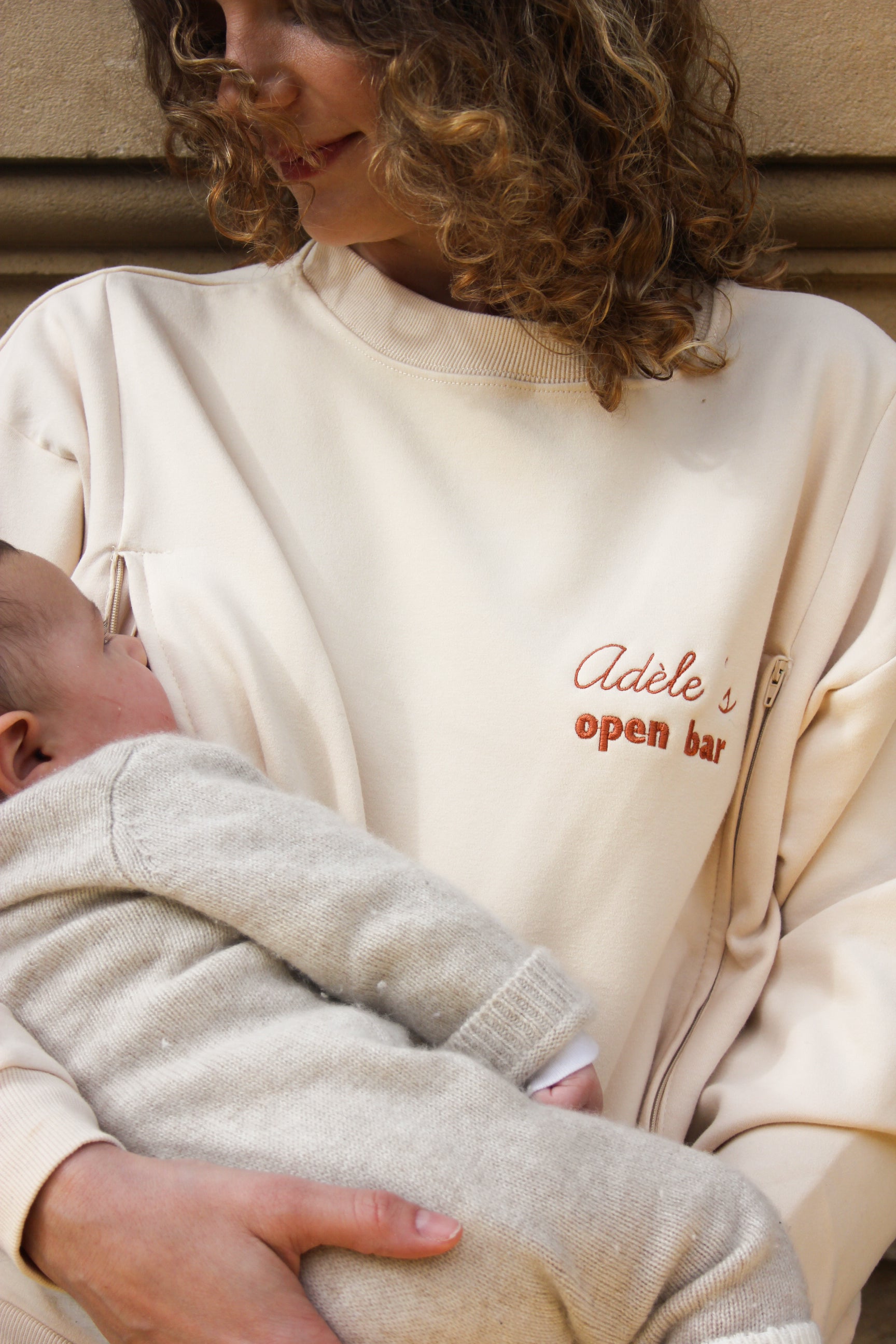
OPEN BAR Nursing Sweatshirt
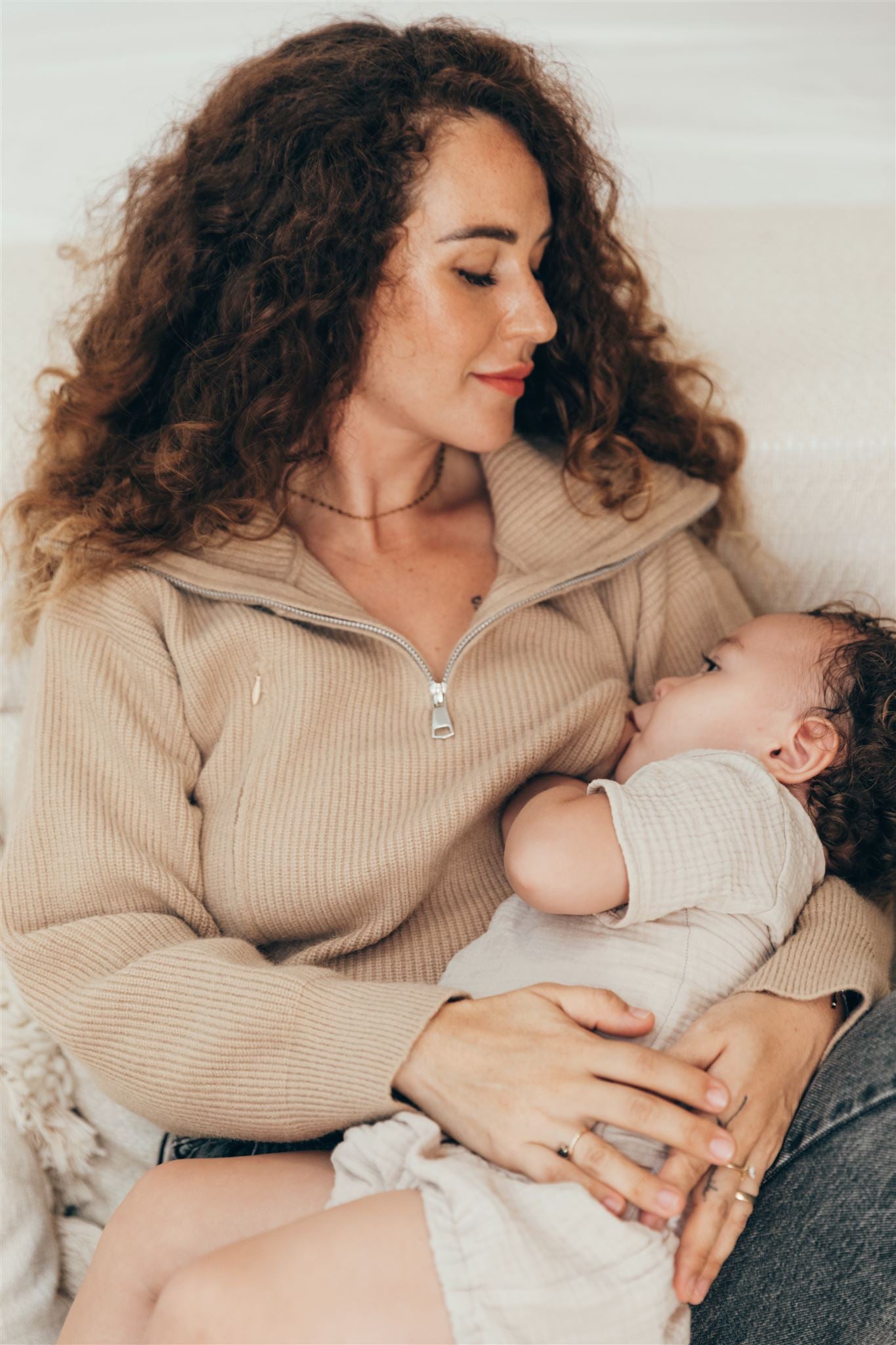
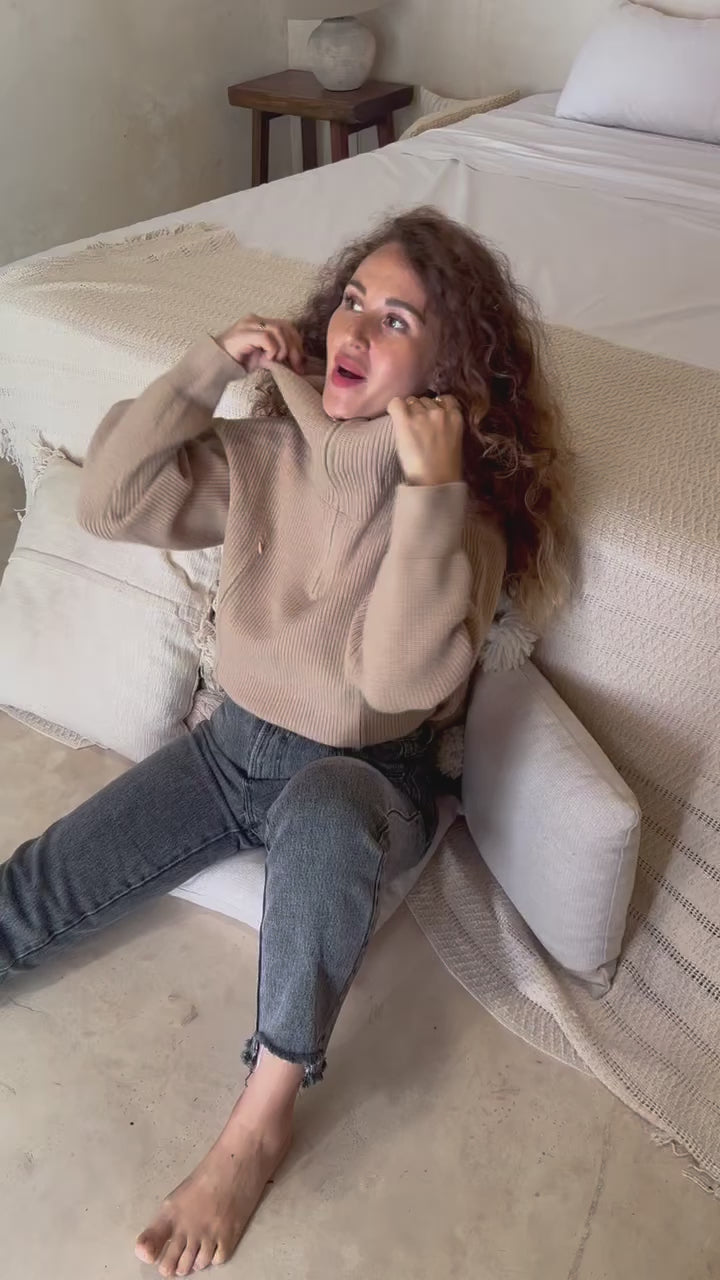
Beige nursing sweater CHIARA bad sku
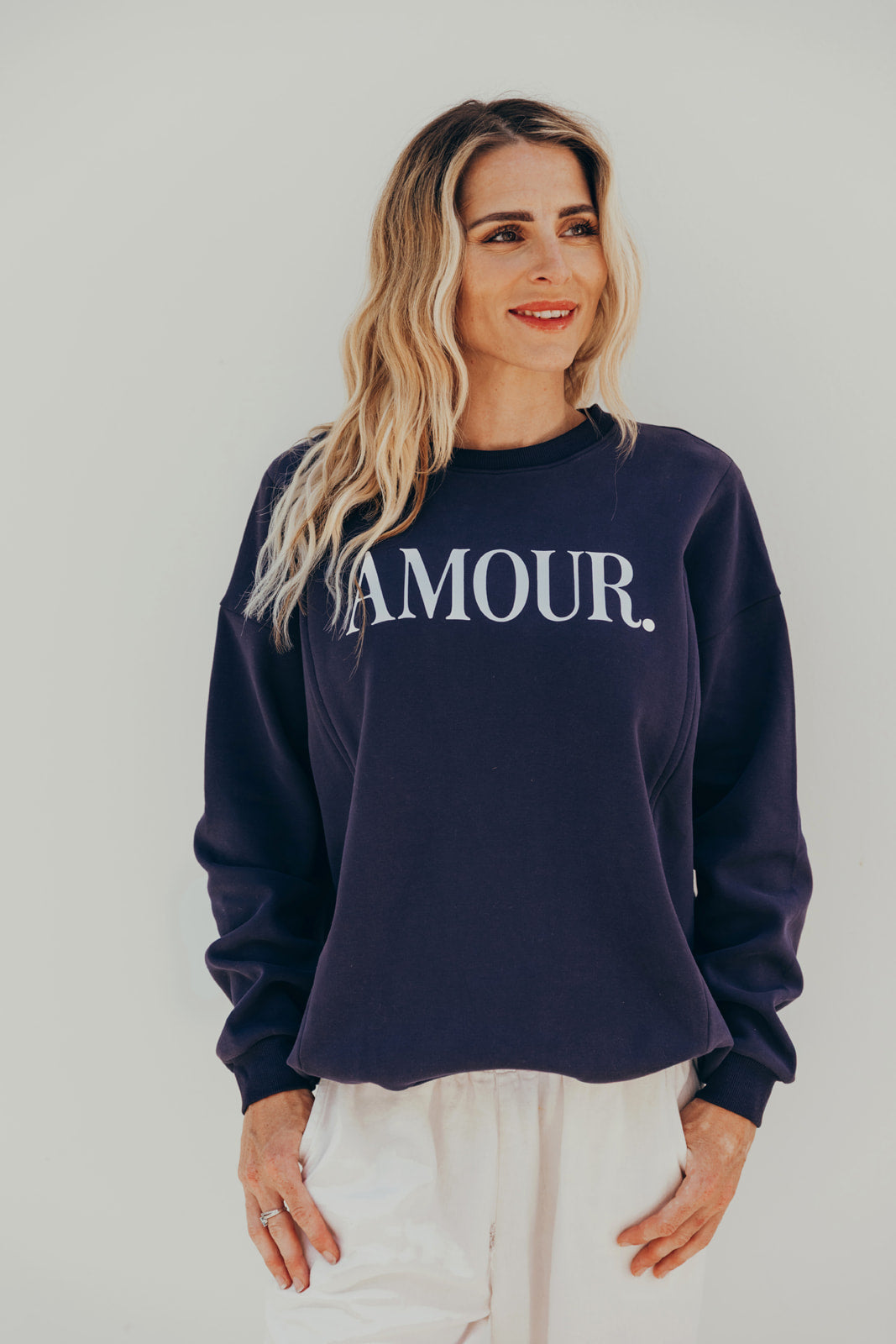
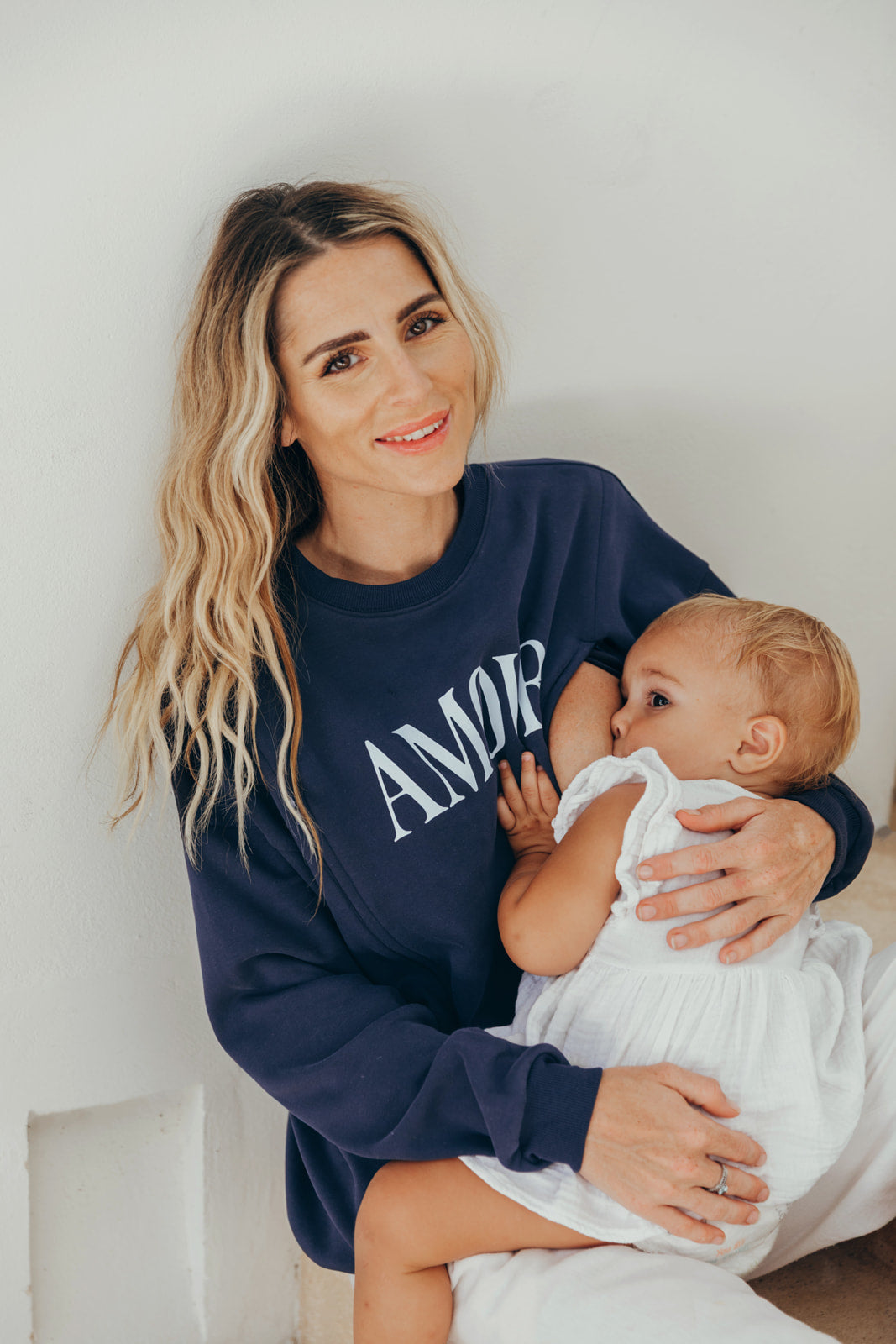
AMOUR navy nursing sweatshirt
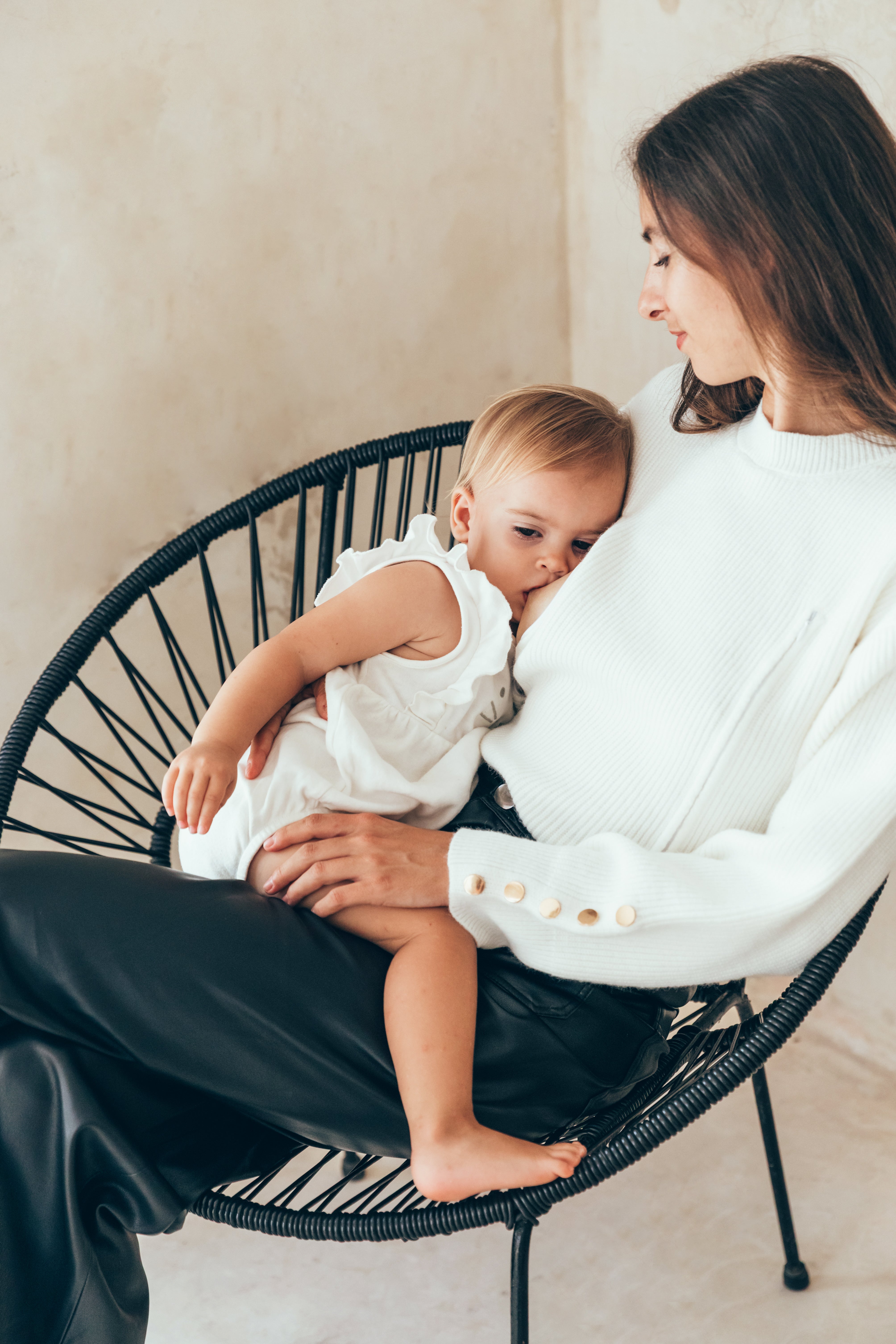

Off white nursing sweater COSSIMA
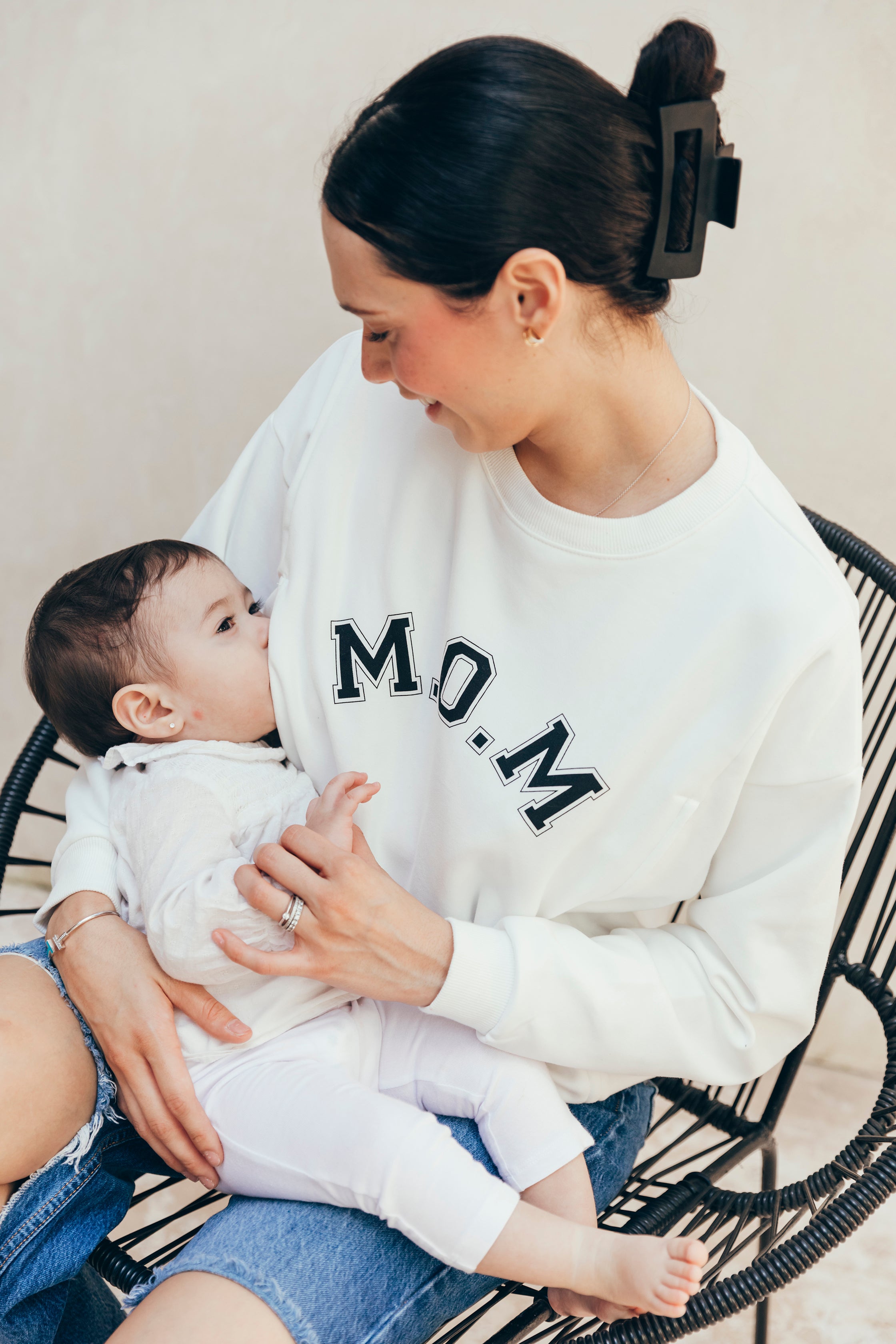
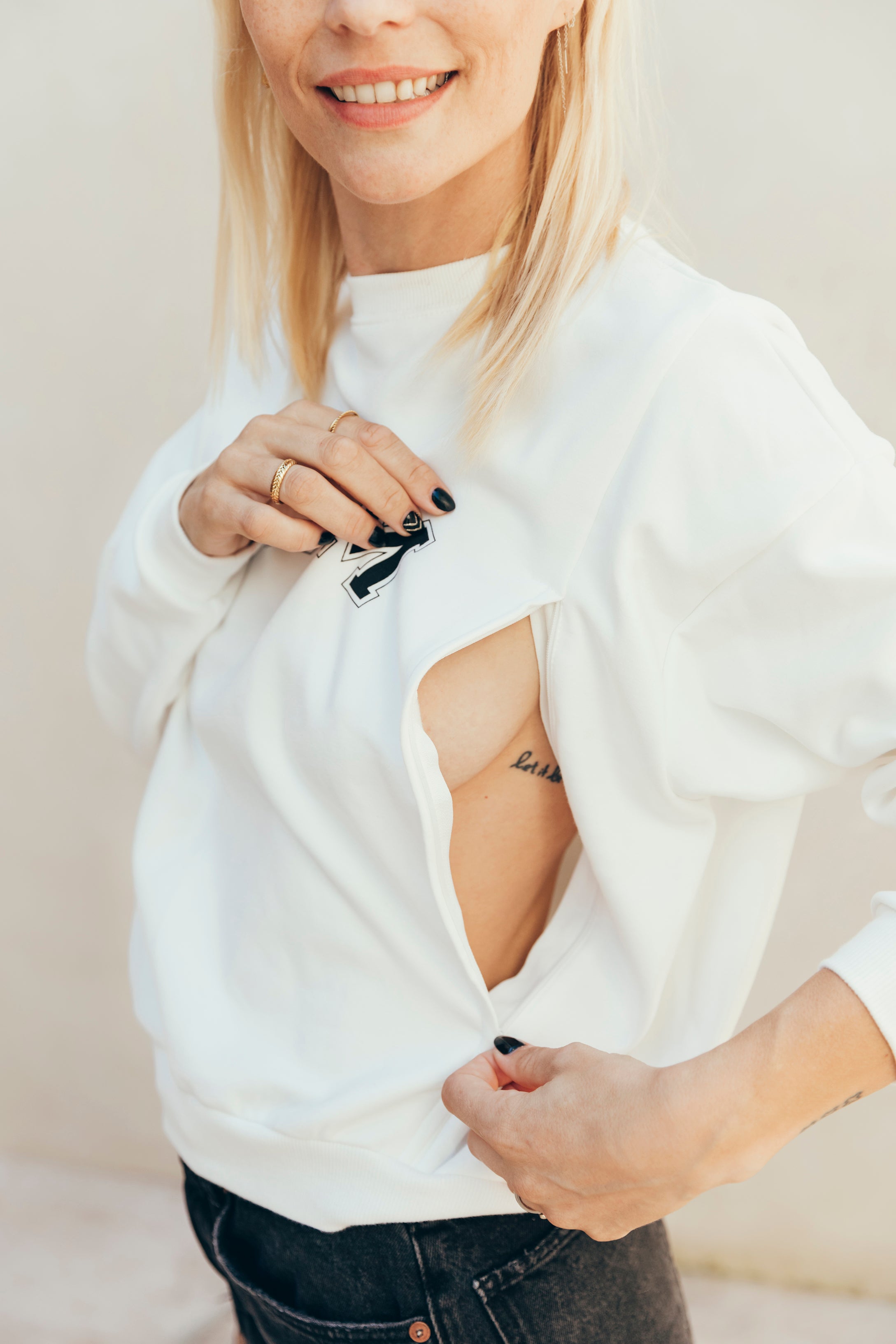
Breastfeeding sweat-shirt MOM
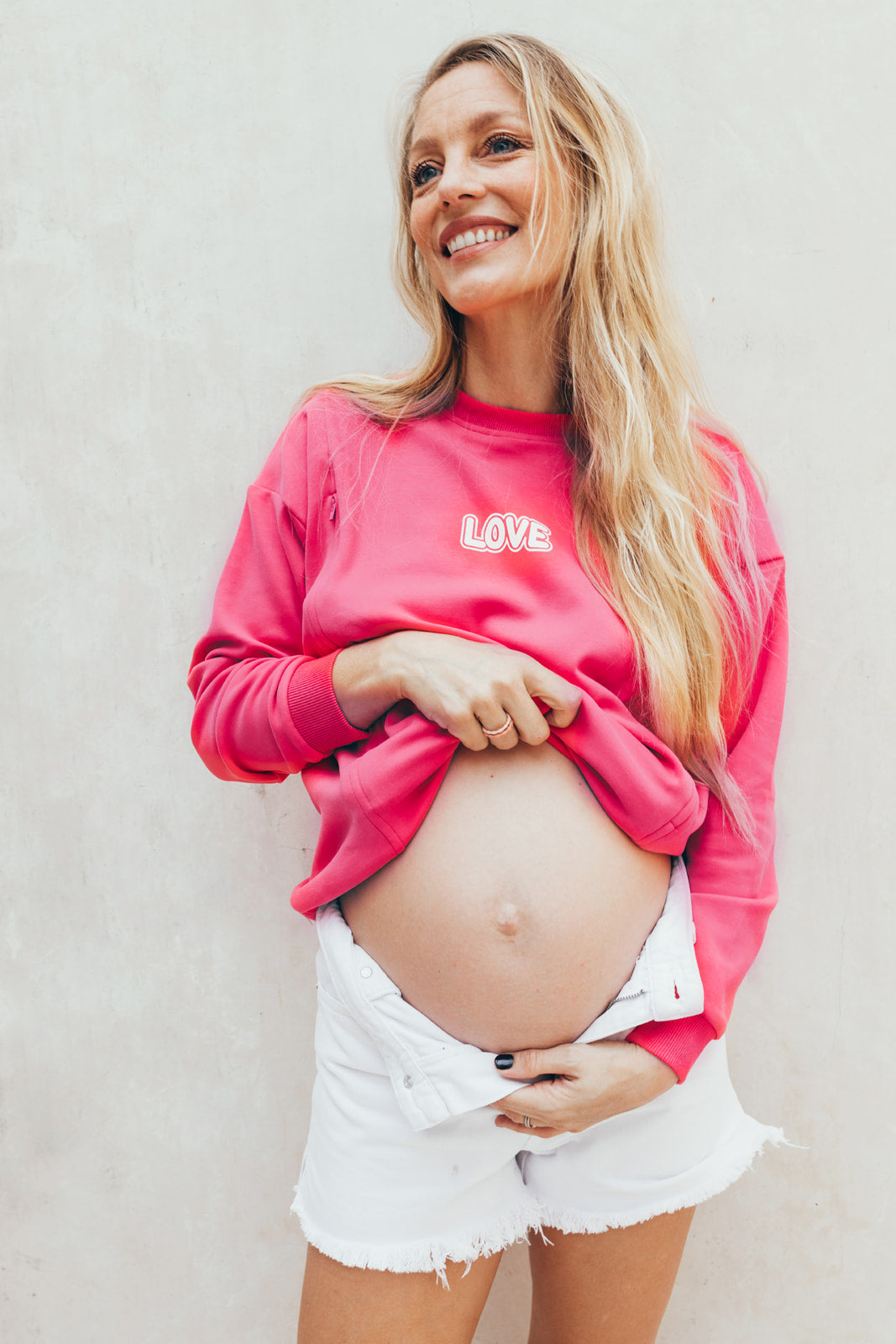

LOVE nursing sweatshirt
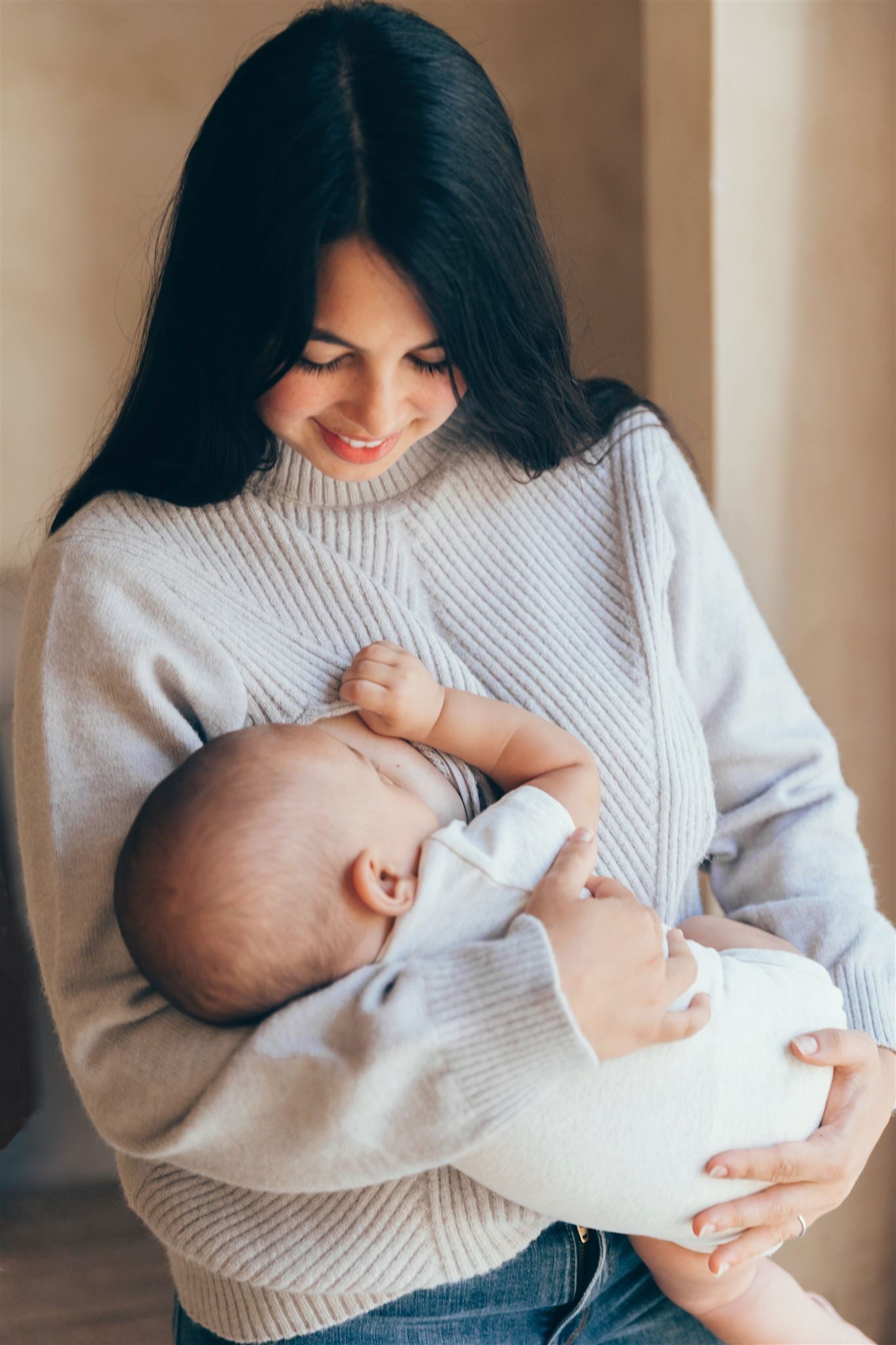
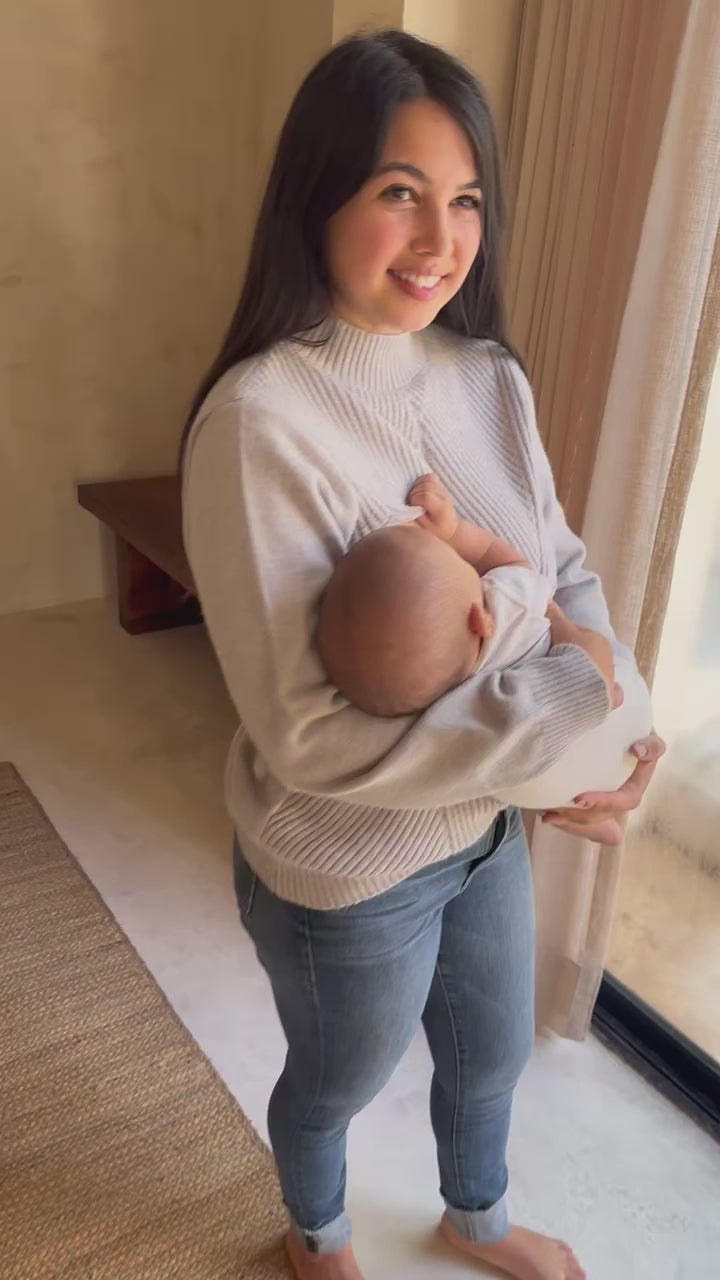
ALMA Grey Breastfeeding Sweater
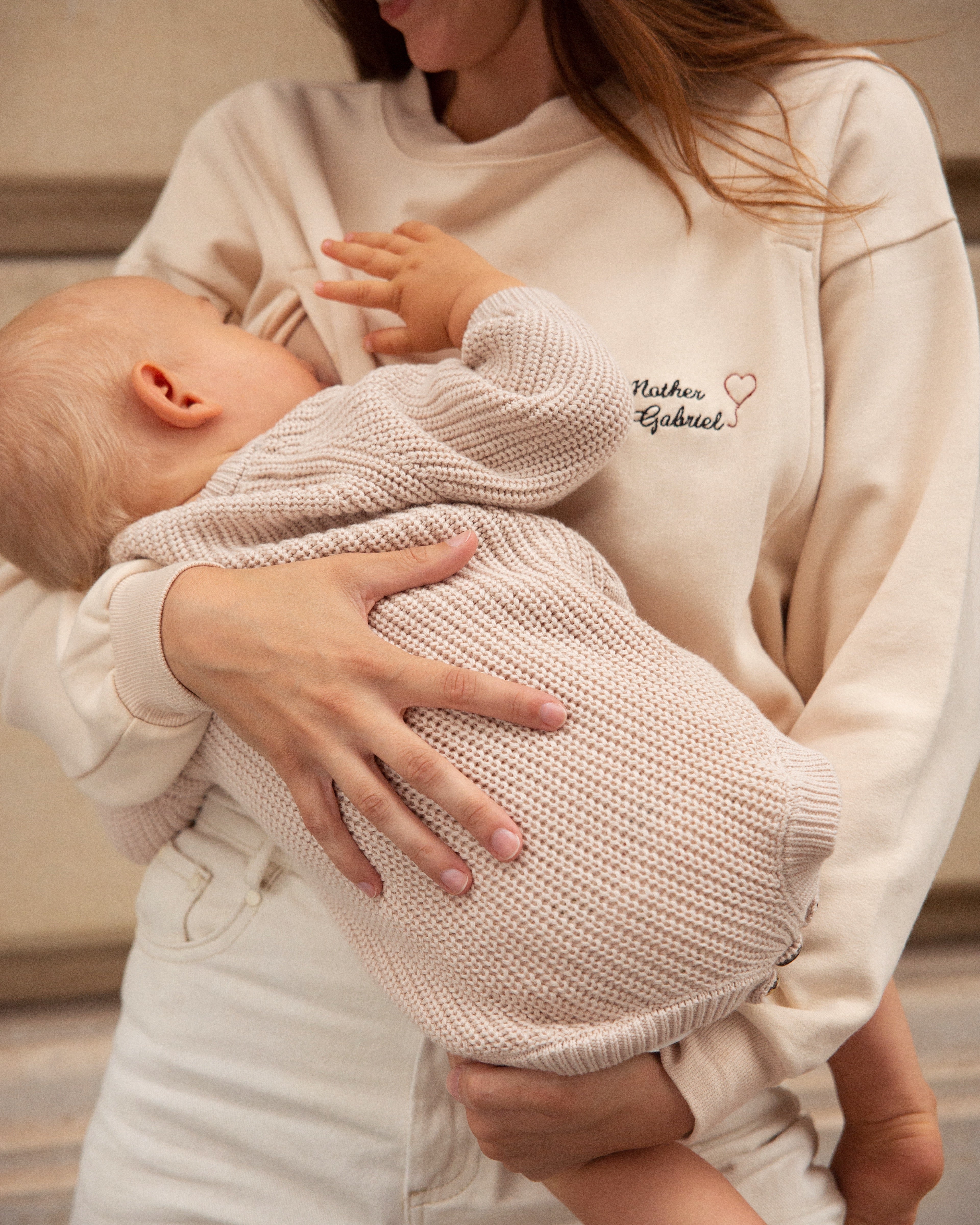
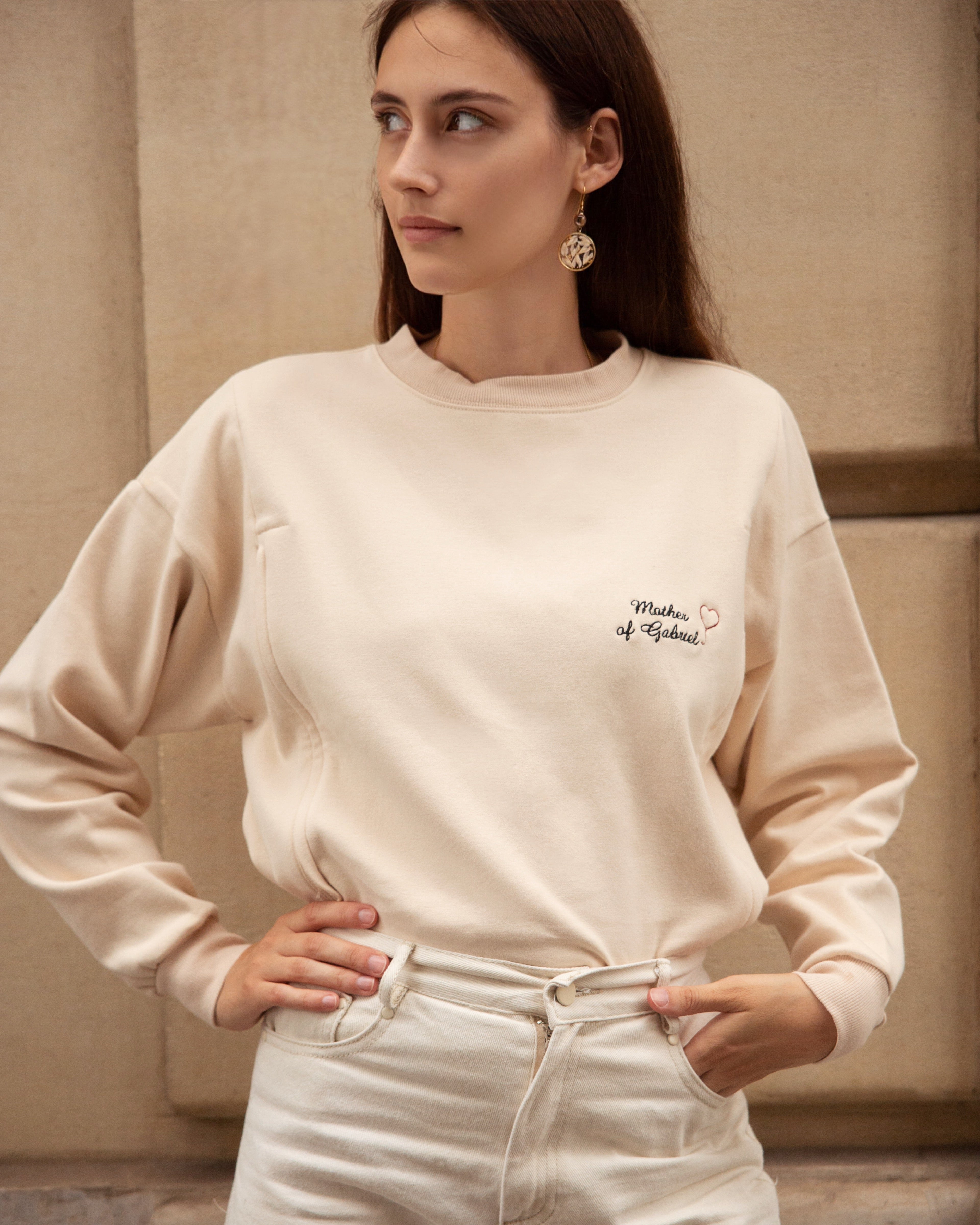
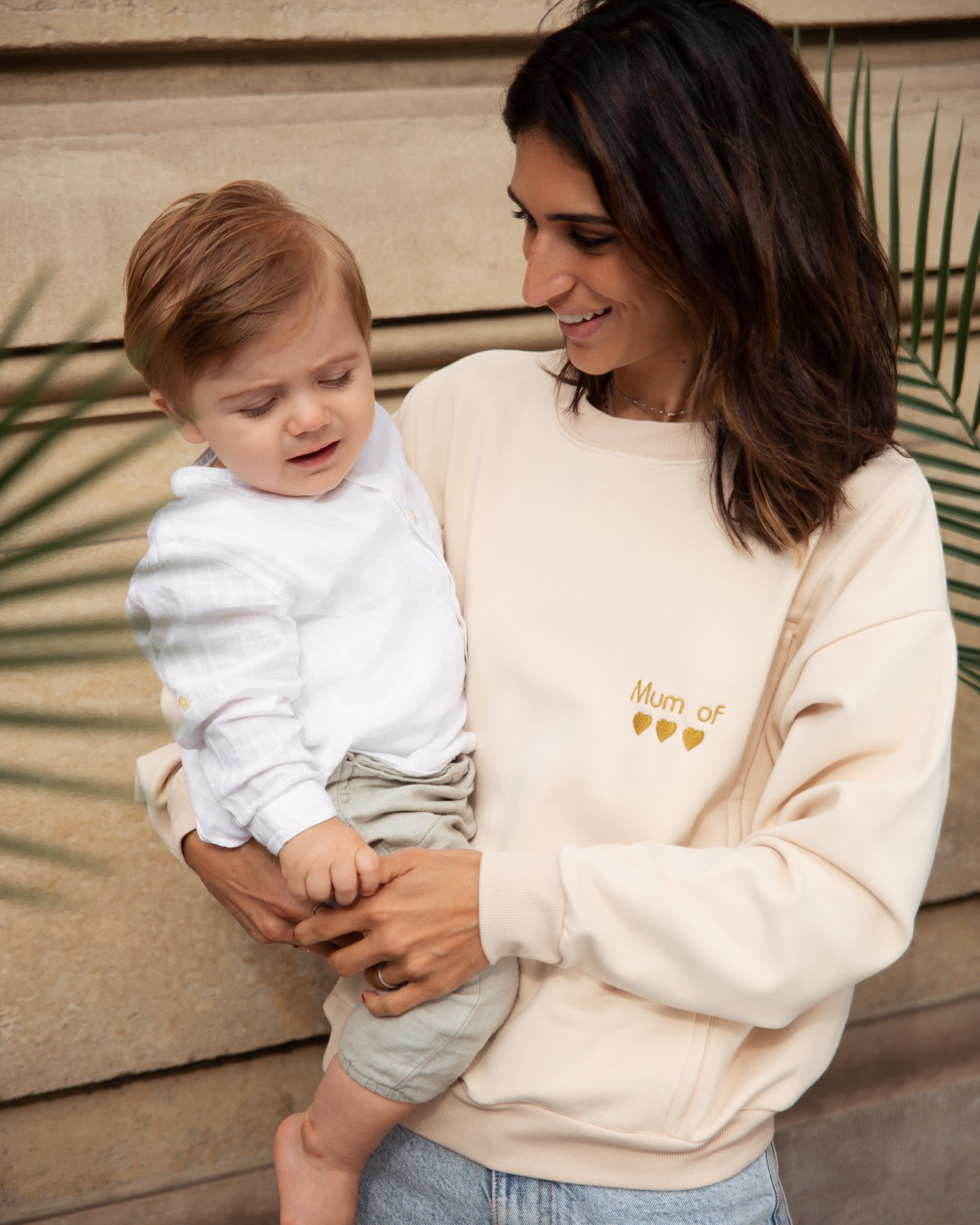
MOTHER OF nursing sweatshirt
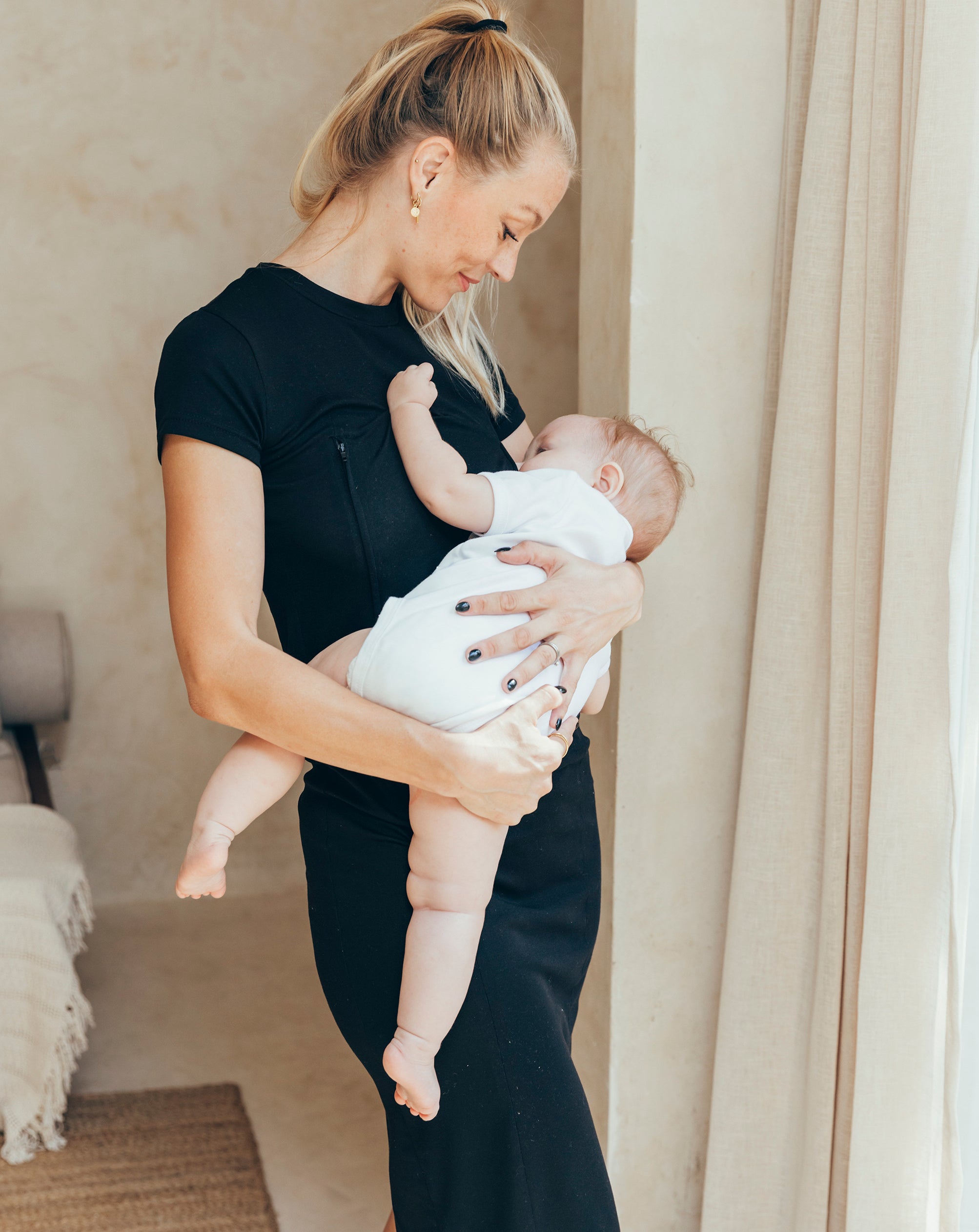
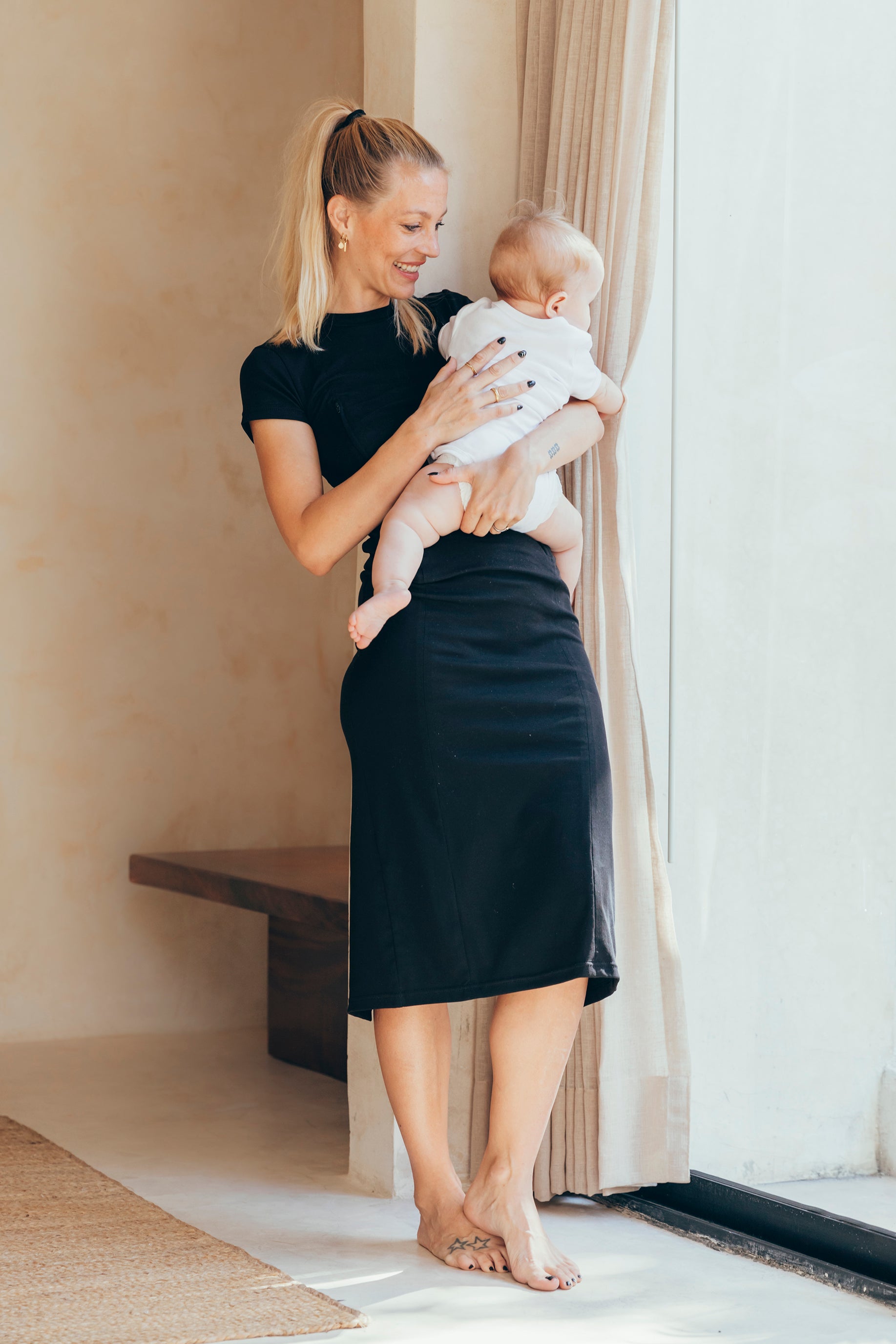
Breastfeeding dress TULUM
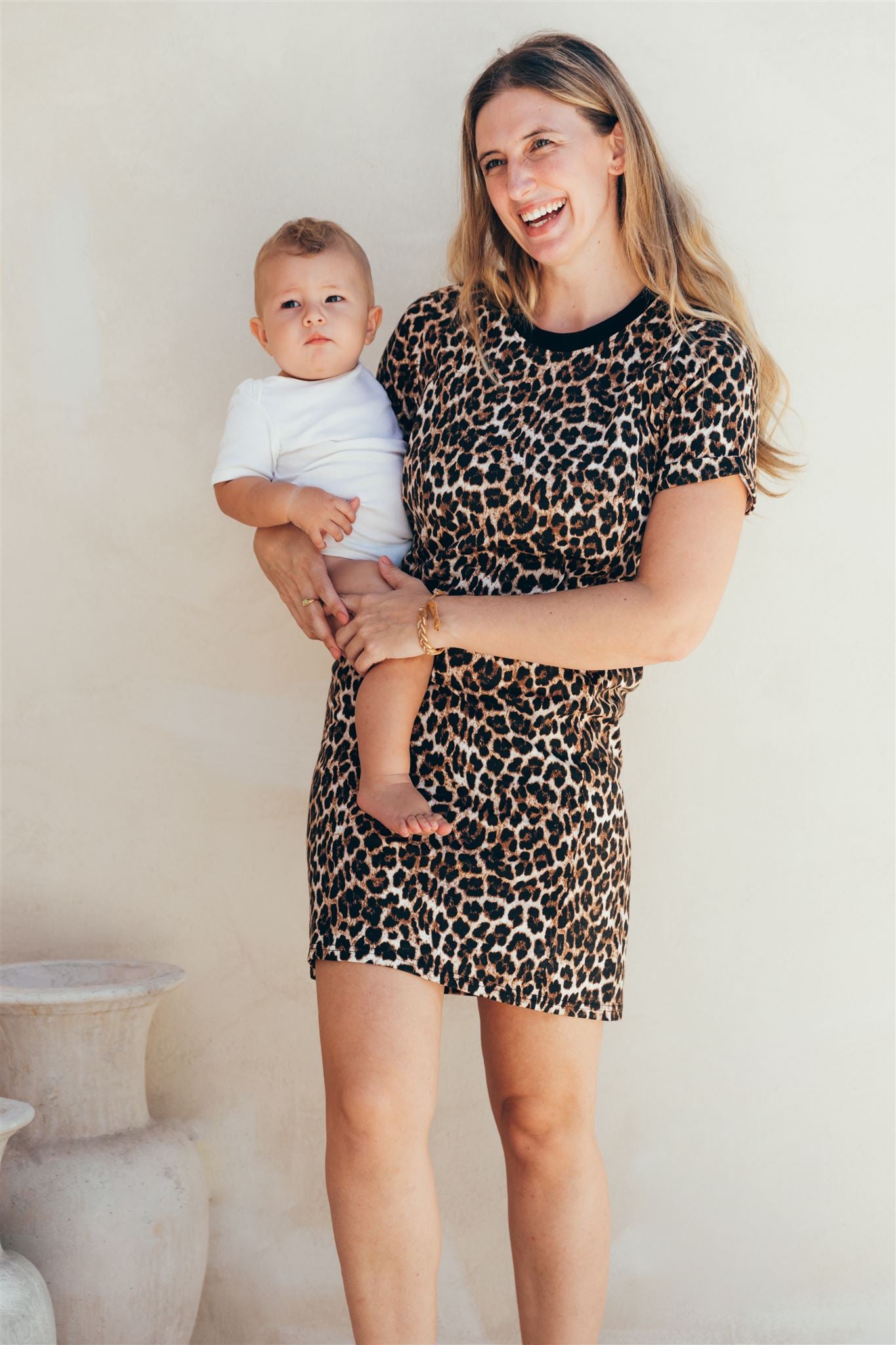

Breastfeeding dress LEOPARD
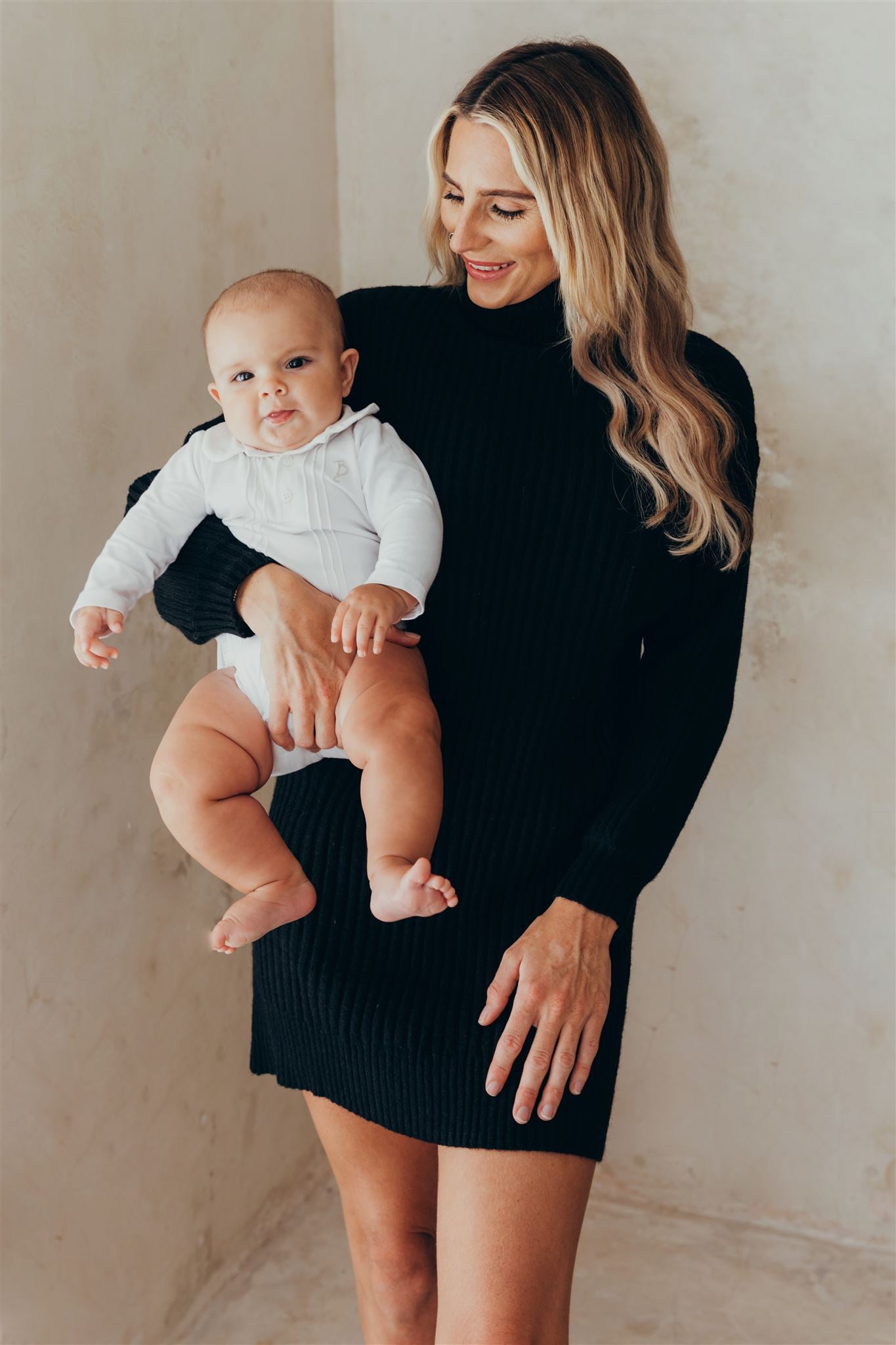
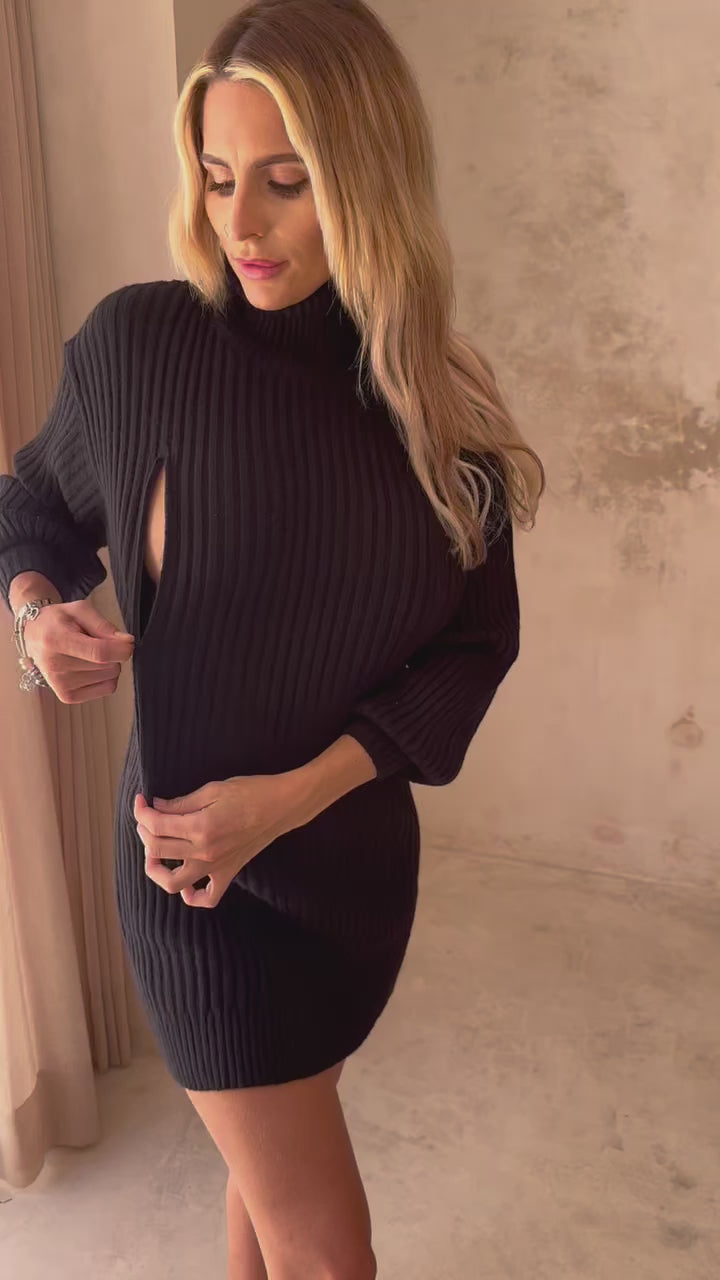
Breastfeeding mesh dress GEORGIA
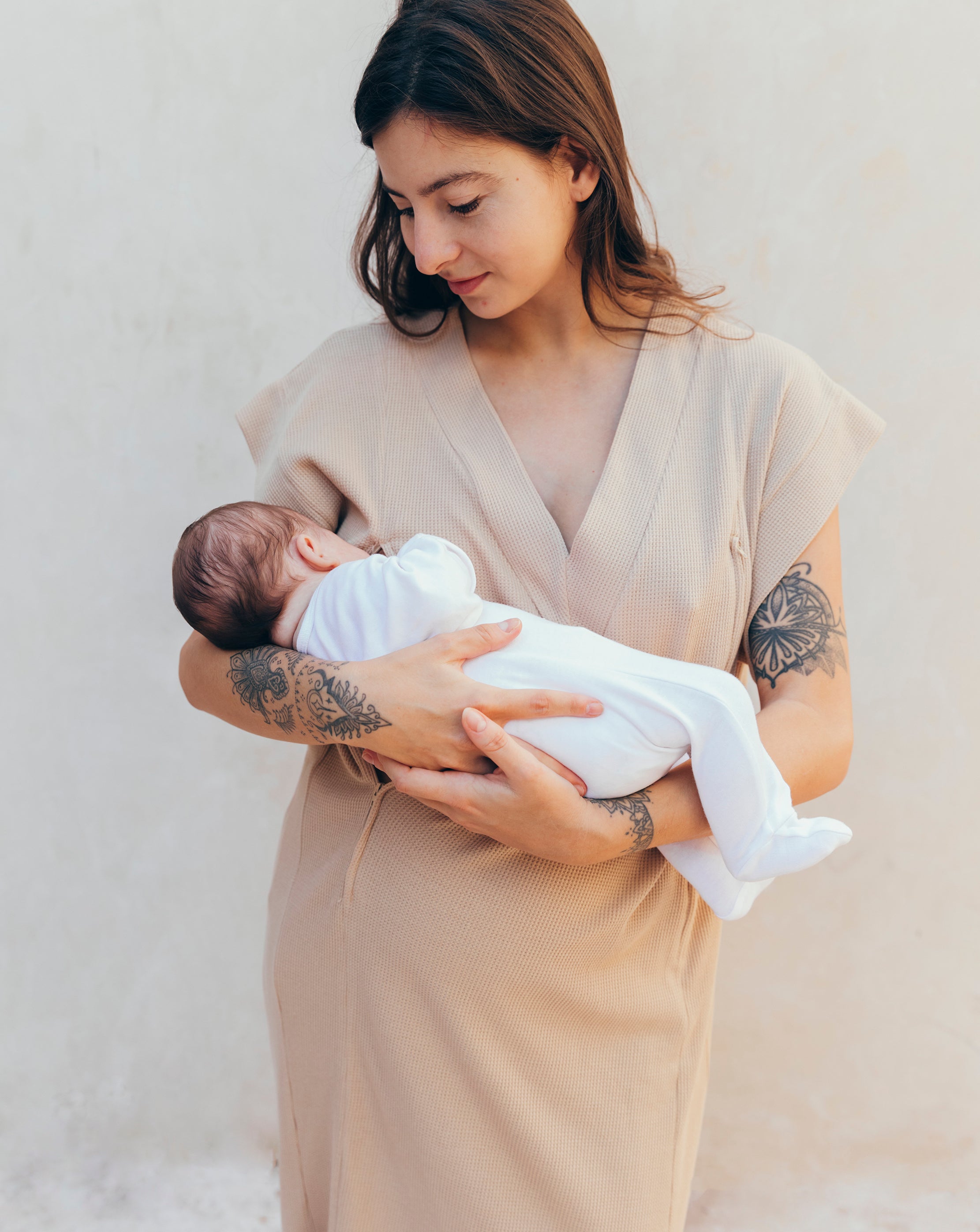
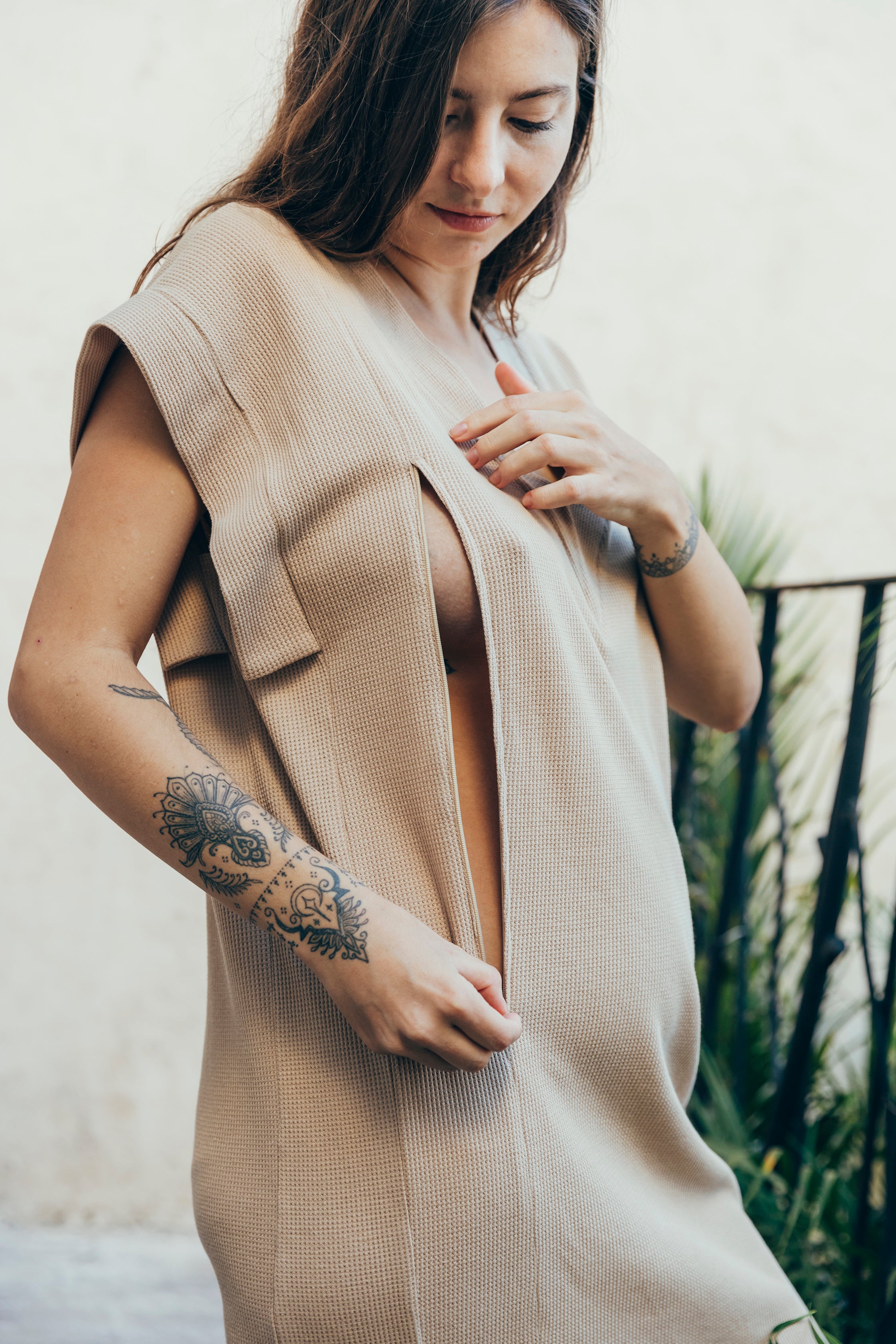
Beige CANCUN Breastfeeding dress
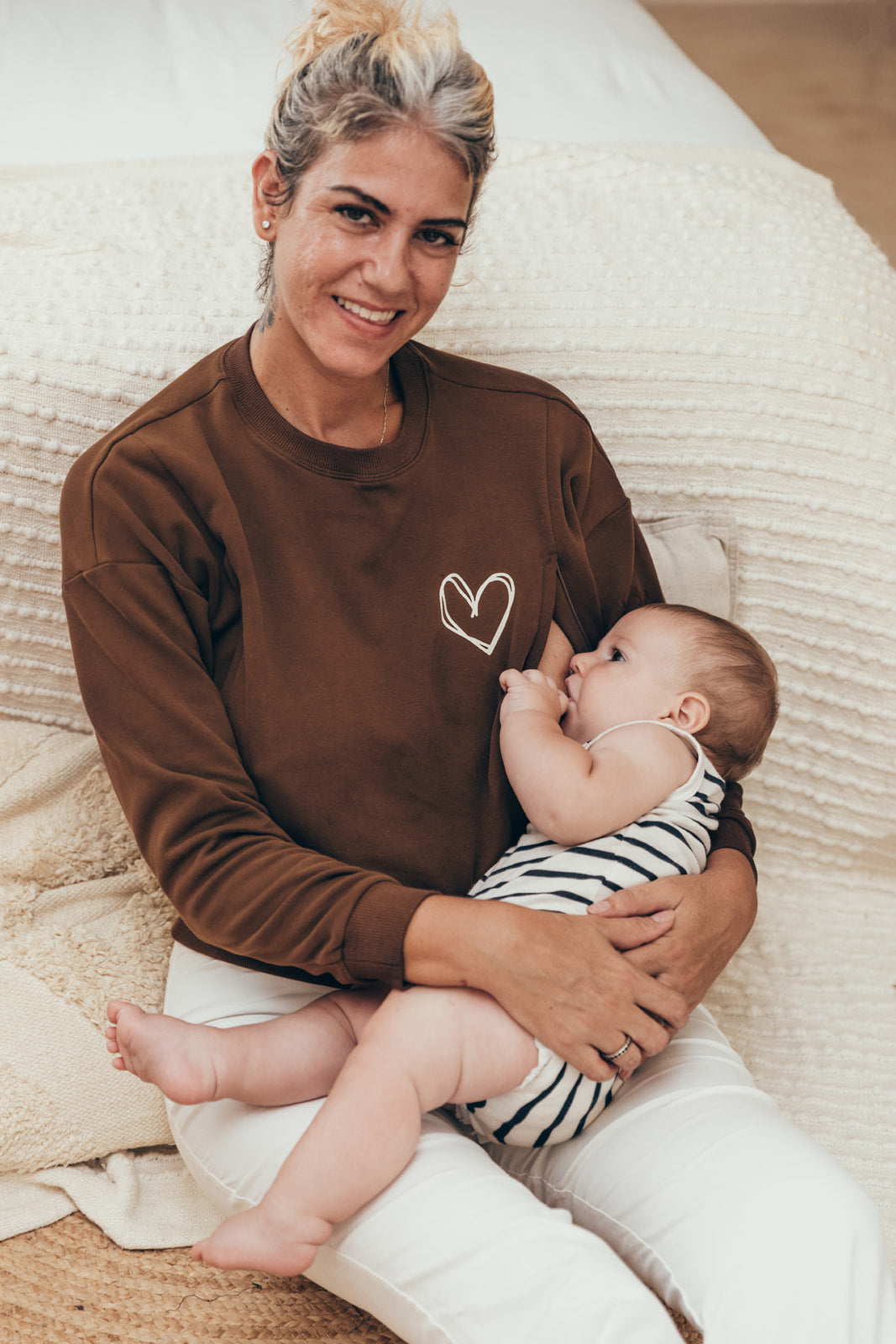
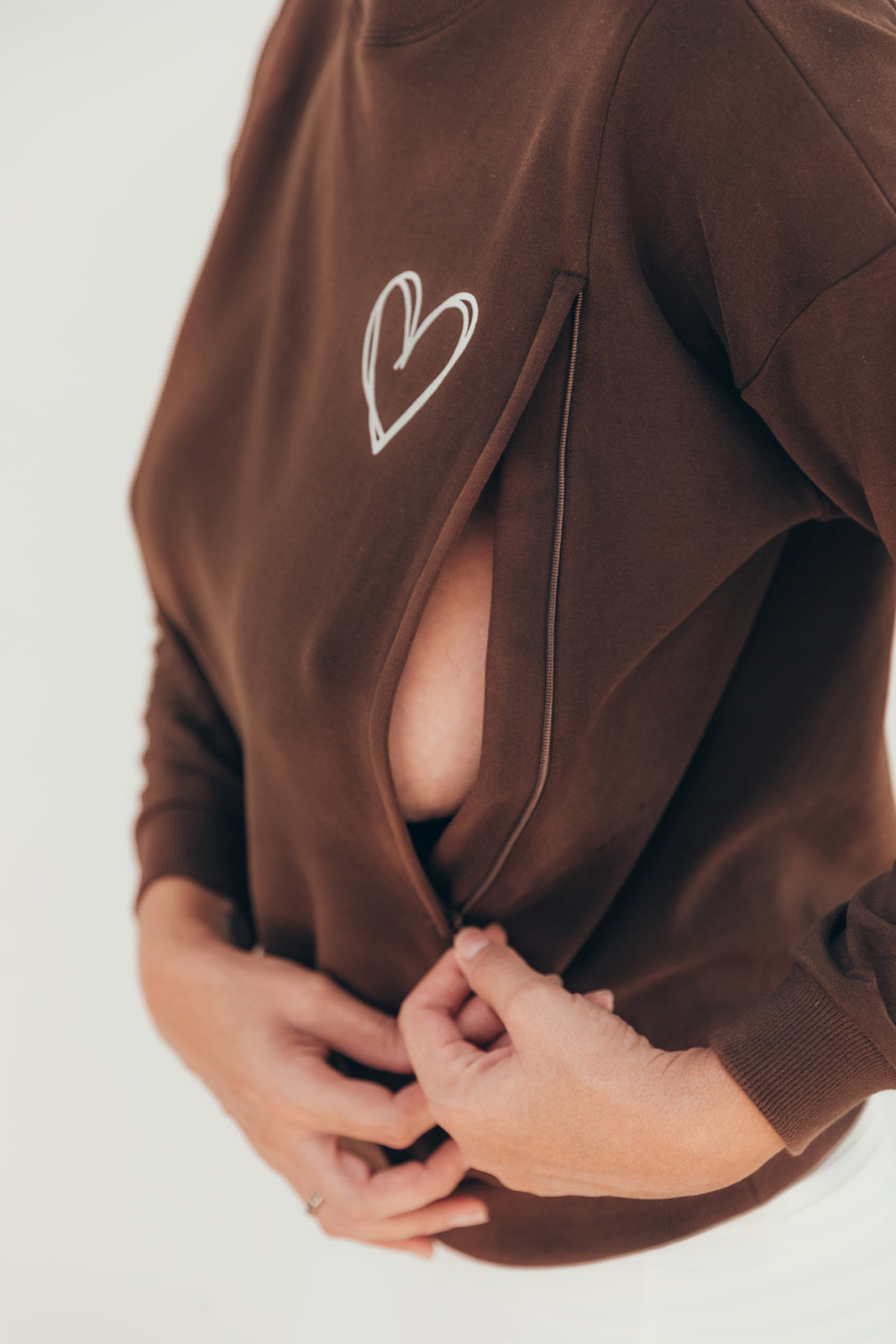
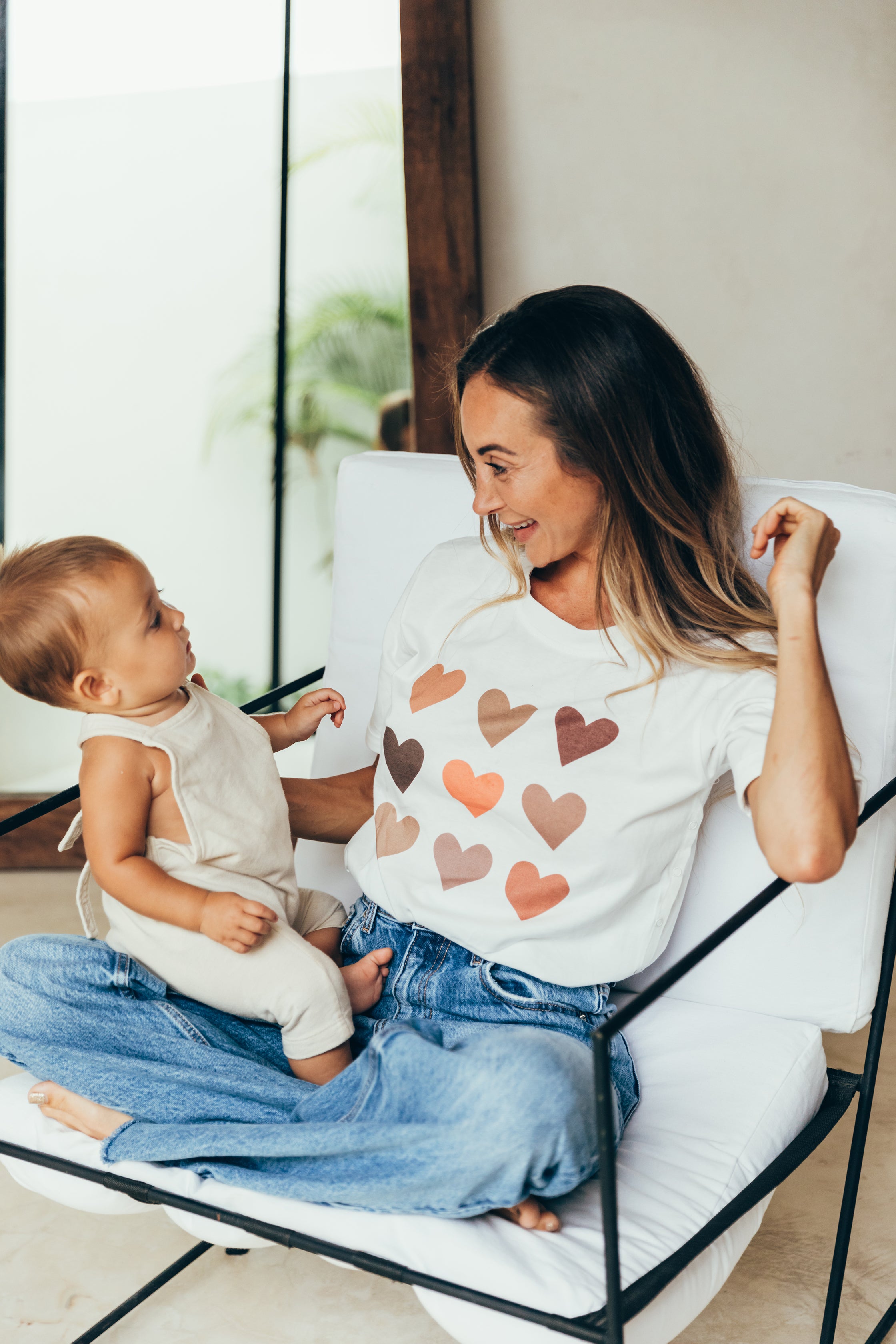
Brown heart nursing sweatshirt
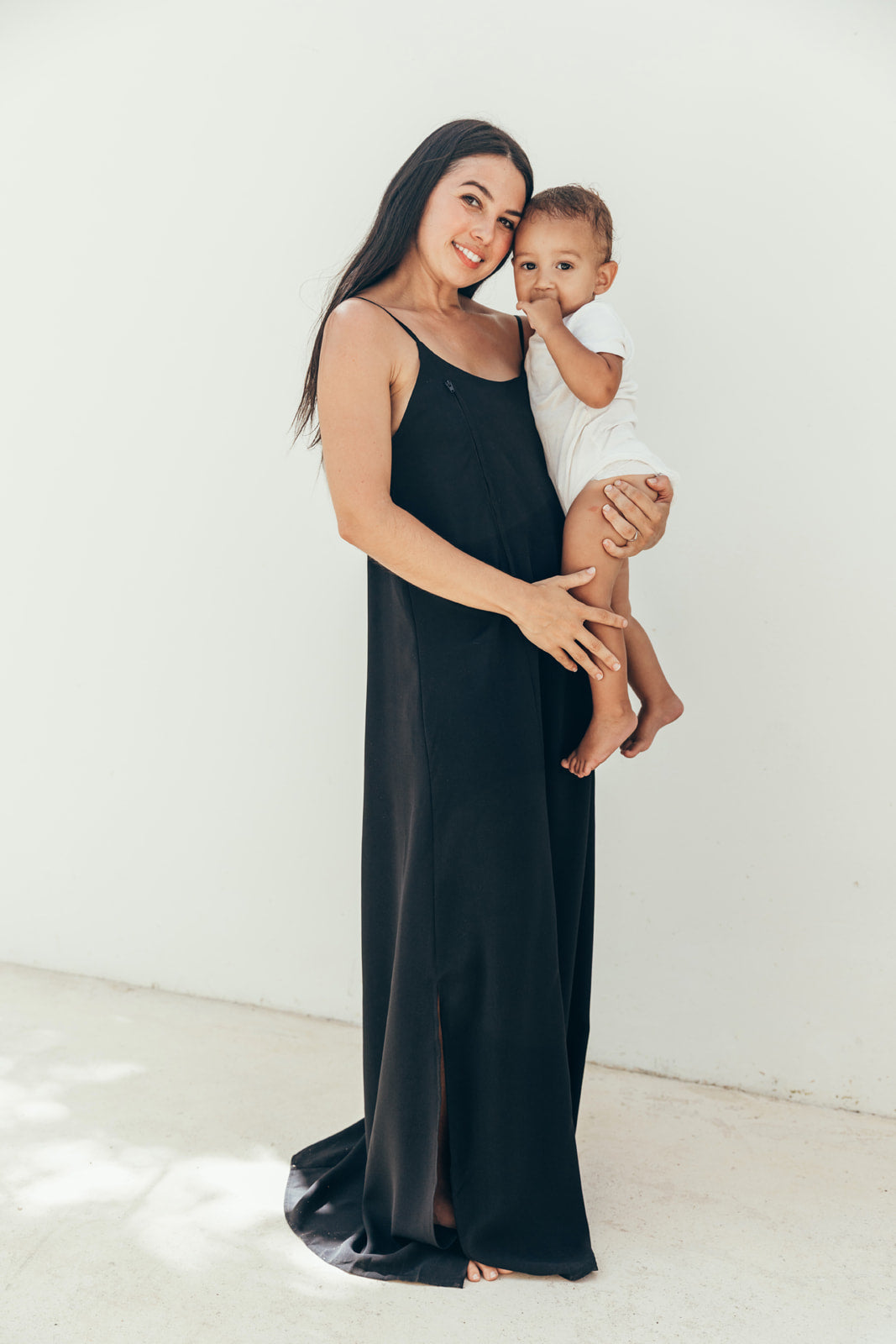

INDIA black maternity and nursing dress
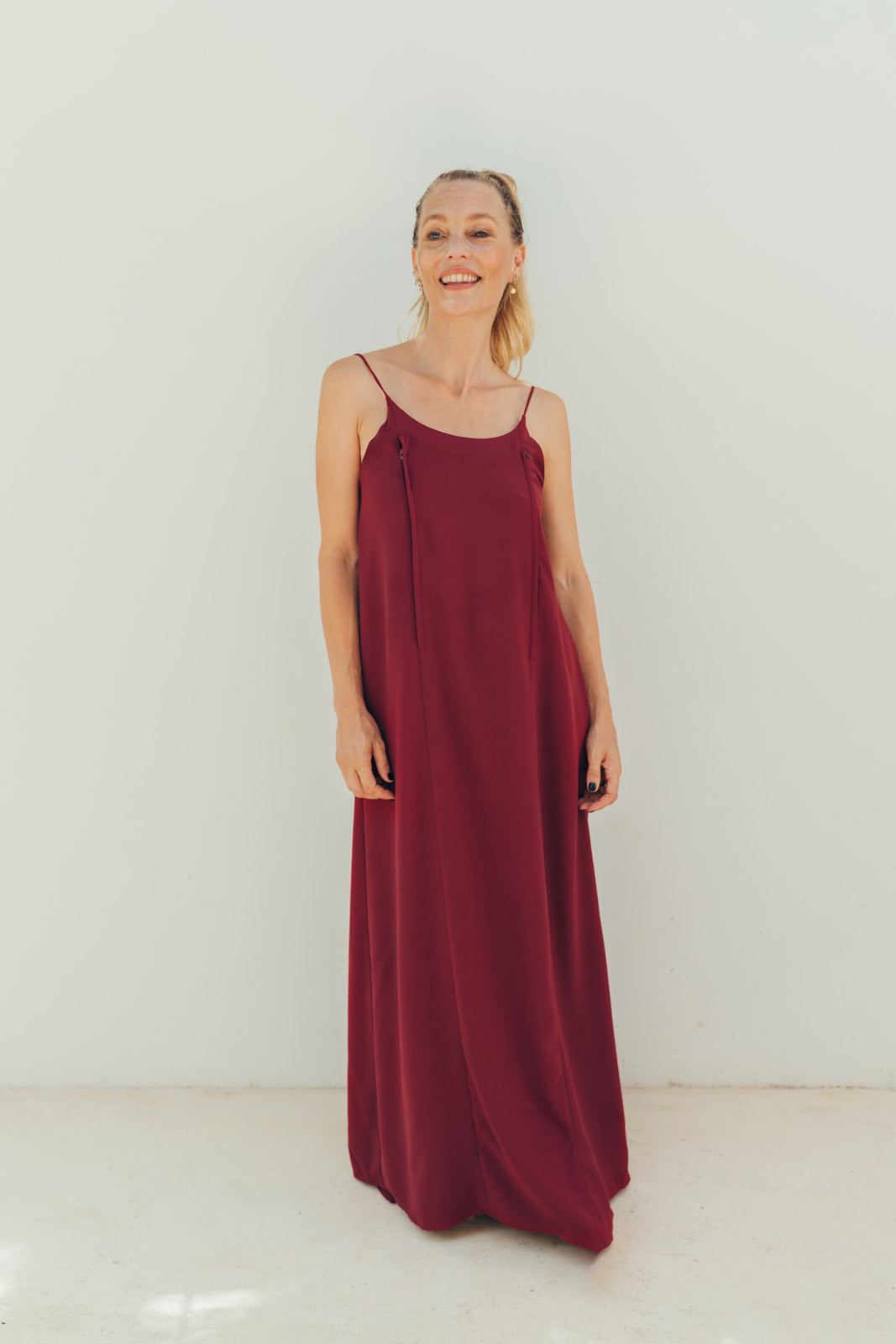

INDIA burgundy maternity and nursing dress
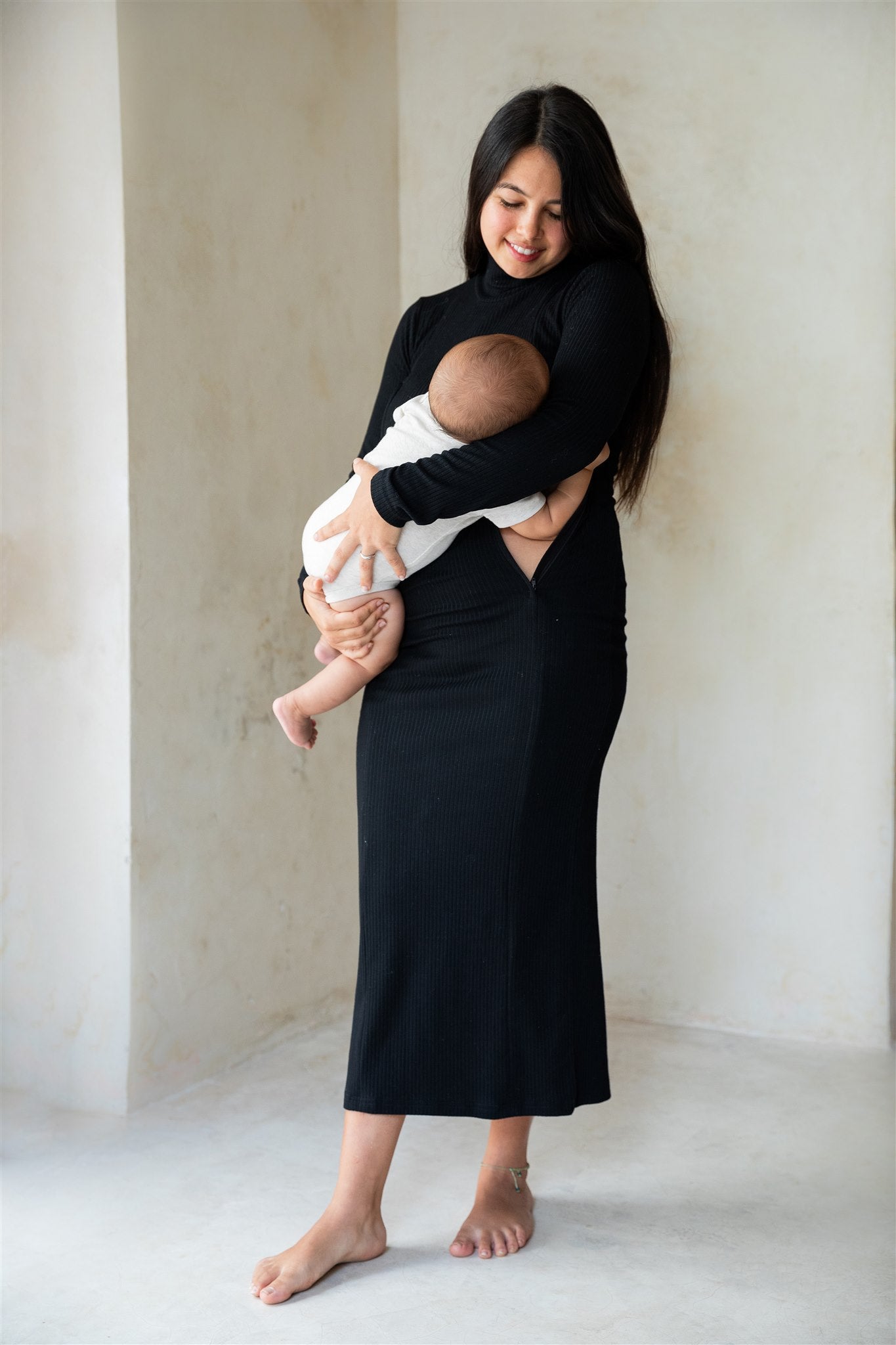

OLIVIA cotton Breastfeeding dress
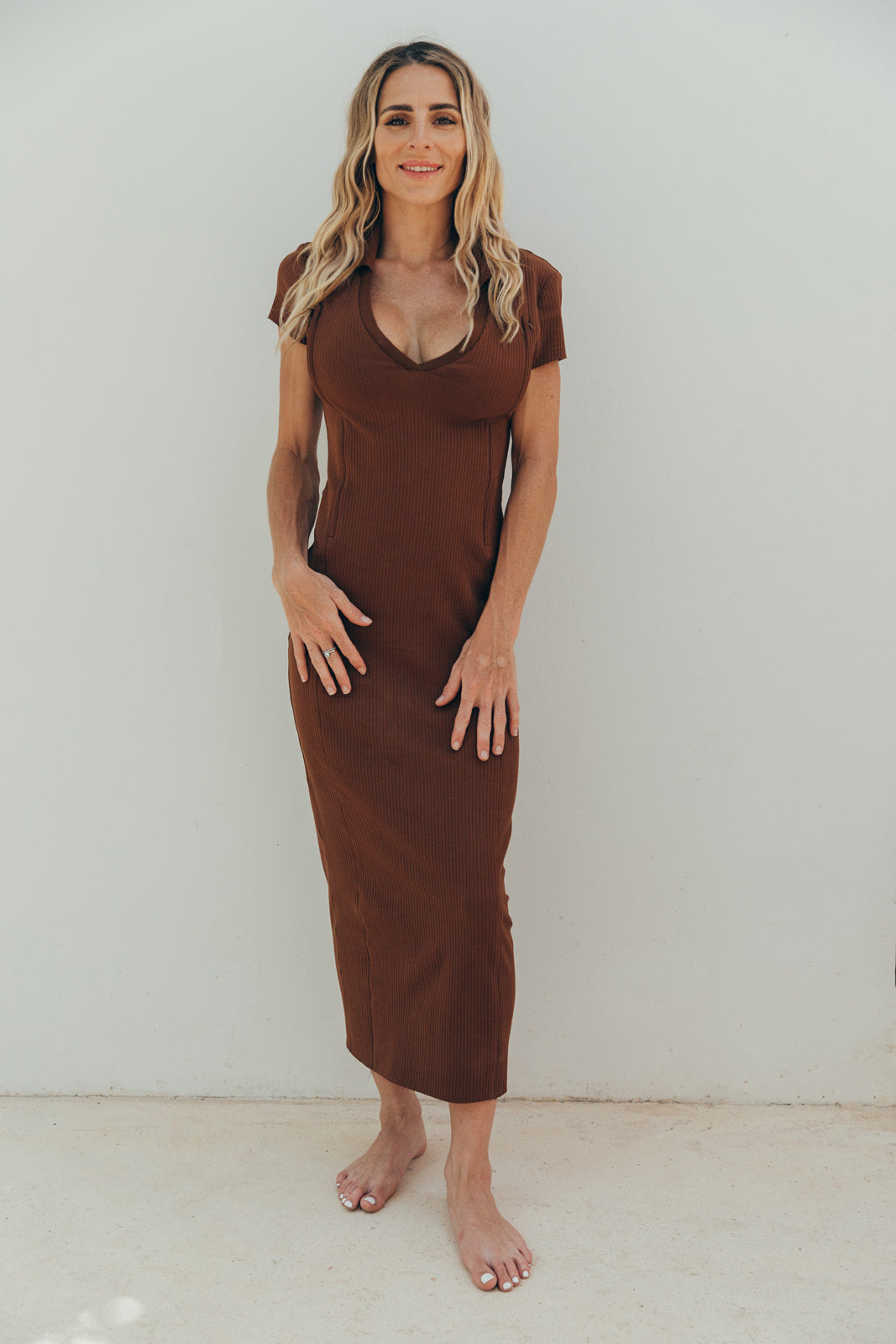

Breastfeeding dress COCONUT
CHIARA Beige Breastfeeding Sweater
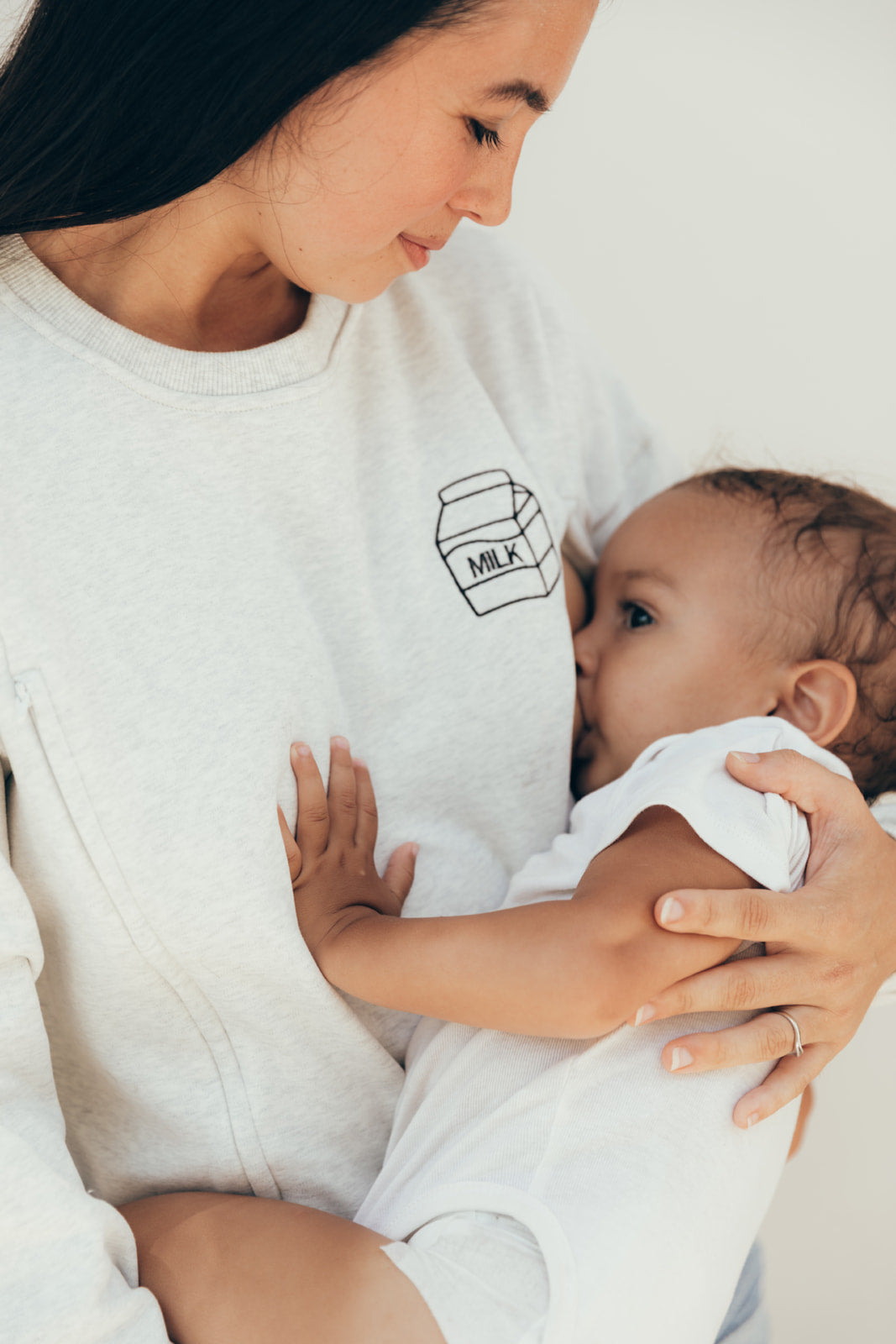
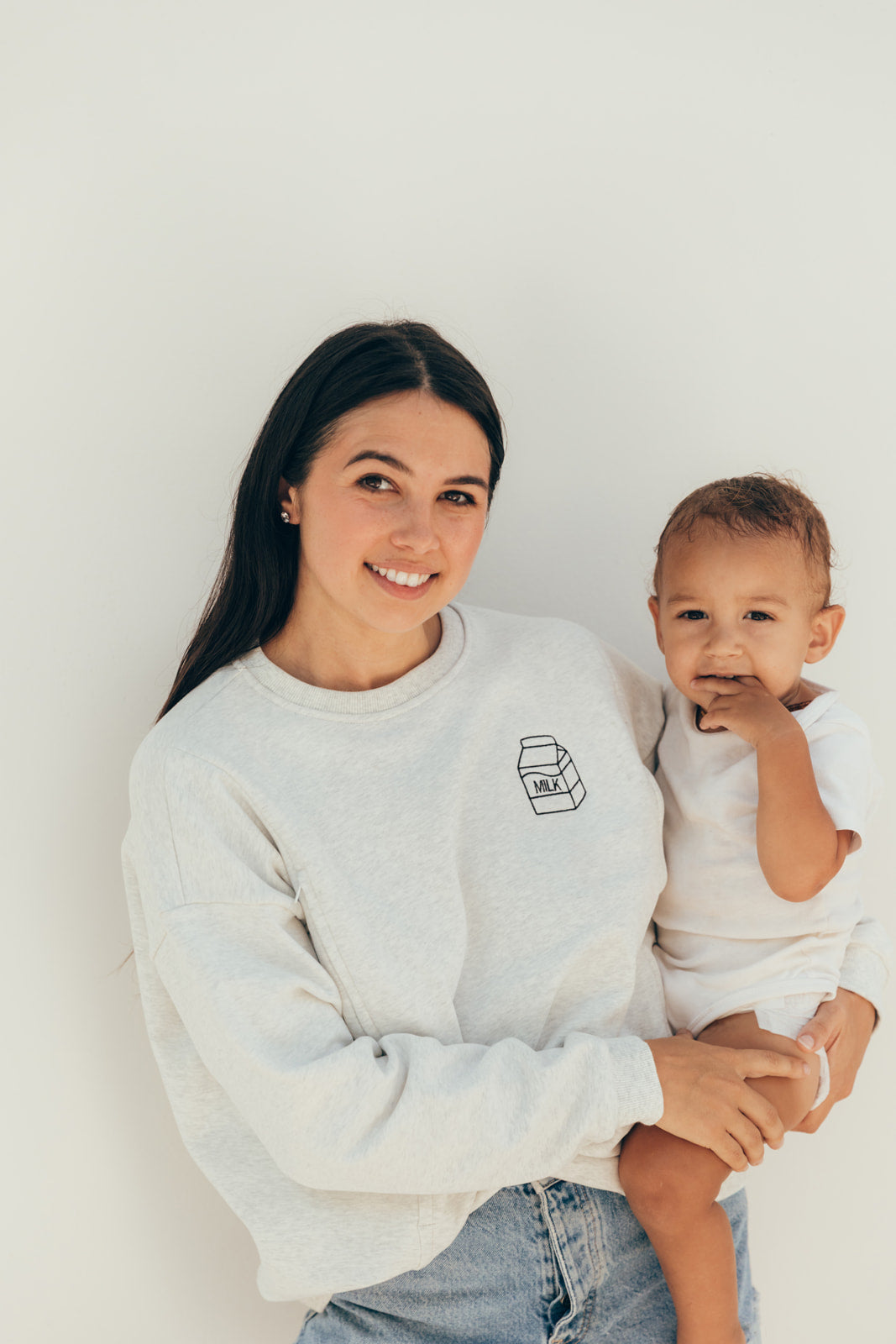
MILK nursing sweatshirt grey
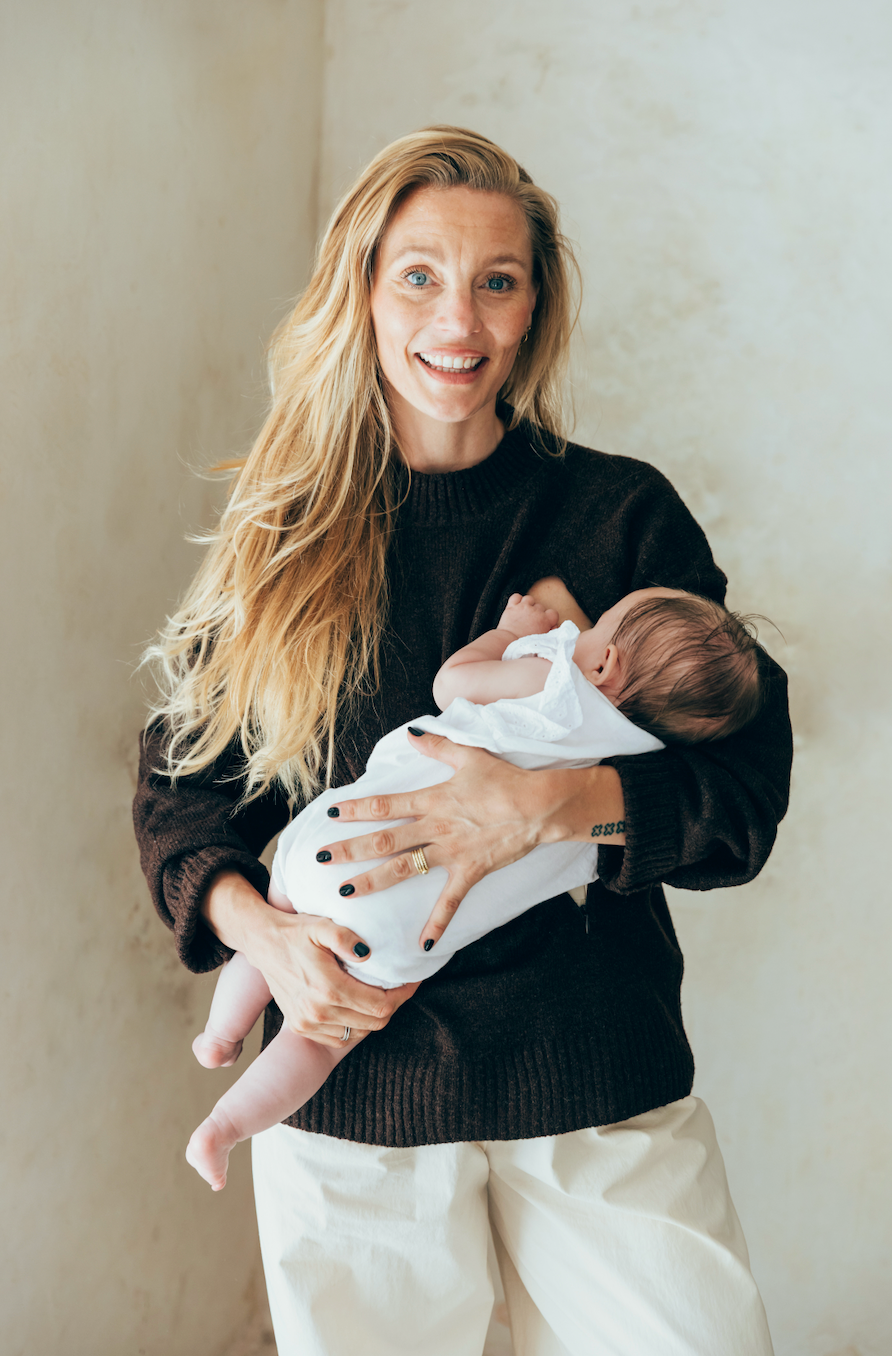
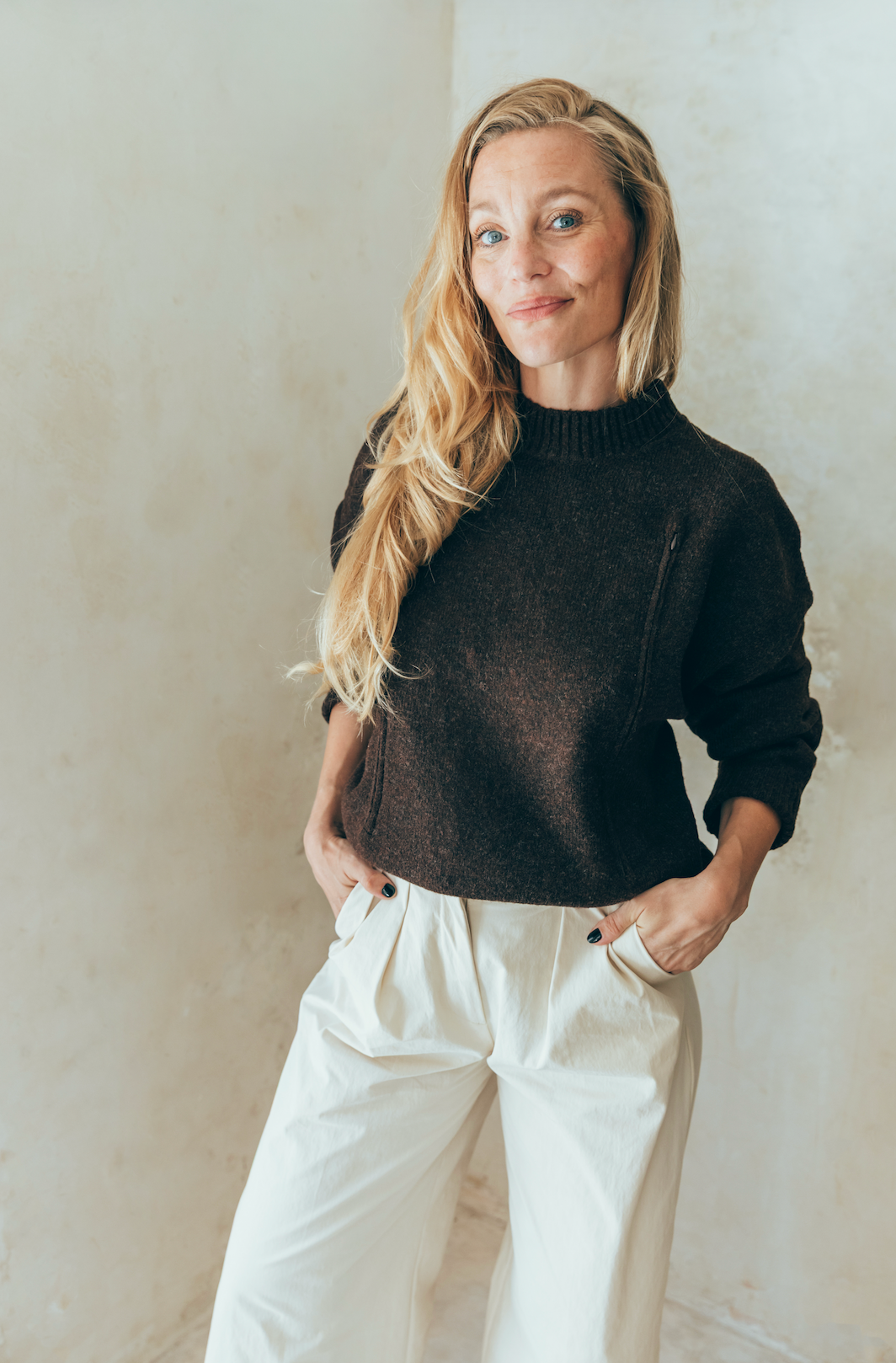
ASSIA brown nursing sweater
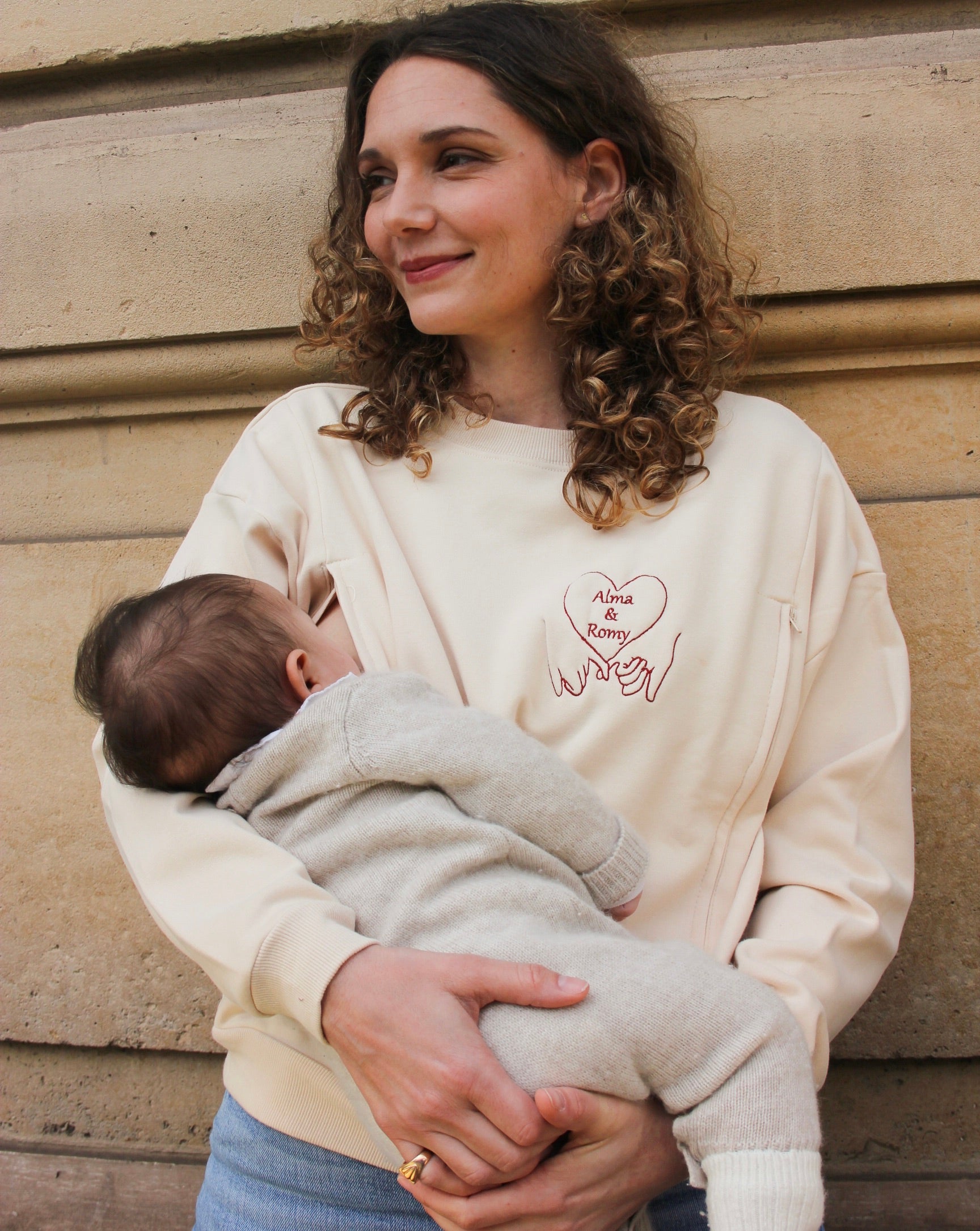
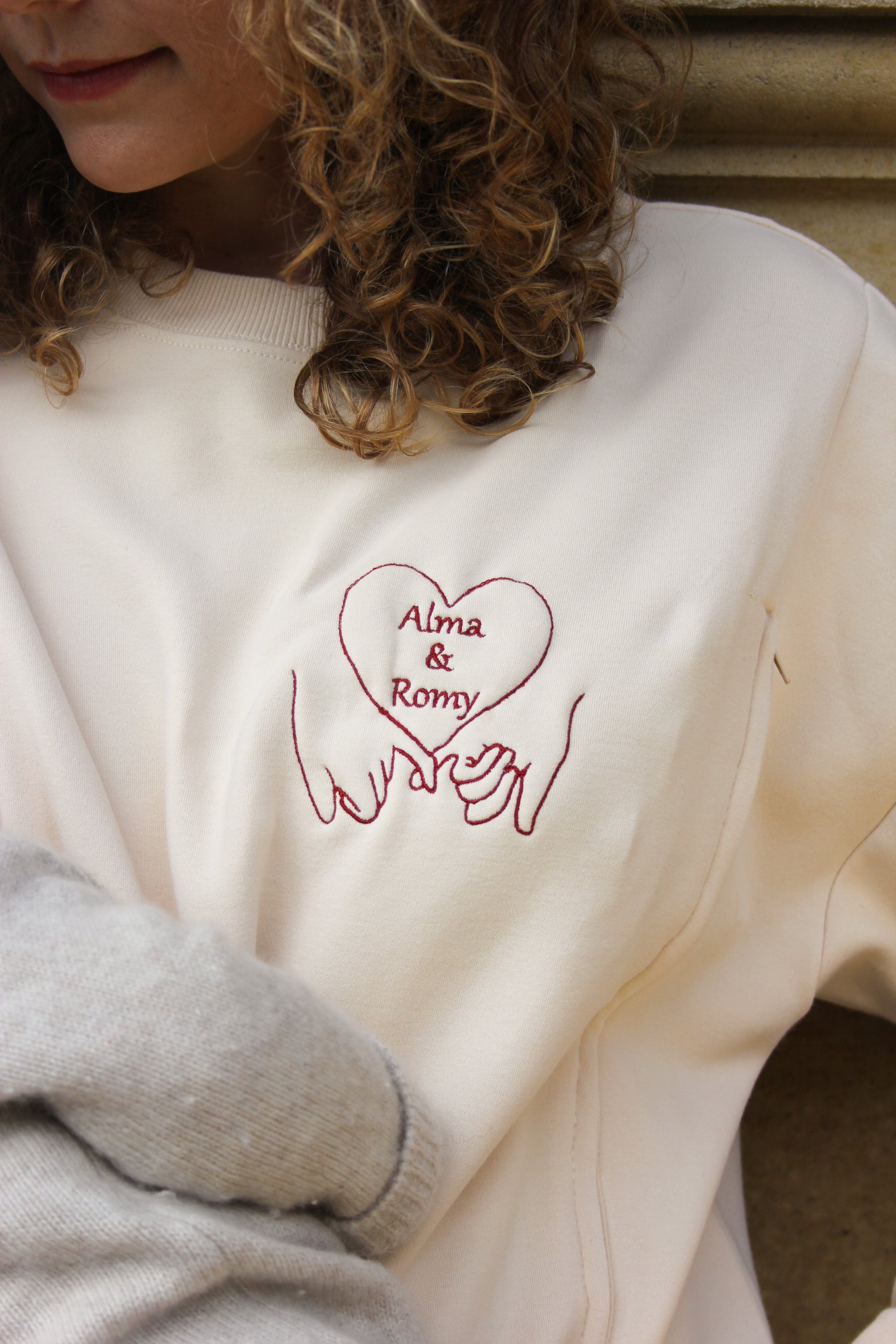
PROMESSE nursing sweatshirt
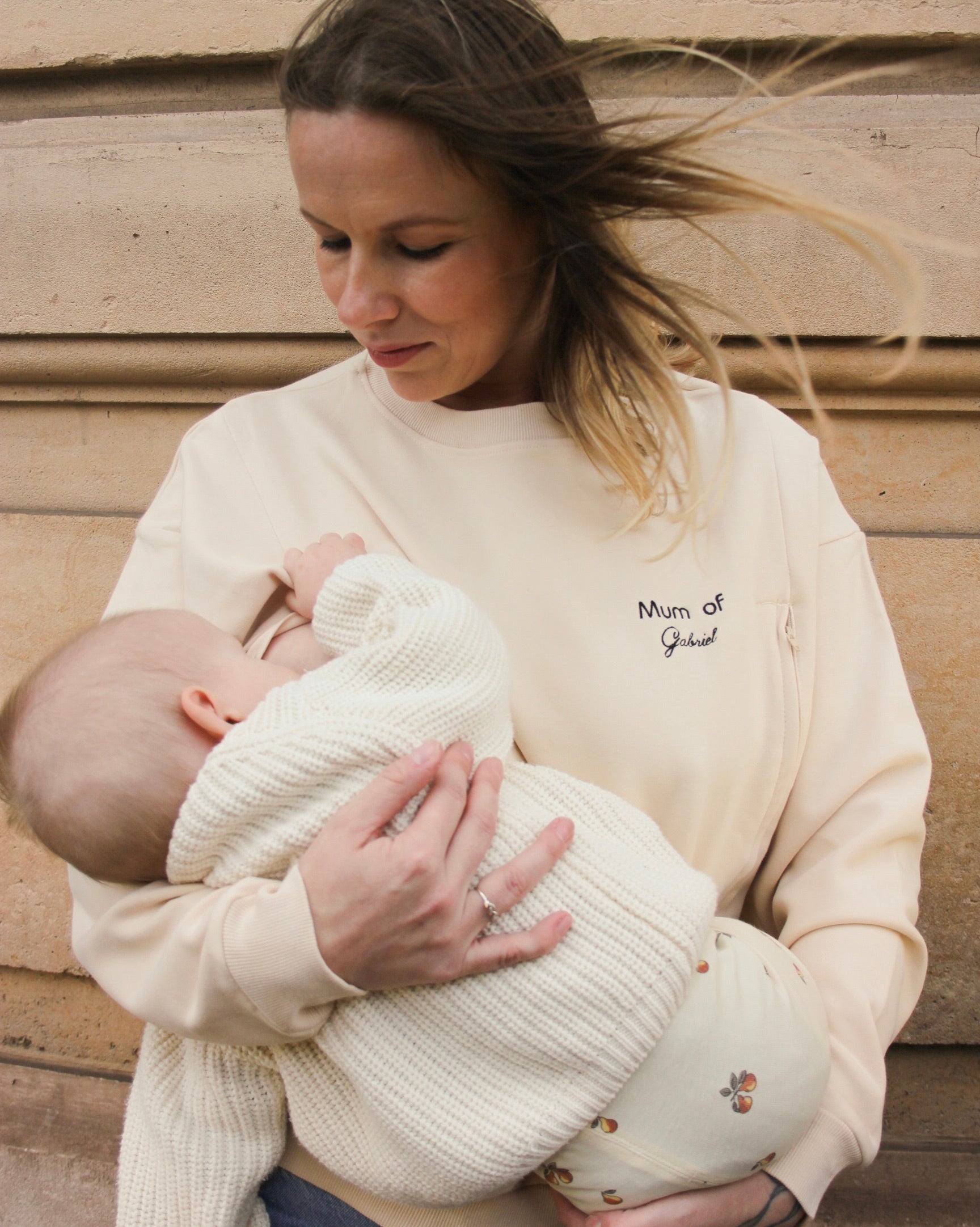
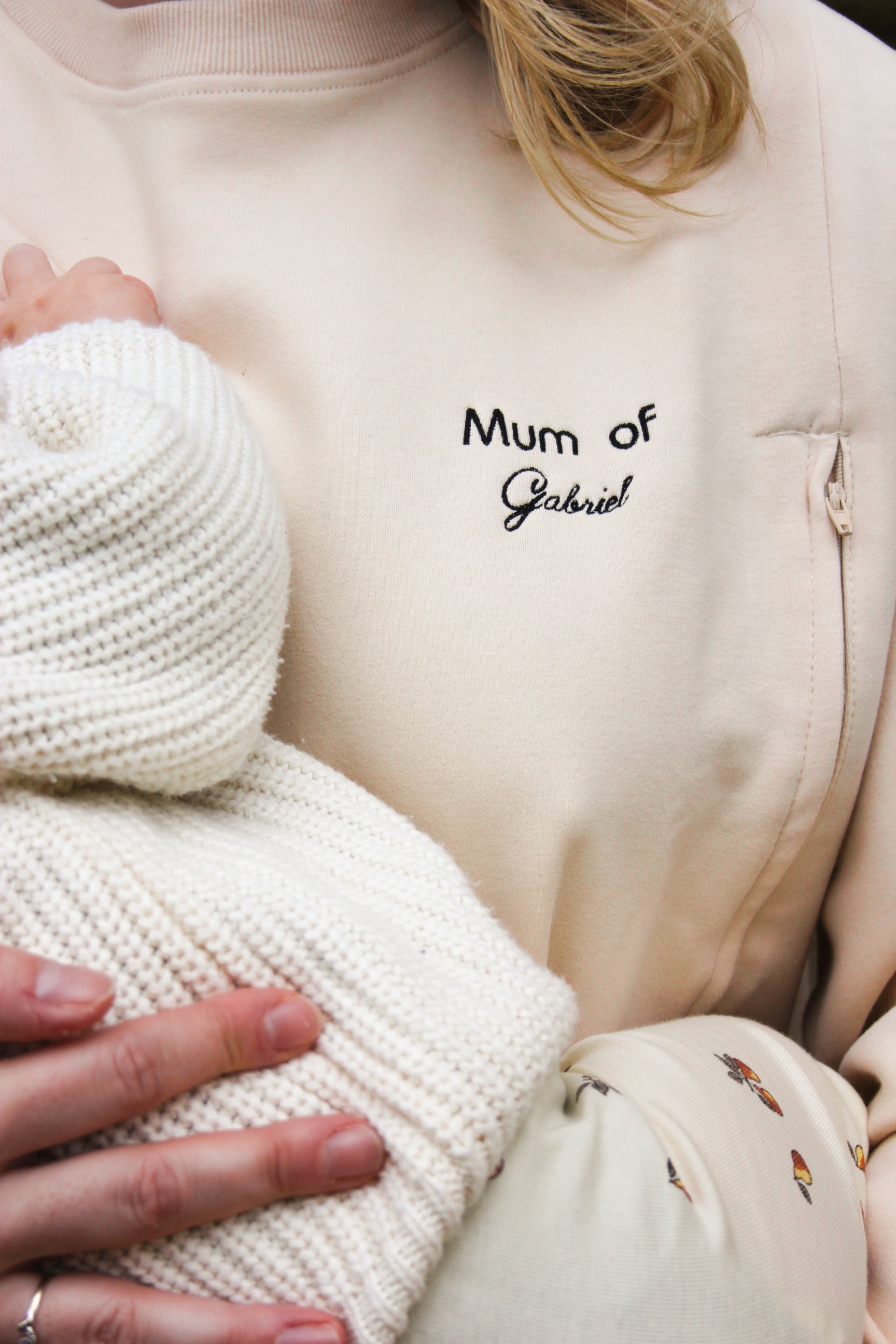
MY NAME nursing sweatshirt
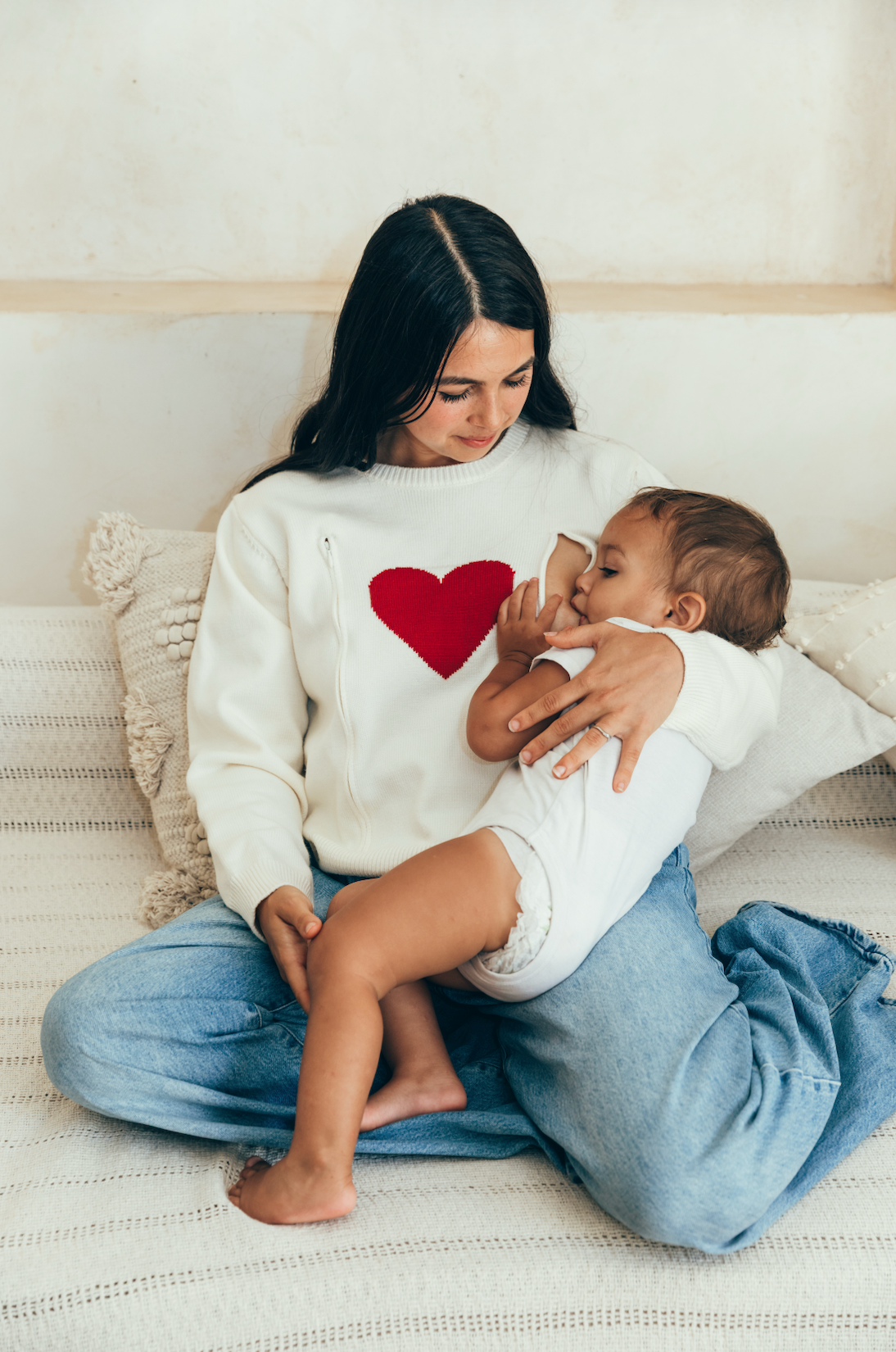
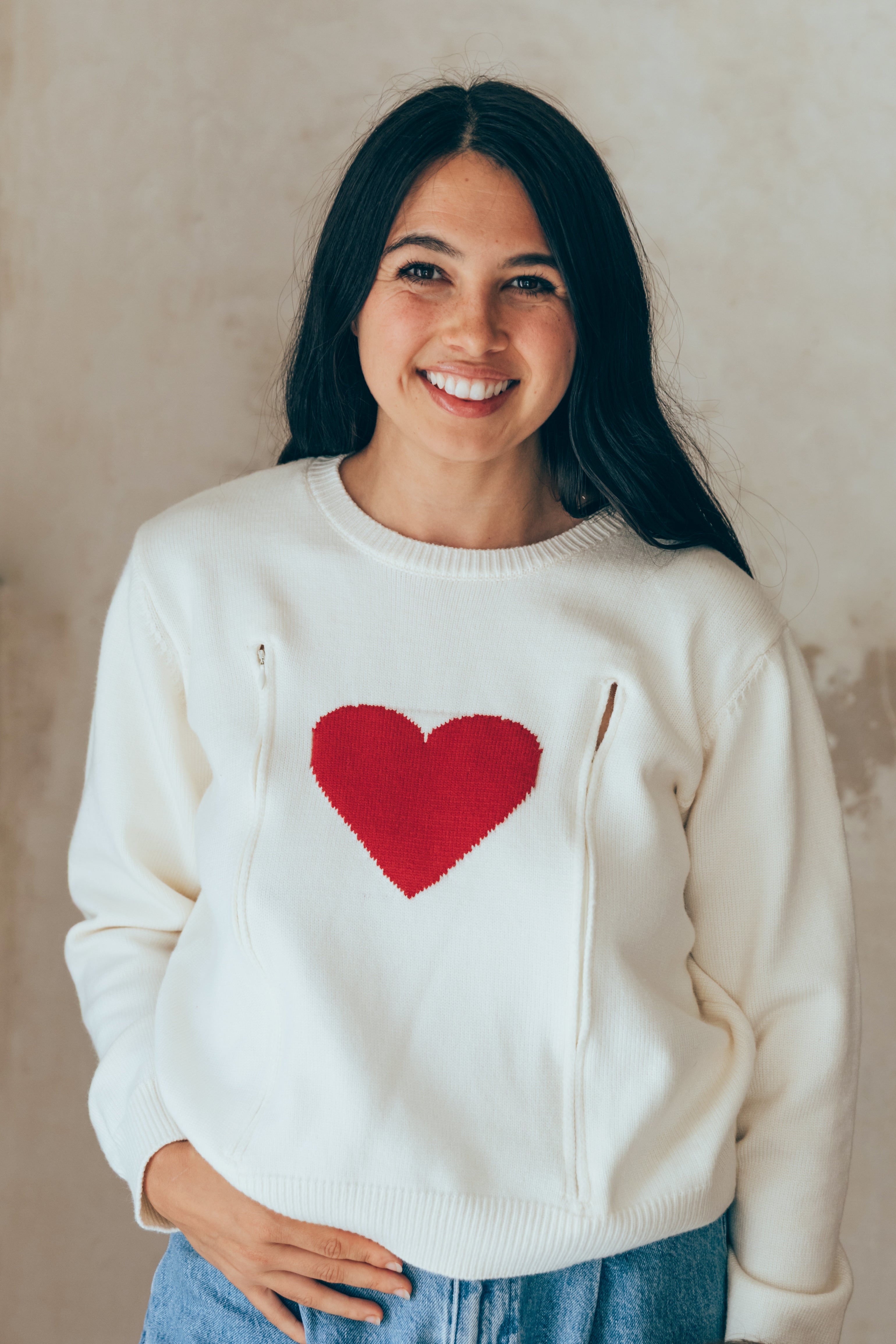
RED HEART nursing sweater
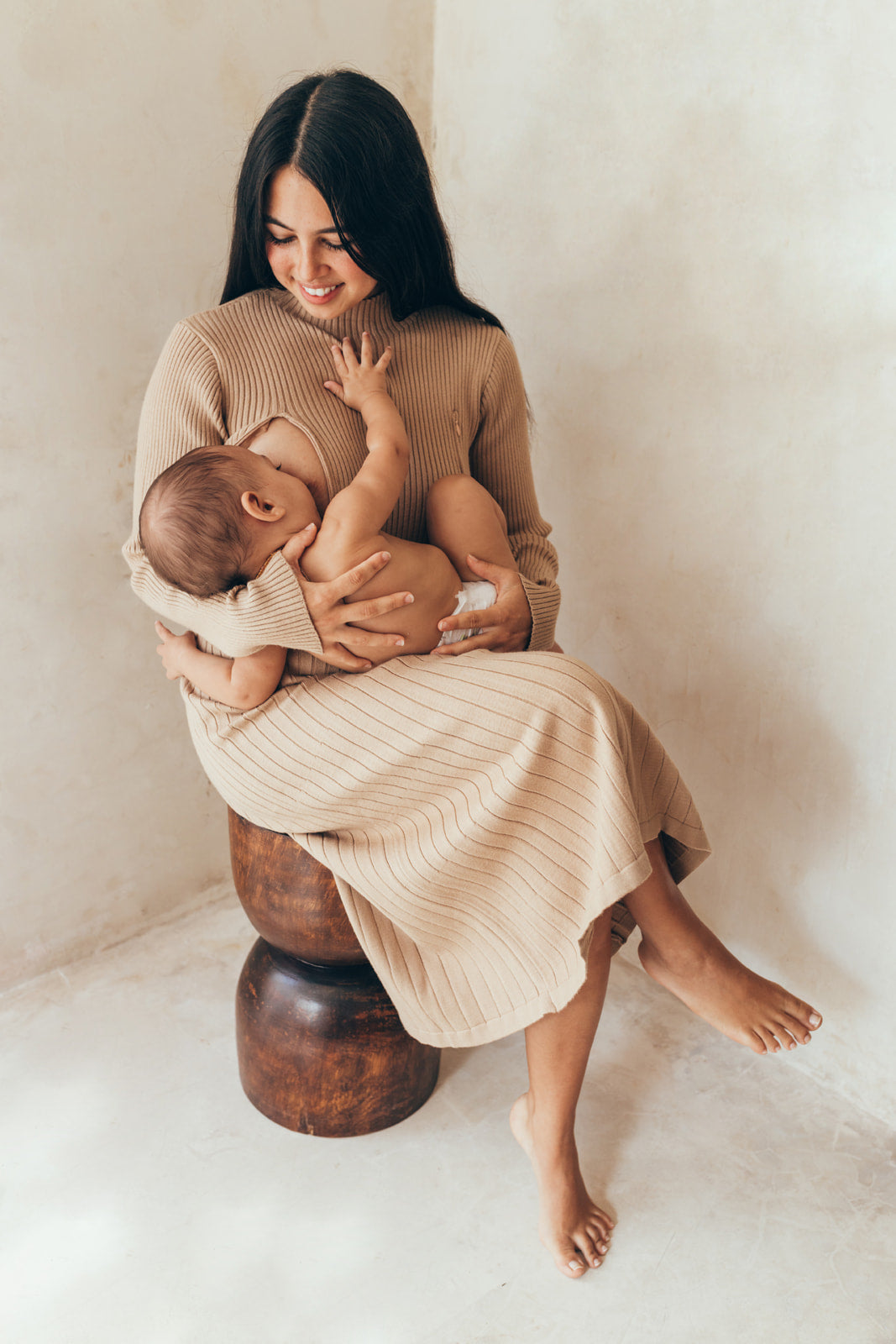

GABY knit breastfeeding dress
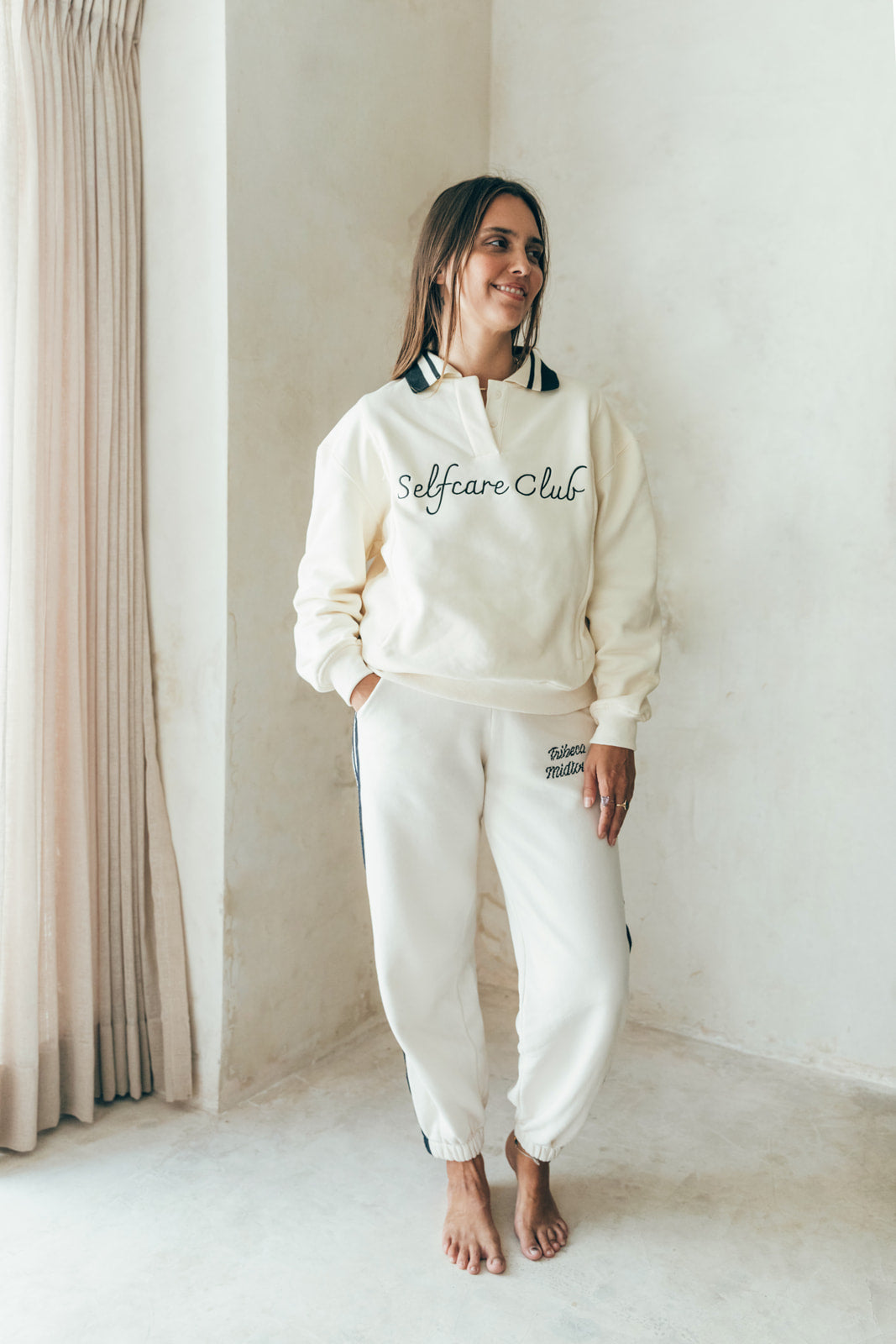

SELFCARE nursing sweatshirt
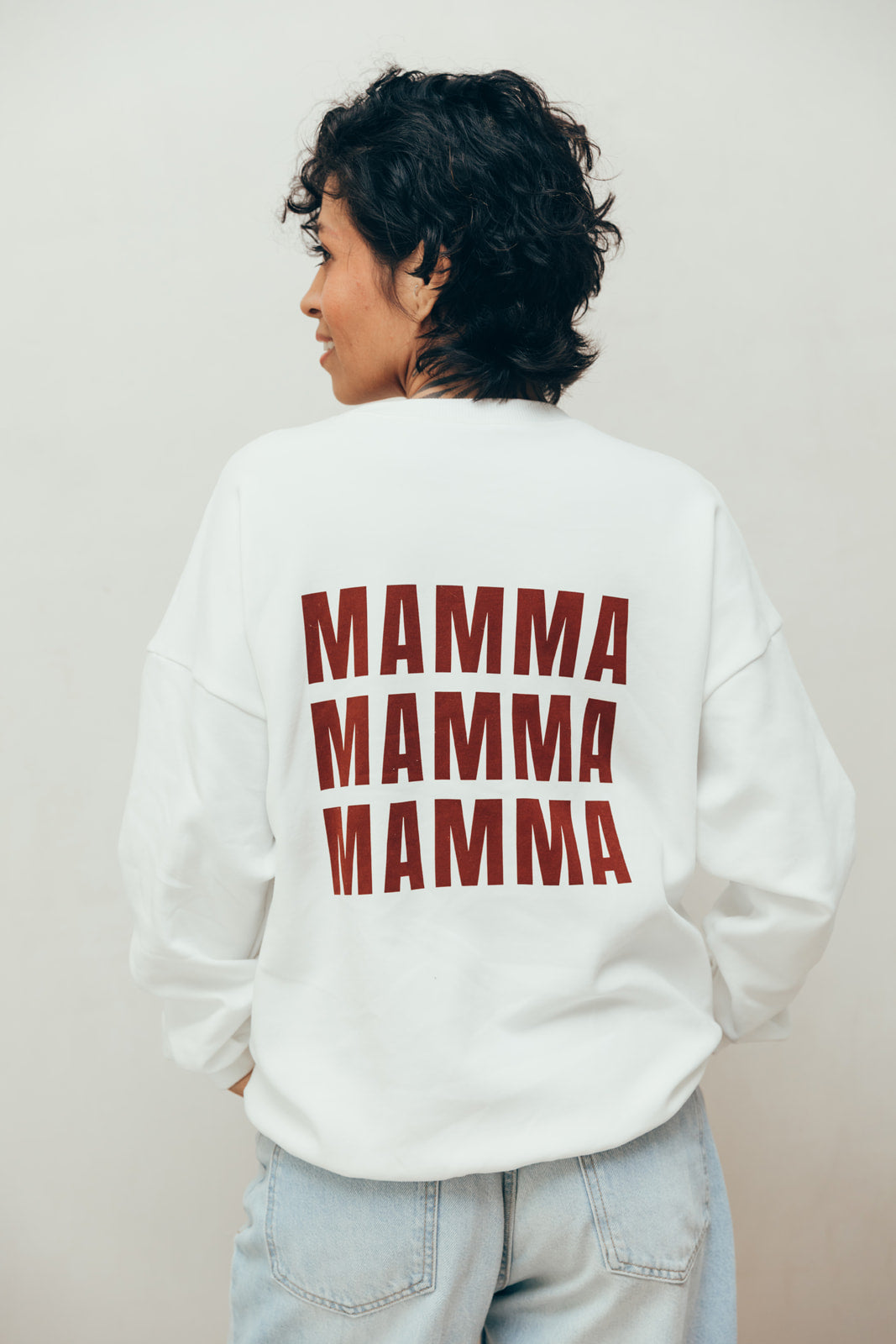
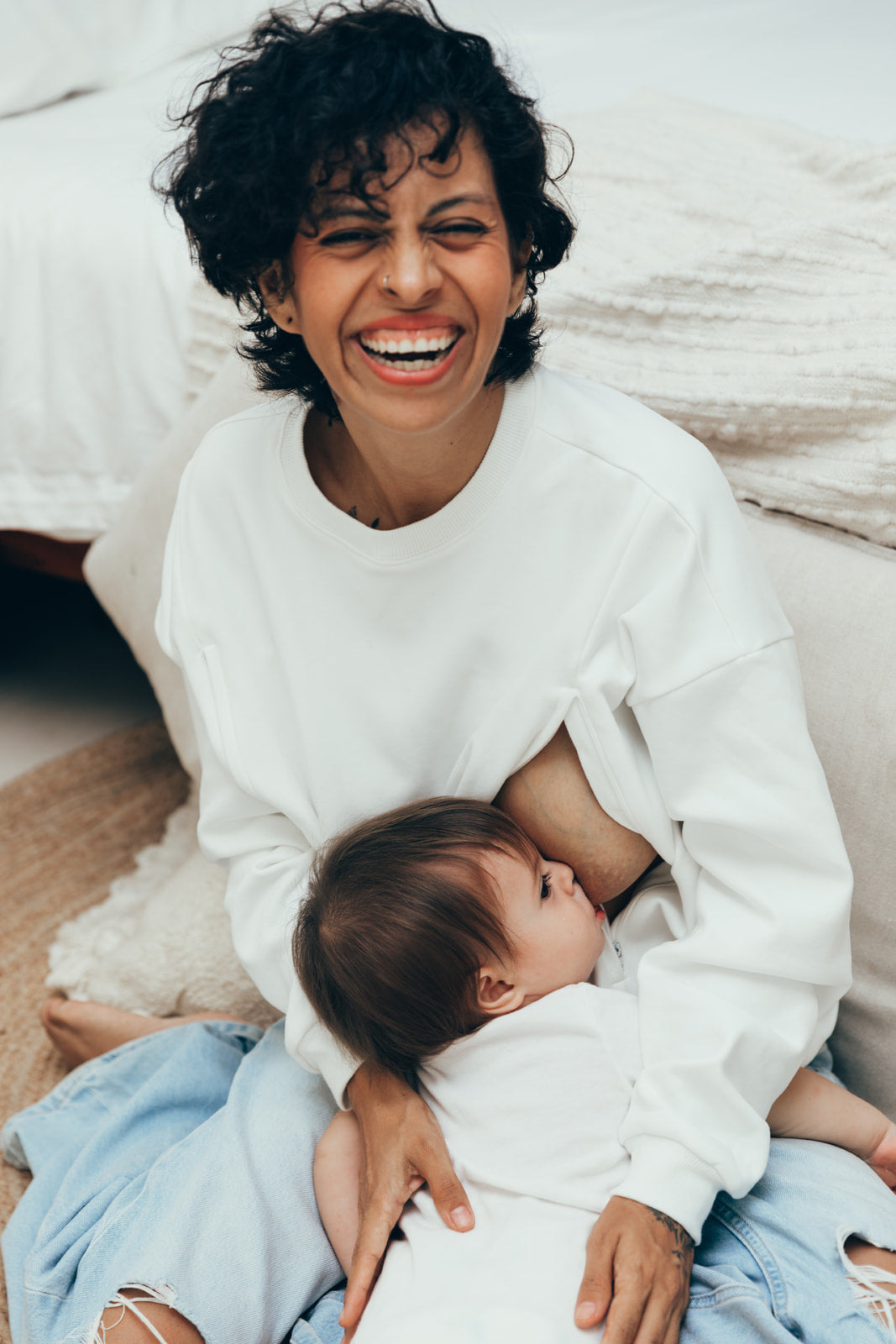
Mamma nursing sweatshirt
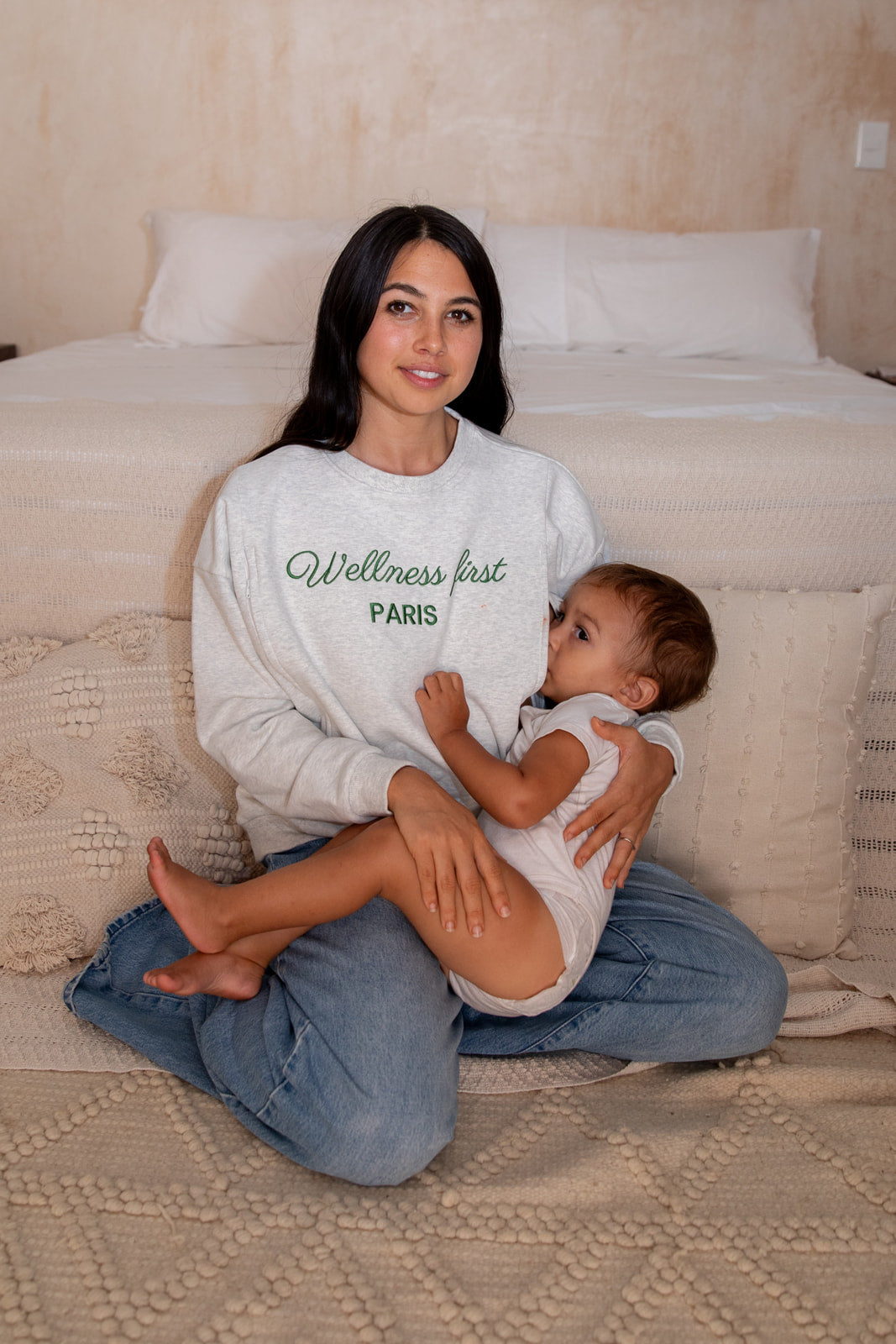
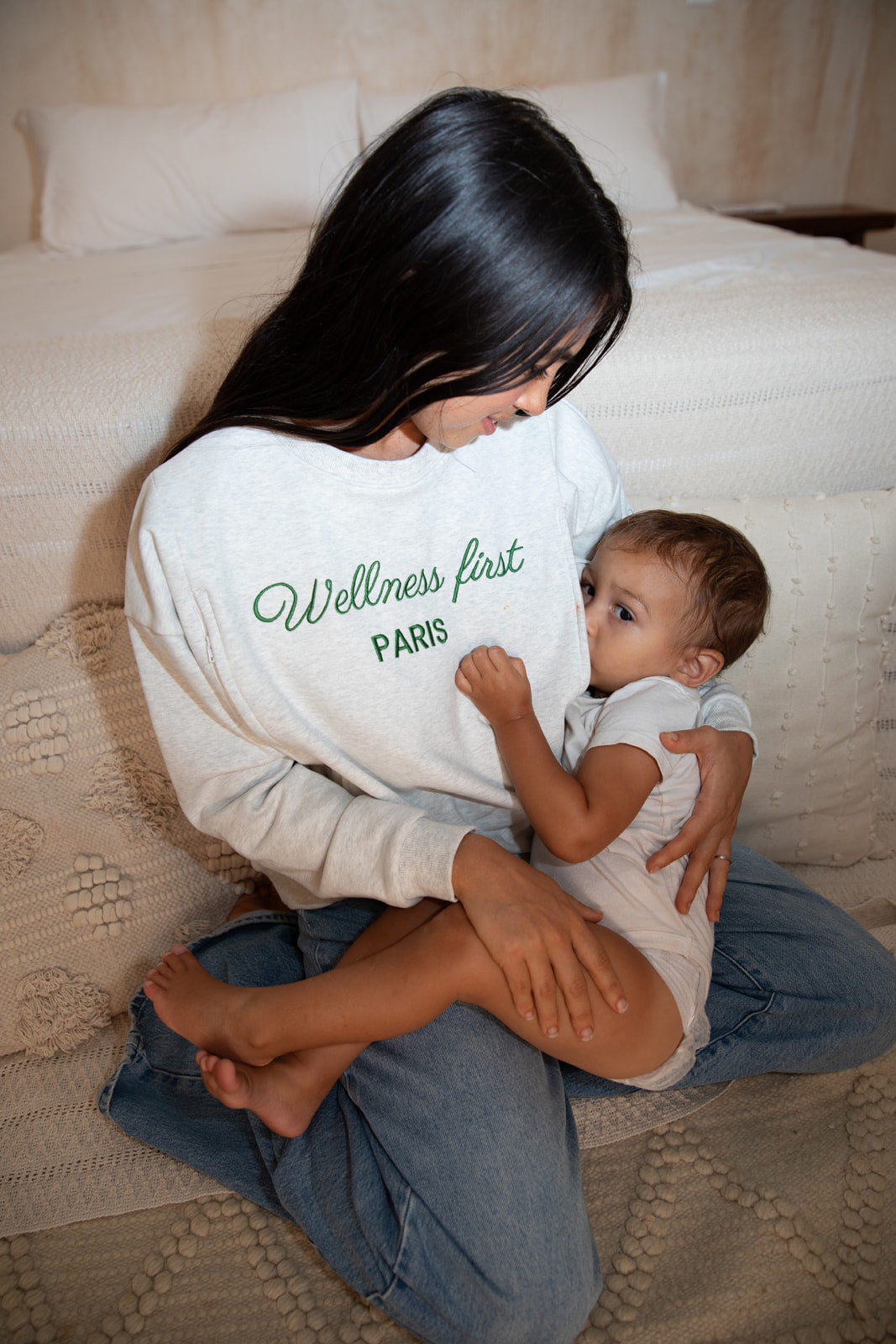
WELLNESS nursing sweatshirt
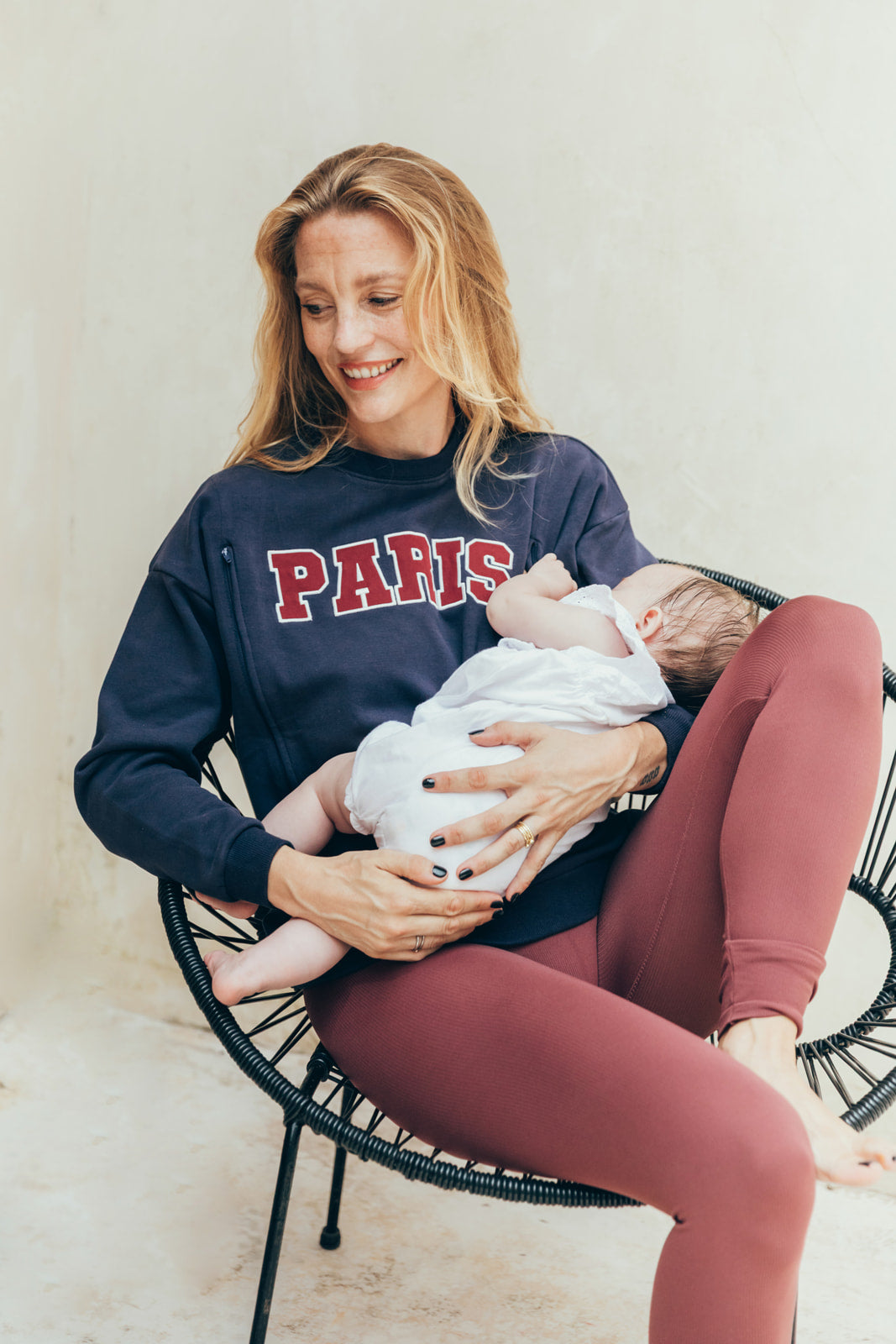
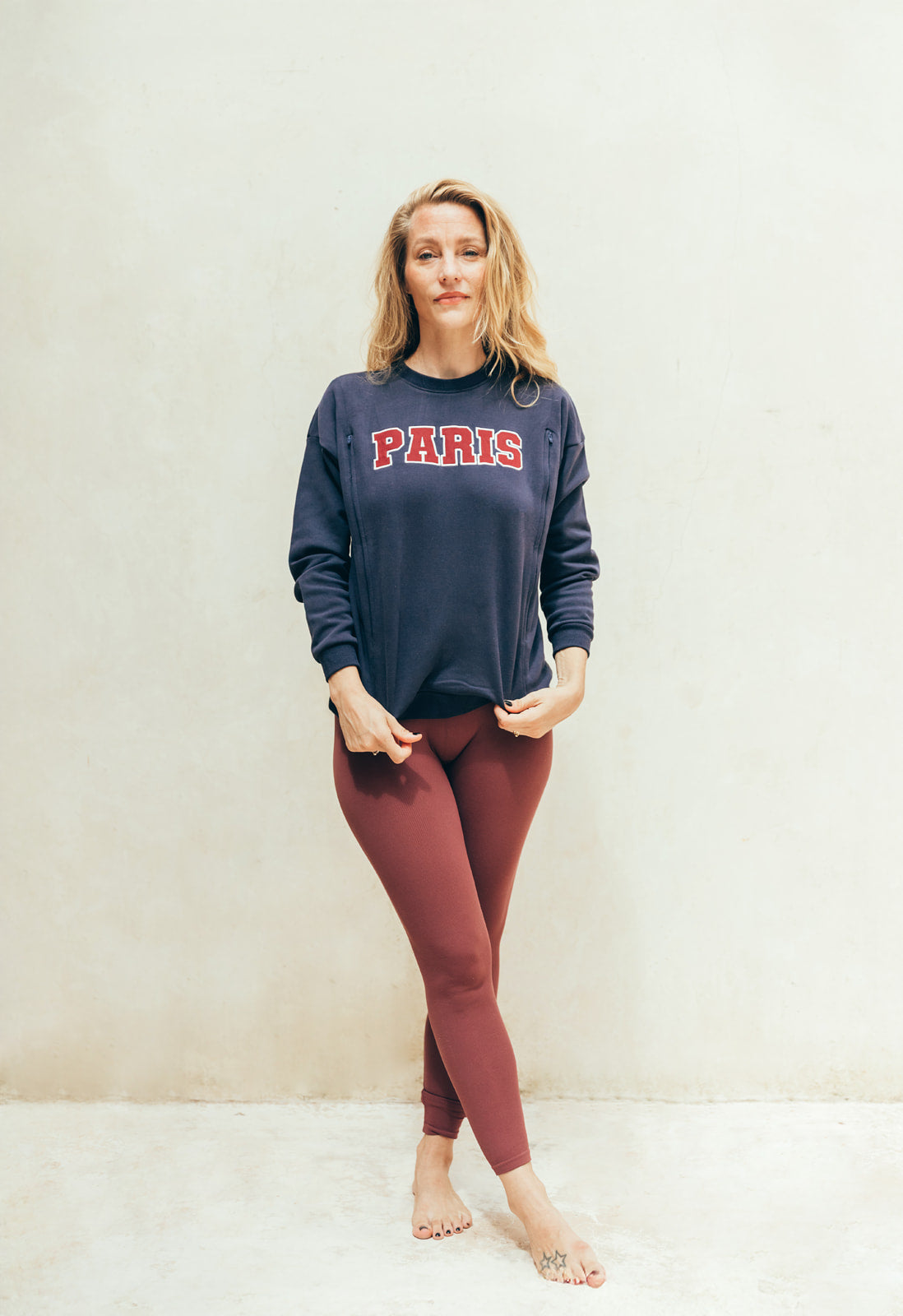
PARIS nursing sweatshirt
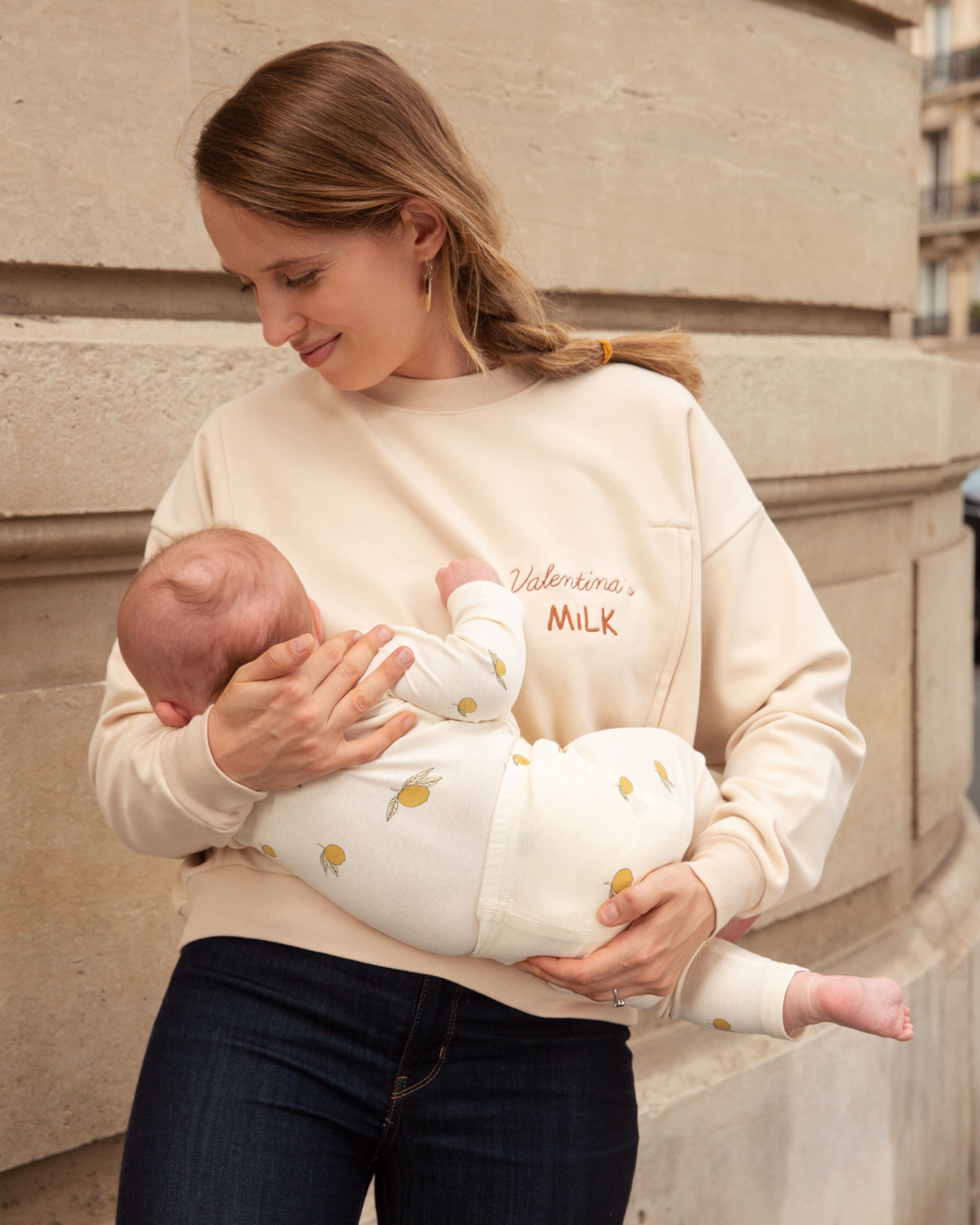
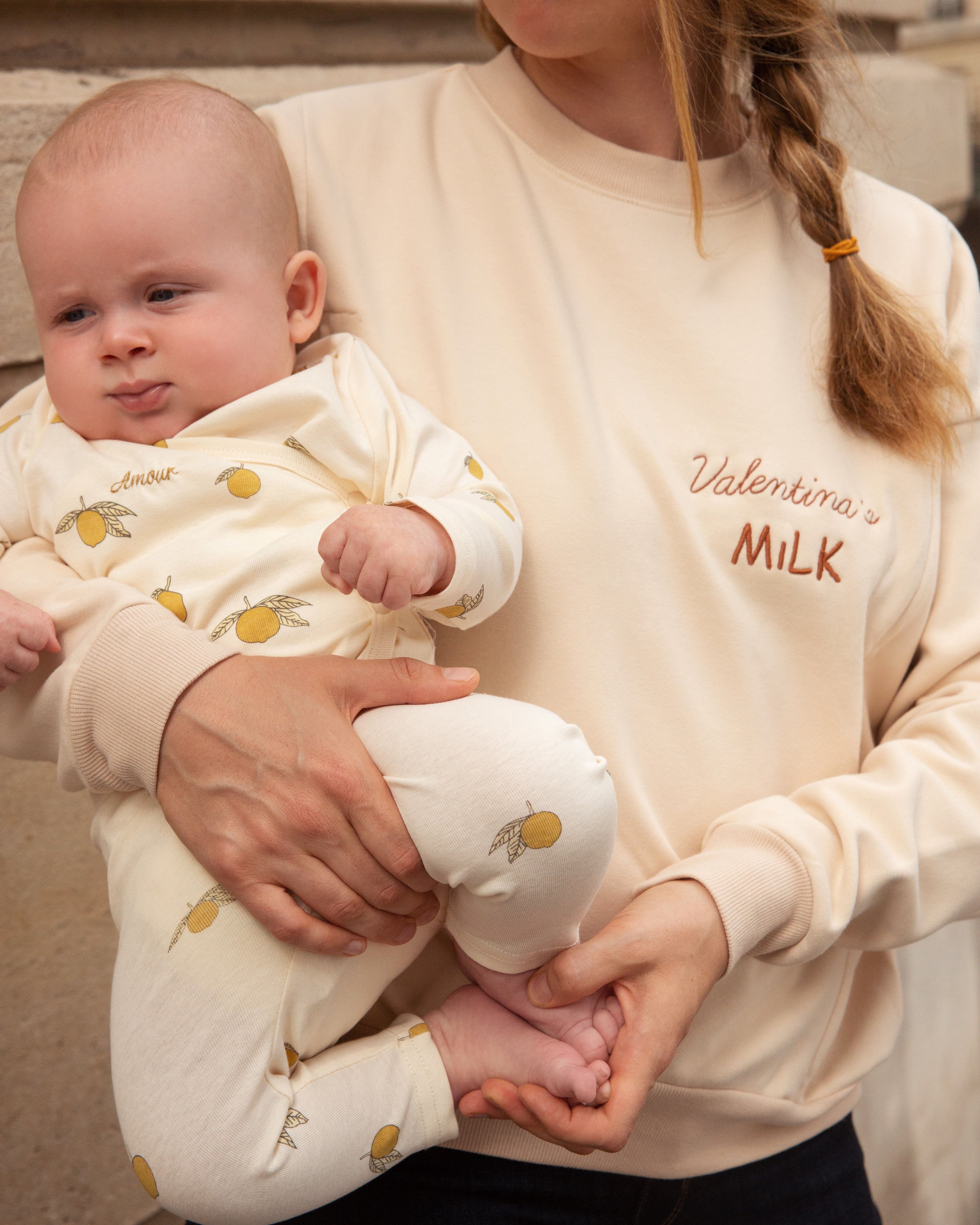
Breastfeeding sweatshirt MILK
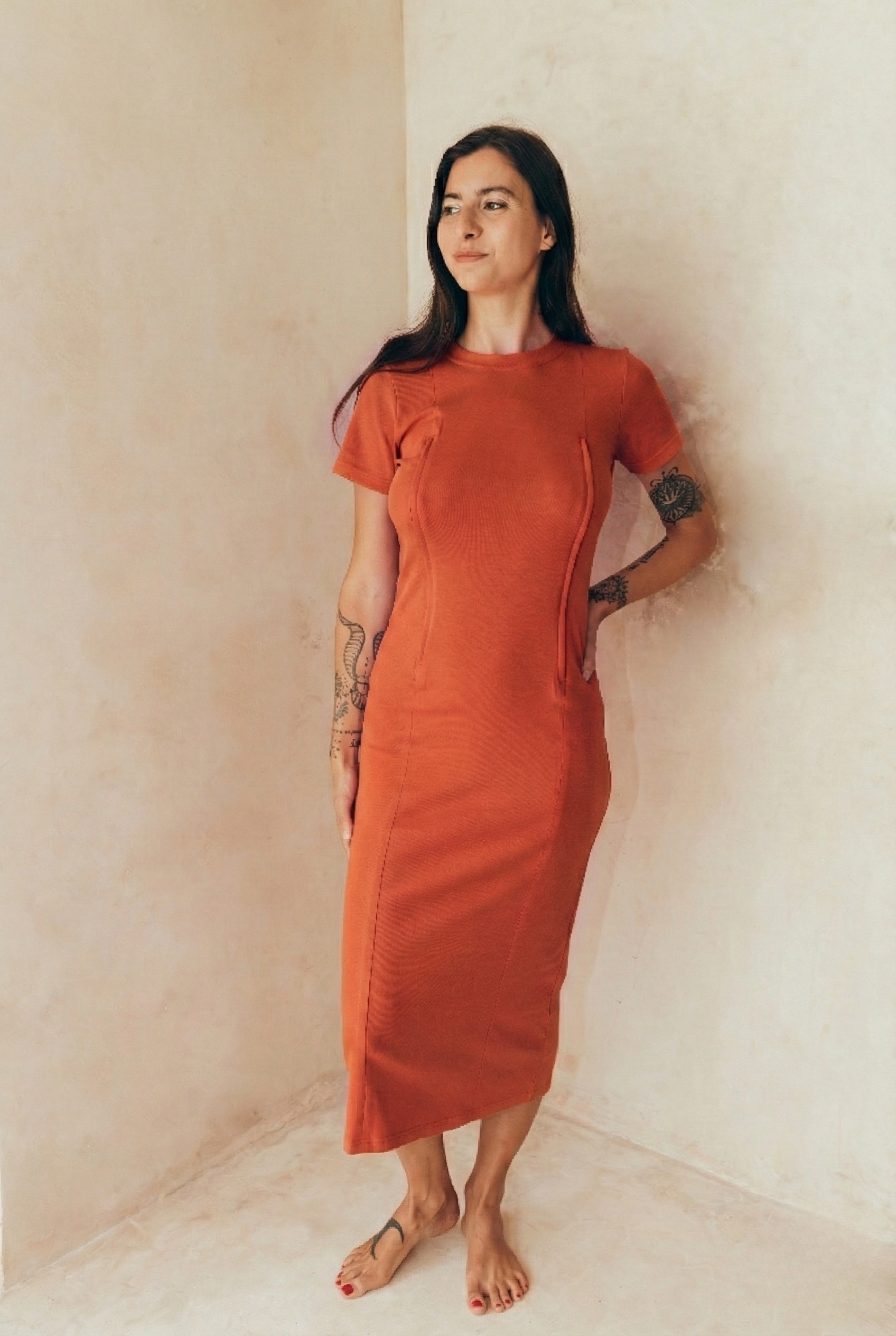
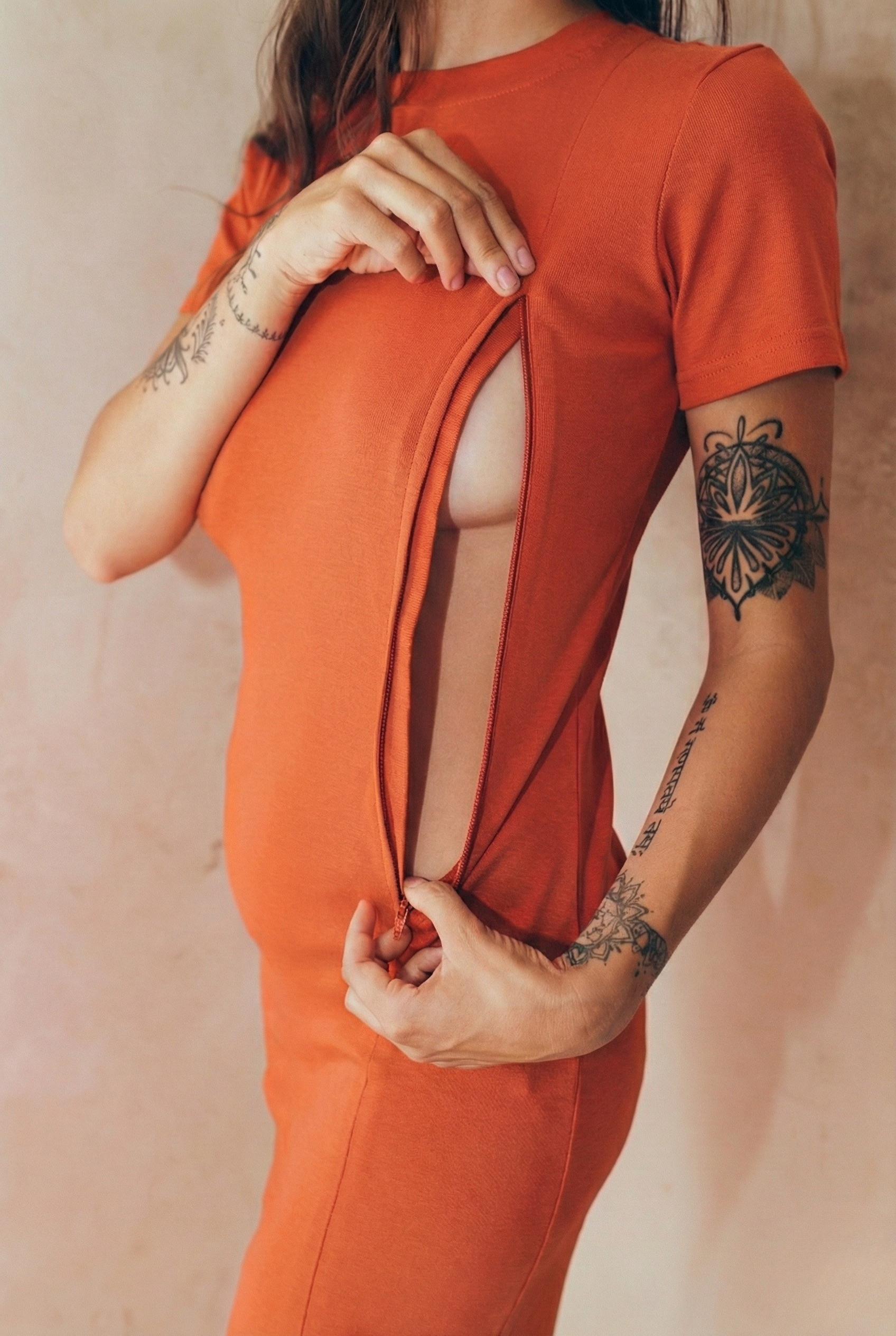
Breastfeeding dress Brick Breastfeeding dress
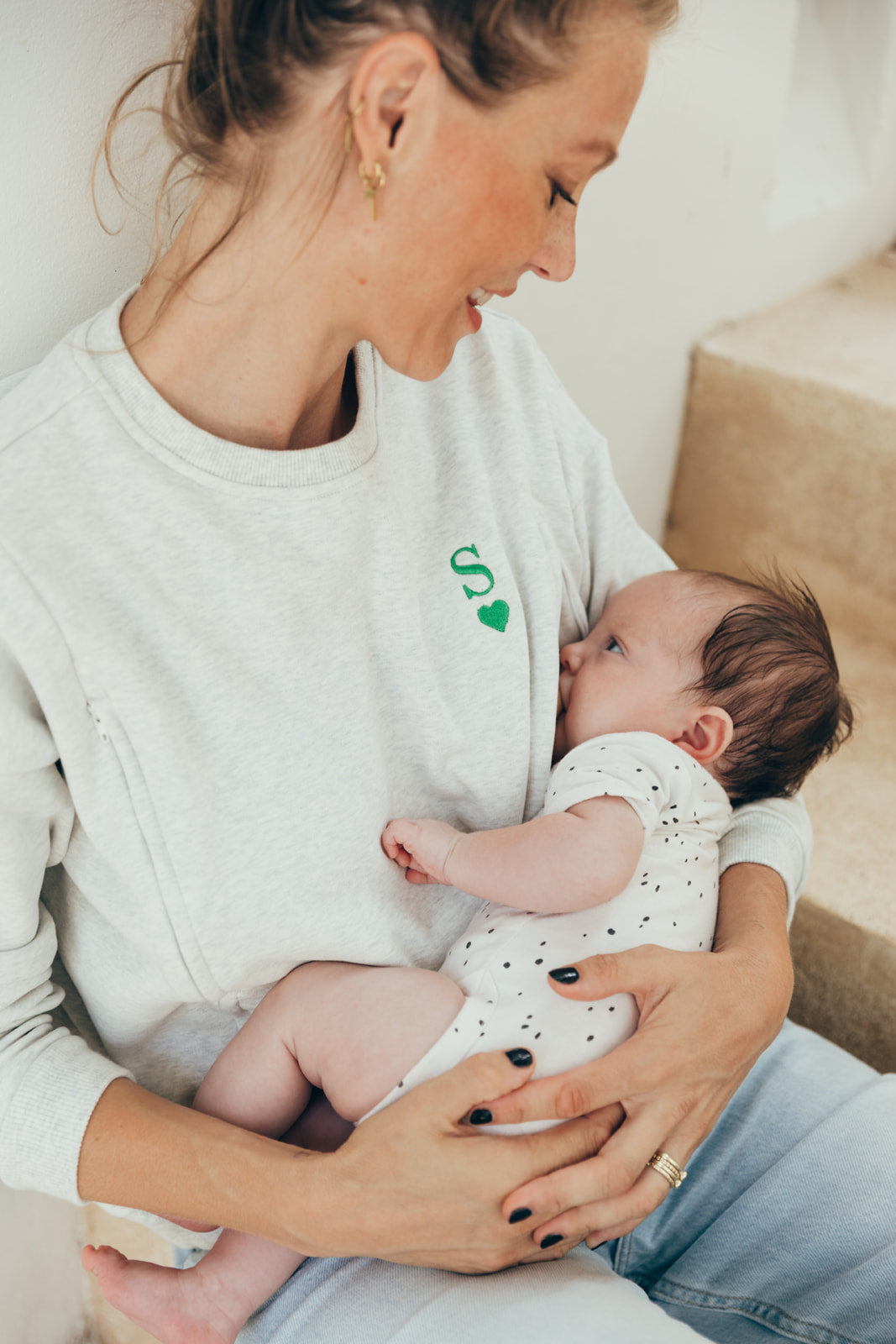
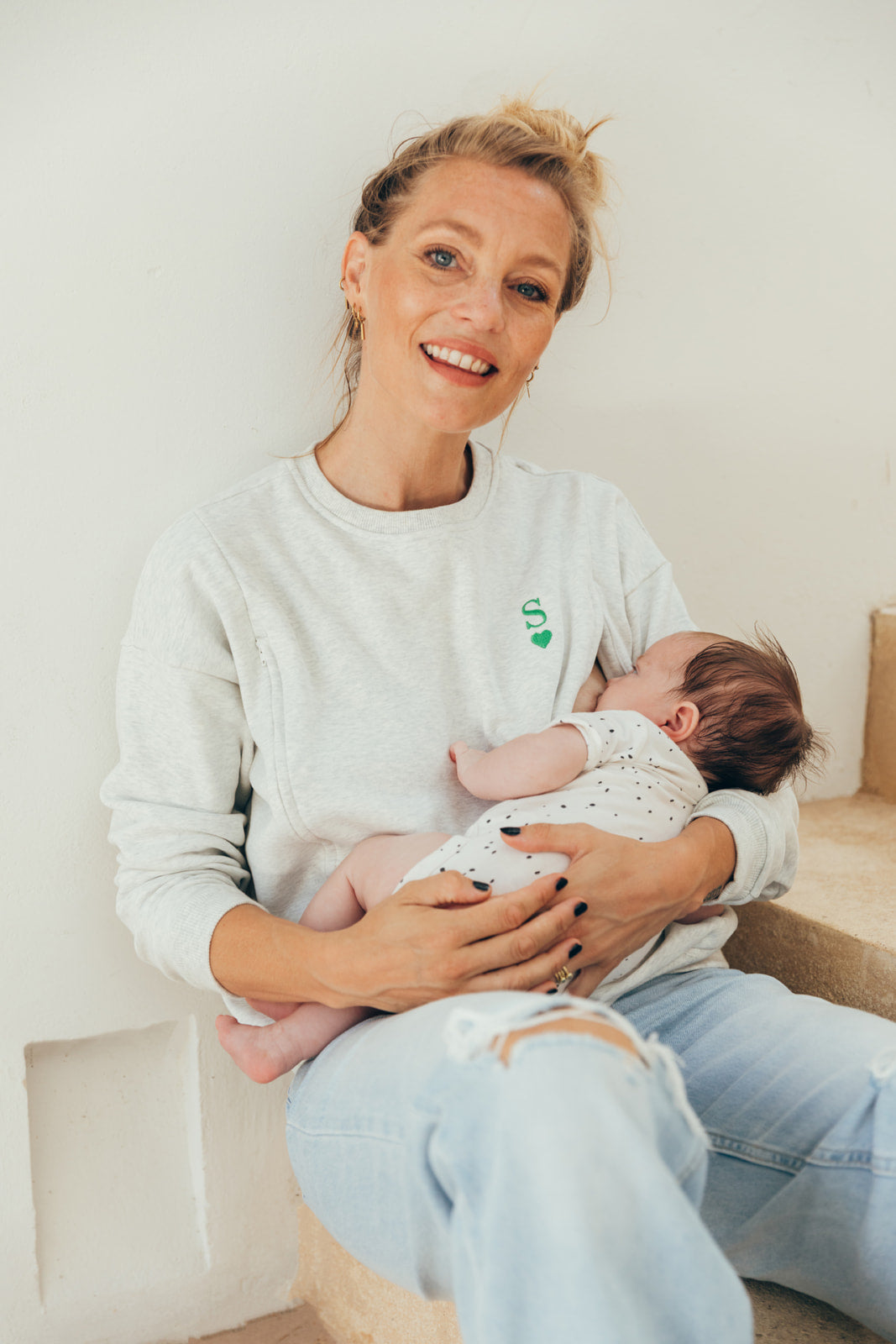
LUCKY CHARM Nursing Sweatshirt, OLD Gray


Breastfeeding dress burgundy GABRIEL
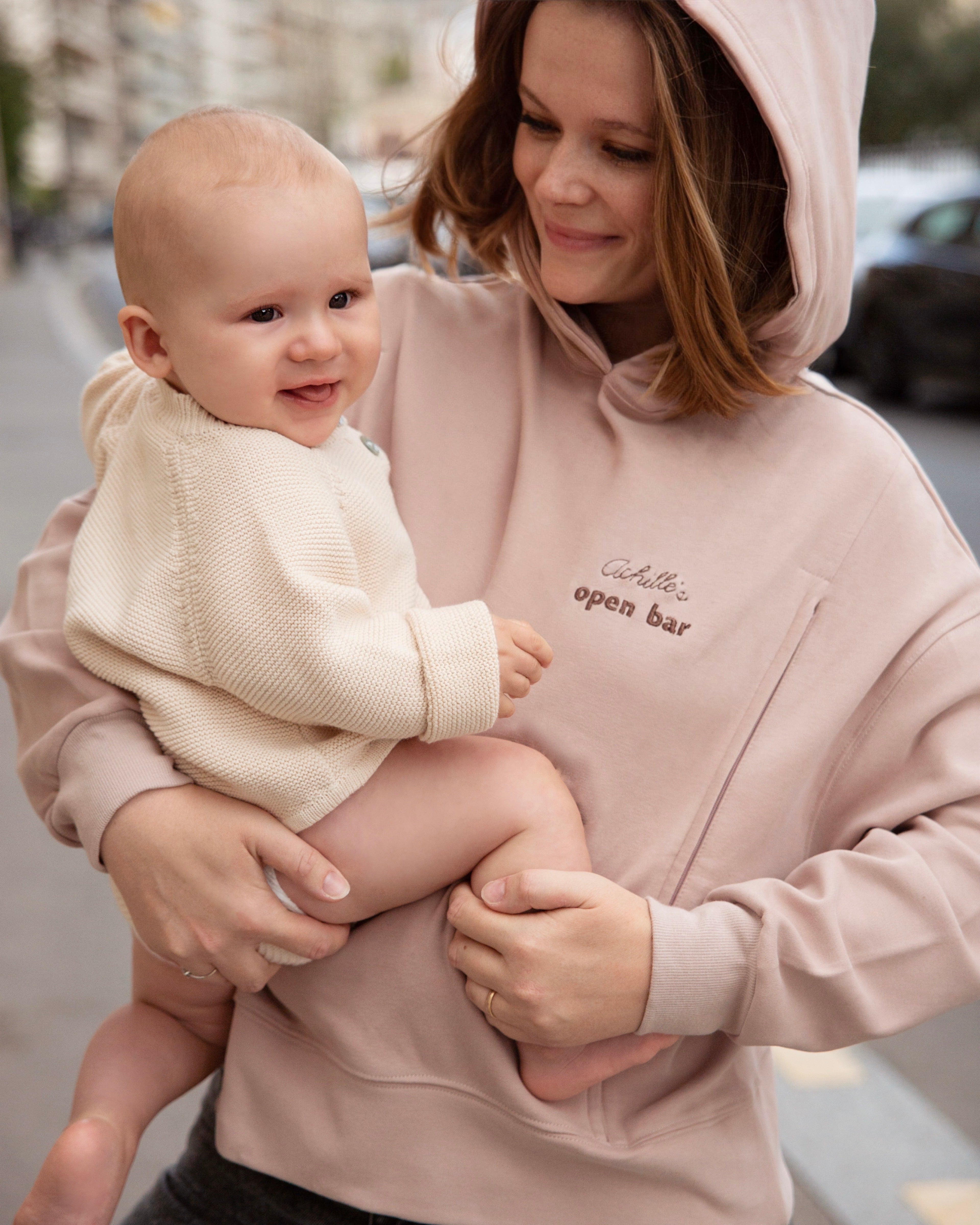
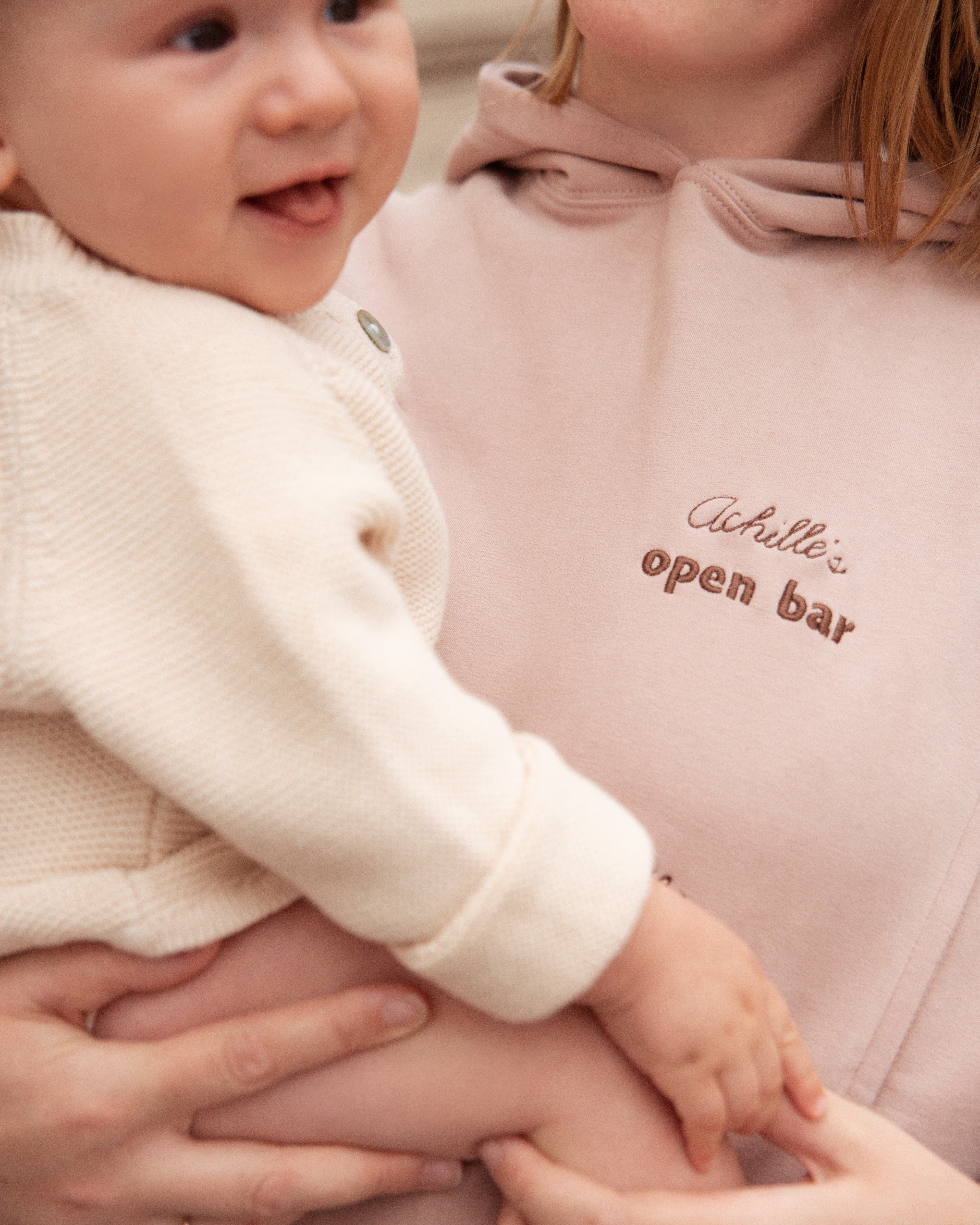
OPEN BAR taupe nursing hoody
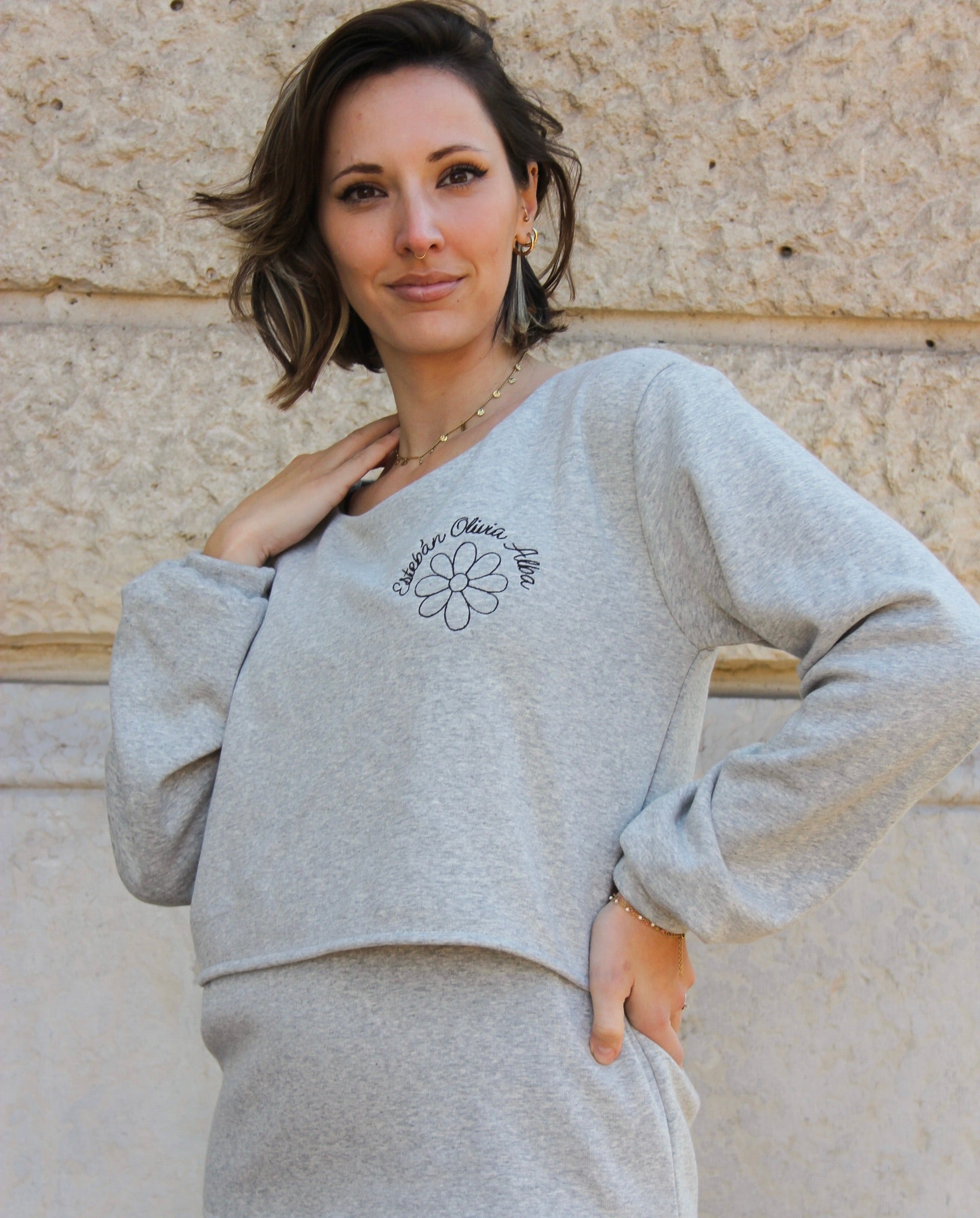
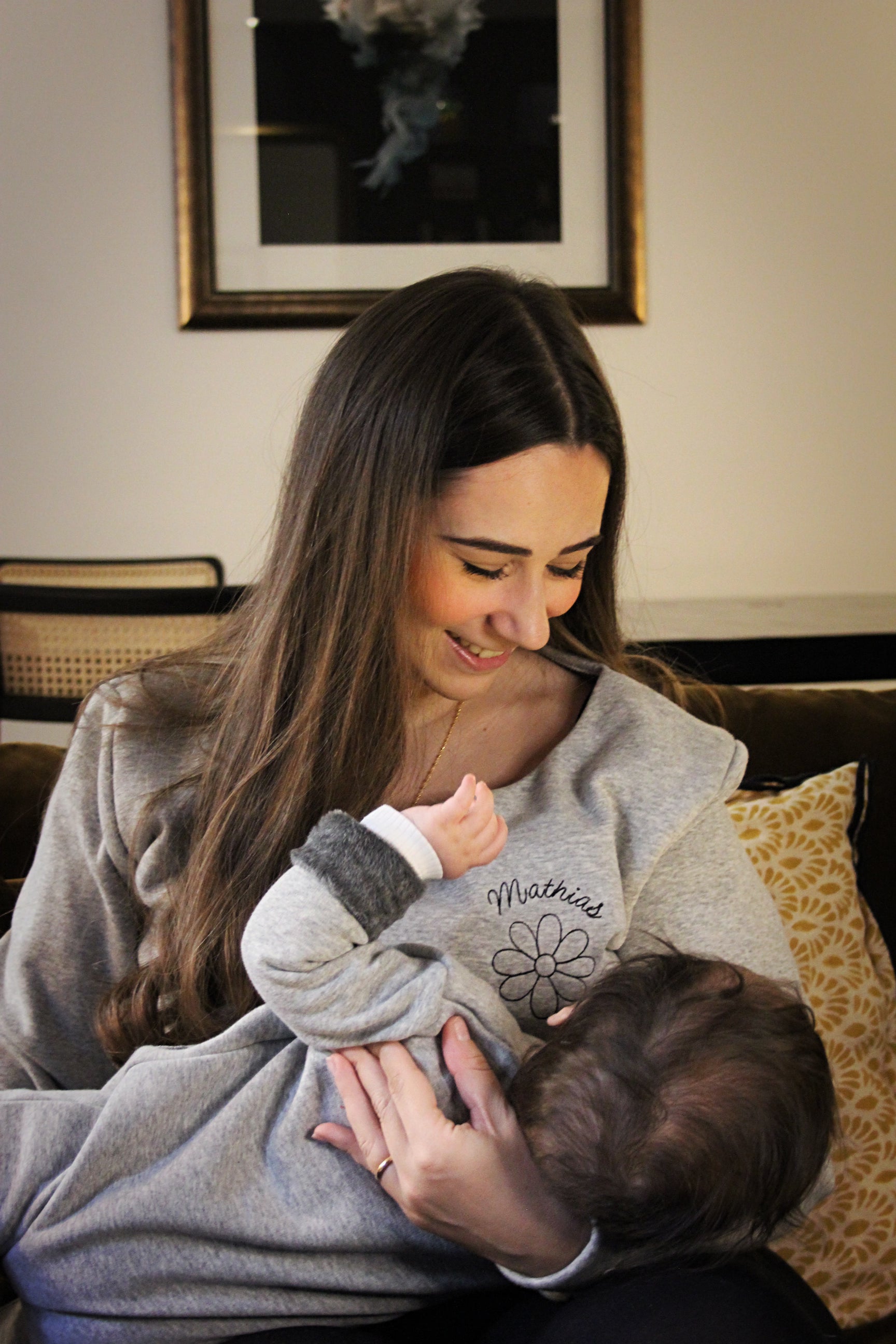
TZIGANETTE daisy nursing sweater
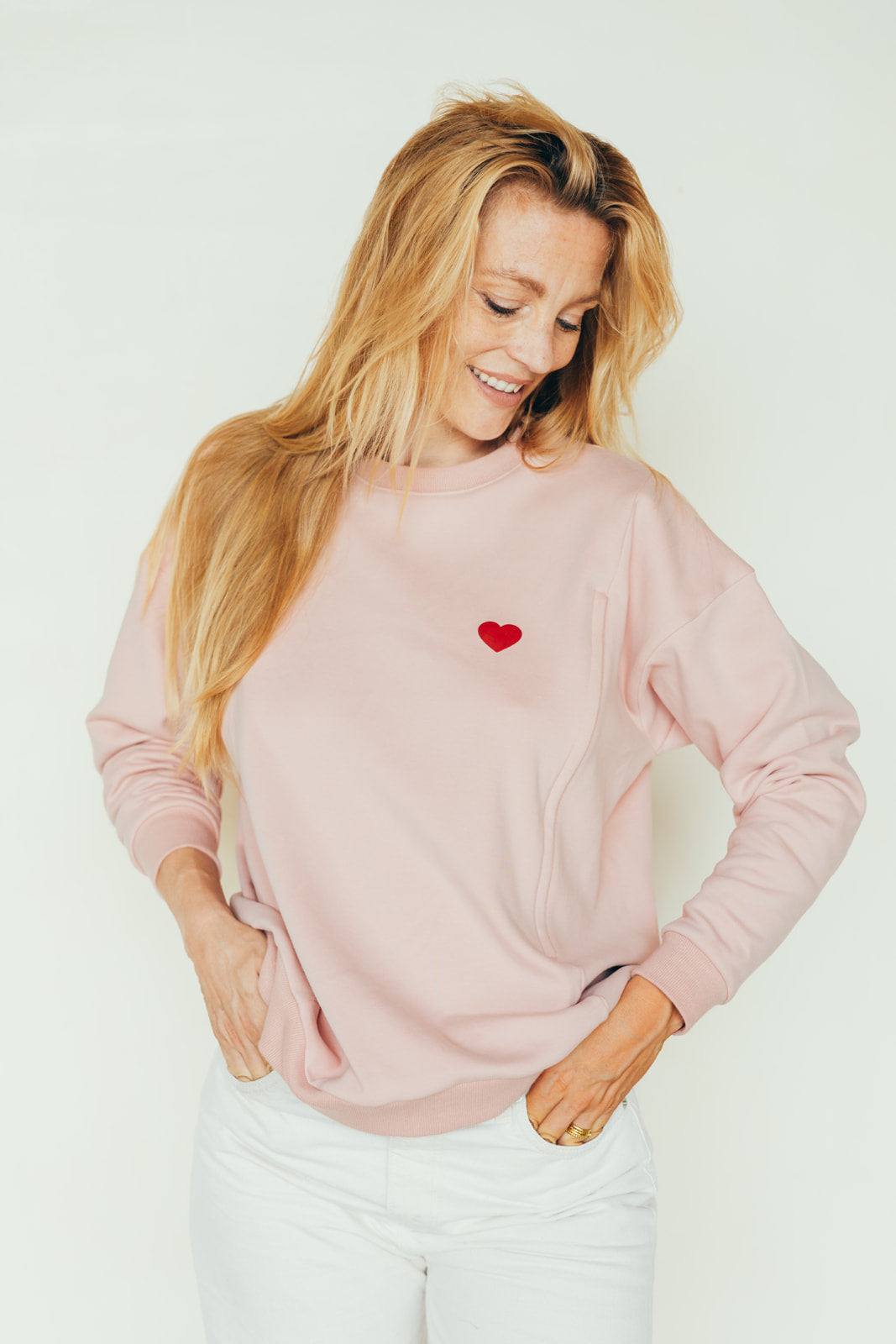

Pink Heart Nursing Sweatshirt
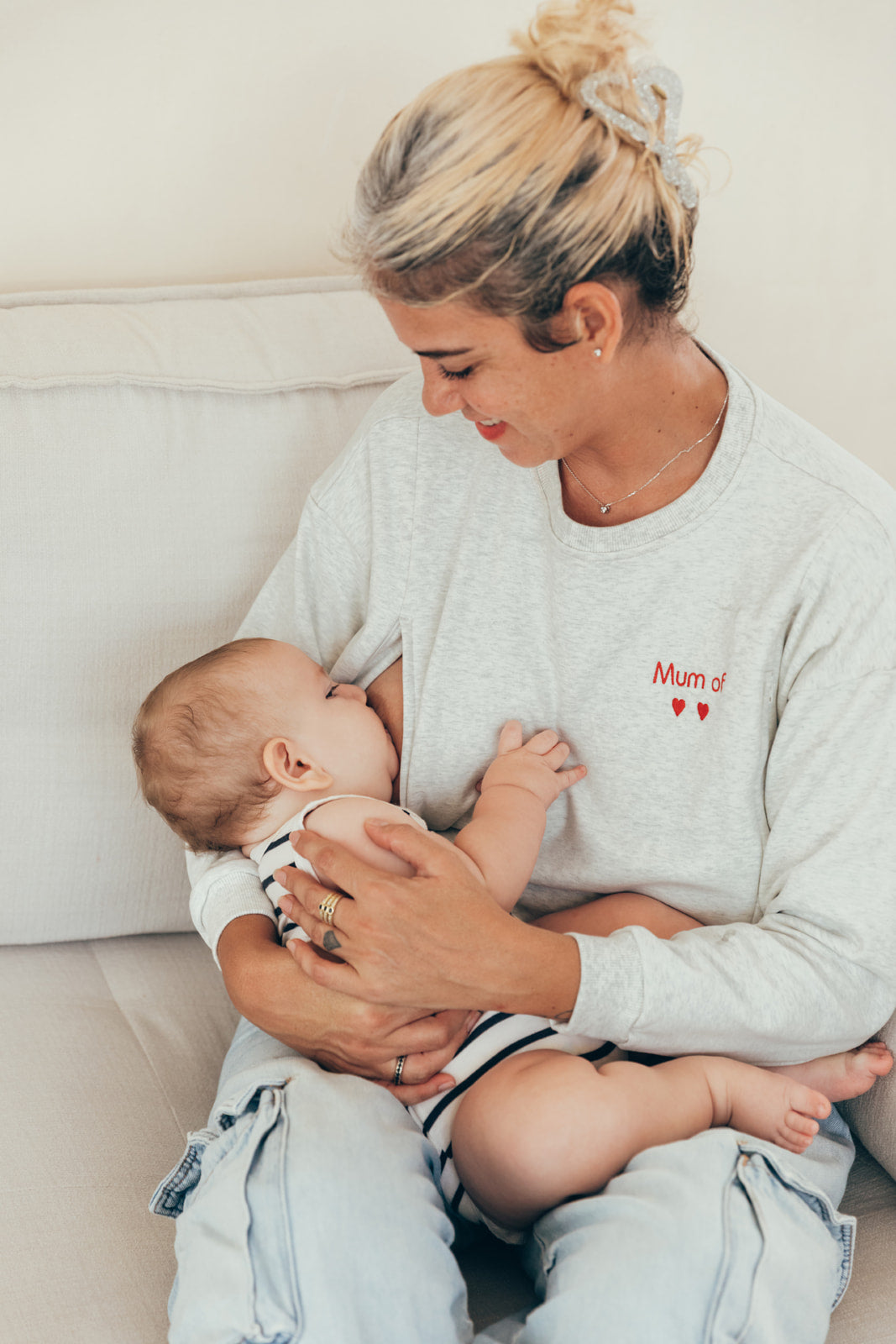
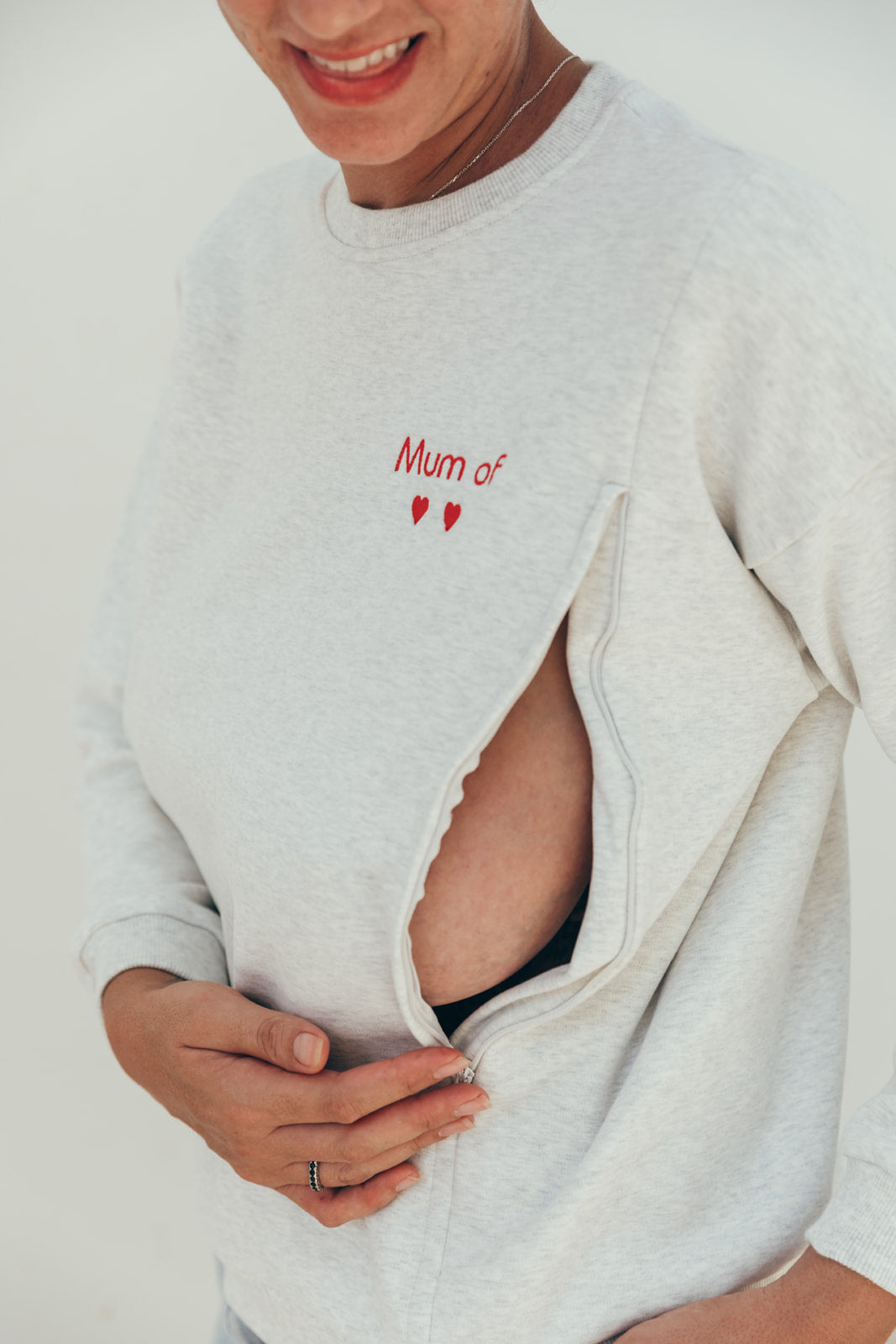
Nursing sweatshirt #MOMMY grey
Yes, absolutely—and breastfeeding is especially beneficial during a mountain vacation. Breast milk is the best source of hydration and nutrition for your baby at high altitudes, where dry air and cold temperatures increase your baby’s fluid needs. Breastfeeding in the mountains doesn’t require any special adjustments on your part; your body continues to produce milk normally regardless of the altitude at which you’re staying.
What does change, however, are the logistical challenges: how to manage feedings in a chalet that may not be well-heated, how to dress for breastfeeding on the slopes or on the ski lifts, and how to protect your baby from the extreme cold during outdoor feedings. With the right habits and the right items in your suitcase, you can enjoy a mountain vacation with a breastfed baby to the fullest and with peace of mind.
At what altitude can you take a breastfed baby in the winter?
The recommended altitude varies depending on the baby's age, and this is an important factor to consider before booking your mountain vacation.
Before 6 months: It is recommended not to exceed an altitude of 1,200 meters. The respiratory and thermoregulatory systems of very young infants are still immature, and the thin air at high altitudes can place additional strain on their bodies. Between 6 and 12 months: altitudes of up to 1,500 meters are possible with precautions. Between 12 and 24 months: up to approximately 1,800 meters. Before age 3: Avoid high-speed chairlifts and gondolas, which cause pressure changes too abruptly and can be dangerous for a baby’s eardrums. In any case, consult your pediatrician before any trip to the mountains with an infant—they are familiar with your child’s specific situation and can provide personalized recommendations.
Does altitude affect breast milk production?
No, there is no proven effect of altitude on breast milk production. Your body continues to produce milk normally at high altitudes, using the same mechanisms as at sea level. Regular stimulation of the breast through feedings or pumping remains the main factor influencing lactation, regardless of altitude.
On the other hand, dehydration is a real risk at high altitudes—the air is much drier than at lower elevations, and you sweat more without even realizing it. Dehydration can indirectly affect milk production. Drinking plenty of fluids throughout the day—water, herbal teas, and hot broths—is especially important when you’re in the mountains. Always keep a water bottle or thermos within reach during outings, and drink before you get thirsty.
How do you handle feedings in the extreme cold of the mountains?
Managing feedings in the extreme cold of the mountains is the main practical challenge for breastfeeding mothers at ski resorts. Here are a few simple tips to ensure that every feeding remains comfortable, even at -10°C.
The golden rule: Avoid breastfeeding outdoors in very cold weather as much as possible. A baby who is feeding is inactive—he or she doesn’t generate heat through movement and cools down quickly during the feeding. Choose heated indoor spaces—such as a cabin, a mountain restaurant, or a shop at the base of the slopes—for feedings. If a feeding outdoors is unavoidable, make sure to shield yourself from the wind, which is the most dangerous factor in causing your baby to get cold. Use your open coat like a cocoon around yourself and your baby. Limit the duration of the feeding outdoors—if your baby hasn’t finished, continue inside as soon as possible. And check the back of your baby’s neck before and after the feeding to make sure they haven’t gotten cold.
What should you wear for breastfeeding in the mountains in winter?
Choosing a nursing outfit for the mountains is a unique challenge—you need to be equipped to handle the extreme cold while still being able to access your breast without having to undress completely in the cold.
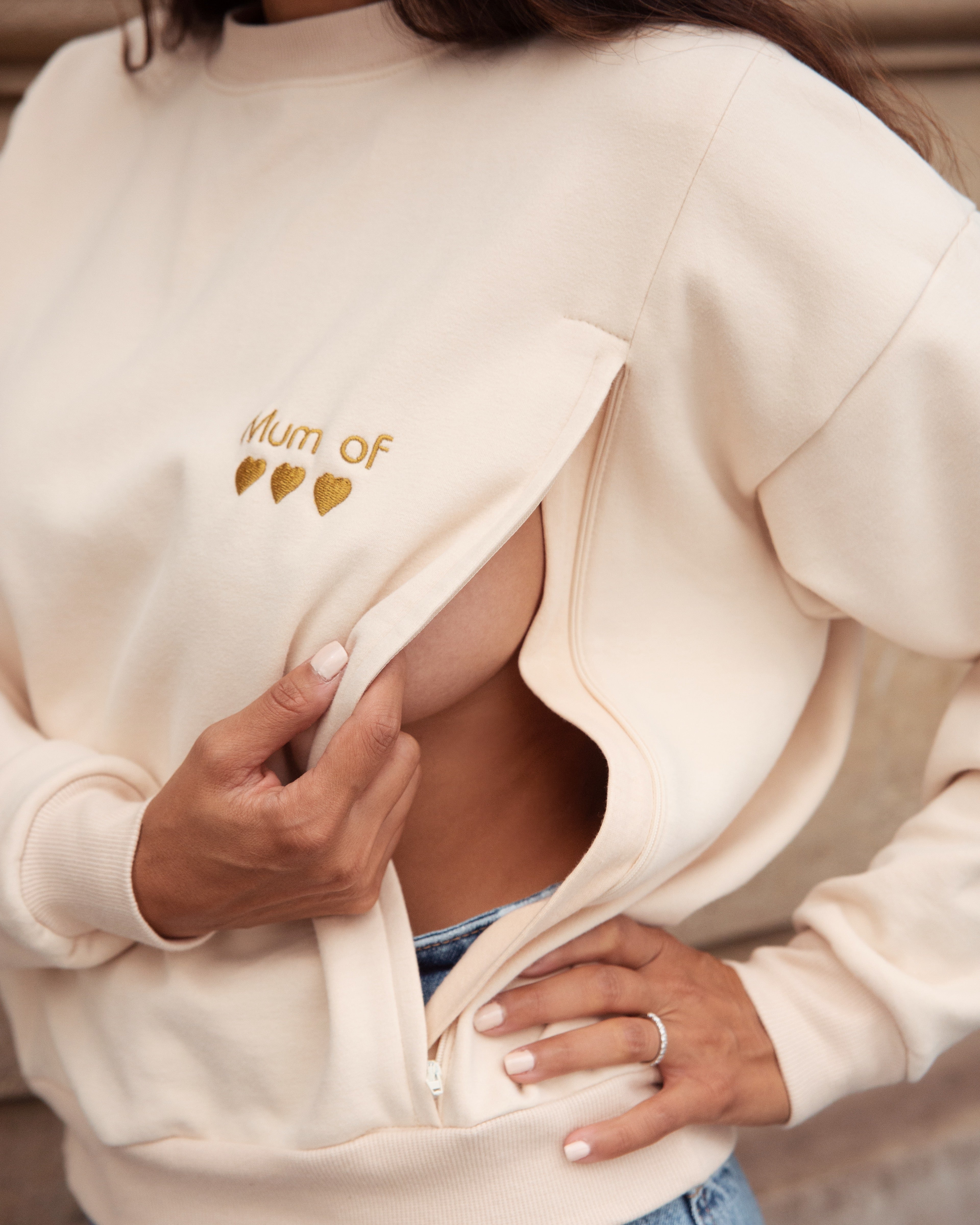
The most effective method is layering suited for the mountains. For the base layer: a technical long-sleeve Breastfeeding t-shirt made of thick cotton or a thermoregulatory fabric that maintains core body heat and covers the stomach during all feedings. Second layer: a winter nursing sweater or a nursing sweatshirt with discreet side zippers—this is the layer you open for breastfeeding.Third layer: a down jacket or ski jacket that opens easily. To breastfeed, simply open the side zipper of the second layer—the stomach remains covered by the first layer, and the down jacket draped over the shoulders protects your back. This combination allows you to breastfeed in just a few seconds, even on the terrace of a mountain hut in freezing cold weather.
Can you ski while breastfeeding?
Yes, breastfeeding does not prevent you from skiing. The challenges are practical rather than medical: managing feedings between runs, staying hydrated on the slopes, and avoiding falls that could cause breast pain.
A few things to keep in mind for breastfeeding moms who ski.Breast engorgement can occur if feedings or pumping sessions are too far apart during a long day of skiing—plan regular breaks to breastfeed or pump, and pack nursing pads in your ski jacket.Dehydration is exacerbated by physical exertion at high altitudes—drink regularly while on the slopes. Impacts to the chest during a fall can be painful if your breasts are engorged—manage your feedings well before an intensive session. And if you’re still breastfeeding very frequently, arrange for appropriate childcare for your baby at the chalet or at the resort’s daycare center during your ski sessions—it’s safer to be apart than to take your baby on the slopes.
Where can I breastfeed at a ski resort?
Ski resorts are better equipped than people often think to accommodate families with infants. Here are a few resources to check out as soon as you arrive at the resort.
Restaurants and alpine chalets are the most comfortable places to breastfeed in the mountains—warm, sheltered from the wind, and with tables where you can settle your baby. Simply explain your needs, and they’ll find you a quiet spot. Resort daycare centers —available in most “Famille Plus”-certified resorts—have spaces dedicated to breastfeeding mothers and can accommodate you for a feeding even if you haven’t dropped your baby off at the daycare. Arented chalet or apartment is the most practical and comfortable option—organizing your daily routine around feedings at the chalet at the beginning and end of the day significantly reduces the need for outdoor feedings in very cold weather.
How should you dress your baby for feedings at a ski resort?
Dressing a baby for the mountains in winter is a delicate art, and managing their clothes during feedings adds an extra layer of complexity.
At a ski resort, babies are usually dressed very warmly for outings: a ski suit, long-sleeved onesie, thick socks, a hat, and mittens. For feedings inside the chalet or restaurant, remove the ski suit and outer layers before feeding to prevent overheating—a baby who nurses in a ski suit inside a heated chalet can quickly get too hot. For emergency feedings outdoors, leave the snowsuit on and wrap your baby in your open coat to create a warm cocoon. And always check the back of your baby’s neck after feeding to make sure they’re at the right temperature before exposing them to the cold again.
How should you store and transport expressed breast milk in the mountains?
Winter in the mountains creates a paradoxical situation for storing expressed milk: the outside temperature is well below 0°C, but the inside of the chalets is often very warm. This fluctuation between extreme temperatures makes storage challenging.
For milk pumped at the cabin during the day: store it in the refrigerator if available, or in an insulated cooler—not to keep it cold, but to prevent sudden temperature fluctuations. Never leave your milk containers outside, even in very cold weather—uncontrolled cycles of partial freezing and thawing degrade the quality of the milk. If you’re planning a week-long trip, stock up on frozen milk at home before you leave and transport it in a dedicated cooler.
Does breastfeeding provide babies with extra protection at high altitudes?
Yes, and that’s one of the major benefits of breastfeeding during a mountain vacation. At high altitudes, the drier air, significant temperature differences between indoors and outdoors, and the crowded conditions in ski resorts increase the risk of respiratory infections for babies. Breast milk, rich in antibodies and immune-protective agents, offers valuable natural protection in this context.
Breast milk is also the best source of hydration for babies at high altitudes—it naturally adapts to their increased fluid needs caused by the dry mountain air. A breastfed baby stays hydrated with every feeding without any extra effort, whereas a bottle-fed baby requires additional water. This is one of the most practical arguments in favor of breastfeeding when traveling in the mountains.
What medical precautions should you take before a trip to the mountains with a breastfed baby?
Consult your pediatrician before any trip to the mountains with an infant, especially if the baby is younger than 6 months or has a history of respiratory problems. Here are a few points to discuss during this visit.
Make sure your baby’s immunization record is up to date—ski resorts are crowded environments that facilitate the spread of viruses. Find out about the doctors and medical facilities available at the resort; large resorts generally have doctors’ offices or infirmaries on site. Bring a prescription for your baby’s regular medications and their health record. And if your baby was born prematurely or has a history of lung problems, it’s essential to consult a pediatrician before any trip to high altitudes—even at mid-mountain elevations.
What is the return policy for 23 Mai Paris nursing clothing 23 Mai Paris
You have 14 days from the date you receive your order to let us know if an item does not meet your expectations and request a refund. Please note that exchanges are not available; only refunds are offered.
Customized items featuring embroidery are excluded from this policy and cannot be returned or refunded. For any inquiries, please contact our customer service team in advance at the following email address: bonjour@23maiparis.com.
You can also find more designs here
Breastfeeding sweaters Winter Warm nursing clothes Breastfeeding t-shirts Long-sleeved Nursing sweatshirtsBreastfeeding sweaters knit Our blog post: Breastfeeding in Public in Winter Our blog post: Layering Nursing Clothes in Winter Our blog post: How to Dress in Winter When Breastfeeding